Social & External
The people behind it
Jacques Parizeau
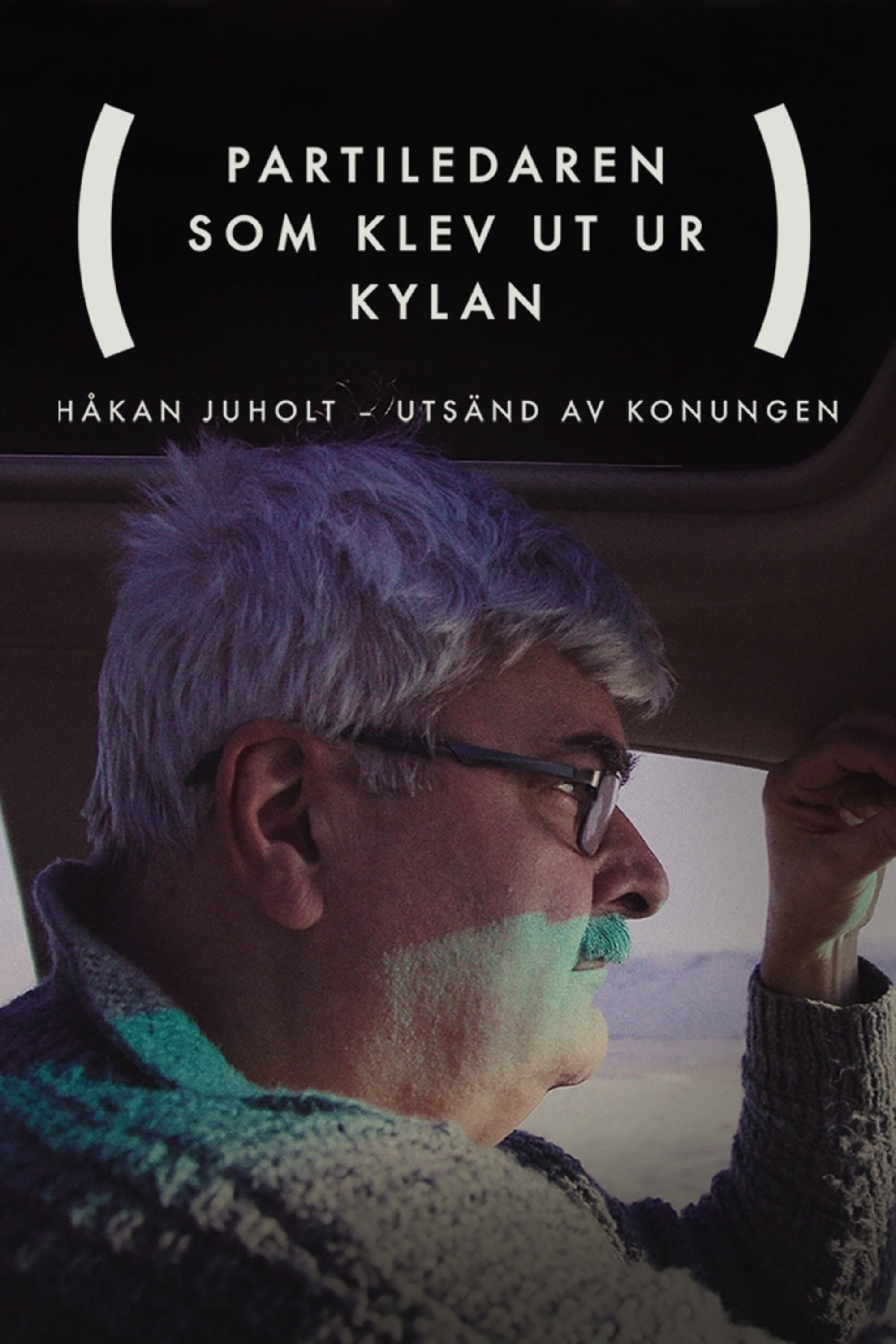
Håkan Juholt came from the reserve bench and became captain of the whole team. A high-stakes bet that hardly anyone had dared to bet on. But after only 303 days, Håkan Juholt's time as party leader for the Social Democrats was over.
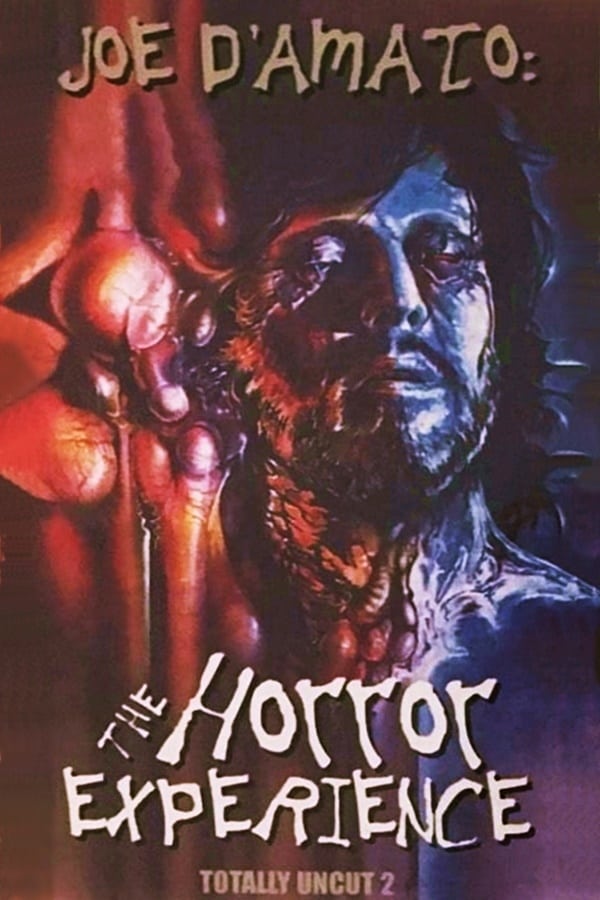
Documentary on various horror movies that Joe D'Amato directed and/or produced in the 1970's, 1980's, and early 1990's.
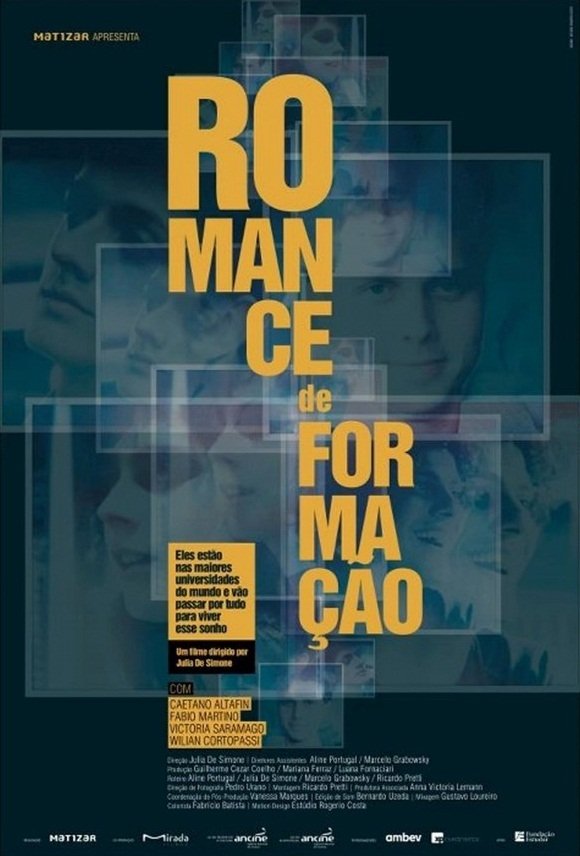
Bildungsroman follows young people who carry with them the responsibility of growing up within great academic institutions. Four students live out their dreams and desires for a fulfilling life and profession on a daily basis. Along the way, they achieve many things and leave behind many illusions.
The complete series of documentaries about the events of World War II + film NUREMBERG. - Nazism and the conquests of the Germans (140 min): Escalation of war, which starts with the advent of Nazism and Hitler's expansionist ambitions. The causes immense tragedy turn into facts with declarations of war of the Germans and the occupation of France. - The Soviet resistance and the Japanese rule (155 min): The conflict comes alive with the fierce battles on the Russian front and the siege of Stalingrad. Across the world, the Japanese took control of the Asian region, up to the attack on Pearl Harbor. - The fall of fascism and the landing in Normandy (151 min): In Italy the armistice was signed and the country is split in two. On the one hand the Americans liberators, on the other hand the German occupation and the partisan struggle. - Auschwitz - Kamikaze - Atomic Bombs (75 min): Attacked on several fronts, the Germans collapse, showing the world the horror of the extermination camps.
The actors of Avanzi reunite after 15 years in Su Pallosu, a small village in Sardinia. They have decided to put together a show to support the cause of the local fishermen who are having great difficulty because of fish depopulation.
THE ARYANS is Mo Asumang's personal journey into the madness of racism during which she meets German neo-Nazis, the US leading racist, the notorious Tom Metzger and Ku Klux Klan members in the alarming twilight of the Midwest. In The ARYANS Mo questions the completely wrong interpretation of "Aryanism" - a phenomenon of the tall, blond and blue-eyed master race.
Documentary short showcasing the genius of jazz greats Coleman Hawkins, Roy Eldridge, Cozy Cole, and Milt Hinton, among others.
After a quarter-century of political denial and social stigma, of stunning scientific breakthroughs, bitter policy battles and inadequate prevention campaigns, HIV/AIDS continues to spread rapidly throughout much of the world. Through interviews with AIDS researchers, world leaders, activists, and patients, FRONTLINE investigates the science, politics, and human cost of this fateful disease and asks: What are the lessons of the past, and what can be done to stop AIDS?
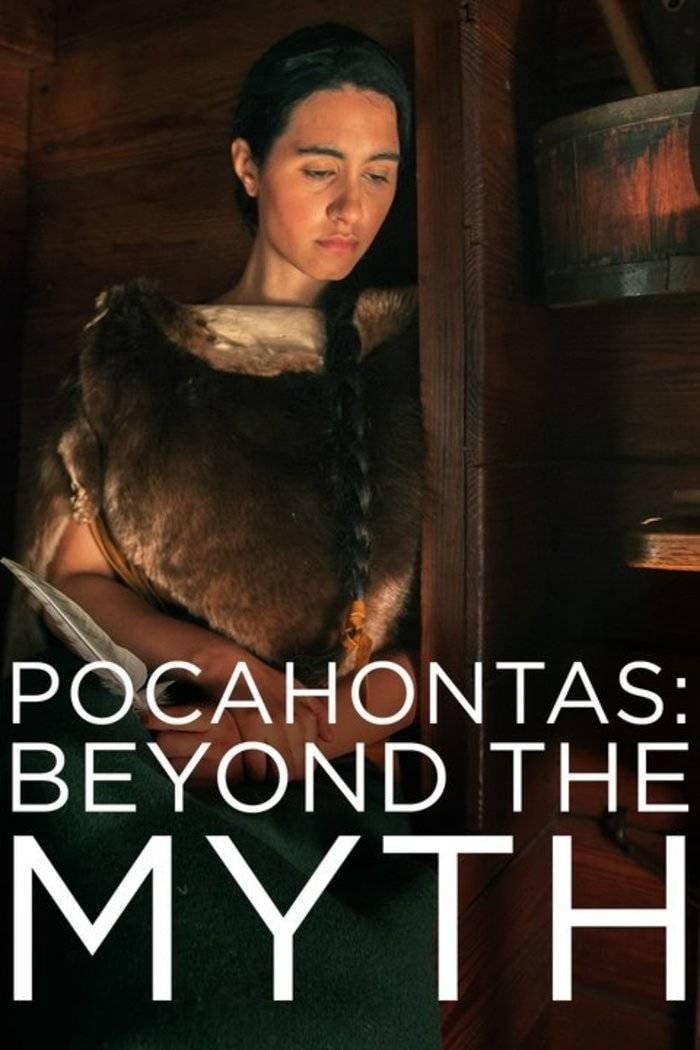
The story of Pocahontas has been passed down through the centuries. Her relationship with John Smith has been characterized as a romance that united two cultures and created lasting peace. However, the life of this American Indian princess was anything but a fairytale. Join us as we look beyond the fiction and reveal the real story of Pocahontas, a tale of kidnapping, conflict, starvation, ocean journeys, and the future of an entire civilization.
The remarkable true story of Michael Cohen, a charlatan art dealer who swindled over $50 million from the art establishment before going on the run.
In the wake of the hottest year on record, the Coalition of Immokalee Workers (CIW) and WeCount! are pursuing different strategies to secure heat protections for Florida's outdoor laborers. As lawmakers move to block new regulations, the groups are coming together through CIW's Worker-driven Social Responsibility model (WSR) to expand enforceable protections across the state's fields and nurseries.
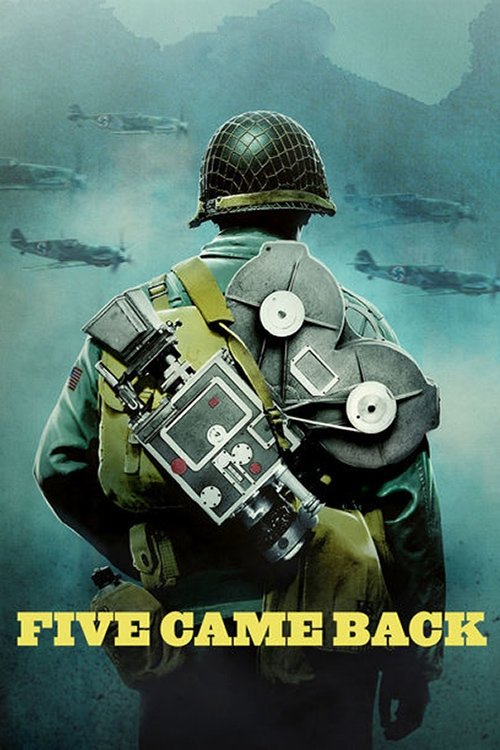
The extraordinary story of how Hollywood changed World War II – and how World War II changed Hollywood, through the interwoven experiences of five legendary filmmakers who went to war to serve their country and bring the truth to the American people: John Ford, William Wyler, John Huston, Frank Capra, and George Stevens. Based on Mark Harris’ best-selling book, “Five Came Back: A Story of Hollywood and the Second World War.”
Remarkable life story of Henri Diamant-Berger, a director and screenwriter whose devotion to cinema led him to collaborate with some of the greatest actors and filmmakers of his time.
Directed by Marianne Chaud
When confronted with their lingerie factory (Starissima) going bankrupt, the employees attempt to take it over by forming a cooperative. Soon questions about fundamental economic and social issues pop up amidst the bras and panties. Through this adventure together they discover a new freedom.
Lisbon's lost and found items.
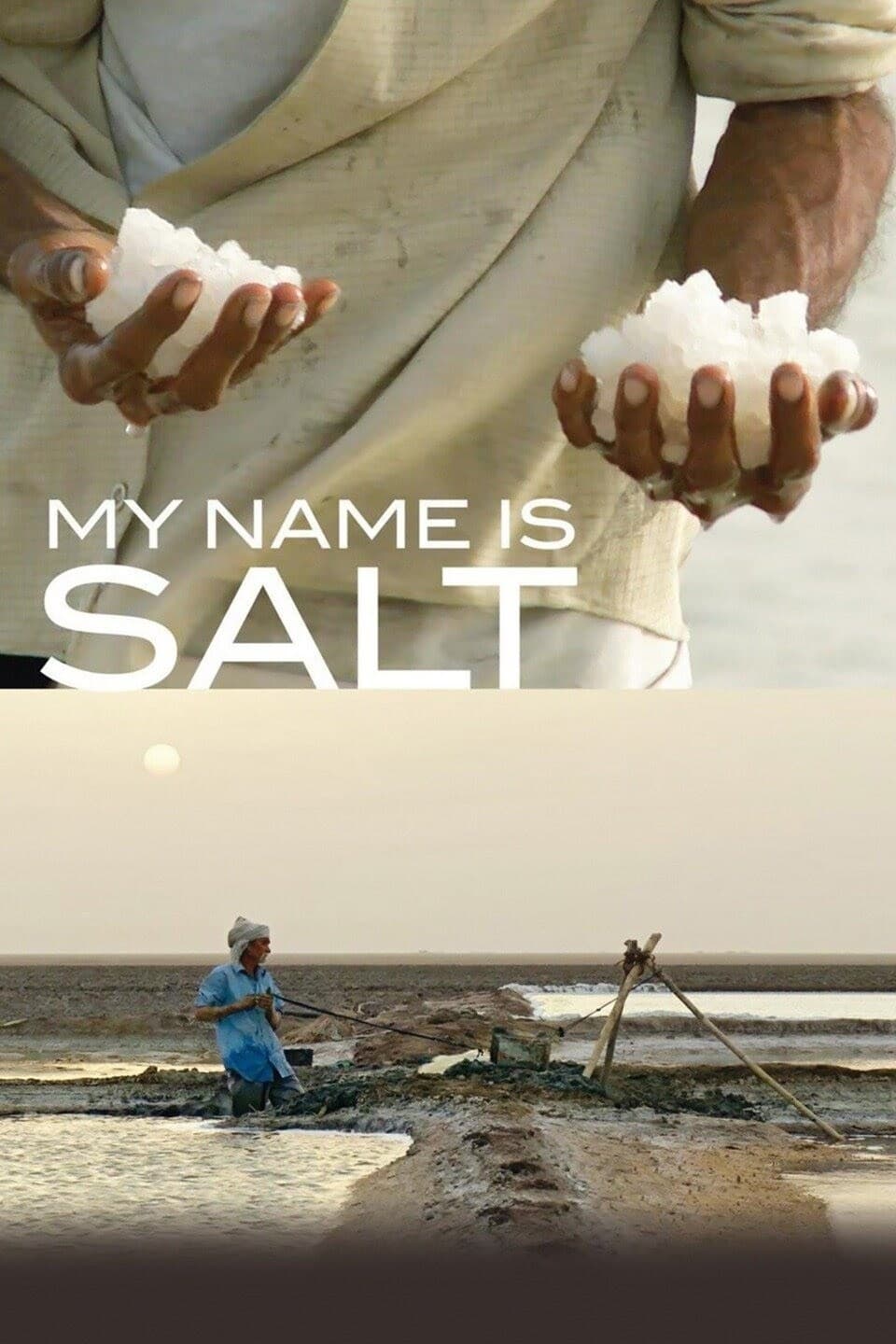
Year after year, just after the monsoon season has finished, thousands of families travel to a bleak desert in Gujerat, India, where they will stay for an endless eight months and extract salt from the earth, using the same painstaking, manual techniques as generations before them. Director Farida Pacha spent a season with one of these families, observing the very particular rhythms of their lives.
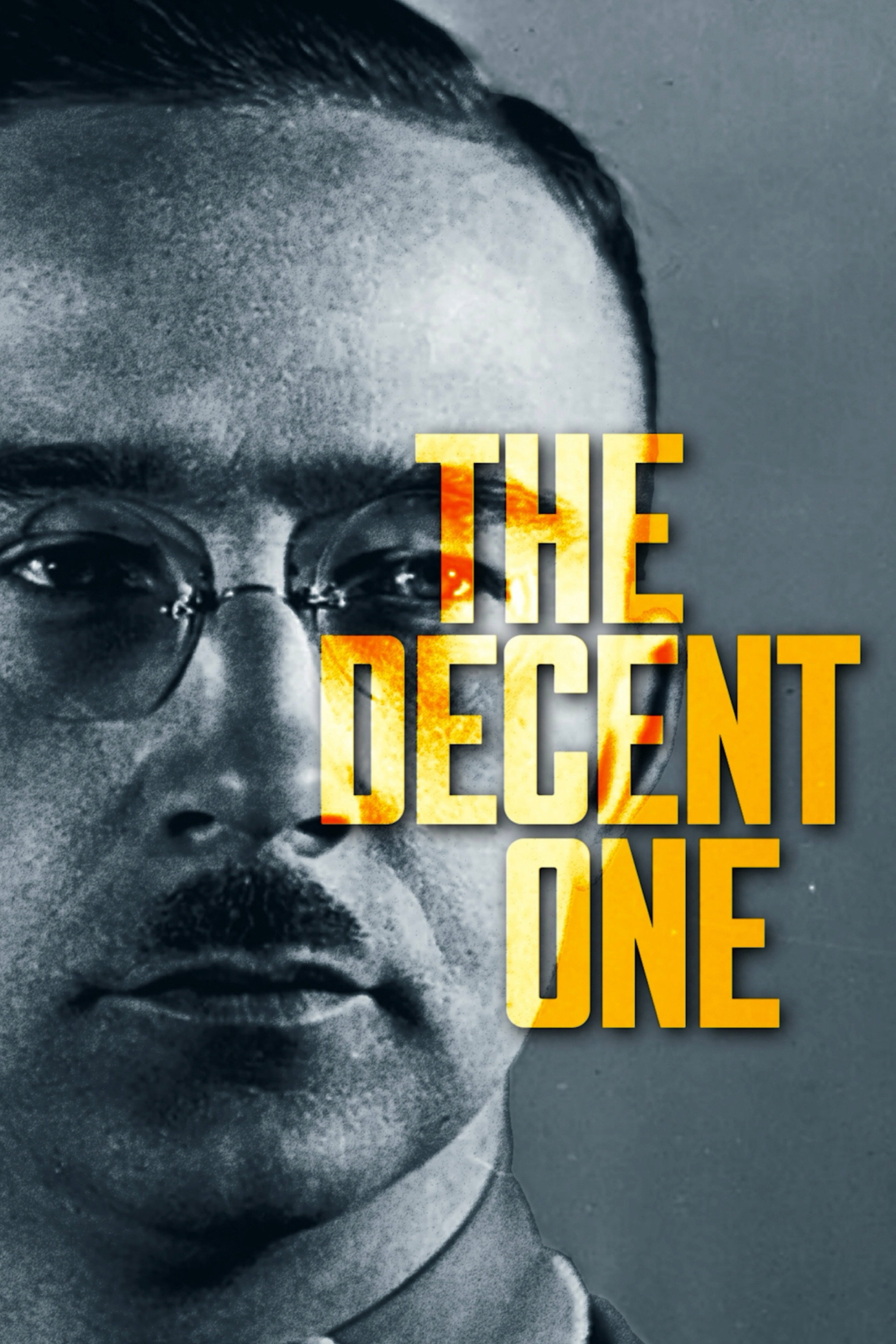
Through previously undiscovered private letters, photos and diaries that were found in the Himmler family house in 1945, the "The Decent One" exposes a unique and at times uncomfortable access to the life and mind of the merciless "Architect of the Final Solution" Heinrich Himmler.
Ismini (13) often stays over for the night at the house of Komal (12), her neighbor and closest friend. Their friendship has been solid since they were 3. In the year that they will change more than ever, physically and mentally, we are present at their pajamas parties. They are both convinced that nothing will ever change between them. We experience that year as one intimate film night in which they develop from girls into women. Does their friendship change along?
Filmed at the end of Taylor Swift's record-breaking Eras Tour in Vancouver, B.C., this complete, in-depth 45-song concert includes the complete 'The Tortured Poets Department' set and special mashups.
Since the late 18th century American legal decision that the business corporation organizational model is legally a person, it has become a dominant economic, political and social force around the globe. This film takes an in-depth psychological examination of the organization model through various case studies. What the study illustrates is that in the its behaviour, this type of "person" typically acts like a dangerously destructive psychopath without conscience. Furthermore, we see the profound threat this psychopath has for our world and our future, but also how the people with courage, intelligence and determination can do to stop it.
While in San Francisco for the promotion of her last film in October 1967, Agnès Varda, tipped by her friend Tom Luddy, gets to know a relative she had never heard of before, Jean Varda, nicknamed "Yanco". This hitherto unknown uncle lives on a boat in Sausalito, is a painter, has adopted a hippie lifestyle and loves life. The meeting is a very happy one.
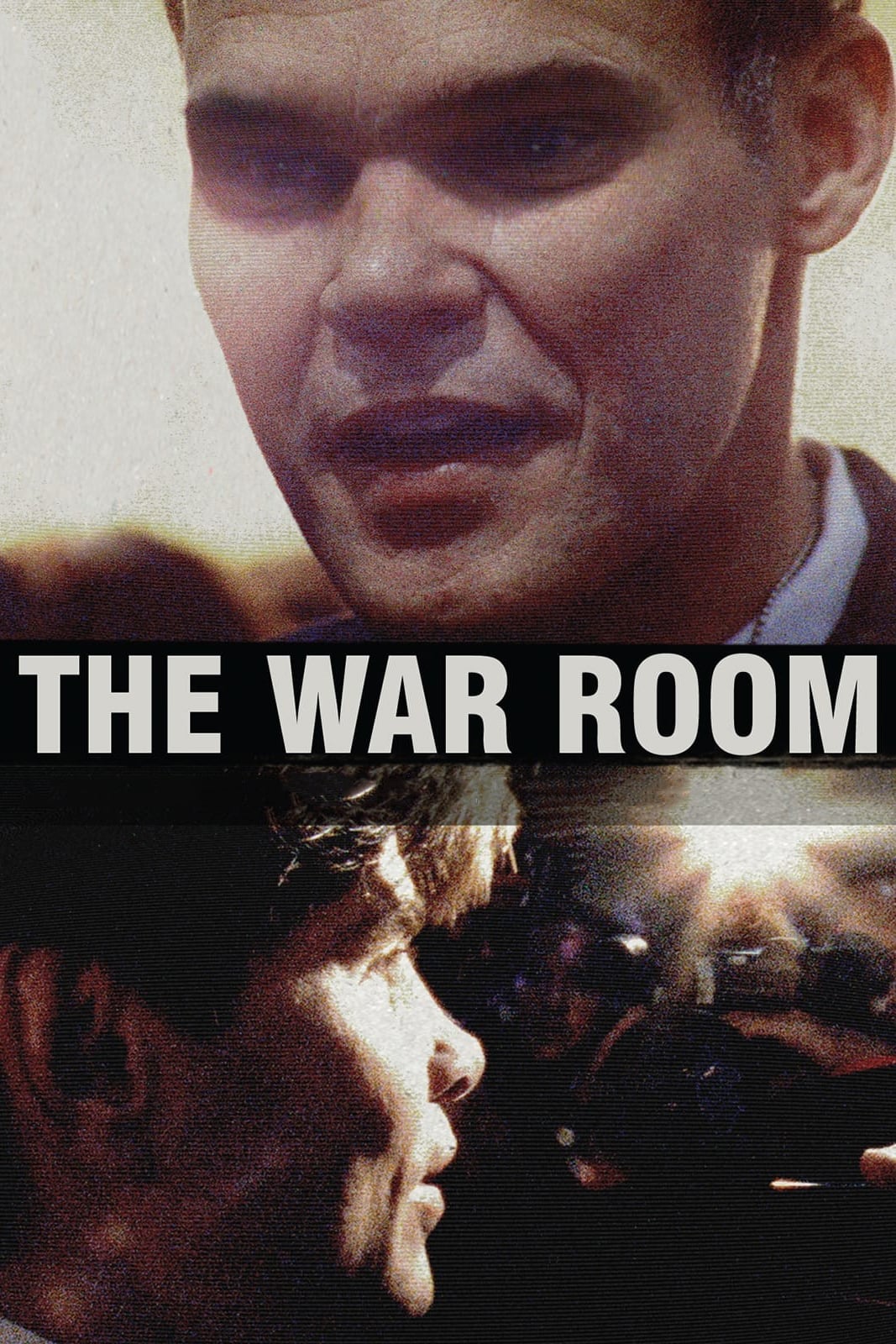
A behind-the-scenes documentary about the Clinton for President campaign, focusing on the adventures of spin doctors James Carville and George Stephanopoulos.
14-year-old Laura Dekker sets out on a two-year voyage in pursuit of her dream to become the youngest person ever to sail around the world alone.
Captured during Billie Eilish's sold-out world tour, a concert experience from one of the most celebrated and successful artists of her generation, presented in immersive 3D.
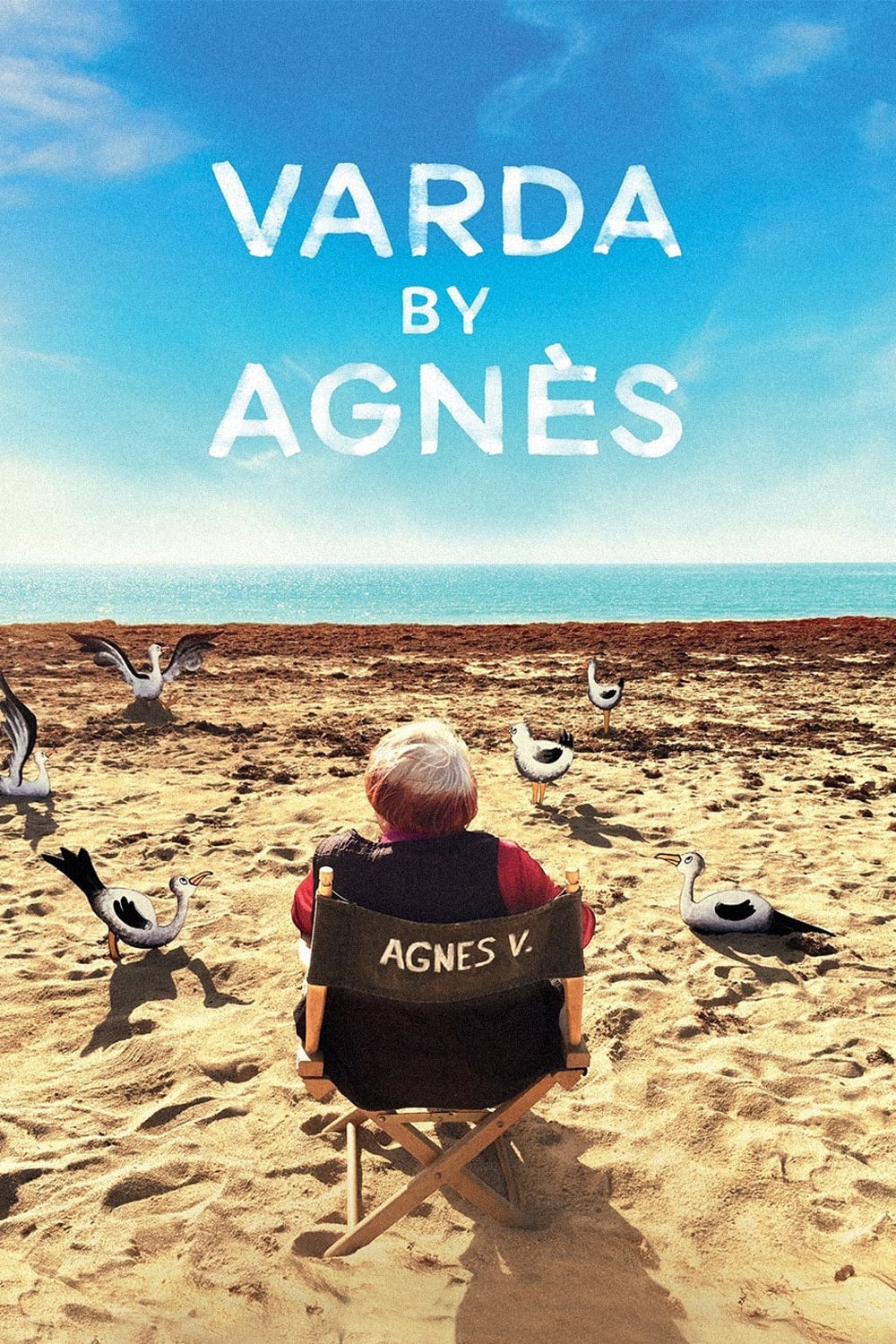
An unpredictable documentary from a fascinating storyteller, Agnès Varda’s last film sheds light on her experience as a director, bringing a personal insight to what she calls "cine-writing," traveling from Rue Daguerre in Paris to Los Angeles and Beijing.
When a feminist filmmaker sets out to document the mysterious and polarizing world of the Men’s Rights Movement, she begins to question her own beliefs. Chronicling Cassie Jaye’s journey exploring an alternate perspective on gender equality, power and privilege.
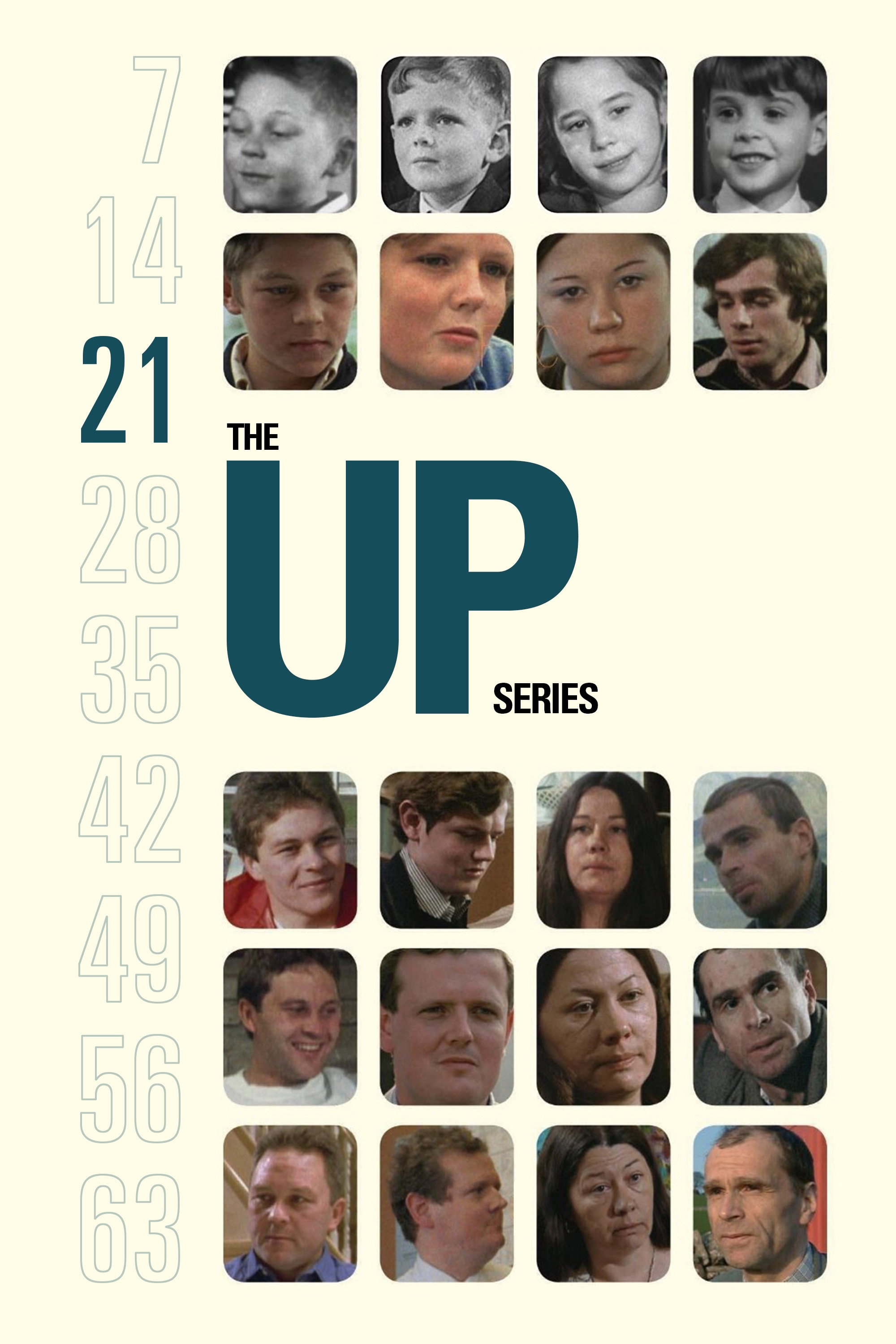
Director Michael Apted revisits the same group of British-born adults after a 7 year wait. The subjects are interviewed as to the changes that have occurred in their lives during the last seven years.
The film is based on interviews with 2,000 women from 50 countries, and covers the status of women all over the world. The topics covered include forced marriages, sexual assault, female genital mutilation, acid attacks, motherhood, sexuality, menstruation, education and the professional success of women.
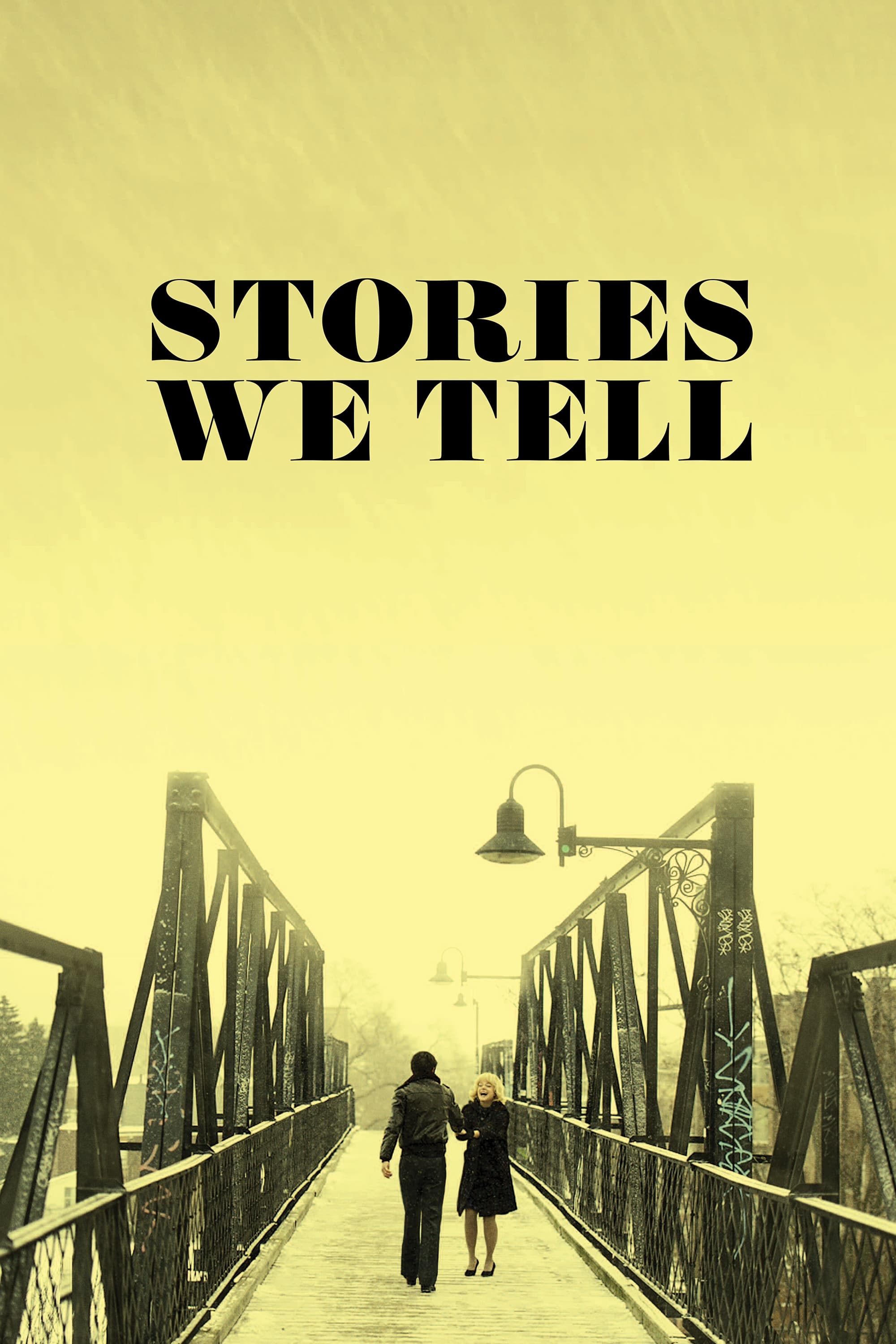
Canadian actress and filmmaker Sarah Polley investigates certain secrets related to her mother, interviewing a group of family members and friends whose reliability varies depending on their implication in the events, which are remembered in different ways; so a trail of questions remains to be answered, because memory is always changing and the discovery of truth often depends on who is telling the tale.
After another 7 year wait, director Michael Apted revisits the same group of British-born children from Seven Up! and 7 Plus Seven. The subjects are interviewed as to the changes that have occurred in their lives during the last seven years.
The film follows adventurer Jeff Johnson as he retraces the epic 1968 journey of his heroes Yvon Chouinard and Doug Tompkins to Patagonia.
From a prolific career in film and television, Anton Yelchin left an indelible legacy as an actor. Through his journals and other writings, his photography, the original music he wrote, and interviews with his family, friends, and colleagues, this film looks not just at Anton's impressive career, but at a broader portrait of the man.
In 1964, Henri-Georges Clouzot's production of L'Enfer came to a halt. Despite huge expectations, major studio backing and an unlimited budget, after three weeks the production collapsed. This documentary presents Inferno's incredible expressionistic original rushes, screen tests, and on-location footage, whilst also reconstructing Clouzot's original vision, and shedding light on the ill-fated endeavor through interviews, dramatizations of unfilmed scenes, and Clouzot's own notes.
The Captains is a feature-length documentary film written and directed by William Shatner. The film follows Shatner as he interviews the other actors who have portrayed starship captains in the Star Trek franchise.
A behind-the-scenes documentary about the recording of Aretha Franklin's best-selling album finally sees the light of day more than four decades after the original footage was shot.
This special explores the return of Obi-Wan Kenobi and Anakin Skywalker to the screen, as well as Ewan McGregor and Hayden Christensen to their classic roles. Director Deborah Chow leads the cast and crew as they create new heroes and villains that live alongside new incarnations of beloved Star Wars characters, and an epic story that dramatically bridges the saga films.
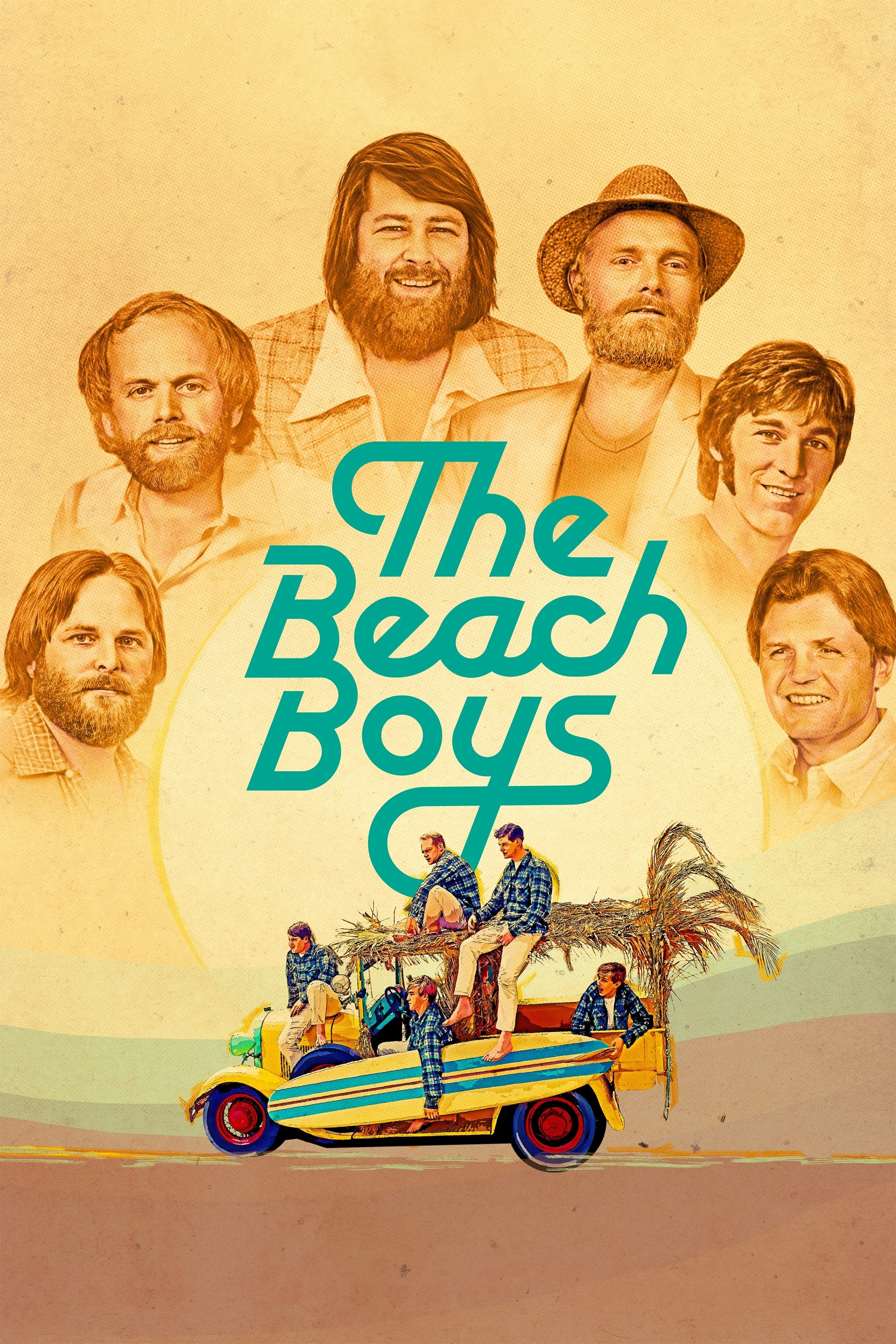
A celebration of the legendary band that revolutionized pop music, and the iconic, harmonious sound they created that personified the California dream, captivating fans for generations and generations to come.