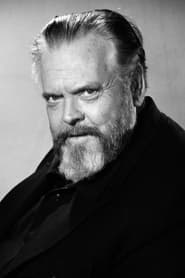
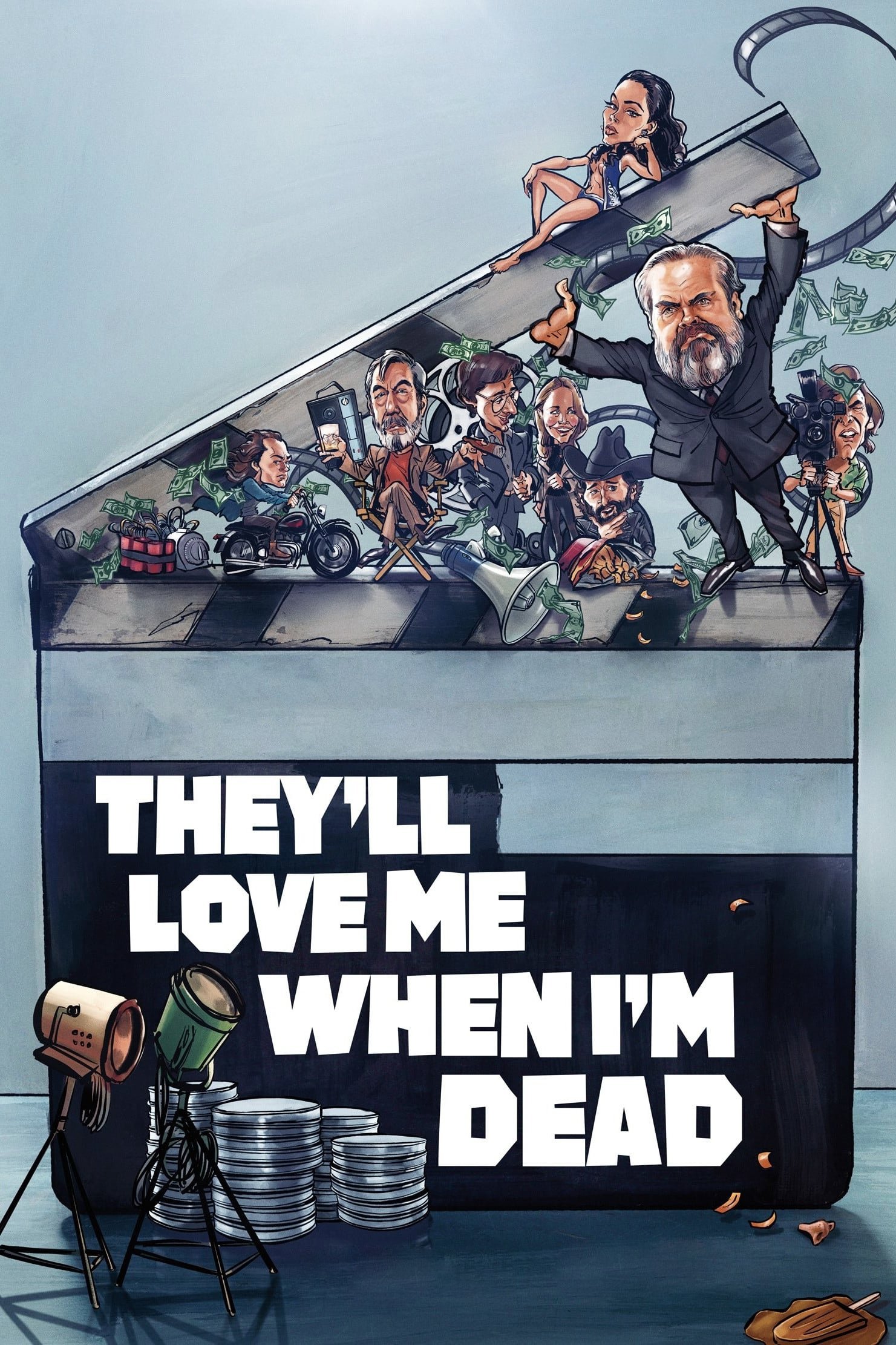
Misunderstood genius, superstar, Hollywood’s fallen angel... Orson Welles left his indelible mark on the 20th century.
Social & External
The people behind it
Peter Bogdanovich
Self
Martin Scorsese
Henry Jaglom
Orson Welles
Christopher Welles
Joseph McBride
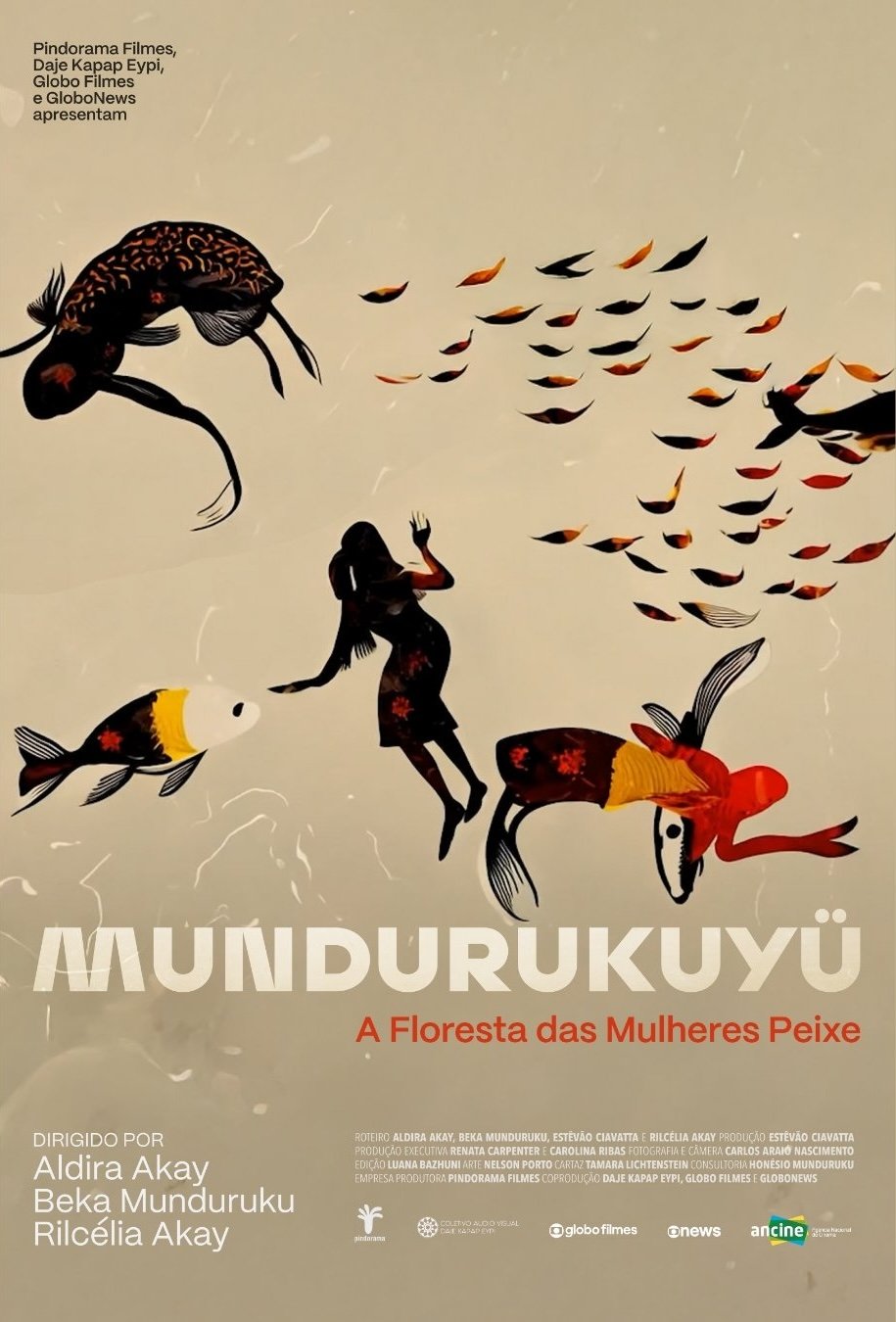
Using the camera as a weapon to defend their ancestral land in Brazil, three women of the Daje Kapap Eypi audiovisual collective lovingly record their Munduruku traditions and their mythology of humans transforming into forest plants and animals.
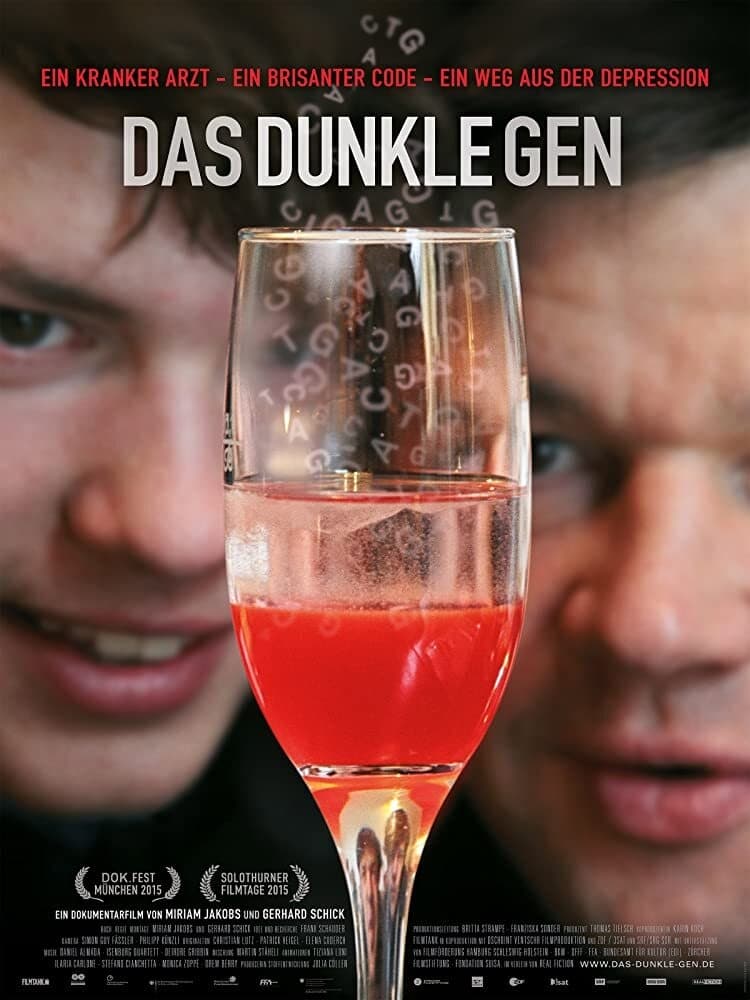
The film tells a very personal story from two perspectives: our protagonist is both doctor and patient. As a patient, he has struggled with recurring depression for years, and as a doctor he wants to find out why. The search for the origins of his illness leads him into the realm of his own genes and casts light on the fundamental changes facing modern society as a result of the tremendous progress being made in the field of genetic sequencing. Along the way, he meets a host of people – researchers, artists, visionaries – who have developed their own very individual approach to genetic coding and are drawing attention to the social significance of genetic technology. The film does not restrict itself to a scientific view of the subject but also makes use of artistic visions and more playful approaches to genetic blueprints.
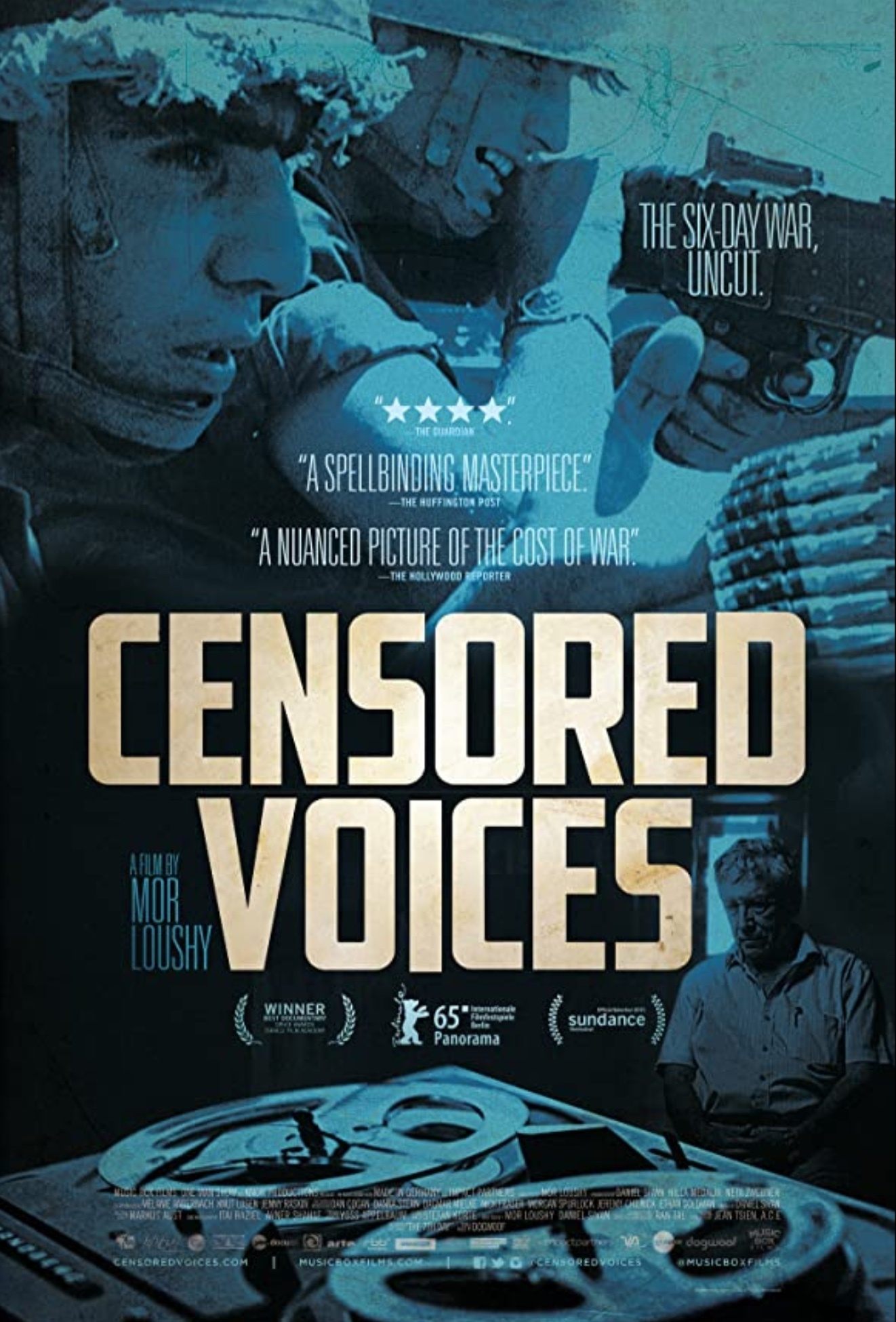
The 1967 'Six-Day' war ended with Israel's decisive victory; conquering Jerusalem, Gaza, Sinai and the West Bank. It is a war portrayed, to this day, as a righteous undertaking - a radiant emblem of Jewish pride. One week after the war, a group of young kibbutzniks, led by renowned author Amos Oz, recorded intimate conversations with soldiers returning from the battlefield. The recording revealed an honest look at the moment Israel turned from David to Goliath. The Israeli army censored the recordings, allowing the kibbutzniks to publish only a fragment of the conversations. 'Censored Voices' reveals the original recordings for the first time.
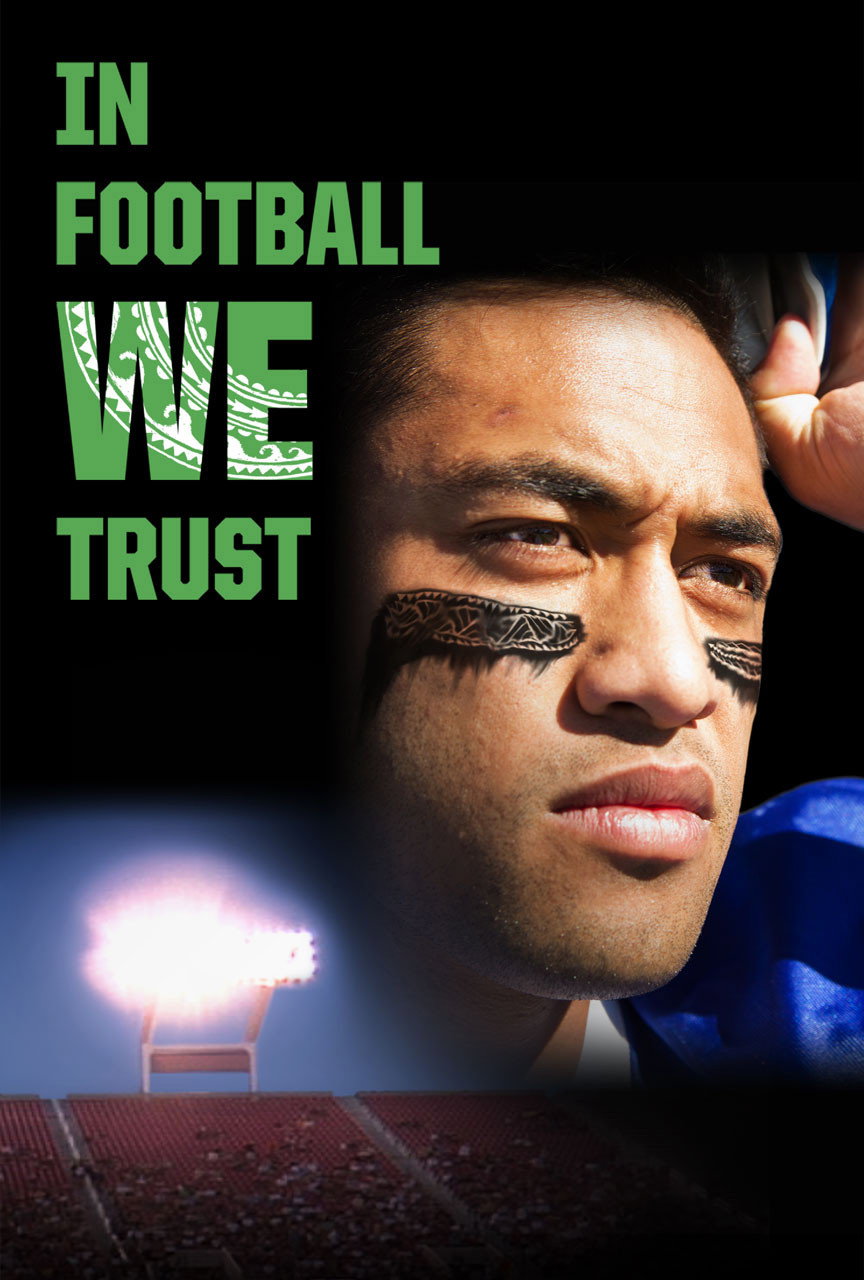
‘In Football We Trust’ captures a snapshot in time amid the rise of the Pacific Islander presence in the NFL. Presenting a new take on the American immigrant story, this feature length documentary transports viewers deep inside the tightly-knit Polynesian community in Salt Lake City, Utah. With unprecedented access and shot over a four-year time period, the film intimately portrays four young Polynesian men striving to overcome gang violence and near poverty through American football. Viewed as the "salvation" for their families, these young players reveal the culture clash they experience as they transform out of their adolescence and into the high stakes world of collegiate recruiting and rigors of societal expectations.
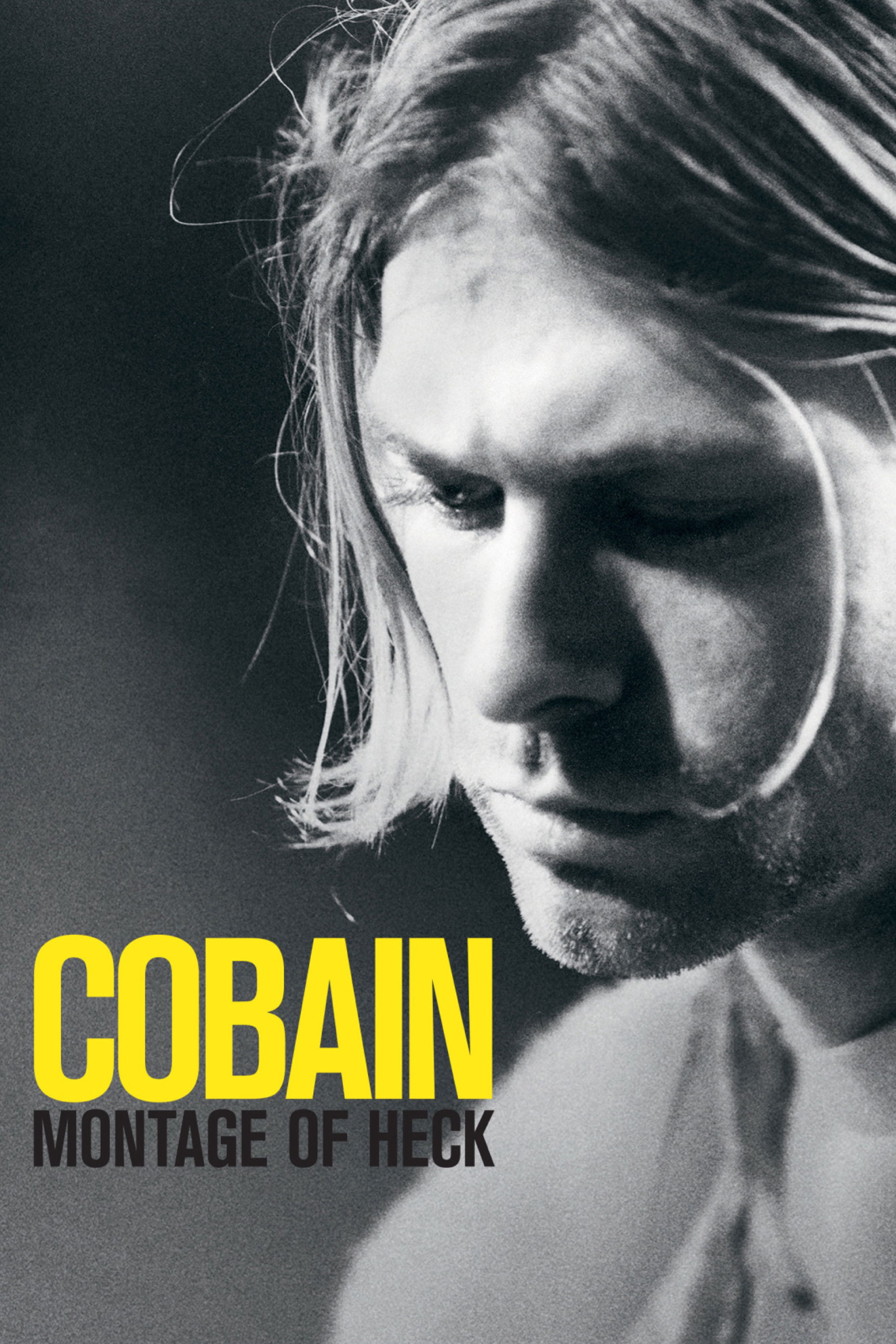
Hailed as one of the most innovative and intimate documentaries of all time, experience Kurt Cobain like never before in the only ever fully authorized portrait of the famed music icon. Academy Award nominated filmmaker Brett Morgen expertly blends Cobain's personal archive of art, music, never seen before movies, animation and revelatory interviews from his family and closest friends.
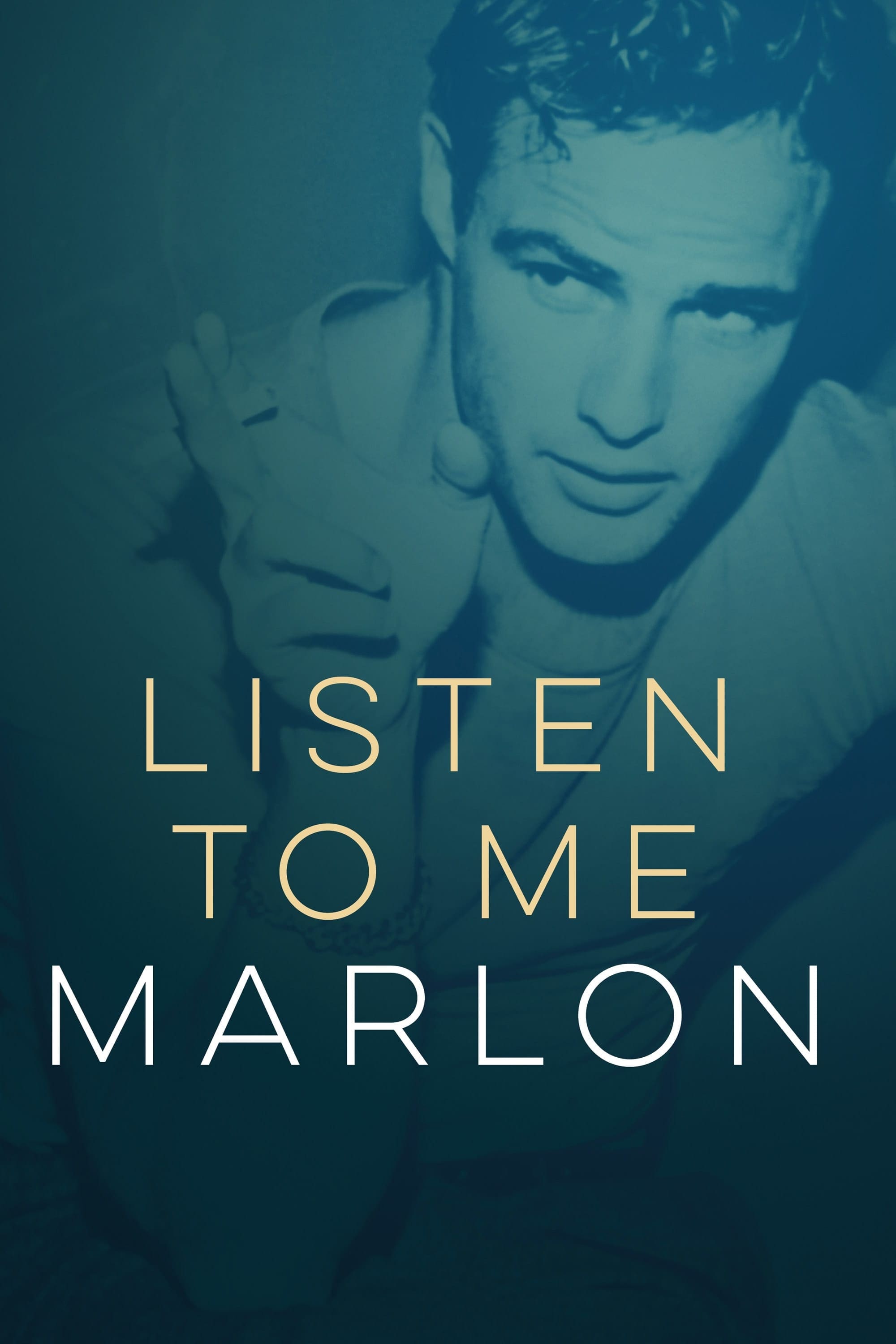
With exclusive access to his extraordinary unseen and unheard personal archive including hundreds of hours of audio recorded over the course of his life, this is the definitive Marlon Brando cinema documentary. Charting his exceptional career as an actor and his extraordinary life away from the stage and screen with Brando himself as your guide, the film will fully explore the complexities of the man by telling the story uniquely from Marlon's perspective, entirely in his own voice. No talking heads, no interviewees, just Brando on Brando and life.
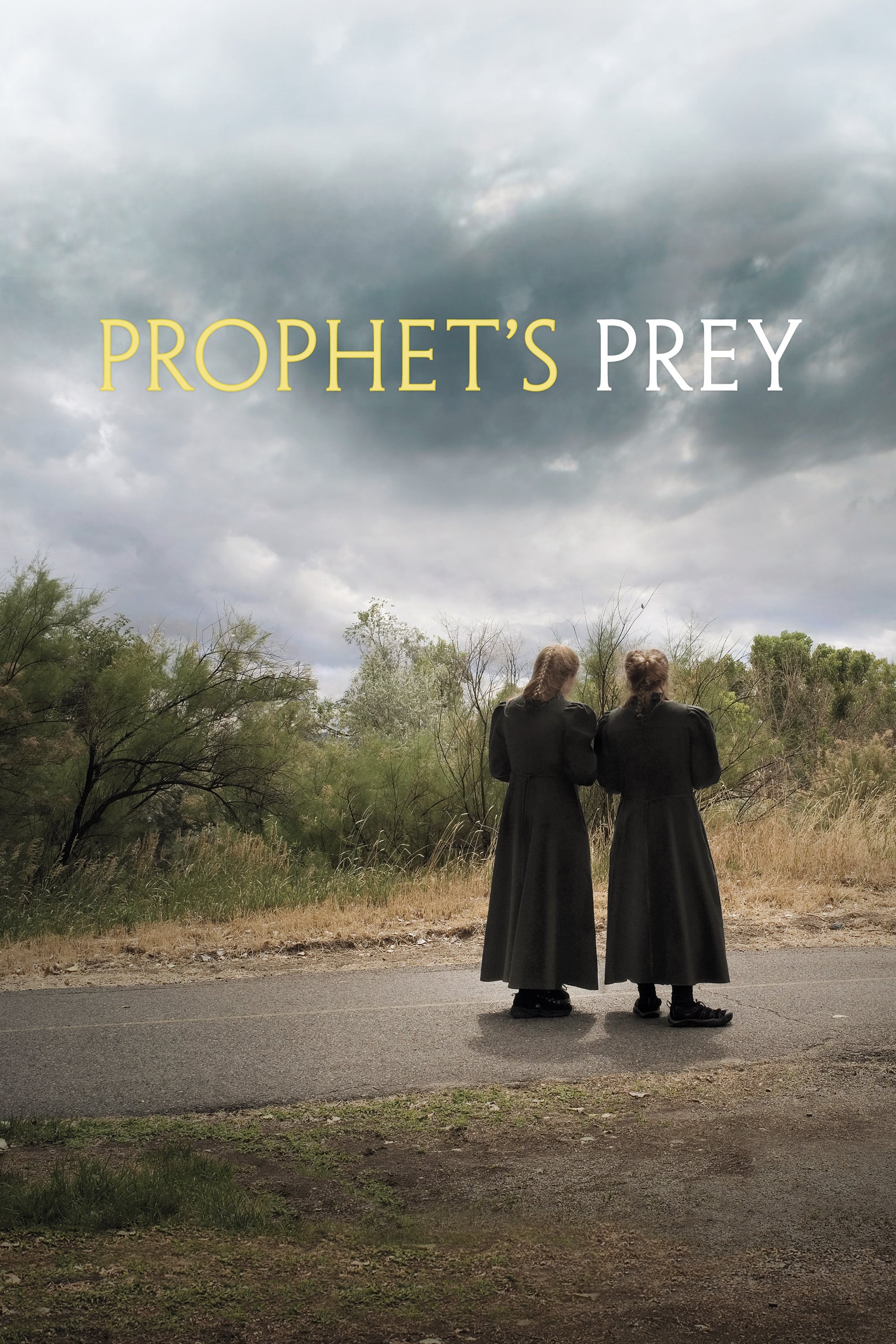
Filmmaker Amy Berg sheds light on the sexual, financial and spiritual abuses heaped upon members of the Fundamentalist Church of Jesus Christ of Latter-day Saints by their former leader, Warren Jeffs.
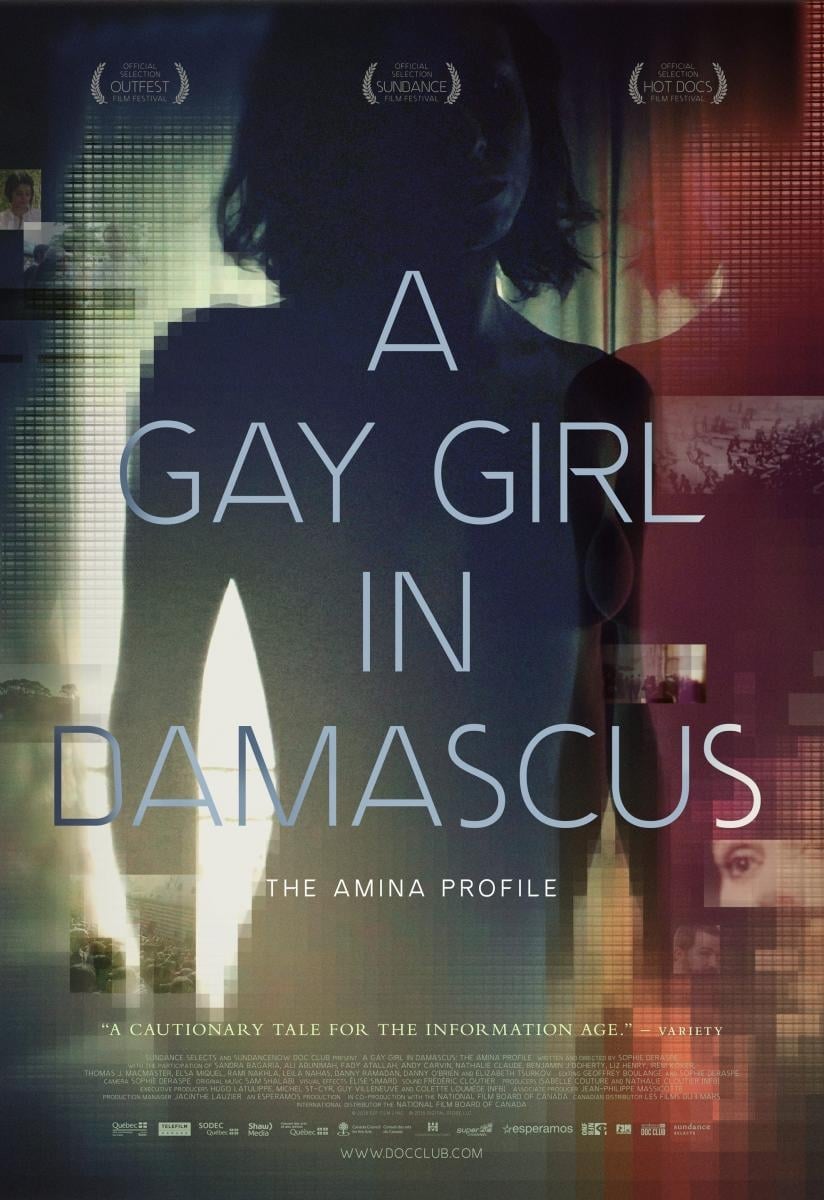
There is no indication that this typical online flirtation between two strangers would turn into a case of shocking international intrigue. For months, Sandra in Montreal and Amina, a Syrian-American, bond romantically and intellectually. Encouraged by Sandra, Amina launches a blog called "A Gay Girl in Damascus," representing a marginalized voice in the Middle East on politics, religion, and sexuality. Rapidly garnering worldwide attention, Amina becomes something of a star blogger. But when Syria enters the Arab uprising of 2011, Sandra receives word that Amina has been kidnapped, and soon the search for Amina becomes a global concern and an even larger mystery to solve.
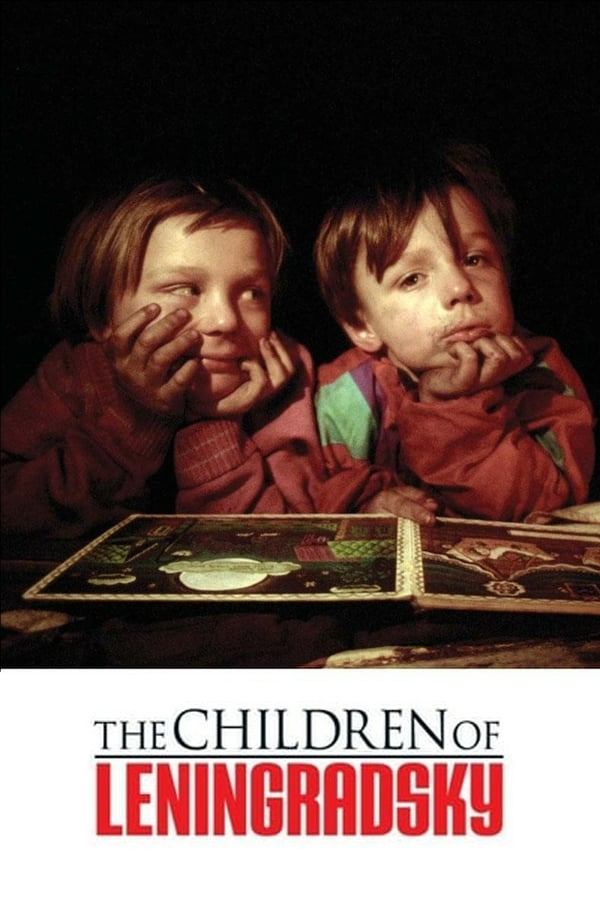
Since the fall of the Iron Curtain an estimated four million children have found themselves living on the streets in the former countries of the Soviet Union. In the streets of Moscow alone there are over 30,000 surviving in this manner at the present time. The makers of the documentary film concentrated on a community of homeless children living hand to mouth in the Moscow train station Leningradsky. Eight-year-old Sasha, eleven-year-old Kristina, thirteen-year-old Misha and ten-year-old Andrej all dream of living in a communal home. They spend winter nights trying to stay warm by huddling together on hot water pipes and most of their days are spent begging. Andrej has found himself here because of disagreements with his family. Kristina was driven into this way of life by the hatred of her stepmother and twelve-year-old Roma by the regular beatings he received from his constantly drunk father. "When it is worst, we try to make money for food by prostitution," admits ...
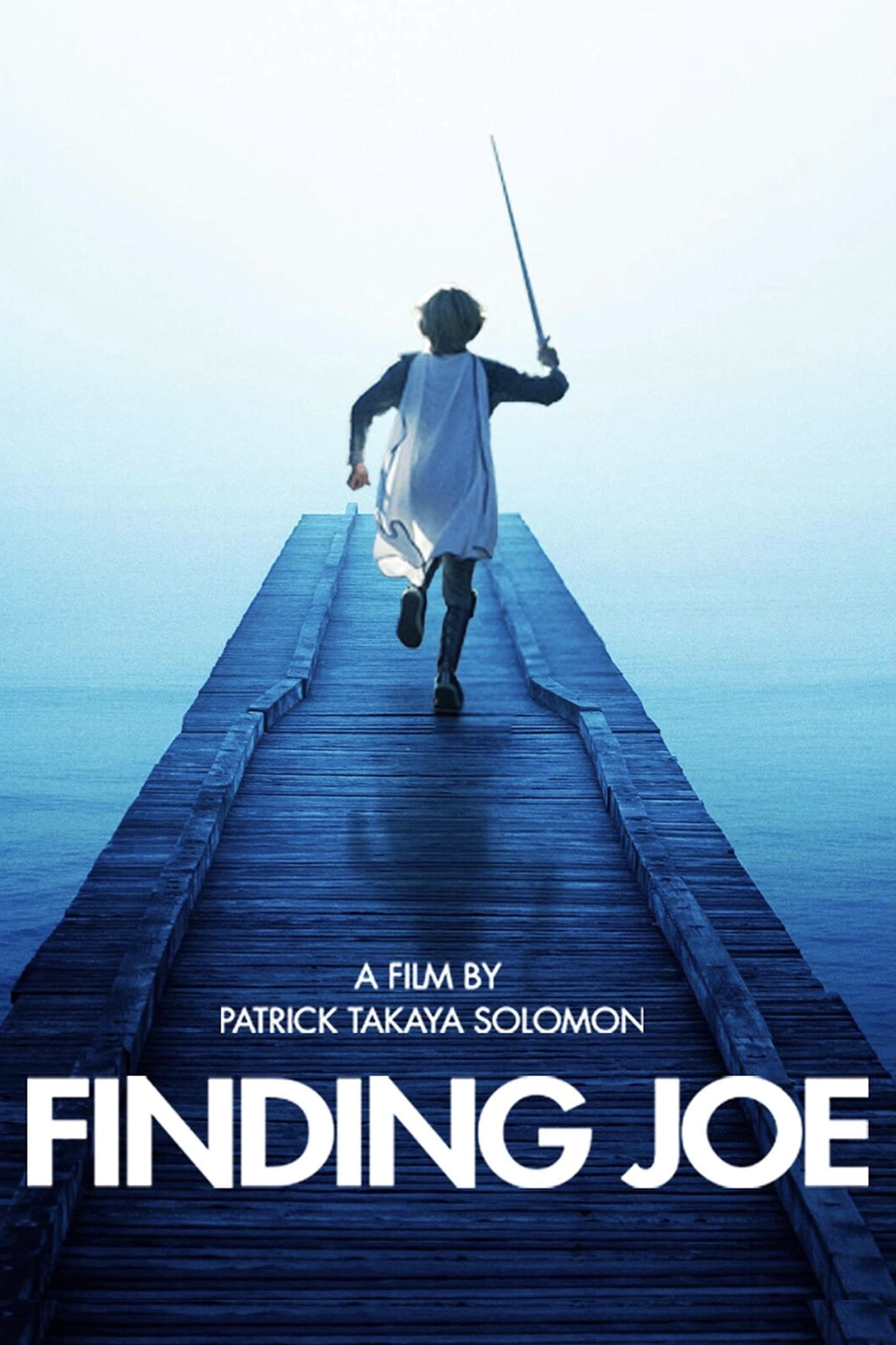
Finding Joe is an exploration of the studies of mythologist Joseph Campbell, and of their continuing influence on our culture. Through interviews with visionaries from a variety of fields—interwoven with enactments of classic tales by a sweet and motley group of kids—the film navigates the stages of what Campbell dubbed "the hero’s journey": the challenges, the fears, the dragons, the battles, and the return home as a changed person.
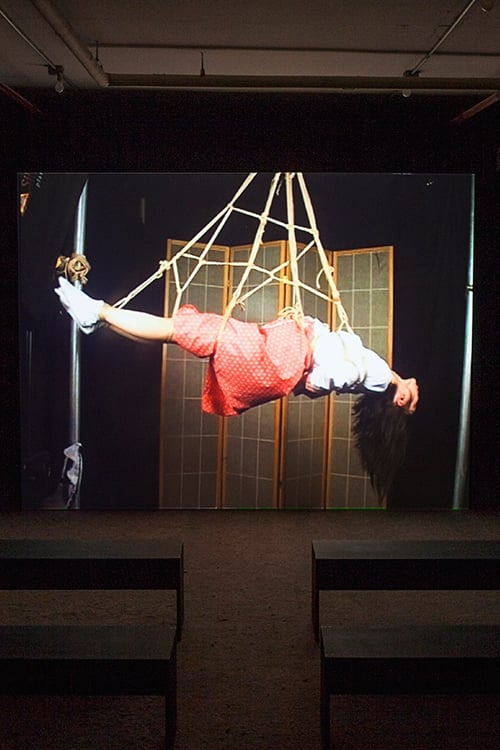
If all pictures became current, in that they pass by and in doing so, are connectable with one another, whether elegantly or obscenely, through translation or associationhow would it be possible to fasten down a picture? Hito Steyerls light-hearted picture translations are about fastening things in an elegant-obscene way: In Tokyo she is looking for a photo series that she posed for in 1987 as a rope bondage model. While making inquiries with experts and authorities in the bondage arts (which are mainly marketed online nowadays), she found what she was looking for in a magazine archive. The cinematic tension is extremely high just now says the translator while Steyerl looks through photos of herself from her days as a film student.
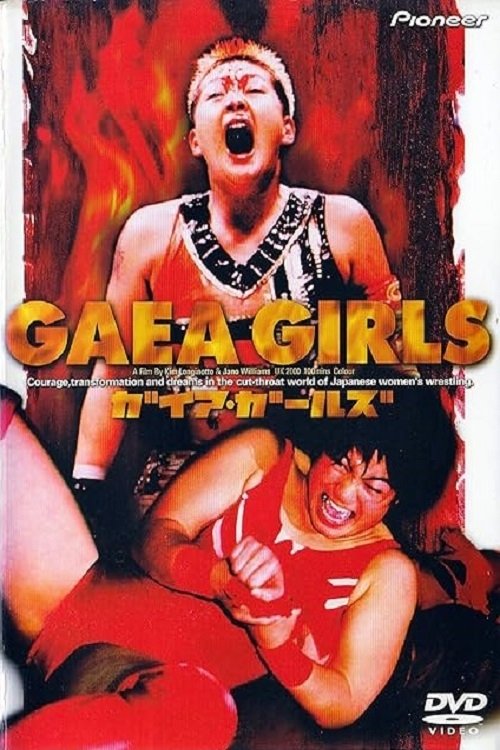
This fascinating documentary is based around the Japanese wrestling organisation Gaea's rural training camp, and traces, in the main, the careers of four hopefuls. In charge are two magnificent specimens, the butch champion Chigusa Nagayo, still venting her hurt at the hands of her army father as she tries to whip her surrogate daughters through the pain and commitment barriers; and her sophisticated and slightly menacing Chairman. It's a gruelling, physical film, as you would expect, but the makers don't make heavy weather of it. And it certainly disposes of any idea that the game is faked.
This documentary is set in the New Marilyn night club in Tokyo, Japan - where the hosts are transgender men. They can only make their living as hosts in a nightclub with other wannabes like them. The young women who come there often have relationships with them but the underlying fear is whether such a relationship can withstand the pressures on a girl to get married and have children. All three boys deal with this in different ways. These three hosts, the Shinjuku Boys, take us into their lives.
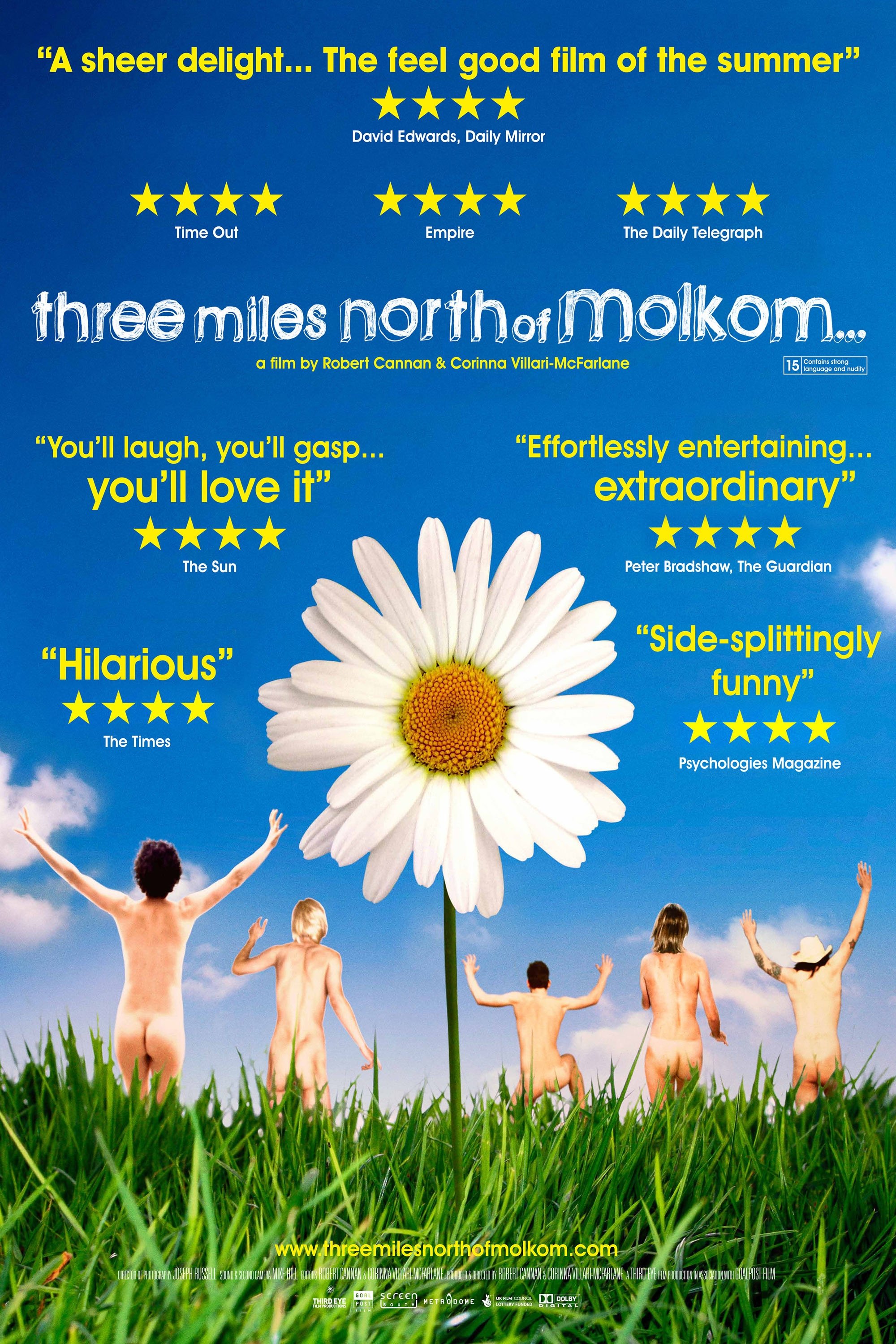
Three miles north of Molkom, hidden deep in the lakeside forests of Sweden, lies Ängsbacka, a 21st Century playground for adults. Once a year, their gates open to a thousand international participants, placed in 'Sharing Groups' at random. A Swedish celebrity, a Californian hippy, a Finnish grandmother and a back-packing Australian rugby coach, who stumbled on the wrong party, are amongst the group that take us on an unforgettably quirky, two-week emotional roller-coaster. Firewalking, Shamanism, Tantric Sex and myriad other physical, psychological and esoteric experiences, guide our unlikely heroes towards enlightenment, love, loathing and themselves. Will they ever be the same again?
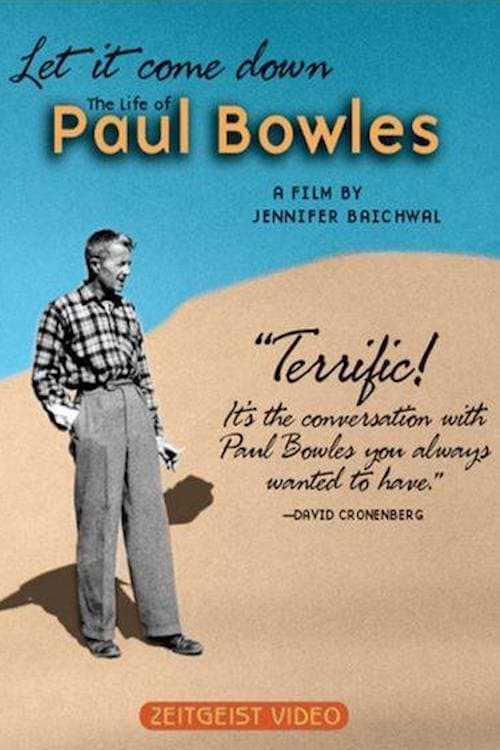
One of the most enigmatic artists of the 20th century, writer, composer and wanderer Paul Bowles (1910-1999) is profiled by a filmmaker who has been obsessed with his genius since age nineteen. Set against the dramatic landscape of North Africa, the mystery of Bowles (famed author of The Sheltering Sky) begins to unravel in Jennifer Baichwal's poetic and moving Let It Come Down: The Life of Paul Bowles. Rare, candid interviews with the reclusive Bowles--at home in Tangier, as well as in New York during an extraordinary final reunion with Allen Ginsberg and William Burroughs--are intercut with conflicting views of his supporters and detractors. At the time in his mid-eighties, Bowles speaks with unprecedented candor about his work, his controversial private life and his relationships with Gertrude Stein, Tennessee Williams, Truman Capote, the Beats, and his wife and fellow author Jane Bowles.
Nose and Tina are a couple in love. The film captures the domestic details of their life together and documents their hassles with work, money and the law. The unusual bit: He is employed as a brakeman, and she as a sex worker.
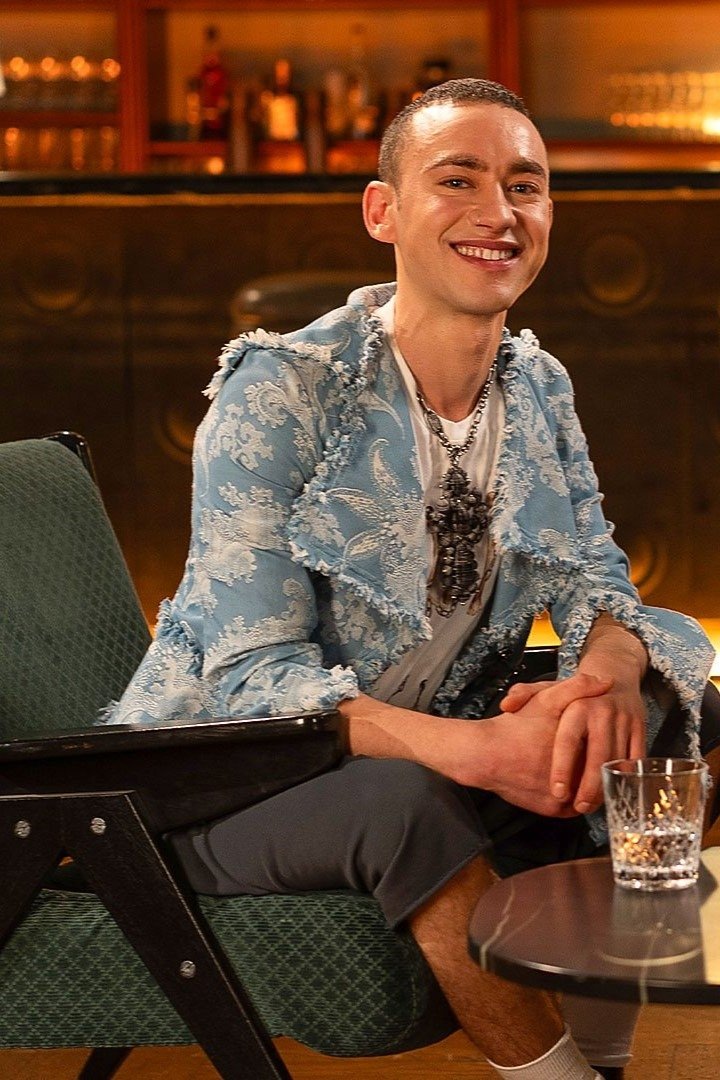
Olly Alexander is preparing to fulfil one of his biggest life ambitions - to represent the United Kingdom in the much-loved Eurovision Song Contest. Ahead of the grand final in May, Olly joins fellow Eurovision lover and commentator Graham Norton to talk candidly about competing in Sweden. As an extra treat for Eurovision fans, Olly reveals the first full play of the music video on TV for his Eurovision song Dizzy.
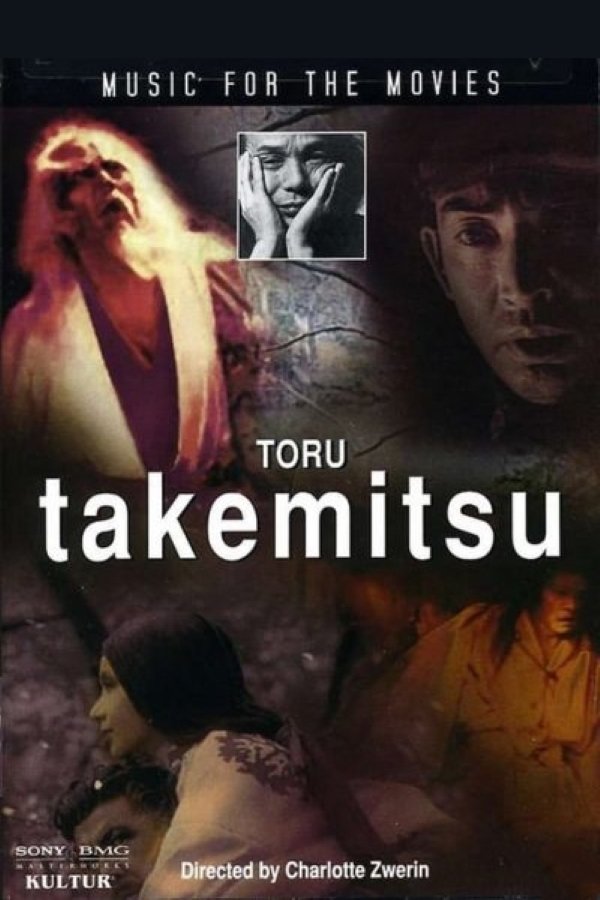
Inspired to write music after hearing the French song "Parlez-Moi d'Amour" during World War II, film composer Toru Takemitsu enjoyed a rich career working with many of Japanese cinema's greatest directors. Rarely interviewed filmmakers such as Hiroshi Teshigahara (Woman in the Dunes) and Masaki Kobayashi (Kaidan) expound on the varied sonic palettes Takemitsu left upon their works.
From a prolific career in film and television, Anton Yelchin left an indelible legacy as an actor. Through his journals and other writings, his photography, the original music he wrote, and interviews with his family, friends, and colleagues, this film looks not just at Anton's impressive career, but at a broader portrait of the man.
In her own words, through personal video and diaries, Pamela Anderson shares the story of her rise to fame, rocky romances and infamous sex tape scandal.
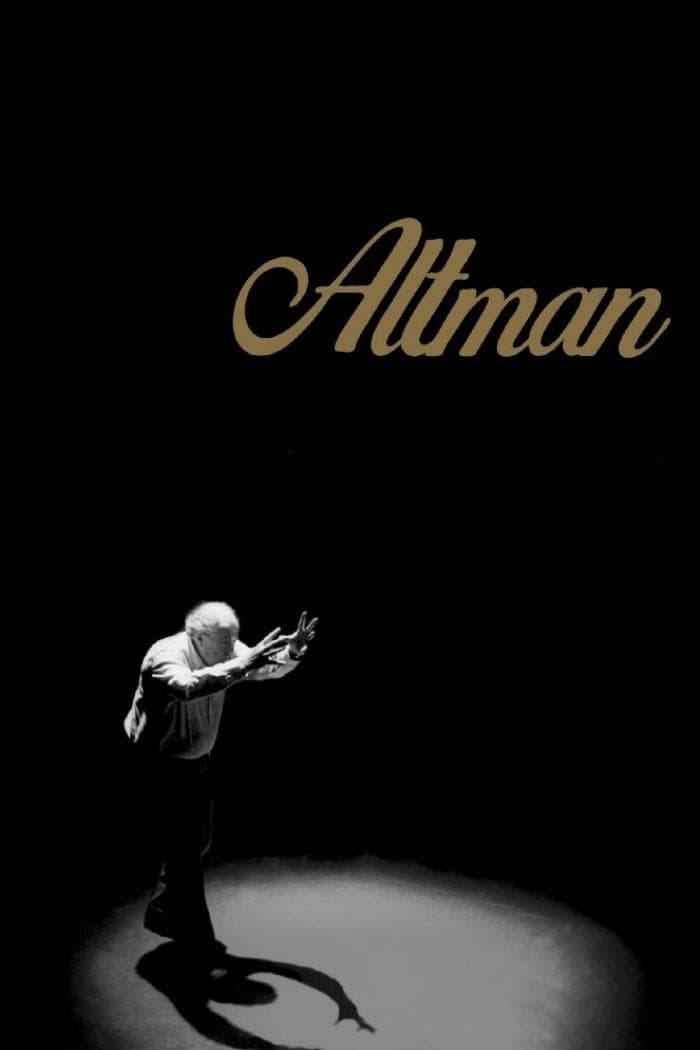
Robert Altman's life and career contained multitudes. This father of American independent cinema left an indelible mark, not merely on the evolution of his art form, but also on the western zeitgeist. With its use of rare interviews, representative film clips, archival images, and musings from his family and most recognizable collaborators, Altman is a dynamic and heartfelt mediation on an artist whose expression, passion and appetite knew few bounds.
Told through performances, TV interviews, home movies, family photographs, private letters and unpublished memoirs, the film reveals the essence of an extraordinary woman who rose from humble beginnings in New York City to become a glamorous international superstar and one of the greatest artists of all time.
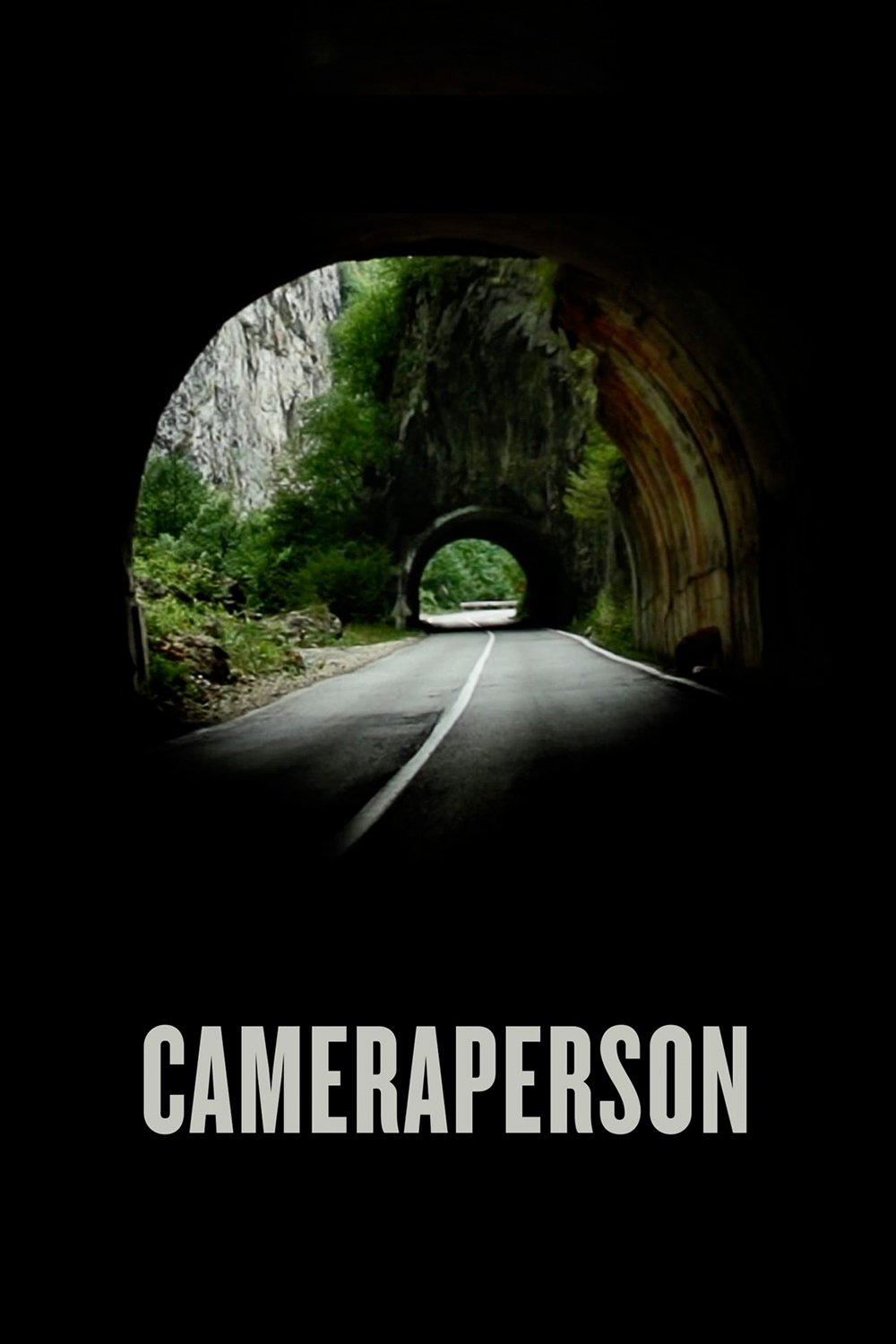
As a visually radical memoir, CAMERAPERSON draws on the remarkable footage that filmmaker Kirsten Johnson has shot and reframes it in ways that illuminate moments and situations that have personally affected her. What emerges is an elegant meditation on the relationship between truth and the camera frame, as Johnson transforms scenes that have been presented on Festival screens as one kind of truth into another kind of story—one about personal journey, craft, and direct human connection.
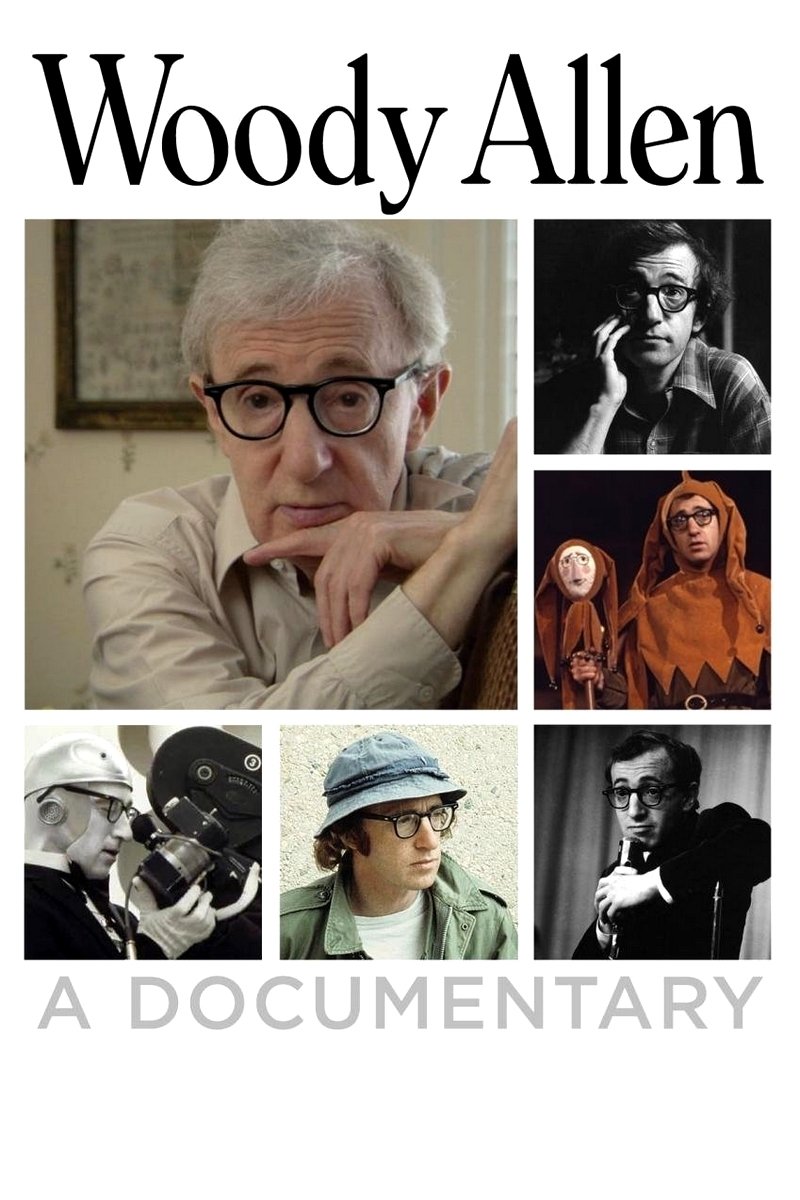
An intense portrait of the iconic filmmaker, writer, actor, comedian and musician Woody Allen: his life, family and friends; his writing and directing habits, and his relationship with performers.
As his life comes to its end, famous Hollywood director Orson Welles puts it all on the line at the chance for renewed success with the film The Other Side of the Wind.
Get up close and personal with 16 of the most successful women in the adult film industry as they shed their clothes for an intimate photo shoot with director Deborah Anderson. As questions are asked, personal stories about their lives are revealed, from why they chose the business of sex to how they got into it in the first place. These porn stars have always been discreet about their private lives in the past, yet Anderson has a way of opening up a dialog allowing them to share more than just their naked skin on screen. Their true inner vulnerability is touching, yet the characters they have created are confident and intoxicating. Once you hear their stories, you'll never look at them in the same way again.
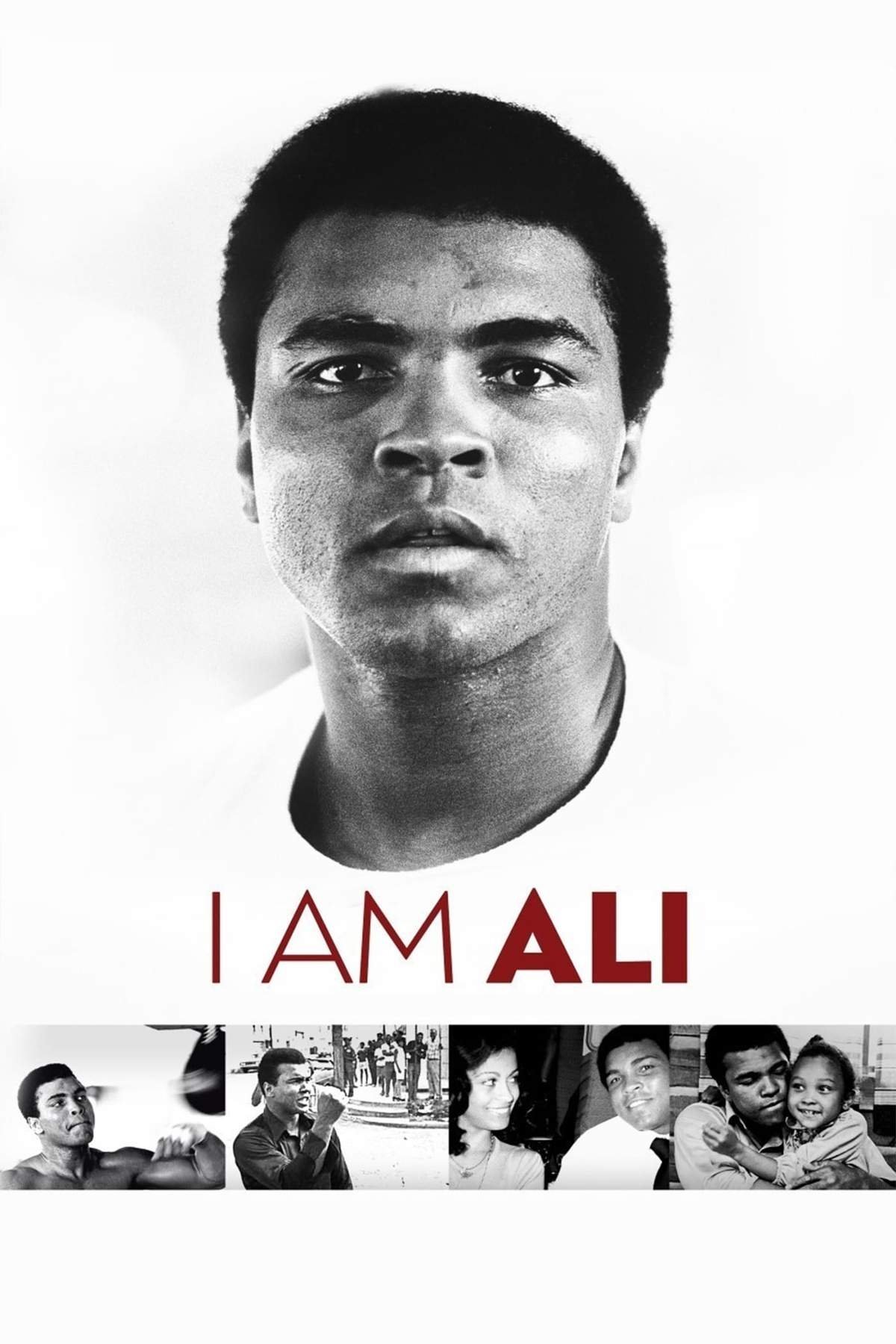
Unprecedented access to Muhammad Ali's personal archive of "audio journals" as well as interviews and testimonials from his inner circle of family and friends are used to tell the legend's life story.
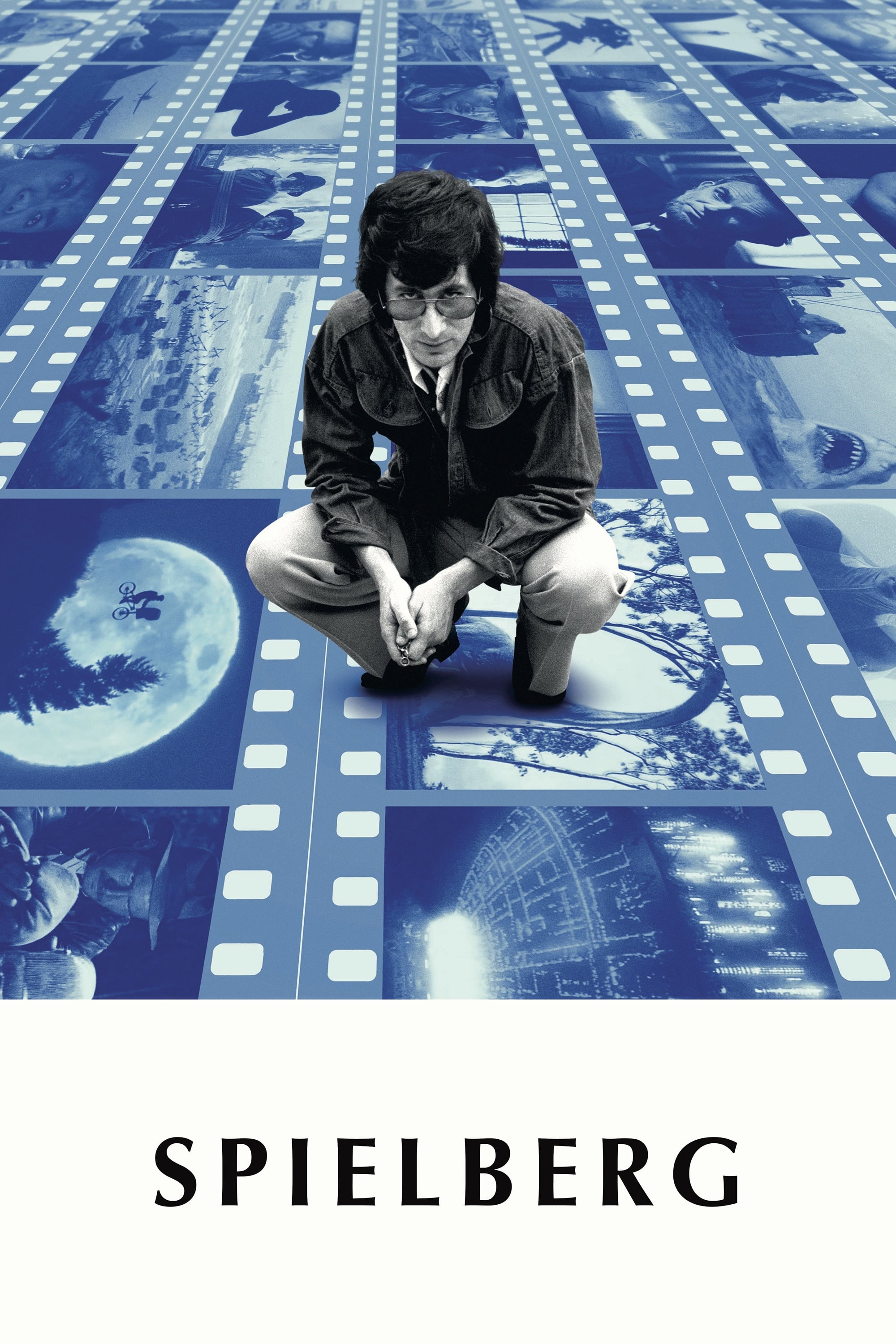
A documentary on the life and career of one of the most influential film directors of all time, Steven Spielberg.
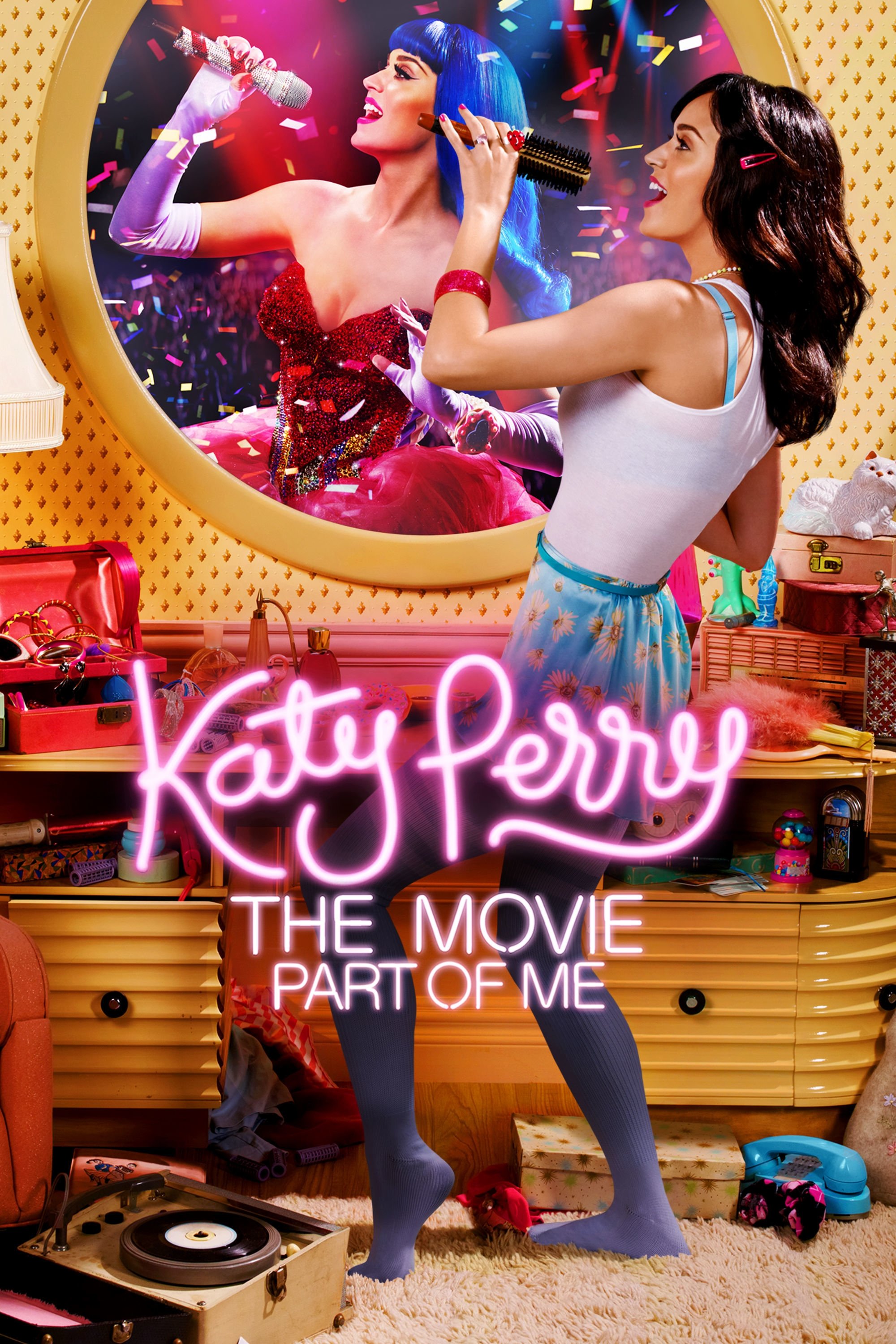
Giving fans unprecedented access to the real life of the music sensation, Katy Perry: Part of Me exposes the hard work, dedication and phenomenal talent of a girl who remained true to herself and her vision in order to achieve her dreams. Featuring rare behind-the-scenes interviews, personal moments between Katy and her friends, and all-access footage of rehearsals, choreography, Katy’s signature style and more, Katy Perry: Part of Me reveals the singer’s unwavering belief that if you can be yourself, then you can be anything.
Daniel Craig candidly reflects on his 15 year adventure as James Bond. Including never-before-seen archival footage from Casino Royale to the upcoming 25th film No Time To Die, Craig shares his personal memories in conversation with 007 producers, Michael G Wilson and Barbara Broccoli.
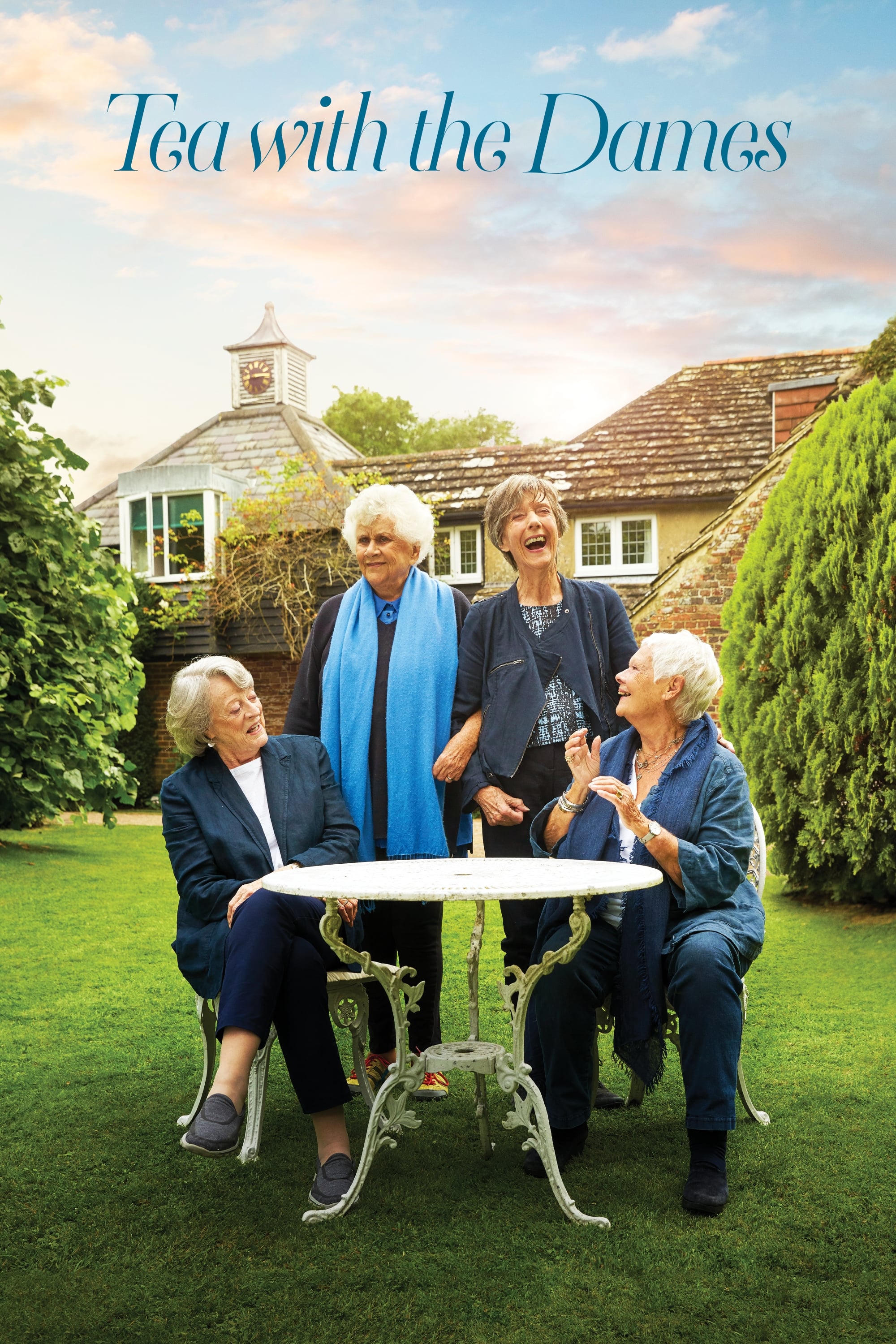
BBC Arena's documentary on the Dames of British Theatre and film featuring Maggie Smith, Eileen Atkins, Judi Dench and Joan Plowright on screen together for the first time as they reminisce over a long summer weekend in a house Joan once shared with Sir Laurence Olivier.
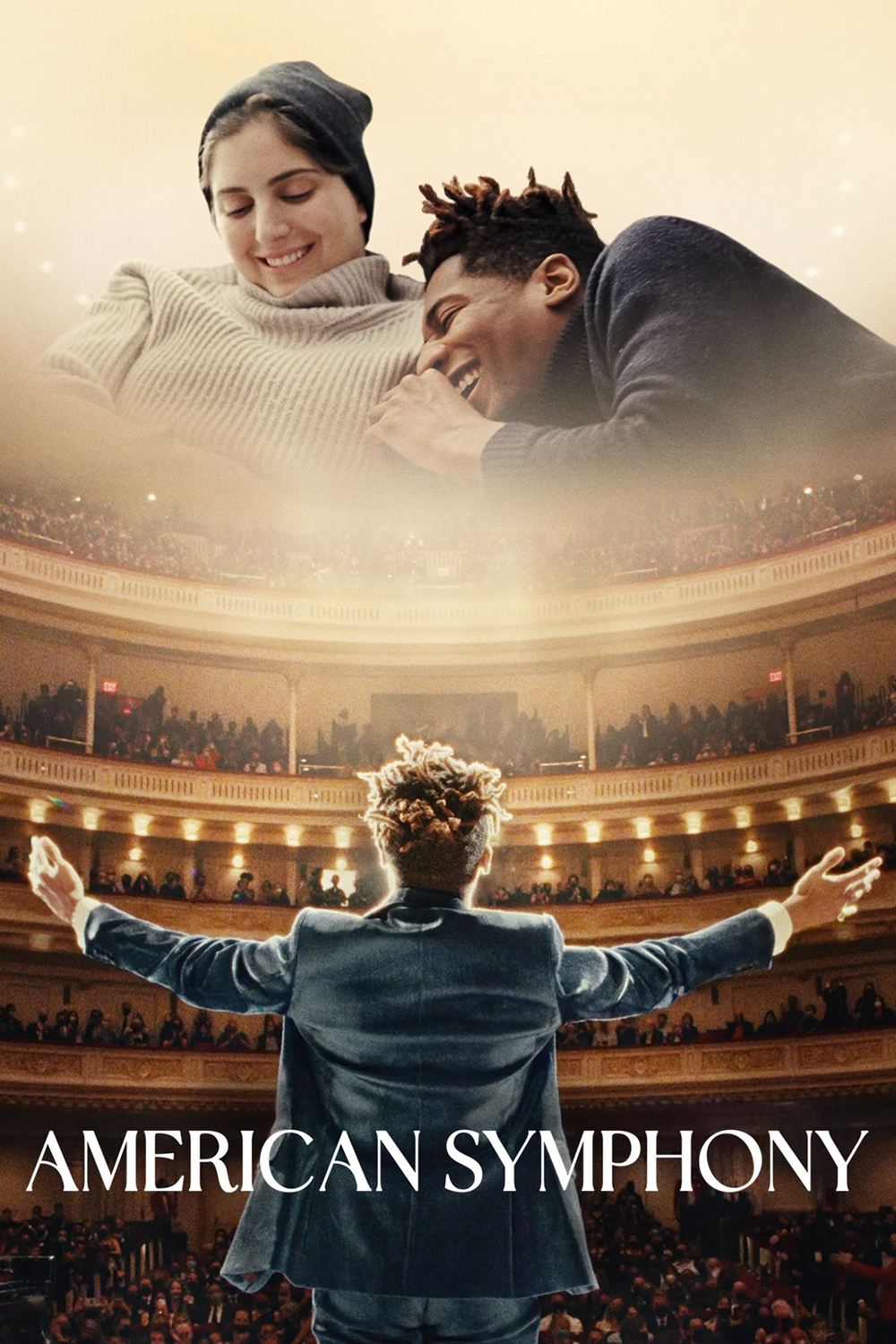
Musician Jon Batiste attempts to compose a symphony as his wife, writer Suleika Jaouad, undergoes cancer treatment.
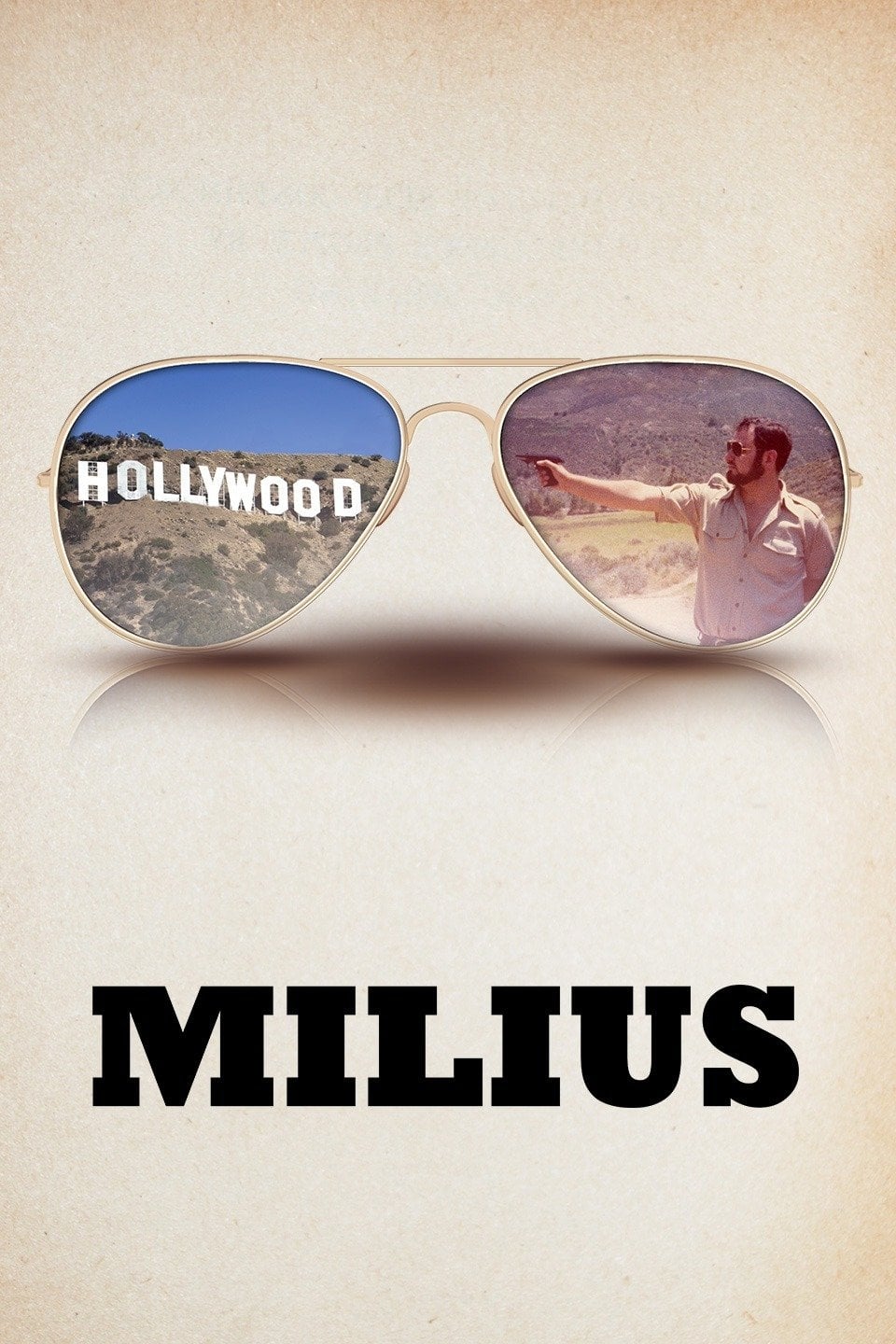
The life story of ‘Zen Anarchist’ filmmaker John Milius, one of the most influential storytellers of his generation.
Lyrical and powerfully personal essay film that reflects on the deaths of her husband Lou Reed, her mother, her beloved dog, and such diverse subjects as family memories, surveillance, and Buddhist teachings.
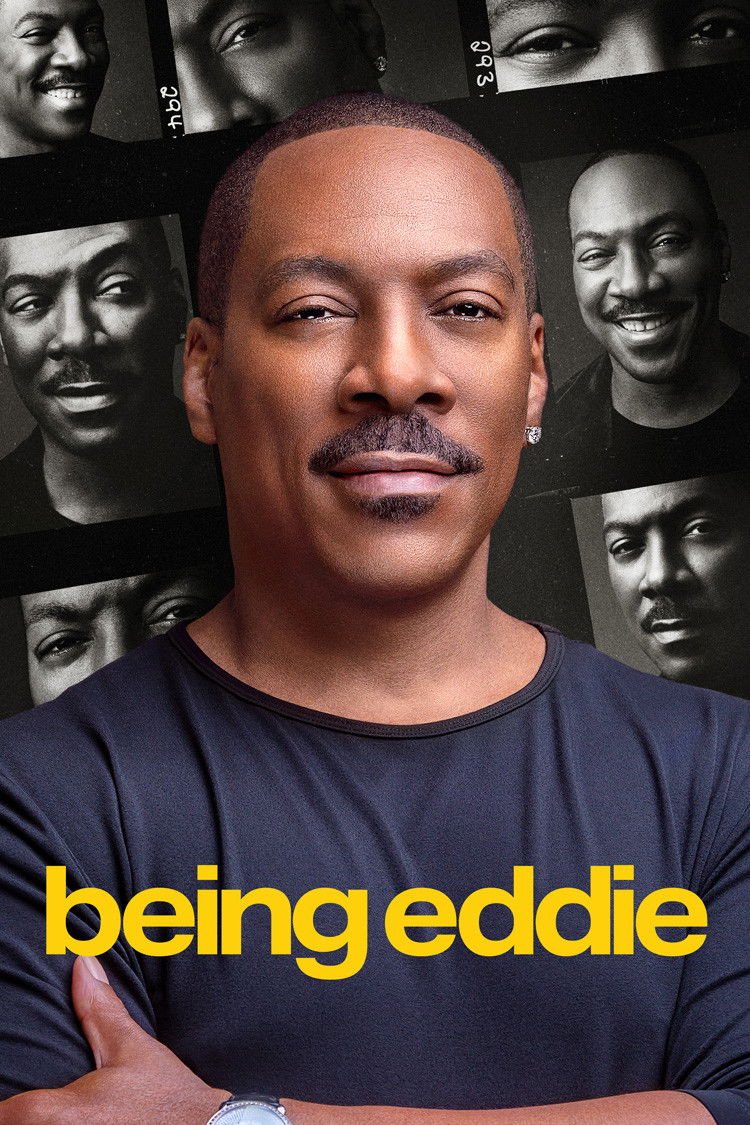
From teen comedian to Hollywood legend, Eddie Murphy revisits his extraordinary showbiz ride with raw honesty and humor.
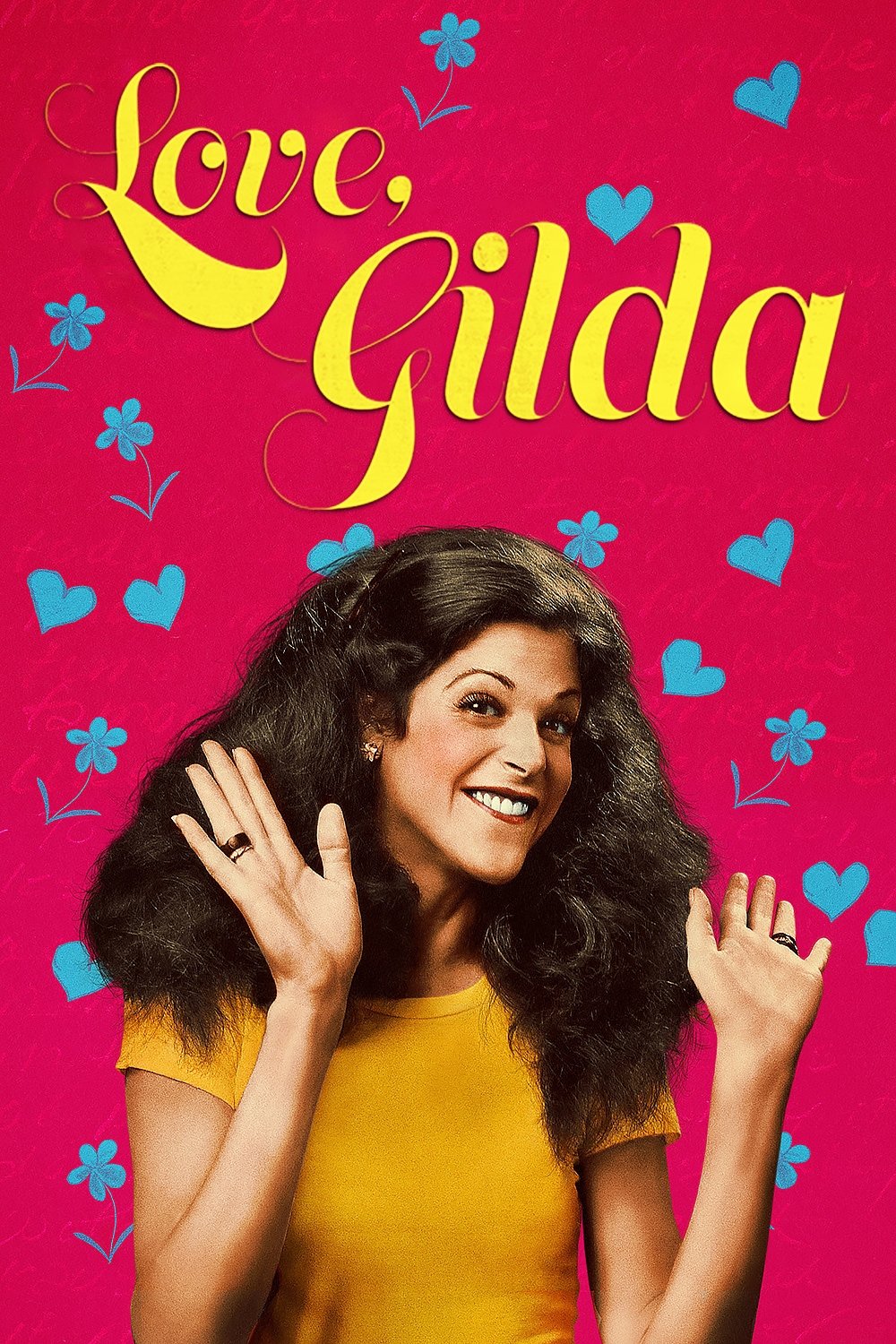
Diaries, audiotapes, videotapes and testimonials from friends and colleagues offer insight into the life and career of Gilda Radner -- the beloved comic and actress who became an icon on Saturday Night Live.
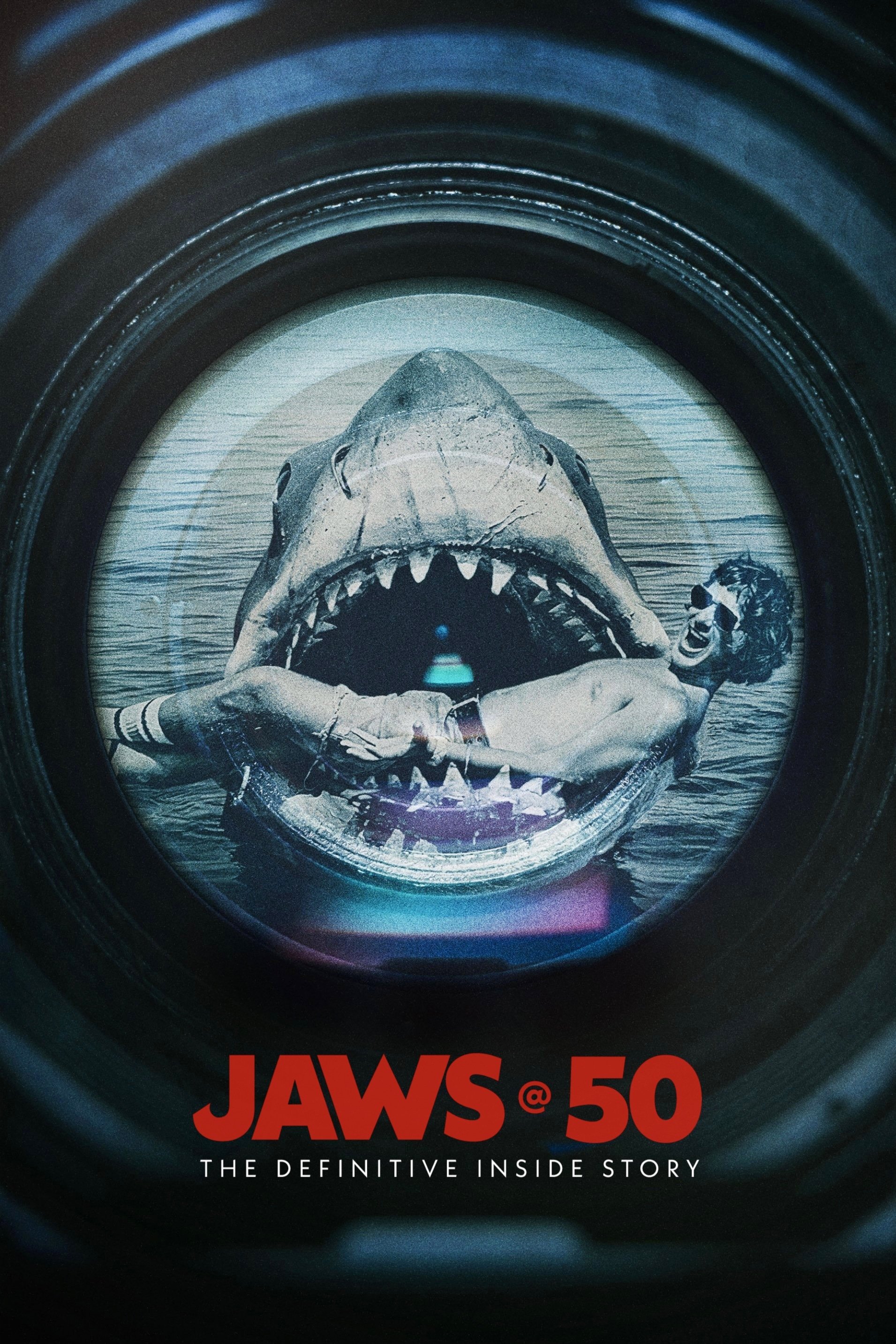
The authorized documentary celebrating the film that redefined Hollywood, 50 years after its premiere. Featuring rare archival footage and interviews with acclaimed Hollywood directors alongside Steven Spielberg, top shark scientists, and conservationists, the film uncovers the behind-the-scenes chaos and how the film launched the summer blockbuster, inspired a new wave of filmmakers, and paved the way for shark conservation that continues today.
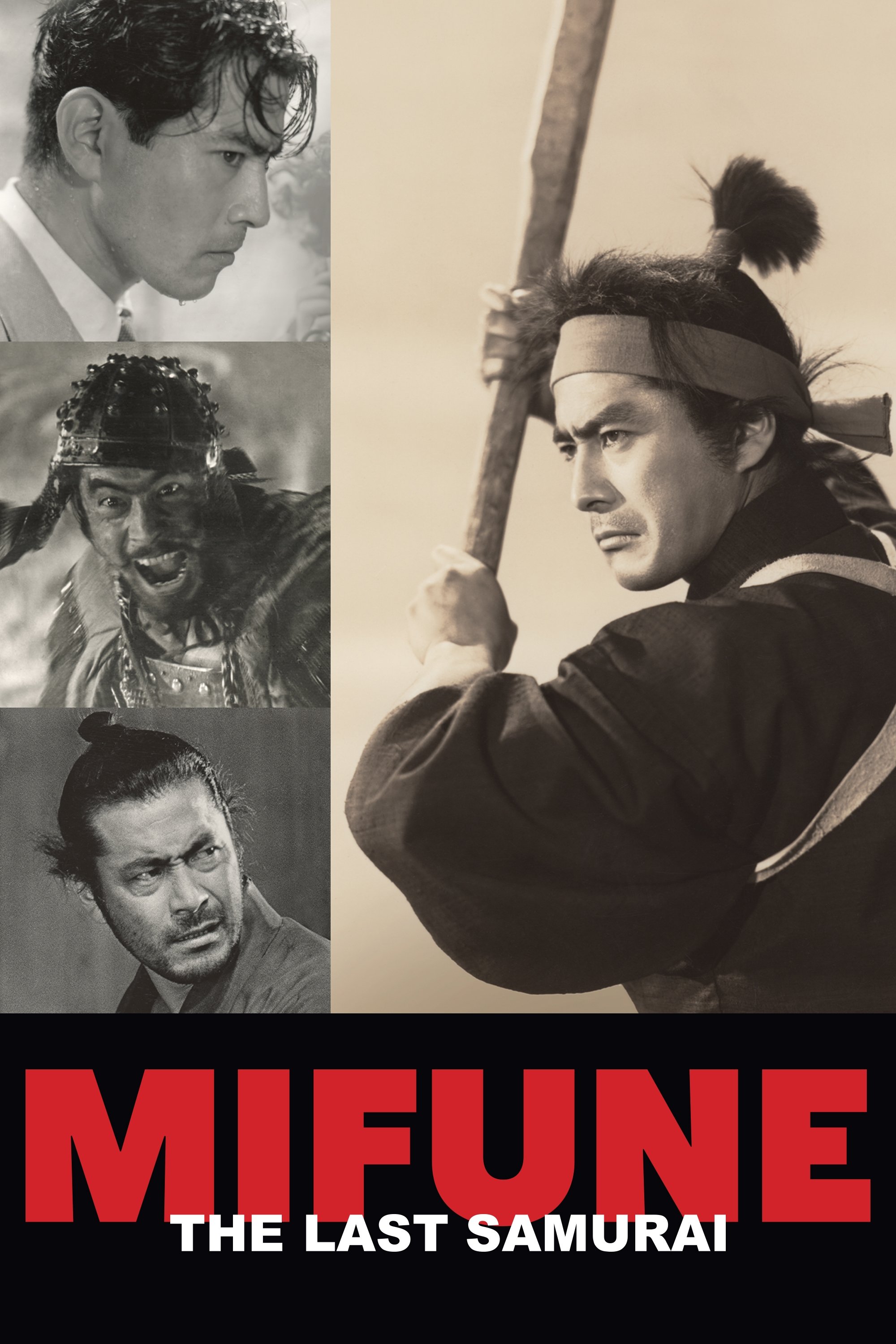
An account of the life and work of legendary Japanese actor Toshirō Mifune (1920-97), the most prominent actor of the Golden Age of Japanese cinema.