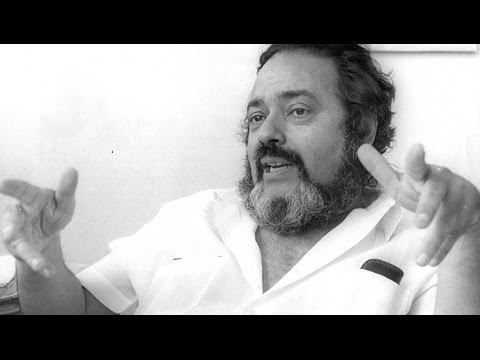
A documentary on Cosme Alves Netto (1937-1996), former head of the Cinematheque of the Museum of Modern Arts at Rio de Janeiro.
Social & External
Self (archive footage)
Self
Argentinian film historians find a complete print of Fritz Lang's “Metropolis” (1927) at Buenos Aires Film Museum and take it to Germany for its restoration.
40 international directors were asked to make a short film using the original Cinematographe invented by the Lumière Brothers, working under conditions similar to those of 1895. There were three rules: (1) The film could be no longer than 52 seconds, (2) no synchronized sound was permitted, and (3) no more than three takes.
A ceremony celebrated in the courtyard of the Invalides, in the presence of the President of the Republic Emmanuel Macron, members of the Government, the actor's family and many personalities from entertainment and sport.
This documentary short-film follows the story of The White Bus Cinema based in Southend-on-Sea. They keep the process of projecting real celluloid film alive by showing films from their archive of over 3,000 films, ranging from Super 8, 16mm, and 35mm prints. The film argues why it's important to continue the shooting and projection process of film in our current age of digital shooting and projection in modern Hollywood, amidst the chaos of studios removing films from their streaming services.
A comprehensive and fascinating behind-the-scenes look at the restoration process of restoring 3-strip Cinerama for the 1962 film "The Wonderful World of the Brothers Grimm".
For many years, Buenos Aires, Argentina, was one of the best places in the world for a film buff; but from the mid-sixties onwards, successive authoritarian governments shaped the will of the spectators, dictating what could be seen and what could not, so that the true cinema lovers, in their desire to watch films, had no choice but to embark on the most extraordinary and strange adventures.
This documentary about the culture of intense cinephilia in New York City reveals the impassioned world of five obsessed movie buffs. These human encyclopedias of cinema see two to five films a day, and from 600 to 2,000 films per year. This is the story of their lives, their memories, their unbending habits and the films they love.
Tells the history and importance of The National Film Registry, a roll call of American cinema treasures that reflects the diversity of film, and indeed the American experience itself.
Among the pieces featured in Fragments are the final reel of John Ford's The Village Blacksmith (1922) and a glimpse at Emil Jannings in The Way of All Flesh (1927), the only Oscar®-winning performance in a lost film. Fragments also features clips from such lost films as Cleopatra (1917), starring Theda Bara; The Miracle Man (1919), with Lon Chaney; He Comes Up Smiling (1918), starring Douglas Fairbanks; an early lost sound film, Gold Diggers of Broadway (1929), filmed in early Technicolor, and the only color footage of silent star Clara Bow, Red Hair (1928). The program is rounded out with interviews of film preservationists involved in identifying and restoring these films. Also featured is a new interview with Diana Serra Cary, best known as "Baby Peggy", one of the major American child stars of the silent era, who discusses one of the featured fragments, Darling of New York (1923).
A forgotten history of Northern Ireland is unveiled through a journey into Ulster Television’s archives, and the rediscovery of the first locally-produced network drama, Boatman Do Not Tarry.
During the 1920's, Augusto San Miguel (1905-1937) directed, produced and starred in the first feature films made in Ecuador. Unfortunately, San Miguel's films -like many episodes of his life- disappeared in time. The only remains are the movie ads on old newspapers and a mysterious legend, by which San Miguel was buried with his films.
Why are we still able, today, to view images that were captured over 125 years ago? As we enter the digital age, audiovisual heritage seems to be a sure and obvious fact. However, much of cinema and our filmed history has been lost forever. Archivists, technicians and filmmakers from different parts of the world explain what audiovisual preservation is and why it is necessary. The documentary is a tribute to all these professionals and their important work.
A group of misfits inhabit the abandoned set of a Western TV show.
A 3 Part Collection of More Than 75 Early Films by Alice Guy, Louis Feuillade and Léonce Perret. The invention of cinema—and its growth into a sophisticated art form—are vividly brought to life in this massive collection of films from the early years of the influential Gaumont Film Company. Each disc is devoted to one of Gaumont’s artistic directors, who oversaw all film production at the studio, and profoundly influenced not only the identity of the studio but also the evolution of the cinema itself.
Vivian Maier's photos were seemingly destined for obscurity, lost among the clutter of the countless objects she'd collected throughout her life. Instead these images have shaken the world of street photography and irrevocably changed the life of the man who brought them to the public eye. This film brings to life the interesting turns and travails of the improbable saga of John Maloof's discovery of Vivian Maier, unravelling this mysterious tale through her documentary films, photographs, odd collections and personal accounts from the people that knew her. What started as a blog to show her work quickly became a viral sensation in the photography world. Photos destined for the trash heap now line gallery exhibitions, a forthcoming book and this documentary film.
Jason Voorhees is interviewed about his daily life.
A glimpse at how genre film-focused home video companies have taken the charge in preserving, restoring, and releasing so many works which otherwise might have been lost to time.