In White Like Me, anti-racist educator Tim Wise explores race and racism in the US through the lens of whiteness and white privilege.
Social & External
The people behind it
Tim Wise
Himself
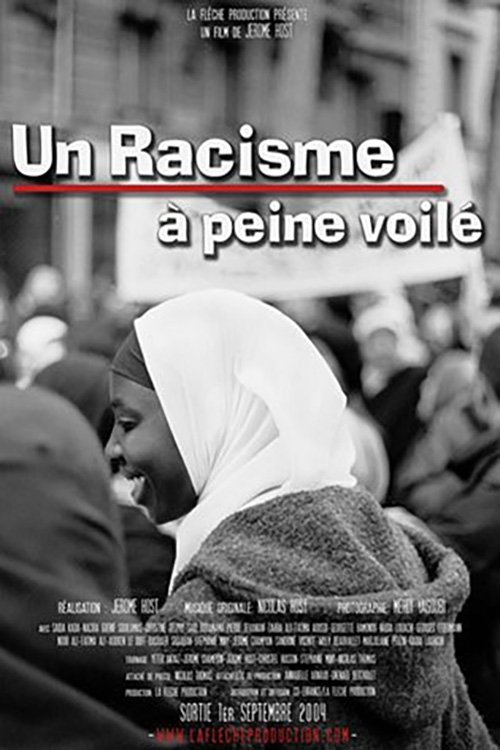
October 2003, Alma and Lila Levy are excluded from the Lycée Henri Wallon in Aubervilliers solely because they were wearing a headscarf. What follows is a deafening political and media debate, justifying in most cases the exclusion of girls wearing head-scarves to school. February 2004, a law was eventually passed by the National Assembly. "A thinly veiled racism" is about this controversy since the affair of Creil in 1989 (where two schoolgirls were excluded for the same reasons) and attempts to "reveal" that maybe what hides behind is the desire to exclude these girls. This film gives them a voice as well as others - teachers, community activists, feminists, researchers - gathered around the group "A School for You-All" fighting for the repeal of this law they consider sexist and racist ... This movie was censured in Septembre 2004 in France.
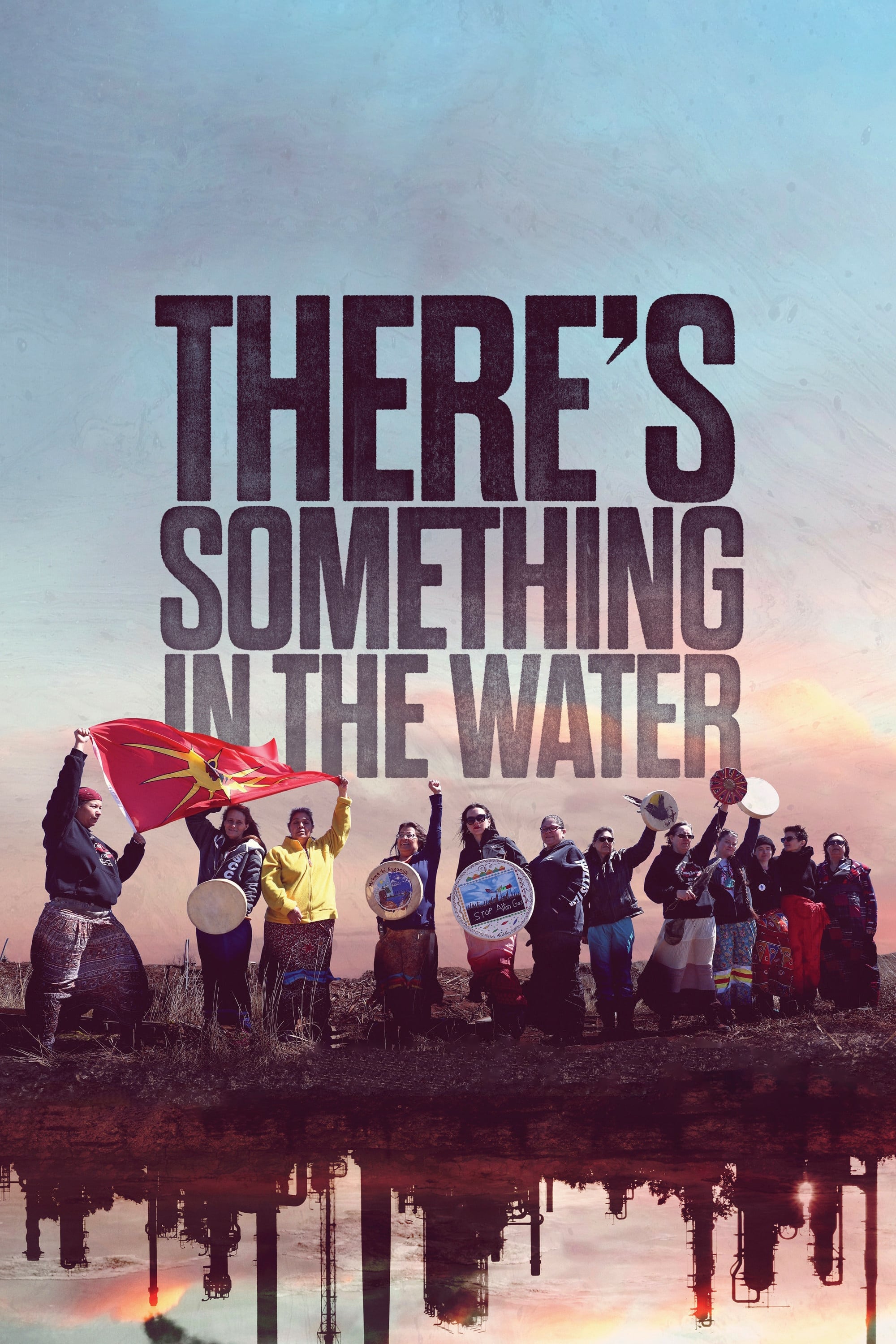
Elliot Page brings attention to the injustices and injuries caused by environmental racism in his home province, in this urgent documentary on Indigenous and African Nova Scotian women fighting to protect their communities, their land, and their futures.
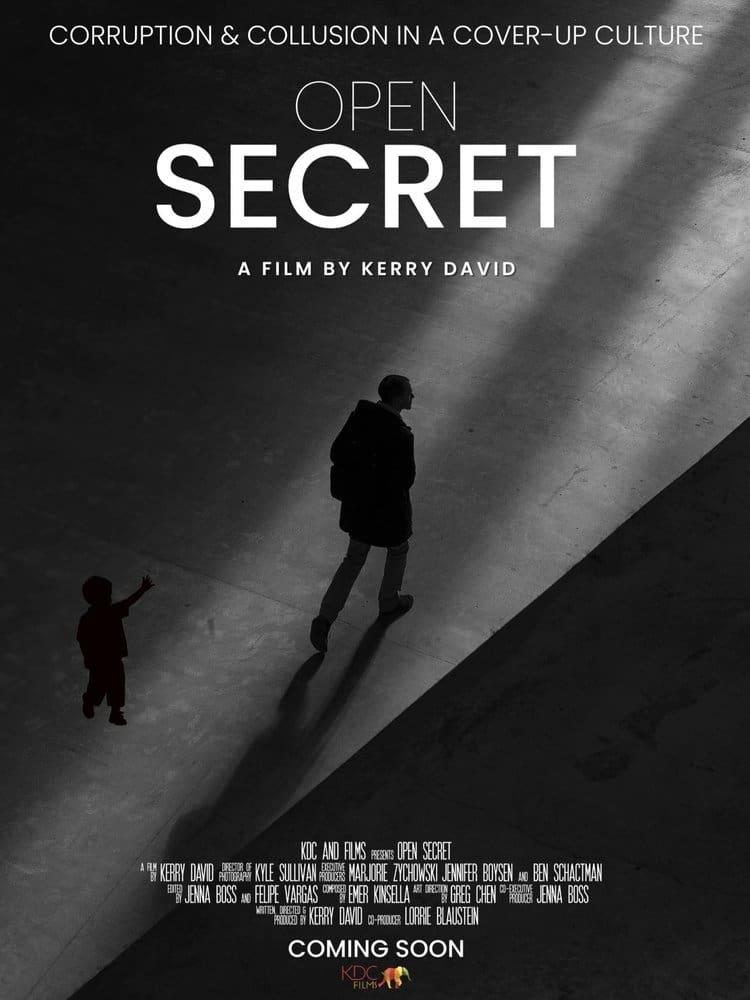
This riveting documentary investigates allegations of systemic racism and child sexual abuse in the New Hanover School District.
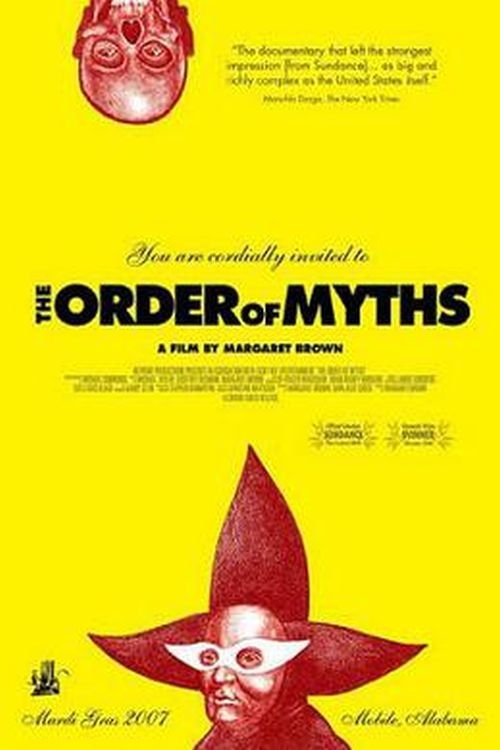
In 2007 Mobile, Alabama, Mardi Gras is celebrated... and complicated. Following a cast of characters, parades, and parties across an enduring color line, we see that beneath the surface of pageantry lies something else altogether.
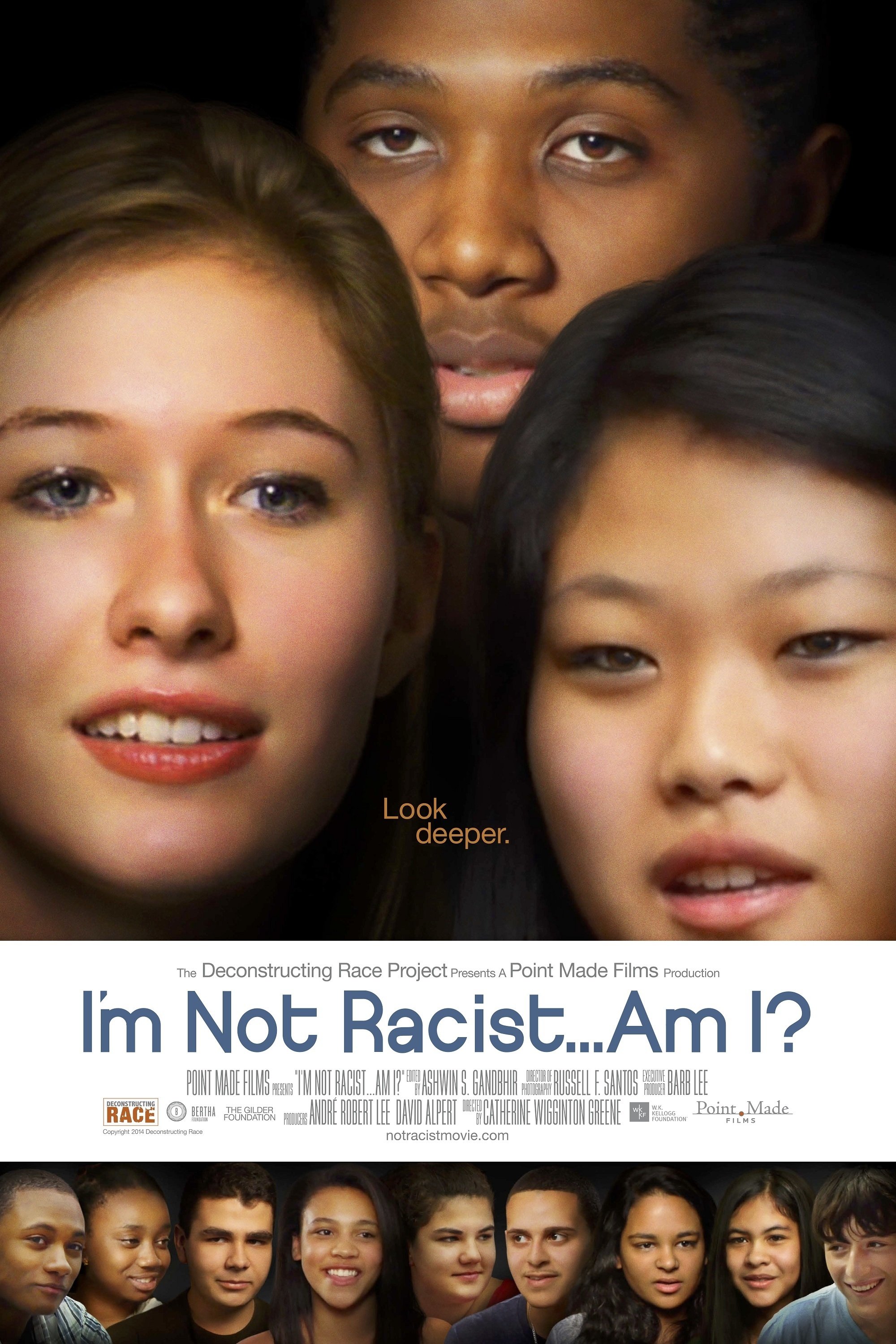
What if this next generation could transcend racism? One year, 12 teens, on a remarkable journey to face racism and white privilege, have the conversations most of us are too afraid to have. Once they push through naivete, guilt and tears, what they learn may change us all.
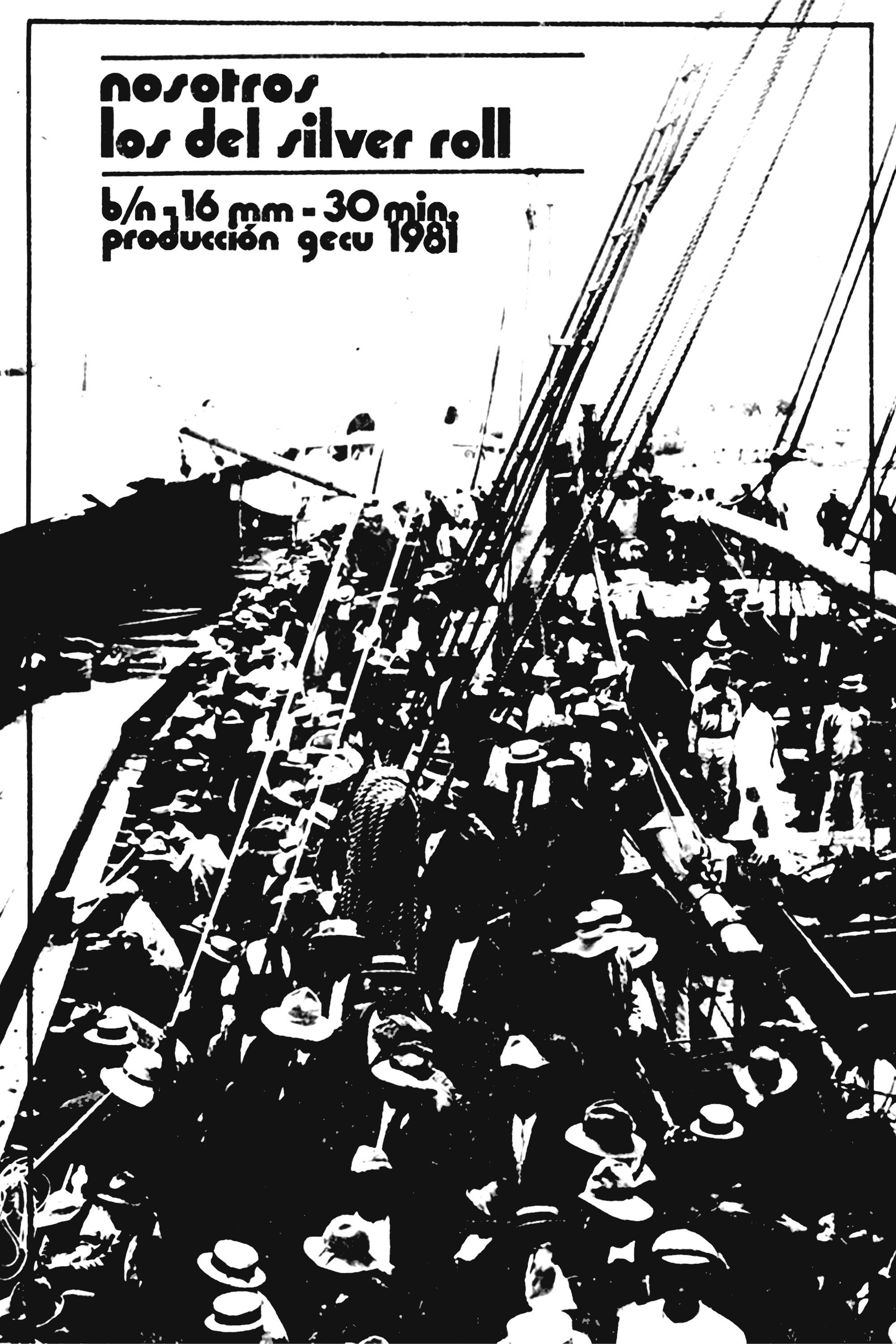
Afro-Antillean workers hired for the construction of the Panama Canal are brought from their homes to work in conditions that were not those promised. They, the descendants of African slaves and domesticated from England, manage to raise their voices against American injustices.
A documentary about rap artists from Ceilândia, a satellite-city of Brazil capital, Brasilia. The film portrait the struggle of the lives of the rapers and makes a parallel with the violent building of the city designed to settle the outcast from Brasilia after its completion.
Using two separate filmmaking teams (an all-white crew filming white residents and an all-black camera crew filming black residents), TWO TOWNS OF JASPER captures very different racial views by townsfolk in Jasper, Texas, the location for a racially motivated murder of an African American man in 1998.
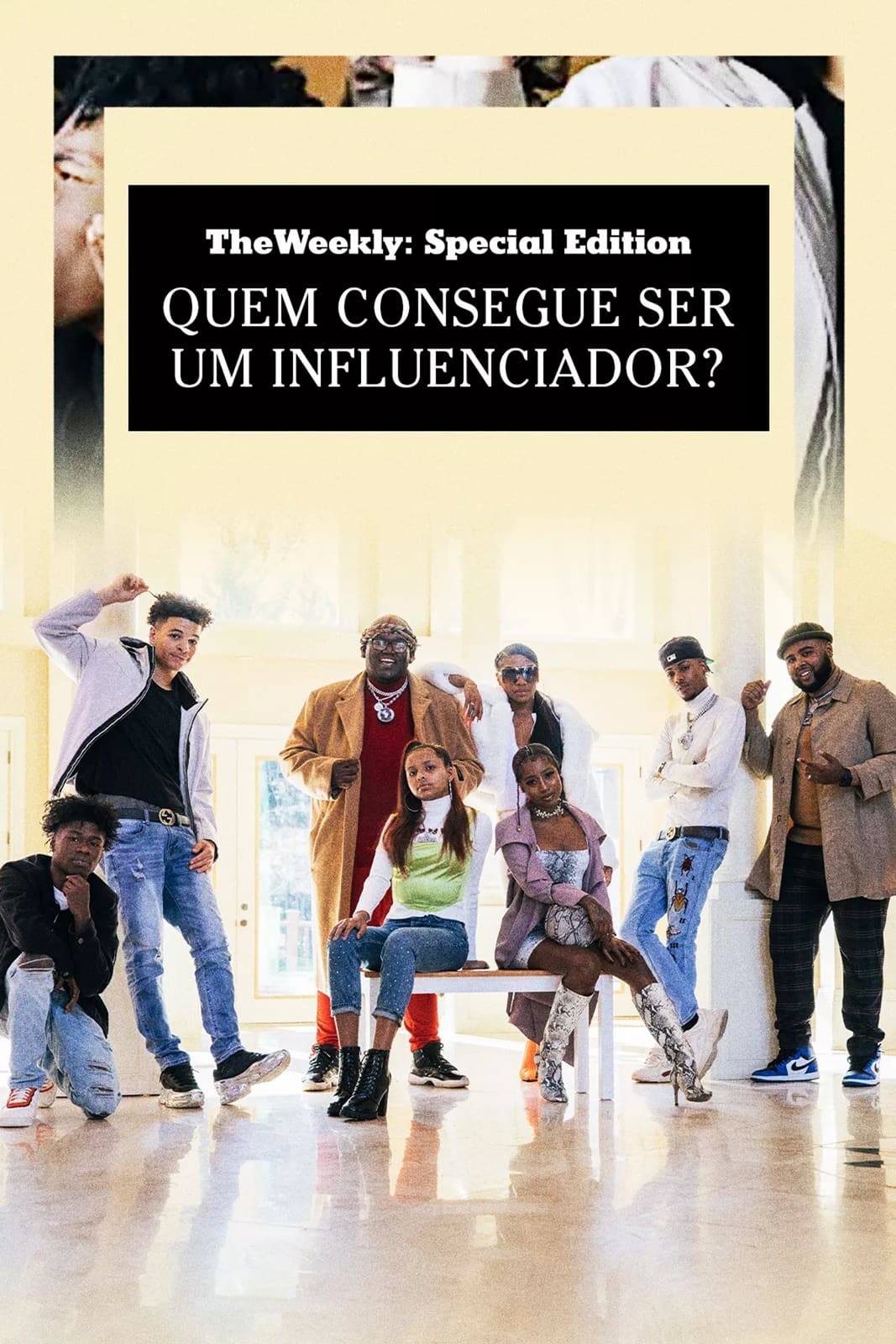
Chronicles the rise of Collab Crib, one of the first mainstream Black creator mansion, exclusively documenting their whirlwind drive to achieve social media stardom in 90 days.
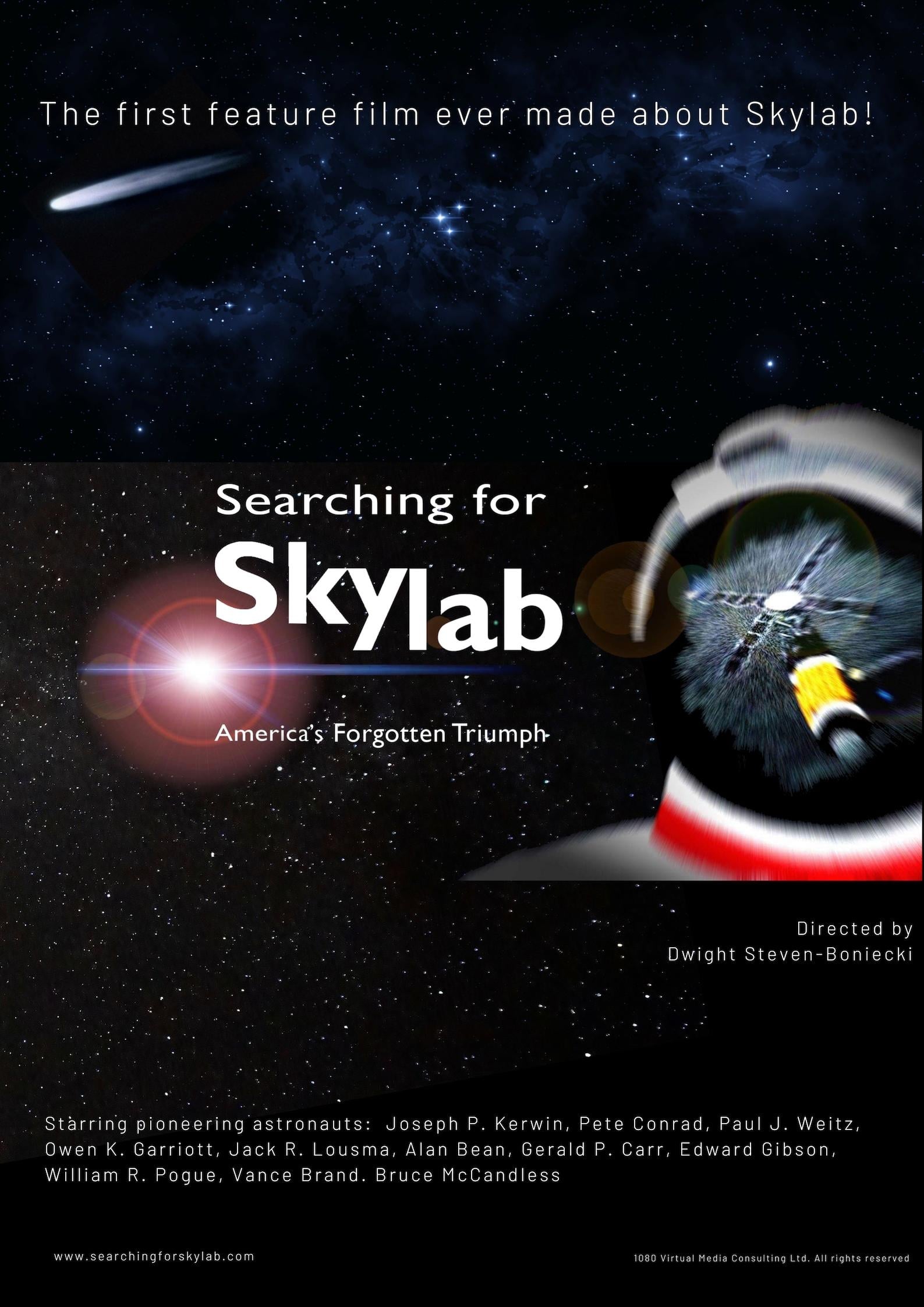
The first American space station Skylab is found in pieces scattered in Western Australia. Putting these pieces back together and re-tracing the Skylab program back to its very conception reveals the cornerstone of human space exploration.
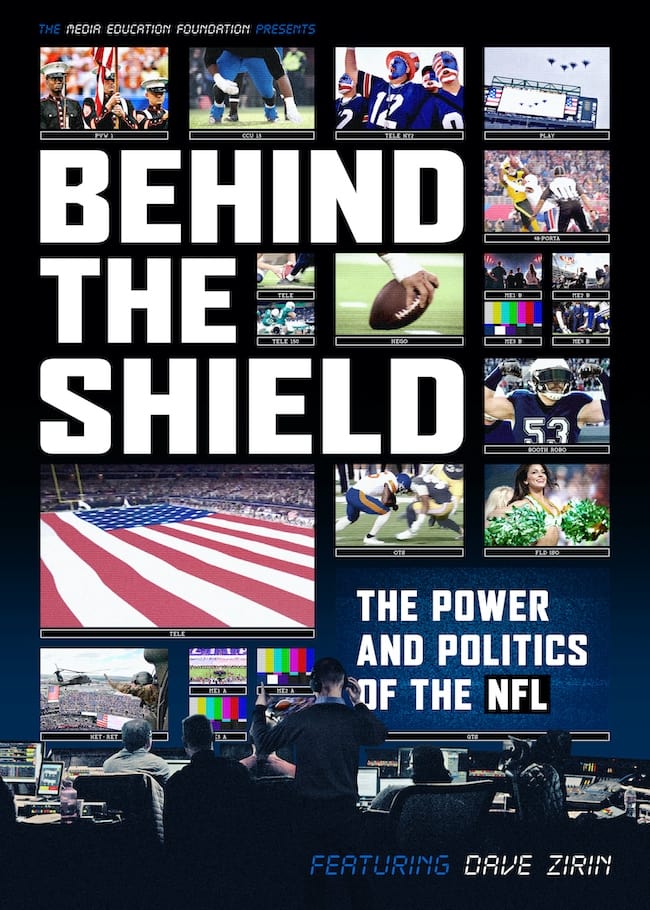
Celebrated author and Nation magazine sports editor Dave Zirin tackles the myth that the NFL was somehow free of politics before Colin Kaepernick and other Black NFL players took a knee.
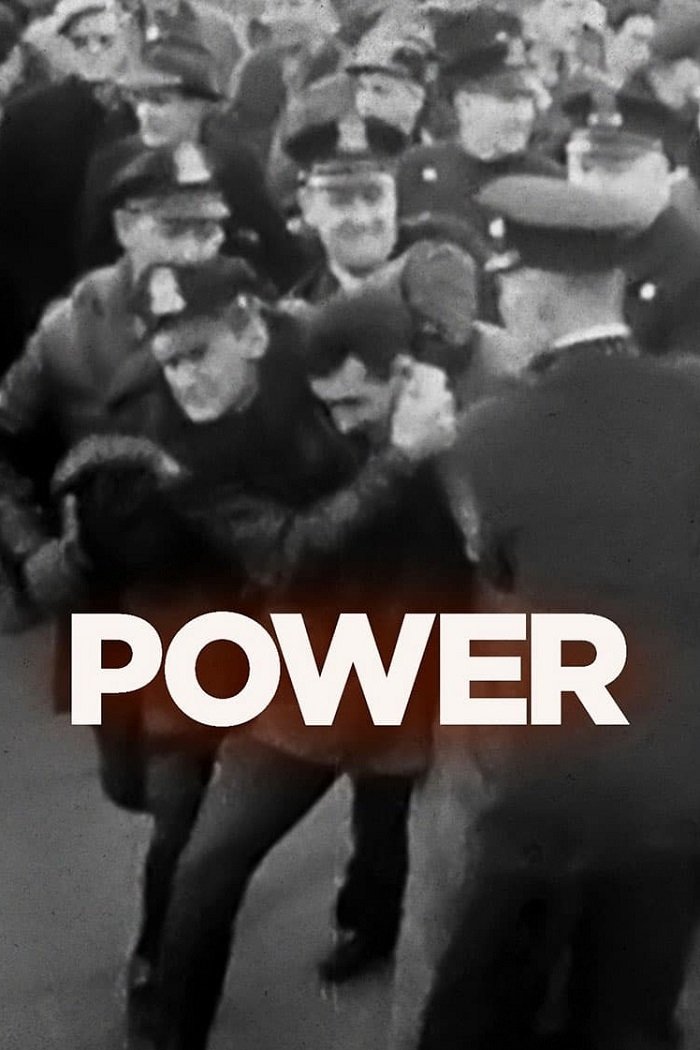
Driven to maintain social order, policing in the United States has exploded in scope and scale over hundreds of years. Now, American policing embodies one word: power.
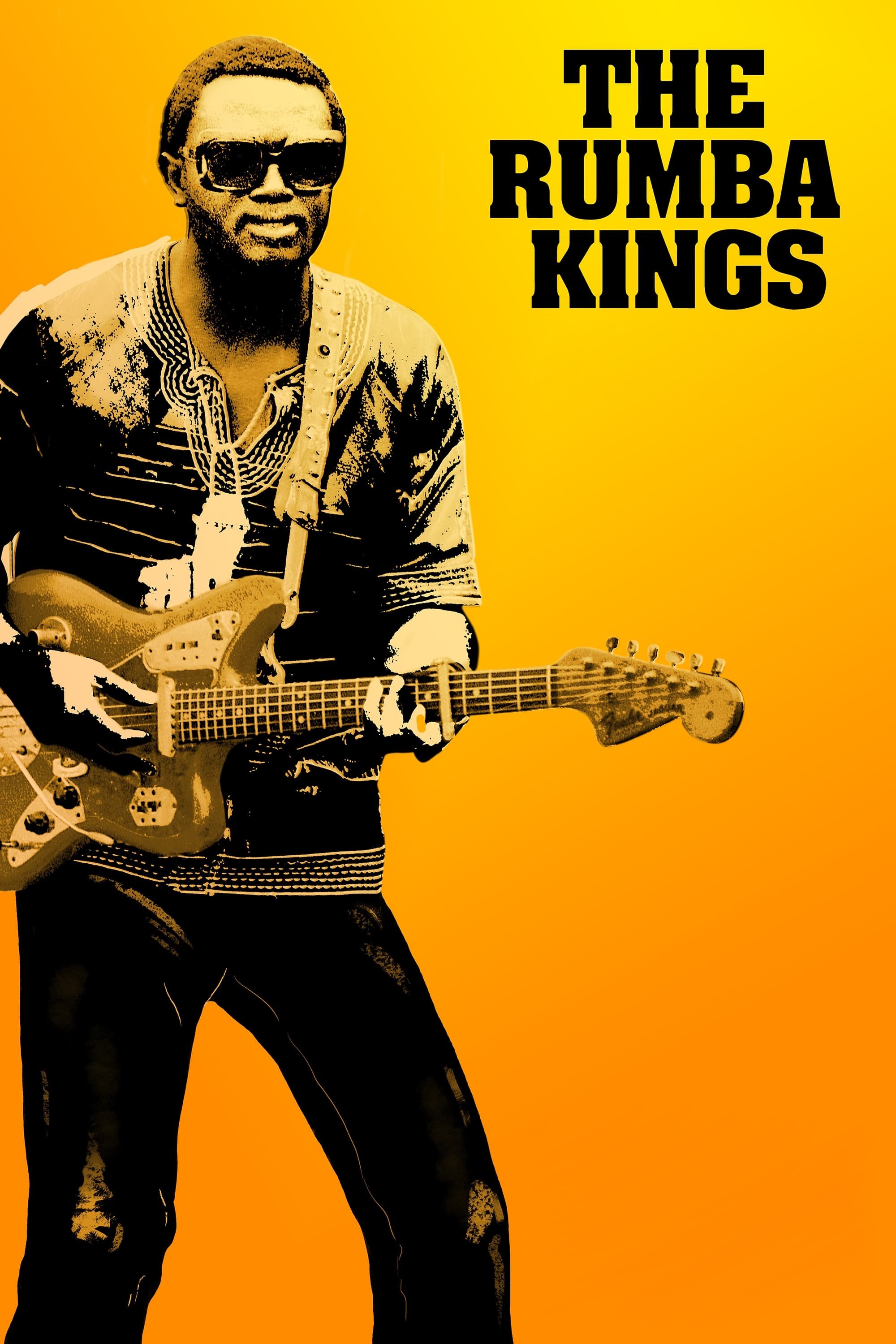
In the fifties, when the future Democratic Republic of Congo was still a Belgian colony, an entire generation of musicians fused traditional African tunes with Afro-Cuban music to create the electrifying Congolese rumba, a style that conquered the entire continent thanks to an infectious rhythm, captivating guitar sounds and smooth vocals.
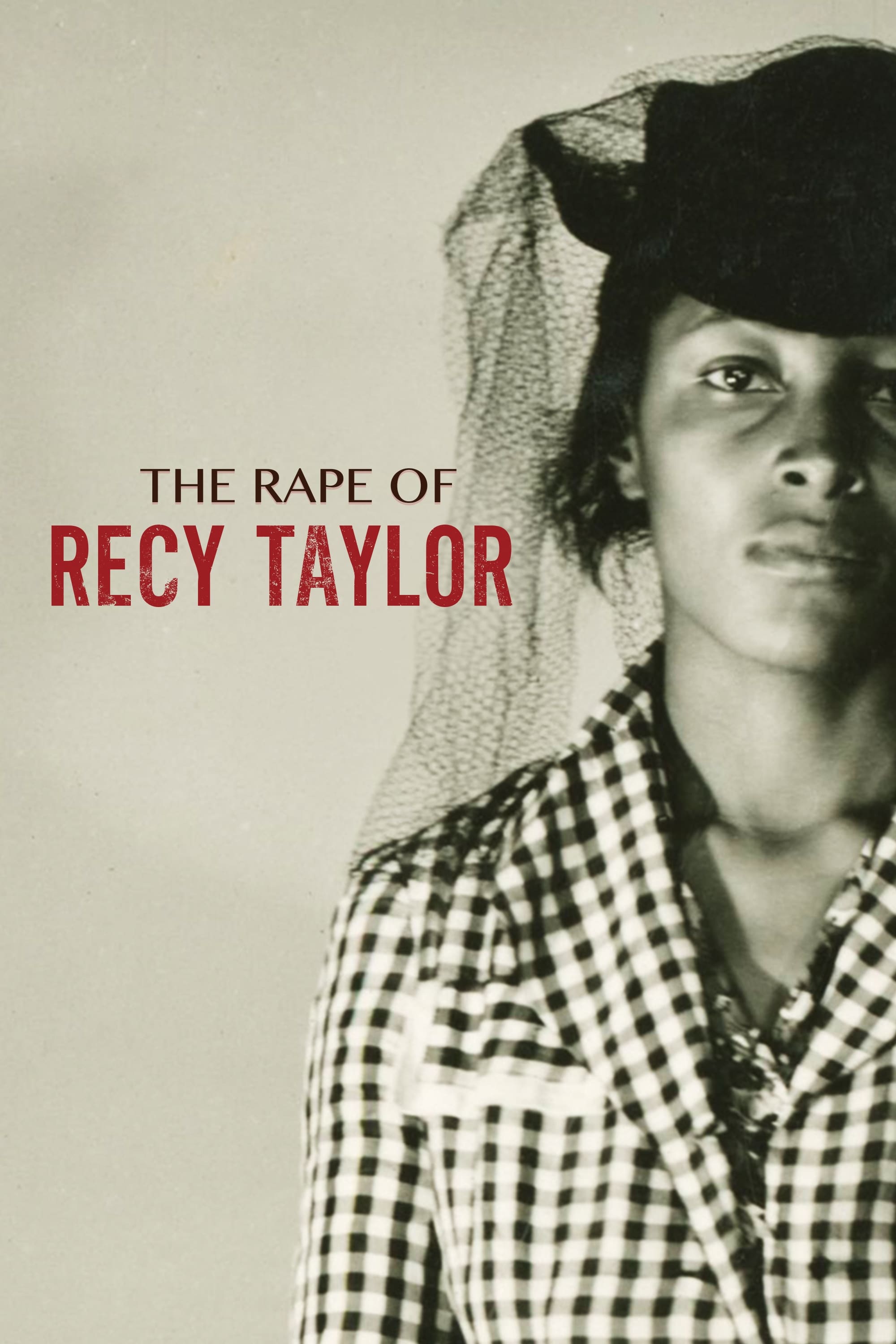
Recy Taylor, a 24-year-old black mother and sharecropper, was gang raped by six white boys in 1944 Alabama. Common in Jim Crow South, few women spoke up in fear for their lives. Not Recy Taylor, who bravely identified her rapists. The NAACP sent its chief rape investigator Rosa Parks, who rallied support and triggered an unprecedented outcry for justice. The film exposes a legacy of physical abuse of black women and reveals Rosa Parks’ intimate role in Recy Taylor’s story.
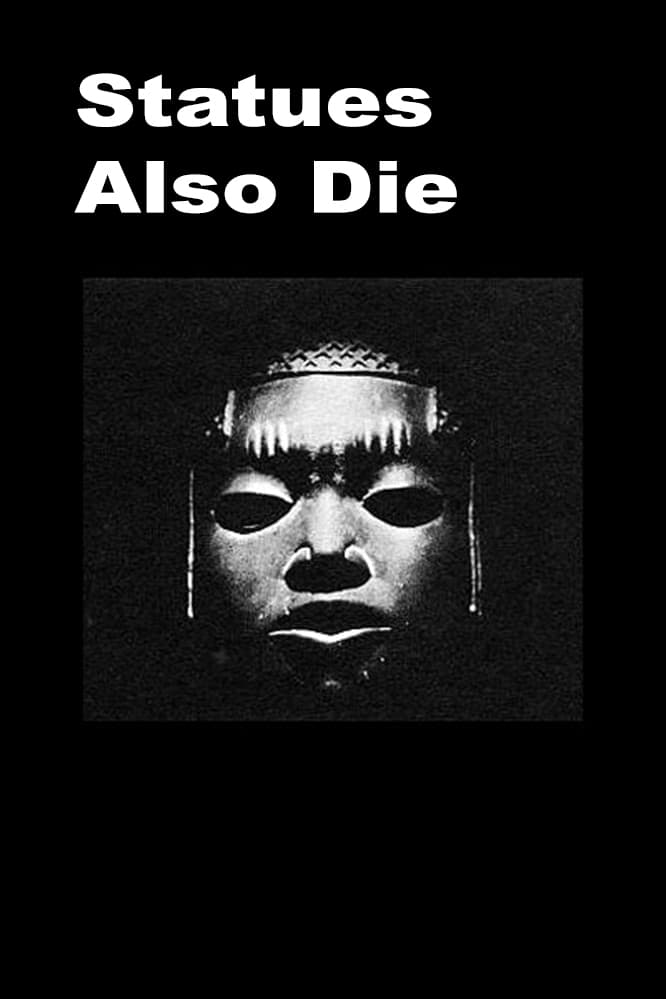
Commissioned by the journal Présence Africaine, this short documentary examines how African art is devalued and alienated through colonial and museum contexts. Beginning with the question of why African works are confined to ethnographic displays while Greek or Egyptian art is celebrated, the film became a landmark of anti-colonial cinema and was banned in France for eight years.
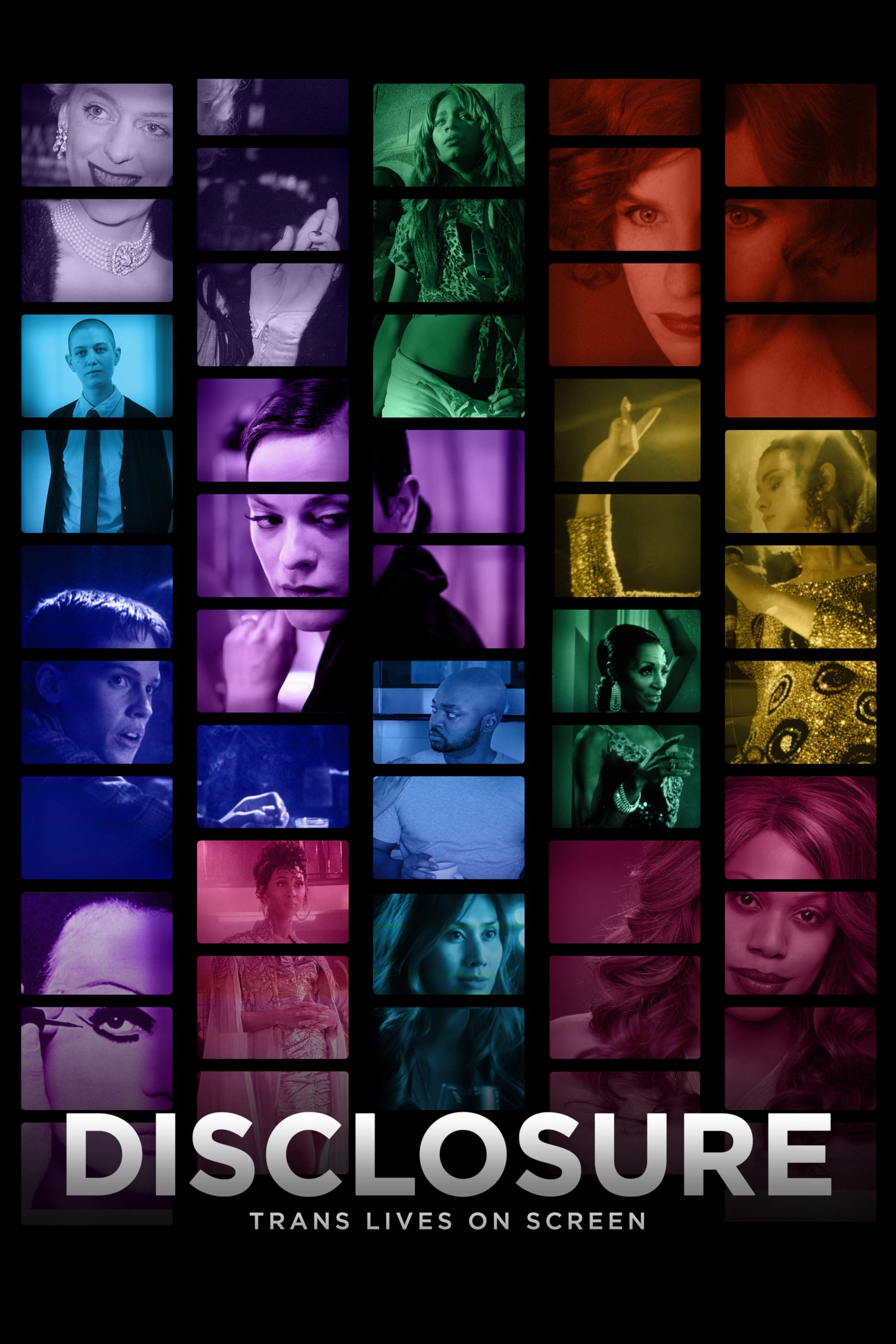
An investigation of how Hollywood's fabled stories have deeply influenced how Americans feel about transgender people, and how transgender people have been taught to feel about themselves.
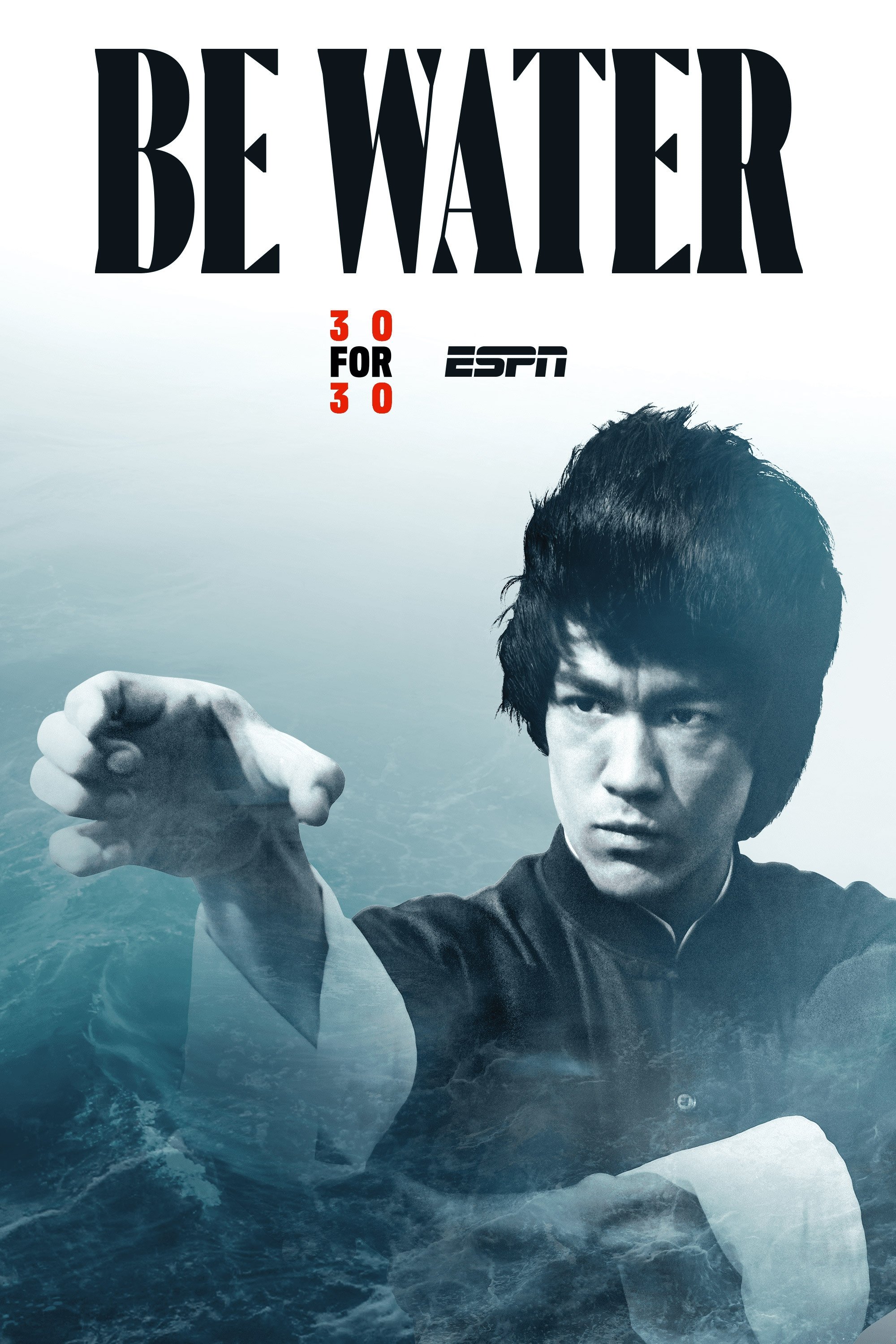
In 1971, after being rejected by Hollywood, Bruce Lee returned to his parents’ homeland of Hong Kong to complete four iconic films. Charting his struggles between two worlds, this portrait explores questions of identity and representation through the use of rare archival footage, interviews with loved ones and Bruce’s own writings.
Exploring the fallout of MIT Media Lab researcher Joy Buolamwini's startling discovery that facial recognition does not see dark-skinned faces accurately, and her journey to push for the first-ever legislation in the U.S. to govern against bias in the algorithms that impact us all.
In 1936, Victor H. Green (1892-1960) published The Negro Motorist Green Book, a book that was both a travel guide and a survival manual, to help African-Americans navigate safe those regions of the United States where segregation and Jim Crow laws were disgracefully applied.
An in-depth look at the prison system in the United States and how it reveals the nation's history of racial inequality.
Those who knew iconic funnyman John Candy best share his story, in their own words, through never-before-seen archival footage, imagery, and interviews.
The life and career of one of comedy's most inimitable modern voices, Mr. Gilbert Gottfried.
A comedic, brutally honest documentary following self-destructive TV writer Dan Harmon as he takes his live podcast on a national tour.
Brilliant, long in-the-works story of the life and art of the world's greatest comedian and the cinema's first genius, Charlie Chaplin. Produced, written and directed by renowned film critic Richard Schickel.
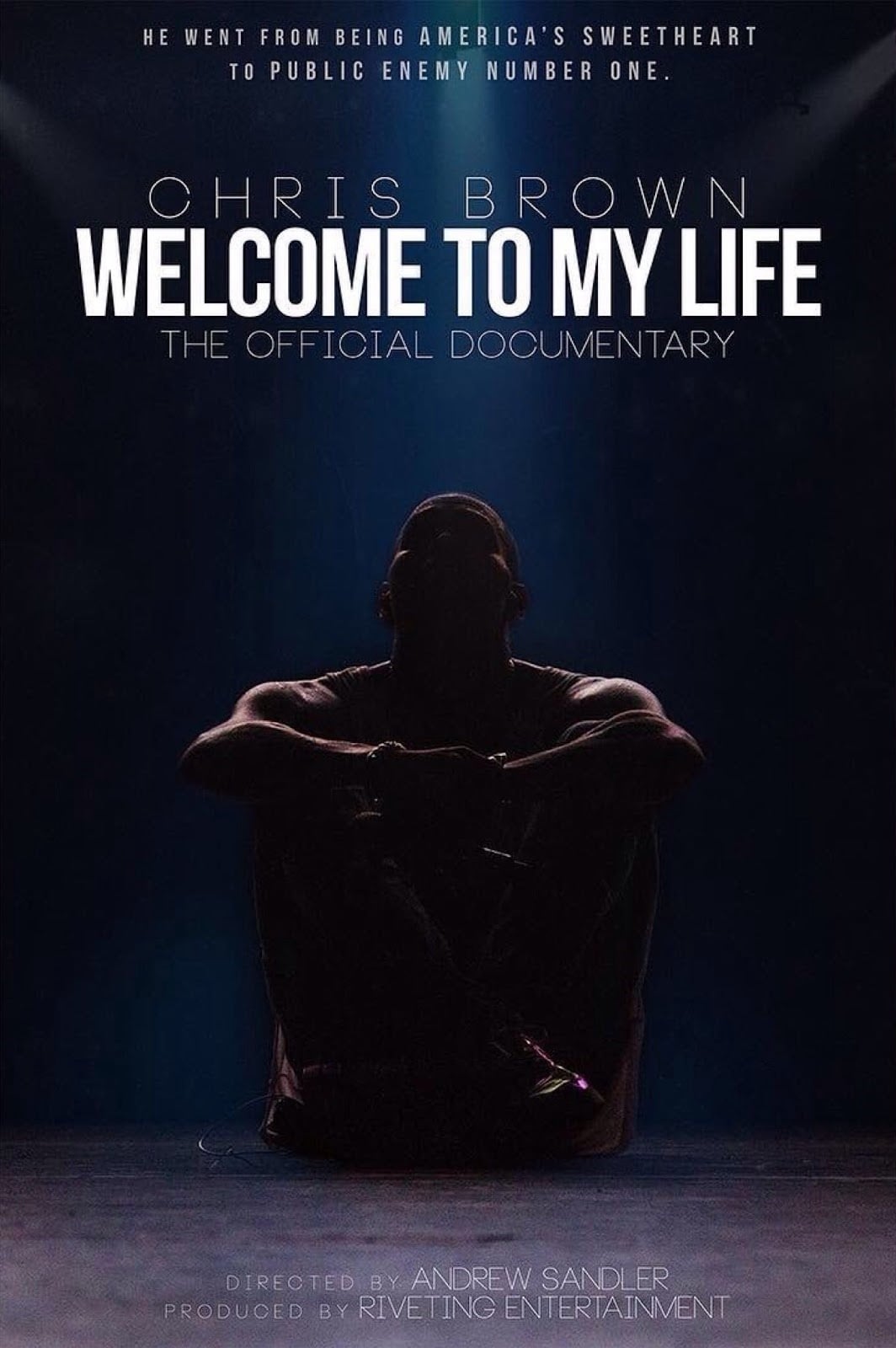
This compelling Documentary moves beyond the spotlight and past the attention-grabbing headlines to give pop superstar Chris Brown a chance to tell his own story. New interviews with the international phenomenon reveal long-awaited answers about his passion for making music, his tumultuous and much publicized relationships, and the pitfalls of coming of age in the public eye. Also included is new concert footage, behind-the-scenes access, and special interviews from Usher, Jennifer Lopez, DJ Khaled, Mike Tyson, Jamie Foxx and others.
Daniel Craig candidly reflects on his 15 year adventure as James Bond. Including never-before-seen archival footage from Casino Royale to the upcoming 25th film No Time To Die, Craig shares his personal memories in conversation with 007 producers, Michael G Wilson and Barbara Broccoli.
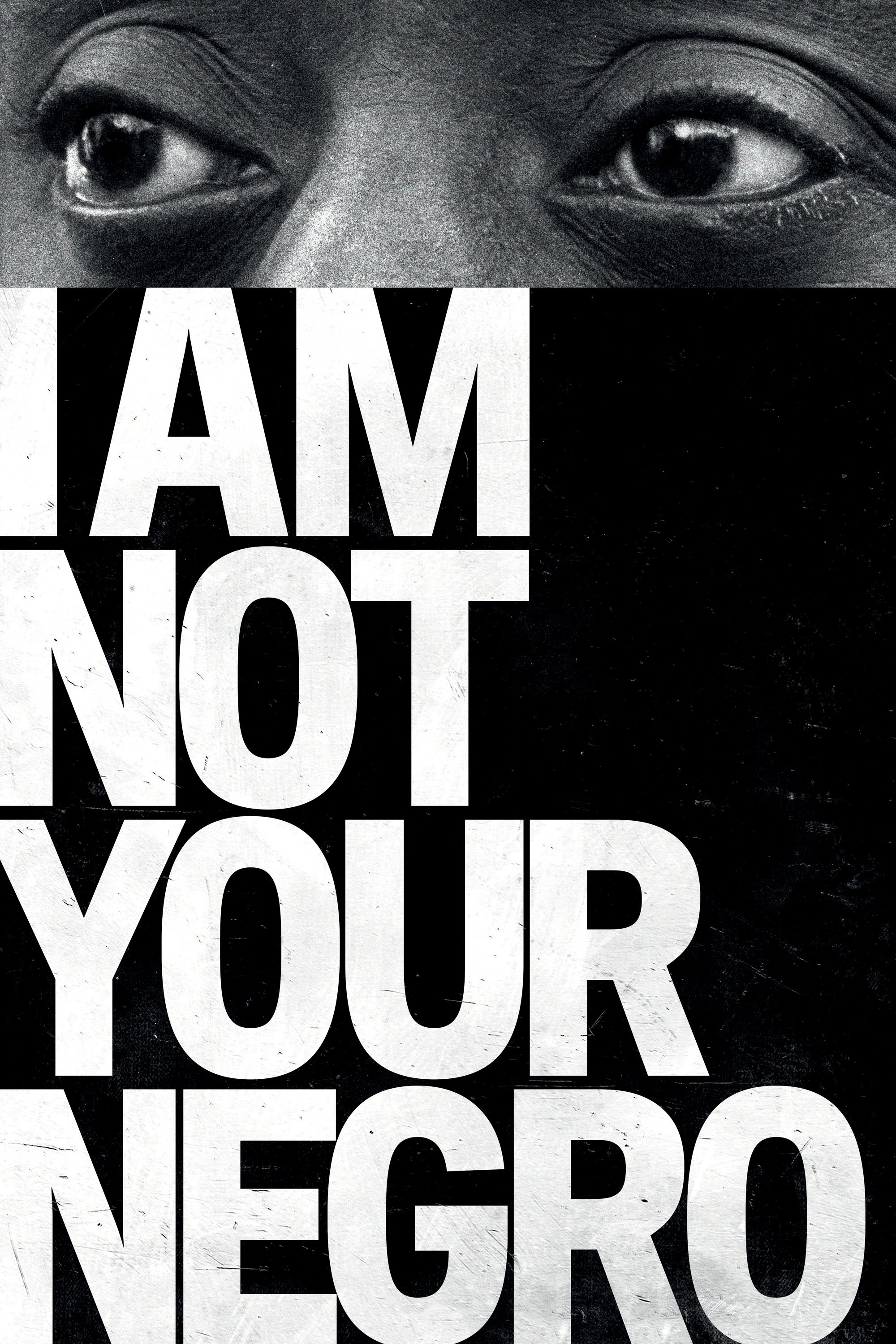
Working from the text of James Baldwin’s unfinished final novel, director Raoul Peck creates a meditation on what it means to be Black in the United States.
Alexander McQueen's rags-to-riches story is a modern-day fairy tale, laced with the gothic. Mirroring the savage beauty, boldness and vivacity of his design, this documentary is an intimate revelation of McQueen's own world, both tortured and inspired, which celebrates a radical and mesmerizing genius of profound influence.
The life and career of an actor, artist, and icon. His own journey through his own camera.
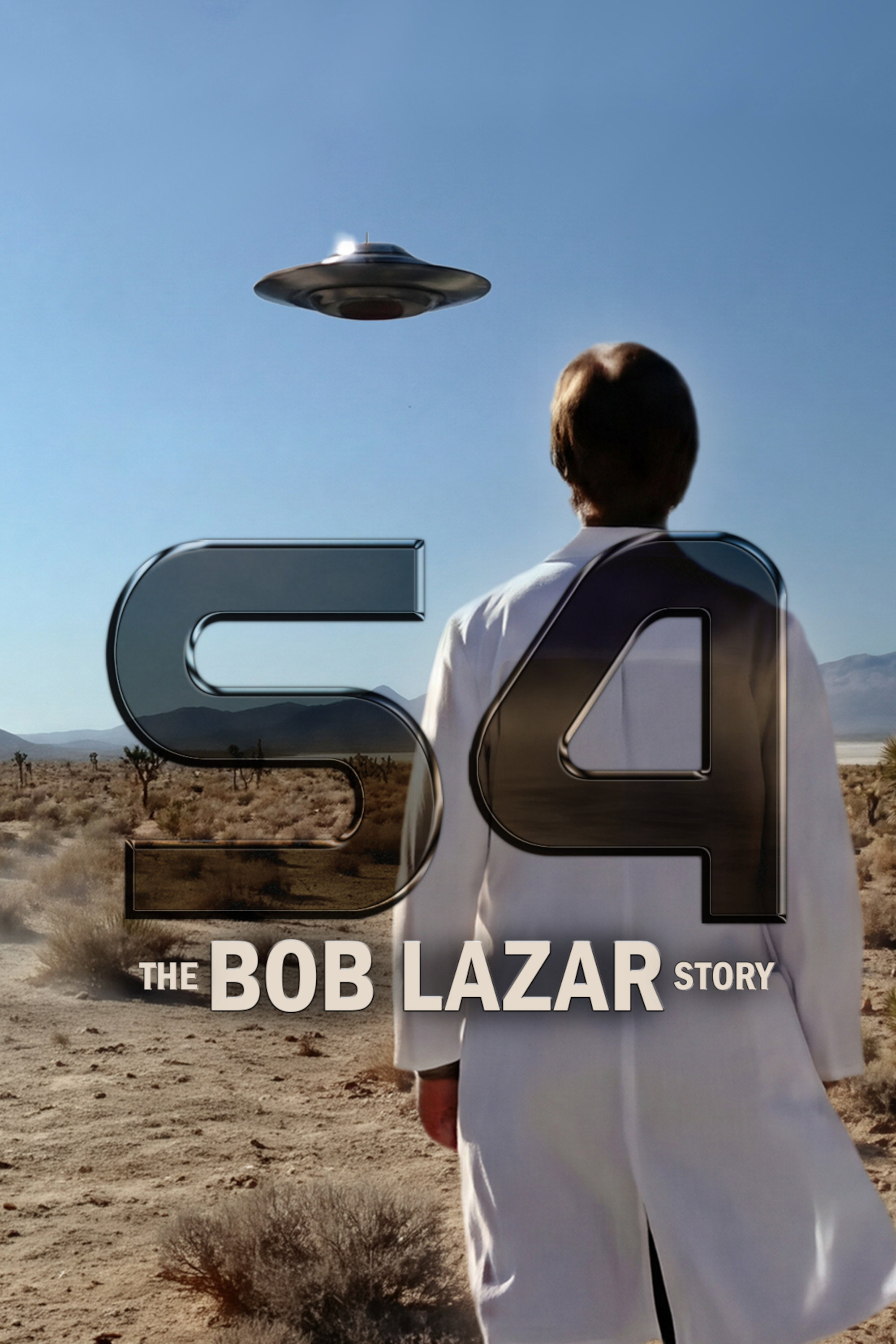
Over 35 years after Bob Lazar's revelations, this documentary exposes secrets of a facility the government still denies. Featuring Lazar's testimony, recreations, and new evidence, it reopens a case that continues to spark global curiosity
The life of Mr. Spock, as well as that of Leonard Nimoy, the actor who played him for almost fifty years, written and directed by his son: Adam.
Through deeply personal interviews with her siblings and an examination of the photographs, letters, and belongings left behind, Mariska assembles a new portrait of her mother Jayne Mansfield, an extraordinary and complex woman.
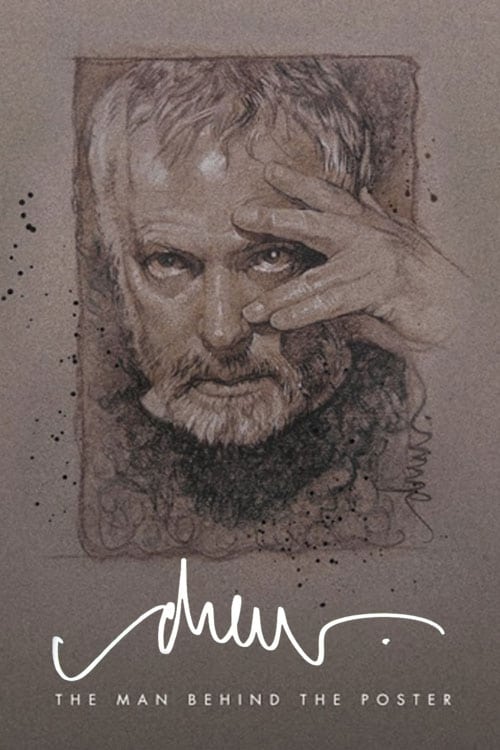
A documentary on legendary movie-poster artist Drew Struzan.
In the Realms of the Unreal is a documentary about the reclusive Chicago-based artist Henry Darger. Henry Darger was so reclusive that when he died his neighbors were surprised to find a 15,145-page manuscript along with hundreds of paintings depicting The Story of the Vivian Girls, in What is Known as the Realms of the Unreal, of the Glodeco-Angelinnian War Storm, Cased by the Child Slave Rebellion.
Al Pacino's deeply-felt rumination on Shakespeare's significance and relevance to the modern world through interviews and an in-depth analysis of "Richard III."
This revealing documentary honors the legendary Sidney Poitier—iconic actor, filmmaker, and civil rights activist. Featuring interviews with Denzel Washington, Spike Lee, Halle Berry, and more.
Documentary about legendary Paramount producer Robert Evans, based on his famous 1994 autobiography.
A documentary about the making of season five of the acclaimed AMC series Breaking Bad.