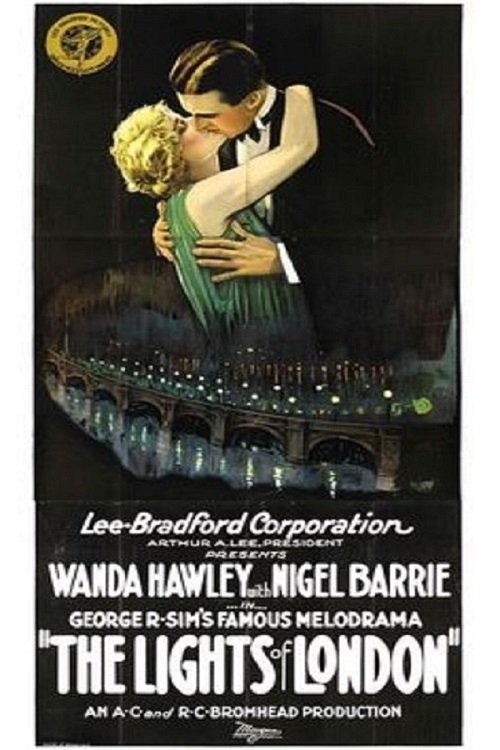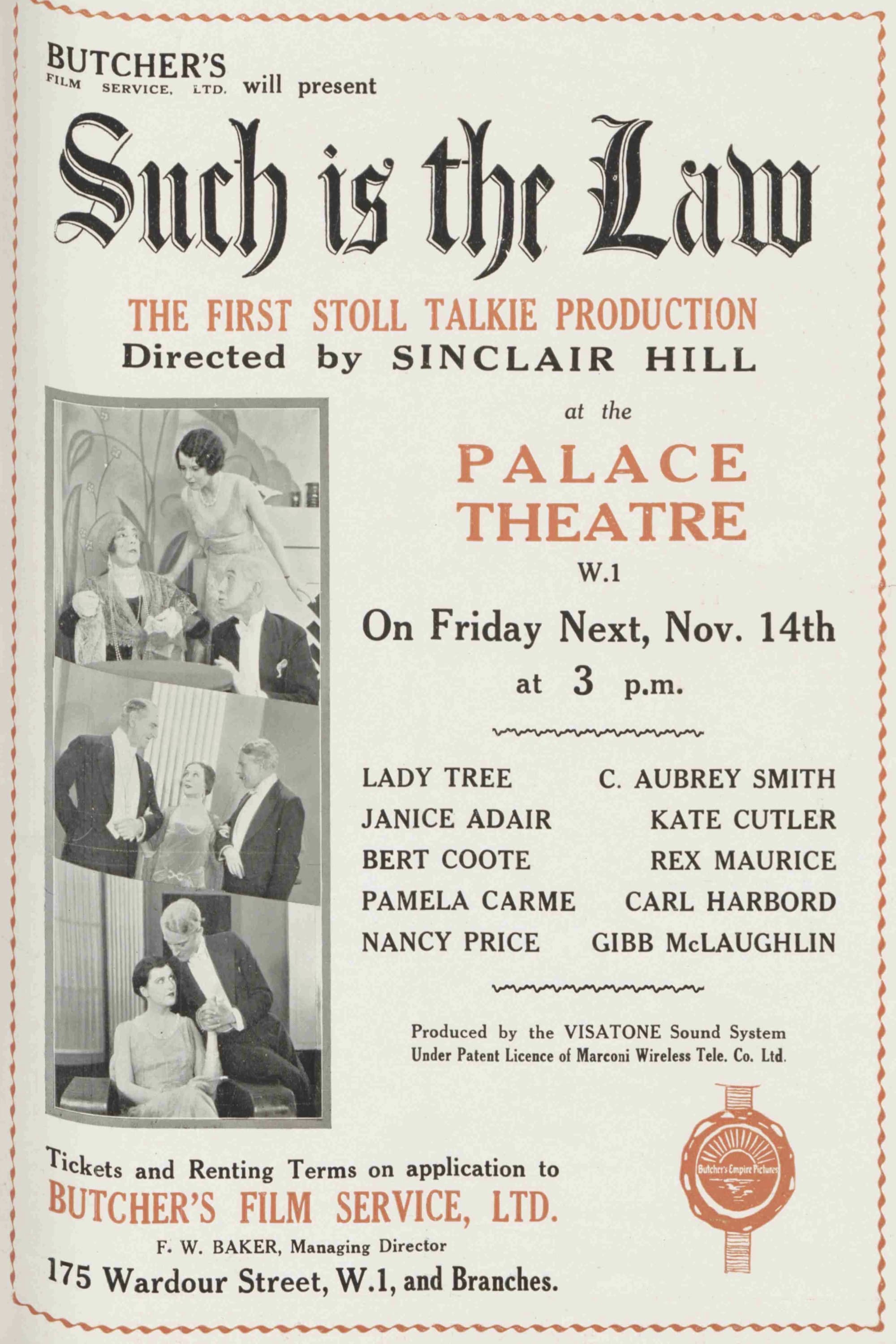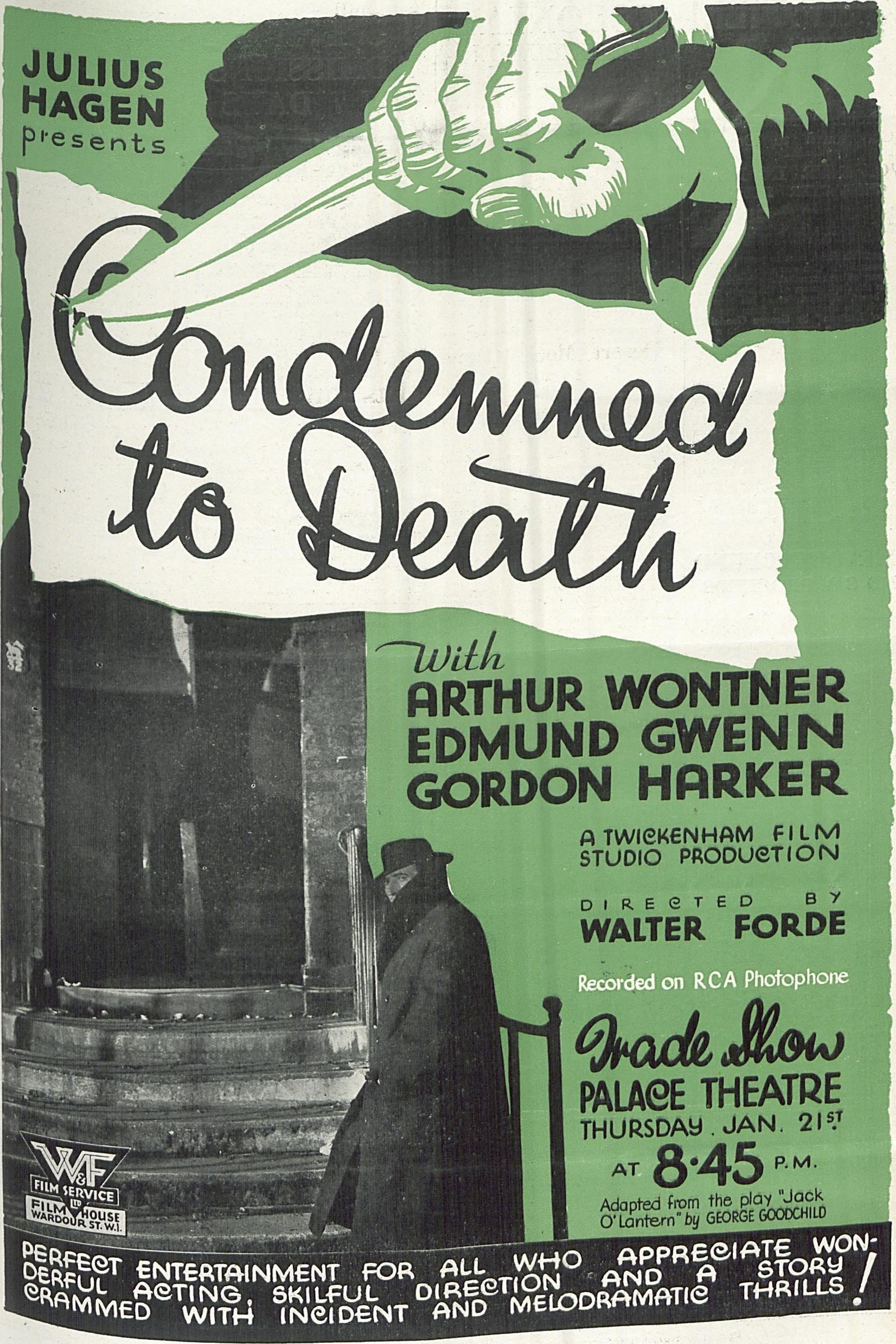
A condemned man uses hypnotism on a judge. After the man's death, the judge finds himself acting like the condemned man.
Social & External
Sir Charles Wallington
Kate Banting
Sam Knudge
Jim Wrench
Sonia Wallington
Gwen Banting
Banting
Professor Michaels
Ali
Inspector Sweeting
Doctor Cornell
Tobias Lantern
Sir Rudolph Cantler
Raised to believe that her mother Elois, is dead, 18-year-old Yvette Muree is aghast to learn that mom is a burlesque queen.
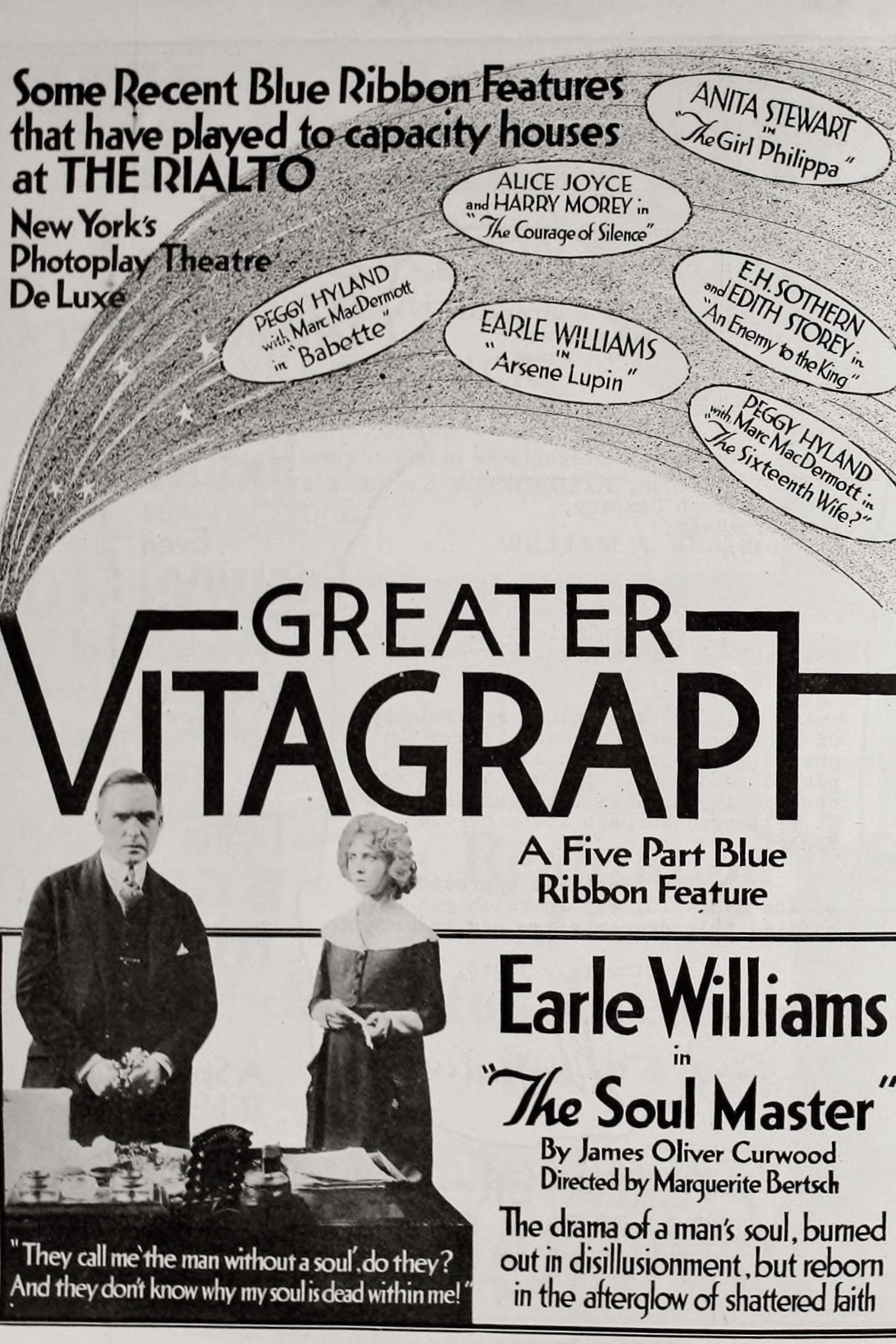
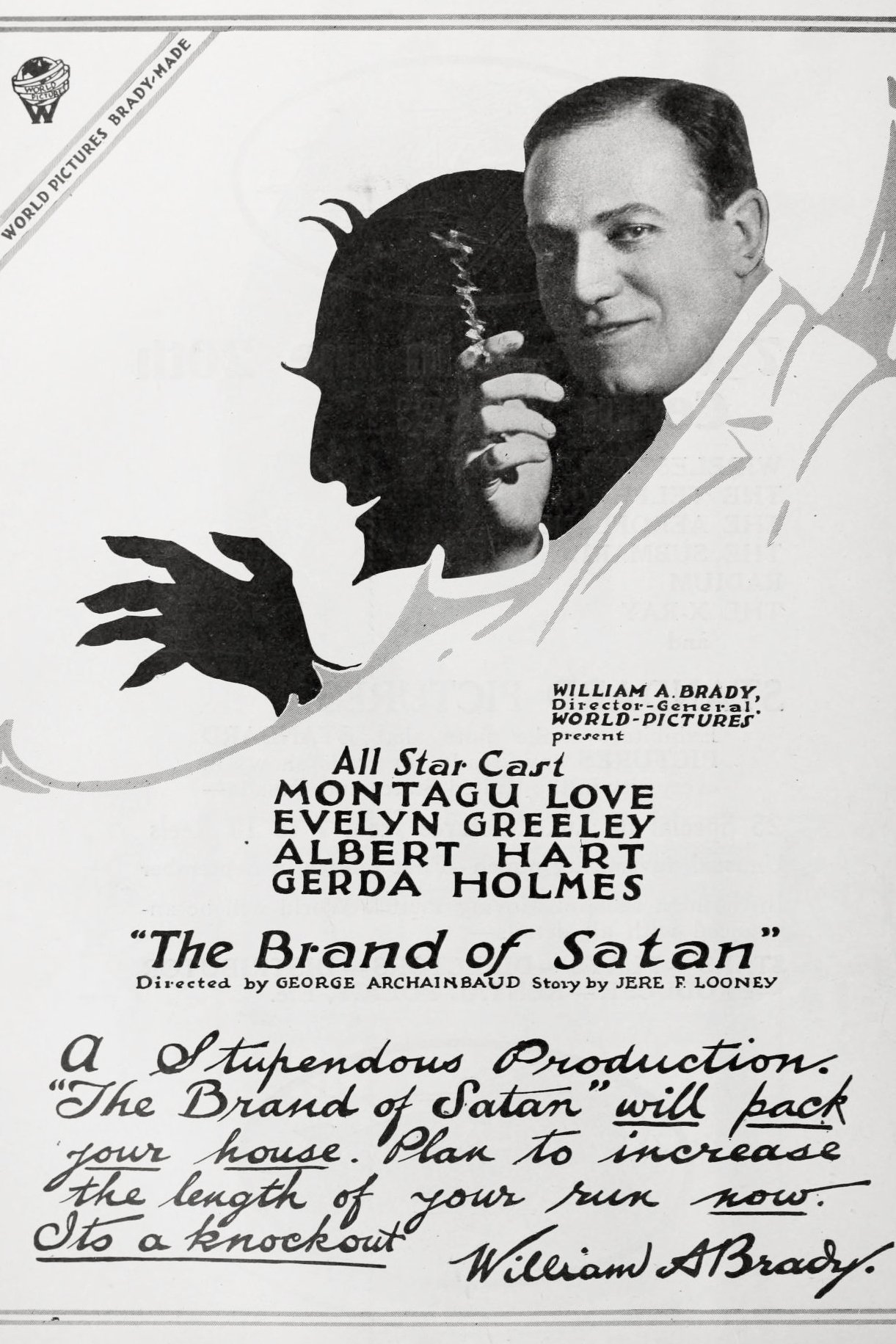
Deserted by his wife Arline, who absconds with their baby daughter Ruth as well, Robert Travers loses all faith in women. Years later, Travers, now known as the man without a soul, is the owner of a chain of department stores in which young Ruth Carroll is employed as a ribbon clerk. Finding himself strangely attracted to the girl, he takes a fatherly interest in her and offers Ruth a position in his office. Laura Wilson, who wants Travers for herself becomes jealous and tries to lure the girl away but Travers comes to realize she is his own daughter.
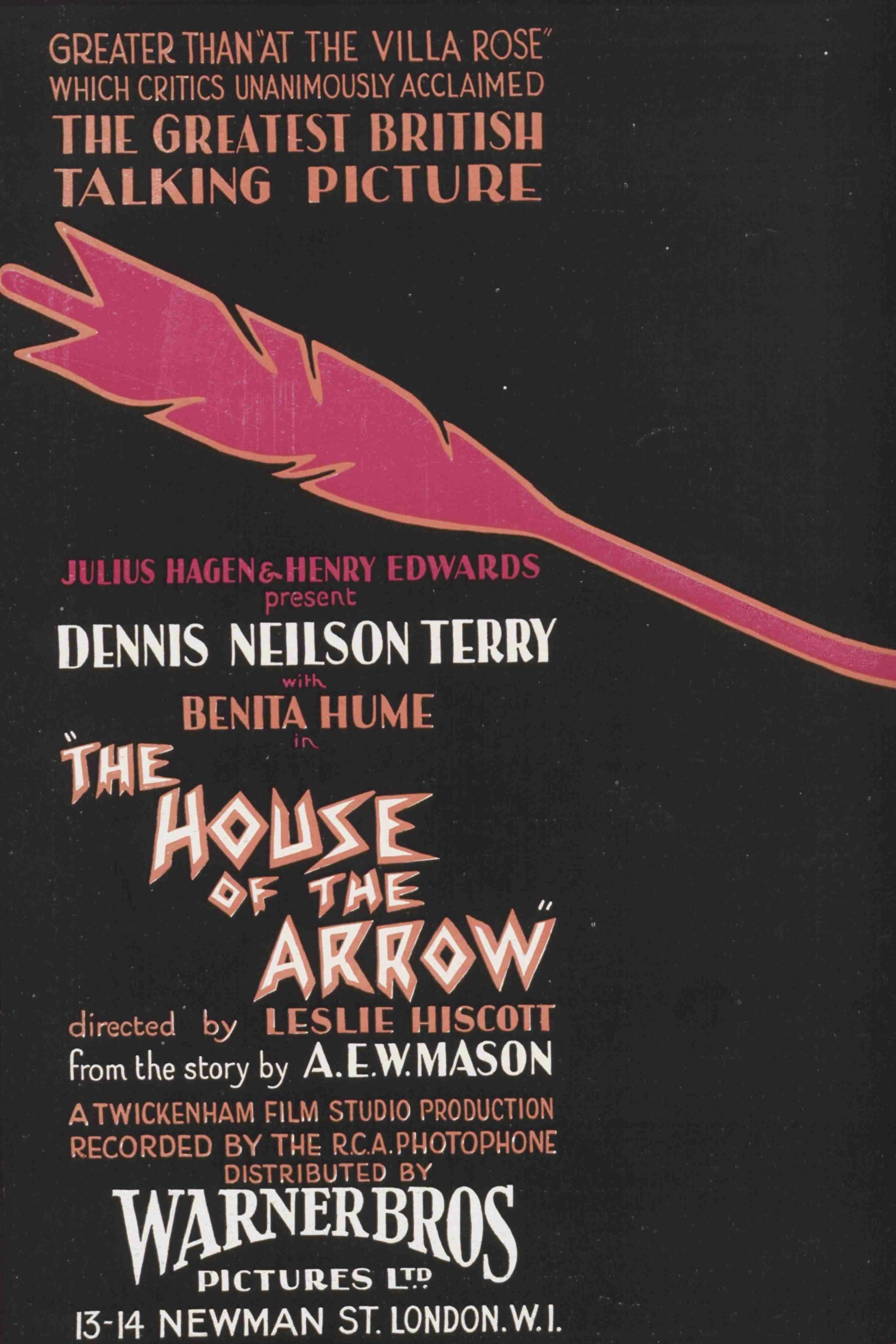
In Dijon, Inspector Hanaud investigates Betty Harlowe after her uncle, Boris Waberski, accuses her of poisoning her wealthy aunt for an inheritance. While an initial autopsy finds nothing, Hanaud discovers the use of Strophanthus Hispidus—a rare, undetectable poison applied via an antique arrow. Amidst a flurry of "poison pen" letters and deception, Hanaud proves the murder occurred despite the lack of conventional medical evidence.
Harold Armytage is disowned, then framed for murder by his conniving cousin, Clifford, to steal his inheritance. After escaping jail, Harold rescues his wife, Bess, and brings the true villains to justice.
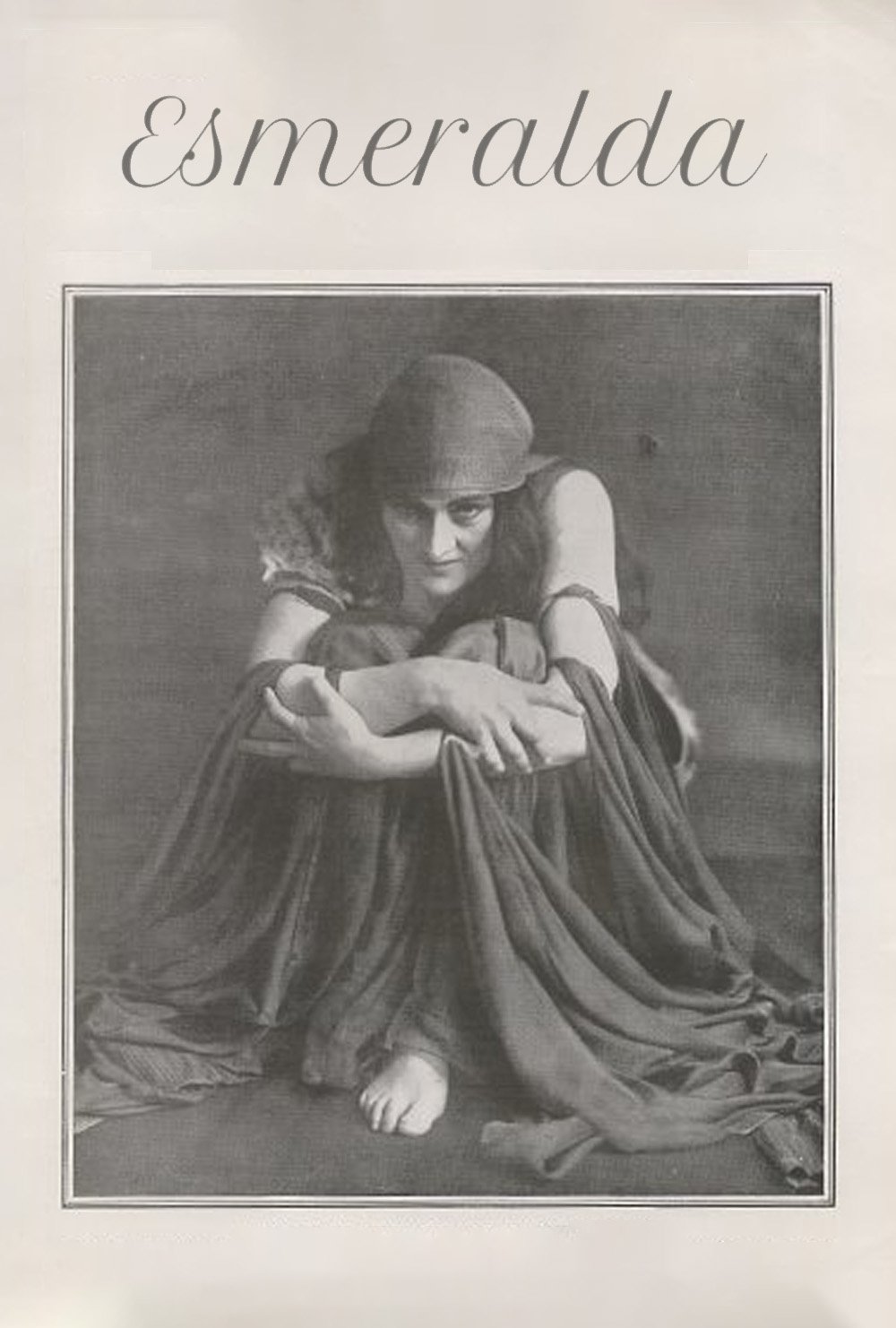
Silent adaptation of the Victor Hugo classic focusing on the character of Esmeralda rather than Quasimodo.
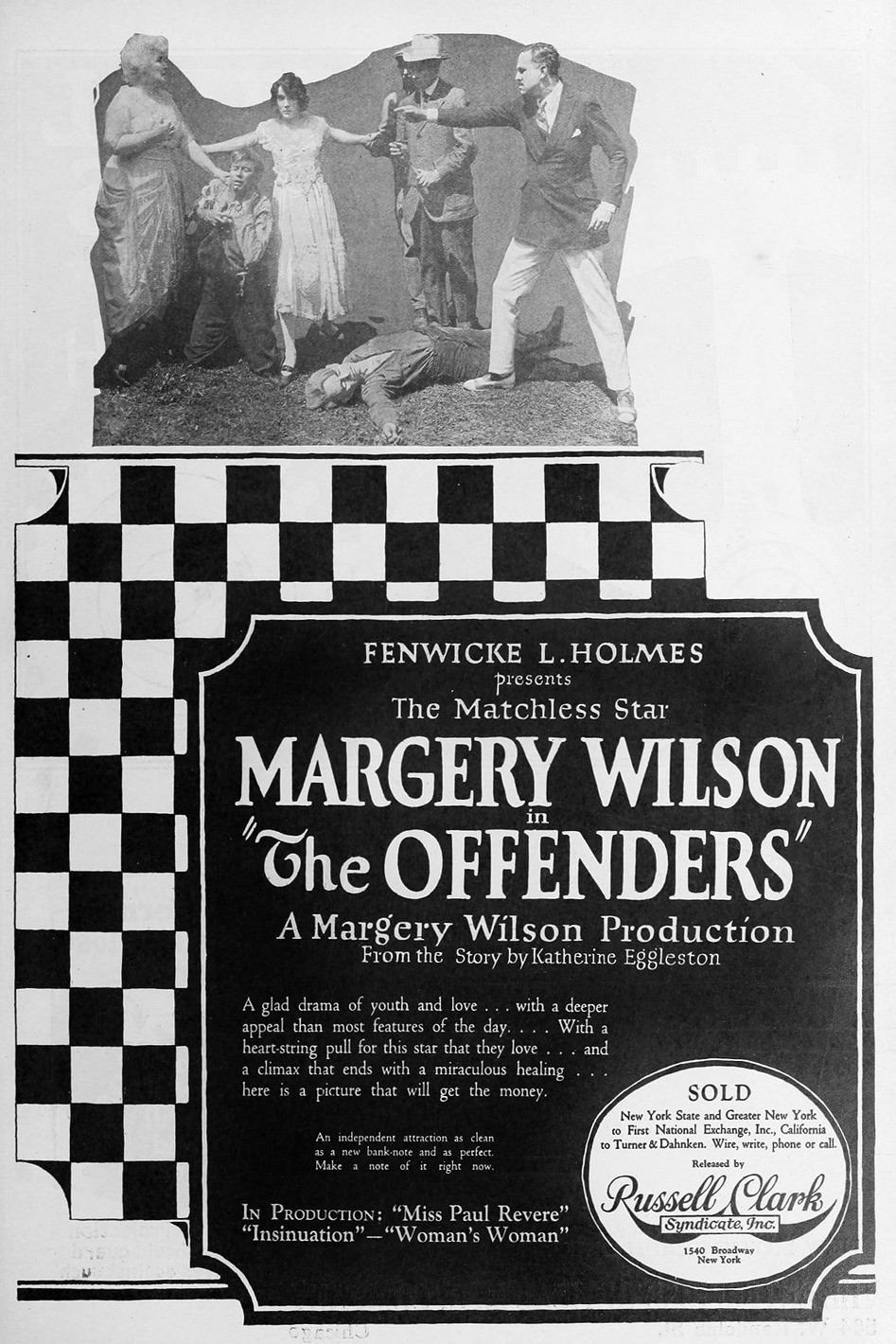
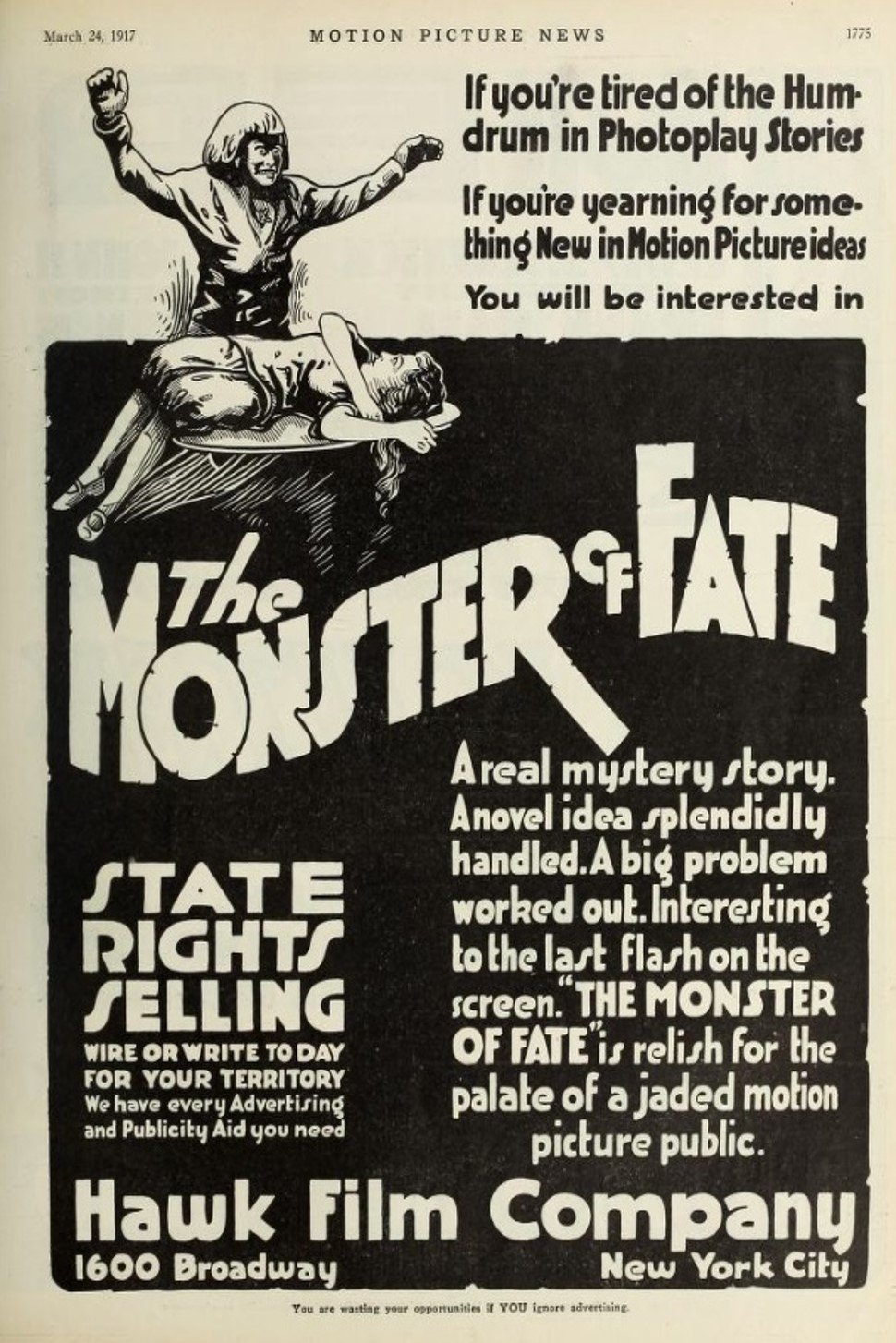
Girl is held at mercy of gang of crooks, her only friend being a half-wit. A murder is committed and blame shifted to the girl. The half-wit has seen it but cannot remember. When he is cured, his testimony frees the girl.
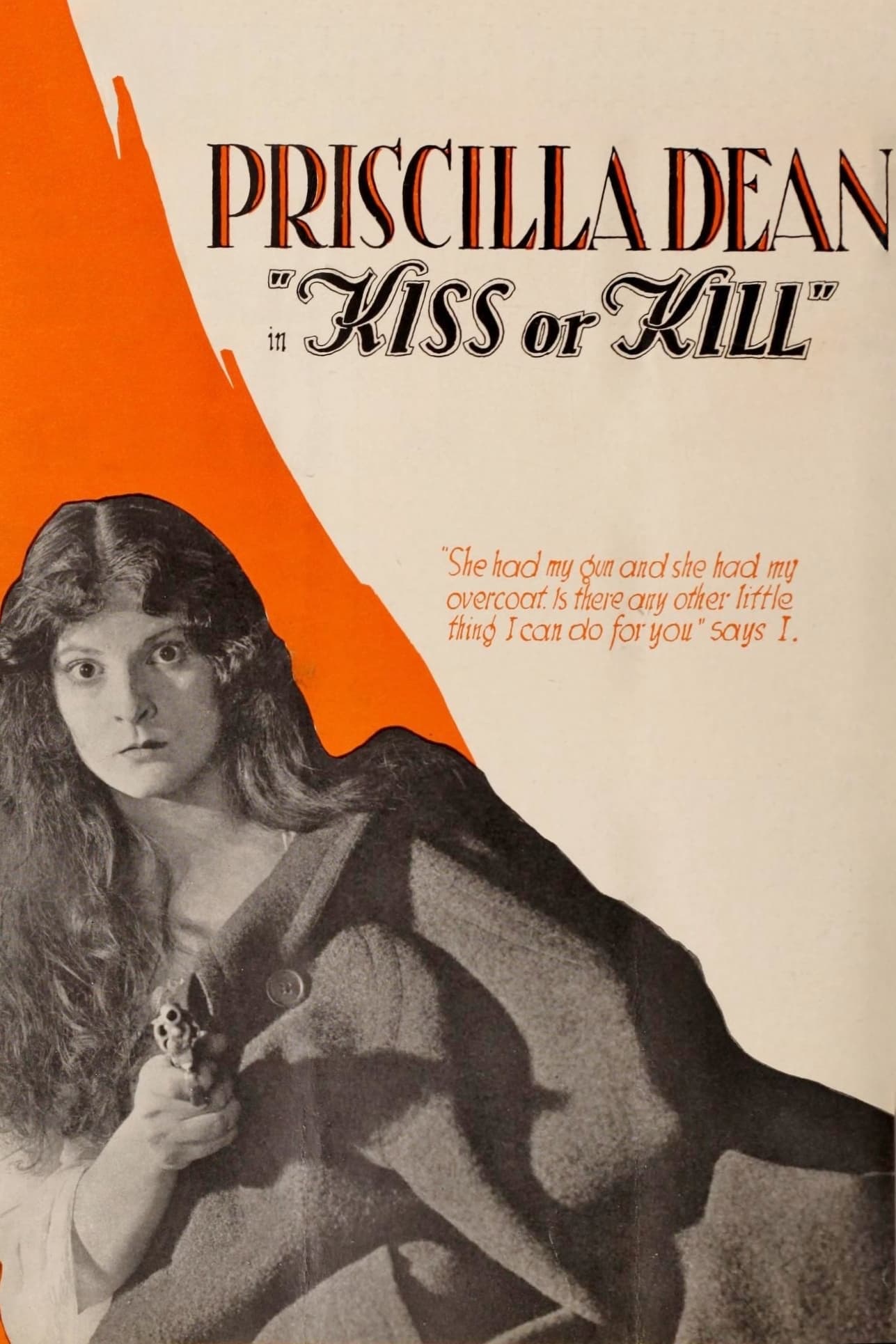
Henry Warner (Herbert Rawlinson) is so broke that he has sold his overcoat and now his landlady won't leave him alone about the rent. When he sees a wallet sticking out of a rich man's pocket, he's desperate enough to steal it. The police give pursuit, and Henry winds up in someone's study. The man who lives there, Middleton (Alfred Allen) has been looking for someone with Henry's nerve and offers him a job (along with an overcoat and some cash): He must steal back a will that Middleton's nephew, Craig (Harry Carter) stole from him.
British drama centered on a mother's desperate attempts to save her daughter's failing marriage as the film explores family loyalty, domestic conflict, and the social pressures surrounding divorce during the early 1930s.
A man tries to burgle his own safe on the same night that a professional criminal attempts it.
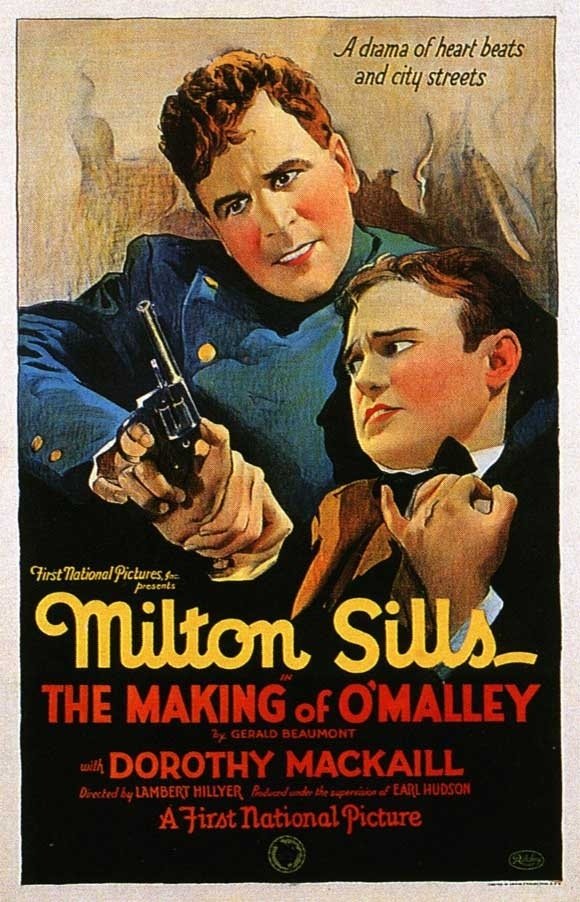
A policeman falls for a teacher, and befriends her students. A gang of bootleggers threatens his newfound joys.
A miser dies of shock when the ghost of a poor woman appears.
A man discovers that he has two personalities--and one of them is a notorious strangler.
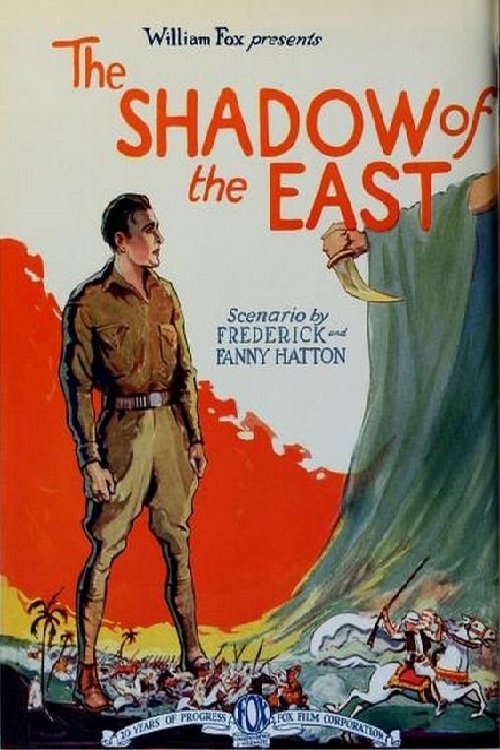
Barry Craven meets former sweetheart Gillian Locke, who is visiting India with her father. Craven's love for Gillian is revived, but he already has a wife, Lolaire, a native. In a jealous rage, Lolaire kills herself, freeing Craven, who returns to England and marries Gillian. His Indian servant, Kunwar Singh, casts a spell on Craven, causing him to leave Gillian and to go into the Algerian desert. There he joins Said, an old university friend who is the son of an Algerian sheik. Gillian follows, the servant is killed, and with him dies the spell, "The Shadow of the East."
Four sisters come of age in America in the aftermath of the Civil War.
A film adaptation (funded by Ken Togo) based on an expose book by a person involved in the Japanese entertainment industry of the time. The book describes among other things the drug-fueled parties, orgies of the entertainment business and what some celebrities like Johnny Kitagawa among others were allegedly up to in their free time. Basically giving an open-book about the secrets of the entertainment-world. The film adapts and portrays some of the shocking scenes of this book, focussing more on the gay-aspect of the expose.
This mostly lost film is often confused with director Paul Wegener third and readily available interpretation of the legend; Der Golem, wie er in die Welt kam (1920). In this version of the golem legend, the golem, a clay statue brought to life by Rabbi Loew in 16th century Prague to save the Jews from the ongoing brutal persecution by the city's rulers, is found in the rubble of an old synagogue in the 20th century. Brought to life by an antique dealer, the golem is used as a menial servant. Eventually falling in love with the dealer's wife, it goes on a murderous rampage when its love for her goes unanswered.
Neal Frazer, a performer with old-fashioned ideas about women attending a Broadway show, saves the life of the star, Emily Alden. Their friendship matures into love. After marriage, Emily feels her loss of independence and Neal's restraint on her spending.
Bill Ensor is Bluff Stuart's silent partner in a gambling den. An unpleasant feeling develops among the partners because Stuart feels that Bill's efforts to keep things fair and square are ruining the business. Bill incurs the Kid's enmity when he prevents the slightly inebriated Kid from sitting in on a poker game.
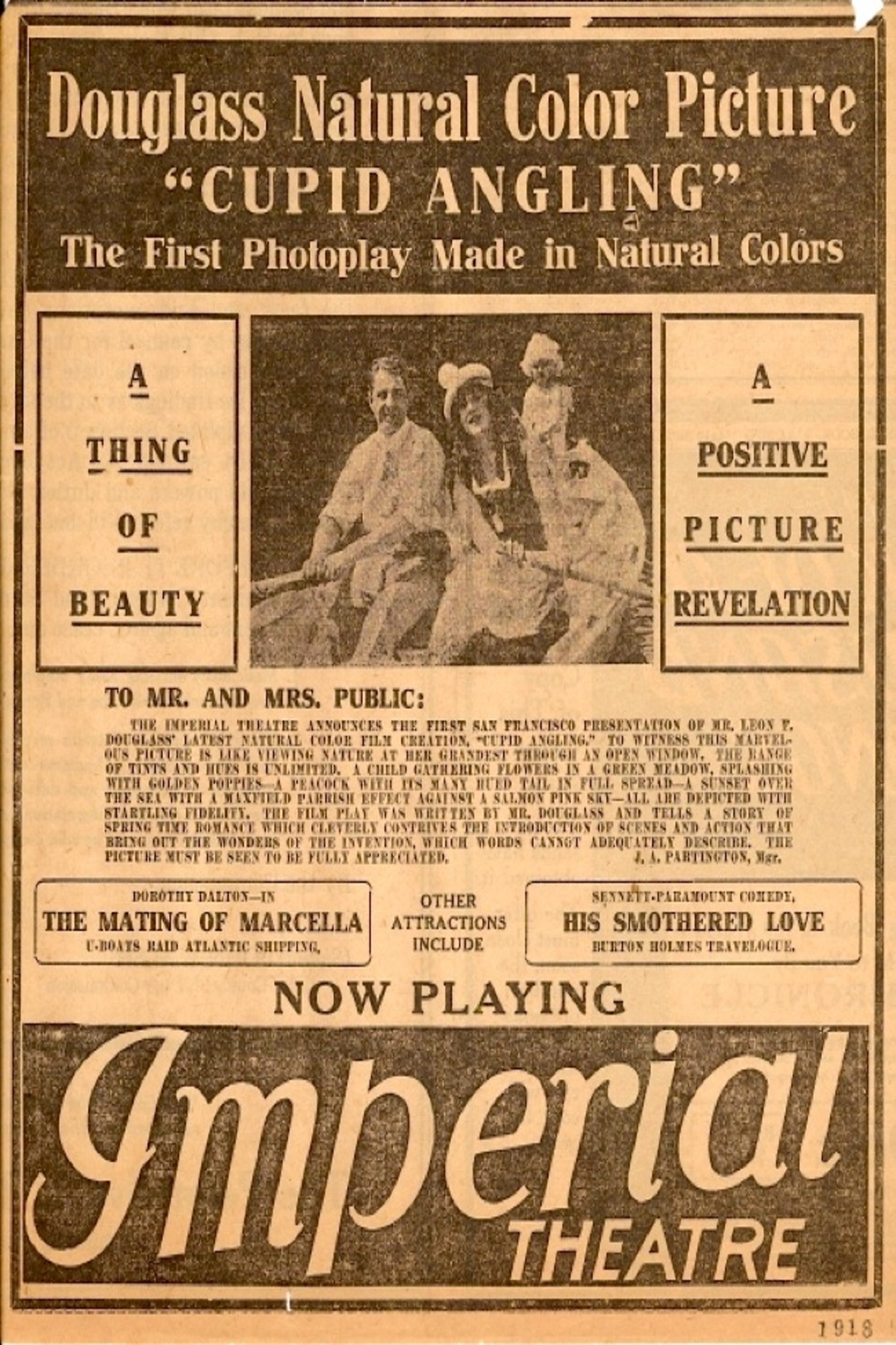
Cupid Angling is a 1918 silent film starring Ruth Roland and Albert Morrison, with walk-on appearances by Mary Pickford and Douglas Fairbanks. It was the only feature film photographed using the Douglass Natural Color process.
Gladys Manners, a wealthy socialite feels unfulfilled by her privileged life. Her millionaire father suggests a camping trip to the mountains. The prospect of escaping society's constraints strongly appeals to Gladys. While in the mountains, she meets Bill Long, a mountain guide. Bill rescues Gladys from a dangerous fall, and soon after, her sweetheart, Frank, makes an unexpected visit.