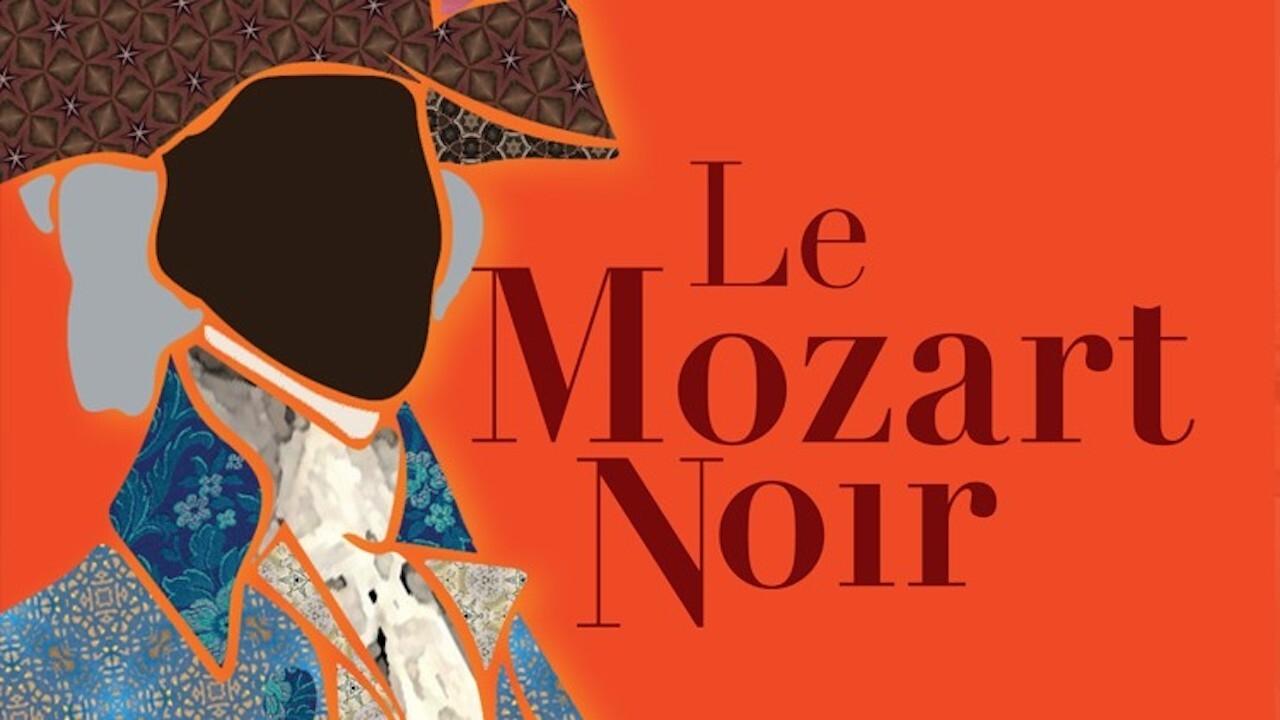
Le Chevalier de Saint-Georges overcame class and race prejudices in 18th century France to become a musical genius who would inspire Mozart.
Social & External
Chevalier de St-George
Young St-George
Unknown Role
Mother
Gilbert
Father
In May 1943, Ernst Kaltenbrunner, the new head of the Reich Central Security Office, gave Hitler a report describing in detail the organization of the French Resistance. Indeed, during the Second World War, most of the Resistance networks had been infiltrated by traitors, the "V Man" (trusted men) in the service of the occupier. The Germans had established treason as a system and recruiting Frenchmen ready to inform on them was one of their priorities. It was these Frenchmen, whose number is estimated at between 20,000 and 30,000, who dealt terrible blows to the Resistance.
From the mean streets of the Belleville district of Paris to the dazzling limelight of New York's most famous concert halls, Edith Piaf's life was a constant battle to sing and survive, to live and love. Raised in her grandmother's brothel, Piaf was discovered in 1935 by nightclub owner Louis Leplee, who persuaded her to sing despite her extreme nervousness. Piaf became one of France's immortal icons, her voice one of the indelible signatures of the 20th century.
Although he is unanimously credited with having democratised opera, making it accessible to the greatest number, focus is rarely put on the strategy he devised and implemented in order to carry out his actions, nor what his actions reveal of the man and artist, and of the resulting metamorphosis from opera singer to pop artist. Through this angle, this film sets out to pay tribute to the man who summed up his credo, obsession and life’s work, in the following way: “They led the public to believe that classical music belonged to a restricted elite. I was the way to prove to the world that was wrong.
Jenny is young. Her life is over. She killed someone. And she would do it again. When an 80-year-old piano teacher discovers the girl’s secret, her brutality and her dreams, she decides to transform her pupil into the musical wunderkind she once was.
Documentary about an emblematic institution of the Spanish Arts, Madrid's Teatro Real, or Royal Theatre, released to celebrate it's 2nd centenary anniversary.
This documentary follows the French soccer team on their way to victory in the 1998 World Cup in France. Stéphane Meunier spent the whole time filming the players, the coach and some other important characters of this victory, giving us a very intimate and nice view of them, as if we were with them.
A haven for Black intellectuals, artists and revolutionaries—and path of promise toward the American dream—Black colleges and universities have educated the architects of freedom movements and cultivated leaders in every field. They have been unapologetically Black for 150 years. For the first time ever, their story is told.
Lifting the lid on one of the most iconic singers, songwriters and performers of all time with a look at the most powerful moments that molded Elton John's career and identity. Highlighting each moment are Elton's own words from his writings and interviews as he reflects on each major milestone that altered the trajectory of his life.
A family portrait in which the director profiles his grandmother, Odette Robert. Eustache includes in the film the conditions of its production — he is seated at the table with her, pours her some whiskey, speaks with the camera operator, manipulates the clapboard at the head and tail of the reels, and even takes a phone call. Robert, who was seventy-one, speaks rapidly and tells the story of her life, starting from her early childhood in villages in the Bordeaux region of France. A shorter version of the film ("Odette Robert") was edited in 1980 to be broadcast on television on TF1. The complete film only gained exposure in 2002, when it was salvaged by Boris Eustache, Thierry Lounas, João Bénard da Costa, Jean-Marie Straub, and Pedro Costa.
In the spotlight of global media coverage, the first transgender woman ever to perform as Don Giovanni in a professional opera, makes her historic debut in one of the reddest states in the U.S.
The film covers a hundred years in the lives of the Ricordi family, the Milan publishing house of the title, and the various composers and other historic personalities, whose careers intersected with the growth of the Ricordi house. It beautifully draws the parallel between the great music of the composers, the historic and social upheavals of their times, as well as the "smaller stories" of the successive generations of Ricordi.
"Race d’Ep!" (which literally translates to "Breed of Faggots") was made by the “father of queer theory,” Guy Hocquenghem, in collaboration with radical queer filmmaker and provocateur Lionel Soukaz. The film traces the history of modern homosexuality through the twentieth century, from early sexology and the nudes of Baron von Gloeden to gay liberation and cruising on the streets of Paris. Influenced by the groundbreaking work of Michel Foucault on the history of sexuality and reflecting the revolutionary queer activism of its day, "Race d’Ep!" is a shockingly frank, sex-filled experimental documentary about gay culture emerging from the shadows.
Lyrical biography of the classical composer, depicted as a romantic hero, an accursed artist.
Crownsville Hospital: From Lunacy to Legacy is a feature-length documentary film highlighting the history of the Crownsville State Mental Hospital in Crownsville, MD.
This documentary film explores the world of the bow and the extraordinary masters who make them. The bow is the Cinderella of the orchestra—the overworked and overshadowed ally to its more glamorous partners. Few people, even among lovers of classical music, think of the bow as an instrument in its own right, but players of stringed instruments see them differently. To musicians, the bow is as essential to expressing the soul of the music as the violin or cello. The film follows the journey of the “silent servant” of the music world—from the workshops of the virtuosos of the trade, to the birthplace of the bow in France, and to Brazil, home to the imperiled tree from which the world’s finest bows are made.
Letters, Riddles and Writs is a one act opera for television by Michael Nyman broadcast in 1991.
Set amongst the unlikely backdrop of cowboy boots, rodeos, and global geopolitics, thirty of the world's most promising musicians travel to Fort Worth, Texas to compete in the renowned Van Cliburn International Piano Competition. Vying for gold and their shot at classical piano stardom, the contestants must endure six grueling performances, multiple elimination rounds, and a discerning panel of jurists. Behind the scenes, we uncover the stories of adversity, sacrifice, and heartbreak driving the pianists to perform at the highest level. As fan favorites and early contenders are eliminated, one unassuming genius rises to the top.
At the beginning of 1964, the music world experiences something completely unexpected. Maria Callas returns to the opera stage as the prima donna. Her “Tosca” at the Royal Opera House becomes a sensation. Maria Callas wants to show everyone once again that she deserves the title of “prima donna assoluta.” On the condition that star director Franco Zeffirelli take over the direction, the exceptional singer agrees to sing the role of Tosca. The BBC recorded the 2nd act of the opera for television. It is one of the most dramatic acts in opera history: in order to free the painter Cavaradossi from the hands of torturers, Tosca ends up murdering the police chief Scarpia. The film footage is one of the rare opportunities to see Maria Callas in an opera performance and to experience her highly emotional performance art and vocal abilities...
Recorded at the Olympia, this concert is like a travel journal dedicated to Paris, a city that Gautier Capuçon particularly adores. At the end of 2023, the French cellist released an album entitled "Destination Paris," where classical music rubs shoulders with pop, musicals, and even film soundtracks.
Gene Kelly and Fred Astaire present more golden moments from the MGM film library, this time including comedy and drama as well as classic musical numbers.
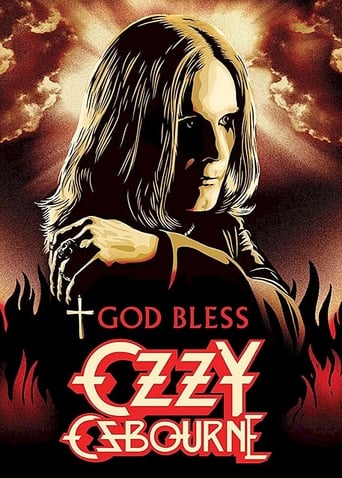
Featuring never before seen footage uncovered from the archives and interviews with Paul McCartney, Tommy Lee and others, God Bless Ozzy Osbourne is the first documentary to take viewers inside the complex mind of rock's great icon.
Various MGM stars from yesterday present their favorite musical moments from the studio's 50 year history.
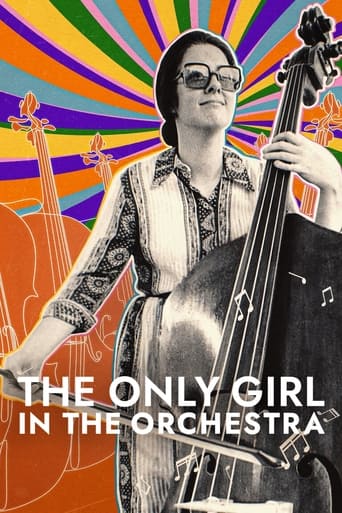
Trailblazing double bassist Orin O'Brien never wanted the spotlight, but when Leonard Bernstein hired her in 1966 as the first female musician in the New York Philarmonic, it was inevitable that she would become the focus of much interest and fascination. Now 87 years old and recently retired, Orin looks back on her remarkable life and career, insisting that a fuss should not be made, much preferring to play a supporting role to the family, students, friends, and colleagues that surround her.
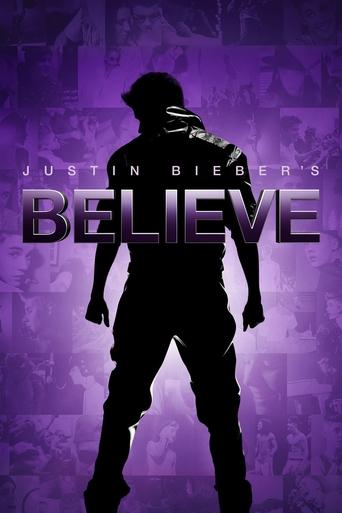
A backstage and on-stage look at Justin Bieber during his rise to super stardom.
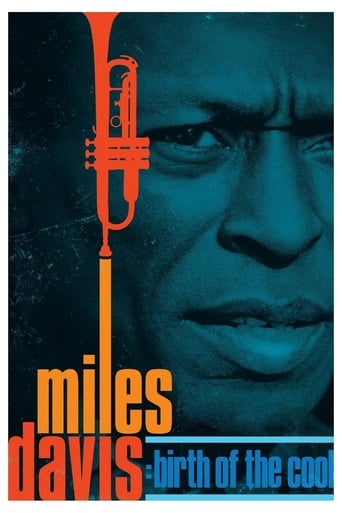
An immersive look at the eventful life and brilliant artistic career of visionary American jazz trumpeter Miles Davis (1926-1991).
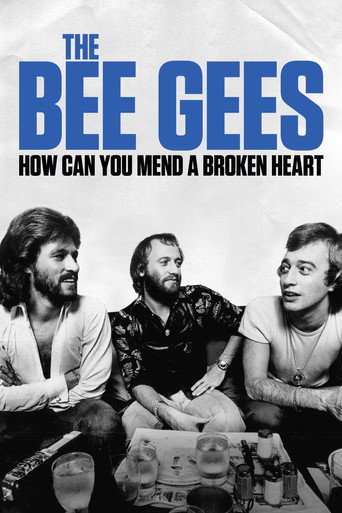
The story of the triumphs and hurdles of brothers Barry, Maurice, and Robin Gibb, otherwise known as the Bee Gees. The iconic trio, who found early fame in the 1960s, went on to write over 1,000 songs and have 20 No. 1 hits throughout their career, transcending more than five decades of changing tastes and styles.
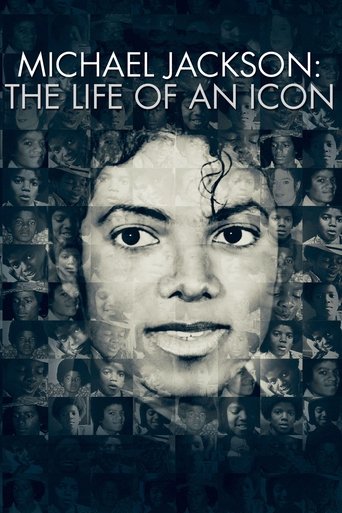
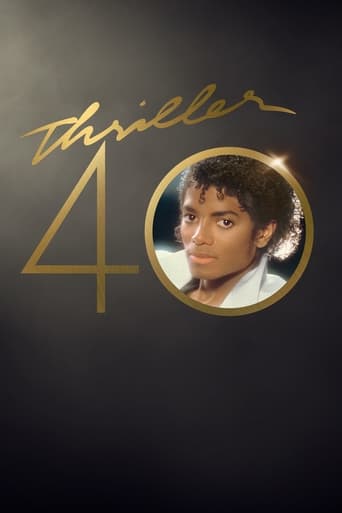
Forty years after the release of Michael Jackson’s ‘Thriller,’ the best-selling album of all-time, director Nelson George takes fans back in time to the making of a pop masterpiece, featuring never-before-seen footage and candid interviews.
Ginger Baker is known for playing in Cream and Blind Faith, but the world's greatest drummer didn’t hit his stride until 1972, when he arrived in Nigeria and discovered Fela Kuti's Afrobeat. After leaving Nigeria, Ginger returned to his pattern of drug-induced self-destruction, and countless groundbreaking musical works, eventually settling in South Africa, where the 73-year-old lives with his young bride and 39 polo ponies. This documentary includes interviews with Eric Clapton, Steve Winwood, Carlos Santana and more. Beware of Mr. Baker! With every smash of the drum is a man smashing his way through life.
Though legendary lyricist Howard Ashman died far too young, his impact on Broadway, movies, and the culture at large were incalculable. Told entirely through rare archival footage and interviews with Ashman’s family, friends, associates, and longtime partner Bill Lauch, Howard is an intimate tribute to a once-in-a-generation talent and a rousing celebration of musical storytelling itself.
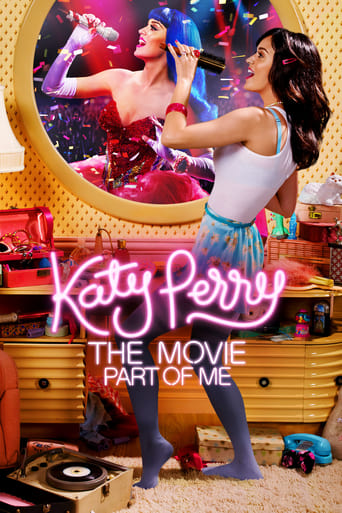
Giving fans unprecedented access to the real life of the music sensation, Katy Perry: Part of Me exposes the hard work, dedication and phenomenal talent of a girl who remained true to herself and her vision in order to achieve her dreams. Featuring rare behind-the-scenes interviews, personal moments between Katy and her friends, and all-access footage of rehearsals, choreography, Katy’s signature style and more, Katy Perry: Part of Me reveals the singer’s unwavering belief that if you can be yourself, then you can be anything.
The Beatles stormed through Europe's music scene in 1963, and, in 1964, they conquered America. Their groundbreaking world tours changed global youth culture forever and, arguably, invented mass entertainment as we know it today. All the while, the group were composing and recording a series of extraordinarily successful singles and albums. However the relentless pressure of such unprecedented fame, that in 1966 became uncontrollable turmoil, led to the decision to stop touring. In the ensuing years The Beatles were then free to focus on a series of albums that changed the face of recorded music.
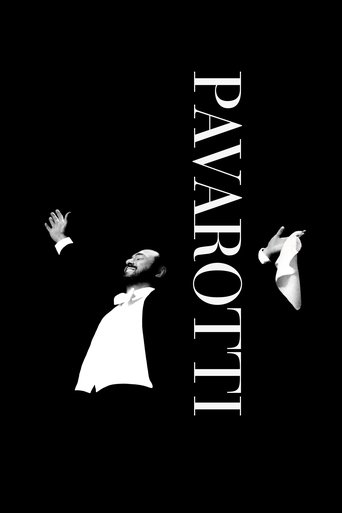
Featuring never-before-seen footage, concert performances and intimate interviews, filmmaker Ron Howard examines the life and career of famed opera tenor Luciano Pavarotti.
A chronicle of Bob Dylan's strange evolution between 1961 and 1966 from folk singer to protest singer to "voice of a generation" to rock star.
Martin Scorsese's documentary intertwines footage from The Band's incredible farewell tour with probing backstage interviews and featured performances by Eric Clapton, Bob Dylan, Joni Mitchell, Van Morrison, and other rock legends.
Ozzy Osbourne faces his identity and mortality after his world stops. Dealing with health issues and Parkinson's, he questions if he can perform again while music remains his life's cornerstone.
A deliciously scandalous portrait of unsung Hollywood legend Scotty Bowers, whose bestselling memoir chronicled his decades spent as sexual procurer to the stars.
A primetime special with performances from the superstar including Adele’s first new material in six years plus her chart-topping hits. The special will also feature an exclusive interview with Adele by Oprah Winfrey from her rose garden, in Adele’s first televised wide-ranging conversation.
In this concert film, 'Hannah Montana' star Miley Cyrus performs a slew of hit songs, including 'Just Like You' and 'Life's What You Make It.'
Janis Joplin is one of the most respected and iconic rock & roll singers of all time, a tragic and misunderstood figure who captivated millions of listeners and blazed new creative trails before her death in 1970 at age 27. Director Amy Berg explored Joplin's story in depth. A portrait of a complicated, driven and often beleaguered artist. Joplin's own words recount a series of letters she wrote to her family over the years. Janis was a vessel of energy when she sang. Her rapid rise and untimely death changed music forever.