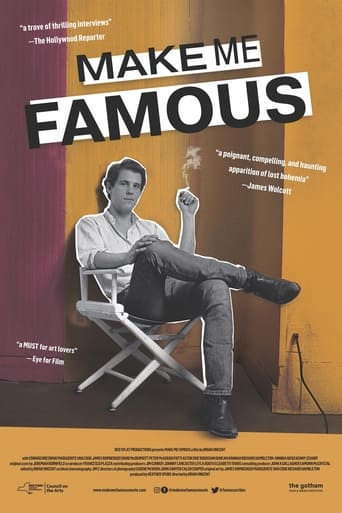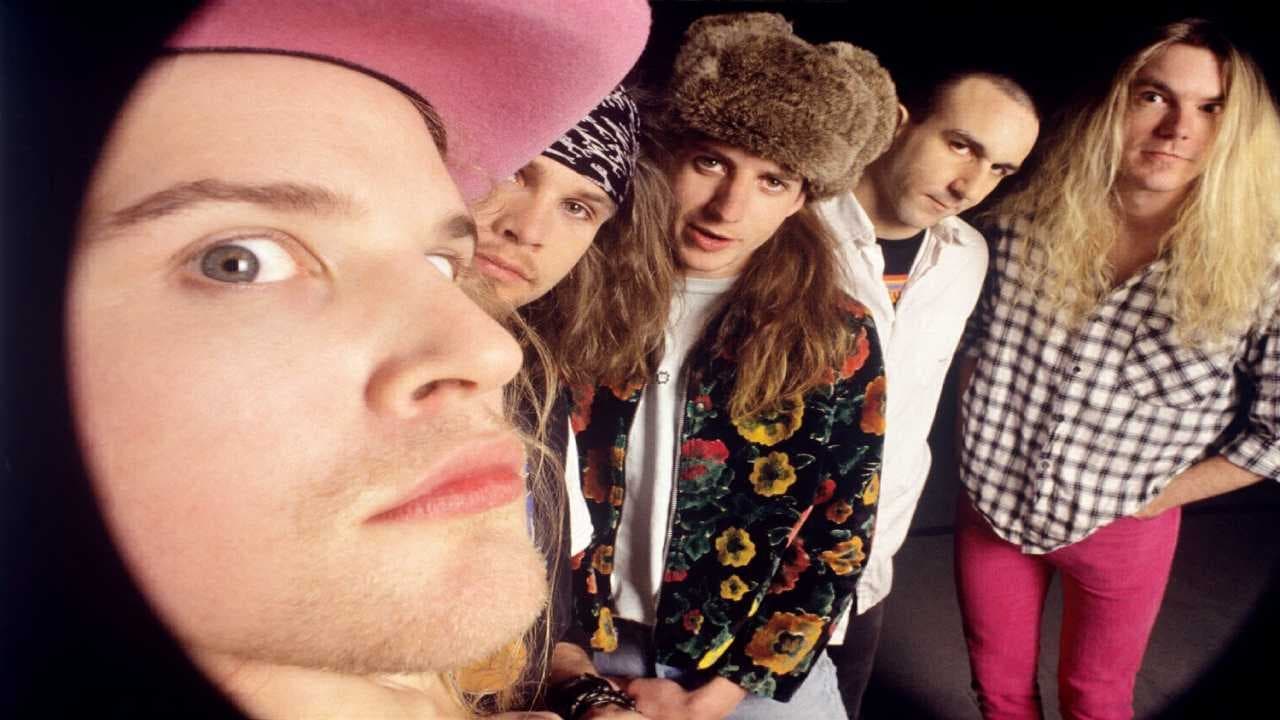
Documentary on the life of late Mother Love Bone singer Andrew Wood.
Social & External
Himself
Set against the backdrop of 1980s Britain, four young men – Boy George, Roy Hay, Mikey Craig, and Jon Moss – formed a multi-racial, ethnically diverse, and sexually liberated band with a style and sound that challenged the status quo during the era of New Romantics and Margaret Thatcher’s Britain.
British documentarian Nick Broomfield creates a follow-up piece to his 1992 documentary of the serial killer Aileen Wuornos, a highway prostitute who was convicted of killing six men in Florida between 1989 and 1990. Interviewing an increasingly mentally unstable Wuornos, Broomfield captures the distorted mind of a murderer whom the state of Florida deems of sound mind -- and therefore fit to execute. Throughout the film, Broomfield includes footage of his testimony at Wuornos' trial.
The story of how the Satanic Panic of the 1980s was ignited by "Michelle Remembers", a memoir by psychiatrist and his patient. The book relied on recovered-memory therapy to uncover Michelle's abduction by baby-stealing Satanists.
An in-depth analysis on the 40th Anniversary of the life and untimely death of Arthur Lee McDuffie at the hands of Miami Dade police officers.
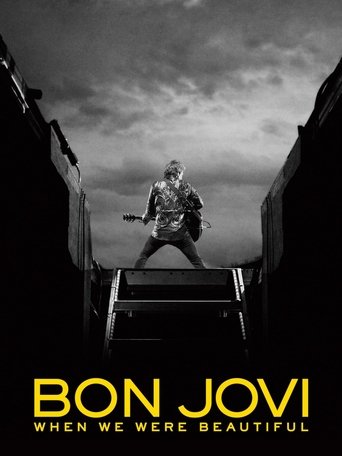
A documentary filmed behind the scenes of the Bon Jovi's Lost Highway tour in 2008.
Portrait of Debbie Harry, co-founder of Blondie, punk rock pioneer, that was one of the few feminine icon in rock music at that time.
It explores the last two years of Brazilian singer Cazuza's life, from his AIDS diagnosis until his death. Nilo Romero, Cazuza's music producer and the film's director, created a collection of rarely seen and controversial images.
The band Fugazi is documented over a period of more than ten years (1987-1998) through performance footage and interviews with the band and their fans. Director Jem Cohen's relationship with band member Ian MacKaye extends back to the 1970s when the two met in high school in Washington, D.C.. The film takes its title from the Fugazi song of the same name, from their 1993 album, In on the Kill Taker. Editing of the film was done by both Cohen and the members of the band over the course of five years. It was shot from 1987 through 1998 on super 8, 16mm and video and is composed mainly of footage of concerts, interviews with the band members, practices, tours and time spent in the studio recording their 1995 album, Red Medicine. The film also includes portraits of fans as well as interviews with them at various Fugazi shows around the United States throughout the years.
Second Lane is a story about drug addiction, living with it and fighting it. It is a documentary about people who use intravenous drugs and the professionals and peers working with those people. What happens when ‘Vinkki’, a social and healthcare counselling centre in Helsinki, closes its doors due to a lost contract.
Shot over the course of 18 months in New York City's Lower East Side, METHADONIA sheds light on the inherent flaws of legal methadone treatments for heroin addiction by profiling eight addicts, in various stages of recovery and relapse, who attend the New York Center for Addiction Treatment Services (NYCATS).
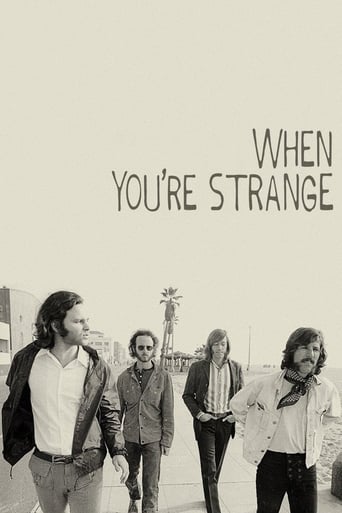
Paris, Rue Beautreillis, July 3, 1971. The corpse of rock star Jim Morrison is found in a bathtub, in the apartment of his girlfriend Pamela Courson. The chronicle of the last months of the life of the poet, singer and charismatic leader of the American band The Doors, one of the most influential in the history of rock.
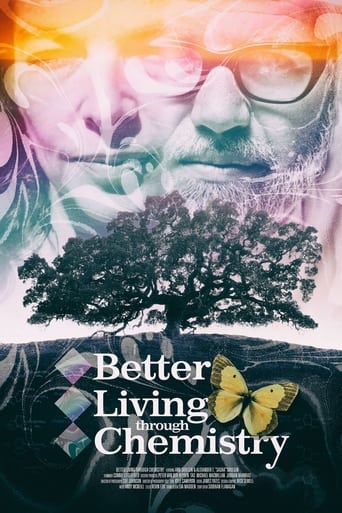
In the 1970s, Dr. Alexander “Sasha” Shulgin significantly contributed to the development and psychopharmaceutical use of MDMA: a catalyst to personal doors entombed or unknown. His widow, co-author, and research partner, Ann—alongside friends, family, and colleagues—gives a guided tour of their life and laboratory, reflecting on how risks and revelations opened a world of compound enlightenment. Stippled with spirituality, sadness, and skepticism, the Shulgins’ chemical love story examines the power of psychedelic psychotherapy, sacred alchemy, and challenging the path of misunderstood resistance.
A documentary covering the Rebellion of Brașov, from November 15, 1987.
Meat Loaf, the legendary rocker, reveals surprising shades of himself -- and his internal demons -- as he sets out on an ambitious world tour.
Directed by journalist Ricardo Alexandre, the documentary tells the story of the Napalm nightclub, responsible for the new wave and post-punk generation in Sao Paulo. Mixing live shows, cutting-edge DJing and videos in its "modern" internal television system, the venue quickly became a meeting point for young people who shaped the grayer side of Brazilian rock in the 80s.
Through words, music, and mischief, Bono pulls back the curtain on his deeply personal experiences that have shaped him as a son, father, husband, activist, and U2 frontman.