Social & External
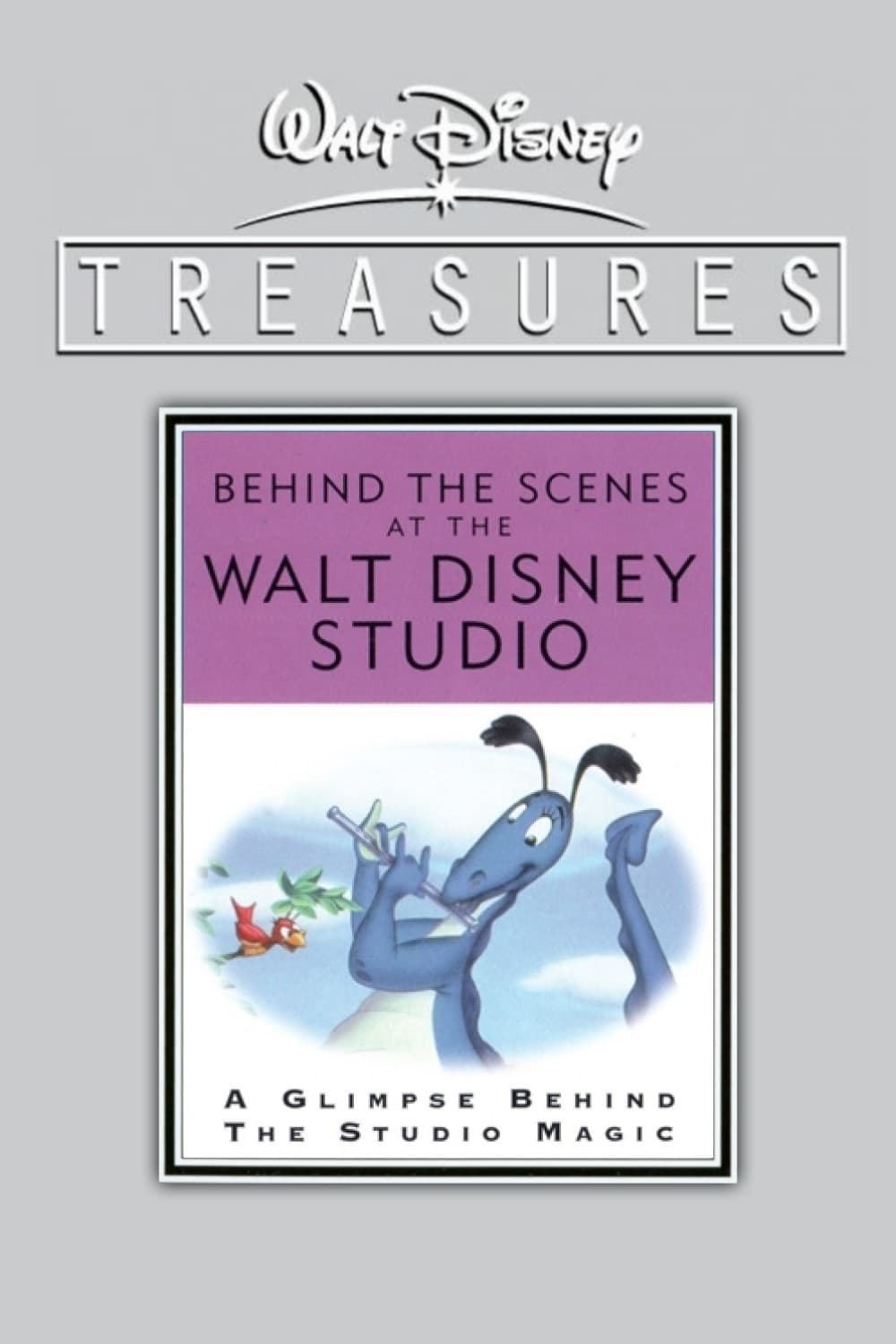
Go behind the walls of The Walt Disney Studio as Walt invites you inside the world's most famous magic factory. It's not every day you'll learn tricks of the trade and satisfy your curiosity about what happens behind the scenes at the most creative bastion of family entertainment.
We’re extremely proud to bring you our full 45-minute ‘Loud Legacy’ documentary focusing on the life of HIM frontman Ville Valo. Hosted by Loudwire’s Graham ‘Gruhamed’ Hartmann, ‘Loud Legacy’ begins with the formation of HIM in 1991 and spans all the way into late 2014. HIM existed for six years before the band’s debut full-length, Greatest Love Songs: Vol. 666, was released. During that period, HIM struggled to find their own sound while going through a number of lineup changes. Ville famously worked at his father’s sex shop to pay the rent, while bassist Mikko ‘Mige’ Paananen left HIM for a short time to complete military service.
In 1977, a book of photographs captured an awakening - women shedding the cultural restrictions of their childhoods and embracing their full humanity. This documentary revisits those photos, those women and those times and takes aim at our culture today that alarmingly shows the need for continued change.
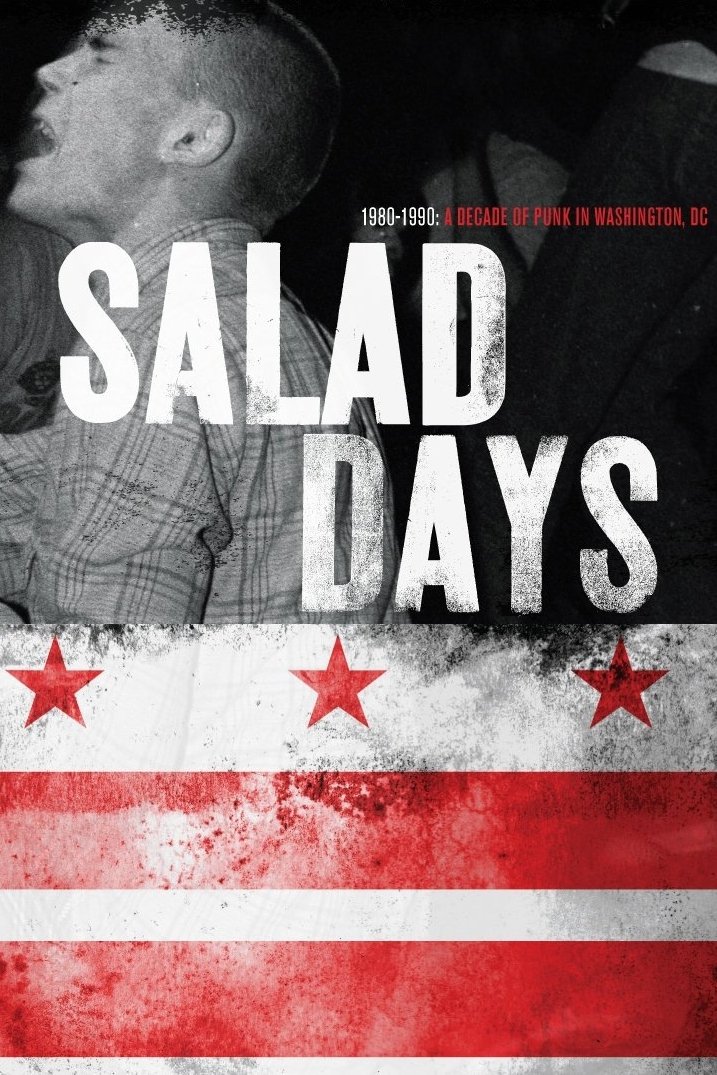
"Salad Days: A Decade of Punk in Washington, DC (1980-90)" examines the early DIY punk scene in the Nation's Capital. It was a decade when seminal bands like Bad Brains, Minor Threat, Government Issue, Scream, Void, Faith, Rites of Spring, Marginal Man, Fugazi, and others released their own records and booked their own shows-without major record label constraints or mainstream media scrutiny. Contextually, it was a cultural watershed that predated the alternative music explosion of the 1990s (and the industry's subsequent implosion). Thirty years later, DC's original DIY punk spirit serves as a reminder of the hopefulness of youth, the power of community and the strength of conviction.
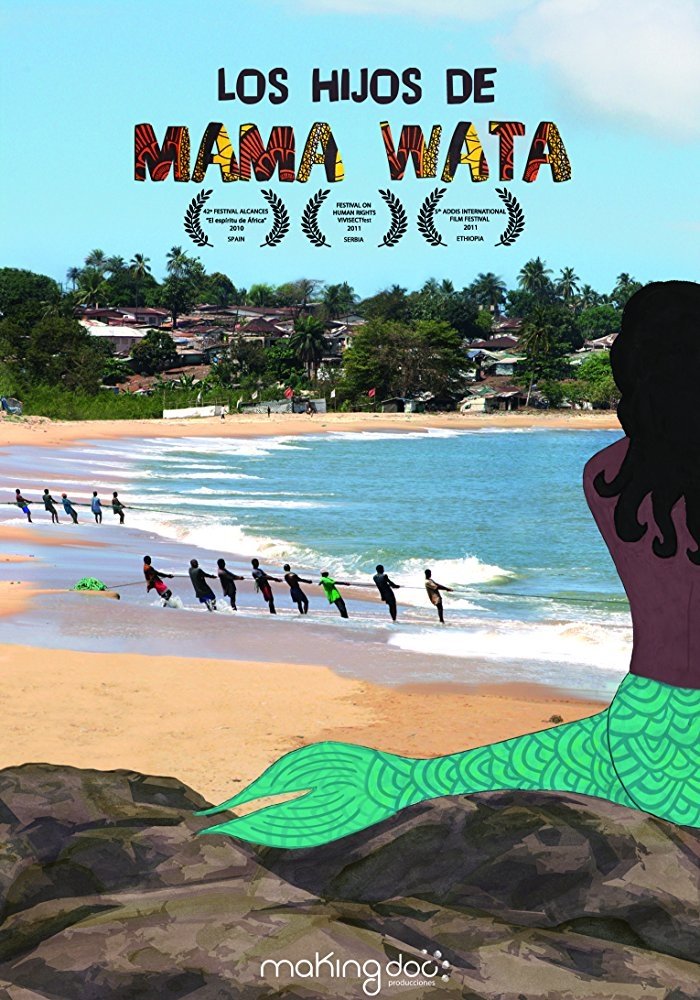
Mama Wata is a goddess that provides Sierra Leone with riches. The waters of Goderich Bay, in Freetown, have been blessed with an abundance of fish. Idrissa, a local fisherman, and his neighbors know that the goddess looks over them; however, they must still battle against international commercial fishing boats, illegal fishing and drug traffickers. Sierra Leone, ranked as one of the world's poorest countries by the UN, lacks an education system, health facilities and suffers from staggering unemployment. The Children of Mama Wata portrays the dignity and faith and the day-to-day lives of the inhabitants of Goderich.
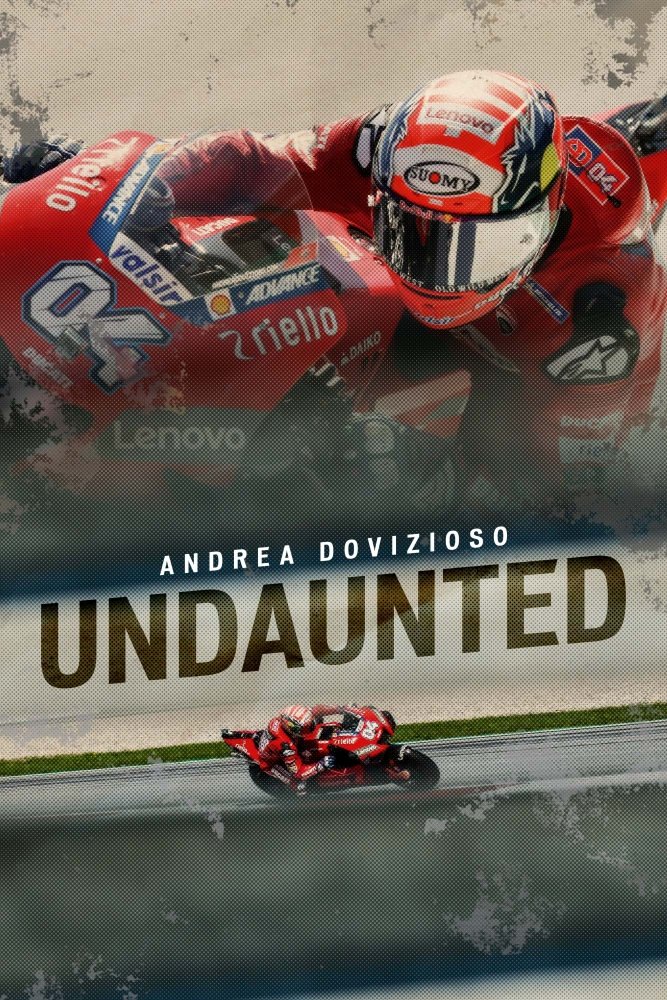
Follow Italy’s Andrea Dovizioso through a challenging season — one that saw him defy injury and his critics to win races and finish runner-up in the MotoGP™ world championship.
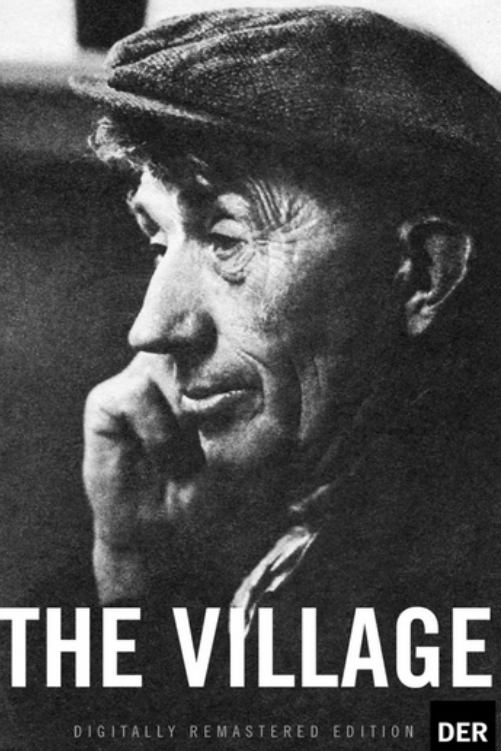
An intimate study of Dunquin, County Kerry, Ireland, the westernmost village in Europe and one of the last Gaelic-speaking communities. Isolated from the rest of the country, depleted by emigration and devastated by a harsh climate, the society, traditions, and lives of Dunquin carry on.
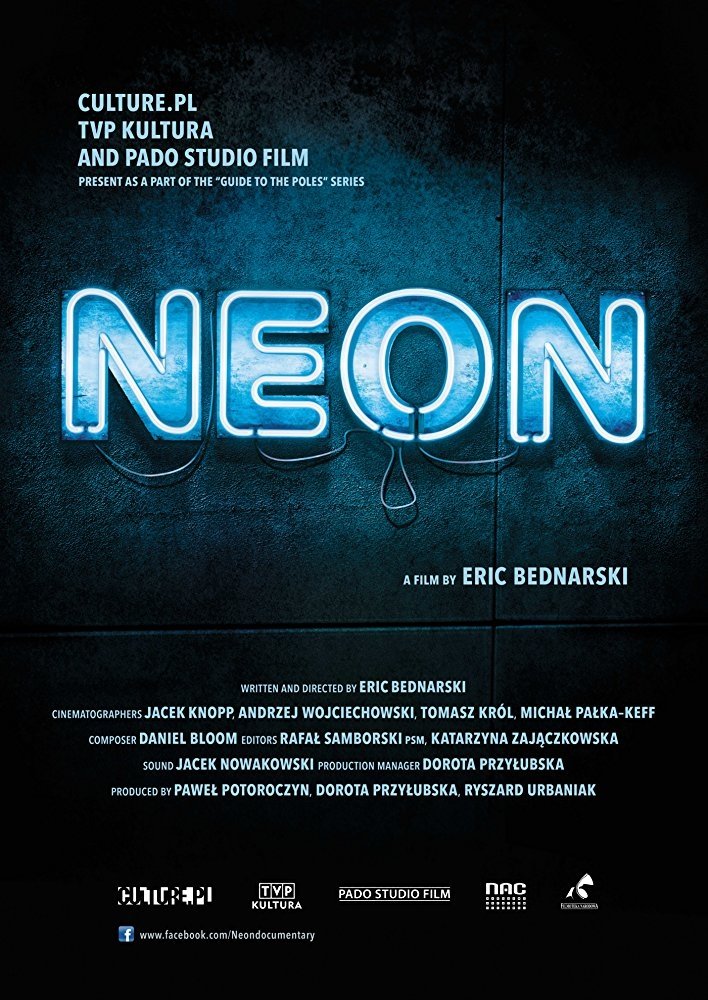
In Neon, Bednarski recounts the history of Warsaw's neon signs from the pre-War period to modern times. He creates an overview of the neon signs which illuminated streets of Warsaw before the Second World War, depicts the use and role of neon signs in the times of social realism in the context of history and politics, and describes what has happened to them since 1989.
The second of two coproductions by the British Broadcasting Corporation and the National Film Board of Canada, People of the Seal, Part 2: Eskimo Winter is compiled from some of the most vivid footage ever filmed of the life of the Netsilik Inuit in the Pelly Bay region of the Canadian Arctic. Together, the two films provide insight and understanding of a culture now almost vanished, as they show the incredible resourcefulness of the Netsilik (People of the Seal) who have adapted to one of the world's harshest environments. Part 2: Eskimo Winter shows how Inuit families gather in communities on the sea ice to harpoon seal as they come up through breating holes in the ice. Also seen is the mid-winter season, a time of intense socializing in the communal igloo, with games, contests and ceremonial activities.
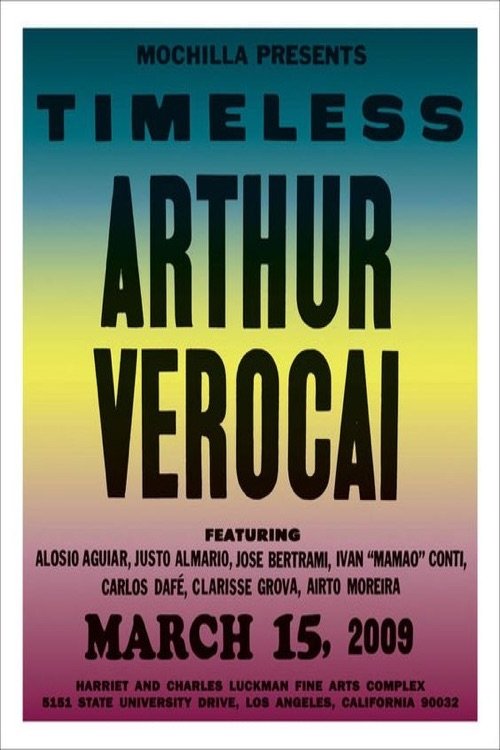
Folk-jazz composer/arranger Arthur Verocai was born in Rio de Janeiro. He has created challenging arragements and compositions for Brazilian artists Jorge Ben, Ivan Lins, Leny Andrade and Gal Costa. In 1972 Verocai recorded a self-titled solo LP. It is a stunningly innovative effort. It puts Verocai into a rarified field with the heavy string oriented music of Charles Stepney, David Axelrod and Frank Zappa. Released in a period marked by the Brazilian military government, the album fared poorly. Following its re-issue in 2003, the album has become a highly influential oft sampled classic (see Ludacris, MF Doom and Little Brother). The performance of this seminal 1972 record in its entirety brought the capacity Luckmann crowd to a stand still. According to Verocai, 'he had never played the record, alive or dead!' His delight can be seen on the DVD. The music has been mixed by Verocai himself in Rio. History turned on its head and musical justice served.
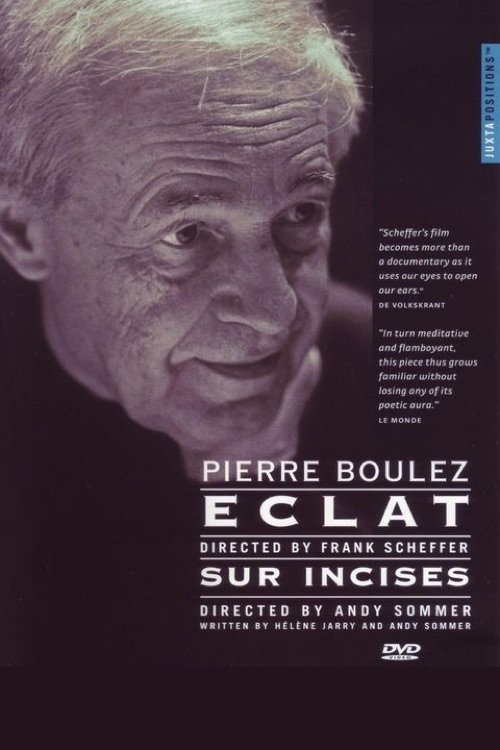
Eclat is a fascinating documentary about the work. We witness rehearsals by the Netherlands' Nieuw Ensemble, hear comments about the piece from the composer, conductor Ed Spanjaard and some of the musicians, and we see a full performance of the work. Eclat ("To burst out") is a beautiful example of the strangely lyrical pointillist style that Boulez had inherited from Anton von Webern. Aural pinwheels and shifting musical kaleidoscopes with stunning instrumental color is the only way to verbally describe what must be heard to be understood. This is definitely not for those who hate "modern" music. For those who respond to contemporary music, this piece is masterful and this film is a must-see!
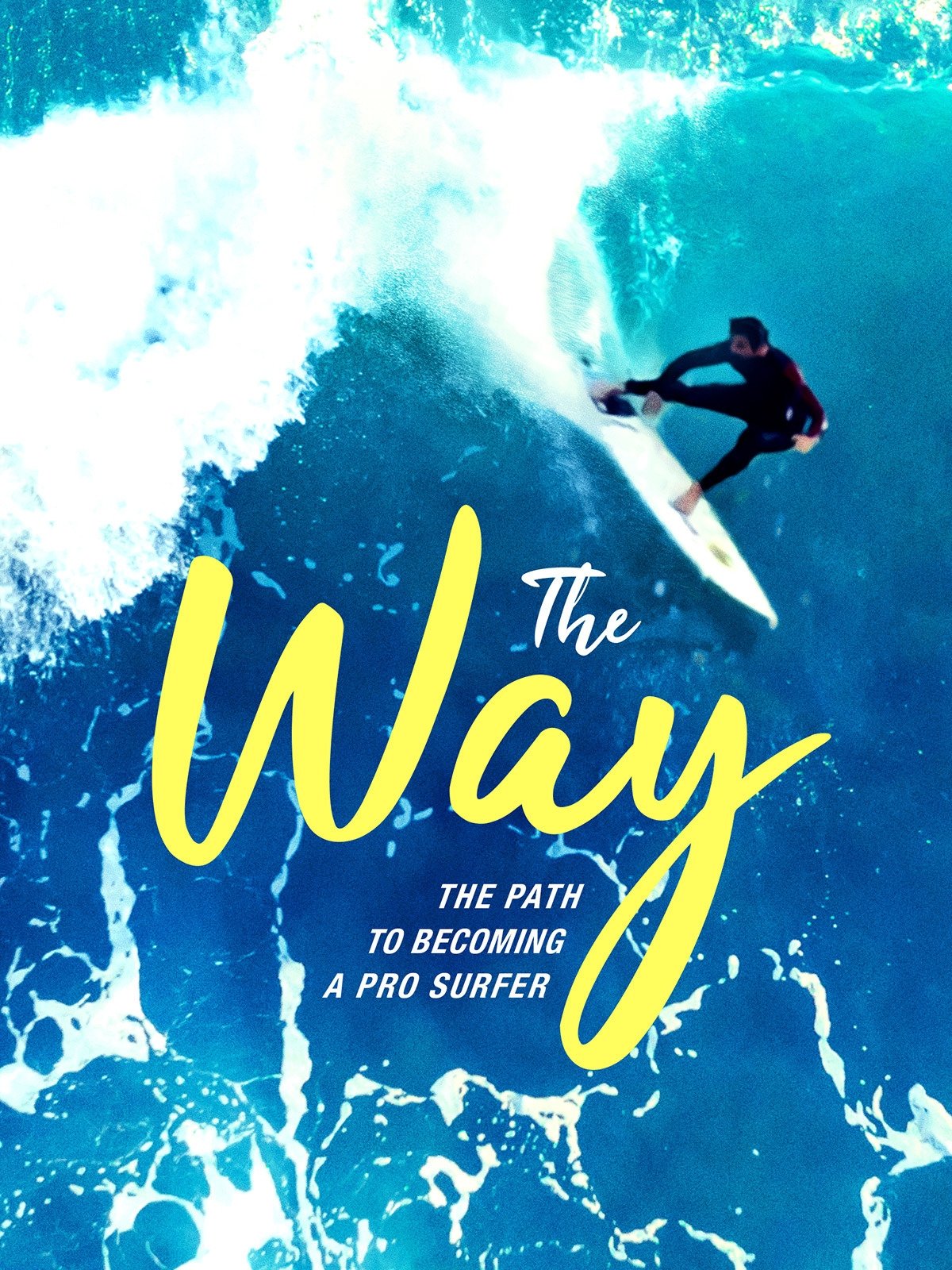
The Way is an inspirational story of the adversity and challenge professional surfers go through while trying to make it. The film starts with the discovery of an old surfboard washed ashore in Nelson, New Zealand. The board is refurbished and it turns out it was shaped by legendary charger Peter Way, New Zealand’s first ever national champion in 1963. Peter was known for his antics in and out of the water, but it was his mark on surfboard shaping, competitive surfing and surf lifestyle that has influenced the lives of generations of surfers who have come after him. Current pros Paige Hareb, Billy Stairmand and Ricardo Christie weigh in on what has driven them to success and also hard times. Maz Quinn takes us through becoming the first ever Kiwi to make the world tour of surfing and we’re taken on a journey through the north island of New Zealand to return the old board to the man who made it, Peter Way.
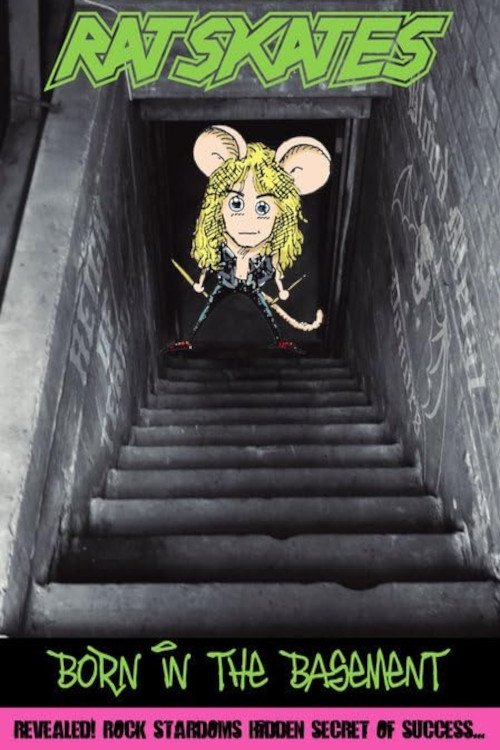
I'm sure all the old time Overkill fans out there remember Lee "Rat Skates" Kundrat, the band's original drummer. He's gone into indie film and video production over the years, and he's just released a DVD called "BORN IN THE BASEMENT" about the early days of not only Overkill but the east coast metal/thrash scenes in general.
X-treme Close Up features the history, facts and stories of American hard rock band Kiss, up to the time of filming in 1992.[1] The video features vintage concert footage, interviews and videos from the early beginnings in the early 1970s to the early 1990s. It was released on August 18, 1992. The video has been praised for its informative nature, and gives the viewer an inside look at the iconic band. It was certified Platinum in the US
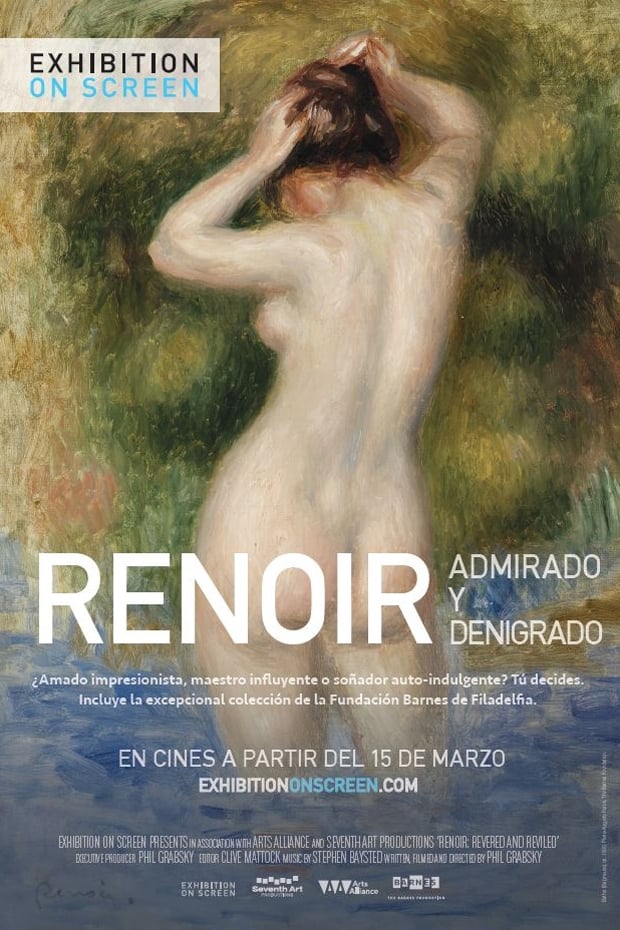
Pierre-Auguste Renoir is known and loved for his impressionist paintings of Paris. These paintings count among the world’s favourites. Renoir, however, grew tired of this style and changed course. This film, based on the collection of 181 Renoirs at the Barnes Foundation in Philadelphia,– examines the direction he then took and why it provokes such extreme reactions right up to today. Some claim they are repulsed by Renoir’s later works and some claim they are seduced. What may surprise many is that among the many artists who sought Renoir’s new works out and were clearly highly influenced by them were the two giants of the 20th century – Picasso and Matisse.
Fourth short film in Stefan Nadelman's look at the time his father spent at The Terminal Bar in NYC. This time Nadelman shows the pictures he took of the garbage can directly outside which serves as yet another portal into the streets at that time.
Amid the tumult of the Arab Spring in Cairo, vendors in a small souk observe the political upheaval while seeking to preserve an ancient tradition of fabric making.
The Royal Tour is a groundbreaking series of television specials, produced and hosted by Emmy Award-winning journalist and CBS News Travel Editor Peter Greenberg. Guided by some of the most dynamic and powerful heads of state, Peter journeys deep inside each country to offer viewers an all access pass to extraordinary locations, historic landmarks, and cultural experiences. In this latest edition, Peter received a royal tour from the President of Ecuador, Rafael Correa. For an entire week, Mr. Correa became the ultimate guide, showcasing the visual gems that his country has to offer. They took four camera crews along as they swam with piranha in the Amazon rainforest, went whale watching off the coast of Manta, shopped like a local in a rural town in the Andes Mountains, returned to the President's hometown of Guayaquil and the school he attended, visited a cacao plantation (aka chocolate) farm in Cacao, and went diving with sharks in the Galápagos Islands.
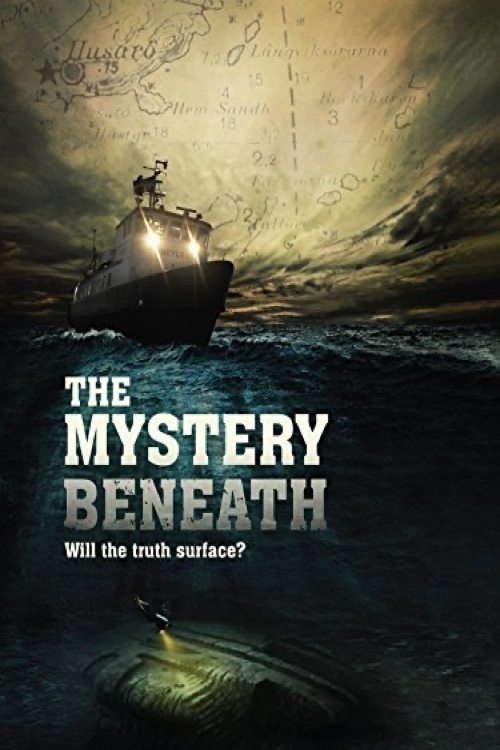
A group of treasure hunters discover a mysterious object at the bottom of the Baltic Sea in this documentary. Theories abound about the large object's origins. It might be a UFO, manmade, or it might be a naturally occurring phenomenon. Nobody knows.
An inside look at one of the most anticipated movie sequels ever with James Cameron and cast.
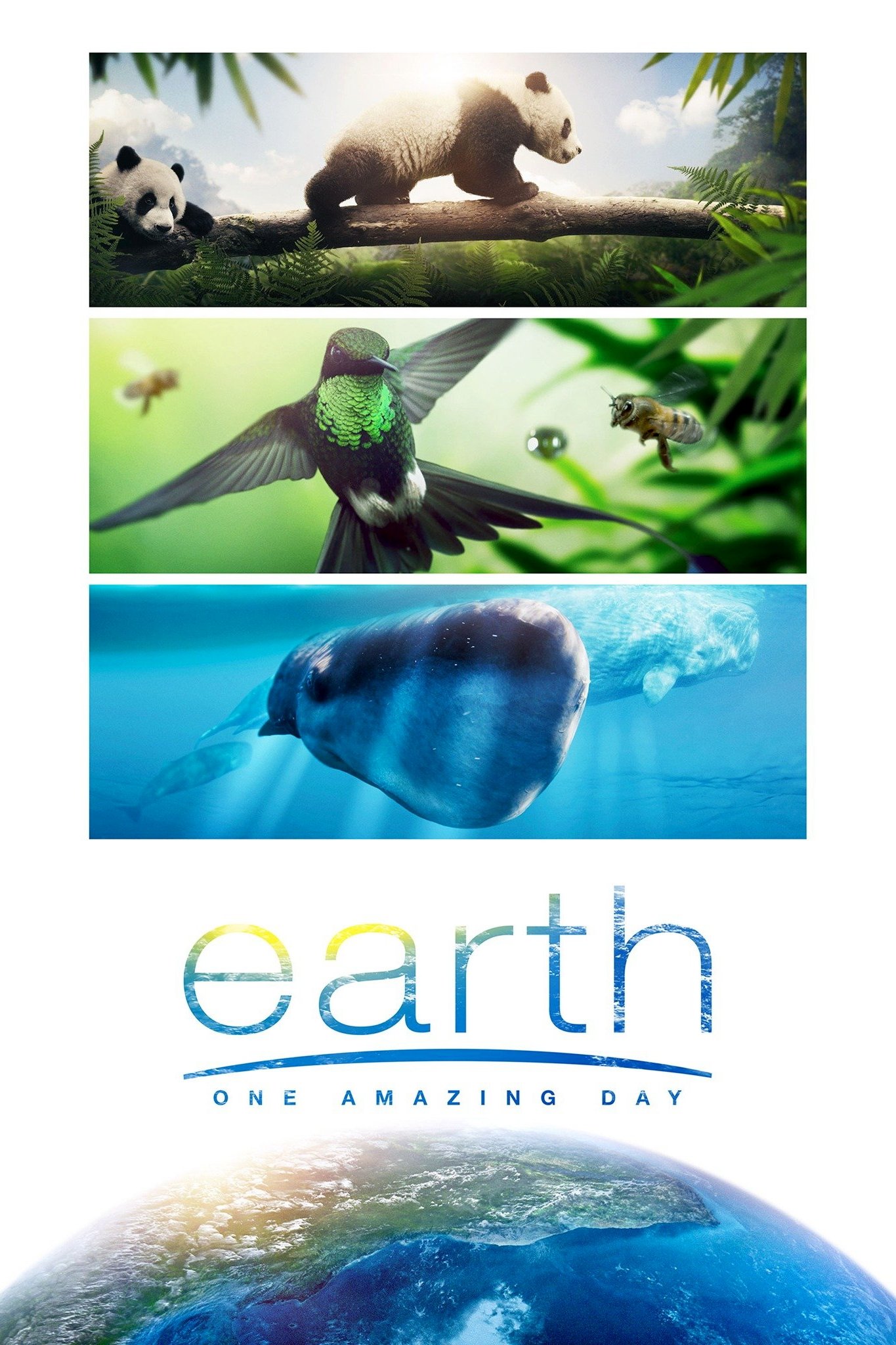
An astonishing journey revealing the awesome power of the natural world. Over the course of one single day, we track the sun from the highest mountains to the remotest islands to exotic jungles.
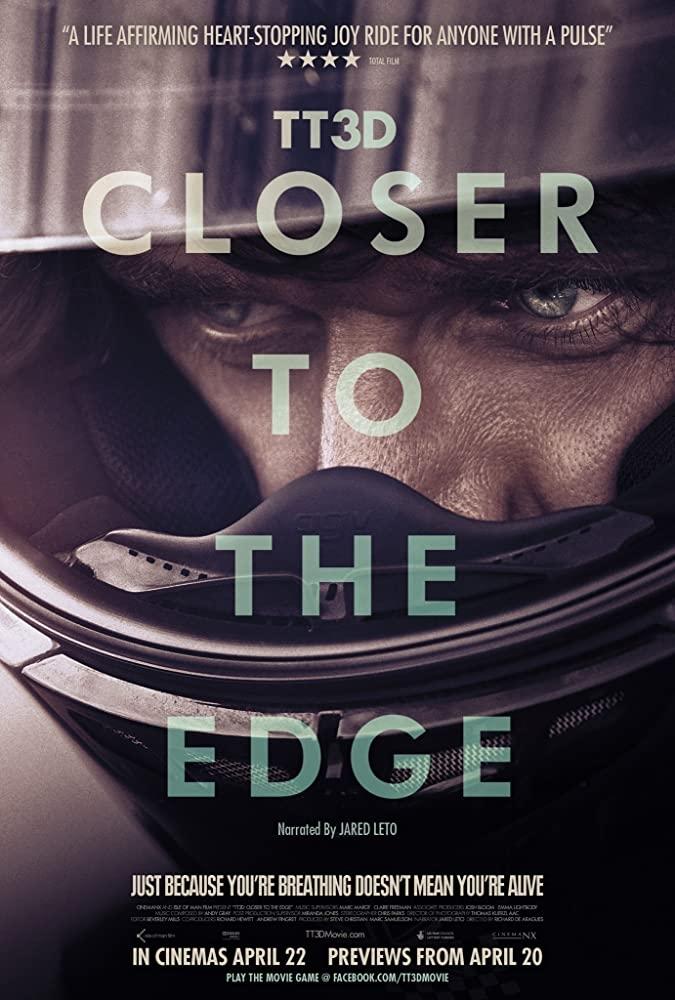
By vividly recounting the TT's legendary rivalries and the Isle of Man's unique road racing history, this 3D feature documentary discovers why modern TT riders still risk their lives to win the world's most dangerous race. The Isle of Man Tourist Trophy is the greatest motorcycle road race in the world, the ultimate challenge for rider and machine. It has always called for a commitment far beyond any other racing event, and many have made the ultimate sacrifice in their quest for victory. A story about freedom of choice, the strength of human spirit and the will to win. It's also an examination of what motivates those rare few, this elite band of brothers who risk everything to win.
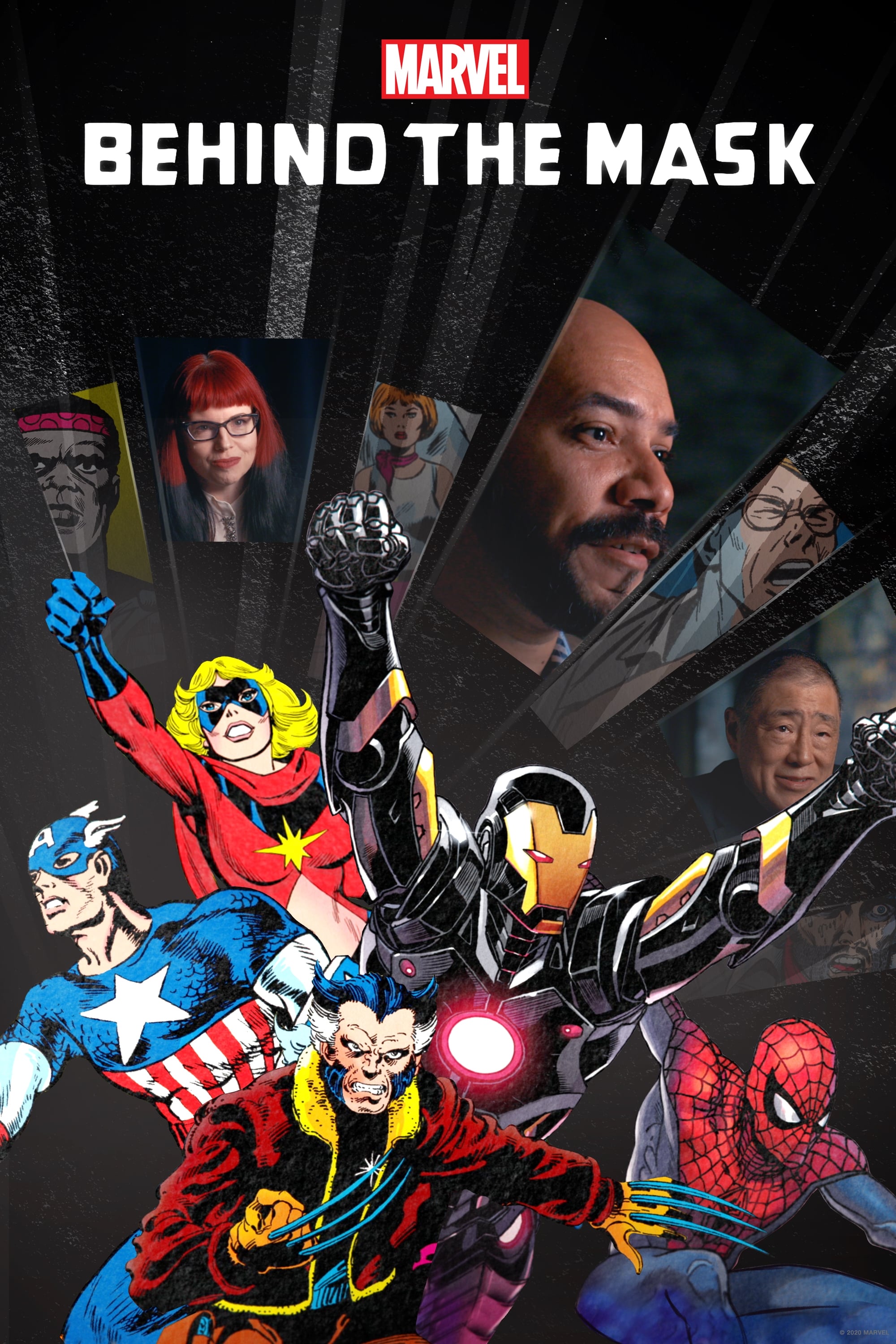
A documentary special that explores the power of identity behind the iconic superheroes we know and love today. These legendary Marvel creations and stories have not only reflected the world outside our window – they have become a reflection of our own identities and who we truly are.
Al Pacino's deeply-felt rumination on Shakespeare's significance and relevance to the modern world through interviews and an in-depth analysis of "Richard III."
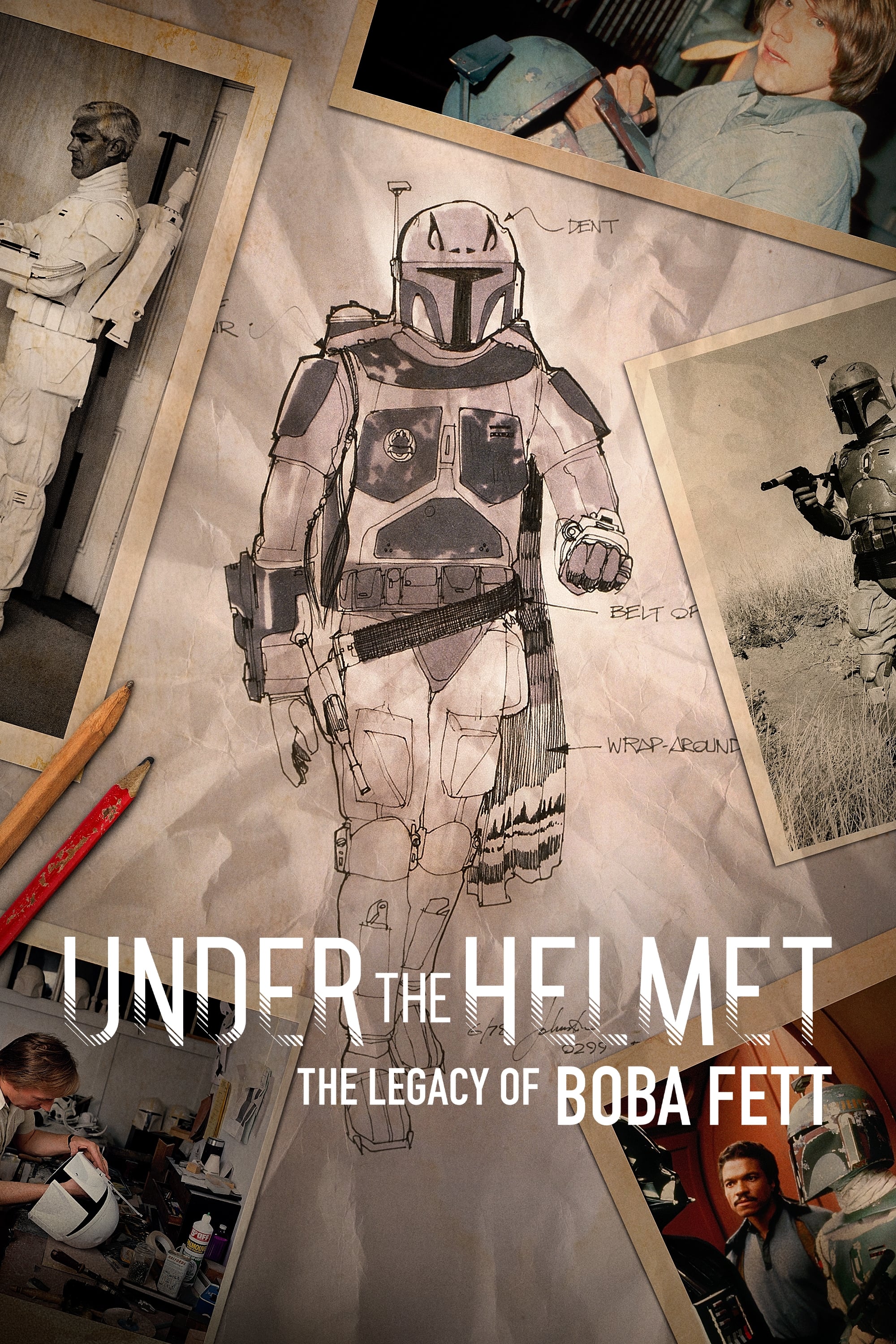
A special celebrating the origins and legacy of Star Wars' legendary bounty hunter, Boba Fett.
“Showrunners” is the first ever feature length documentary film to explore the fascinating world of US television showrunners and the creative forces aligned around them. These are the people responsible for creating, writing and overseeing every element of production on one of the United State’s biggest exports – television drama and comedy series. Often described as the most complex job in the entertainment business, a showrunner is the chief writer / producer on a TV series and, in most instances, the show’s creator. Battling daily between art and commerce, showrunners manage every aspect of a TV show’s development and production: creative, financial and logistical.
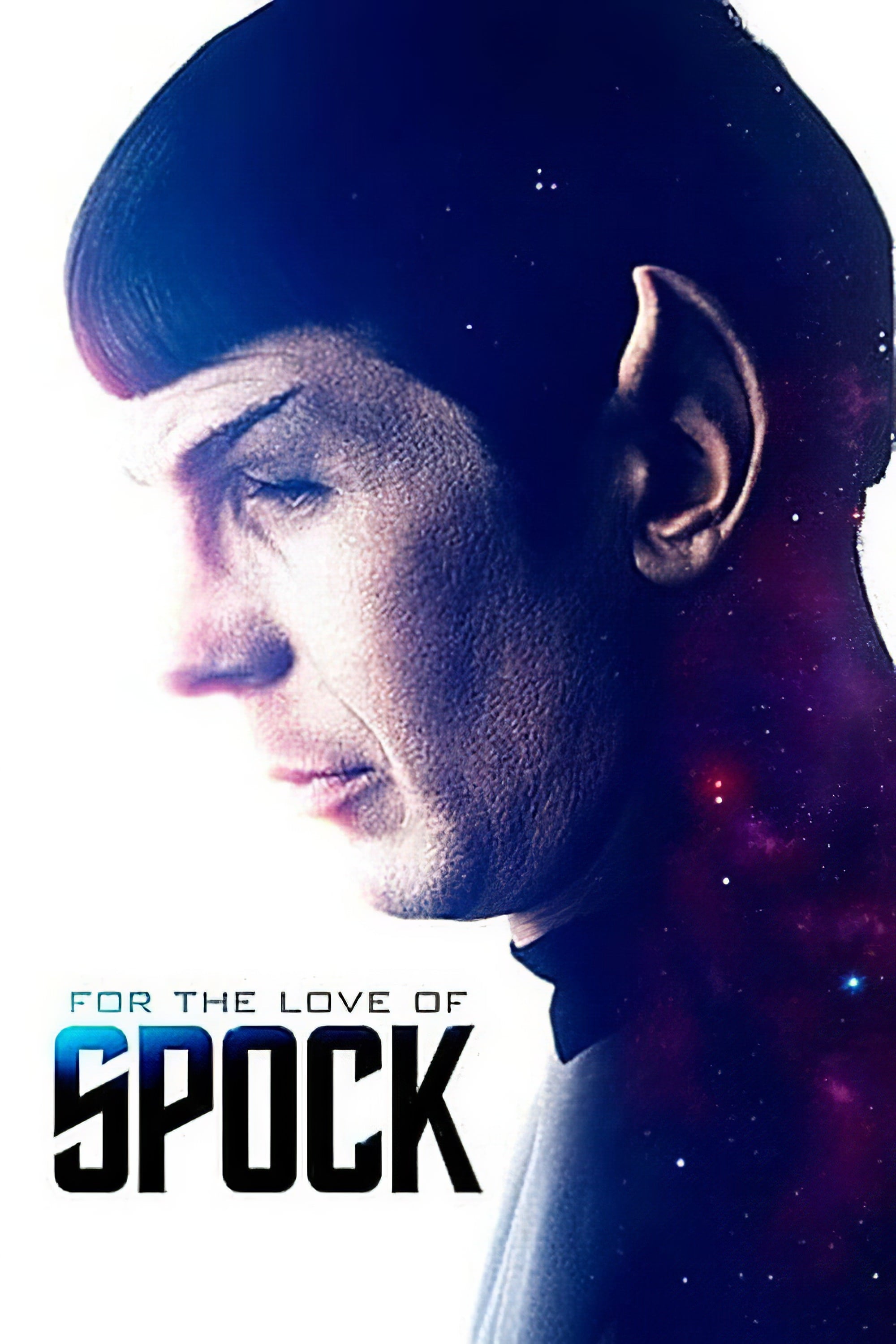
The life of Mr. Spock, as well as that of Leonard Nimoy, the actor who played him for almost fifty years, written and directed by his son: Adam.
A celebration of the musical work of a group of session musicians known as "The Wrecking Crew." a band that provided back-up instrumentals to such legendary recording artists as Frank Sinatra, The Beach Boys, and Bing Crosby.
A documentary chronicling Queen and Lambert's incredible journey since they first shared the stage together on "American Idol" in 2009.
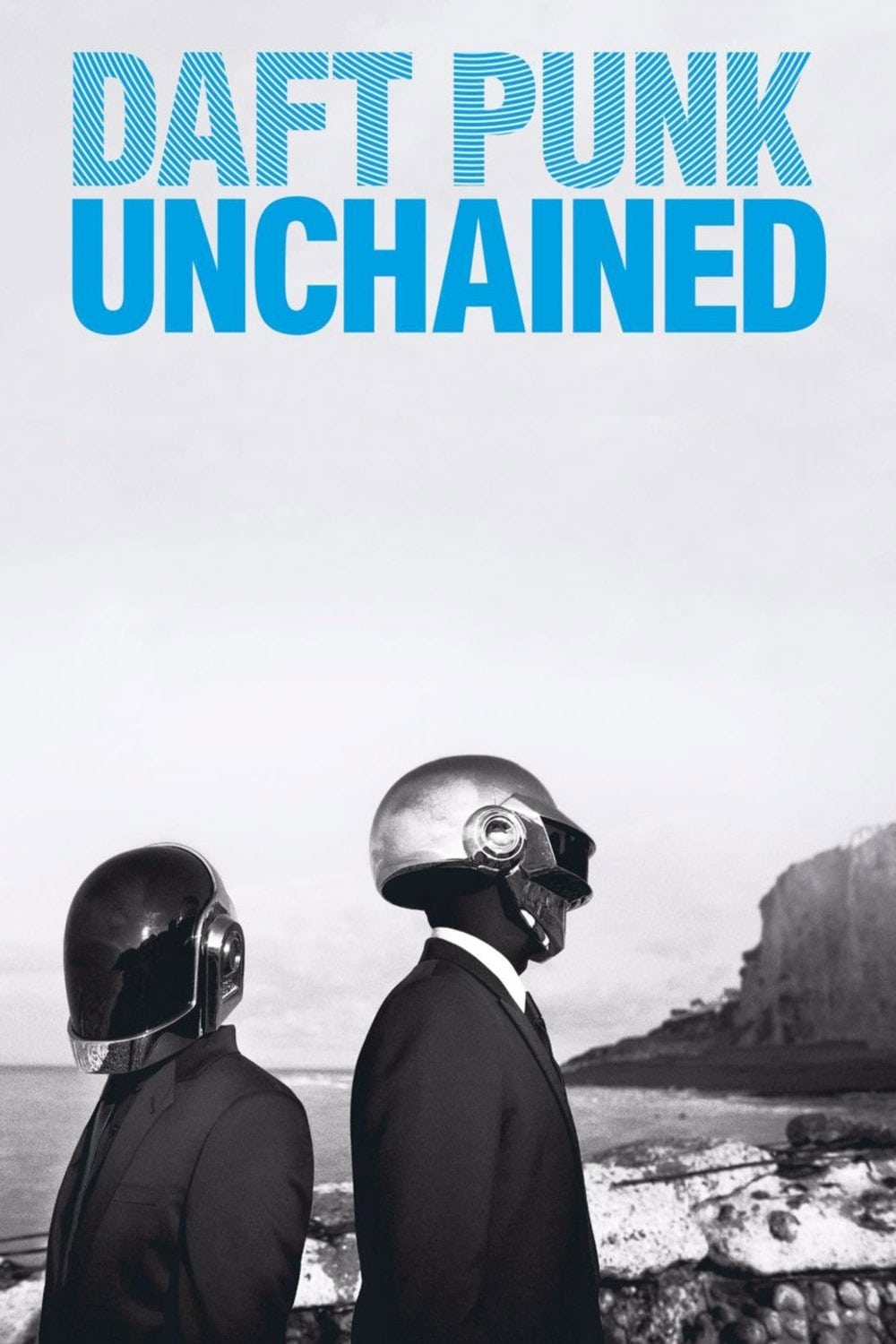
Daft Punk Unchained is the first film about the pop culture phenomenon that is Daft Punk, the duo with 12 million albums sold worldwide and seven Grammy Awards. Throughout their career Thomas Bangalter and Guy-Manuel de Homem-Christo have always resisted compromise and the established codes of show business. They have remained determined to maintain control of every link in the chain of their creative process. In the era of globalisation and social networks, they rarely speak in public and neither do they show their faces on TV. This documentary explores this unprecedented cultural revolution revealing a duo of artists on a permanent quest for creativity, independence and freedom.
SEDUCED AND ABANDONED combines acting legend Alec Baldwin with director James Toback as they lead us on a troublesome and often hilarious journey of raising financing for their next feature film. Moving from director to financier to star actor, the two players provide us with a unique look behind the curtain at the world's biggest and most glamourous film festival, shining a light on the bitter-sweet relationship filmmakers have with Cannes and the film business. Featuring insights from directors Martin Scorsese, 'Bernando Bertolucci' and Roman Polanski; actors Ryan Gosling and Jessica Chastain and a host of film distribution luminaries.
A visual montage portrait of our contemporary world dominated by globalized technology and violence.
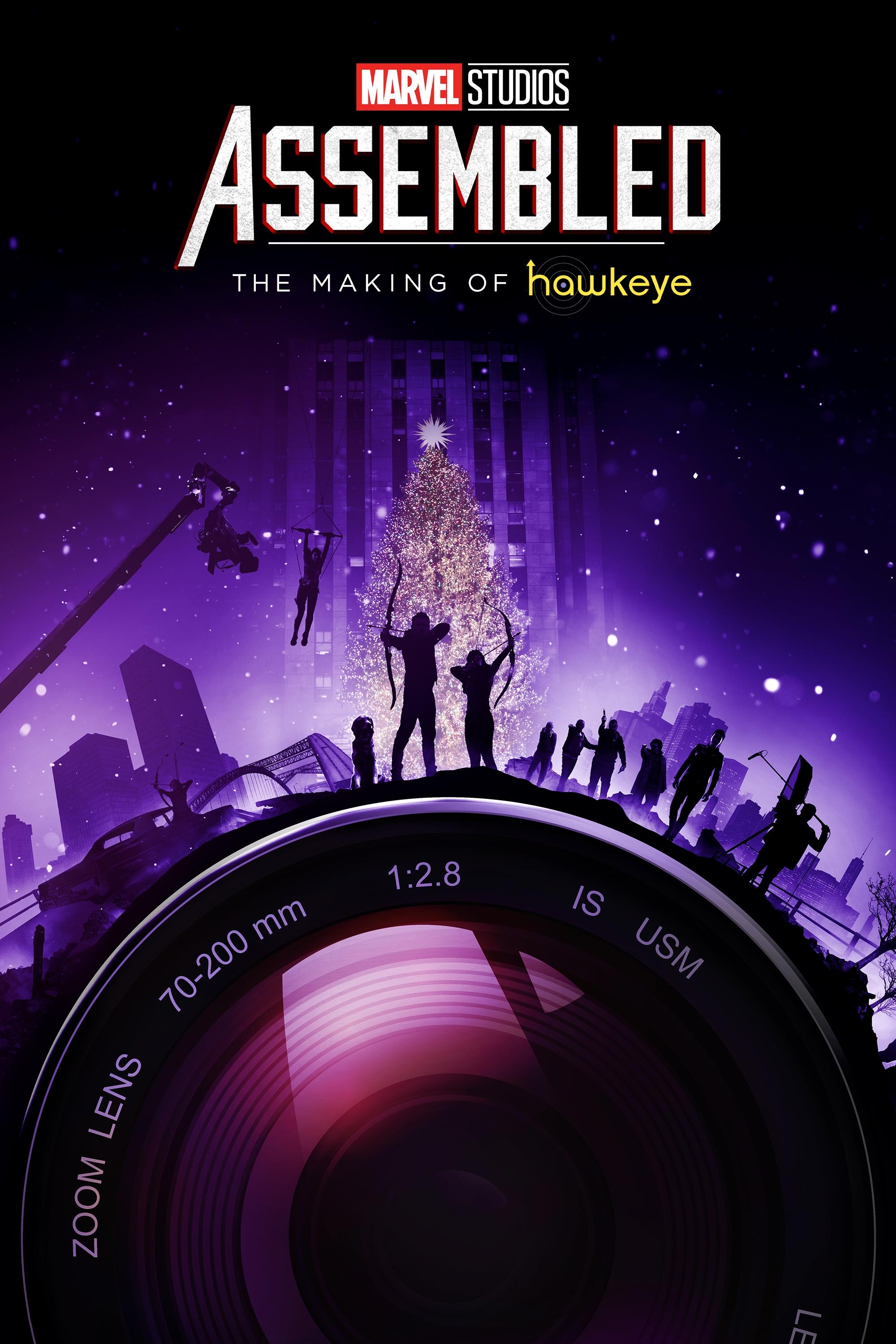
Join the likes of Jeremy Renner, Hailee Steinfeld, Florence Pugh, and Vincent D’Onofrio as they reveal how Marvel Studios’ “Hawkeye” was conceived and created. Witness firsthand what it took to pull off the show’s pulse-pounding action set pieces, and discover how iconic characters from the pages of Marvel Comics such as Kate Bishop were adapted and brought to life for the six-episode series.
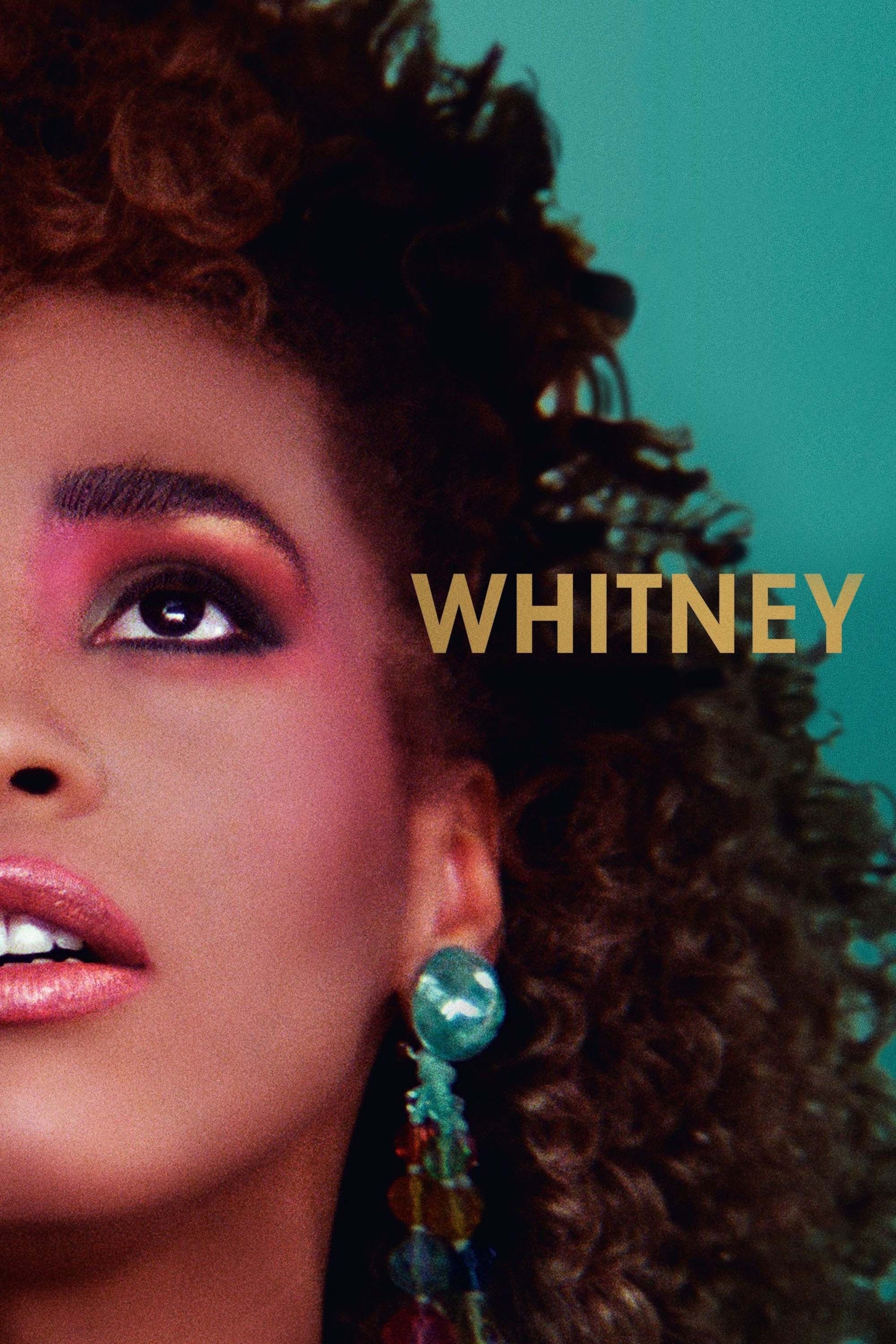
Examines the life and career of singer Whitney Houston. Features never-before-seen archival footage, exclusive recordings, rare performances and interviews with the people who knew her best.
One Life captures unprecedented and beautiful sequences of animal behaviour guaranteed to bring you closer to nature than ever before, as well as a second disc packed full of never before seen extras including an exclusive making of featurette narrated by Daniel Craig.
Interviews with leading authors, philosophers and scientists, with an in-depth discussion of the Law of Attraction. The audience is shown how they can learn and use 'The Secret' in their everyday lives.
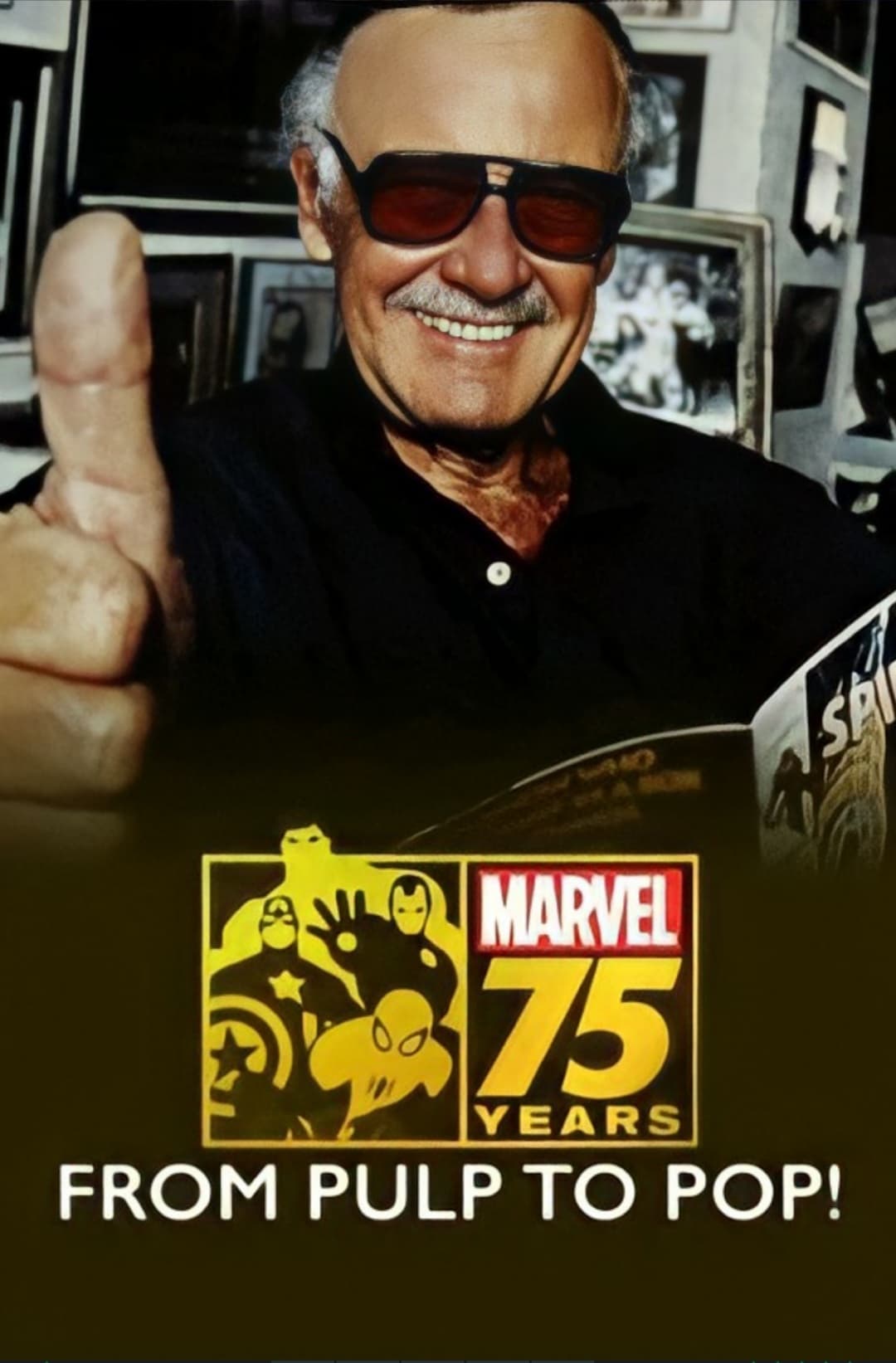
In celebration of the publisher's 75th anniversary, the hour-long special will take a detailed look at the company's journey from fledgling comics publisher to multi-media juggernaut. Hosted by Emily VanCamp (S.H.I.E.L.D. Agent Sharon Carter), the documentary-style feature will include interviews with comic book icons, pop culture authorities, and Hollywood stars. The special also promises an "extraordinary peek into Marvel's future!" Might Marvel release the first official footage from next year's Avengers: Age of Ultron or Ant-Man? If they do, you'll know about it here.
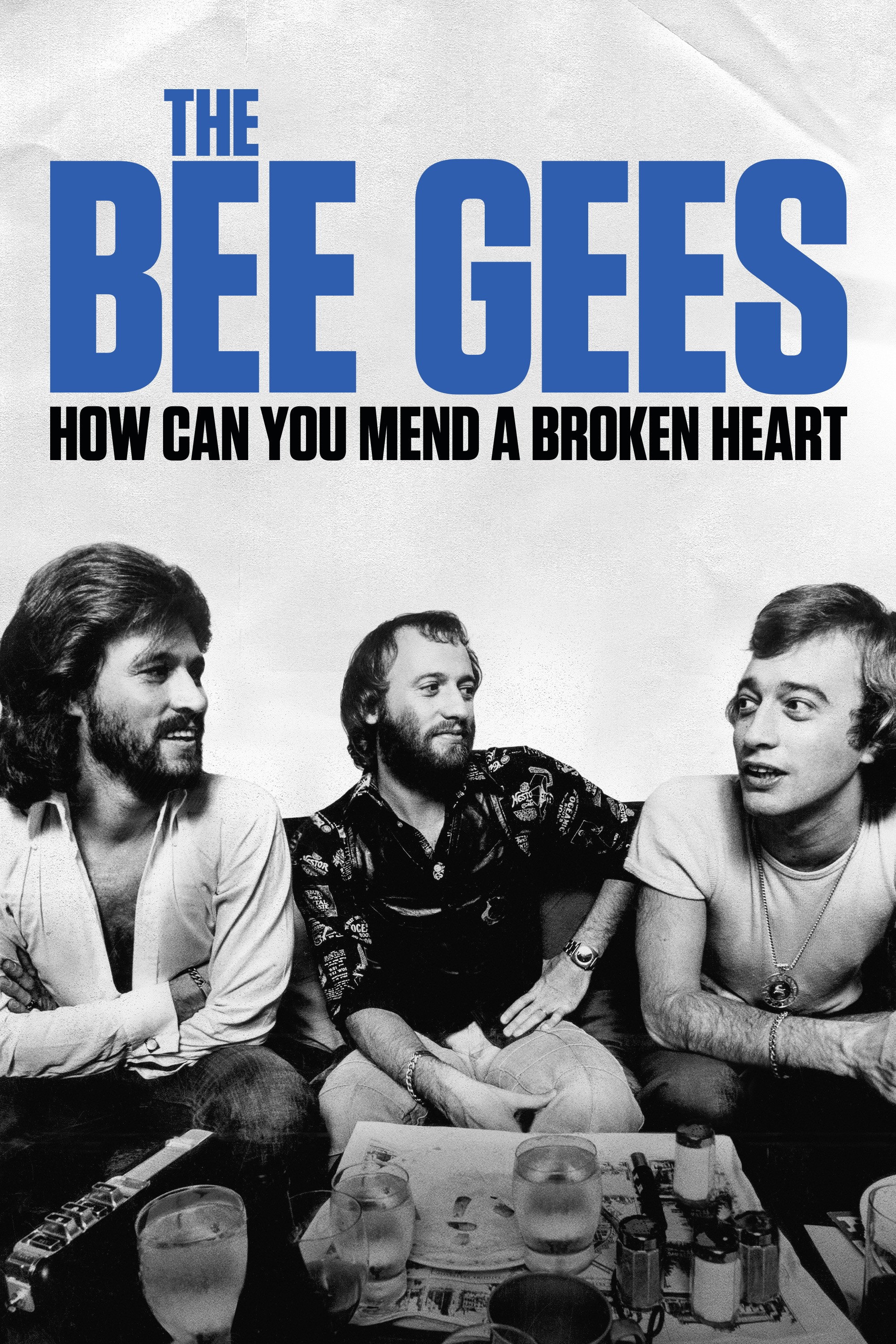
The story of the triumphs and hurdles of brothers Barry, Maurice, and Robin Gibb, otherwise known as the Bee Gees. The iconic trio, who found early fame in the 1960s, went on to write over 1,000 songs and have 20 No. 1 hits throughout their career, transcending more than five decades of changing tastes and styles.
A purely observational non-fiction film that takes viewers into the ethically murky world of end-of-life decision making in a public hospital.