Social & External

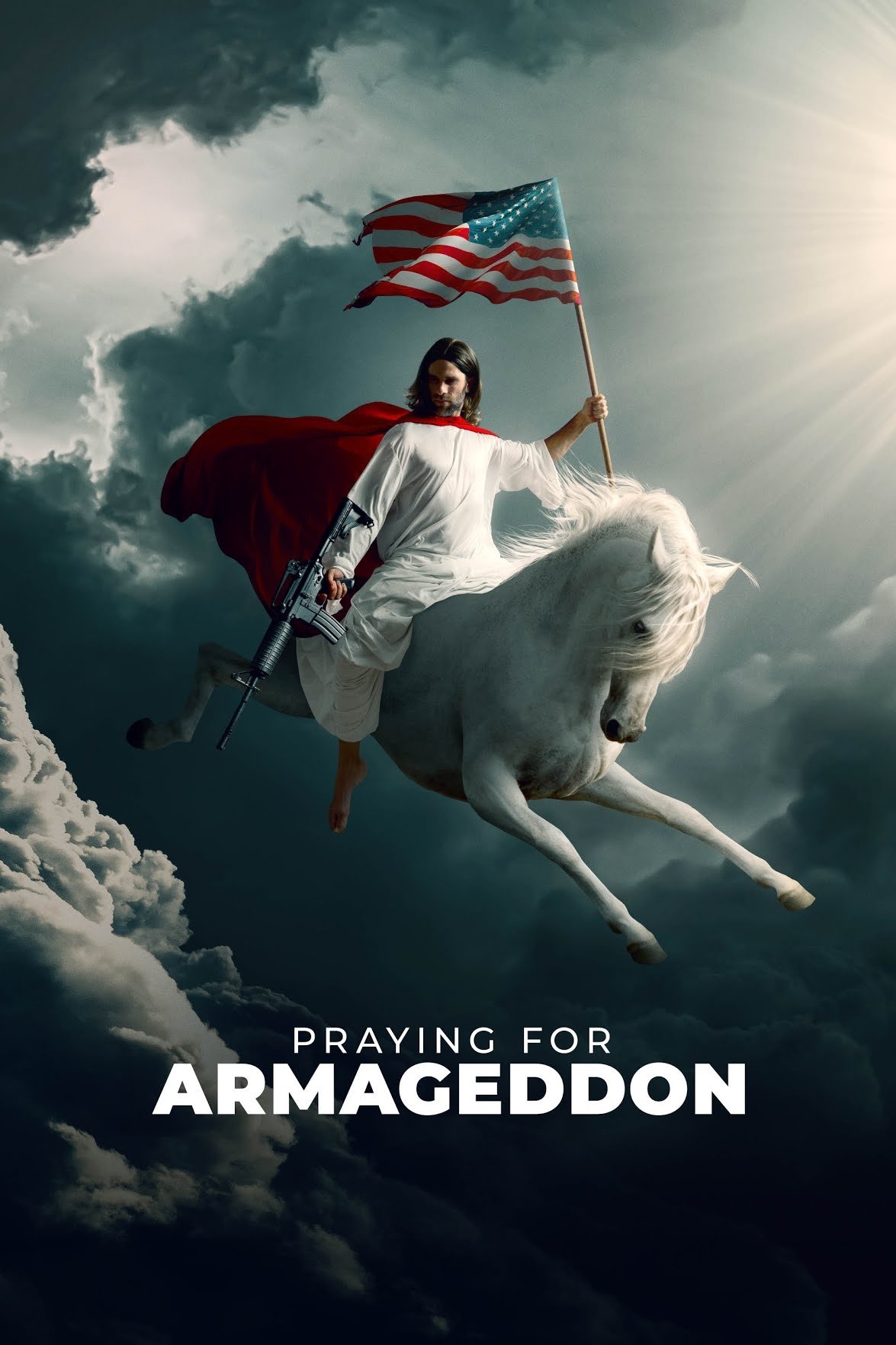
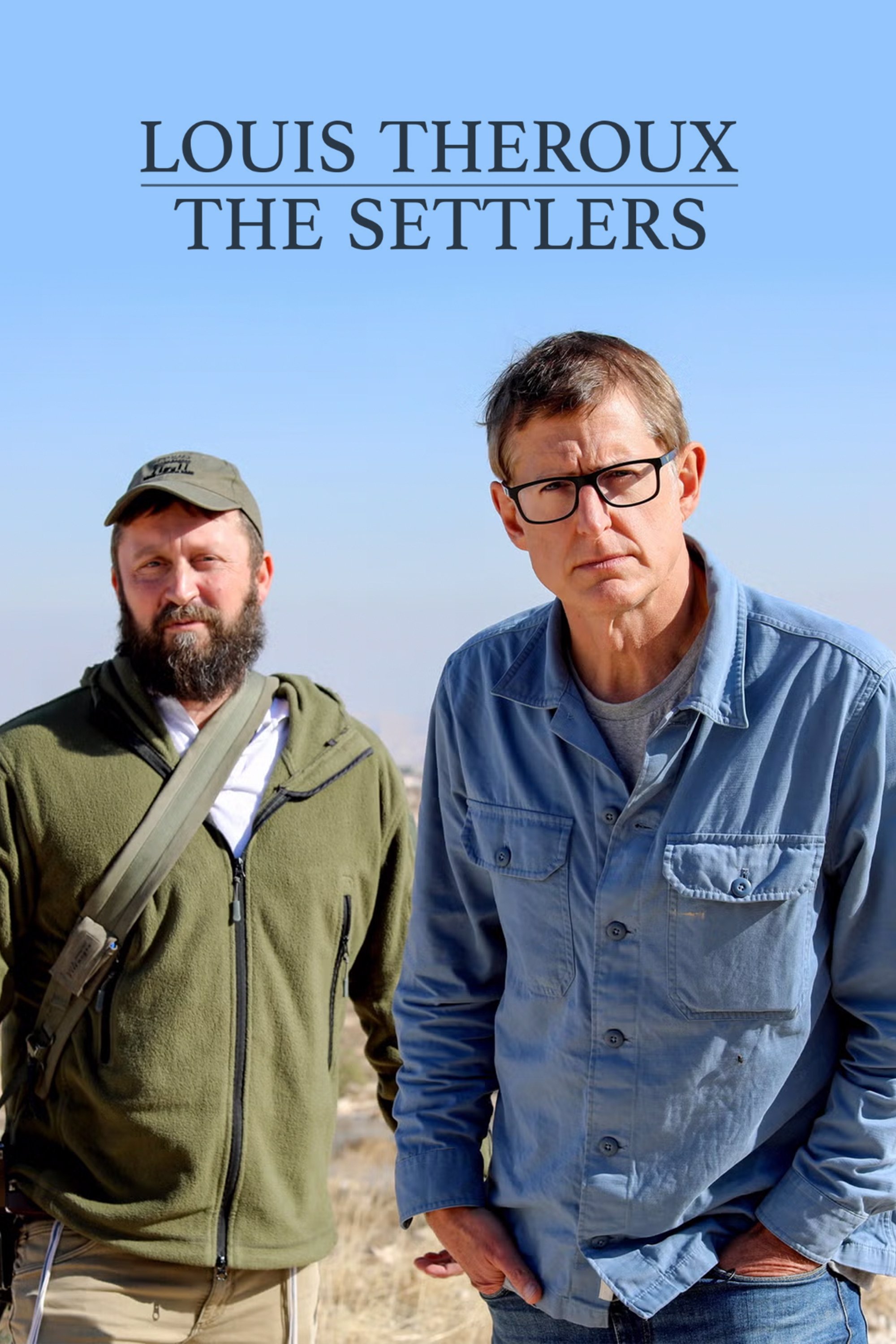
While much of the world struggles to keep the planet going, a frighteningly large group of American fundamentalist Christians are working to promote the apocalypse. The evangelical movement is convinced that they will be saved when Jesus appears in the state of Israel on horseback and, with a sword raised to heaven, kills the infidels so that the blood reaches the horses’ bridles. Natural fires, corona, wars and crises are evidence that the time is nigh. But for the prophecies to be realized, the state of Israel has to grow stronger, so they provide huge financial support and are so far inside the White House that they help influence US foreign policy.
A theatrical documentary about Hrytsko Chubai, a genius of Ukrainian poetry, a connoisseur of literature, art and music and the brightest representative of Lviv underground culture of late 60s early 70s.
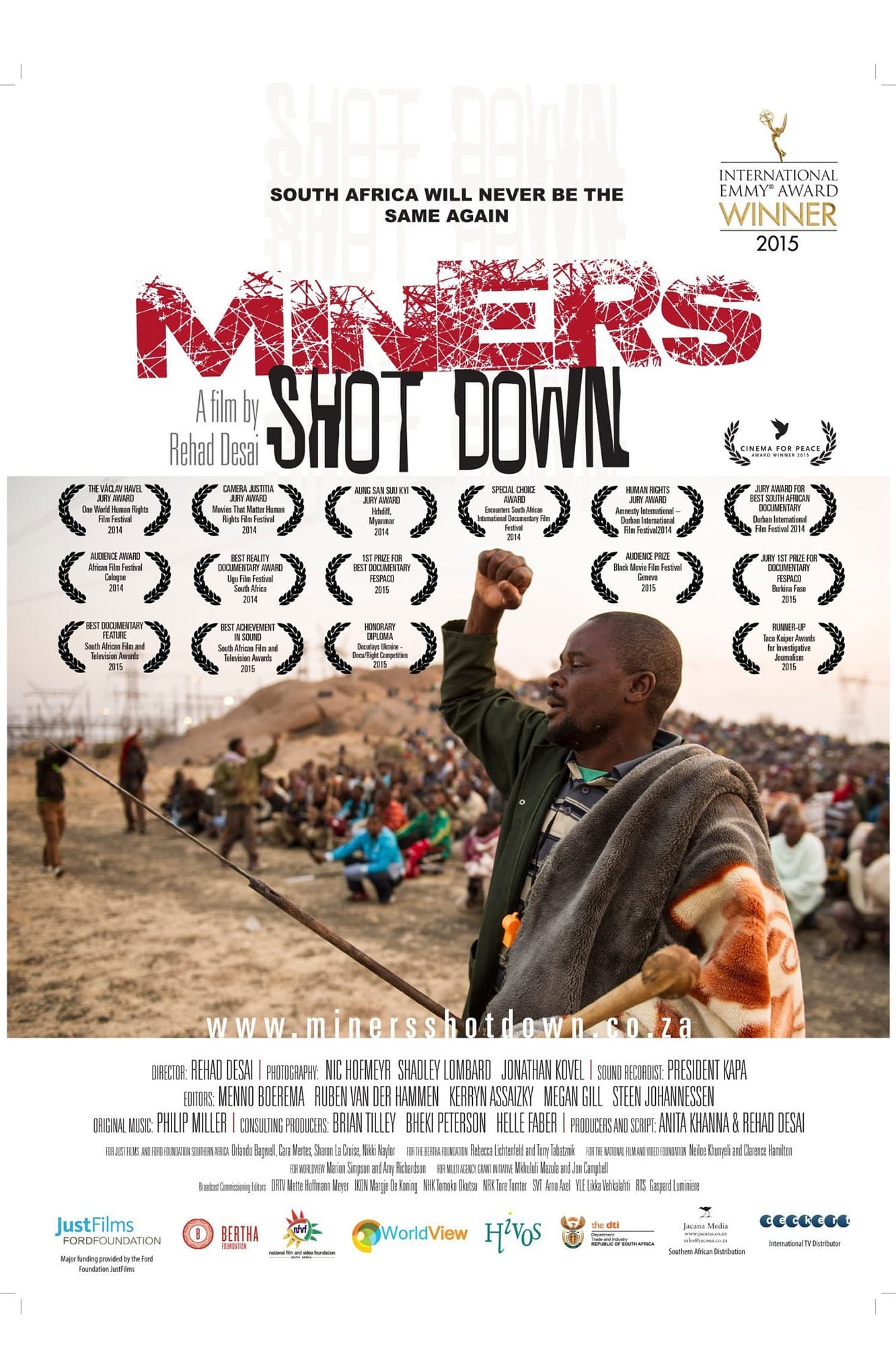
In August 2012, mineworkers in one of South Africa’s biggest platinum mines began a wildcat strike for better wages. Six days later the police used live ammunition to brutally suppress the strike, killing 34 and injuring many more. Using the point of view of the Marikana miners, Miners Shot Down follows the strike from day one, showing the courageous but isolated fight waged by a group of low-paid workers against the combined forces of the mining company Lonmin, the ANC government and their allies in the National Union of Mineworkers.
More than twenty years after Vladimir Putin came to supreme power in Russia on May 7, 2000, Russian society is deeply divided. A young, modern generation opposes the growing repression by the regime, which still retains the support of many members of previous generations. Who are these ordinary citizens who dream of living in a different Russia? What price will they have to pay to achieve the freedom and justice they so desire?
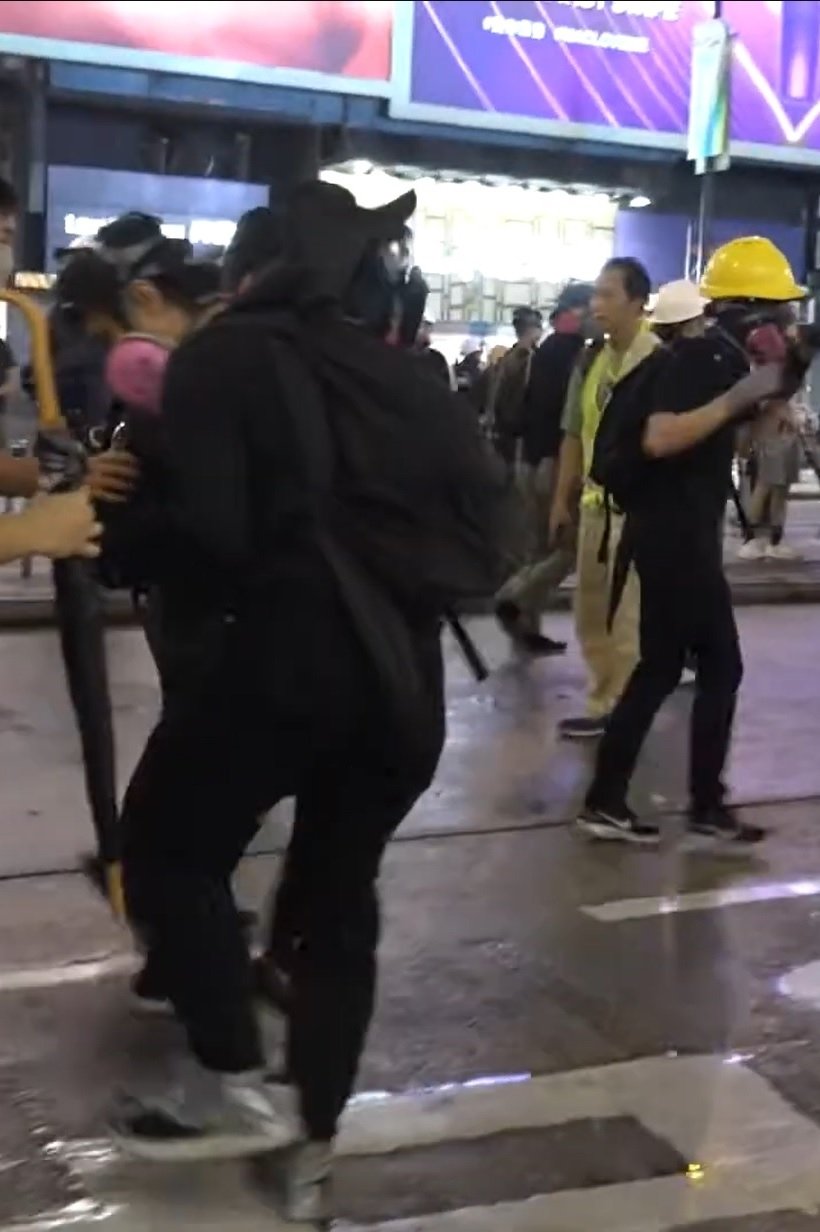
As anger and resentment grow in the face of social inequalities, many citizens-led protests are being repressed with an ever-increasing violence. In this documentary, David Dufresne gathers a panel of citizens to question, exchange and confront their views on the social order and the legitimacy of the use of force by the State.
Chapter 15 of the series 18 decades of life in Mexico in the twentieth century. Images of the cultural, social and political life in Mexico from 1970 to 1974. During the presidential term of Luis Echeverria Alvarez fantasies of prosperous and modern country it dissolves; Mexico live in political crisis. It is a time of omnipotence, barbarism, and violence intervention: the world seeks new ways. In Mexico, it held the World Cup, unionism is strengthened and inflation responds to the continuing economic imbalances.
Ahead of releasing 'Idols', his most personal album to date, and before anyone had heard a note, Yungblud and his touring family travelled to Berlin, where he would perform and record these brand new songs live for the very first time. A personal journey of change, confidence and rock-and-roll chaos, set against a city that has always celebrated counterculture and creativity, this is a revealing and uncompromising documentary about a generational artist finding his own voice.
A BBC News investigation has revealed how violent criminal gangs are finding, abusing and extorting people from the LGBT community they meet online in Egypt. Using masking technology to hide the identities of the people he meets, Ahmed Shihab-Eldin navigates the complex online and real-life world of people who identify as queer and who have been repeatedly targeted by a gang with violent viral video humiliations and police arrests.
Community First! Village is designed to lift the chronically homeless off the streets of the Austin, TX, offering them a place to call home, helping them to heal from the ravages of life on the streets, and allowing them to rediscover a purpose in their lives. This documentary explores the events that cause homelessness and the heartwarming stories of being welcomed into a nurturing environment where dignity and self-worth are restored.
The young generation sees their future at risk. They rebel against a lifestyle that threatens to destroy the world. The corona crisis also highlighted the deficits of our globalized economy and society. Does this crisis hold a chance for change for the better? The film draws a picture of the mood of the young generation and goes on a search for traces of ideas and concepts for a world after Corona in France, Germany and Poland. What is really important for young Europeans and how do they assess their future prospects? What scares them and what makes them hope? And who stands in their way and brakes? The TV presenter Aline Abboud meets young activists and artists for this, but she also listens to the opposing voices. Especially in Poland the youth are deeply divided, more and more are getting involved in conservative or nationalist right-wing organizations, while the country is slowly drifting into an anti-democratic dictatorship.
By exploring the relationship between the watched and the watching, our film uncovers the trauma and hope engendered by the Chinese all-surveilling state and lends a voice to those that stand in resilient defiance of such blatant abuse of power.
The Square looks at the hard realities faced day-to-day by people working to build Egypt’s new democracy. Cairo’s Tahrir Square is the heart and soul of the film, which follows several young activists. Armed with values, determination, music, humor, an abundance of social media, and sheer obstinacy, they know that the thorny path to democracy only began with Hosni Mubarak’s fall. The life-and-death struggle between the people and the power of the state is still playing out.
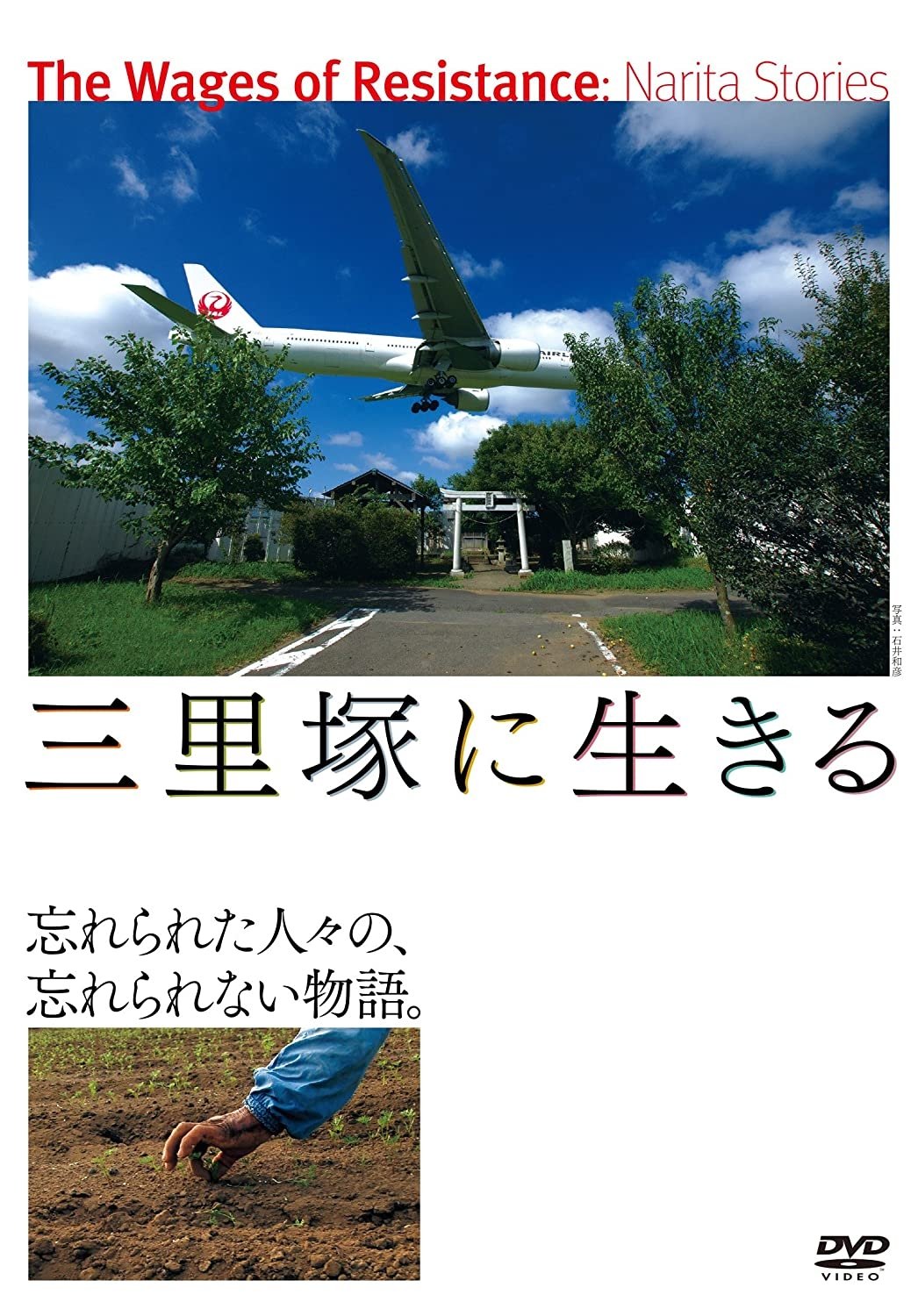
This is a film about Choi Yuen Village, documenting villagers’ lives in the summer and autumn of 2009. Suddenly, weekly meetings, guided tours, protests, and ambiguous government consultations entered their routines. They had to recount their personal histories and the meaning of life. The common belief that protests were only about money began to loosen. The word "agriculture" reemerged for Hongkongers. The timeline depicted in the film leads up to the peak of the anti-high-speed rail protests around the Legislative Council. In the end, the railway was decided to build. In spring and summer 2010, villagers searched for land and negotiated with the government to rebuild their homes and lifestyle, valuing community, and coexistence with nature. What sustains their deep connection to land and life?
Documentary about the 2006 Maoist revolution in Nepal.
Choi Yuen Village faced demolition by the express rail project. In 2009, villagers protested and petitioned, sparking the anti-express rail movement. Despite their efforts, the railway plan was approved in early 2010. Forced to choose between leaving or rebuilding, they opted for the government’s land rehabilitation scheme to create a new village together. With volunteers, they searched for land in Pat Heung and fought to prove their status as farmers. Many outsiders misunderstood, believing the villagers received generous compensation and government help. Yet, it was the villagers’ shared determination and love for their land and way of life that carried them through, even as the once-barren longan trees bloomed again in 2010.