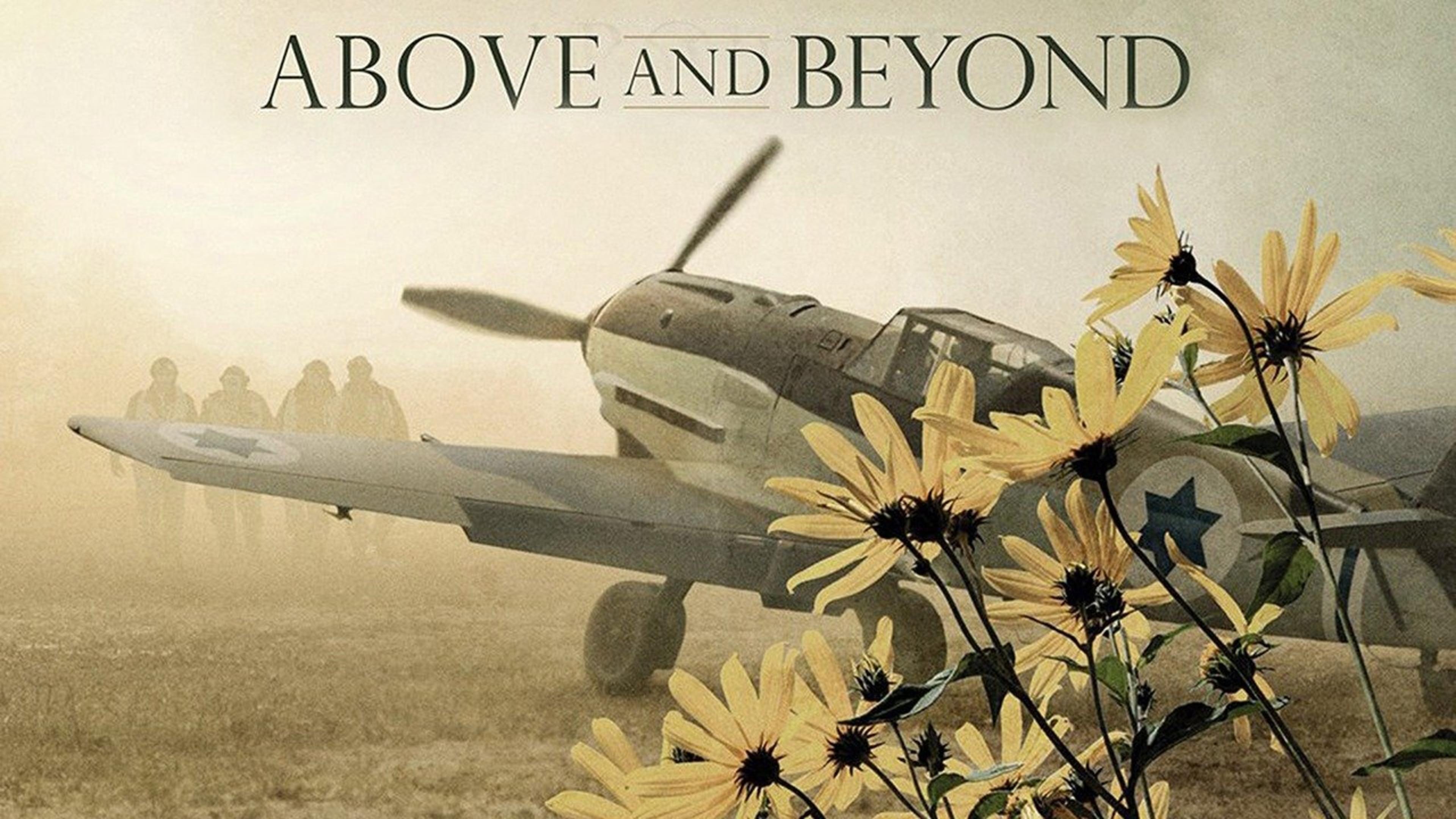
In 1948, a group of World War II pilots volunteered to fight for Israel in the War of Independence.
Social & External
The people behind it
Paul Reubens
Self
JD Roth-Round
Self - Fighter Pilot
Harold Livingston
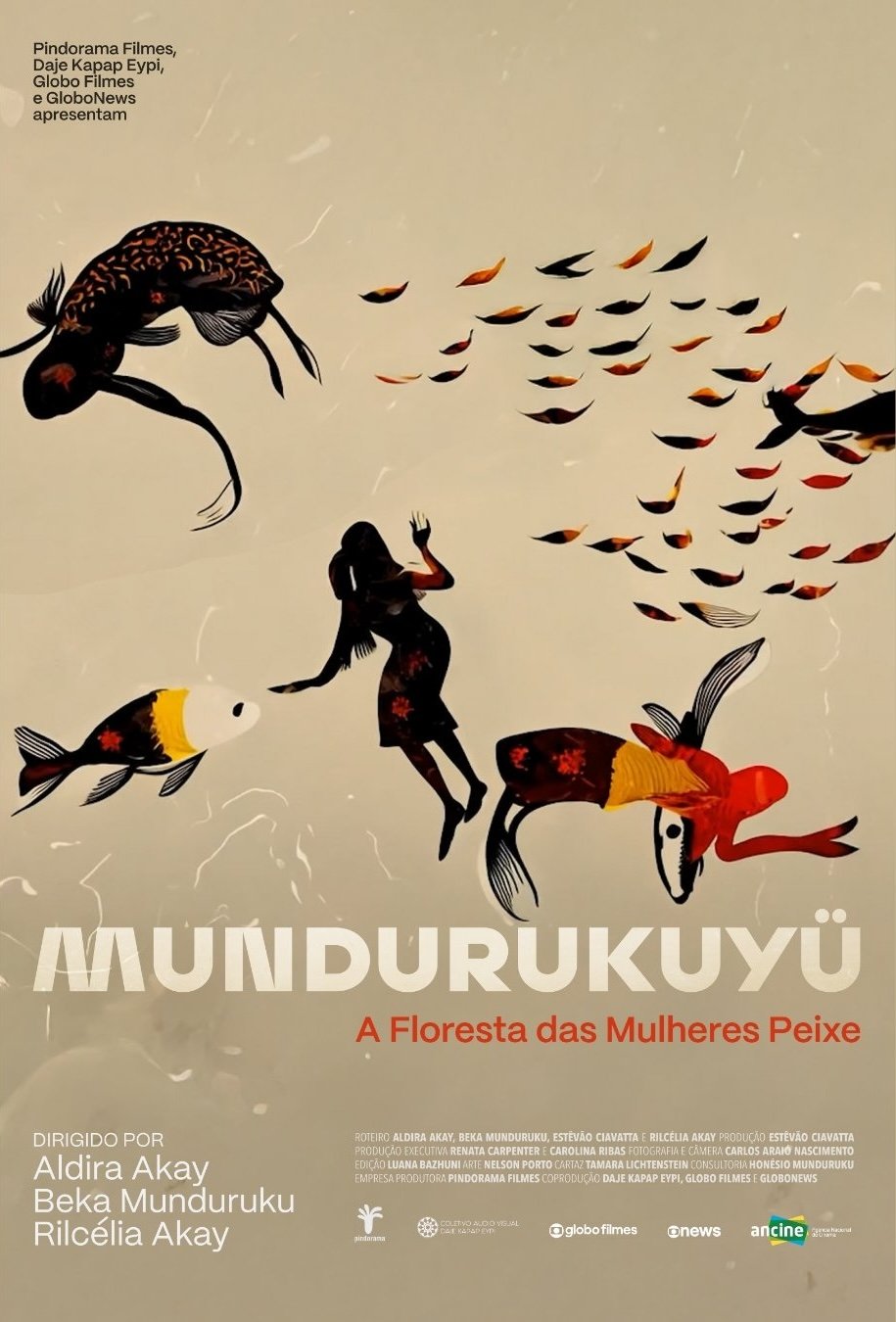
Using the camera as a weapon to defend their ancestral land in Brazil, three women of the Daje Kapap Eypi audiovisual collective lovingly record their Munduruku traditions and their mythology of humans transforming into forest plants and animals.
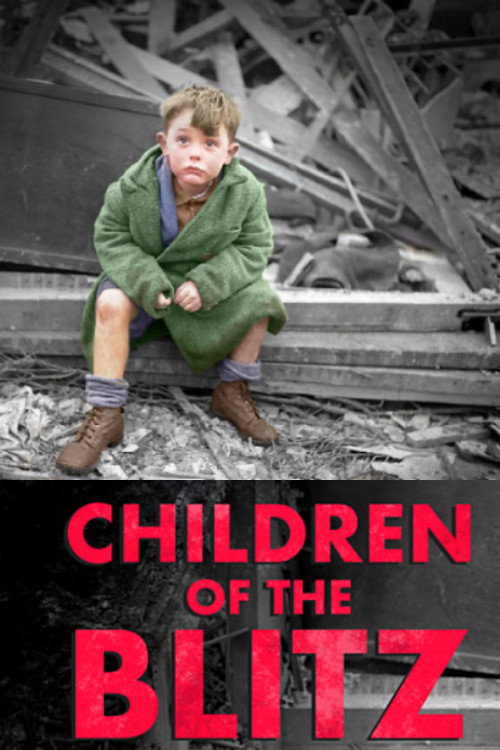
During The Blitz, the British government had plans in place to evacuate approximately 3.5 million people, but only around 1.5 million left towns and cities for the countryside, with the majority of those being children. Children of the Blitz tells the stories of those who remained at home, often to help their families, or because their parents couldn’t bear to send them away. Through the eyes of survivors who were children at the time, the film will explore how The Blitz contributed towards our sense of national identity and how the ‘Blitz Spirit’ is still held up as a defining characteristic of Britishness today. The film will also examine the starker reality for children whose homes were destroyed, including those who lost parents, and some who were left to fend for themselves - many grew up with their stories unheard.
The film tells a very personal story from two perspectives: our protagonist is both doctor and patient. As a patient, he has struggled with recurring depression for years, and as a doctor he wants to find out why. The search for the origins of his illness leads him into the realm of his own genes and casts light on the fundamental changes facing modern society as a result of the tremendous progress being made in the field of genetic sequencing. Along the way, he meets a host of people – researchers, artists, visionaries – who have developed their own very individual approach to genetic coding and are drawing attention to the social significance of genetic technology. The film does not restrict itself to a scientific view of the subject but also makes use of artistic visions and more playful approaches to genetic blueprints.
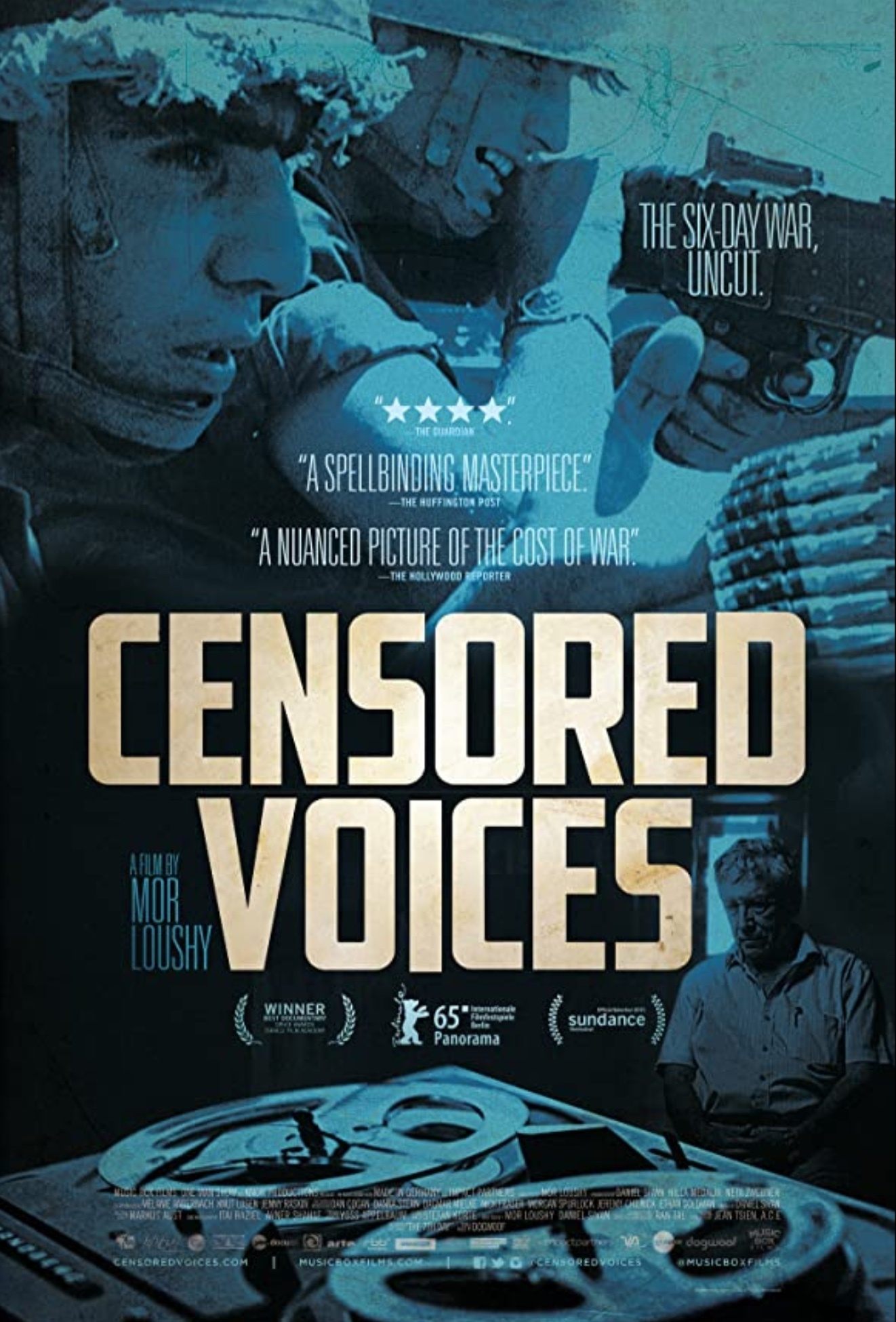
The 1967 'Six-Day' war ended with Israel's decisive victory; conquering Jerusalem, Gaza, Sinai and the West Bank. It is a war portrayed, to this day, as a righteous undertaking - a radiant emblem of Jewish pride. One week after the war, a group of young kibbutzniks, led by renowned author Amos Oz, recorded intimate conversations with soldiers returning from the battlefield. The recording revealed an honest look at the moment Israel turned from David to Goliath. The Israeli army censored the recordings, allowing the kibbutzniks to publish only a fragment of the conversations. 'Censored Voices' reveals the original recordings for the first time.
‘In Football We Trust’ captures a snapshot in time amid the rise of the Pacific Islander presence in the NFL. Presenting a new take on the American immigrant story, this feature length documentary transports viewers deep inside the tightly-knit Polynesian community in Salt Lake City, Utah. With unprecedented access and shot over a four-year time period, the film intimately portrays four young Polynesian men striving to overcome gang violence and near poverty through American football. Viewed as the "salvation" for their families, these young players reveal the culture clash they experience as they transform out of their adolescence and into the high stakes world of collegiate recruiting and rigors of societal expectations.
Filmmaker Amy Berg sheds light on the sexual, financial and spiritual abuses heaped upon members of the Fundamentalist Church of Jesus Christ of Latter-day Saints by their former leader, Warren Jeffs.
There is no indication that this typical online flirtation between two strangers would turn into a case of shocking international intrigue. For months, Sandra in Montreal and Amina, a Syrian-American, bond romantically and intellectually. Encouraged by Sandra, Amina launches a blog called "A Gay Girl in Damascus," representing a marginalized voice in the Middle East on politics, religion, and sexuality. Rapidly garnering worldwide attention, Amina becomes something of a star blogger. But when Syria enters the Arab uprising of 2011, Sandra receives word that Amina has been kidnapped, and soon the search for Amina becomes a global concern and an even larger mystery to solve.
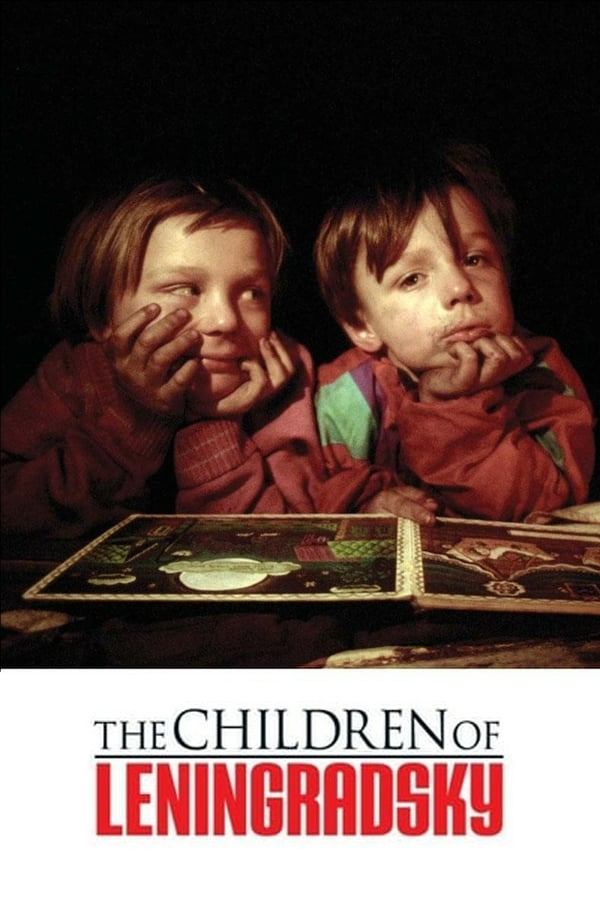
Since the fall of the Iron Curtain an estimated four million children have found themselves living on the streets in the former countries of the Soviet Union. In the streets of Moscow alone there are over 30,000 surviving in this manner at the present time. The makers of the documentary film concentrated on a community of homeless children living hand to mouth in the Moscow train station Leningradsky. Eight-year-old Sasha, eleven-year-old Kristina, thirteen-year-old Misha and ten-year-old Andrej all dream of living in a communal home. They spend winter nights trying to stay warm by huddling together on hot water pipes and most of their days are spent begging. Andrej has found himself here because of disagreements with his family. Kristina was driven into this way of life by the hatred of her stepmother and twelve-year-old Roma by the regular beatings he received from his constantly drunk father. "When it is worst, we try to make money for food by prostitution," admits ...
An RAF airfield in Burma in 1945, during World War II. Canadian bomber pilot Bill Forrester is a bitter man who lives haunted by a tragic past. He has became a reckless warrior, and is feared by his comrades, who consider him a madman. Dr. Harris, the squadron physician, is determined to help him heal his tormented soul.
The film begins in a WW II training depot of a British Guards armoured regiment where recruits from many walks of life learn to survive the strict discipline and training together before going into battle in tanks. There is a cameo appearance by the real Sgt. Major Brittain who was famous in the British guards regiments.
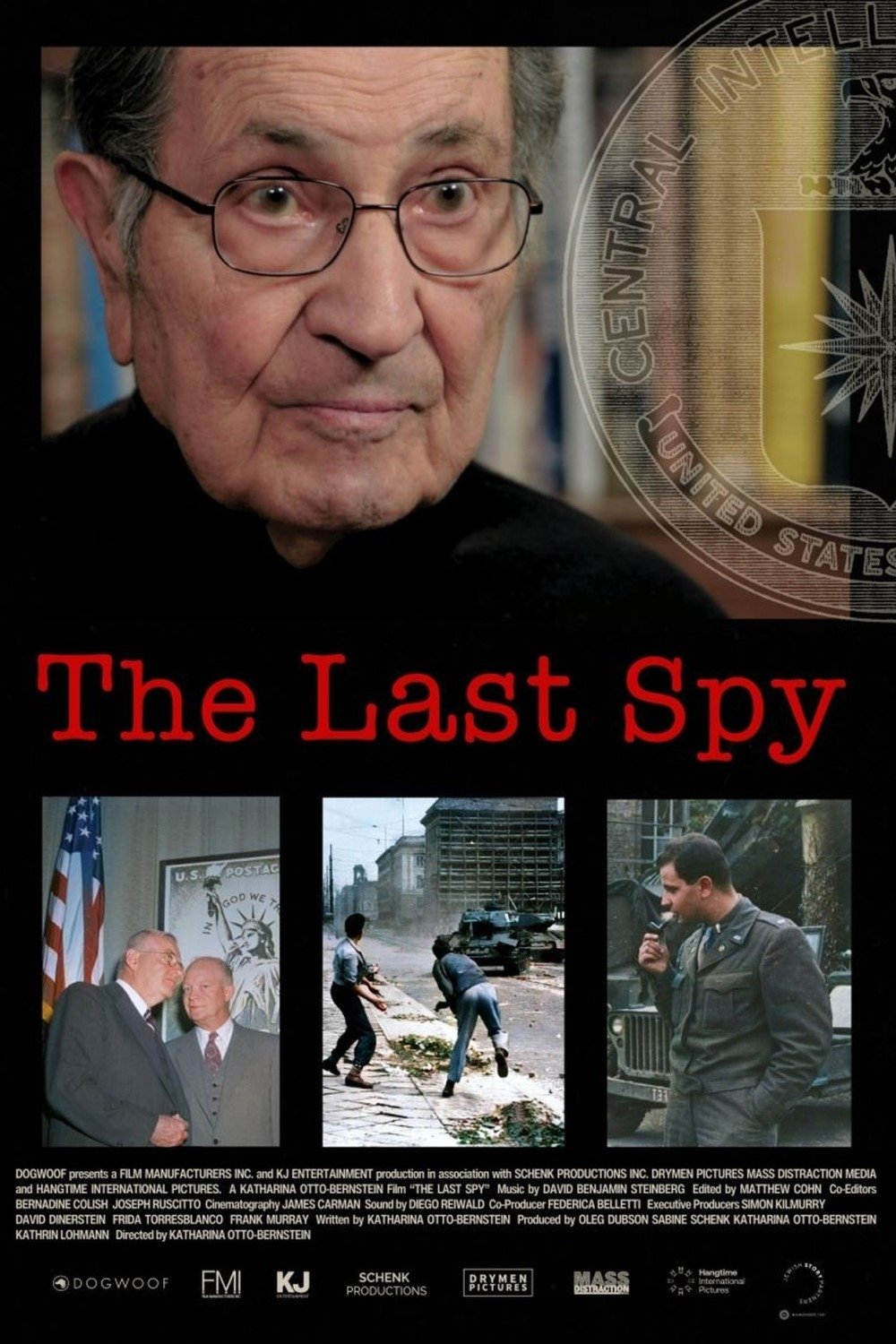
The riveting biography of 102-year-old CIA spymaster Peter Sichel, who unpacks the obscured roots of conflicts that plague today’s world and the toll espionage took on his personal life.
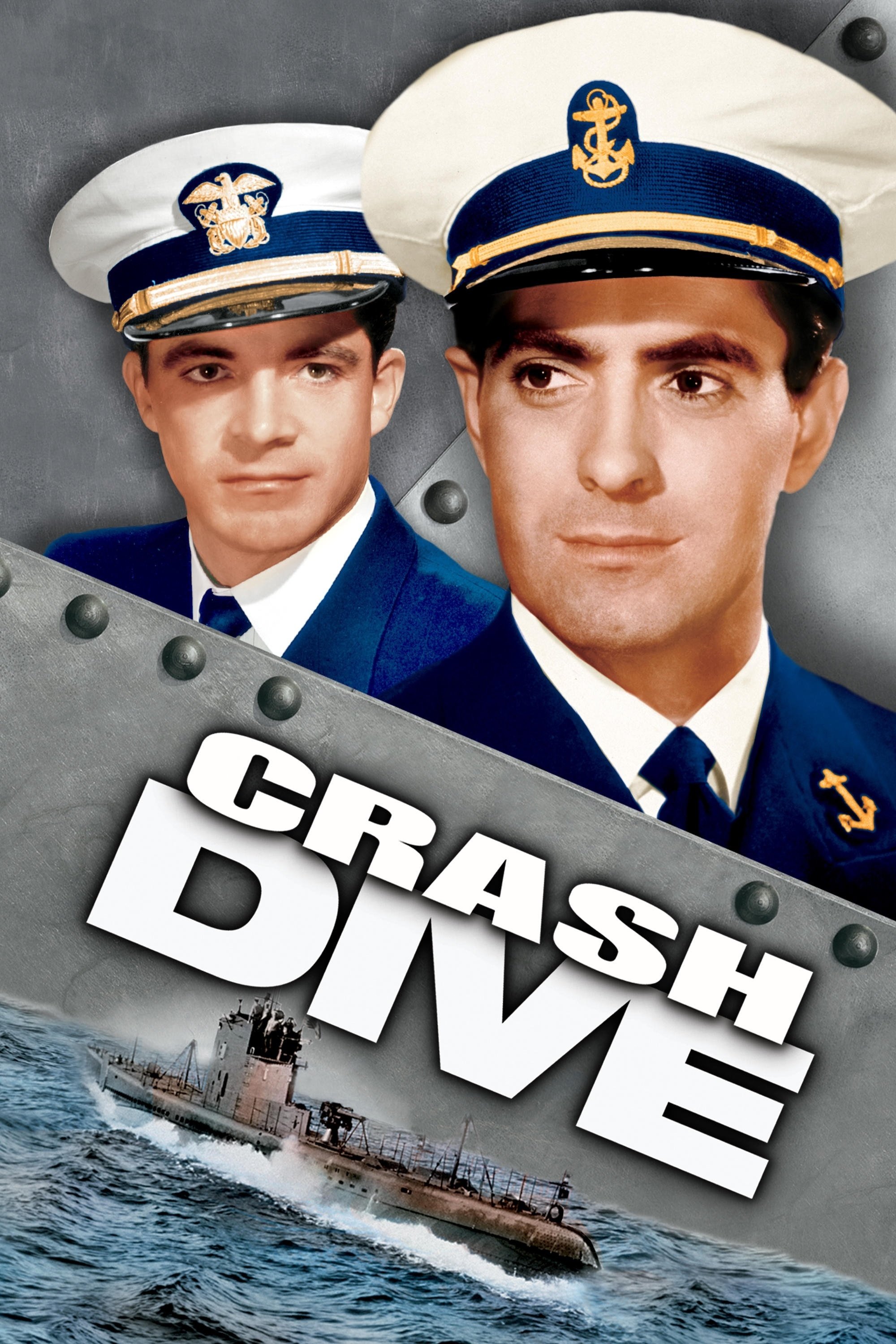
A US Navy submarine, the USS Corsair, is operating in the North Atlantic, hunting German merchant raiders that are preying on Allied shipping. Its new executive officer, Lt. Ward Stewart, has been transferred back into submarines after commanding his own PT boat. At the submarine base in New London, Connecticut, he asks his new captain, Lt. Cmdr. Dewey Connors, for a weekend leave to settle his affairs before taking up his new assignment. On a train bound for Washington D.C., Stewart accidentally encounters New London school teacher Jean Hewlett and her students. Despite her initial resistance to his efforts, he charms her and they fall in love.
If all pictures became current, in that they pass by and in doing so, are connectable with one another, whether elegantly or obscenely, through translation or associationhow would it be possible to fasten down a picture? Hito Steyerls light-hearted picture translations are about fastening things in an elegant-obscene way: In Tokyo she is looking for a photo series that she posed for in 1987 as a rope bondage model. While making inquiries with experts and authorities in the bondage arts (which are mainly marketed online nowadays), she found what she was looking for in a magazine archive. The cinematic tension is extremely high just now says the translator while Steyerl looks through photos of herself from her days as a film student.
This fascinating documentary is based around the Japanese wrestling organisation Gaea's rural training camp, and traces, in the main, the careers of four hopefuls. In charge are two magnificent specimens, the butch champion Chigusa Nagayo, still venting her hurt at the hands of her army father as she tries to whip her surrogate daughters through the pain and commitment barriers; and her sophisticated and slightly menacing Chairman. It's a gruelling, physical film, as you would expect, but the makers don't make heavy weather of it. And it certainly disposes of any idea that the game is faked.
This documentary is set in the New Marilyn night club in Tokyo, Japan - where the hosts are transgender men. They can only make their living as hosts in a nightclub with other wannabes like them. The young women who come there often have relationships with them but the underlying fear is whether such a relationship can withstand the pressures on a girl to get married and have children. All three boys deal with this in different ways. These three hosts, the Shinjuku Boys, take us into their lives.
Three miles north of Molkom, hidden deep in the lakeside forests of Sweden, lies Ängsbacka, a 21st Century playground for adults. Once a year, their gates open to a thousand international participants, placed in 'Sharing Groups' at random. A Swedish celebrity, a Californian hippy, a Finnish grandmother and a back-packing Australian rugby coach, who stumbled on the wrong party, are amongst the group that take us on an unforgettably quirky, two-week emotional roller-coaster. Firewalking, Shamanism, Tantric Sex and myriad other physical, psychological and esoteric experiences, guide our unlikely heroes towards enlightenment, love, loathing and themselves. Will they ever be the same again?
One of the most enigmatic artists of the 20th century, writer, composer and wanderer Paul Bowles (1910-1999) is profiled by a filmmaker who has been obsessed with his genius since age nineteen. Set against the dramatic landscape of North Africa, the mystery of Bowles (famed author of The Sheltering Sky) begins to unravel in Jennifer Baichwal's poetic and moving Let It Come Down: The Life of Paul Bowles. Rare, candid interviews with the reclusive Bowles--at home in Tangier, as well as in New York during an extraordinary final reunion with Allen Ginsberg and William Burroughs--are intercut with conflicting views of his supporters and detractors. At the time in his mid-eighties, Bowles speaks with unprecedented candor about his work, his controversial private life and his relationships with Gertrude Stein, Tennessee Williams, Truman Capote, the Beats, and his wife and fellow author Jane Bowles.
Nose and Tina are a couple in love. The film captures the domestic details of their life together and documents their hassles with work, money and the law. The unusual bit: He is employed as a brakeman, and she as a sex worker.
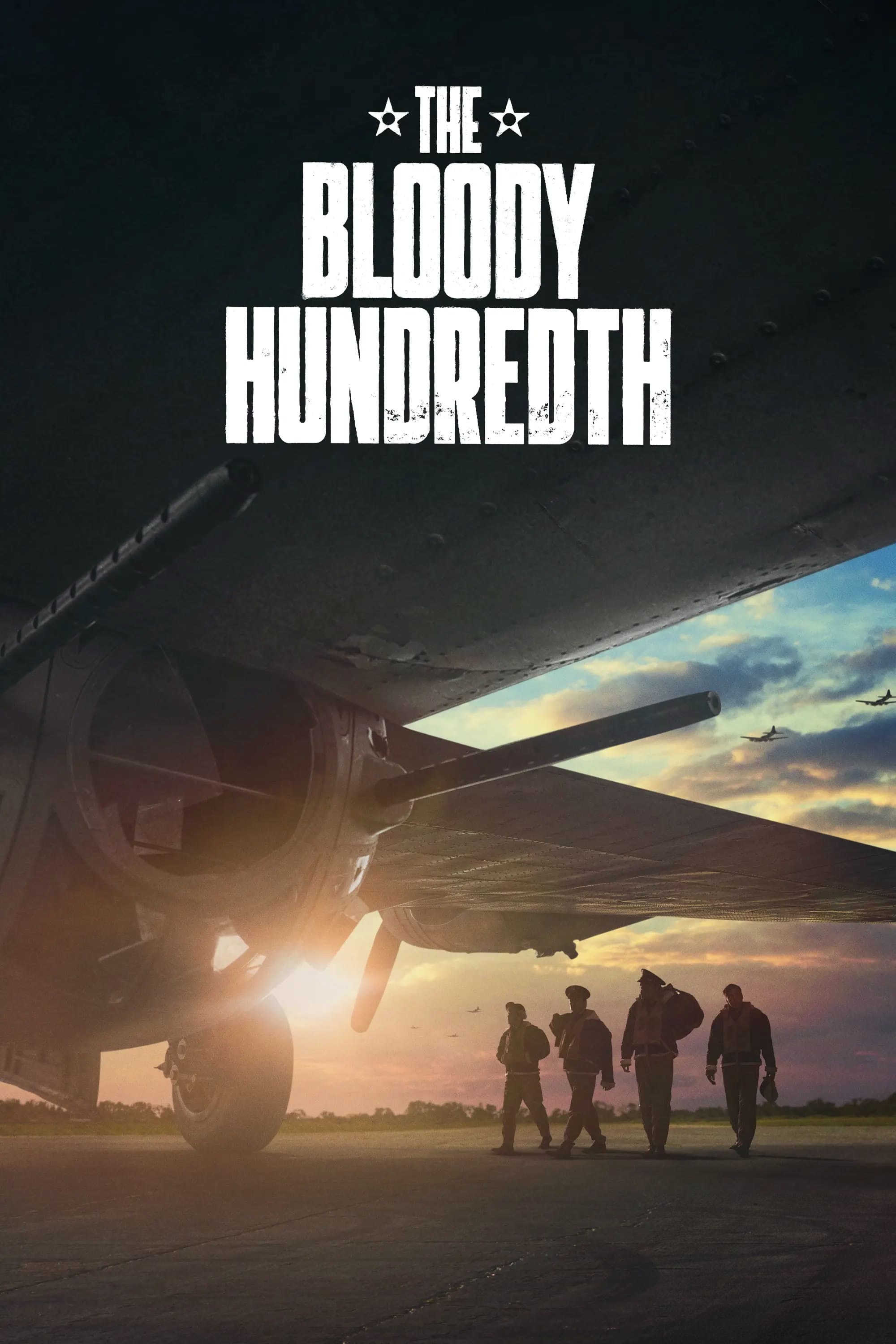
Meet the real-life airmen who inspired Masters of the Air as they share the harrowing and transformative events of the 100th Bomb Group.
Prelude to War was the first film of Frank Capra's Why We Fight propaganda film series, commissioned by the Pentagon and George C. Marshall. It was made to convince American troops of the necessity of combating the Axis Powers during World War II. This film examines the differences between democratic and fascist states.
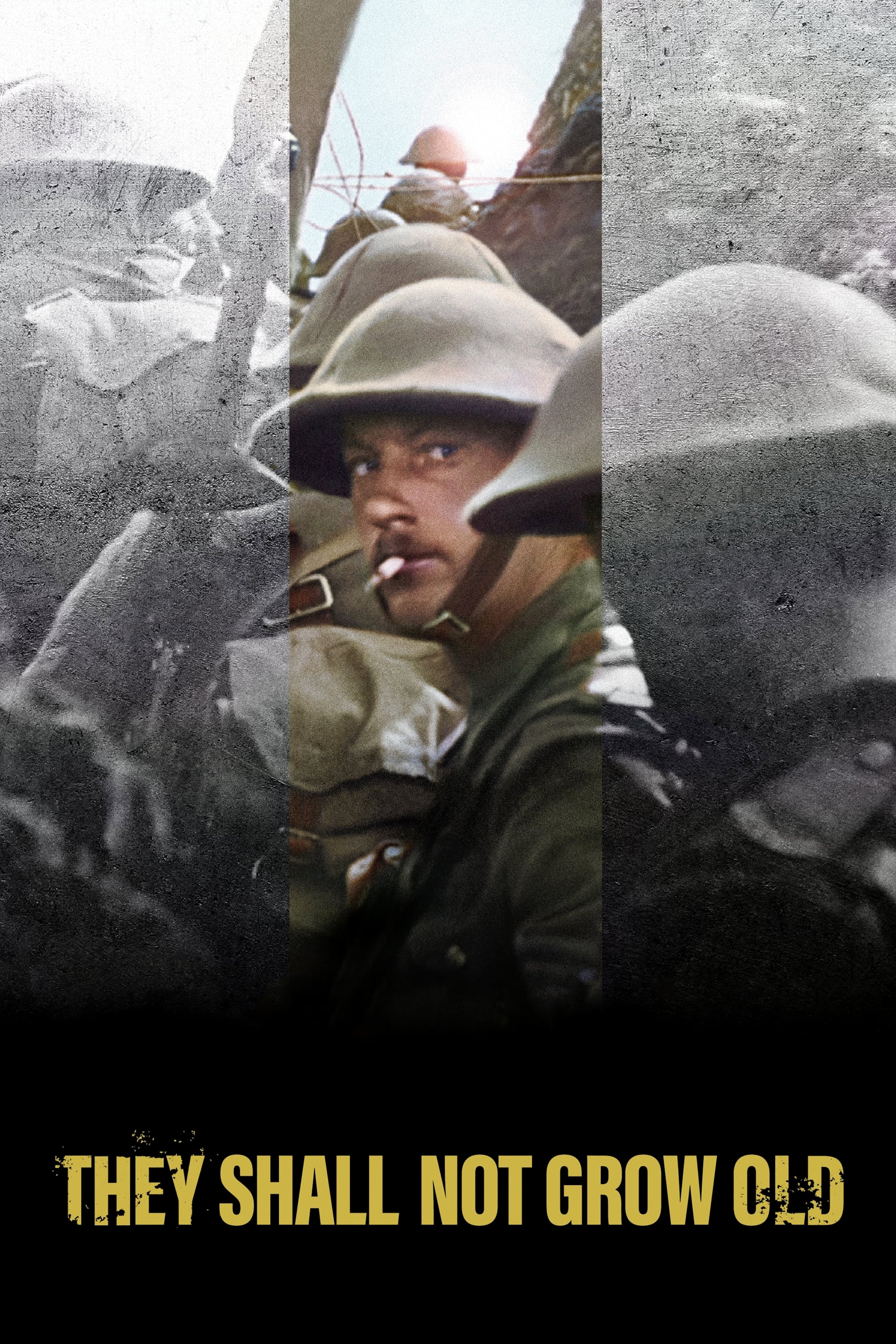
A documentary about World War I with never-before-seen footage to commemorate the centennial of Armistice Day, and the end of the war.
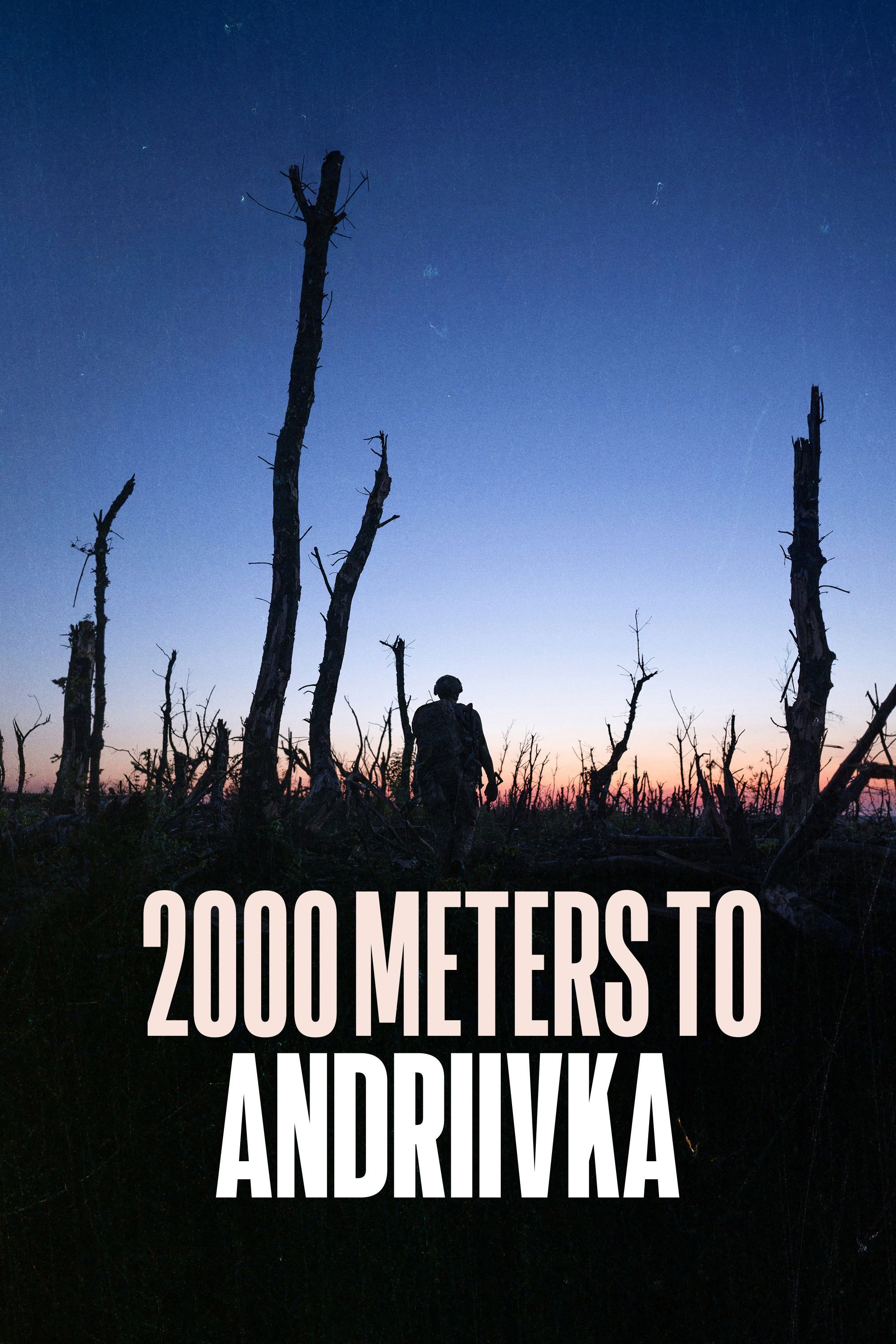
Amid the failing counteroffensive, a journalist follows a Ukrainian platoon on their mission to traverse one mile of heavily fortified forest and liberate a strategic village from Russian occupation. But the farther they advance through their destroyed homeland, the more they realize that this war may never end.
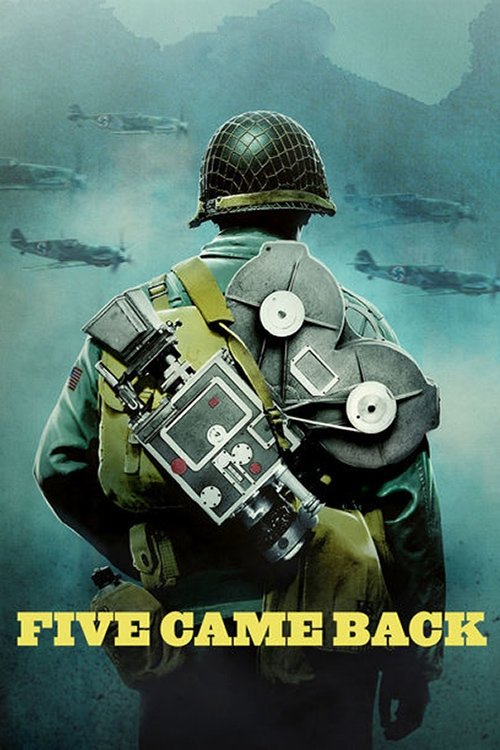
The extraordinary story of how Hollywood changed World War II – and how World War II changed Hollywood, through the interwoven experiences of five legendary filmmakers who went to war to serve their country and bring the truth to the American people: John Ford, William Wyler, John Huston, Frank Capra, and George Stevens. Based on Mark Harris’ best-selling book, “Five Came Back: A Story of Hollywood and the Second World War.”
A love letter from a young mother to her daughter, the film tells the story of Waad al-Kateab’s life through five years of the uprising in Aleppo, Syria as she falls in love, gets married and gives birth to Sama, all while cataclysmic conflict rises around her. Her camera captures incredible stories of loss, laughter and survival as Waad wrestles with an impossible choice– whether or not to flee the city to protect her daughter’s life, when leaving means abandoning the struggle for freedom for which she has already sacrificed so much.
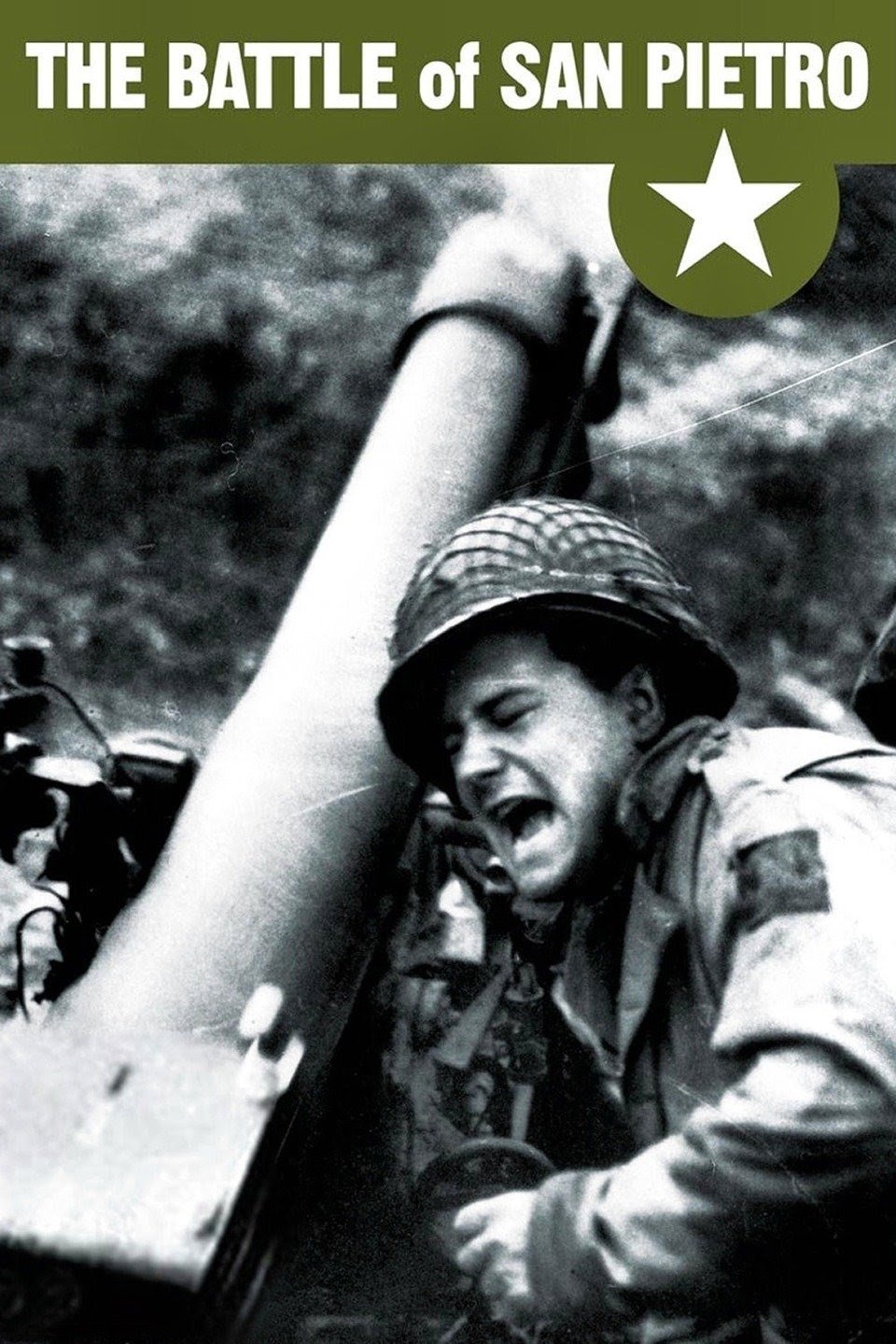
This documentary movie is about the battle of San Pietro, a small village in Italy. Over 1,100 US soldiers were killed while trying to take this location, that blocked the way for the Allied forces from the Germans. Preserved by the Academy Film Archive in 2005.
14-year-old Laura Dekker sets out on a two-year voyage in pursuit of her dream to become the youngest person ever to sail around the world alone.
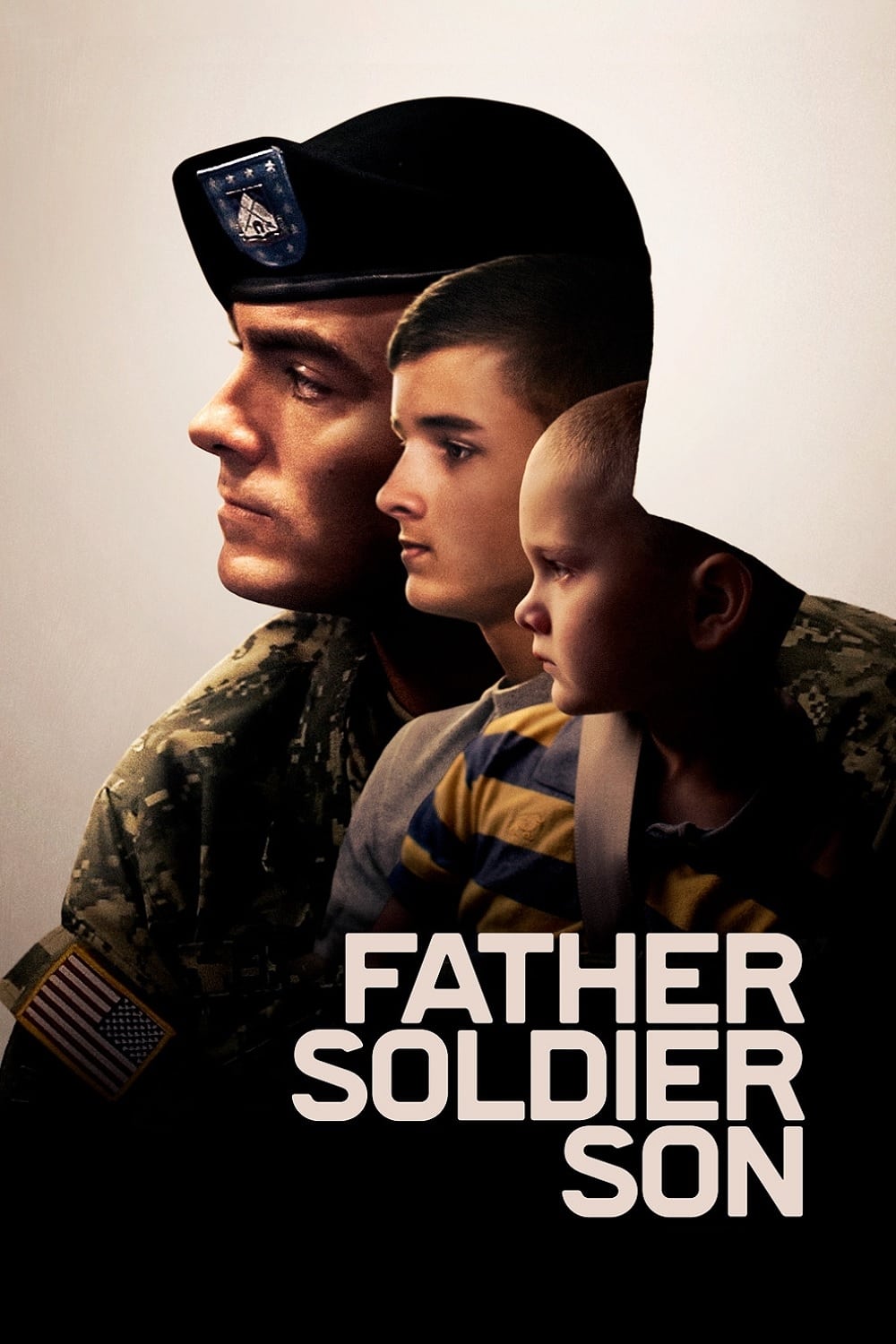
When Sgt. First Class Brian Eisch is critically wounded in Afghanistan, it sets him and his sons on a journey of love, loss, redemption and legacy.
“The Soviet Story” is a story of an Allied power, which helped the Nazis to fight Jews and which slaughtered its own people on an industrial scale. Assisted by the West, this power triumphed on May 9th, 1945. Its crimes were made taboo, and the complete story of Europe’s most murderous regime has never been told. Until now...
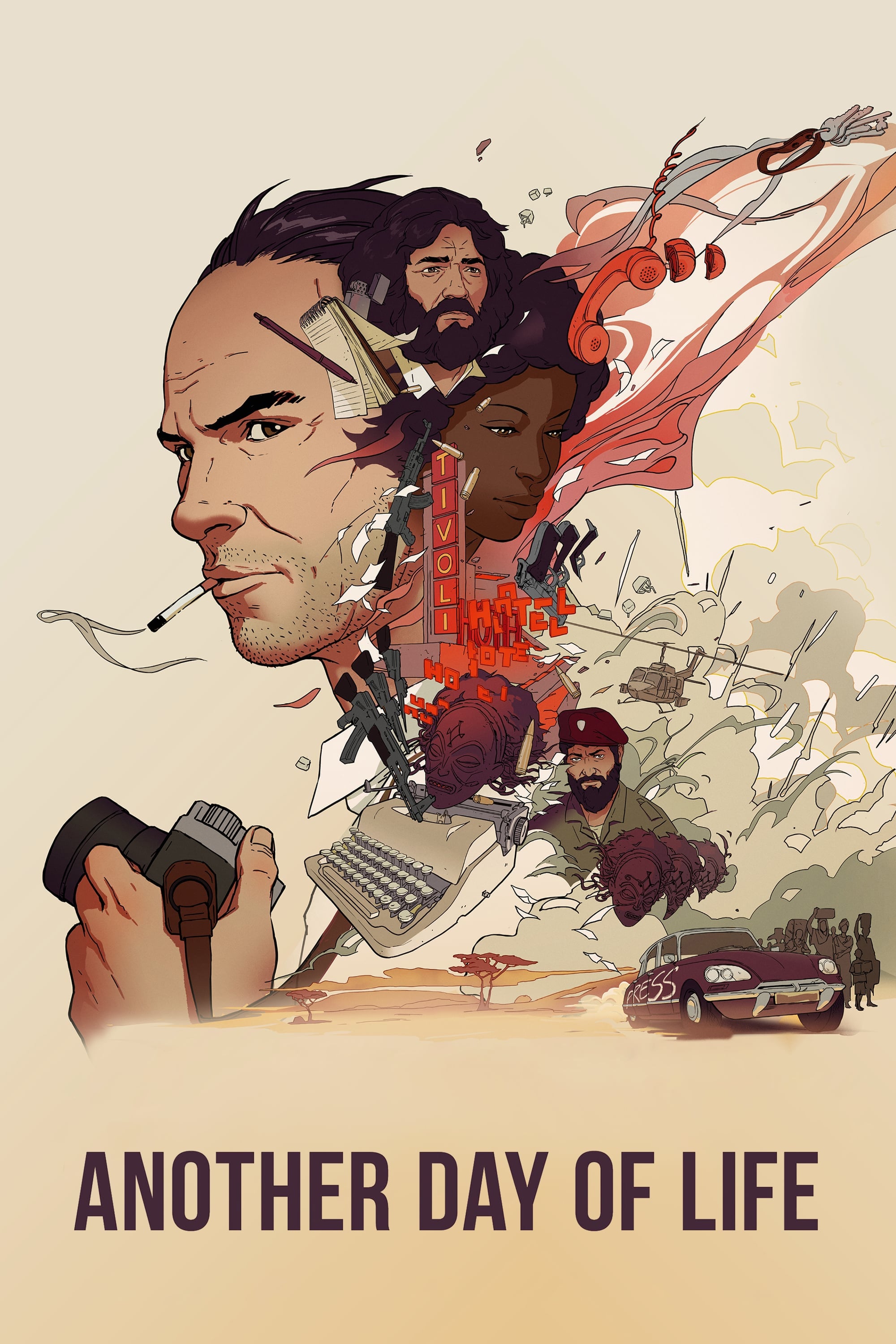
In 1975, Ryszard Kapuściński, a veteran Polish journalist, embarked on a seemingly suicidal road trip into the heart of the Angola's civil war. There, he witnessed once again the dirty reality of war and discovered a sense of helplessness previously unknown to him. Angola changed him forever: it was a reporter who left Poland, but it was a writer who returned…
Documentary about the art of film editing. Clips are shown from many groundbreaking films with innovative editing styles.
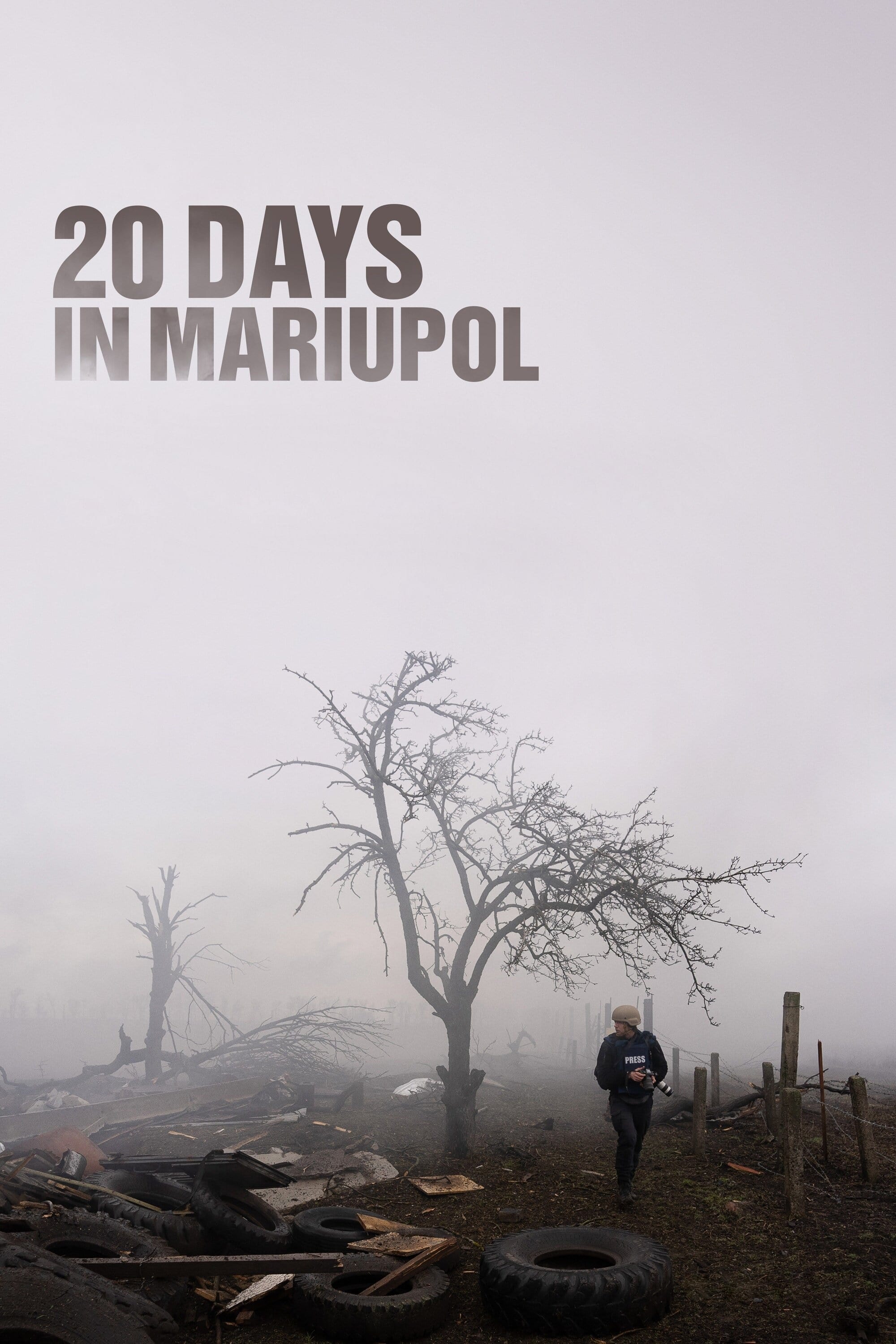
As the Russian invasion begins, a team of Ukrainian journalists trapped in the besieged city of Mariupol struggle to continue their work documenting the war's atrocities.
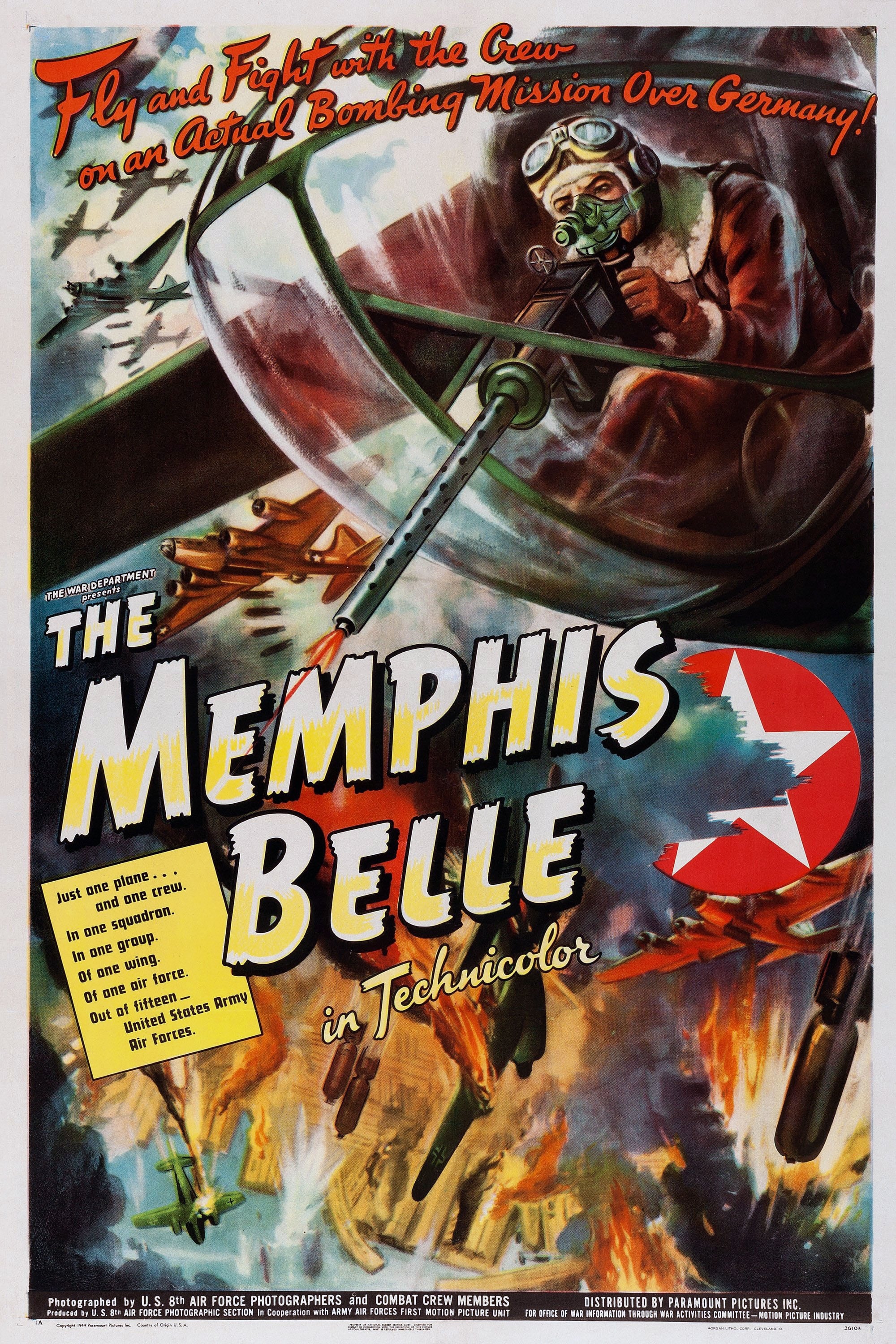
This WW2 documentary centers on the crew of the American B-17 Flying Fortress Memphis Belle as it prepares to execute a strategic bombing raid on Nazi submarine pens in Wilhelmshaven, Germany.
Korengal picks up where Restrepo left off; the same men, the same valley, the same commanders, but a very different look at the experience of war.
Pete Postlethwaite stars as a man living alone in the devastated future world of 2055, looking at old footage from 2008 and asking: why didn’t we stop climate change when we had the chance?
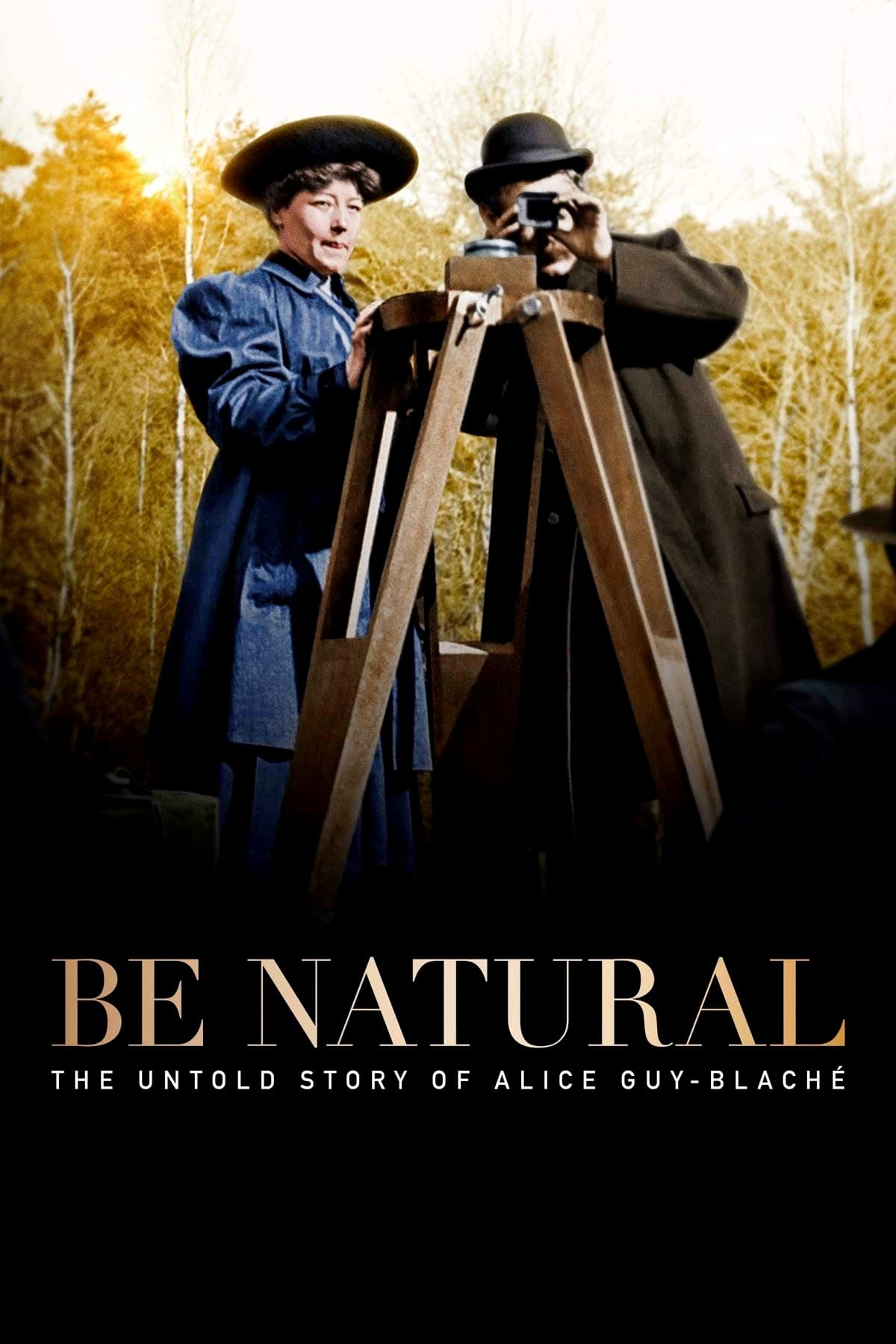
The epic life story of Alice Guy-Blaché (1873–1968), a French screenwriter, director and producer, true pioneer of cinema, the first person who made a narrative fiction film; author of hundreds of movies, but banished from history books. Ignored and forgotten. At last remembered.
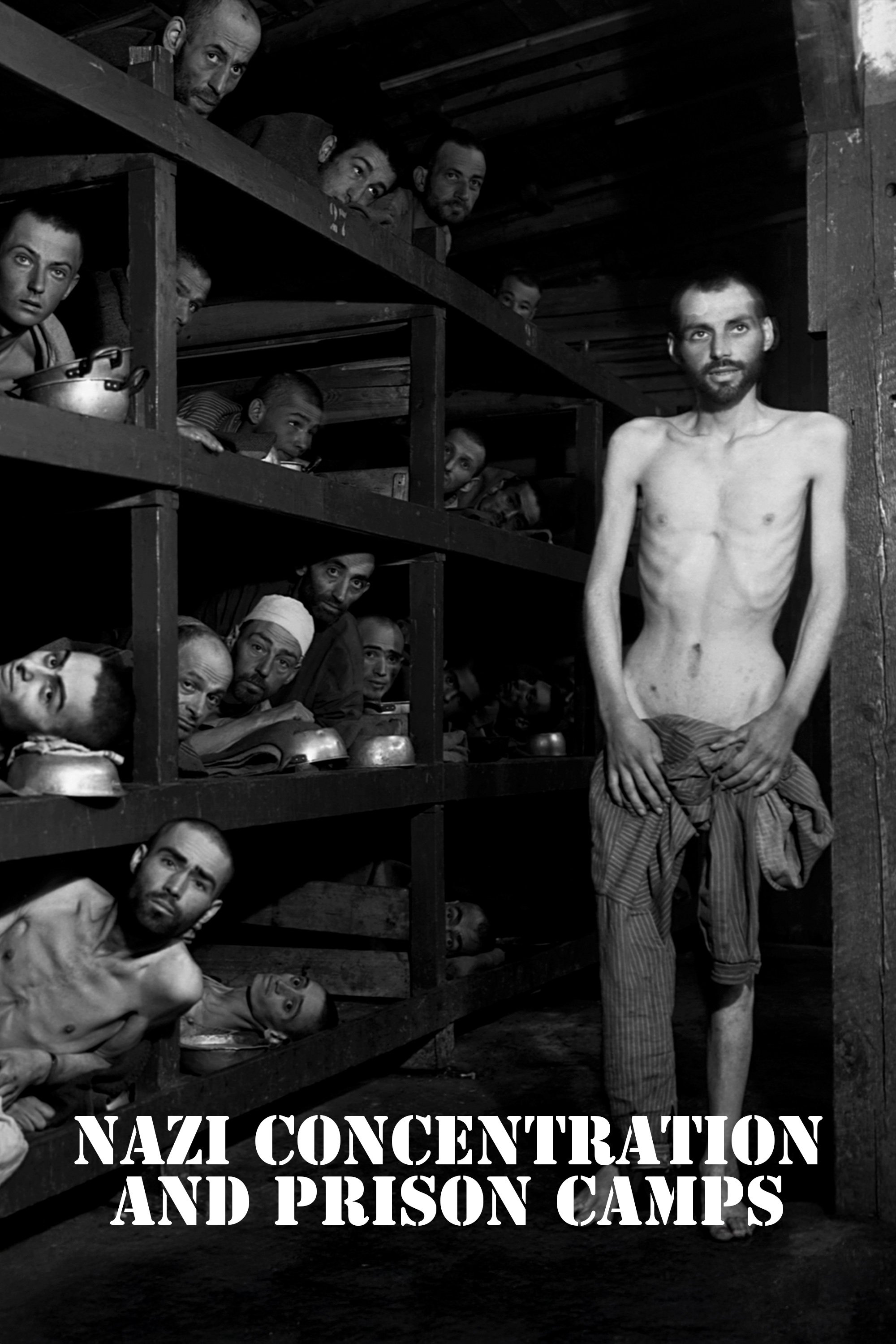
Produced and presented as evidence at the Nuremberg war crimes trial of Hermann Göring and twenty other Nazi leaders, this film consists primarily of dead and surviving prisoners and of facilities used to kill and torture during the World War II.
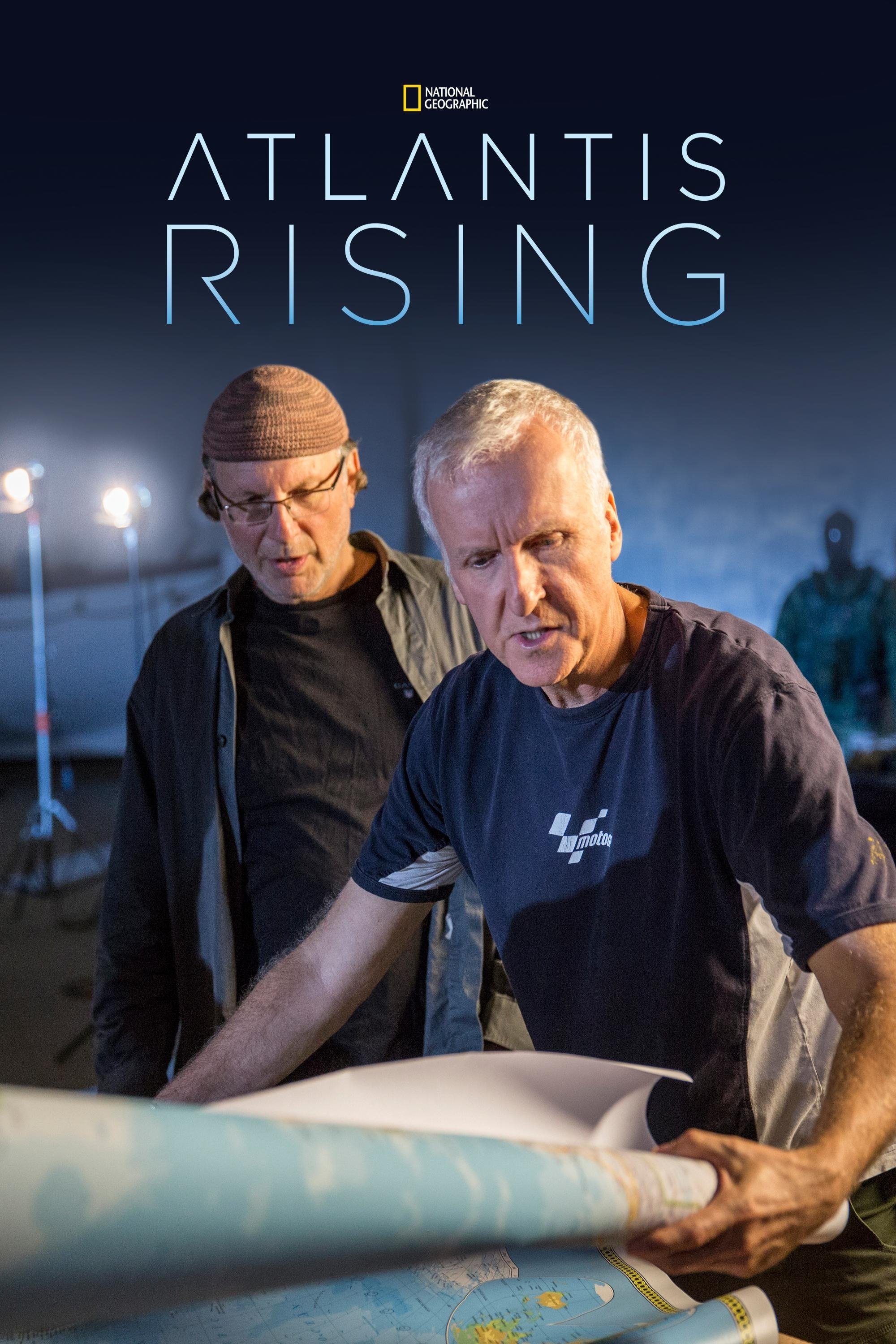
James Cameron and Simcha Jacobovici go on an adventure to find the lost city of Atlantis by using Greek philosopher Plato as a virtual treasure map.
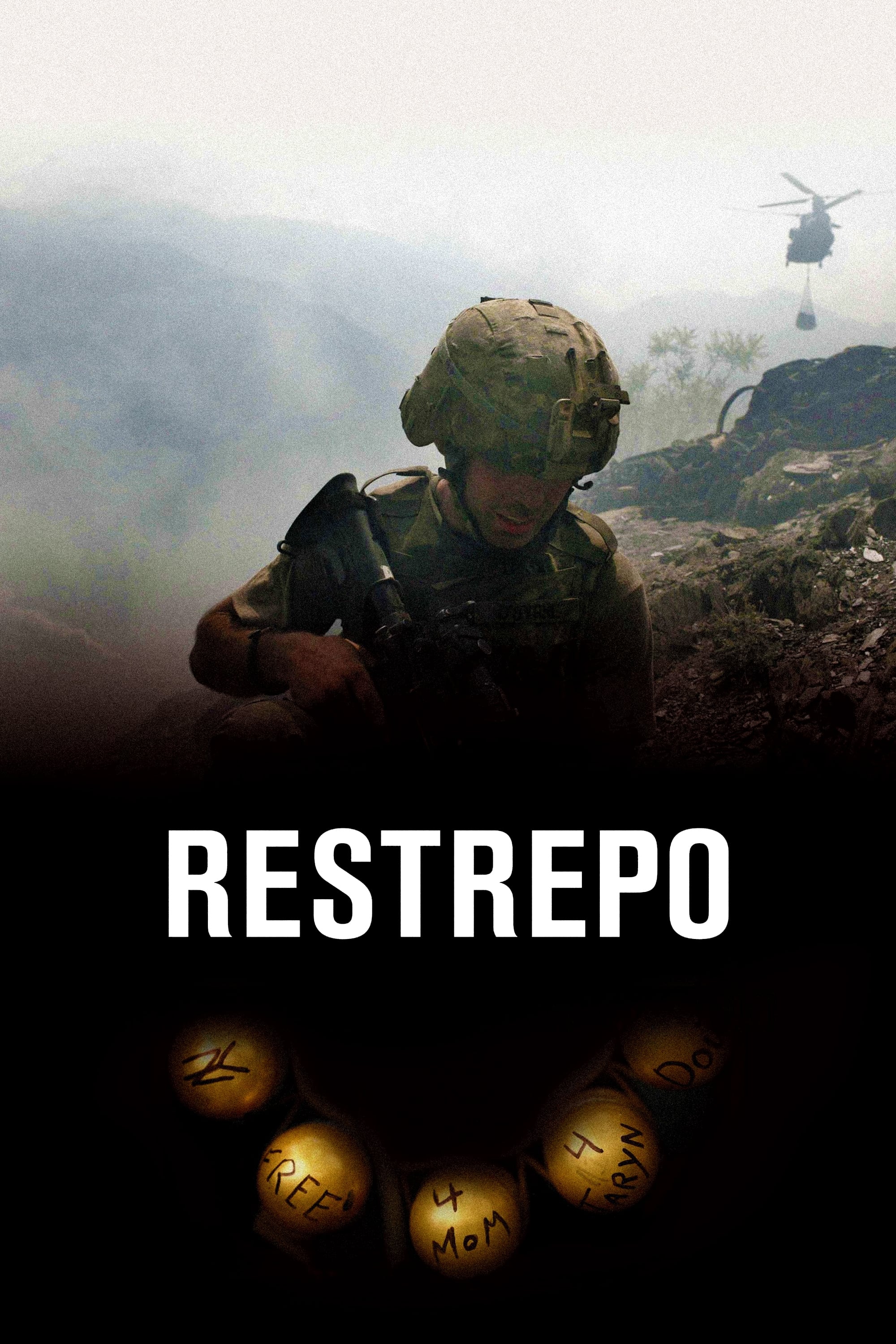
Directors Hetherington and Junger spend a year with the 2nd Battalion of the United States Army located in one of Afghanistan's most dangerous valleys. The documentary provides insight and empathy on how to win the battle through hard work, deadly gunfights and mutual friendships while the unit must push back the Taliban.