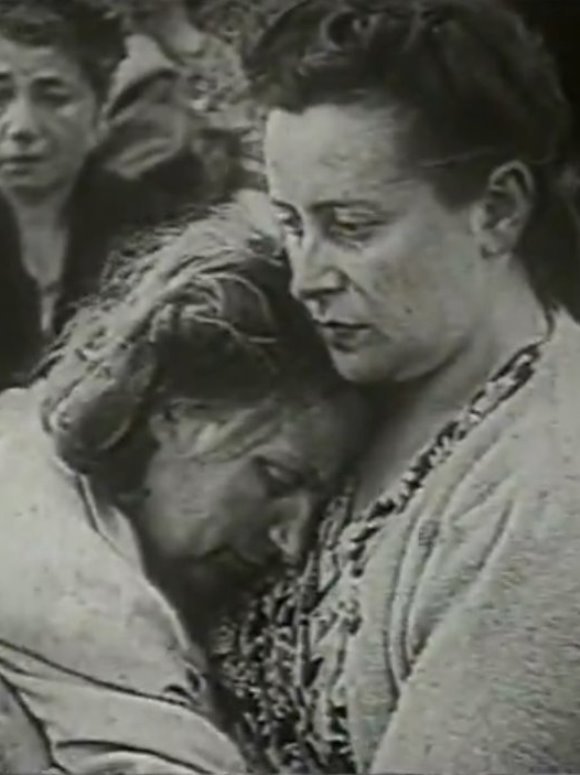
On July 4th, 1946, the crowd in Kielce, Poland, slaughtered forty-two Jews and wounded many others. Forty years later, in 1987, Marcel Łoziński visited those places and met some witnesses of the carnage.
Social & External
The people behind it
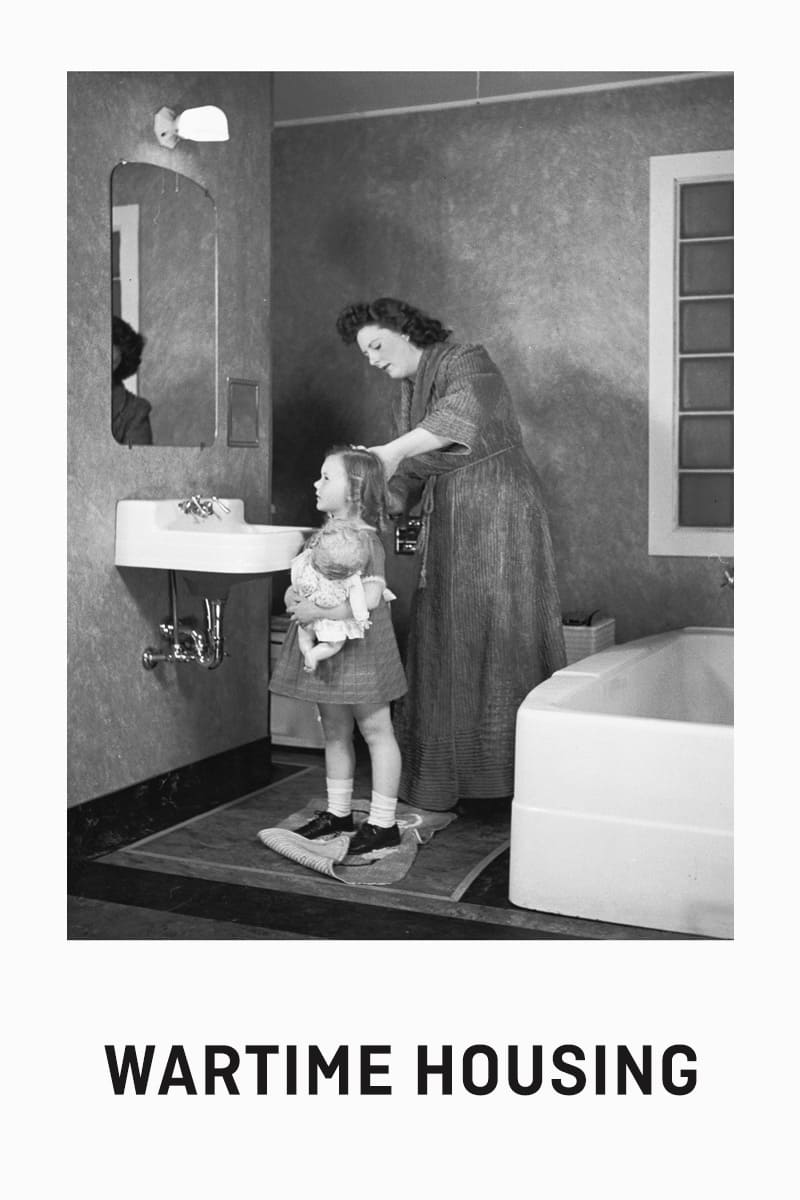
During WWII, there was a need for affordable housing of decent quality. In response, small pre-fabricated homes were built quickly and efficiently to accommodate the influx of workers to urban areas.
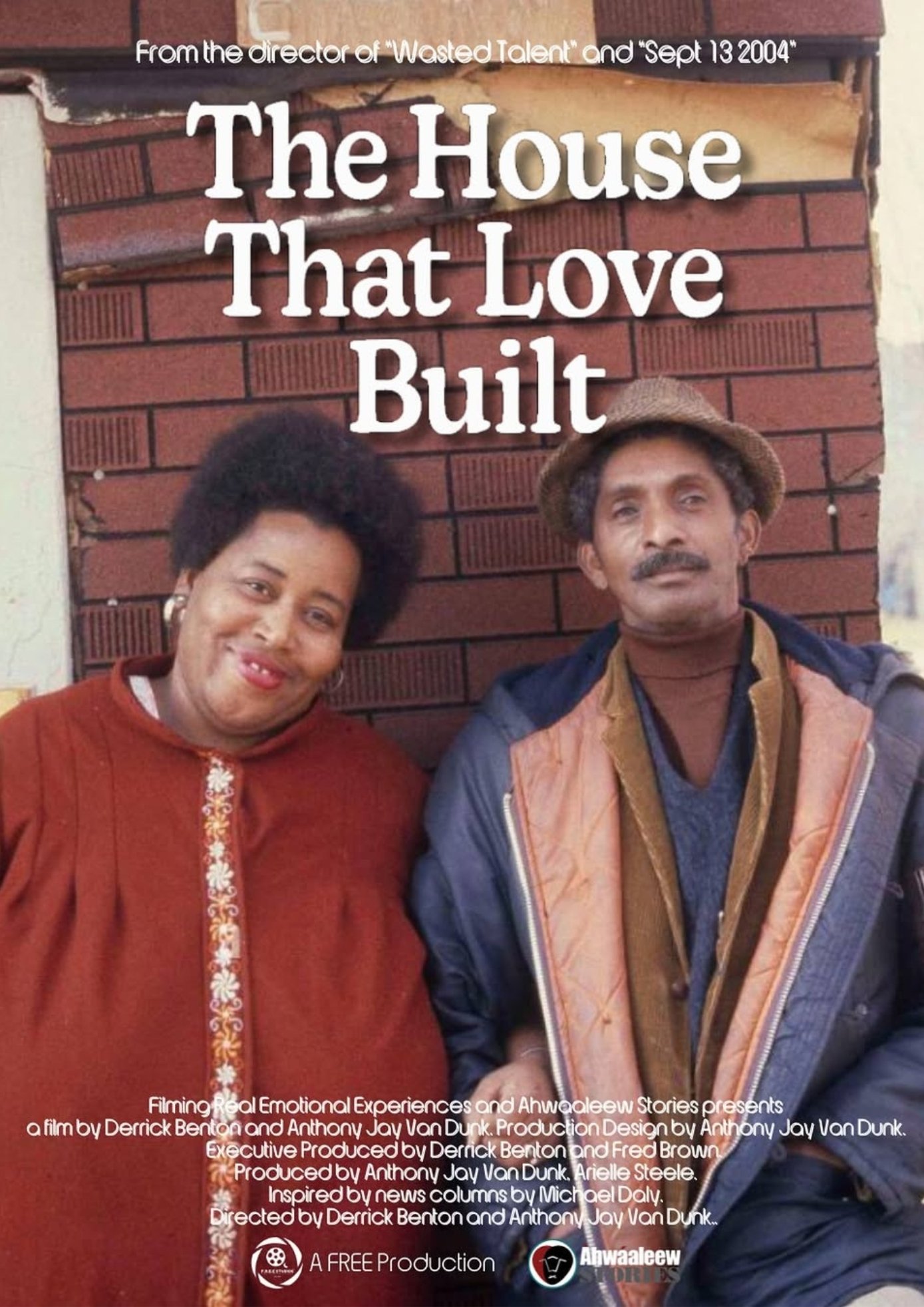
In 1980s Brooklyn, a resilient family, evicted from public housing, refuses to succumb to homelessness or welfare. Instead, they construct their own home-one scrap of discarded wood at a time.
On September 11, 2004, filmmaker Robert Morin shot Que Dieu bénisse l'Amérique, set on September 11, 2001. For artistic reasons, he decided to shoot the feature in a single day. Philippe Falardeau witnessed this tumultuous day, which ended tragically. At the same time, filmmaker Louis Bélanger criticizes Robert Morin's working methods.
To help prevent the unthinkable from ever coming true, it is important to know what could really happen....the most awesome and deadly display of warfare that the world has ever seen.
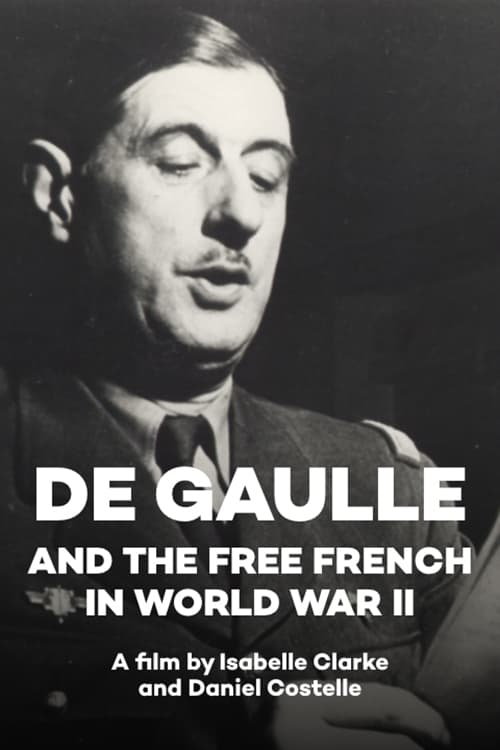
In June 1940 nothing was written. The appeal of June 18 by General de Gaulle was a hope but also a start. The start for an essential page of the History of France, written by De Gaulle and his followers, without whom nothing would have existed in the Resistance to the German tyranny and this film wishes to honor their memory.
La Santa Cecilia: Alma Bohemia
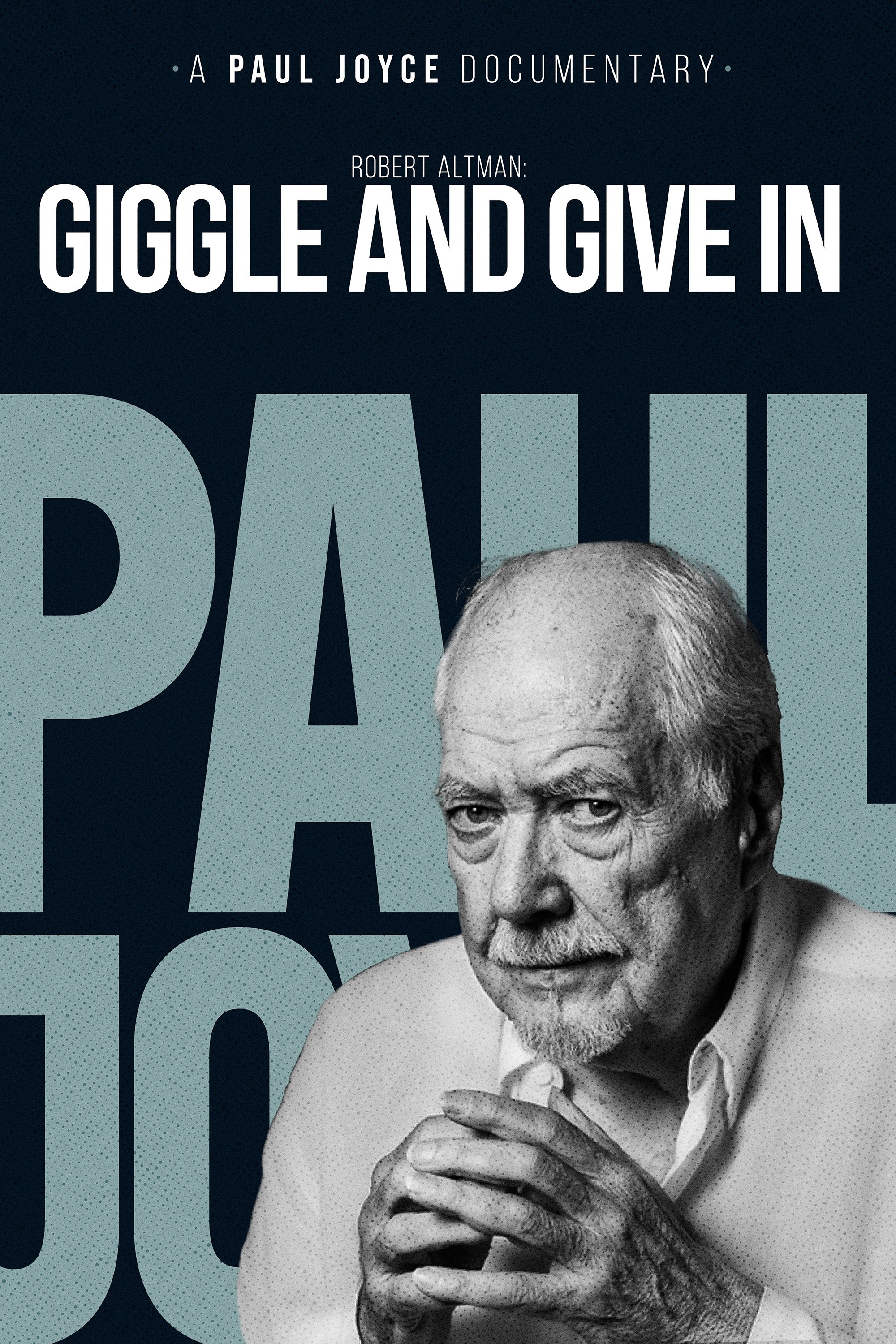
Paul Joyce’s documentary profile of Robert Altman, with contributions from Altman, Elliott Gould, Shelley Duvall, assistant director Alan Rudolph and screenwriter Joan Tewkesbury. Originally broadcast on July 17th 1996 in Channel Four’s Cinefile series.
A short documentary on how people view art and its value in today's society.
A filmmaker and his siblings research the experiences of their late father, who survived the Holocaust during World War II.
Not just another documentary on the French resistance movement, this film focuses on one particular group of underground fighters in France: those from Eastern Europe. Many were Jews and all had fled their native countries before the war broke out. They were among the most staunch and fearless enemies of fascism, as shown here in personal interviews and memoirs of war-time experiences. But the most famous of these immigrants were 23 who were rounded up among several hundred Parisians in 1943, tried for their activities, and executed -- all were immigrants under the leadership of the Armenian poet Manouchian. After their execution, Paris was papered with posters decrying these 23 martyrs as "foreign communists."
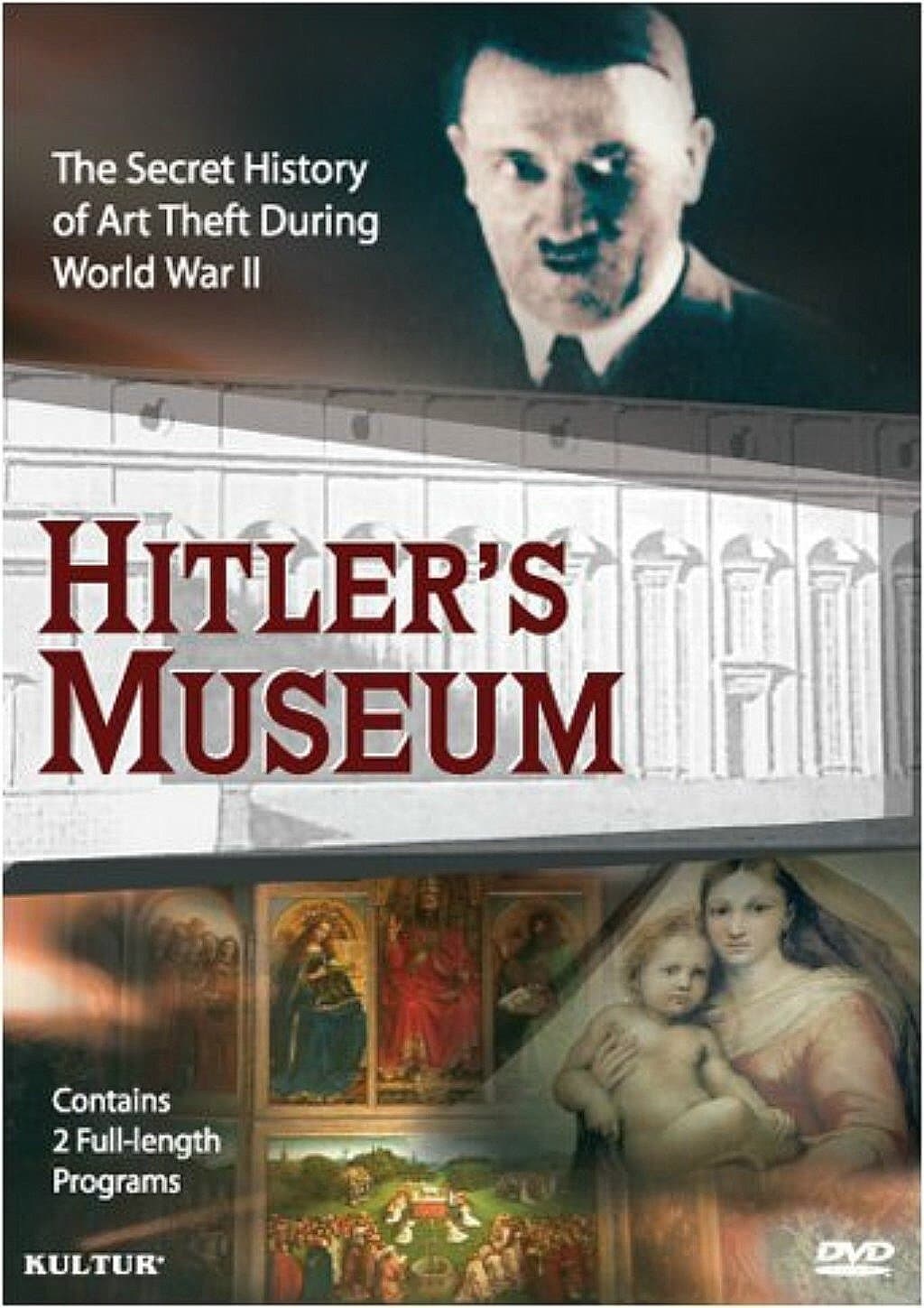
One and a half years before the begin of the Second World War during the annexation of Austria in March of 1938, Hitler conceived the megalomaniac idea of creating the largest European art center in his home town of Linz. At the beginning of the war on the 1st of September 1939, not only did his armies advance but also his art thieves began to fan out in their great foray of art plundering; an expedition on a previously unheard of scale began. Not only did the task forces of diverse National Socialist organizations pillage the occupied countries; Nazi bigwigs like Goering also took whatever they felt was valuable. This documentary includes the long and eventful journey of an exceptional masterpiece of European art: the Ghent Altar, created by van Eyck.
A story of sappers in the field clearing mines.
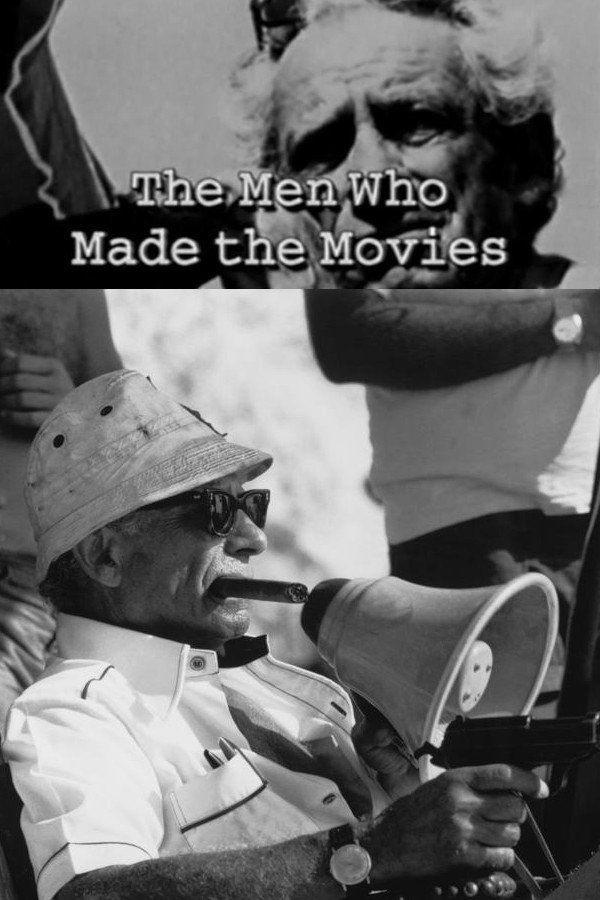
Samuel Fuller discusses his career as a filmmaker, illustrated by plenty of clips.
Filmmaker Alain Resnais documents the atrocities behind the walls of Hitler's concentration camps.
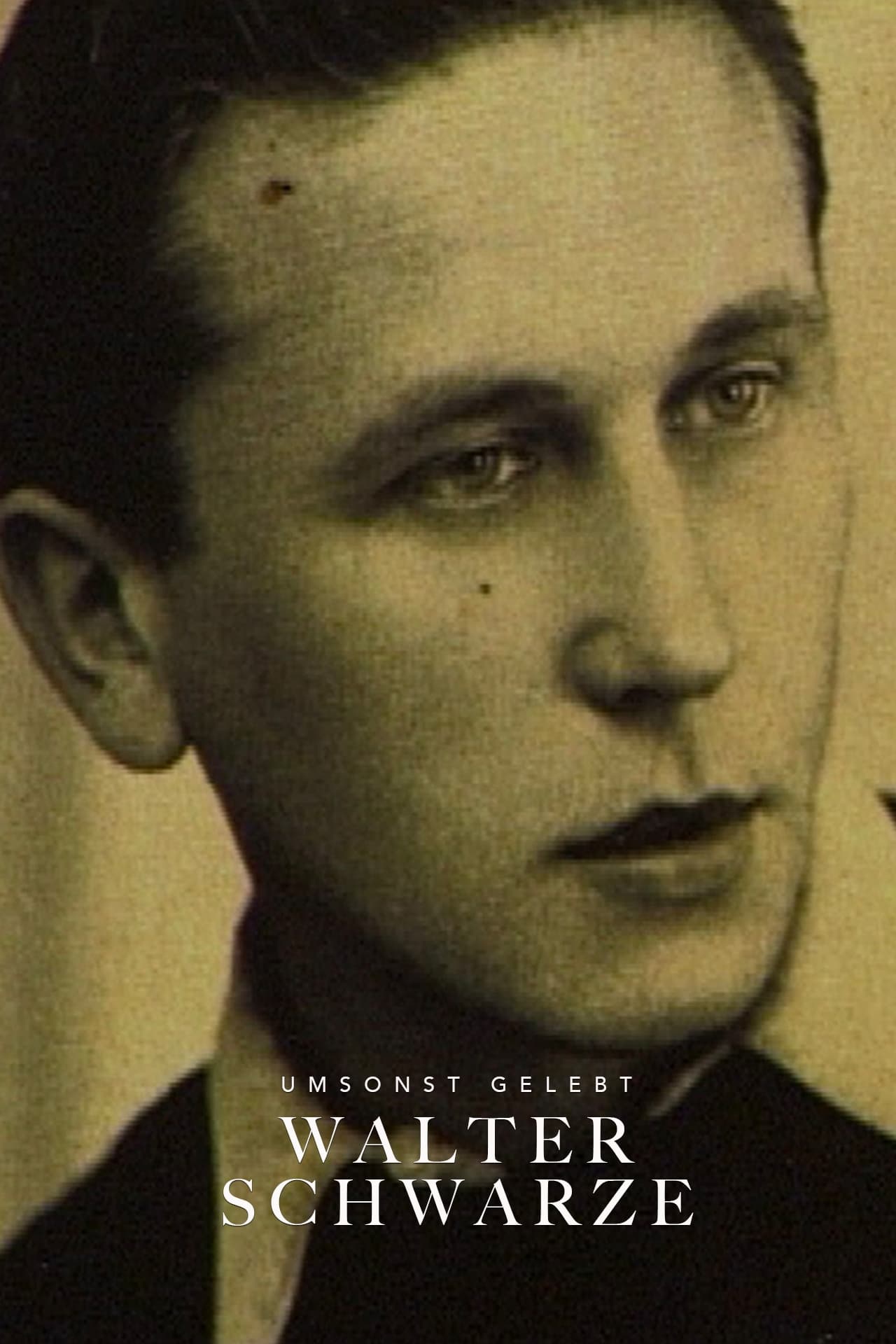
“This film is part of a series of films on gay men who survived the Nazi era. I met Walter Schwarze when he was already in his eighties. My camera recorded his first public account of his five-year incarceration as a homosexual at Sachsenhausen concentration camp. He was in his fifties when he met Ali in his hometown of Leipzig; the two men became partners and remained close until his demise. And yet, Walter told me, he felt he had lived in vain because he had not had the good fortune of today's gays, who are able to grow up in freedom. Walter Schwarze died of cancer on May 10, 1998.” Rosa von Praunheim
A documentary on the expletive's origin, why it offends some people so deeply, and what can be gained from its use.
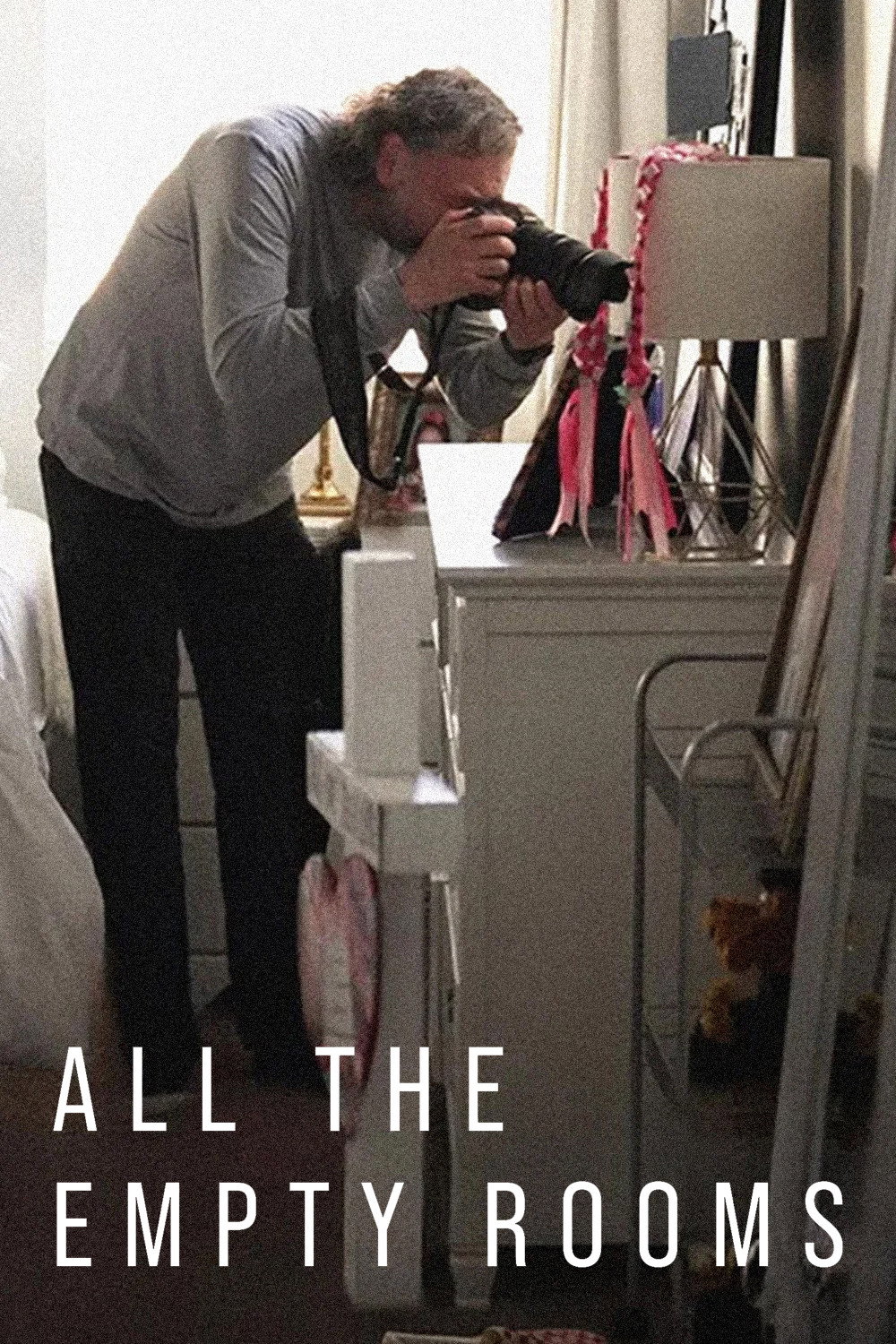
A journalist and a photographer set out to memorialize the bedrooms left behind by children killed in school shootings.
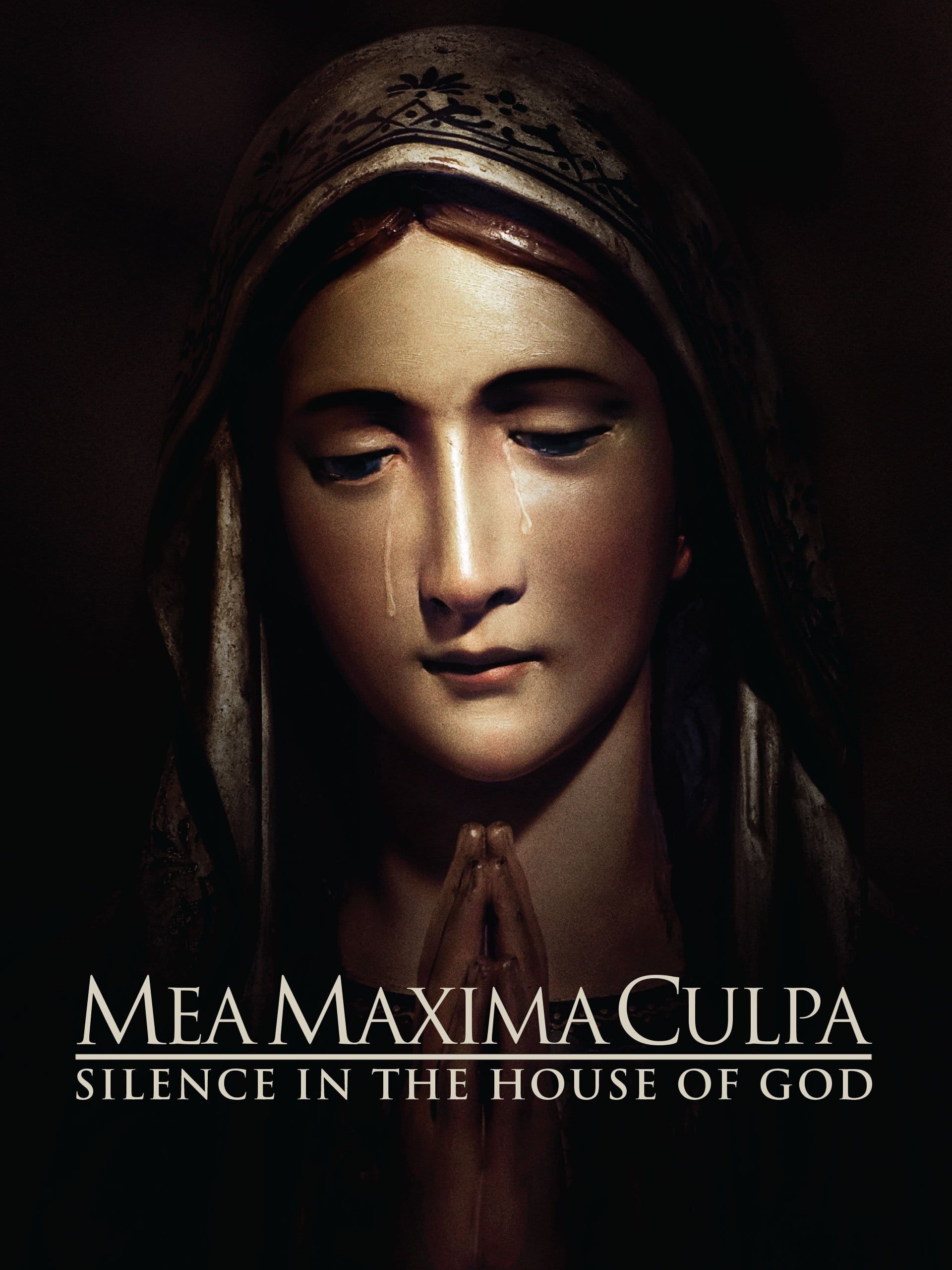
Alex Gibney explores the charged issue of pedophilia in the Catholic Church, following a trail from the first known protest against clerical sexual abuse in the United States and all way to the Vatican.
“The Soviet Story” is a story of an Allied power, which helped the Nazis to fight Jews and which slaughtered its own people on an industrial scale. Assisted by the West, this power triumphed on May 9th, 1945. Its crimes were made taboo, and the complete story of Europe’s most murderous regime has never been told. Until now...
In an intimate and joyful story of love in the face of loss, celebrated poets Andrea Gibson and Megan Falley find strength—and unexpected hilarity—in what might be their final year together.
An inside look at one of the most anticipated movie sequels ever with James Cameron and cast.
When Allied forces liberated the Nazi concentration camps in 1944-45, their terrible discoveries were recorded by army and newsreel cameramen, revealing for the first time the full horror of what had happened. Making use of British, Soviet and American footage, the Ministry of Information’s Sidney Bernstein (later founder of Granada Television) aimed to create a documentary that would provide lasting, undeniable evidence of the Nazis’ unspeakable crimes. He commissioned a wealth of British talent, including editor Stewart McAllister, writer and future cabinet minister Richard Crossman – and, as treatment advisor, his friend Alfred Hitchcock. Yet, despite initial support from the British and US Governments, the film was shelved, and only now, 70 years on, has it been restored and completed by Imperial War Museums under its original title "German Concentration Camps Factual Survey".
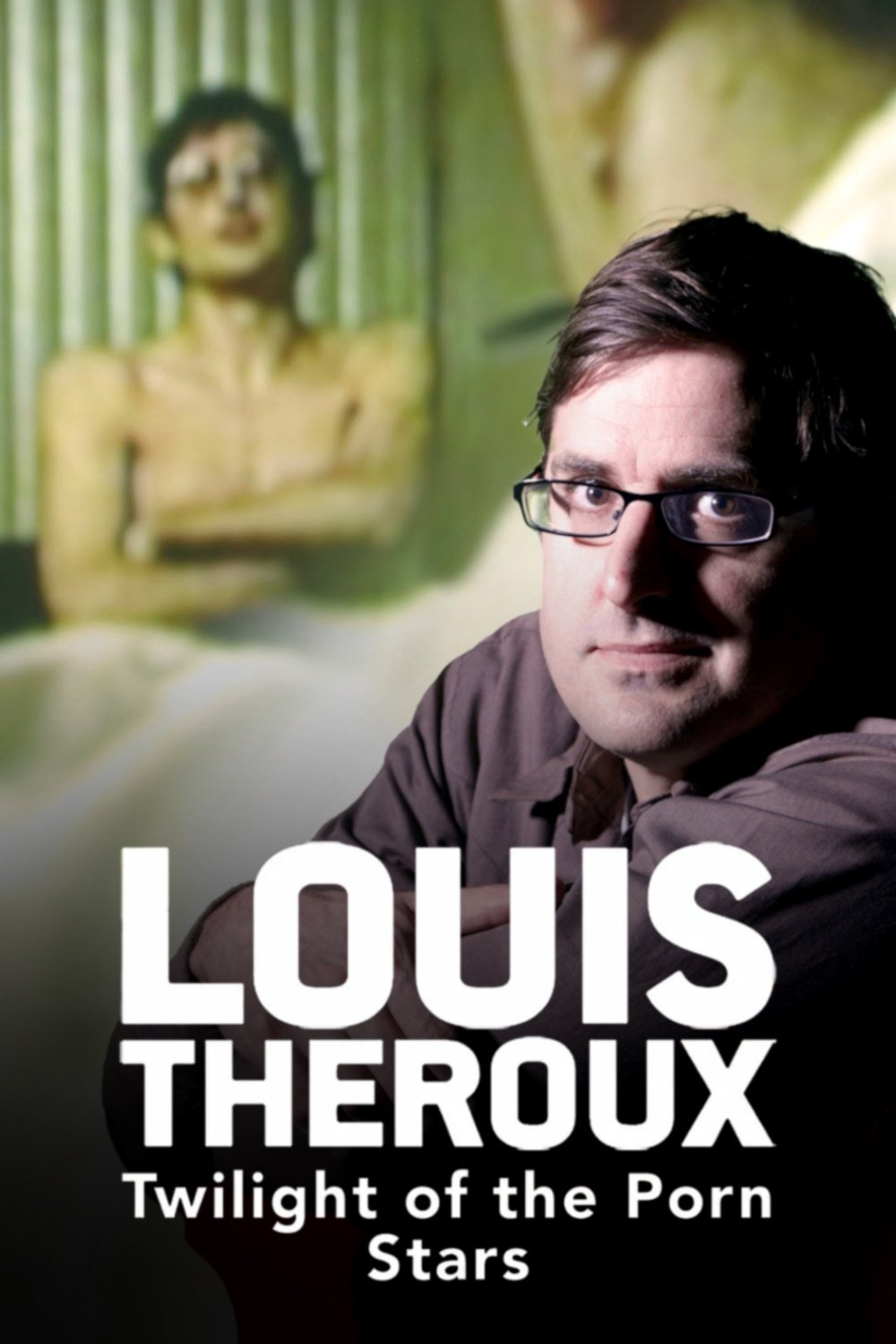
In 1997, Louis Theroux made a documentary about the world of male porn performers in Los Angeles. 15 years later, he returns to find a business struggling with the deluge of free porn on the internet. Louis revisits some of the original programme's contributors as well as meeting the latest crop of porn performers dreaming of porn stardom.
A visual montage portrait of our contemporary world dominated by globalized technology and violence.
Amid the failing counteroffensive, a journalist follows a Ukrainian platoon on their mission to traverse one mile of heavily fortified forest and liberate a strategic village from Russian occupation. But the farther they advance through their destroyed homeland, the more they realize that this war may never end.
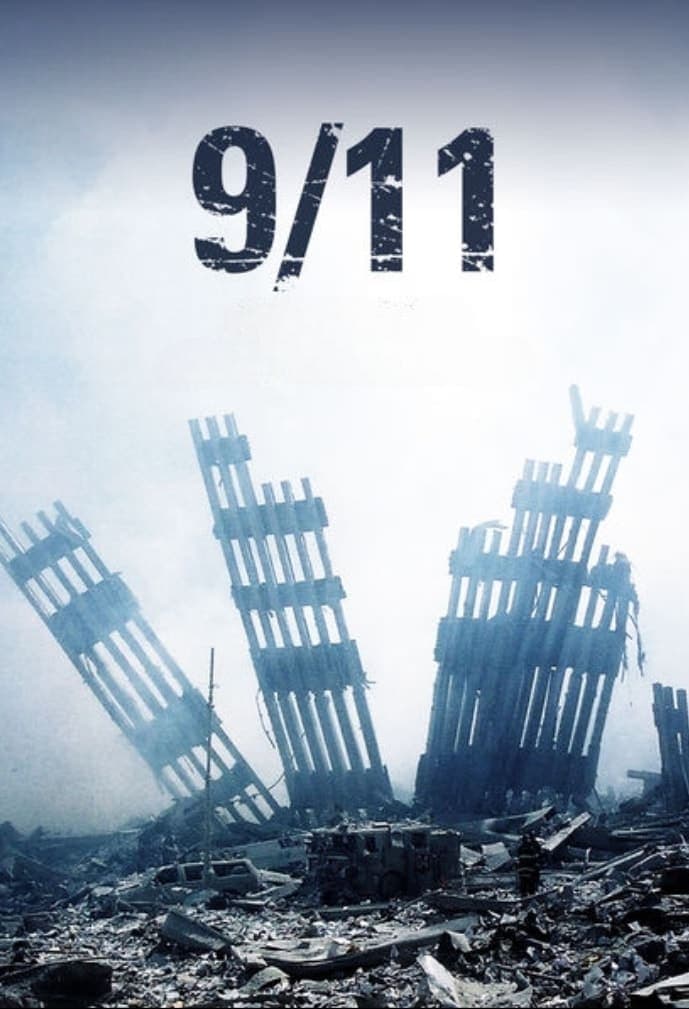
An on-the-scene documentary following the events of September 11, 2001 from an insider's view, through the lens of two French filmmakers who simply set out to make a movie about a rookie NYC fireman and ended up filming the tragic event that changed our lives forever.
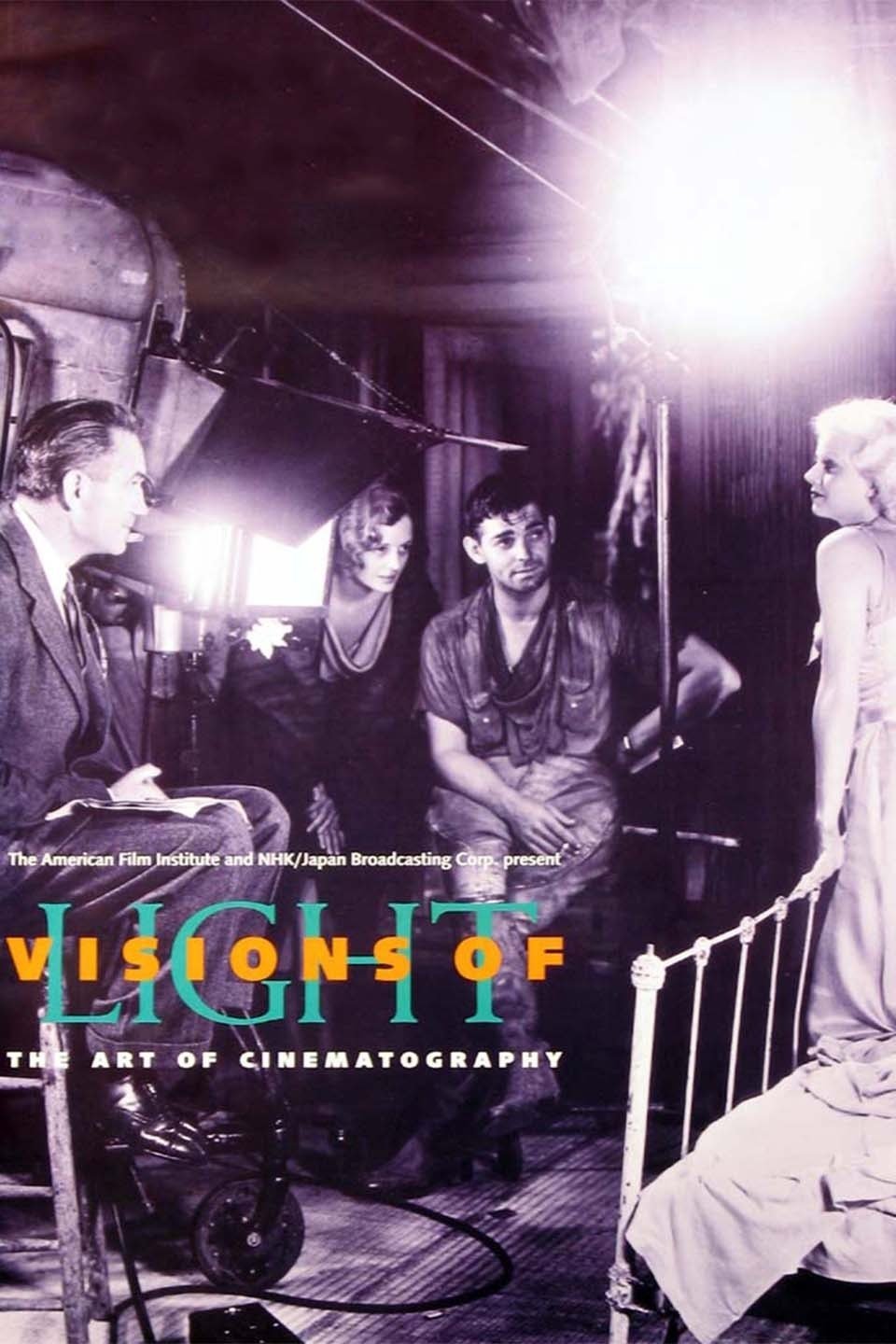
Cameramen and women discuss the craft and art of cinematography and of the "DP" (the director of photography), illustrating their points with clips from 100 films, from Birth of a Nation to Do the Right Thing. Themes: the DP tells people where to look; changes in movies (the arrival of sound, color, and wide screens) required creative responses from DPs; and, these artisans constantly invent new equipment and try new things, with wonderful results. The narration takes us through the identifiable studio styles of the 30s, the emergence of noir, the New York look, and the impact of Europeans. Citizen Kane, The Conformist, and Gordon Willis get special attention.
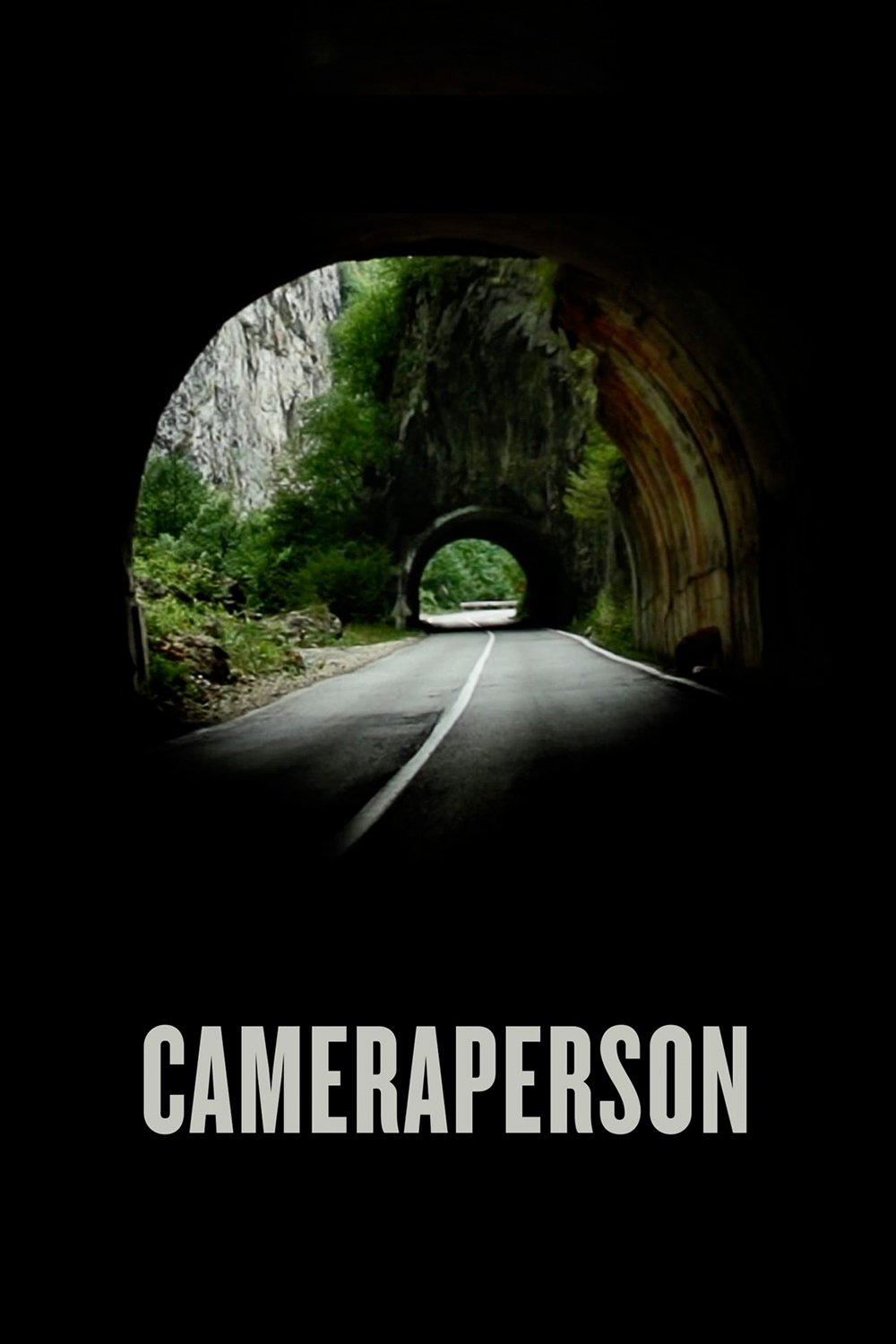
As a visually radical memoir, CAMERAPERSON draws on the remarkable footage that filmmaker Kirsten Johnson has shot and reframes it in ways that illuminate moments and situations that have personally affected her. What emerges is an elegant meditation on the relationship between truth and the camera frame, as Johnson transforms scenes that have been presented on Festival screens as one kind of truth into another kind of story—one about personal journey, craft, and direct human connection.
A woman’s Holocaust memoir takes the world by storm, but a fallout with her publisher-turned-detective reveals her story as an audacious deception created to hide a darker truth.
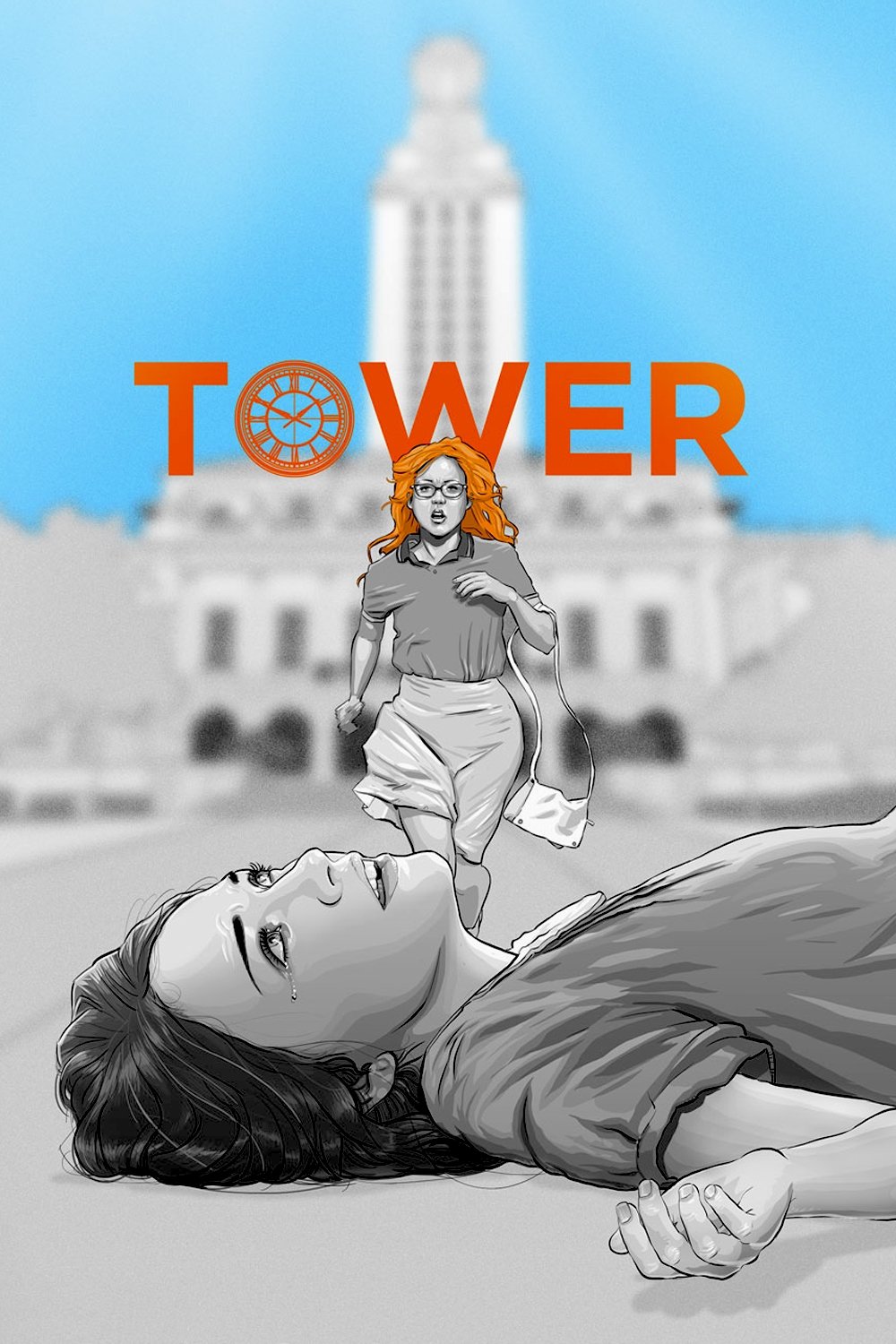
Combining archival footage with rotoscopic animation, Tower reveals the action-packed untold stories of the witnesses, heroes and survivors of America's first mass school shooting, when the worst in one man brought out the best in so many others.
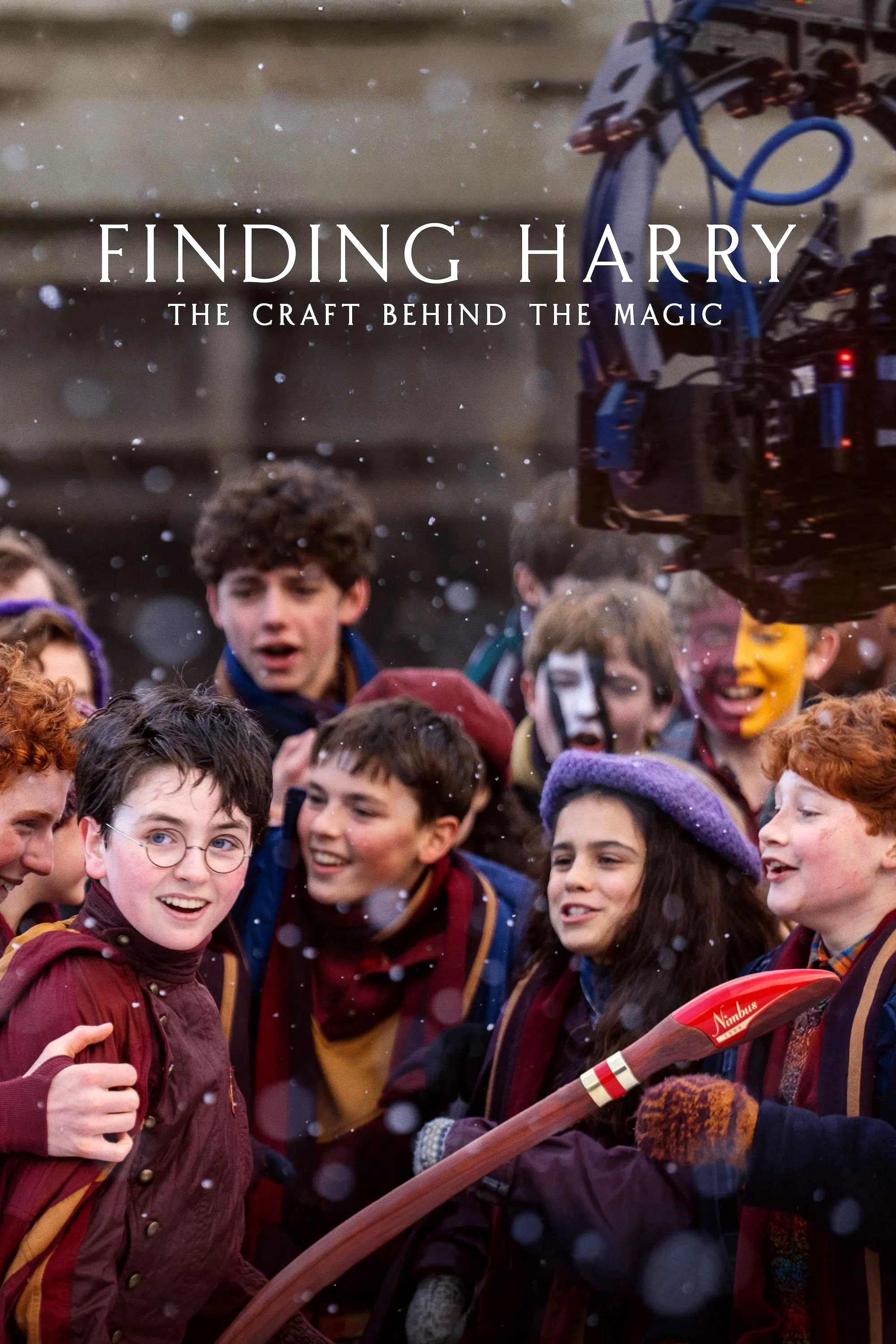
Featuring interviews from members of the casting, production design, costume design, and creature effects teams, follow the behind-the-scenes journey of bringing the Harry Potter books to the small screen. Find out how the new Golden Trio were found, and celebrate the commitment to detail of the artists, craftspeople, and technicians who have come together to bring the wizarding world to life.
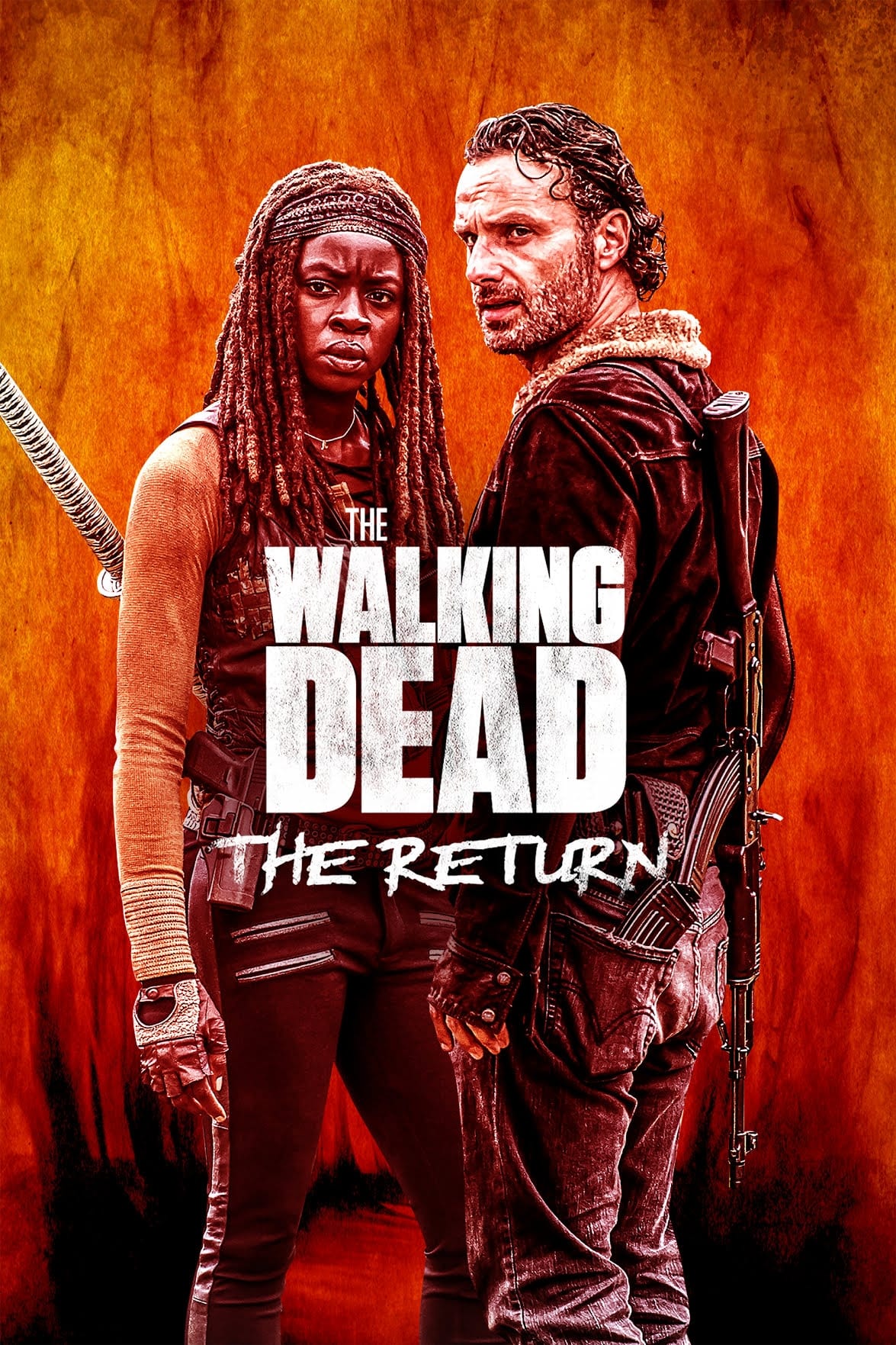
Stars of "The Walking Dead," Andrew Lincoln and Danai Gurira, walk down memory lane and visit iconic locations where pivotal moments between their characters, Rick and Michonne, were filmed.
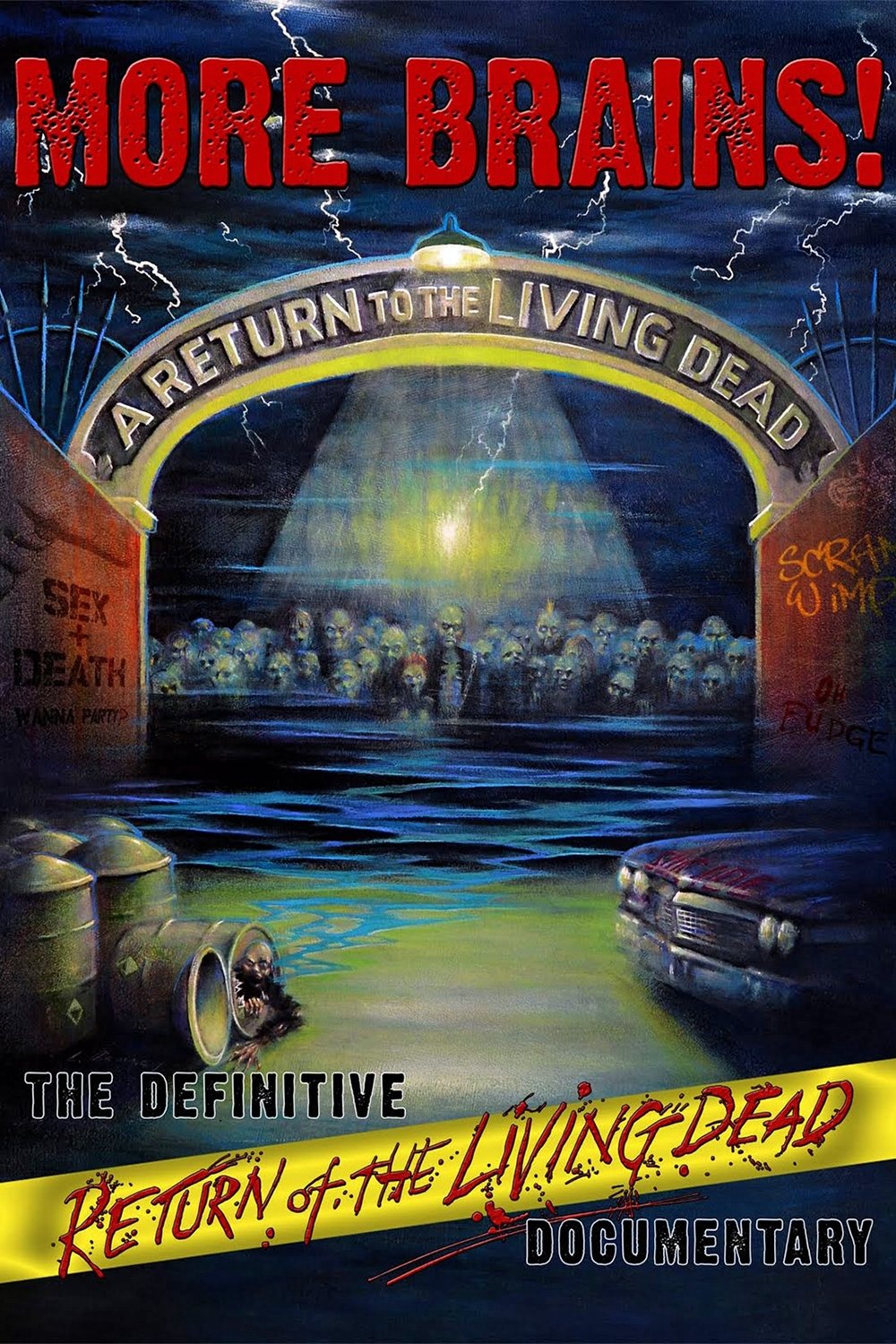
Retrospective documentary about the making of the horror cult classic "The Return of the Living Dead."
A string of threatening emails escalates into a revenge plot involving a newly married US marshal and his ex-girlfriend.
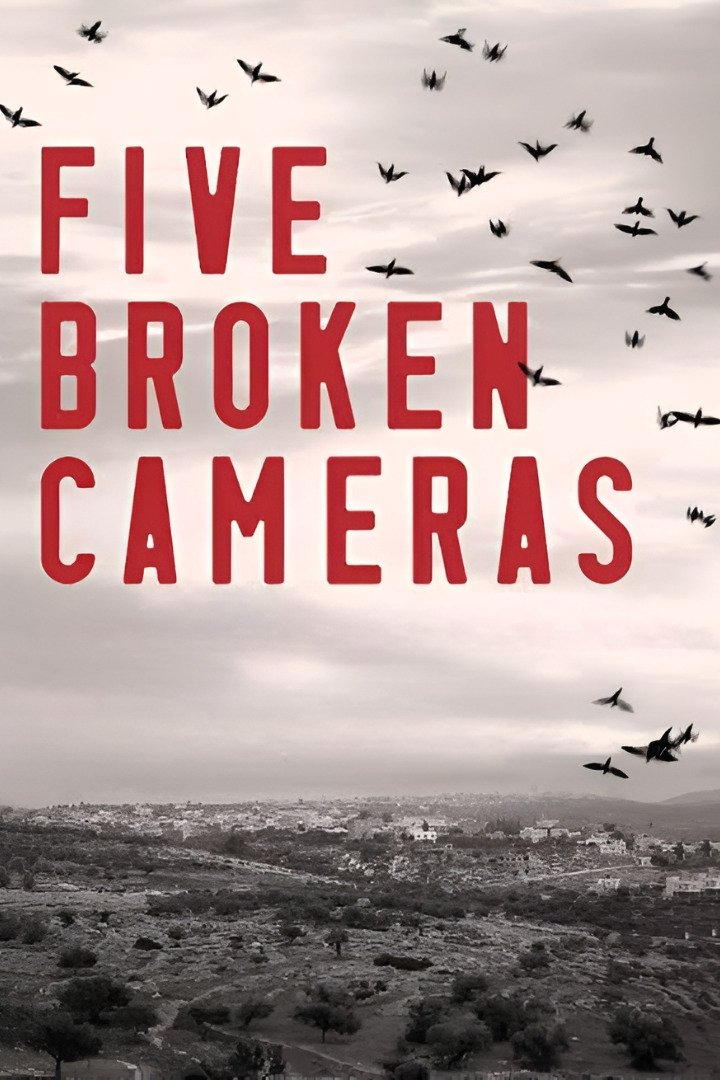
Five broken cameras – and each one has a powerful tale to tell. Embedded in the bullet-ridden remains of digital technology is the story of Emad Burnat, a farmer from the Palestinian village of Bil’in, which famously chose nonviolent resistance when the Israeli army encroached upon its land to make room for Jewish colonists. Emad buys his first camera in 2005 to document the birth of his fourth son, Gibreel. Over the course of the film, he becomes the peaceful archivist of an escalating struggle as olive trees are bulldozed, lives are lost, and a wall is built to segregate burgeoning Israeli settlements.