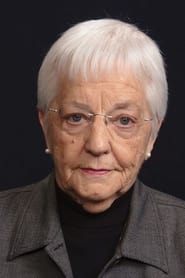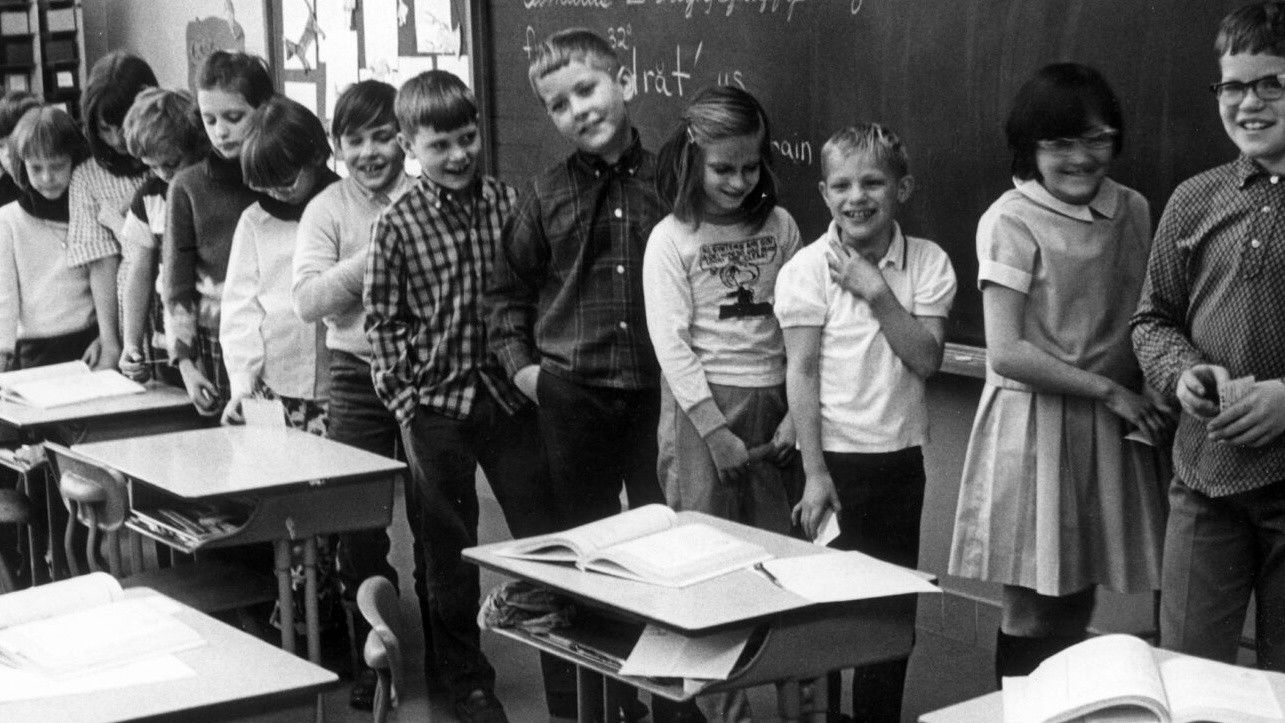
The very first documentary about Jane Elliott's educational experiment about discrimination, which was originally produced for ABC News, in which she conducts an unforgettable lesson with her third-grade class in Riceville, Iowa.
Social & External
Self
At America's elite MIT, a Ghanaian alum follows four African students as they strive to graduate and become agents of change for their home countries Nigeria, Rwanda, Tanzania, and Zimbabwe. Over an intimate, nearly decade-long journey, all must decide how much of America to absorb, how much of Africa to hold on to, and how to reconcile teenage ideals with the truths they discover about the world and themselves.
A documentary about young people just starting their higher education and their professional life.
The documentary's title translates as "to be and to have", the two auxiliary verbs in the French language. It is about a primary school in the commune of Saint-Étienne-sur-Usson, Puy-de-Dôme, France, the population of which is just over 200. The school has one small class of mixed ages (from four to twelve years), with a dedicated teacher, Georges Lopez, who shows patience and respect for the children as we follow their story through a single school year.
Questions about celebrating 200 years of independence from Brazil with 300 years of slavery.
In the late 1960s, with the triumph of bilingualism and biculturalism, New Brunswick's Université de Moncton became the setting for the awakening of Acadian nationalism after centuries of defeatism and resignation. Although 40% of the province's population spoke French, they had been unable to make their voices heard. The movement started with students-sit-ins, demonstrations against Parliament, run-ins with the police - and soon spread to a majority of Acadians. The film captures the behind-the-scenes action and the students' determination to bring about change. An invaluable document of the rebirth of a people.
A group of African American students at the University of Arizona reveals the importance of political spaces within Universities in times of intolerance.
Stop The Tour discovers the extraordinary story of how sport helped bring an end to Apartheid which paved the way towards the multi racial 2019 Springbok champions.
When he was only 9-years-old Tan France tried to lighten his own skin with bleaching cream. He faces up to his own experiences in an attempt to explore perceptions of beauty, skin tone and colourism.
Short film about the life and career of the notorious Brazilian writer Lima Barreto.
Twenty-five years after the verdict in the Rodney King trial sparked several days of protests, violence and looting in Los Angeles, LA 92 immerses viewers in that tumultuous period through stunning and rarely seen archival footage.
The Movie Movie shows how the camera, editing techniques, make-up and sound can be used in film and video to deliberately manipulate our perceptions and emotions. Drama, action and slapstick humour are combined in a simple, family-oriented plot. There is no dialogue, but there is an explanatory song. Behind-the-scenes vignettes highlight the message that in a movie everything is not quite as it seems.
Parisian authorities clash with the Front de Libération Nationale (FLN) in director Alain Tasma’s recounting of one of the darkest moments of the Algerian War of Independence. As the war wound to a close and violence persisted in the streets of Paris, the FLN and its supporters adopted the tactic of murdering French policemen in hopes of forcing a withdrawal. When French law enforcement retaliated by brutalizing Algerians and imposing a strict curfew, the FLN organizes a peaceful demonstration that drew over 11,000 supporters, resulting in an order from the Paris police chief to take brutal countermeasures. Told through the eyes of both French policemen as well as Algerian protestors, Tasma’s film attempts to get to the root of the tragedy by presenting both sides of the story.
After being sent to a detention centre, a teenage skinhead clashes with the social workers who want to conform him to the status quo.
An American story. Traces the career of Joe Louis (1914-1981) within the context of American racial consciousness: his difficulty getting big fights early in his career, the pride of African-Americans in his prowess, the shift of White sentiment toward Louis as Hitler came to power, Louis's patriotism during World War II, and the hounding of Louis by the IRS for the following 15 years. In his last years, he's a casino greeter, a drug user, and the occasional object of scorn for young Turks like Muhammad Ali. Appreciative comment comes from boxing scholars, Louis's son Joe Jr., friends, and icons like Maya Angelou, Dick Gregory, and Bill Cosby.
A short look at the world of artist Arthur Lismer.
In 1958 in Paris, during the Algerian War, a young trainee lawyer, Maître Chabrier, was assigned to defend an Algerian garbage collector against paratroopers who had beaten him. Stay out of Algerian affairs, his peers advise him because the trial is taking a political turn. Chabrier acquired the reputation of the Fellaghas' lawyer.
Born June 8, 1964, Frank Matter films four "twins", born the same day as him, but in other latitudes. Interweaving their life stories with rich archival material, the filmmaker links these Parallel Lives with elements from his own biography, to compose a fascinating fresco where intimate trajectories are part of the advent of the global village.
A Calling to Care is the inspiring story of 55 year-old Grace Stanley, a Canadian nurse who left her home and prestigious career behind to answer a calling halfway around the world in Karachi, Pakistan. Teaching nursing to local women in a strict Muslim culture that forbids them to even to touch men is a formidable task. However, Grace challenges her own values and belief systems to find common ground with her students, helping them to excel and feel respect for themselves in a culture that doesn't respect them. Whether it is getting her hands painted with henna, swimming fully-clothed in the ocean, or marching bravely with them on International Women's Day, Grace bonds with her students in a very special way, and ultimately discovers how the West can learn a lot more from the Third World than she ever thought.
Preschool to Prison is a compelling examination of how the United States public school system is built and operated like prisons. Zero-tolerance policies are used to justify suspension and arrests that set up a pathway to send children of color and children with special needs from school to prison. Children are being suspended, restrained, dragged, physically manhandled, and subsequently arrested for minor offenses such as throwing candy on a school bus. These personal accounts from people affected by the school-to-prison pipeline give riveting tales about the generational impact on society.
A team of Romany football players try to overcome prejudice in this Czech documentary.
A teacher conducts an experiment in an American high school where students learn how easy it is to be seduced by the same social forces which led to the horrors of Nazi Germany.
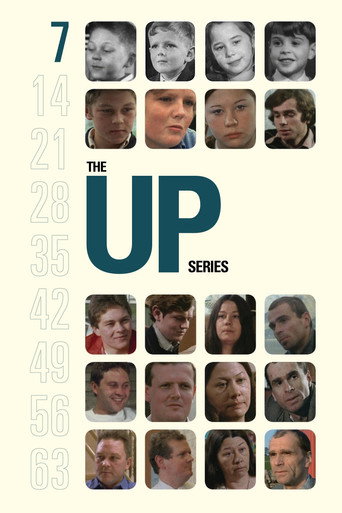
A group of British children aged 7 from widely ranging backgrounds are interviewed about a range of subjects. The filmmakers plan to re-interview them at 7 year intervals to track how their lives and attitudes change as they age.
One man's journey to discover the bitter truth about sugar. Damon Gameau embarks on a unique experiment to document the effects of a high sugar diet on a healthy body, consuming only foods that are commonly perceived as 'healthy'. Through this entertaining and informative journey, Damon highlights some of the issues that plague the sugar industry, and where sugar lurks on supermarket shelves.
The story of the gold-plated statuette that became the film industry's most coveted prize, AND THE OSCAR GOES TO... traces the history of the Academy itself, which began in 1927 when Louis B. Mayer, then head of MGM, led other prominent members of the industry in forming this professional honorary organization. Two years later the Academy began bestowing awards, which were nicknamed "Oscar," and quickly came to represent the pinnacle of cinematic achievement.
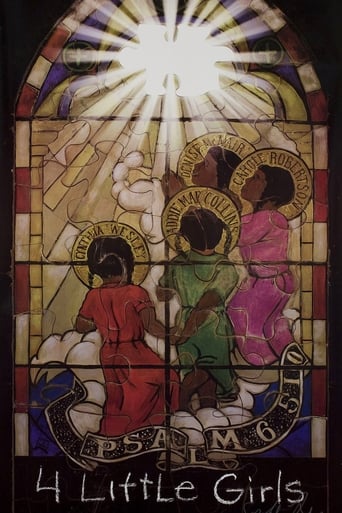
On September 15, 1963, a bomb destroyed a black church in Birmingham, Alabama, killing four young girls who were there for Sunday school. It was a crime that shocked the nation--and a defining moment in the history of the civil-rights movement. Spike Lee re-examines the full story of the bombing, including a revealing interview with former Alabama Governor George Wallace.
Passionate and innovative teacher Ron Clark leaves his small hometown to teach in one of Harlem's toughest schools. But to break through to the students, he must use unconventional methods, including his ground-breaking classroom rules, to help them reach their potential. Based on a true story.
A journalist and a photographer set out to memorialize the bedrooms left behind by children killed in school shootings.
A documentary on the making of the three Godfather films, with interviews and recollections from the film makers and cast. This feature also includes the original screen tests of some of the actors for "The Godfather" film, and some candid moments on the set of "The Godfather: Part III."
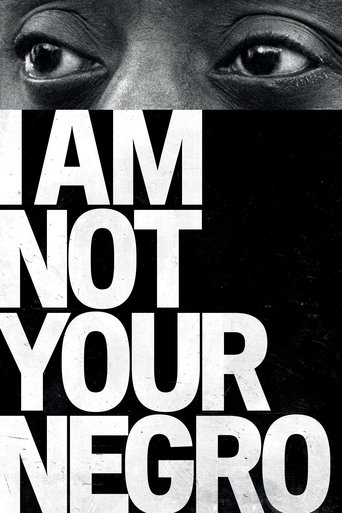
Working from the text of James Baldwin’s unfinished final novel, director Raoul Peck creates a meditation on what it means to be Black in the United States.
Documentary filmmaker Frederick Wiseman takes us inside Northeast High School as a fly on the wall to observe the teachers and how they interact with the students.
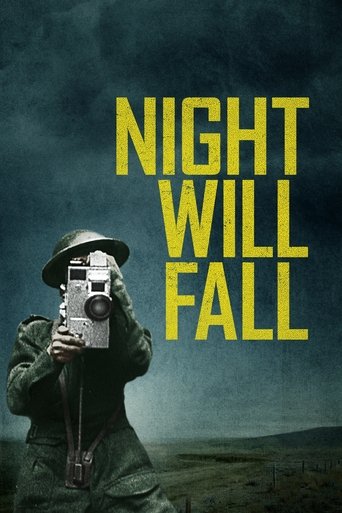
When Allied forces liberated the Nazi concentration camps in 1944-45, their terrible discoveries were recorded by army and newsreel cameramen, revealing for the first time the full horror of what had happened. Making use of British, Soviet and American footage, the Ministry of Information’s Sidney Bernstein (later founder of Granada Television) aimed to create a documentary that would provide lasting, undeniable evidence of the Nazis’ unspeakable crimes. He commissioned a wealth of British talent, including editor Stewart McAllister, writer and future cabinet minister Richard Crossman – and, as treatment advisor, his friend Alfred Hitchcock. Yet, despite initial support from the British and US Governments, the film was shelved, and only now, 70 years on, has it been restored and completed by Imperial War Museums under its original title "German Concentration Camps Factual Survey".
Some of the world's most innovative documentary filmmakers will explore the hidden side of everything.
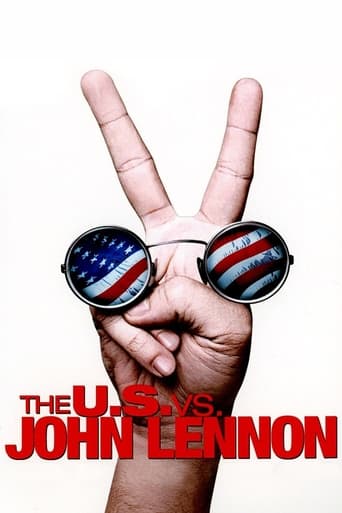
A documentary on the life of John Lennon, with a focus on the time in his life when he transformed from a musician into an antiwar activist.
In this genre-bending tale, Errol Morris explores the mysterious death of a U.S. scientist entangled in a secret Cold War program known as MK-Ultra.
Through deeply personal interviews with her siblings and an examination of the photographs, letters, and belongings left behind, Mariska assembles a new portrait of her mother Jayne Mansfield, an extraordinary and complex woman.
A documentary focused on plastic pollution in the world's oceans.
This revealing documentary honors the legendary Sidney Poitier—iconic actor, filmmaker, and civil rights activist. Featuring interviews with Denzel Washington, Spike Lee, Halle Berry, and more.
Ashes and Snow, a film by Gregory Colbert, uses both still and movie cameras to explore extraordinary interactions between humans and animals. The 60-minute feature is a poetic narrative rather than a documentary. It aims to lift the natural and artificial barriers between humans and other species, dissolving the distance that exists between them.
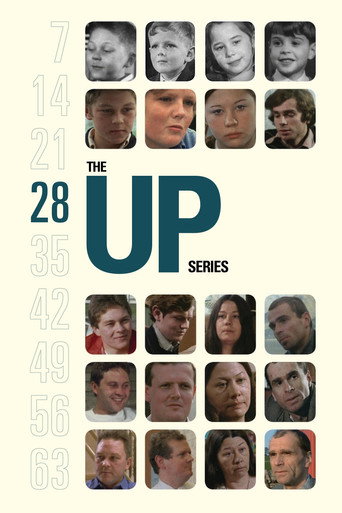
Just two years away from turning 30, participants in Michael Apted's documentary series are facing serious questions of identity and purpose, wondering whether they've found their place in the world.
When a cross-section of seven-year-olds were interviewed for 7 Up in 1964 it was immediately evident that their social backgrounds influenced their attitudes towards life. While the upper class children were confident and self-assured, those from middle and working class backgrounds were resigned to a challenging life of hard work. This premise was put to the test every seven years when the same group were interviewed about the progression of their lives. 49 years in the making, the changes that occurred to the original 14 make for fascinating television and are in many ways the stories of all our lives. From success and disappointment, marriage and childbirth, to poverty and illness, nearly every facet of life has been captured on film. Now, at the age of 56, the group are once more brought together and, with the benefit of hindsight, assess whether their lives have been ruled by circumstance or self-determination.