Director Miho Niikura examines the modern practice of tee (Okinawan karate), and its attractiveness to Westerners—some of whom travel thousands of miles to study the venerable martial art in its birthplace, Okinawa.
Social & External
October 1945. A young Japanese boy in the devastated city of Nagasaki, two months after the atomic bomb, carries on his back the lifeless body of his younger brother. An American military photographer, Joe O'Donnell, took a picture of the boy standing stoically near a cremation pit. No one knows the subject's name, but the photo has become an iconic image of the human tragedy of nuclear war. This documentary follows the continuing efforts to deepen understanding of the photograph, while exploring the fate of thousands of atomic-bomb orphans and their struggles to survive the aftermath of World War II.
An independent crowd-funded documentary that celebrates the sixty-year legacy of the world's greatest monster, Godzilla. Filmed on location in Tokyo to document kaiju-related events, locations and to interview cast, crew and fans of the Godzilla series about their passion and experiences with the King of the Monsters.
The life of Fumio Demura, the greatest karate master of a generation.
In Tanzania there is a growing clandestine market for albino skin, bones and hair as ingredients in potions that promise to make people rich. As a result people with albinism live in fear of being abducted or maimed. Jerome, a young karate master, has made teaching kids with albinism to defend themselves his life's mission. Now he’s determined to take one of them to a world championship in Japan.
From 1853, Japan opens up to the West. Numerous works of art and woodcuts find their way to Europe. The Impressionists and later the European artistic avant-garde succumb to this one passion: Japonism. 150 years after the beginning of the Meiji period in 1868, the film traces the connections between Japan and the Western world.
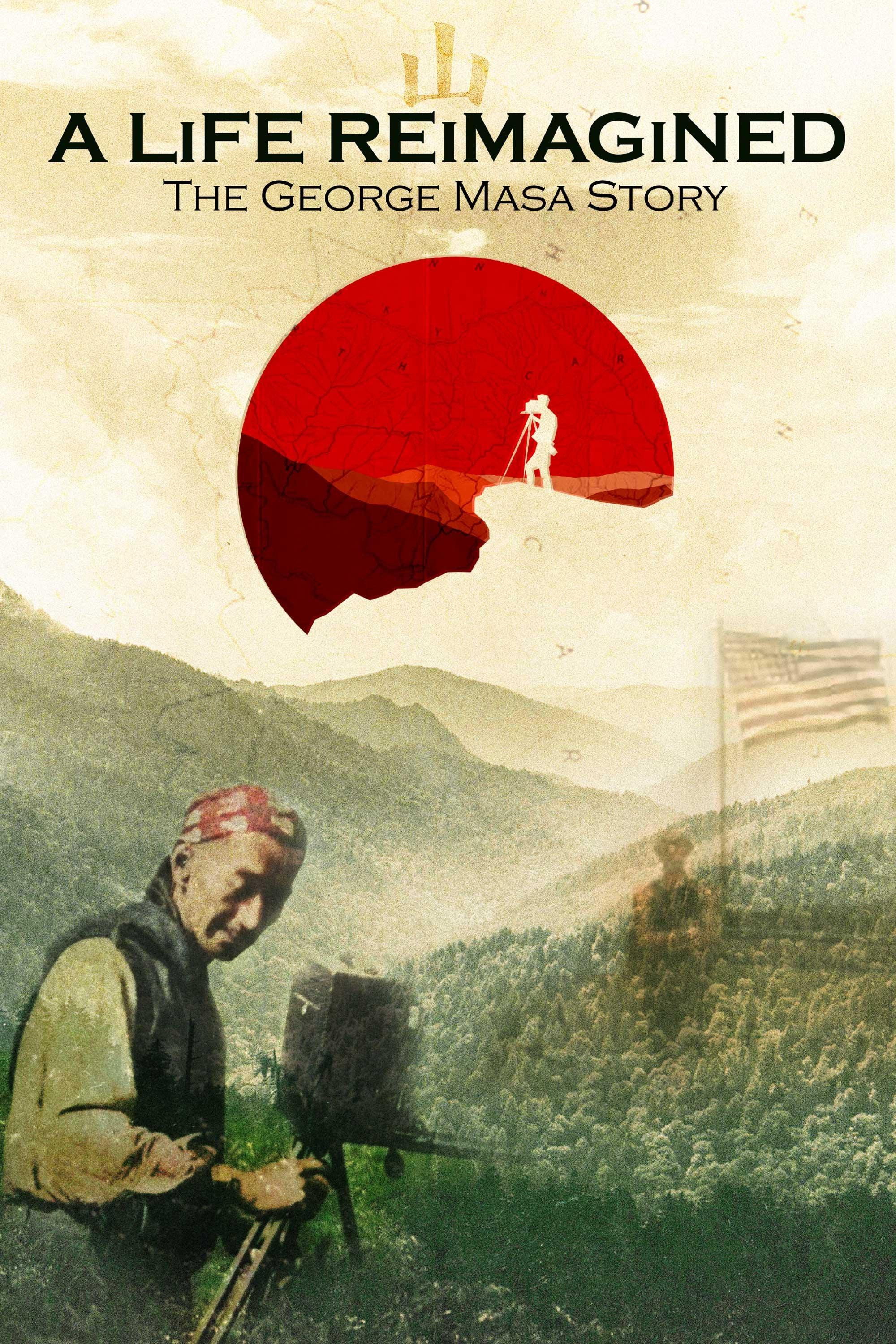
In 1915 a young, charismatic Japanese man with a mysterious past entered into the Appalachian culture of Asheville, North Carolina, is suspicioned a spy, targeted by the Klan, but perseveres with a passion for photography and the mountains he adopts, bringing to life Great Smoky Mountains National Park & the Appalachian Trail.
Intimately following 1st and 6th graders at a public elementary school in Tokyo, we observe kids learning the traits necessary to become part of Japanese society.
In 1971, author and film scholar Donald Richie published a poetic travelogue about his explorations of the islands of Japan’s Inland Sea, recording his search for traces of a traditional way of life as well as his own journey of self-discovery. Twenty years later, filmmaker Lucille Carra undertook a parallel trip inspired by Richie’s by-then-classic book, capturing images of hushed beauty and meeting people who still carried on the fading customs that Richie had observed. Interspersed with surprising detours—a visit to a Frank Sinatra-loving monk, a leper colony, an ersatz temple of plywood and plaster—and woven together by Richie’s narration as well as a score by celebrated composer Toru Takemitsu, The Inland Sea is an eye-opening voyage and a profound meditation on what it means to be a foreigner.
Fukushima used to be a wonderful place. Unfortunately, since March 11, 2011, "Fukushima" has been superseded by another name: Nuclear Disaster Zone. Six years have passed, but over 80,000 Fukushima residents still cannot return home, still cannot return to their former lives. How did they get through it? Reconstruction work is slow. Several years on, surrounding the site of the Fukushima nuclear incident, there remain many refuge-seeking residents whose homes are still in lockdown. In the streets, people are taking it to their own hands to save their communities. Psychologically and practically, how does one rebuild? Does the civil society's self-rescue mission conclude in recovering what was lost, or in reviving an even better community? In their eyes, what is "revival"? What is the meaning of "rebirth"? Our crew went all over the coastal areas of Fukushima, recording stories of residents each finding their own ways to save themselves.
A group of people seek their identity and a way of personal expression through "Harajuku", a rising Japanese fashion in Santiago de Chile.
In June 1942, Japanese bombers tried to level the American presence on Midway Island in a bid to steam unimpeded toward the U.S. mainland. Yet the U.S. Navy had two aces up its sleeve: advance knowledge of Japanese plans and a dive-bomber that was nearly invulnerable to attack. When the smoke cleared after the U.S. ambush, four Japanese aircraft carriers -- the Kaga, the Soryu, the Hiryu and the Akagi -- lay on the ocean floor. The program shows how the U.S. Navy and private enterprise teamed up on a 1999 expedition that solved a half-century of military mystery: where exactly did the Japanese ships go down?
The world continues to look to Japan as a highly industrialized, future-oriented country that has retained much of its ancient tradition. This series provides an insight into the character of a highly complex nation by examining the lives of nine Japanese from widely diverse backgrounds in the context of social and economic developments.
A short film commemorating the 1927 doll exchange between the US and Japan organized by the Committee on World Friendship Among Children
Revered sushi chef Jiro Ono strives for perfection in his work, while his eldest son, Yoshikazu, has trouble living up to his father's legacy.
The most explosive barehanded combat sequences ever filmed. An electrifying video of martial arts mastery and mayhem. This program takes a behind-the-scenes look at the weapons, the mystical eastern philosophy, and the incredible skills that have made martial arts films one of the most popular genres in the world today.
Founded in Tokyo in the aftermath of WWII, Naito Auto Engineering is a three-generation family business, renown for restoring high-value classic cars with artistry and precision. Masao Naito, with his bold vision and rebellious spirit, took his father's local mechanic shop and turned it into a first-class company, whose services are coveted by top auto collectors the world over. For over 40 years, Masao has ruled the family business with an iron fist. Now, with his retirement on the horizon, cracks are beginning to show. Do the younger Naitos have what it takes to keep the family together, and carry the business forward?