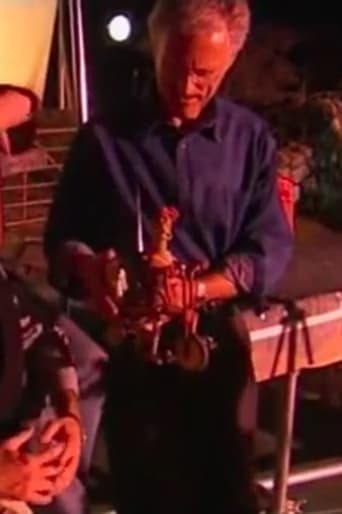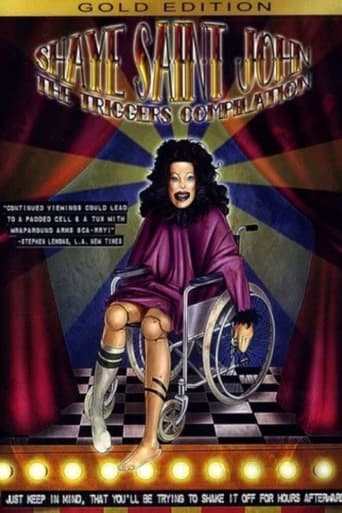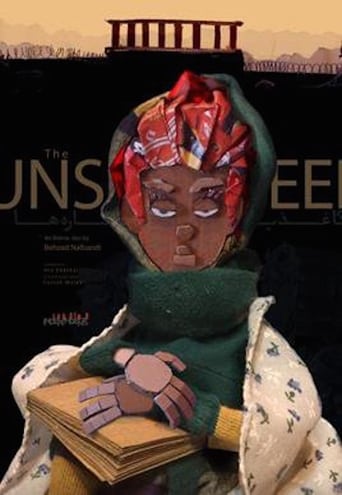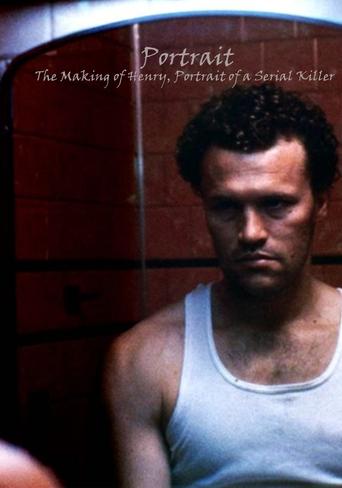
A documentary on the making of Frank Henenlotter's Basket Case trilogy.
Social & External
Self
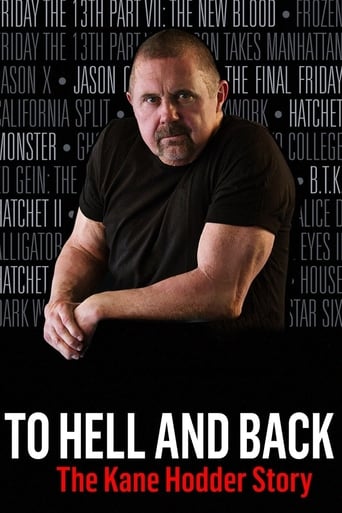
Tom Savini is one of the greatest special effects legends in the history of cinema, but little is known about his personal life until now. For the first time ever a feature length film has covered not only Tom's amazing career spanning over four decades, but his personal life as well.
A stop-motion adaptation of the 1981 novel by geologist Dougal Dixon of the same name, which explores the speculative paths of evolution of modern animals into the far future.
El proyecto del Pitufo Enrique is a document about the existence of a mysterious goblin from the province of Catamarca. During the filming of the movie there were some tragic incidents, such as the disappearance of six people or the violent deaths of another three. Some of these incidents were registered on video but couldn't see the light because of the ongoing legal battle between the director and the victim's families opposing its screening. On the contrary, Elvira Serio director of the movie, thinks that what is on the tape could be of great help shedding some light over all the mysteries around this thread. She hopes that her work can serve as a warning as well to all the residents and tourists who often visit that place.
Using testimonies by pioneers and witnesses of the times, delve into the feverish visual culture the media generated – with far-fetched examples of canine television games, seduction manuals, aerobics class while holding a baby, among others.
A documentary about the making of Joe Cash's last directorial feature film Carnal Redemption, showcasing the behind the scenes, the preproduction hell of the film and the mayhem which goes into a Joe Cash film.
This 1971 color anti-drug use and abuse film was produced by Concept Films and directed by Brian Kellman for Encyclopedia Britannica. “Weed: The Story of Marijuana” combines time-lapse, montage, illustrations, animation (by Paul Fierlinger and emigre Pavel Vošický) and dramatized, documentary-style interviews to survey the evolving role of cannabis in U.S. society, with emphasis on the legal risks faced by young people. A unique score of experimental synthesizer music is provided by Tony Luisi on an EMS VCS 3 “Putney”
Richard Dreyfuss hosts a celebration of the 80 year history of Universal Studios. Founded as IMP by Carl Leammle to oppose Edison's Motion Picture Tust, it soon grew under the leadership of 21 year old production head Irving Thalberg with classic silents from artists like John Ford, Erich Von Stroheim, and Lon Chaney and prospered further in the Sound Era under the leadership of Carl Leammle Jr. with such classics as "All Quiet on The Western Front," "Showboat," and the studio's signature monster franchises, "Frankenstein" and "Dracula."
In 1954 the Senate Subcommittee on Juvenile Delinquency conducted an investigation into how the comic book industry was supposedly contributing to the moral decay of a nation's youth. The investigations were spurred on by a number of articles that blamed comics for the rise in juvenile delinquency in post-war America. Chief among the critics was Doctor Frederic Wertham, whose book, "Seduction of The Innocent" has been blamed for nearly single-handedly crippling the entire comics industry. "Confidential File" was aired in 1955, after the senate hearings and the formation of the Comics Code, but it serves as a perfect example of how the media reacted to the comic book industry, and sought a scape goat by blaming the comic book publications for society's own lack of responsibility in raising its children.
"Adrift" is shot on the arctic island of Spitzbergen and in Norway. It combines time-lapse photography with stop-motion animation of the landscape. Through camera-angles and framing the film gradually dislocates the viewer from a stable base where one loses the sense of scale and grounding.
Forrest J. Ackerman styles himself as the number-one fan of science fiction and horror movies, and he has the collection to back it up: more than 350,000 books, publicity stills, lobby cards, props, posters and paintings related to his obsession.
The greatness, fall and renaissance of Hammer, the flagship company of British popular cinema, mainly from 1955 to 1968. Tortured women and sadistic monsters populated oppressive scenarios in provocative productions that shocked censorship and disgusted critics but fascinated the public. Movies in which horror was shown in offensive colors: dreadful stories, told without prejudices, that offered fear, blood, sex and stunning performances.
A collection of trailers from various "B" dinosaur and creature movies spanning though out film history, but mostly focusing on the drive-in type films of the 1950's, 60's, 70's and early 80's.
Horror fan Tal Zimerman examines the psychology of horror around the world to find out why people love to be scared.
The legend of Floripes, is about an enchanted moor of Olhão, in the Algarve. Enchanted moors are one of the cornerstones of Portuguese mythology. They are often seductive and being temptresses, they can offer a powerful reward, but also a terrible curse. Left in Portugal during the Reconquista while her family went back to North Africa, beautiful Floripes was condemned to roam her ancient kingdom in the Algarve until a man could undo her curse. Then she would marry him and give him her fabulous treasure. But if the man fails, she must eat his heart.
A horrific triple child murder leads to an indictment and trial of three nonconformist boys based on questionable evidence.
This documentary features interviews with several leading ladies from Hammer's peak period, who share illuminating and amusing anecdotes about the various films they worked on.
Documentary about the making of the 1983 thriller "Cujo"
This is an animated documentary about FOOD! I interviewed vegetarian, vegan, pescetarian and meat eater about their opinions about food and life choices. Then I animate real food with stop-motion technique based on the interviews. By putting the conversations in different context, the food speak for themselves.
Follow the animated journey of an Indigenous photographer as she travels through time. The oral and written history of her family reveals the story — we witness the impact and legacy of the railways, the slaughter of the buffalo and colonial land policies.