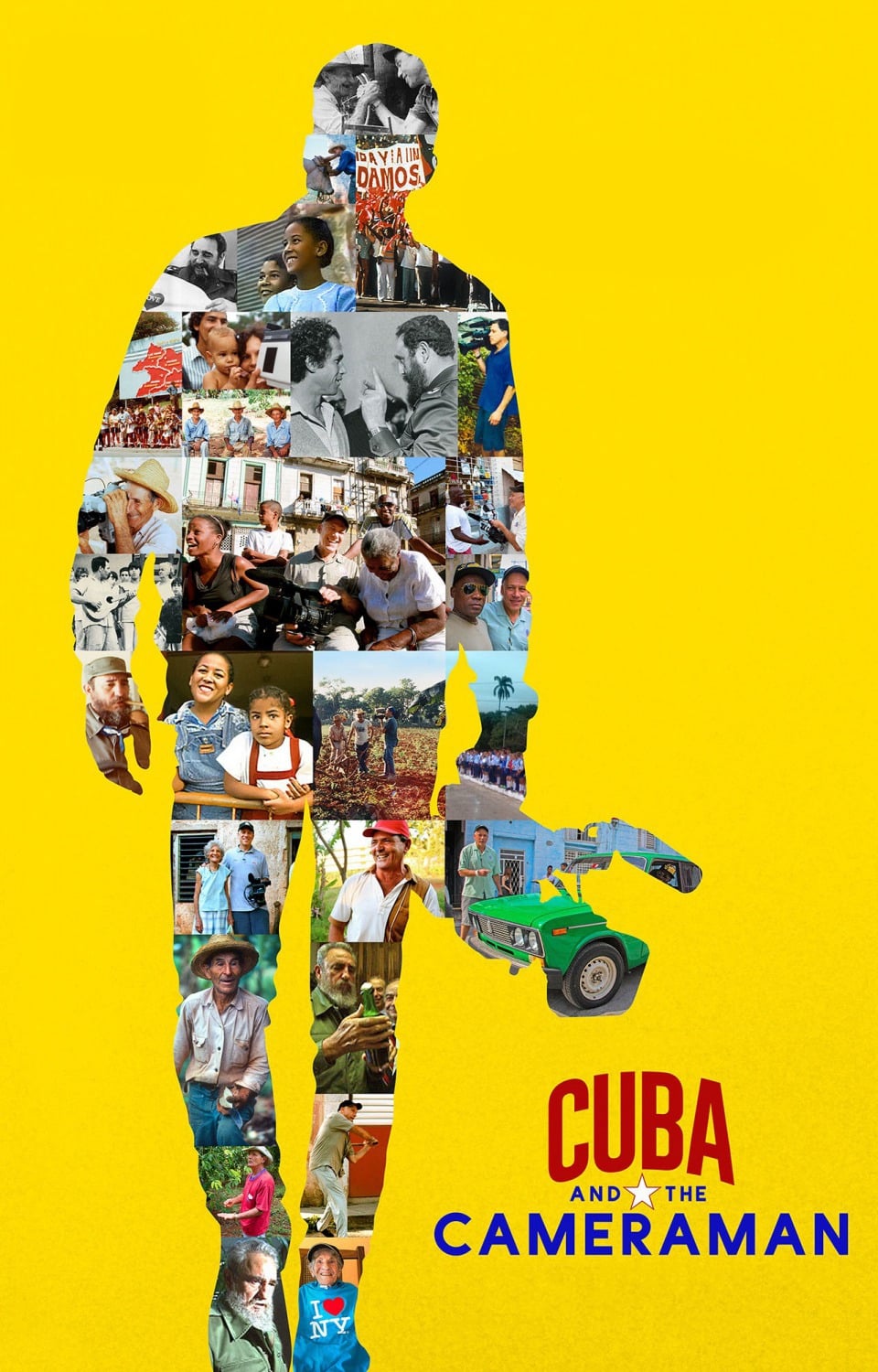
Lázaro Escarze, an 87 years old revolutionary Cuban man, lives in a small village and will have his phone installed for the first time in his life. To whom will he call?
Social & External
The people behind it
Lázaro Escarze
Himself
Alexei Hernández
Gustavo Vinagre
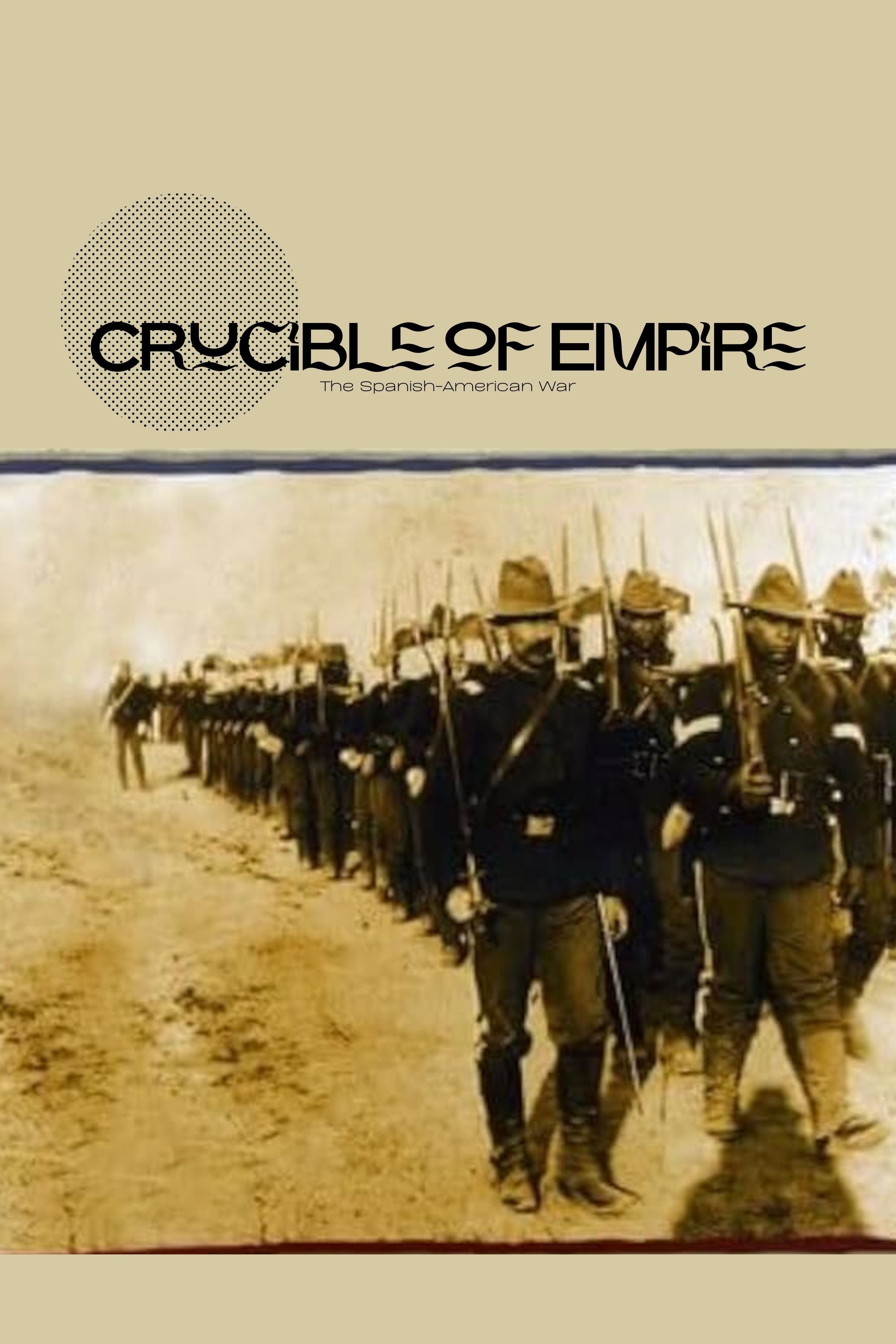
Crucible of Empire demonstrates how and why the Spanish-American War constitutes such an important milestone in U.S. history. This program examines the events and attitudes that led to war, followed by an exploration of the conflict and its outcome. Early film footage and stills of battle scenes, plus rich visuals, a compelling story, and intriguing analogies to current foreign policy make Crucible of Empire a riveting documentary.
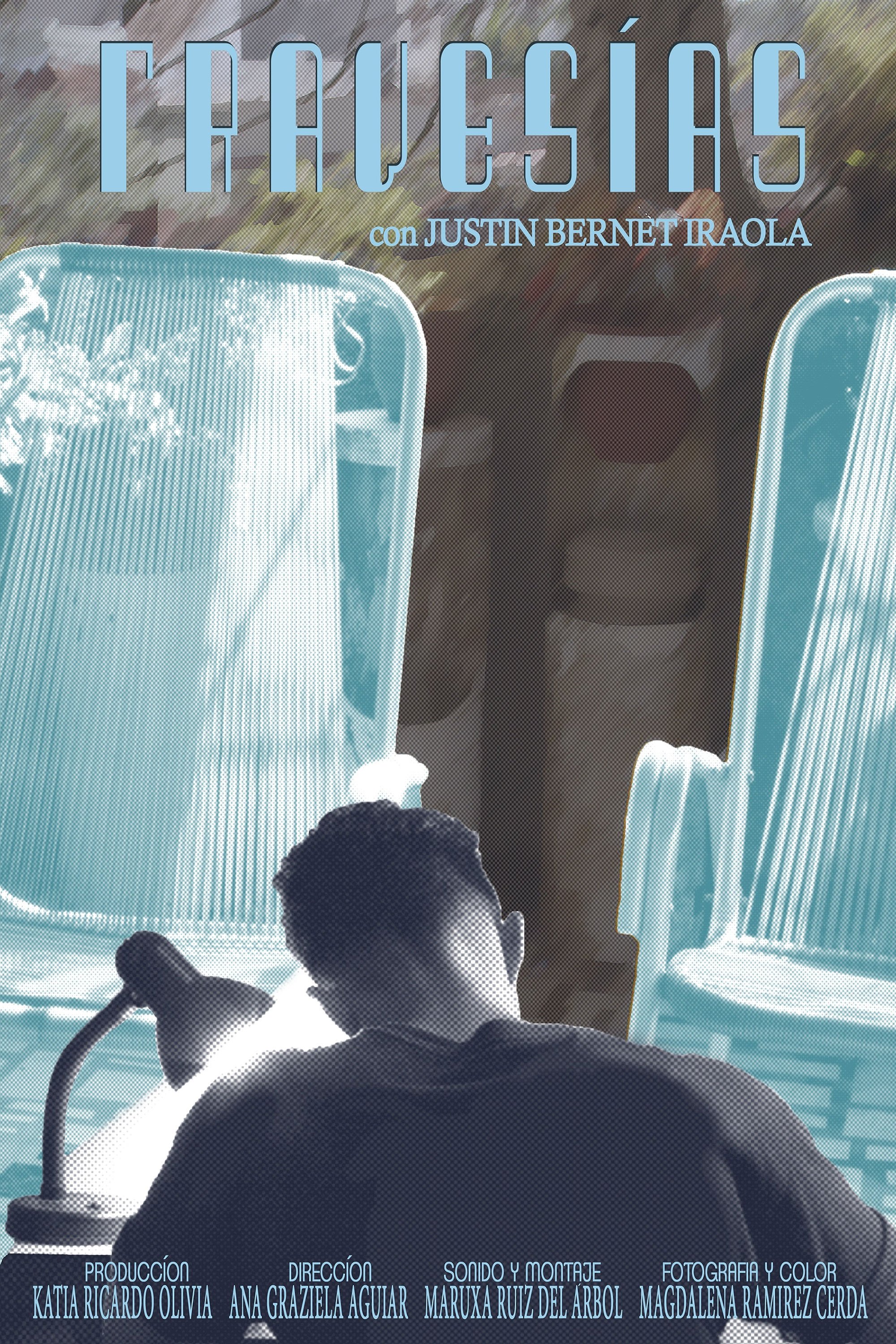
A love letter that unites Brazil and Cuba. In the film Travessias, the director goes on a long journey seeking to understand the feelings and transformations of a person who is close to her. On this path of doubts and concerns, she meets Justin, a trans man who will help her on this journey. With a poetic and self-referential look, the director invites us to rethink our own prejudices and limits in relation to the others.
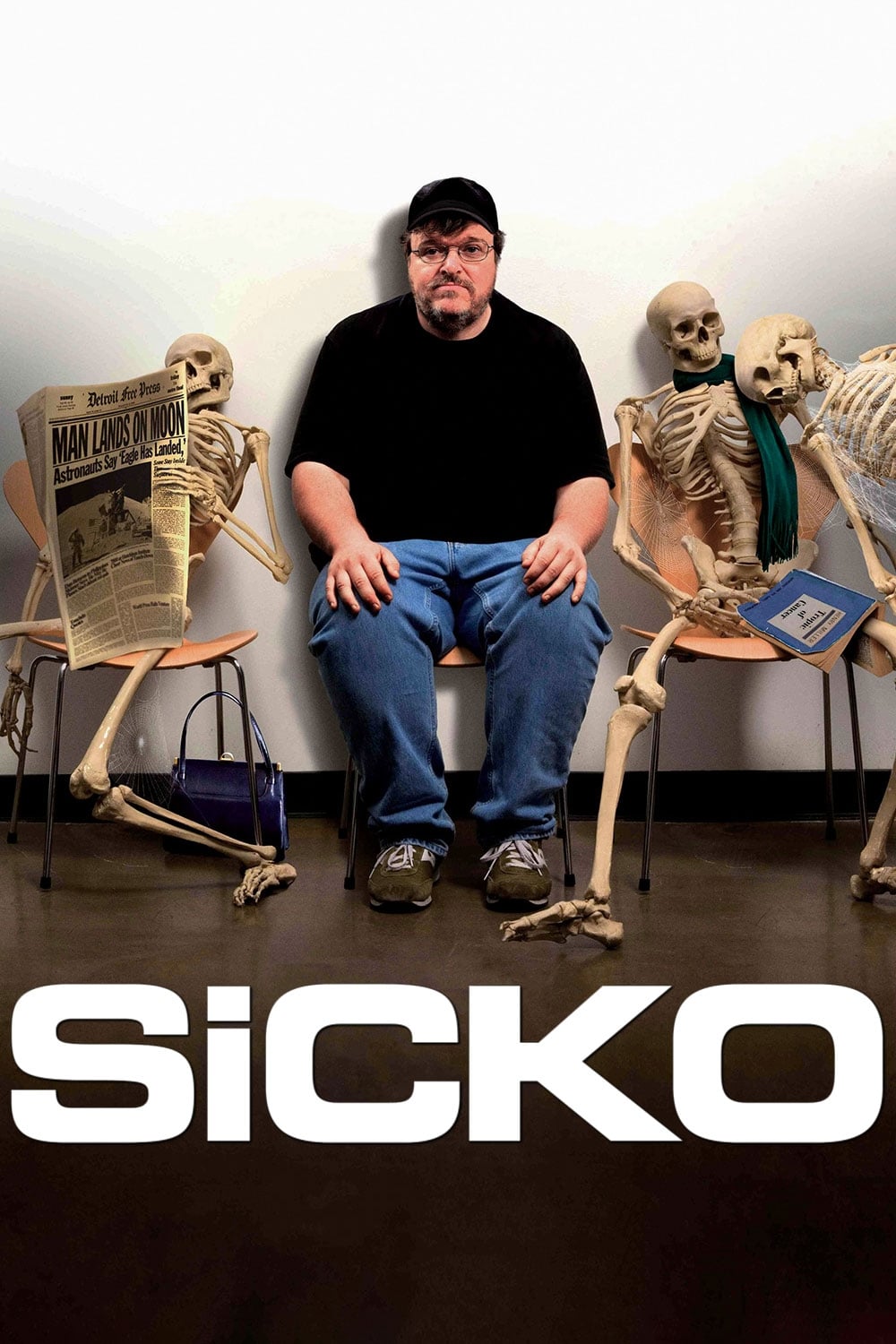
A documentary about the corrupt health care system in The United States whose main goal is to make profit even if it means losing people’s lives. "The more people you deny health insurance, the more money we make" is the business model for health care providers in America.
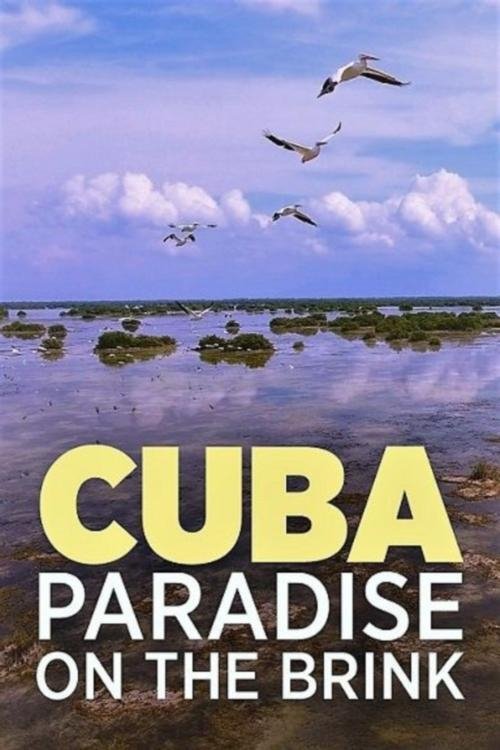
Will Cubans be able to safeguard their heritage of pristine Nature and preserved ecological treasures under this new era, as they are facing the combined pressure of money and tourism? What policies can be implemented to maintain the island’s spectacular wilderness?
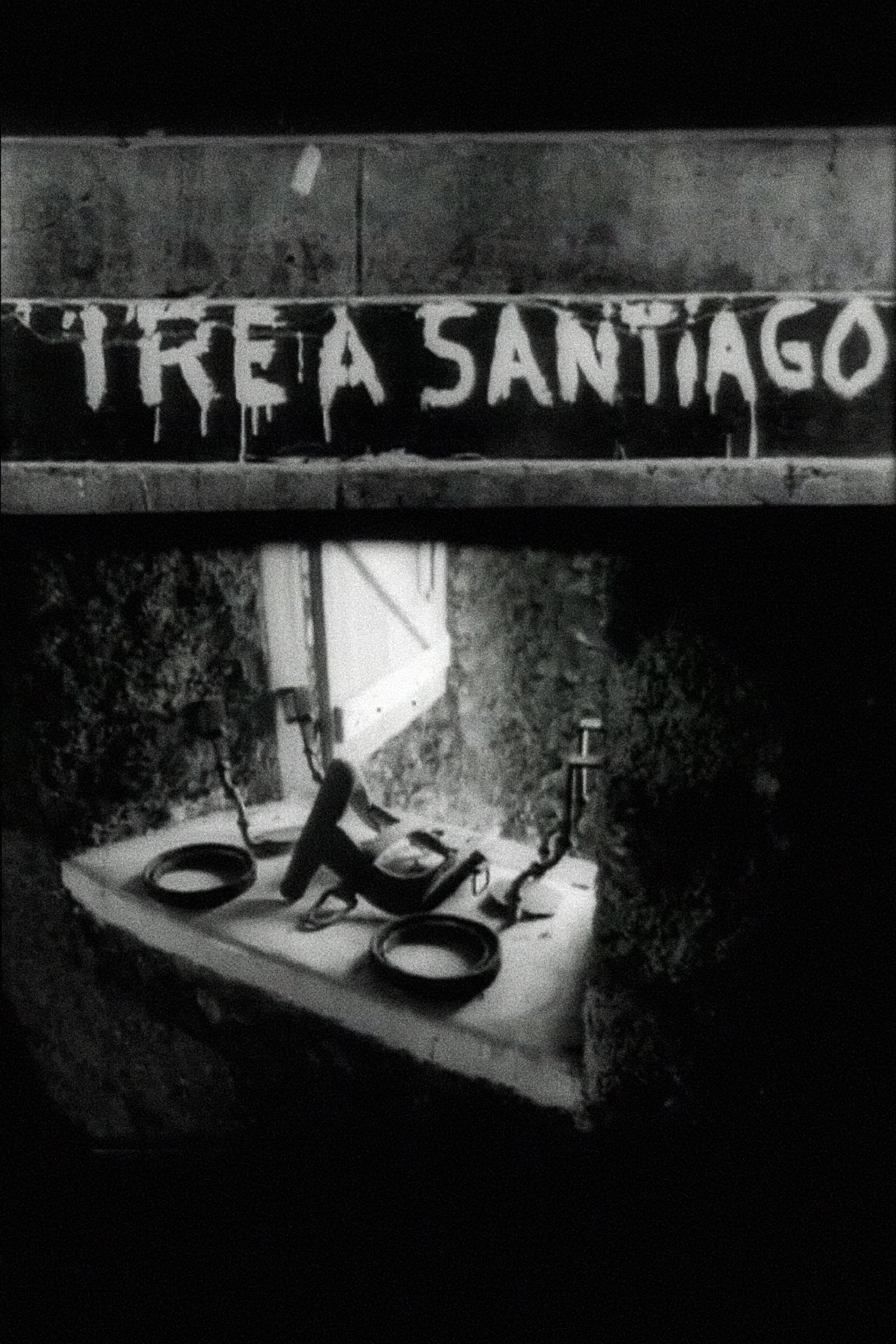
This black-and-white film is a loving portrait of Santiago de Cuba and its people. It provides a view of Cuba as a picturesque country, the product of an earthy mix of black and criollo cultures. The film uses historical images which portray the end of the eighteenth century when Haitian slave owners fled with their slaves to Cuba after the Haitian Revolution.
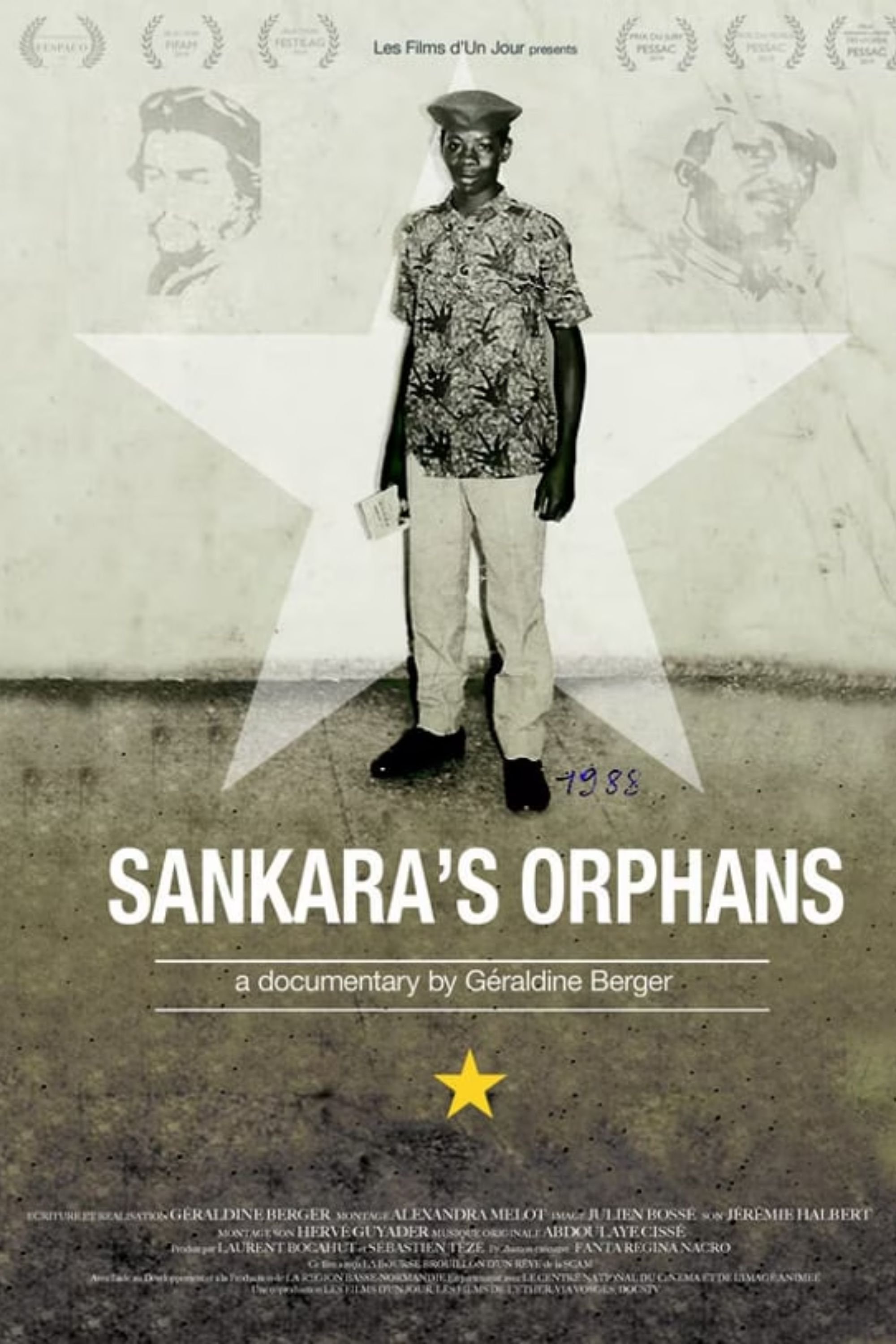
Thomas Sankara came to power in Burkina Faso in 1983, with the promise of a revolutionary government that would transform the West African country. To help build the revolution, he sent 600 children — many orphans from rural areas — to be educated in Cuba. But after Sankara’s assassination, the children were stranded. The last would only return to Burkina Faso in 2005. SANKARA’S ORPHANS tells their stories through interviews with some of the 600, along with archival footage of their lives on Cuba’s Isle of Youth — where both Sankara and Fidel Castro came to visit. Along with their education, the children worked in the fields and received weapons training. This, combined with their idealism, frightened the new Burkina Faso regime, which worried they might return and take up arms.
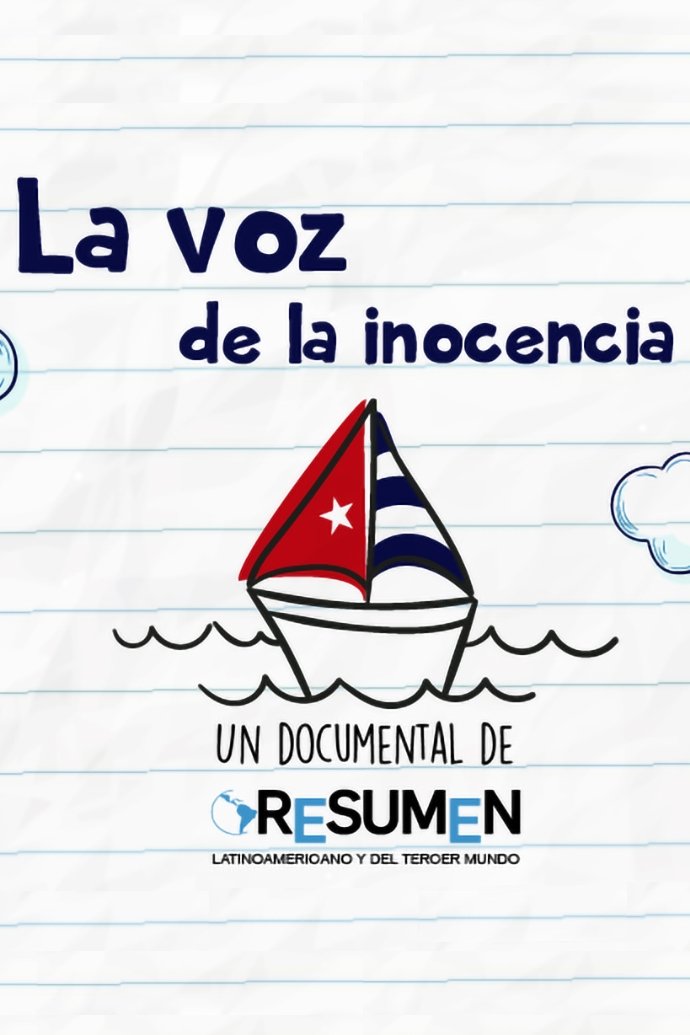
"The Voice of Innocence" is a documentary that shows how, starting in 1959, the Cuban Revolution put into practice a comprehensive and universal policy of safeguarding the rights of the child, even under the multiple difficulties resulting from the economic, commercial and financial blockade imposed by the United States more than six decades ago. Cuba is one of the main signatories of the Convention on the Rights of the Child, signed on 20 November 1989, when the country had already made extraordinary progress in protecting the rights of the child, in comparison to developed countries, such as the United States, which as of today hasn't yet ratified the Convention.
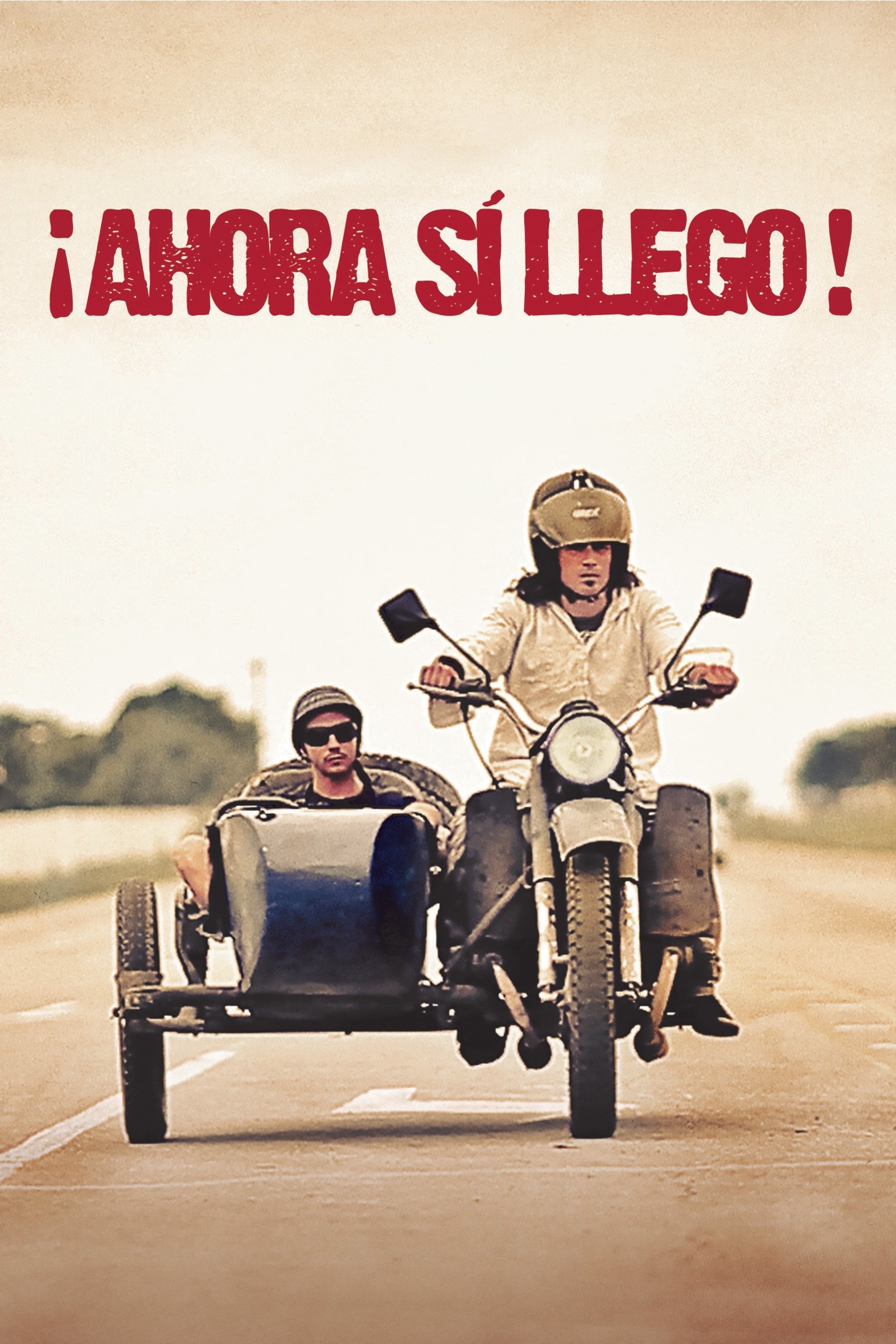
The first Road Movie feature film made by the Italian artist Sanzi together with the Cuban Balboa is inspired by friendship, the island and the motorbike. The two artists used, for the first time in Cuba, the form of the Road Movie--the cinematic genre the plot of which is developed during a trip.
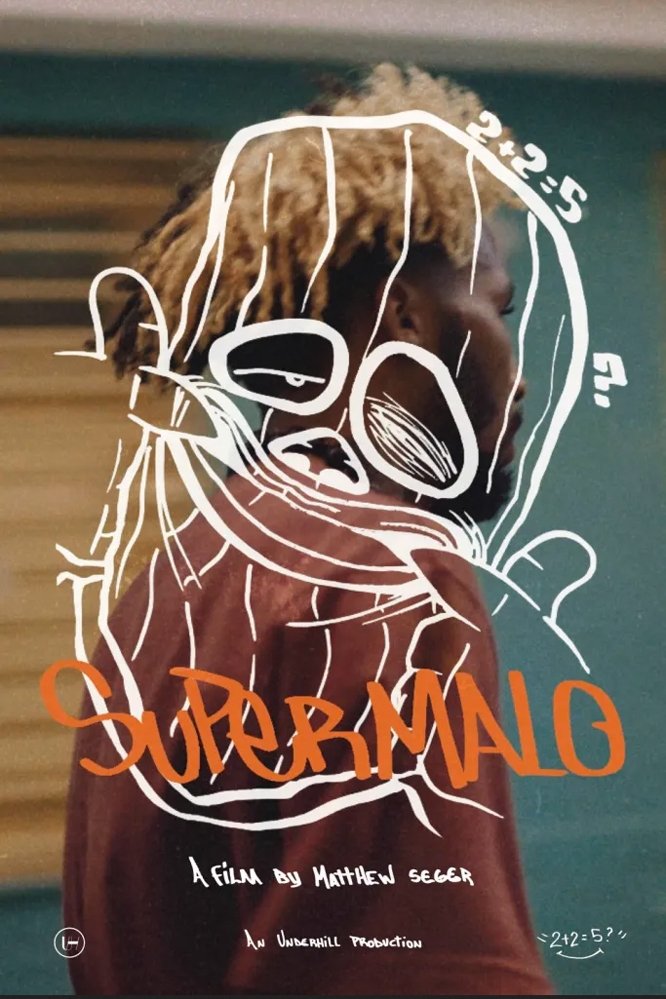
As the walls of Cuba's ageing infrastructure continue to crumble, a burgeoning street art scene is born in Havana. Murals of hand-painted masked character – Supermalo – with the tag “2+2=5?” have begun to appear in seemingly every corner of the heavily foot trafficked city.
The Antonio Maceo Brigade consists of fifty-five children of Cuban families that escaped the revolution and settled down in Miami. To the annoyance of their parents, the children developed pro-Castro ideas. This documentary follows the Brigade on its first visit to Cuba. When they meet family members and embrace old neighbours, childhood memories surface.
Extremely rare Cuban documentary reveals rockers that find liberty by injecting themselves with the HIV virus, at a time when this was almost synonymous with a death sentence.
Shot in Cuba in 1961, this documentary follows a volunteer militia brigade organized in defense of the Cuban Revolution. Joris Ivens and his crew observe military training, daily life, and collective discipline among civilian volunteers. The film emphasizes popular mobilization as a defining feature of the revolutionary state.
Acclaimed Florida novelist Randy Wayne White travels to Cuba with former pitchers Bill "Spaceman" Lee (Boston Red Sox) and Jon Warden (Detroit Tigers), and a band of baseball enthusiasts to find and revive the children's baseball league founded by American writer Ernest Hemingway in the days before Fidel Castro came to power.
The notion of a Cuban civil society is often misrepresented in the U.S. mainstream media. According to most sources, Cuban civil society is limited to the opposition, which has little impact on the Cuban political scenario. Regardless, yearly, the U.S. government allocates tens of millions of taxpayer money to empower dissidents in the island. By doing so, it overlooks genuine expressions of pluralism, reform and contestation which are shaping the Cuban public sphere, sometimes in autonomous ways, sometimes within State-run institutions. Through in-depth interviews to members of Cuban Civil society, this documentary explores the complexities associated to these processes, following the itinerary of the debate about the concept of civil society generated in Cuba, since the 90s to the present.
The Kafkaesque world of Cuba under Castro's rule is brought to light in this reconstruction of the 1989 trial and execution of General Arnaldo Ochoa Sanchez, the highest-ranking general and hero of the revolution, and commander of the Angolan and Ethiopian campaigns.
Documentary on the German luxury liner St. Louis that sailed from Hamburg to Cuba in 1939 carrying 937 German Jews. For 30 excruciating days the ship wandered the seas and was refused haven by every country in the Americas.
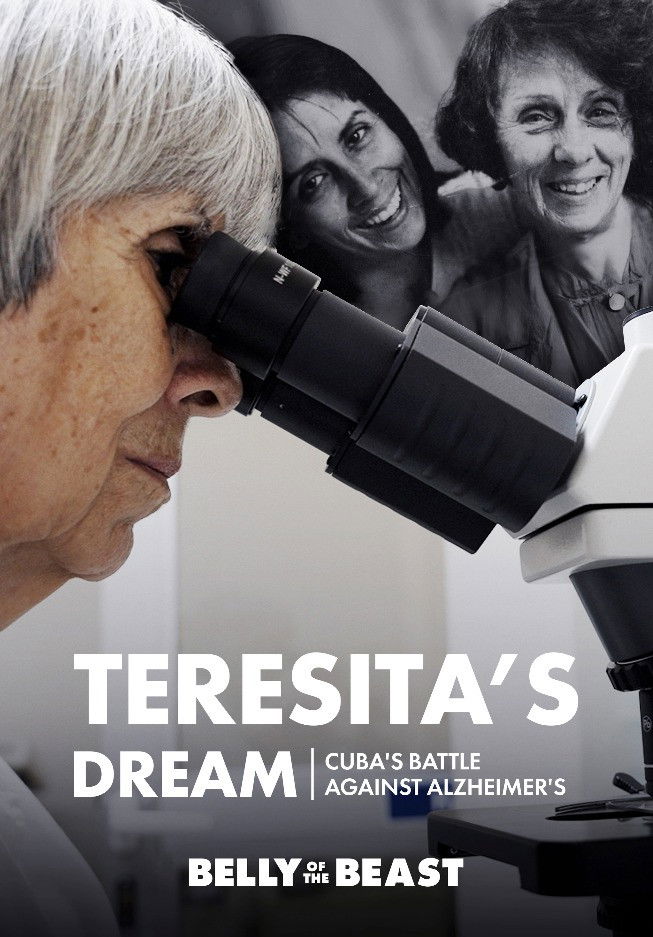
Teresita's Dream follows the extraordinary story of Cuban scientist Teresita Rodríguez. When her mother is diagnosed with Alzheimer’s, Teresita embarks on a deeply personal and politically complex journey to find a treatment – joined by a team of mostly women scientists. What begins as an effort to help her mother, leads to a discovery that could change how the world treats this devastating disease forever.
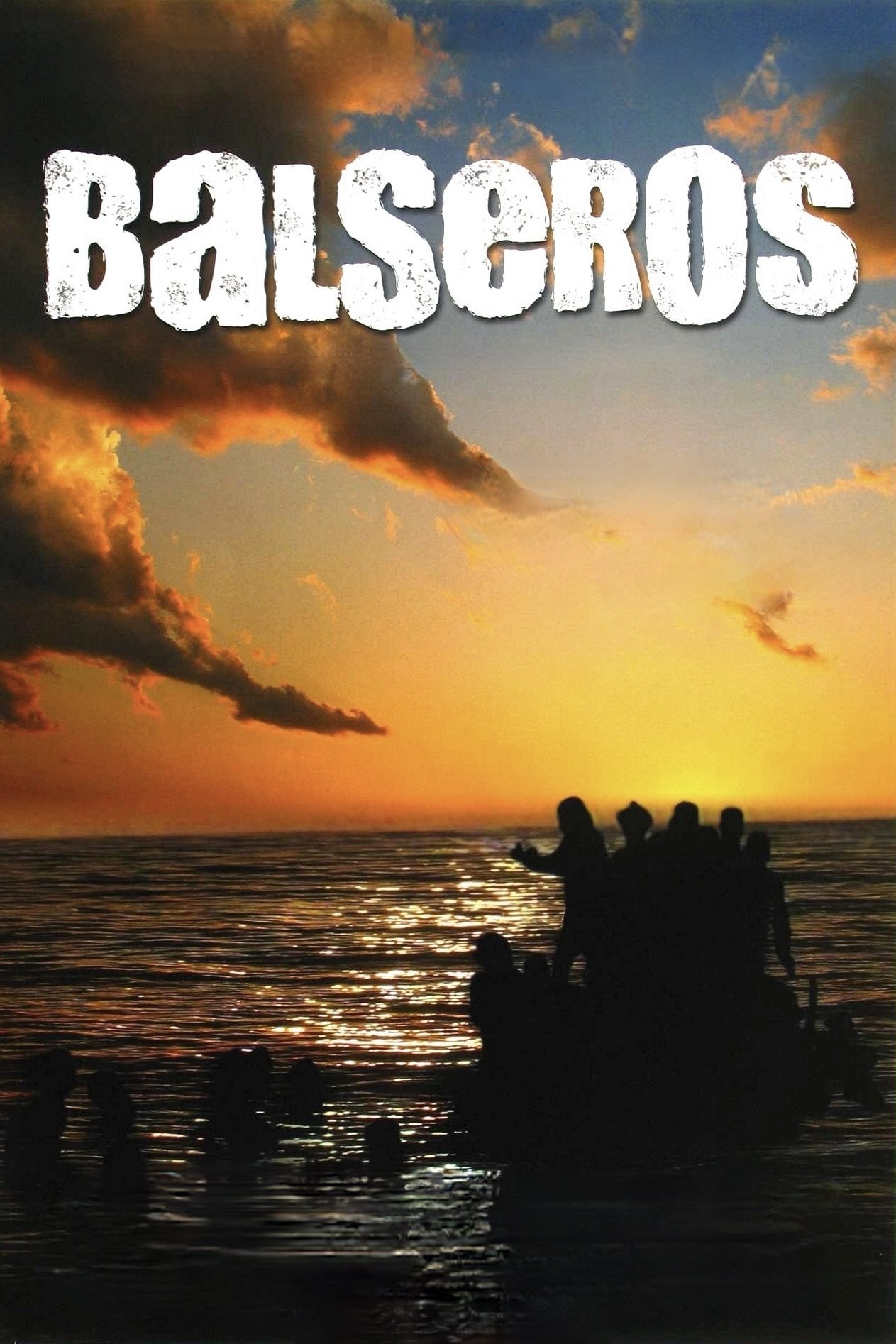
In the summer of 1994, a team of public television reporters filmed and interviewed seven Cubans a few days before their risky venture of setting out to sea in homemade rafts to reach the coast of the United States. Six made it far enough to be picked up at sea by the U.S. Coast Guard. When these balseros (rafters) were finally allowed to go to the United States, the film crew went with them to a string of several cities. Seven years later, the film crew visits them again, to discover that their destiny has been in the United States. Theirs is a true story about some of the authentic survivors of our times, the human adventure of people who are shipwrecked between two worlds.
An American lesbian in Cuba explores gender through dance and film, blending personal experiences and cultural symbols with music and Revolutionary cinema and questions how lesbians fit into Cuban cinema.
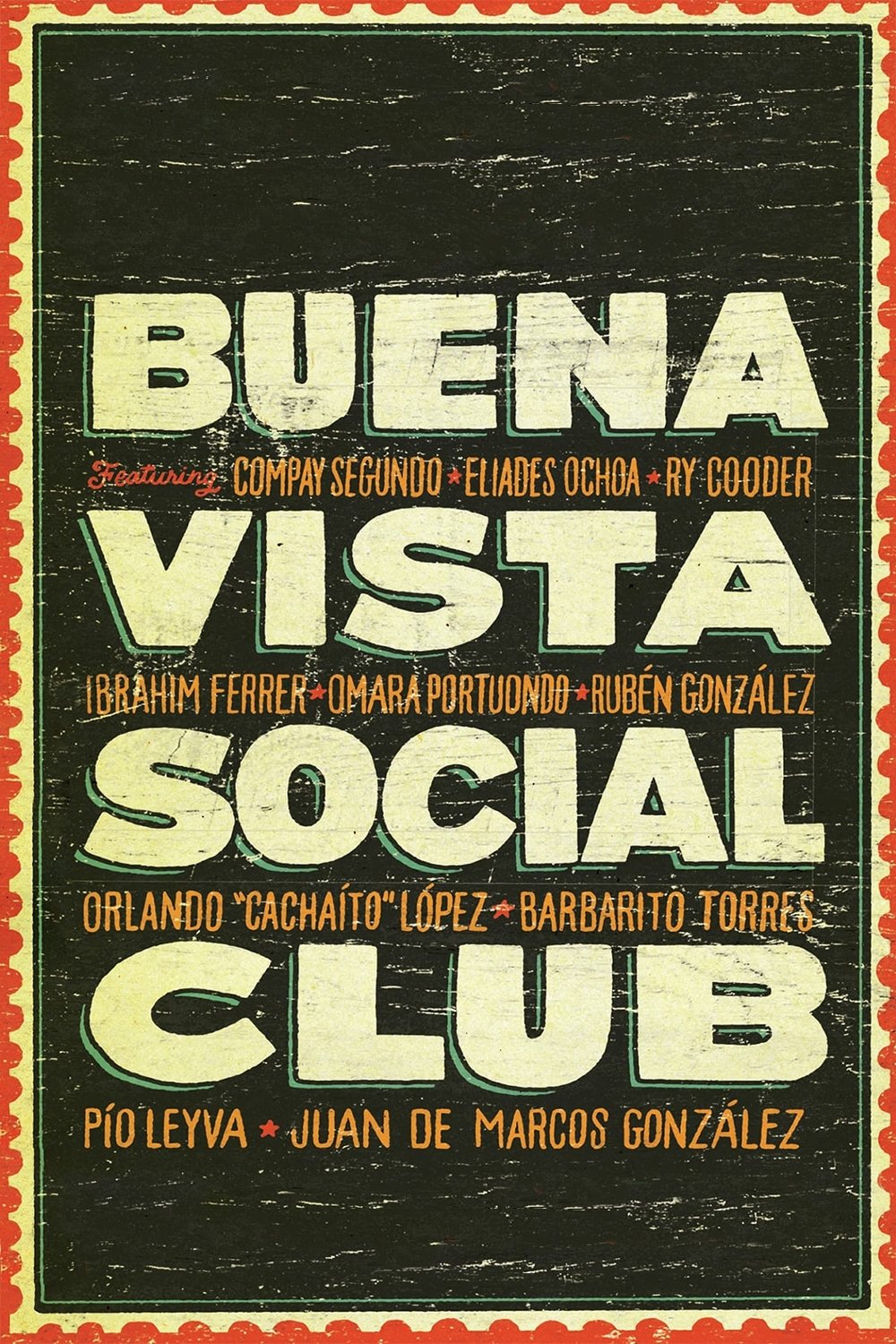
In this fascinating Oscar-nominated documentary, American guitarist Ry Cooder brings together a group of legendary Cuban folk musicians (some in their 90s) to record a Grammy-winning CD in their native city of Havana. The result is a spectacular compilation of concert footage from the group's gigs in Amsterdam and New York City's famed Carnegie Hall, with director Wim Wenders capturing not only the music -- but also the musicians' life stories.
When a daughter becomes concerned about her mother's well-being in a retirement home, private investigator Romulo hires Sergio, an 83-year-old man who becomes a new resident—and a mole inside the home, who struggles to balance his assignment with becoming increasingly involved in the lives of several residents.
In an intimate and joyful story of love in the face of loss, celebrated poets Andrea Gibson and Megan Falley find strength—and unexpected hilarity—in what might be their final year together.
Explore the evolution of Buzz Lightyear from toy to human in the making of Pixar’s Lightyear. Dive into the origin and cultural impact of everyone’s favorite Space Ranger, the art of designing a new “human Buzz,” and the challenges faced by the Lightyear crew along the way.
The Making-of James Cameron's Avatar. It shows interesting parts of the work on the set.
This raucous journey into the heart of democracy captures an unusual rite of passage: 1,100 teenage boys from across Texas coming together to build a representative government from the ground up.
The life and career of an actor, artist, and icon. His own journey through his own camera.
An inside look at one of the most anticipated movie sequels ever with James Cameron and cast.
Through deeply personal interviews with her siblings and an examination of the photographs, letters, and belongings left behind, Mariska assembles a new portrait of her mother Jayne Mansfield, an extraordinary and complex woman.
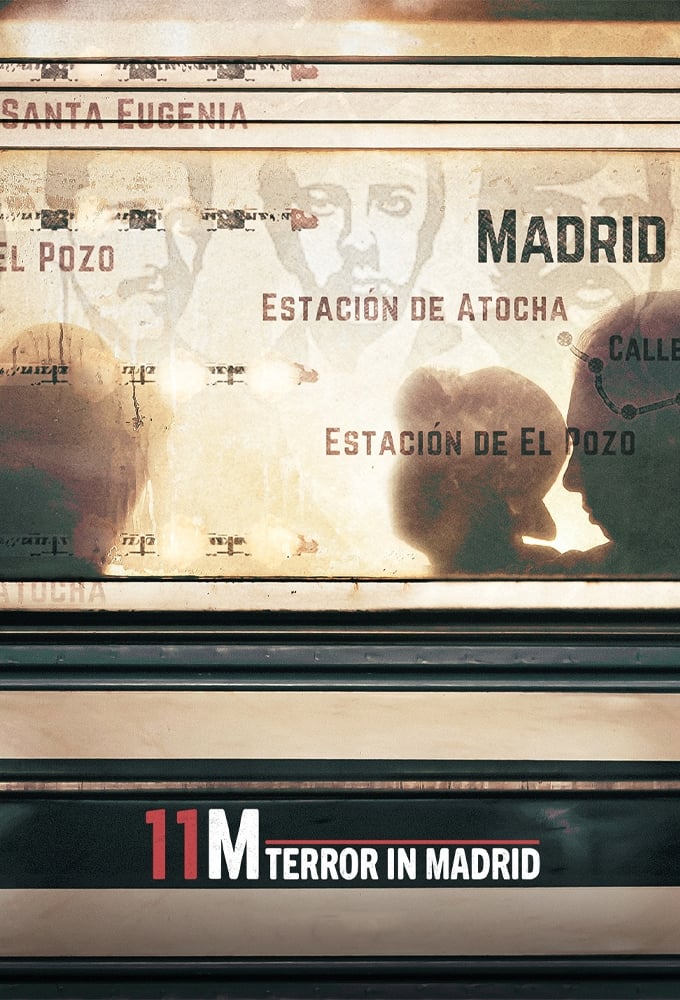
Survivors and insiders recount March 11, 2004's terrorist attack on Madrid, including the political crisis it ignited and the hunt for the perpetrators.
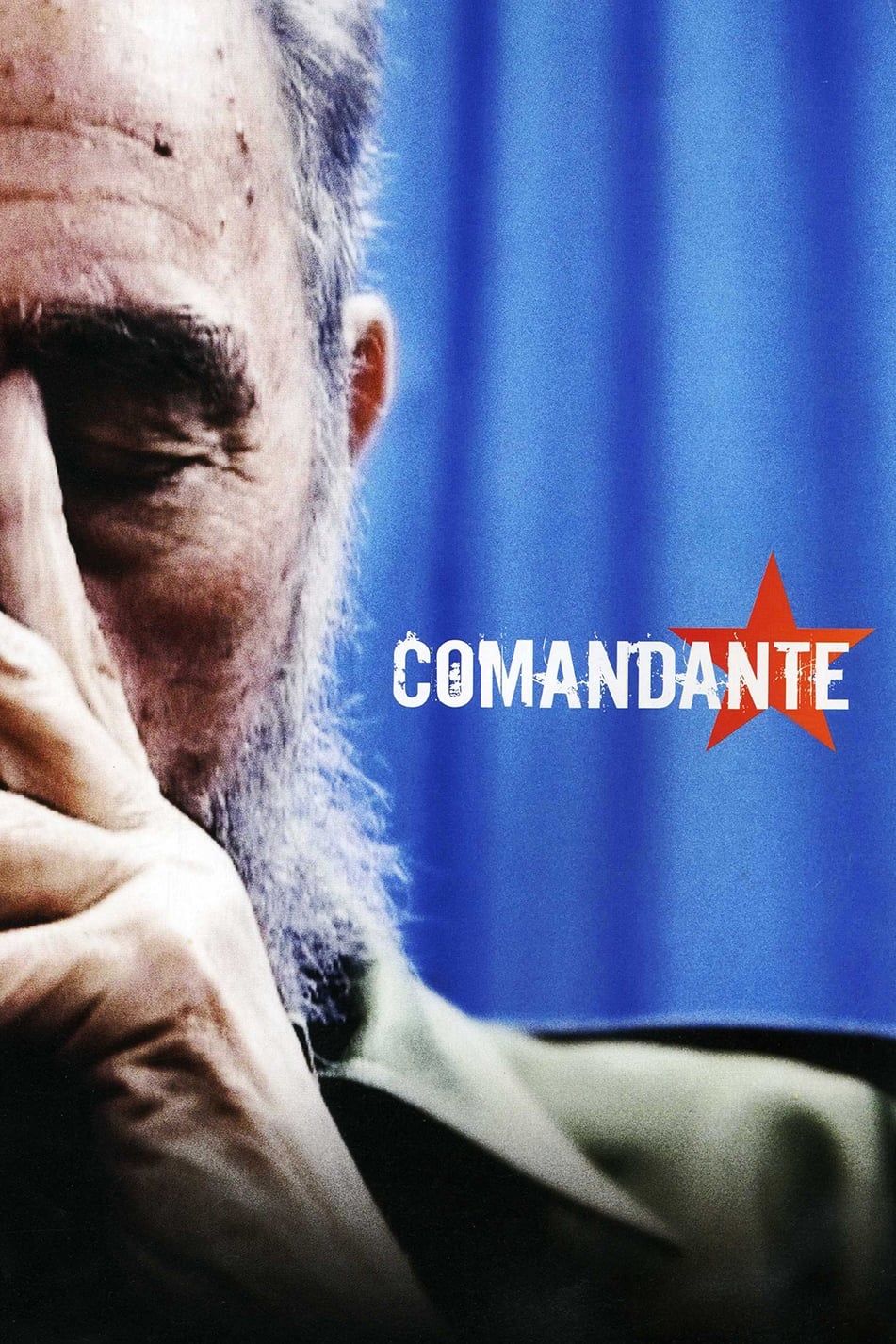
This revealing portrait of Cuba follows the lives of Fidel Castro and three Cuban families affected by his policies over the last four decades.
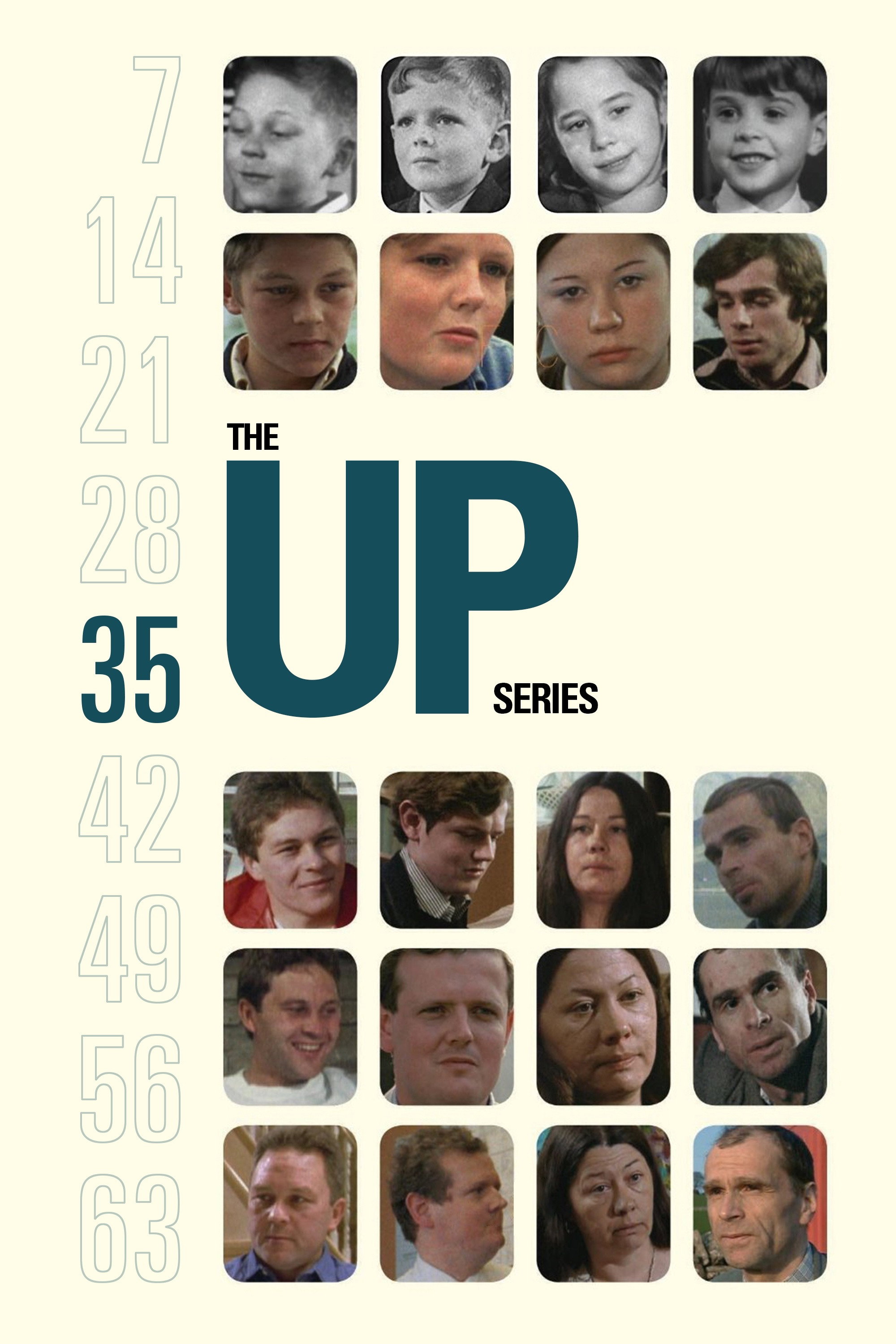
Director Michael Apted revisits the same group of British-born adults after a 7 year wait. The subjects are interviewed as to the changes that have occurred in their lives during the last seven years.
Oliver Stone spends three days filming with Fidel Castro in Cuba, discussing an array of subjects with the president such as his rise to power, fellow revolutionary Che Guevara, the Cuban Missile crisis, and the present state of the country.
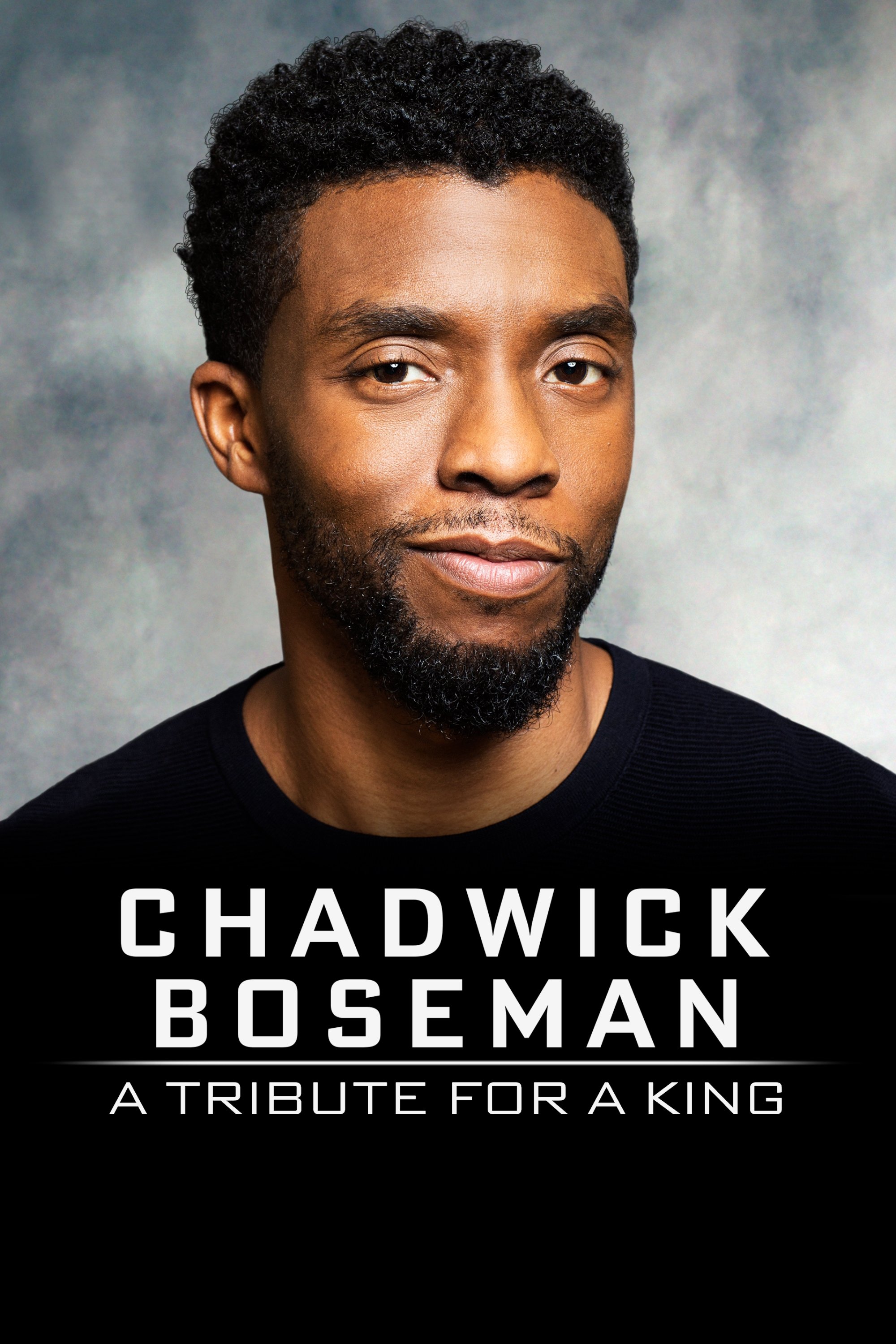
A tribute to Chadwick Boseman, celebrating his life and legacy.
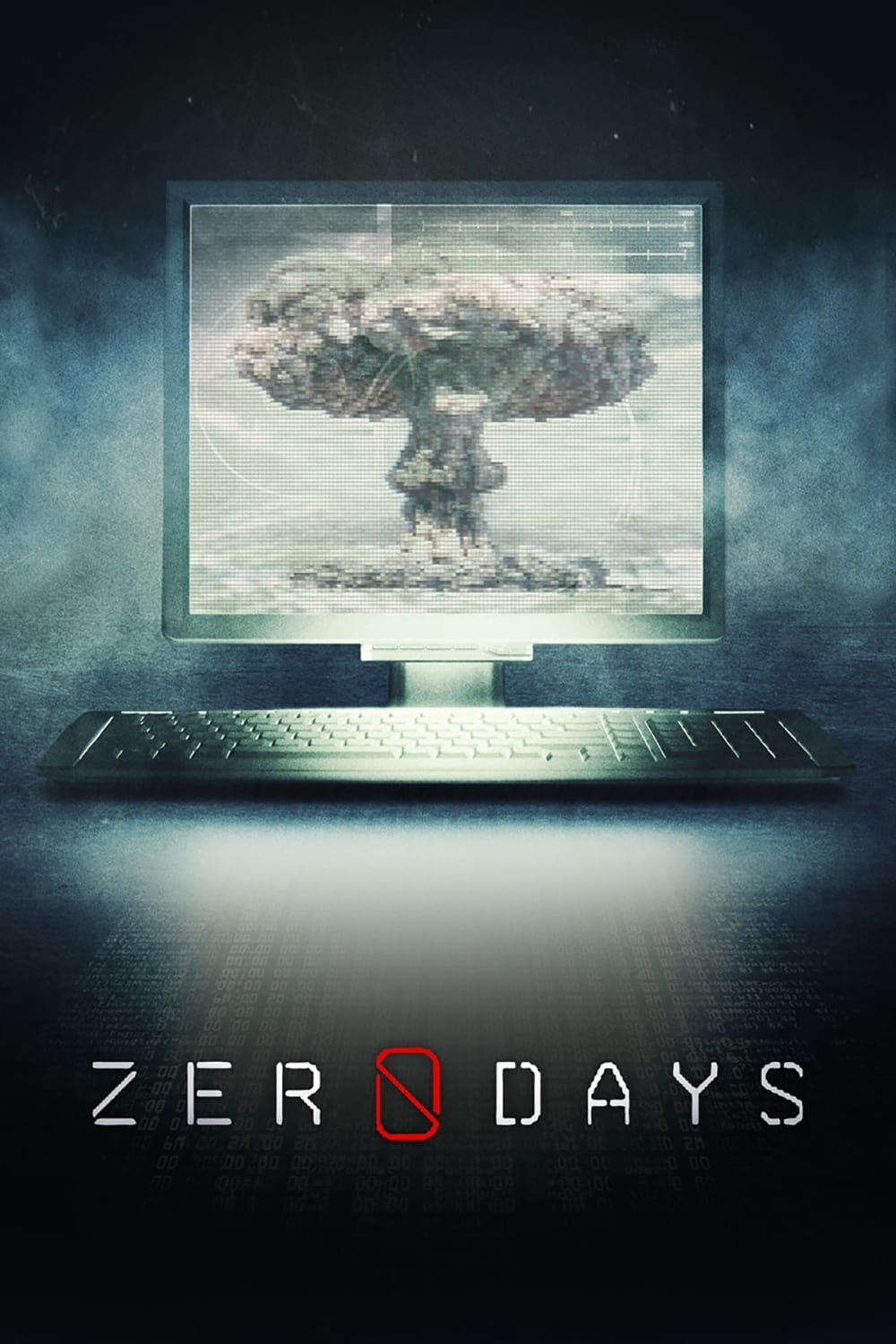
Alex Gibney explores the phenomenon of Stuxnet, a self-replicating computer virus discovered in 2010 by international IT experts. Evidently commissioned by the US and Israeli governments, this malware was designed to specifically sabotage Iran’s nuclear programme. However, the complex computer worm ended up not only infecting its intended target but also spreading uncontrollably.
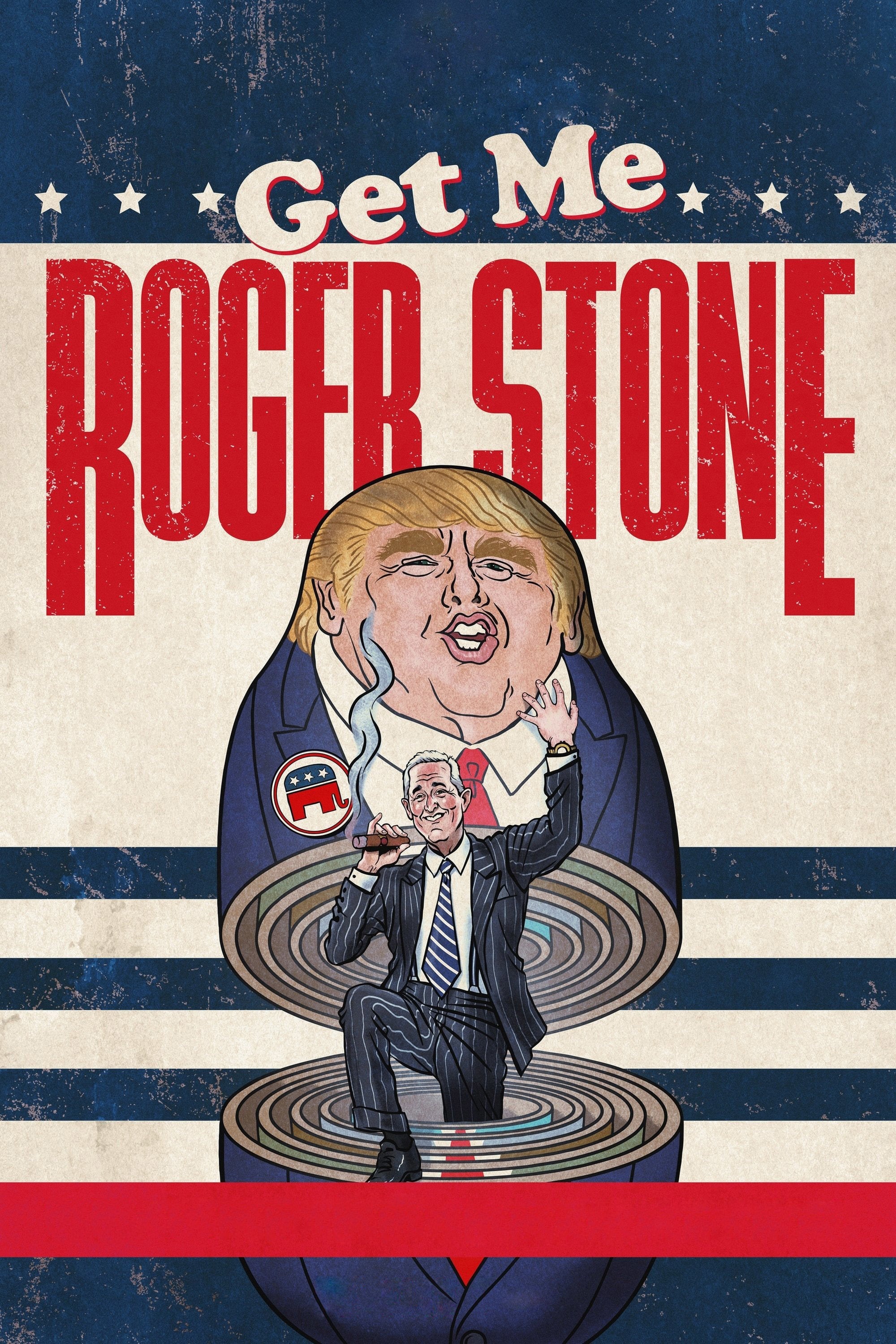
From his days of testifying at the Watergate hearings to advising recent presidential candidate Donald Trump, Roger Stone has long offended people on both sides of the political fence as a force in conservative America. Outspoken author, pundit, ahead of his time election strategist, this is his story.
A string of threatening emails escalates into a revenge plot involving a newly married US marshal and his ex-girlfriend.
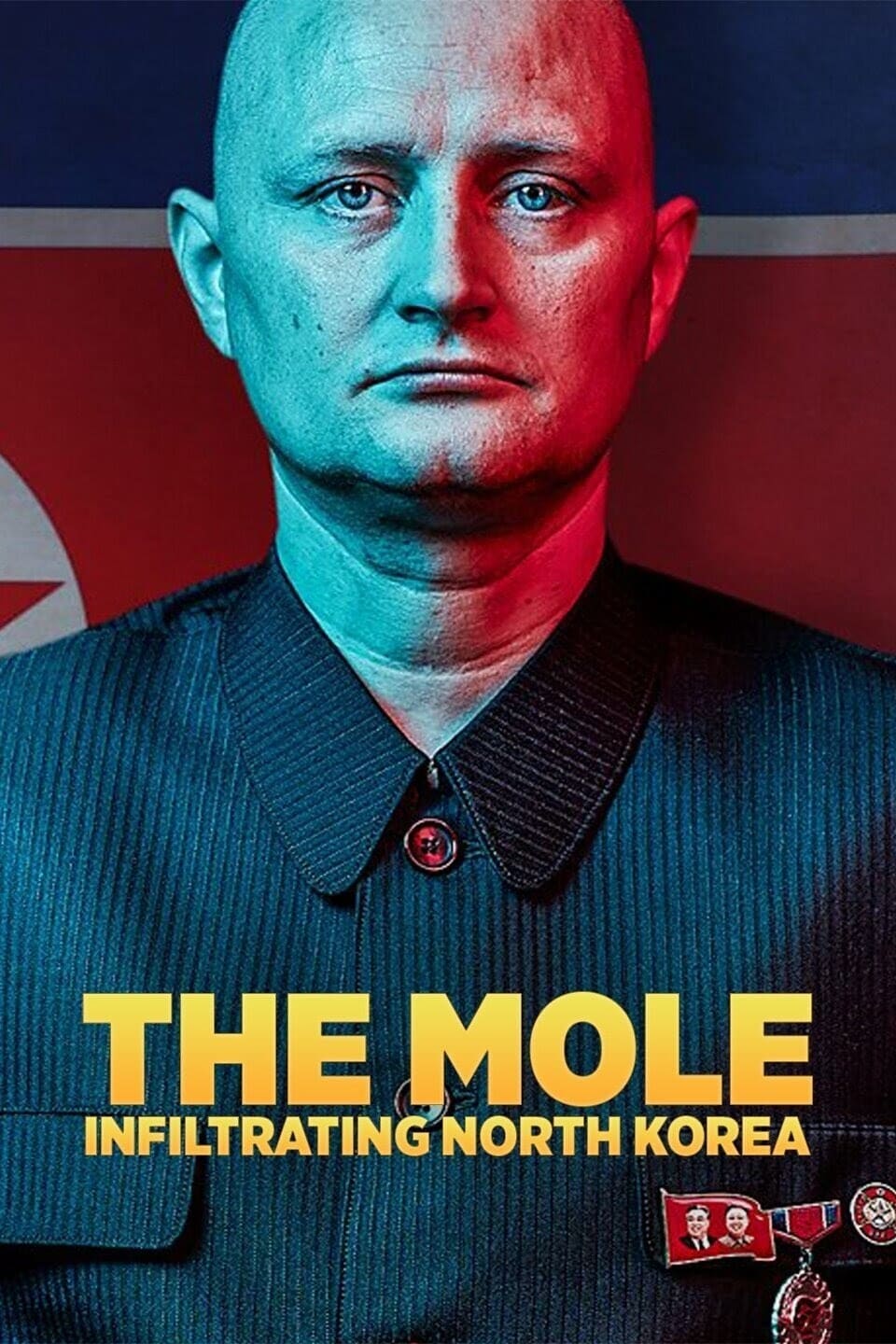
A real-life undercover thriller about two ordinary men who embark on an outrageously dangerous ten-year mission to penetrate the world's most secretive and brutal dictatorship: North Korea.
The life of Mr. Spock, as well as that of Leonard Nimoy, the actor who played him for almost fifty years, written and directed by his son: Adam.