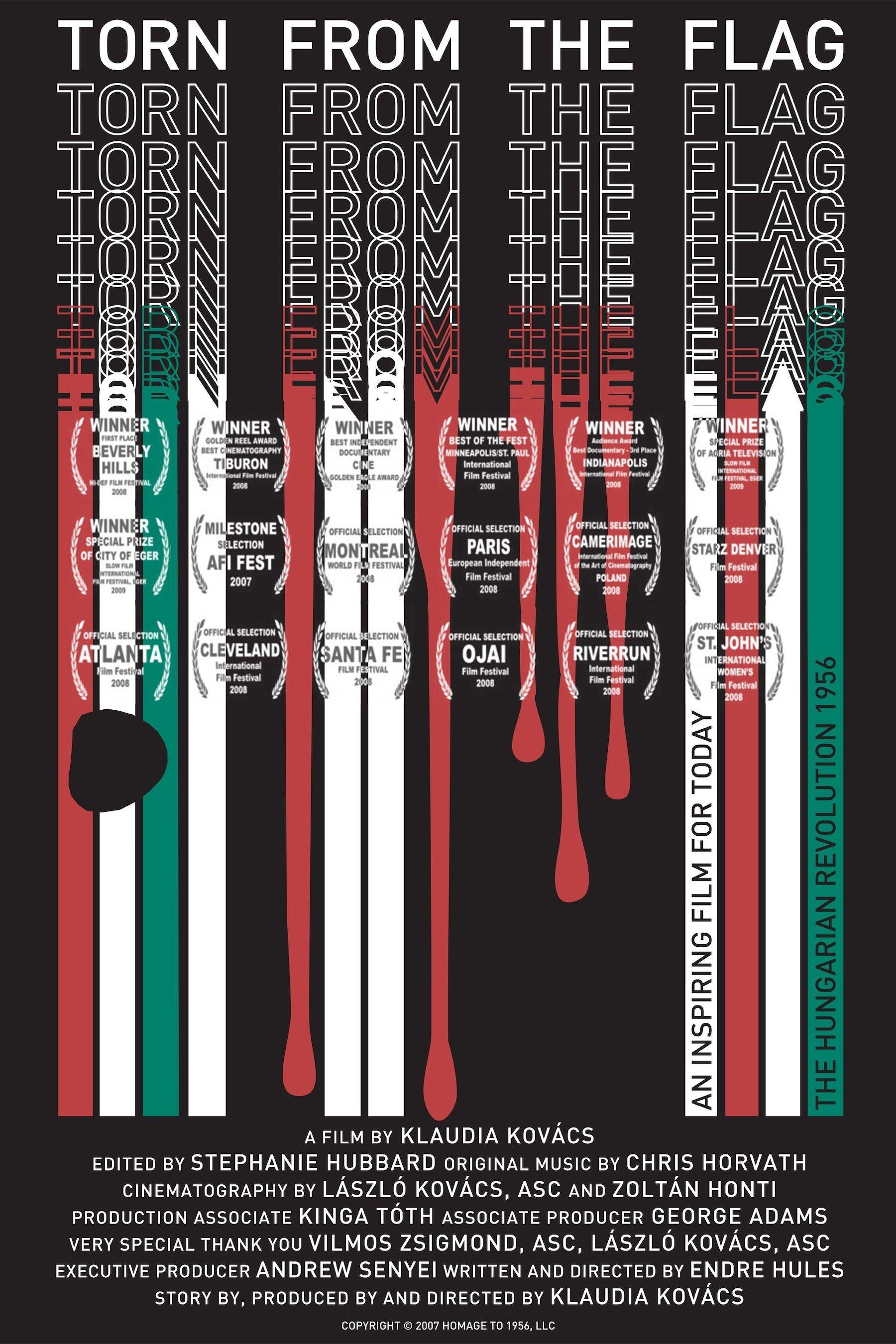
A sociopolitical historical documentary-thriller about the international decline of communism and the 1956 Hungarian Revolution.
Social & External
The people behind it
Otto, Crown Prince of Austria
Himself
Henry Kissinger
The film investigates the adventures of mountain climber and photographer Adam J. Winkler, who fought in Afghanistan with the Mujahideen against the Soviets in the 1980s. The director employs a highly original artistic technique involving animated collage of period materials.
Abandoned Goods is an essay film exploring the journey of one of Britain’s major collections of Asylum Art containing about 5,500 objects (paintings, drawings, ceramics, sculptures and works on stone, flint and bone) created between 1946 and 1981, by about 140 people compelled to live in the Netherne psychiatric hospital in South London. Blending archive, reconstruction, animation, 35mm rostrum, and observational photography, the film explores the transformation of these objects from clinical material to revered art objects examining the lives of the creators and the changing contexts in which the objects were produced and displayed.
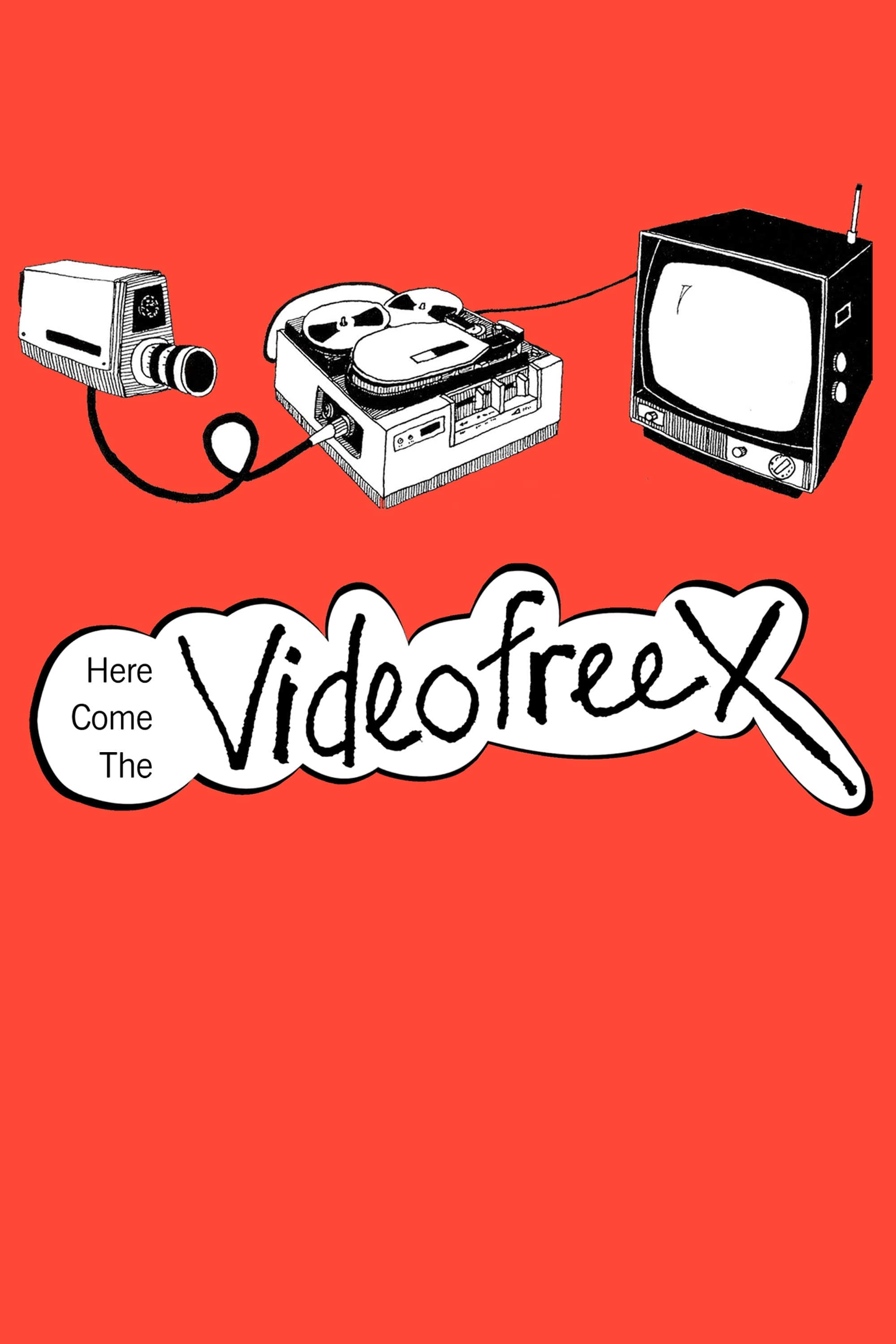
An idealistic collective launches a TV channel in the very early days of portable video cameras. This wonderful lesson in journalism makes it clear just how perilous it is to promote your own view of society via autonomous media. From the tumultuous period of Woodstock, the Black Panthers, women’s lib and anti-Vietnam demonstrations.
Fien de la Mar (1898-1965) was a Dutch actress with exceptional allure and extraordinary talent. With this she celebrated many triumphs, but her life ultimately ended in tragedy.
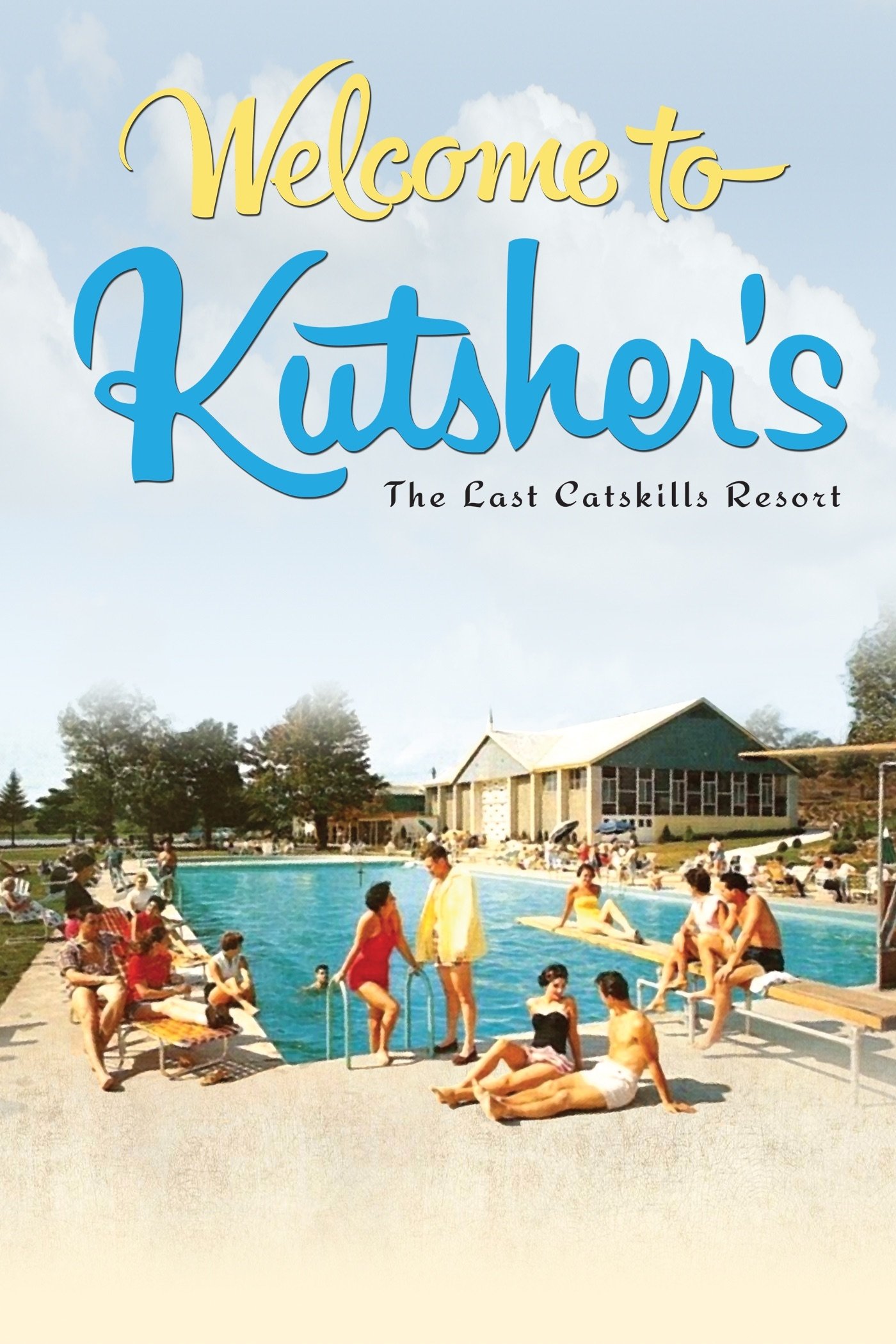
Kutsher's Country Club is the last surviving Jewish resort in the Catskills. One of the legendary Borscht Belt hotels during its heyday, Kutsher's has been family-owned and operated for over 100 years. Exploring the full Dirty Dancing-era Catskills experience-- and how it changed American pop culture in the comedy, sports and vacation industries-- this documentary captures a last glimpse of a lost world as it disappears before our eyes.
Returning to her hometown of Jerusalem with her young family after several years abroad, documentarian Danae Elon offers an intimate, ground’s-eye view of one of the most fiercely contested cities in the world.
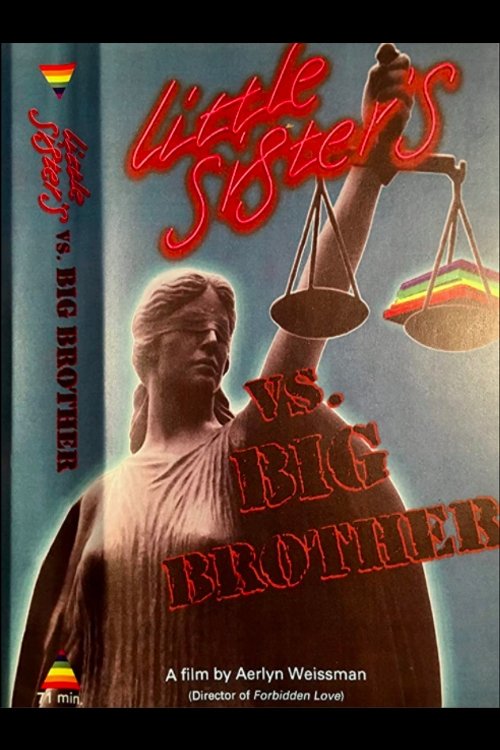
This documentary, filmed over a 10-year period, centers on the debate over censorship as it follows Vancouver's Little Sister's Bookstore and its 20-year struggle with Canada Customs over the seizure of books. In the face of bigotry, bombings and repeated book seizures, it wages the most important legal battle in history against Canada Customs.
Docudrama about life, career and breakdown of Erich Mielke, the former Security chief of East Germany.
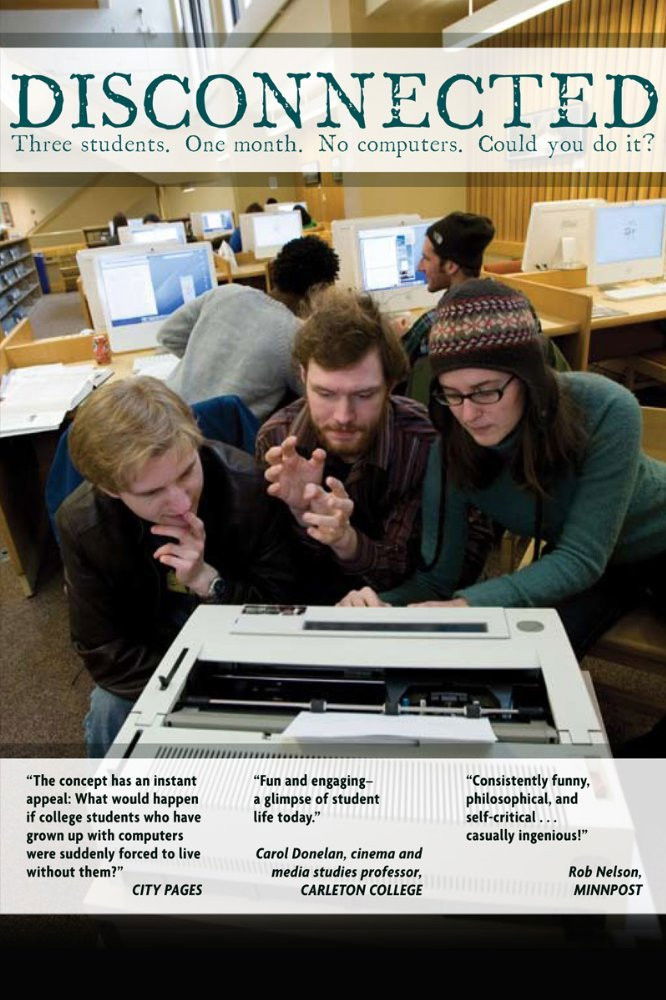
Three Carleton College students take on the challenge of ditching computers to find out how their academic, social, and work lives will be affected. No Facebook. No e-mail. No YouTube. How will they get their work done? Will they cheat? Who will survive the longest? This documentary follows Andrew, Caitlin, and Chel as they learn to interact with themselves and with others in ways we have largely forgotten.
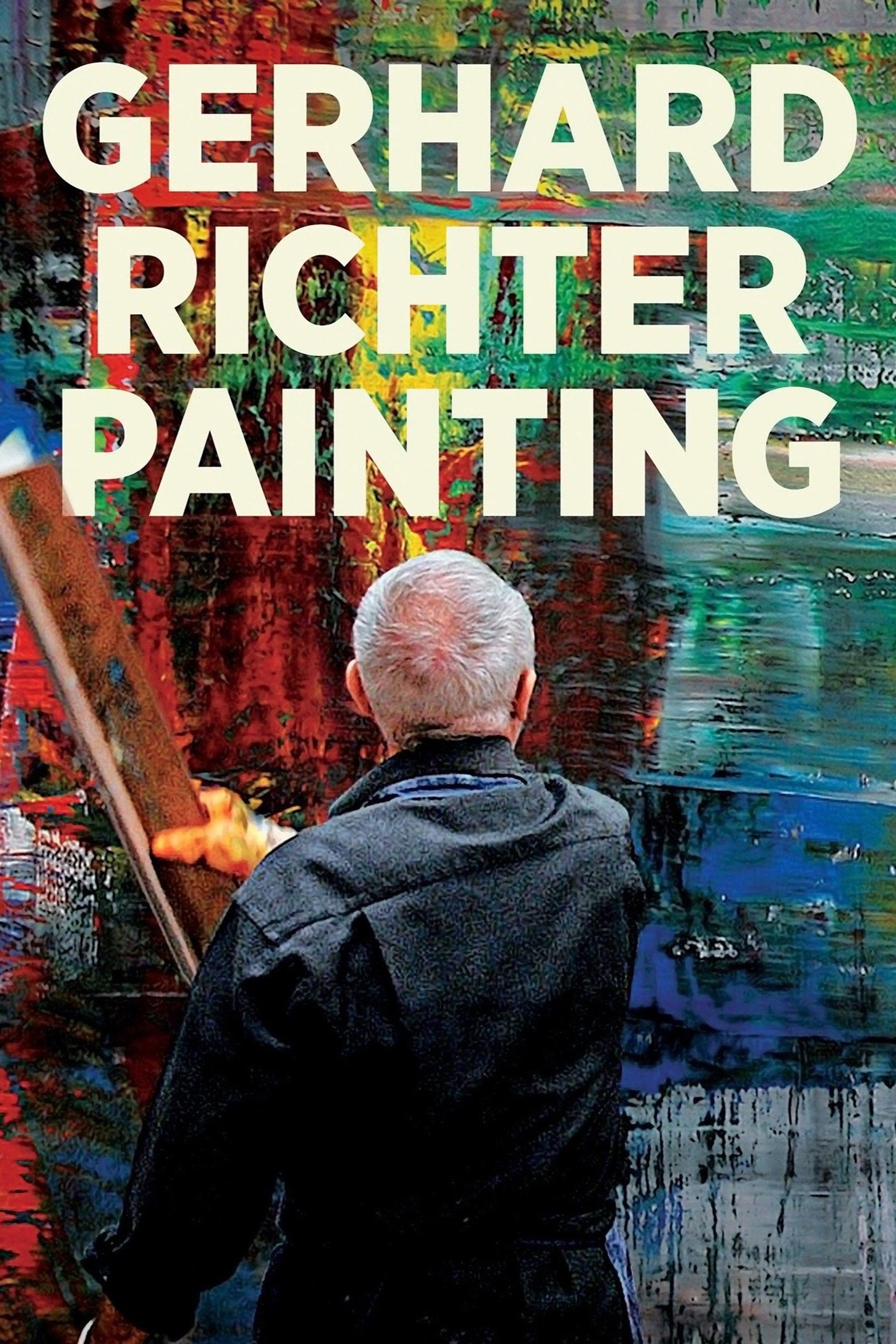
Gerhard Richter has spent over half a century experimenting with a tremendous range of techniques and ideas, addressing historical crises and mass media representation alongside explorations of chance procedures. This first glimpse inside his studio in decades is exactly that: a thrilling document of the 79-year-old's creative process, juxtaposed with rare archival footage and intimate conversations with his critics and collaborators.
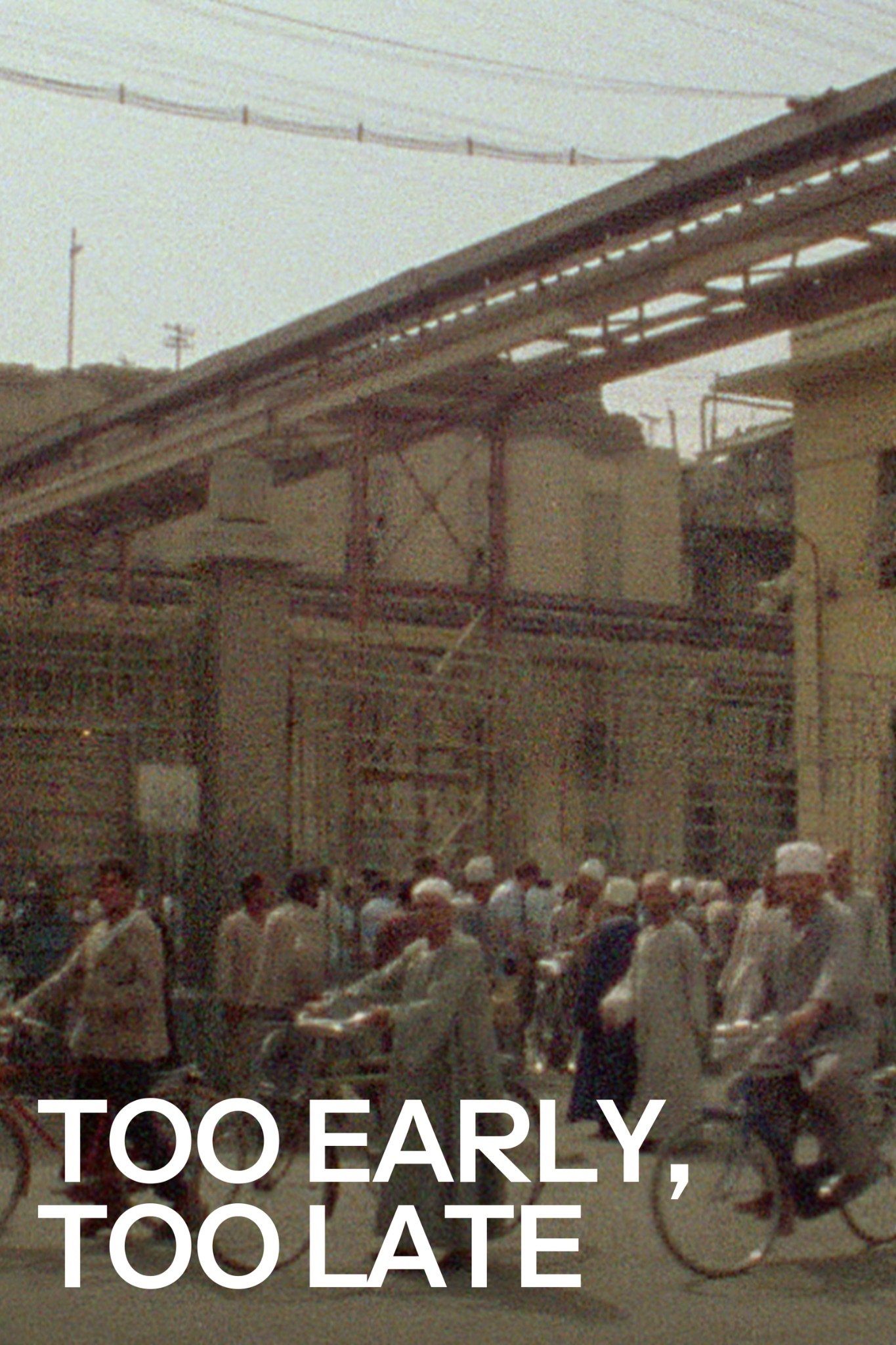
Inspired by a letter by Friedrich Engels and a 1974 account of two militant Marxist writers who had been imprisoned by the Nasser regime, Straub-Huillet filmed this film in France and Egypt during 1980. They reflect on Egypt’s history of peasant struggle and liberation from Western colonization, and link it to class tensions in France shortly before the Revolution of 1789, quoting texts by Engels as well as the pioneering nonfiction film Workers Leaving the Lumière Factory (1895).
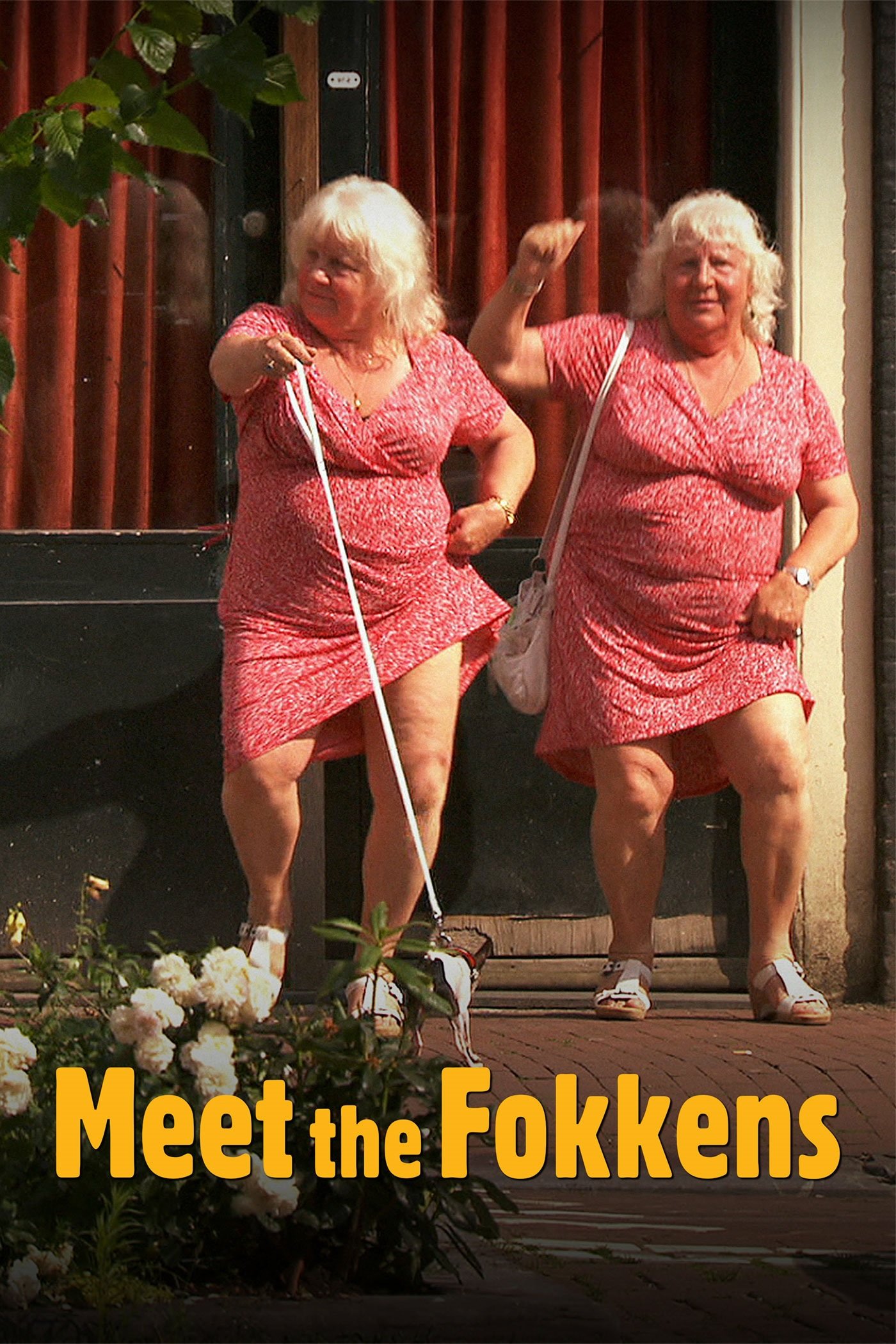
Sisters doing it for themselves in Amsterdam's Red Light District. Louise and Martine Fokkens are identical twins. For over fifty years they were working as prostitutes. They freed themselves from the control of their pimps, ran their own brothel, and set up the first informal trade union for prostitutes. They are familiar faces in Amsterdam's Red Light District, but soon they will bid their farewells. The Ladies Fokkens is a portrait of these remarkable women, as well as a history of the Red Light District over the past fifty years.
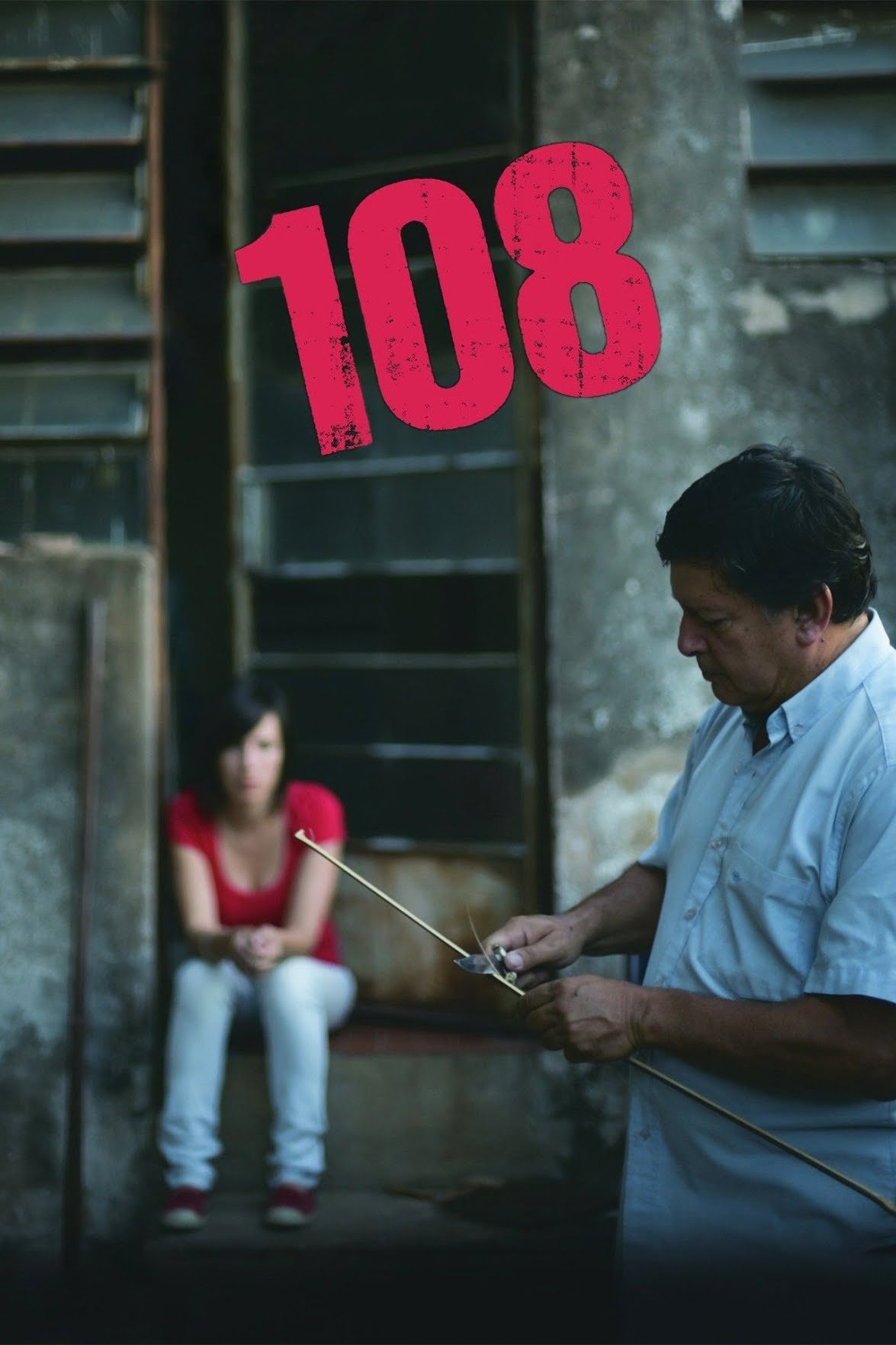
Of all my uncles, Rodolfo was the only one who didn't want to be a blacksmith like my grandfather: He wanted to be a dancer. The search for the traces of his life leads to the discovery that in the eighties in Paraguay, under Stroessner's dictatorship, Rodolfo was included in one of the "108 lists of homosexuals", arrested and tortured. Rodolfo's story reveals a part of the hidden and silenced history of my country. In "Cuchillo de palo" two generations come face to face in a confrontation that ultimately allows each of us to understand our place in the world.
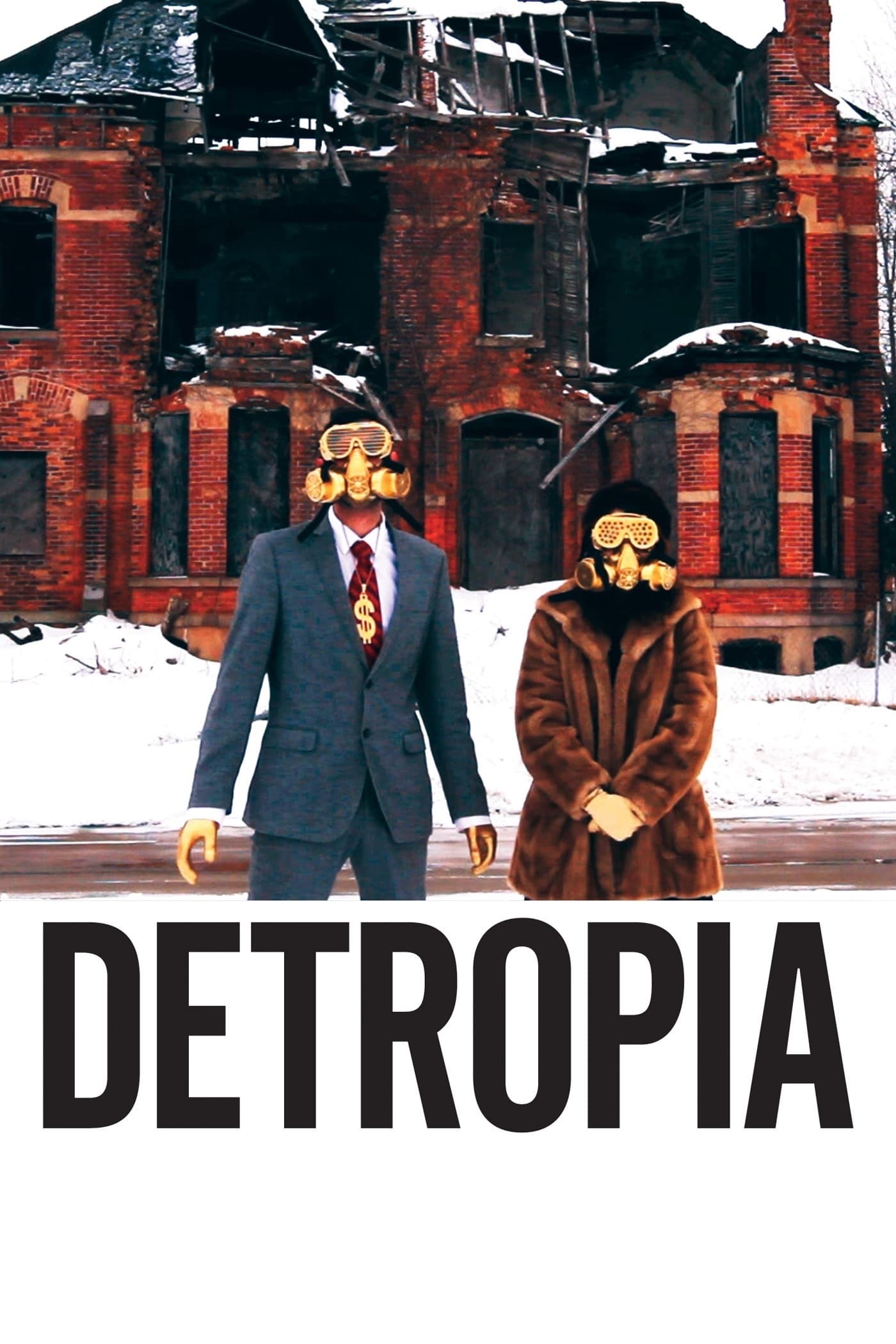
Detroit’s story has encapsulated the iconic narrative of America over the last century – the Great Migration of African Americans escaping Jim Crow; the rise of manufacturing and the middle class; the love affair with automobiles; the flowering of the American dream; and now… the collapse of the economy and the fading American mythos.
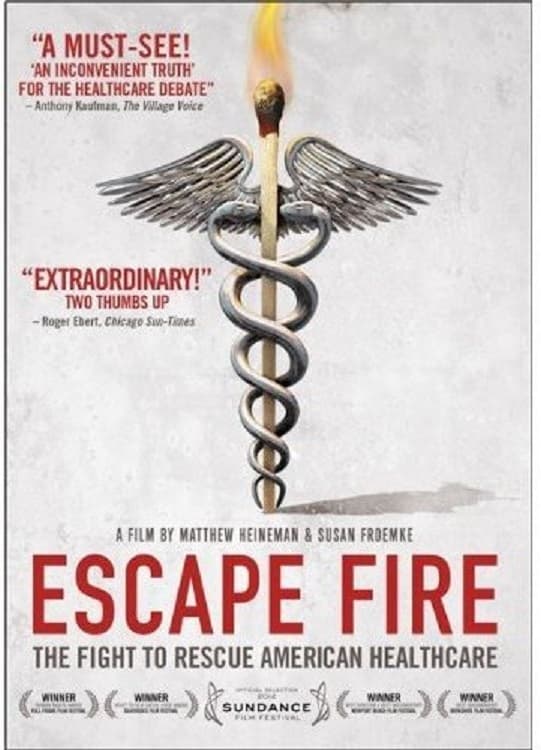
Our healthcare system is broken. Potent forces fight to maintain the status quo in a medical industry created for quick fixes, rather than prevention; for profit-driven, rather than patient-driven, care. Healthcare is at the center of an intense political firestorm in our nation's capital. But the current battle over cost and access does not ultimately address the root of the problem: we have a disease-care system, not a health-care one. After decades of opposition, a movement to introduce innovative high-touch, low-cost methods of prevention and healing is finally gaining ground.
Filmmaker Rory Kennedy interviews her mother, Ethel Kennedy, who discusses family, marriage and politics.
Using personal stories, this powerful documentary illuminates the plight of the 49 million Americans struggling with food insecurity. A single mother, a small-town policeman and a farmer are among those for whom putting food on the table is a daily battle.
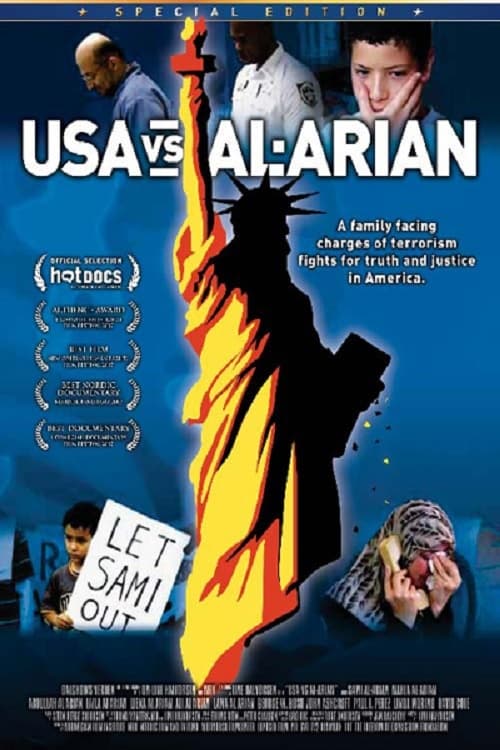
USA vs AL-ARIAN is a close portrait of an Arab-American family facing terrorism charges leveled by the U.S. Government. The film shows a personal story of a family living in a society where fear of terrorism has resulted in increasing stigmatization and discrimination against Muslims.
The Apple Pushers, narrated by Edward Norton, follows the inspiring stories of five immigrant pushcart vendors who are rolling fresh fruits and vegetables into New York City's food deserts.
Nineteen-year-old Nelson is a Puerto Rican high school dropout from the South Bronx looking for a ticket out of the ghetto. Thaddeus, 22, gives up a cushy stockbroker job to pursue fantasies of killing Osama Bin Laden. Sara, 22, a dancer from North Carolina fails to make it in New York and leaves her best girlfriend to return home. Swept up in the patriotic fervour that followed 9/11, these young Americans dream of fighting for their country, of being the heroes that star in the slick ad campaigns broadcast by the military. Canadian director Sarah Goodman, living in New York at the time, saw long line-ups at recruitment centres as the country prepared for war. Gaining incredible access to the US army bases, Goodman follows the three new recruits for the next two years, starting with the harshness of basic training. Army of One is a heartbreaking film that exposes what happens to each of them as their dreams of heroism clash with the realities of army life.
“The Soviet Story” is a story of an Allied power, which helped the Nazis to fight Jews and which slaughtered its own people on an industrial scale. Assisted by the West, this power triumphed on May 9th, 1945. Its crimes were made taboo, and the complete story of Europe’s most murderous regime has never been told. Until now...
In 1977, a book of photographs captured an awakening - women shedding the cultural restrictions of their childhoods and embracing their full humanity. This documentary revisits those photos, those women and those times and takes aim at our culture today that alarmingly shows the need for continued change.
This Oscar-winning documentary recounts the harrowing stories of five Hungarian Jews who endured the horrors of the Holocaust and Hitler's reign.
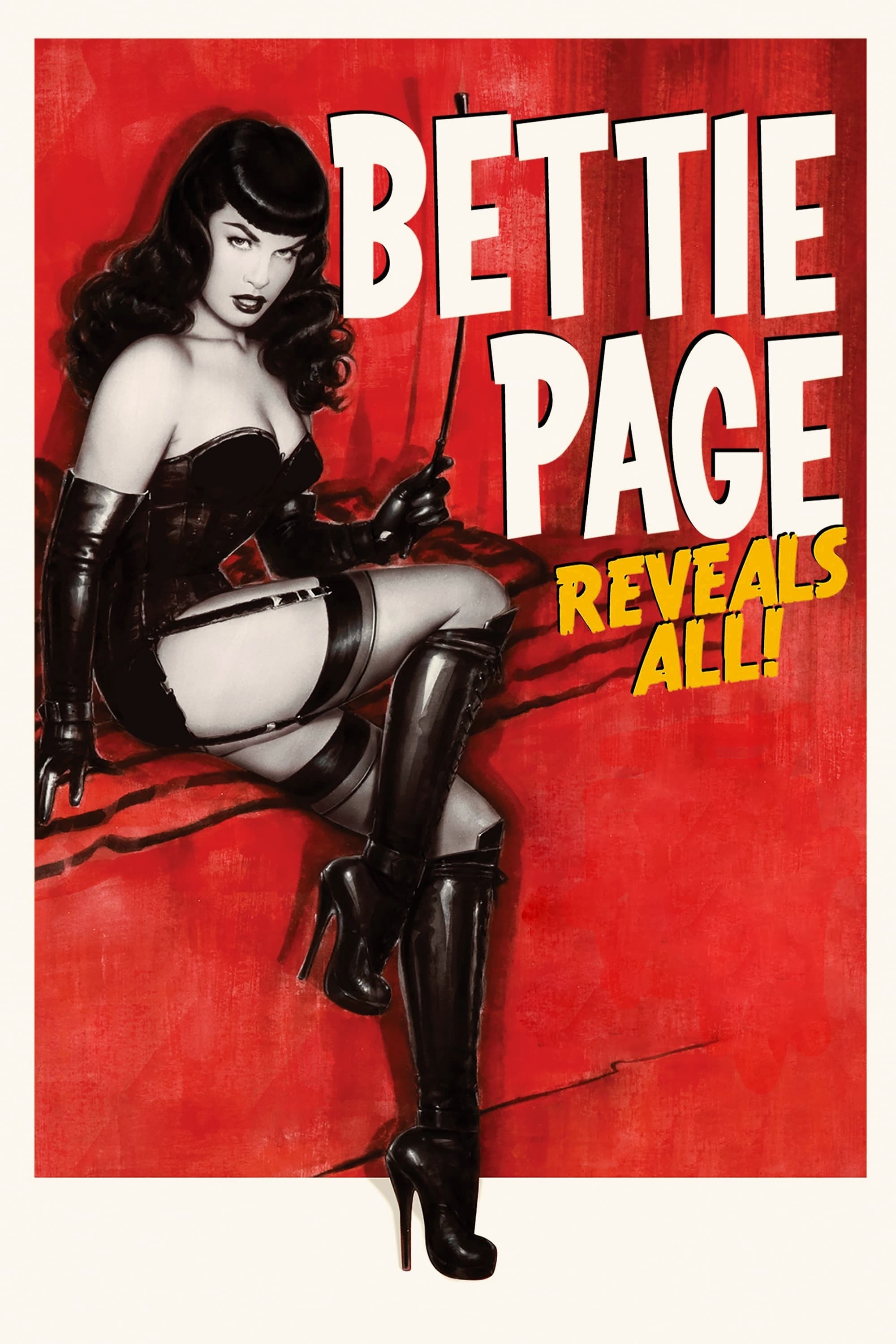
The world's greatest pin-up model and cult icon, Bettie Page, recounts the true story of how her free expression overcame government witch-hunts to help launch America's sexual revolution. When she saw the film The Notorious Bettie Page, produced by HBO in 2006, the main person concerned reacted unequivocally: “Lies! Lies!” In a long interview recorded shortly before her death, the woman who entered the collective unconscious as the ultimate pin-up gave her version of events to director Mark Mori. In a gravelly voice, Bettie Page tells her own story and lifts the veil on areas often hidden by images that have made so many men and women fantasize since the 1950s: her abused childhood, an eclipse that lasted forty years, her mental illness. Through testimonies and unpublished archives, this documentary brings back to life a body and a face endlessly declined before our eyes, just as Bettie wanted: “I would like people to remember me as I was in the photos.”
A subjective documentary that explores various theories about hidden meanings in Stanley Kubrick's classic film The Shining. Five very different points of view are illuminated through voice over, film clips, animation and dramatic reenactments.
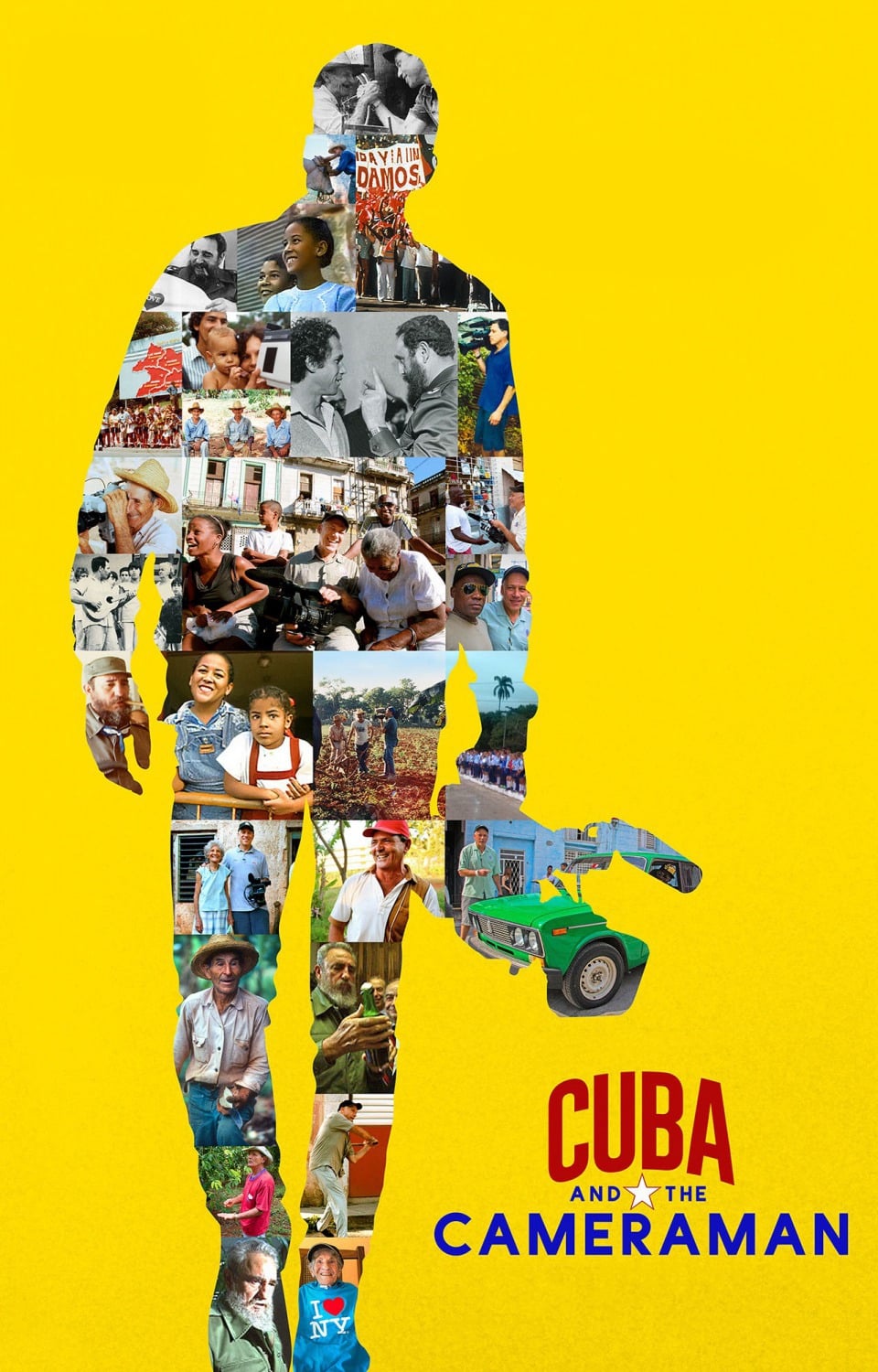
This revealing portrait of Cuba follows the lives of Fidel Castro and three Cuban families affected by his policies over the last four decades.
A documentary on the expletive's origin, why it offends some people so deeply, and what can be gained from its use.
In the Realms of the Unreal is a documentary about the reclusive Chicago-based artist Henry Darger. Henry Darger was so reclusive that when he died his neighbors were surprised to find a 15,145-page manuscript along with hundreds of paintings depicting The Story of the Vivian Girls, in What is Known as the Realms of the Unreal, of the Glodeco-Angelinnian War Storm, Cased by the Child Slave Rebellion.
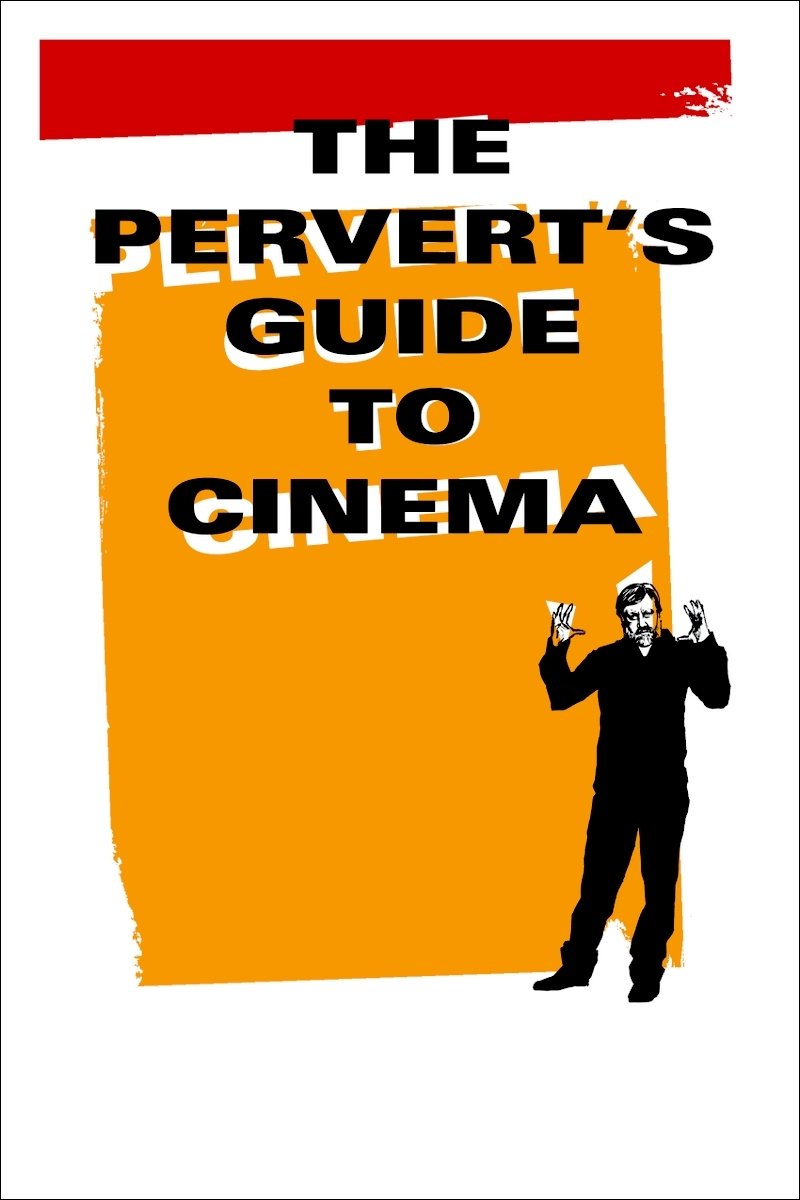
A hilarious introduction, using as examples some of the best films ever made, to some of Slovenian philosopher and psychoanalyst Slavoj Žižek's most exciting ideas on personal subjectivity, fantasy and reality, desire and sexuality.
As a visually radical memoir, CAMERAPERSON draws on the remarkable footage that filmmaker Kirsten Johnson has shot and reframes it in ways that illuminate moments and situations that have personally affected her. What emerges is an elegant meditation on the relationship between truth and the camera frame, as Johnson transforms scenes that have been presented on Festival screens as one kind of truth into another kind of story—one about personal journey, craft, and direct human connection.
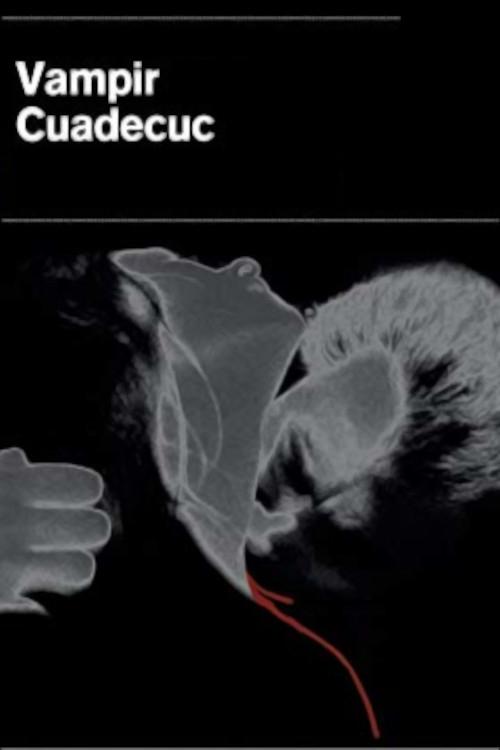
An atmospheric essay, which is an alternative version of Count Dracula, a film directed by Jess Franco in 1970; a ghostly narration between fiction and reality.
Documentary about the art of film editing. Clips are shown from many groundbreaking films with innovative editing styles.
When Allied forces liberated the Nazi concentration camps in 1944-45, their terrible discoveries were recorded by army and newsreel cameramen, revealing for the first time the full horror of what had happened. Making use of British, Soviet and American footage, the Ministry of Information’s Sidney Bernstein (later founder of Granada Television) aimed to create a documentary that would provide lasting, undeniable evidence of the Nazis’ unspeakable crimes. He commissioned a wealth of British talent, including editor Stewart McAllister, writer and future cabinet minister Richard Crossman – and, as treatment advisor, his friend Alfred Hitchcock. Yet, despite initial support from the British and US Governments, the film was shelved, and only now, 70 years on, has it been restored and completed by Imperial War Museums under its original title "German Concentration Camps Factual Survey".
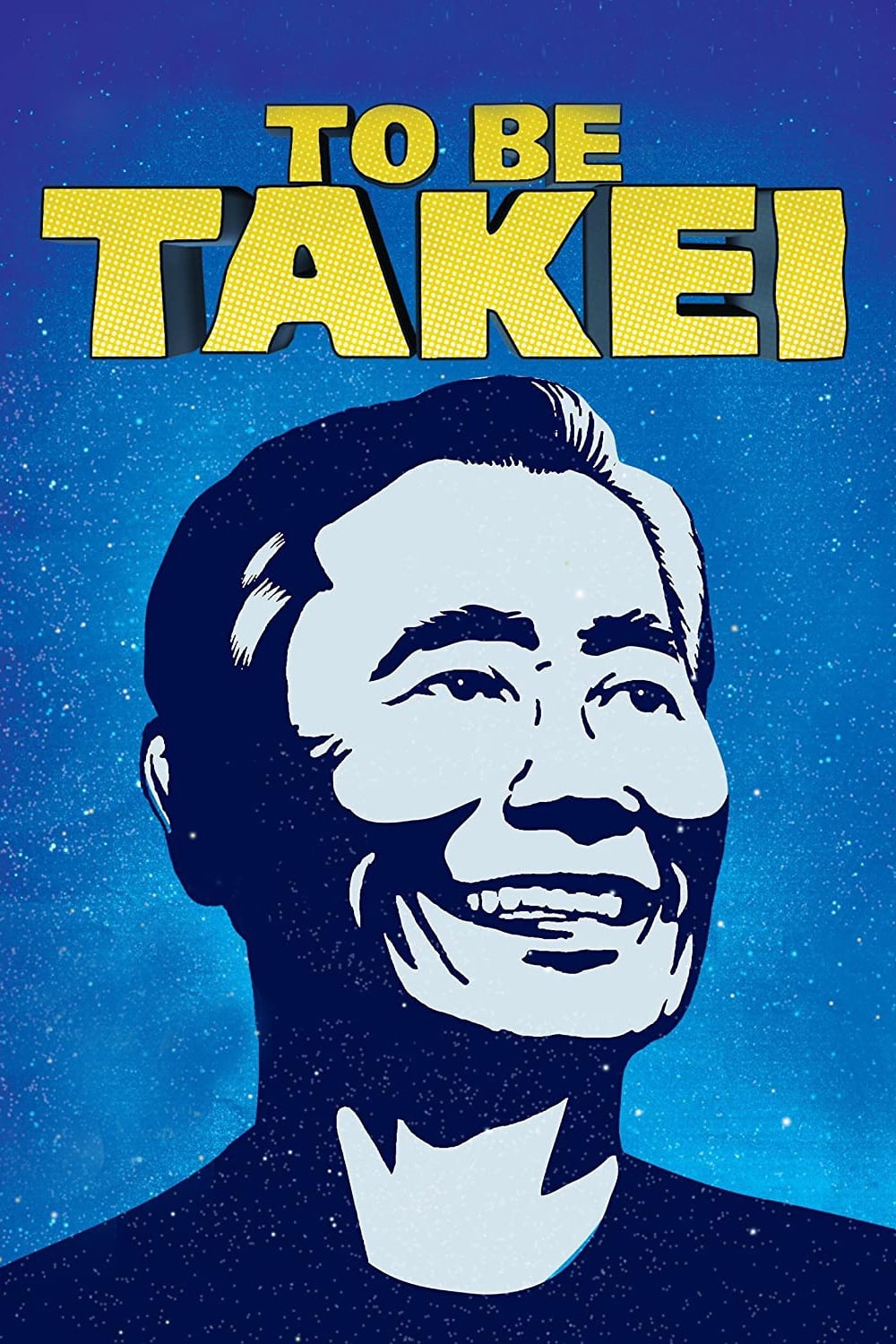
Over seven decades, actor and activist George Takei journeyed from a World War II internment camp to the helm of the Starship Enterprise, and then to the daily news feeds of five million Facebook fans. Join George and his husband, Brad, on a wacky and profound trek for life, liberty, and love.
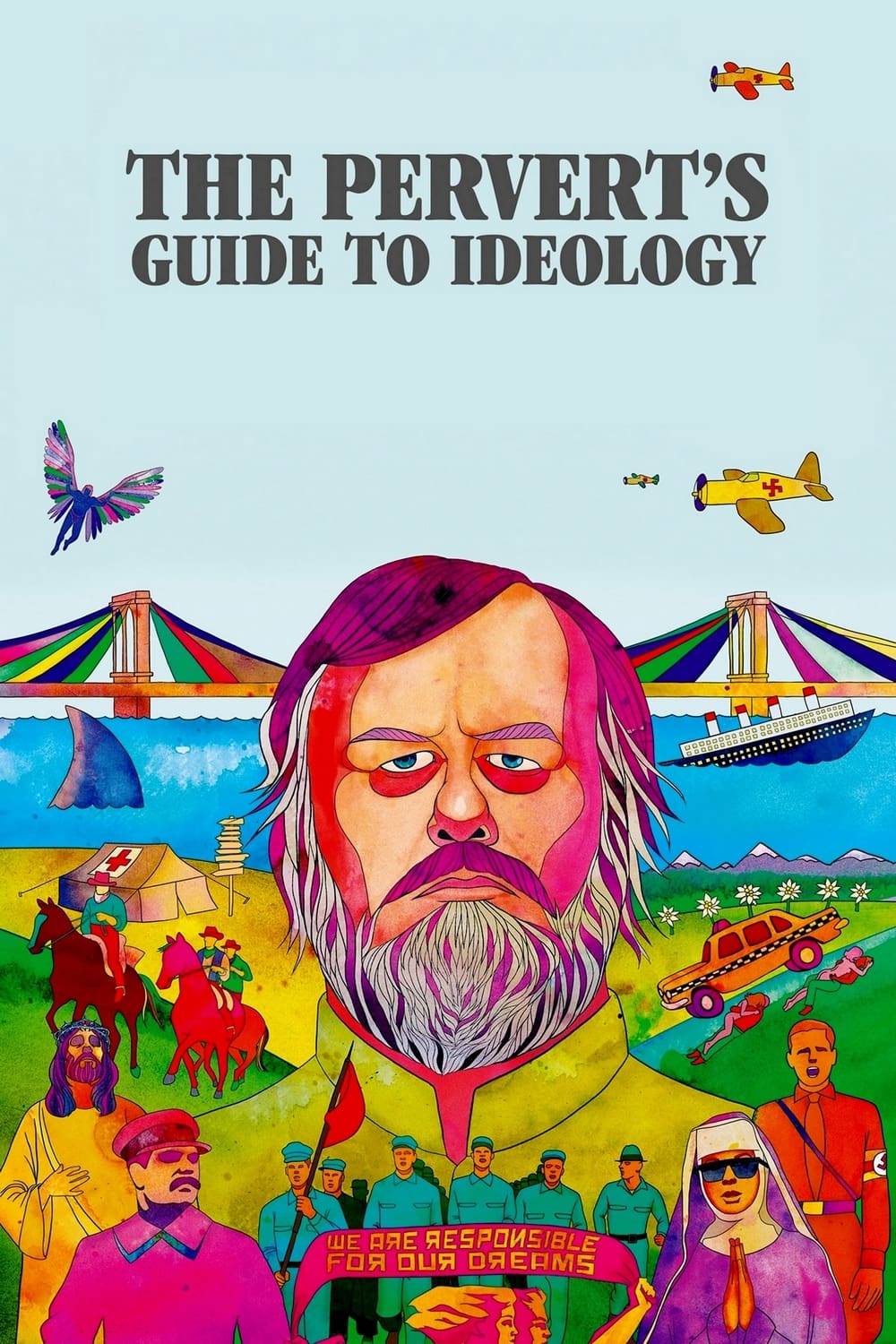
A journey into the labyrinthine heart of ideology, which shapes and justifies both collective and personal beliefs and practices: with an infectious zeal and voracious appetite for popular culture, Slovenian philosopher and psychoanalyst Slavoj Žižek analyzes several of the most important films in the history of cinema to explain how cinematic narrative helps to reinforce prevailing ethics and political ideas.
Using the book 'Fragments', which collects Marilyn Monroe's poems, notes and letters, and with participation from the Arthur Miller and Truman Capote estates who have contributed more material, each of the actresses will embody the legend at various stages in her life.
14-year-old Laura Dekker sets out on a two-year voyage in pursuit of her dream to become the youngest person ever to sail around the world alone.
An exploration of the heavy metal scene in Los Angeles, with particular emphasis on glam metal. It features concert footage and interviews of legendary heavy metal and hard rock bands and artists such as Aerosmith, Alice Cooper, Kiss, Megadeth, Motörhead, Ozzy Osbourne and W.A.S.P..
This revealing documentary honors the legendary Sidney Poitier—iconic actor, filmmaker, and civil rights activist. Featuring interviews with Denzel Washington, Spike Lee, Halle Berry, and more.
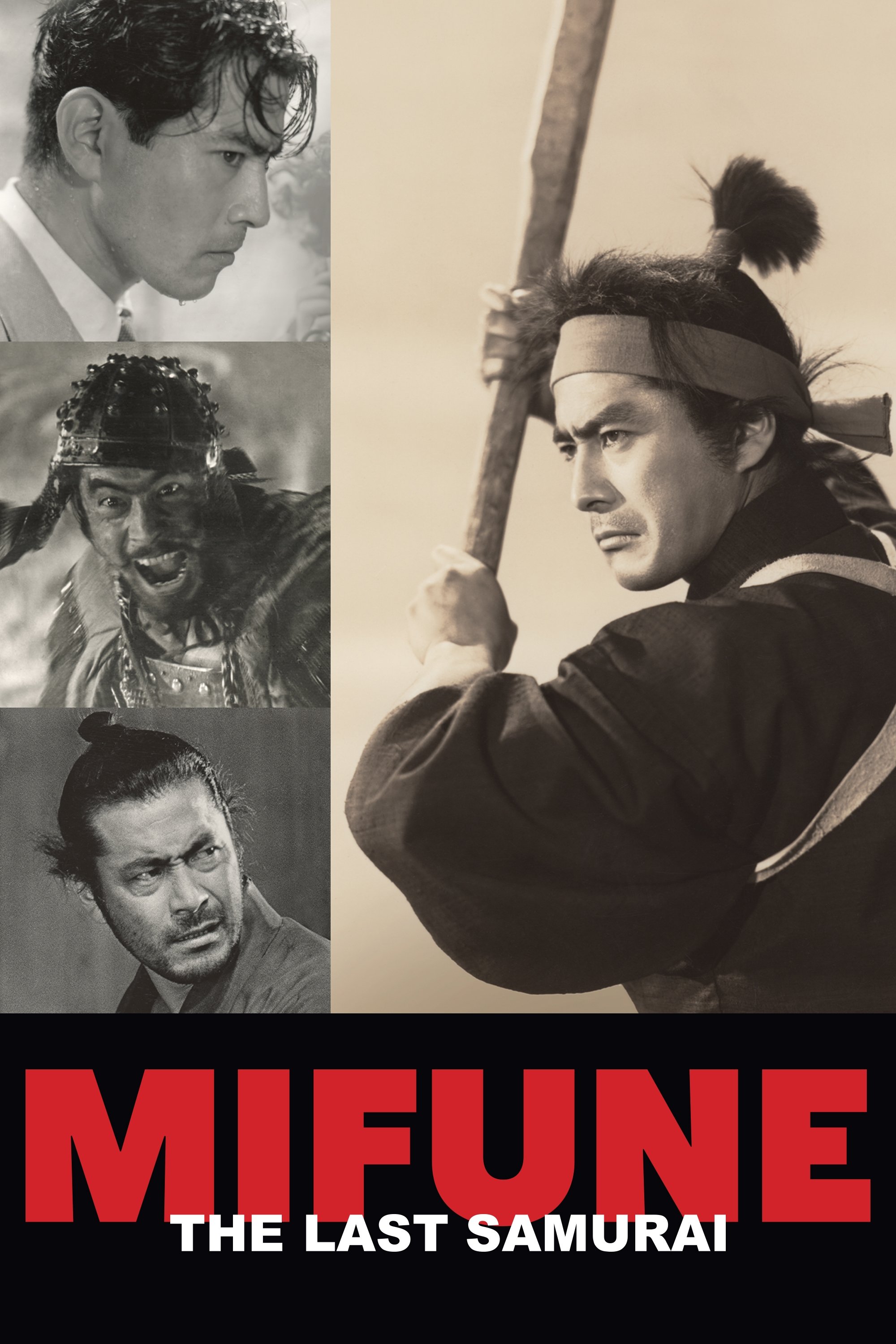
An account of the life and work of legendary Japanese actor Toshirō Mifune (1920-97), the most prominent actor of the Golden Age of Japanese cinema.