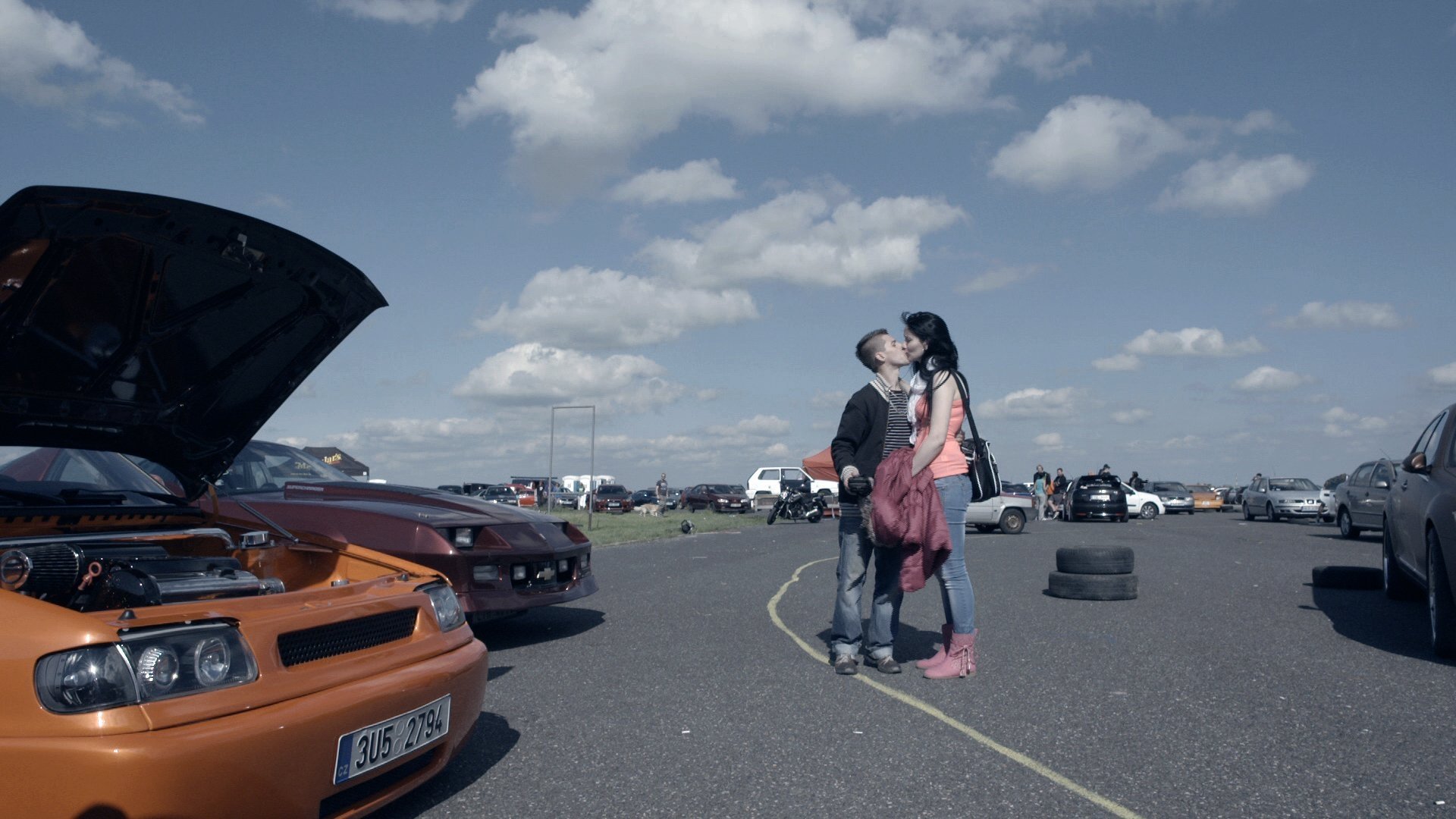
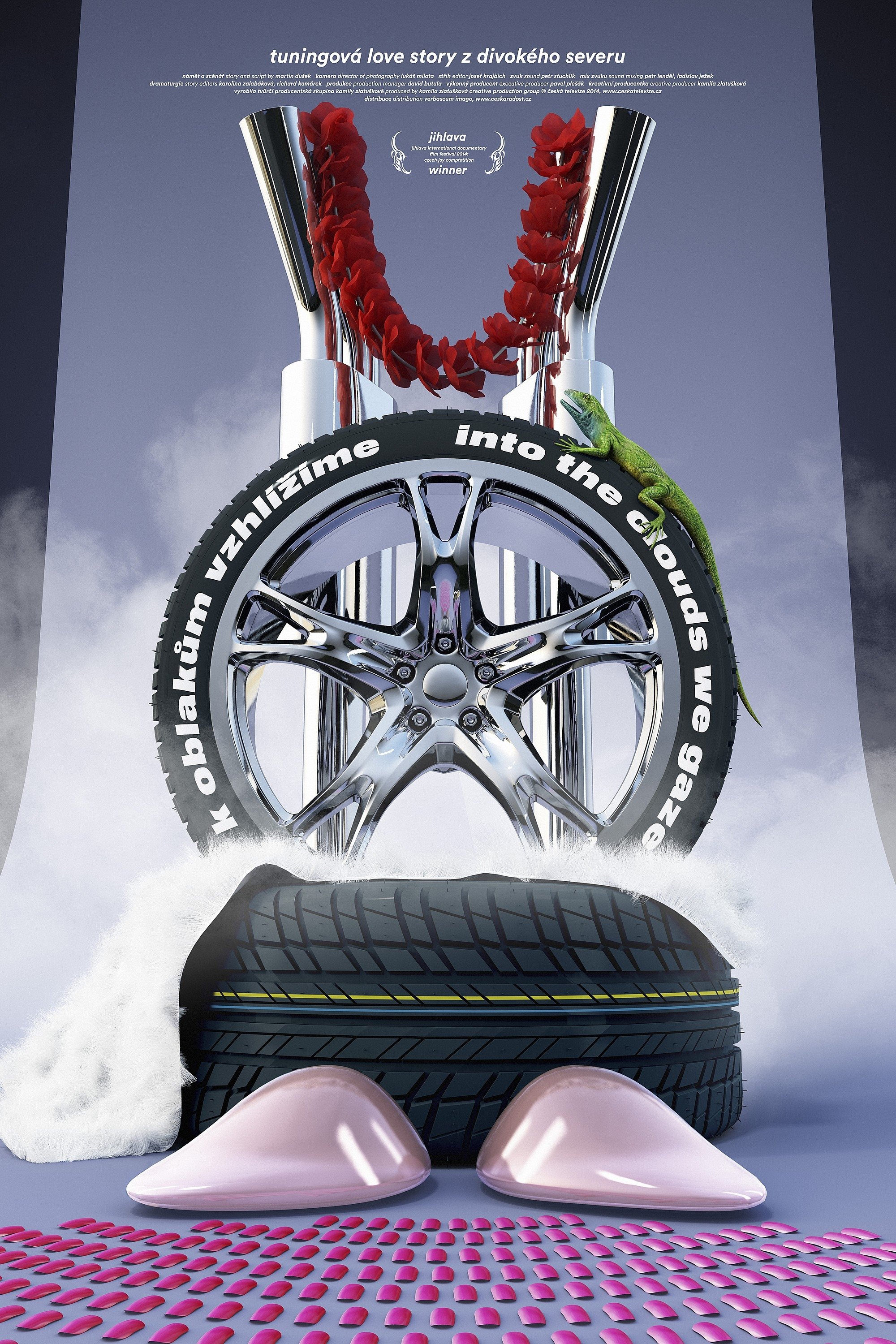
A gentle love story from the harsh environment of northern Bohemia.
Social & External
The people behind it
Radoslav Pešek
Veronika Čermáková
Ingrid Sobotová
Matěj Černý
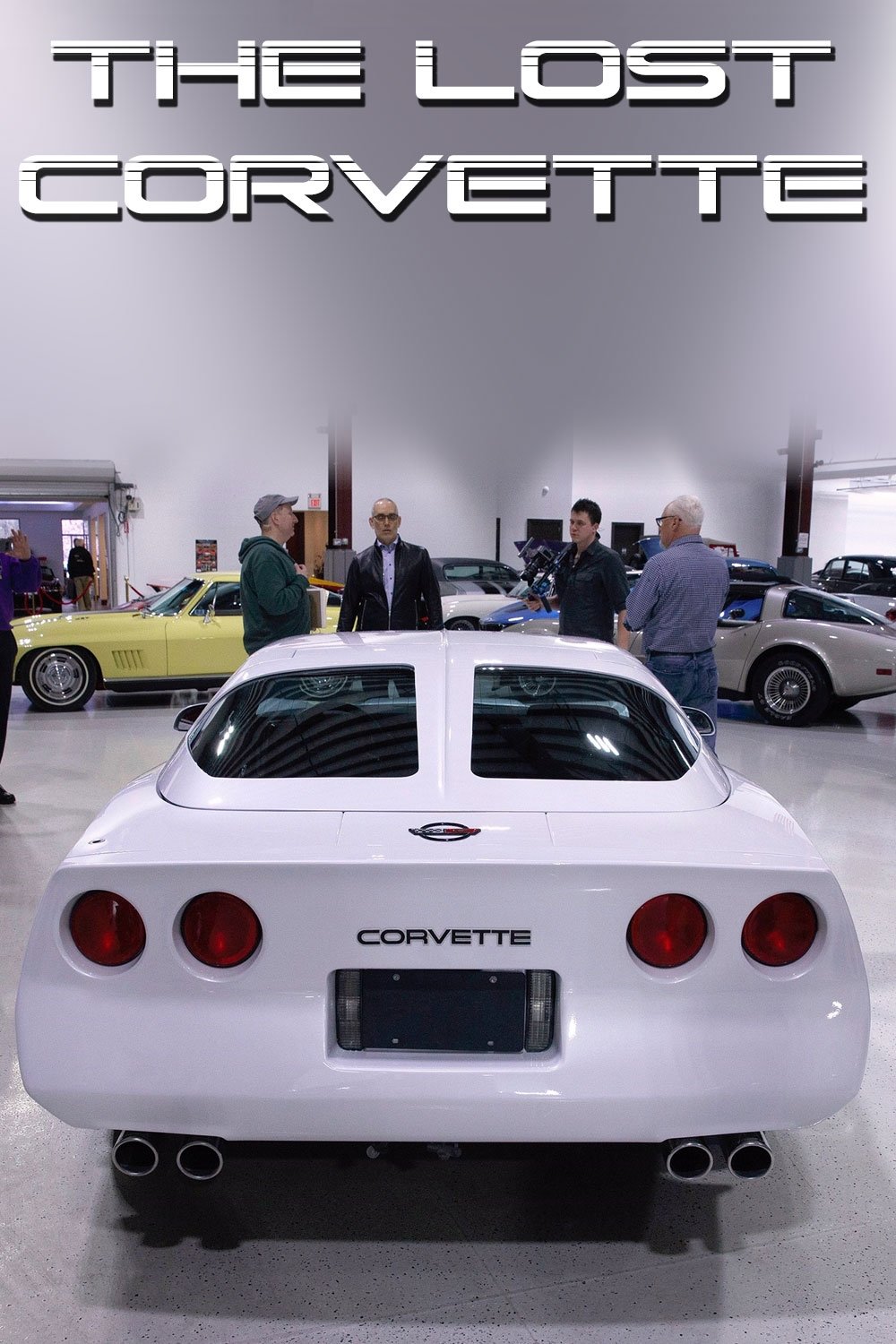
In 1983, for the first time since the brand’s inception in 1953, Chevrolet did not release a Corvette model for that year. Designs were drawn, parts ordered but no car was ever released. On what would have been a celebratory 30th anniversary – no ‘Vette hit the market. In this HISTORY special, die-hard Corvette expert and builder Chris Mazzilli will try to fix this missing piece of muscle car history as he and his team build a one-of-a-kind 1983 Corvette from the ground up. The creation will be presented to a panel of experts, including the Corvette designers who pulled the plug on releasing the ’83 originally, to see if it’s worthy.
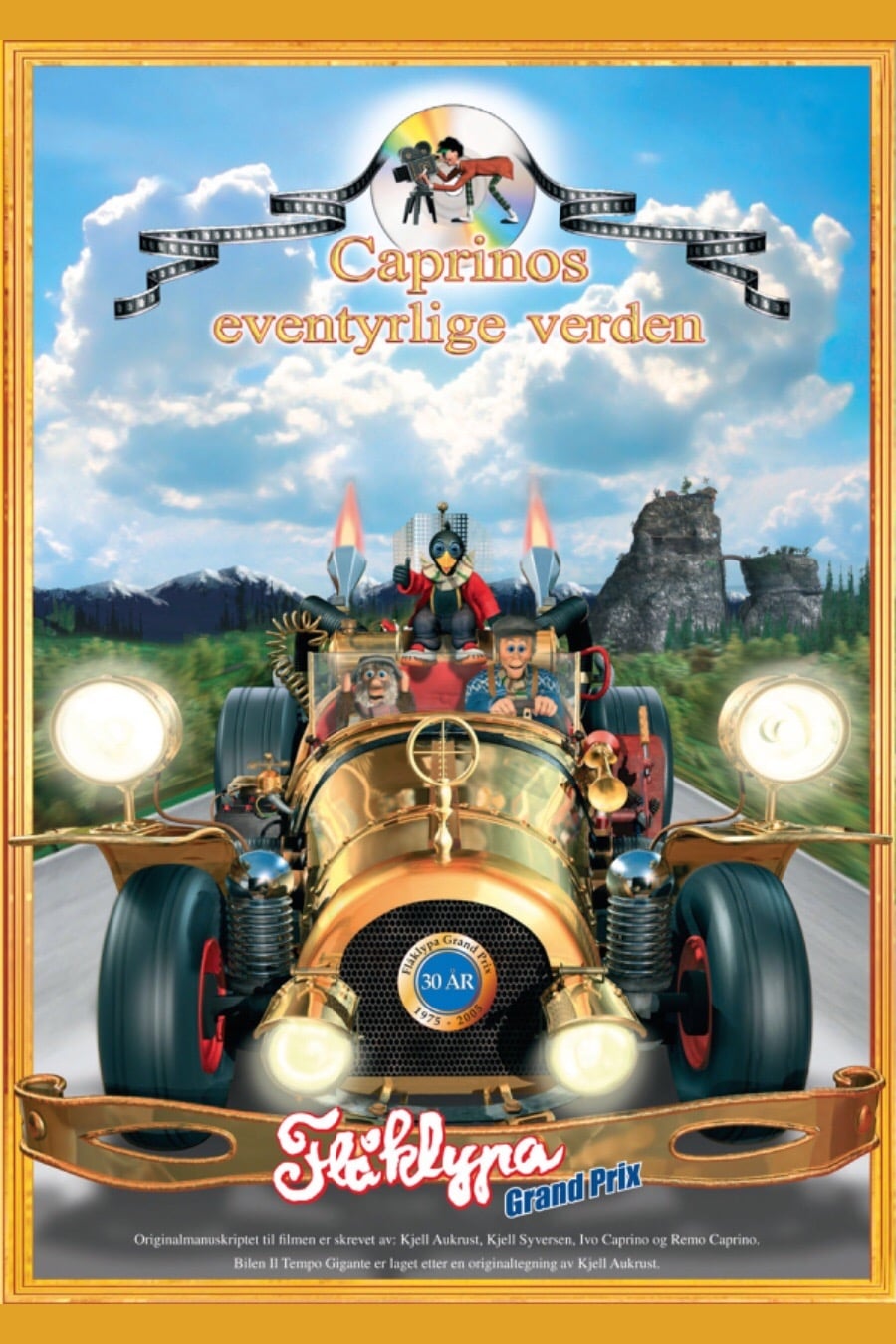
Remo Caprino loosely and grippingly tells the story about the making of the now beloved norwegian movie, the production itself and the cultural impact it has had for almost 40 years.
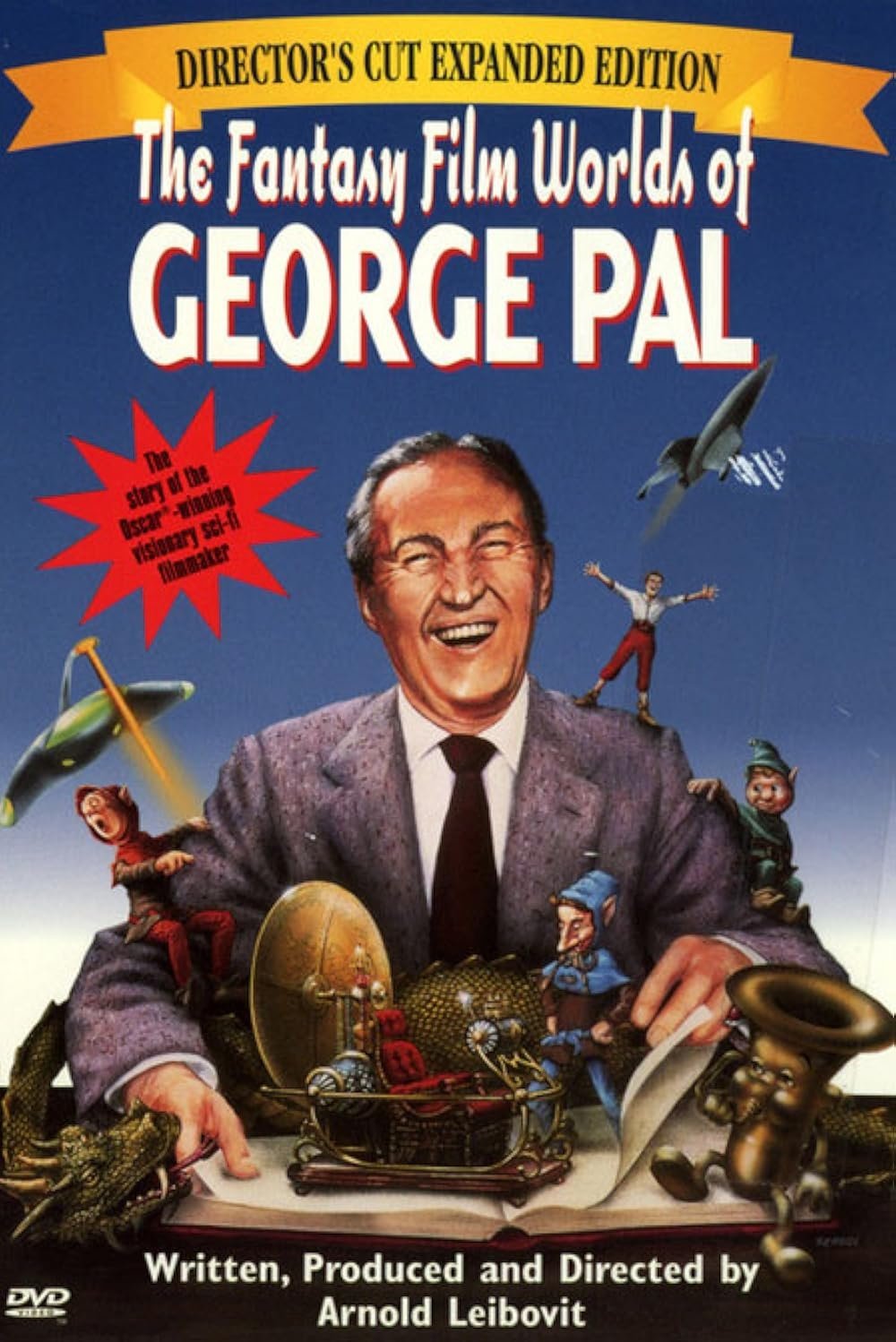
Among the legends of Hollywood, George Pal takes his place as a true visionary, an innovator and a showman who profoundly shaped the art of motion pictures. A peer of Walt Disney, Pal pioneered stop motion animation and went on to virtually invent the modern science fiction and fantasy film genres. Pal's extraordinary genius molded a dazzling array of films, which earned an incredible total of eight Academy Awards and left a cinematic legacy that served as formative inspiration for the movies of George Lucas, Steven Spielberg and Gene Roddenberry.
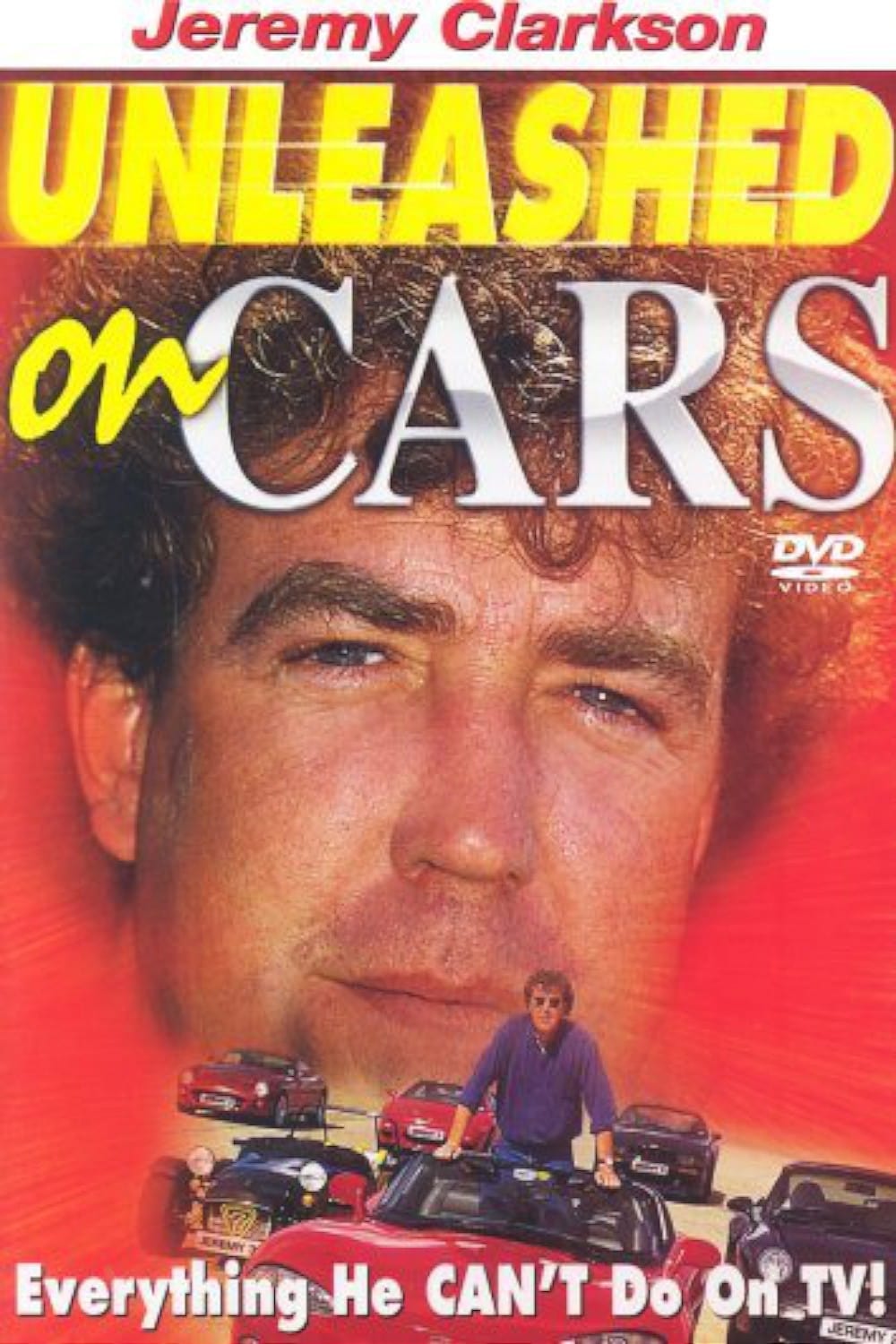
Jeremy Clarkson drives a wide range of vehicles as he attempts to find the "best car, in the world, ever."
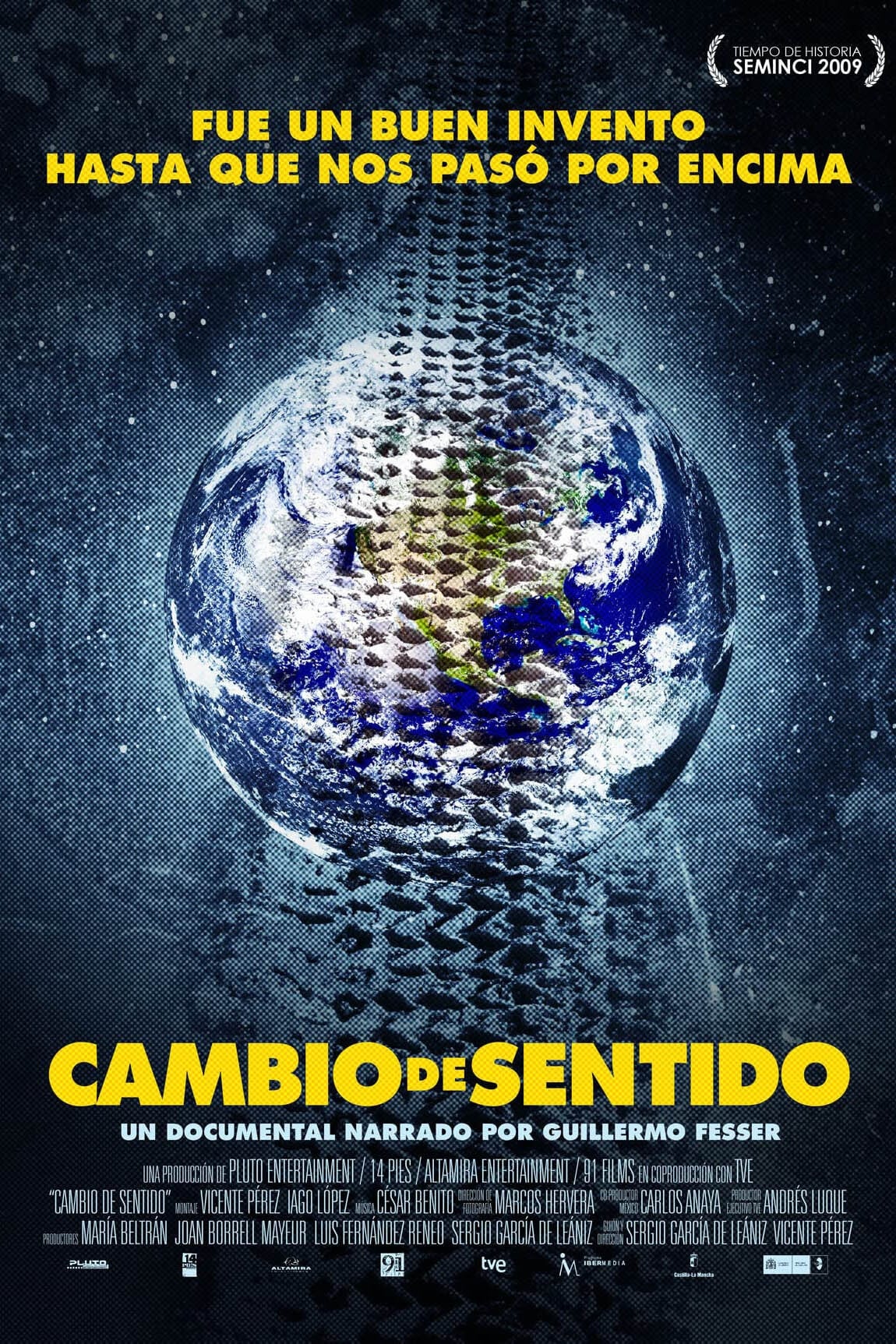
800 million units circulate around the globe. It is the largest contributor to air pollution worldwide and accounts for 8,300 deaths every day. And every night it sleeps in your garage.
Allow us to present yet another challenges bonanza crammed with volcanoes, World speed records, flying caravans, unstable Reliant Robins, jaw dropping races and cars exploding all over the place. No other programme offers so much, for so little of your I.Q. Motorhomes The Making of the Car Advert British Sports Cars Cheap Saloons in Germany The Dakar Car Versus the Snowmobiles Topsy Turvy Reliant Robins The Veyron in Hyperdrive Airport Vehicles Race The Caravan Airship The Twingo in Belfast May's Volcanic Adventure Gravity Drop Race
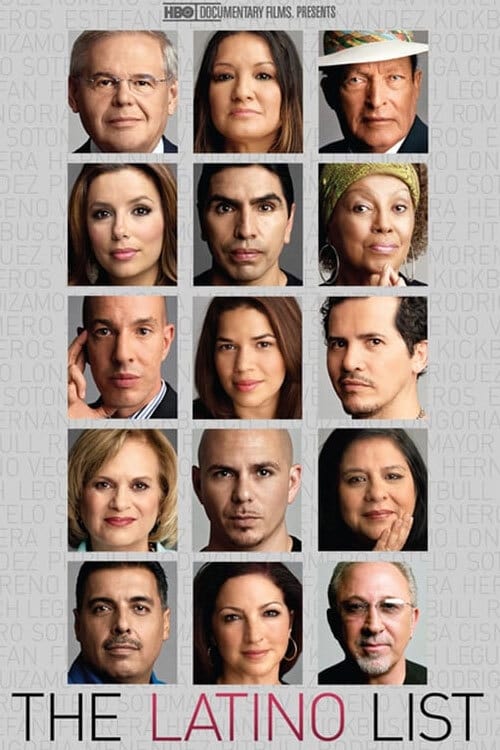
Documentary film interviews leading Latinos on race, identity, and achievement.
Documentary about hot rods.
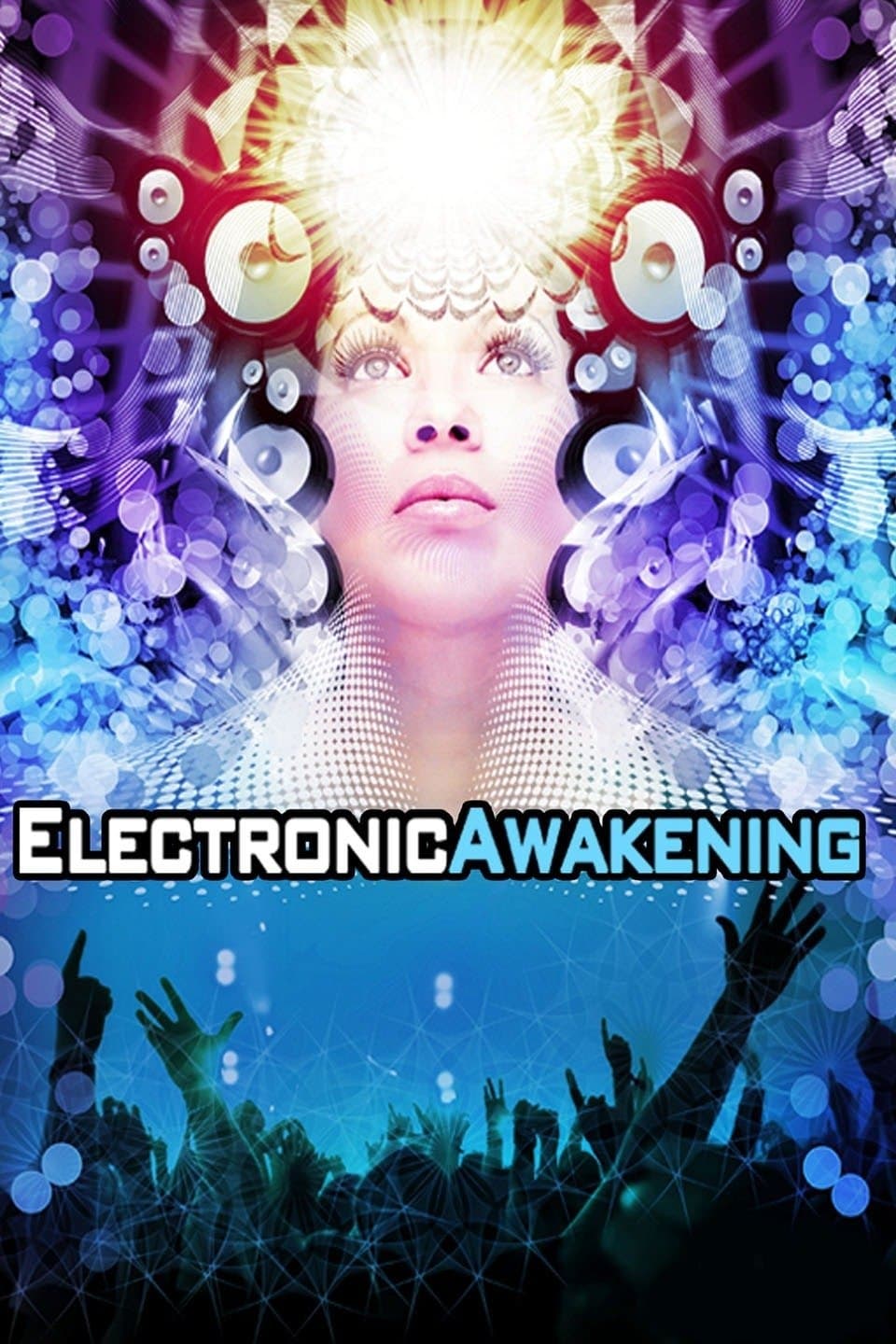
A documentary following the conscious evolution of electronic music culture and the spiritual movement that has awakened within.
This documentary is featured on the DVD for Captain Blood (1935), released in 2005.
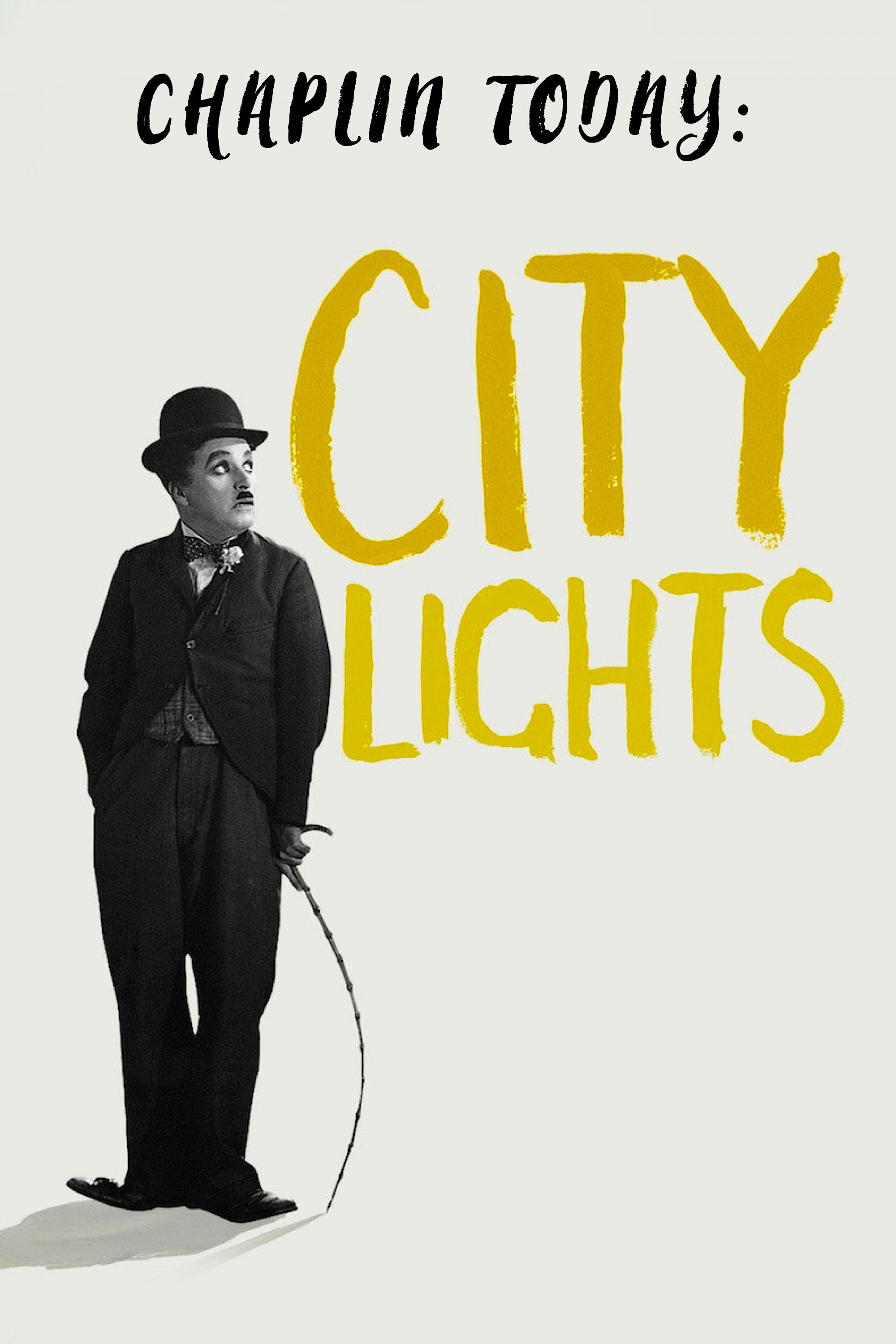
In 1928, as the talkies threw the film industry and film language into turmoil, Chaplin decided that his Tramp character would not be heard. City Lights would not be a talking picture, but it would have a soundtrack. Chaplin personally composed a musical score and sound effects for the picture. With Peter Lord, the famous co-creator of Chicken Run and Wallace & Gromit, we see how Chaplin became the king of slapstick comedy and the superstar of the movies.
A documentary incorporating footage of Montgomery Clift’s most memorable films; interviews with family and friends, and rare archival material stretching back to his childhood. What develops is the story of an intense young boy who yearned for stardom, achieved notable success in such classic films as From Here to Eternity and I Confess, only to be ruined by alcohol addiction and his inability to face his own fears and homosexual desires. Montgomery Clift, as this film portrays him, may not have been a happy man but he never compromised his acting talents for Hollywood.
Children love cars! Police and fire trucks, the construction of cars, from the popular to rare cars that are not often seen, such as a vehicles that work at the airport. Lots are a variety of cars from various places!
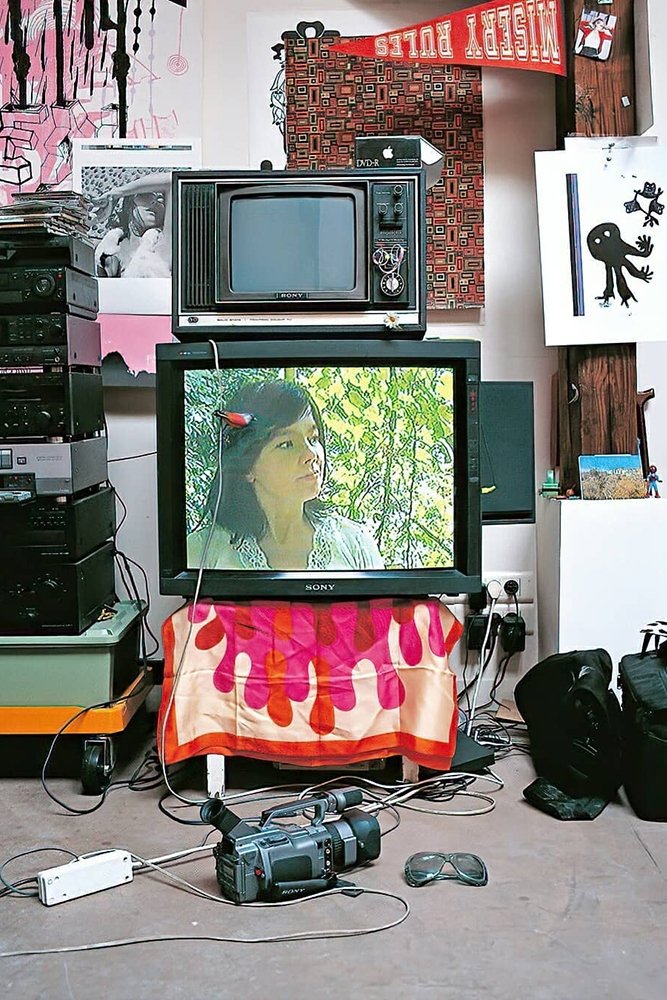
This documentary offers a behind-the-scenes look at Björk and her touring entourage for the 2001 Vespertine tour. It includes interviews with harpist Zeena Parkins, the Inuit choir from Greenland, electronic duo Matmos, and an ongoing conversation with Björk herself about her recordings and her tours. The documentary is interspersed with live footage of songs from the tour shot by Ragnheidur Gestsdóttir, which themselves correspond to the performances chosen for the Vespertine Live album.
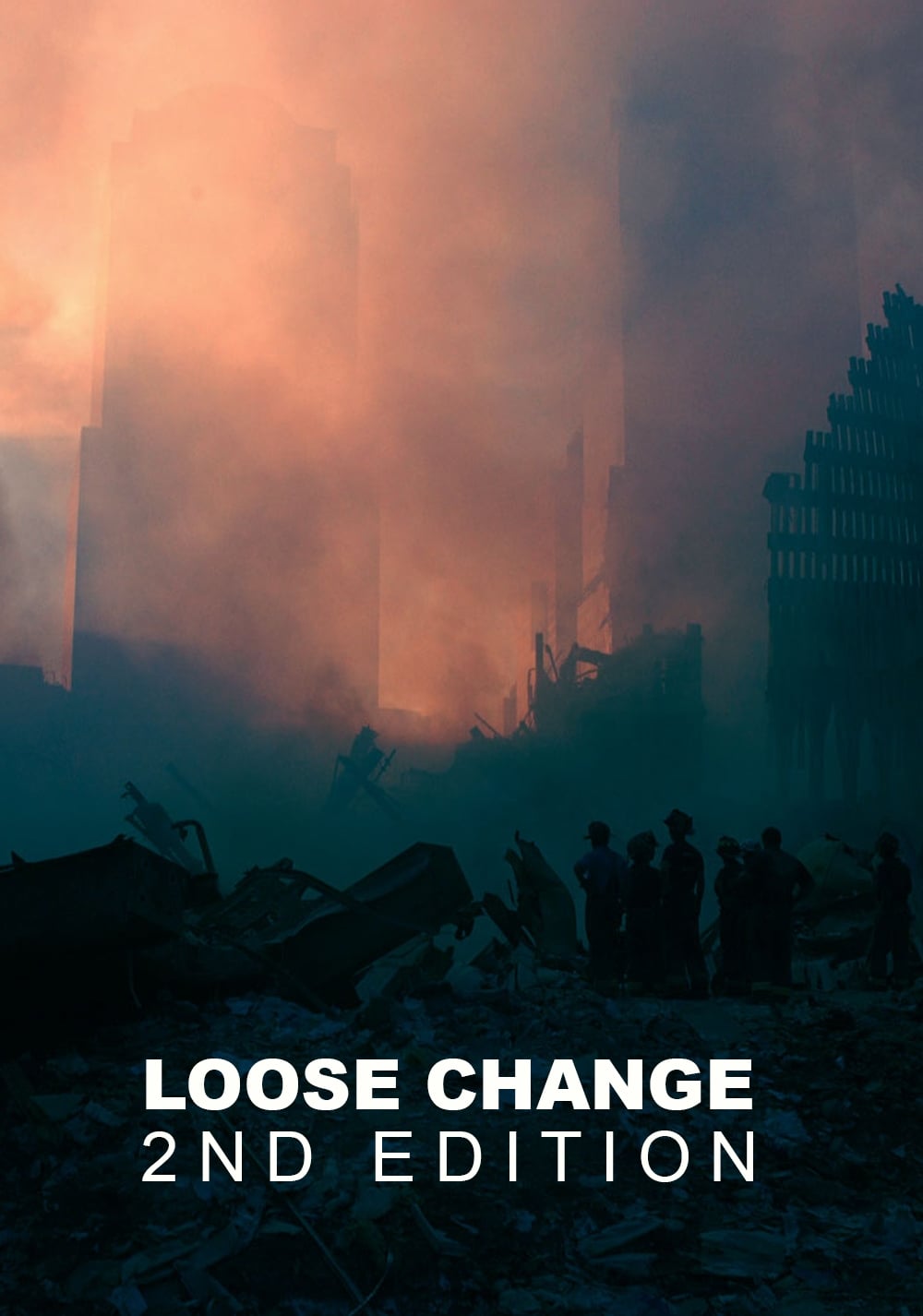
2nd Edition of Loose Change documentary. What if...September 11th was not a surprise attack on America, but rather, a cold and calculated genocide by our own government?We were told that the twin towers were hit by commercial jetliners and subsequently brought down by jet fuel. We were told that the Pentagon was hit by a Boeing 757. We were told that flight 93 crashed in Shanksville, Pennsylvania. We were told that nineteen Arabs from halfway across the globe, acting under orders from Osama Bin Laden, were responsible. What you will see here will prove without a shadow of a doubt that everything you know about 9/11 is a complete fabrication. Conspiracy theory? It's not a theory if you can prove it.Written and narrated by Dylan Avery, this film presents a rebuttal to the official version of the September 11, 2001 terrorist attacks and the 9/11 Commission Report.
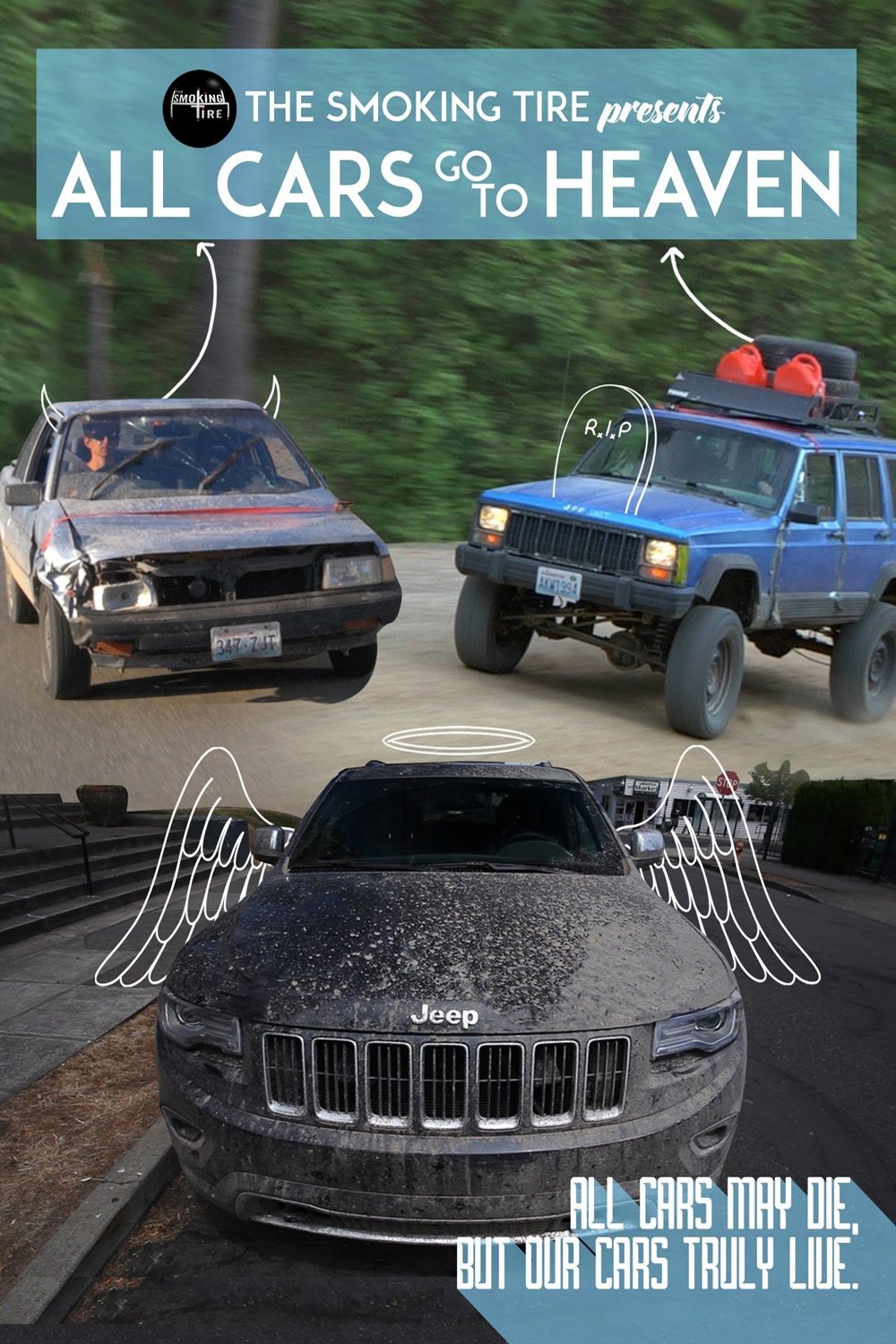
Why did the team behind "The Smoking Tire" decide to drive 600 miles, off-road, in a cheap car that they bought over the phone? Is it because they have deep knowledge of outdoor survival and automotive maintenance? No. Definitely not. They did it because away from roads, street signs, people, and police, they would be free to experience every aspect of driving; the good, the bad, and the ugly. There's no one to say, "Don't stand on that moving car." or "Don't run into that." or, "That seems really stupid." If you love cars, total vehicular freedom is your idea of heaven. This series is about 4 guys testing the limits of automobiles, and bringing them to heaven.
Jonathan Ross delves into the world of James Bond and meets with new and former cast members who reveal humorous stories and anecdotes in a series of interviews. All the 5 Bonds at the time are featured, though only Lazenby (reflecting in the usual frank, self criticizing manner), Moore and Brosnan granted an interview. Connery and Dalton are featured through some unused footage from LWT's 30 years of James Bond program. The ever faithful Desmond Llewelyn turns up in character as well as some other less related peeps like Christopher Lee, Paul McCartney and the ultimate playboy: Hugh Hefner -- who all give an interesting perspective on the worlds most famous spy.
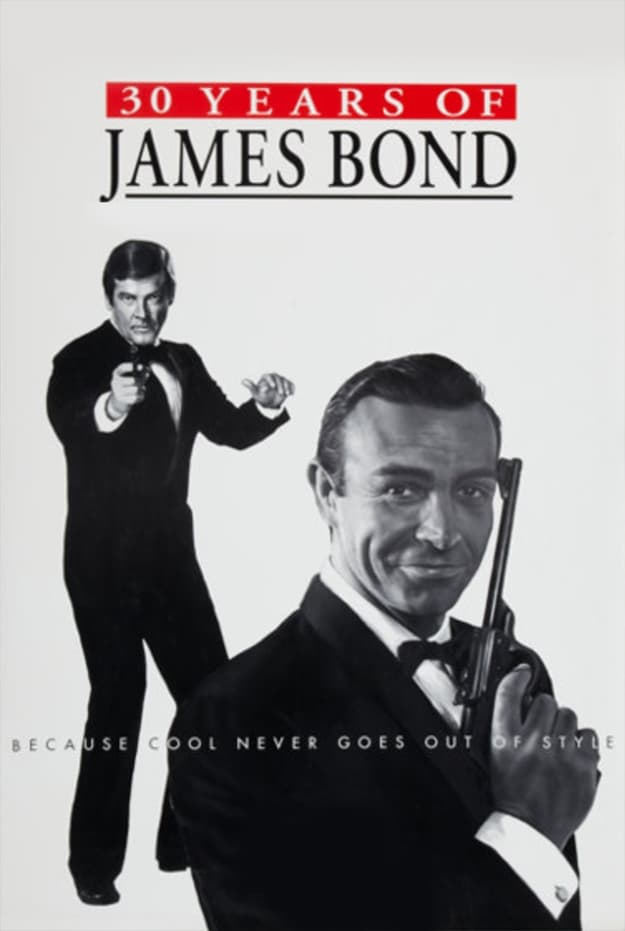
An examination of why the James Bond films have proved so popular including a discussion between the four actors who have played Bond, an interview with Cubby Broccoli and contributions from the directors, production designers, special effects and stuntmen.
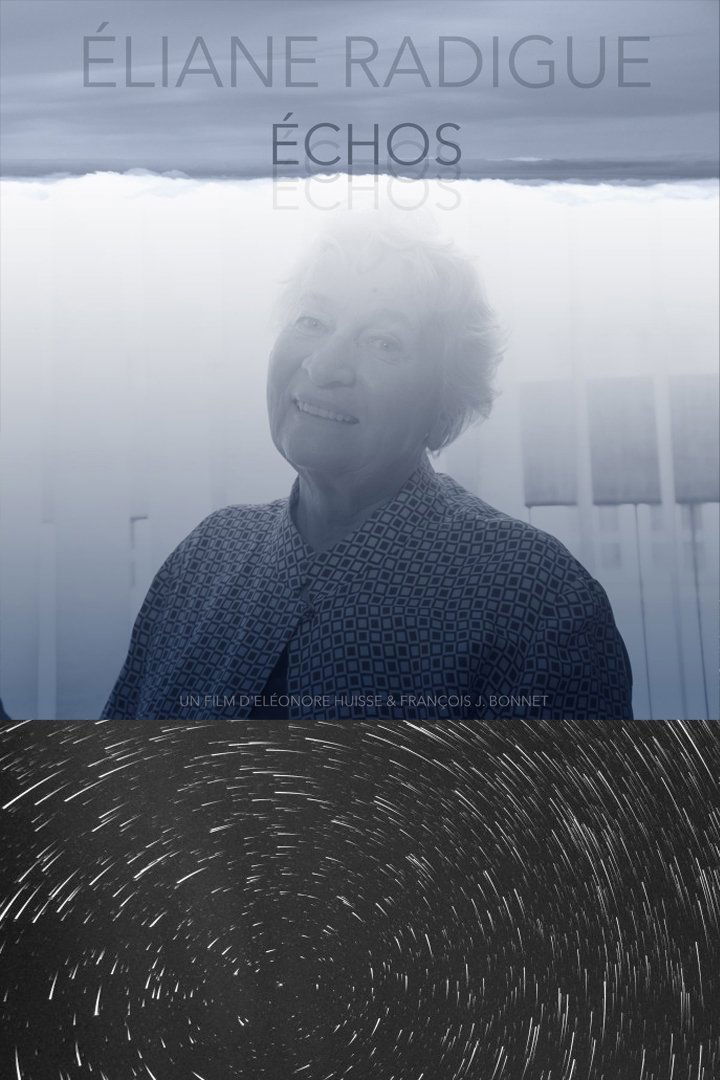
This new film approaches the world of French sound pioneer Éliane Radigue (*1932) from a perspective of close proximity. French filmmaker Eléonore Huisse and sound artist François J. Bonnet visit their friend Éliane’s home in Paris in times of social distancing and lockdown to explore questions pertaining to solitude, imagination, retreat, the inner voice and temporality – questions that resonate with Radigue’s work, philosophy and way of living as much as with the acute collective experience of suspension and isolation brought about by the ongoing COVID-19 pandemic.
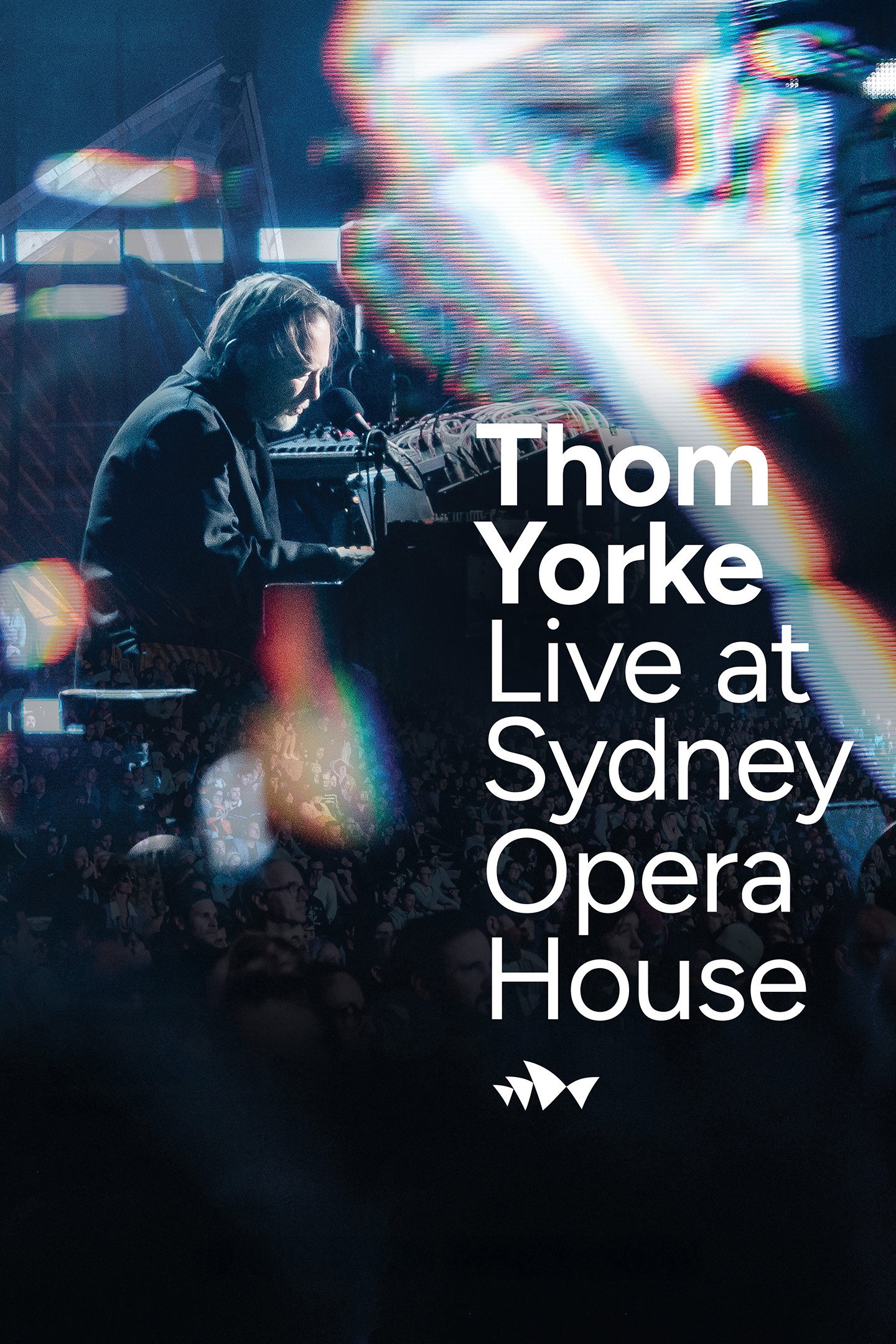
This concert film documents the debut Sydney solo shows of English singer, songwriter and multi-instrumentalist Thom Yorke, one of the most acclaimed musicians of his generation. Filmed against the iconic backdrop of the Sydney Opera House across two nights on the Forecourt in November 2024, this film covers all aspects of Yorke's career as a recording artist and Radiohead frontman, offering fans an intimate peek behind the curtain as he ties the many eclectic strands of his career together with his show-stopping falsetto and magnetic stage presence.
In an intimate and joyful story of love in the face of loss, celebrated poets Andrea Gibson and Megan Falley find strength—and unexpected hilarity—in what might be their final year together.
An inside look at one of the most anticipated movie sequels ever with James Cameron and cast.
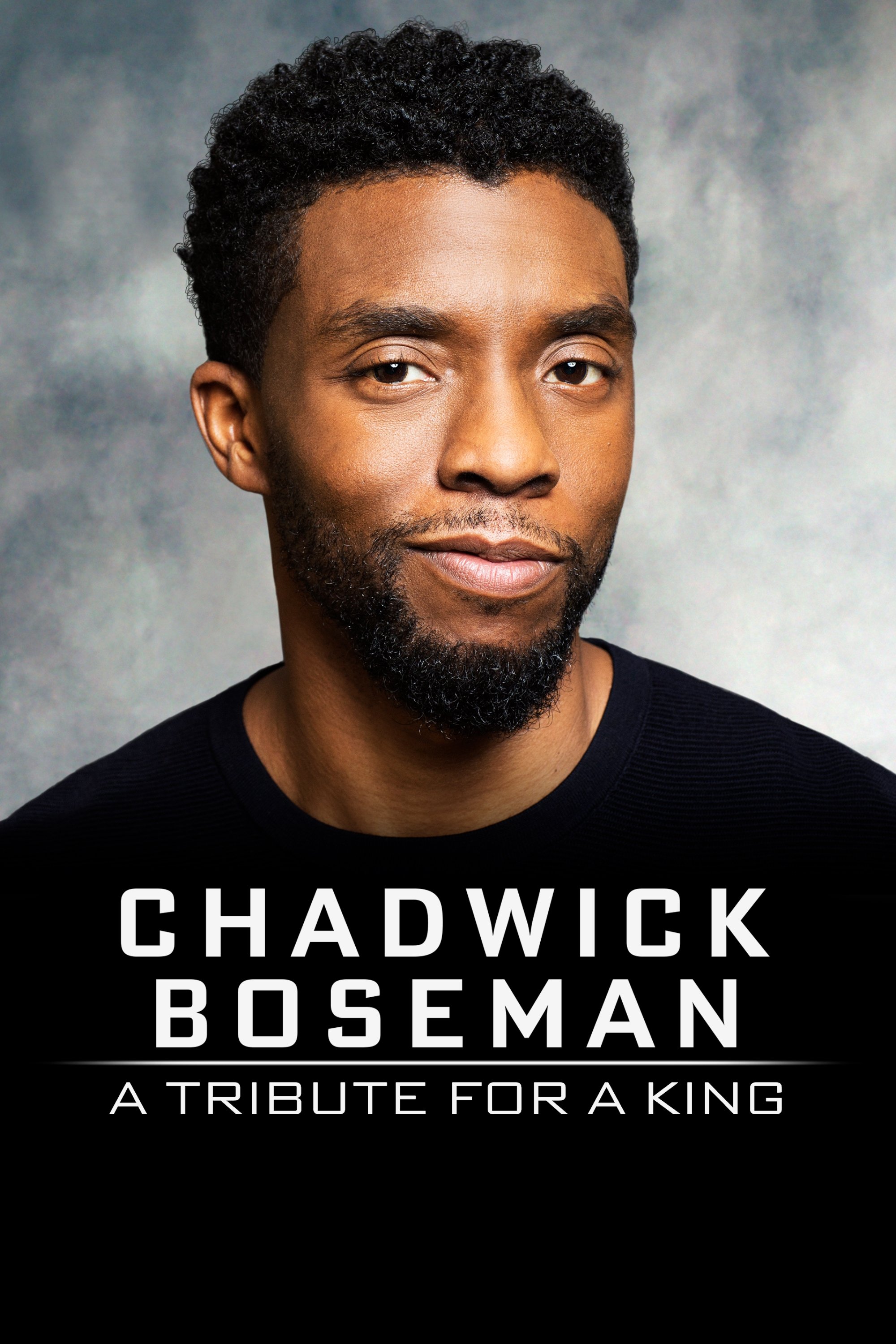
A tribute to Chadwick Boseman, celebrating his life and legacy.
Musician and performance artist Laurie Anderson reflects on the deaths of her husband Lou Reed, her mother and her beloved dog.
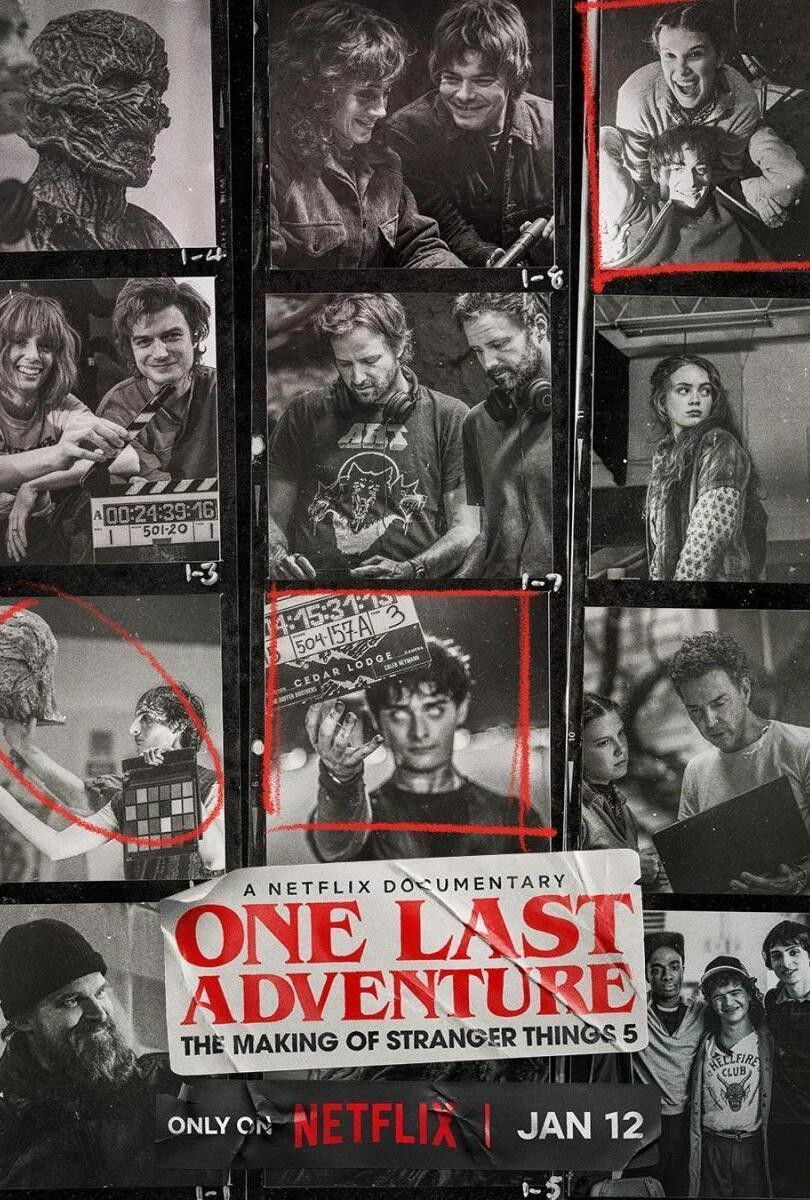
An inside look at the years of effort and craft that went into the final installment of the Duffer Brothers' generation-defining series.
Through deeply personal interviews with her siblings and an examination of the photographs, letters, and belongings left behind, Mariska assembles a new portrait of her mother Jayne Mansfield, an extraordinary and complex woman.
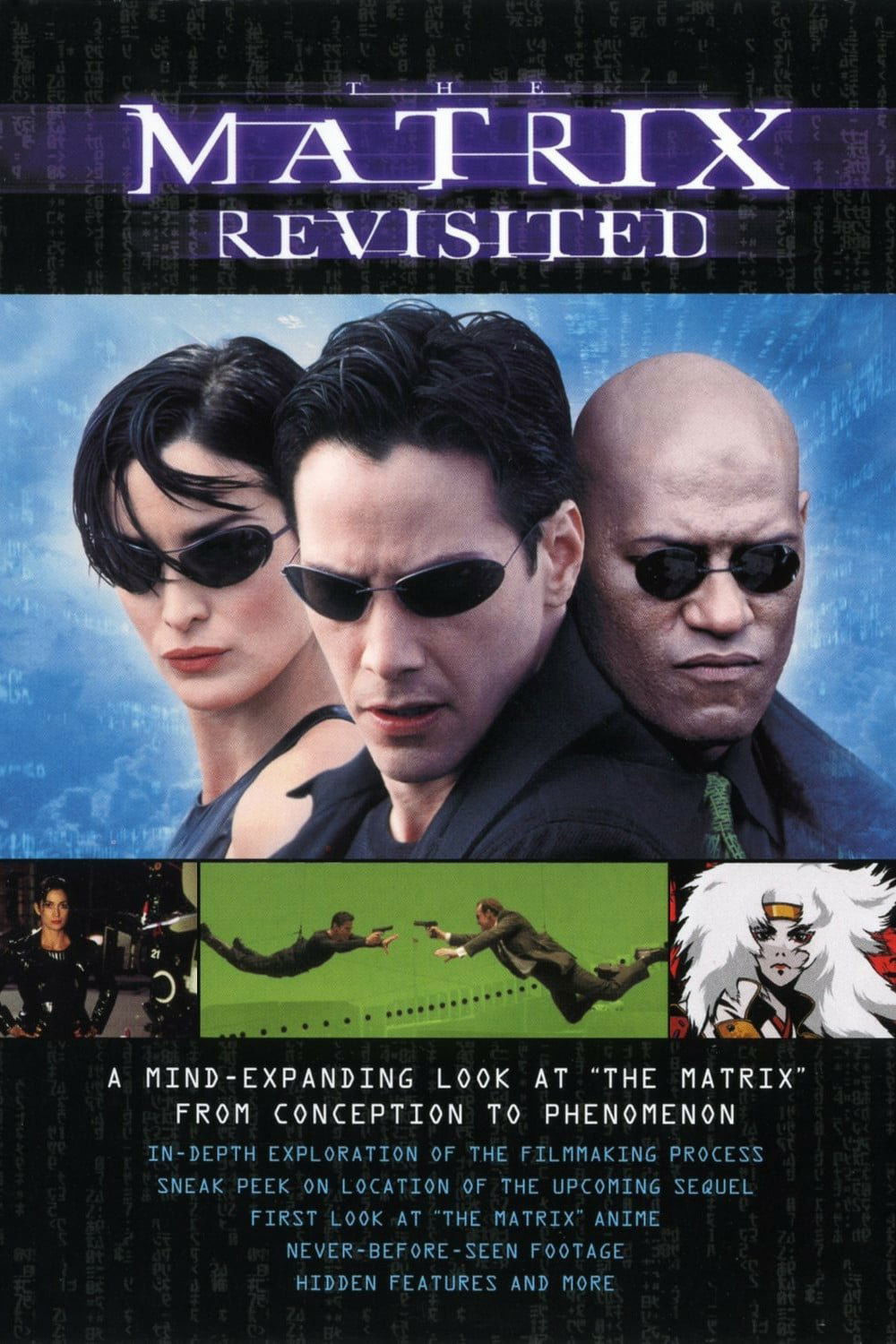
The film goes behind the scenes of the 1999 sci-fi movie The Matrix.
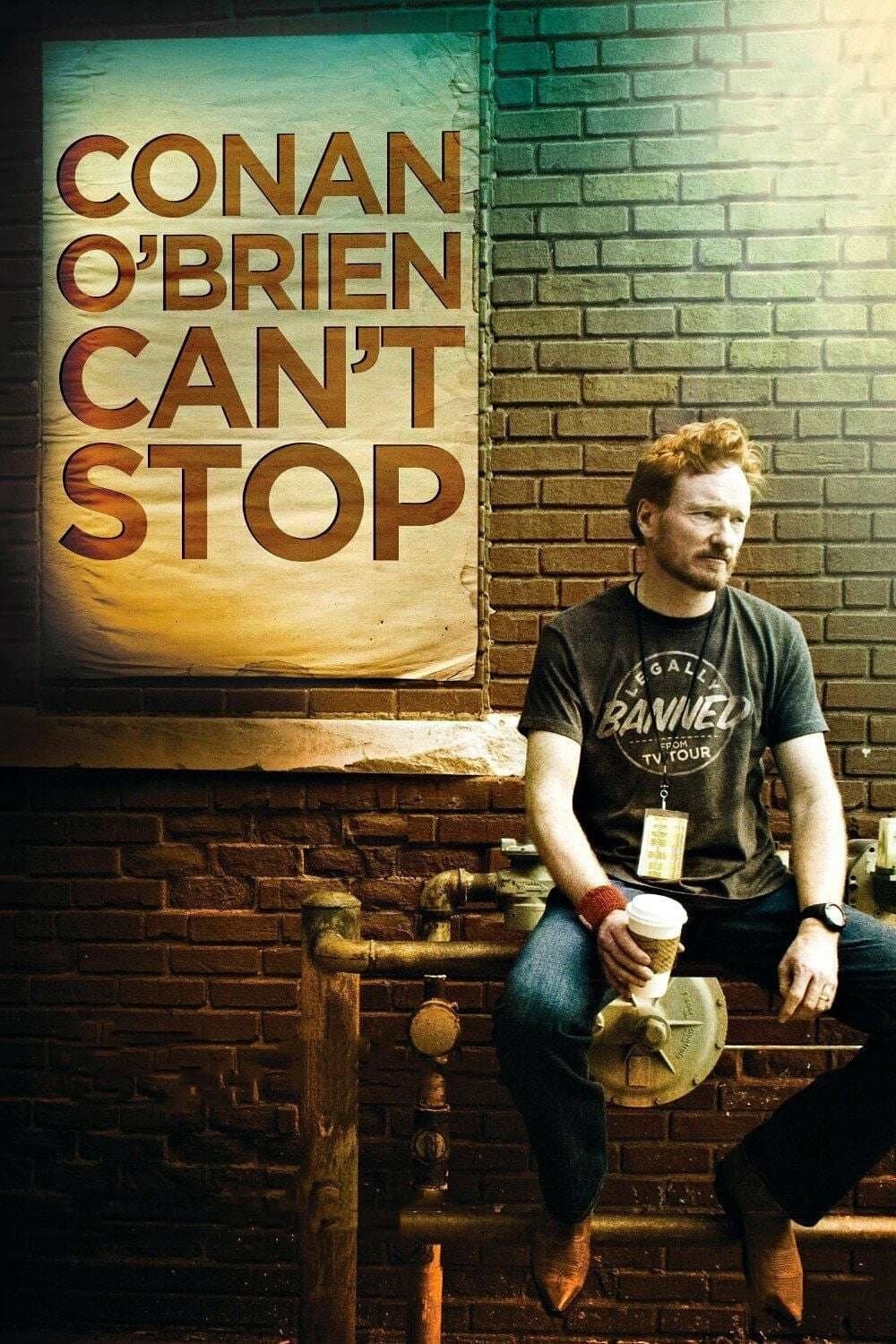
A documentary that follows the former Tonight Show host. Filmed during Conan’s ”Legally Prohibited From Being Funny on Television” comedy tour, after his departure from the Tonight Show, taking viewers on an intimate journey of O’Brien’s life.
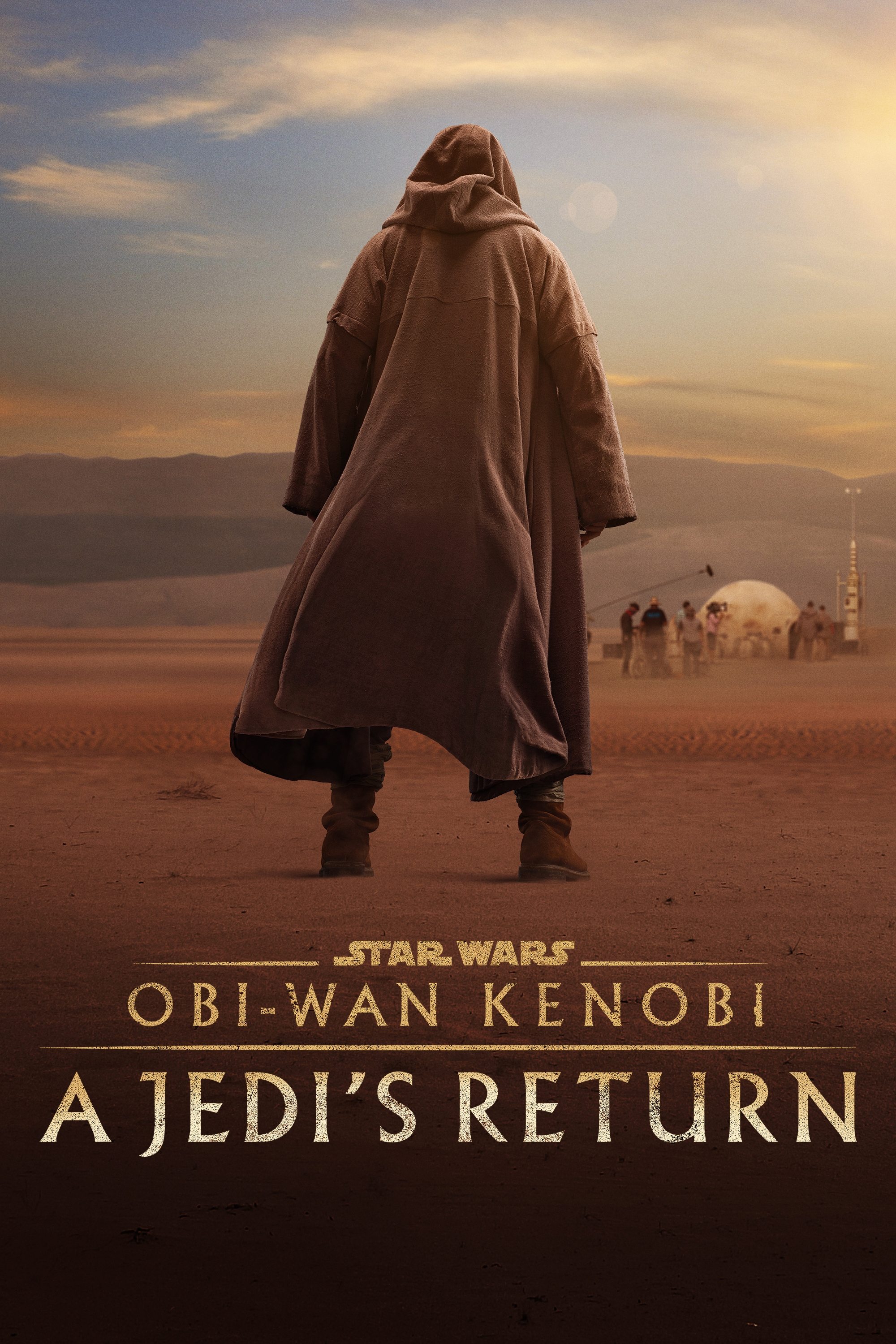
This special explores the return of Obi-Wan Kenobi and Anakin Skywalker to the screen, as well as Ewan McGregor and Hayden Christensen to their classic roles. Director Deborah Chow leads the cast and crew as they create new heroes and villains that live alongside new incarnations of beloved Star Wars characters, and an epic story that dramatically bridges the saga films.
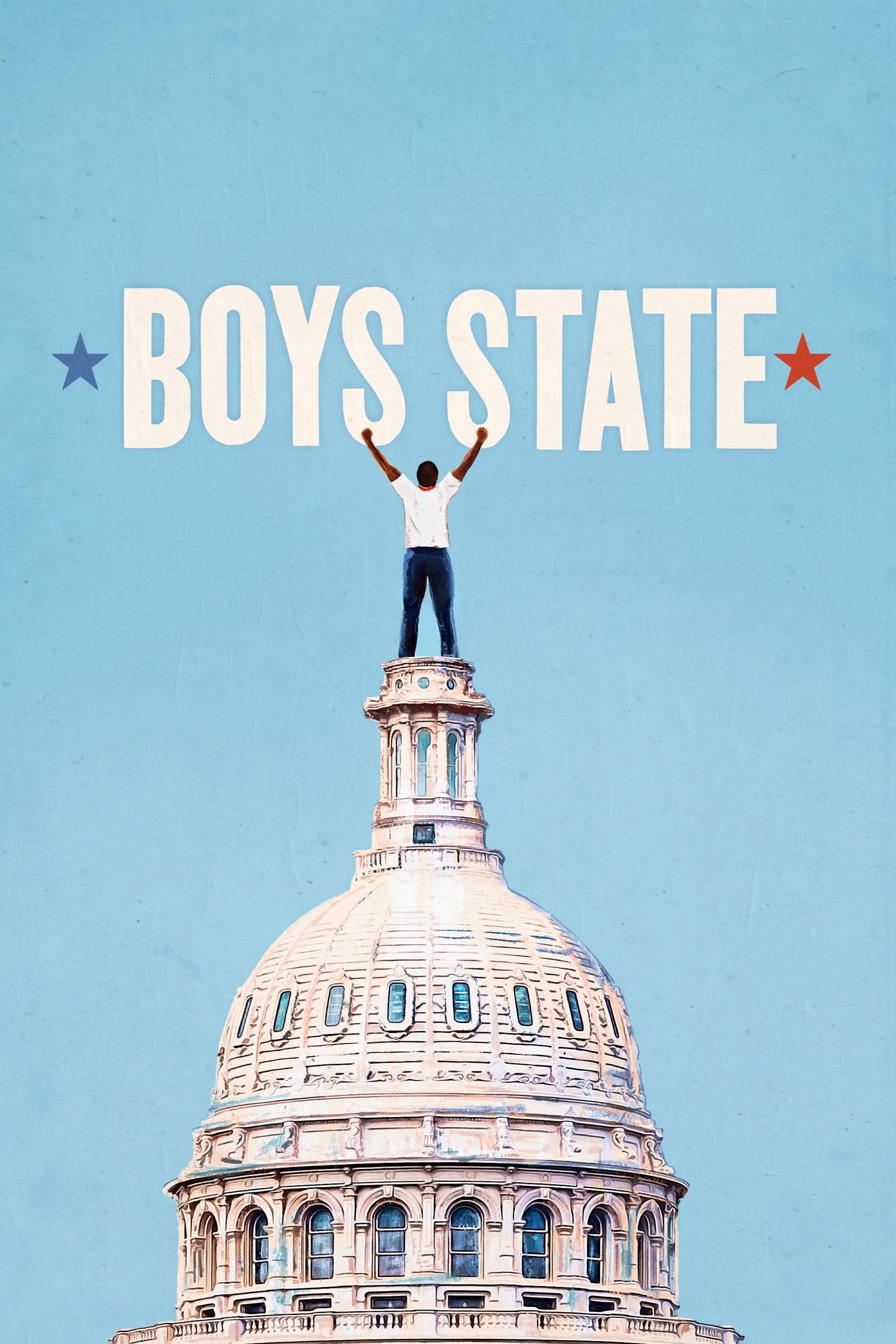
This raucous journey into the heart of democracy captures an unusual rite of passage: 1,100 teenage boys from across Texas coming together to build a representative government from the ground up.
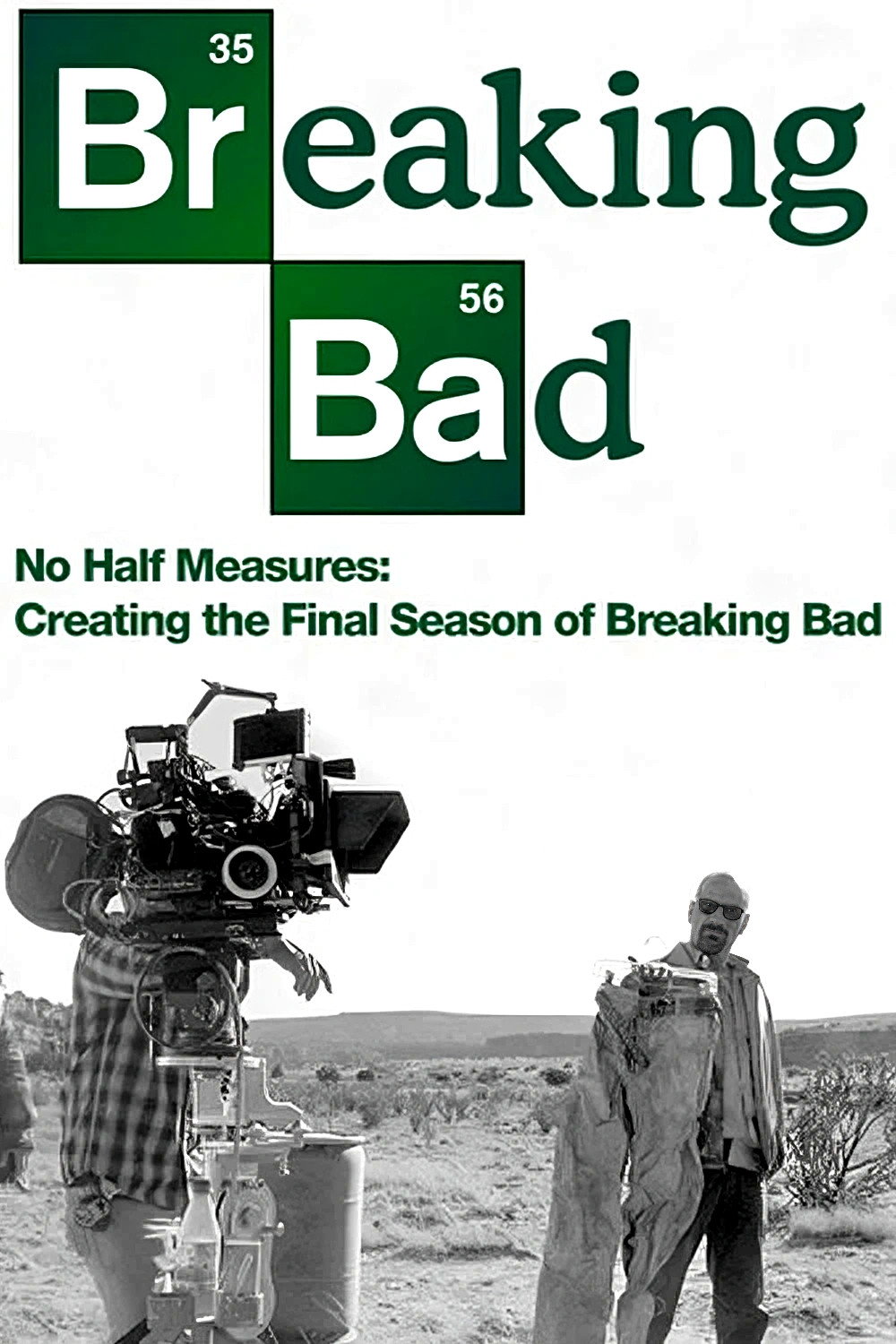
A documentary about the making of season five of the acclaimed AMC series Breaking Bad.
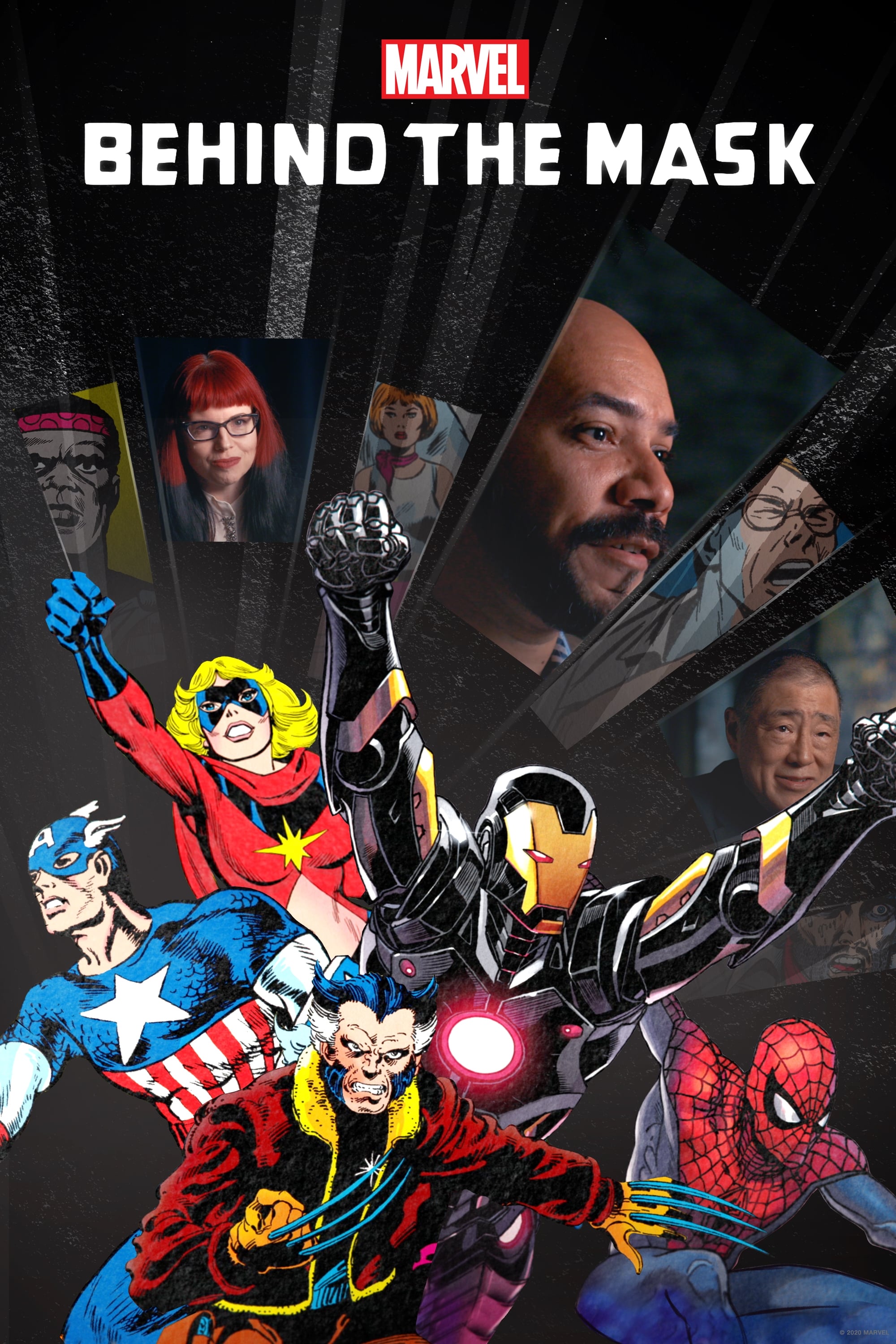
A documentary special that explores the power of identity behind the iconic superheroes we know and love today. These legendary Marvel creations and stories have not only reflected the world outside our window – they have become a reflection of our own identities and who we truly are.
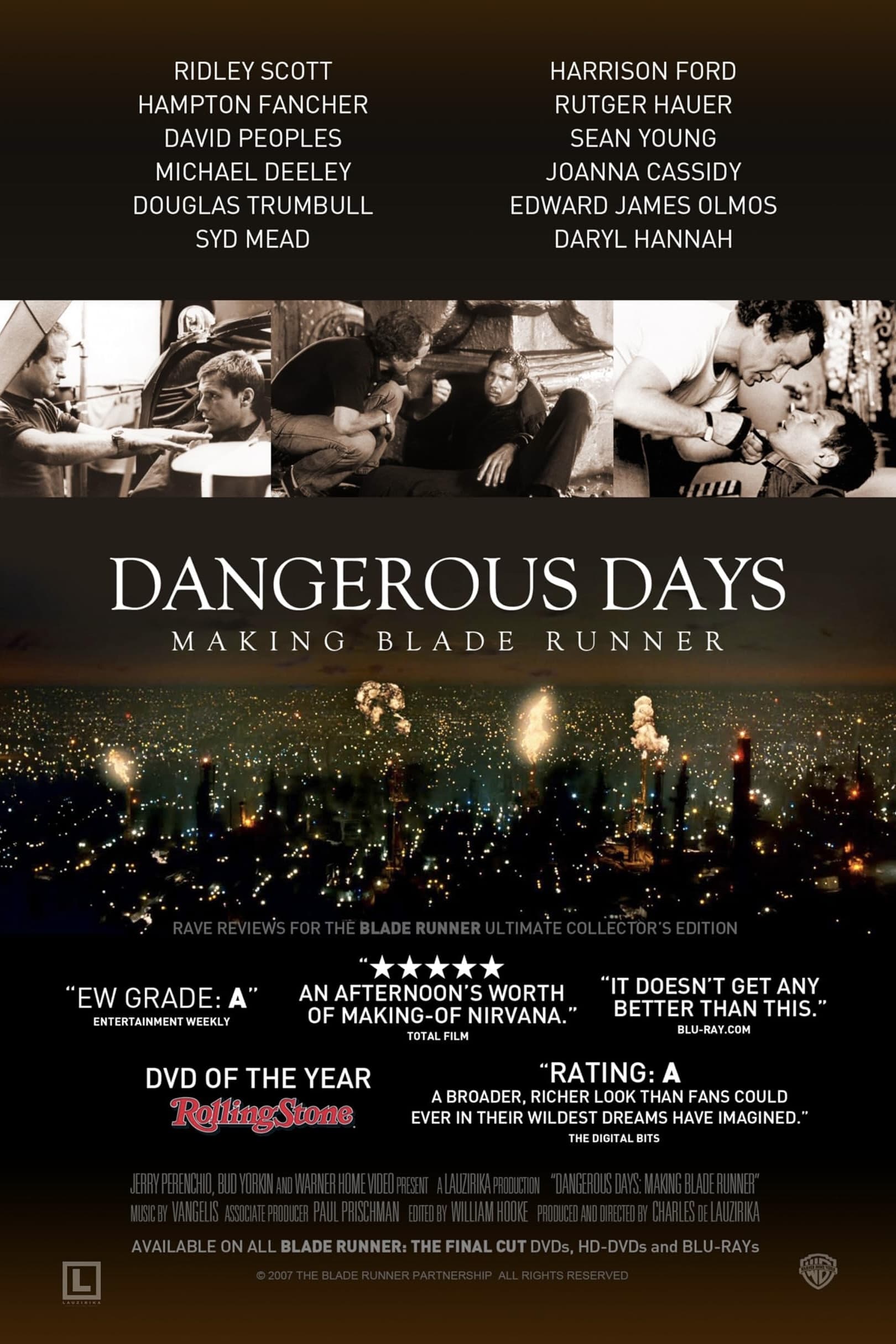
The definitive 3½-hour documentary about the troubled creation and enduring legacy of the science fiction classic 'Blade Runner', culled from 80 interviews and hours of never-before-seen outtakes and lost footage.
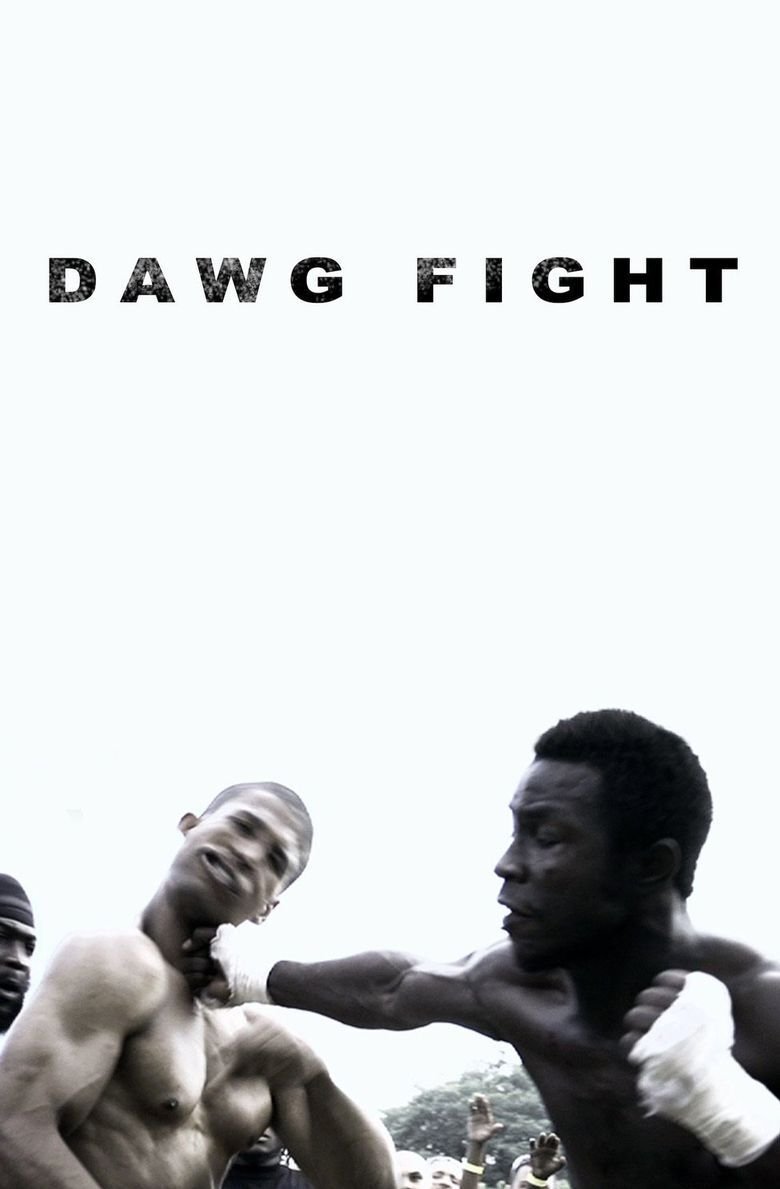
In a crime-plagued neighborhood near Miami, brutal, bare-knuckled backyard fights give young men a chance to earn money -- and self-respect.
Class Action Park explores the legend, legacy, and truth behind the 1980s water park in Vernon, New Jersey that long ago entered the realm of myth. Known for its dangerous, unsupervised rides and lack of regulation, guests of Action Park expected to walk away with injuries and were lucky if they made it out alive. Shirking the trappings of nostalgia, the film uses investigative journalism, original animations, recordings, and interviews with the people who lived it to reveal the true story of Action Park.
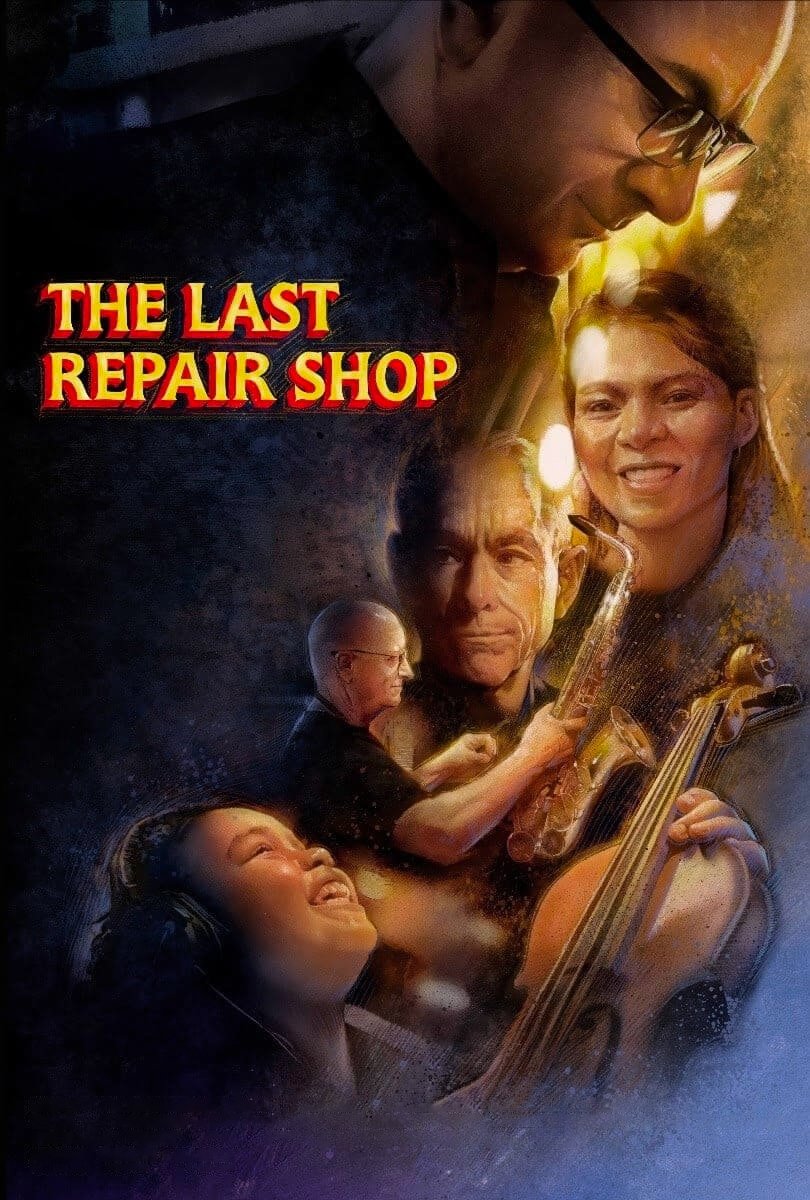
In a warehouse in the heart of Los Angeles, a dwindling handful of devoted craftspeople maintain more than 80,000 student musical instruments, the largest remaining workshop in America of its kind. Meet four unforgettable characters whose broken-and-repaired lives have been dedicated to bringing so much more than music to the schoolchildren of this city.
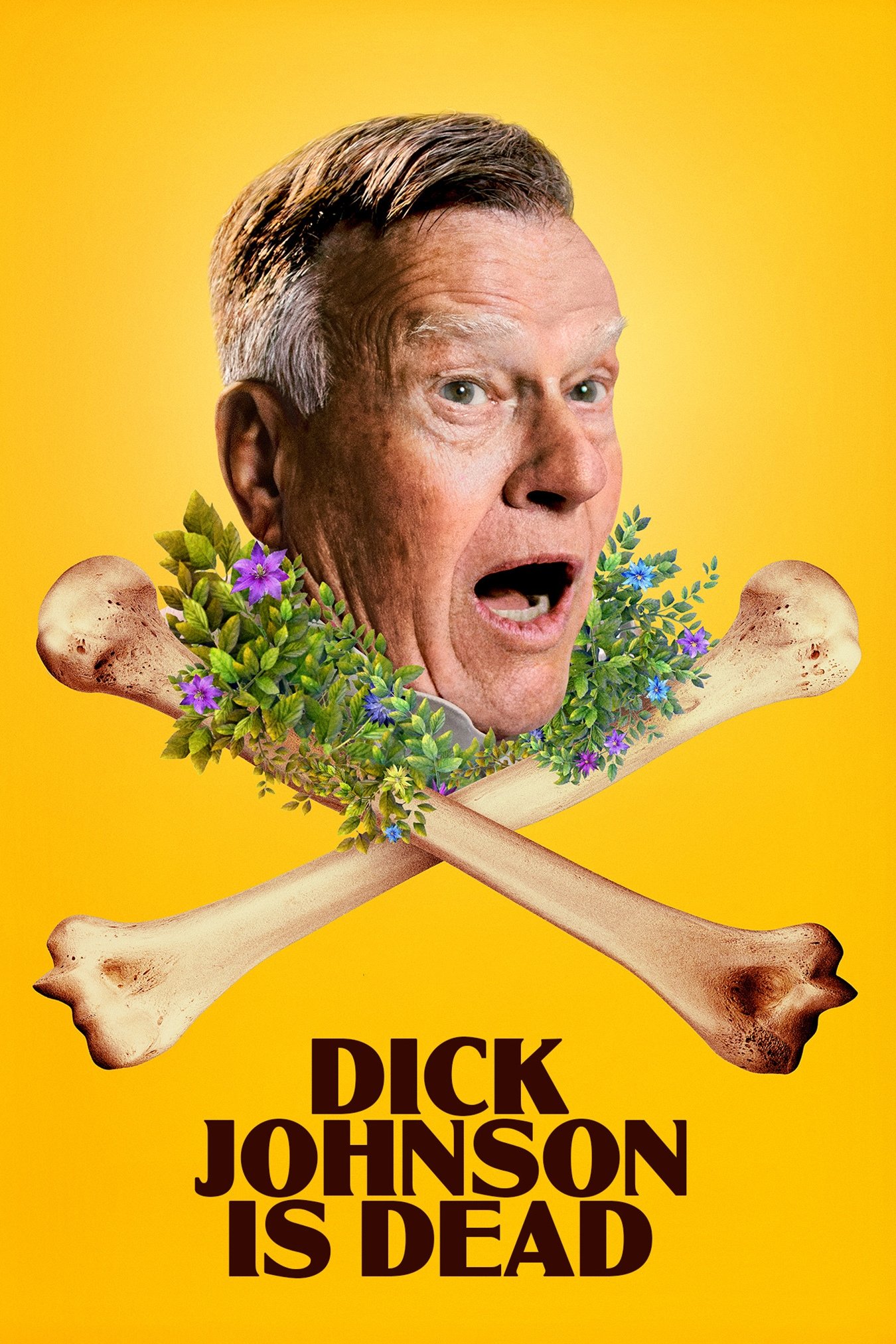
With this inventive portrait, director Kirsten Johnson seeks a way to keep her 86-year-old father alive forever. Utilizing moviemaking magic and her family’s dark humor, she celebrates Dr. Dick Johnson’s last years by staging fantasies of death and beyond. Together, dad and daughter confront the great inevitability awaiting us all.
A documentary about the making of David Fincher's 2008 film THE CURIOUS CASE OF BENJAMIN BUTTON. Virtually every element in the evolution of the Fincher's film is documented here, from the project's attachment to numerous other directors during the 1990s, to its shoot in 2006 and 2007 in New Orleans, to its complex, CGI-intensive postproduction process.
This revealing documentary honors the legendary Sidney Poitier—iconic actor, filmmaker, and civil rights activist. Featuring interviews with Denzel Washington, Spike Lee, Halle Berry, and more.
The film follows adventurer Jeff Johnson as he retraces the epic 1968 journey of his heroes Yvon Chouinard and Doug Tompkins to Patagonia.