The popular resistance to the current Greek economic crisis explored and expressed through the ethical and political writings of Ancient Greece.
Social & External
The people behind it
Julia Faure
Antigone
Della Saba
Ismene
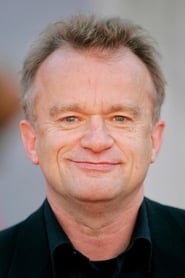
John Shrapnel
Creon
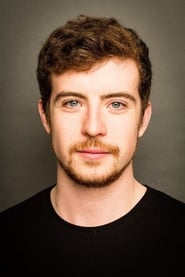
Lex Shrapnel
Oedipus
Gabriella Wright
Sphinx
Alexis Georgoulis
Travelling Player
Dan Mousseau
Tiresias
Dominique Pinon
Investigator
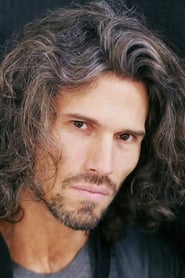
Bret Roberts
The man with the hat
Eleni Kallia
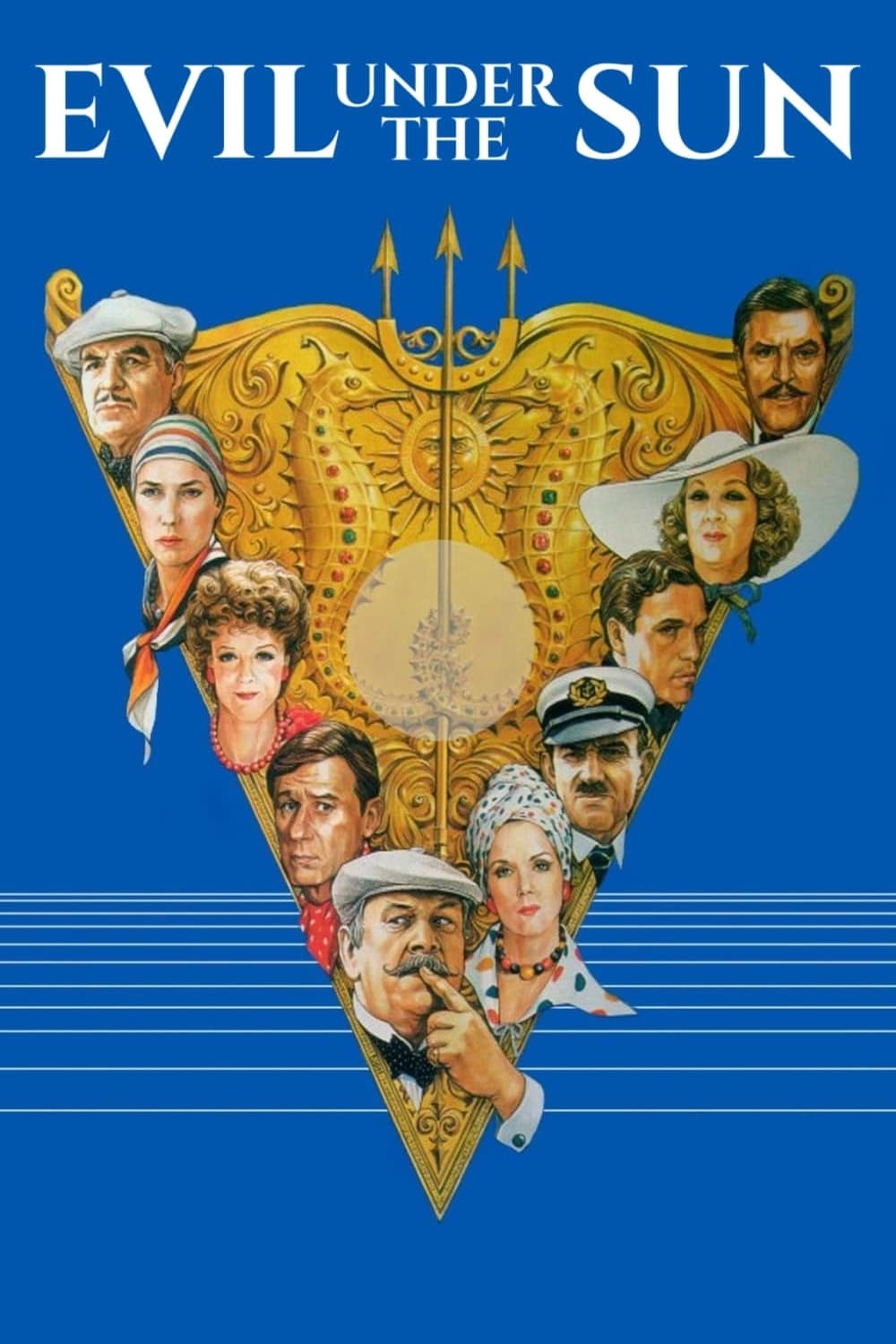
An opulent beach resort provides a scenic background to this amusing whodunit as Poirot attempts to uncover the nefarious evildoer behind the strangling of a notorious stage star.
Mid-Missouri cult hero Nathan Truesdell sifts through a Cleveland TV station's archives and unearths a fancy wrist watch, blistered fingers and other casualties of a misbegotten exercise in civic pride. In September 1986, the city of Cleveland attempted to set a special record: the simultaneous launch of 1.5 million balloons. But fate intervened, and the result was both crazier and more tragic than anyone could have imagined.
Greece, 1936. An aristocratic woman engages in a series of loveless affairs before finding herself falling for a political activist.
We have a topic that has always been on the agenda of Turkey and the world, which we have been discussing for nearly 40 years: Cyprus. To foreigners, Cyprus is known as an innocent little island under Turkish invasion. Everyone forgot the bloody events of the past. What about us? Do we know? No. Especially the younger generations, who have come to the point of governing the country today, do not know where this country has gone through regarding Cyprus. However, we are now approaching a road junction in Cyprus. I will tell you the story of Cyprus in this documentary. This is a very bloody and sometimes very sad story...
Movie about secret relations between Yugoslavian, Serbian and Croatian secret police during last 50 years. Here in Balkans truth and lies are so much mixed and it lasts so long that no one knows the difference. That is why this fictitious story looks so true.
A gravely ill, abused three-legged stray dog, abandoned in an industrial desert at Aspropyrgos, a town near Athens; a London based charity whose mission is to help the neglected animals of Greece; a group of young volunteers who patrol Aspropyrgos and nurse the strays – these are the characters of the film, in a nightmarish place, a hellhole for many abandoned animals. Does the sick three-legged hound stand any chance of getting adopted, becoming healthy again and running across the fields of Essex? Why are the Greekies, the strays from Greece, so popular when it comes to being adopted abroad? With an unexpected ending, the film tries to discover whether there is any hope for the doomed dogs and for a doomed area outside Athens.
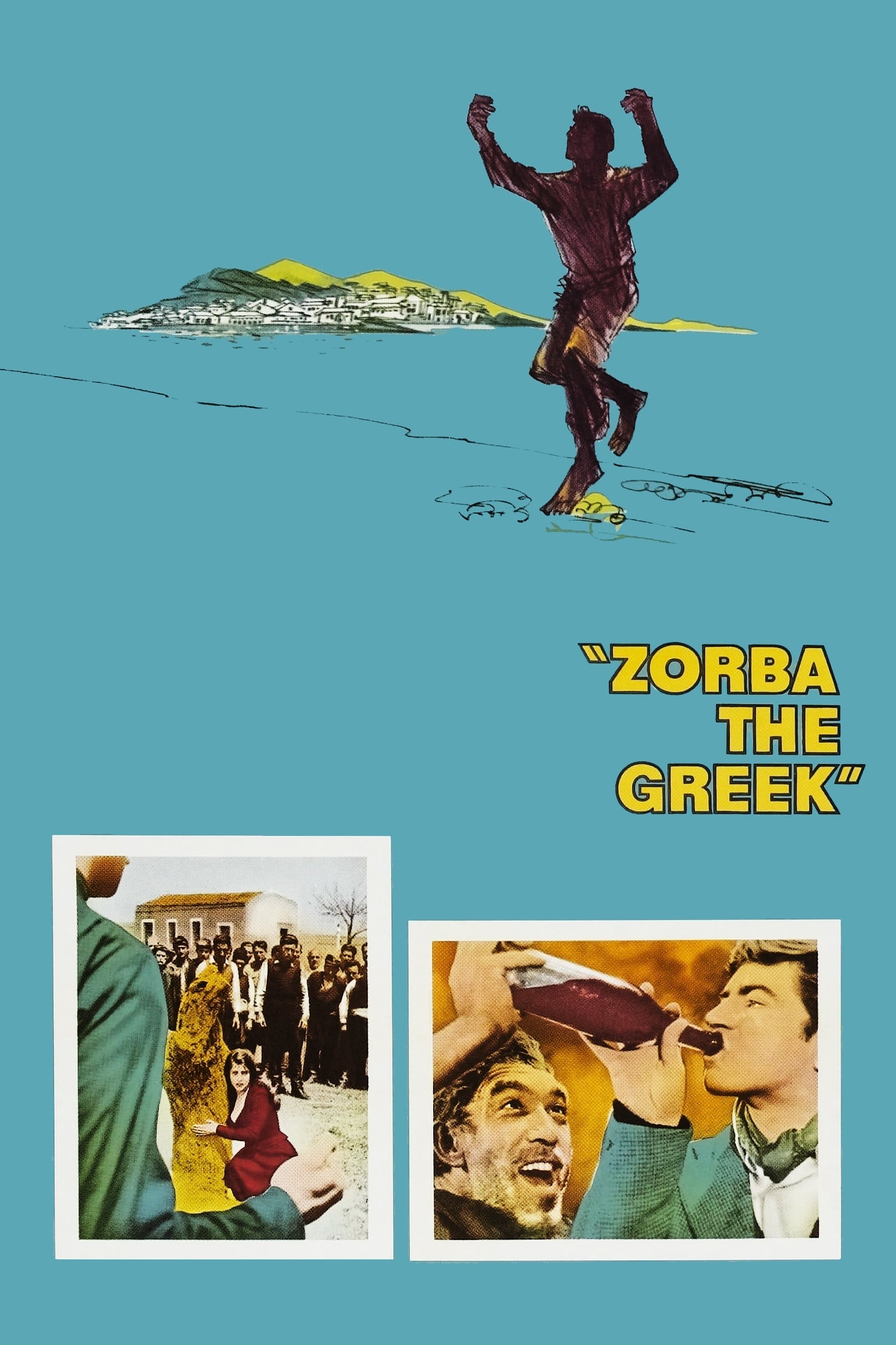
An uptight English writer traveling to Crete on a matter of business finds his life changed forever when he meets the gregarious Alexis Zorba.
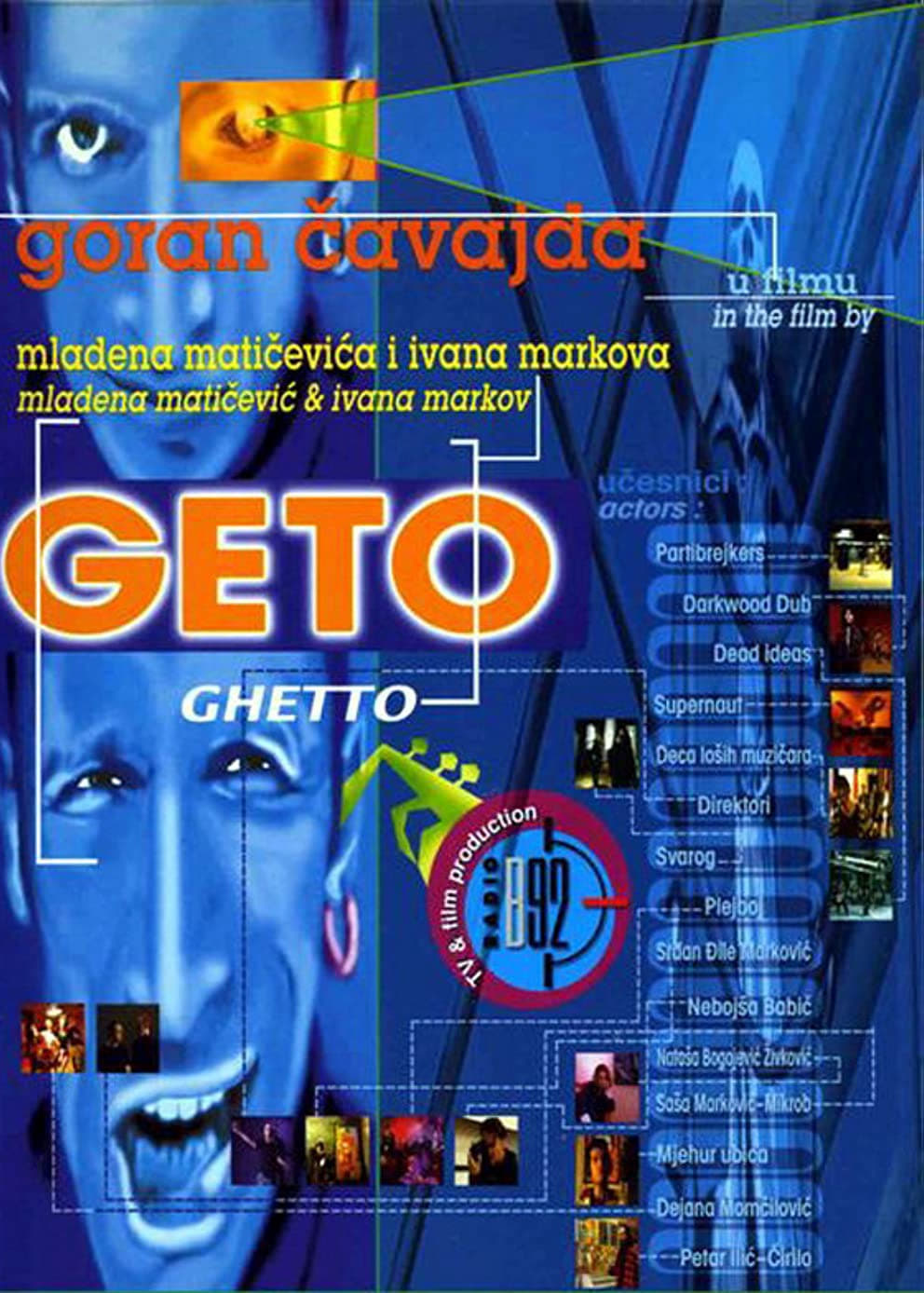
Belgrade in the 1990s seen through the eyes of Goran Čavajda 'Čavke', the late drummer of Serbian rock band "Electric Orgasm". Under dictatorship of Slobodan Milošević, his city became one of the worst places to live in Europe, while the country suffered highest inflation rate in its history, accompanied by mass poverty and political isolation. Documentary follows Čavke walking through the Belgrade streets where total chaos and decline of moral values rule. He finds his only shelter underground, where his friends - musicians and artists - live and work invisibly.
In Androusa, in the Kalamata region of Messinia, in the Peloponnese, Greece. This region produces what is considered to be the finest olive oil in the world. It's made from the Koroneiki olive, it is a very small olive, but also very rich and aromatic. Together with a cold extraction and a slow fermentation process, Koroneiki olive oil tastes like no other, a true nectar of the gods. This is the land of ancient myths and heroes, after all. Lets decover it with Dimitra Mathiopoulou, Oliver Oil Taster, University of Peloponnese Olive Oil Tasting Panel, Co-founder of "The Olive Routes" with her husband as the fifht-generation owner of the olive oil mill. They create and market Messiniako Organic Extra Virgin Olive Oil (ΔΗΩ Certification), with PDO Kalamata label. Documentary from: Food Insider | Regional Eats
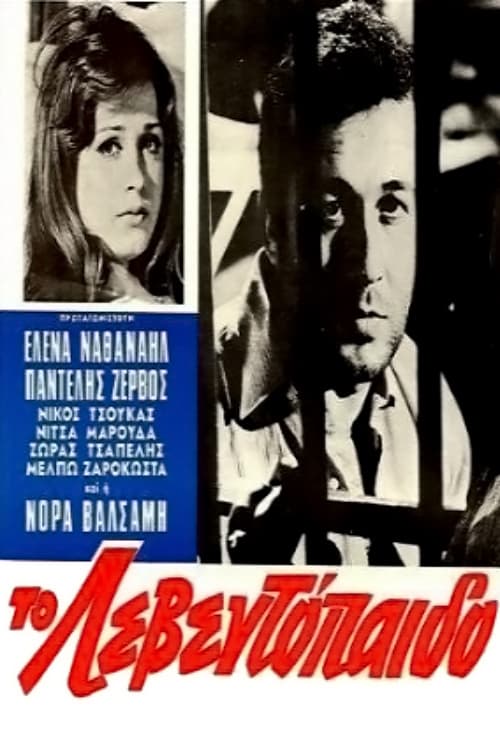
Aristos, a ship worker and singer at a popular tavern in the evening, is preparing to marry a poor girl, Maryio. One night at the shop comes the rich Elena, which hides the truth about her financial situation, he falls in love with her and separates him from Maryio. However, after an accident, the real identity of Elena is revealed, as is the fact that she is betrothed. Elena, seeing the misfortune she has scattered around her, pretends that Aristos was just an adventure for her and lets him return to Maryio.
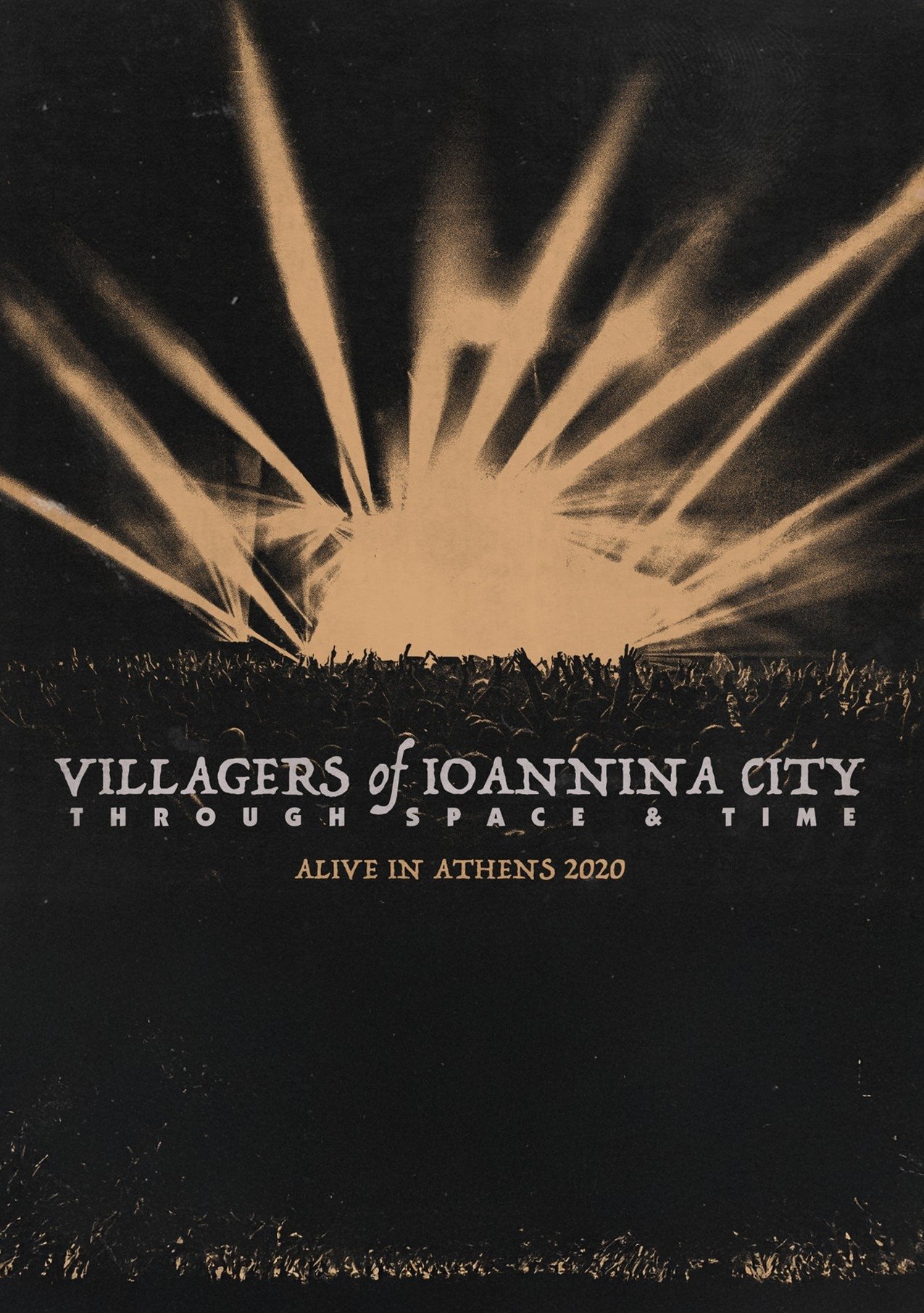
The full live performance from VIC's headline show at Faliro Sports Pavilion Arena in Athens, GR on February 15th 2020.
Set during the economic crisis, a group of robbers breaks into a Madrid bank, sparking a tense game of deception, fear, and survival where every choice matters and everyone is running from more than just the law.
This Shiver (ITV Studios) documentary reveals what happened behind-the-scenes on some of the most momentous breaking news events in our lifetime - as told by those caught up in the real-life drama, those in the newsrooms and those responsible for delivering these newsflashes into millions of people's homes. News stories covered include the death of Diana, Princess of Wales (1997); the assassination of President Kennedy in Dallas (1963); the coal-tip landslide in Aberfan (1966); the Lockerbie Air Disaster (1988); the terrorist attacks on the World Trade Center in New York (2001); the start of Operation Desert Storm during the Gulf War (1991); the dramatic end of the Iranian Embassy siege in London (1980); and the announcement of the death of the Queen Elizabeth, the Queen Mother (2002).
During World War II, Helmut Dantine specialized in playing villainous Nazis in Hollywood melodramas. He offers a compelling performance in a variation of these earlier roles in this suspense filled and politically loaded tale of intrigue. The story opens in German-occupied Athens during the darkest hours of the war. Civilians are not allowed on the streets after dark.
The No. 1 topic is sex - at least in the group of four women who talk about men, affairs and that one thing in the evening.
In 2011, as tens of thousands of migrants, Loss, and Madess Moussa arrived in Europe via Turkey. Required by EU law to remain in Greece, they only want one thing : to leave. Therefore earn the money needed to start is an obsession and all means are good. The film "The Adventure" follows the lives of these three Ivorians to Athens - their sense of enclosure, strategies to find money, failover illegally, attempts to start - and explores what is at stake, individually and collectively during migration: relations to other migrant communities, friendship, betrayal, solidarity, mafias and violence.
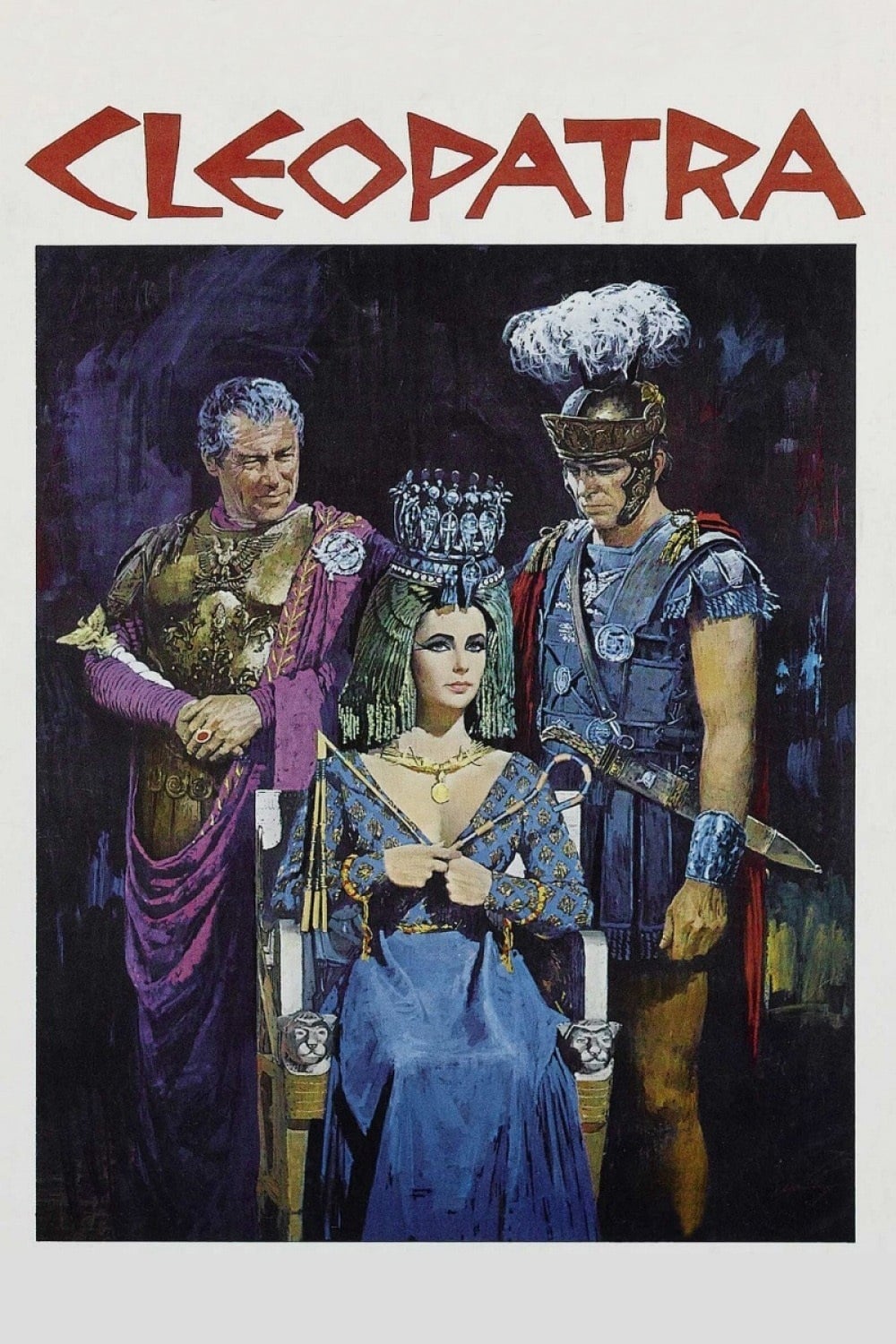
Determined to hold on to the throne, Cleopatra seduces the Roman emperor Julius Caesar. When Caesar is murdered, she redirects her attentions to his general, Marc Antony, who vows to take power—but Caesar’s successor has other plans.
A young Greek woman falls in love with a non-Greek and struggles to get her family to accept him while she comes to terms with her heritage and cultural identity.
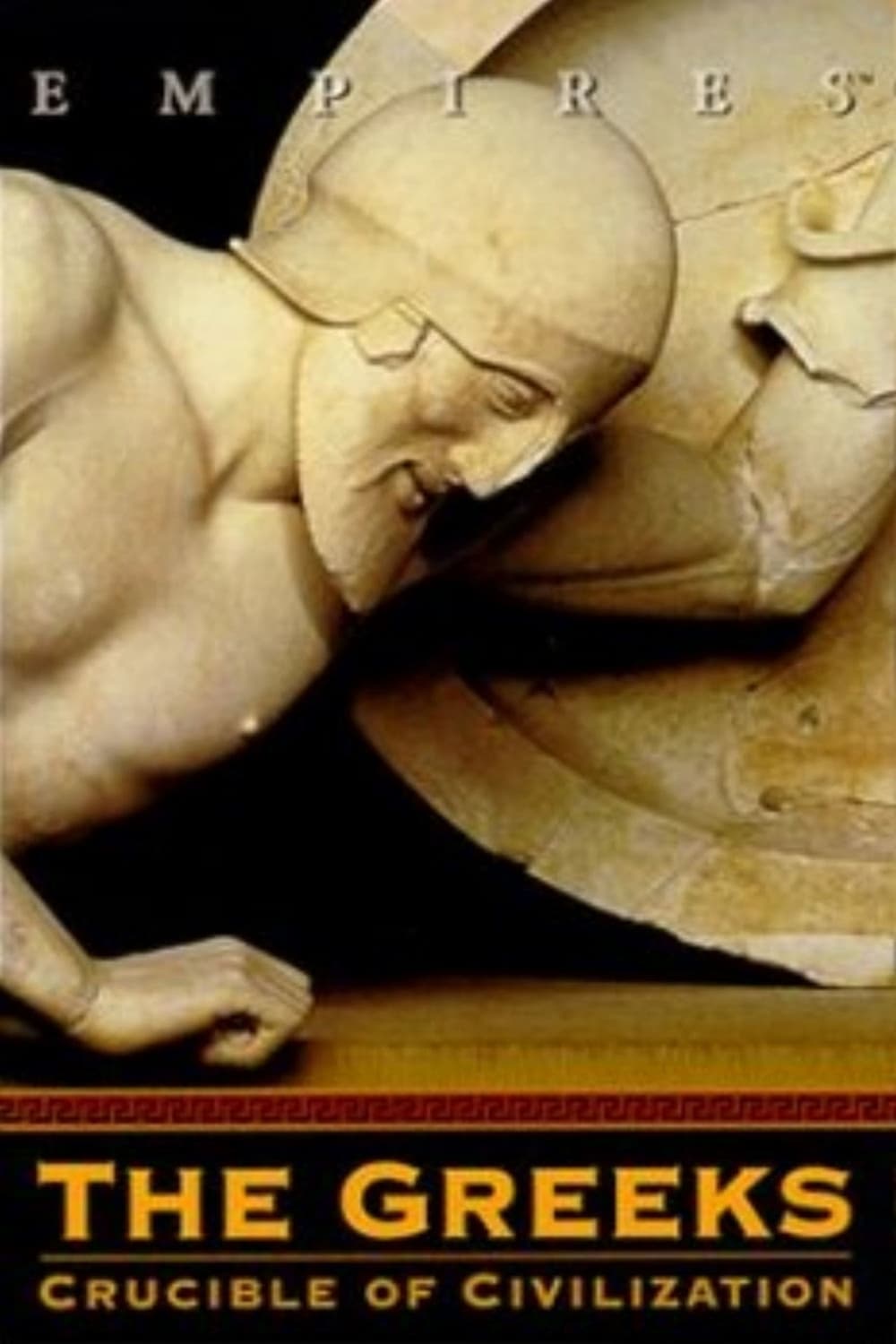
It was perhaps the most spectacular flourishing of imagination and achievement in recorded history. In the Fourth and Fifth Centuries BC, the Greeks built an empire that stretched across the Mediterranean from Asia to Spain. They laid the foundations of modern science, politics, warfare and philosophy, and produced some of the most breathtaking art and architecture the world has ever seen. This series, narrated by Liam Neeson, recounts the rise, glory, demise and legacy of the empire that marked the dawn of Western civilization. The story of this astonishing civilization is told through the lives of heroes of ancient Greece. The latest advances in computer and television technology rebuild the Acropolis, recreate the Battle of Marathon and restore the grandeur of the Academy, where Socrates, Plato and Aristotle forged the foundation of Western thought.
A string of threatening emails escalates into a revenge plot involving a newly married US marshal and his ex-girlfriend.
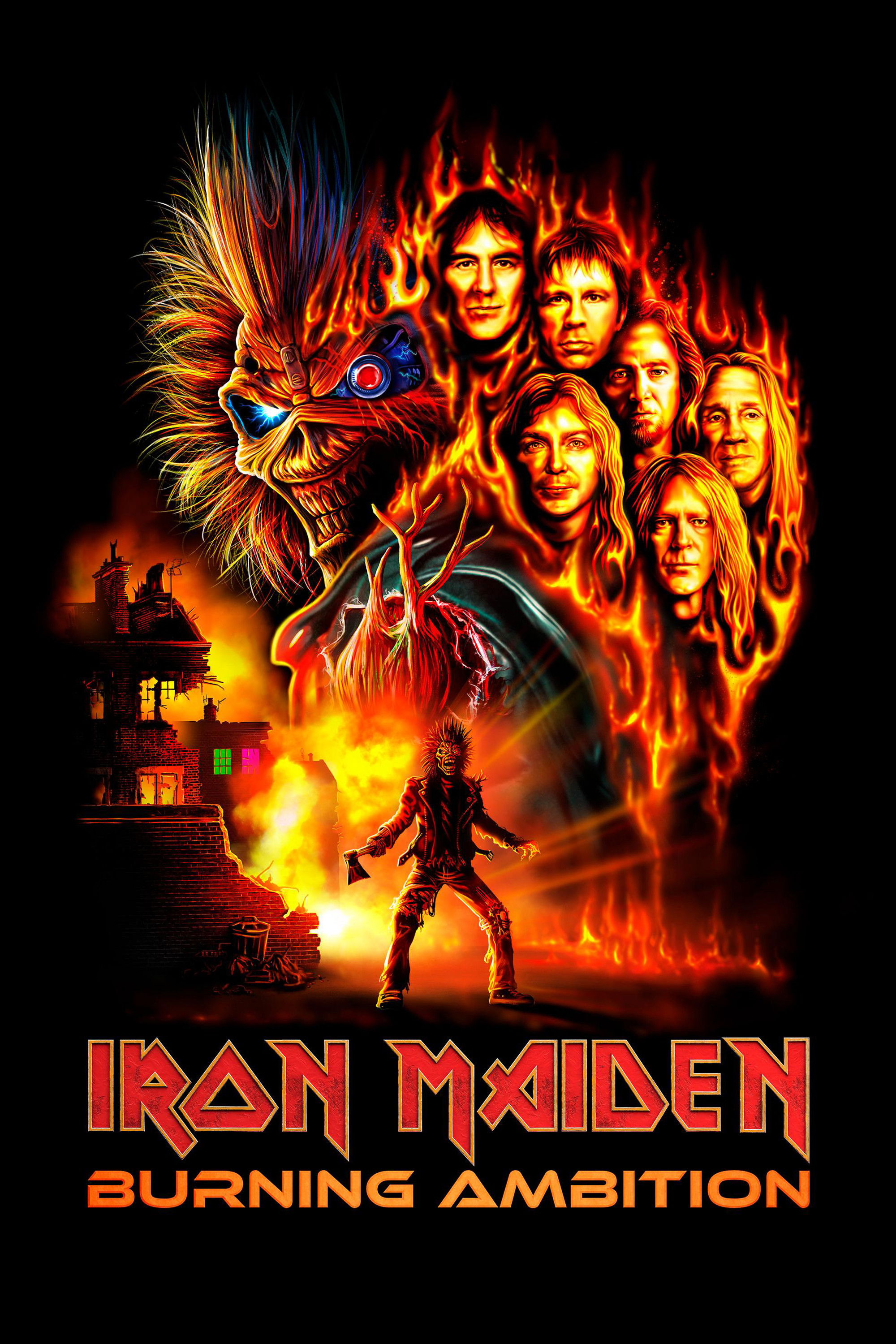
With unprecedented access to the official archives and intimate recollections from the band, both current and past, Iron Maiden: Burning Ambition invites fans to experience one of the most iconic journeys in music history. Spanning five decades, this electrifying documentary charts the band’s rise from the pubs of East London to the world’s biggest stadiums. Featuring exclusive interviews with band members and contributors such as Javier Bardem, Lars Ulrich and Chuck D, as well as all-new animated sequences of the band's legendary mascot, Eddie, the film offers a rare and intimate look at Iron Maiden’s uncompromising vision and unwavering connection with their truly global army of fans.
In the Realms of the Unreal is a documentary about the reclusive Chicago-based artist Henry Darger. Henry Darger was so reclusive that when he died his neighbors were surprised to find a 15,145-page manuscript along with hundreds of paintings depicting The Story of the Vivian Girls, in What is Known as the Realms of the Unreal, of the Glodeco-Angelinnian War Storm, Cased by the Child Slave Rebellion.
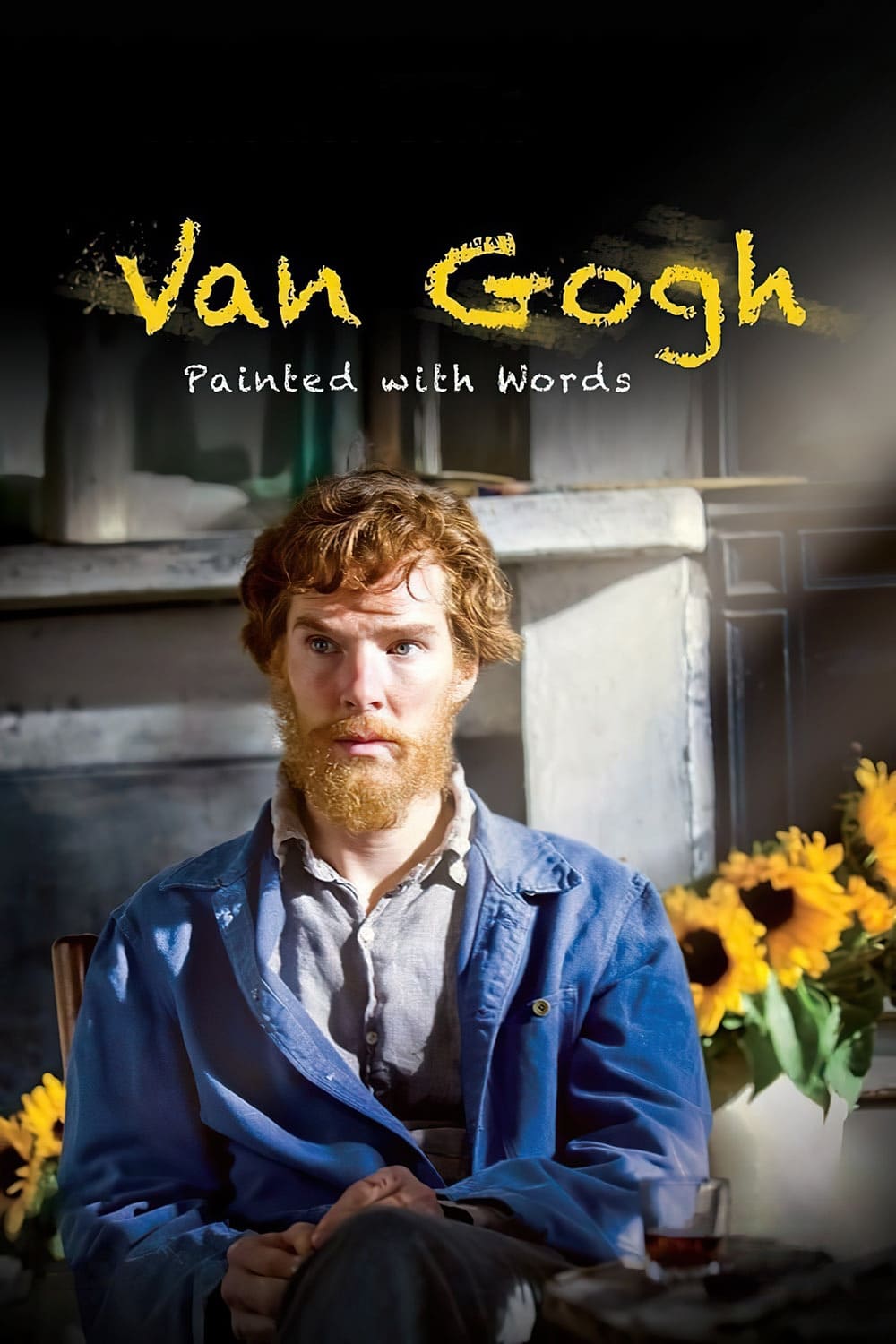
A drama-documentary presented by Alan Yentob, with Benedict Cumberbatch in the lead role. Every word spoken by the actors in this film is sourced from the letters that Van Gogh sent to his younger brother Theo, and of those around him. What emerges is a complex portrait of a sophisticated, civilised and yet tormented man.
An inside look at one of the most anticipated movie sequels ever with James Cameron and cast.
The incomparable Bruce Springsteen performs his critically acclaimed latest album and muses on life, rock, and the American dream, in this intimate and personal concert film co-directed by Thom Zimny and Springsteen himself.
He's devoted his career to uncovering stories the powerful want buried. From My Lai to Abu Ghraib, dig into the life's work of journalist Seymour Hersh.
Behind-the-scenes documentary about how Lionel Messi succeeded in lifting the World Cup – the only trophy to have eluded him in an incredible career.
An engine fire leaves 4,000 passengers stranded at sea without power and plumbing in this wild documentary about the infamous "poop cruise" of 2013.
Vulgar, taunting texts blow up the phones of a teen and her boyfriend. Who's sending them — and why? This twisty documentary reveals the shocking answer.
An astonishing journey revealing the awesome power of the natural world. Over the course of one single day, we track the sun from the highest mountains to the remotest islands to exotic jungles.
Documentary about the arena-packing Swedish DJ, chronicling his explosive rise to fame and surprising decision to retire from live performances in 2016.
A real-life undercover thriller about two ordinary men who embark on an outrageously dangerous ten-year mission to penetrate the world's most secretive and brutal dictatorship: North Korea.
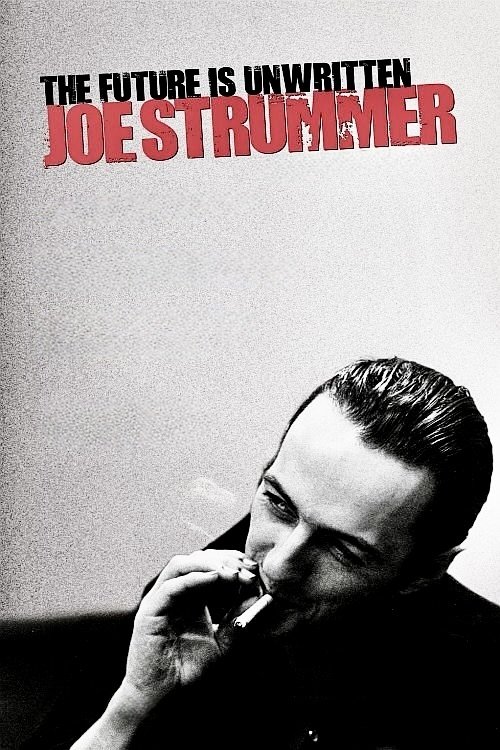
As the front man of the Clash from 1977 onwards, Joe Strummer changed people's lives forever. Four years after his death, his influence reaches out around the world, more strongly now than ever before. In "The Future Is Unwritten", from British film director Julien Temple, Joe Strummer is revealed not just as a legend or musician, but as a true communicator of our times. Drawing on both a shared punk history and the close personal friendship which developed over the last years of Joe's life, Julien Temple's film is a celebration of Joe Strummer - before, during and after the Clash.
Alexander McQueen's rags-to-riches story is a modern-day fairy tale, laced with the gothic. Mirroring the savage beauty, boldness and vivacity of his design, this documentary is an intimate revelation of McQueen's own world, both tortured and inspired, which celebrates a radical and mesmerizing genius of profound influence.
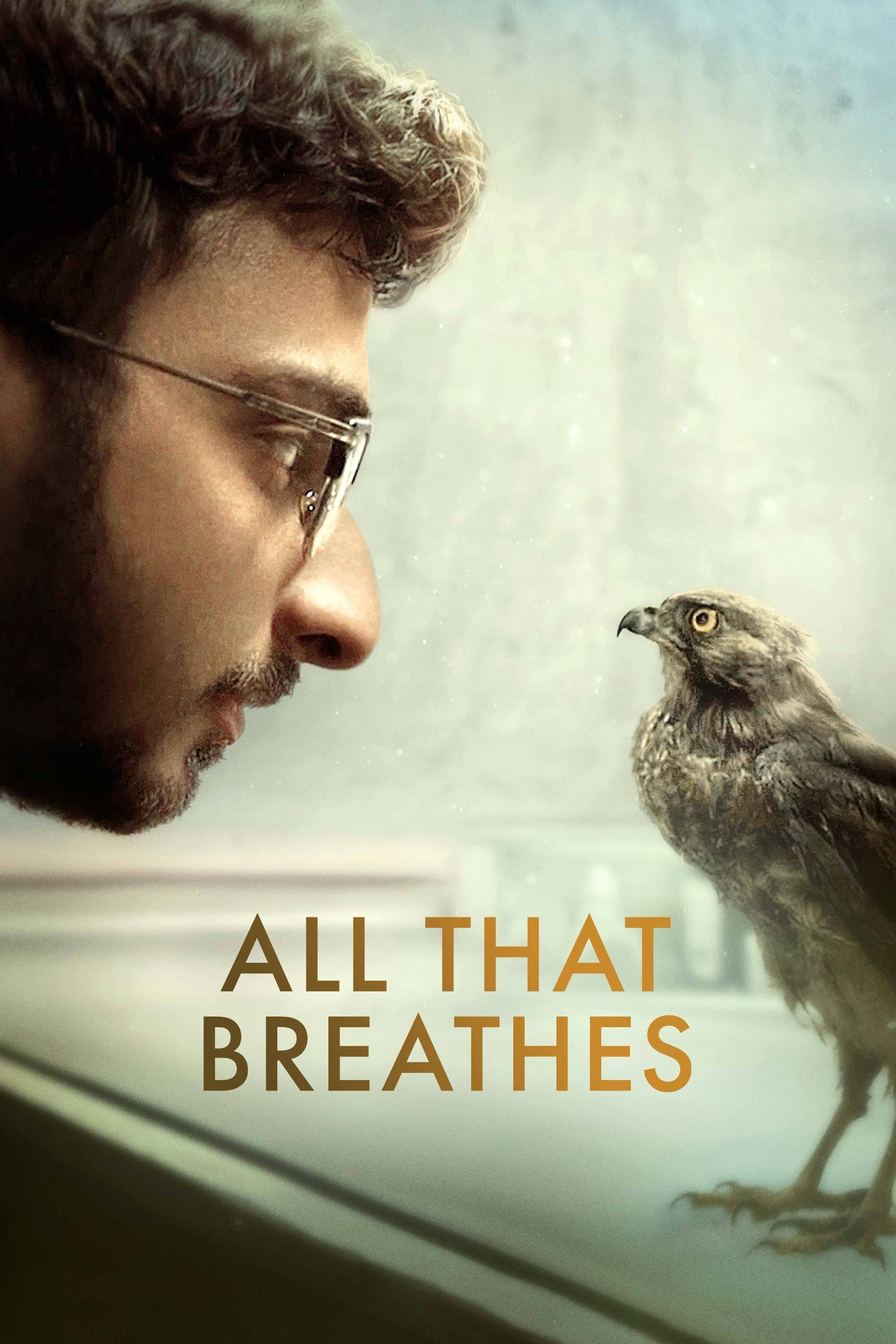
Against the darkening backdrop of New Delhi's apocalyptic air and escalating violence, two brothers devote their lives to protecting one casualty of the turbulent times: the bird known as the black kite.
Long-lost footage from Elvis Presley's legendary Las Vegas residency in the 1970s woven together with rare 16mm footage from Elvis on Tour, and 8mm from the Graceland archive, plus recordings of Elvis telling "his side of the story" rediscovered during Baz Luhrmann's research for his 2022 film, Elvis.
The Captains is a feature-length documentary film written and directed by William Shatner. The film follows Shatner as he interviews the other actors who have portrayed starship captains in the Star Trek franchise.
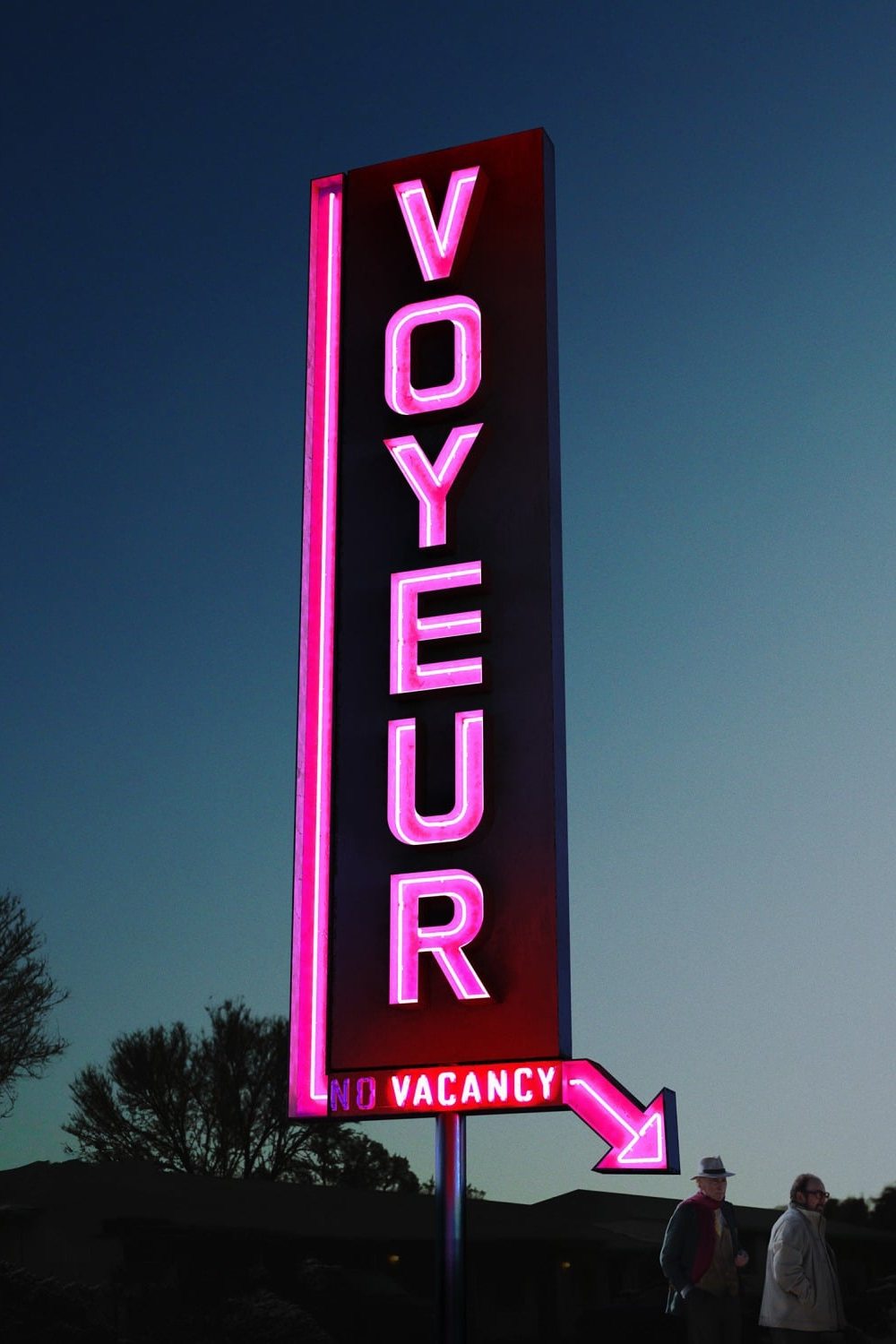
Legendary journalist Gay Talese unmasks a motel owner who spied on his guests for decades. But his bombshell story soon becomes a scandal of its own.
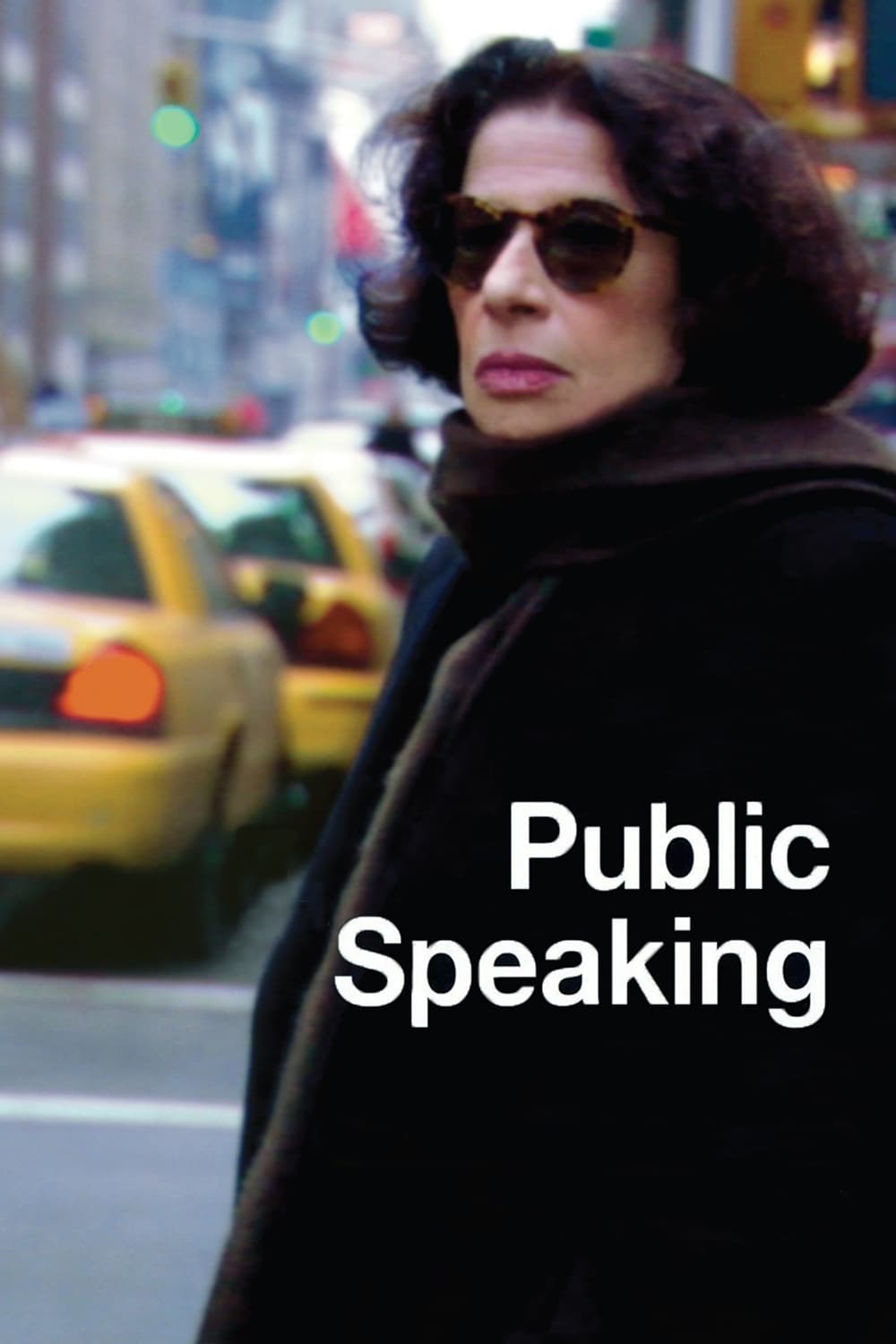
Martin Scorsese’s portrait of writer and social commentator Fran Lebowitz, celebrated for her sharp wit and observations on modern life. Filmed at New York’s Waverly Inn and intercut with archival footage and interviews, the documentary captures Lebowitz’s distinctive worldview through her spontaneous monologues and public appearances.