A documentary about the life of the actress Hildegard Knef.
Social & External
Self
He was one of the most notorious Nazi war criminals, infamous for his assassination attempts on twins. But at the end of World War II, he simply disappeared...
This documentary is showing Nazi Germany in color. The original and unique color images are portraying the war and German life of the time. You will see the Nazis at work but also in their private situations. All film images are original and fully restored color recordings.
Das radikal Böse is a German-Austrian documentary that attempted to explore psychological processes and individual decision latitude "normal young men" in the German Einsatzgruppen of the Security Police and SD, which in 1941 during the Second World War as part of the Holocaust two million Jewish civilians shot dead in Eastern Europe.
Filmmaker Alain Resnais documents the atrocities behind the walls of Hitler's concentration camps.
Starting with a long and lyrical overture, evoking the origins of the Olympic Games in ancient Greece, Riefenstahl covers twenty-one athletic events in the first half of this two-part love letter to the human body and spirit, culminating with the marathon, where Jesse Owens became the first track and field athlete to win four gold medals in a single Olympics.
Part two of Leni Riefenstahl's monumental examination of the 1938 Olympic Games, the cameras leave the main stadium and venture into the many halls and fields deployed for such sports as fencing, polo, cycling, and the modern pentathlon, which was won by American Glenn Morris.
What would your family reminiscences about dad sound like if he had been an early supporter of Hitler’s, a leader of the notorious SA and the Third Reich’s minister in charge of Slovakia, including its Final Solution? Executed as a war criminal in 1947, Hanns Ludin left behind a grieving widow and six young children, the youngest of whom became a filmmaker. It's a fascinating, maddening, sometimes even humorous look at what the director calls "a typical German story." (Film Forum)
Documents the major trial of the Nazi war criminals and the violent acts that they were accused of.
Markus Meechan is a criminal. Guilty of posting a YouTube video judged “grossly offensive” and containing menacing, anti-Semitic and racist material. He claims the video was a joke. Others claim, Markus is a Nazi. But what does the prosecution of a YouTube comedian mean for freedom of expression – is a censorious state overstepping the mark? Or are there some things you just shouldn’t joke about?
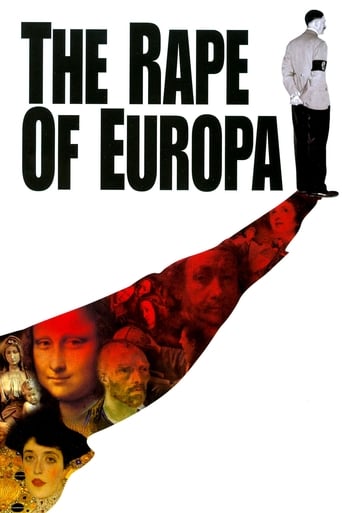
World War II was not just the most destructive conflict in humanity, it was also the greatest theft in history: lives, families, communities, property, culture and heritage were all stolen. The story of Nazi Germany's plundering of Europe's great works of art during World War II and Allied efforts to minimize the damage.
The film chronicles the story of how the Nazis and the IOC turned, to their mutual benefit, a small sports event into the modern Olympics. The grand themes and controversial issues from the 1936 Games have continued to this day: Monumentality, budget overruns, collusion with authoritarian regimes, corruption and sometimes even bribery.
Marcel Ophuls' riveting film details the heinous legacy of the Gestapo head dubbed "The Butcher of Lyon." Responsible for over 4,000 deaths in occupied France during World War II, Barbie would escape—with U.S. help—to South America in 1951, where he lived until a global manhunt led to his 1983 arrest and subsequent trial.
The secret Nazi death camp at Sobibor was created solely for the mass extermination of Jews. But on the 14th October 1943, in one of the biggest and most successful prison revolts of WWII, the inmates fought back.
This documentary recounts the life and work of one of most famous, and yet reviled, German film directors in history, Leni Riefenstahl. The film recounts the rise of her career from a dancer, to a movie actor to the most important film director in Nazi Germany who directed such famous propaganda films as Triumph of the Will and Olympiad. The film also explores her later activities after Nazi Germany's defeat in 1945 and her disgrace for being so associated with it which includes her amazingly active life over the age of 90.
A reckoning of Nazi Germany’s planned execution of its own citizens with physical and mental disabilities whom they deemed useless to their society.
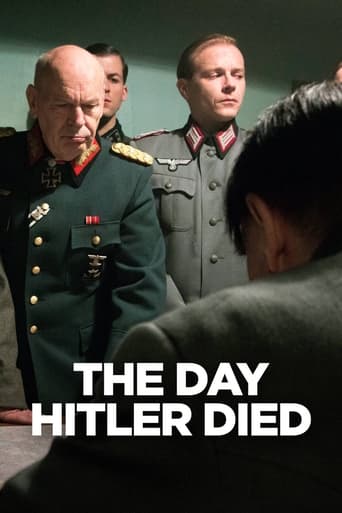
The story of Hitler’s final hours told by people who were there. This special features exclusive forgotten interviews, believed lost for 65 years, with members of Hitler’s inner circle who were trapped with him in his bunker as the Russians fought to take Berlin. These unique interviews from figures such as the leader of the Hitler Youth Artur Axmann and Hitler’s secretary Traudl Junge, have never before been seen outside Germany. Using rarely seen archive footage and dramatic reconstruction, this special tells the story of Adolf Hitler’s final days in his Berlin bunker.
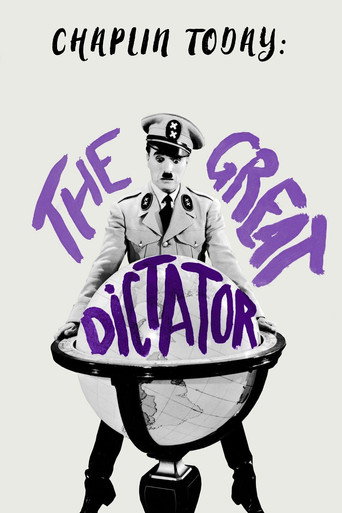
A short documentary about the making of "The Great Dictator."
The biggest trial of Nazi war crimes ever: 360 witnesses in 183 days of trial - a stunning and gripping portrayal of the most terrible massacre in history.
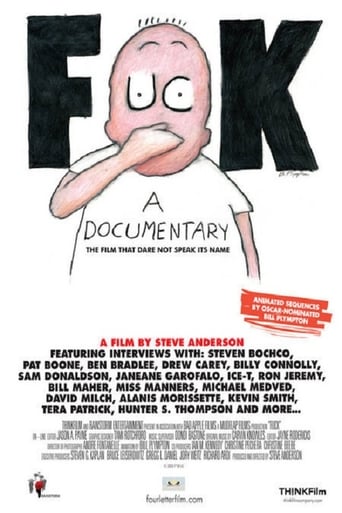
A documentary on the expletive's origin, why it offends some people so deeply, and what can be gained from its use.
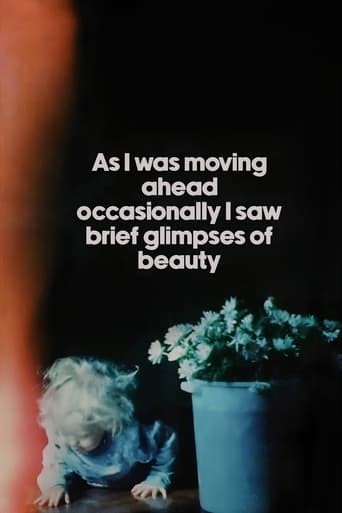
A compilation of over 30 years of private home movie footage shot by Lithuanian-American avant-garde director Jonas Mekas, assembled by Mekas "purely by chance", without concern for chronological order.
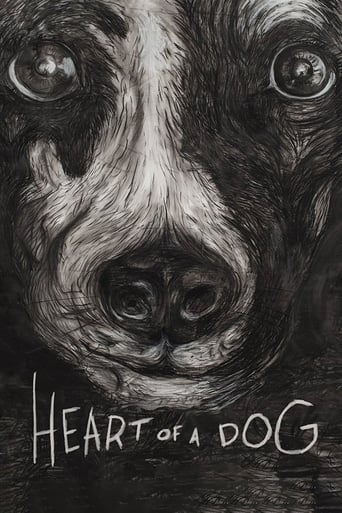
Lyrical and powerfully personal essay film that reflects on the deaths of her husband Lou Reed, her mother, her beloved dog, and such diverse subjects as family memories, surveillance, and Buddhist teachings.
Diaries, audiotapes, videotapes and testimonials from friends and colleagues offer insight into the life and career of Gilda Radner -- the beloved comic and actress who became an icon on Saturday Night Live.
The life and career of one of comedy's most inimitable modern voices, Mr. Gilbert Gottfried.
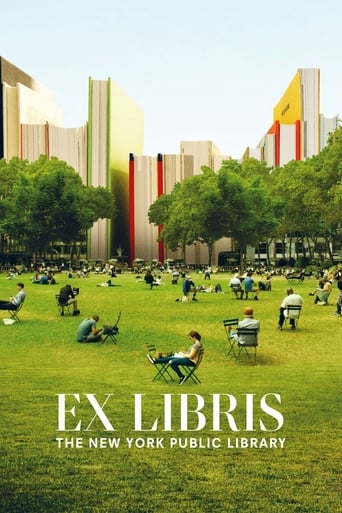
A documentary about how a dominant cultural and demographic institution both sustains their traditional activities and adapts to the digital revolution.
A detailing of the rise to prominence and global sporting superstardom of six supremely talented young Manchester United football players (David Beckham, Nicky Butt, Ryan Giggs, Paul Scholes, Phil and Gary Neville). The film covers the period 1992-1999, culminating in Manchester United's European Cup triumph.
Those who knew iconic funnyman John Candy best share his story, in their own words, through never-before-seen archival footage, imagery, and interviews.
When Allied forces liberated the Nazi concentration camps in 1944-45, their terrible discoveries were recorded by army and newsreel cameramen, revealing for the first time the full horror of what had happened. Making use of British, Soviet and American footage, the Ministry of Information’s Sidney Bernstein (later founder of Granada Television) aimed to create a documentary that would provide lasting, undeniable evidence of the Nazis’ unspeakable crimes. He commissioned a wealth of British talent, including editor Stewart McAllister, writer and future cabinet minister Richard Crossman – and, as treatment advisor, his friend Alfred Hitchcock. Yet, despite initial support from the British and US Governments, the film was shelved, and only now, 70 years on, has it been restored and completed by Imperial War Museums under its original title "German Concentration Camps Factual Survey".
Using the book 'Fragments', which collects Marilyn Monroe's poems, notes and letters, and with participation from the Arthur Miller and Truman Capote estates who have contributed more material, each of the actresses will embody the legend at various stages in her life.
A documentary about the making of season five of the acclaimed AMC series Breaking Bad.
Ross McElwee sets out to make a documentary about the lingering effects of General Sherman's march of destruction through the South during the Civil War, but is continually sidetracked by women who come and go in his life, his recurring dreams of nuclear holocaust, and Burt Reynolds.
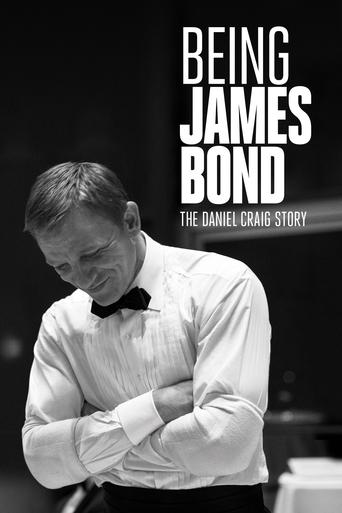
Daniel Craig candidly reflects on his 15 year adventure as James Bond. Including never-before-seen archival footage from Casino Royale to the upcoming 25th film No Time To Die, Craig shares his personal memories in conversation with 007 producers, Michael G Wilson and Barbara Broccoli.
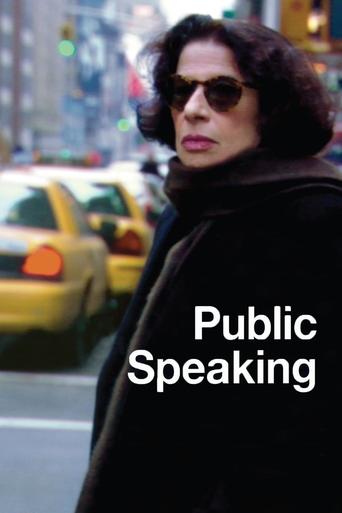
Martin Scorsese’s portrait of writer and social commentator Fran Lebowitz, celebrated for her sharp wit and observations on modern life. Filmed at New York’s Waverly Inn and intercut with archival footage and interviews, the documentary captures Lebowitz’s distinctive worldview through her spontaneous monologues and public appearances.
Dubbed “The Cannibal Cop,” former NYPD officer Gilberto Valle was charged with conspiring to kidnap and eat women but argued it was all a fantasy. His story made headlines both for its disturbing details and its potential to kick off a trend of thought-policing across the nation. Featuring intimate interviews with Valle and insights from experts, Thought Crimes explores if someone can be found guilty for their most dangerous thoughts.
The life and career of an actor, artist, and icon. His own journey through his own camera.
Behind-the-scenes documentary about how Lionel Messi succeeded in lifting the World Cup – the only trophy to have eluded him in an incredible career.
From the heights of her modeling fame to her tragic death, this documentary reveals Anna Nicole Smith through the eyes of the people closest to her.
Through deeply personal interviews with her siblings and an examination of the photographs, letters, and belongings left behind, Mariska assembles a new portrait of her mother Jayne Mansfield, an extraordinary and complex woman.
Unravel the case of Utah therapist Jodi Hildebrandt, whose child abuse arrest with parenting YouTuber Ruby Franke exposed a twisted tale of manipulation.