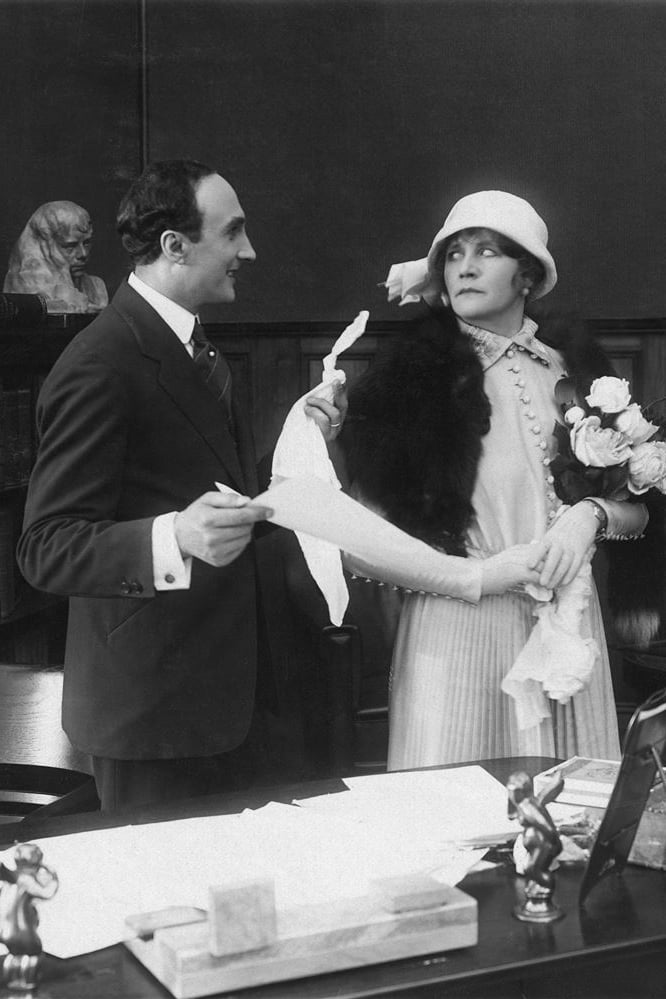
The film is based on an ethnic Jewish comedy with characters created by Montague Glass and Charles Klein.
Social & External
The people behind it
Alexander Carr
Morris Perlmutter
Barney Bernard
Abe Potash
Vera Gordon
Rosie Potash
Martha Mansfield
The Head Model
Ben Lyon
Boris Andrieff
Edouard Durand
Feldman
Hope Sutherland
Irma Potash
De Sacia Mooers
Ruth Goldman
A club man's country jaunt with friends leads to a breach of promise suit by a landlady.
A henpeck man inherits a fortune and starts a club for women-haters.
An 1895 British short black and white silent comedy film featuring two drunken men and a boy squabbling in a small bar.
Aspiring filmmakers Mel Funn, Marty Eggs and Dom Bell go to a financially troubled studio with an idea for a silent movie. In an effort to make the movie more marketable, they attempt to recruit a number of big name stars to appear, while the studio's creditors attempt to thwart them.
Sitcom for 1920s cinemas about the Winter family.
Daisy Baroness Eggloffsburg, a ball of energy, is a spoiled and rather lively, cheerful wild child who is always in the mood for pranks. Her uncle Egon, a stern old gentleman, thinks she has had enough of her foolishness and boozy ideas and needs a man to tell her off and tame Daisy. Harry Spring, the young sportsman hired for the job, is supposed to get both the girl and Baron Eggloffsburg, the owner of the racing stable, back on their feet. But Daisy doesn't give in so easily and now begins to give the young gallant a good grooming.
Believed to be the first film to feature cannibals.
When a master leaves for work, a dog named River has to decide what to do with her time...
The film consists of a series of tightly interlinked vignettes, the most sustained of which details the story of a man and a woman who are passionately in love. Their attempts to consummate their passion are constantly thwarted, by their families, by the Church and bourgeois society in general.
A lost film - Mary Gray, whose father manufactures cold cream, is engaged to sappy Horace Niles, the son of Hugo Niles, the elder Gray's most competitive rival in the cosmetics business. Chip Armstrong, a hot-shot public relations man, quits the employ of Hugo Niles and goes to work for Gray, persuading Mary to enter the Miss America contest at Atlantic City, with the intention of using her to endorse her father's cold cream should she win. Mary breaks her engagement with Horace. When it appears that she will win the contest, Hugo lures her home on the pretext that her father is ill, and she misses the contest. Chip and Mary return to Atlantic City, discovering that the new Miss America has told the world that she owes all her success to Gray's cold cream. On this note, Chip and Mary decide to get married.
An ironic comedy to the sports world about the corrupt gears of football. As goalkeeper, figure a dwarf...
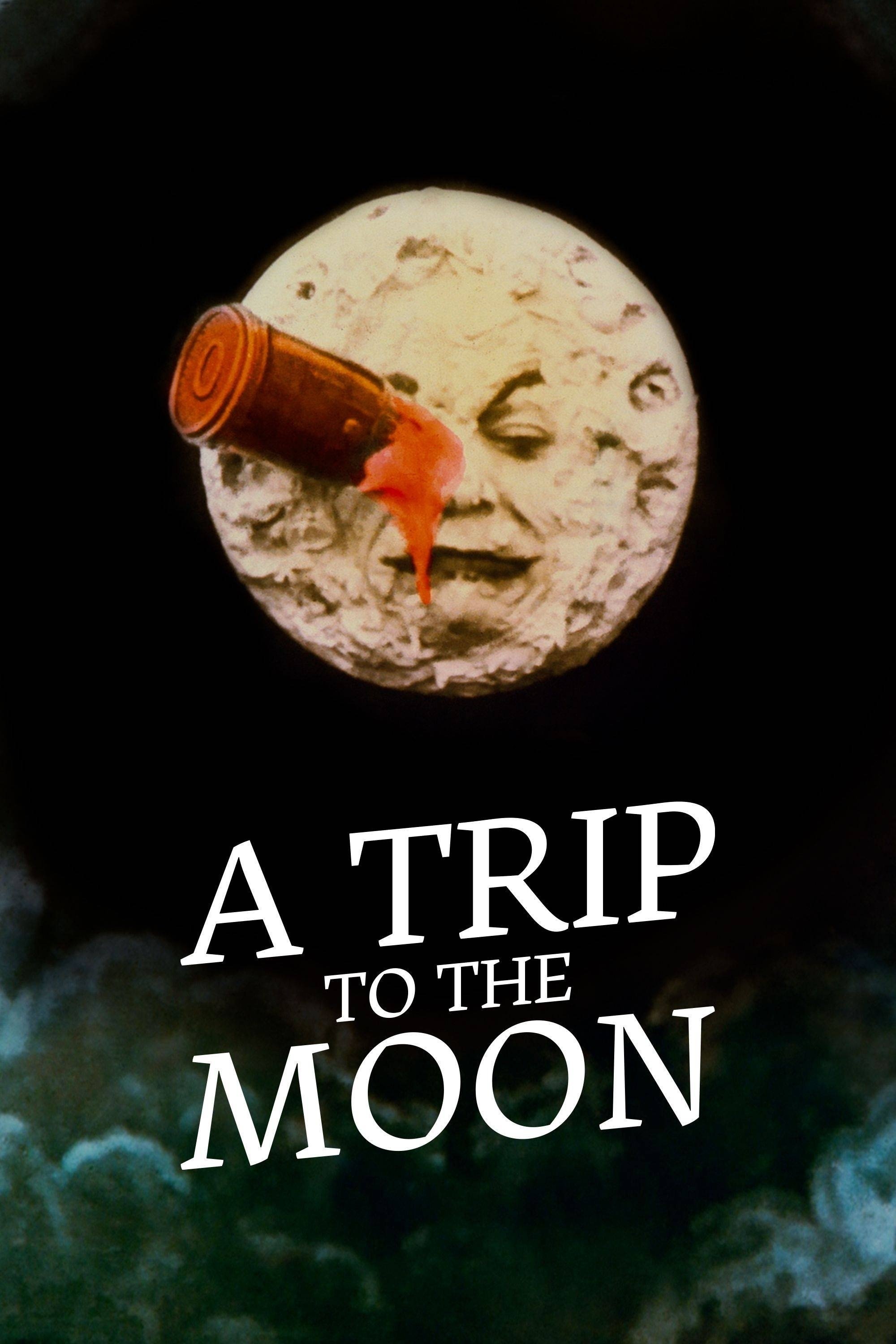
Professor Barbenfouillis and five of his colleagues from the Academy of Astronomy travel to the Moon aboard a rocket propelled by a giant cannon. Once on the lunar surface, the bold explorers face the many perils hidden in the caves of the mysterious planet.
A housewife tires of her husband's annoying behavior and returns to her mother. At first, the husband is quite pleased to have the house all to himself. But he quickly discovers that even the most basic domestic chores can be fraught with difficulty.
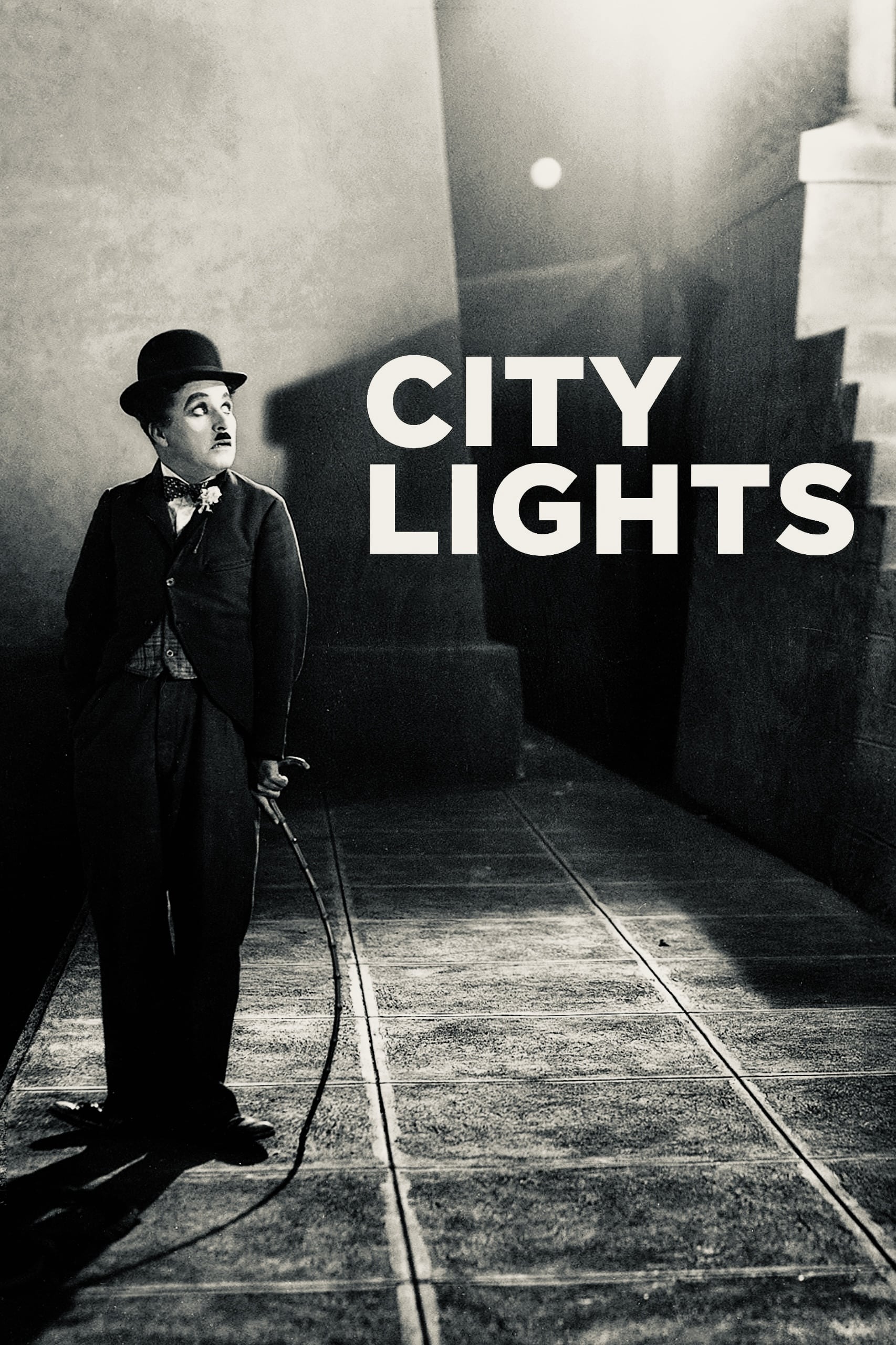
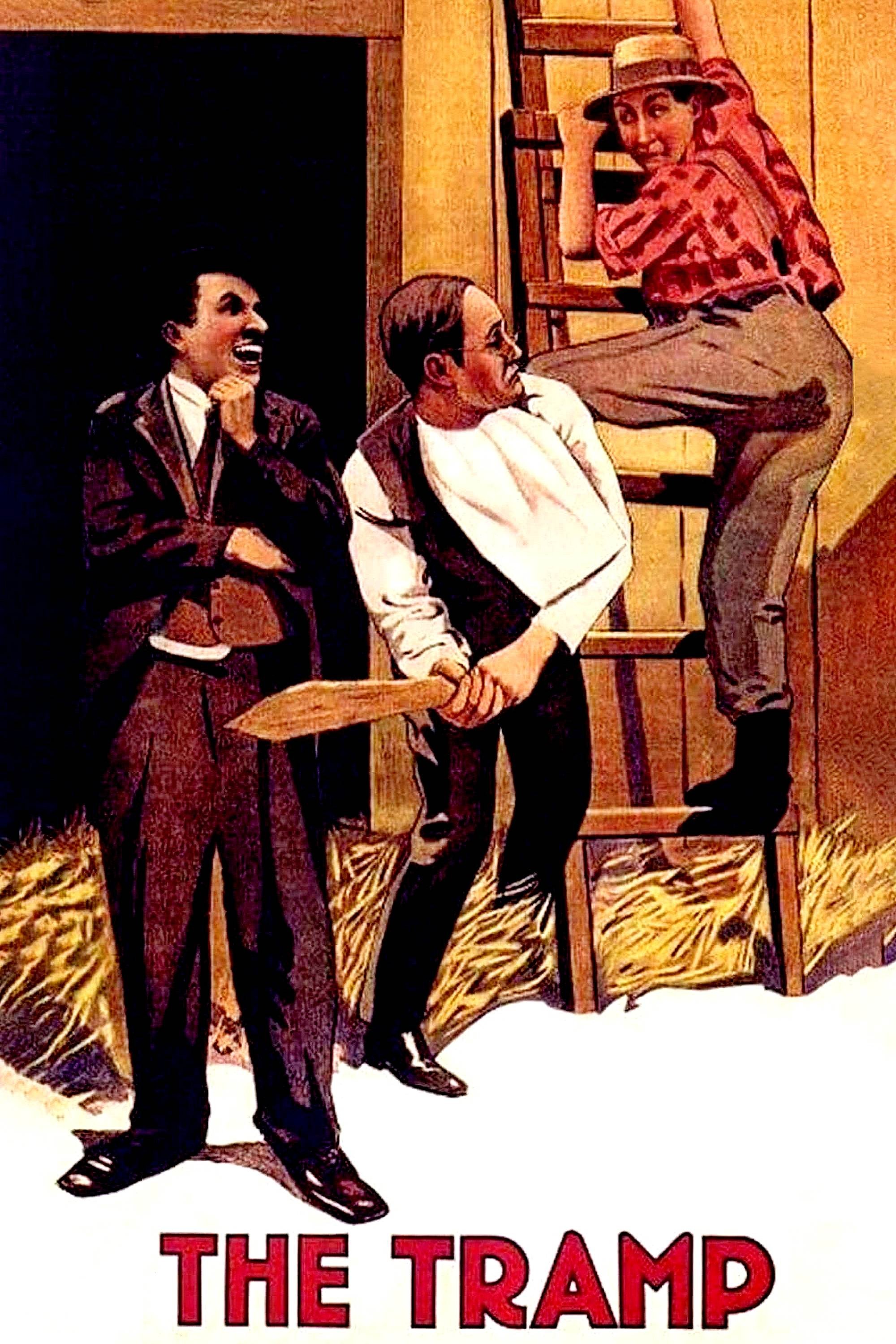
A tramp falls in love with a beautiful blind flower girl. His on-and-off friendship with a wealthy man allows him to be the girl's benefactor and suitor.
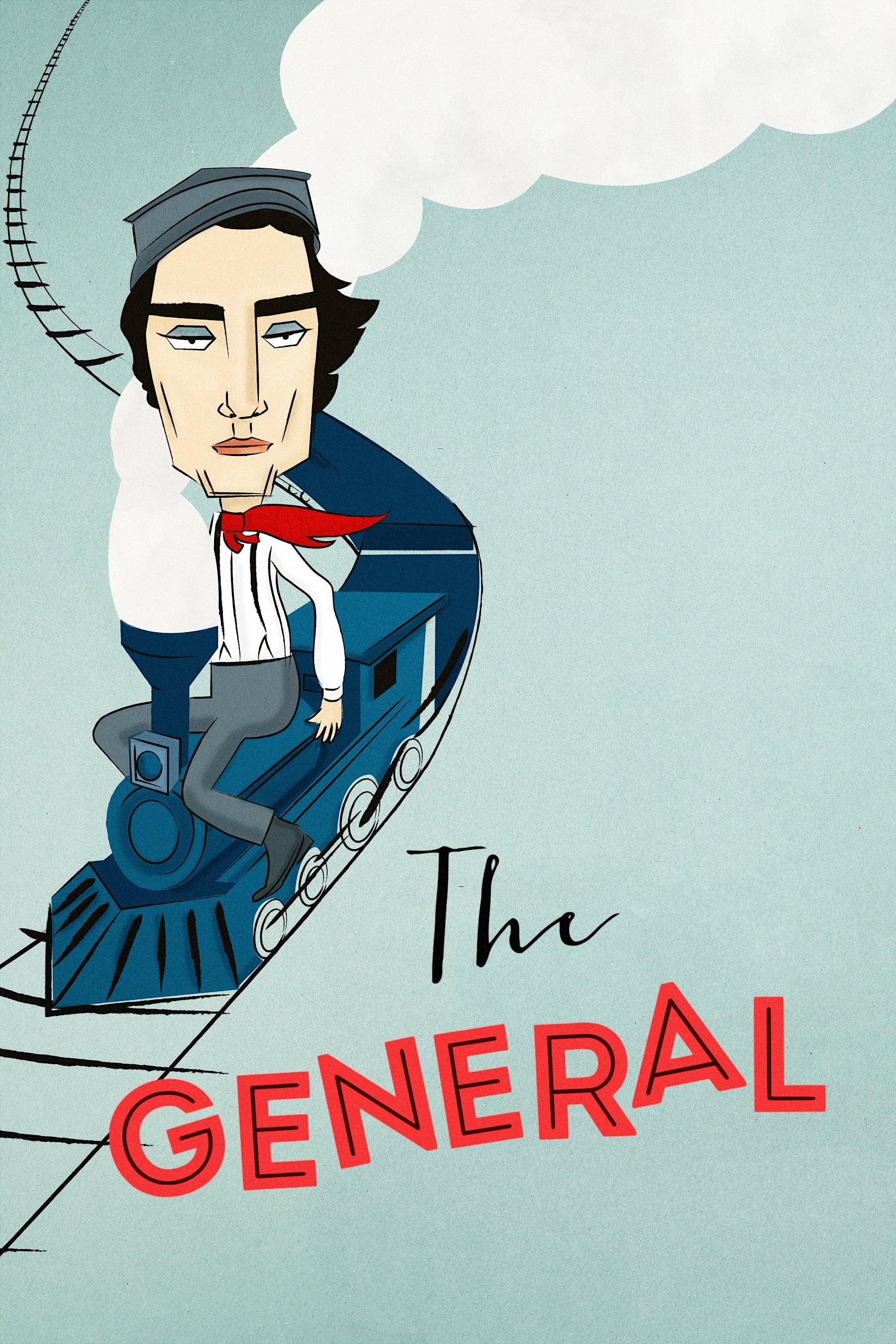
During America’s Civil War, Union spies steal engineer Johnny Gray's beloved locomotive, 'The General'—with Johnnie's lady love aboard an attached boxcar—and he single-handedly must do all in his power to both get The General back and to rescue Annabelle.
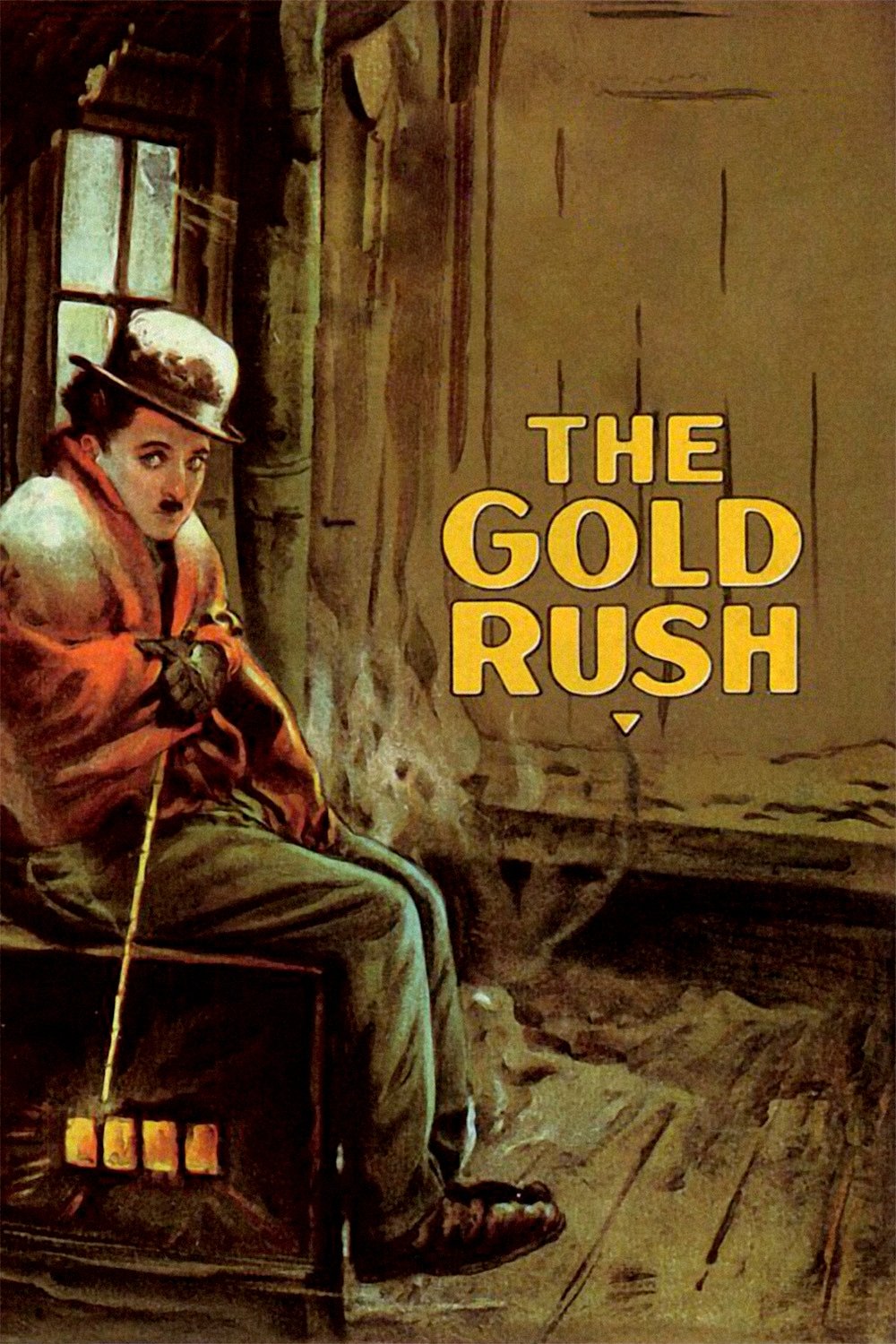
A gold prospector in Alaska struggles to survive the elements and win the heart of a dance hall girl.
The wealthy hat maker Cederström has two daughters, Marianne and Lotte. He has decided that Marianne should marry Melander even though she loves the poet Malm. Lotte on the other hand loves Melander.
A man fakes an engagement to a typist to please his rich aunt.
A tramp cares for a boy after he's abandoned as a newborn by his mother. Later the mother has a change of heart and aches to be reunited with her son.
19th release in 'The Smith Family' series of 2-reel comedies.
A commitment-phobic 27-year old’s relationship is put to the test when she and her boyfriend attend 7 weddings in the same year.
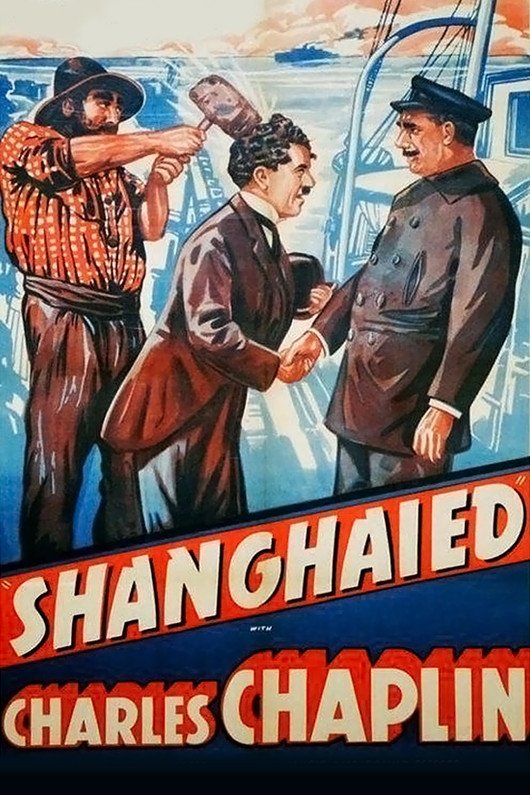
A shipowner intends to scuttle his ship on its last voyage to get the insurance money. Charlie, a tramp in love with the owner's daughter, is grabbed by the captain and promises to help him shanghai some seamen. The daughter stows away to follow Charlie. Charlie assists in the galley and attempts to serve food during a gale.
Ricky Gervais dishes out controversial takes on political correctness and oversensitivity in a taboo-busting comedy special about the end of humanity.
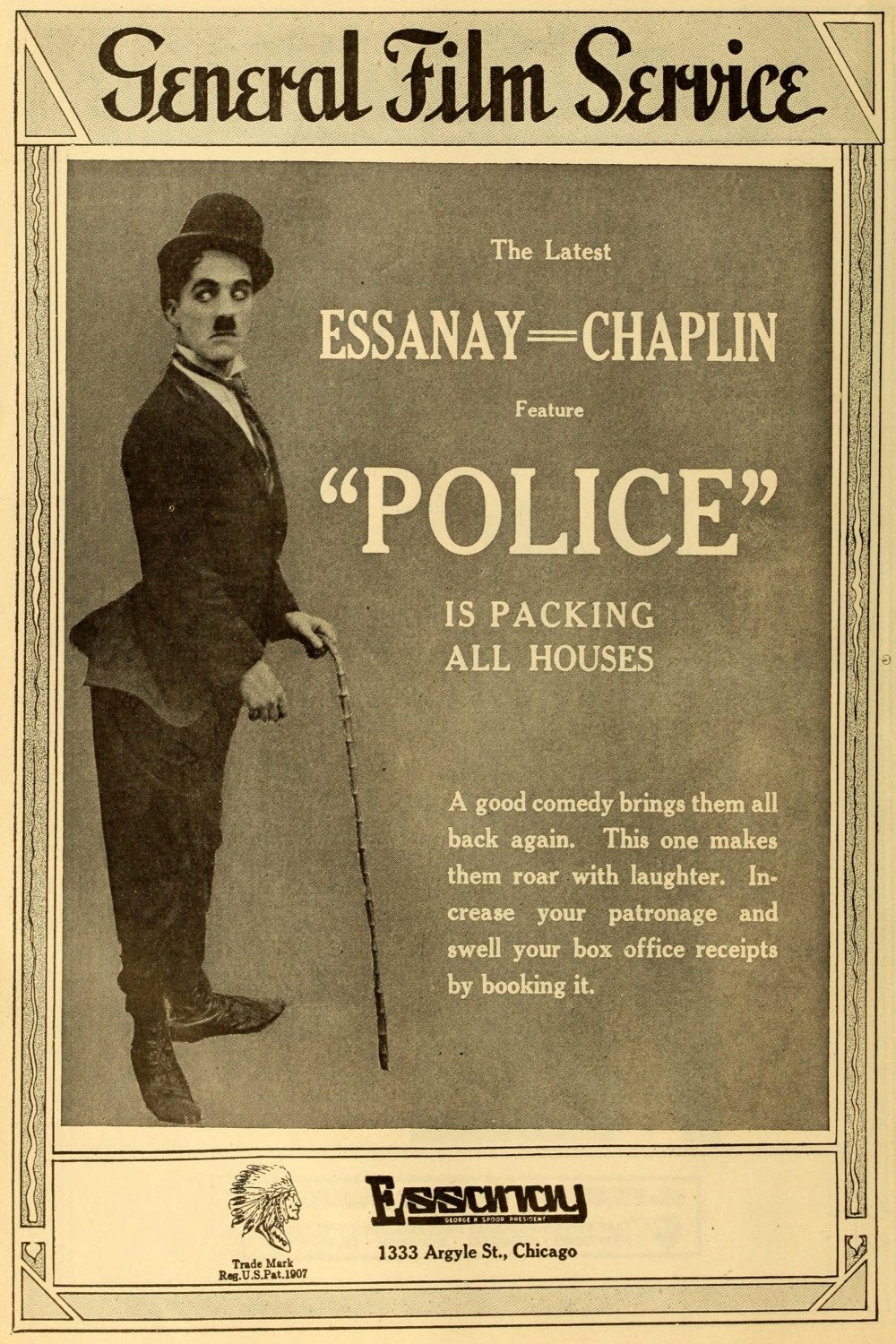
Charlie is released from prison and immediately swindled by a fake parson. A fellow ex-convict convinces Charlie to help burglarize a house.
The Little Fellow finds the girl of his dreams and work on a family farm. He helps defend the farm against criminals, and all seems well, until he discovers the girl of his dreams already has someone in her life. Unwilling to be a problem in their lives, he takes to the road, though he is seen skipping and swinging his cane as if happy to be back on the road where he knows he belongs.
A group of teens hit the road in a stolen driver's ed car, racing against time to help a lovesick high school senior track down his college-freshman girlfriend and win her back.
After NBA star Kevin Durant switches talent with 16 year old Brian, the teenager becomes the star of his high school team, but Durant starts struggling and eventually learns an important lesson.
Three Chaplin silent comedies "A Dog's Life", "Shoulder Arms", and "The Pilgrim" are strung together to form a single feature length film. Chaplin provides new music, narration, and a small amount of new connecting material. "Shoulder Arms" is now described as taking place in a time before "the atom bomb".
Jimmy Dolan is a college basketball coach who wants a big promotion. To get it, he needs to make a dramatic find. He ends up deep in Africa, hoping to recruit Saleh, a huge basketball prodigy Jimmy glimpsed in a home movie. But Saleh is the chief's son and has responsibilities at home, since the tribe's land is threatened by a mining company with its own hotshot basketball team.
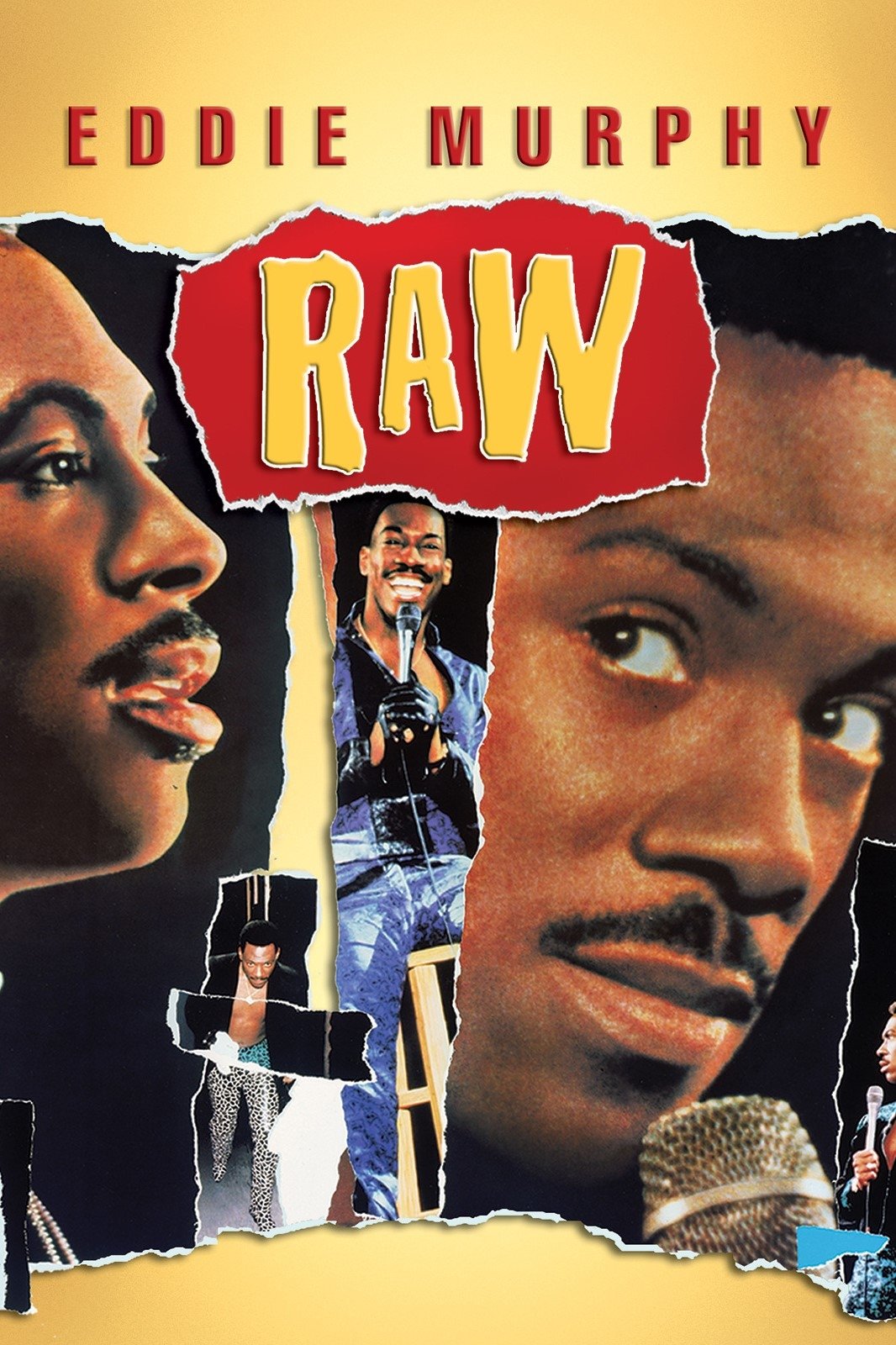
Eddie Murphy delights, shocks and entertains with dead-on celebrity impersonations, observations on '80s love, sex and marriage, a remembrance of Mom's hamburgers and much more.
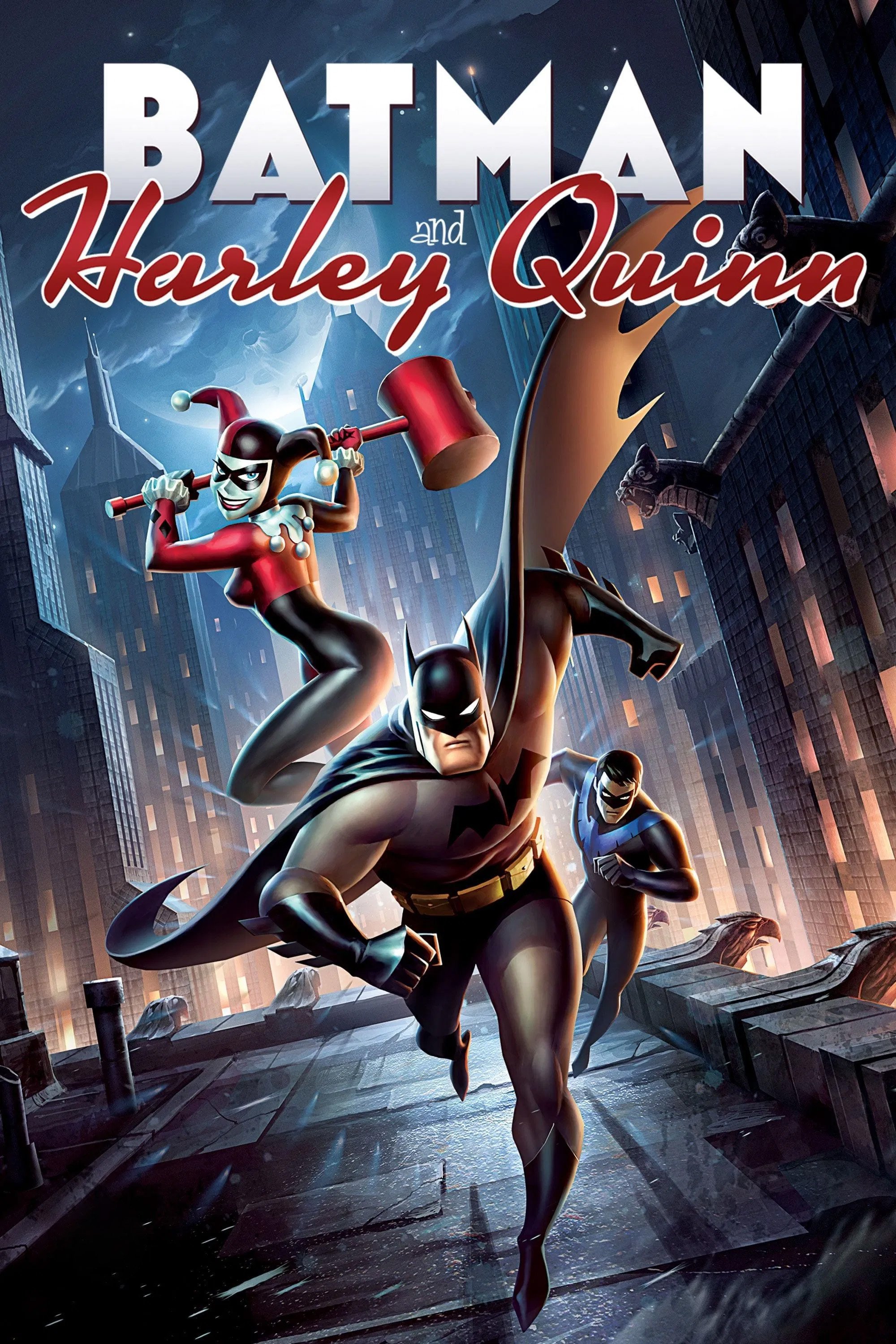
Batman and Nightwing are forced to team with the Joker's sometimes-girlfriend Harley Quinn to stop a global threat brought about by Poison Ivy and Jason Woodrue, the Floronic Man.
Ricky Gervais tackles life, death and the state of the world in a brutally honest special that spares no topic, even his own mortality.
A medicine man is sent looking for the son of his tribal king, and brings back an American golfer and a host of goons intent on keeping him in the golf tournament.
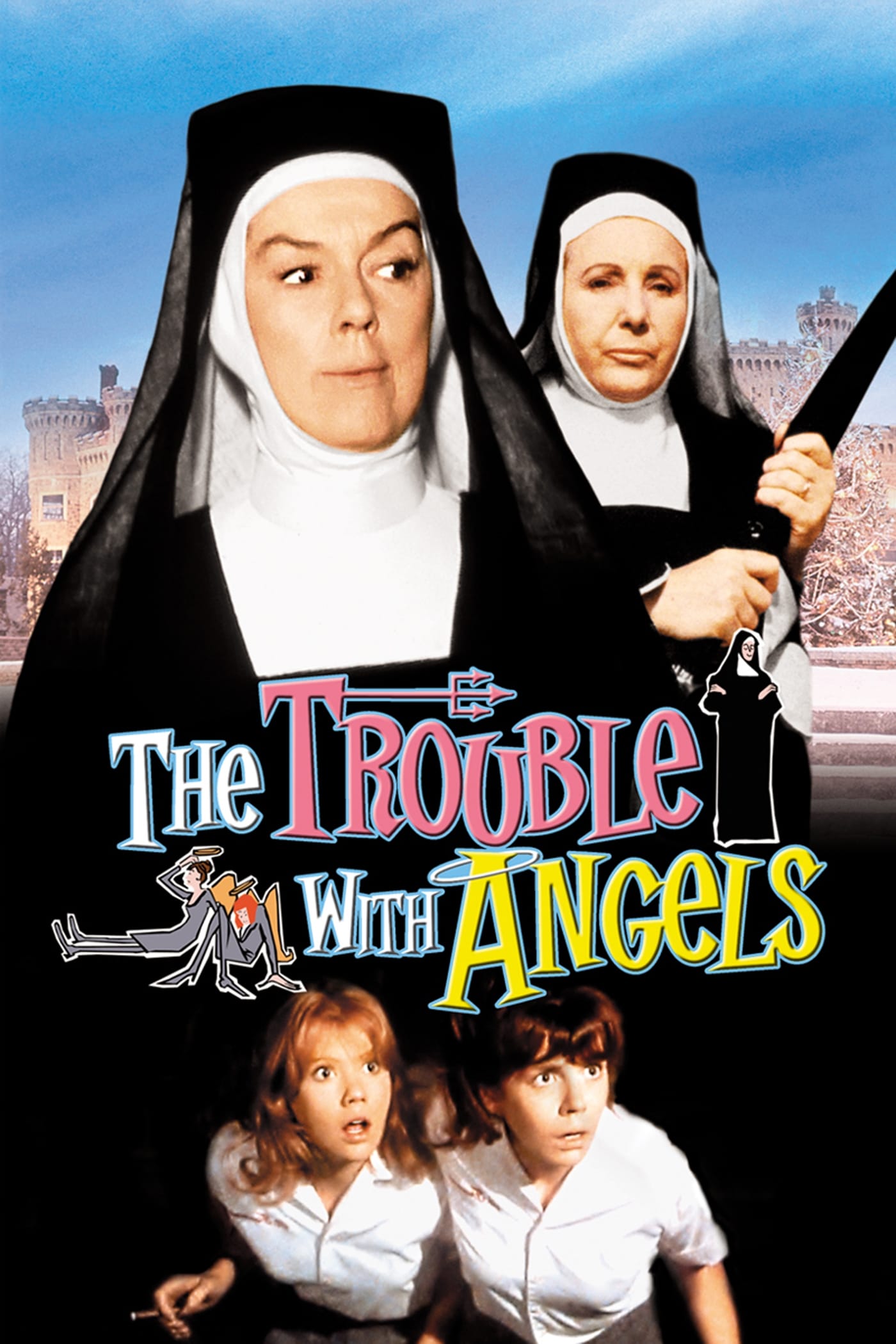
Mary and her friend, Rachel, are new students at St. Francis Academy, a boarding school run by the iron fist of Mother Superior. The immature teens grow bored and begin playing pranks on both the unsuspecting nuns and their unpleasant classmates, becoming a constant thorn in Mother Superior's side. However, as the years pass, Mary and Rachel slowly mature and begin to see the nuns in a different light.
A modern retelling of Shakespeare's classic comedy about two pairs of lovers with different takes on romance and a way with words.
In what might be his most personal and introspective hour yet, Bill offers hilarious takes on everything from male sadness to dating advice.
With his signature pitch-black sense of humor, Ricky Gervais takes the stage at the London Palladium in this provocative stand-up comedy special.
A hopelessly estranged father catfishes his son in an attempt to reconnect.
While doing the inventory for a lingerie outlet in a high rise office building, five attractive women are terrorized by a series of bizarre killings. They suspect that the strange janitor, who witnessed another series of killings six months previously, is at the bottom of the whole thing. Little do they know the real horror that they face in the end.