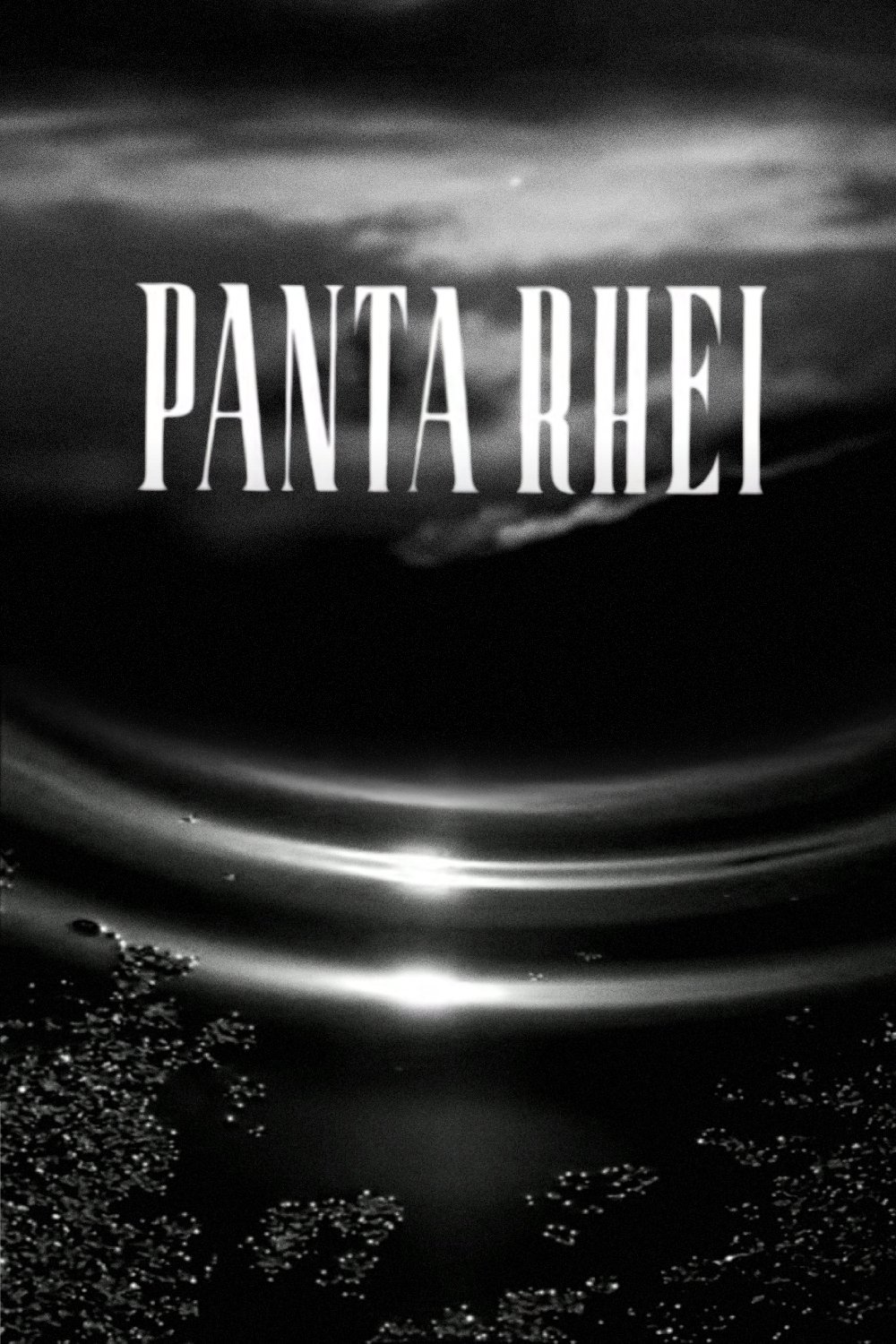
"All things flow."
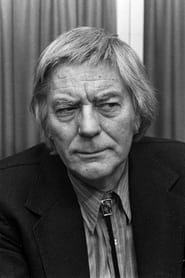
In 1952, Haanstra made Panta Rhei , another view of Holland through the eyes of a painter and filmmaker. Its poetic images of water, skies and clouds reflect Haanstra's own moods.
Social & External
The people behind it
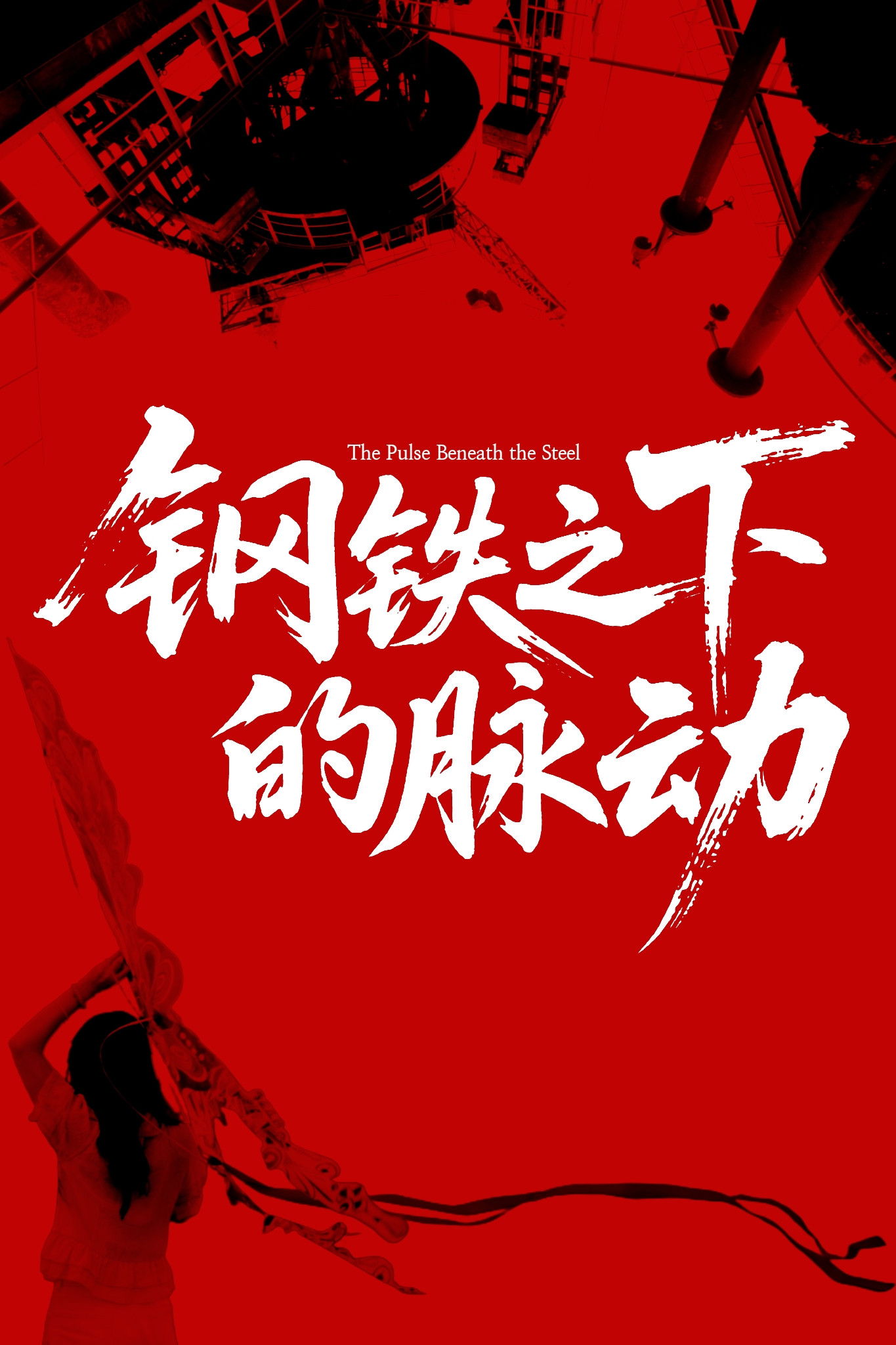
Once the beating heart of Beijing’s steel industry, Shougang was a leviathan forged from iron and fire. Its blast furnaces once echoed with labour and ambition, embodying the raw force of China’s industrial might. Today, these same structures are repurposed into spaces of digital innovation and Olympic legacy, marking one of the most ambitious urban transformations in modern China. This documentary traces the metamorphosis of Shougang Park through three poetic chapters: its industrial past, the deliberate reinvention of its architecture, and its re-emergence as a tech-driven ecosystem. Through immersive visuals and the voices of those who once toiled within its furnaces and those now forging its future, The Pulse Beneath the Steel is more than a portrait of place. It is a meditation on memory and transformation at the heart of a city that bridges heritage and modernity.
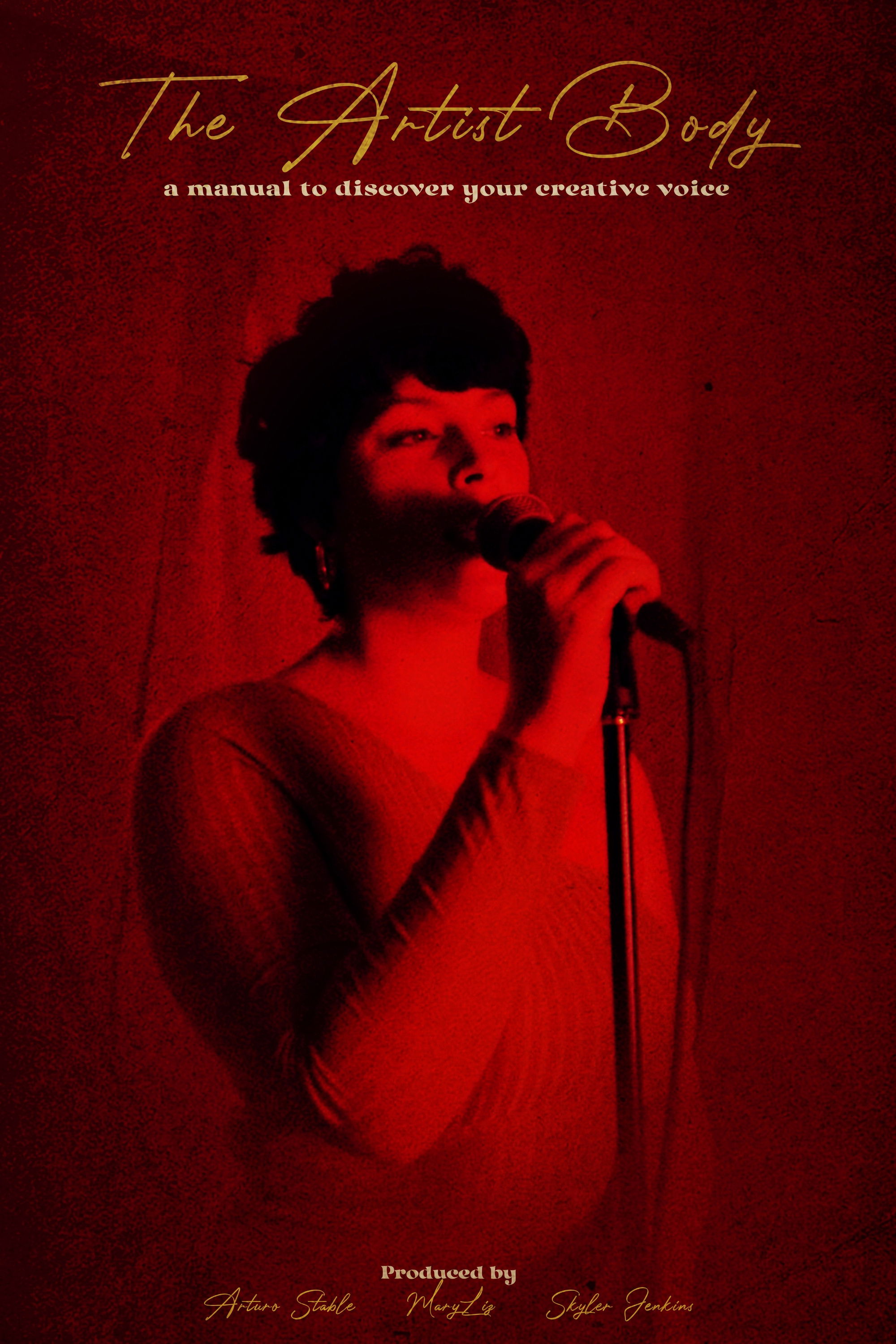
A Singer, Musician & Filmmaker embark on a Cross Country Journey to explore what it takes to Find your Creative Voice. Through conversations, theory & musical moments, they uncover the steps & struggles every artist faces. This isn’t just a film—it’s a blueprint to find your voice.
In Manhattan's Central Park, a film crew directed by William Greaves is shooting a screen test with various pairs of actors. It's a confrontation between a couple: he demands to know what's wrong, she challenges his sexual orientation. Cameras shoot the exchange, and another camera records Greaves and his crew. Sometimes we watch the crew discussing this scene, its language, and the process of making a movie. Is there such a thing as natural language? Are all things related to sex? The camera records distractions - a woman rides horseback past them; a garrulous homeless vet who sleeps in the park chats them up. What's the nature of making a movie?
Short experimental 16mm film.
Rummaging for Pasts is an experimental juxtaposition of two cinematic documents: the video diary of an international archaeological excavation and a collection of assorted eight millimeter found footage of Indian weddings.
Captures the avant-garde artist Yayoi Kusamas creative process as she diligently works to complete her series of 50 large monochrome drawings. As her work comes to life, one can witness the essence of her art as it wells up in the conflict between life, death, and love.
An experimental half-documentary half-fiction about a young person’s routine of getting to sleep and waking up.
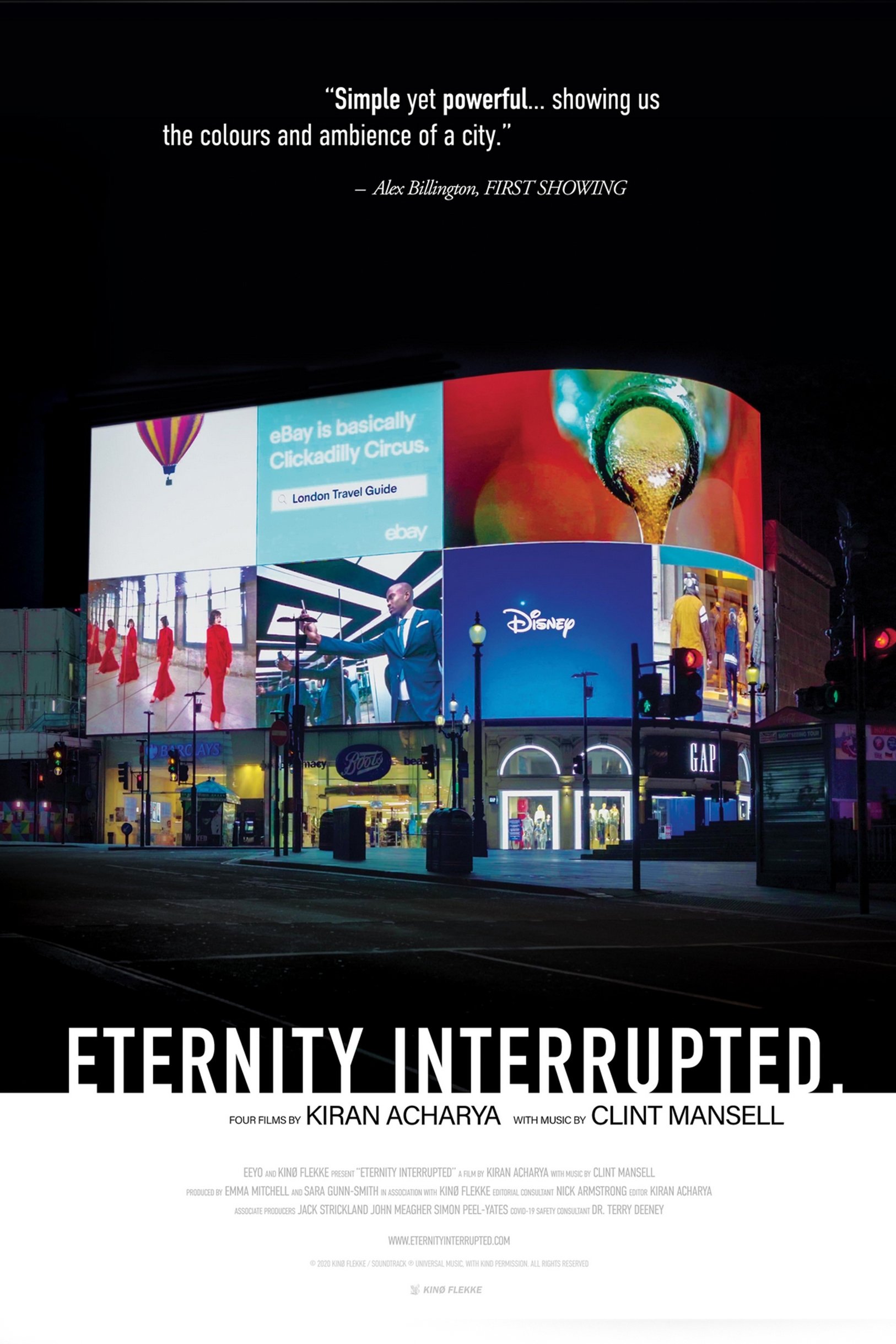
The personal collaboration between Kiran Acharya and Clint Mansell is an early combination of documentary film and augmented reality.
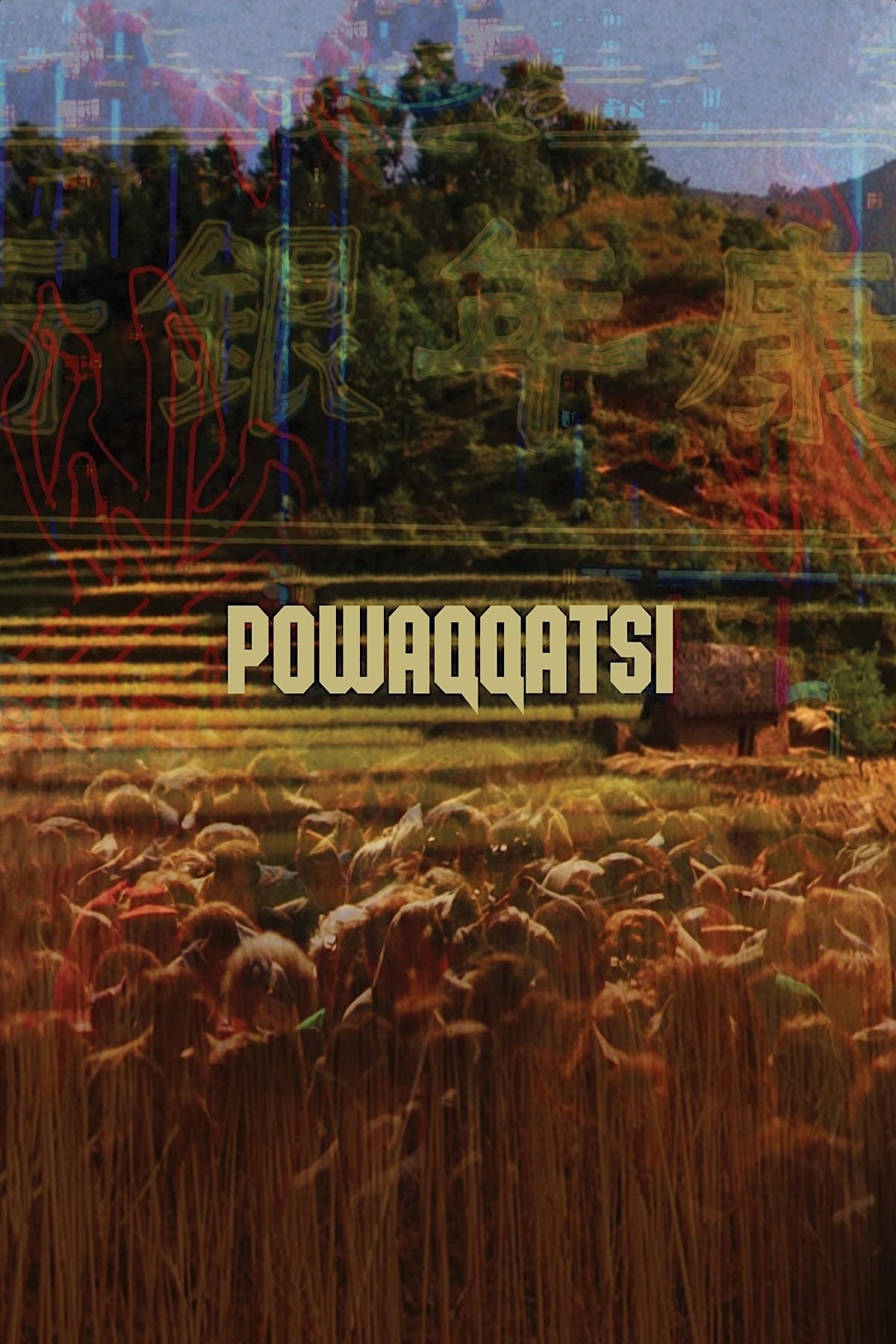
An encounter with the last shamans of Bolivia's Beni River Valley brings the audience on an intimate spiritual journey through the Amazon Rainforest. Navigating the viewer through lush landscapes on a ritual of transcendence and forgiveness, this experimental documentary recreates for audiences the experience of the potent and sacred Ayahuasca Vine.
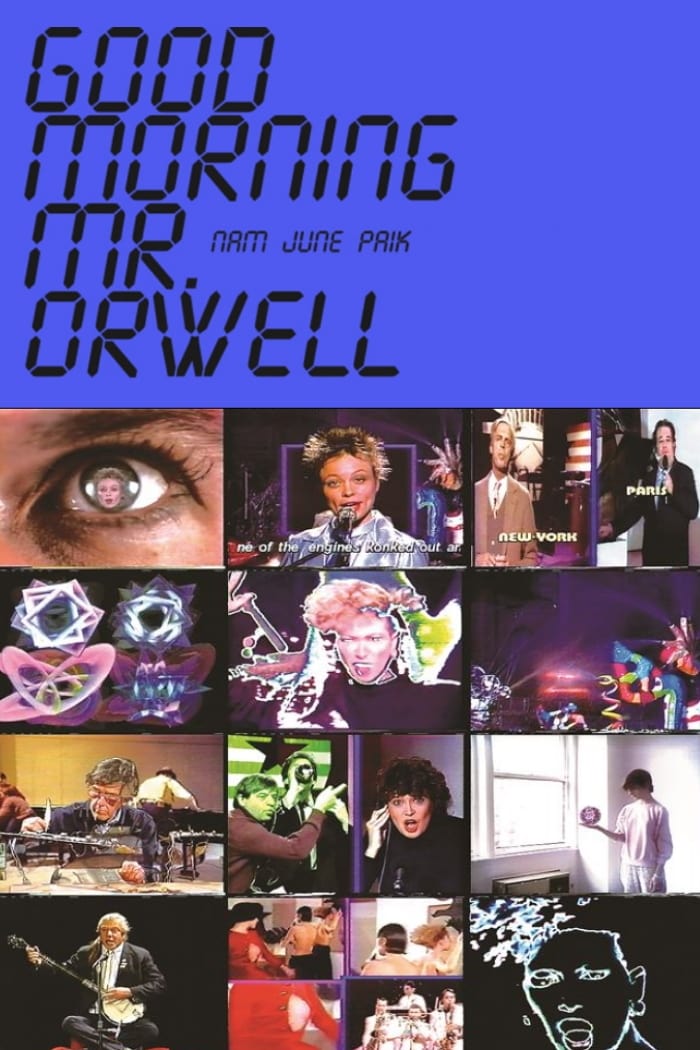
In his book "1984", George Orwell saw the television of the future as a control instrument in the hands of Big Brother. Right at the start of the much-anticipated Orwellian year, Paik and Co. were keen to demonstrate satellite TV's ability to serve positive ends-- Namely, the intercontinental exchange of culture, combining both highbrow and entertainment elements. A live broadcast shared between WNET TV in New York and the Centre Pompidou in Paris, linked up with broadcasters in Germany and South Korea, reached a worldwide audience of over 10 or even 25 million (including the later repeat transmissions).
An experience of a camera swinging in different gestures facing the optical distortion of the Sun. The last appearance of the smudge.
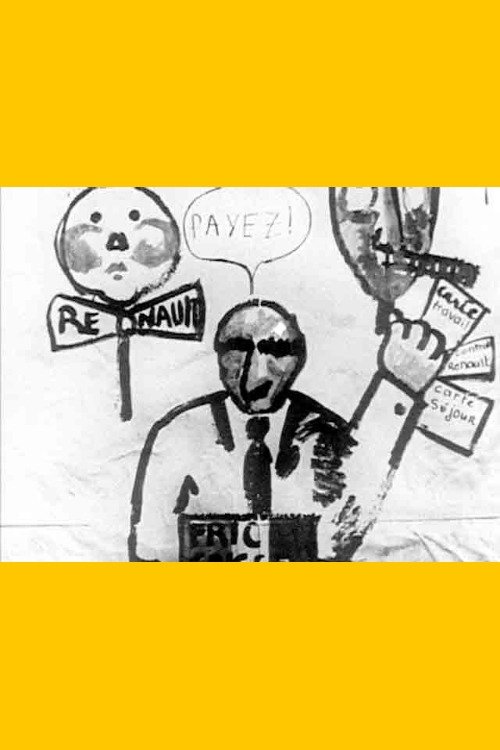
A group of leftist activists expose the exploitation of immigrant workers by a criminal network with connections to local government officials. The movie was produced by the group SLON (Société pour le Lancement des Oeuvres Nouvelles, also the Russian word for elephant). SLON was a film collective whose objectives were to make films and to encourage industrial workers to create film collectives of their own. Its members included Valerie Mayoux, Jean-Claude Lerner, Alain Adair and John Tooker, and Chris Marker.
One of Paik’s most overtly political and poignant statements, Guadalcanal Requiem is a performance/documentary collage that confronts history, time, cultural memory and mythology on the site of one of World War II’s most devastating battles.
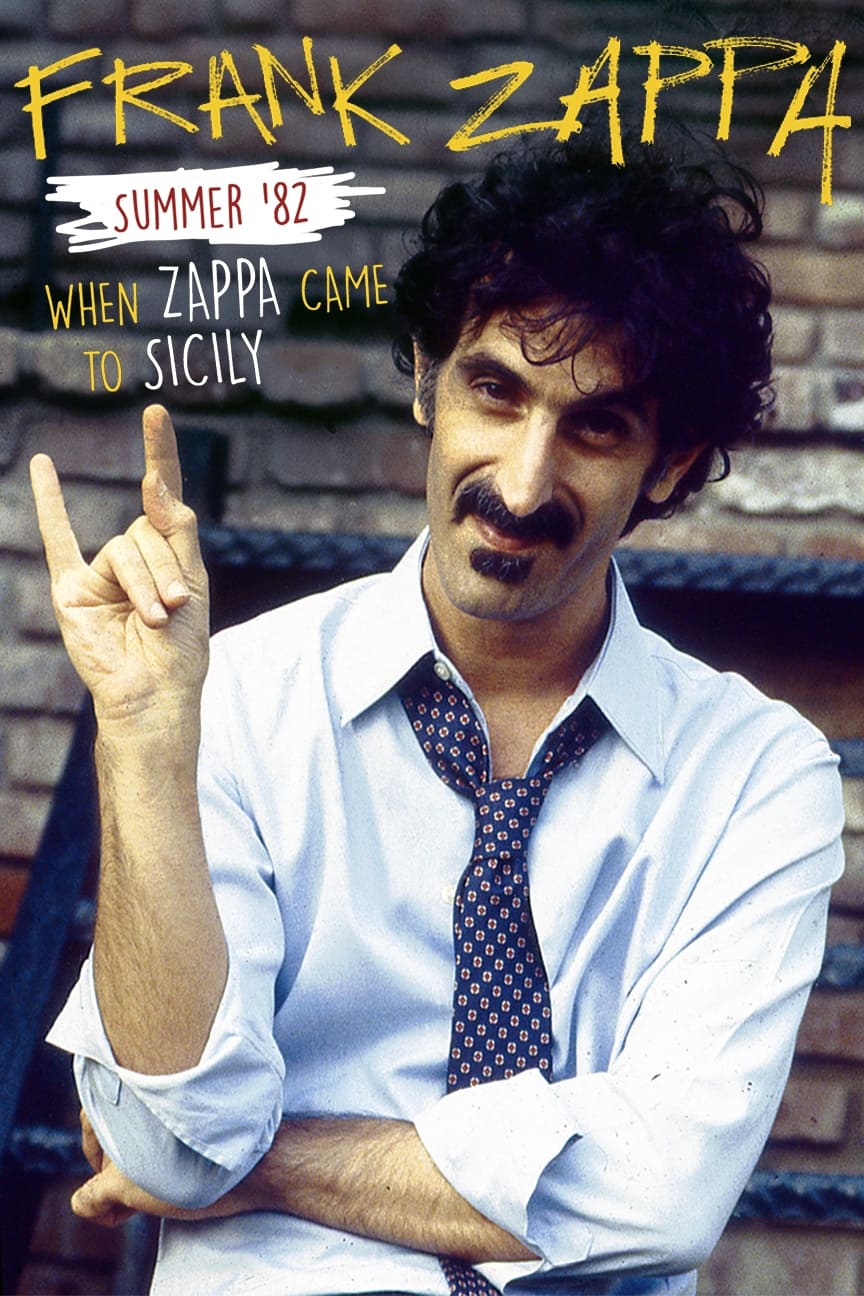
In the feature documentary, Summer 82 – When Zappa Came to Sicily, filmmaker and Zappa fan Salvo Cuccia tells the behind-the-scenes story of Frank Zappa's star-crossed concert in Palermo, Sicily, the wrap-up to a European tour that ended in public disturbances and police intervention. Cuccia had a ticket to the concert but never made it. Thirty years later, collaborating with Zappa's family, he re-creates the events through a combination of rare concert and backstage footage; photographs; anecdotes from family, band members, and concertgoers; and insights from Zappa biographer and friend Massimo Bassoli. The story is also a personal one, as Cuccia interweaves the story of Zappa's trip to Sicily with his own memories from that summer.
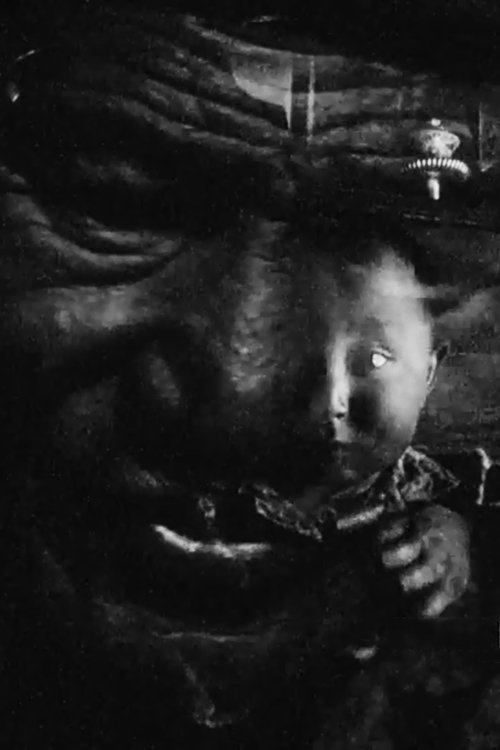
In PATH OF CESSATION the image that is communicated to us by Fulton is a highly mystifying one. Rather than analyze, or enter into a dialogue with the Tibetan culture that he photographs, Fulton has succumbed to it, and through the process has presented us a work of great surface, as well as formal, beauty.
A visual montage portrait of our contemporary world dominated by globalized technology and violence.
A documentary on the expletive's origin, why it offends some people so deeply, and what can be gained from its use.
In an intimate and joyful story of love in the face of loss, celebrated poets Andrea Gibson and Megan Falley find strength—and unexpected hilarity—in what might be their final year together.
An exploration of technologically developing nations and the effect the transition to Western-style modernization has had on them.
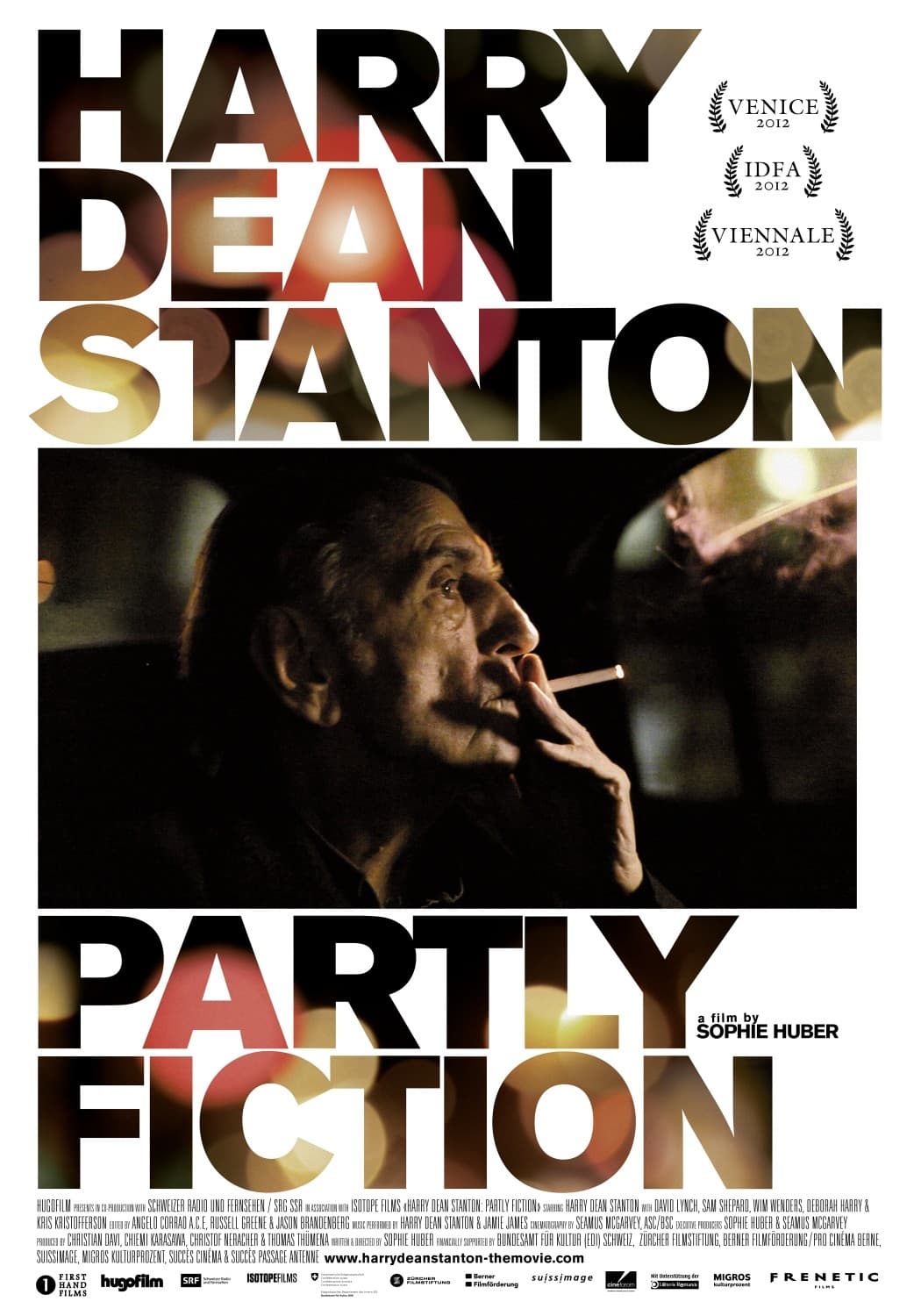
An impressionistic portrait of the iconic actor Harry Dean Stanton comprised of intimate moments, film clips from some of his 250 films and his renditions of American folk songs.
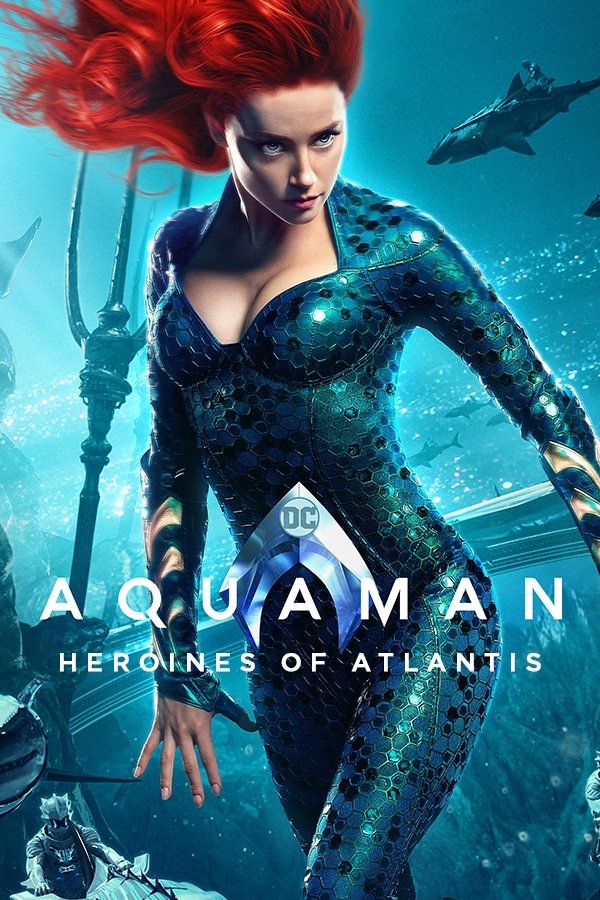
Amber Heard and Nicole Kidman discuss their characters Mera and Atlanna.
A compilation of over 30 years of private home movie footage shot by Lithuanian-American avant-garde director Jonas Mekas, assembled by Mekas "purely by chance", without concern for chronological order.
Alexander McQueen's rags-to-riches story is a modern-day fairy tale, laced with the gothic. Mirroring the savage beauty, boldness and vivacity of his design, this documentary is an intimate revelation of McQueen's own world, both tortured and inspired, which celebrates a radical and mesmerizing genius of profound influence.
Takes us to locations all around the US and shows us the heavy toll that modern technology is having on humans and the earth. The visual tone poem contains neither dialogue nor a vocalized narration: its tone is set by the juxtaposition of images and the exceptional music by Philip Glass.
Ranjit, a farmer in India, takes on the fight of his life when he demands justice for his 13-year-old daughter, the victim of a brutal gang rape. His decision to support his daughter is virtually unheard of, and his journey unprecedented.
Unravel the case of Utah therapist Jodi Hildebrandt, whose child abuse arrest with parenting YouTuber Ruby Franke exposed a twisted tale of manipulation.
Director Michael Apted revisits the same group of British-born adults after a 7 year wait. The subjects are interviewed as to the changes that have occurred in their lives during the last seven years.
The Making-of James Cameron's Avatar. It shows interesting parts of the work on the set.
Musician and performance artist Laurie Anderson reflects on the deaths of her husband Lou Reed, her mother and her beloved dog.
A candid look at rehearsal footage in support of a focus on pre-viz.
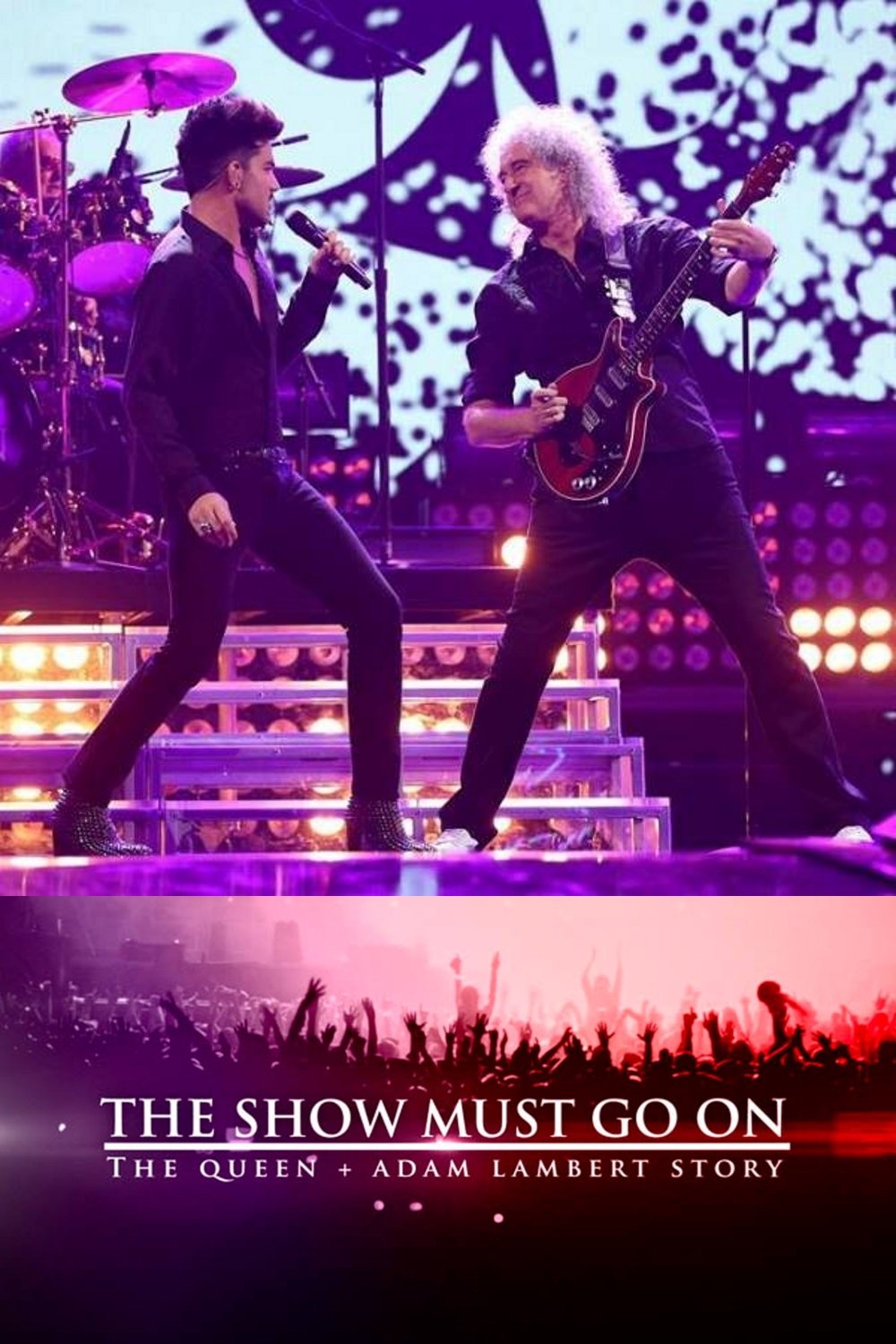
A documentary chronicling Queen and Lambert's incredible journey since they first shared the stage together on "American Idol" in 2009.
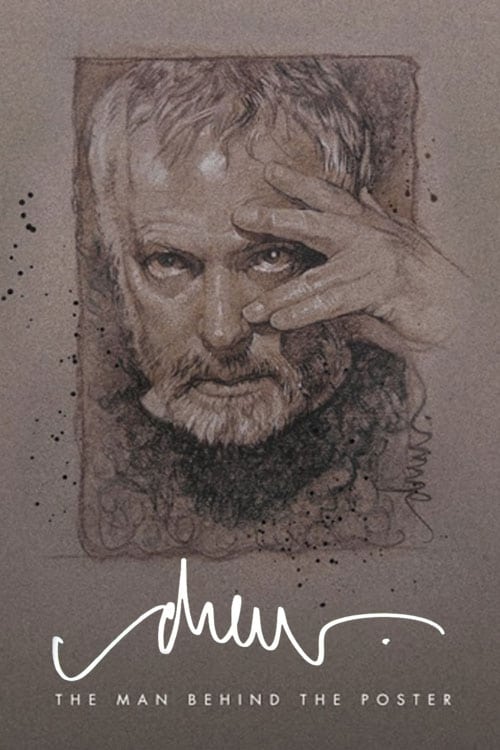
A documentary on legendary movie-poster artist Drew Struzan.
A documentary about the life and films of director John Ford.
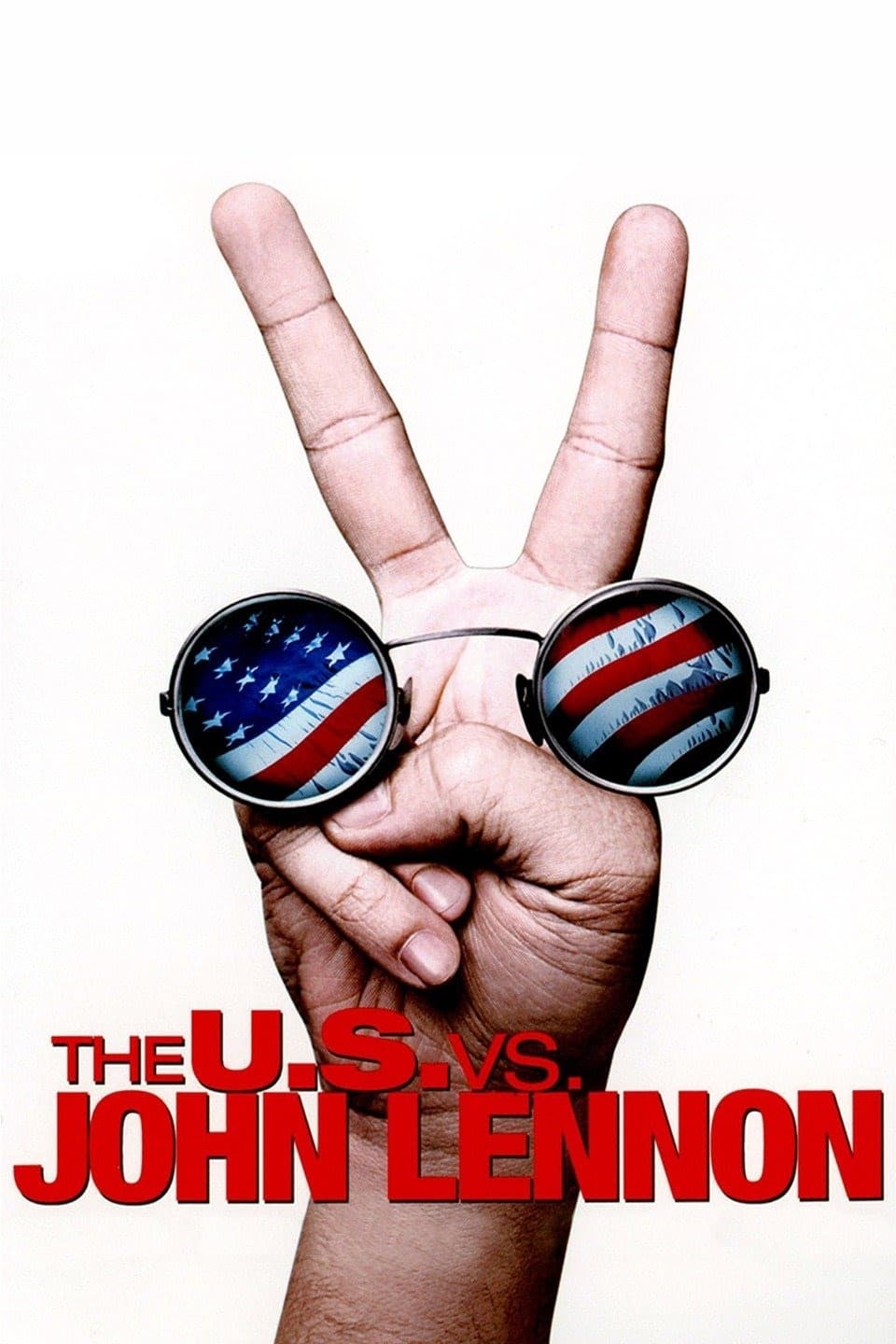
A documentary on the life of John Lennon, with a focus on the time in his life when he transformed from a musician into an antiwar activist.
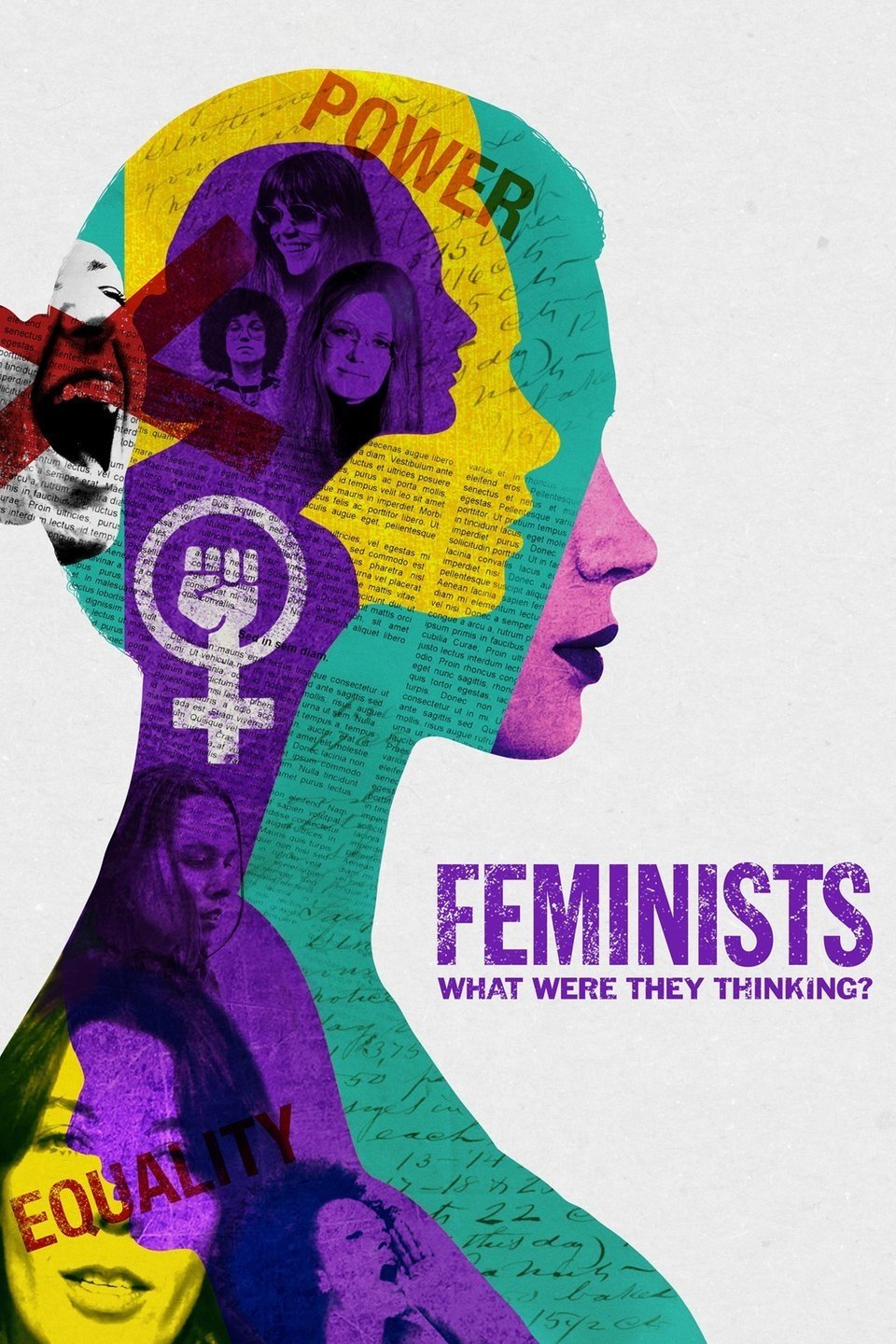
In 1977, a book of photographs captured an awakening - women shedding the cultural restrictions of their childhoods and embracing their full humanity. This documentary revisits those photos, those women and those times and takes aim at our culture today that alarmingly shows the need for continued change.