Social & External
The people behind it
Ainhoa Aldanondo
Documentary short film detailing the first high-altitude daylight bombing of Germany by American B-17 bombers.
Training film for pilots of the Lockheed P-38 Lightning pursuit aircraft, focusing particularly on flight characteristics during operation on only one engine.
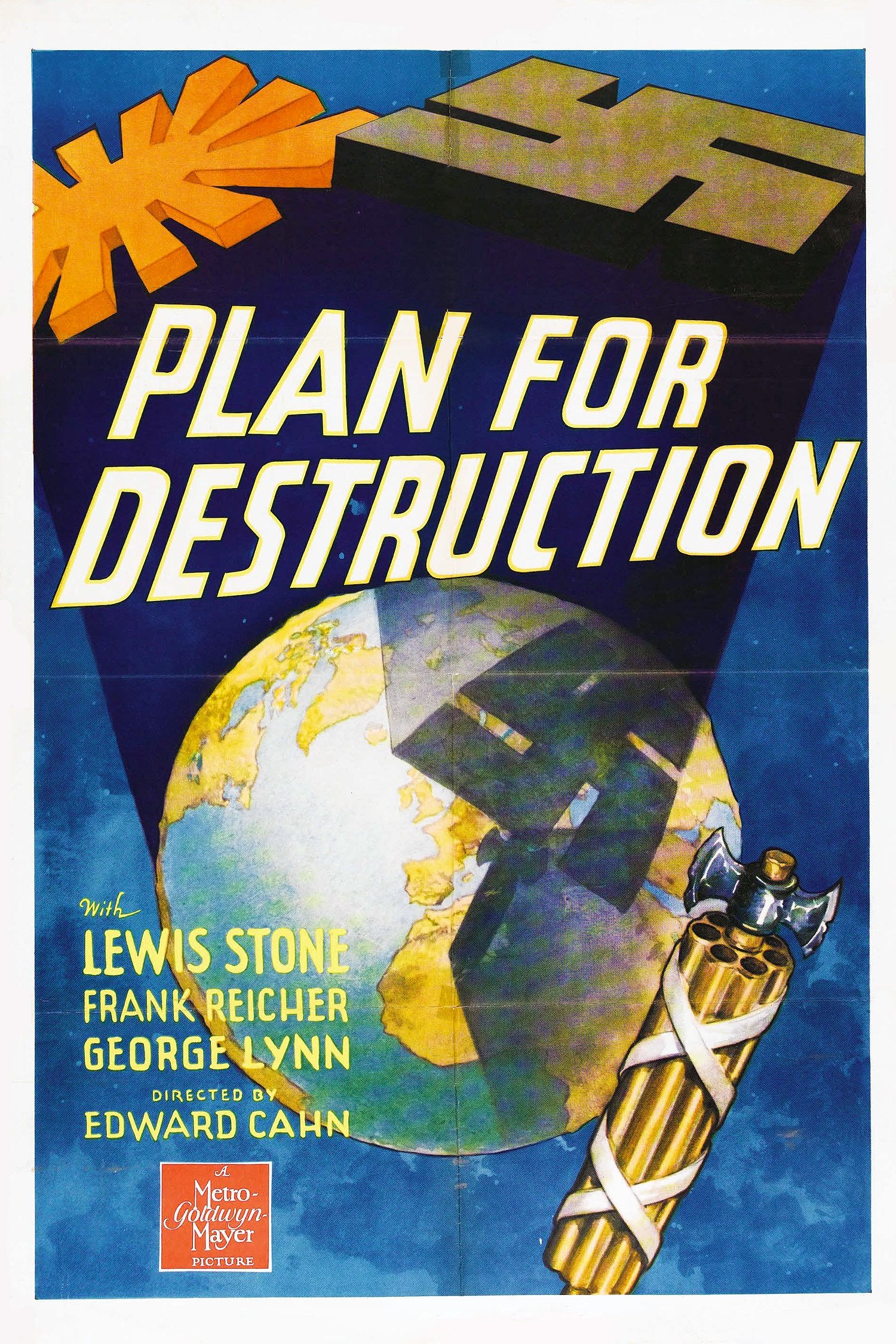
Plan for Destruction is a 1943 American short propaganda film directed by Edward Cahn. It looks at the Geopolitik ideas of the ex-World War I professor, General Karl Haushofer, who is portrayed as the head of a huge organization for gathering information of strategic value and the mastermind behind Adolf Hitler's wars and plans to enslave the world. The film was nominated for an Academy Award for Best Documentary Short.
USAAF Documentary Film
Hilarious moments from American-style football games.
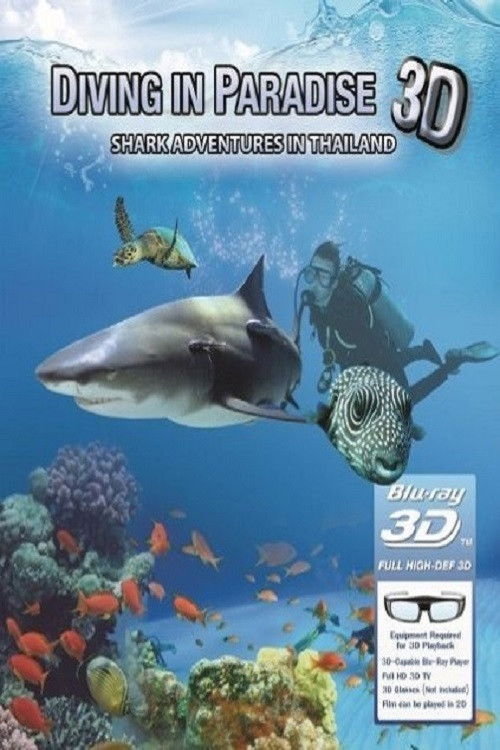
The dive sites around Phuket are among the most fascinating in the world. Colourful coral reefs, puffer fish and turtles are among the extraordinary sea dwellers living in an 85 meter-long sunken ferry. These 3D dives in paradise make a spectacular highlight. Experience a unique underwater tank dive with sharks at Siam aquatic World in Bangkok. For anyone who meets the three half-meter-long sand tiger sharks in this way, their experience is never to be forgotten.
A captivating documentary following a young polar bear venturing on his first solo journey across the Canadian Arctic during the summer thaw. As the ice disappears, he must adapt to a challenging landscape without the one thing polar bears depend on most: sea ice. With stunning cinematography and heartfelt narration, this film offers a rare glimpse into the resilience and struggle of polar bears facing a rapidly changing climate.
Impressions of New York City. Experimental short.
A surreal journey of a displaced spirit as he wanders in the interminable darkness through the temporal landscape of a quaint and isolated feudal-era fishing village. Guided by a series of faintly illuminated rooms, the wandering spirit comes upon ancient souls who take on physical forms as they recount their personal stories of daily existence, loss, and tragedy in the peasant community. Intrigued by his initial visit to a curiously distracted elderly woman, the spirit returns to her home in order to ask a fundamental question - "What is happiness?" - an existential query that is innocently answered with innate humility and accepted unknowingness.
Lee Martin, one of the cowboy stars in 'Buffalo Bill's Wild West', rides a bronco as a crowd looks on. While the horse is trying to throw Martin off its back, another cowboy stands on top of a fence rail and occasionally fires his six-shooter, to spur on both horse and rider.
In the background, five fans lean on the ropes looking into the ring. The referee is to the left; like the fans, he hardly moves as two fighters swing roundhouse blows at each other. Mike Leonard, in white trunks, is the aggressor; in black, Jack Cushing stands near the edge of the ring, warily pawing the air as Leonard comes at him. A couple of punches land, but the fighters maintain their upright postures.
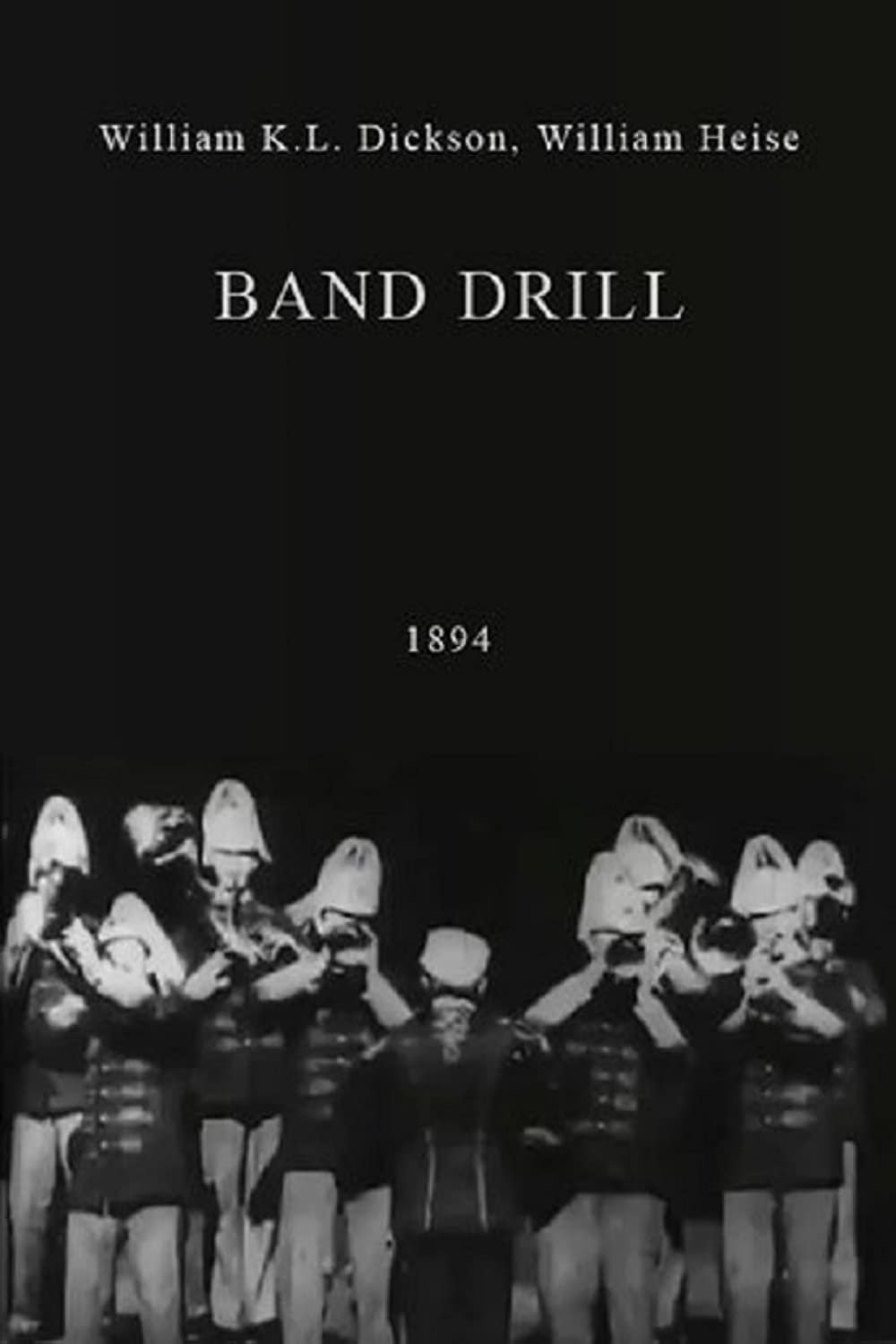
A scene from Charles Hoyt's 'A Milk White Flag': A brass band marches out, led by bandmaster Steele Ayers. When Ayers reaches his position, he turns around and directs the musicians as they take up their own positions.
"All sounds travel in waves much the same as ripples in water." Educational film produced by Bray Studios New York, which was the dominant animation studio based in the United States in the years surrounding World War I.
The Antwerp Zoo covers a fair extent of ground, and was already in 1910 generally considered as an important one. A large number of views of birds and animals were taken and hand coloured. In those days, the monkey house was in for much attention. People found that the various comic incidents added a touch of whimsicality.
A short black-and-white silent documentary film featuring one dog jumping through hoops and another dancing in a costume, which was considered lost until footage from an 1896 Fairground Programme was identified as being from this film.
The subject is a group of women bathing in a public swimming pool. The camera was placed on the edge of the pool and the full extent of the film shows the women in the pool. Only the heads and shoulders of most of the women are visible but it is possible to see they are wearing rented bathing attire.
Take a technological thrill ride The Magic of Flight takes you on a technological thrill ride faster, higher and wider than modern science or even your imagination! Relive the first flight of the Wright Brothers, then soar with the Blue Angels as they defy the laws of gravity. Narrated by Tom Selleck.
Filmed in IMAX, a young girl questions her grandfather about the alleged curse of King Tutankhamen. His response takes us up to the source of the nourishing river Nile, to the Great Pyramids of Giza, to the Valley of the Kings.
Ocean Oasis is a fascinating journey into the bountiful seas and pristine deserts of two remarkably different, but inextricably linked worlds — Mexico's Sea of Cortés and the Baja California desert.
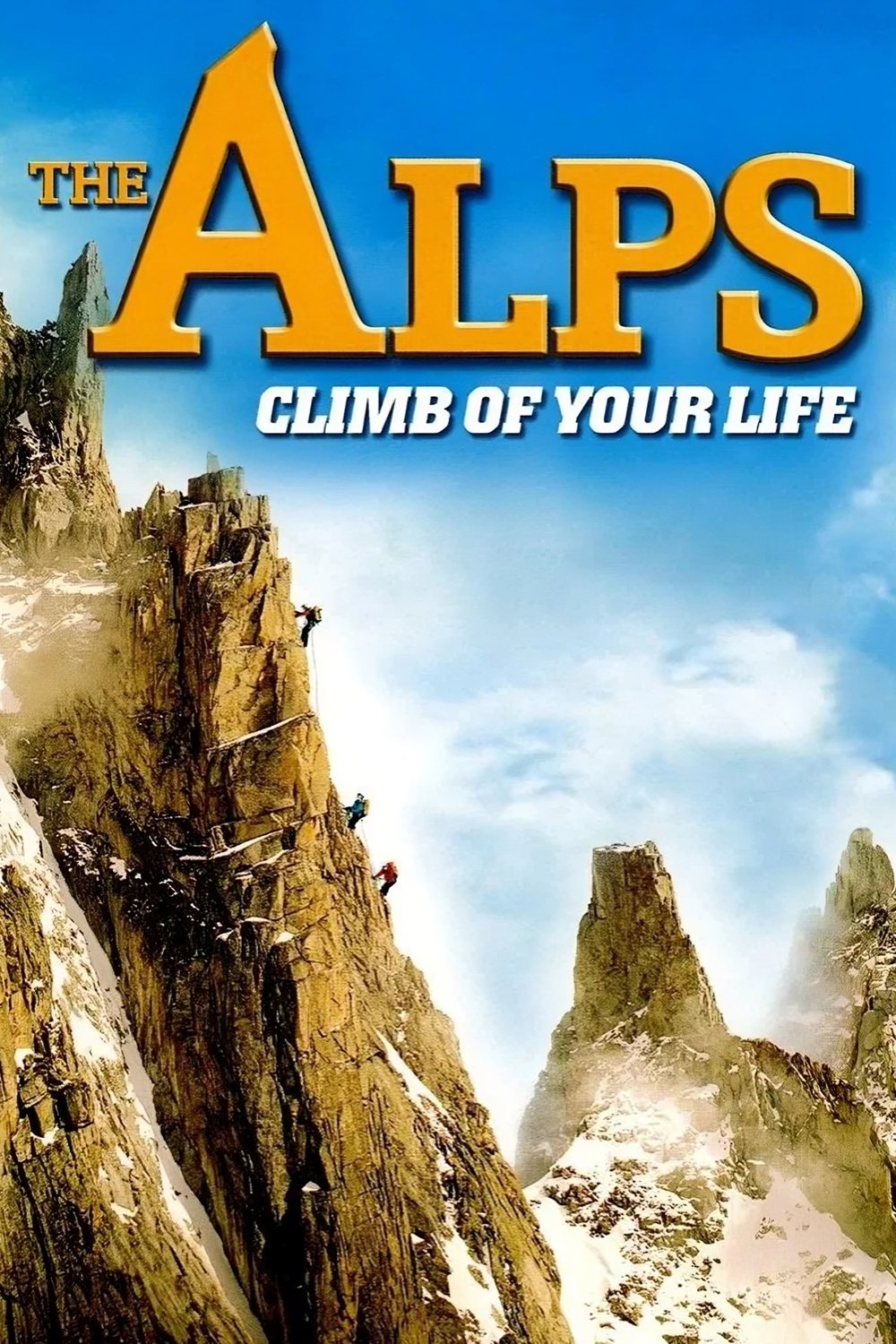
In 1966, John Harlin II died while attempting Europe's most difficult climb, the North Face of the Eiger in Switzerland. 40 years later, his son John Harlin III, an expert mountaineer and the editor of the American Alpine Journal, returns to attempt the same climb.
In an intimate and joyful story of love in the face of loss, celebrated poets Andrea Gibson and Megan Falley find strength—and unexpected hilarity—in what might be their final year together.
A string of threatening emails escalates into a revenge plot involving a newly married US marshal and his ex-girlfriend.
Alexander McQueen's rags-to-riches story is a modern-day fairy tale, laced with the gothic. Mirroring the savage beauty, boldness and vivacity of his design, this documentary is an intimate revelation of McQueen's own world, both tortured and inspired, which celebrates a radical and mesmerizing genius of profound influence.
A documentary about the life and films of director John Ford.
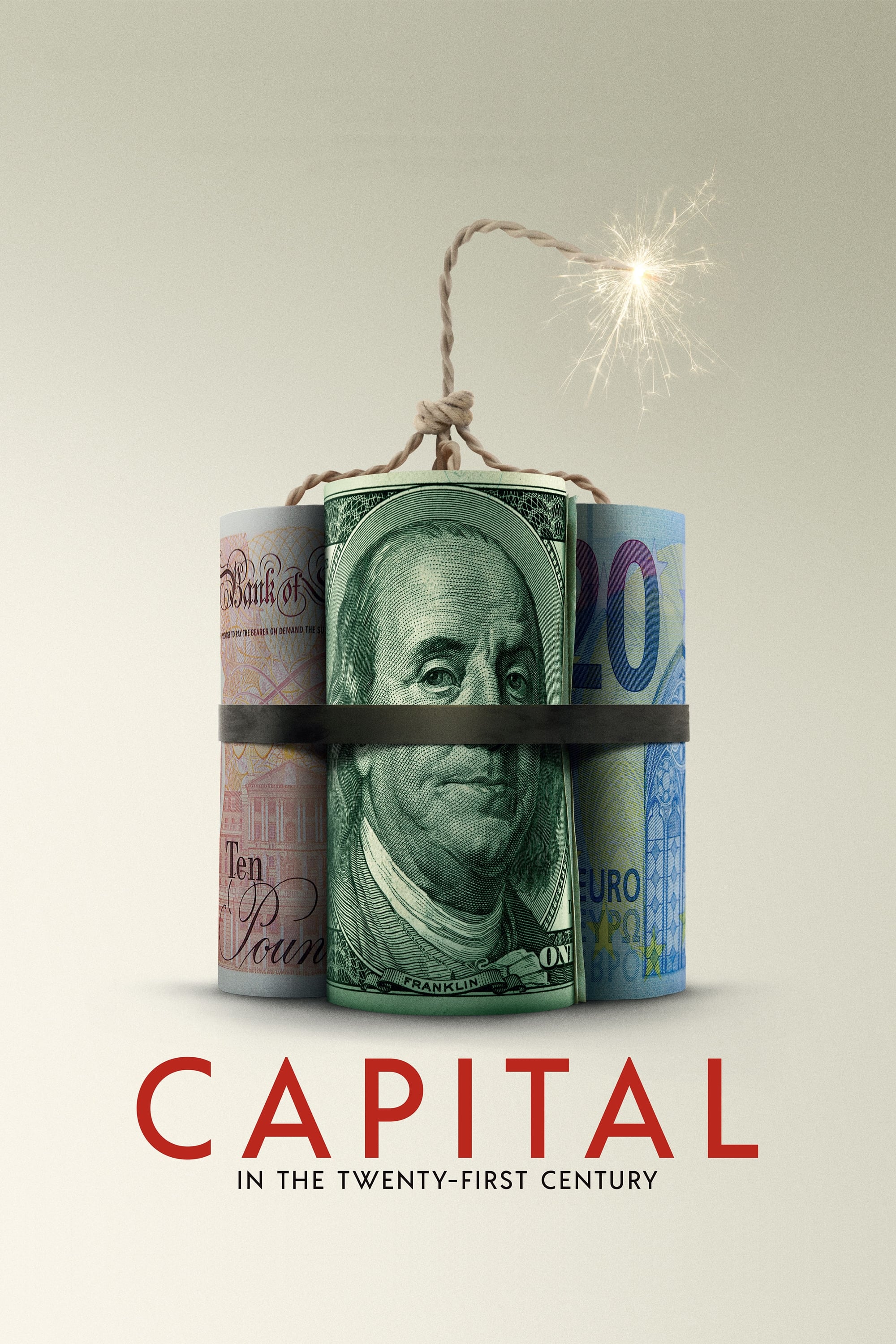
Film adaptation of French economist Thomas Piketty's ground-breaking global bestseller of the same name: an eye-opening journey through wealth and power.
Follow the evolution of the 'Halloween' movies over the past twenty-five years. It examines why the films are so popular and revisits many of the original locations used in the films - seeing the effects on the local community. For the first time, cast, crew, critics and fans join together in the ultimate 'Halloween' retrospective.
In a crime-plagued neighborhood near Miami, brutal, bare-knuckled backyard fights give young men a chance to earn money -- and self-respect.
Ranjit, a farmer in India, takes on the fight of his life when he demands justice for his 13-year-old daughter, the victim of a brutal gang rape. His decision to support his daughter is virtually unheard of, and his journey unprecedented.
A visual montage portrait of our contemporary world dominated by globalized technology and violence.
After another 7 year wait, director Michael Apted revisits the same group of British-born children from Seven Up! and 7 Plus Seven. The subjects are interviewed as to the changes that have occurred in their lives during the last seven years.
A documentary on why 'Money Heist' sparked a wave of enthusiasm around the world for a lovable group of thieves and their professor.
From the heights of her modeling fame to her tragic death, this documentary reveals Anna Nicole Smith through the eyes of the people closest to her.
Director Michael Apted revisits the same group of British-born adults after a 7 year wait. The subjects are interviewed as to the changes that have occurred in their lives during the last seven years.
An inside look at one of the most anticipated movie sequels ever with James Cameron and cast.
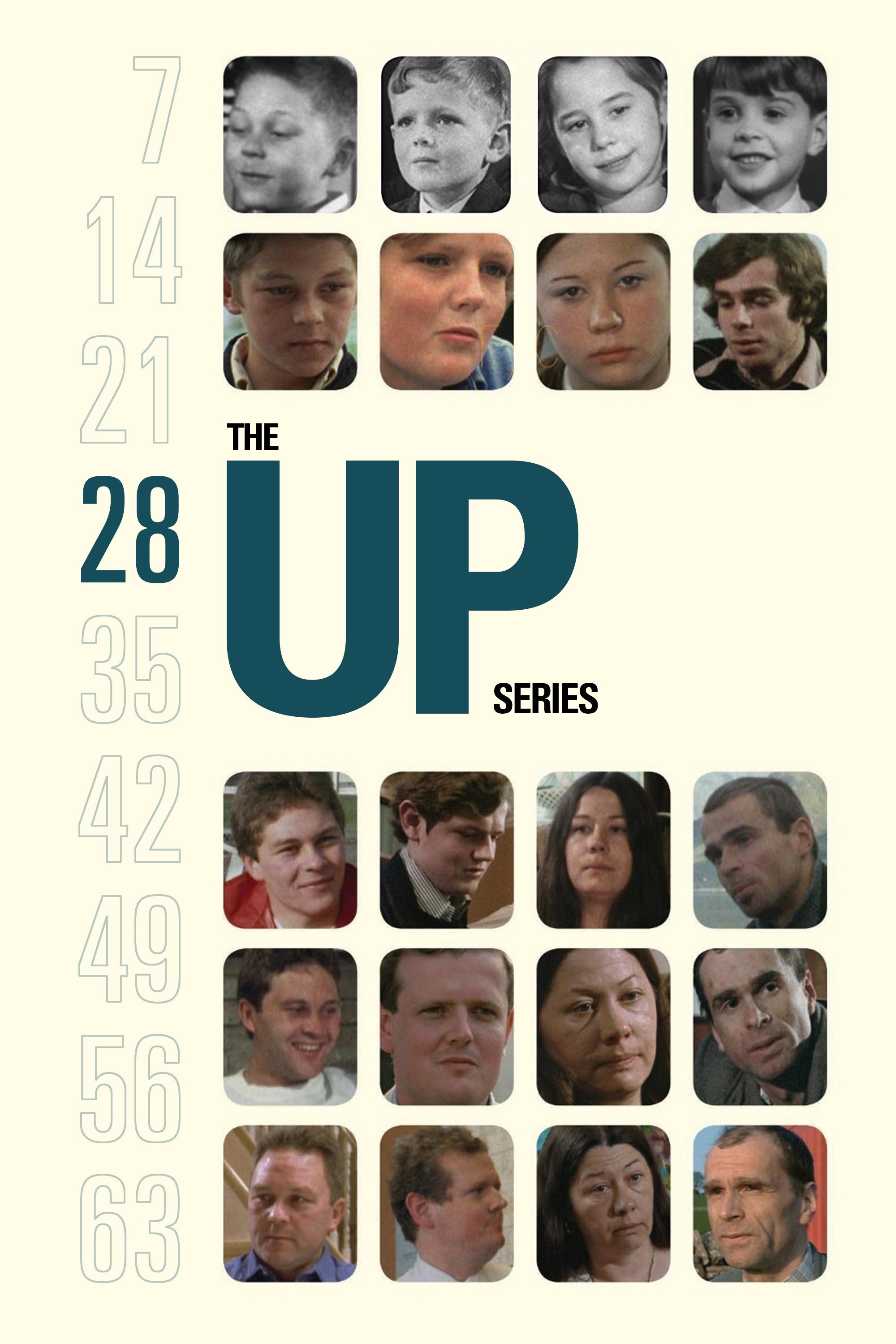
Just two years away from turning 30, participants in Michael Apted's documentary series are facing serious questions of identity and purpose, wondering whether they've found their place in the world.
This documentary focuses on the actors and their journey over two summers to create the remake to the original IT, by Stephen King. The documentary originally released as bonus material, bundled with IT: Chapter Two.
A look at the origins, history and conspiracies behind the "Majestic 12", a clandestine group of military and corporate figureheads charged with reverse-engineering extraterrestrial technology.
A night of drunken chaos rocks a quiet Dutch town in this shocking documentary about a teen's birthday invite that accidentally went viral on Facebook.
Rising musician Jeff Buckley had only released one album when he died suddenly in 1997. Now, never-before-seen footage, exclusive voice messages, and accounts from those closest to him offer a portrait of the captivating singer.
Through deeply personal interviews with her siblings and an examination of the photographs, letters, and belongings left behind, Mariska assembles a new portrait of her mother Jayne Mansfield, an extraordinary and complex woman.