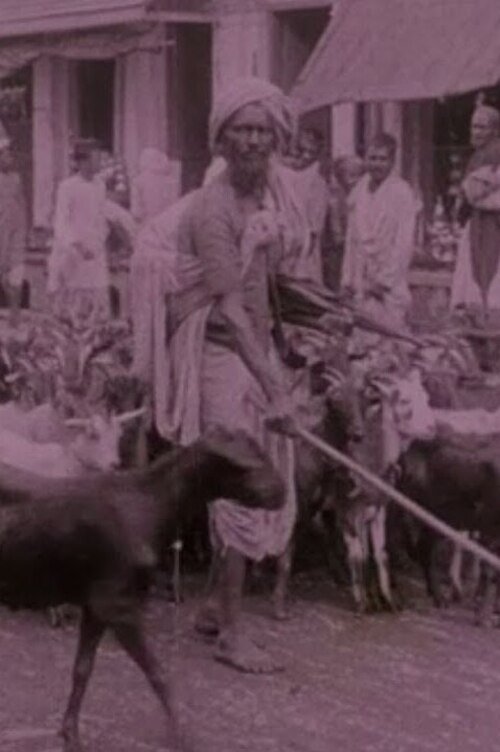
The work of a district officer in the province of Bengal.
Social & External
The people behind it
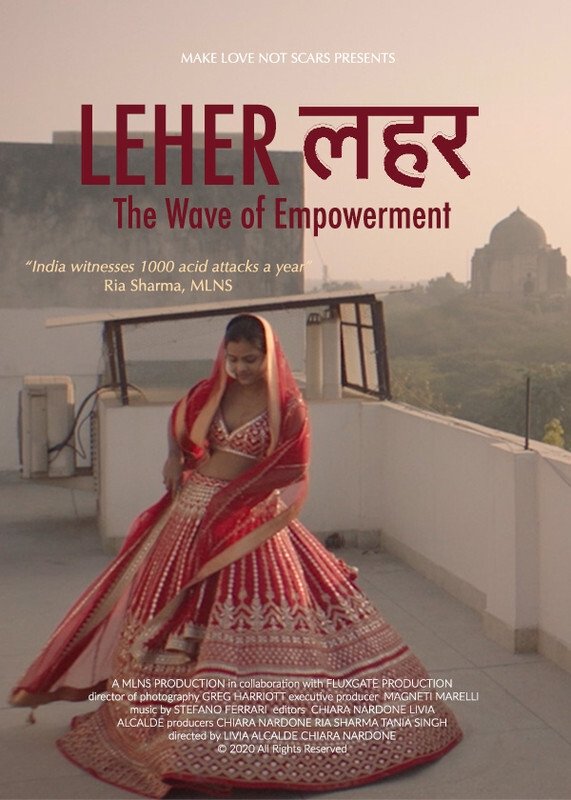
A visual journey into the personal life and battles of a group of acid attack survivors in Delhi and suburbs against stigmas and prejudices in the Indian society
The Sufi and the Scientist is the collective story of Sufi healer Sayyid Arif Hussain, the medieval Sufi Sheikh Haji Ali, and Dr. Thornton Streeter, a scientist working in the realm of human consciousness.
Every individual confronts fundamental questions about the nature of reality, self-identity, and elusive happiness, yet few make these their life goal. An international group of students have traveled to a monastery in a remote area of southern India with the single purpose of discovering these answers. GURUKULAM is a journey into their lives, a wisdom tradition, and the contemplative space in which it is carried.
This documentary highlights the achievements of India in the political, economic, and international fields since she attained Independence. The framing of her Constitution, the integration of the States and the general elections, the rehabilitation of displaced persons, the river valley projects, and the setting up of a chain of National Laboratories are some of the achievements shown here.
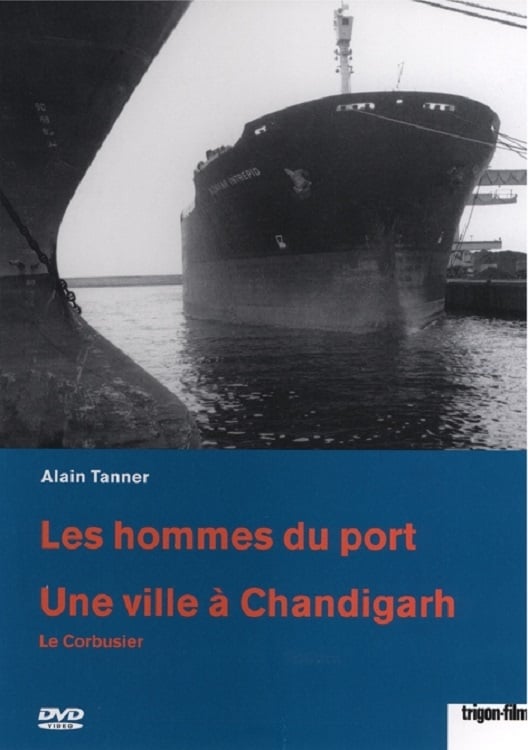
Documentary on the construction of Chandigarh, the new capital of the Indian Punjab region, planned by Albert Mayer and Swiss architect Le Corbusier.
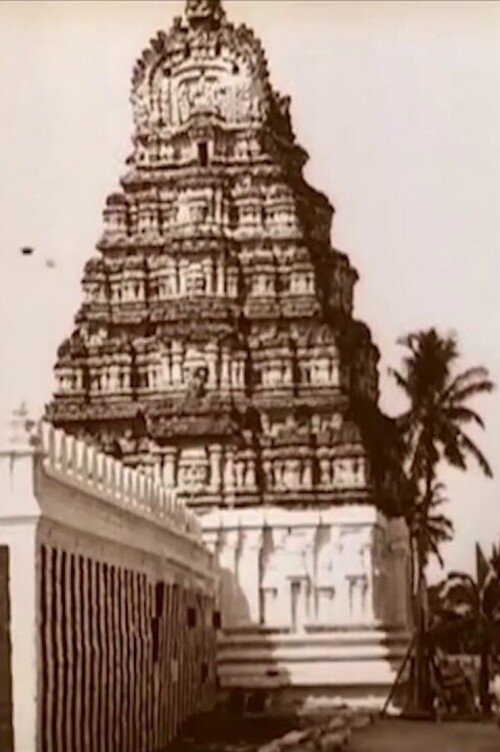
Botanical gardens in Bombay plus the highly decorative Jain Temple in Calcutta.
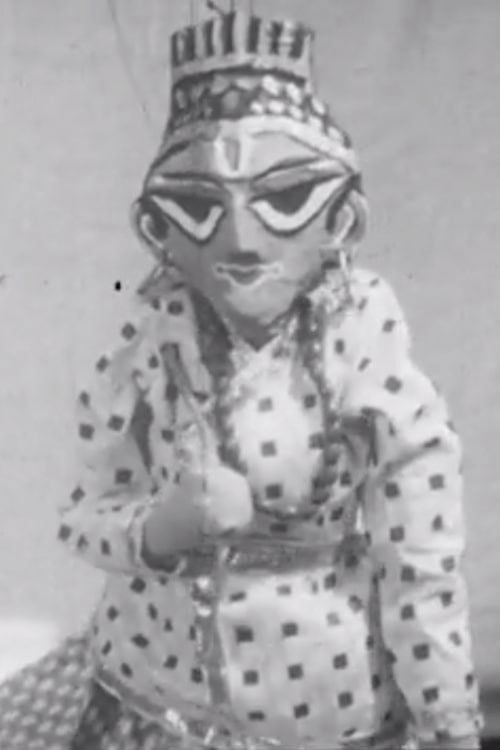
The Little Ballet Troupe of Bombay performs a "puppet ballet" of the Hindu epic, the Ramayana.
A short film showing the industrial process of jute works in India.
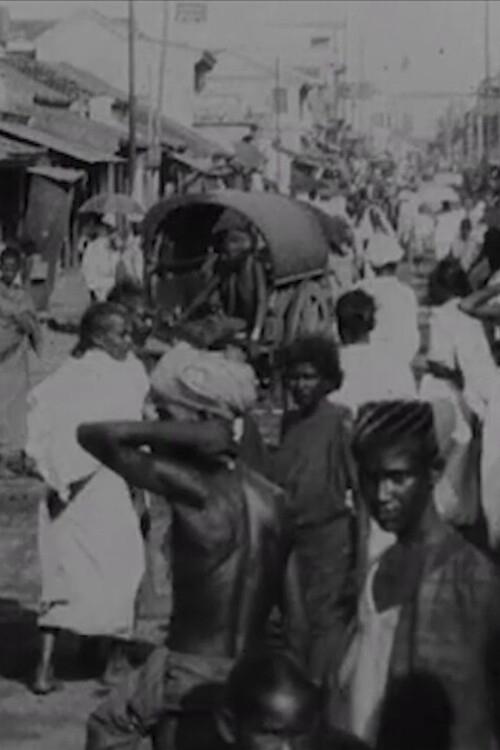
Early film of a crowded street scene in an unidentified Indian city.
The film show the day to day running of the Titaghur Jute company, which is in Bengal on the banks of the river Hooghly. Opening shot 360 degree pan of industrial buildings. 7000 Indian workers are employed, mostly women and children. There parks for the children to play. We follow the process from jute to cloth women working at looms in the factory (very dark), shots of power plant. Schools and workers accommodations. Shots of trains and boats, loading.
Jaw-dropping acrobatics for royal visitors.
An elephantine spectacle, likely part of the celebrations for the visit of the Prince and Princess of Wales to India.
This official travelogue of a royal tour follows the Prince on a series of regimental displays and a tiger hunt.
Snapshots of colonial life around Tamil Nadu, plus a visit to the Toda tribe.
Richly detailed record of the Prince of Wales' Indian tour.
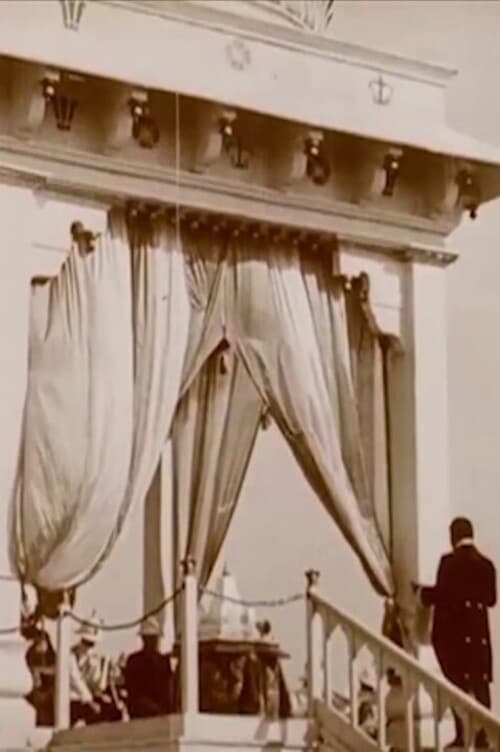
The future Edward VIII opens a durbar and enjoys a day at the races before inspecting the fire brigade in Calcutta.
A Christian take on 'Edenless' India, where heathens are unafraid of snakes, and build 'interesting' temples to their gods.
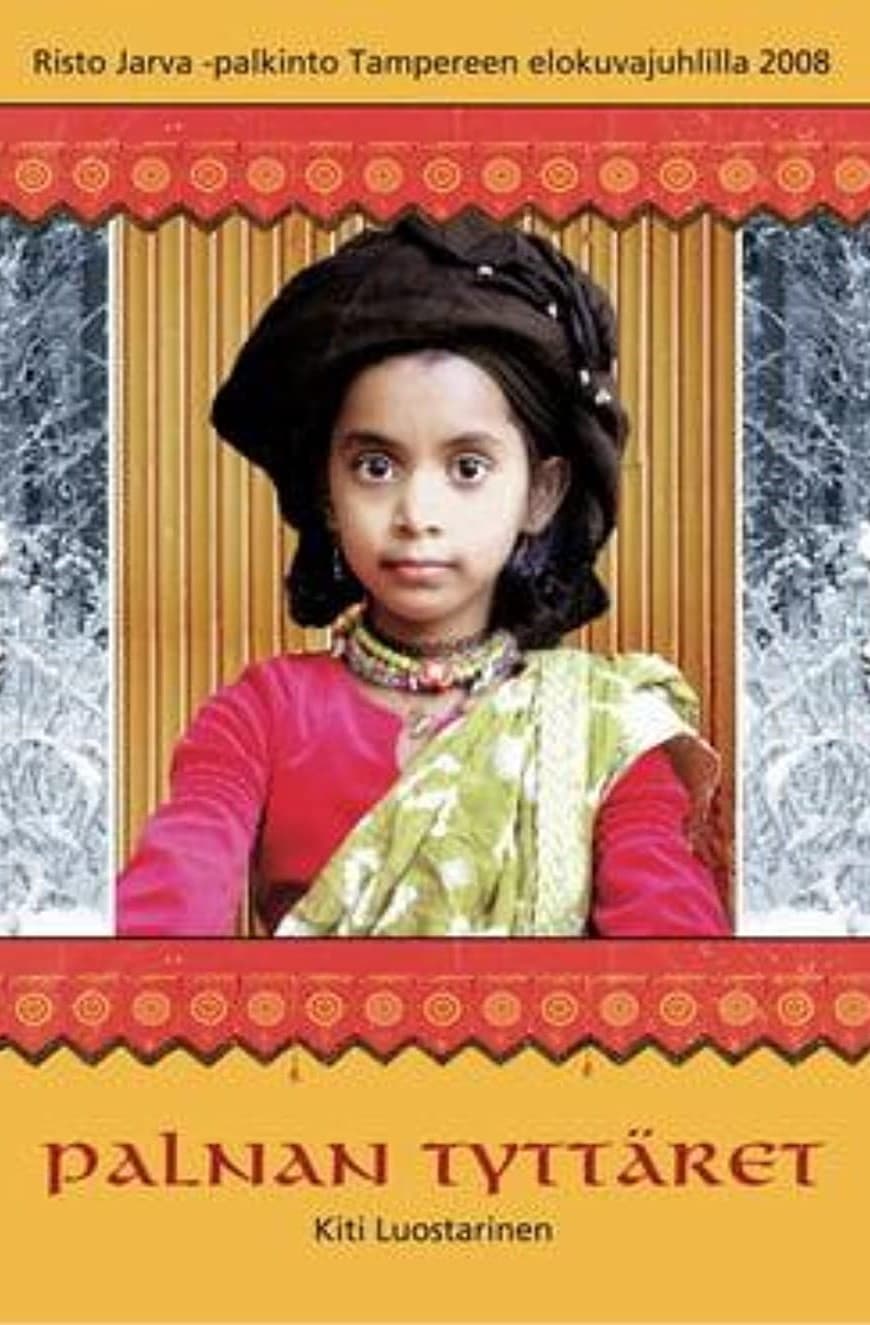
A film about memory, identity and the overwhelming power of love. One-year-old Devi was found starving at a railway station in Delhi. The police took her to Palna, an orphanage, where she lived for a year. When Devi learned to talk she often wanted to talk about Amma, her first mother. In the film, the 6-year-old Devi journeys to her own past, as her family adopts another daughter from Palna, a baby sister for Devi.
Traditional games, dancing and music among the people of Sikkim - in vivid colour.
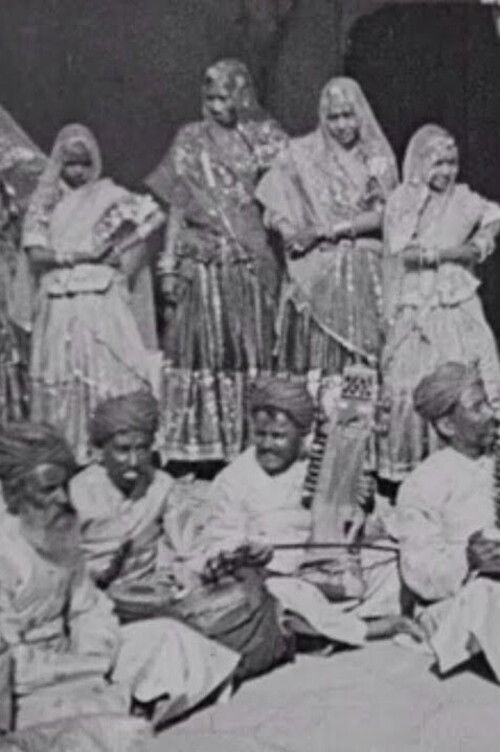
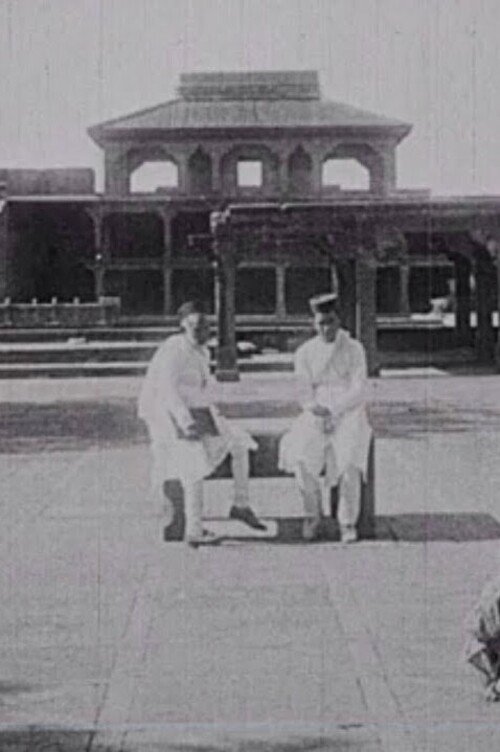
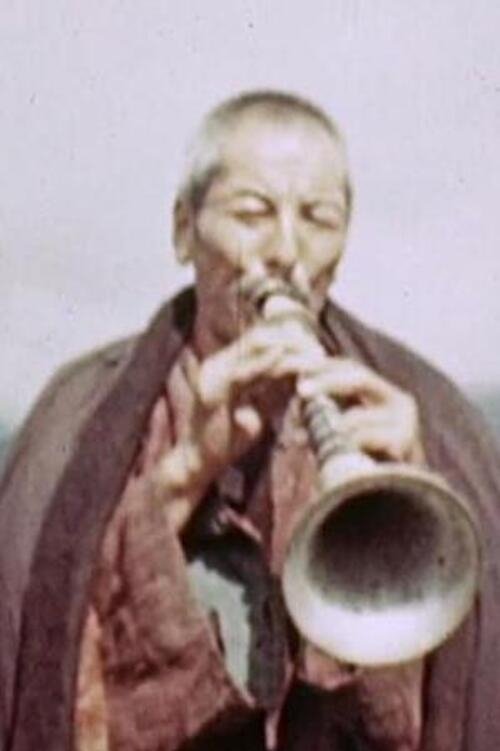
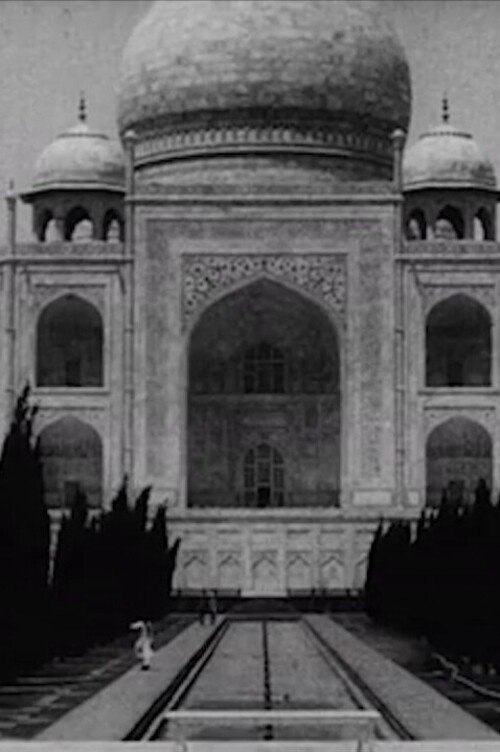
Arresting early film images of both northern India and central and south western China.
In an intimate and joyful story of love in the face of loss, celebrated poets Andrea Gibson and Megan Falley find strength—and unexpected hilarity—in what might be their final year together.
A string of threatening emails escalates into a revenge plot involving a newly married US marshal and his ex-girlfriend.
An inside look at one of the most anticipated movie sequels ever with James Cameron and cast.
Ranjit, a farmer in India, takes on the fight of his life when he demands justice for his 13-year-old daughter, the victim of a brutal gang rape. His decision to support his daughter is virtually unheard of, and his journey unprecedented.
Through deeply personal interviews with her siblings and an examination of the photographs, letters, and belongings left behind, Mariska assembles a new portrait of her mother Jayne Mansfield, an extraordinary and complex woman.
The Making-of James Cameron's Avatar. It shows interesting parts of the work on the set.
A documentary about the making of season five of the acclaimed AMC series Breaking Bad.
Brilliant, long in-the-works story of the life and art of the world's greatest comedian and the cinema's first genius, Charlie Chaplin. Produced, written and directed by renowned film critic Richard Schickel.
Musician and performance artist Laurie Anderson reflects on the deaths of her husband Lou Reed, her mother and her beloved dog.
A visual montage portrait of our contemporary world dominated by globalized technology and violence.
The life and career of an actor, artist, and icon. His own journey through his own camera.
A portrait of the day-to-day operations of the National Gallery of London, that reveals the role of the employees and the experiences of the Gallery's visitors. The film portrays the role of the curators and conservators; the education, scientific, and conservation departments; and the audience of all kinds of people who come to experience it.
Follow the evolution of the 'Halloween' movies over the past twenty-five years. It examines why the films are so popular and revisits many of the original locations used in the films - seeing the effects on the local community. For the first time, cast, crew, critics and fans join together in the ultimate 'Halloween' retrospective.
A documentary examining the decade of the 1970s as a turning point in American cinema. Some of today's best filmmakers interview the influential directors of that time.
After the high-profile killing of Damilola Taylor, Cornelius' family move out of London. But when they discover their new town is run by racists, Cornelius takes a drastic step to survive.
Artists in LA discover the work of forgotten Polish sculptor Stanislav Szukalski, a mad genius whose true story unfolds chapter by astounding chapter.
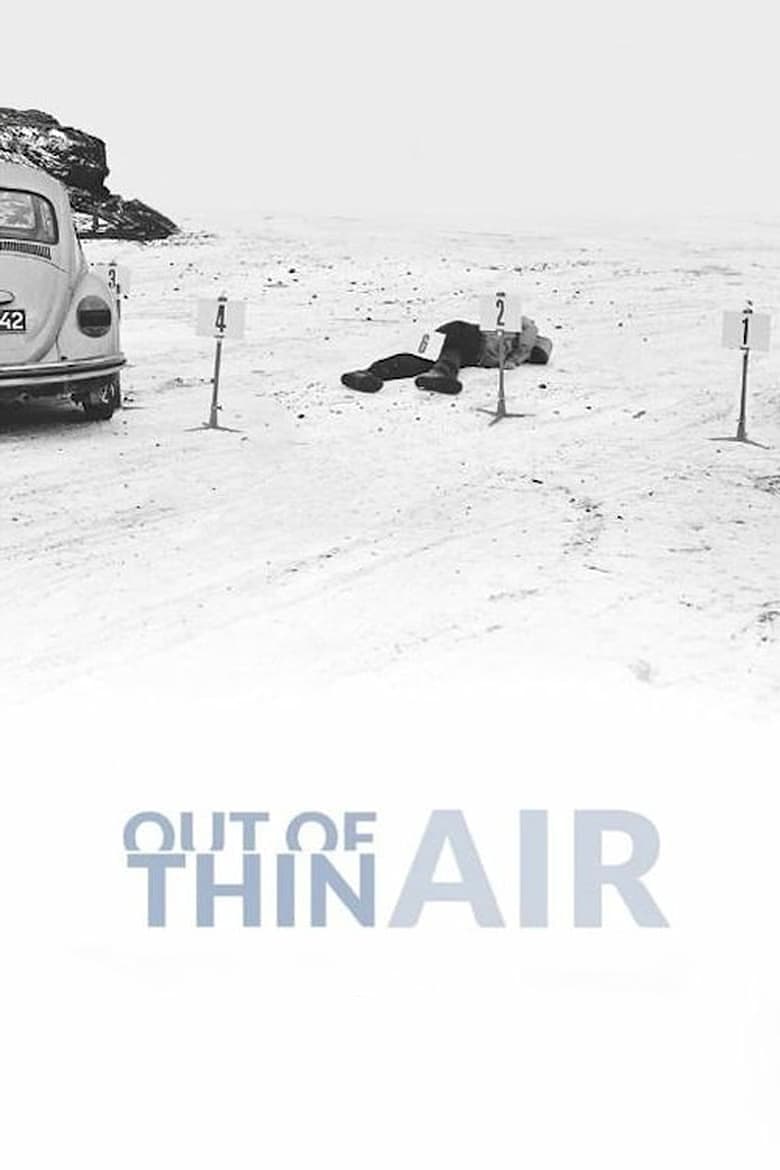
Set within the stark Icelandic landscape, OUT OF THIN AIR examines the 1976 police investigation into the disappearance of two men in the early 1970s.
The life of Mr. Spock, as well as that of Leonard Nimoy, the actor who played him for almost fifty years, written and directed by his son: Adam.
SEDUCED AND ABANDONED combines acting legend Alec Baldwin with director James Toback as they lead us on a troublesome and often hilarious journey of raising financing for their next feature film. Moving from director to financier to star actor, the two players provide us with a unique look behind the curtain at the world's biggest and most glamourous film festival, shining a light on the bitter-sweet relationship filmmakers have with Cannes and the film business. Featuring insights from directors Martin Scorsese, 'Bernando Bertolucci' and Roman Polanski; actors Ryan Gosling and Jessica Chastain and a host of film distribution luminaries.
Behind the scenes look at fight choreography and action training.