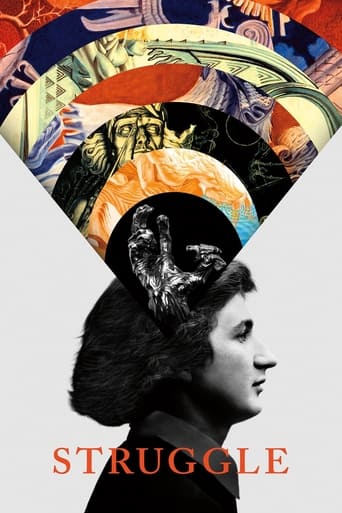
A documentary by writer and filmmaker Daniel Bird about the making of Sergei Parajanov's 'The Colour of Pomegranates'.
Social & External
Himself
Herself
A gentle love story from the harsh environment of northern Bohemia.
This short was released in connection with the 20th anniversary of Warner Brothers' first exhibition of the Vitaphone sound-on-film process on 6 August 1926. The film highlights Thomas A. Edison and Alexander Graham Bell's efforts that contributed to sound movies and acknowledges the work of Lee De Forest. Brief excerpts from the August 1926 exhibition follow. Clips are then shown from a number of Warner Brothers features, four from the 1920s, the remainder from 1946/47.
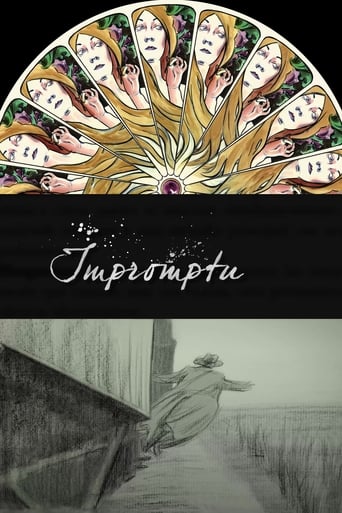
A journey to the origins of cinema, starting with its forgotten fathers: the pioneers who achieved moving images before 1895, the official year of the Lumière cinematograph. Through five studies by Frédéric Chopin, 'Impromptu' is also a tribute to the end of the 19th century, to its immortal muses, and to the fascination with movement itself.
A tribute to the late, great French director Francois Truffaut, this documentary was undoubtedly named after his last movie, Vivement Dimanche!, released in 1983. Included in this overview of Truffaut's contribution to filmmaking are clips from 14 of his movies arranged according to the themes he favored. These include childhood, literature, the cinema itself, romance, marriage, and death.
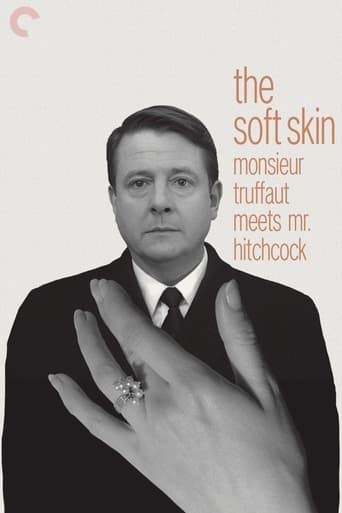
When Francois Truffaut approached Alfred Hitchcock in 1962 with the idea of having a long conversation with him about his work and publishing this in book form, he didn't imagine that more than four years would pass before Le Cinéma selon Hitchcock finally appeared in 1966. Not only in France but all over the world, Truffaut's Hitchcock interview developed over the years into a standard bible of film literature. In 1983, three years after Hitchcock's death, Truffaut decided to expand his by now legendary book to include a concluding chapter and have it published as the "Edition définitive". This film describes the genesis of the "Hitchbook" and throws light on the strange friendship between two completely different men. The centrepieces are the extracts from the original sound recordings of the interview with the voices of Alfred Hitchcock, Francois Truffaut, and Helen Scott – recordings which have never been heard in public before.
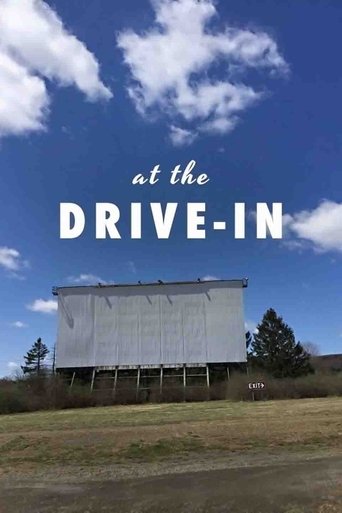
Unable to purchase a $50,000 digital projector, a group of film fanatics in rural Pennsylvania fight to keep a dying drive-in theater alive by screening only vintage 35mm film prints and working entirely for free.
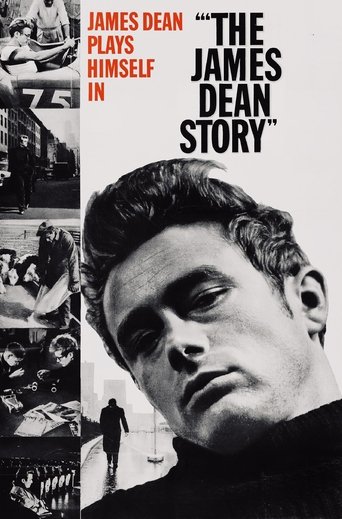
Released two years after James Dean's death, this documentary chronicles his short life and career via black-and-white still photographs, interviews with the aunt and uncle who raised him, his paternal grandparents, a New York City cabdriver friend, the owner of his favorite Los Angeles restaurant, outtakes from East of Eden, footage of the opening night of Giant, and Dean's ironic PSA for safe driving.
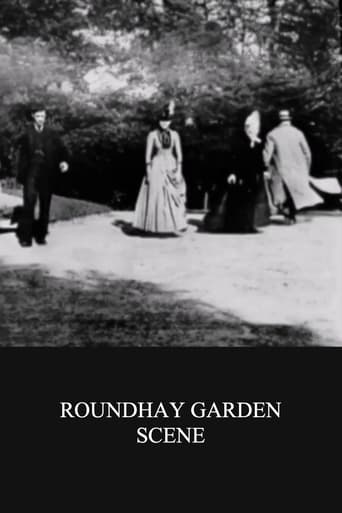
Working men and women leave through the main gate of the Lumière factory in Lyon, France. Filmed on 22 March 1895, it is often referred to as the first real motion picture ever made, although Louis Le Prince's 1888 Roundhay Garden Scene pre-dated it by seven years. Three separate versions of this film exist, which differ from one another in numerous ways. The first version features a carriage drawn by one horse, while in the second version the carriage is drawn by two horses, and there is no carriage at all in the third version. The clothing style is also different between the three versions, demonstrating the different seasons in which each was filmed. This film was made in the 35 mm format with an aspect ratio of 1.33:1, and at a speed of 16 frames per second. At that rate, the 17 meters of film length provided a duration of 46 seconds, holding a total of 800 frames.
Girl next door, activist, so-called traitor, fitness tycoon, Oscar winner: Jane Fonda has lived a life of controversy, tragedy and transformation – and she’s done it all in the public eye. An intimate look at one woman’s singular journey.
In this revealing documentary, Ken McMullen creates an elegant portrait of artist and filmmaker Derek Jarman, based on an interview conducted by John Cartwright. The questions are unobtrusive, allowing Jarman to reflect on his major films. Despite the debilitating effects of serious illness, we see an artist with his inner vision unimpaired; still humorous, self effacing and disarmingly charming.
A short documentary exploring the ongoing relevance and power of 'Salò o le 120 giornate di Sodoma'.
A short documentary about the life of director and artist René Laloux, featuring an interview with Laloux from 2001.
Here and Elsewhere takes its name from the contrasting footage it shows of the fedayeen and of a French family watching television at home. Originally shot by the Dziga Vertov Group as a film on Palestinian freedom fighters, Godard later reworked the material alongside Anne-Marie Miéville.
In the early 70s Greek cinema entered in a period of crisis. One of its aspects was said "crisis of issues" and one of the exits heard in the name "erotic cinema". The genre was already acquaintance from the abundance of foreigner films, that was distributed in the grindhouses under the "adults only" motto and its Greek version had a lot of variants.
A tribute to the Alamo Drafthouse located in Kalamazoo, Michigan, that was forced to close after three years when its lease was abruptly and unexpectedly terminated by its landlord. Employees and customers reflect on the impact the theater had made on its community in such a short amount of time.
A short documentary about the making of Chaplin's "Limelight."
A short documentary about the making of John Ford's "Rio Grande."
A meditation on the human quest to transcend physicality, constructed from decaying archival footage and set to an original symphonic score.
Footage from the premiere of Charlie Chaplin's 1928 film 'The Circus'.
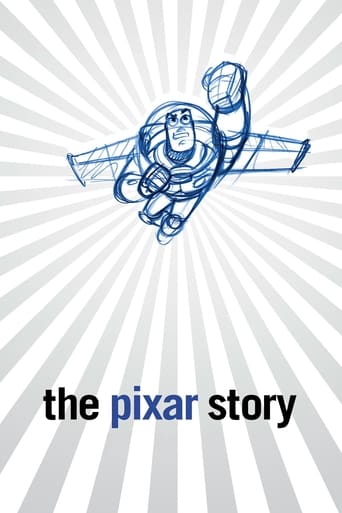
A look at the first years of Pixar Animation Studios - from the success of "Toy Story" and Pixar's promotion of talented people, to the building of its East Bay campus, the company's relationship with Disney, and its remarkable initial string of eight hits. The contributions of John Lasseter, Ed Catmull and Steve Jobs are profiled. The decline of two-dimensional animation is chronicled as three-dimensional animation rises. Hard work and creativity seem to share the screen in equal proportions.