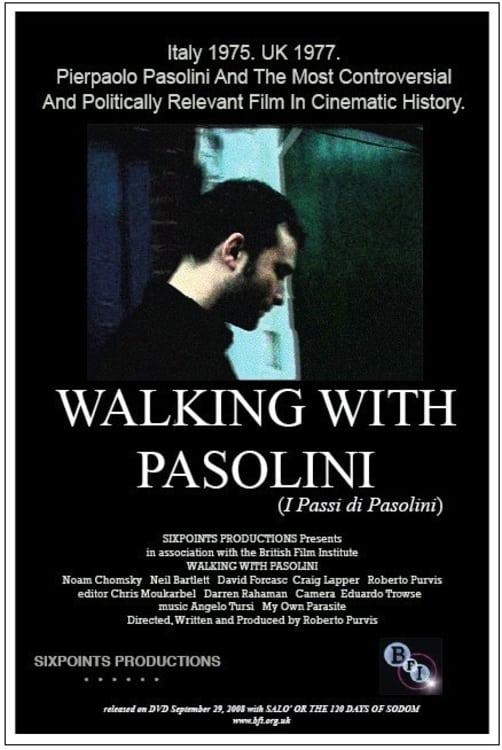
A documentary about Pier Paolo Pasolini and his film 'Salò o le 120 giornate di Sodoma'.
Social & External
The people behind it
Noam Chomsky
Himself
Neil Bartlett
David Forgacs
Craig Lapper
Robert Davide
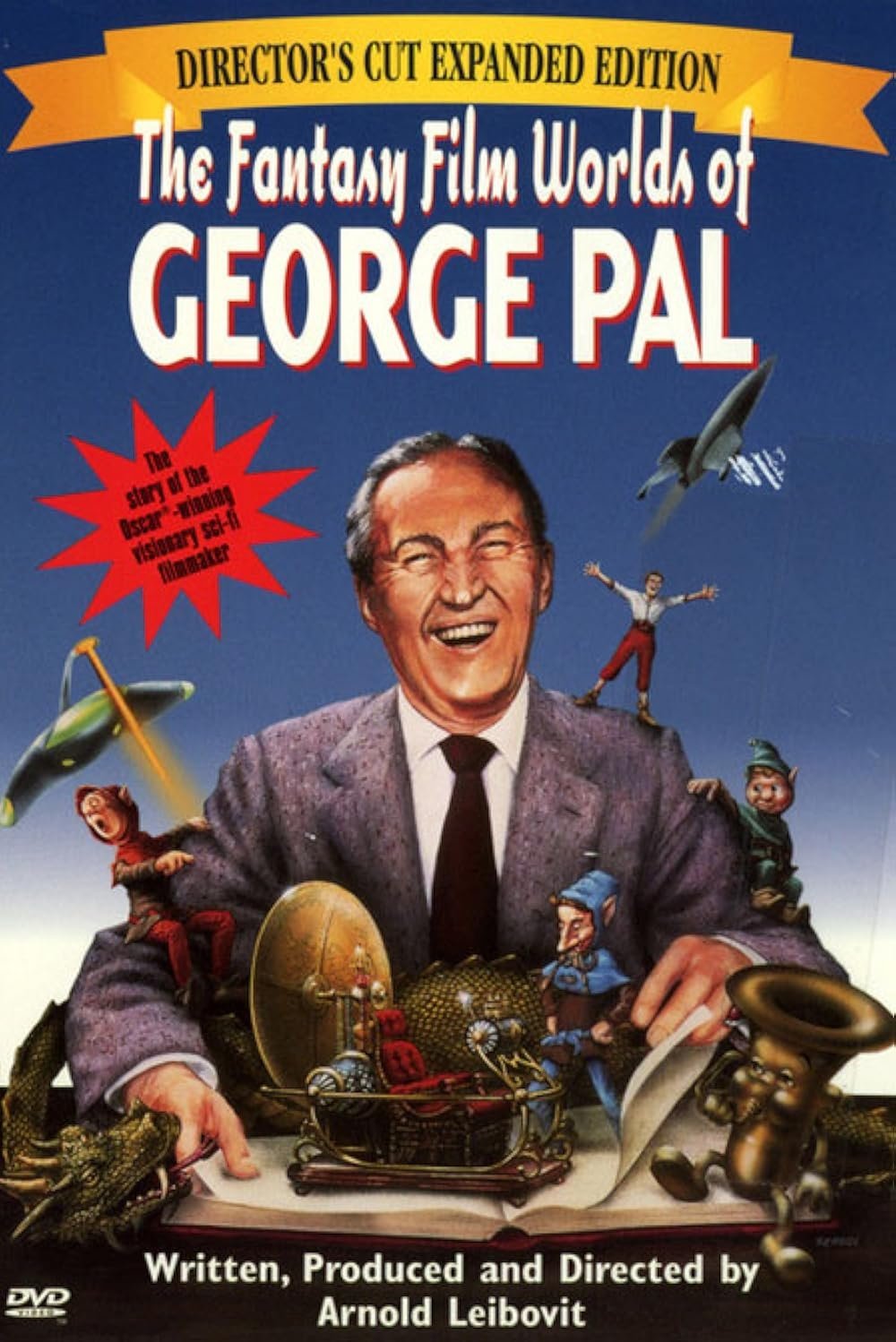
Among the legends of Hollywood, George Pal takes his place as a true visionary, an innovator and a showman who profoundly shaped the art of motion pictures. A peer of Walt Disney, Pal pioneered stop motion animation and went on to virtually invent the modern science fiction and fantasy film genres. Pal's extraordinary genius molded a dazzling array of films, which earned an incredible total of eight Academy Awards and left a cinematic legacy that served as formative inspiration for the movies of George Lucas, Steven Spielberg and Gene Roddenberry.
The original classic on video, which introduces Gabrielle Roth's revolutionary system of moving meditation. Teaches how five core rhythms can teach, catalyze, and heal our entire being.
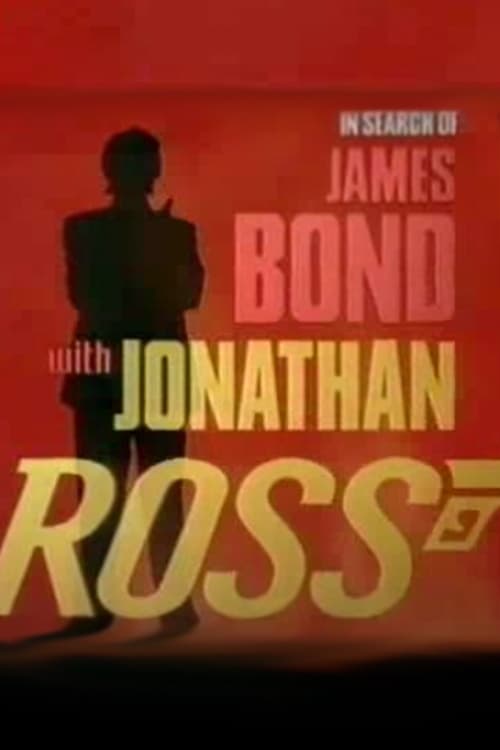
Jonathan Ross delves into the world of James Bond and meets with new and former cast members who reveal humorous stories and anecdotes in a series of interviews. All the 5 Bonds at the time are featured, though only Lazenby (reflecting in the usual frank, self criticizing manner), Moore and Brosnan granted an interview. Connery and Dalton are featured through some unused footage from LWT's 30 years of James Bond program. The ever faithful Desmond Llewelyn turns up in character as well as some other less related peeps like Christopher Lee, Paul McCartney and the ultimate playboy: Hugh Hefner -- who all give an interesting perspective on the worlds most famous spy.
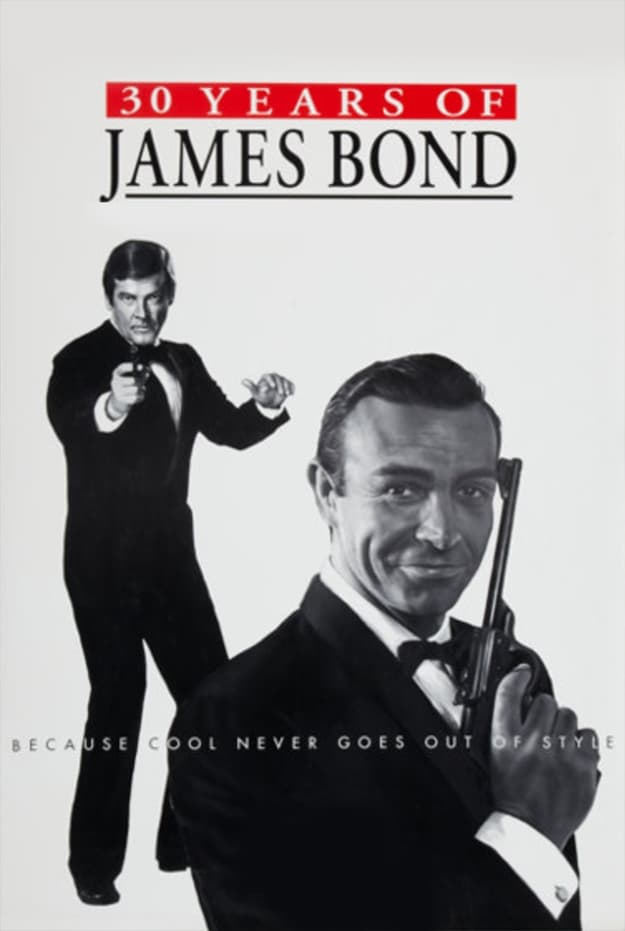
An examination of why the James Bond films have proved so popular including a discussion between the four actors who have played Bond, an interview with Cubby Broccoli and contributions from the directors, production designers, special effects and stuntmen.
Manuel Horrillo has visited for 7 years the fields where the clashes between the Spanish troops and the rebels of the protectorate took place during the so-called Rif War, a forgotten war of the Spanish collective imaginary.
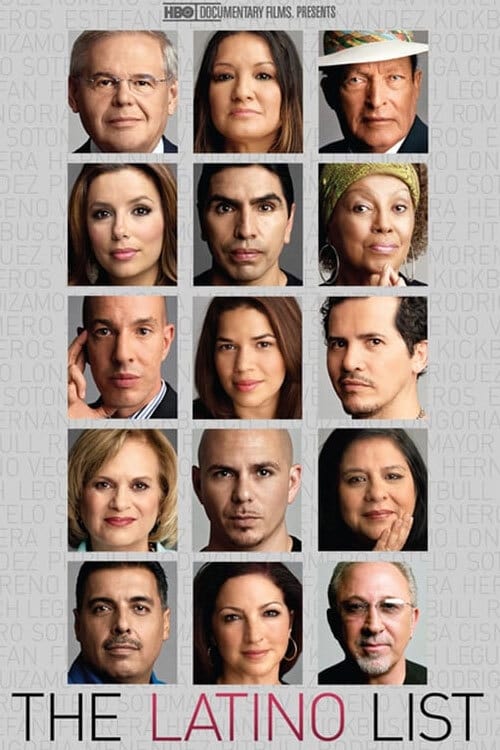
Documentary film interviews leading Latinos on race, identity, and achievement.
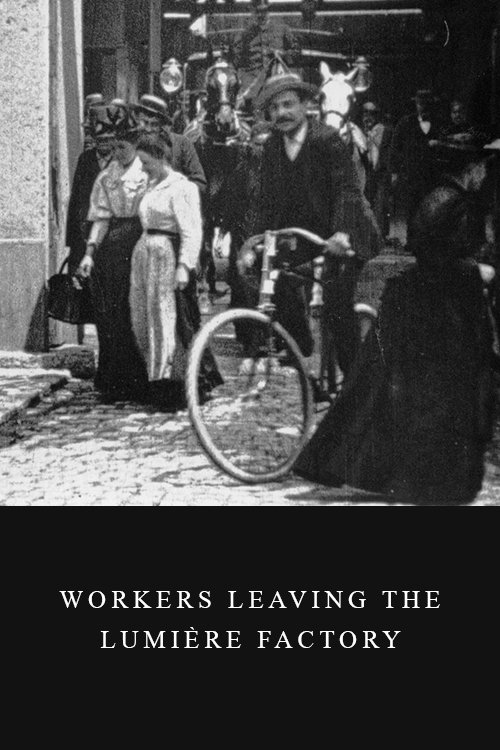
Working men and women leave through the main gate of the Lumière factory in Lyon, France. Filmed on 22 March 1895, it is often referred to as the first real motion picture ever made, although Louis Le Prince's 1888 Roundhay Garden Scene pre-dated it by seven years. Three separate versions of this film exist, which differ from one another in numerous ways. The first version features a carriage drawn by one horse, while in the second version the carriage is drawn by two horses, and there is no carriage at all in the third version. The clothing style is also different between the three versions, demonstrating the different seasons in which each was filmed. This film was made in the 35 mm format with an aspect ratio of 1.33:1, and at a speed of 16 frames per second. At that rate, the 17 meters of film length provided a duration of 46 seconds, holding a total of 800 frames.
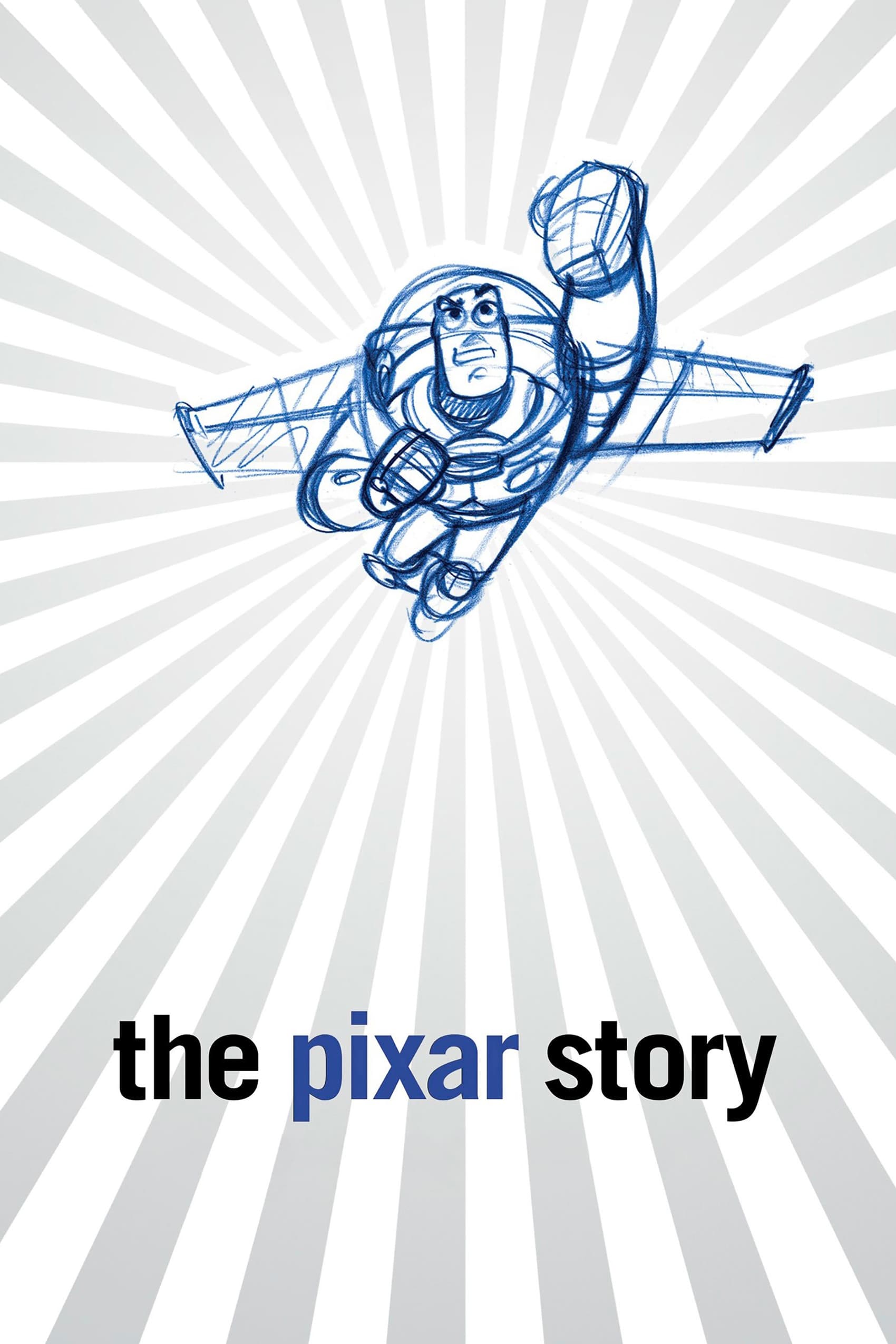
A look at the first years of Pixar Animation Studios - from the success of "Toy Story" and Pixar's promotion of talented people, to the building of its East Bay campus, the company's relationship with Disney, and its remarkable initial string of eight hits. The contributions of John Lasseter, Ed Catmull and Steve Jobs are profiled. The decline of two-dimensional animation is chronicled as three-dimensional animation rises. Hard work and creativity seem to share the screen in equal proportions.
Hokkaido, the North Island of Japan, is a powder-lover's paradise. If you’ve never been, it’s time to start planning your trip. And consider this new film from Director Jeremy Dubs to be your crash course in traveling to Japan. Follow Dubs and crew as they explore Hokkaido’s vast mountains, welcoming locals and exotic cuisine. Whether it’s wandering around abandoned resorts, carving snow caves with chainsaws or trying their best to woo women, there’s never a dull moment with this crew.
Found footage sequences from various obscure campy Austrian films assembled together with a very dark disturbing soundtrack.
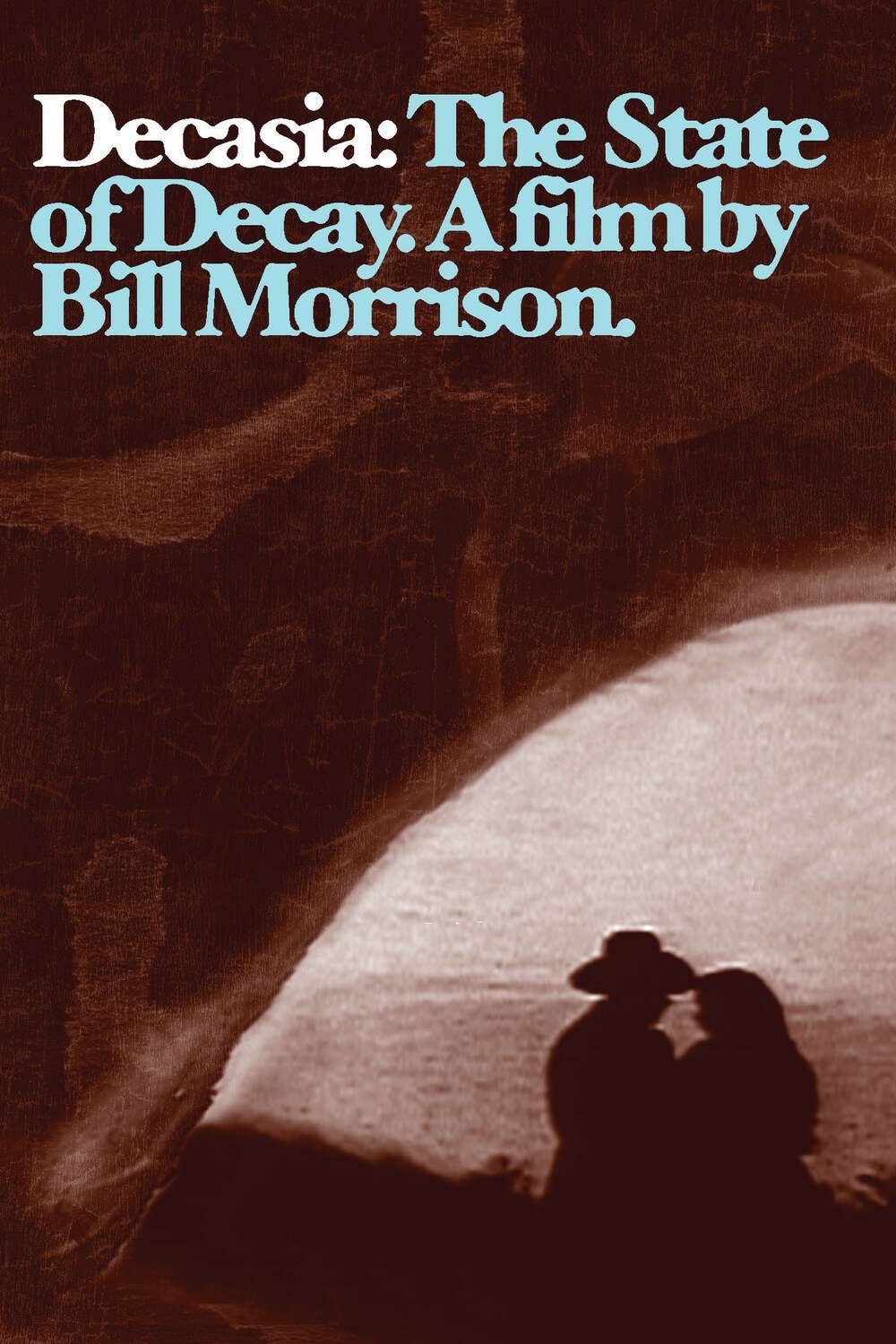
A meditation on the human quest to transcend physicality, constructed from decaying archival footage and set to an original symphonic score.
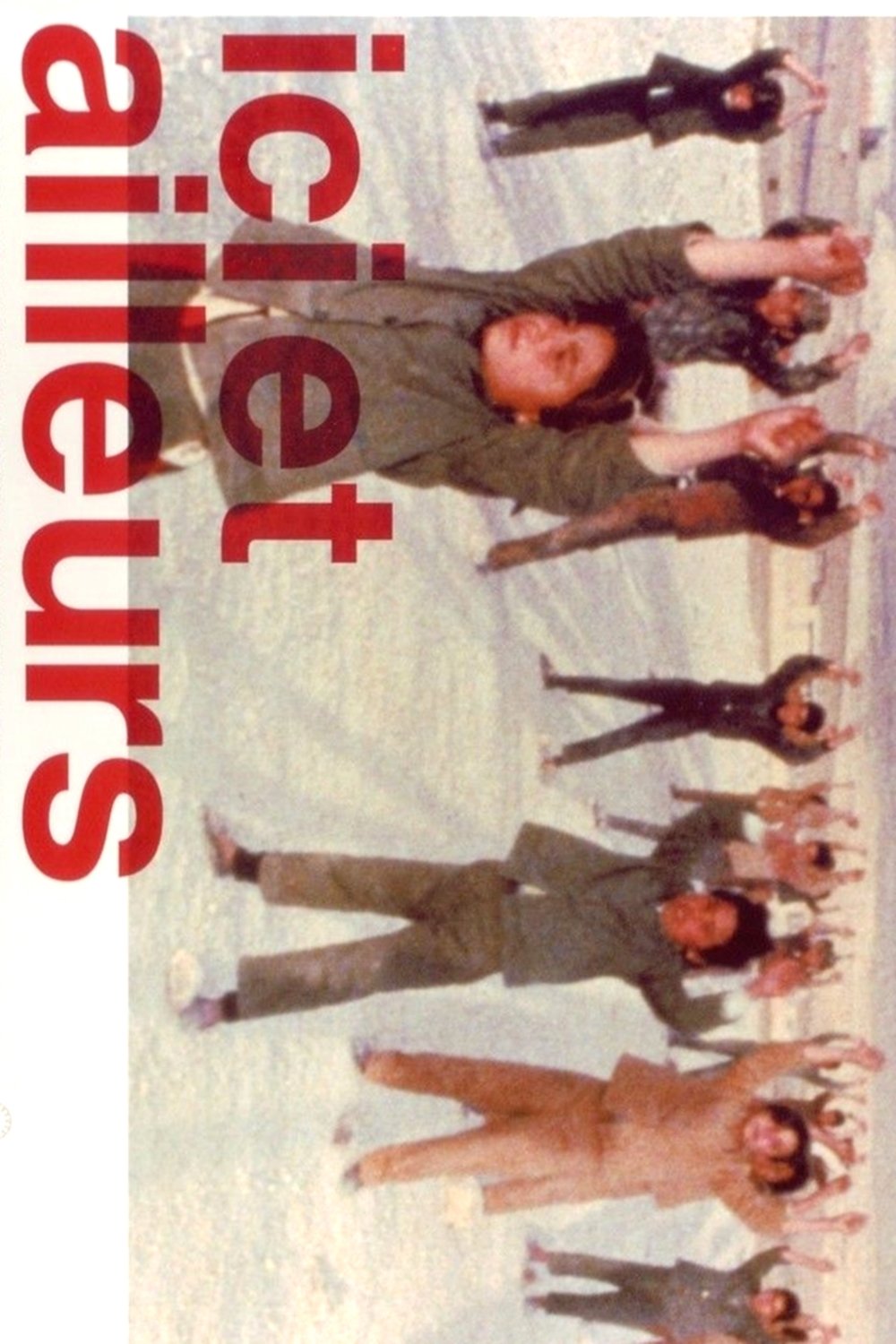
Here and Elsewhere takes its name from the contrasting footage it shows of the fedayeen and of a French family watching television at home. Originally shot by the Dziga Vertov Group as a film on Palestinian freedom fighters, Godard later reworked the material alongside Anne-Marie Miéville.
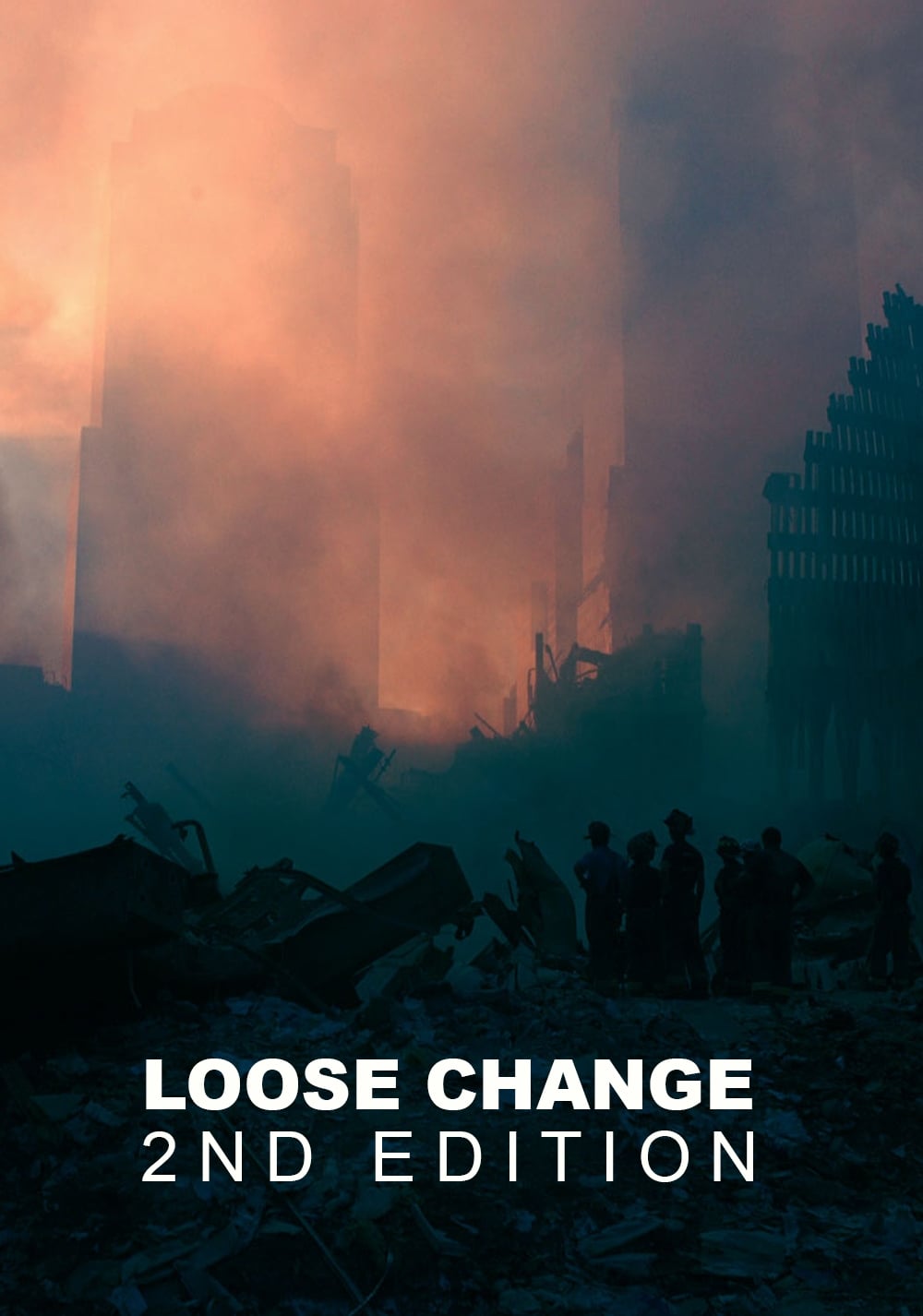
2nd Edition of Loose Change documentary. What if...September 11th was not a surprise attack on America, but rather, a cold and calculated genocide by our own government?We were told that the twin towers were hit by commercial jetliners and subsequently brought down by jet fuel. We were told that the Pentagon was hit by a Boeing 757. We were told that flight 93 crashed in Shanksville, Pennsylvania. We were told that nineteen Arabs from halfway across the globe, acting under orders from Osama Bin Laden, were responsible. What you will see here will prove without a shadow of a doubt that everything you know about 9/11 is a complete fabrication. Conspiracy theory? It's not a theory if you can prove it.Written and narrated by Dylan Avery, this film presents a rebuttal to the official version of the September 11, 2001 terrorist attacks and the 9/11 Commission Report.
A documentary about Borowczyk's 'Goto, Isle of Love' and its creation, featuring key cast and crew members.
A documentary about Walerian Borowczyk's short films and animation, featuring his collaborators from that time.
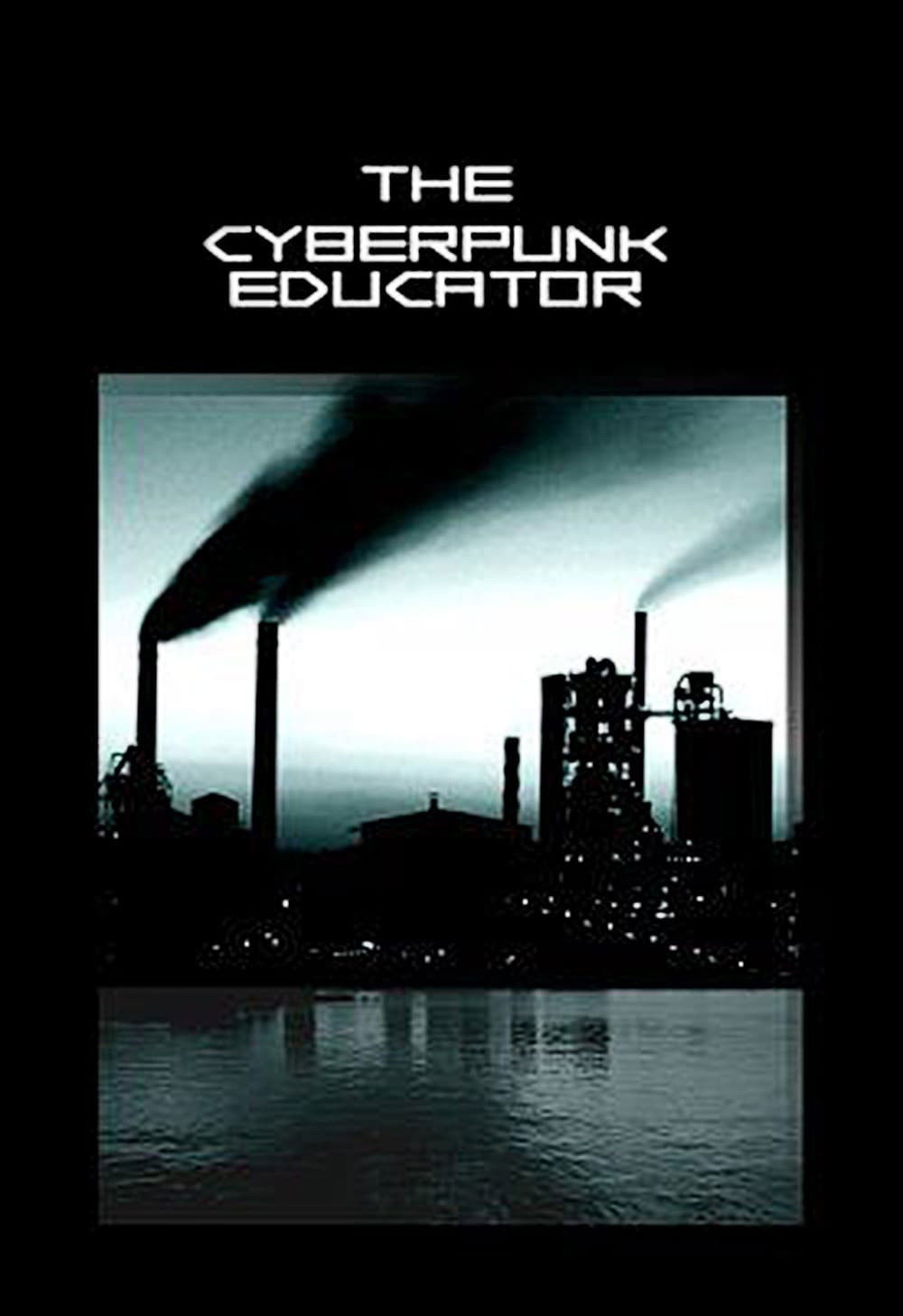
A 2003 documentary study of mainstream Cyberpunk films of the 1980s created by director Andrew J. Holden. The film uses the structure of literary theorist Northrop Frye to describe the common, repeating stories in Western culture, and how Cyberpunk can be defined and understood according to that analysis, with a focus toward American film industry portrayal of race, gender, and government.
A documentary about the making of Walerian Borowczyk's 'Blanche'.
A short documentary about the making of Peter Graham's 'Gunpoint', featuring an interview with Graham.
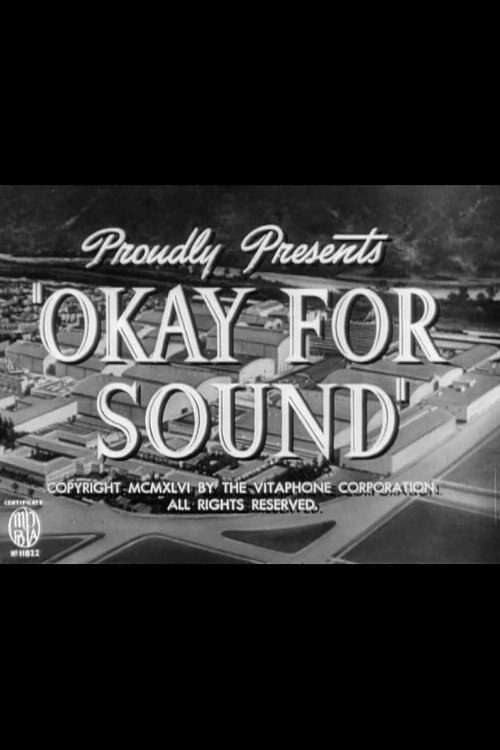
This short was released in connection with the 20th anniversary of Warner Brothers' first exhibition of the Vitaphone sound-on-film process on 6 August 1926. The film highlights Thomas A. Edison and Alexander Graham Bell's efforts that contributed to sound movies and acknowledges the work of Lee De Forest. Brief excerpts from the August 1926 exhibition follow. Clips are then shown from a number of Warner Brothers features, four from the 1920s, the remainder from 1946/47.
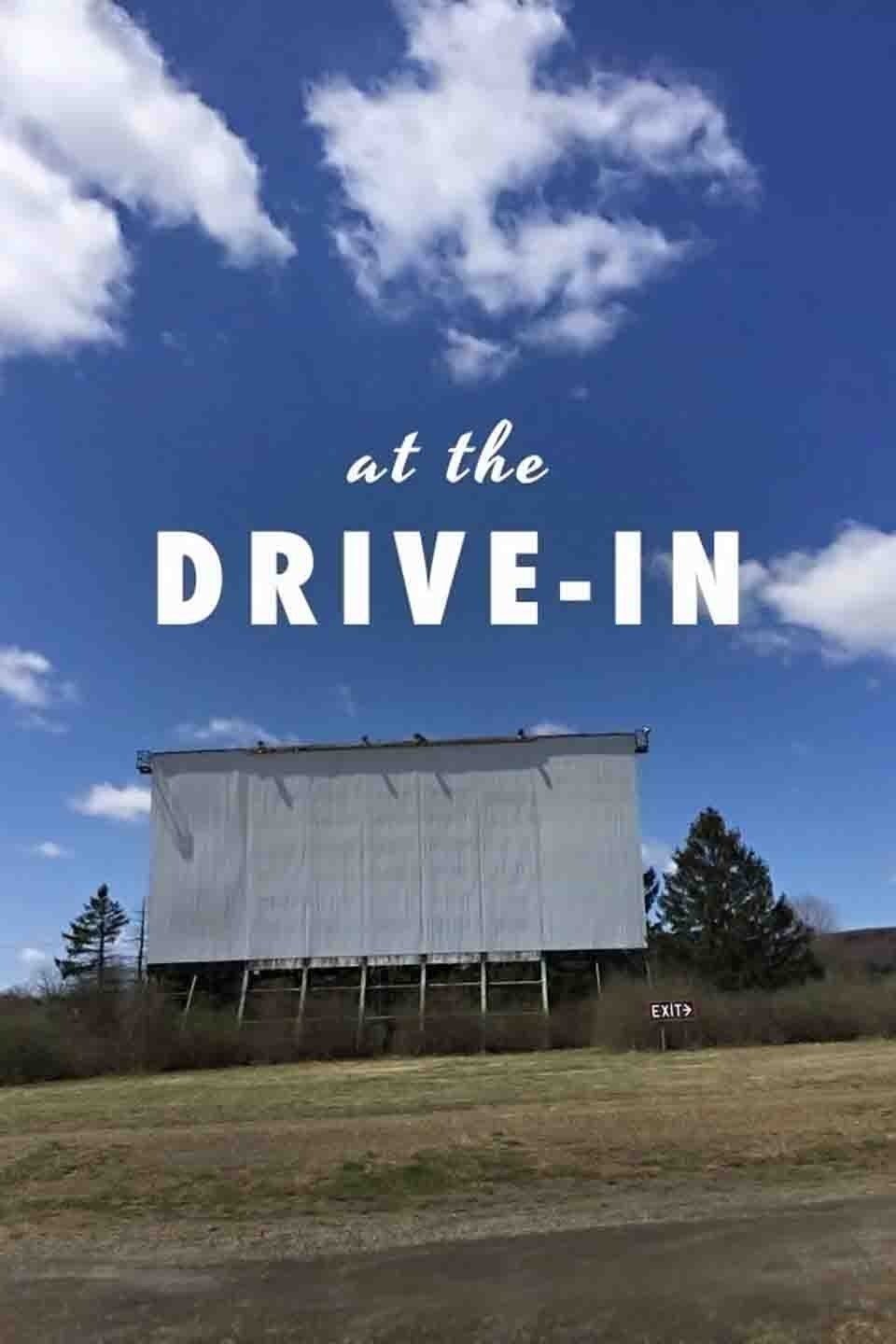
Unable to purchase a $50,000 digital projector, a group of film fanatics in rural Pennsylvania fight to keep a dying drive-in theater alive by screening only vintage 35mm film prints and working entirely for free.
Al Pacino's deeply-felt rumination on Shakespeare's significance and relevance to the modern world through interviews and an in-depth analysis of "Richard III."
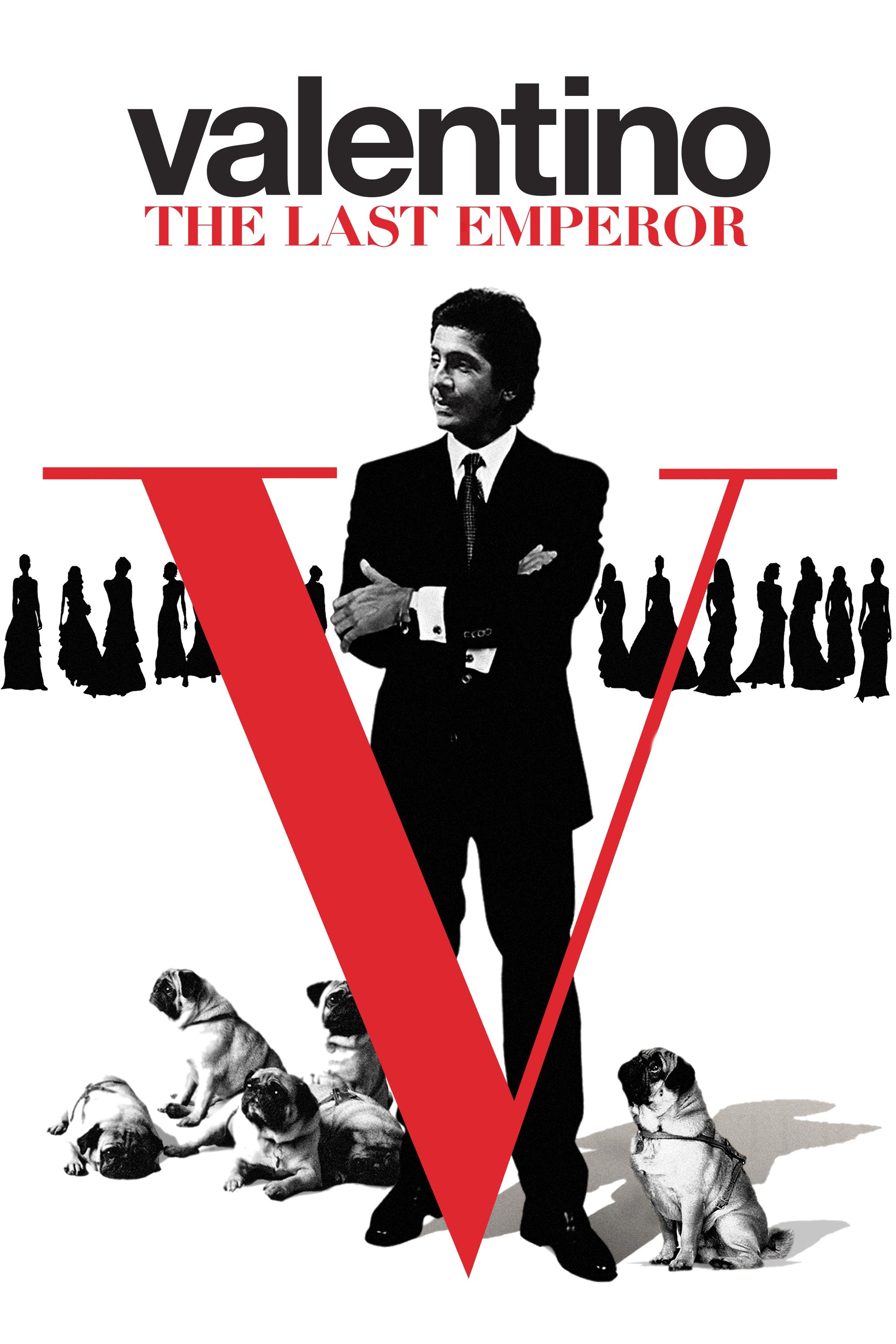
Film which travels inside the singular world of one of Italy's most famous fashion designers, Valentino Garavani, documenting the colourful and dramatic closing act of his celebrated career and capturing the end of an era in global fashion. However, at the heart of the film is a love story - the unique relationship between Valentino and his business partner and companion of 50 years, Giancarlo Giammetti. Capturing intimate moments in the lives of two of Italy's richest and most famous men, the film lifts the curtain on the final act of a nearly 50-year reign at the top of the glamorous and fiercely competitive world of fashion. (Storyville)
A string of threatening emails escalates into a revenge plot involving a newly married US marshal and his ex-girlfriend.
A documentary on the expletive's origin, why it offends some people so deeply, and what can be gained from its use.
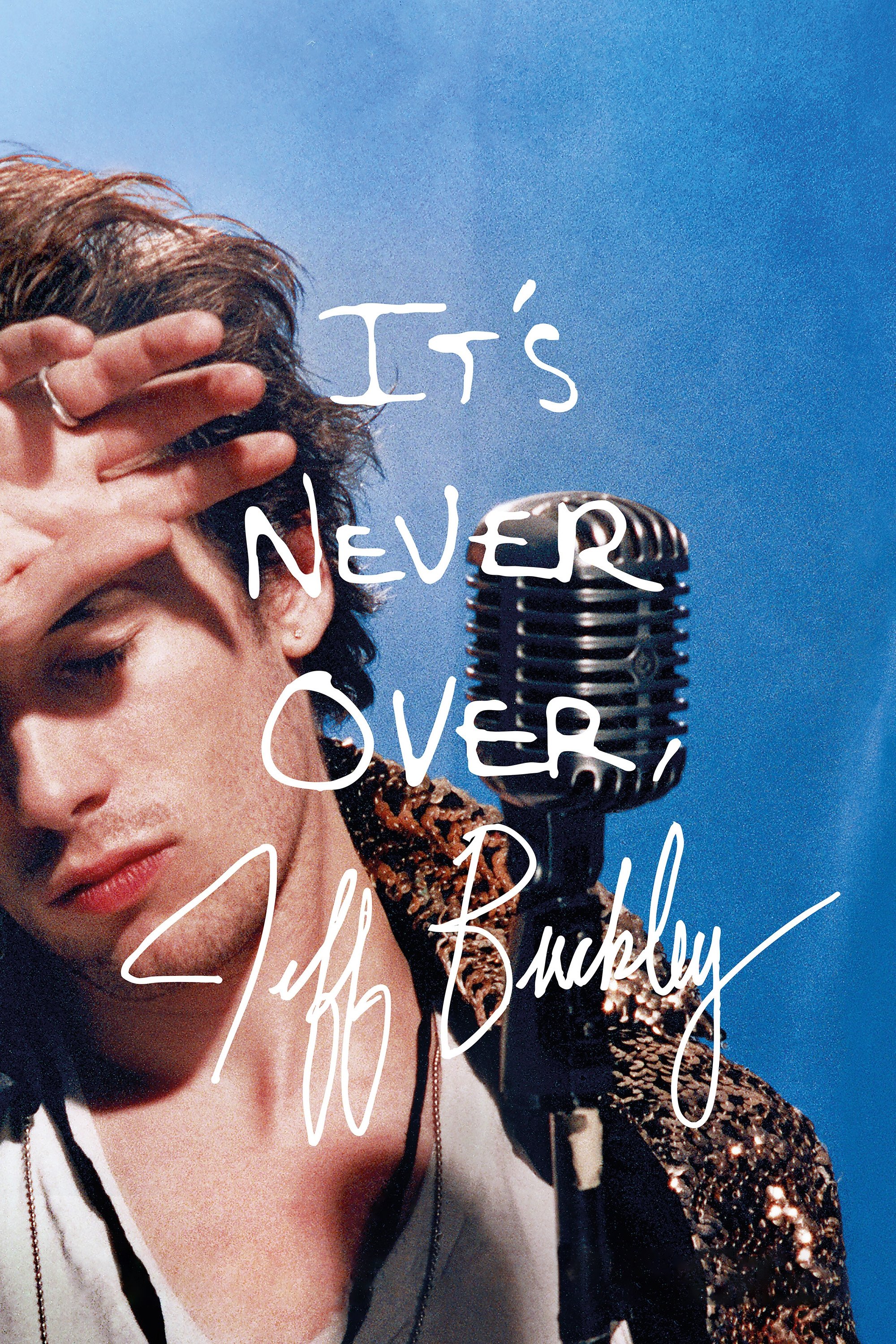
Rising musician Jeff Buckley had only released one album when he died suddenly in 1997. Now, never-before-seen footage, exclusive voice messages, and accounts from those closest to him offer a portrait of the captivating singer.
An inside look at one of the most anticipated movie sequels ever with James Cameron and cast.
In an intimate and joyful story of love in the face of loss, celebrated poets Andrea Gibson and Megan Falley find strength—and unexpected hilarity—in what might be their final year together.
Through deeply personal interviews with her siblings and an examination of the photographs, letters, and belongings left behind, Mariska assembles a new portrait of her mother Jayne Mansfield, an extraordinary and complex woman.
This revealing documentary honors the legendary Sidney Poitier—iconic actor, filmmaker, and civil rights activist. Featuring interviews with Denzel Washington, Spike Lee, Halle Berry, and more.
From the heights of her modeling fame to her tragic death, this documentary reveals Anna Nicole Smith through the eyes of the people closest to her.
Using the book 'Fragments', which collects Marilyn Monroe's poems, notes and letters, and with participation from the Arthur Miller and Truman Capote estates who have contributed more material, each of the actresses will embody the legend at various stages in her life.
The life and career of one of comedy's most inimitable modern voices, Mr. Gilbert Gottfried.
The life of Mr. Spock, as well as that of Leonard Nimoy, the actor who played him for almost fifty years, written and directed by his son: Adam.
Director Michael Apted revisits the same group of British-born adults after a 7 year wait. The subjects are interviewed as to the changes that have occurred in their lives during the last seven years.
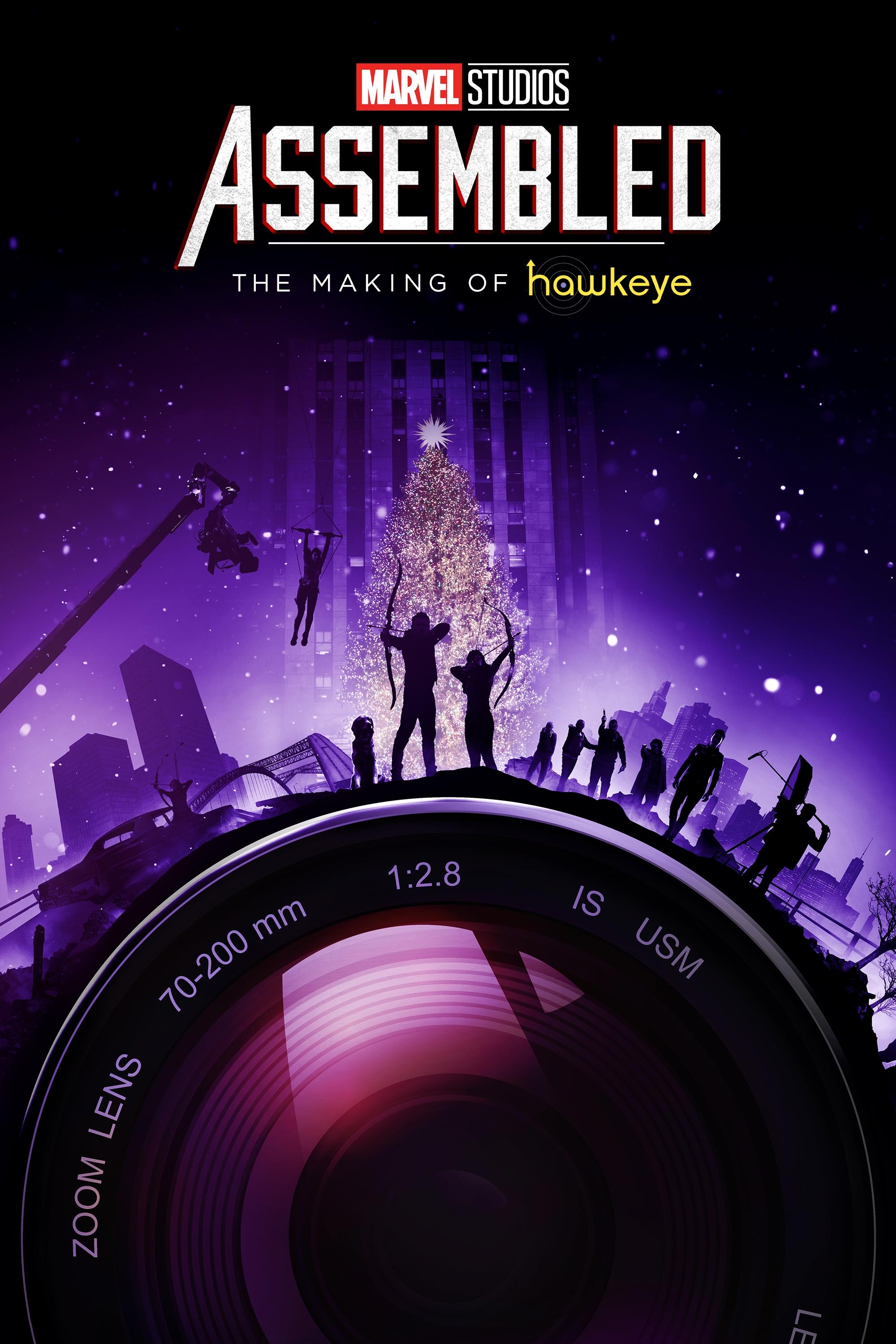
Join the likes of Jeremy Renner, Hailee Steinfeld, Florence Pugh, and Vincent D’Onofrio as they reveal how Marvel Studios’ “Hawkeye” was conceived and created. Witness firsthand what it took to pull off the show’s pulse-pounding action set pieces, and discover how iconic characters from the pages of Marvel Comics such as Kate Bishop were adapted and brought to life for the six-episode series.
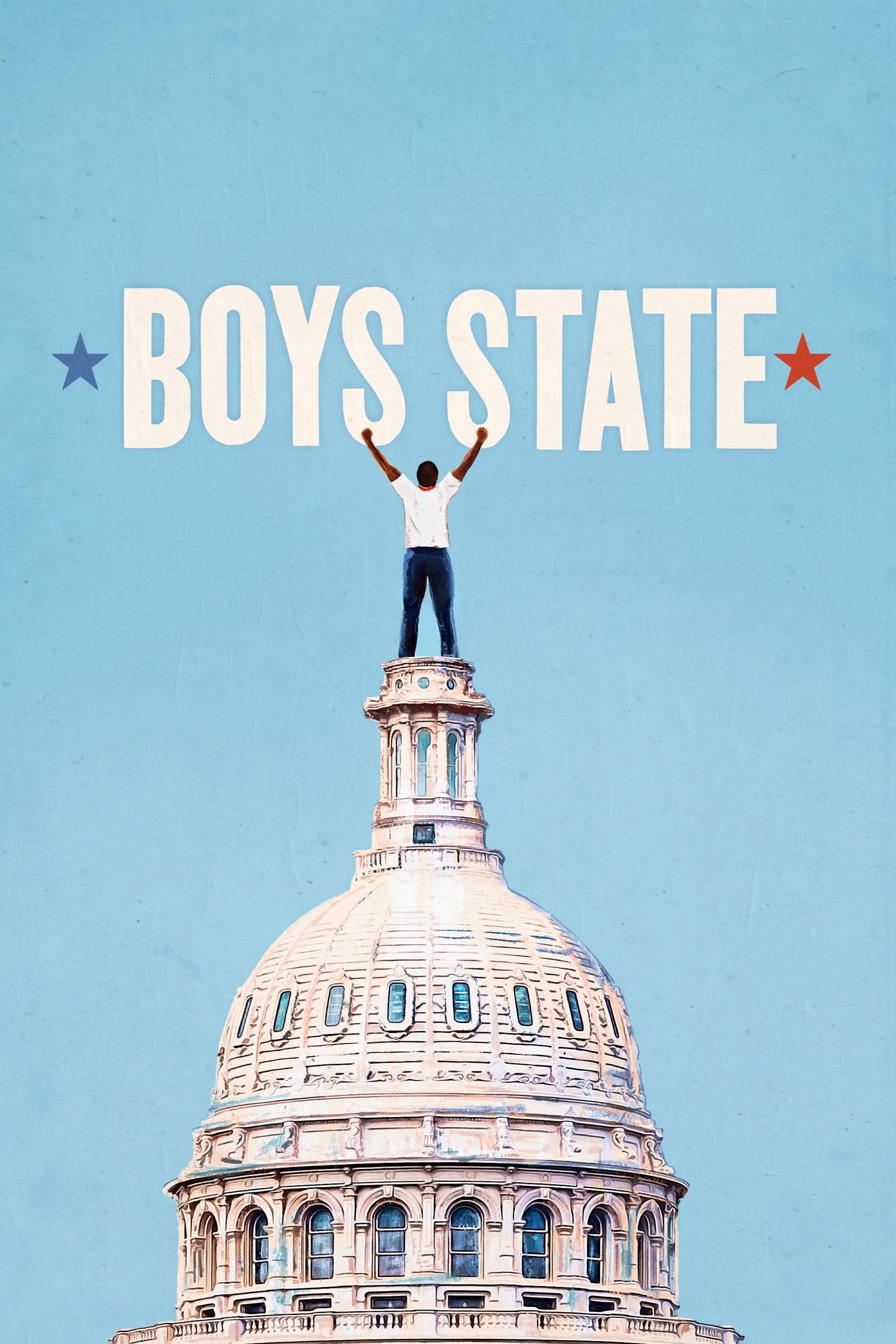
This raucous journey into the heart of democracy captures an unusual rite of passage: 1,100 teenage boys from across Texas coming together to build a representative government from the ground up.
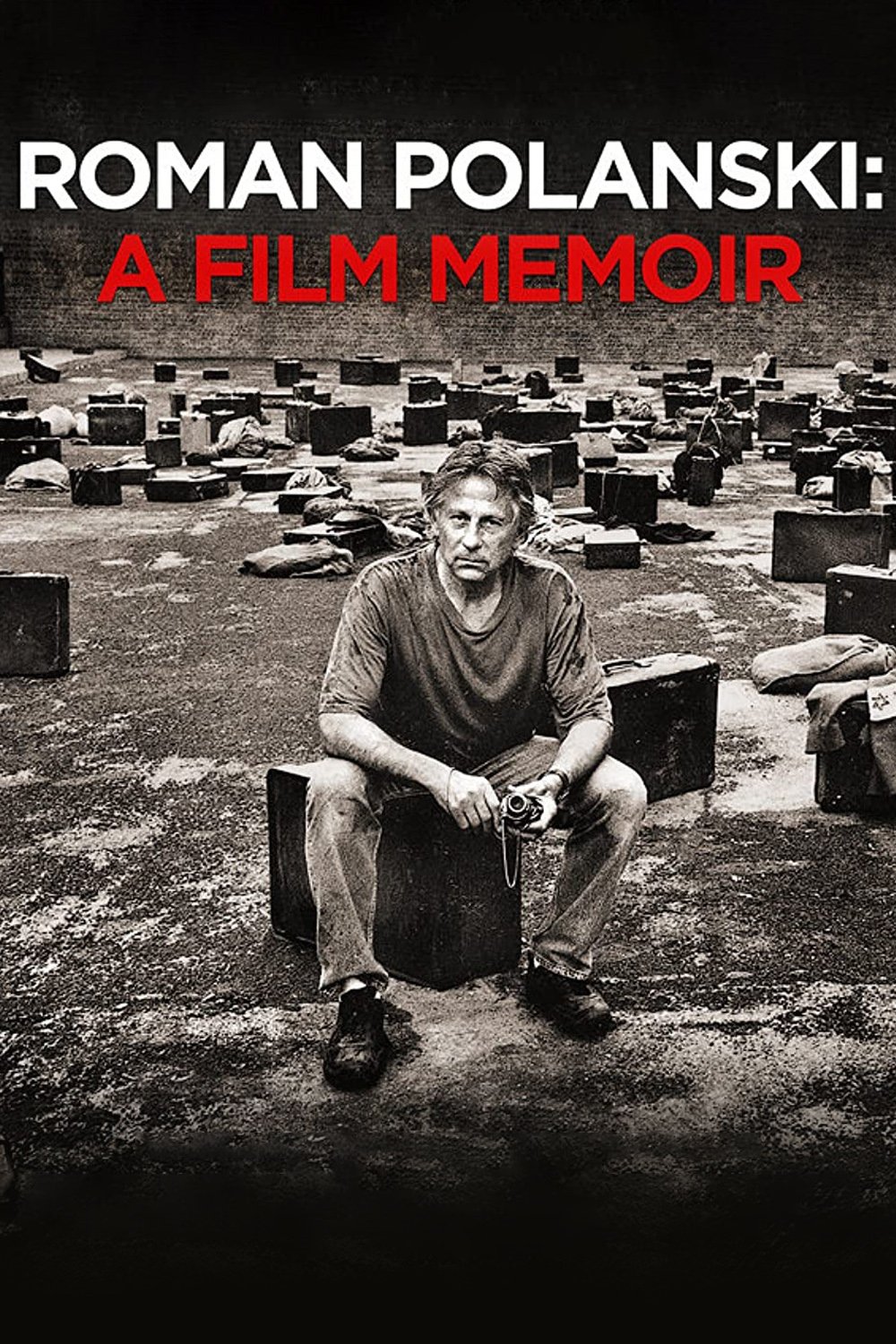
An interview with film director Roman Polanski conducted during his period of house arrest, discussing his life and work.
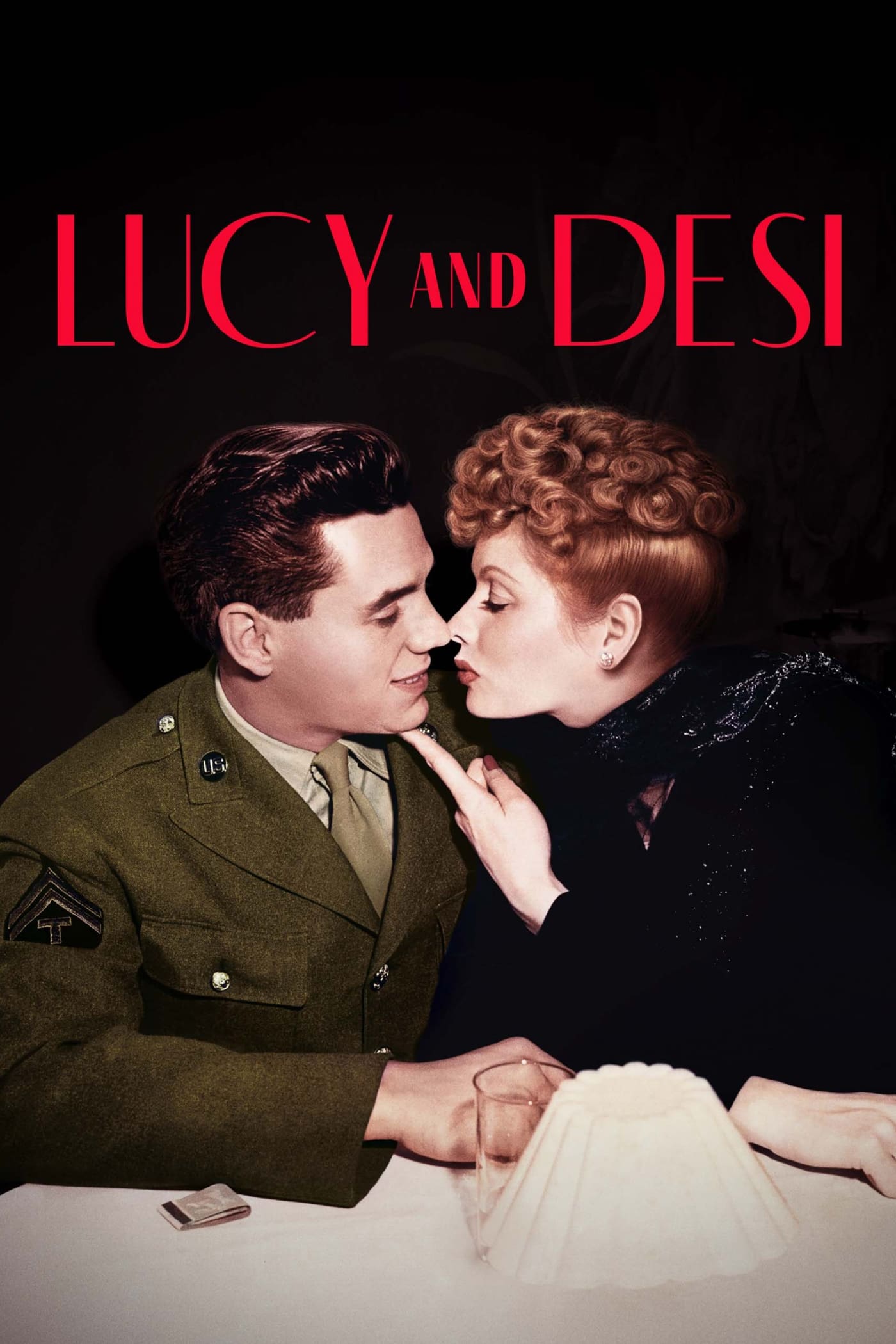
Explore the unlikely partnership and enduring legacy of one of the most prolific power couples in entertainment history. Lucille Ball and Desi Arnaz risked everything to be together.
The film follows adventurer Jeff Johnson as he retraces the epic 1968 journey of his heroes Yvon Chouinard and Doug Tompkins to Patagonia.
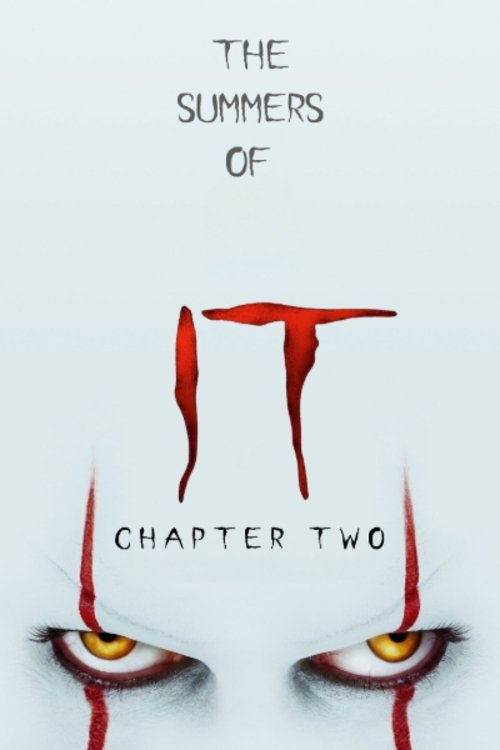
This documentary focuses on the actors and their journey over two summers to create the remake to the original IT, by Stephen King. The documentary originally released as bonus material, bundled with IT: Chapter Two.