A look at the rampant HIV epidemic rate in Swaziland.
Social & External
The people behind it
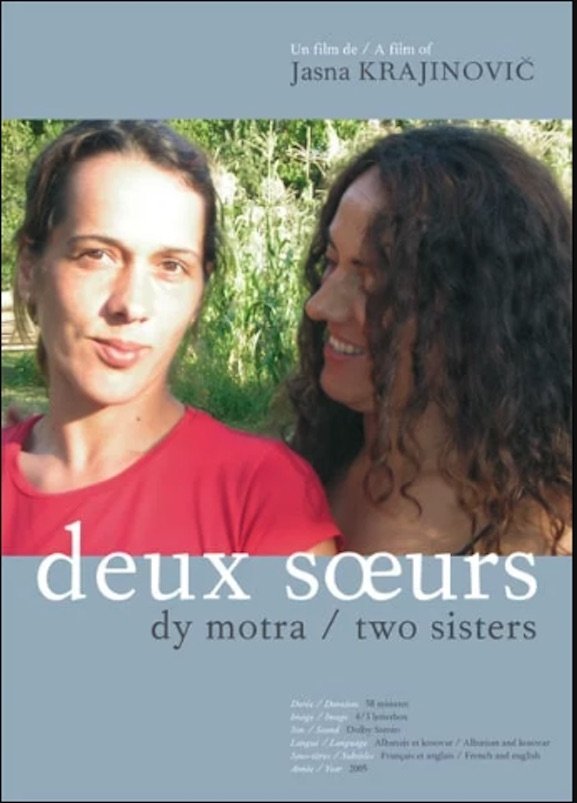
Violeta and Vyollca Dukay live in the south of Kosovo, close to the border with Albania. Faced with a very high unemployment in their country since the end of the war, they became deminers. They’ve been going to the minefields every day for six years now. The unique and very strong relationship that exists between the two sisters helps them to overcome their fear and to keep hoping in spite of the precariousness of their situation and the risks they run each day to earn their living.
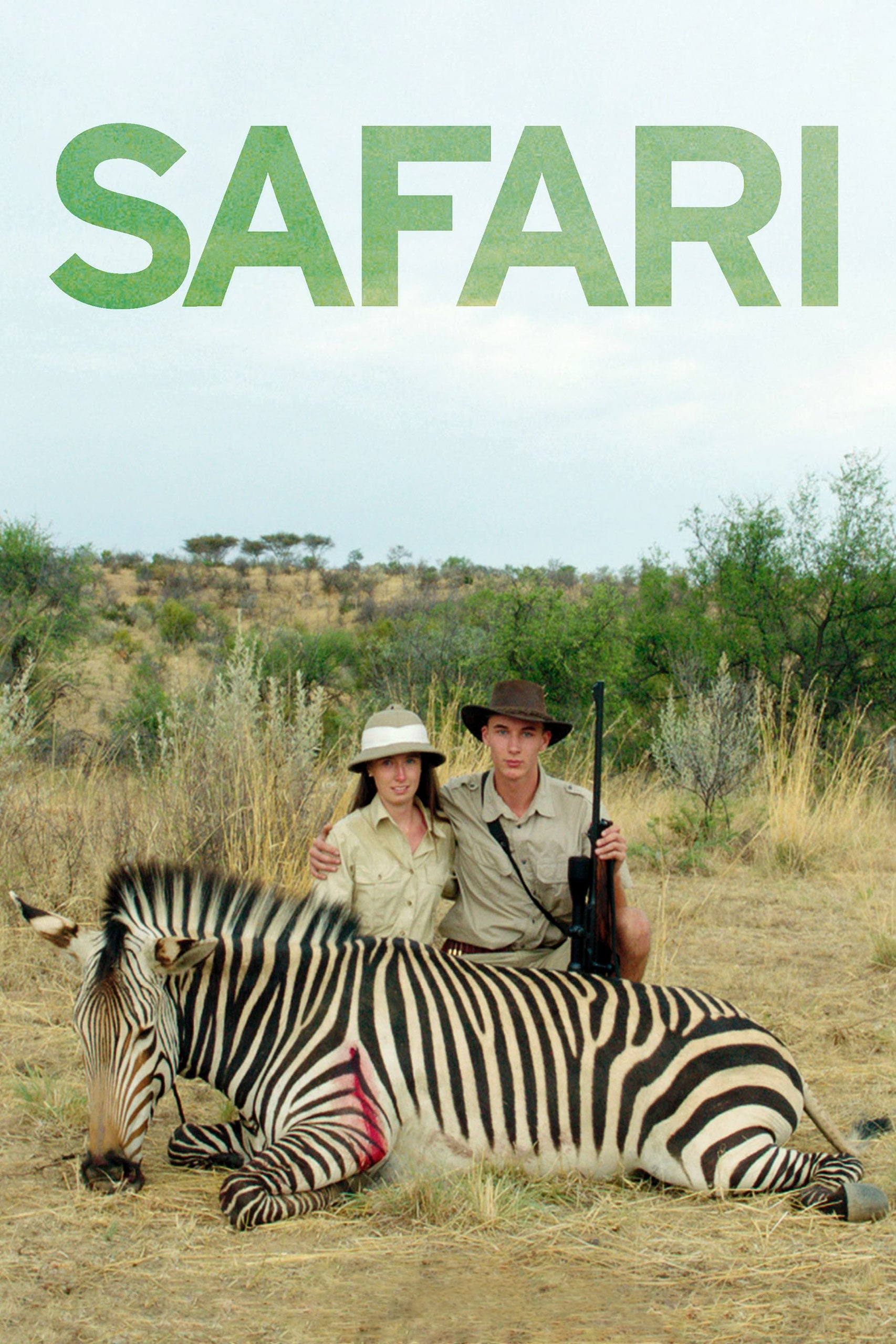
Africa. In the wild expanses, where bush-bucks, impalas, zebras, gnus and other creatures graze by the thousands, they are on holiday. German and Austrian hunting tourists drive through the bush, lie in wait, stalk their prey. They shoot, sob with excitement and pose before the animals they have bagged. A vacation movie about killing, a movie about human nature.
Christof Wackernagel, best known in Germany as an actor and former member of the Red Army Faction ("RAF") lives in Mali. In his compelling portrait, Jonas Grosch shows a man who simply cannot stand still if he senses injustice. The courage to stand up for one’s beliefs coupled with vanity? However one chooses to look at it, it is easy to imagine what made him connect with the "RAF". With his irrepressible will for freedom, Christof Wackernagel gets entangled in the horrors of day-to-day life in Africa.
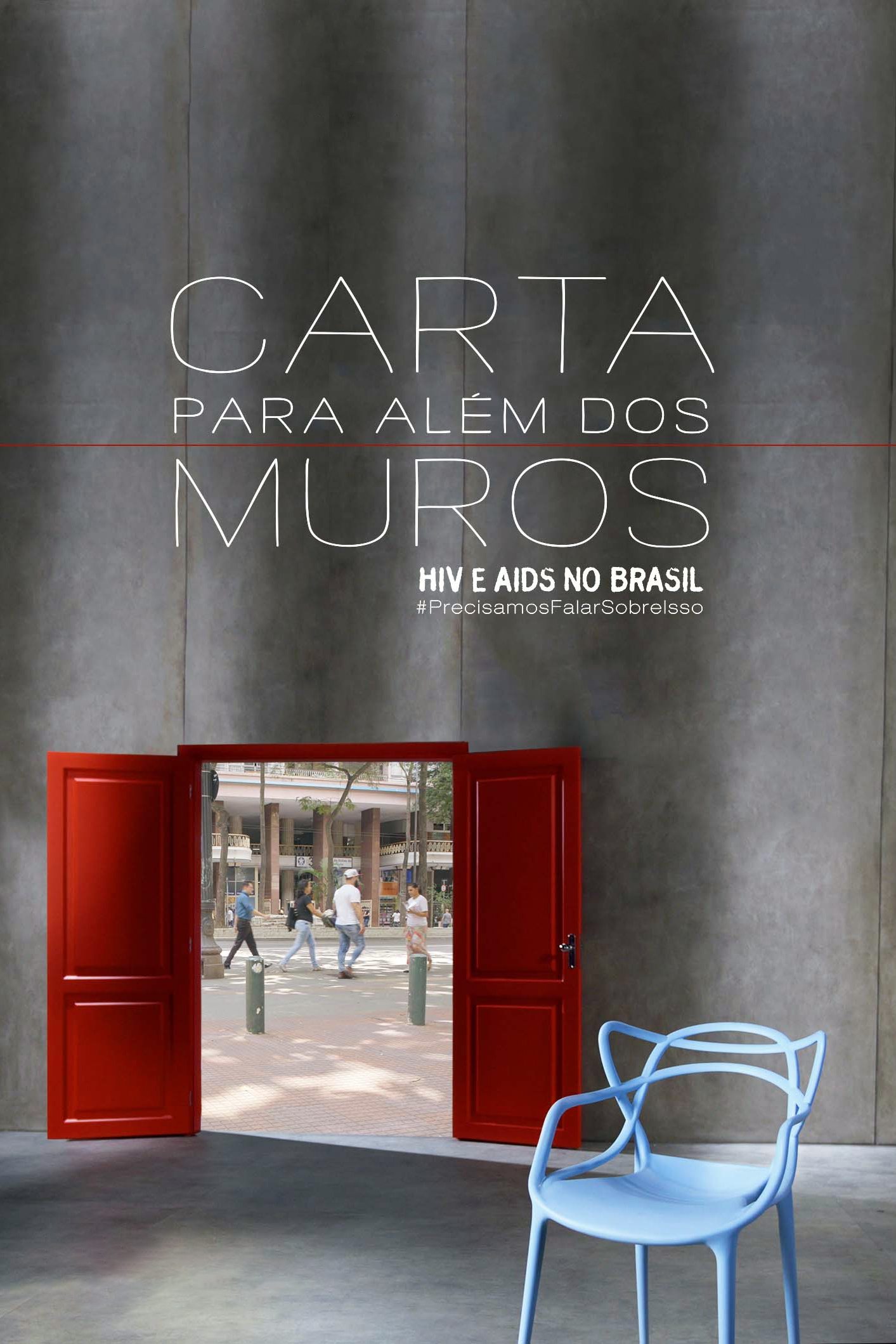
Letter Beyond the Walls reconstructs the trajectory of HIV and AIDS with a focus on Brazil, through interviews with doctors, activists, patients and other actors, in addition to extensive archival material. From the initial panic to awareness campaigns, passing through the stigma imposed on people living with HIV, the documentary shows how society faced this epidemic in its deadliest phase over more than two decades. With this historical approach as its base, the film looks at the way HIV is viewed in today's society, revealing a picture of persistent misinformation and prejudice, which especially affects Brazil’s most historically vulnerable populations.
Directed by François Woukoache.
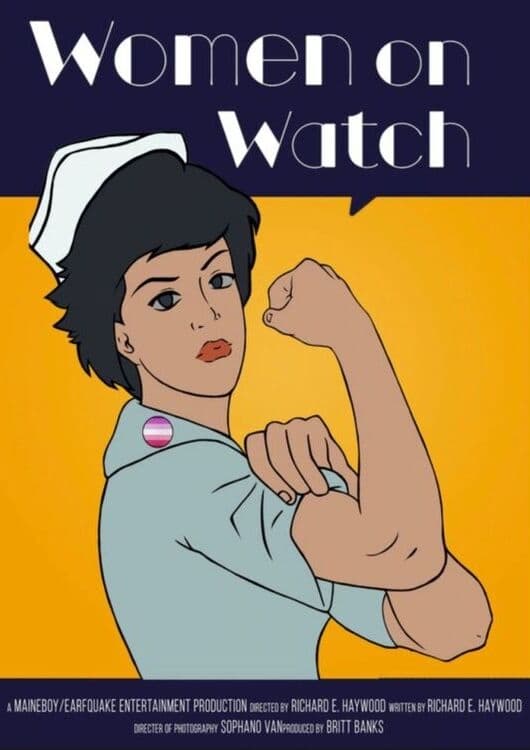
A mini documentary about the untold contributions lesbians made during the A.I.D.S epidemic.
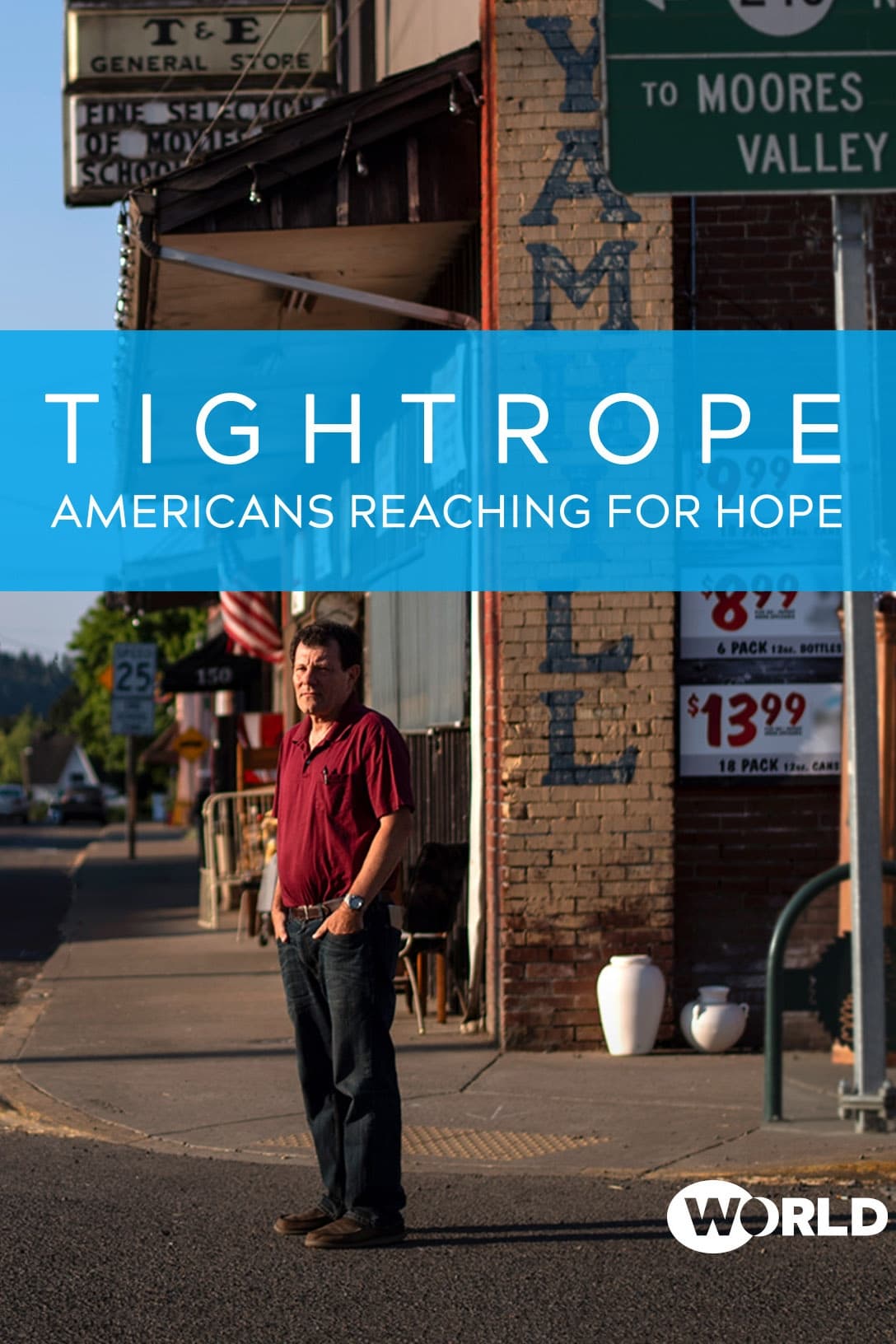
Pulitzer Prize-winning journalists Nicholas Kristof and Sheryl WuDunn explore the causes and costs of addiction, poverty and incarceration plaguing America, from the inner city to small towns like Kristof's hometown of Yamhill, Oregon. While pockets of empathy and aid exist, are they enough to rescue the thousands of Americans in despair, for whom the American Dream of self-reliance is impossibly out of reach?
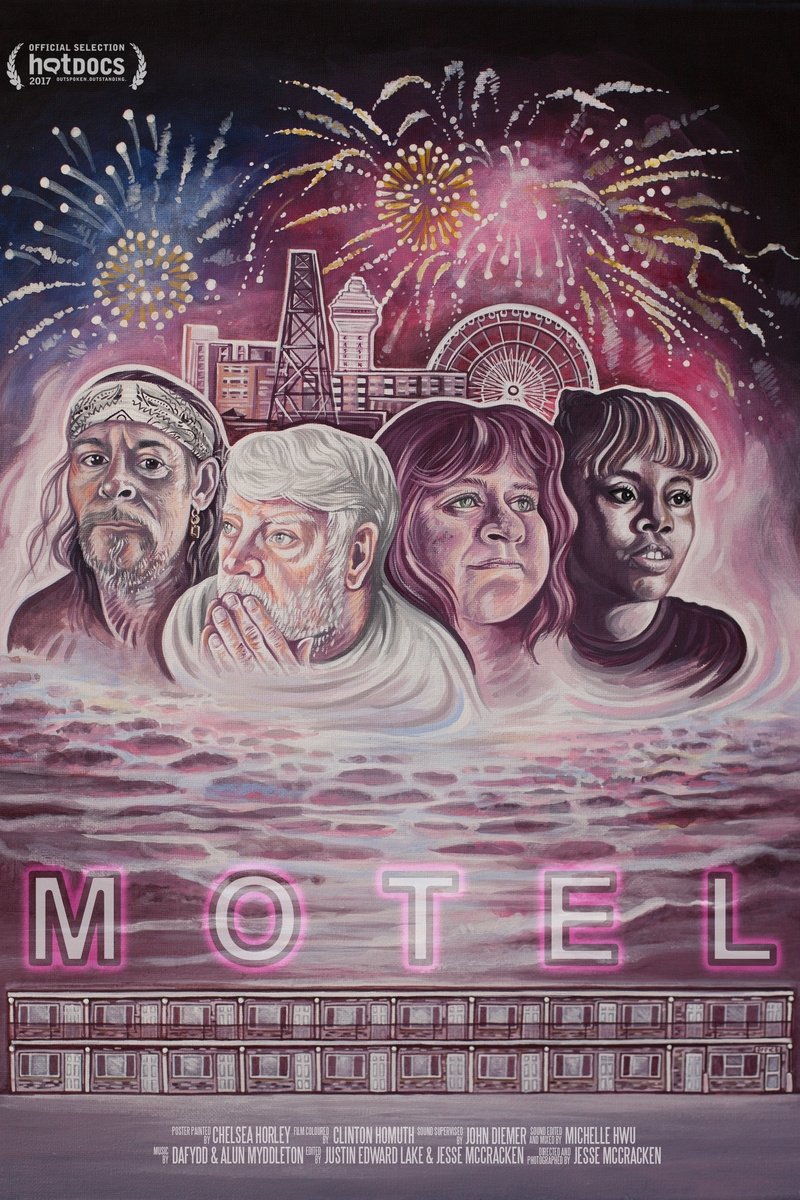
As Niagara Falls transformed from honeymoon capital of the world to Las Vegas North, corporate hotel chains and casinos cast a long shadow over the independent motels that once populated the town. The Continental survived the transition by converting its rooms into affordable housing units, becoming a home for those with few places to go. The night manager, Brian, once a freelance photographer who survived the horrors of war in Vietnam, shares his duties with his colleague Linda. Together they manage both the Continental and the individual struggles of its tenants, providing more than a roof over the heads of those who live under their supervision. Bringing a fresh focus to one of the most photographed places on Earth, director and cinematographer Jesse McCracken develops an intimate and caring portrait of the residents of this modest micro-community set against the backdrop of neon-lit tourist attractions.
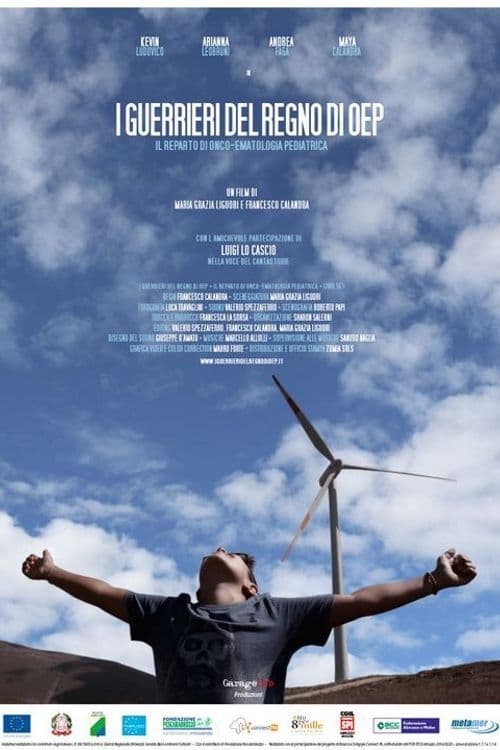
A documentary with some fictional scenes that focuses the attention, more than on hospitalized children, on the human dynamics that are established in their families. Shot in the Oncohematology ward of an Italian hospital, the movie follows the life of some young patients being treated, alternating interviews with their relatives and hospital staff.
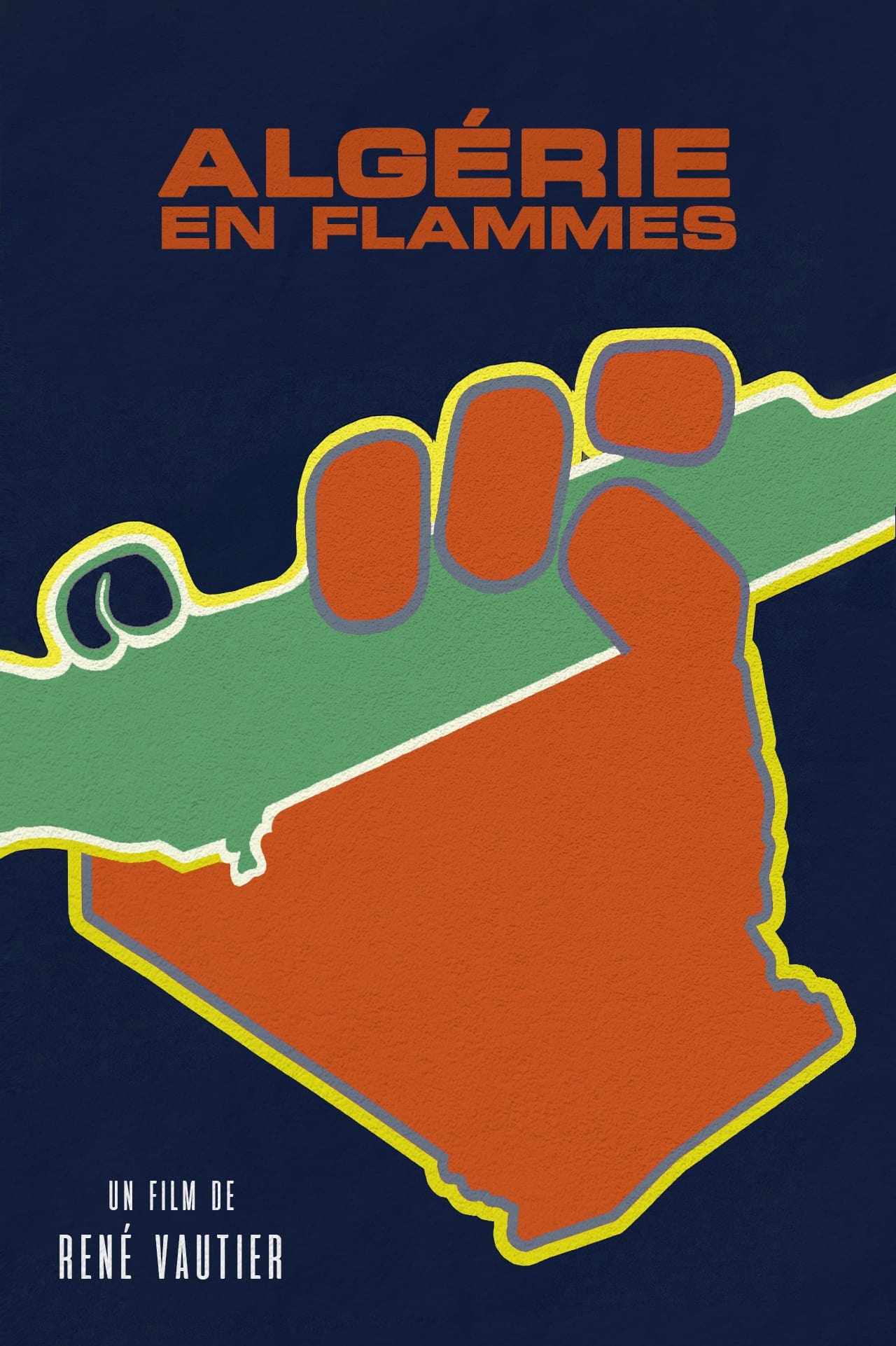
These are the first images shot in the ALN maquis, camera in hand, at the end of 1956 and in 1957. These war images taken in the Aurès-Nementchas are intended to be the basis of a dialogue between French and Algerians for peace in Algeria, by demonstrating the existence of an armed organization close to the people. Three versions of Algeria in Flames are produced: French, German and Arabic. From the end of the editing, the film circulates without any cuts throughout the world, except in France where the first screening takes place in the occupied Sorbonne in 1968. Certain images of the film have circulated and are found in films, in particular Algerian films. Because of the excitement caused by this film, he was forced to go into hiding for 25 months. After the declaration of independence, he founded the first Algerian Audiovisual Center.
Sixth-graders have many things on their minds. But they are confronted with an important decision: do they continue their education in secondary school A, B, or C, or do they go to grammar school after all? And what even are those things? How do children deal with the hopes and fears associated with this step?
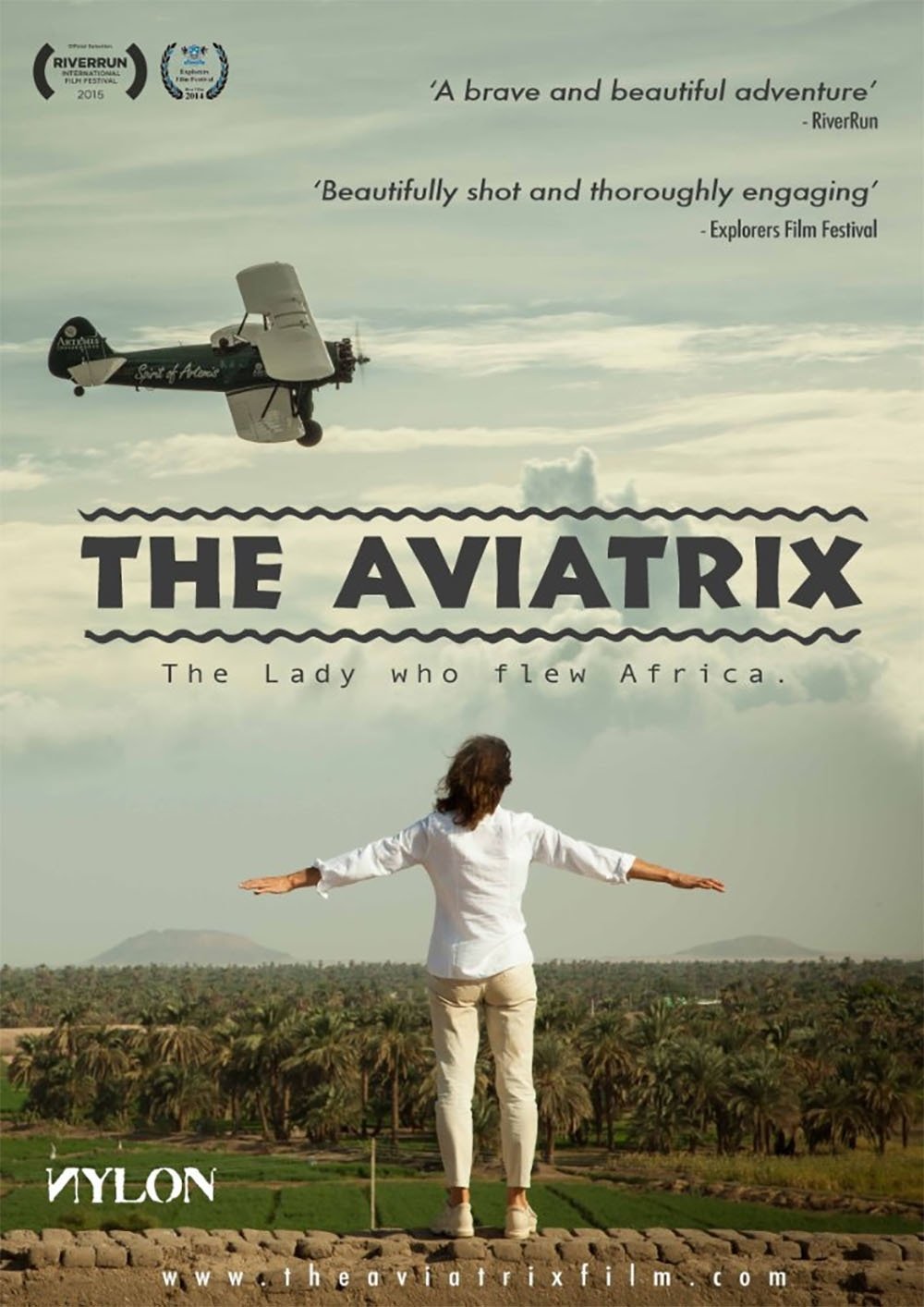
In 1928, Lady Heath became the first person to fly solo from Cape Town to London. Eighty-five years later, Tracey Curtis-Taylor set out in a vintage biplane to fly that adventure again. Following Tracey as she retraces the journey, The Aviatrix is more than just a film about the rapture of flying – it’s a story about living life on your own terms and having the courage and determination to realise your greatest dreams.
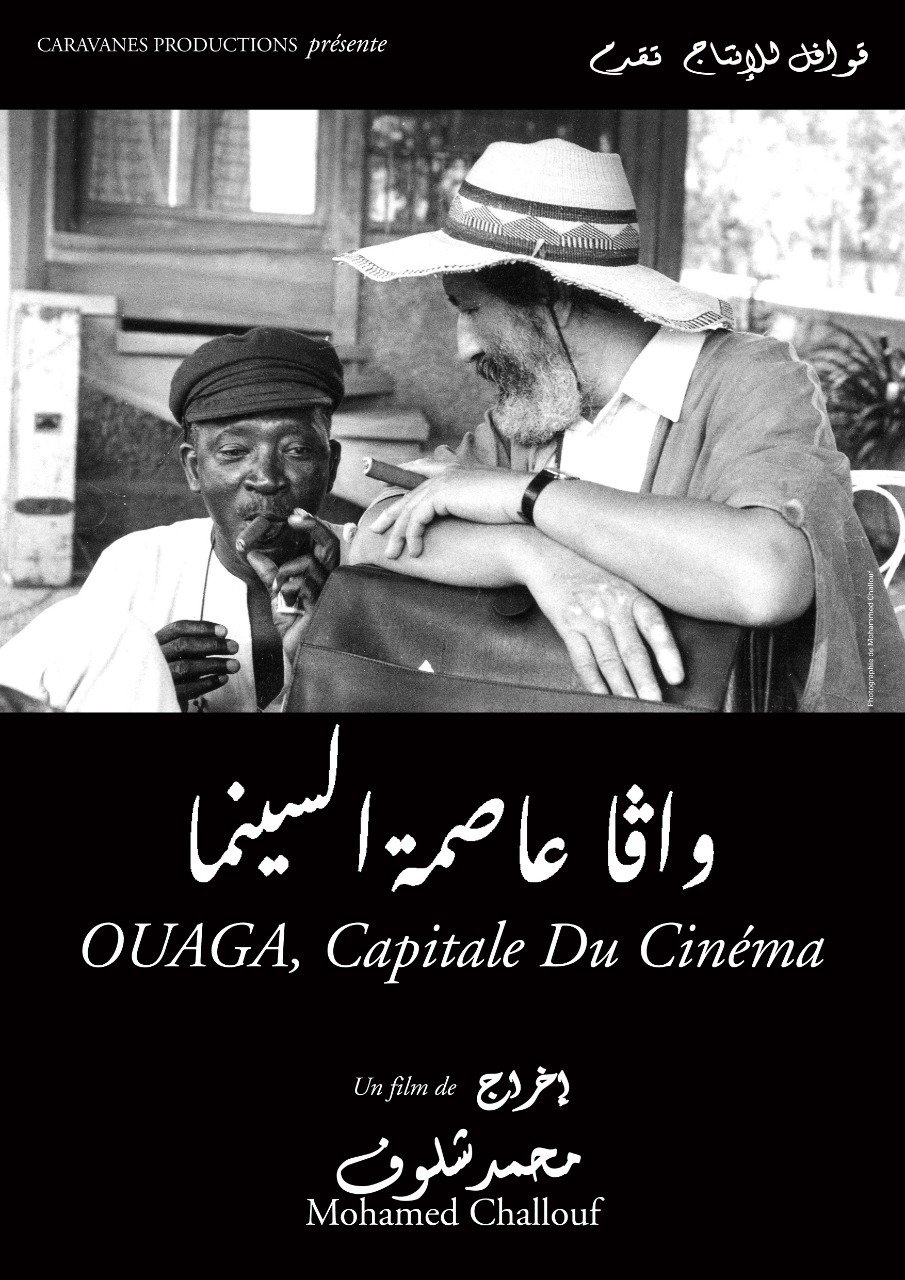
Between 1983 and 1987, Ouagadougou, the capital of Burkina Faso and the home city of FESPACO, one of the most important Pan-African film festivals in the world, was the scene of an exciting cinema utopia. With the support of the young president Thomas Sankara, the festival became a symbol of the cultural renaissance of a whole continent. The assassination of Sankara stifled the hopes of millions of young Africans, but the dynamism of FESPACO and African cinema did not stop.
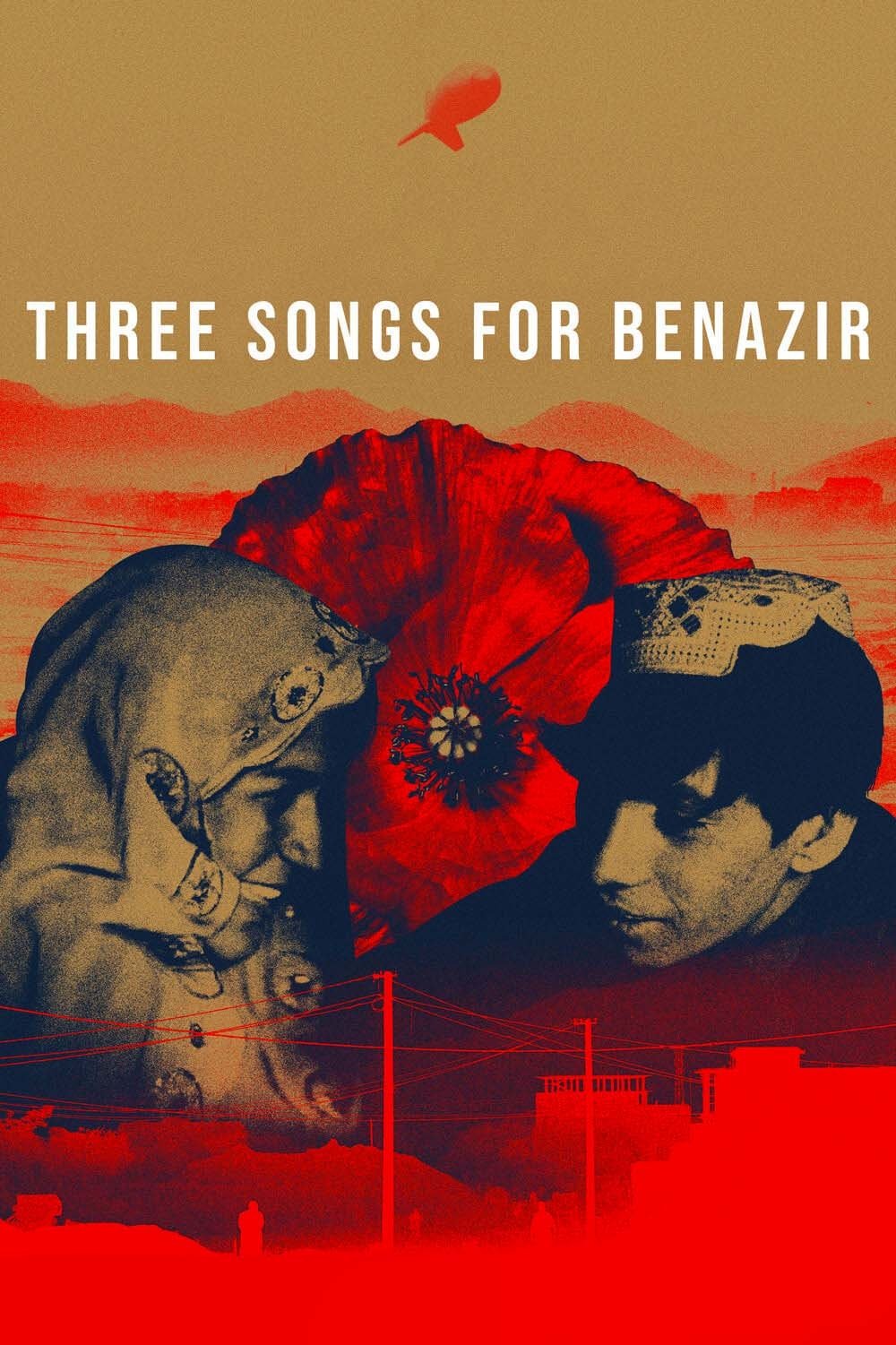
The story of Shaista, a young man who—newly married to Benazir and living in a camp for displaced persons in Kabul—struggles to balance his dreams of being the first from his tribe to join the Afghan National Army with the responsibilities of starting a family. Even as Shaista’s love for Benazir is palpable, the choices he must make to build a life with her have profound consequences.
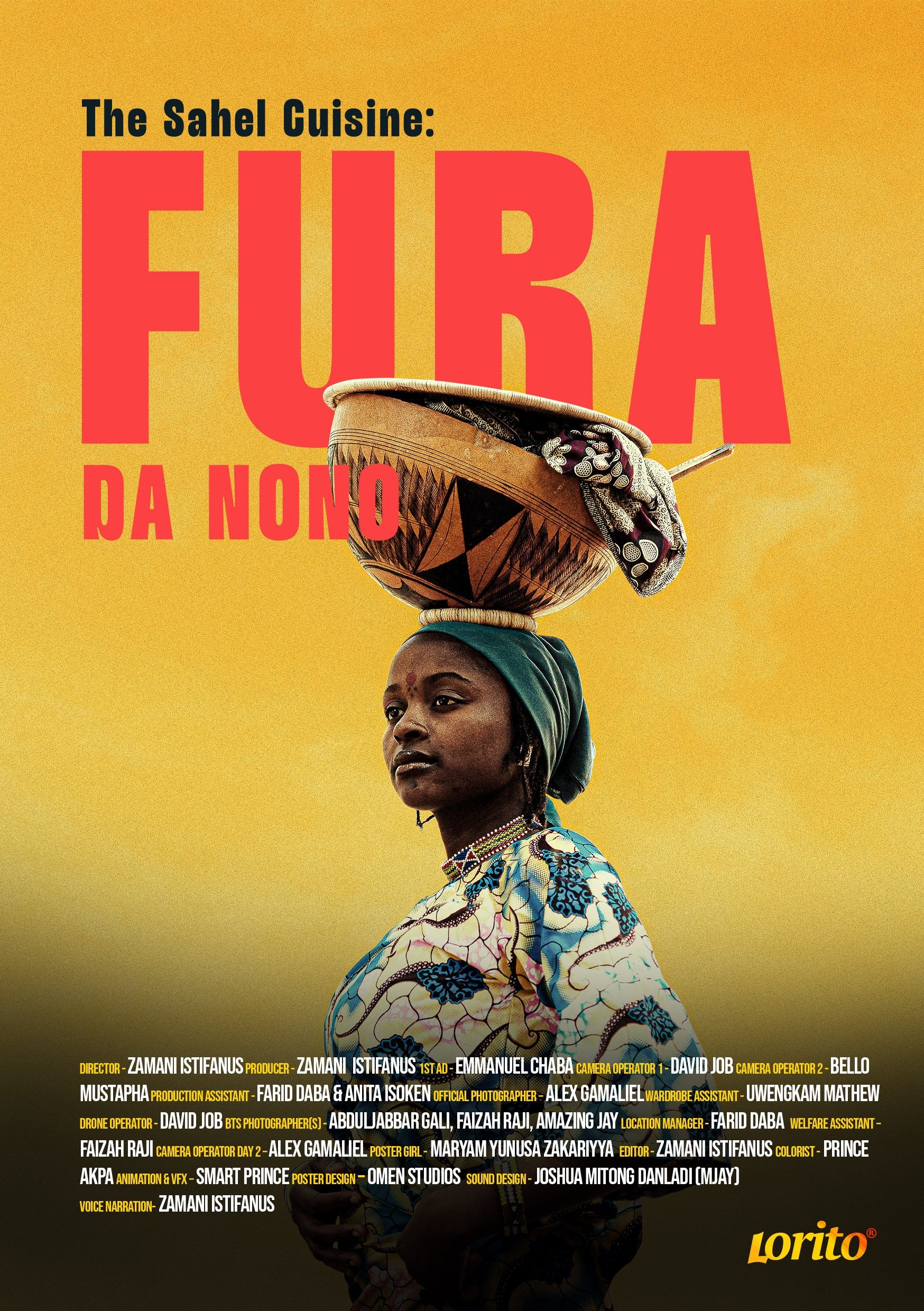
A documentary film about the art and process of making Fura Da Nono - a type of food that is originated from West Africa's Sahel region, one of the many unique traditions of the Fulani people which has been preserved for centuries.
Lao Zha’s film examines rural life in Haiyuan County, in Ningxia Province. Unlike the rapidly globalizing urban centres, here life remains largely unchanged for the Hui people, a Muslim ethnic group, whose diverse cultural roots incorporate Arabic and Persian influences that arose out of the Hui’s proximity to the Silk Road. In a remote Hui village, a little boy named Huhu is growing up under the watchful eye of his grandparents, and, occasionally, his less-than-reliable mother. (Dorothy Woodend, DOXA Documentary Film Festival)
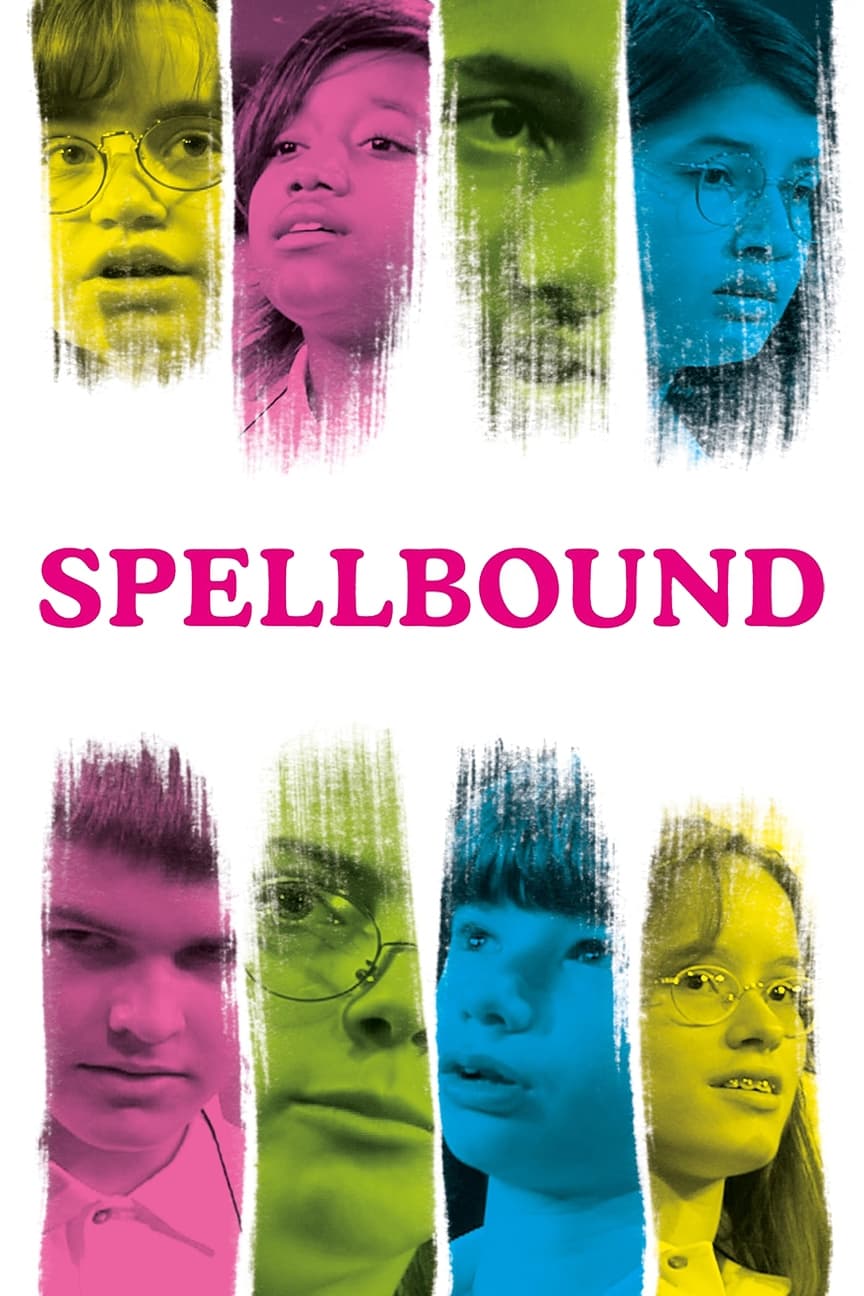
This documentary follows 8 teens and pre-teens as they work their way toward the finals of the Scripps Howard national spelling bee championship in Washington D.C.
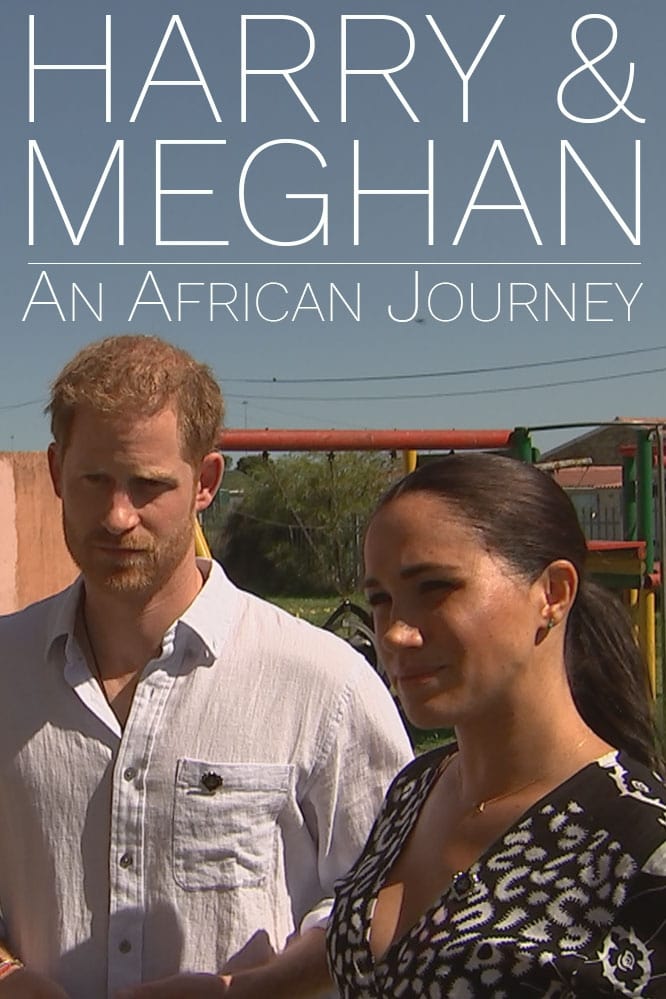
“Harry & Meghan: An African Journey" features unprecedented access and exclusive interview with The Duke and Duchess of Sussex about the challenges they face living in the public eye.
A talented group of orphaned children in Swaziland create a fictional heroine and send her on a dangerous quest.
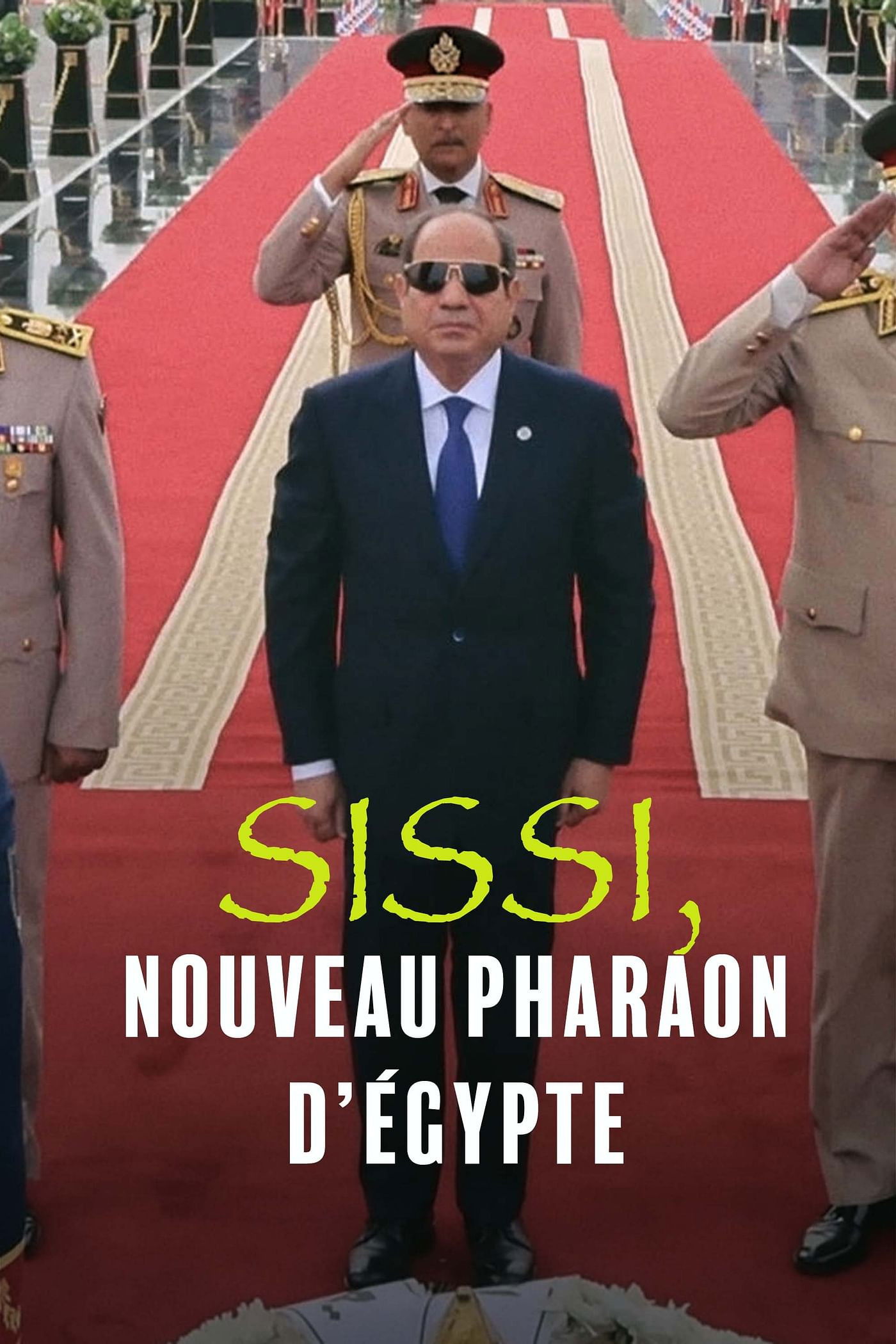
Egypt, nicknamed "the mother of the world" by its people, is unrecognizable. Gigantic construction sites have sprung up in the desert at an exponential rate, including roads, bridges, and megaprojects on the Mediterranean coast. This new Egypt is an illusion: in 10 years, the population has sunk into unprecedented poverty. The regime shows no mercy to the poor. Abdel Fattah el-Sisi, the new pharaoh, and his army have set up a pyramid-shaped financial system, built on subsidies from major international institutions—including the European Union—and foreign investment. The most populous nation in the Arab world finds itself on the brink of collapse.
An inside look at one of the most anticipated movie sequels ever with James Cameron and cast.
Through deeply personal interviews with her siblings and an examination of the photographs, letters, and belongings left behind, Mariska assembles a new portrait of her mother Jayne Mansfield, an extraordinary and complex woman.
From a prolific career in film and television, Anton Yelchin left an indelible legacy as an actor. Through his journals and other writings, his photography, the original music he wrote, and interviews with his family, friends, and colleagues, this film looks not just at Anton's impressive career, but at a broader portrait of the man.
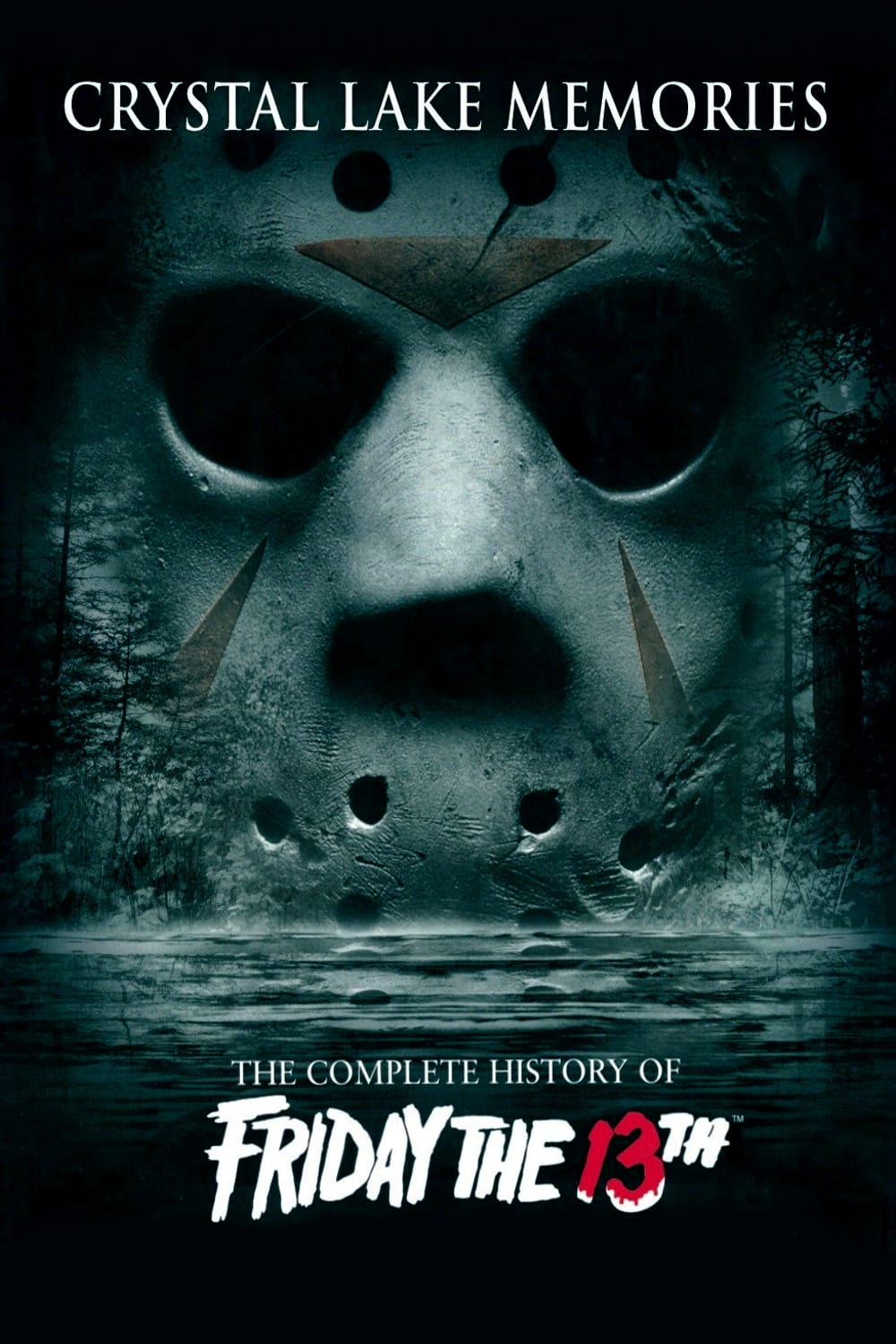
Taking inspiration from Peter M. Bracke's definitive book of the same name, this seven-hour documentary dives into the making of all twelve Friday the 13th films, with all-new interviews from the cast and the crew.
An unprecedented and intimate look at the life, work and enduring legacy of British actress Audrey Hepburn (1929-1993).
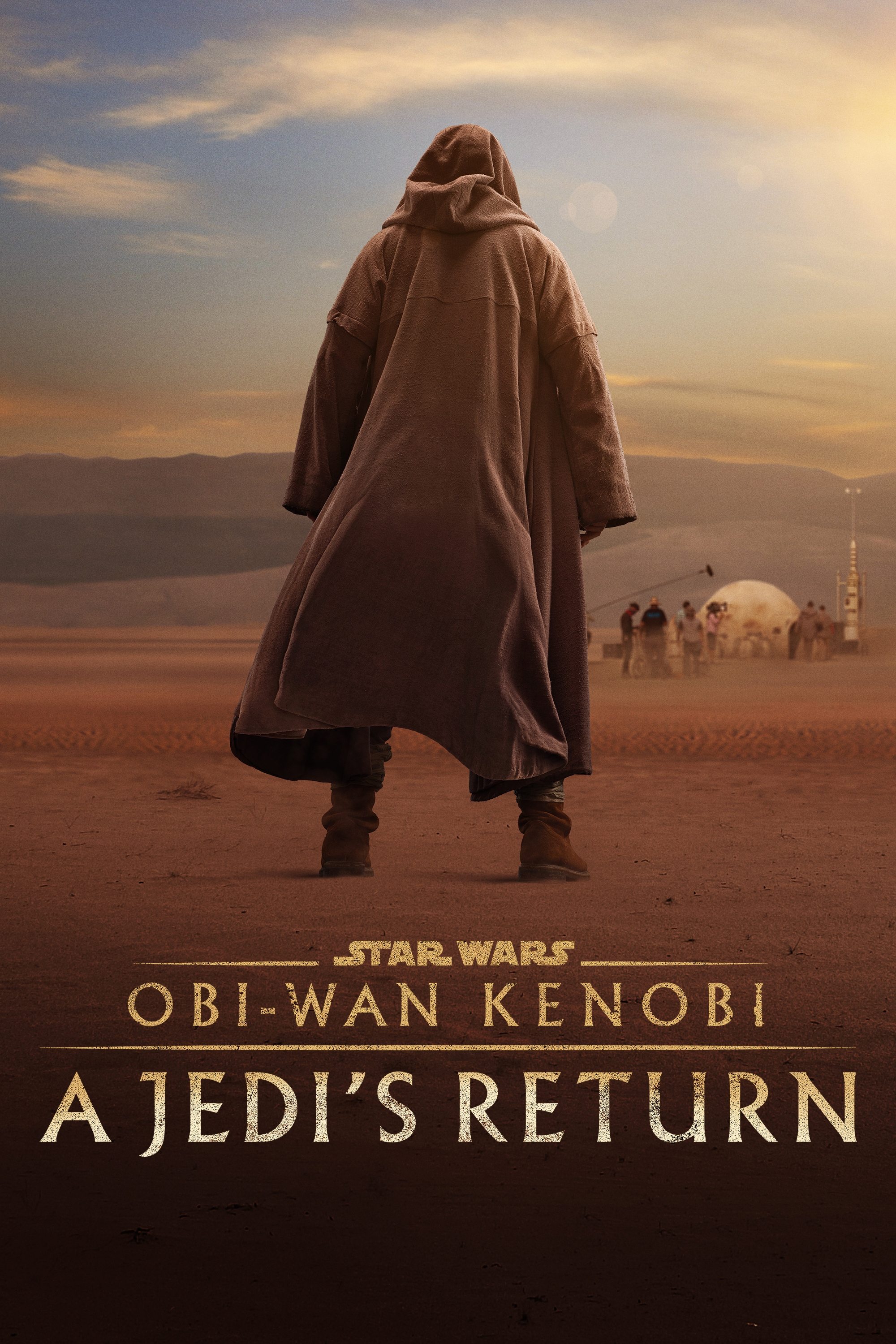
This special explores the return of Obi-Wan Kenobi and Anakin Skywalker to the screen, as well as Ewan McGregor and Hayden Christensen to their classic roles. Director Deborah Chow leads the cast and crew as they create new heroes and villains that live alongside new incarnations of beloved Star Wars characters, and an epic story that dramatically bridges the saga films.
Interviews with leading authors, philosophers and scientists, with an in-depth discussion of the Law of Attraction. The audience is shown how they can learn and use 'The Secret' in their everyday lives.
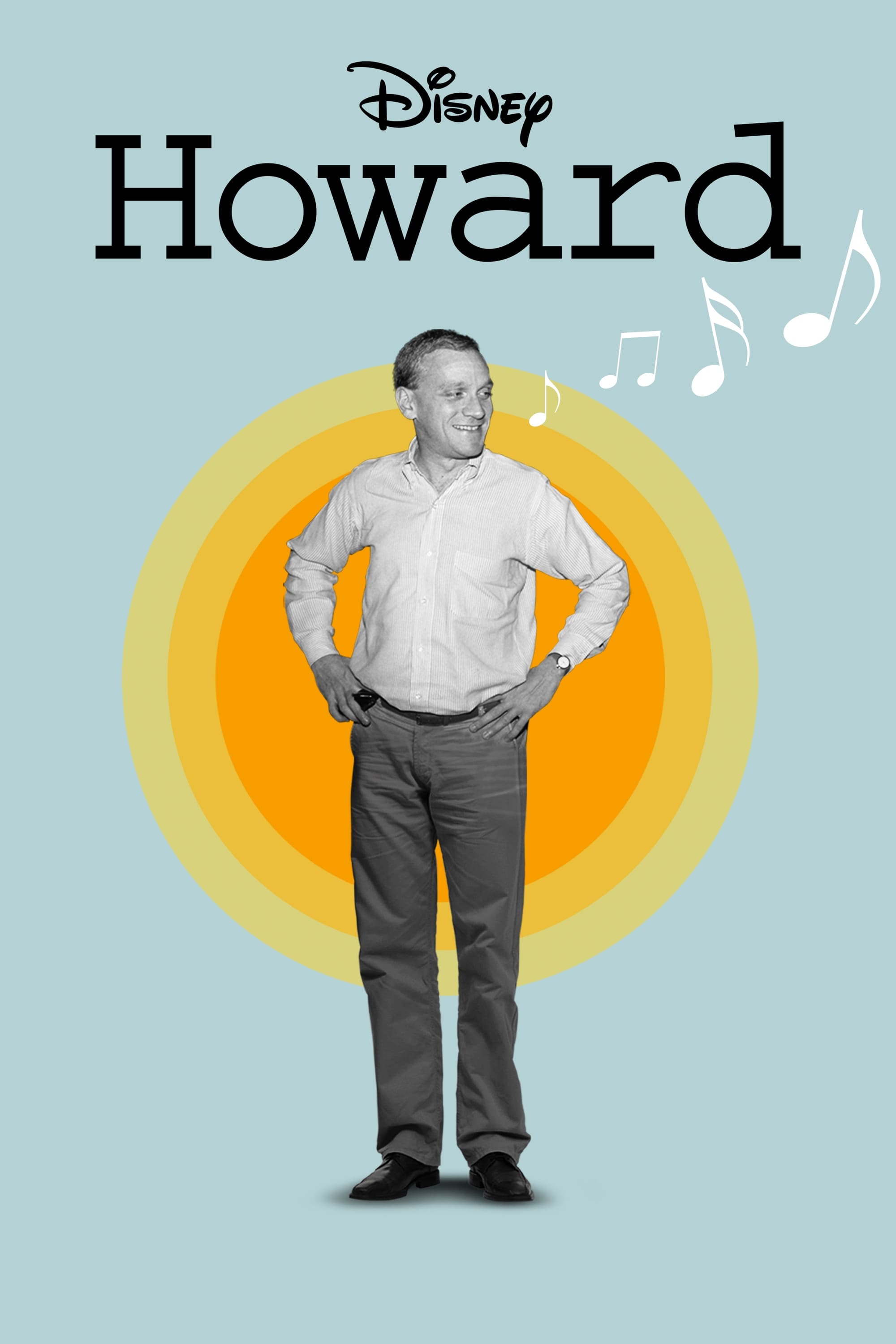
Though legendary lyricist Howard Ashman died far too young, his impact on Broadway, movies, and the culture at large were incalculable. Told entirely through rare archival footage and interviews with Ashman’s family, friends, associates, and longtime partner Bill Lauch, Howard is an intimate tribute to a once-in-a-generation talent and a rousing celebration of musical storytelling itself.
Explore the evolution of Buzz Lightyear from toy to human in the making of Pixar’s Lightyear. Dive into the origin and cultural impact of everyone’s favorite Space Ranger, the art of designing a new “human Buzz,” and the challenges faced by the Lightyear crew along the way.
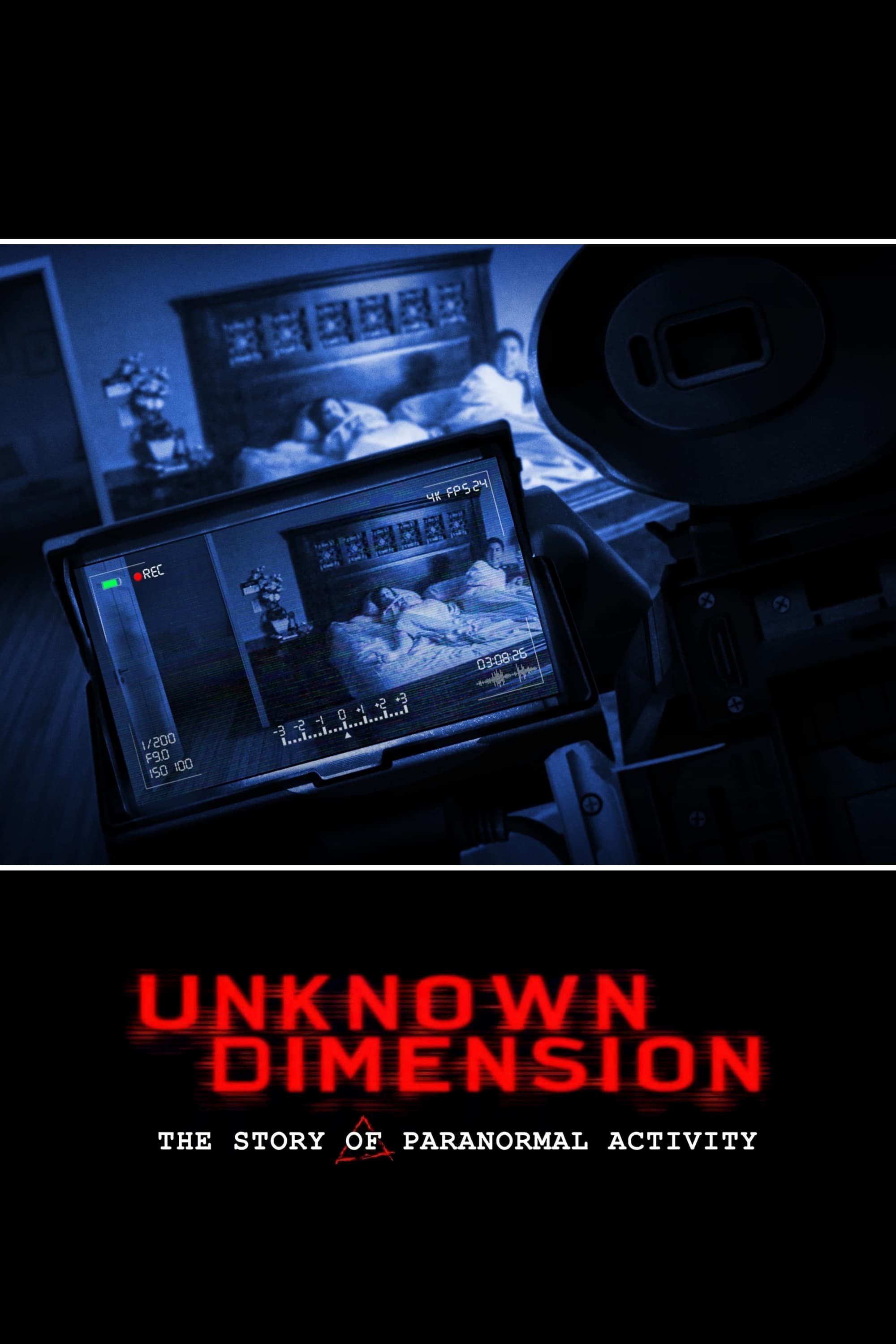
A deep dive into the making of the Paranormal Activity films with first time ever interviews with cast and crew, never-before-seen footage from the movies, and a preview of the seventh installment in the franchise.
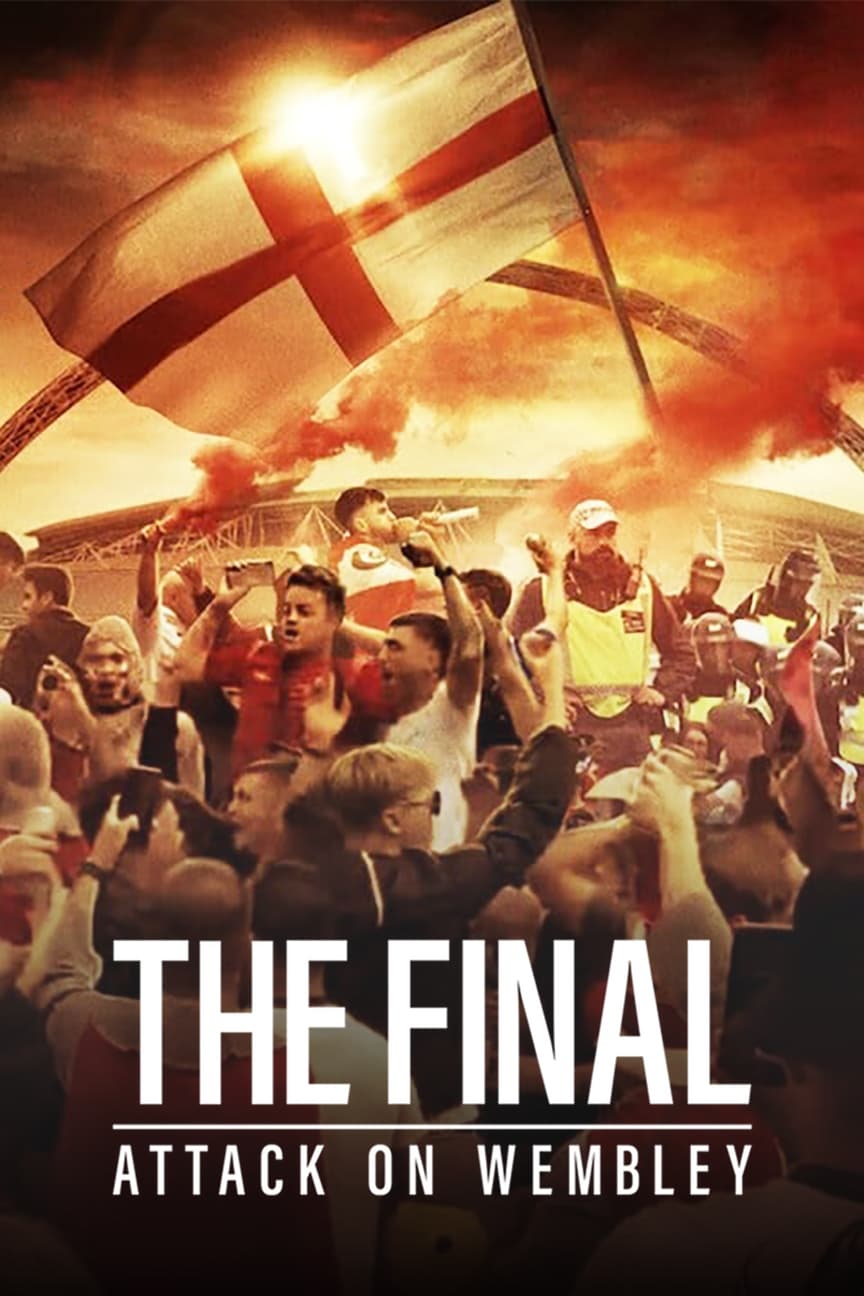
As England reach the final of the Euros at last, 6,000 ticketless football fans storm Wembley stadium, leaving destruction in their wake.
Take a virtual vacation to some of the Star Wars films' most iconic and beloved locations like Hoth, Tatooine, and Sorgan, as this charming series whisks you off for fly-through tours of the Galaxy Far, Far Away.
Unravel the case of Utah therapist Jodi Hildebrandt, whose child abuse arrest with parenting YouTuber Ruby Franke exposed a twisted tale of manipulation.
Those who knew iconic funnyman John Candy best share his story, in their own words, through never-before-seen archival footage, imagery, and interviews.
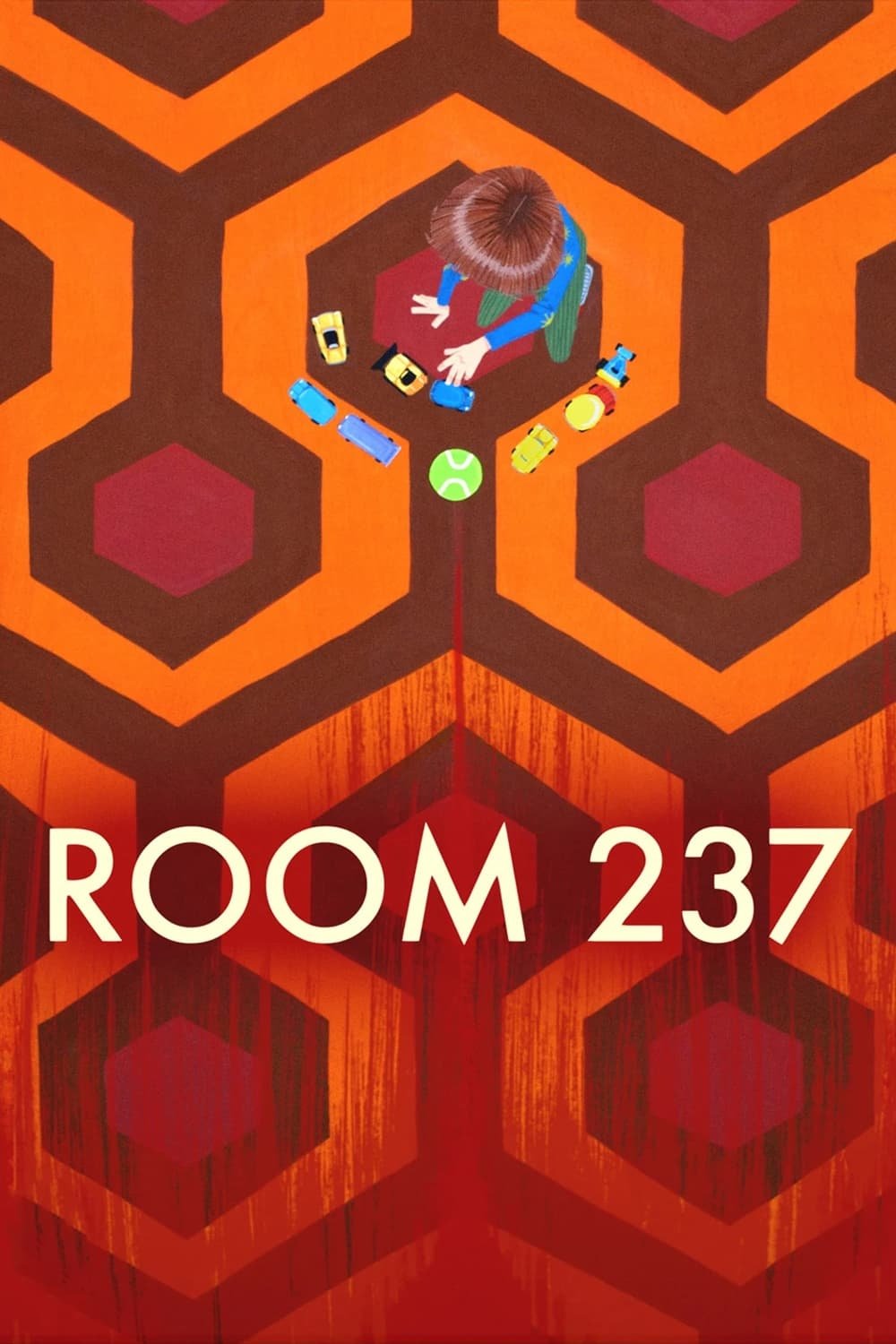
A subjective documentary that explores various theories about hidden meanings in Stanley Kubrick's classic film The Shining. Five very different points of view are illuminated through voice over, film clips, animation and dramatic reenactments.
Al Pacino's deeply-felt rumination on Shakespeare's significance and relevance to the modern world through interviews and an in-depth analysis of "Richard III."
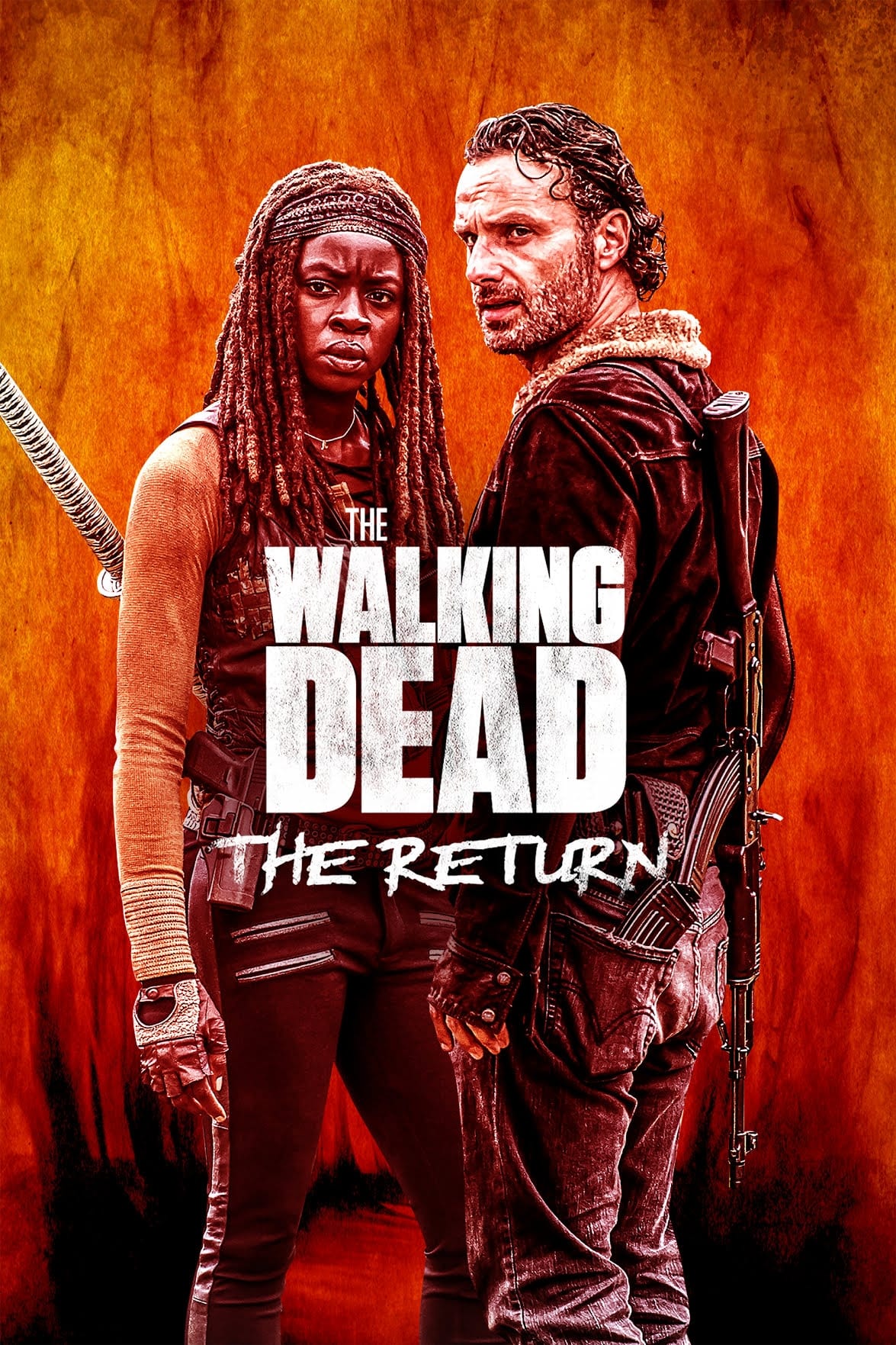
Stars of "The Walking Dead," Andrew Lincoln and Danai Gurira, walk down memory lane and visit iconic locations where pivotal moments between their characters, Rick and Michonne, were filmed.
Documentary sequel that offers a close-up look into the personal lives of the legendary porn stars who've survived the test of time and influenced popular culture. Blends rare interviews with erotic clips and additional appearances by Whoopi Goldberg, Steven Soderbergh and a host of adult stars, directors and trendsetters.
With mesmerizing footage and time lapses of animators at work, this behind-the-scenes special captures the artistry of a unique tale years in the making.
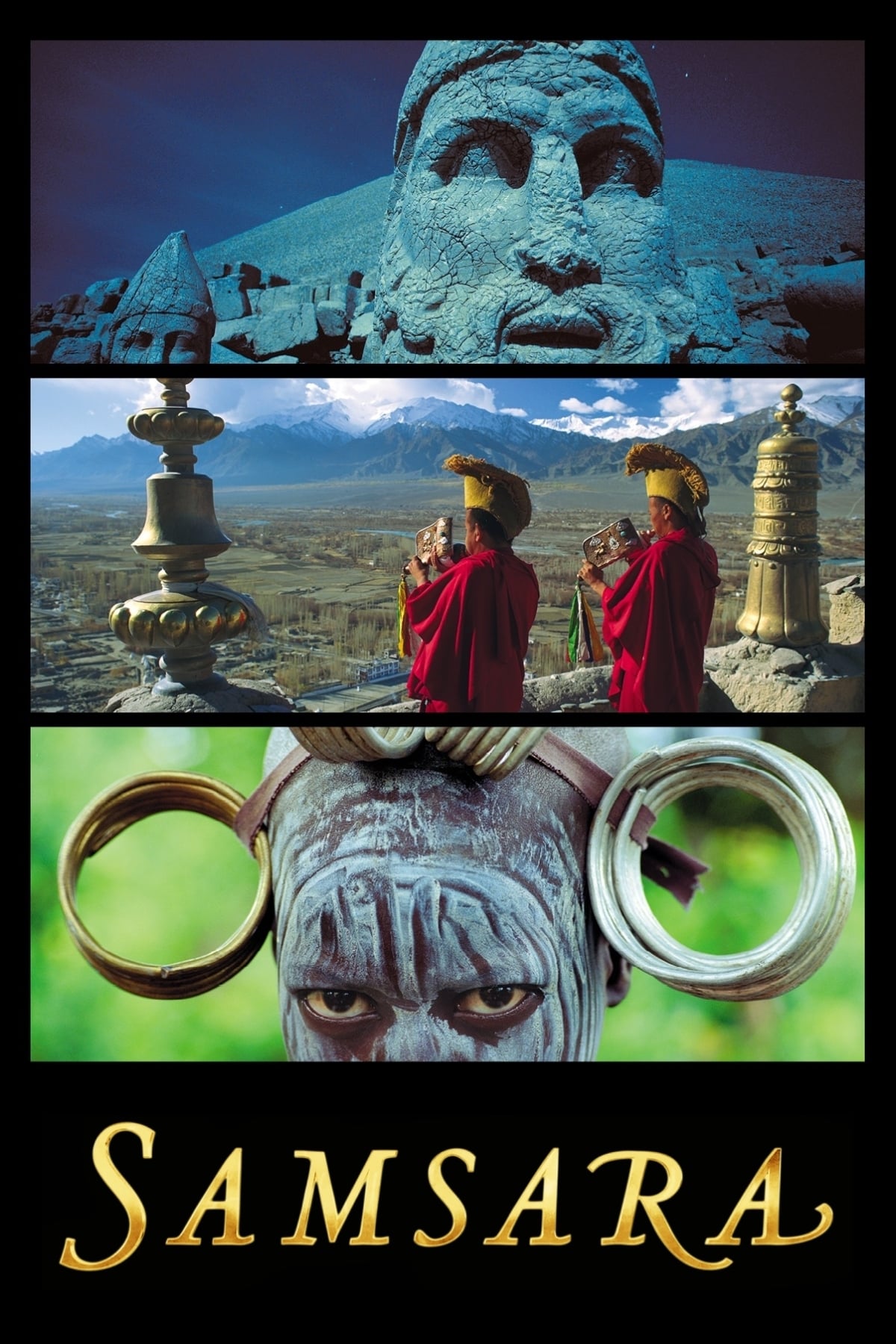
Filmed over nearly five years in twenty-five countries on five continents, and shot on seventy-millimetre film, Samsara transports us to the varied worlds of sacred grounds, disaster zones, industrial complexes, and natural wonders.