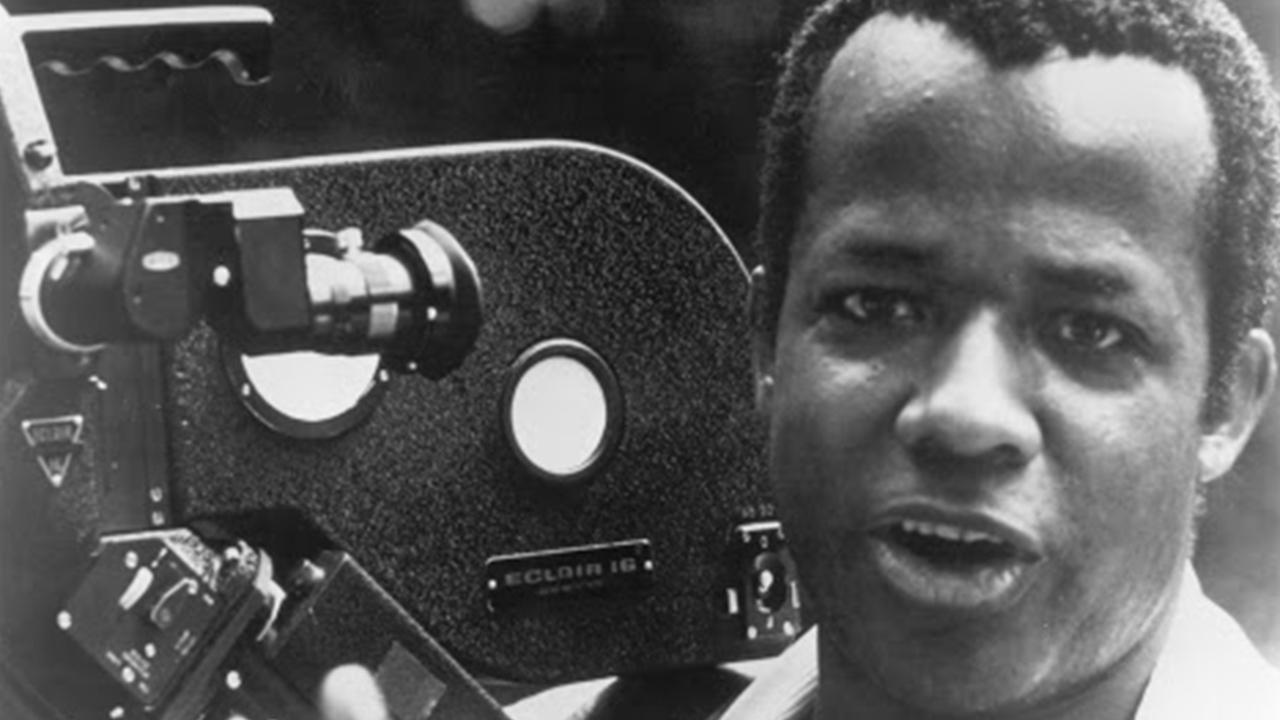
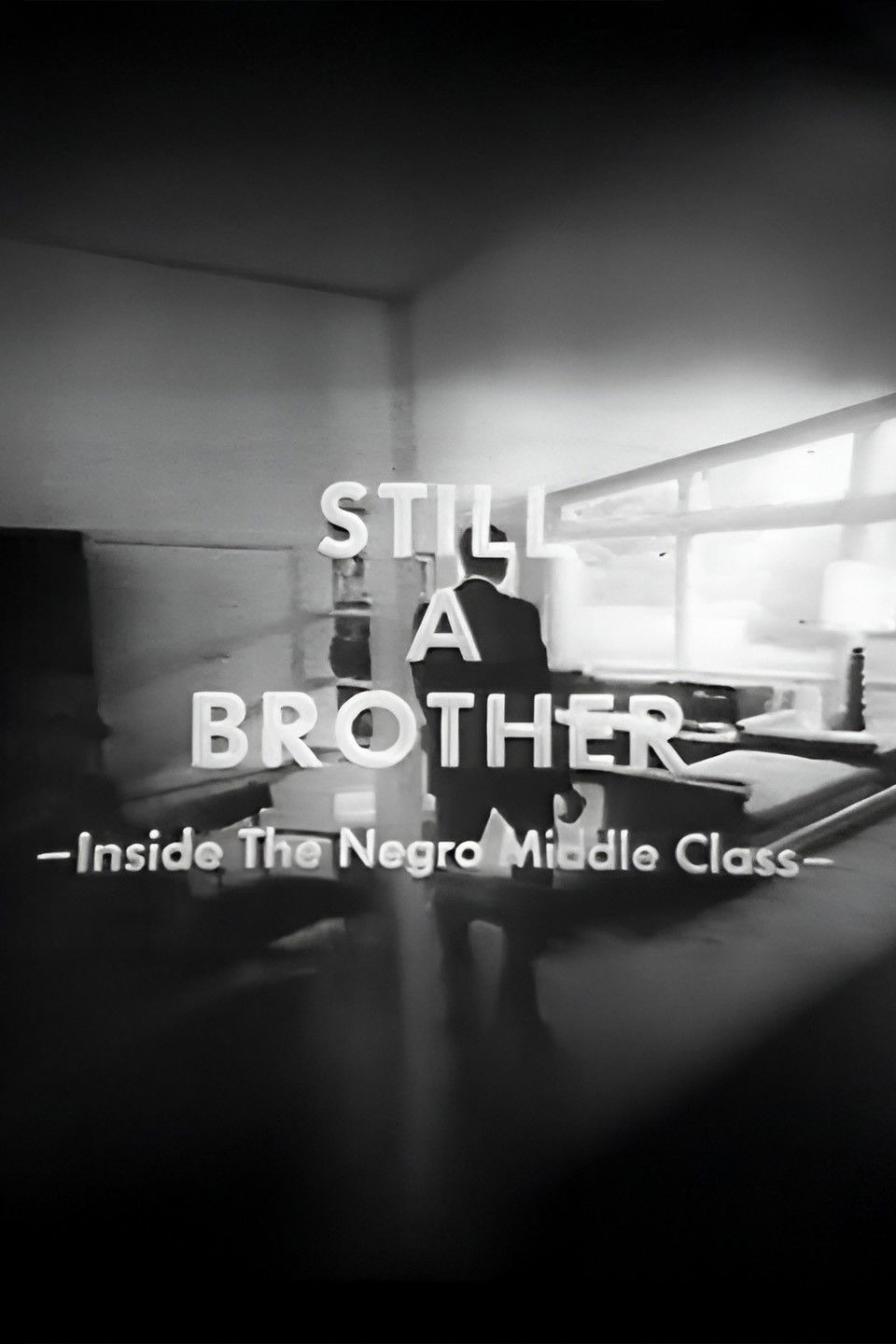
The Black middle class, torn between white goals and Black needs, are examined by producers William Greaves and William Branch in a 90-minute NET Journal documentary.
Social & External
The people behind it
Ossie Davis
Narrator
Dr. Percy Julian
Himself
St. Clair Drake
HISTORY brings you an all-encompassing documentary event cantered around the 25th anniversary of the LA Riots, the most destructive riot in American history that left 53 people dead and caused over a billion dollars in damage.
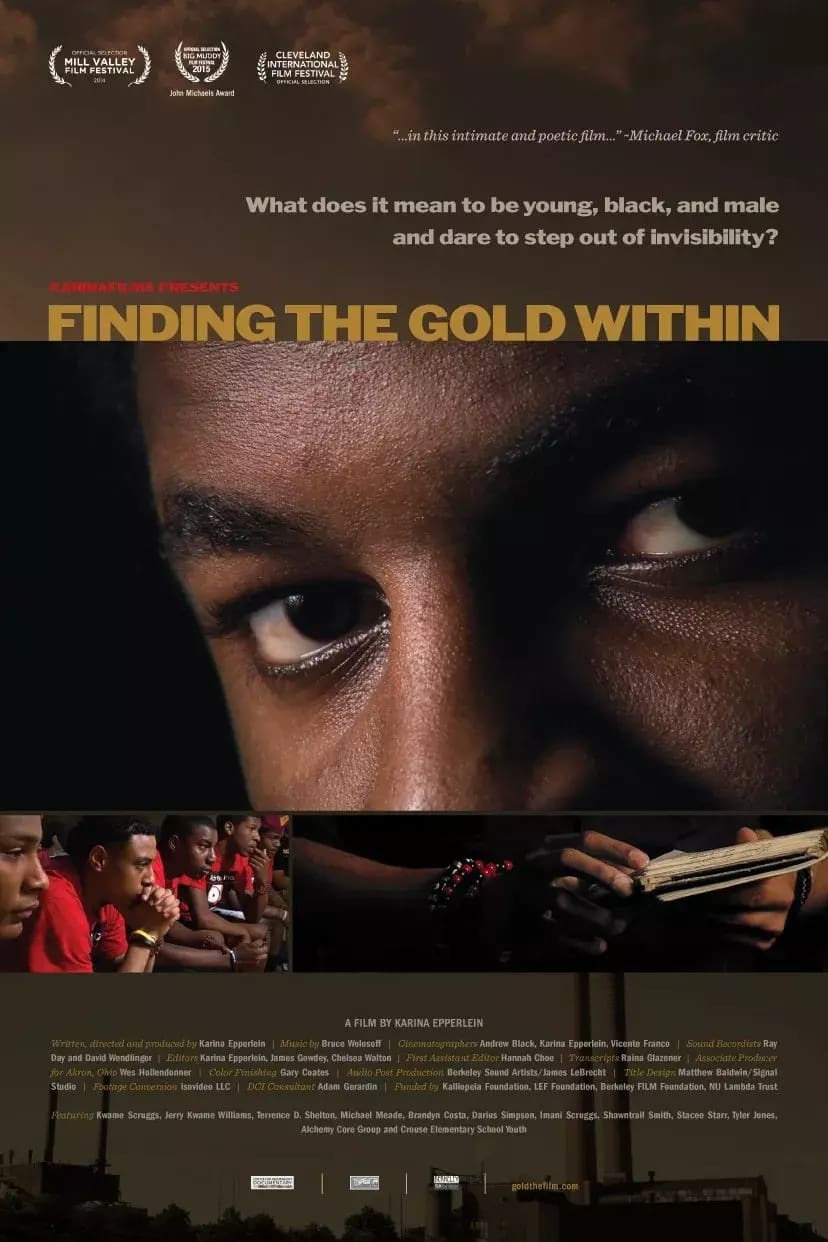
Six young black men from Akron, Ohio, enter college, determined to redefine society's images and low expectations. Despite their confidence, the stark reality of being away from home brings a series of crises. Well trained in critical and metaphorical thinking, and unusually articulate about their inner lives, each of the protagonists guides us to his core. Since sixth grade, they have been part of an innovative mentoring program called 'Alchemy, Inc.' that uses mythological stories, drumming and writing. In the twice-yearly reunion workshops everyone speaks of his trials and his triumphs with authenticity, intelligence, honesty and heart. In turns quiet, thoughtful and exuberant, the six protagonists grow before our eyes, whether navigating racial provocations, or seeking support with new friends, estranged fathers and wise grandmothers.
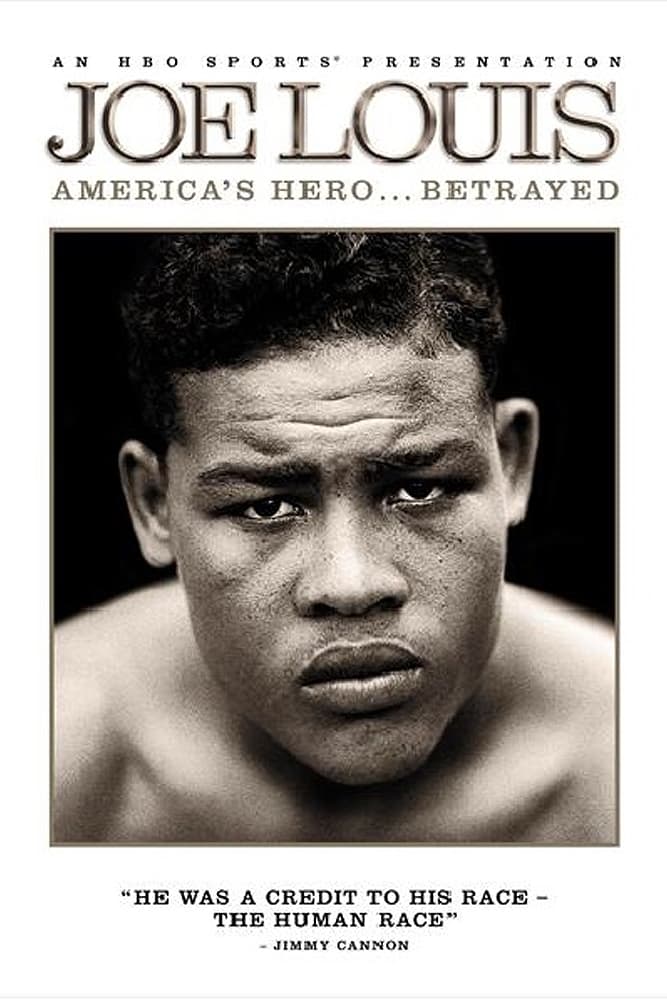
An American story. Traces the career of Joe Louis (1914-1981) within the context of American racial consciousness: his difficulty getting big fights early in his career, the pride of African-Americans in his prowess, the shift of White sentiment toward Louis as Hitler came to power, Louis's patriotism during World War II, and the hounding of Louis by the IRS for the following 15 years. In his last years, he's a casino greeter, a drug user, and the occasional object of scorn for young Turks like Muhammad Ali. Appreciative comment comes from boxing scholars, Louis's son Joe Jr., friends, and icons like Maya Angelou, Dick Gregory, and Bill Cosby.
The remarkable spirit of tap dancers and their history provides a joyous backdrop for intimate portraits of hoofers Sandman Sims, Chuck Green, and Bunny Briggs.
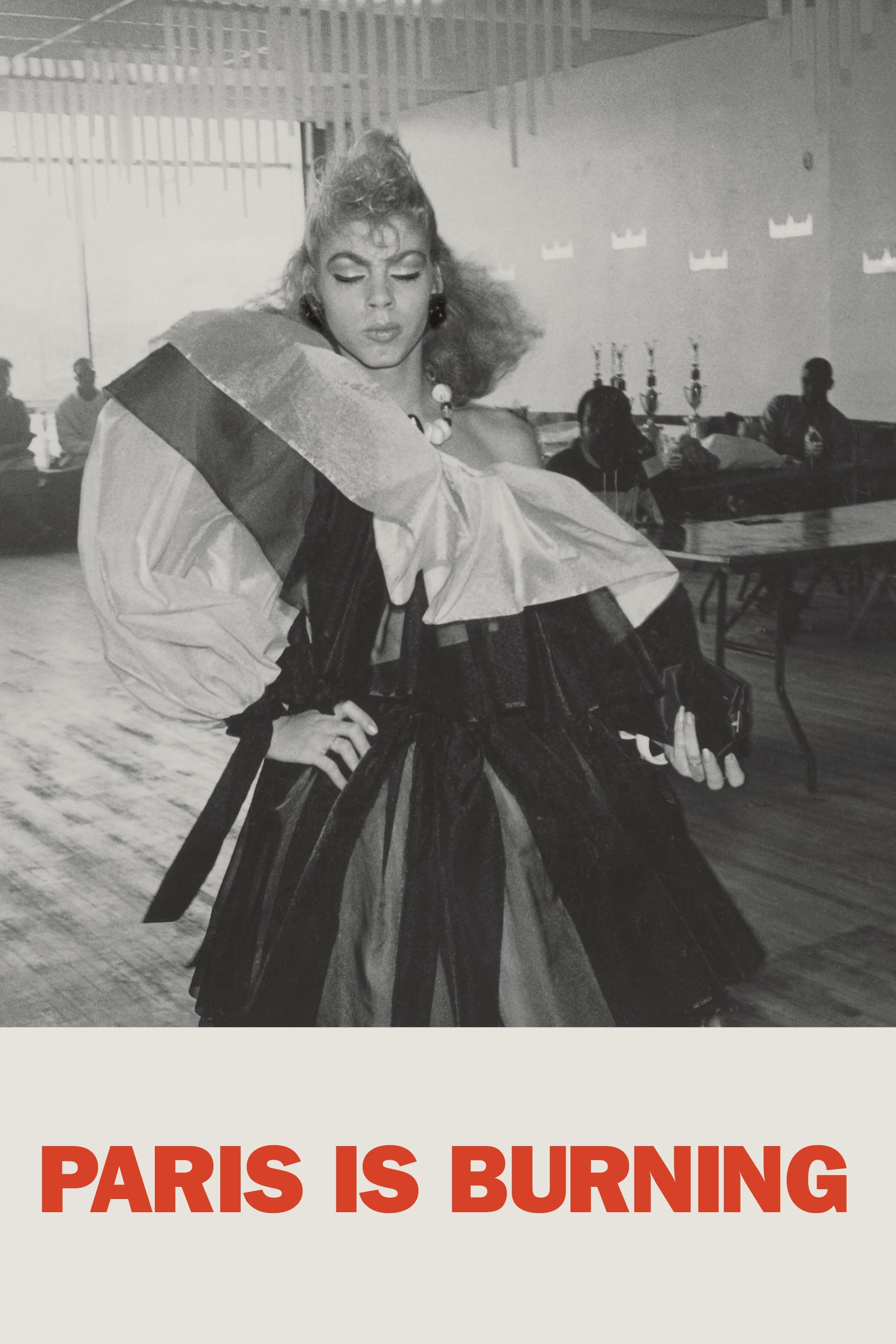
Where does voguing come from, and what, exactly, is throwing shade? This landmark documentary provides a vibrant snapshot of the 1980s through the eyes of New York City's African American and Latinx Harlem drag-ball scene. Made over seven years, PARIS IS BURNING offers an intimate portrait of rival fashion "houses," from fierce contests for trophies to house mothers offering sustenance in a world rampant with homophobia, transphobia, racism, AIDS, and poverty. Featuring legendary voguers, drag queens, and trans women — including Willi Ninja, Pepper LaBeija, Dorian Corey, and Venus Xtravaganza.
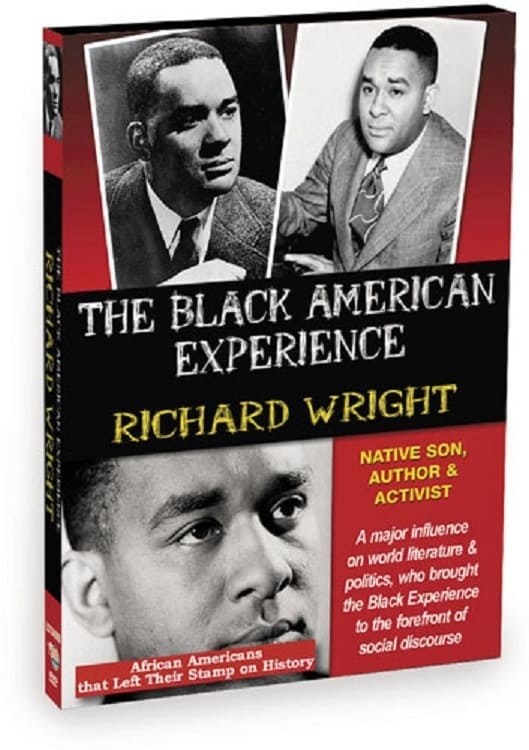
RICHARD WRIGHT was an African-American author of novels, short stories and non-fiction that dealt with powerful themes and controversial topics. Much of his works concerned racial themes that helped redefine discussions of race relations in America in the mid-20th century. Born on a plantation in Mississippi, Wright was a descendent of the first slaves who arrived in Jamestown Massachusetts. This program follows his arduous path from sharecropper to literary giant. Through authors like H.L. Menken, Sinclair Lewis, Theodore Dreiser, he discovered that literature could be used as a catalyst for social change. In 1937 Wright moved to New York and his work began to garner national attention for it's political and social commentary. Much of Wright's writing focused on the African American community and experience; his novel Native Son won him a Guggenheim Fellowship and was adapted to the Broadway stage with Orson Welles directing in 1941.
Five gay Black men who are HIV-positive discuss how they are battling the double stigmas surrounding their infection and homosexuality.
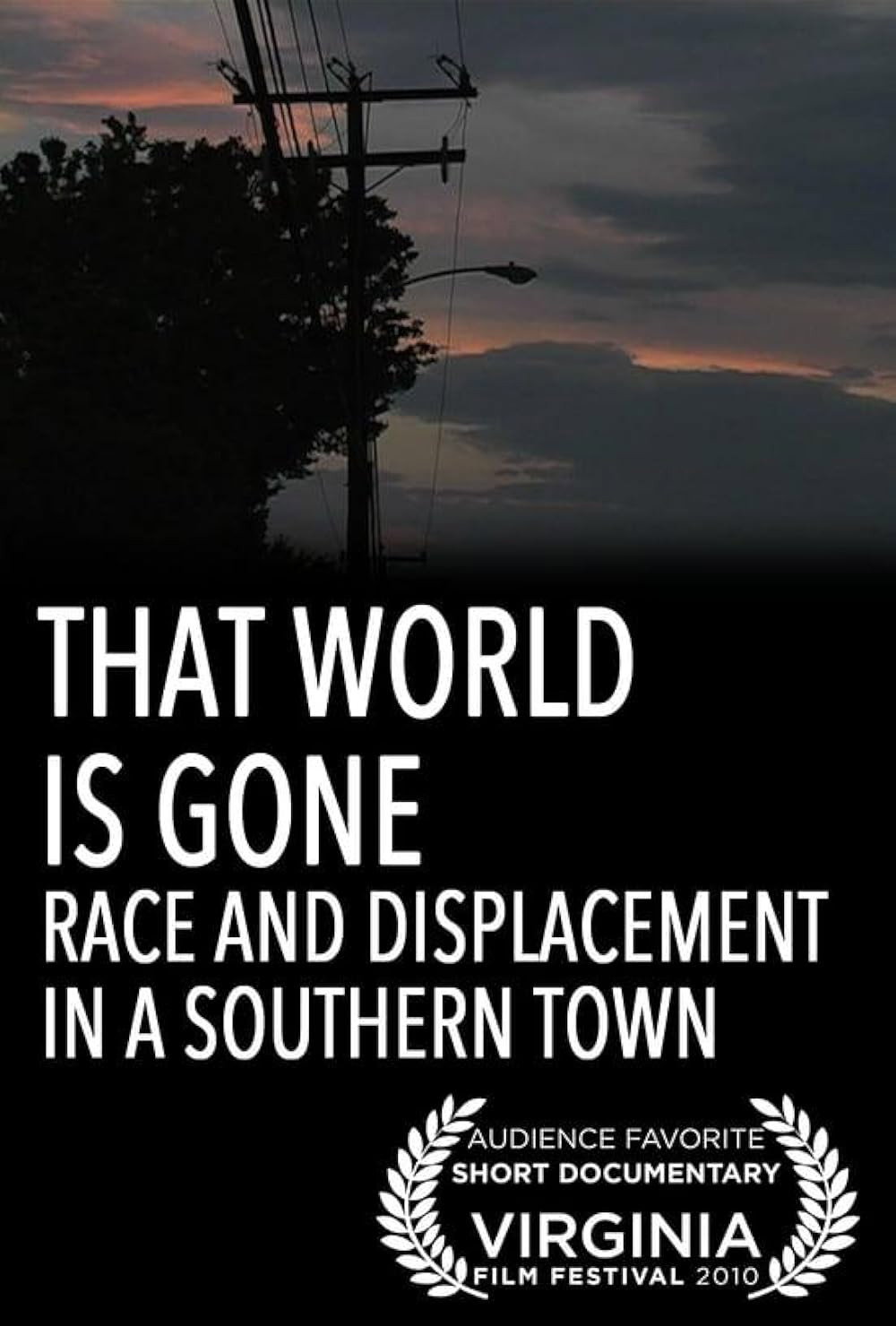
Kathy's family left on a Saturday morning in 1965. The rumble of bulldozers echoed through the neighborhood, and her block was empty. Federally-funded urban renewal had arrived in Charlottesville, scattering dozens of families like Kathy's. The once-vibrant African American community, built by formerly enslaved men and women who had secured a long-denied piece of the American dream, disappeared.
Documentary film interviews leading African Americans on race, identity, and achievement.
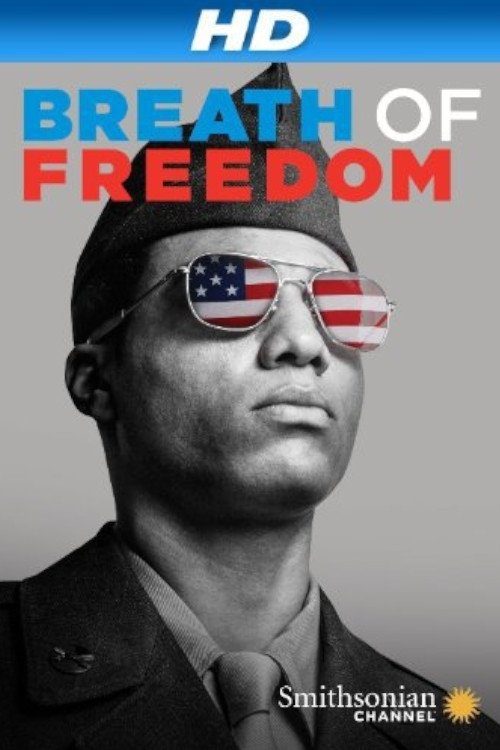
In World War II. African-American GIs liberate Germany from Nazi rule while racism prevailed in their own army and home country. Returning home they continue fighting for their own rights in the civil rights movement.
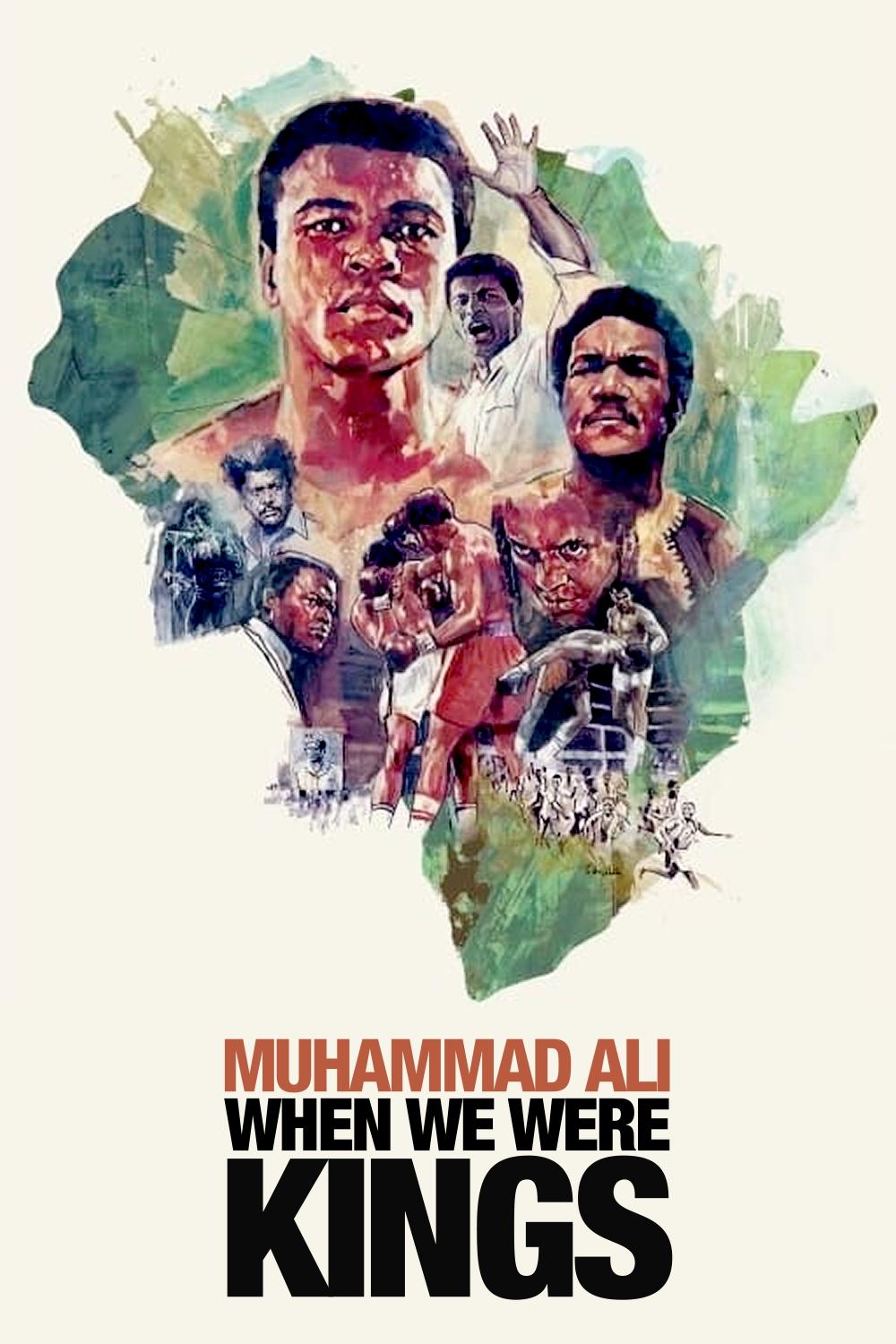
It's 1974. Muhammad Ali is 32 and thought by many to be past his prime. George Foreman is ten years younger and the heavyweight champion of the world. Promoter Don King wants to make a name for himself and offers both fighters five million dollars apiece to fight one another, and when they accept, King has only to come up with the money. He finds a willing backer in Mobutu Sese Suko, the dictator of Zaire, and the "Rumble in the Jungle" is set, including a musical festival featuring some of America's top black performers, like James Brown and B.B. King.
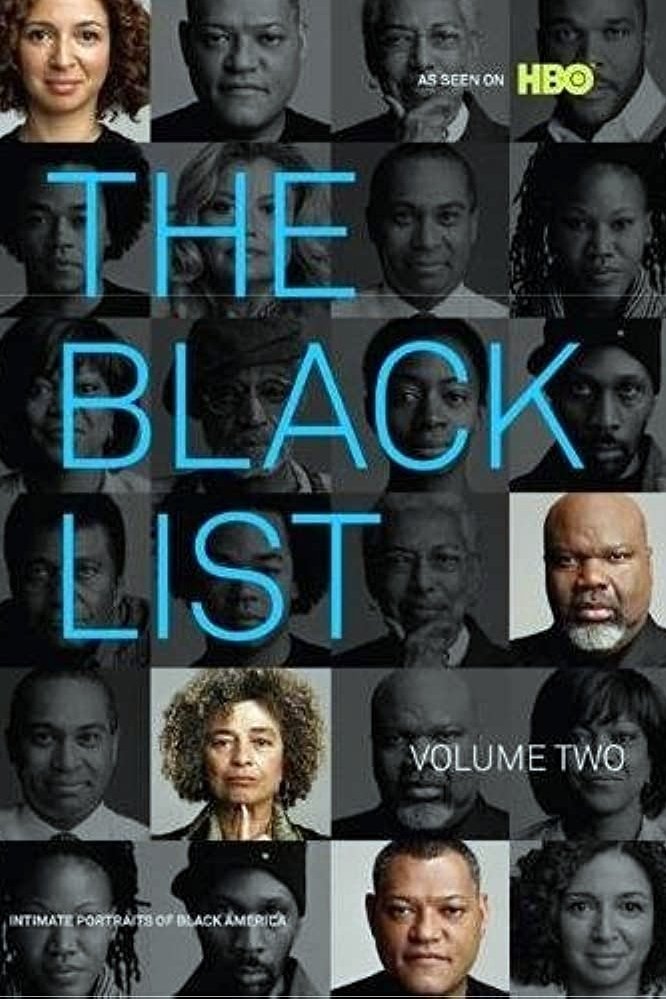
THE BLACK LIST: VOL. 2 profiles some of today's most fascinating African-Americans. From the childhood inspirations that shaped their ambitions, to the evolving American landscape they helped define, to the importance of preserving a unique cultural identity for future generations, these prominent individuals offer a unique look into the zeitgeist of black America, redefining the traditional pejorative notion of a blacklist.
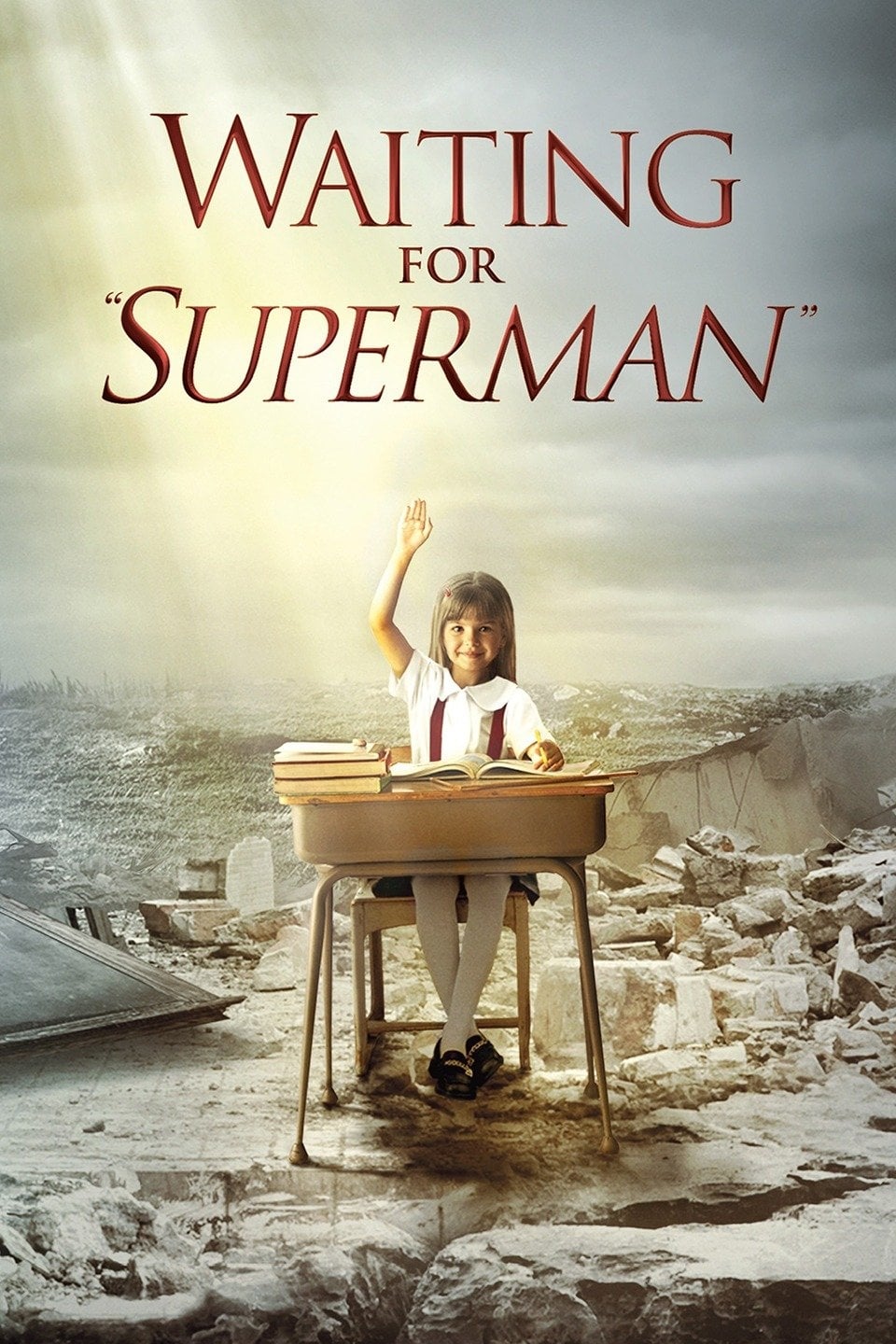
Gripping, heartbreaking, and ultimately hopeful, Waiting for Superman is an impassioned indictment of the American school system from An Inconvenient Truth director Davis Guggenheim.
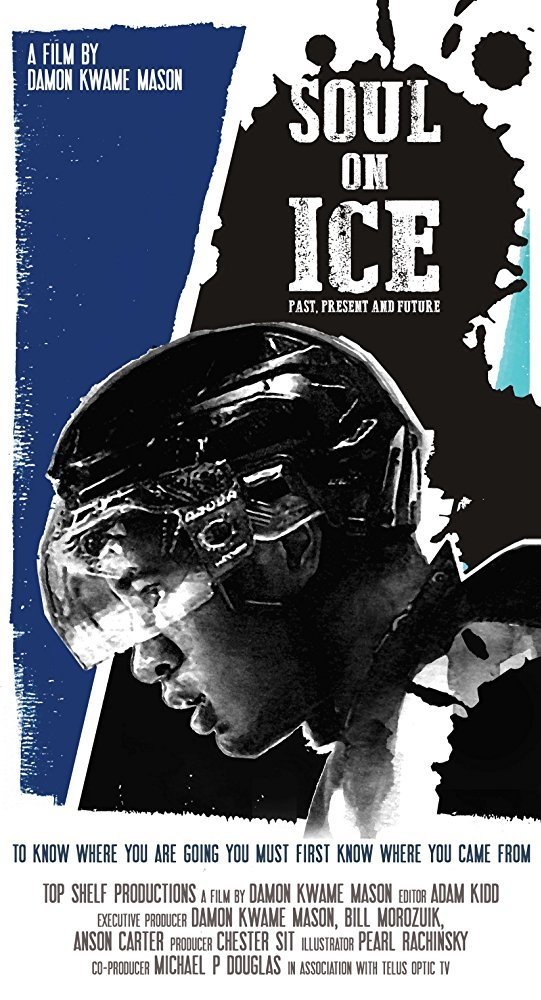
Soul On Ice: Past, Present, and Future is a film that presents and retells the unknown contributions of black athletes in ice hockey. For untold decades, hockey was seen as a homogeneous sport, exciting to watch but played by one kind of player. But people deserve to now know of the exploits of athletes who dared to stand out, and dared to make the sport their own. These Black athletes dared to give their sport soul.
When the Civil War ended in 1865, more than four million slaves were set free. Over 70 years later, the memories of some 2,000 slave-era survivors were transcribed and preserved by the Library of Congress. These first-person anecdotes, ranging from the brutal to the bittersweet, have been brought to vivid life in this unique HBO documentary special, featuring the on-camera voices of over a dozen top African-American actors.
An exploration of the history of the word throughout its inception to present day. Woven into the narrative are poetry, music, and commentary from celebrities about their personal experiences with the word and their viewpoints. Each perspective is unique, as is each experience... some are much more comfortable with the word than others.
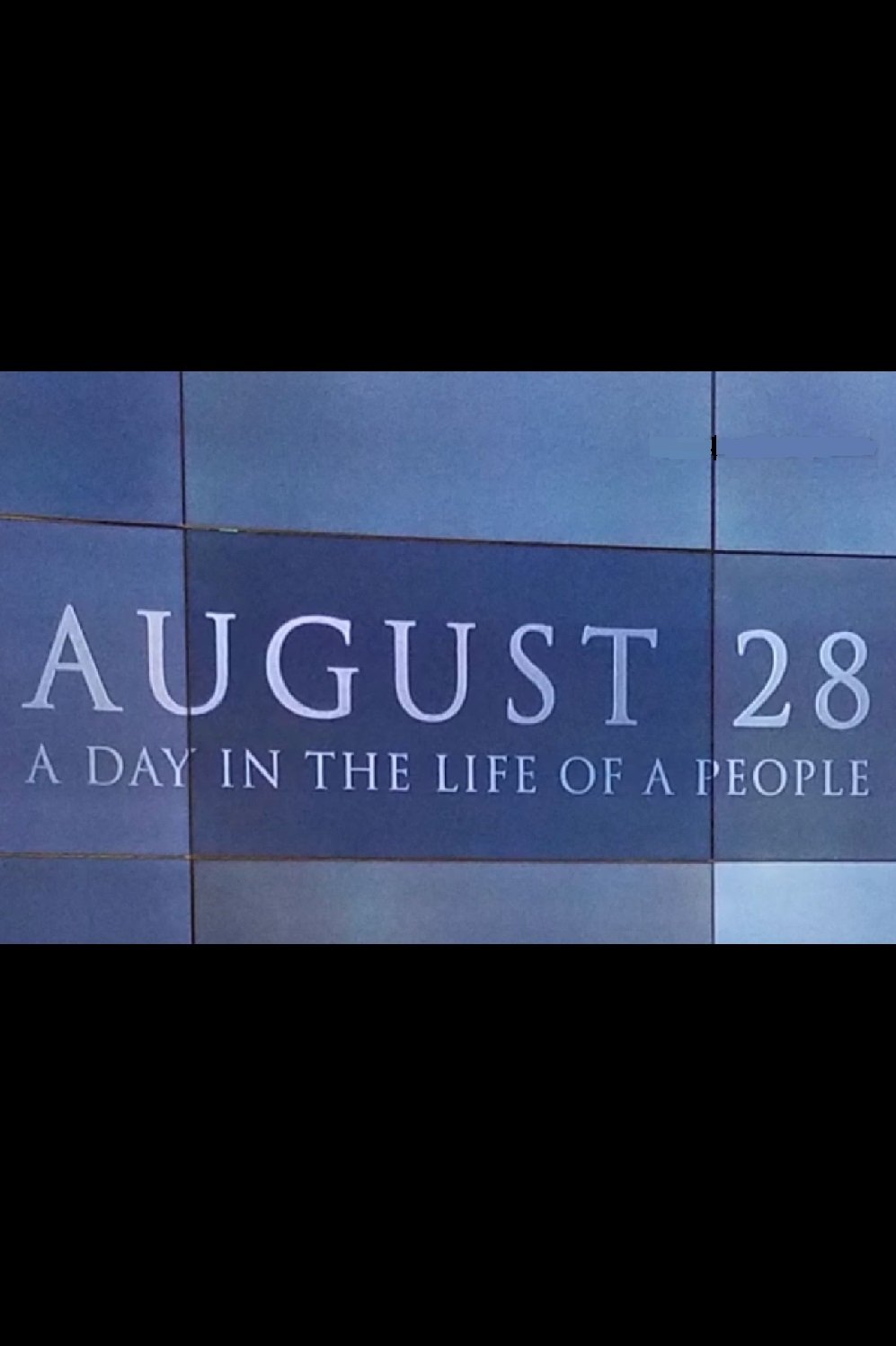
Documentary film on events that happened on August 28th in African-American history, shown at the Smithsonian African-American History Museum.
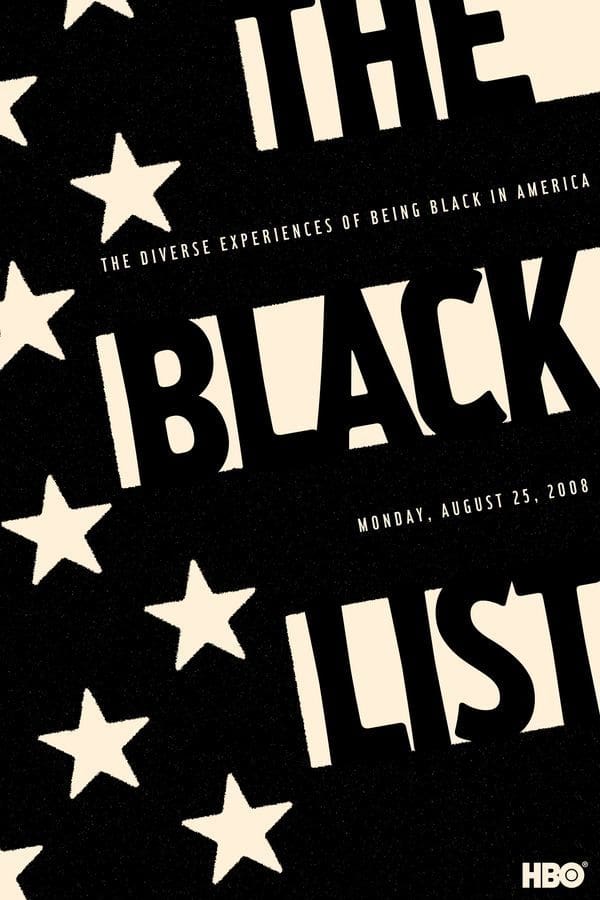
As a new chapter begins in this country, THE BLACK LIST offers a dynamic and never-before-heard perspective from achievers of color. This series of inspired - and inspiring - observations on African-American life in the 21st century forms a roll call of some of the most compelling politicians, writers, thinkers and performers ever to tackle their fields of endeavor. Watch the interview-portraits and get a sharper snapshot of where this country has been and where it's headed.
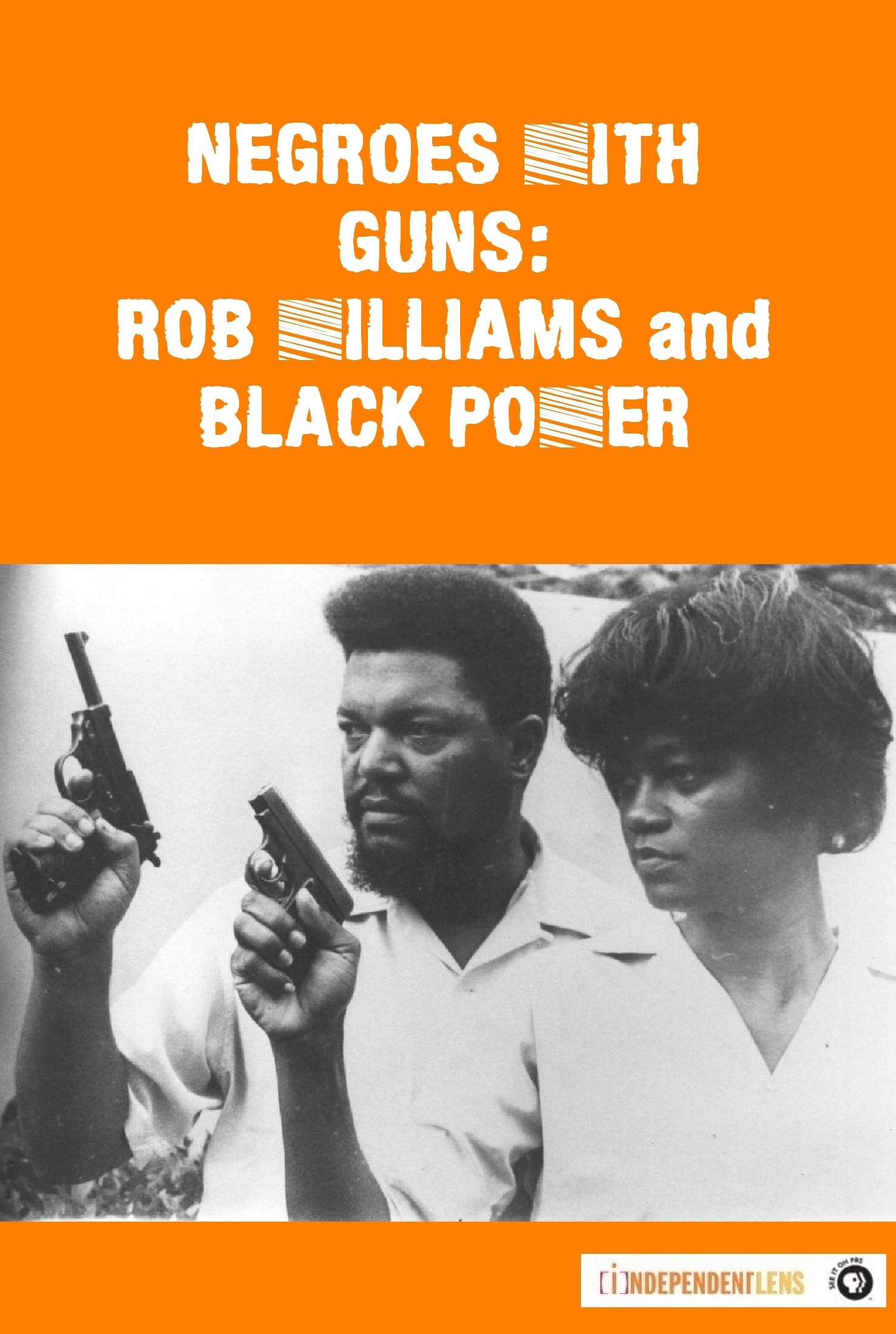
Rob Williams was an African-American living in Monroe, North Carolina in the 1950s and 1960s. Living with injustice and oppression, many African-Americans advocated a non-violent resistance. Williams took a different tack, urging the oppressed to take up arms. Williams was stripped of his rank as leader of the local NAACP chapter, but he continued to encourage local African-Americans to carry weapons as a means of self-defense. Wanted on a kidnapping charge, Williams and his wife fled to Cuba. His radio show Radio Free Dixie could be heard in some parts of the United States.
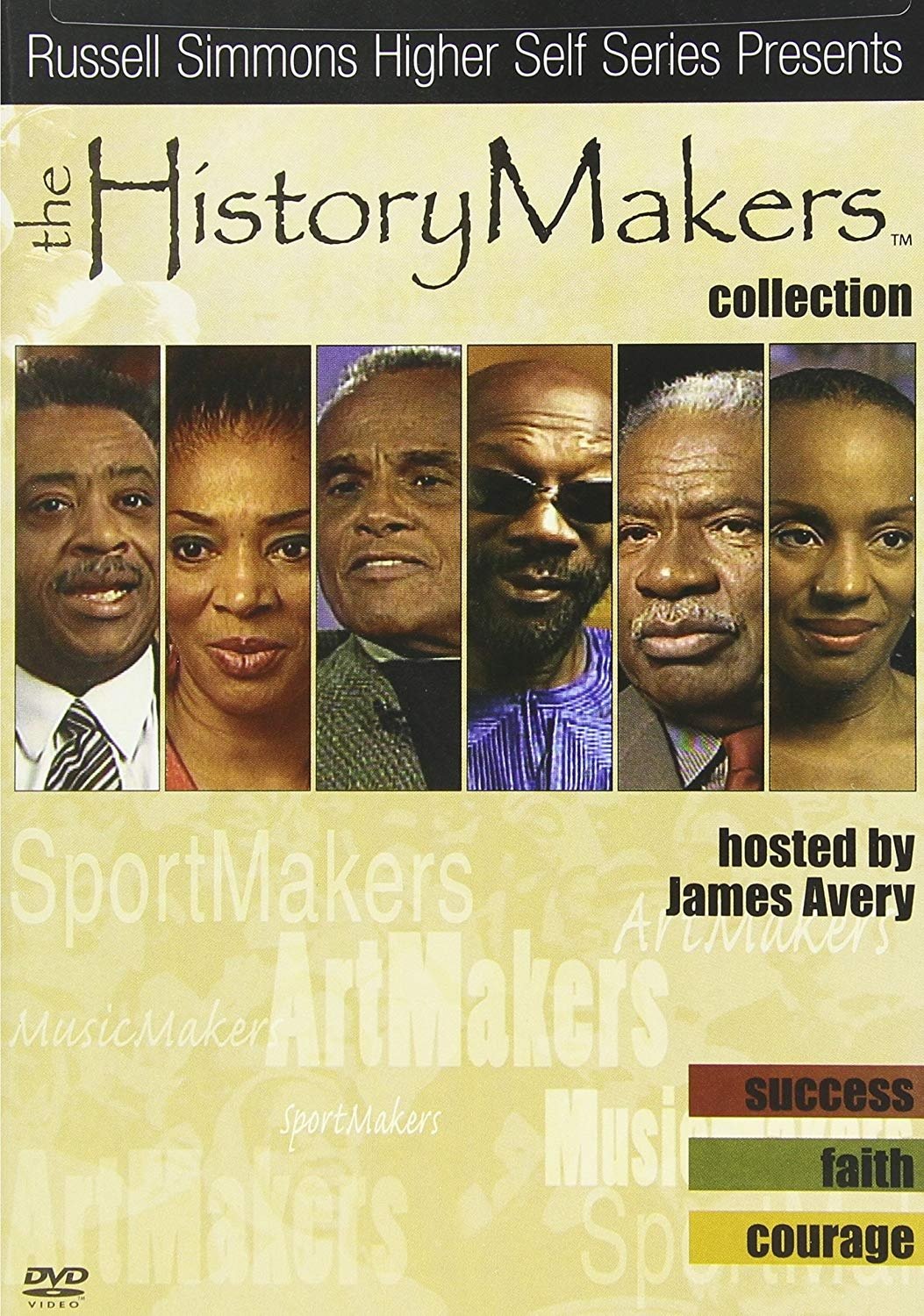
Ossie Davis, Terry McMillan, Horace Julian Bond, Isaac Hayes, Dionne Warwick and many others share their inspiring stories of success in the first installment of this series about African-American history makers, including civil rights leaders, actors and authors. A good education, dedication to work, dogged determination and the courage to take risks figure prominently in these remarkable success stories told by notable African Americans.
In an intimate and joyful story of love in the face of loss, celebrated poets Andrea Gibson and Megan Falley find strength—and unexpected hilarity—in what might be their final year together.
A string of threatening emails escalates into a revenge plot involving a newly married US marshal and his ex-girlfriend.
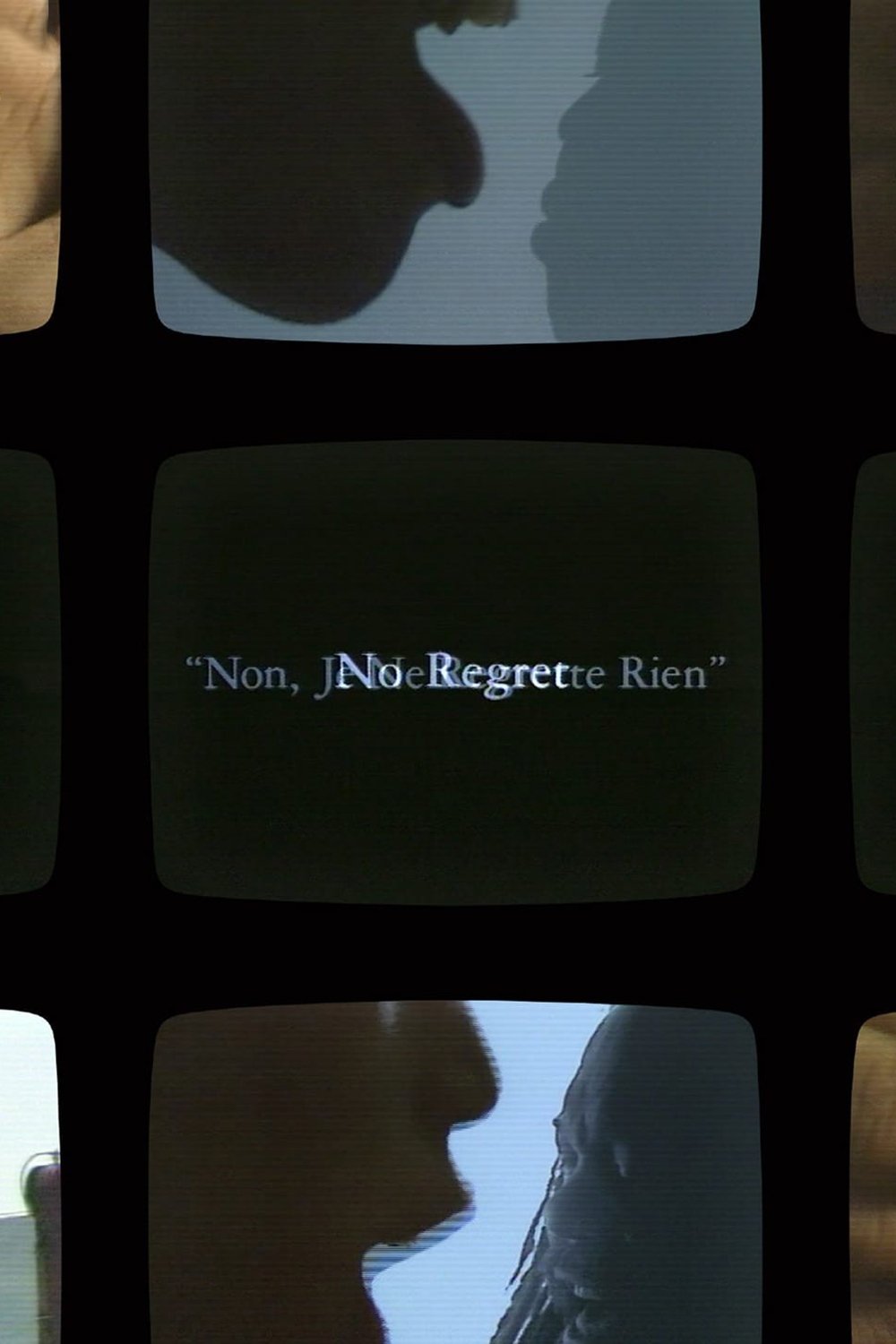
Marlon Riggs, with assistance from other gay Black men, especially poet Essex Hemphill, celebrates Black men loving Black men as a revolutionary act. The film intercuts footage of Hemphill reciting his poetry, Riggs telling the story of his growing up, scenes of men in social intercourse and dance, and various comic riffs, including a visit to the "Institute of Snap!thology," where men take lessons in how to snap their fingers: the sling snap, the point snap, the diva snap.
A comedic, brutally honest documentary following self-destructive TV writer Dan Harmon as he takes his live podcast on a national tour.
Director Michael Apted revisits the same group of British-born adults after a 7 year wait. The subjects are interviewed as to the changes that have occurred in their lives during the last seven years.
An inside look at one of the most anticipated movie sequels ever with James Cameron and cast.
Al Pacino's deeply-felt rumination on Shakespeare's significance and relevance to the modern world through interviews and an in-depth analysis of "Richard III."
Those who knew iconic funnyman John Candy best share his story, in their own words, through never-before-seen archival footage, imagery, and interviews.
Through deeply personal interviews with her siblings and an examination of the photographs, letters, and belongings left behind, Mariska assembles a new portrait of her mother Jayne Mansfield, an extraordinary and complex woman.
The life and career of an actor, artist, and icon. His own journey through his own camera.
After another 7 year wait, director Michael Apted revisits the same group of British-born children from Seven Up! and 7 Plus Seven. The subjects are interviewed as to the changes that have occurred in their lives during the last seven years.
A group of British children aged 7 from widely ranging backgrounds are interviewed about a range of subjects. The filmmakers plan to re-interview them at 7 year intervals to track how their lives and attitudes change as they age.
In a crime-plagued neighborhood near Miami, brutal, bare-knuckled backyard fights give young men a chance to earn money -- and self-respect.
Just two years away from turning 30, participants in Michael Apted's documentary series are facing serious questions of identity and purpose, wondering whether they've found their place in the world.
Alexander McQueen's rags-to-riches story is a modern-day fairy tale, laced with the gothic. Mirroring the savage beauty, boldness and vivacity of his design, this documentary is an intimate revelation of McQueen's own world, both tortured and inspired, which celebrates a radical and mesmerizing genius of profound influence.
This revealing documentary honors the legendary Sidney Poitier—iconic actor, filmmaker, and civil rights activist. Featuring interviews with Denzel Washington, Spike Lee, Halle Berry, and more.
The film follows adventurer Jeff Johnson as he retraces the epic 1968 journey of his heroes Yvon Chouinard and Doug Tompkins to Patagonia.
Working from the text of James Baldwin’s unfinished final novel, director Raoul Peck creates a meditation on what it means to be Black in the United States.
Over 35 years after Bob Lazar's revelations, this documentary exposes secrets of a facility the government still denies. Featuring Lazar's testimony, recreations, and new evidence, it reopens a case that continues to spark global curiosity