Social & External
The people behind it
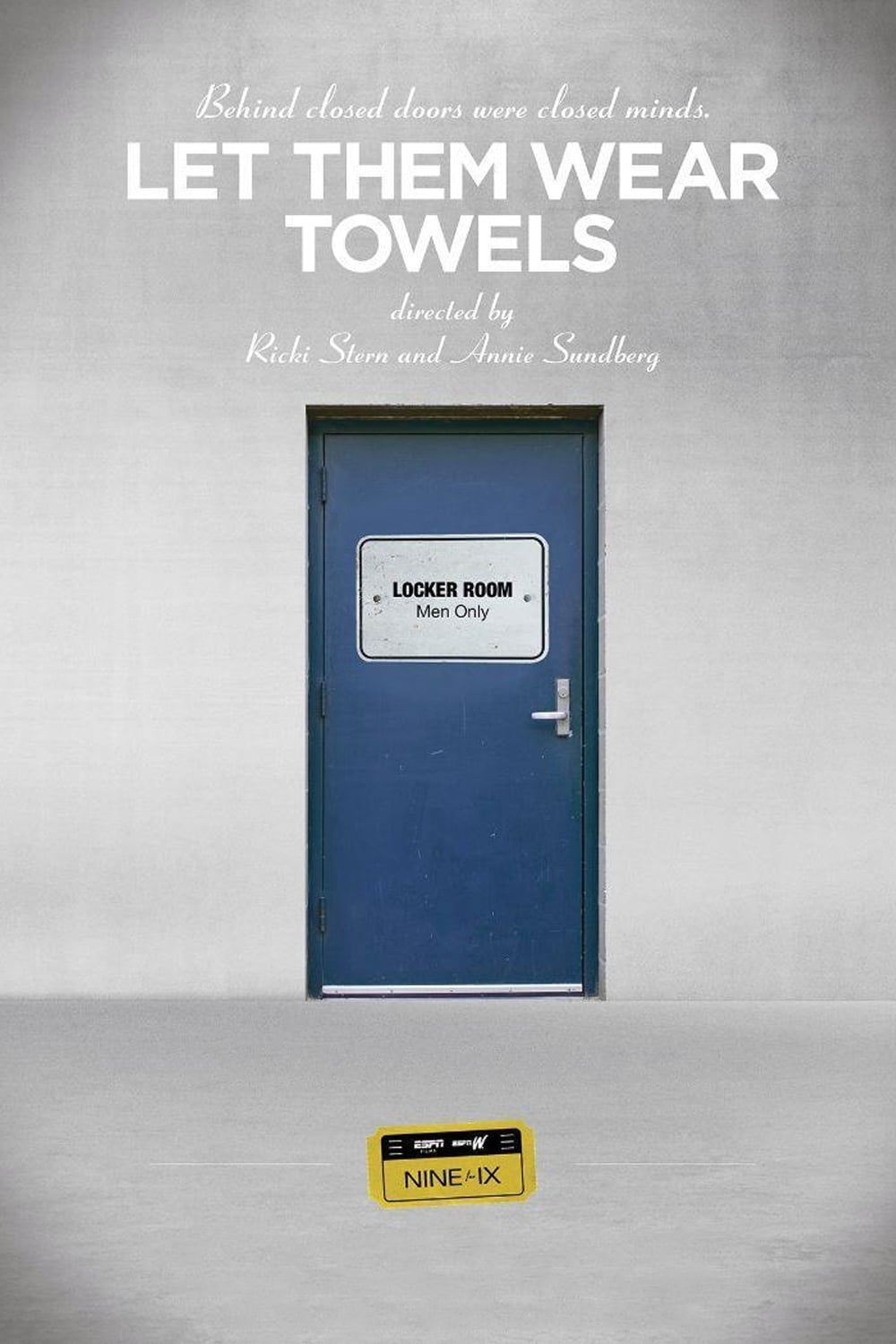
During the 1977 World Series, Sports Illustrated reporter Melissa Ludtke was denied access to the players' locker room. After a very public fight, the door was opened, but the debate about female journalists in the male sanctum of the clubhouse remained. Through interviews with pioneering female sports writers, Let Them Wear Towels captures the raw behavior, humorous retaliation, angry lawsuits and remarkable resolve that went into the struggle for equal access for women reporters.
Since the late 18th century American legal decision that the business corporation organizational model is legally a person, it has become a dominant economic, political and social force around the globe. This film takes an in-depth psychological examination of the organization model through various case studies. What the study illustrates is that in the its behaviour, this type of "person" typically acts like a dangerously destructive psychopath without conscience. Furthermore, we see the profound threat this psychopath has for our world and our future, but also how the people with courage, intelligence and determination can do to stop it.
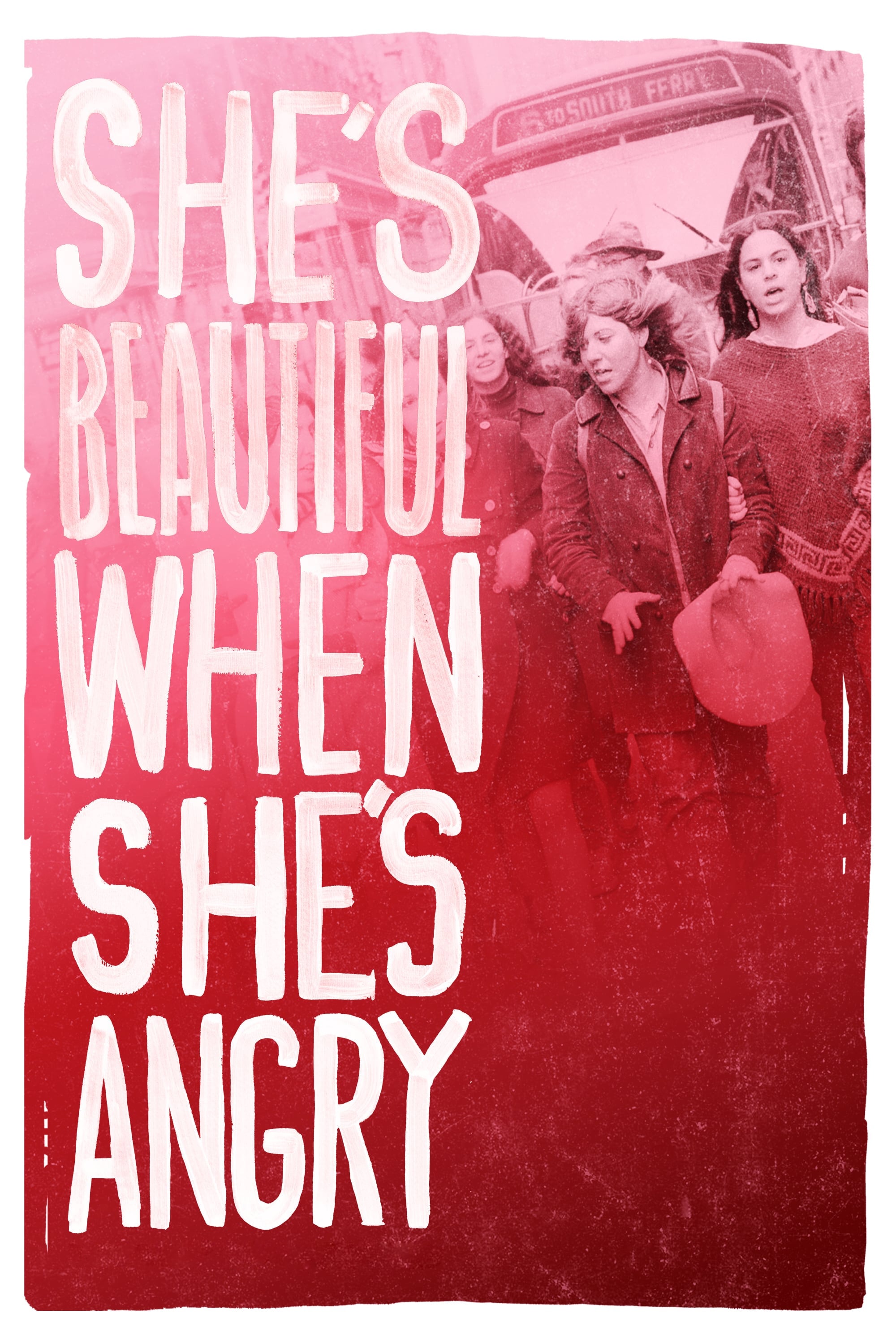
A documentary that resurrects the buried history of the outrageous, often brilliant women who founded the modern women's movement from 1966 to 1971.
A poetic documentation of the Long Beach Island, NJ community as they battle local politics, cope with personal tragedy, and band together after Hurricane Sandy.
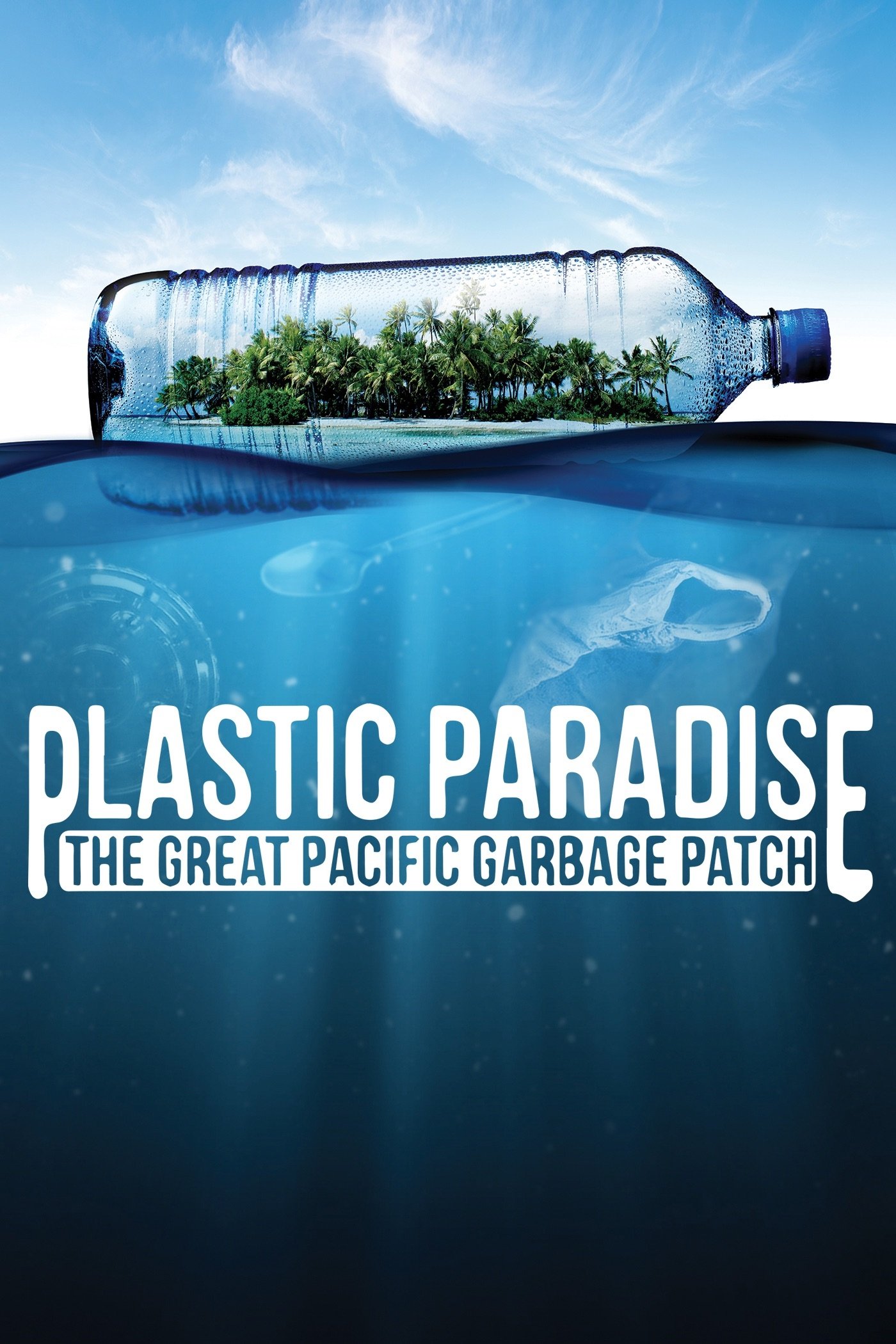
"Plastic Paradise" is an independent documentary film that chronicles Angela Sun's personal journey of discovery to one of the most remote places on Earth, Midway Atoll, to uncover the truth behind the mystery of the Great Pacific Garbage Patch. Along the way she encounters scientists, celebrities, legislators and activists who shed light on what our society's vast consumption of disposable plastic is doing to our oceans -- and what it may be doing to our health.
Each World Trade Center tower consisted of 110 floors. Each floor has a story. In this two-hour special, survivors from two of those floors, many speaking publicly for the first time, tell their stories. Focusing on one floor in the North Tower and one in the South, this film will provide a never-before-achieved intimacy with what it was really like to be inside the Twin Towers on 9/11.
Is the story of women that were guerrilleras in Uruguay at the beginning of the 70's. Under an intimate focus, the film shows the moments of decision and the personal crossroads that it involve. The documentary search the experience and the look of common individuals in exceptional situations and goes to the bottom of the load of tensions, fears, contradictions and personal costs that those labor instants of the History have.
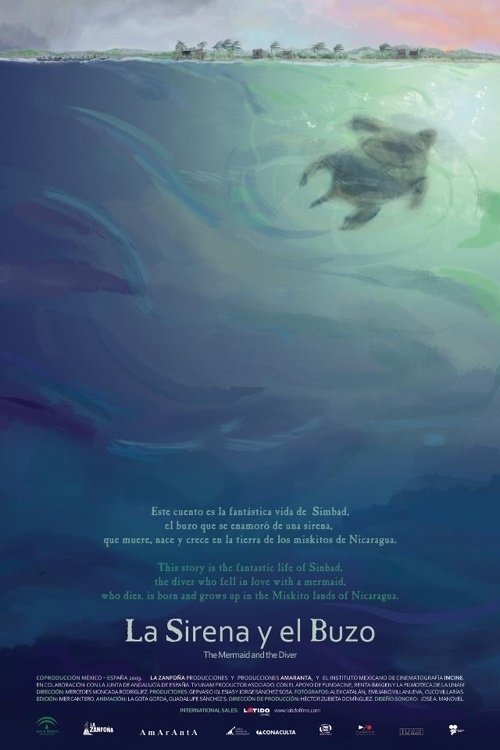
The body of Sinbad the Diver turned up floating off the Atlantic coast of Nicaragua. The mermaid had turned his soul into a turtle, and the turtle was the one who returned him to the world of men. Sinbad was born once more as a Miskito and was raised on the banks of the wonderful Coco River. When he grew up, nature took care of carrying him back to the sea, where the mermaid is waiting for him. The Mermaid and the Diver is a journey to Central America, to Nicaragua, to the Atlantic Coast, and to the Miskito people.
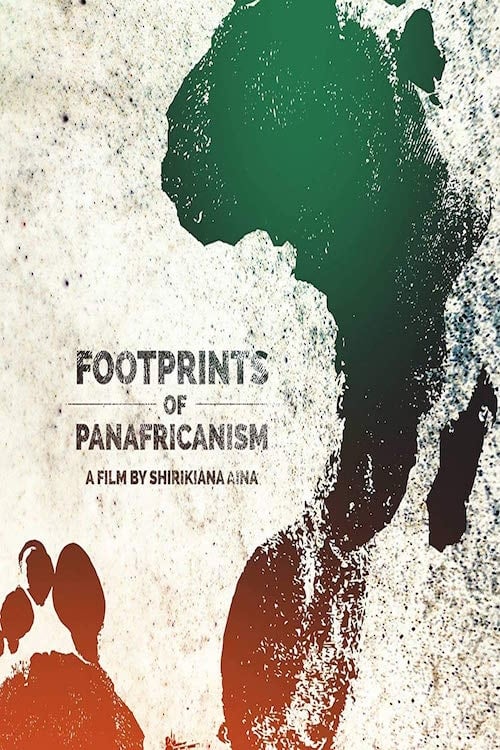
In 1957, Ghana was the first African country to become independent of its colonial rulers, in this case the British. Kwame Nkrumah, the first president of what in 1960 became the Republic of Ghana, called on Africans from all over the world to come to Ghana to help build the new nation. The most important aim was to "undo the damage caused by the slave trade" as filmmaker Shirikiana Aina expressed it in her documentary Footprints of Pan Africanism. Several people speak in Aina’s film about the reconstruction of Ghana and Nkrumah, who was deposed in 1966, offering room for their frequently gripping personal stories. These are often marked by racism, the emerging civil rights movement and what it’s like to be black and live elsewhere. For many, returning to Africa was like going home.
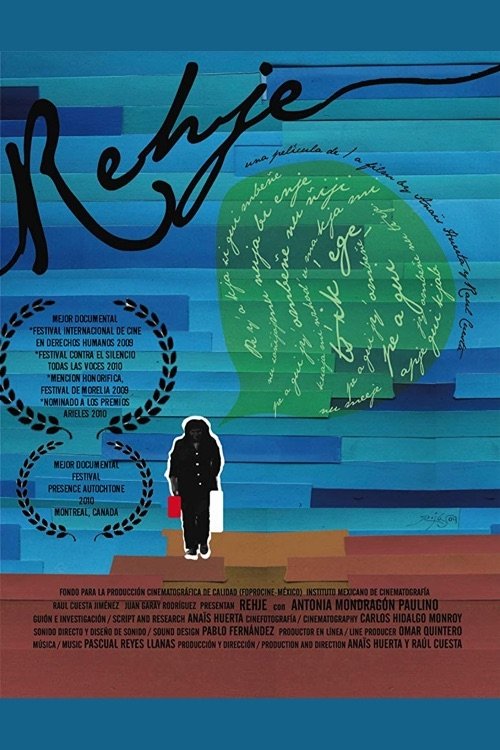
After forty years living in Mexico City, Antonia longs to go back to her home town, a Mazahua village in the state of Mexico. When she returns, she discovers many things, including that a scarcity of water threatens life in her community.
Story of Mary Mallon. Typhoid fever carrier
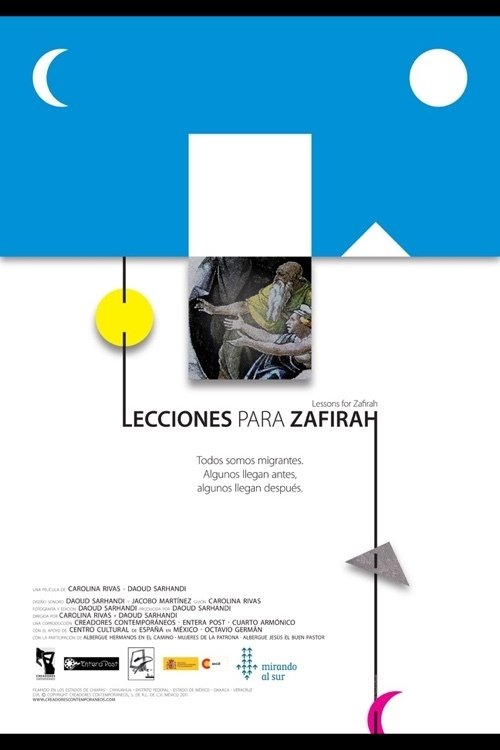
A metaphor of the Flood in our times, The Flood is the rain of violence that washes over us. Noah´s Ark is the train that runs through Mexico toward the United States and migrants are the species attempting to save their lives. For the directors, cinema moves people not just by condemnation, but by confronting and fostering emotions which lead to new, constructive ideas. This documentary became a cinematographic diary for their first viewer, their three-year-old daughter, Zafirah.
After five years studying in Paris, Arash has not adjusted to life there and has decided to return to Iran to live. Hoping to change his mind, his two friends Hossein and Ashkan convince him to take a last trip through France.
When her mother remarries and her newly blended family moves to Canada, a 9-year-old Tunisia girl's life takes a profound turn as she struggles to find her place and maintain her Muslim identity in a new land.
A short documentary following the launch of the first trial to use Coca-Cola's crates and distribution know-how to deliver life-saving anti-diarrhea kits in Zambia.
A film about teenagers with growing pains, who discover their own voice and talent through riding and grooming toy horses.
In Our Mothers' Gardens celebrates the strength and resiliency of Black women and Black families through the complex, and often times humorous, relationship between mothers and daughters.
Funny collage of sea, sun and ice. A show from the beach with skiers, tigers, mermaids and much more.
A vibrant kaleidoscopic tribute to the guitar that meshes dance, mime, visual art, and virtuoso performances to create a spectacular yet intimate celebration of the instrument. For one exciting week the city of Toronto plays host to the International Guitar Festival. The streets echo with the sounds of the instrument as the great masters from every tradition gather to play for each other -- John Williams from England, Leo Brouwer from Cuba (classical), Turibio Santos from Brazil (folk), Vladimir Mikulka from Czechoslovakia (avant-garde), Rik Emmett and Kim Mitchell from Canada, Steve Morse from the USA (rock).
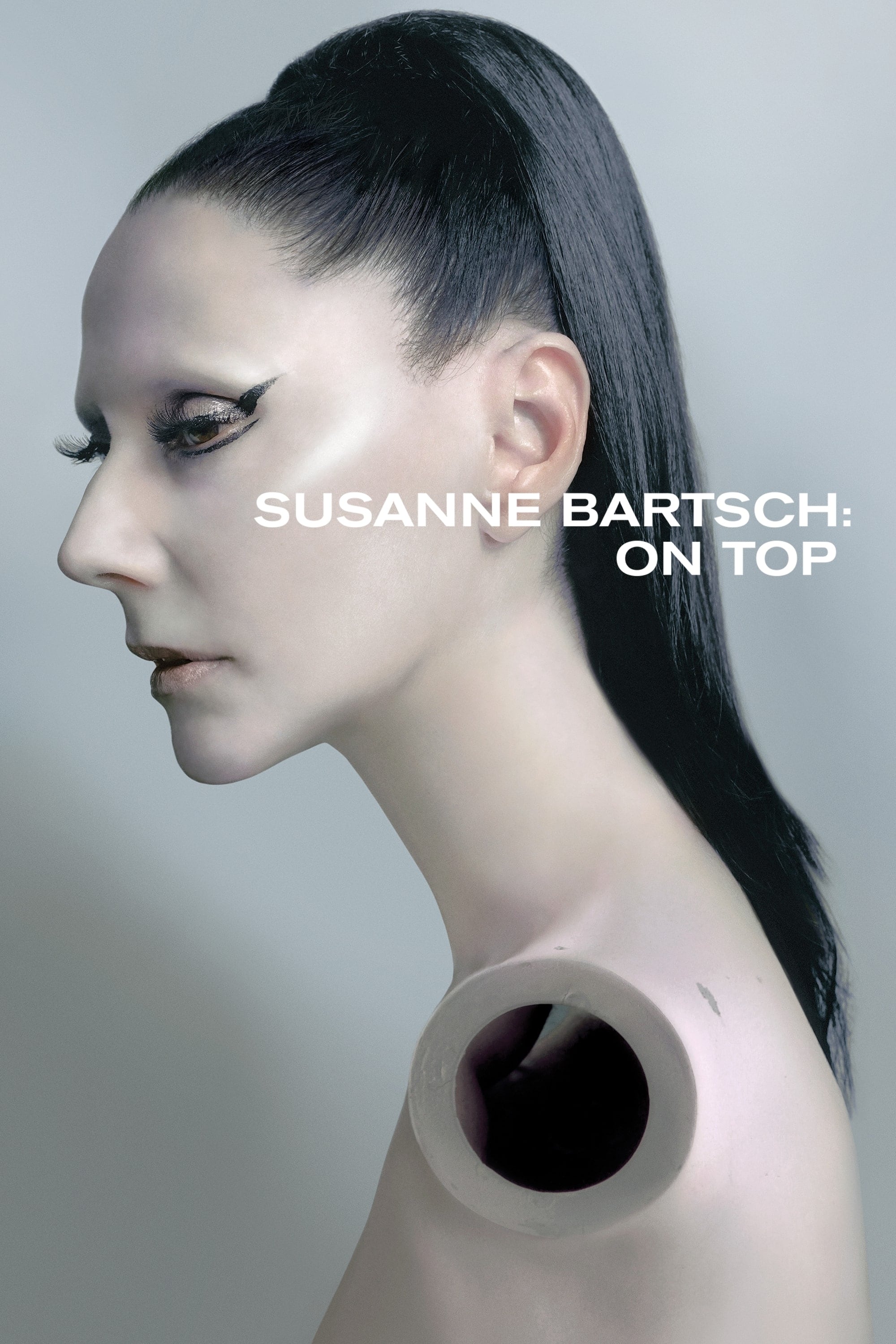
Dubbed New York's "Queen of the Night," proto–club kid Susanne Bartsch has been throwing unforgettable parties for over 30 years and is still going strong.
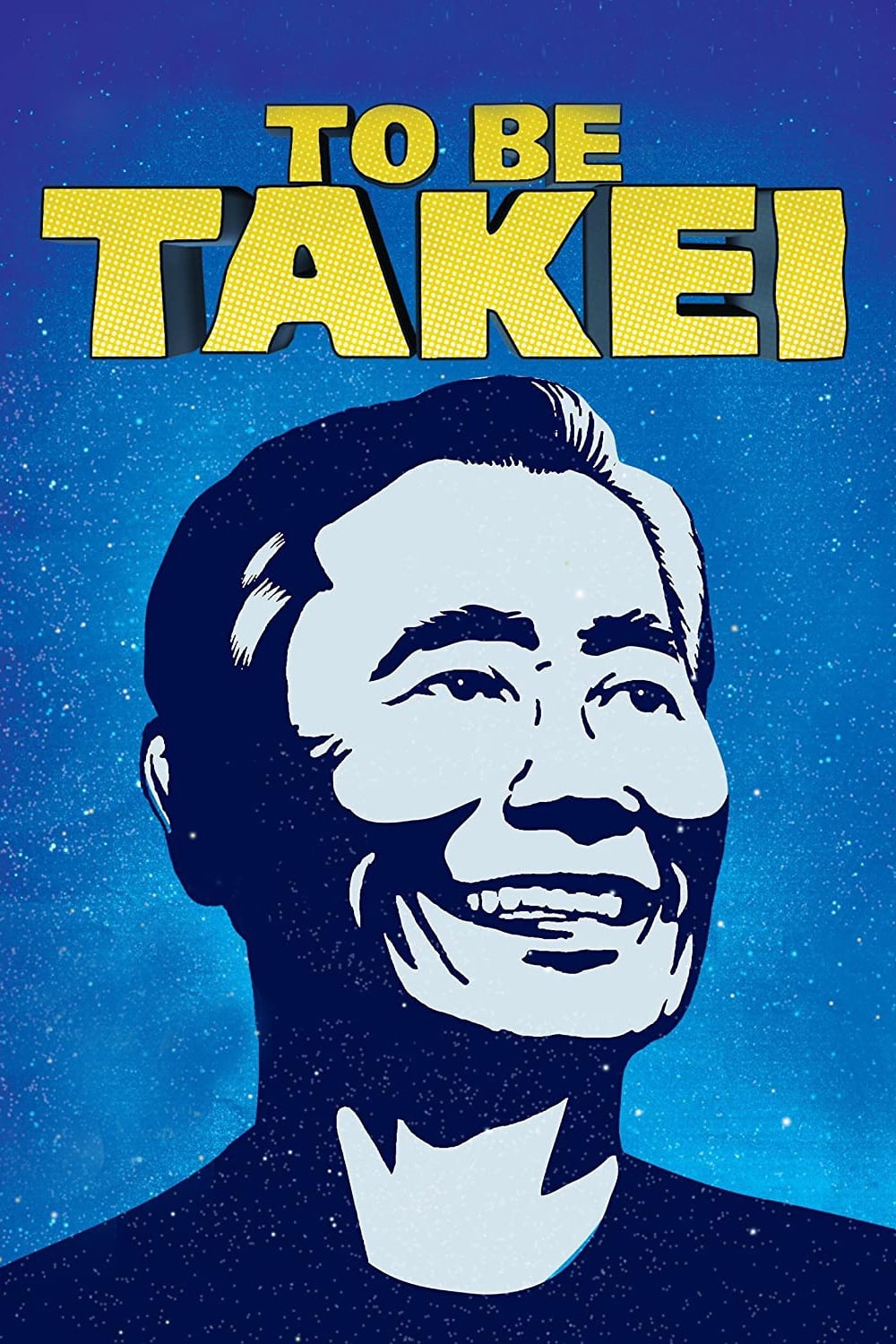
Over seven decades, actor and activist George Takei journeyed from a World War II internment camp to the helm of the Starship Enterprise, and then to the daily news feeds of five million Facebook fans. Join George and his husband, Brad, on a wacky and profound trek for life, liberty, and love.
While in San Francisco for the promotion of her last film in October 1967, Agnès Varda, tipped by her friend Tom Luddy, gets to know a relative she had never heard of before, Jean Varda, nicknamed "Yanco". This hitherto unknown uncle lives on a boat in Sausalito, is a painter, has adopted a hippie lifestyle and loves life. The meeting is a very happy one.
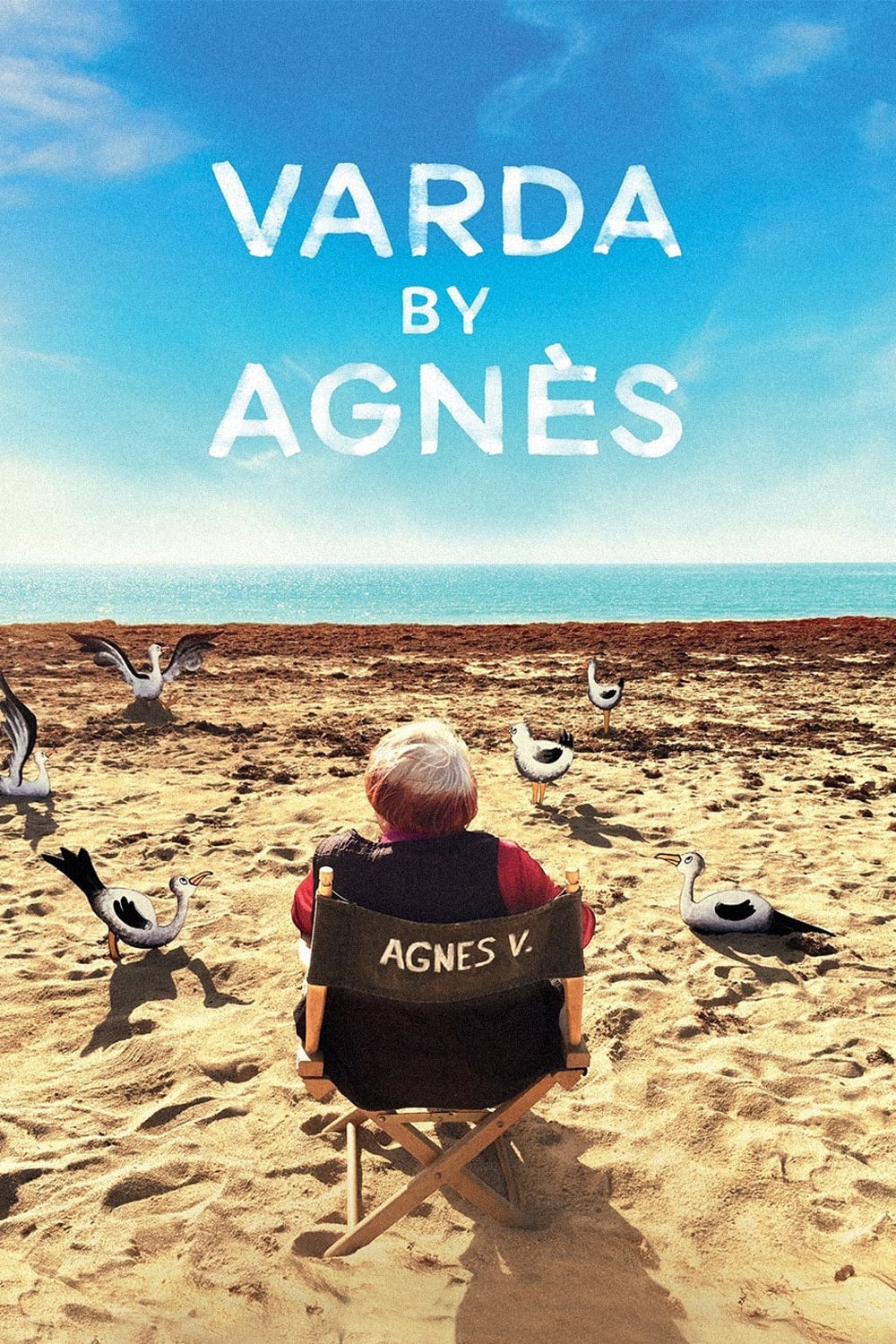
An unpredictable documentary from a fascinating storyteller, Agnès Varda’s last film sheds light on her experience as a director, bringing a personal insight to what she calls "cine-writing," traveling from Rue Daguerre in Paris to Los Angeles and Beijing.
As a visually radical memoir, CAMERAPERSON draws on the remarkable footage that filmmaker Kirsten Johnson has shot and reframes it in ways that illuminate moments and situations that have personally affected her. What emerges is an elegant meditation on the relationship between truth and the camera frame, as Johnson transforms scenes that have been presented on Festival screens as one kind of truth into another kind of story—one about personal journey, craft, and direct human connection.
An intimate portrait of the small shops and shopkeepers of the Rue Daguerre in Paris, a picturesque street that has been the filmmaker’s home for more than 50 years.
What does being a woman really mean? How do women live the status society reserves for them? A group of women, beautiful or not, young or not, gifted with motherly instinct or not, answer before Agnès Varda's camera.
Diaries, audiotapes, videotapes and testimonials from friends and colleagues offer insight into the life and career of Gilda Radner -- the beloved comic and actress who became an icon on Saturday Night Live.
Using the book 'Fragments', which collects Marilyn Monroe's poems, notes and letters, and with participation from the Arthur Miller and Truman Capote estates who have contributed more material, each of the actresses will embody the legend at various stages in her life.
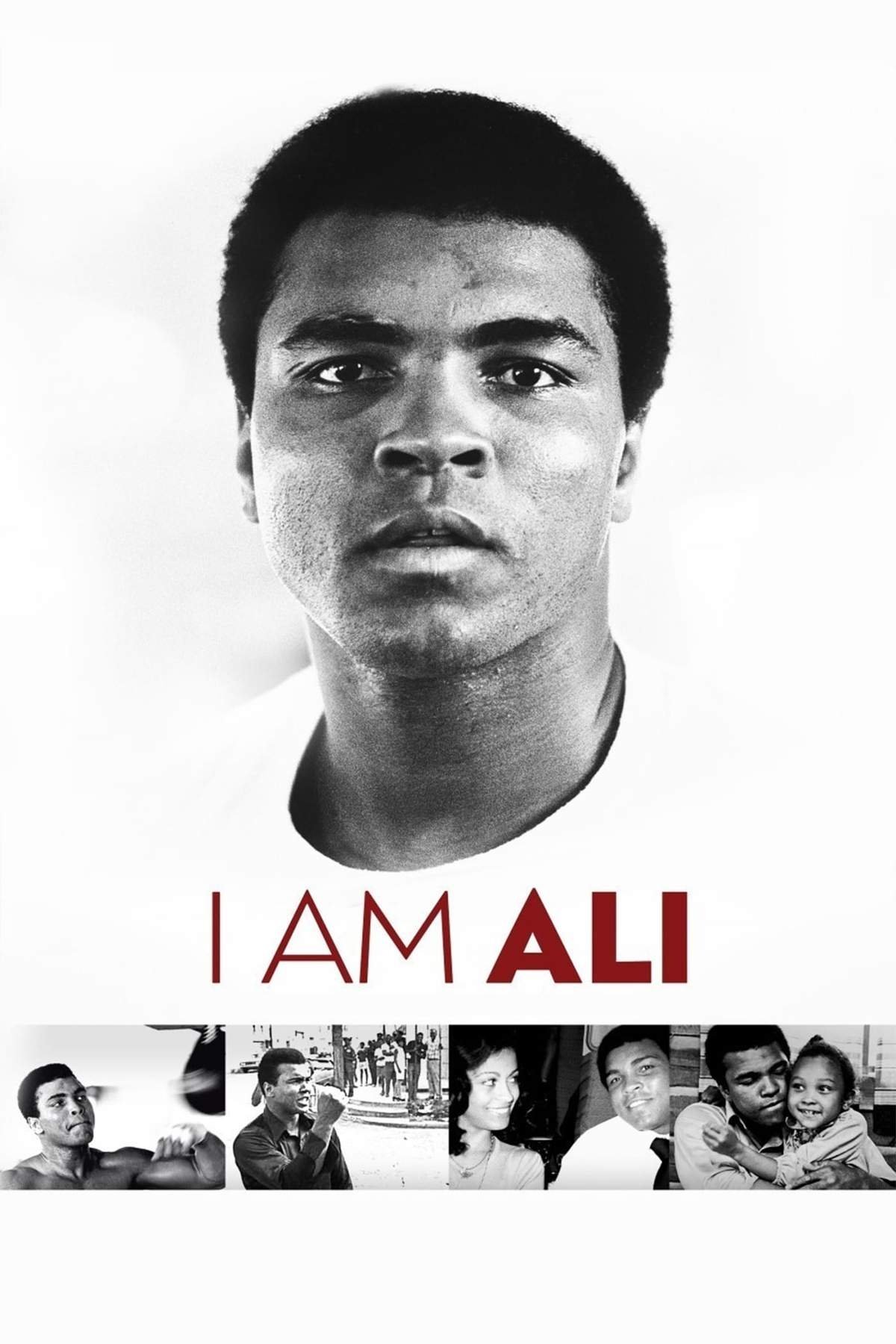
Unprecedented access to Muhammad Ali's personal archive of "audio journals" as well as interviews and testimonials from his inner circle of family and friends are used to tell the legend's life story.
Global superstar Jennifer Lopez reflects on her multifaceted career and the pressure of life in the spotlight in this intimate documentary.
This special explores the return of Obi-Wan Kenobi and Anakin Skywalker to the screen, as well as Ewan McGregor and Hayden Christensen to their classic roles. Director Deborah Chow leads the cast and crew as they create new heroes and villains that live alongside new incarnations of beloved Star Wars characters, and an epic story that dramatically bridges the saga films.
In an intimate and joyful story of love in the face of loss, celebrated poets Andrea Gibson and Megan Falley find strength—and unexpected hilarity—in what might be their final year together.
Musician and performance artist Laurie Anderson reflects on the deaths of her husband Lou Reed, her mother and her beloved dog.
14-year-old Laura Dekker sets out on a two-year voyage in pursuit of her dream to become the youngest person ever to sail around the world alone.
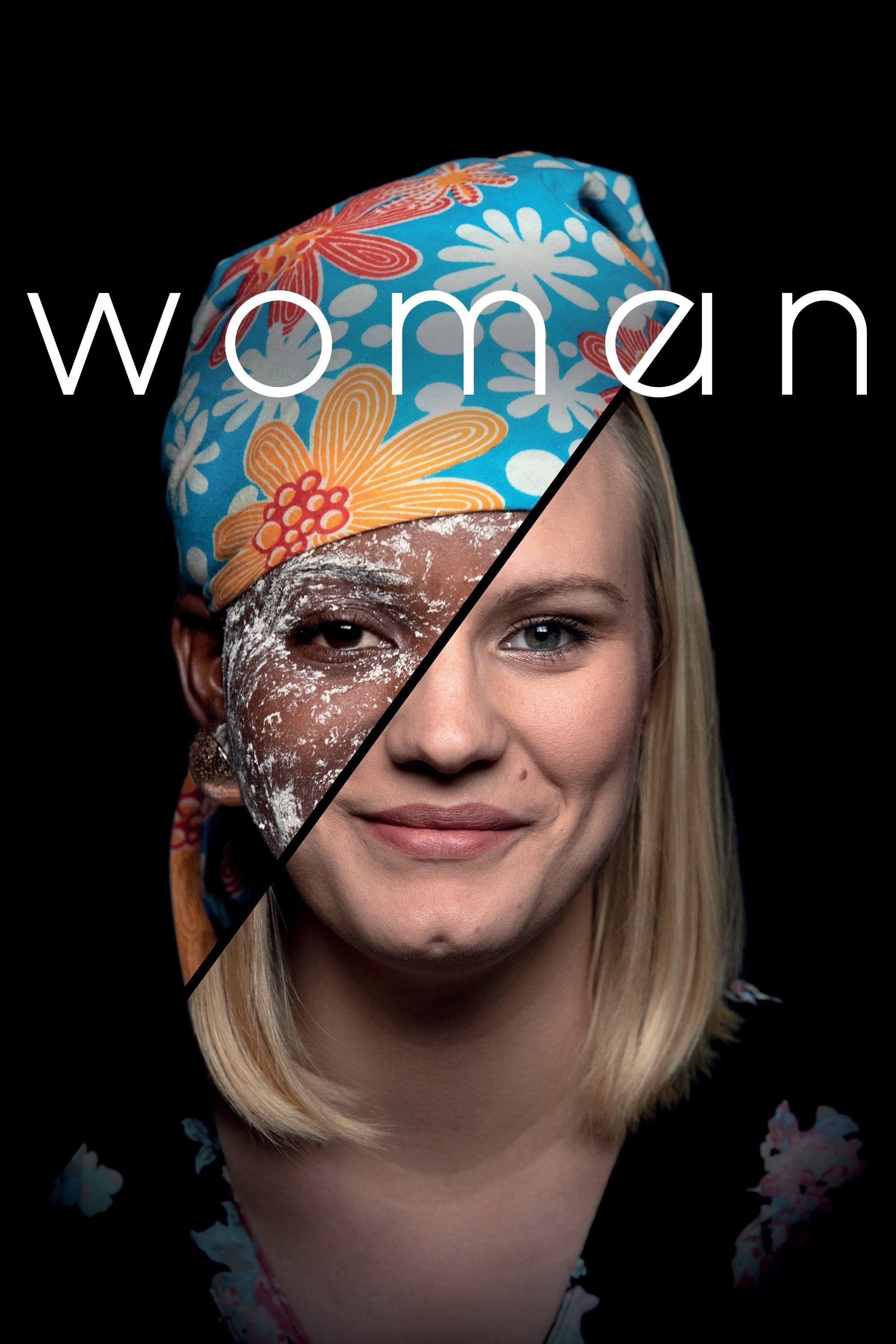
The film is based on interviews with 2,000 women from 50 countries, and covers the status of women all over the world. The topics covered include forced marriages, sexual assault, female genital mutilation, acid attacks, motherhood, sexuality, menstruation, education and the professional success of women.
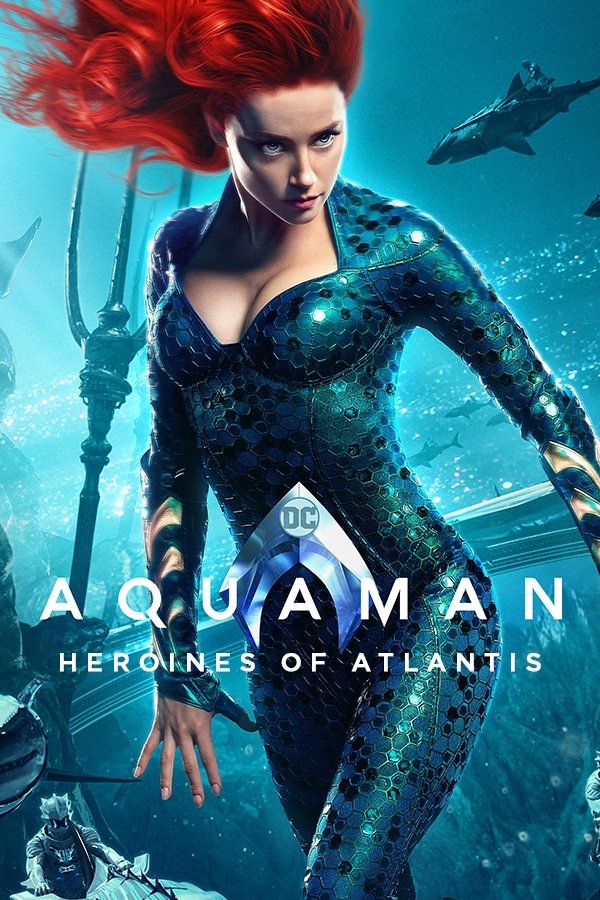
Amber Heard and Nicole Kidman discuss their characters Mera and Atlanna.
An IMAX 3D camera chronicles the effort of 7 astronauts aboard the Space Shuttle Atlantis to repair the Hubble Space Telescope.
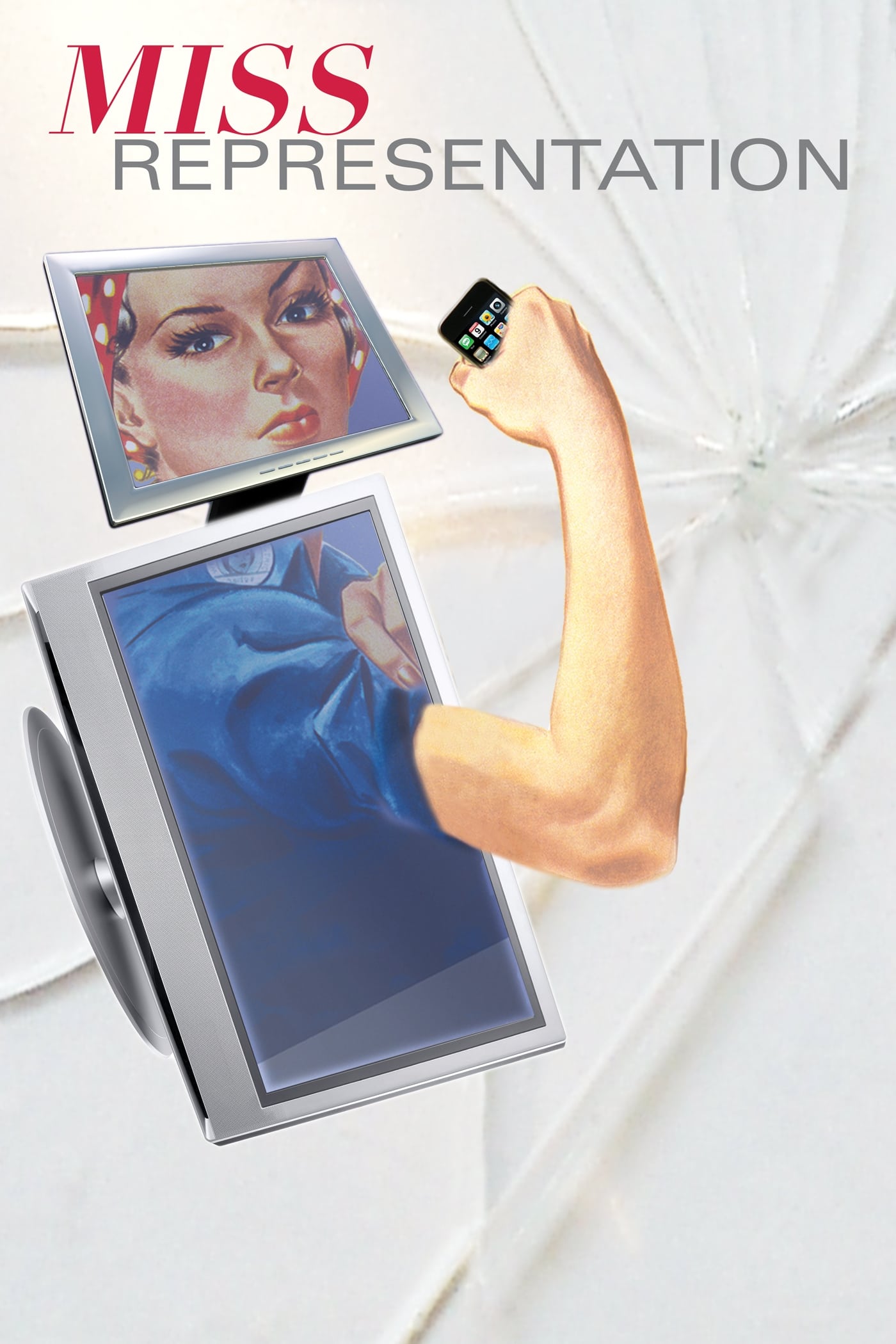
The film MISS REPRESENTATION exposes how American youth are being sold the concept that women and girls’ value lies in their youth, beauty and sexuality. Explores the under-representation of women in positions of power and influence in America, and challenges the media's limited portrayal of what it means to be a powerful woman. It’s time to break that cycle of mistruths.
A string of threatening emails escalates into a revenge plot involving a newly married US marshal and his ex-girlfriend.