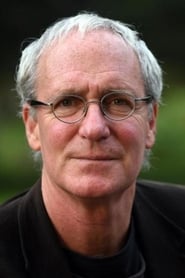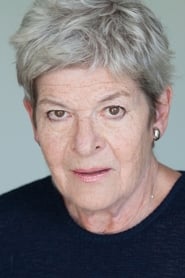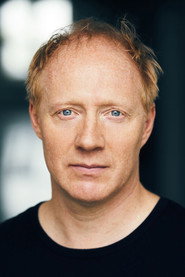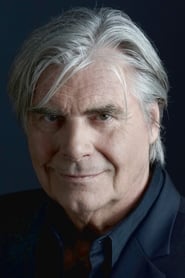
Clara Immerwahr and her husband to be Fritz Haber are both young and gifted chemists. Their struggle for acknowledgment in nationalistic Germany during World War I lead to the development and use of the first chemical weapons.

Social & External
The people behind it
Katharina Schüttler
Clara Immerwahr
Maximilian Brückner
Fritz Haber
August Zirner
Philipp Immerwahr
Steffi Dvorak
Lotte Immerwahr
Elisabeth Orth
Großmama Immerwahr
Simon Schwarz
Otto Sackur
Philipp Hochmair
David Sachs
Wolf Bachofner
Siegfried Haber
Peter Simonischek
Rektor Engler
Adele Neuhauser
Fräulein Knittel
The personal stories lived by the Uncle, the Father and the Son, respectively, form a tragic experience that is drawn along a line in time. This line is comparable to a crease in the pages of the family album, but also to a crack in the walls of the paternal house. It resembles the open wound created when drilling into a mountain, but also a scar in the collective imaginary of a society, where the idea of salvation finds its tragic destiny in the political struggle. What is at the end of that line? Will old war songs be enough to circumvent that destiny?
The conflict between Dole Food Company and Swedish filmmaker Fredrik Gertten unfolds dramatically in the documentary "BIG BOYS GONE BANANAS!" as the corporation attempts to suppress Gertten's earlier film, "BANANAS!"—chronicling Nicaraguan workers' lawsuit against Dole. Initially selected for the 2009 Los Angeles Film Festival, "BANANAS!" was abruptly removed from competition, followed by a negative article in the Los Angeles Business Journal and legal threats from Dole's attorneys. Gertten captures this saga of corporate intimidation, media manipulation, and legal challenges in his documentary, showcasing the struggles documentary filmmakers face and highlighting the threat to freedom of speech posed by powerful corporations protecting their reputations.

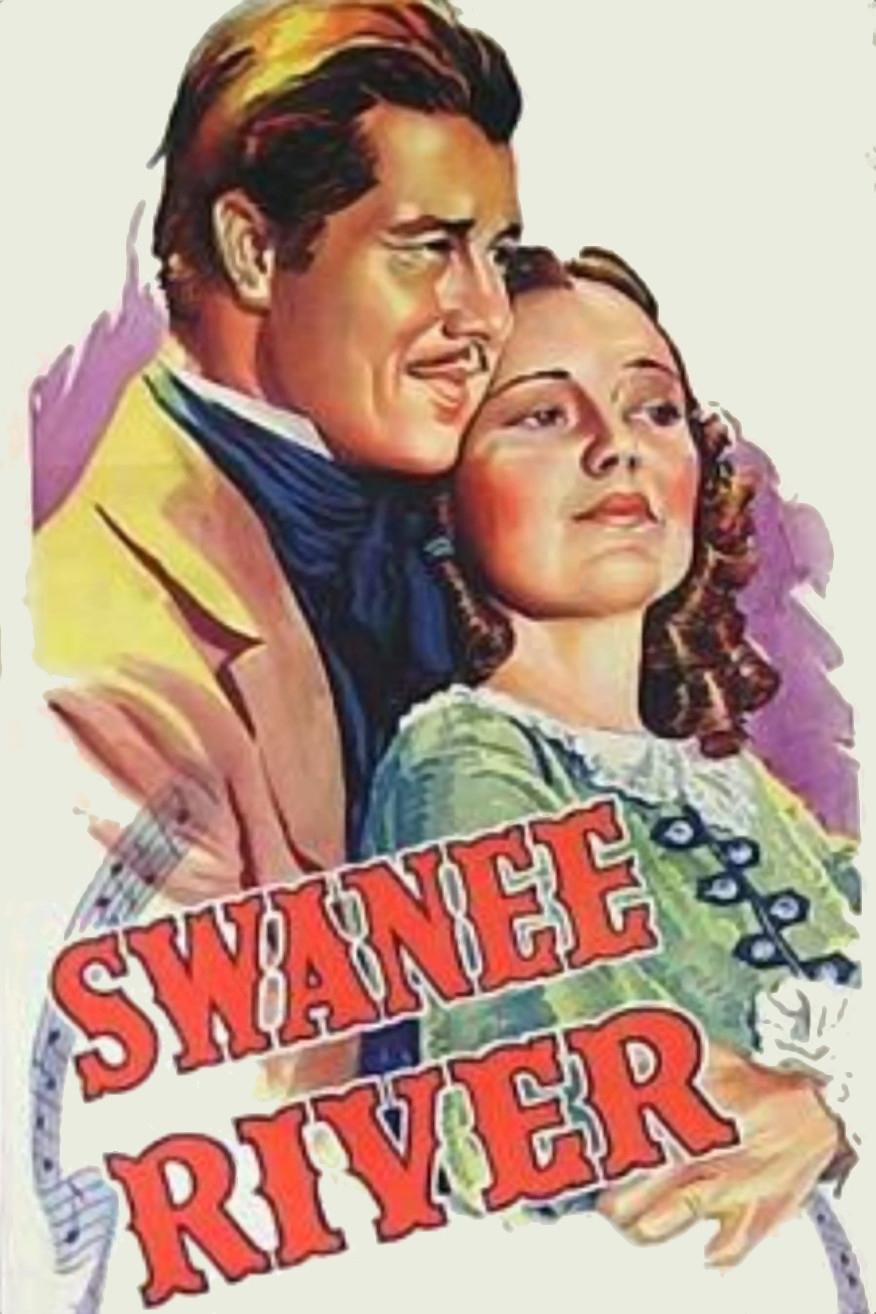
Swanee River is a 1940 American biopic about Stephen Foster, a songwriter from Pittsburgh who falls in love with the South, marries a Southern girl, then is accused of sympathizing when the Civil War breaks out. Typical of 20th Century Fox biopics of the time, the film is more fictional than factual biography.
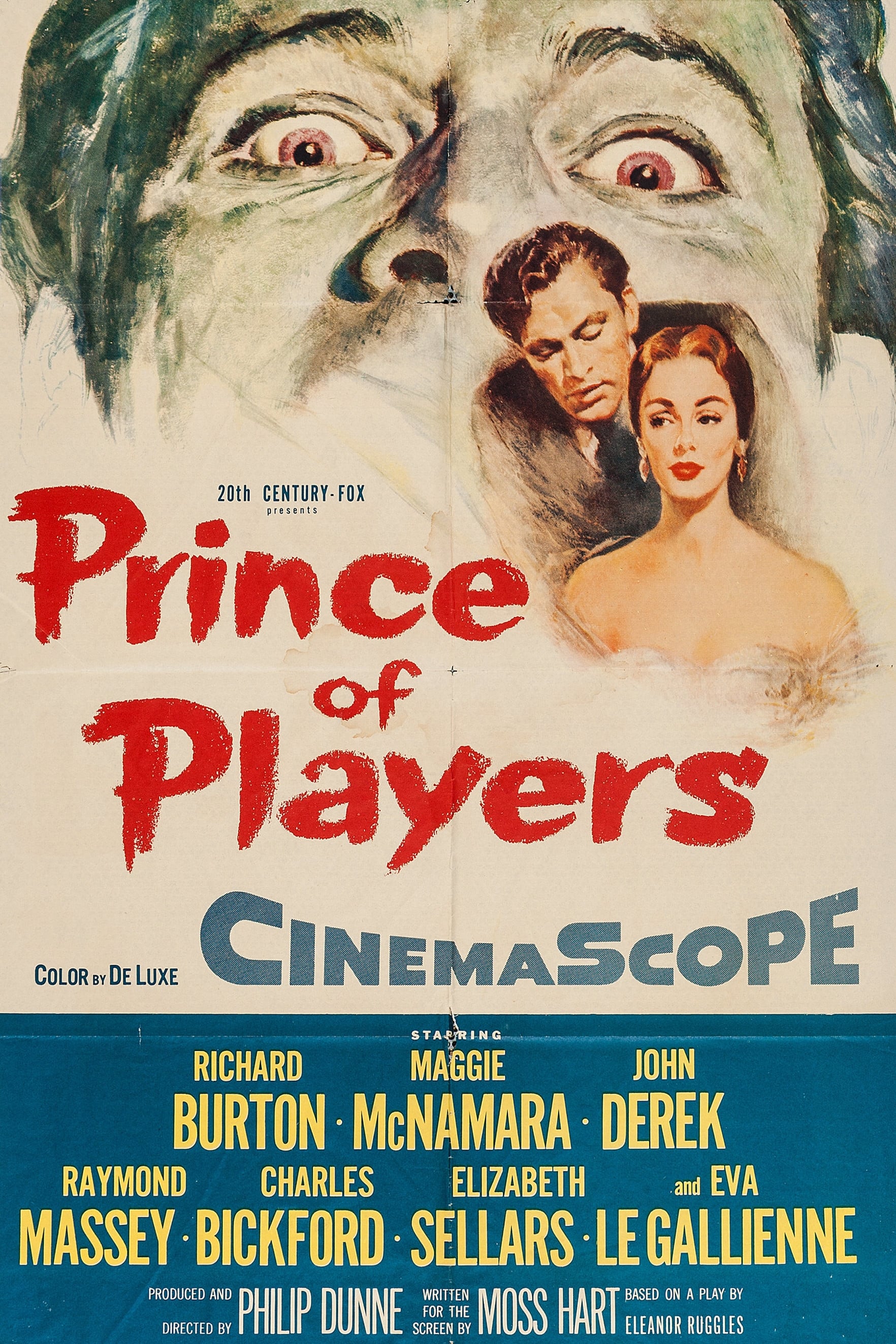
This biopic follows the story of Shakespearean actor Edwin Booth and his rise to fame. Edwin's career begins when he replaces his alcoholic father, the great actor Junius Brutus Booth, in a production of "Richard III" after Junius forgets his lines. As an adult, Edwin performs many lead roles and sparks a rivalry with his brother, John Wilkes. But after his brief time as a celebrity, Edwin's career is cut short by family tragedy.
When David Smallbone's successful music company collapses, he moves his family from Australia to the United States in search of a brighter future. With nothing more than their six children, their suitcases, and their love of music, David and his pregnant wife Helen set out to rebuild their lives from the ground up. Based on a remarkable true story, a mum's faith stands against all odds; and inspires her husband and children to hold onto theirs.
Scenes from the life of composer Zdeněk Fibich accompanied by excerpts from his work in a poetic documentary... The story of the Czech artist is embodied in a single day in the life of his collaborator and lover Anežka Schulzová (Iveta Rálková). Between waking up in the morning and falling asleep at night, she brings fragments of her beloved man's life experiences to life in her memories. It is a drama of emotions that draws her into its trap. Fibich left the safe haven of his family for her love, seeking inspiration in passion and eroticism. This clearly tense human situation is complicated by Anežka's rival and Fibich's wife Betty.
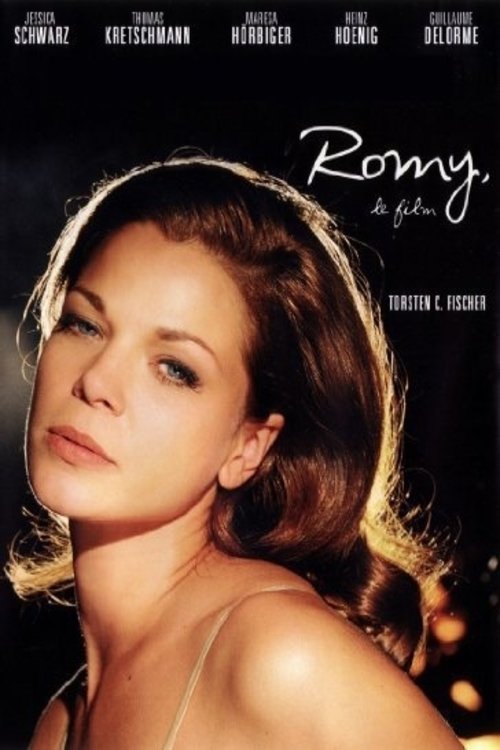
From her on-screen triumphs to her off-screen tribulations, this biopic focuses on the captivating life and career of actress Romy Schneider.
A biopic of Indonesian group band God Bless.
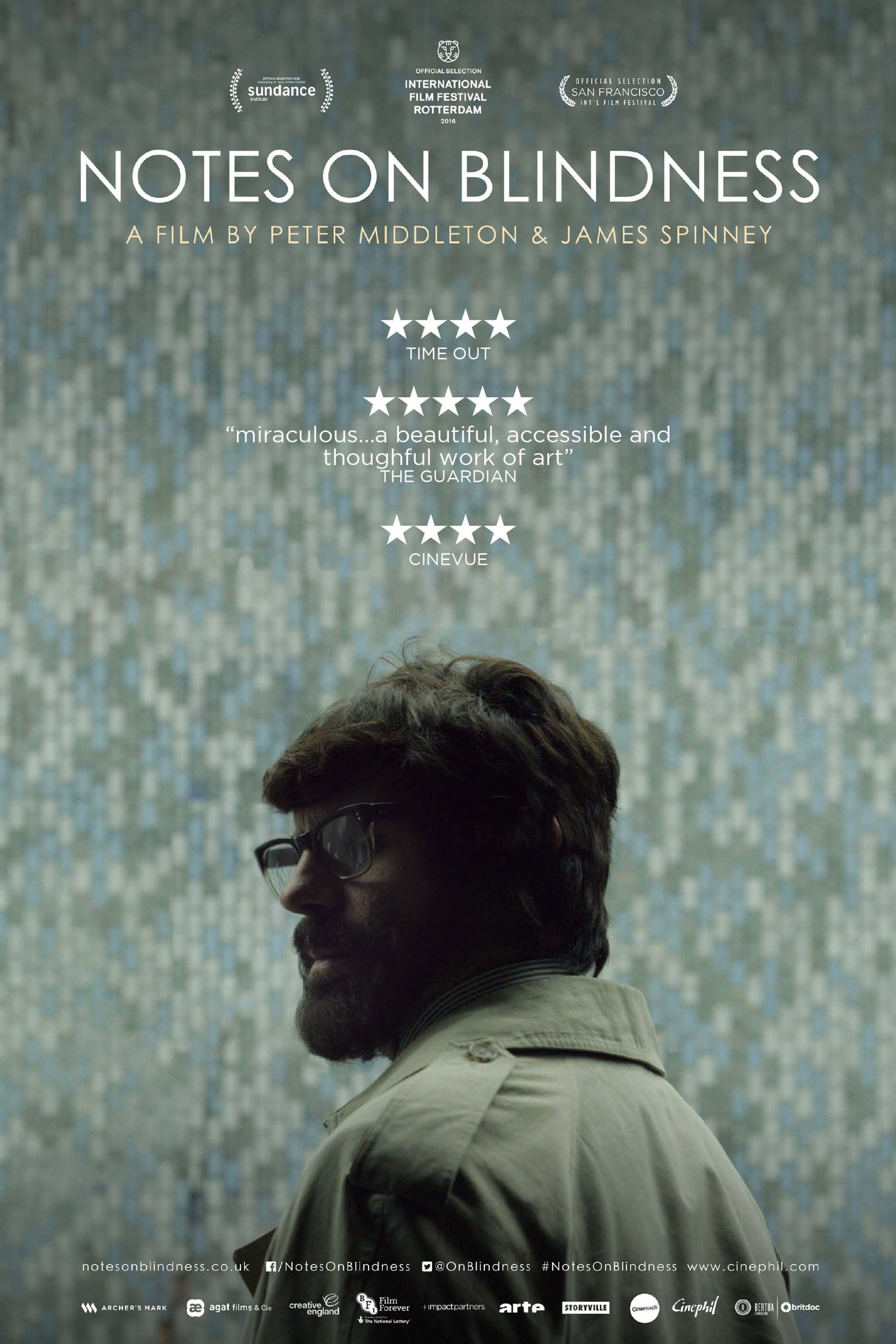
After losing sight in 1983, John Hull began keeping an audio diary, a unique testimony of loss, rebirth and renewal, excavating the interior world of blindness. Following on from the Emmy Award-winning short film of the same name, Notes on Blindness is an ambitious and groundbreaking work, both affecting and innovative.
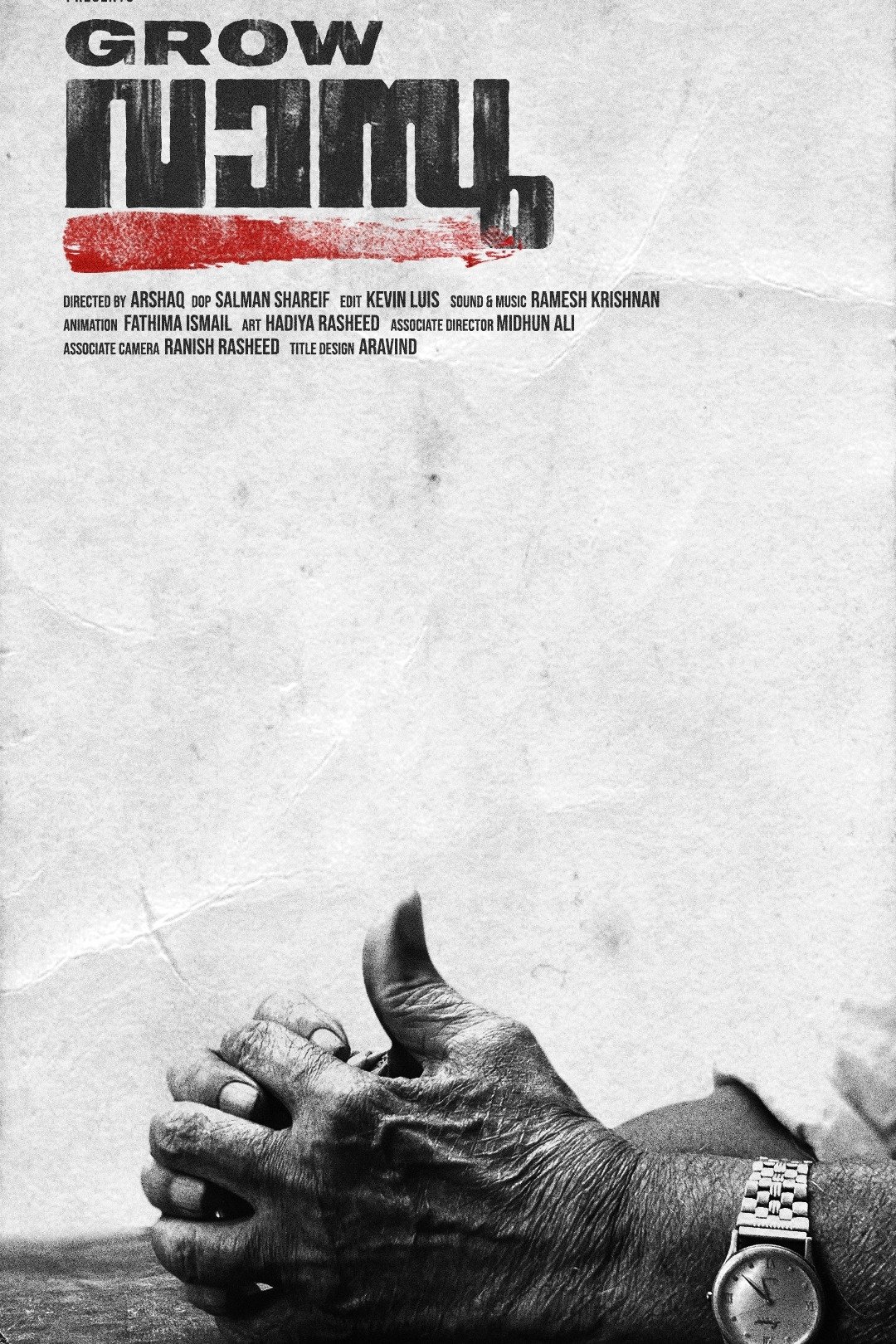
Grow Vasu is a biographical documentary on the life of comrade Ayinoor Vasu aka Grow Vasu, a leader of the working class, as well as a champion of Muslim, Dalit, and marginalized communities and human rights movements. At 94 years young, he was jailed for questioning the authority, yet, Vasu continues his fight against oppression, for justice, and for the revolution. The film follows a narrative style divided into ten chapters consists of his personal-political up and downs.
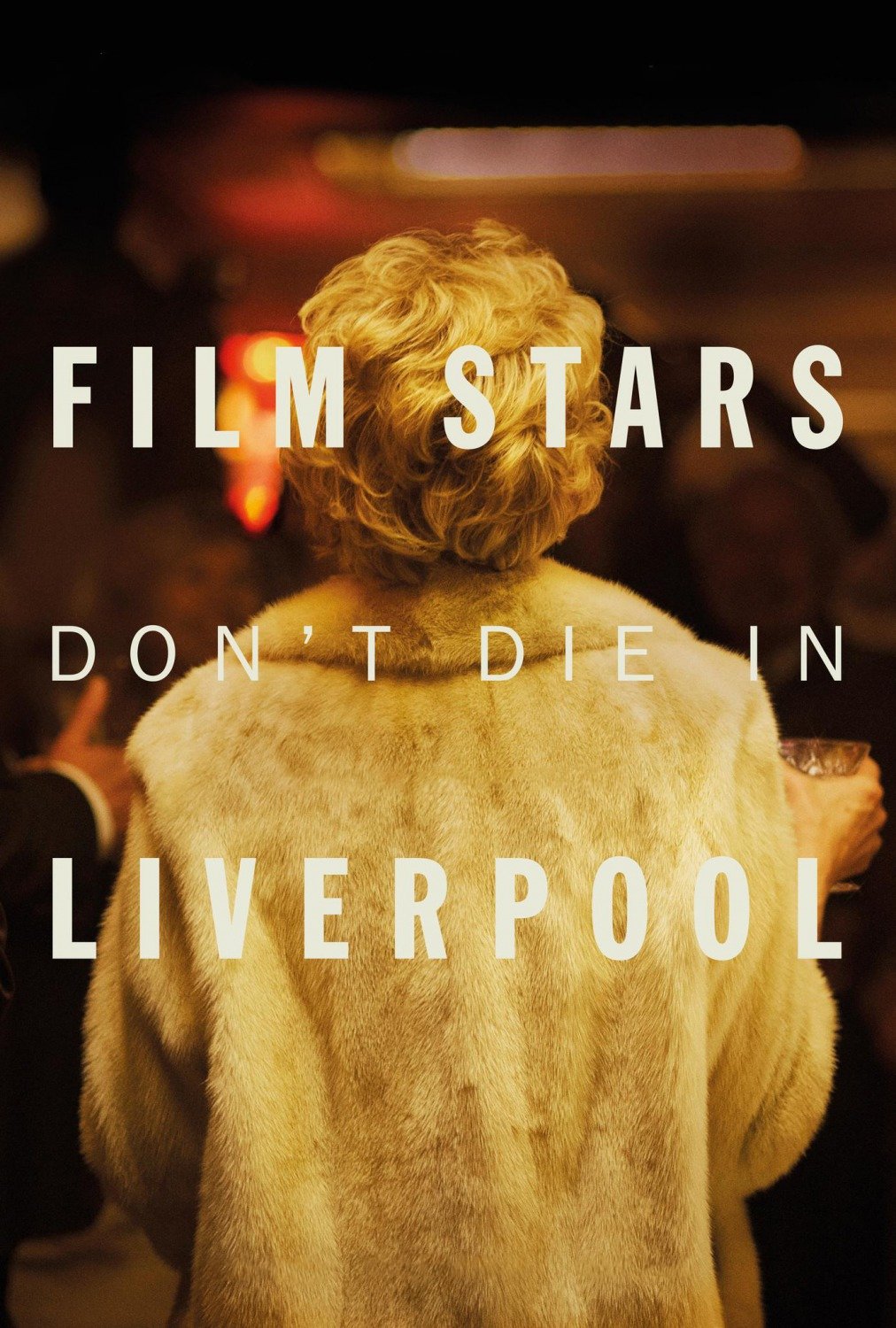
Liverpool, 1978: What starts as a vibrant affair between a legendary femme-fatale, the eccentric Academy Award-winning actress Gloria Grahame, and her young lover, British actor Peter Turner, quickly grows into a deeper relationship, with Turner being the person Gloria turns to for comfort.
This first co-production of the Soviet and Indian cinematographers is dedicated to the Tver merchant Afanasy Nikitin who in 1466-1472 blazed the trade way from Europe to India. The film is based on Nikitin’s travel notes. Starring in the film are popular Russian actor Oleg Strizhenov and India’s 1950s movie star Nargis.
An original television production based on the life of Slovak writer Jozef Gregor Tajovský.
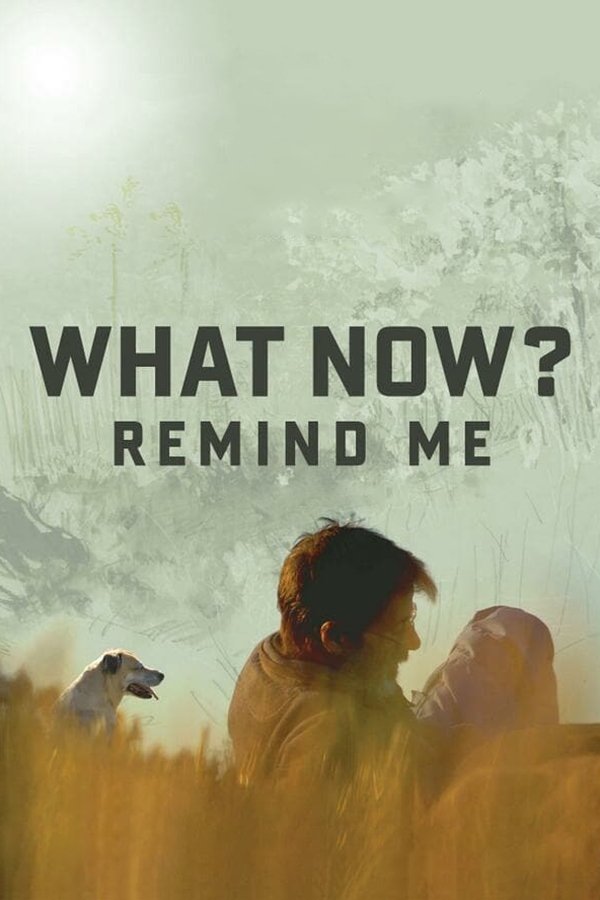
Joaquim Pinto has been living with HIV and VHC for almost twenty years. “What now? Remind Me” is the notebook of a year of clinical studies with toxic, mind altering drugs as yet unapproved. An open and eclectic reflection on time and memory, on epidemics and globalization, on survival beyond all expectations, on dissent and absolute love. In a to-and-fro between present and past memories, the film is also a tribute to friends departed and those who remain.
A coming-of-age tale centered on Modigliani's youth. Amedeo moves to Paris in his early 20s, dies while still young, and all his artist friends, immersed in Bohemian madness, are his contemporaries. "Telling the story of Modigliani also means celebrating the culture of a united Europe," Longoni explains, "Paris, in the years around World War I, brought together the leading artists of the century. The French capital was a place where borders and barriers were not built but where people reflected on the future and on art beyond conflict."
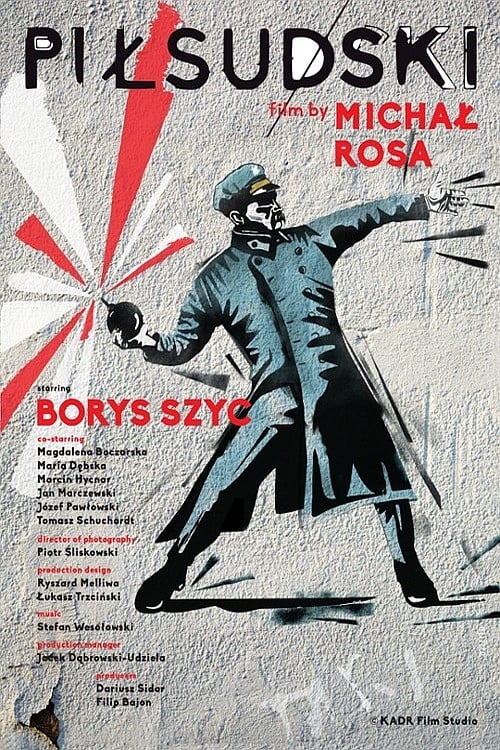
The year 1901, a psychiatric hospital in the Russian partition. One of the patients is a political prisoner - Józef Piłsudski. The Polish underground independence movement is preparing their mission to rescue the famous activist. Piłsudski is freed, but he will not get back his idyll family life that he once knew. Uncertain years are coming, marked by revolutionary events, violence and betrayal. Pilsudski must find a way to man oeuvre on the boggy ground - between the conservative passivity of the Polish Socialist Party and the aggression against the invaders, resulting in retaliation. The year 1914 is coming, and the chance for restoring an independent country, independent Poland, is now or never.
From the series "The Modern World: Ten Great Writers", this playful documentary introduces James Joyce's most famous work "Ulysses". It includes fantastic adaptations to film from passages of the novel. It also includes excerpts from a book written by Joyce's friend, the artist Frank Budgen, entitled "James Joyce and the making of Ulysses". Amongst those interviewed is author Anthony Burgess.
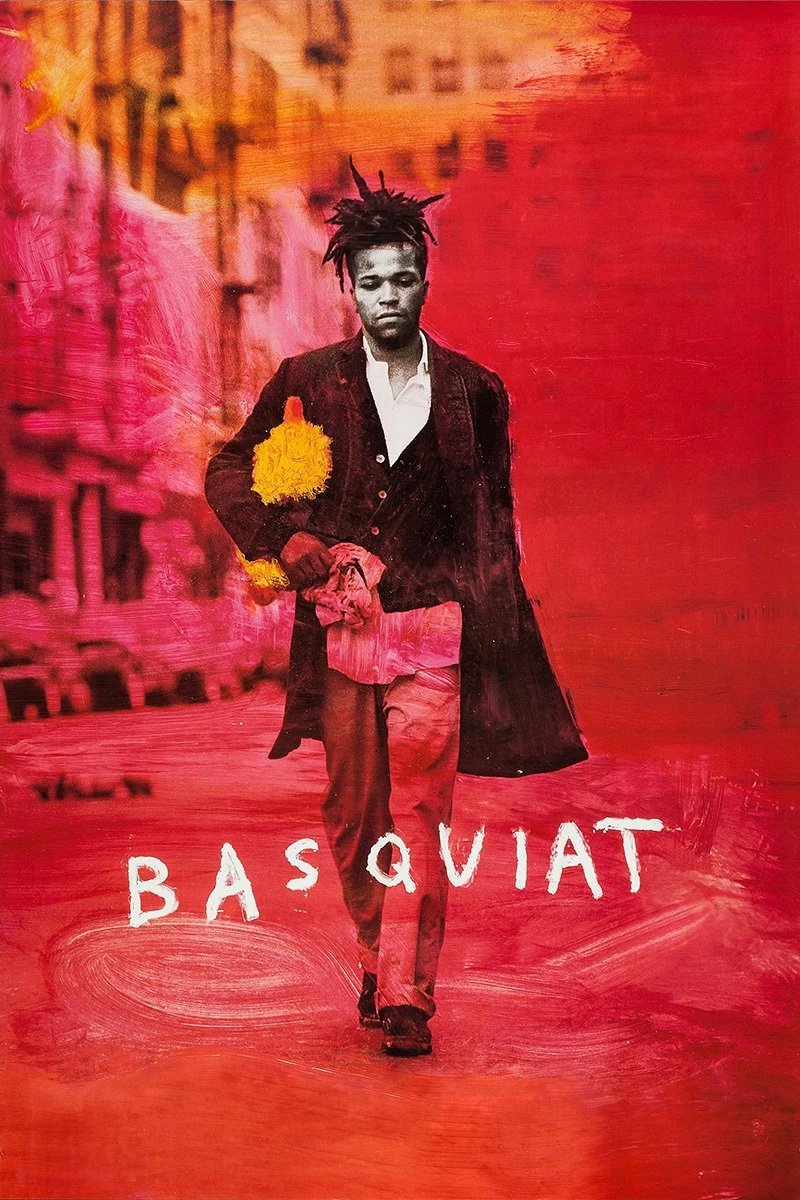
The brief life of Jean Michel Basquiat, a world renowned New York street artist struggling with fame, drugs and his identity.
A true story about Frank Abagnale Jr. who, before his 19th birthday, successfully conned millions of dollars worth of checks as a Pan Am pilot, doctor, and legal prosecutor. An FBI agent makes it his mission to put him behind bars. But Frank not only eludes capture, he revels in the pursuit.
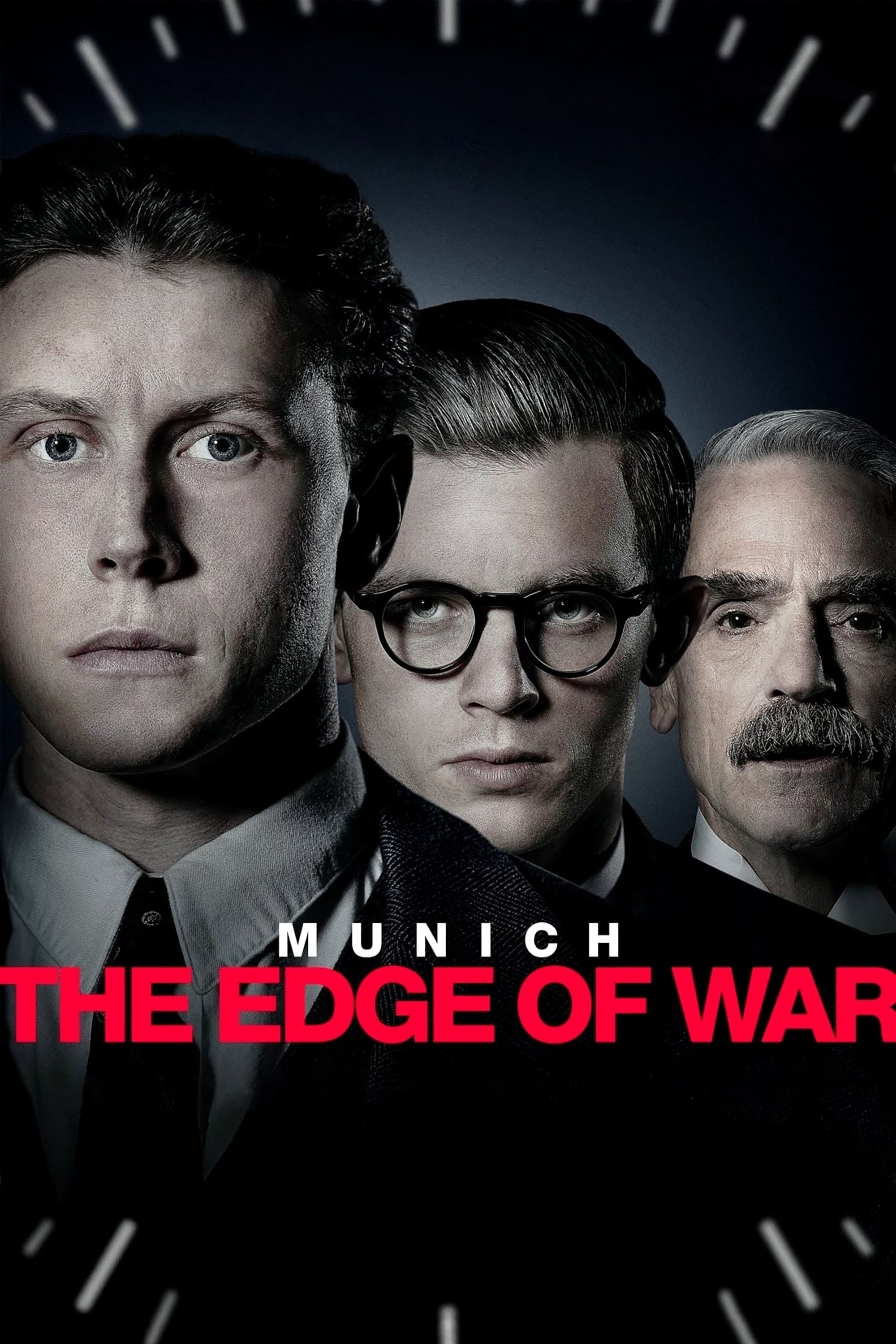
At the tense 1938 Munich Conference, former friends who now work for opposing governments become reluctant spies racing to expose a Nazi secret.
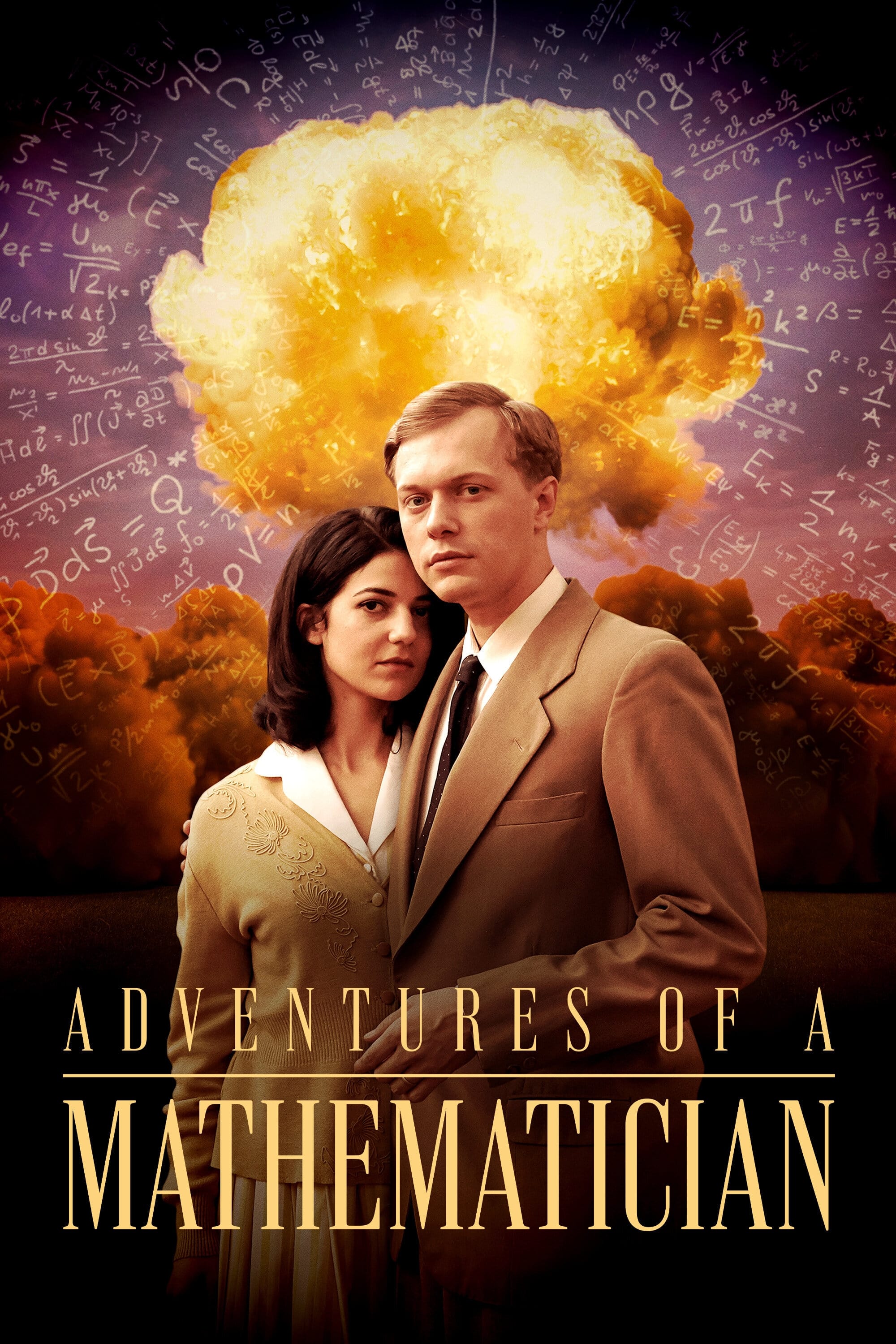
The warmhearted story of Polish immigrant and mathematician Stan Ulam, who moved to the U.S. in the 1930s. Stan deals with the difficult losses of family and friends all while helping to create the hydrogen bomb and the first computer.
In autumn 1943, in Gross-Partsch, 26-year-old Rosa, who had come from Berlin to stay with the parents of her husband Gregor, who was fighting on the Russian front, was taken by the SS to a mysterious place. Forced to taste a dish, she joins the group of tasters responsible for checking that the food destined for Hitler is not poisoned.
Young women toiling in a factory are exposed to hazardous material which takes a disastrous toll on their health.
The film follows Kaspar Hauser, who lived the first seventeen years of his life chained in a tiny cellar with only a toy horse to occupy his time, devoid of all human contact except for a man who wears a black overcoat and top hat who feeds him.
At the behest of an old and dear friend, playwright Lillian Hellman undertakes a dangerous mission to smuggle funds into Nazi Germany.
A fictional account of one year in the life of Empress Elisabeth of Austria. On Christmas Eve 1877, Elisabeth, once idolized for her beauty, turns 40 and is officially deemed an old woman; she starts trying to maintain her public image.
A story set in 19th century China and centered on the lifelong friendship between two girls who develop their own secret code as a way to contend with the rigid cultural norms imposed on women.
Stephen Glass is a staff writer for the respected current events and policy magazine The New Republic and a freelance feature writer for publications such as Rolling Stone, Harper's and George. By the mid-90s, Glass' articles had turned him into one of the most sought-after young journalists in Washington, but a bizarre chain of events - chronicled in Buzz Bissinger's September 1998 Vanity Fair article - suddenly stopped his career in its tracks.
Jewish aesthete Cioma, 21, does not let anyone take away his joy of life, especially not the Nazis. In 1942, he has to find new ways to make his living in Berlin and escape deportation. In the process he discovers his talent for forgery: not only with passports, but also his own identity.
Set during the fading glory of the Austro-Hungarian empire, the film tells of the rise and fall of Alfred Redl, an ambitious young officer who proceeds up the ladder to become head of the Secret Police only to become ensnared in political deception.
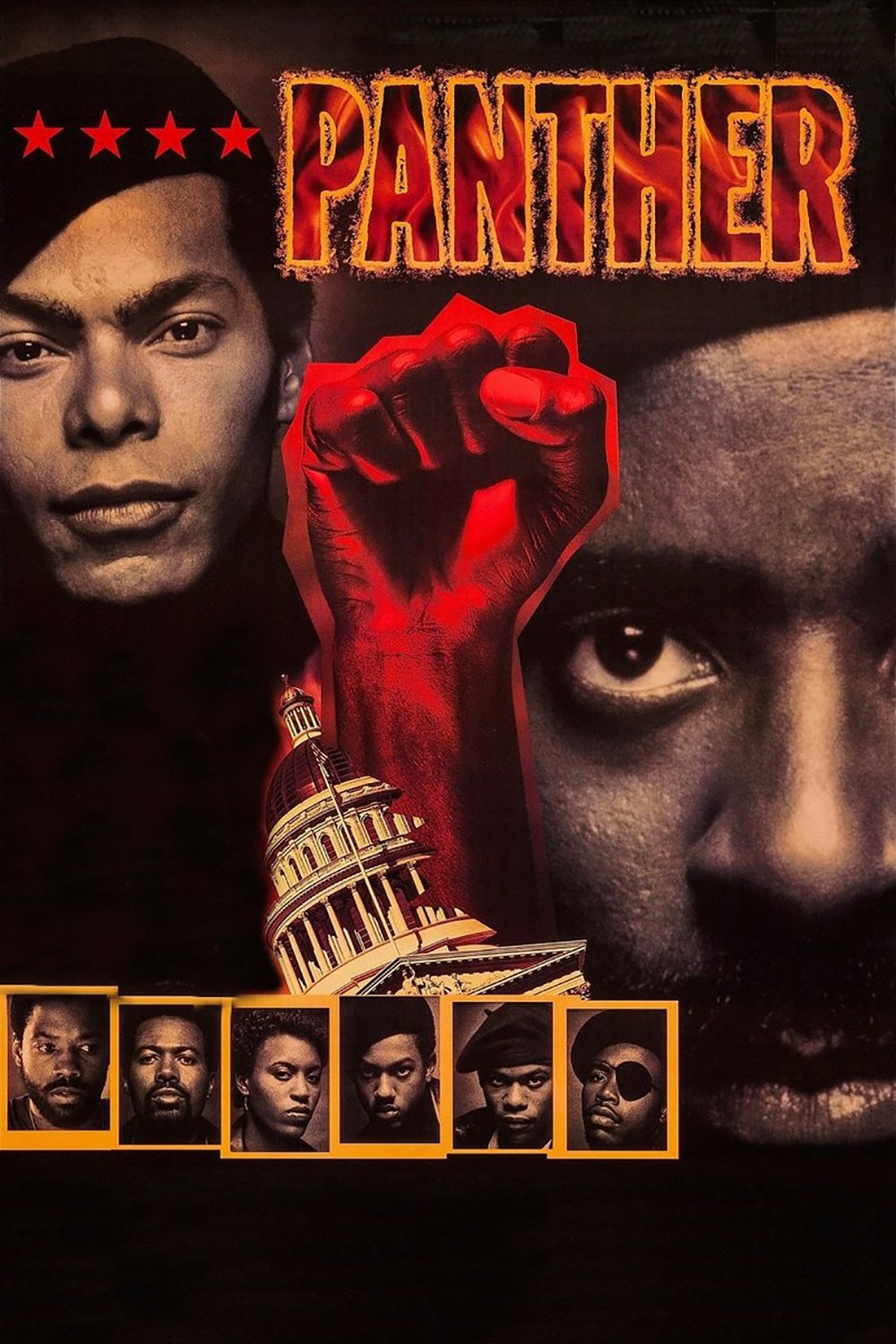
In this sprawling, fictionalized history of the Black Panthers, 1960s Oakland becomes a war zone as the Panthers battle for the right to exist.
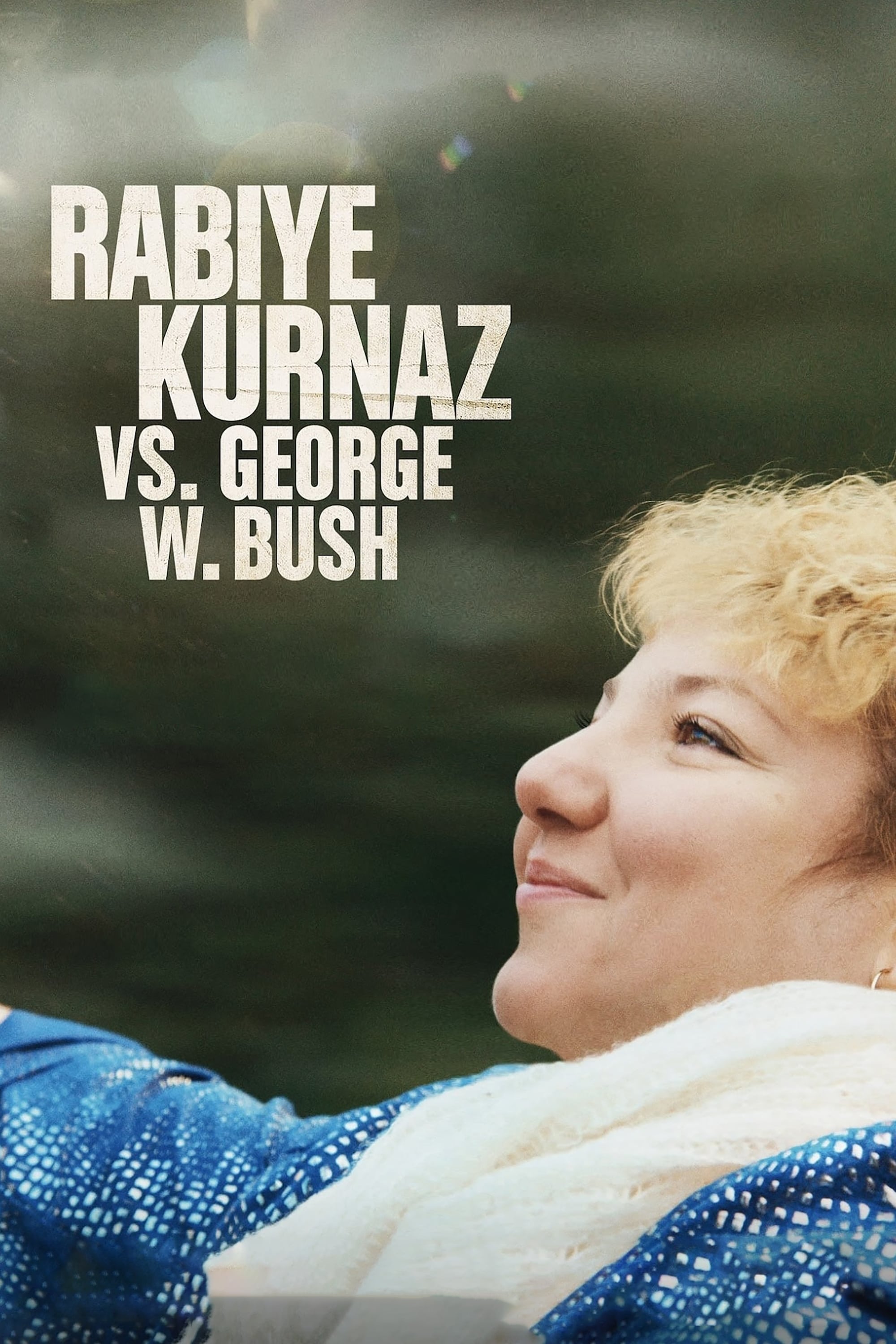
Desperate to help her son, Rabiye Kurnaz, a housewife and loving mother from Bremen, goes to the police, notifies authorities and almost despairs at their impotence and in the end, against all the odds, something truly remarkable happens.
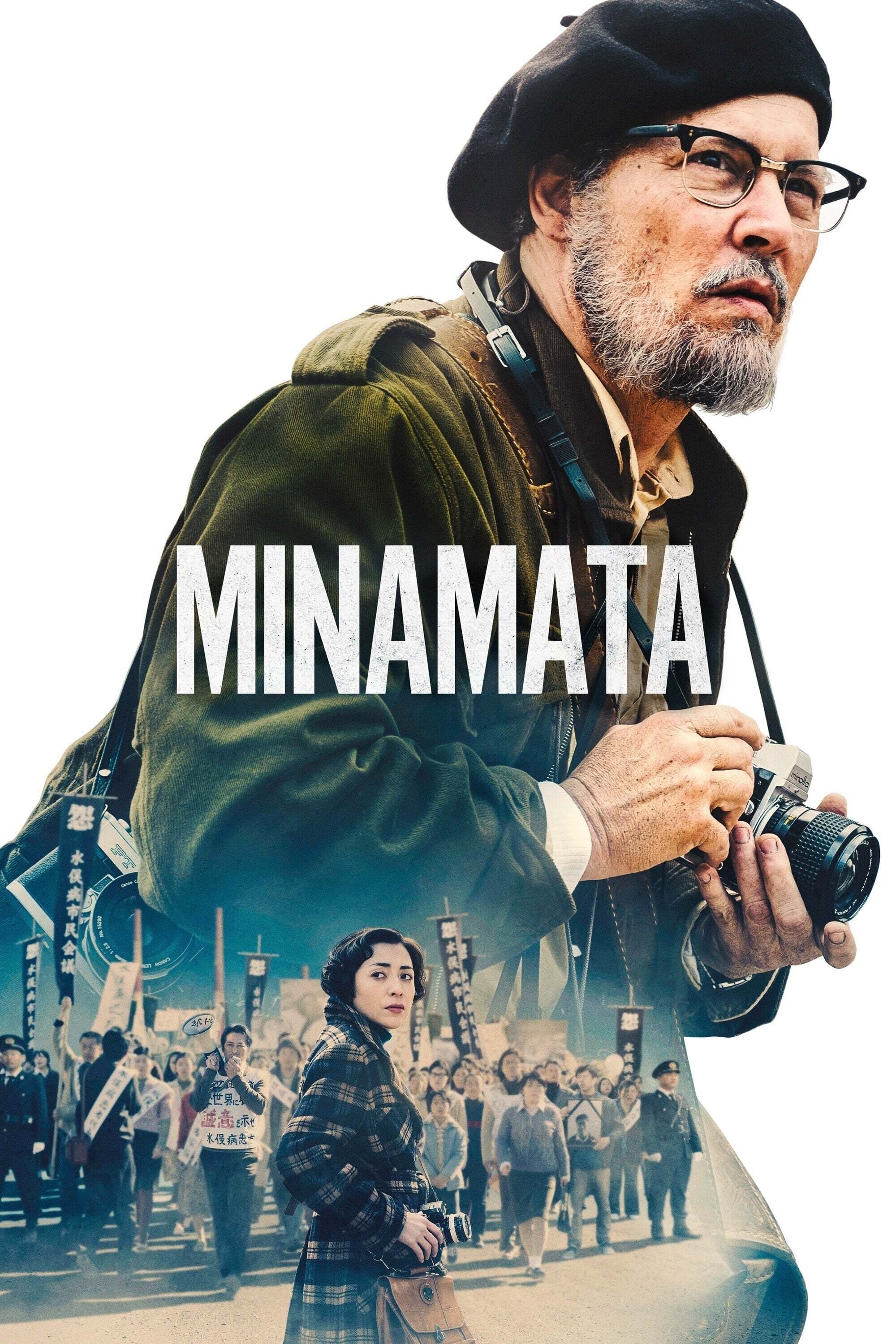
War photographer W. Eugene Smith travels back to Japan where he documents the devastating effect of mercury poisoning in coastal communities.
Constance, 1410. Marie, daughter of the richest bourgeois of the city, is on the eve of marrying a prestigious lawyer, son of an earl. Although the compromise fills with pride the girl's father, anxious to ennoble, Marie is not just convinced about her fiancé, who she has only seen twice. Her suspicions are confirmed tragically on the eve of the wedding when, after signing the marriage contract, a stranger breaks into the house ensuring that Marie has slept with other men in exchange for gifts, like a vile harlot. From that moment, the life of the girl will give a terrible unexpected turnaround. Alone, with his reputation ruined, she will have no choice to survive than partnering with a prostitute and lying on the roads.
When Andreas arrives in the remote valley in the Austrian Alps, he is only about four years old - nobody knows for sure. He grows up to become a skilled farmhand and, as a young man, joins a work crew that builds one of the first mountain railroads, bringing light and noise to the valley along with electricity. He also finds the love of his life in Marie, but their happiness is short-lived. Only many years later, when Andreas embarks on his final journey, she is with him once again. And in amazement Andreas looks back at all the years that lie behind him.
Yale University, 1961. Stanley Milgram designs a psychology experiment that still resonates to this day, in which people think they’re delivering painful electric shocks to an affable stranger strapped into a chair in another room. Despite his pleads for mercy, the majority of subjects don’t stop the experiment, administering what they think is a near-fatal electric shock, simply because they’ve been told to do so. With Nazi Adolf Eichmann’s trial airing in living rooms across America, Milgram strikes a nerve in popular culture and the scientific community with his exploration into people’s tendency to comply with authority. Celebrated in some circles, he is also accused of being a deceptive, manipulative monster, but his wife Sasha stands by him through it all.
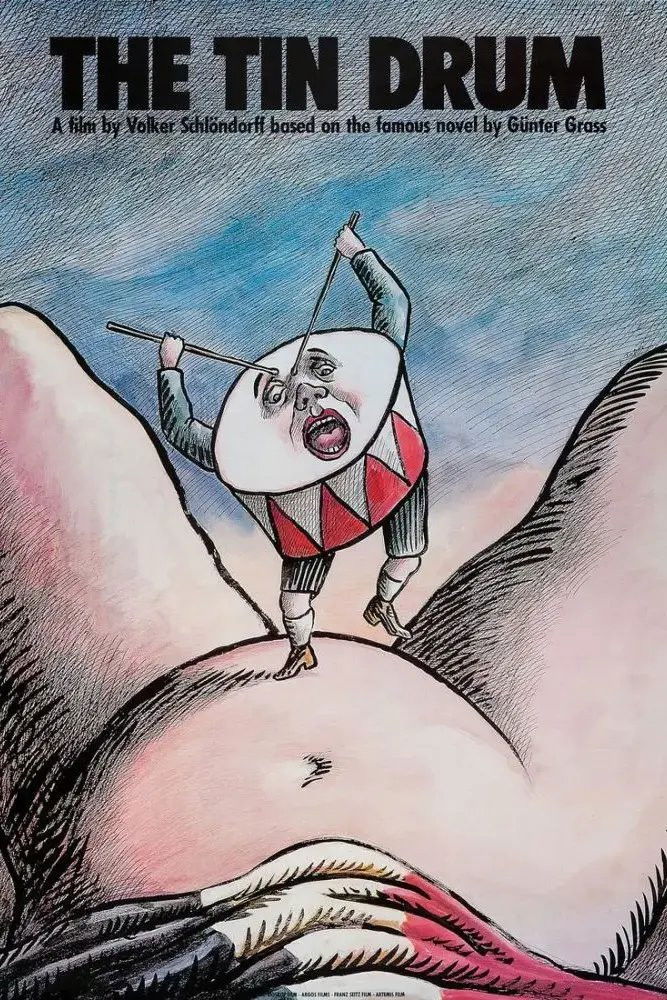
In 1924, Oskar Matzerath is born in the Free City of Danzig. At age three, he falls down a flight of stairs and stops growing. In 1939, World War II breaks out.
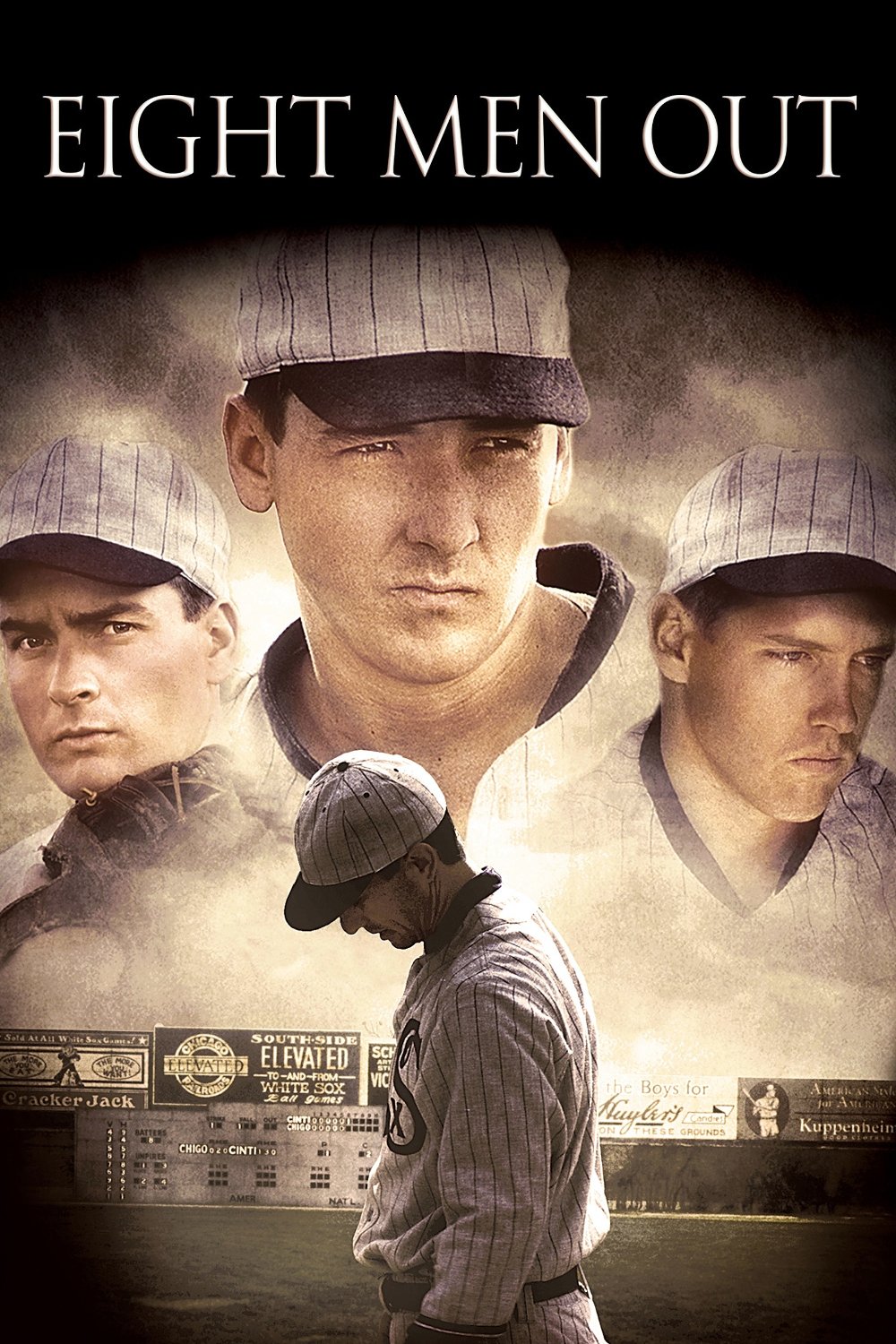
Buck Weaver and Hap Felsch are young idealistic players on the Chicago White Sox, a pennant-winning team owned by Charles Comiskey - a penny-pinching, hands-on manager who underpays his players and treats them with disdain. And when gamblers and hustlers discover that Comiskey's demoralized players are ripe for a money-making scheme, one by one the team members agree to throw the World Series. But when the White Sox are defeated, a couple of sports writers smell a fix and a national scandal explodes, ripping the cover off America's favorite pastime.
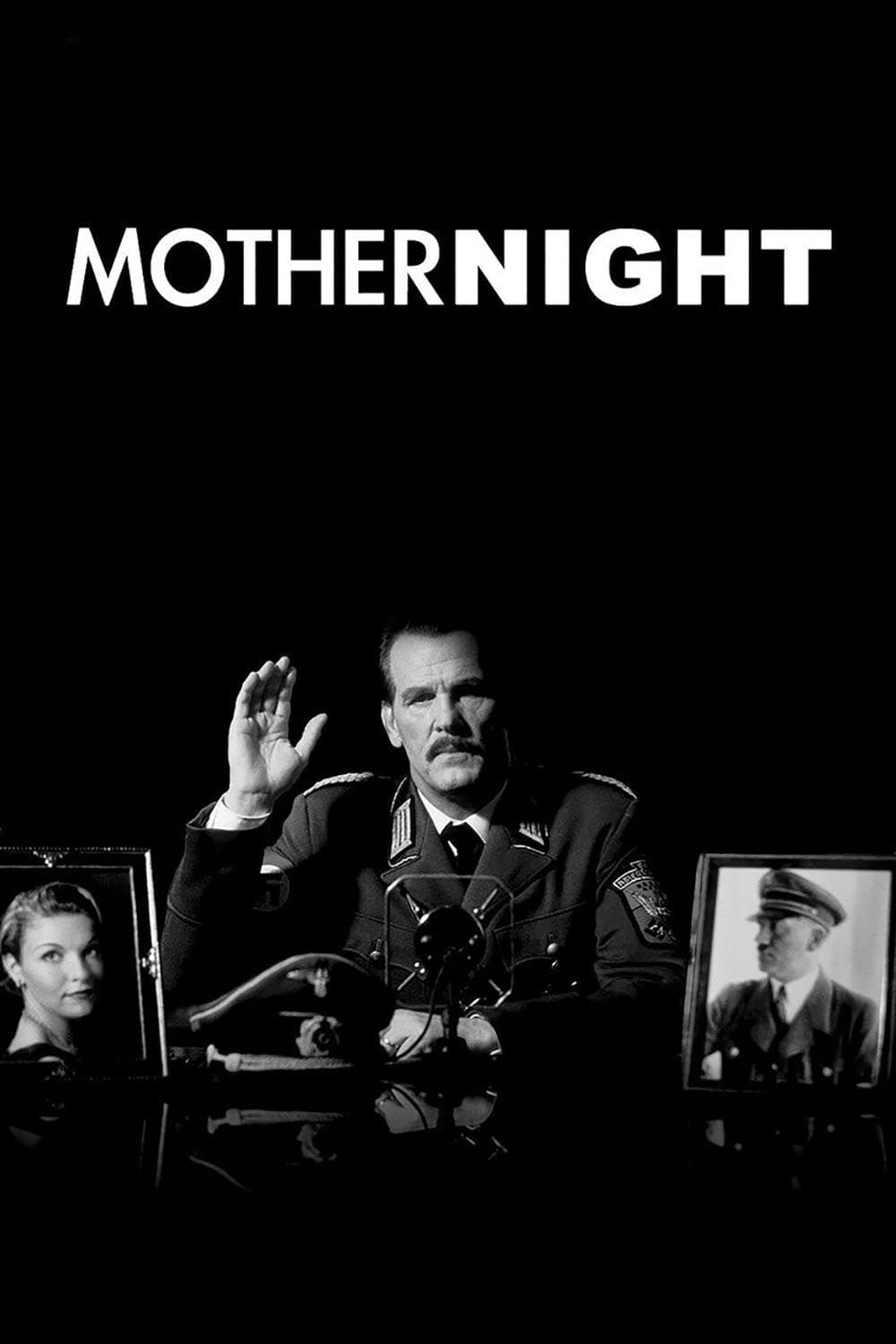
An American spy behind the lines during WWII serves as a Nazi propagandist, a role he cannot escape in his future life as he can never reveal his real role in the war.