A short film that sets up an opposition between functional forms of industrial age and decorative ones from Indian tradition.
Social & External
The people behind it
Berkeley Hill
Narrator (voice)
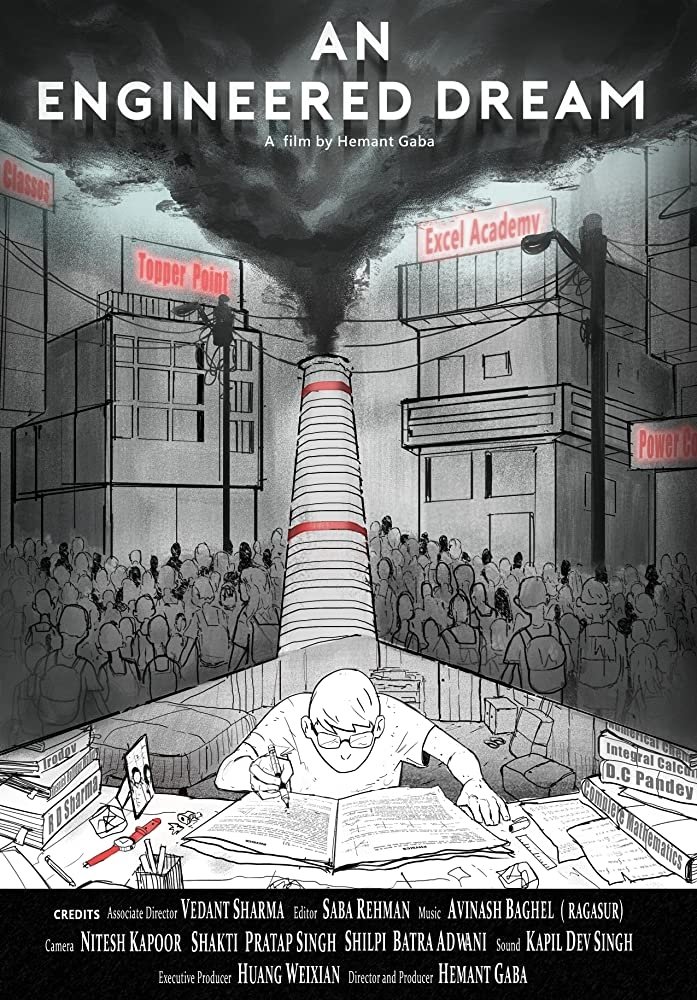
Kota, a city in North-West India famous for its coaching institutions, attracts more than 200,000 teenagers from all across the country to prepare for the undergraduate competitive exams. These students reside in cubicle sized hostel rooms and study for more than 15 hours a day for two consecutive years to crack the entrance exams for prestigious colleges that has acceptance rate of less than one percent. These students face intense insurmountable pressure from coaching institutes, peers and their families which not everyone is equipped to cope with, resulting in some students taking the extreme step of suicide.
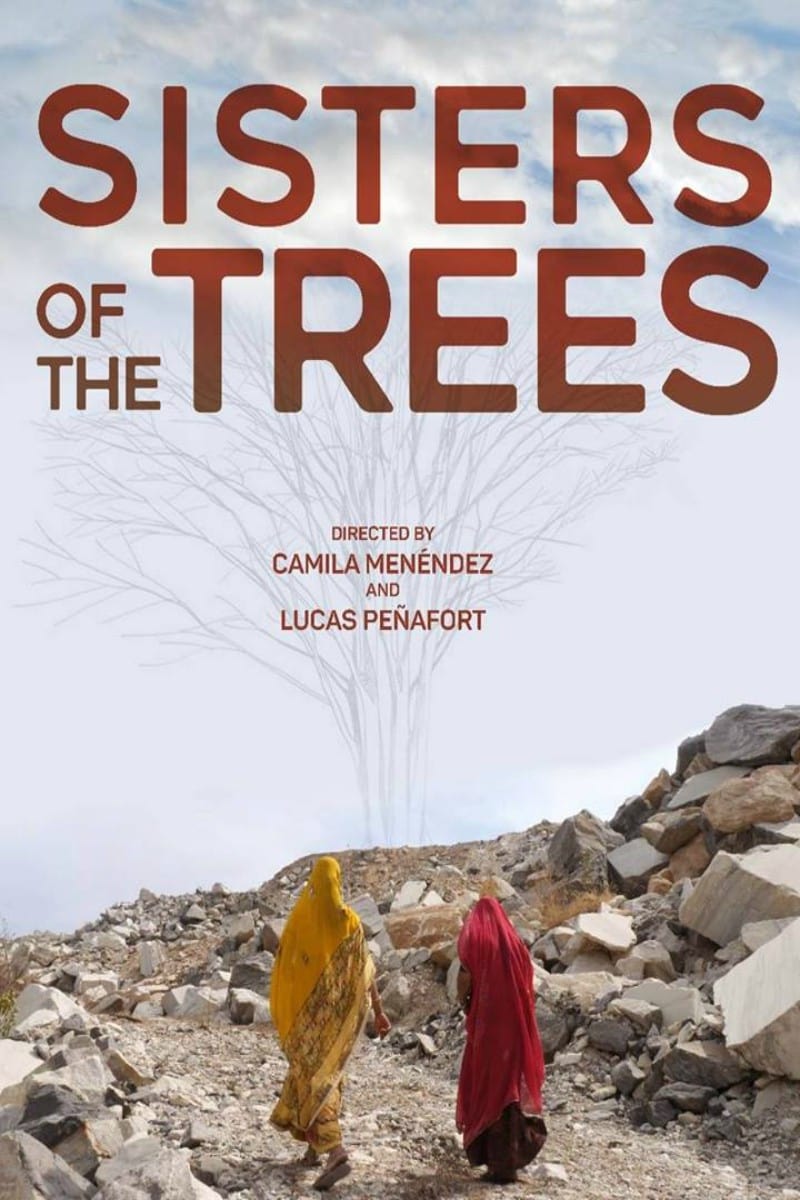
Tree planting in Rajasthan, India, has become a symbol of freedom in the middle of the desert. Families in this community have abandoned the belief that the birth of a girl is a curse.
The film is inspired by a rural folklore from central India, centred around a concept known as “Maya” or "the buried treasure." According to folklore, this treasure possesses its own consciousness and has the ability to select its rightful bearer. When the treasure is acquired by the person it is destined for, no trouble arises. However, if someone other than the chosen or destined individual claims the buried treasure, it brings forth bad omens. The film explores the lives of two cousins and the choices they make, highlighting the conflict between greed and need, as well as the themes of prophecy and destiny.
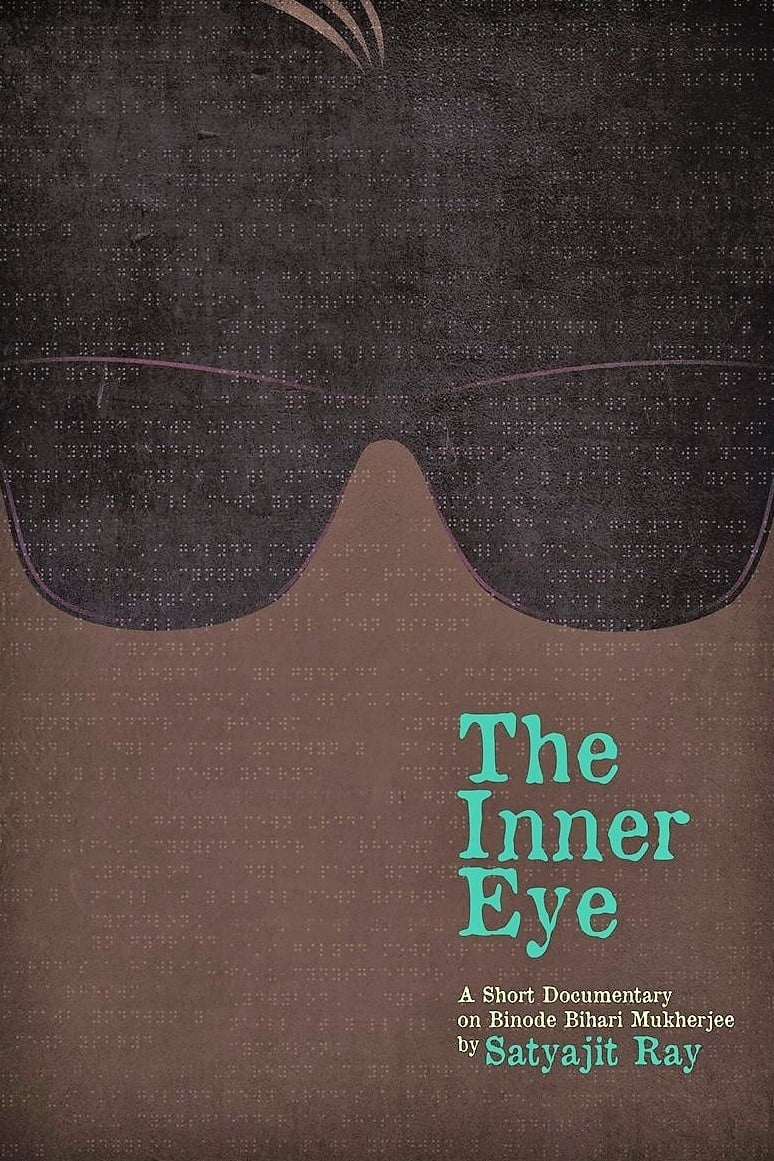
At the age of 54, Binode Bihari Mukherjee, an accomplished painter, lost his sight following an unsuccessful cataract operation. He continued to create art despite his loss of sight. The documentary explores Binode Bihari’s inner eye that guides his fingers to create art.
Somi is pregnant with her second child. A girl, she hopes. Together with her husband she prepares for this new phase of their parenthood. It means that their son has to go to school, but as an ex-Naxalite that is tough to achieve in contemporary India, where people like them are third-rate citizens. They lack the certificates and an opaque bureaucratic process doesn't help. Directors Isabella Rinaldi, Cristina Hanes and Arya Rothe of the NoCut Film Collective concentrate on Somi's close family ties, painting a portrait of ex-Naxalites in India. Once, Somi and her husband were communist rebels fighting for the rights of Indian tribes. However, to safeguard their family's welfare, they surrendered to the government in exchange for marginal compensation and simple accommodation.
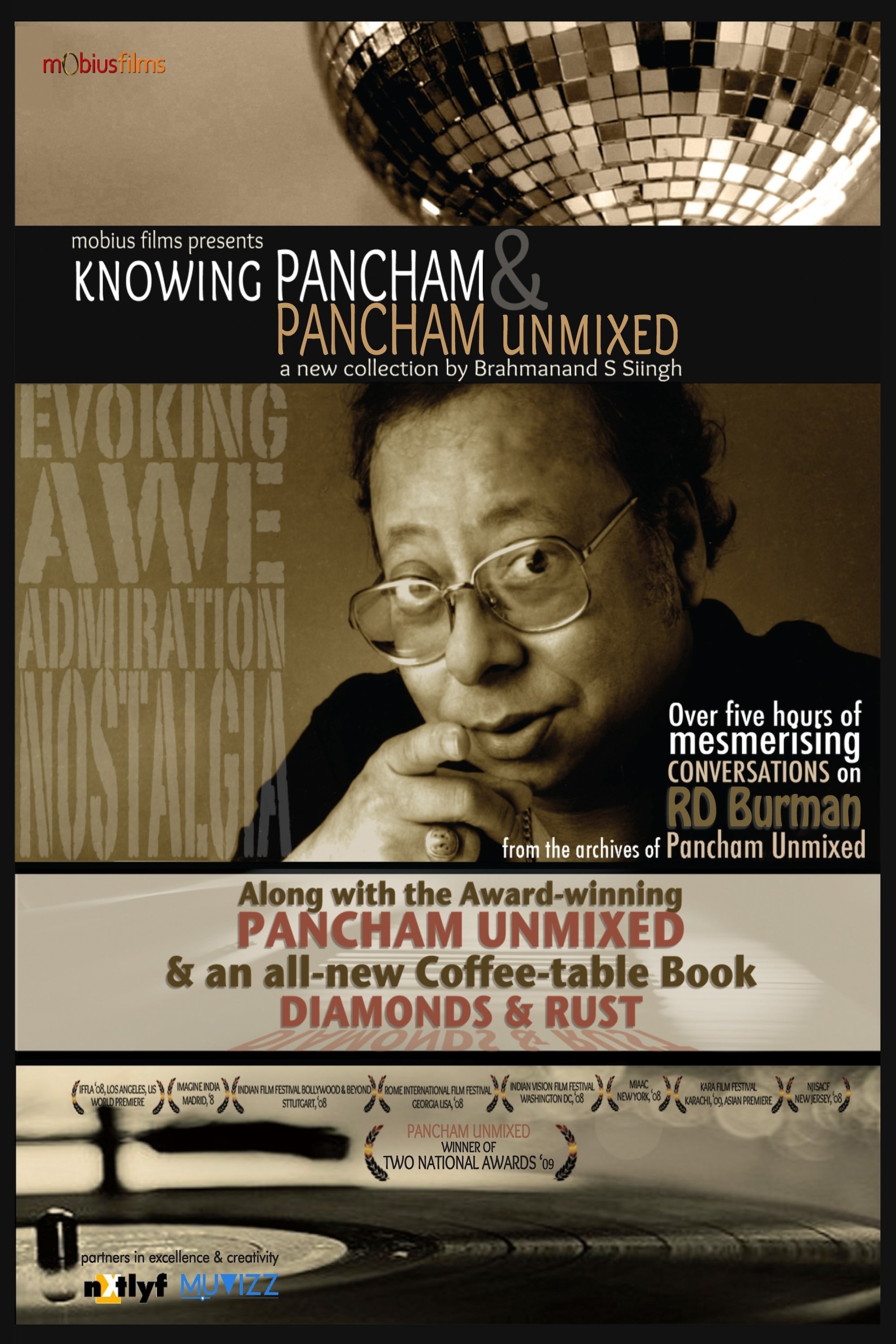
Winner of 2 National Awards, Pancham Unmixed: Mujhe Chalte Jaana Hai, takes an incisive look into the legendary composer, RD Burman's reflective artistry and buoyant-but-also-lonely inner being. Featuring a host of close friends, colleagues and admirers, the film evokes awe, admiration and nostalgia the way most of his music does, till date.
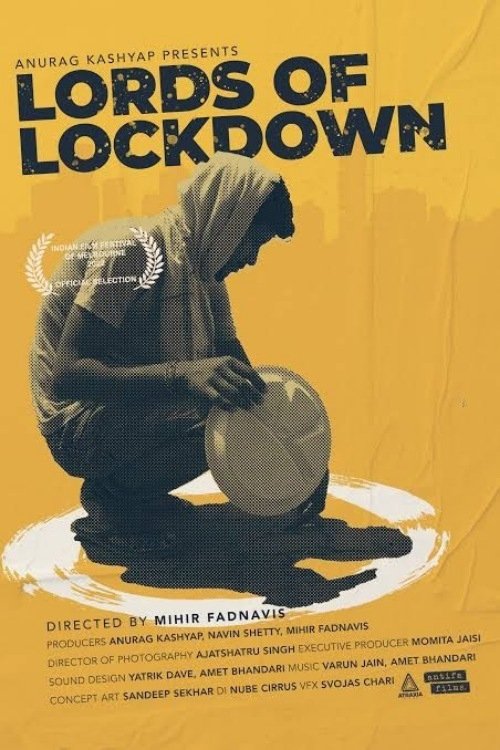
Anxious, out of work and without access to transport during the nationwide COVID-19 lockdown in 2020, migrant labourers in India’s metropolises decided to walk back home to their villages en masse. As news channels beamed heart-rending silhouettes of millions of men, women and children marching along national highways with their meagre belongings, it became plain that the lockdown had already drafted one of the most traumatic chapters in the nation's modern history.
'Mod' is an attempt by the filmmaker at communicating with the young men who hang out at the ‘notorious’ water tank in her neighbourhood in Pratap Vihar, Ghaziabad. The water tank is a space that is frequented by the so-called ‘no-gooders’ of the locality, a place where they play cricket, play cards, drink and smoke up. When she enters the space with her camera, the boys are curious and at the same time wary of it and her. They sometimes resist, sometimes protest, and at times, open up. As the film unfolds we get a hint of the lives the boys lead and the fragile world they create for themselves at the water tank.
Though times have changed, Ram still uses old ways of farming due to a drought in the village. His brother, Bala, goes to Bombay to earn his living. Mahadev, a Zamindar in the village, eyes Usha, the lover of Bala. Due to the drought, the crops fail in the village, and Shikh Sahib, a social worker, comes to help the farmers, and shows them new ways of farming. Ramu goes to Bombay to take a loan for cooperative farming and asks Bala to turn back to the village, but he refuses. [The film is a socio-economic study of post-independence India, blending documentary elements with narrative storytelling. The film is often described as a "simple story woven into the documentary design" and features actors like Prithviraj Kapoor and Dev Anand.]
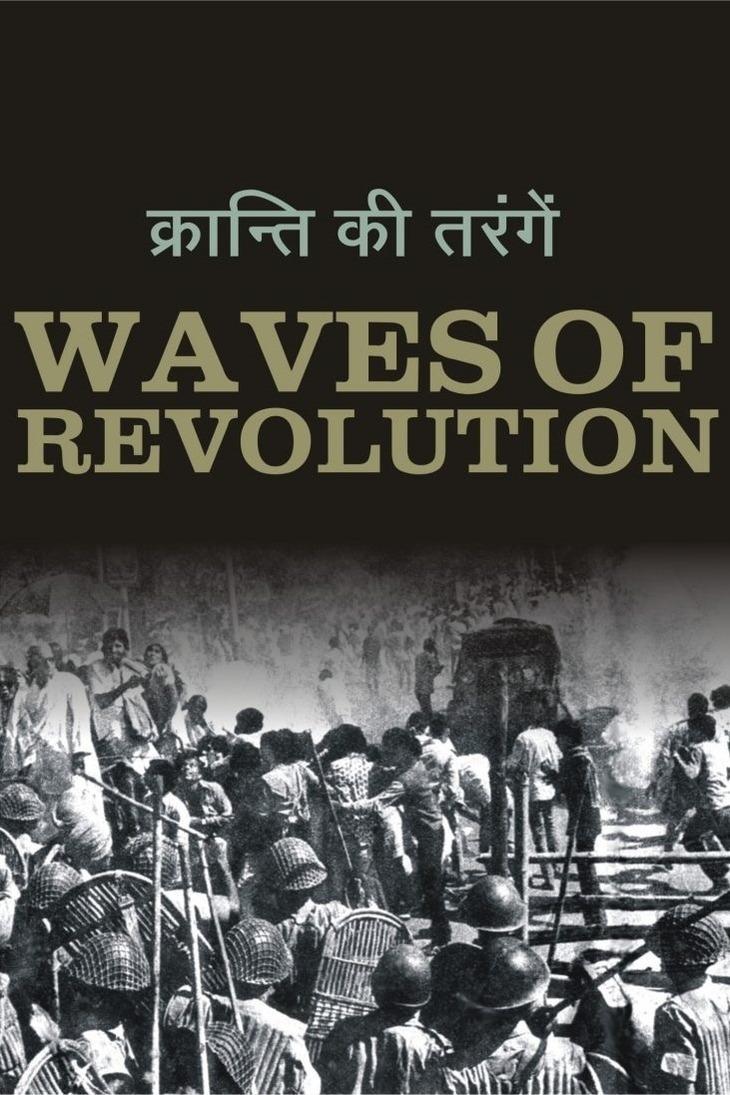
Film made during the repressive days of the Emergency in India documents the 1974-75 uprising of the people of Bihar in Eastern India.
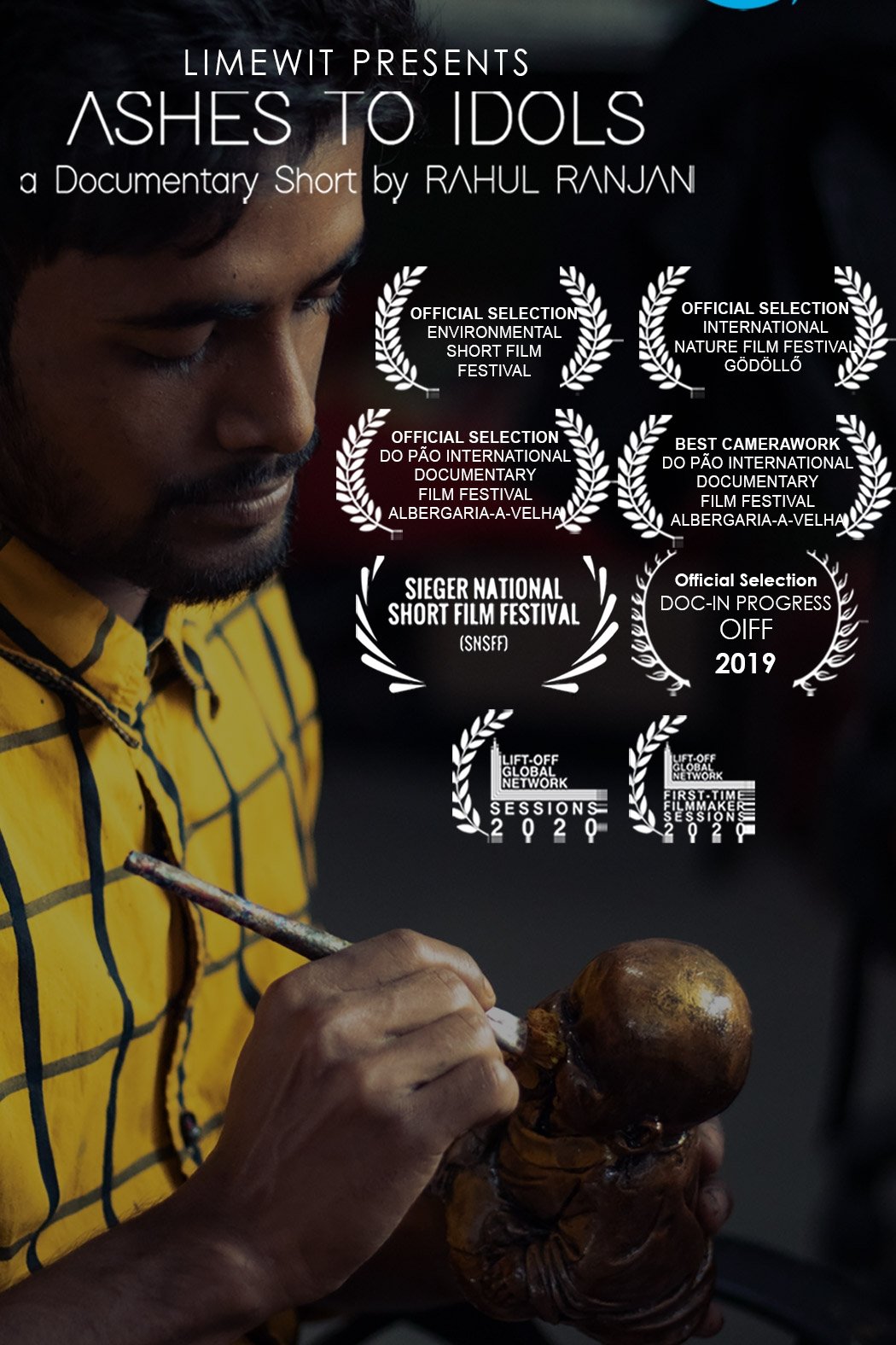
The journey from ashes to idols through the eyes of a teenager who has created many jobs in the process The documentary shows how a teenager decided to get rid of temple's waste by making idols from them and how few jail inmates became his helper in the process.
From the vast coastlines of Tamil Nadu, to the arid lands of Rajasthan and the lush greenery of Sikkim, the camera joins local children on the journeys of their daily lives: to and from school, in their classes and after-school play, and doing chores. The children are shy but face the camera directly to talk about their families, their teachers, and their own feelings. Their gazes imply straightforward doubts about the adult world, which the director captures, in taking a sincere look at the meaning of education.
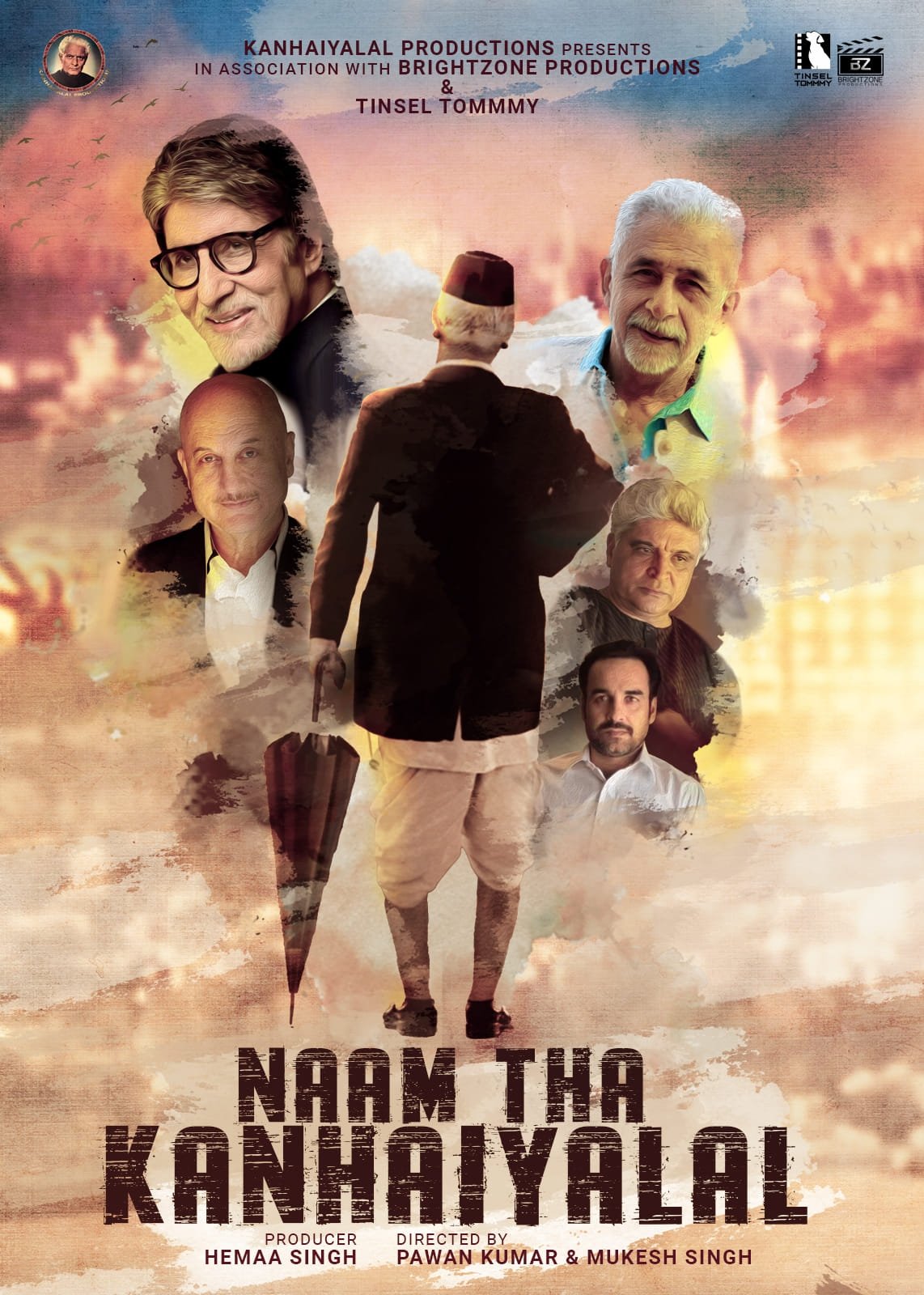
A very spellbinding story about the reel and real life of great old thespian Kanhaiyalal and his bygone era when Indian Cinema was at a nascent stage. The story tells about his inspiring journey from a confused, gullible youth to a mesmerizingly spontaneous actor. It also unfurls the turbulent phases of Kanhaiyalal's life where there is excessive alcoholism and the mysterious death of his son.
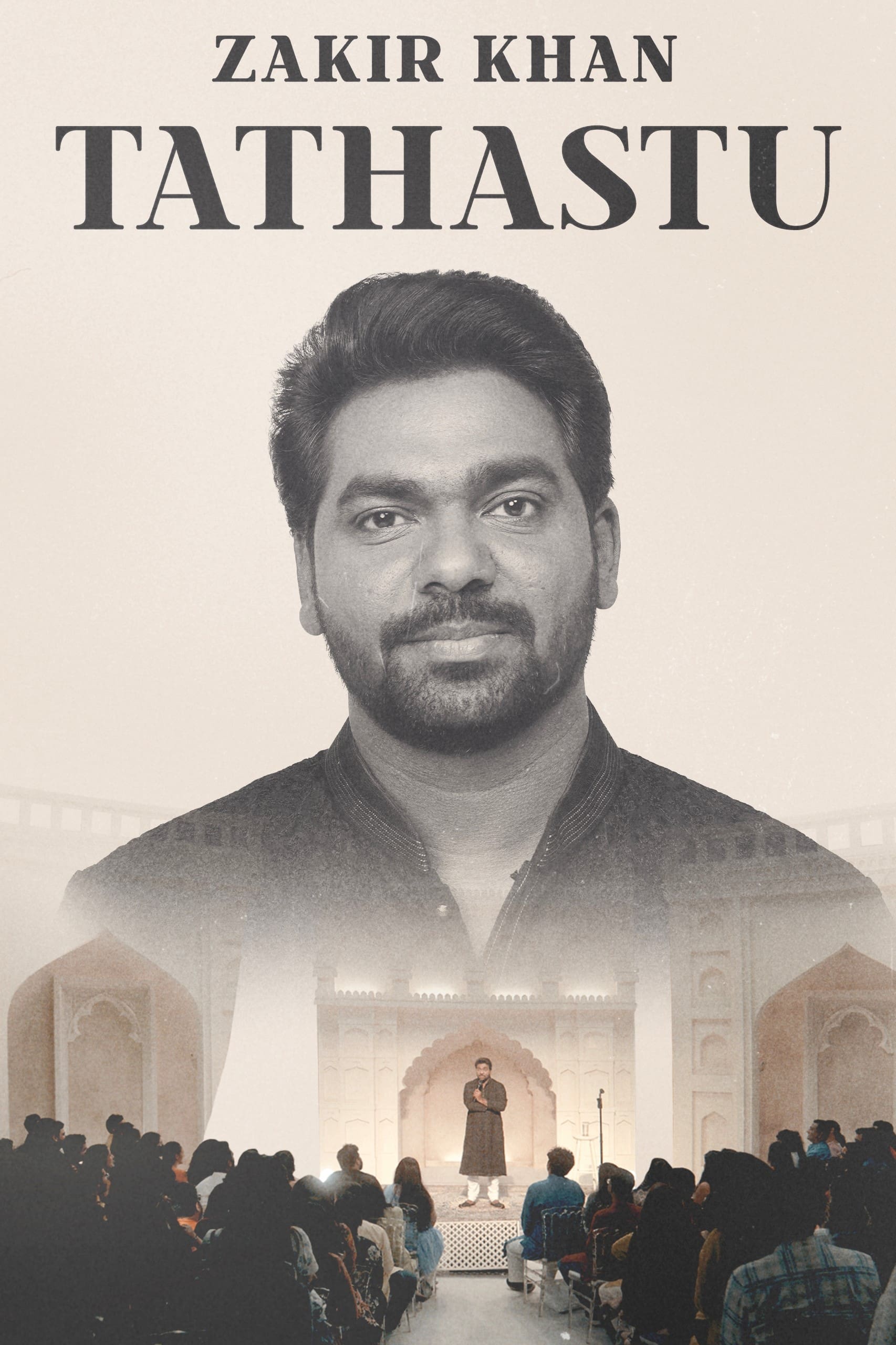
Tathastu starts off with a recap of moments from Zakir's life. Starting from his early school days, the performance is a ride where the audience gets a peek at the family he was born in, the characters he grew closest to and his young years bloated with aspirations of becoming an RJ. He goes onto share a few personal learnings on stage as he tries to make sense of his journey thus far.
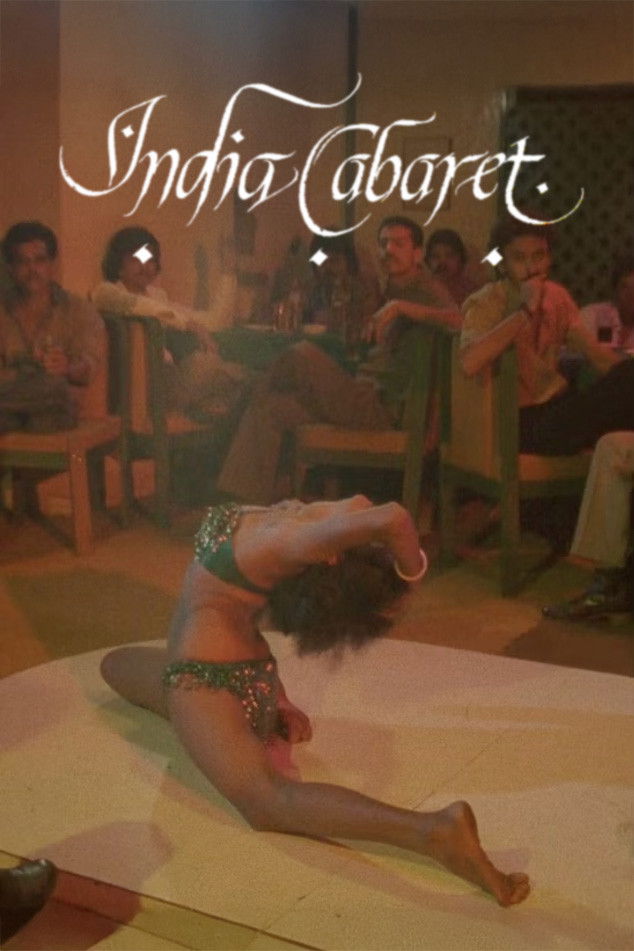
An exploration of the 'respectable' and 'immoral' stereotypes of women in Indian society told from the point of view of two striptease dancers in a Bombay cabaret.
This documentary uncovers the dark events of 2024, when, for the first time in India’s history, a sitting Chief Minister and an entire political leadership were jailed without evidence.
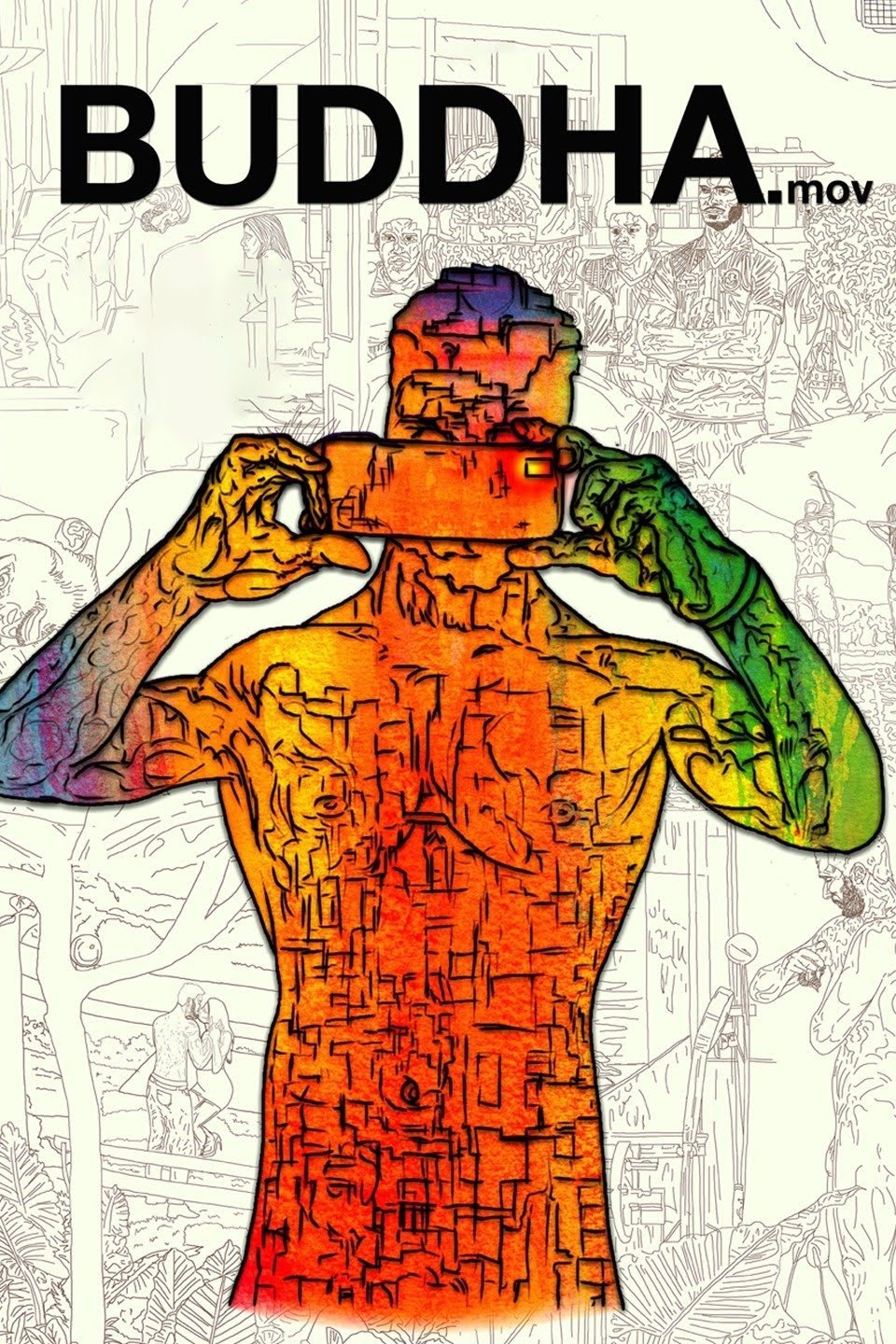
Lured by the chance of being the protagonist of a documentary film, Buddha Dev, a 27 year old flamboyant cricketer from Goa, starts authorising unrestricted access into the most private parts of his life.
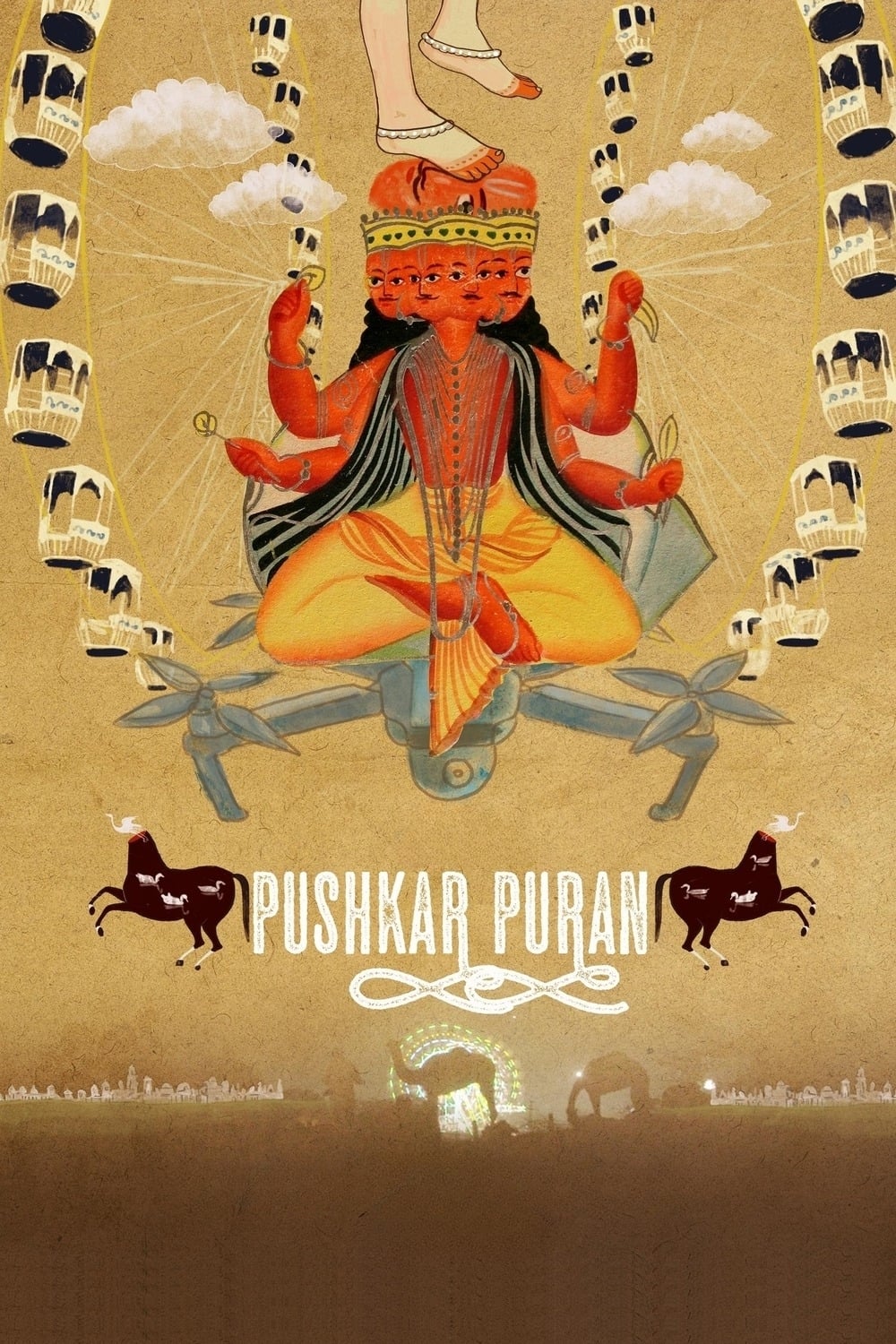
An attempt to engage with the historical, mythical and the contemporary worlds of the city of Pushkar
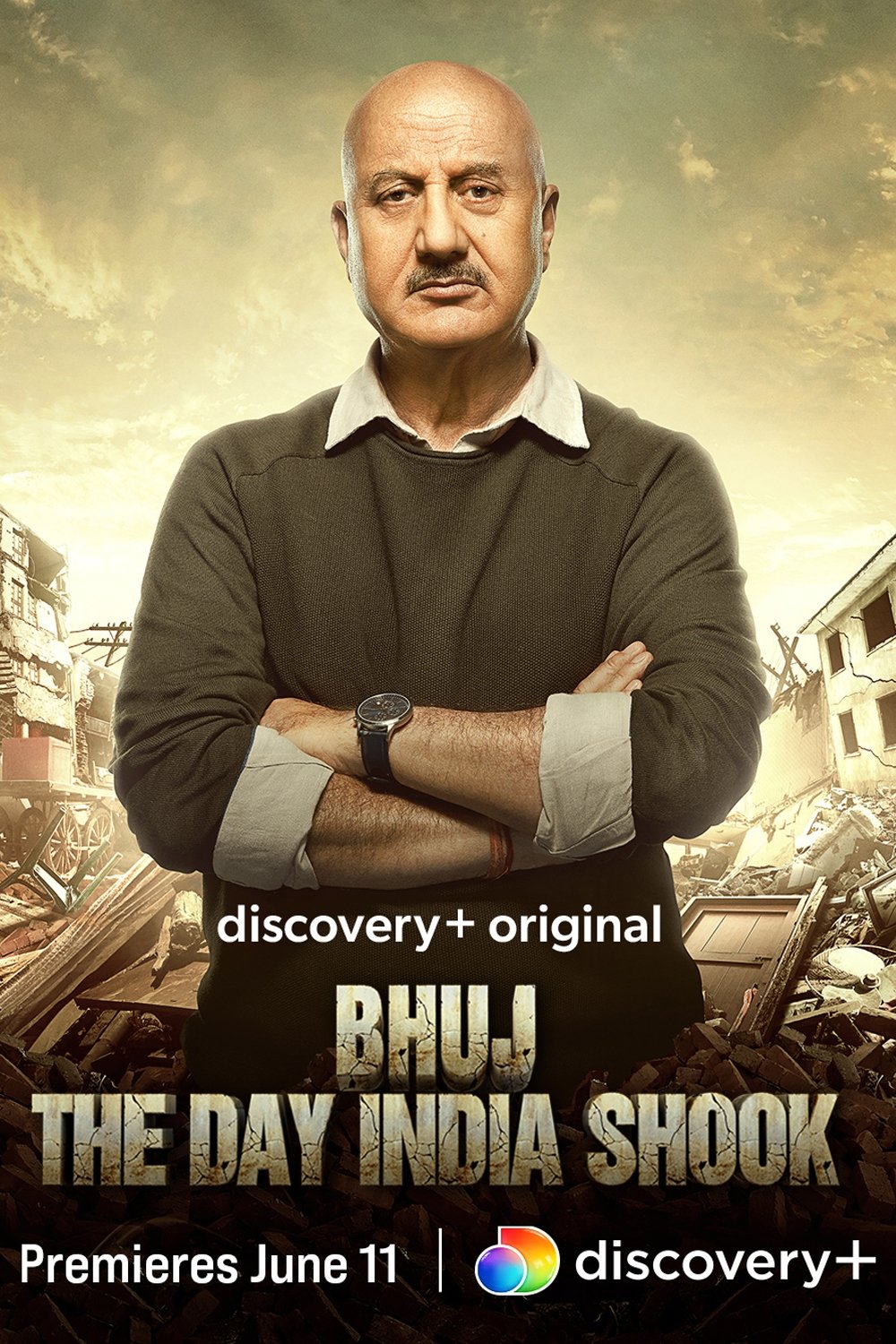
The documentary talks about of the devastating earthquake of 2001 and captures first-person accounts of survivors, rescuers, journalists, photographers, and earth scientists.
Alexander McQueen's rags-to-riches story is a modern-day fairy tale, laced with the gothic. Mirroring the savage beauty, boldness and vivacity of his design, this documentary is an intimate revelation of McQueen's own world, both tortured and inspired, which celebrates a radical and mesmerizing genius of profound influence.
In an intimate and joyful story of love in the face of loss, celebrated poets Andrea Gibson and Megan Falley find strength—and unexpected hilarity—in what might be their final year together.
A string of threatening emails escalates into a revenge plot involving a newly married US marshal and his ex-girlfriend.
An inside look at one of the most anticipated movie sequels ever with James Cameron and cast.
Daniel Craig candidly reflects on his 15 year adventure as James Bond. Including never-before-seen archival footage from Casino Royale to the upcoming 25th film No Time To Die, Craig shares his personal memories in conversation with 007 producers, Michael G Wilson and Barbara Broccoli.
Bruce Conner’s most celebrated film for a reason: it takes historical moments that were replayed over and over on television—chilling repetition of Kennedy assassination coverage—and repurposes them into a meditation on how the media tries to exert authority and apply a sense of order to the anarchic. And though it may sound perverse to say so, the film is also—not incidentally—a thrill to watch. -- The A.V. Club
A documentary about how a dominant cultural and demographic institution both sustains their traditional activities and adapts to the digital revolution.
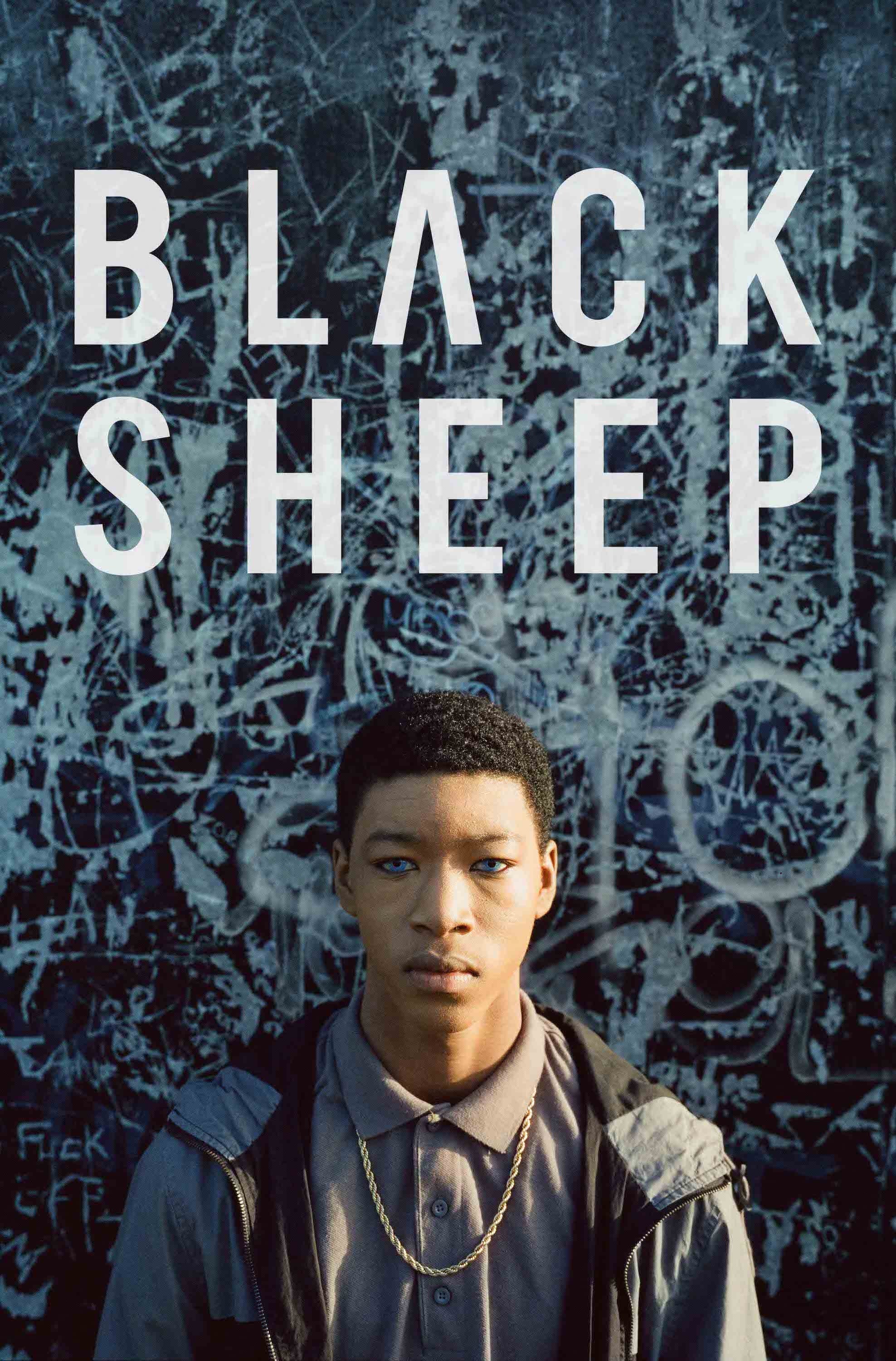
After the high-profile killing of Damilola Taylor, Cornelius' family move out of London. But when they discover their new town is run by racists, Cornelius takes a drastic step to survive.
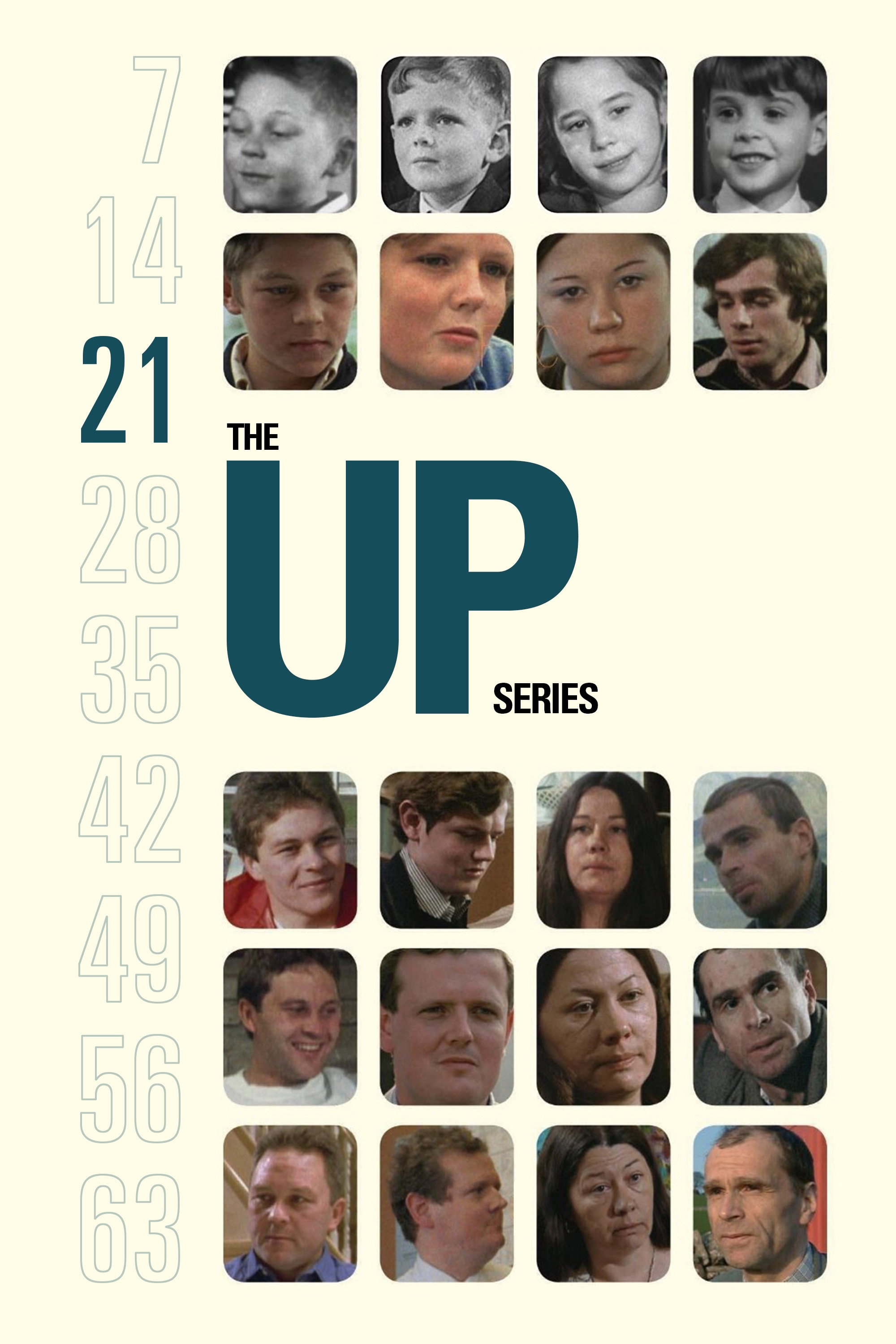
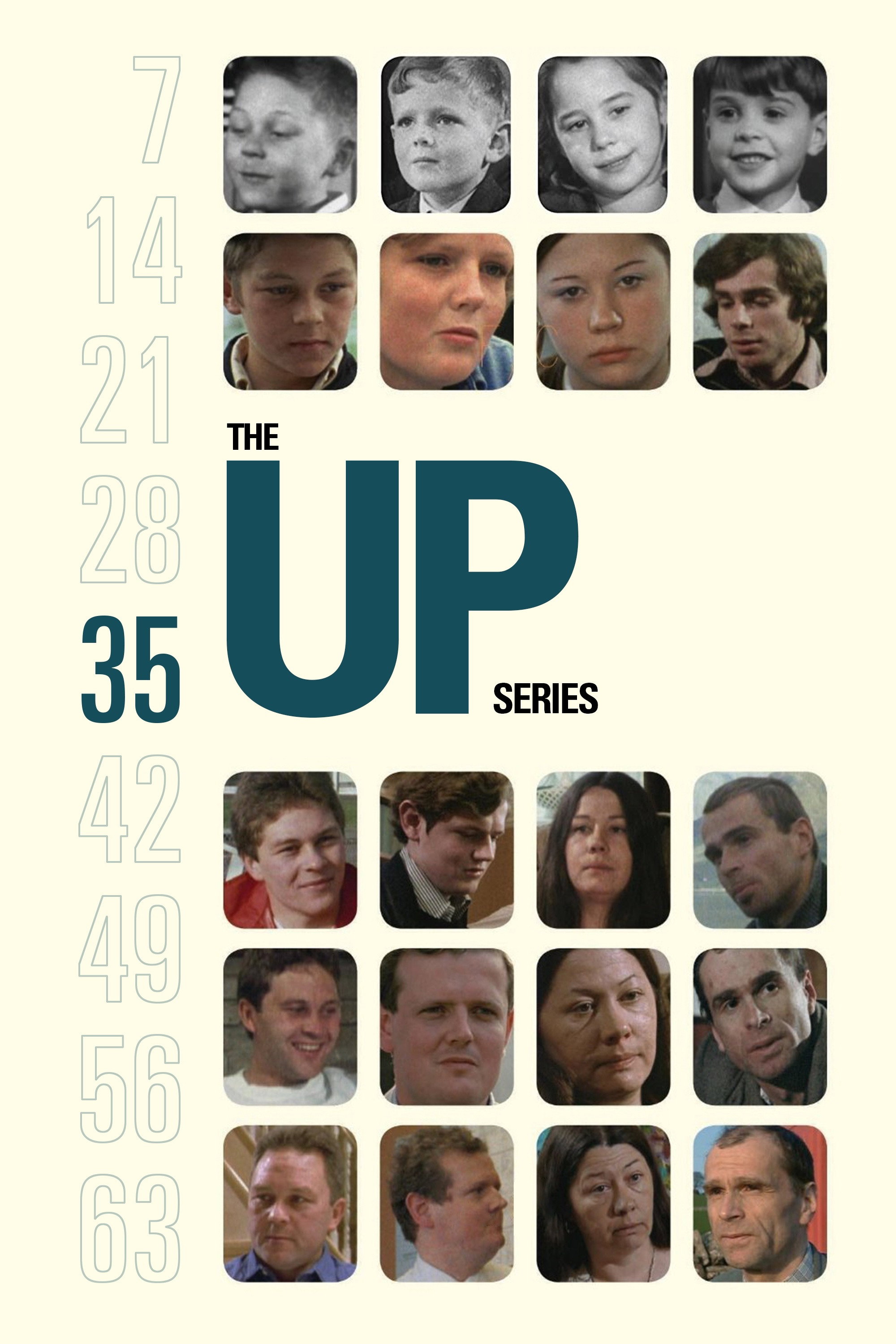
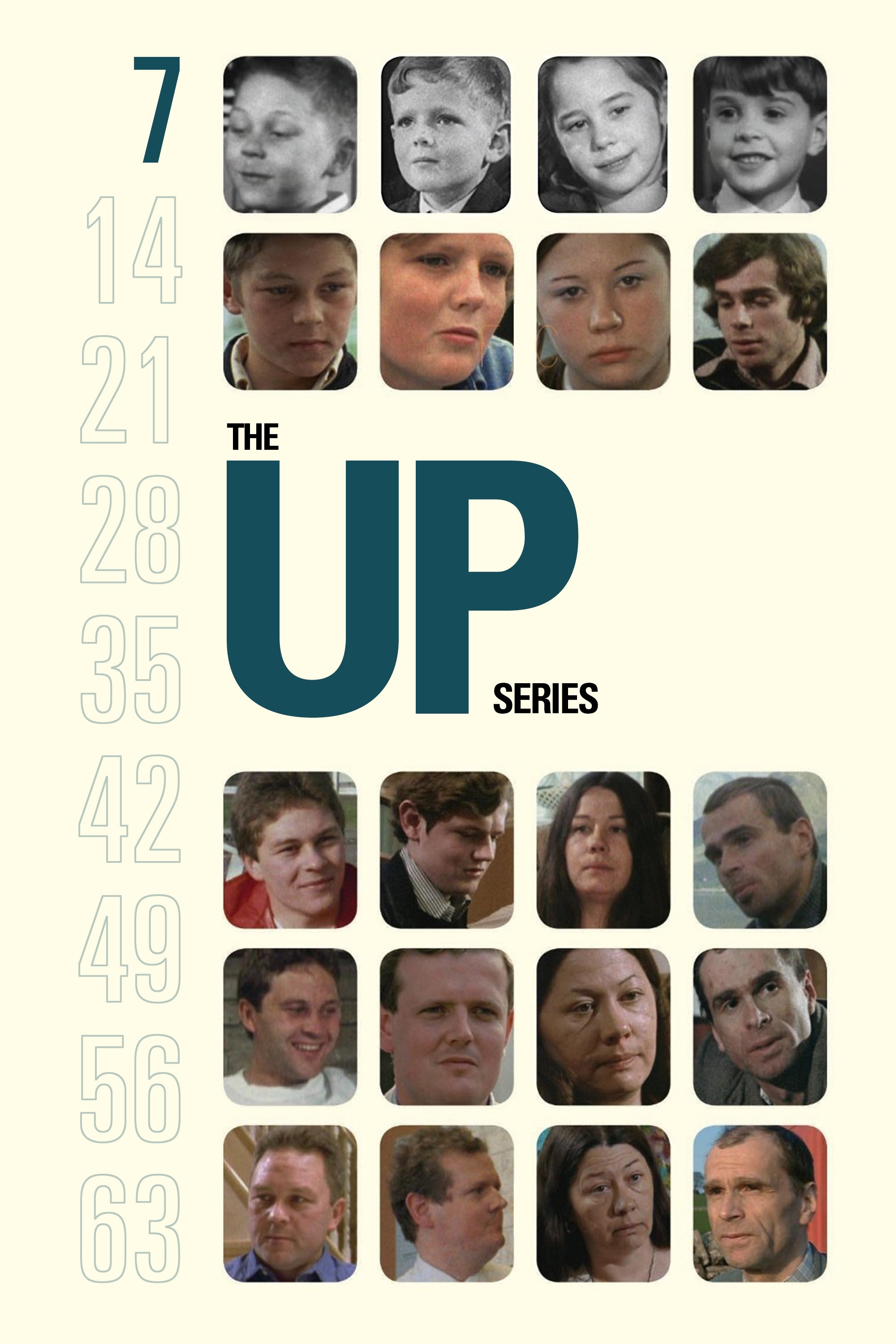
After another 7 year wait, director Michael Apted revisits the same group of British-born children from Seven Up! and 7 Plus Seven. The subjects are interviewed as to the changes that have occurred in their lives during the last seven years.
A look at the origins, history and conspiracies behind the "Majestic 12", a clandestine group of military and corporate figureheads charged with reverse-engineering extraterrestrial technology.
The film follows adventurer Jeff Johnson as he retraces the epic 1968 journey of his heroes Yvon Chouinard and Doug Tompkins to Patagonia.
An atmospheric essay, which is an alternative version of Count Dracula, a film directed by Jess Franco in 1970; a ghostly narration between fiction and reality.
Over 35 years after Bob Lazar's revelations, this documentary exposes secrets of a facility the government still denies. Featuring Lazar's testimony, recreations, and new evidence, it reopens a case that continues to spark global curiosity
Director Michael Apted revisits the same group of British-born adults after a 7 year wait. The subjects are interviewed as to the changes that have occurred in their lives during the last seven years.
This revealing documentary honors the legendary Sidney Poitier—iconic actor, filmmaker, and civil rights activist. Featuring interviews with Denzel Washington, Spike Lee, Halle Berry, and more.
In a crime-plagued neighborhood near Miami, brutal, bare-knuckled backyard fights give young men a chance to earn money -- and self-respect.
Ranjit, a farmer in India, takes on the fight of his life when he demands justice for his 13-year-old daughter, the victim of a brutal gang rape. His decision to support his daughter is virtually unheard of, and his journey unprecedented.
A group of British children aged 7 from widely ranging backgrounds are interviewed about a range of subjects. The filmmakers plan to re-interview them at 7 year intervals to track how their lives and attitudes change as they age.
A documentary about the life and films of director John Ford.
SEDUCED AND ABANDONED combines acting legend Alec Baldwin with director James Toback as they lead us on a troublesome and often hilarious journey of raising financing for their next feature film. Moving from director to financier to star actor, the two players provide us with a unique look behind the curtain at the world's biggest and most glamourous film festival, shining a light on the bitter-sweet relationship filmmakers have with Cannes and the film business. Featuring insights from directors Martin Scorsese, 'Bernando Bertolucci' and Roman Polanski; actors Ryan Gosling and Jessica Chastain and a host of film distribution luminaries.