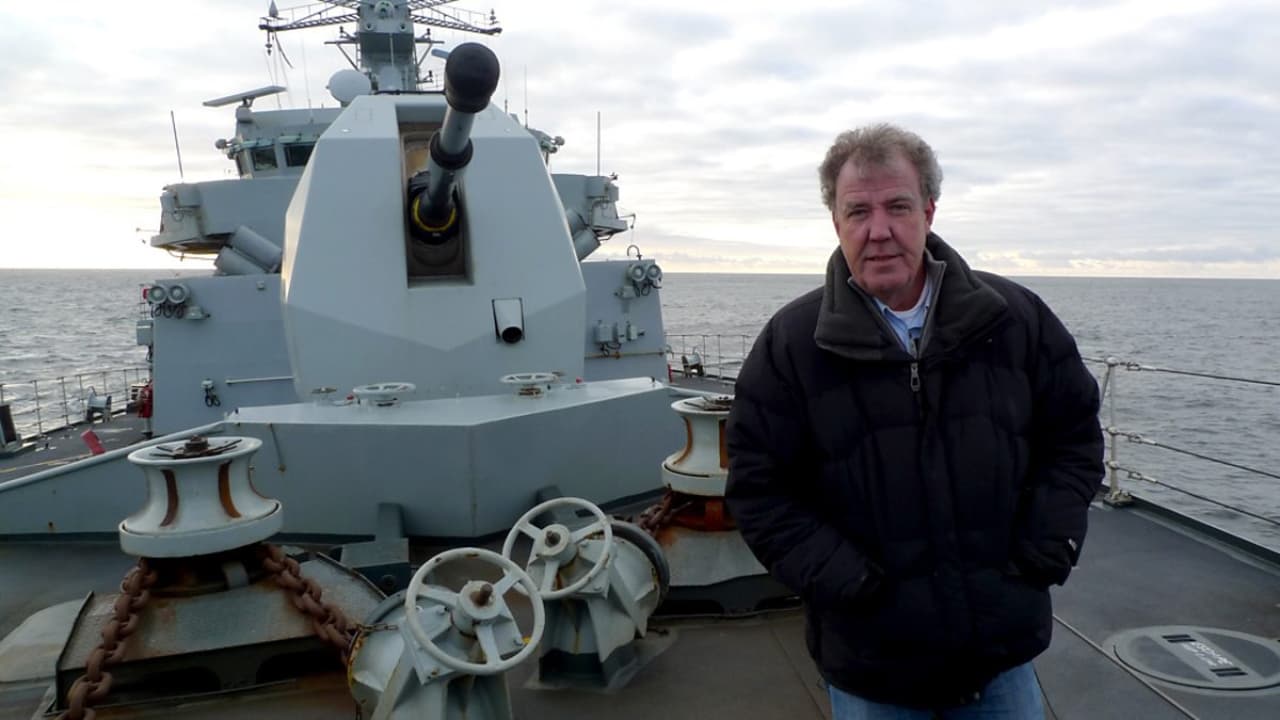
Jeremy Clarkson tells the dramatic story of the Arctic convoys of the Second World War, from Russia to the freezing Arctic Ocean.
Social & External
The people behind it
Jeremy Clarkson
Presenter
Bernard Middleton
Himself - US Navy
Ron Batley
Himself - Merchant Navy
William O'Brien
Admiral Sir William O'Brien Royal Navy
Ronald Crees
Needham Forth
Jim Cairns
Himself - Royal Navy
One of the most controversial conflicts in U.S. history, the Mexican-American War erupted as President James K. Polk sought to extend the borders of the nation to the Pacific, taking by force whatever territory stood in the way. This special, produced by The History Channel and hosted by Oscar de la Hoya, looks at the war from the perspective of both countries, and chronicles the fighting from its inception to its conclusion with the Treaty of Guadalupe Hidalgo.
In the final days of the war, Duyên faces a daily struggle to take care of her young son and ailing father-in-law, all the while hiding from them the fact that her husband has recently been killed in battle.
In this chilling and groundbreaking documentary, former Indonesian death squad leaders reenact their real-life mass killings in the style of various film genres. As they recreate their past atrocities, the line between reality and performance blurs, exposing the lingering impact of Indonesia's 1965-66 anti-communist purge and the unsettling psychology of its perpetrators.
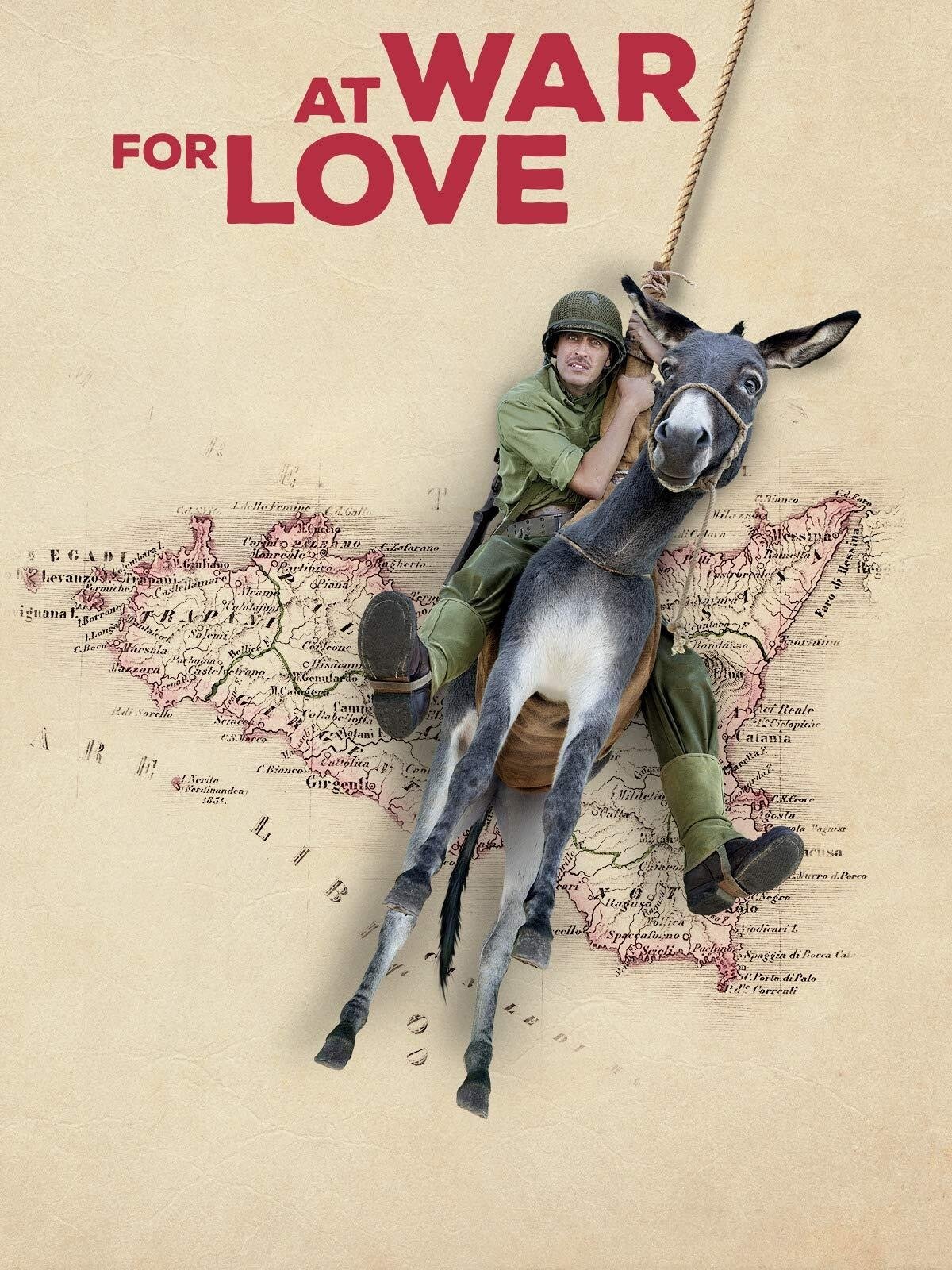
It's 1943 and World War II is raging in Europe. In New York, Arturo and Flora the daughter of a restaurant owner are in love, but she is promised in marriage to the son of a Mafia boss. There is a way around this, but to be able to marry Flora, Arturo needs to get permission from her father, who lives in a village in Sicily. Arturo doesn't have any money, so the only way he can get to Sicily is to enlist in the U.S. Army, which is preparing for a landing on the island.
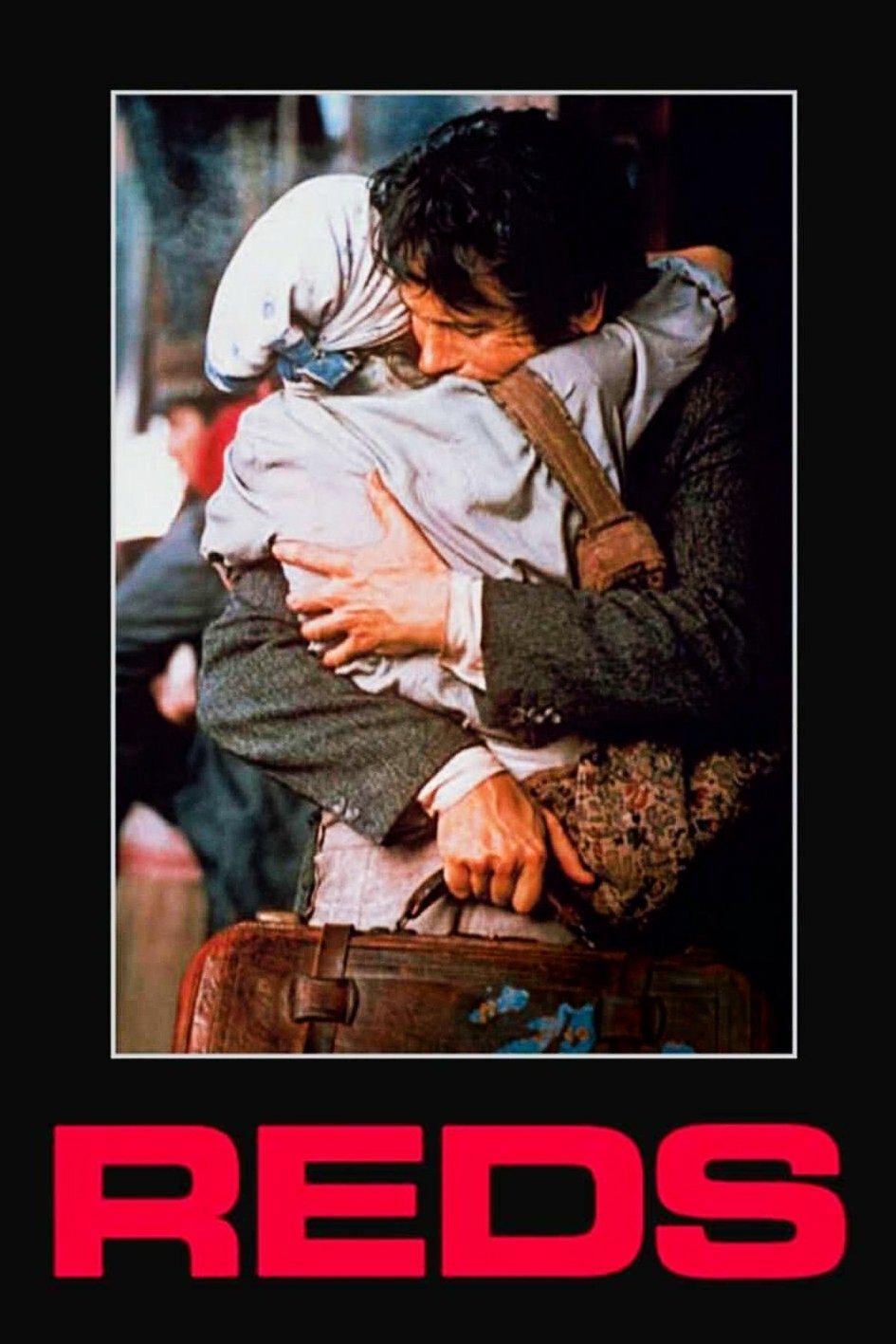
An account of the revolutionary years of the legendary American journalist John Reed, who shared his adventurous professional life with his radical commitment to the socialist revolution in Russia, his dream of spreading its principles among the members of the American working class, and his troubled romantic relationship with the writer Louise Bryant.
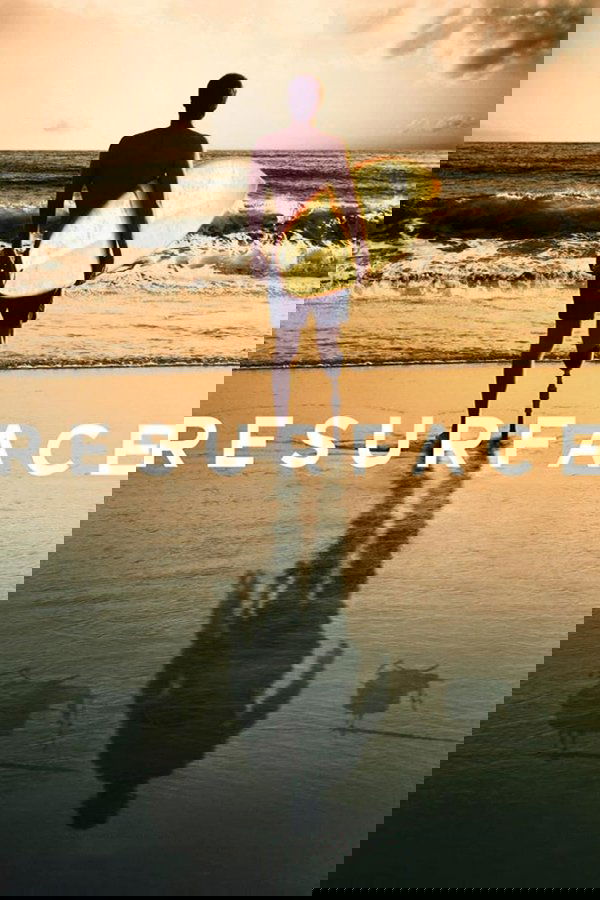
A suicidal war veteran finds like-minded souls in a surf therapy program that helps traumatized soldiers heal while riding the waves.
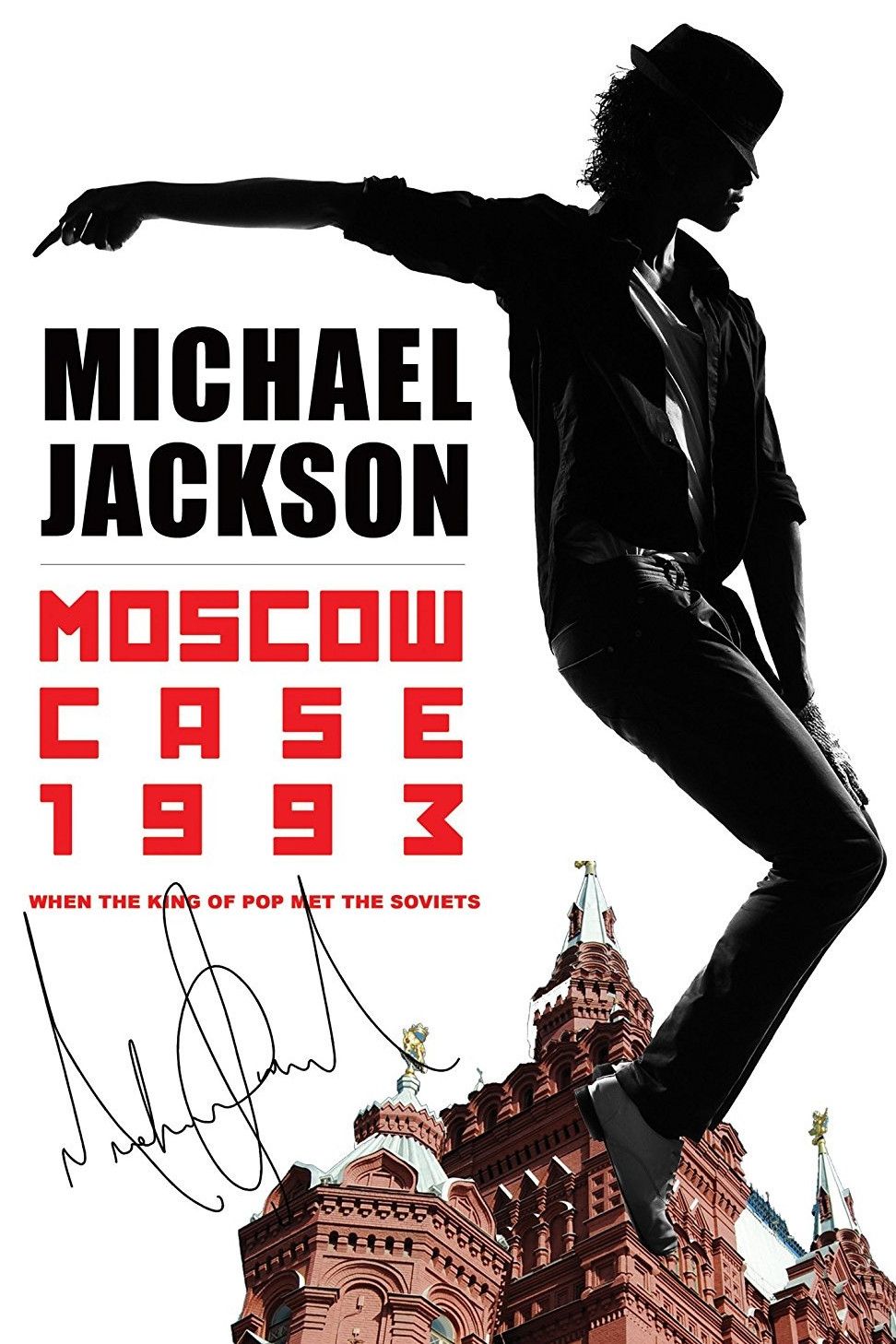
The Moscow Case is a 52 minute documentary with never-before-seen footage of Michael Jackson in Moscow during the "Dangerous" tour. This film tells the behind the scenes story of Jackson's ill fated concert in September 1993. It includes unique archival footage showing Michael close up and personal while meeting fans and playing with orphan children.
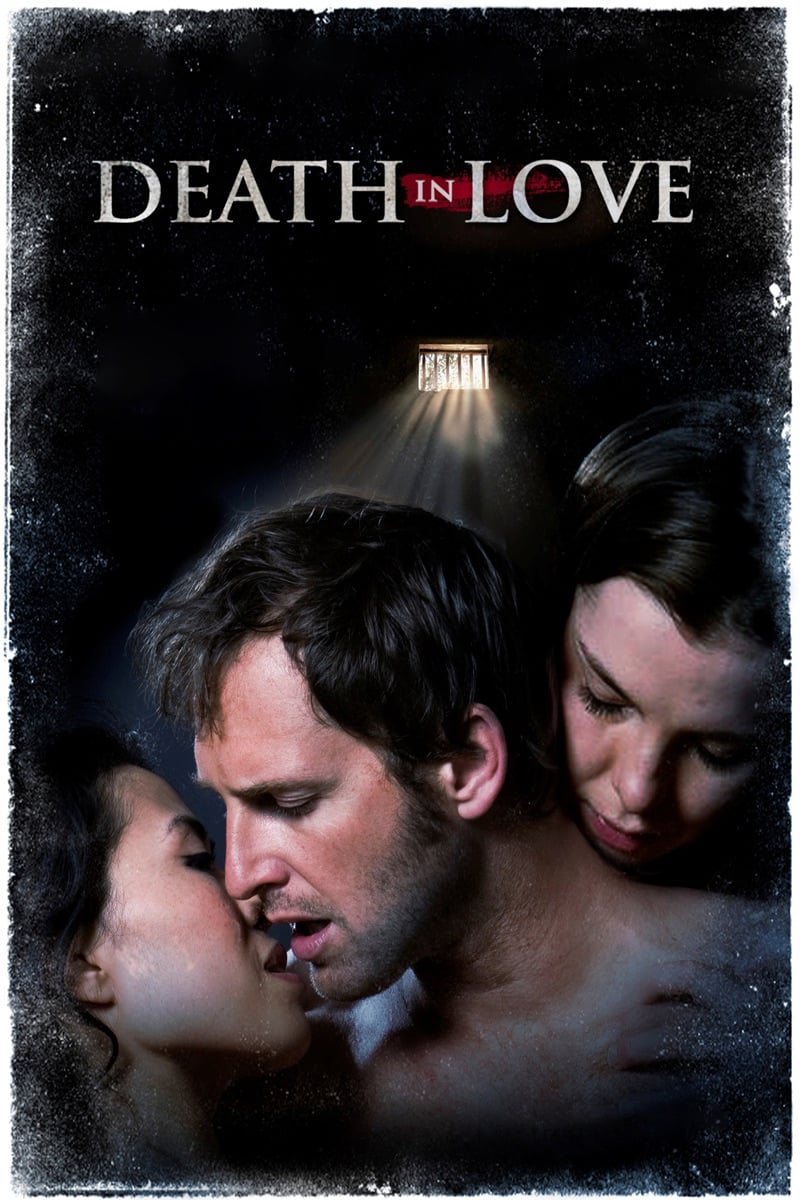
Death in Love is a psychosexual-thriller about a love affair between a Jewish woman and a doctor overseeing human experimentation at a Nazi German concentration camp, and the impact this has on her sons' lives in the 1990s.
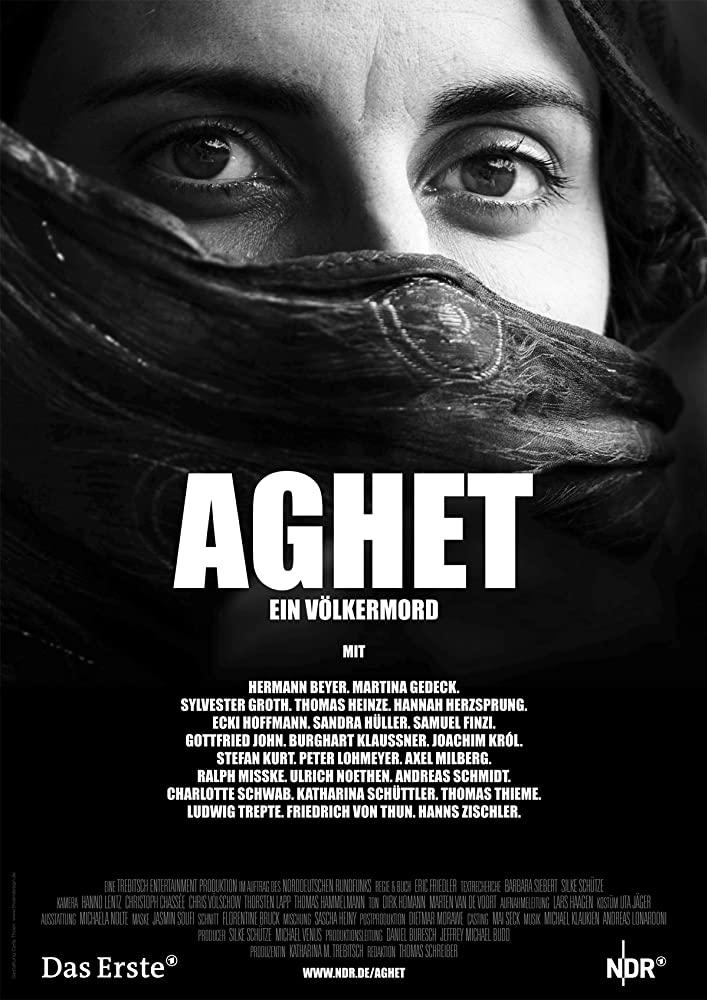
2010 documentary film on the Armenian Genocide by the Young Turk government of the Ottoman Empire during World War I. It is based on eyewitness reports by European and American personnel stationed in the Near East at the time, Armenian survivors and other contemporary witnesses which are recited by modern German actors.
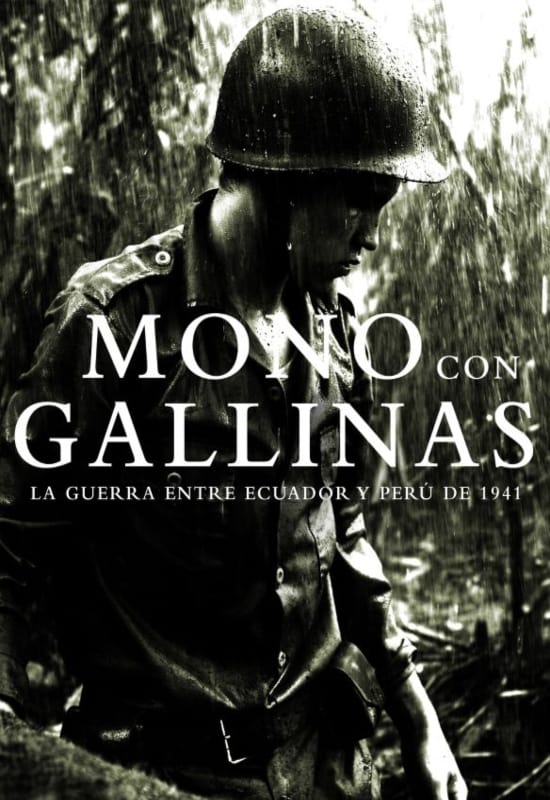
Jorge, a young Ecuadorian, is unexpectedly in the middle of the jungle as an inexperienced soldier. At first, Jorge is confident that military experience makes you a recognized and respected man. But he finds out that the reality is very different; as the private may face neglect, hunger, death and nature, especially human nature. Captive in an enemy camp, Jorge must discover who he has become as he recovers from his injuries and struggles to escape with his fellow prisoner Hugo or stay there under the care of the Peruvian nurse Dolores. Difficult decisions ... beyond the target and border that divides them are abound.
The film Crustaceans treats itself like an impressionist picture or a Japanese Haiku. Crustaceans is a matter of reflection on an instance in life with the social-economical crisis as a landscape. The heartbreak in times of crisis. The film was filmed as demonstrations in the streets against crisis and social welfare cuts took place. For two years, it filmed street demonstrations and incorporated actors in the social landscape. The result, is a film in which the collective and the intimate come together. Both the characters and the people in the street, like identical crustaceans, take to the street to express their shame and rage for what is happening and try to find a solution. A time of anxiety, uncertainty and protest that conforms the landscape in which the characters, such as crustaceans hide their wounds under their hard shell is seen.
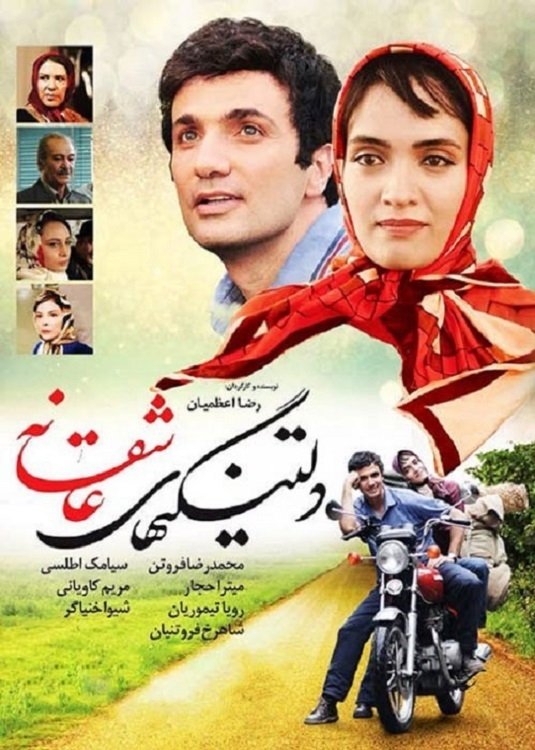
During a demonstration, with the assistance of a man named Manouchehr, Fereshteh succeeds to get rid of the security forces. After victory of the revolution, they accidentally meet each other and consequently get married despite disagreement of Fereshteh’s family. Coming back from the honeymoon, they are encountered with a new situation altering all the peoples’ lives. The men should go to the war front for defending their country after the invasion of Iraqi Army to Iran.
The Indonesian archipelago in the Indo-Pacific Ocean comprises thousands of islands, atolls and the largest concentration of coral reefs in the world. This rich and varied environment is a product of a unique set of natural circumstances. The equatorial sun powers ocean currents among the tiny dots of land. Where the archipelago meets the western tip of New Guinea an intersection of ocean currects creates perhaps the world's richest reefs - in the region of the Rajah Ampat Islands. A coral reef houses a myriad of colors, shapes and patterns: from the bulb tentacle anemone which protects, and in turn is protected by, the brightly coloured clownfish; to the multi-branched gorgonian, home of the tiny pygmy seahorses.
A squadron of Japanese fighter pilots realise that they are never going to win the war when they understand that Japanese military tactics have little regard for life. Seeking the companionship of any woman who will have them, they spend their days indulging in every fantasy in order to escape the overwhelming fear of death looming just over the horizon.
This film deals with the atrocities of war as portrayed by a film student who spends some time working as a medic. One of the duties he performed was to carry amputated limbs to the cremation furnace. This is a film about the collective madness that engulfed Sarajevo. A one-armed boy is troubled because he can't make big, firm snowballs; a man who lost both legs demonstrates walking on his stumps... The film and the director's story help us understand the commotion and tumult that have occurred in the minds of Sarajevans.
An investigation of "disaster capitalism", based on Naomi Klein's proposition that neo-liberal capitalism feeds on natural disasters, war and terror to establish its dominance.
Dark fears over the North Pole. Long sheltered from large-scale industrial exploitation, the Arctic is now at risk of becoming the last El Dorado for major oil companies. This, combined with the melting of ice caused by global warming, poses enormous ecological risks: the impact of an oil spill, for example, would be incomparably more serious in this extreme climate than in any other part of the world.
A historical drama set in Roman Egypt, concerning philosopher Hypatia of Alexandria and her relationship with her slave Davus, who is torn between his love for her and the possibility of gaining his freedom by joining the rising tide of Christianity.
Amid the failing counteroffensive, a journalist follows a Ukrainian platoon on their mission to traverse one mile of heavily fortified forest and liberate a strategic village from Russian occupation. But the farther they advance through their destroyed homeland, the more they realize that this war may never end.
Prelude to War was the first film of Frank Capra's Why We Fight propaganda film series, commissioned by the Pentagon and George C. Marshall. It was made to convince American troops of the necessity of combating the Axis Powers during World War II. This film examines the differences between democratic and fascist states.
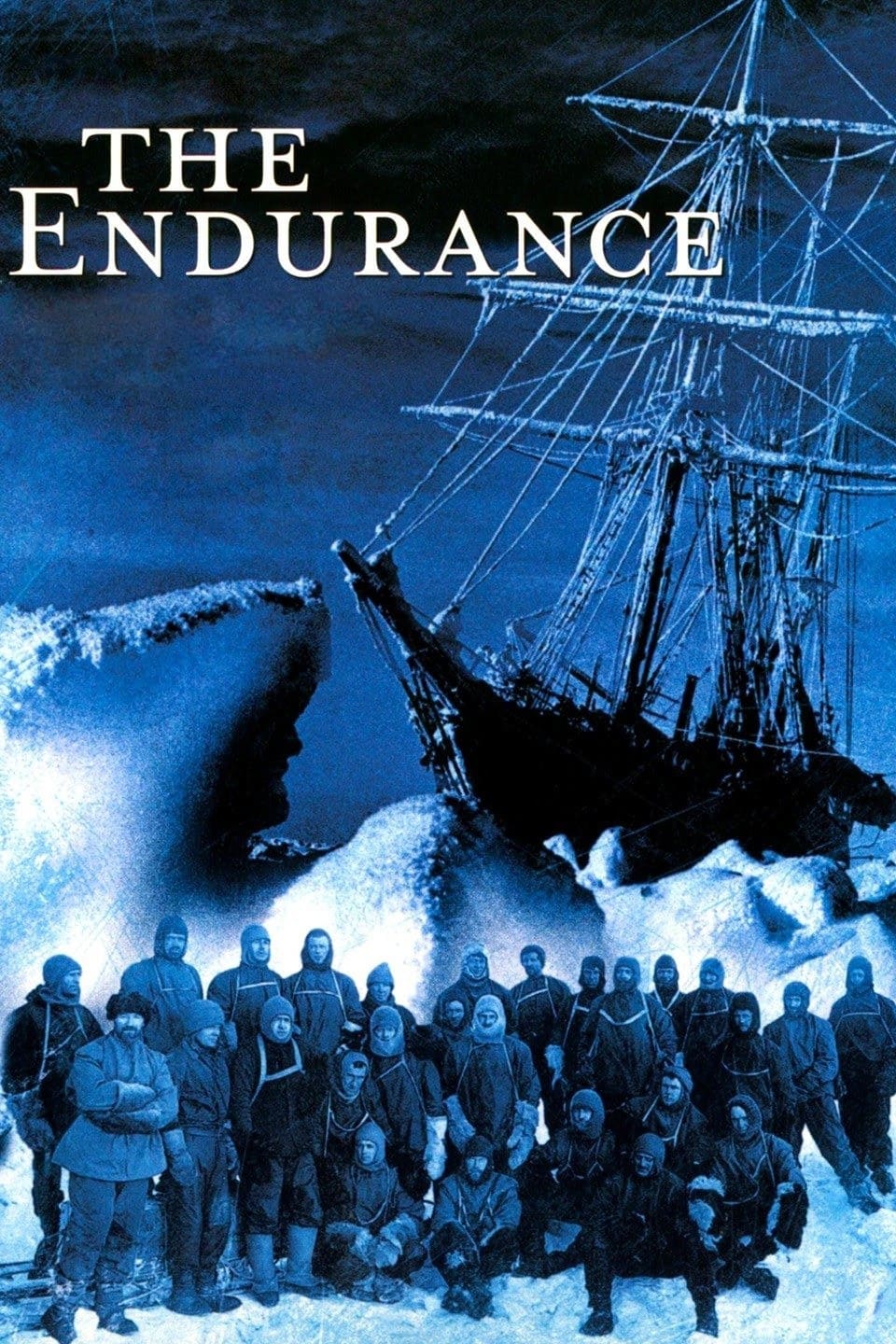
Documentary on the Shackleton Antartic expedition. A retelling of Sir Ernest Shackleton's ill-fated expedition to Antarctica in and the crew of his vessel 'The Endurance', which was trapped in the ice floes and frigid open ocean of the Antarctic in 1914. Shackleton decided, with many of his crew injured and weak from exposure and starvation, to take a team of his fittest men and attempt to find help. Setting out in appalling conditions with hopelessly inadequate equipment, they endured all weather and terrain and finally reached safety. Persuading a local team of his confidence that the abandoned team would still be alive, he set out again to find them. After almost 2 years trapped on the ice, all members of the crew were finally rescued.
Oliver Stone charts the history of the United States from the Second World War to the present.
The history of cinematic sound, told by legendary sound designers and visionary filmmakers.
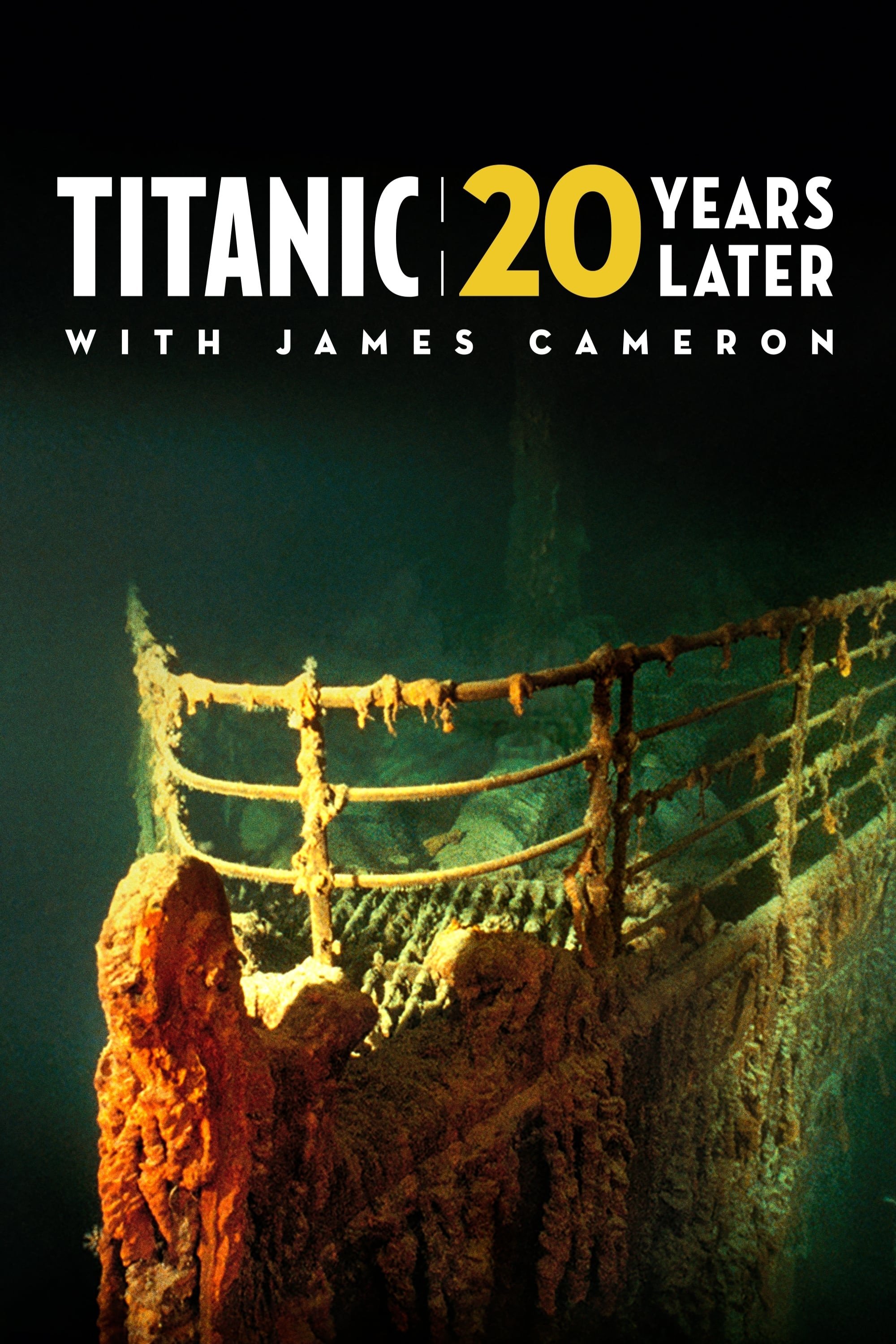
For the 20th anniversary of "Titanic," James Cameron reopens the file on the disaster.
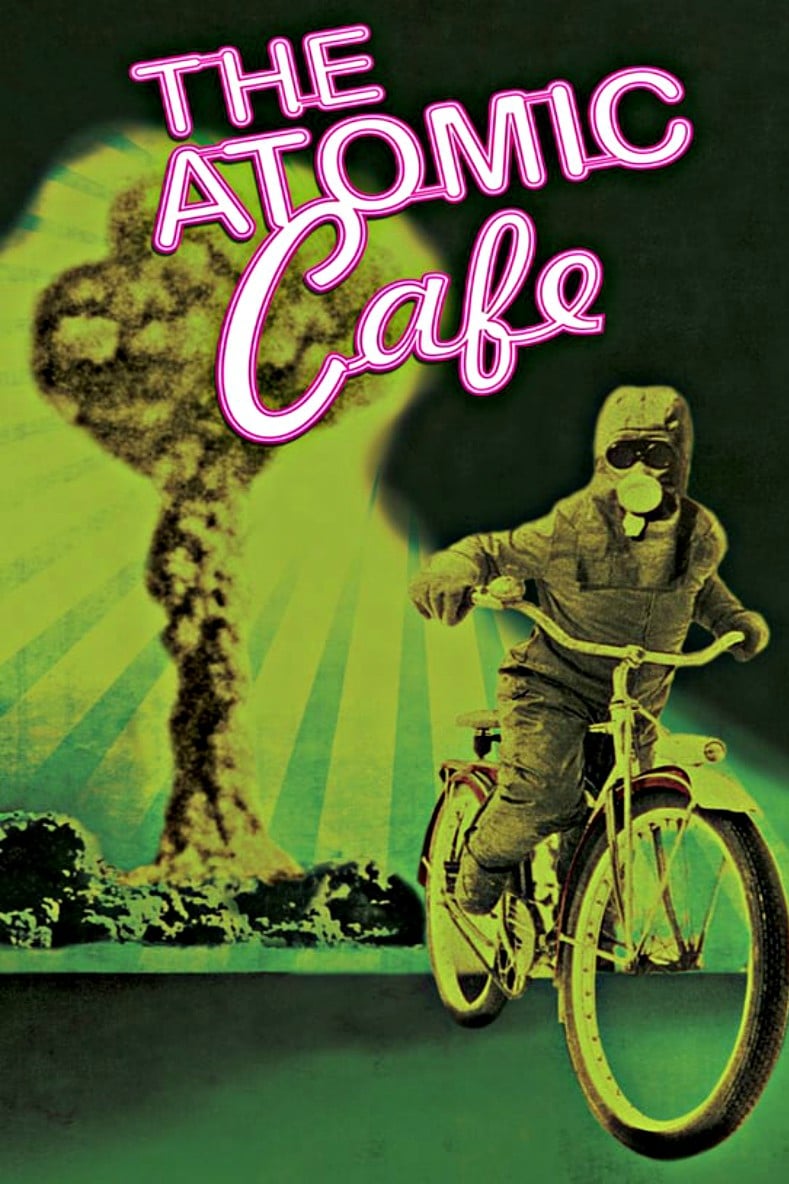
A disturbing collection of 1940s and 1950s United States government-issued propaganda films designed to reassure Americans that the atomic bomb was not a threat to their safety.
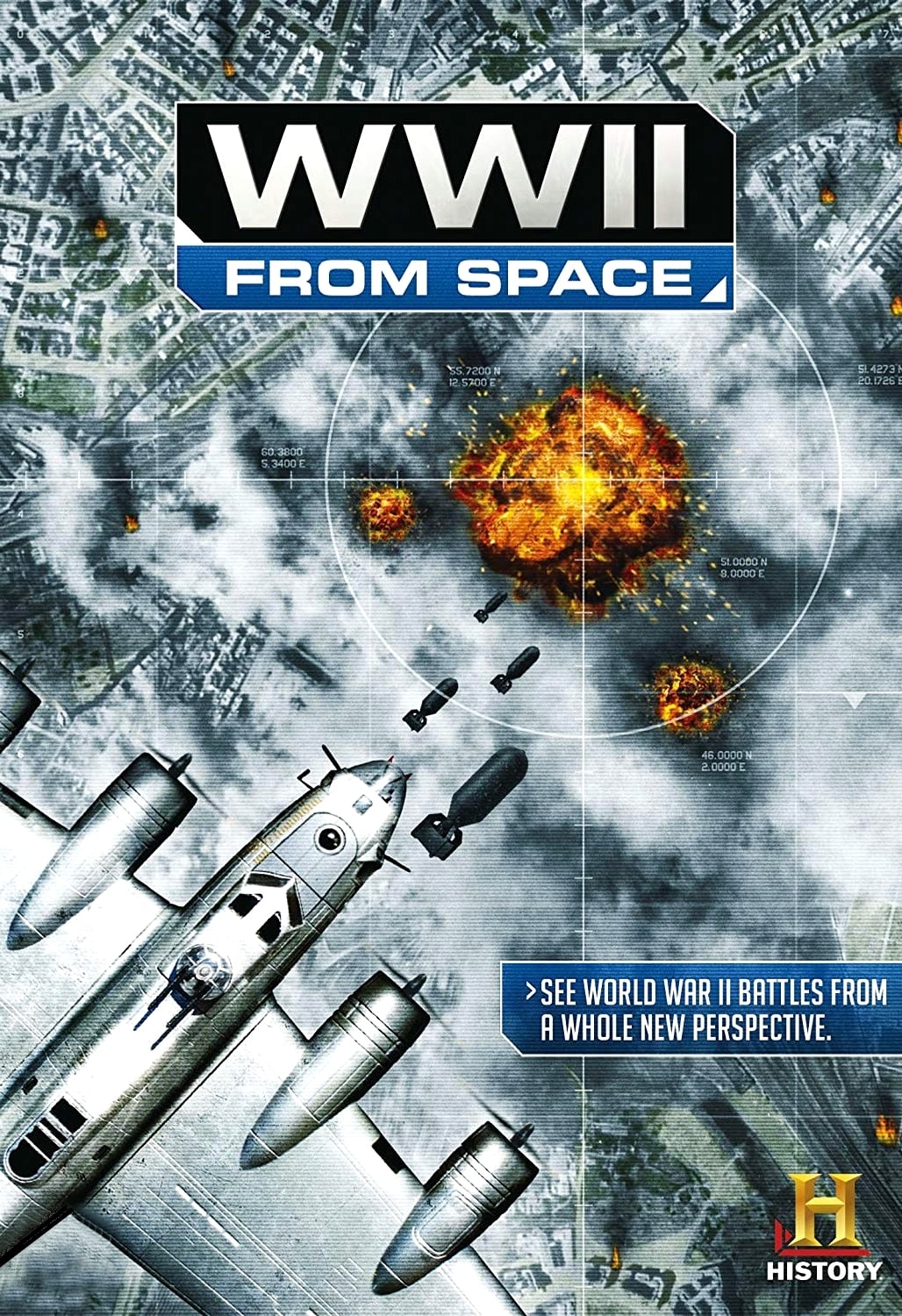
WWII from Space delivers World War II in a way you've never experienced it before. This HISTORY special uses an all-seeing CGI eye that offers a satellite view of the conflict, allowing you to experience it in a way that puts key events and tipping points in a global perspective. By re-creating groundbreaking moments that could never have been captured on camera, and by illustrating the importance of simultaneity and the hidden effects of crucial incidents, HISTORY presents the war's monumental moments in a never-before-seen context. And with new information brought to the forefront, you'll better understand how a nation ranked 19th in the world's militaries in 1939 emerged six years later as the planet's only atomic superpower.
Experience the events of September 11, 2001 through the eyes of President Bush and his closest advisors as they personally detail the crucial hours and key decisions from that historic day.
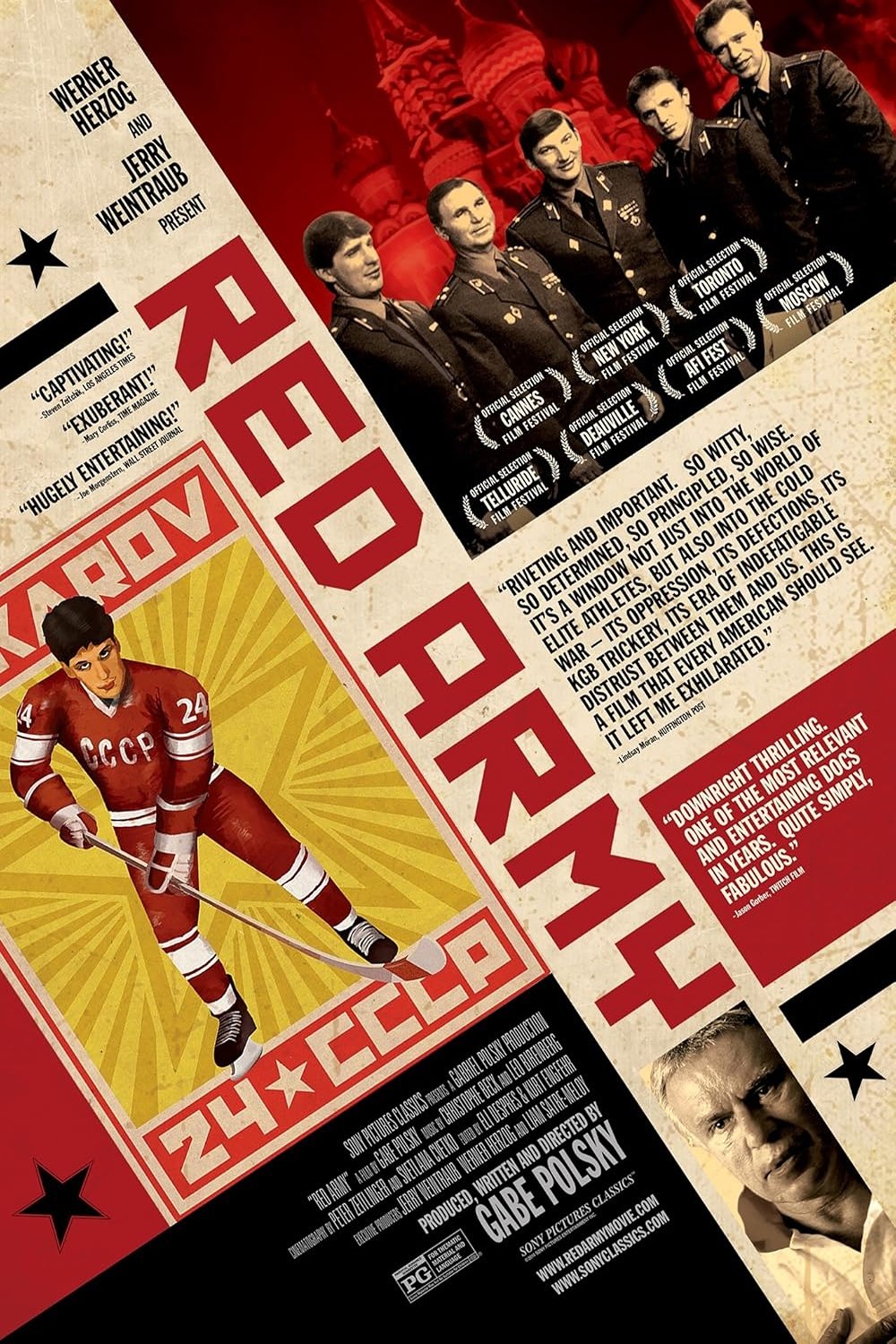
A documentary highlighting the Soviet Union's legendary and enigmatic hockey training culture and world-dominating team through the eyes of the team's Captain Slava Fetisov, following his shift from hockey star and celebrated national hero to political enemy.
National Geographic's riveting effort recounts all 12 crewed missions using only archival footage, photos and audio.
Meet the real-life airmen who inspired Masters of the Air as they share the harrowing and transformative events of the 100th Bomb Group.
Over a period of two years, Mark Cowen and his crew travelled to thirty U.S. states and ten European cities, to interview the veterans of Easy Company. The stories told by the veterans themselves, create a history of the Second World War from the point of view of this heroic company of men, made famous in the mini-series Band of Brothers.
Director Peter Joseph examines examples of economic subjugation and offers solutions based on alignment with nature.
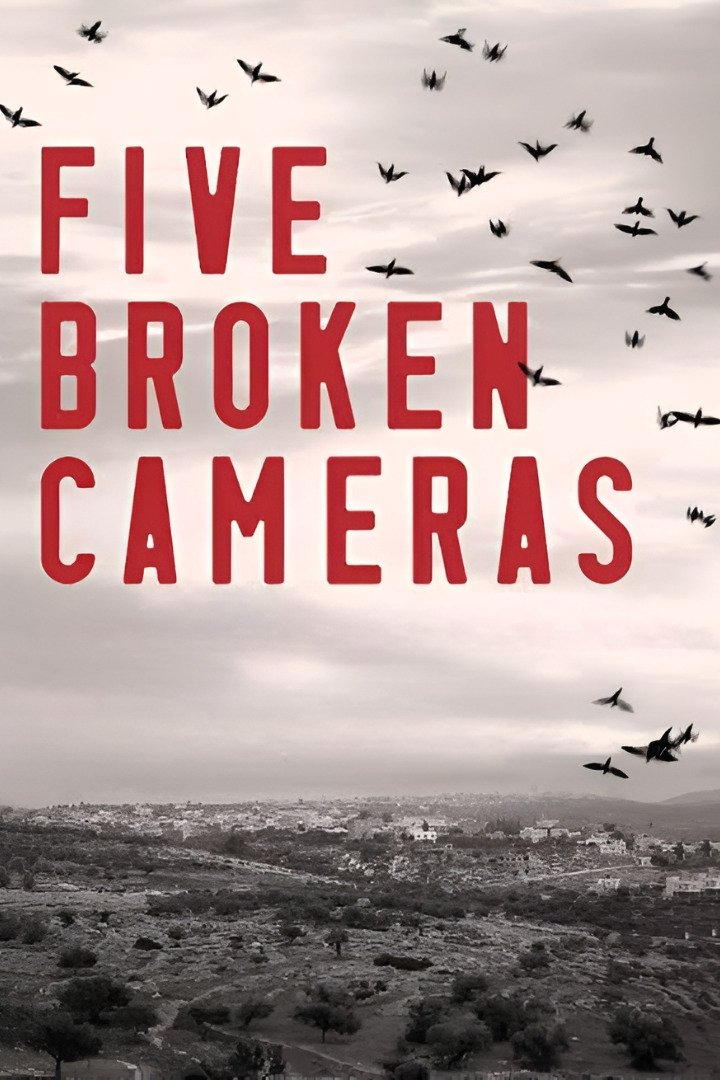
Five broken cameras – and each one has a powerful tale to tell. Embedded in the bullet-ridden remains of digital technology is the story of Emad Burnat, a farmer from the Palestinian village of Bil’in, which famously chose nonviolent resistance when the Israeli army encroached upon its land to make room for Jewish colonists. Emad buys his first camera in 2005 to document the birth of his fourth son, Gibreel. Over the course of the film, he becomes the peaceful archivist of an escalating struggle as olive trees are bulldozed, lives are lost, and a wall is built to segregate burgeoning Israeli settlements.
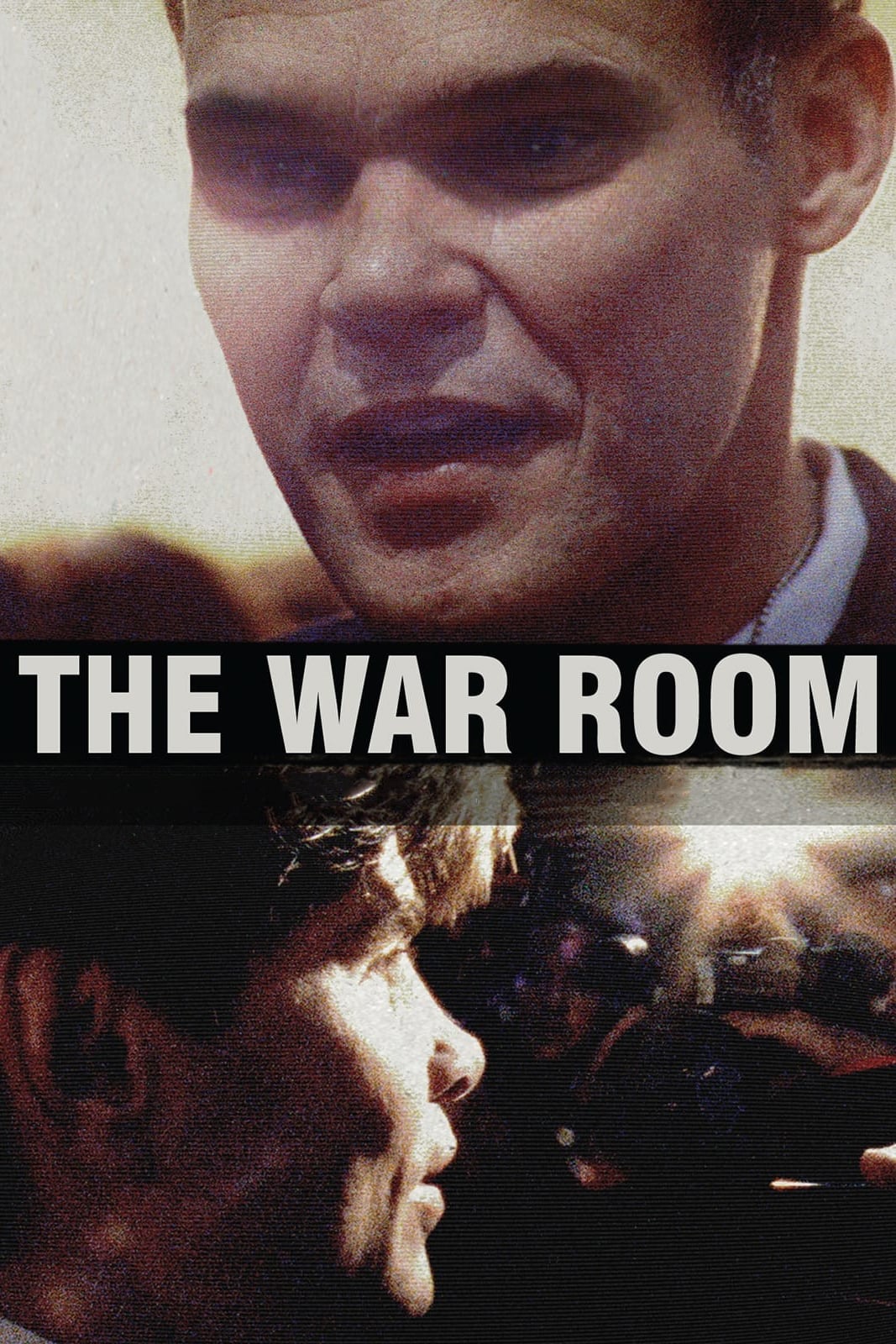
A behind-the-scenes documentary about the Clinton for President campaign, focusing on the adventures of spin doctors James Carville and George Stephanopoulos.
Michael Moore comes home to the issue he's been examining throughout his career: the disastrous impact of corporate dominance on the everyday lives of Americans (and by default, the rest of the world).
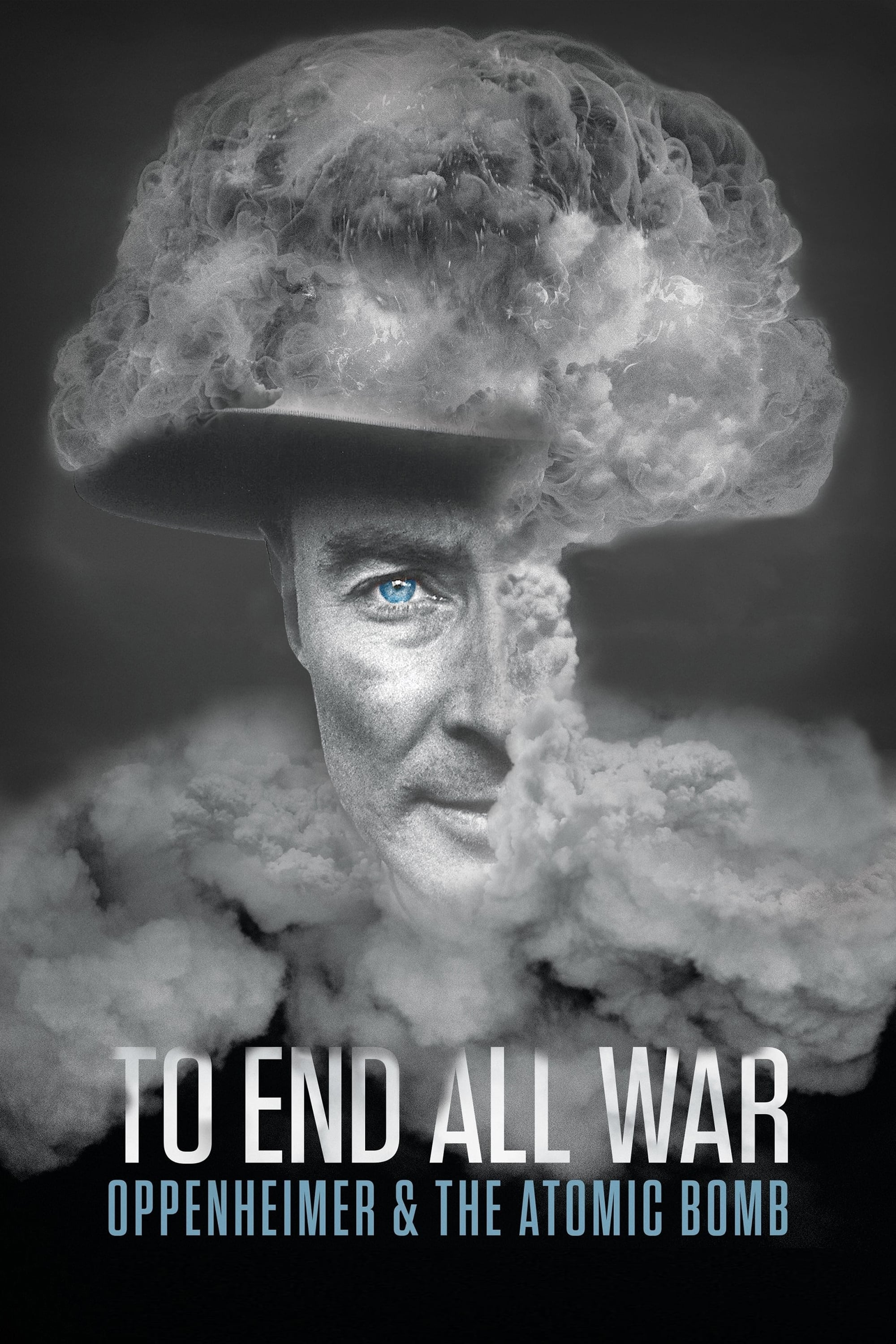
Explore how one man's relentless drive and invention of the atomic bomb changed the nature of war forever, led to the deaths of hundreds of thousands of people and unleashed mass hysteria.
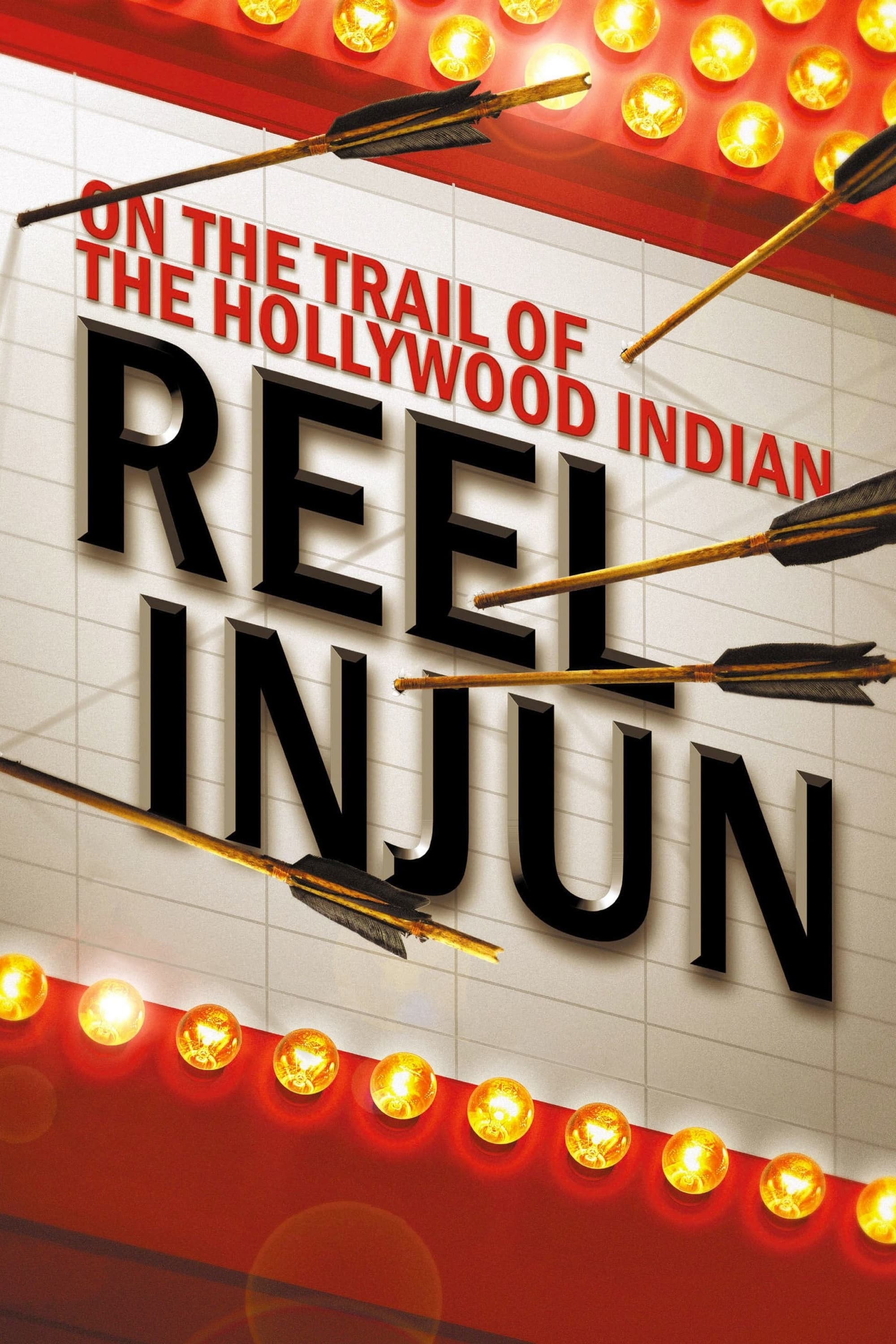
The evolution of the depiction of the various Native American peoples in cinema, from the silent era to the present day: how their image on the screen has changed the way to understand their history and culture.
A documentary about the legendary series of nationally televised debates in 1968 between two great public intellectuals, the liberal Gore Vidal and the conservative William F. Buckley Jr. Intended as commentary on the issues of their day, these vitriolic and explosive encounters came to define the modern era of public discourse in the media, marking the big bang moment of our contemporary media landscape when spectacle trumped content and argument replaced substance. Best of Enemies delves into the entangled biographies of these two great thinkers, and luxuriates in the language and the theater of their debates, begging the question, "What has television done to the way we discuss politics in our democracy today?"