Social & External
The people behind it
Tower of Power
band
Jazz Icons: Cannonball Adderley boasts two beautifully filmed concerts from one of the most celebrated sextets in jazz history, captured at the top of their game. Cannonball Adderley (alto sax), Nat Adderley (cornet) and the masterful Yusef Lateef (tenor sax, flute, oboe), provide a massive three-horn frontline attack, while the stellar rhythm section featuring a pre-Weather Report Joe Zawinul (piano), Sam Jones (bass) and Louis Hayes (drums) fuel the songs with a deep infectious swing. Quincy Jones’ “Jessica’s Day” leaps from the gate with a huge “big band” sound that is extraordinary for only six musicians. This DVD is a reminder that Cannonball Adderley was one of the most outstanding and highly respected alto saxophonists in the history of jazz, a blues-based jazzman who could play anything in superb fashion.
Zuzana Lapčíková's Christmas jazz project. The Advent and Christmas songs of singer and cimbalom player Zuzana Lapčíková are based on ancient hymnals and orally transmitted melodies. Together with her quintet, however, she transforms them into contemporary, jazz-influenced music that oscillates between genres. On one day during the pre-Christmas period, musicians gathered in the Gothic church of St. Catherine in Šebrov to perform a musical mass for the locals. In an intimate chamber atmosphere, full of silence and humility before the Creator, Zuzana Lapčíková's original project "Panna Marija přečistá" (The Blessed Virgin Mary) resounds.
The recording process of musician Nilufer Akdogu's Turkish jazz album Aristo'ya Inat (Against Aristotle). The film presents the musical searches during the creation of an album with all its fragility. At the same time, it is a record of special sharings which elements from world jazz history are discussed with experiences, and the joy is never lost despite the setbacks.
“The Language of the Unknown” accompanies the great saxophonist and his band with a concert on November 3, 2012 in the Salle Pleyel in Paris, and observes the effect of the music on its creators, who are normally much too busy with creating the new than to deal with music already played.
Dizzy Gillespie is one of the major figures of the 20th Century's music scene. Everything was once said or written about this genius musician, founder of the Bebop. Whereas his public life is known from most, many ignore about the modest side of his character and the story of his long and deep friendship with a man rather unknown from the general public, the Swiss engineer Jacques Muyal. Through previously unrevealed archives as well as musical extracts, this documentary explores the story of the friendship between a genius trumpeter and a man crazy about Jazz.
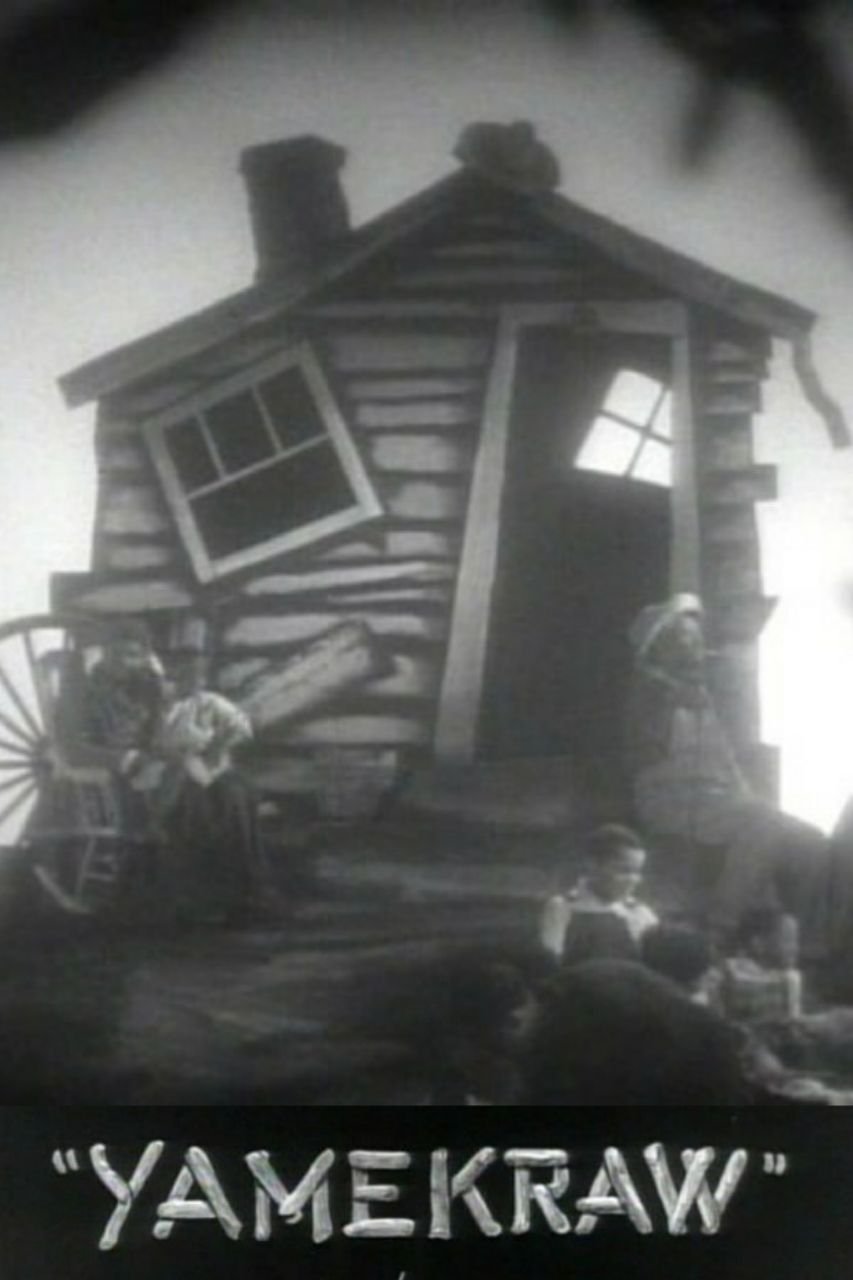
In a wordless story with semi-surreal stage sets, a poor black man ventures from his ramshackle rural home to the big city, where a dancing girl in a dive two-times him. He returns to his home and wife's arms.
A trumpet-playing cat and his jazz band invade Ye Olde Squaresville, a kingdom that has outlawed all but the squarest music.
After his long-time girlfriend dumps him, a thirty-year-old record store owner seeks to understand why he is unlucky in love while recounting his "top five breakups of all time".
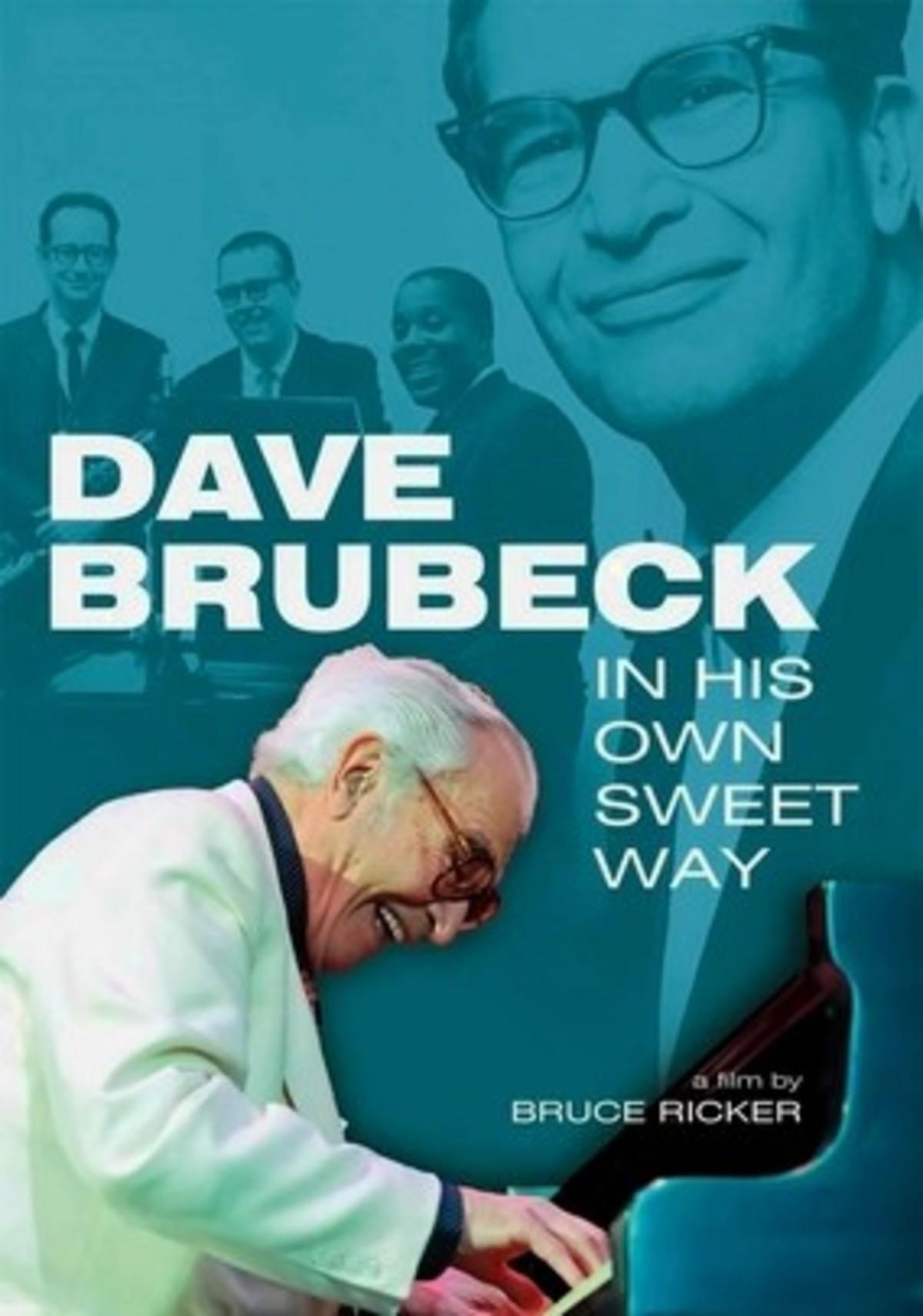
A chronological look at the life and career of jazz musician, composer, and performer Dave Brubeck (1920-2012 ), presented through contemporary interviews, archival footage of interviews and performances, and commentary by family, fellow musicians, and aficionados. Emphases include his mother's influence, his wife's invention of college tours, his skill as an accompanist, the great quartet (with Desmond, Morello, and Wright), his ability to find musical ideas everywhere, his orchestral compositions, his religious conversion, and his unflagging sweet nature.
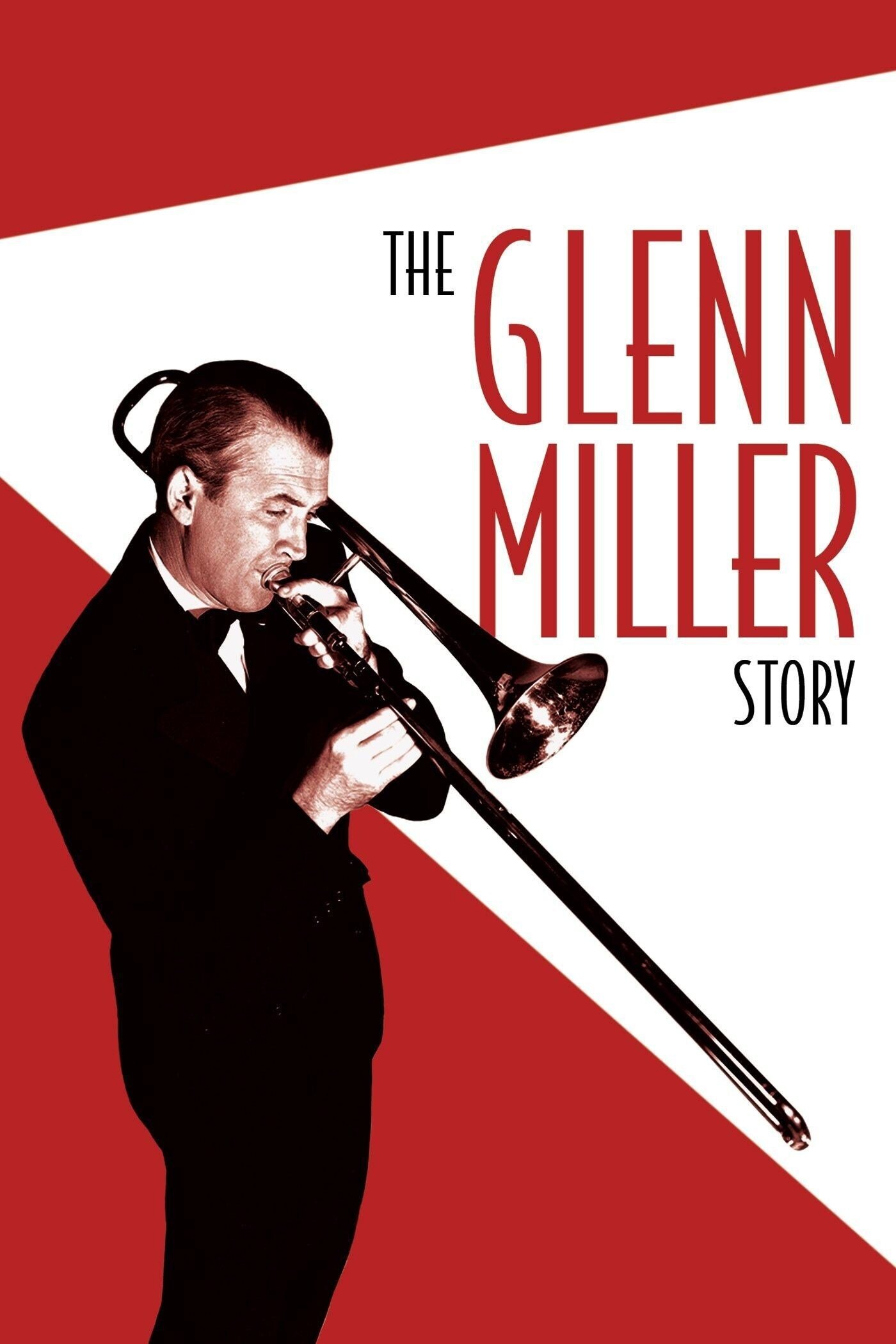
A vibrant tribute to one of America's legendary bandleaders, charting Glenn Miller's rise from obscurity and poverty to fame and wealth in the early 1940s.
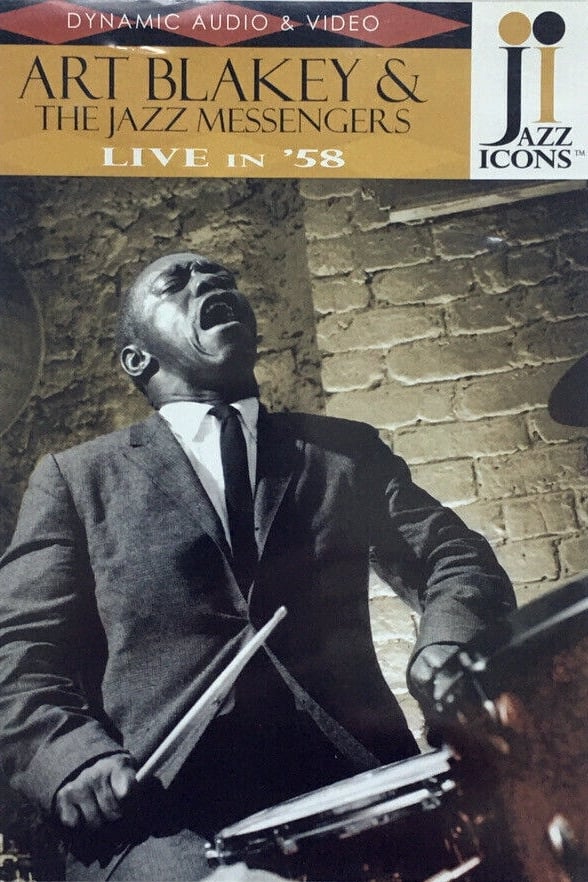
Art Blakey & The Jazz Messengers features what many consider to be one of the fi nest line-ups in the history of jazzÂBobby Timmons (Piano), Jymie Merritt (Bass), Benny Golson (Sax) and the legendary trumpet player, Lee Morgan. Lost for nearly 50 years, this historic 55 minute concert, fi lmed in Belgium in 1958, one month to the day after they recorded their masterpiece Moanin, is the only known visual document of this infl uential band who were together for only six months.
Chronicles the extraordinary rise of Haitian-American jazz singer Cécile McLorin Salvant, anchored by a pristine recording of a live concert.
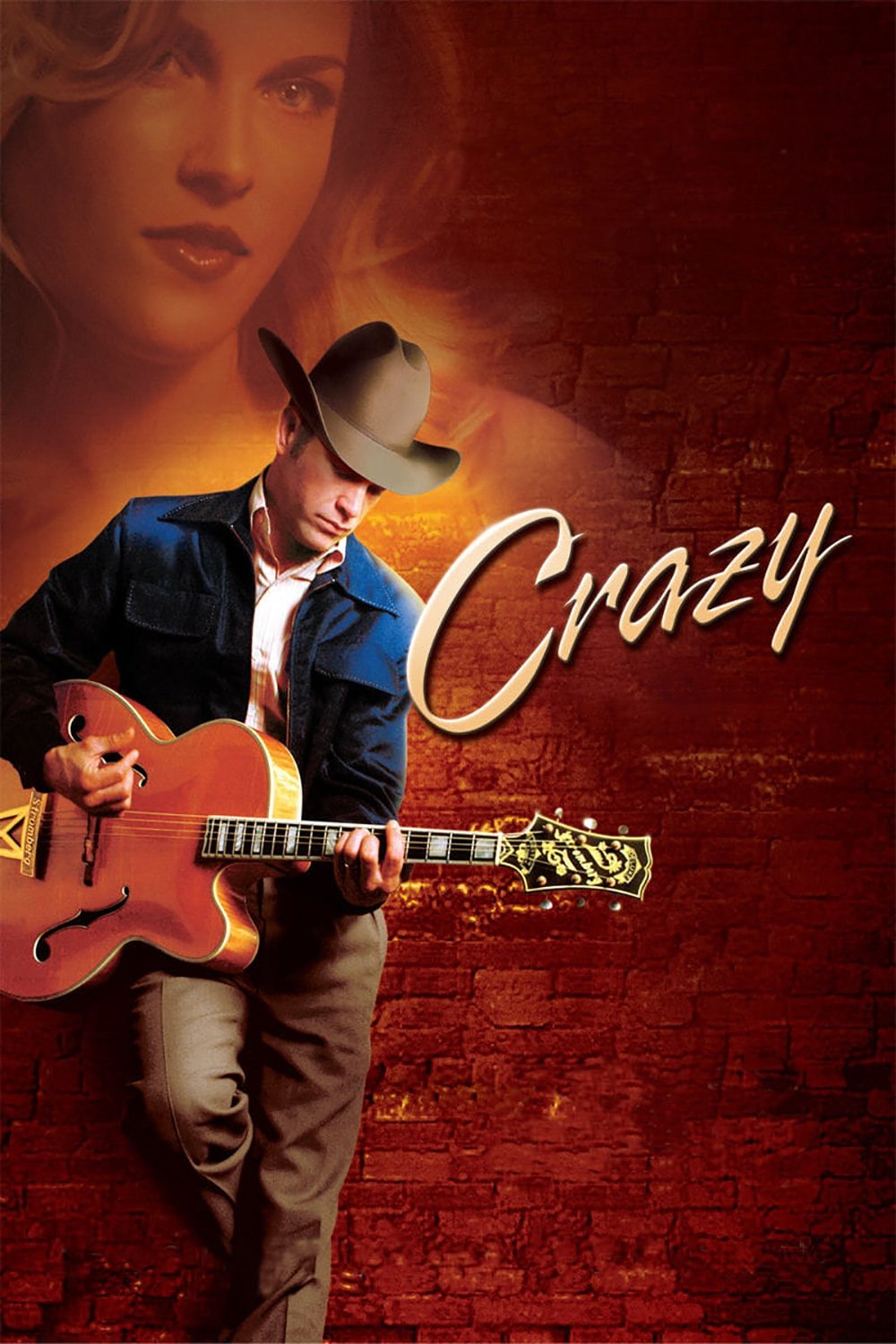
Crazy is the story of a legendary guitar player who emerged from Nashville in the 1950s. Blessed with incomparable, natural talent, Hank Garland quickly established his reputation as the finest sessions player in Nashville.
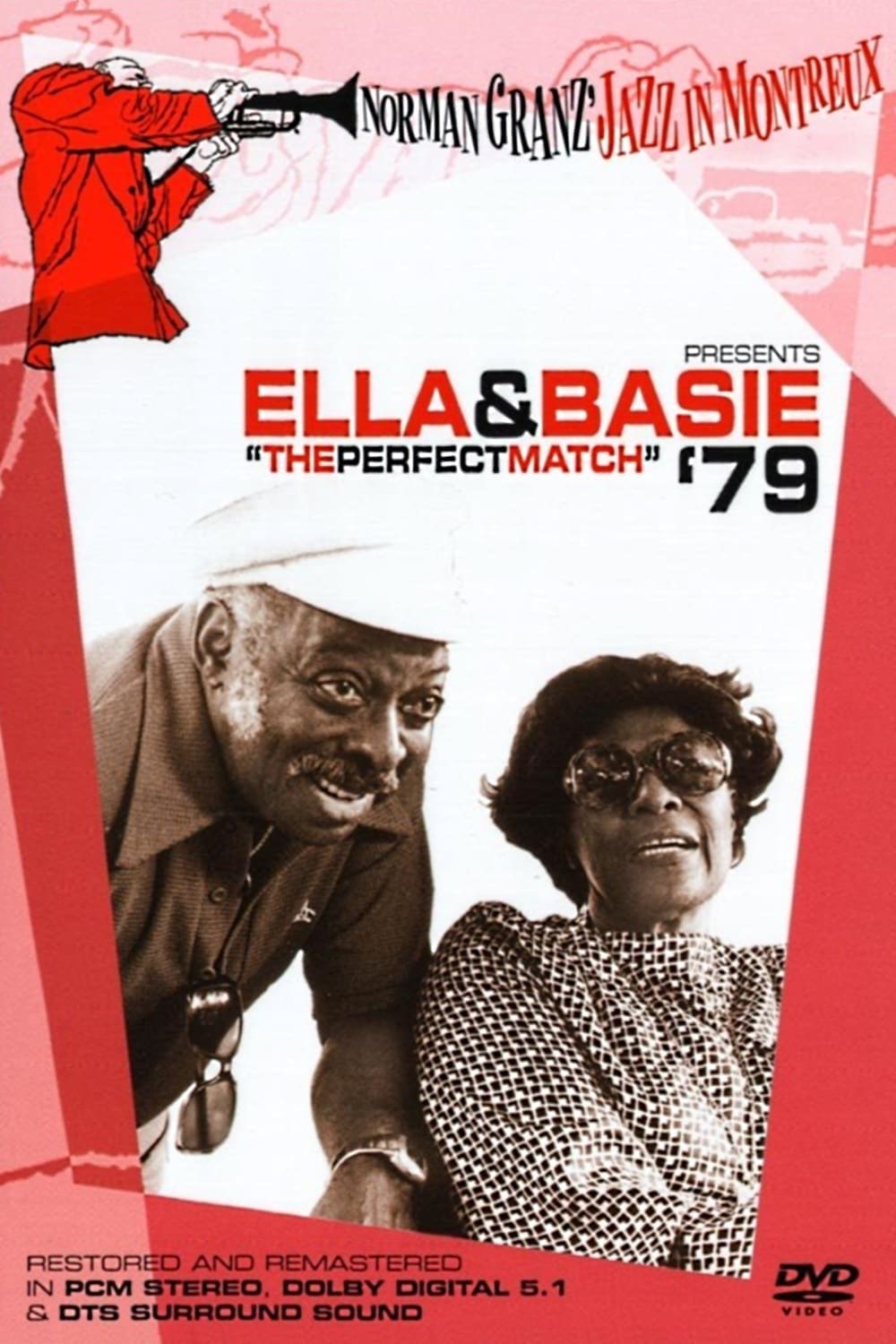
The two musical masters swing out.
Oscar Peterson is accompanied by the stellar duo of bassist Ray Brown and drummer Ed Thigpen for each concert performance. This is the classic Oscar Peterson Trio, considered by many to be the best Oscar Peterson Band ever. Oscar and the trio collaborate with trumpeters Clark Terry (Finland'65) and Roy Eldridge (Sweden'63) and re-create some of the excitement and fun of the Jazz at the Philharmonic (JATP) tours. Among the many highlights in this collection are the Oscar and vocalist-trumpeter Clark Terry collaboration on the ever-popular Mumbles ,and for the first time on commercial video, an Oscar Peterson Trio rendition of Tonight from his award-winning West Side Story album.
Record label manager and producer Manfred Eicher established the record label ECM in 1969. He has been a key promoter of European - and Norwegian - jazz.
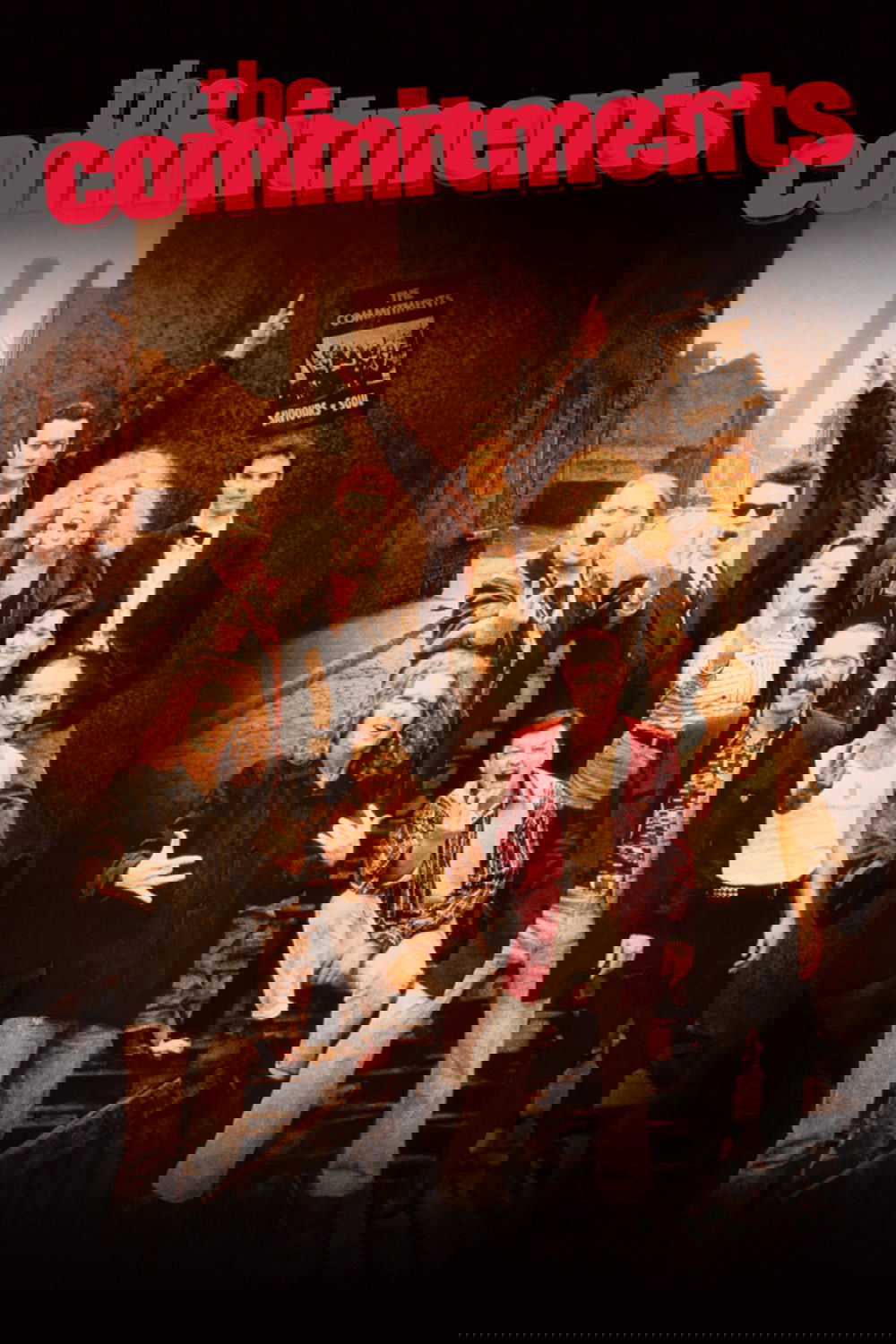
Jimmy Rabbitte, just a thick-ya out of school, gets a brilliant idea: to put a soul band together in Barrytown, his slum home in north Dublin. First he needs musicians and singers: things slowly start to click when he finds three fine-voiced females virtually in his back yard, a lead singer (Deco) at a wedding, and, responding to his ad, an aging trumpet player, Joey "The Lips" Fagan.
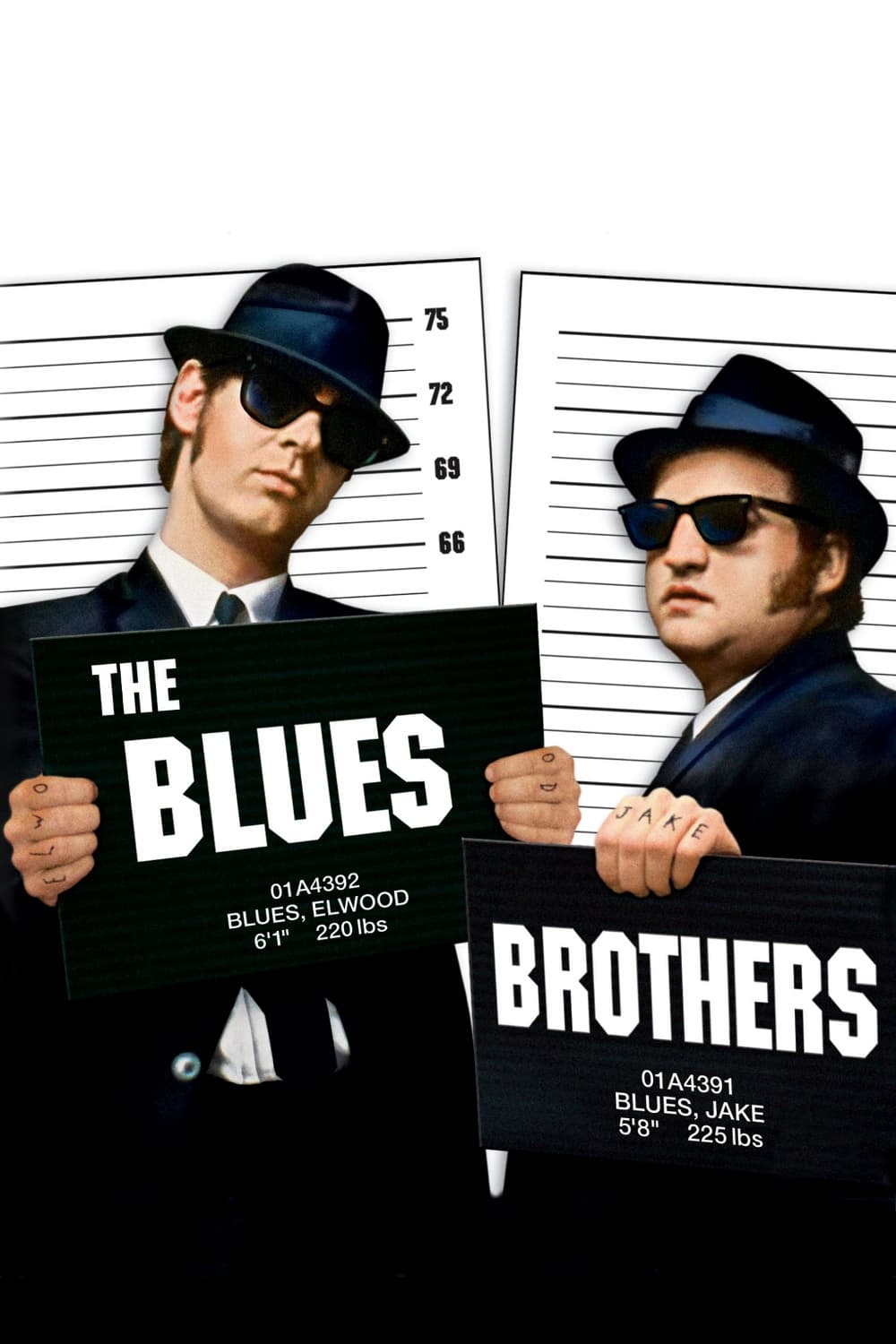
Jake Blues, just released from prison, puts his old band back together to save the Catholic home where he and his brother Elwood were raised.
The musical traditions of the eastern and western worlds are bridged through the improvisations of Bombay, India-born percussionist/vocalist Trilok Gurtu. Gurtu’s mastery of post-bop jazz has not gone unnoticed. Downbeat magazine named him “best percussionist” in three critic and popularity polls and proclaimed, “musically, the world is his stage”. Jazz magazine, Straight No Chaser took a similar view, writing, “this music has a transcendental quality and removes any obstacles that lie between western and eastern improvised music.” Gurtu’s eclectic approach has enabled him to collaborate with most of the world’s greatest musicians. Tracklist 01. Jhuleal 02. Peace of five elements 03. Africa con India 04. Pasana’s Love 05. Dance with my lover 06. God rhythm
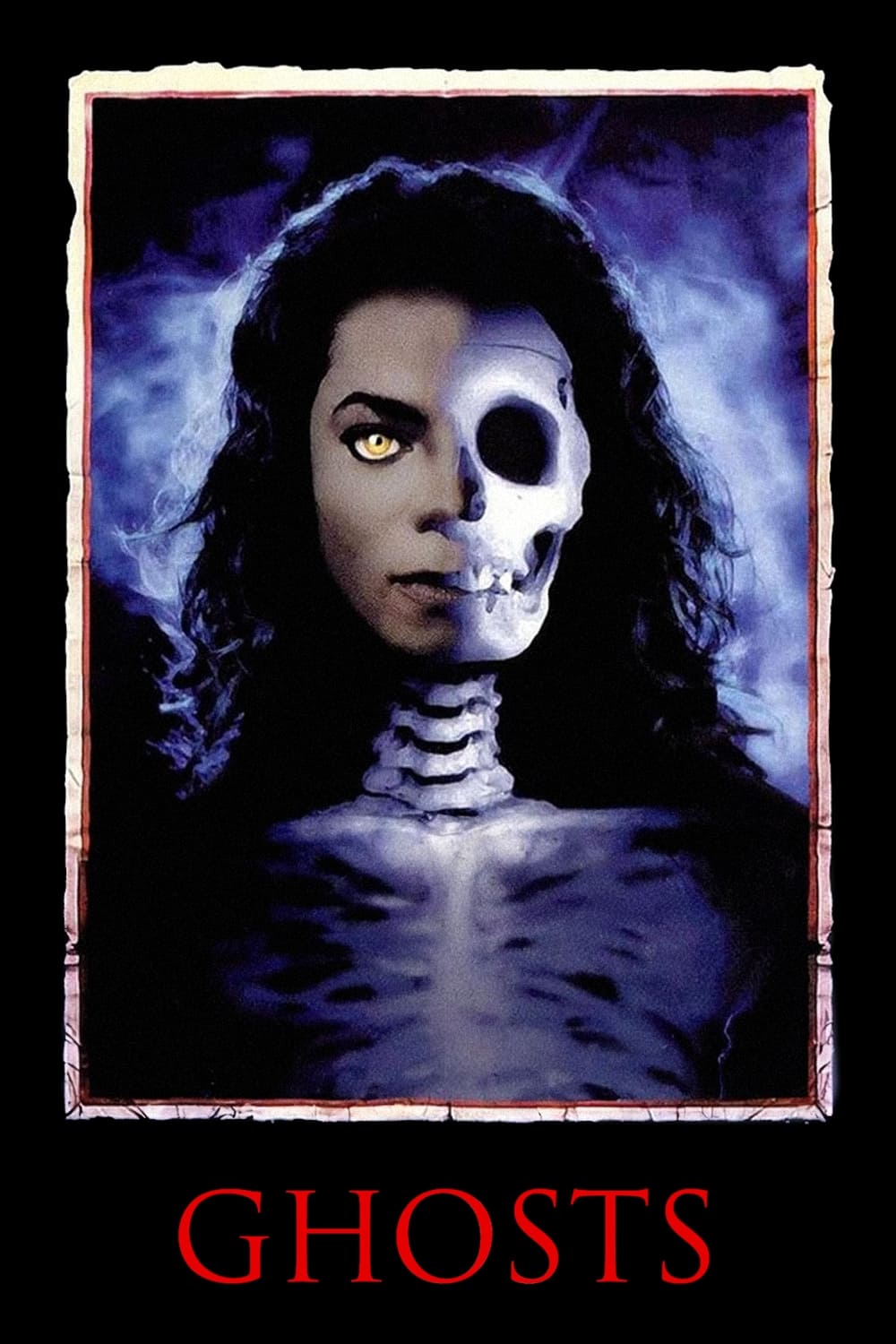
In the town of Normal Valley, an eccentric magician named Maestro entertains the local children every day in his spooky mansion. One stormy night, the town's mayor leads a group of angry citizens to the mansion in an attempt to run Maestro out of town.
Ghost is an ideological musician and leader of a jazz band who would rather play his blues in the park to the birds than compromise himself. His peripatetic performances lead him to cross paths with a singer, while his masculinity is thrown into question following a violent brawl.
A pair of star-crossed dancers in New York find themselves at the center of a bitter rivalry between their brothers' underground dance clubs.
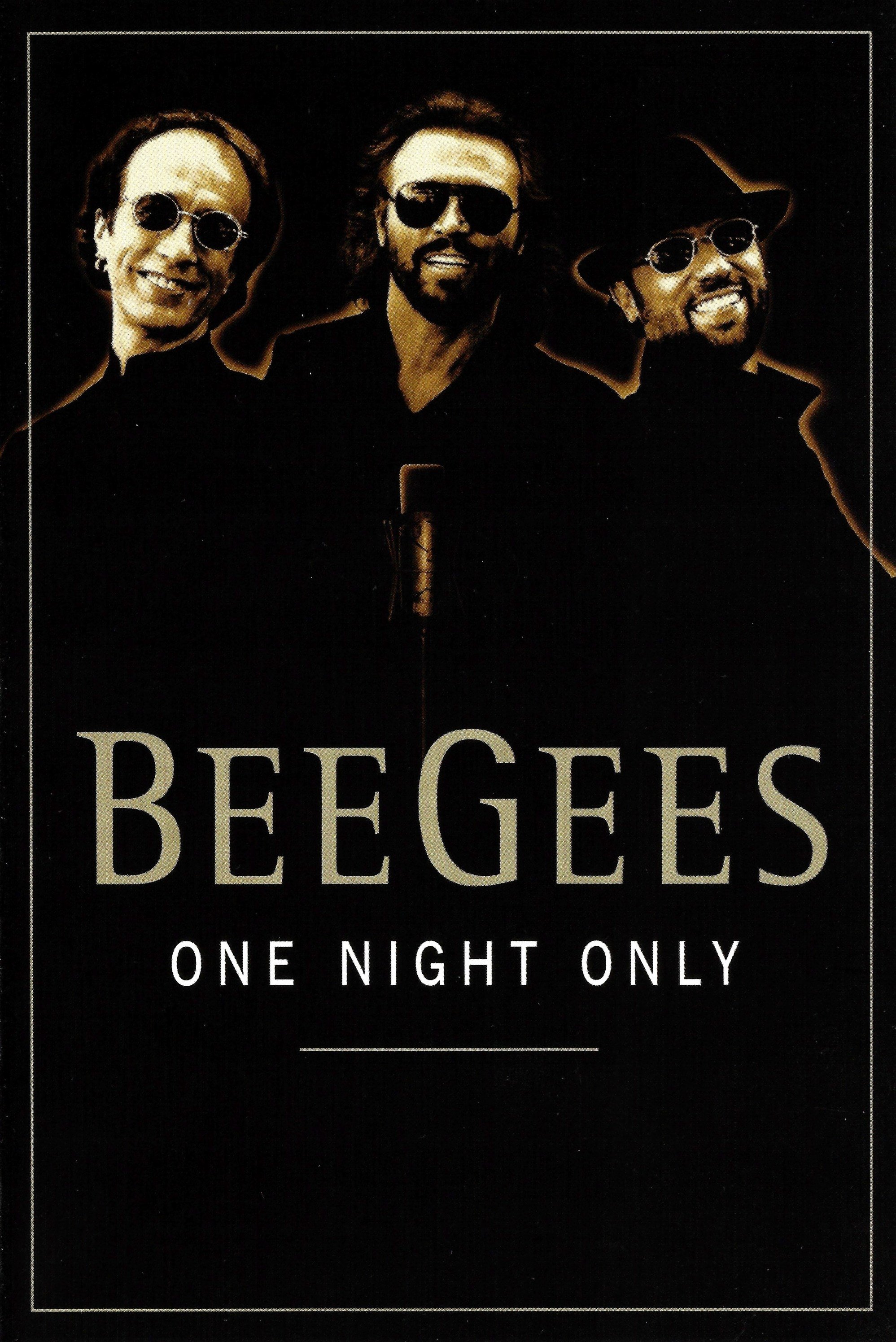
The brothers Gibb perform their greatest hits from the 60's, 70's, 80's and 90's including many songs written for and made hits by other artists but never recorded by the Bee Gees themselves.
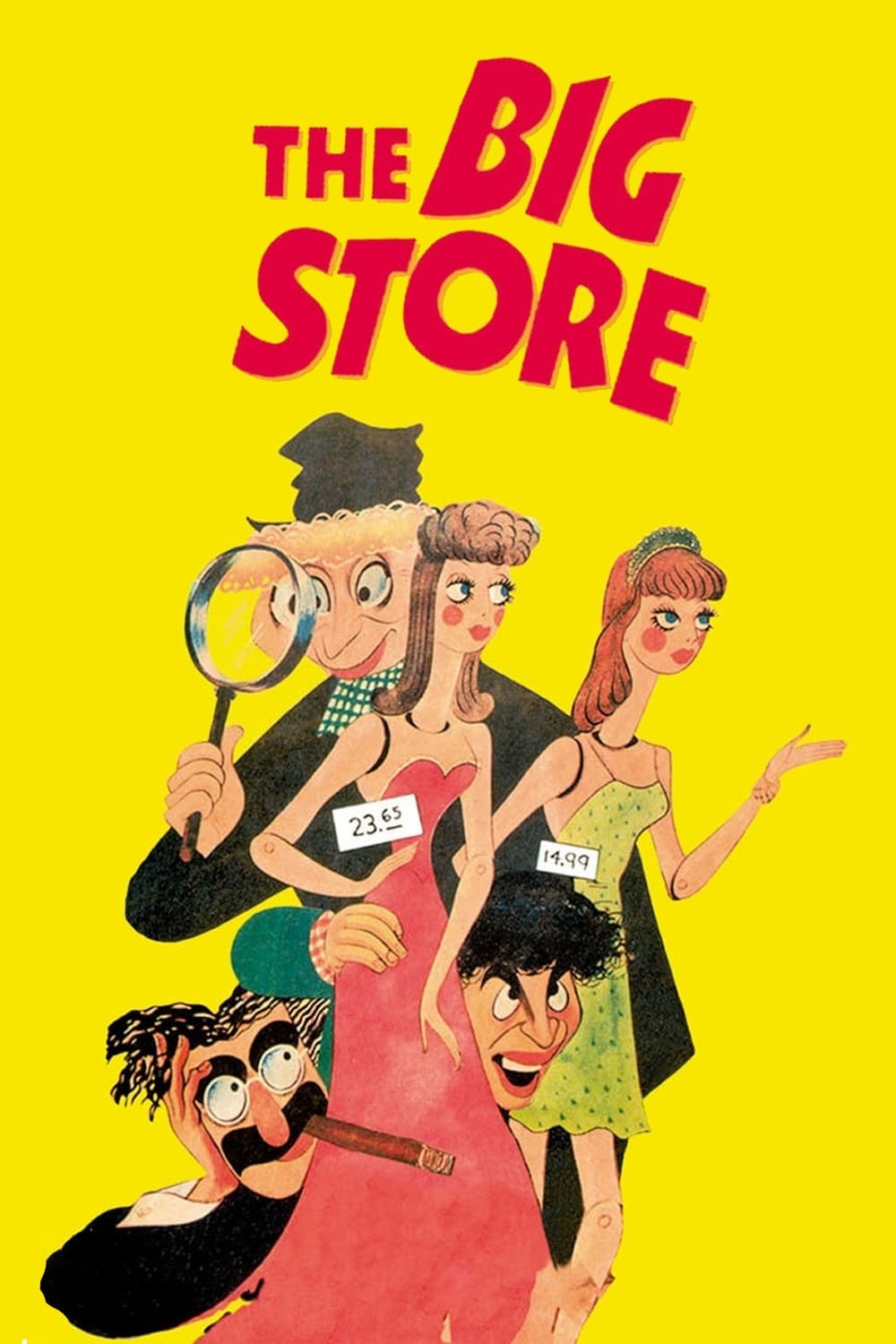
A detective is hired to protect the life of a singer, who has recently inherited a department store, from the store's crooked manager.
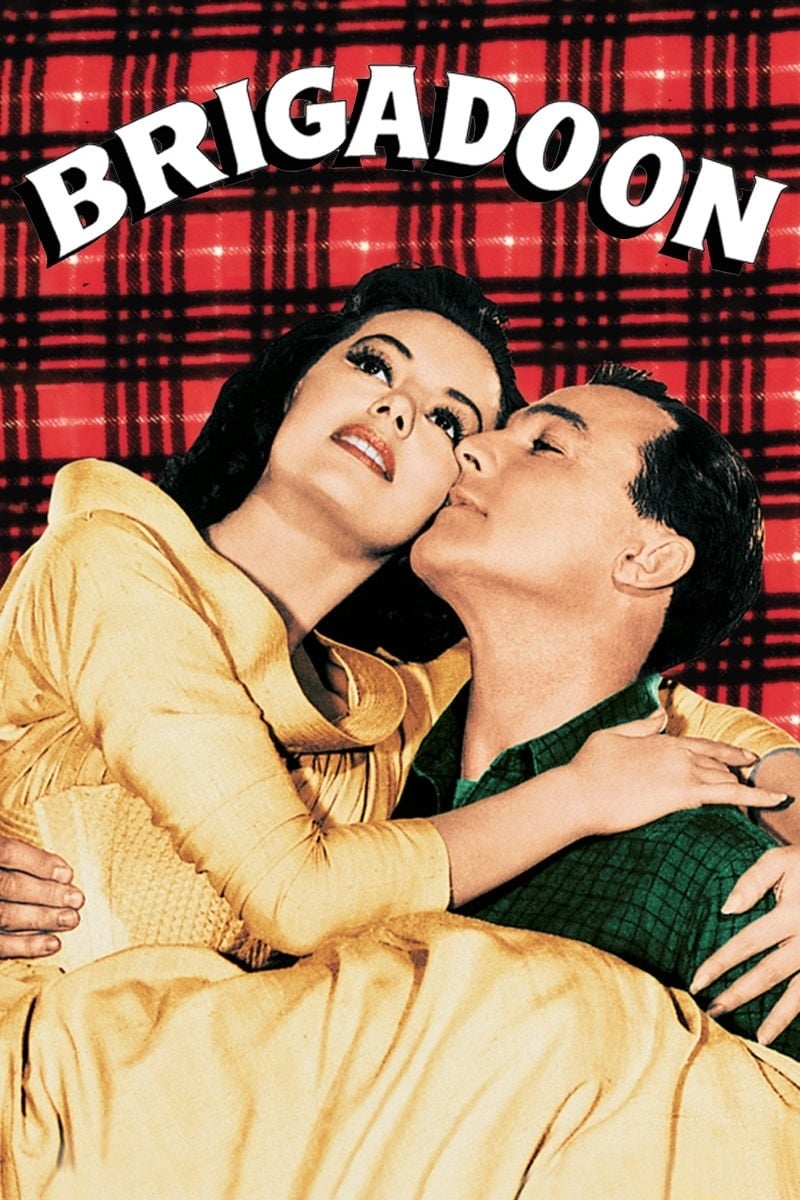
Americans Jeff and Tommy, hunting in Scotland, stumble upon a village - Brigadoon. They soon learn that the town appears once every 100 years in order to preserve its peace and special beauty. The citizens go to bed at night and when they wake up, it's 100 years later. Tommy falls in love with a beautiful young woman, Fiona, and is torn between staying or going back to his hectic life in New York.
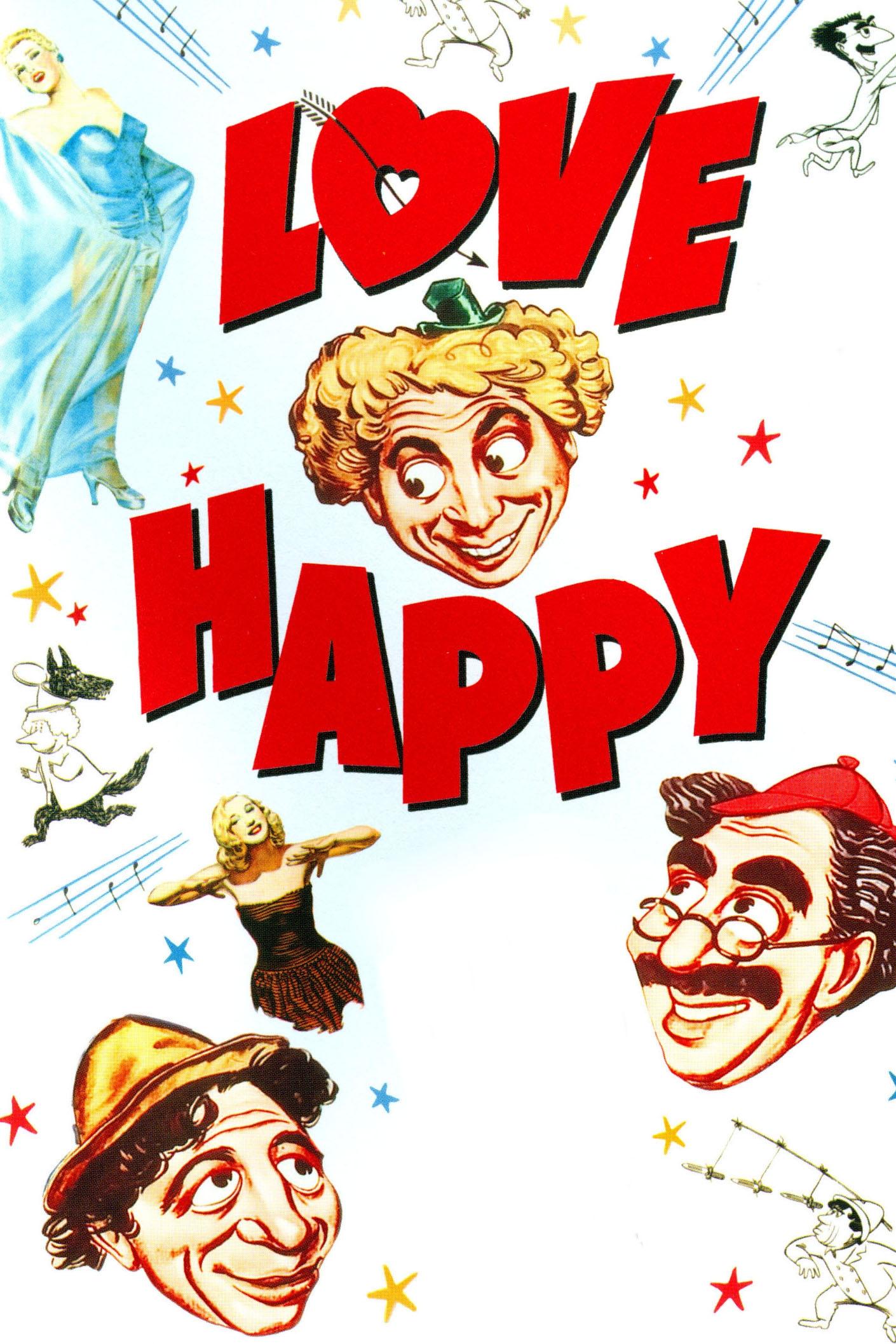
The Marx Brothers help young Broadway hopefuls when they get mixed up with gangsters due to a tin of sardines containing Romanoff diamonds.
A celebration of the musical work of a group of session musicians known as "The Wrecking Crew." a band that provided back-up instrumentals to such legendary recording artists as Frank Sinatra, The Beach Boys, and Bing Crosby.
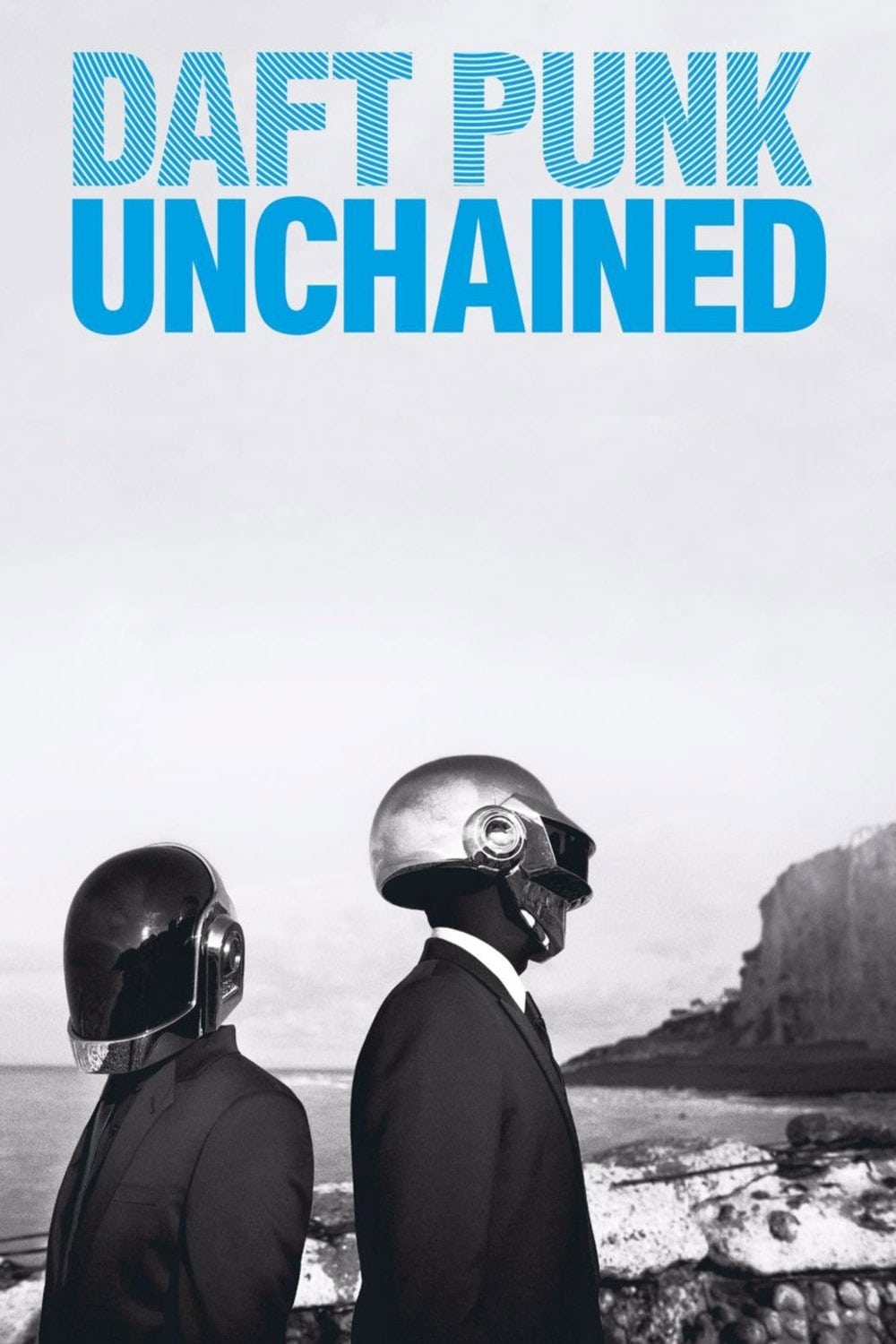
Daft Punk Unchained is the first film about the pop culture phenomenon that is Daft Punk, the duo with 12 million albums sold worldwide and seven Grammy Awards. Throughout their career Thomas Bangalter and Guy-Manuel de Homem-Christo have always resisted compromise and the established codes of show business. They have remained determined to maintain control of every link in the chain of their creative process. In the era of globalisation and social networks, they rarely speak in public and neither do they show their faces on TV. This documentary explores this unprecedented cultural revolution revealing a duo of artists on a permanent quest for creativity, independence and freedom.
A teenage rapper must use his musical talent to help a friend and win the girl of his dreams while overcoming self-doubt and the expectations of his strict religious parents.
Talented but self-centered trumpeter Bleek Gilliam is obsessed with his music and indecisiveness about his girlfriends Indigo and Clarke. But when he is forced to come to the aid of his manager and childhood friend, Bleek finds his world more fragile than he ever imagined.
The story of seven scholars in search of an expert to teach them about swing music. They seem to have found the perfect candidate in winsome nightclub singer Honey Swanson. But Honey's gangster boyfriend doesn't want to give her up.
A fledgling producer finds himself at odds with his workers, financiers and his greedy ex-wife when he tries to produce live musicals for movie-going audiences.
Mickey Moran, son of two vaudeville veterans, decides to put up his own vaudeville show with his girlfriend Patsy Barton. But child actress Rosalie wants to make a comeback and replace Patsy both professionally and as Mickey's girl.
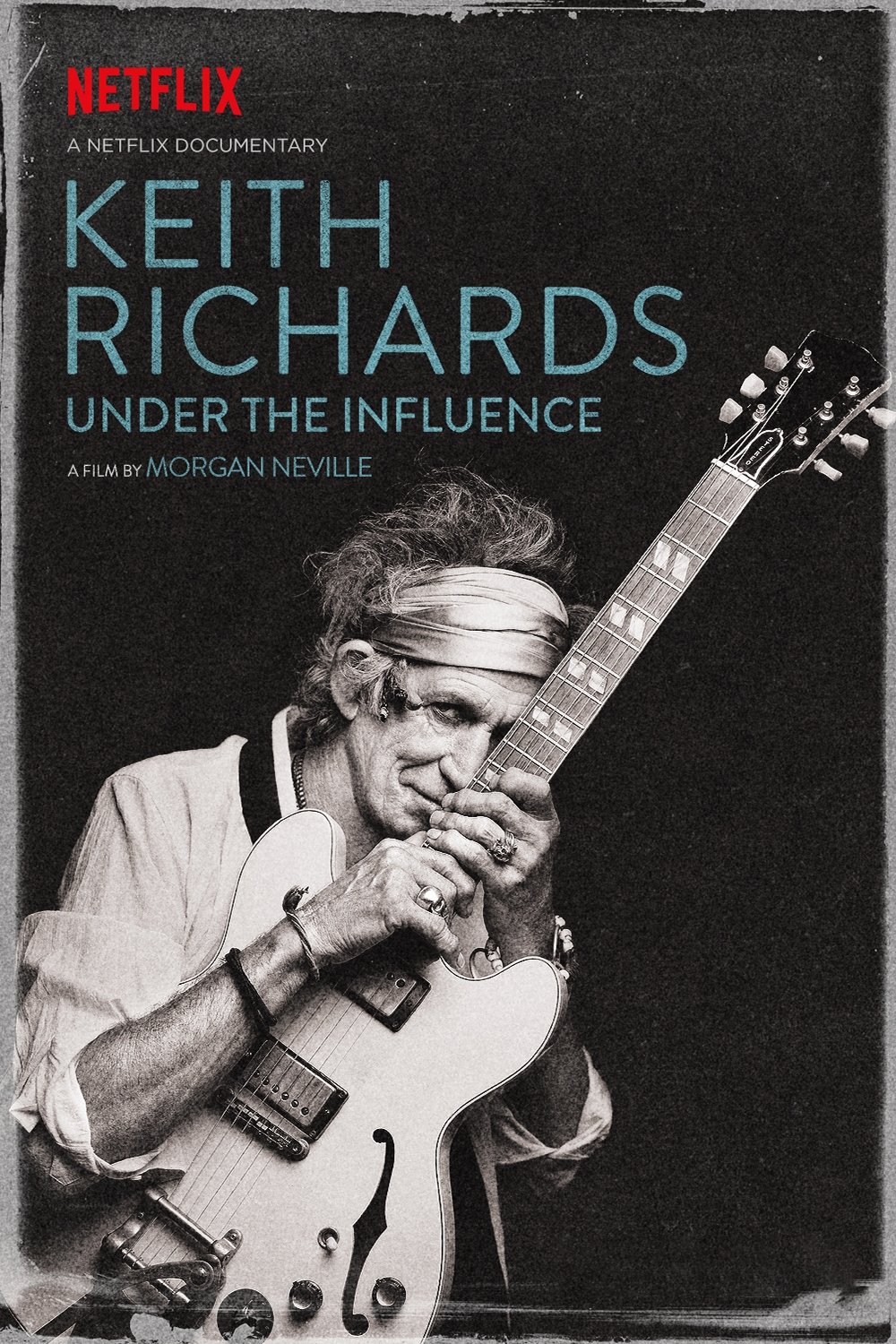
A portrait of Keith Richards that takes us on a journey to discover the genesis of his sound as a songwriter, guitarist and performer.
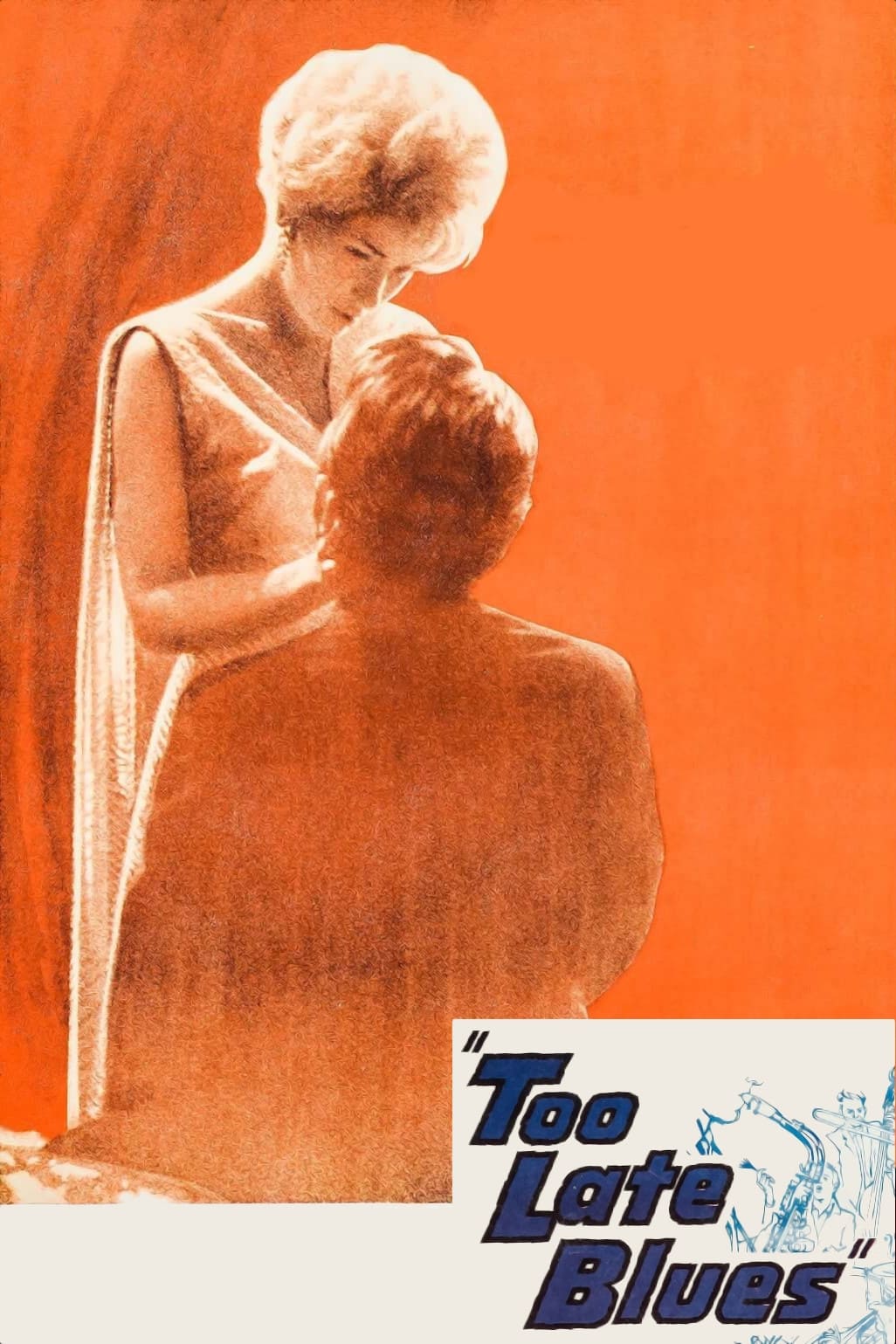
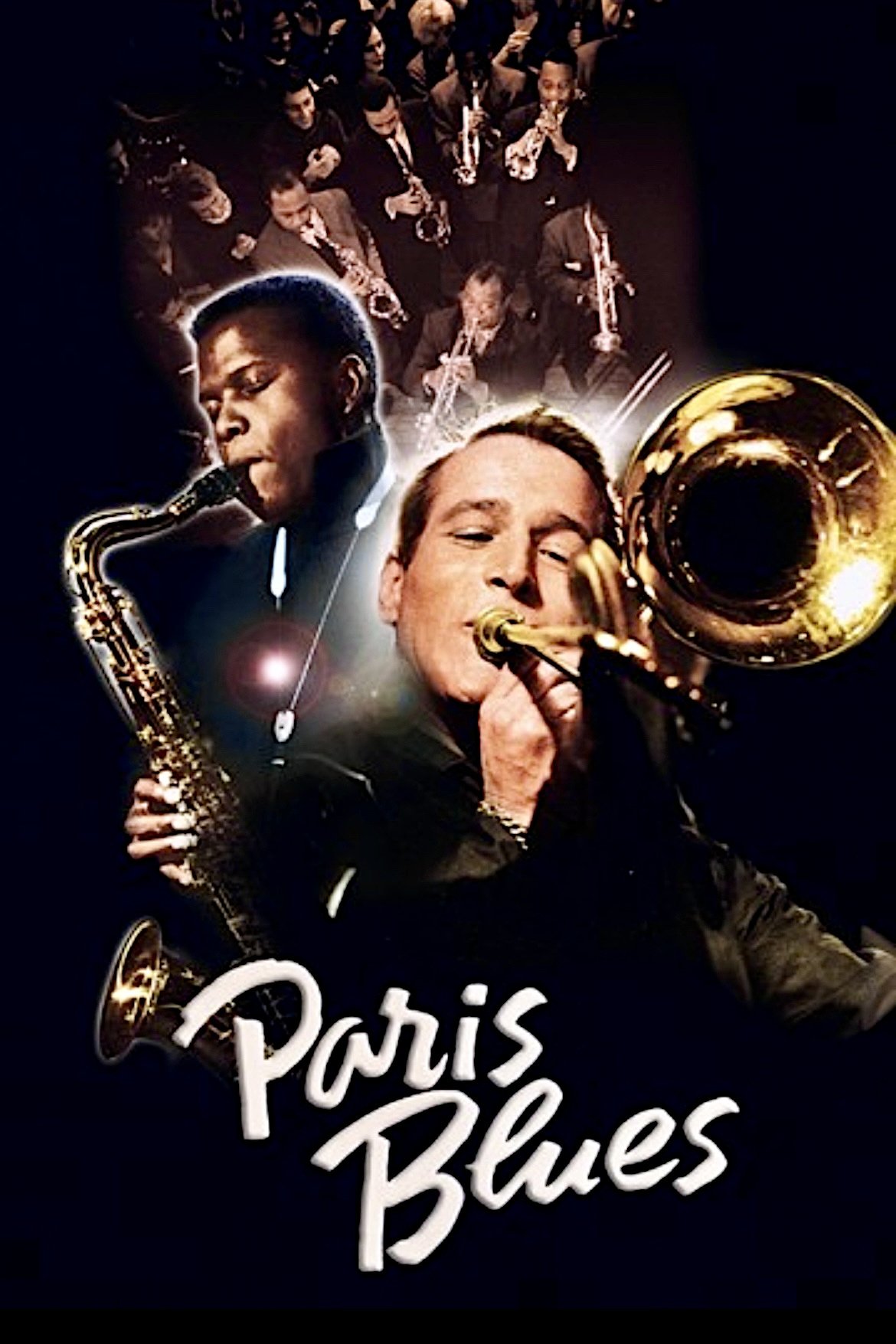
During the 1960s, two American jazz musicians living in Paris meet and fall in love with two American tourist girls and must decide between music and love.
A down-on-his-luck coach is hired to prepare a team of the best American dancers for an international tournament that attracts all the best crews from around the world, but the Americans haven't won in fifteen years.
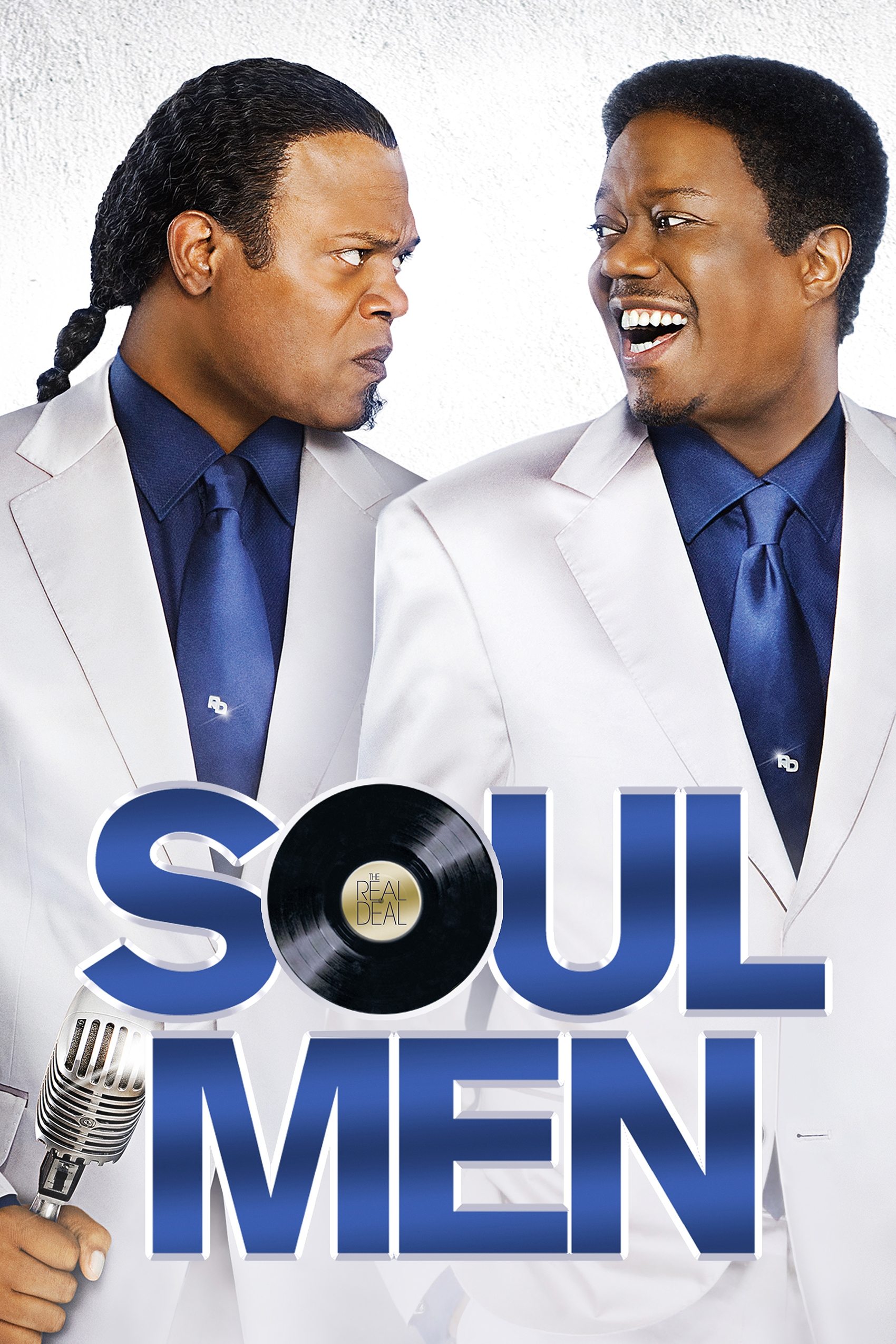
Two former backup soul singers, Louis and Floyd, have not spoken to each other in 20 years, and reluctantly agree to travel across the country together to a reunion concert to honor their recently-deceased lead singer. Cleo, a beautiful young woman who is believed to be Floyd's daughter, accompanies them as a new singer.
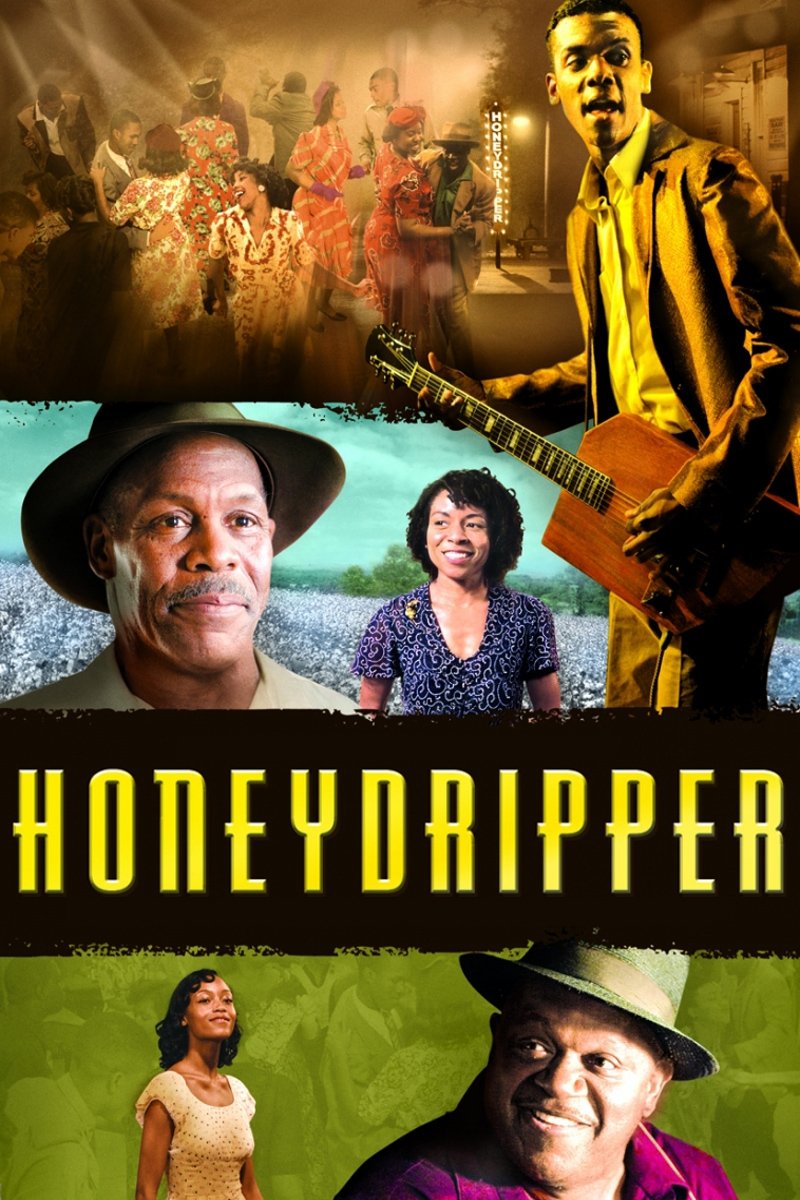
In 1950s Alabama, the owner of the Honeydripper juke joint finds his business dropping off and against his better judgment, hires a young electric guitarist in a last ditch effort to draw crowds during harvest time.
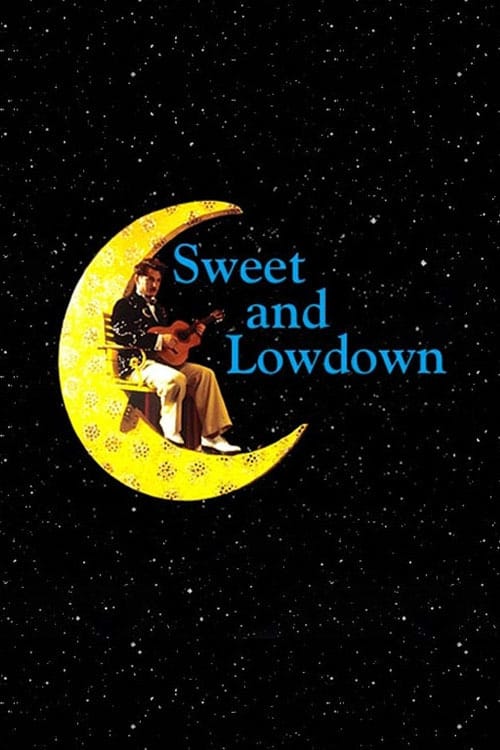
In the 1930s, jazz guitarist Emmet Ray idolizes Django Reinhardt, faces gangsters and falls in love with a mute woman.