A retrospective interview with director Werner Herzog.
Social & External
The people behind it
Werner Herzog
Self
An in-depth look at one of college sports' fiercest rivalries, Michigan-Michigan State, and how this in-state battle has only grown to new heights over the past decade in both football and basketball.
Chinski and Pastela reflect on love, sex, sadness, authenticity and the construction of our image and identity. An interaction that generates debate between two opposing individuals.
Retrospective documentary taking a look back at the making of House, the 1985 horror film that became a nice little hit when it was originally released. Featuring interviews with producer Sean S. Cunningham, director Steve Miner, story creator Fred Dekker, cast members William Katt, George Wendt and Kay Lenz, composer Harry Manfredini, stunt coordinator Kane Hodder and various members of the special effects crew.
On-stage Q&A with the Italian actors Luigi Montefiori a.k.a George Eastman and Zora Kerova talking about their involvement in Joe D'Amato's cult classic "Anthropophagus".
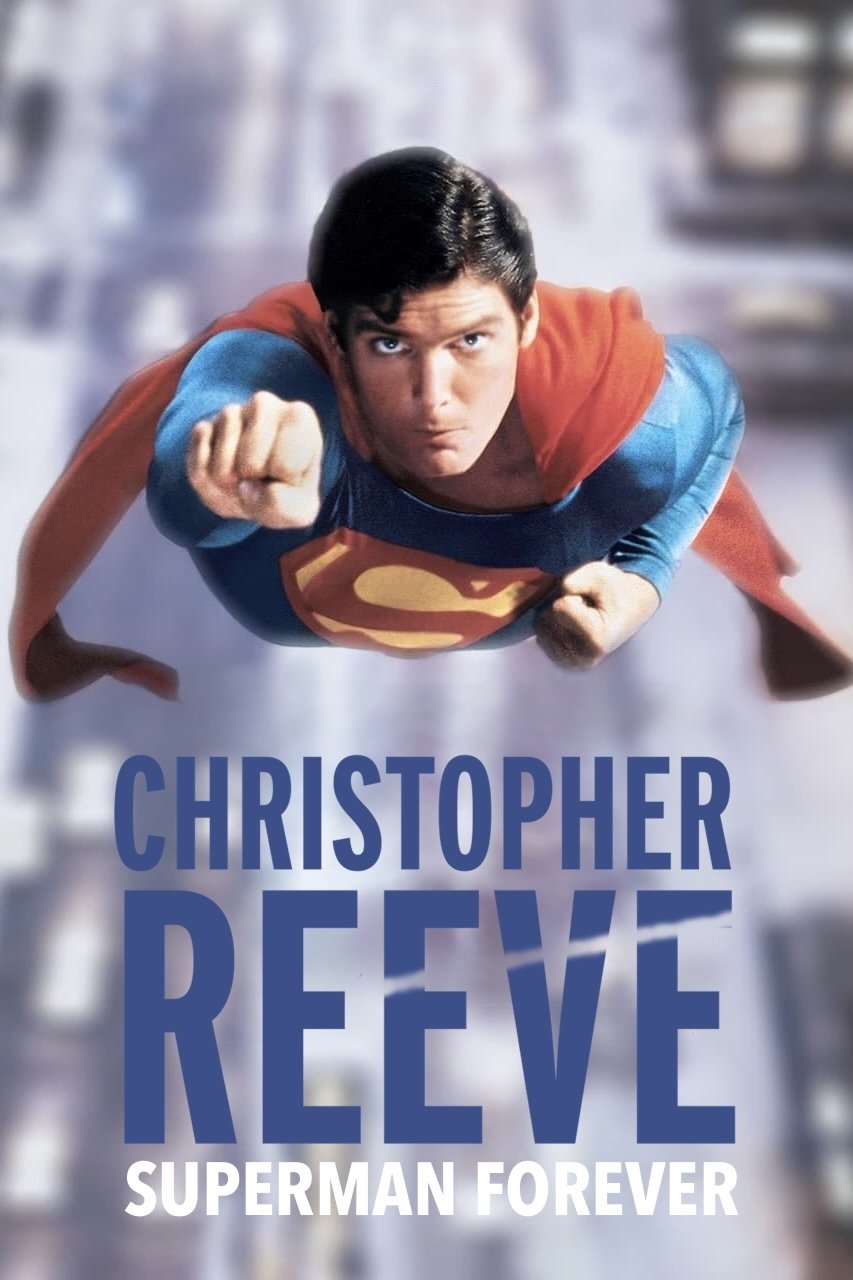
A French documentary on Superman actor Christopher Reeve as told by his French voice dubbing actor, Pierre Arditi.
In the aftermath of 2014's Umbrella Revolution, five Hong Kong activists are confronted with the question of what it means to be Hong Kongers.
Hormones – without them, nothing would work in our body: the messenger substances control our physical and mental state. New studies show how complex the connection between hormones, feelings and behavior really is. Surprisingly, the body's own hormone production is also apparently influenced by a person's behavior.
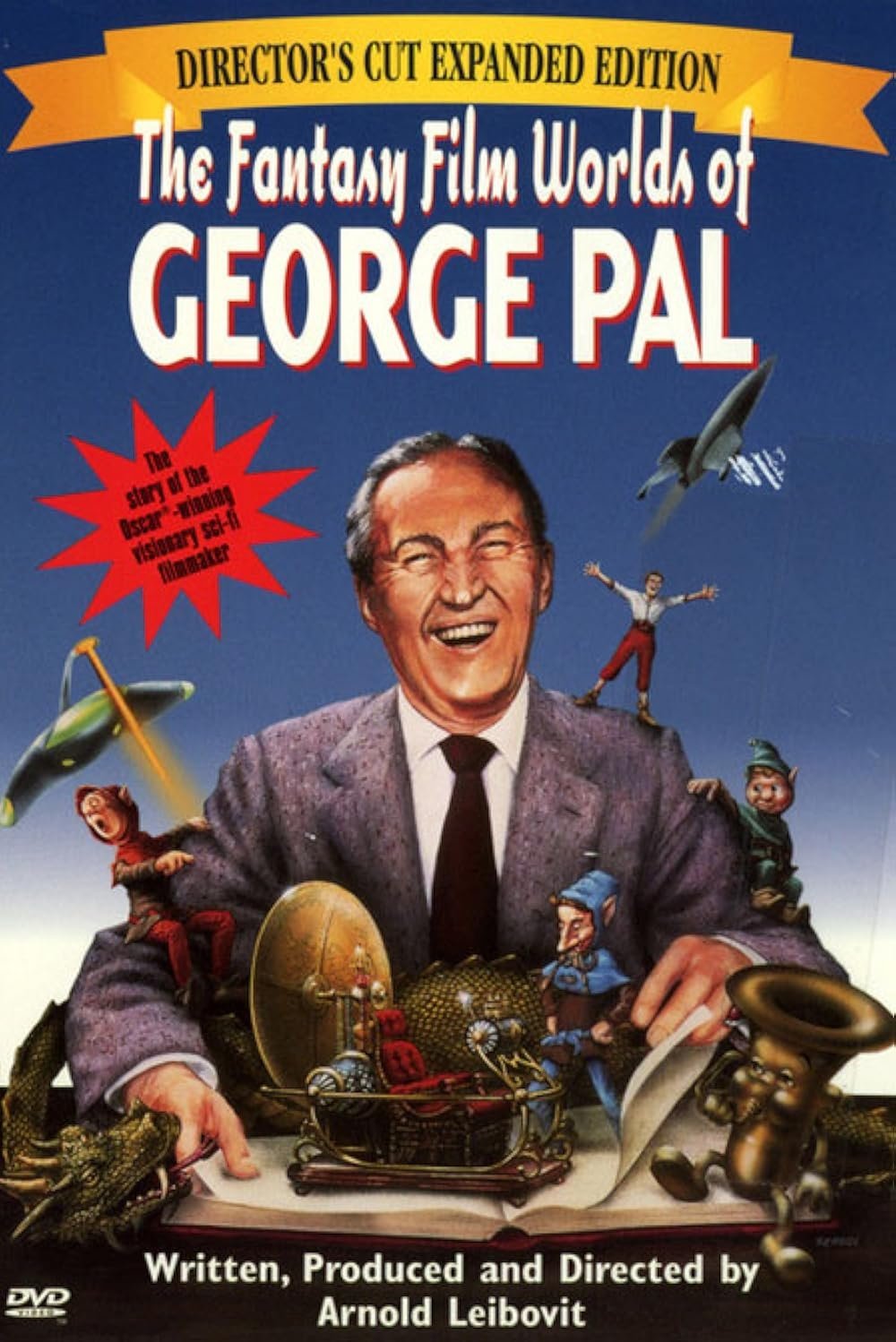
Among the legends of Hollywood, George Pal takes his place as a true visionary, an innovator and a showman who profoundly shaped the art of motion pictures. A peer of Walt Disney, Pal pioneered stop motion animation and went on to virtually invent the modern science fiction and fantasy film genres. Pal's extraordinary genius molded a dazzling array of films, which earned an incredible total of eight Academy Awards and left a cinematic legacy that served as formative inspiration for the movies of George Lucas, Steven Spielberg and Gene Roddenberry.
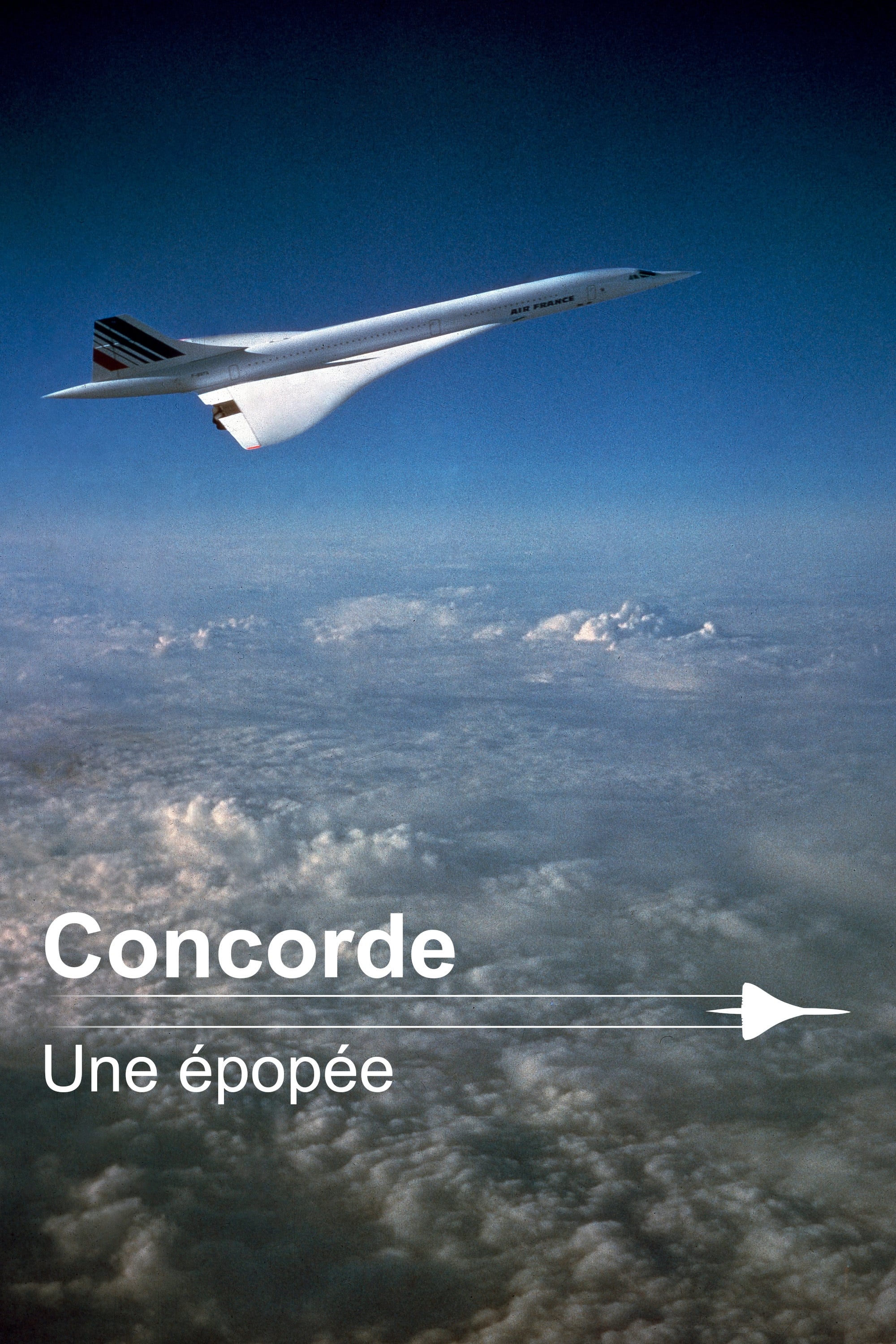
Fifty years ago, on Sunday, 2 March 1969, Concorde flew for the first time. Starting from this inaugural flight, the film goes back in time to the origin of the conception of Concorde.
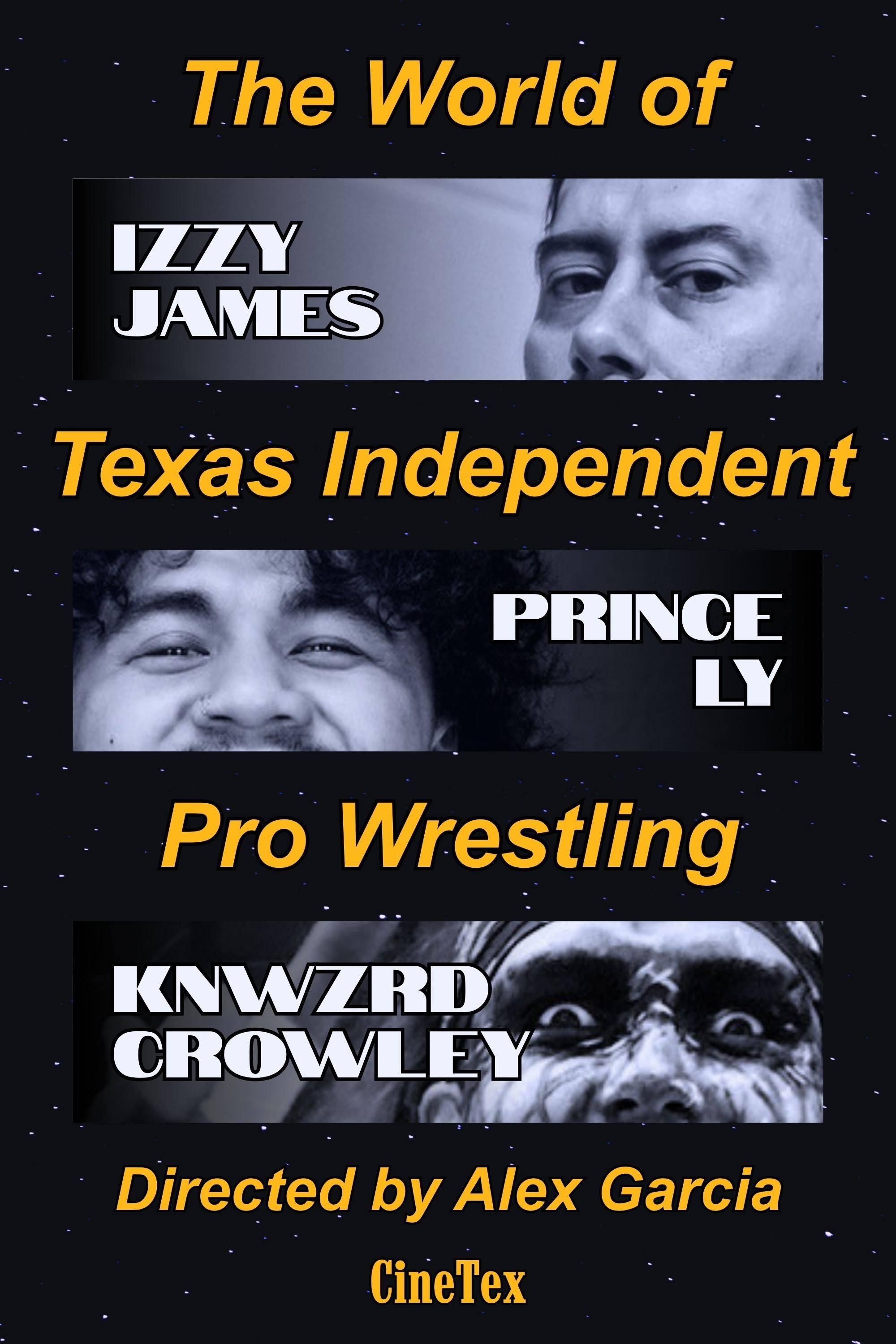
A documentary following the careers and lives of three professional wrestlers based in Texas. A seasoned veteran, a fresh young face, and a rookie trying to break into the industry.
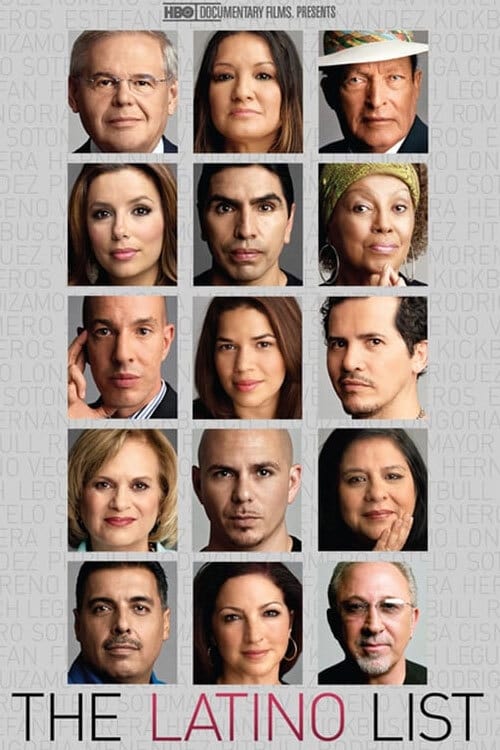
Documentary film interviews leading Latinos on race, identity, and achievement.
Michel is the charismatic subject of this documentary about following your sex drive. Sharing unique life experiences with great verve, an aging lothario strikes an honest and simply unforgettable pose.
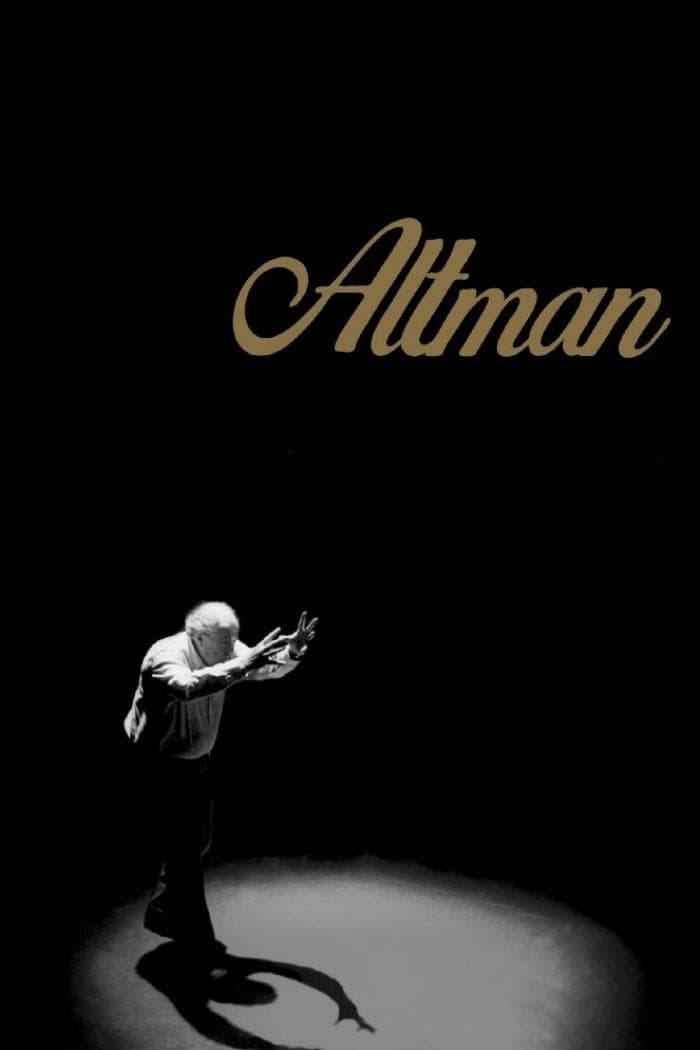
Robert Altman's life and career contained multitudes. This father of American independent cinema left an indelible mark, not merely on the evolution of his art form, but also on the western zeitgeist. With its use of rare interviews, representative film clips, archival images, and musings from his family and most recognizable collaborators, Altman is a dynamic and heartfelt mediation on an artist whose expression, passion and appetite knew few bounds.
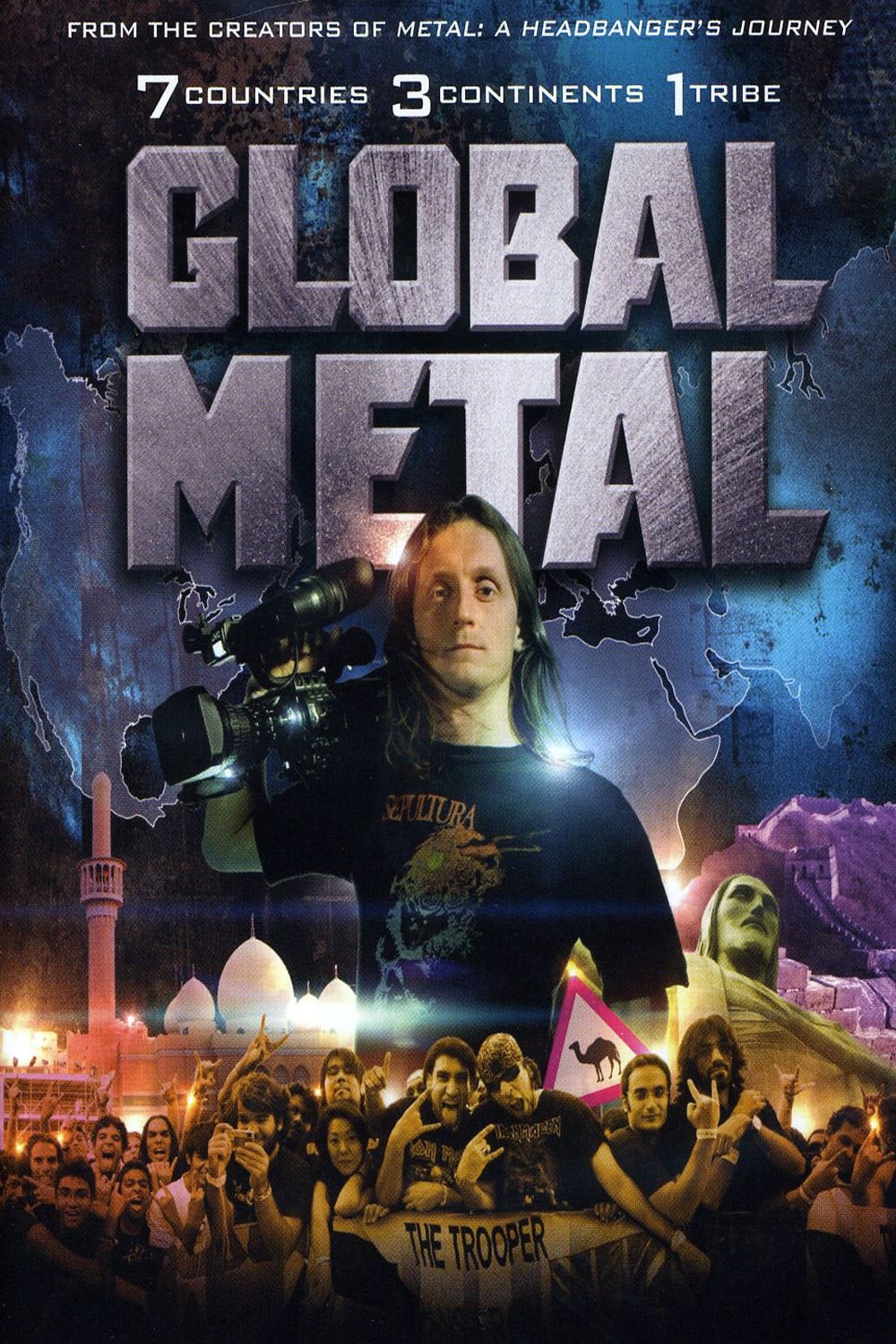
In GLOBAL METAL, directors Scot McFadyen and Sam Dunn set out to discover how the West's most maligned musical genre - heavy metal - has impacted the world's cultures beyond Europe and North America. The film follows metal fan and anthropologist Sam Dunn on a whirlwind journey through Asia, South America and the Middle East as he explores the underbelly of the world's emerging extreme music scenes; from Indonesian death metal to Chinese black metal to Iranian thrash metal. GLOBAL METAL reveals a worldwide community of metalheads who aren't just absorbing metal from the West - they're transforming it - creating a new form of cultural expression in societies dominated by conflict, corruption and mass-consumerism.
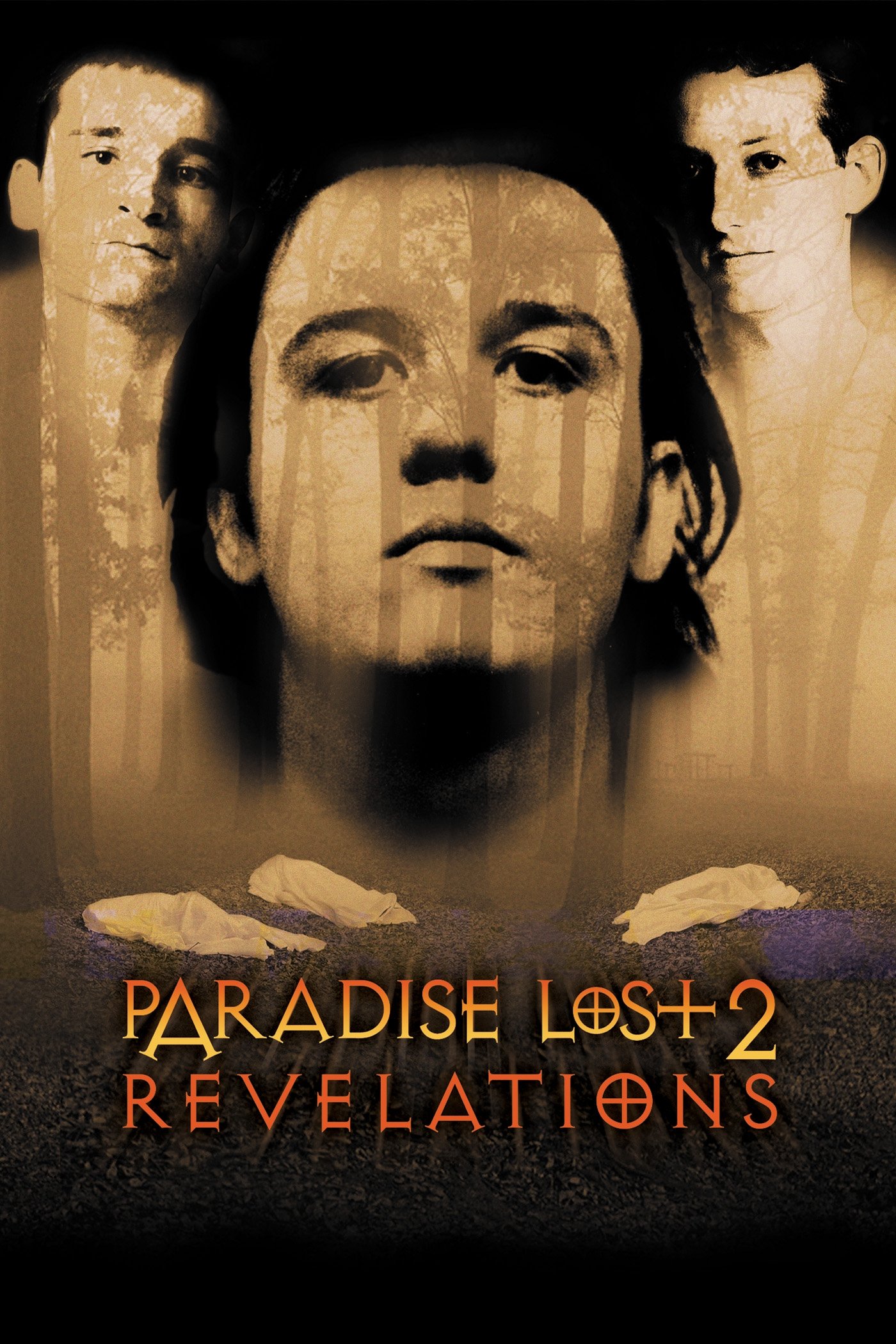
Revisiting the 1994 Arkansas murder of three 8-year-old boys and the three teenagers convicted of the crime. A follow up to Paradise Lost, Revelations features new interviews with the convicted men, as well as with the original judge and police investigators.
From San Diego Comic Con to on board Disney Cruise Line's Destiny, we're with the cast of the Emmy-winning Disney+ Original series "Percy Jackson and the Olympians" for a behind the scenes look at the popular fantasy series.
From a prolific career in film and television, Anton Yelchin left an indelible legacy as an actor. Through his journals and other writings, his photography, the original music he wrote, and interviews with his family, friends, and colleagues, this film looks not just at Anton's impressive career, but at a broader portrait of the man.
Director Michael Apted revisits the same group of British-born adults after a 7 year wait. The subjects are interviewed as to the changes that have occurred in their lives during the last seven years.
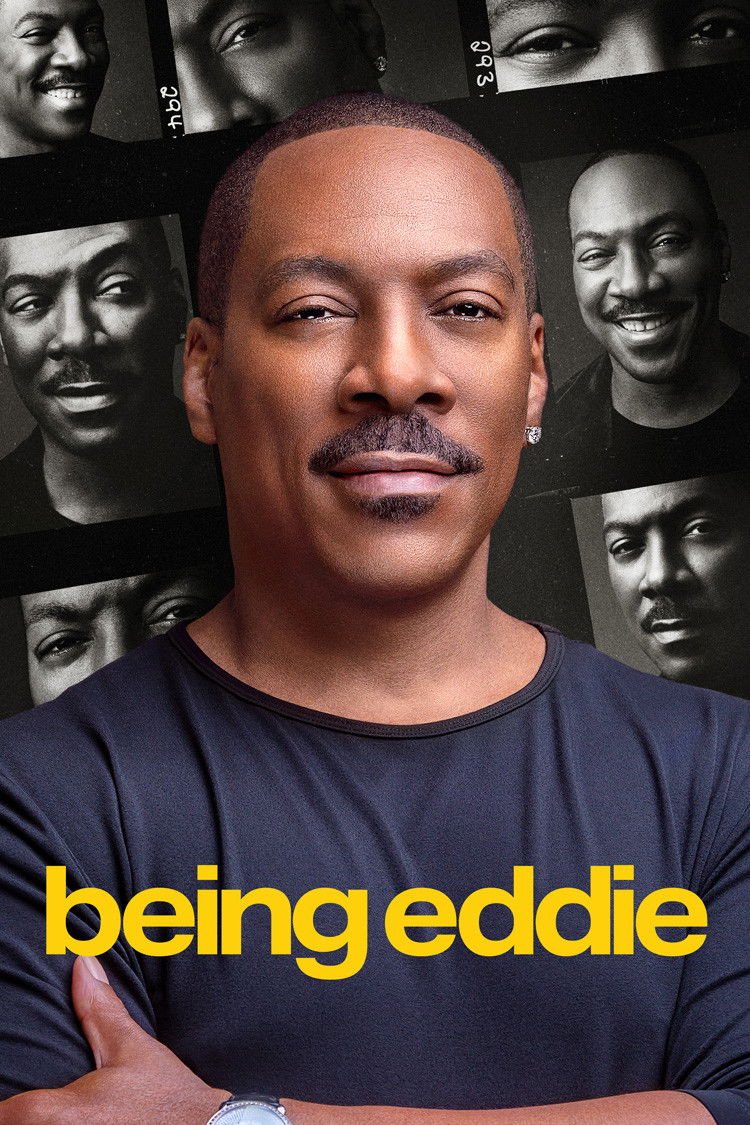
From teen comedian to Hollywood legend, Eddie Murphy revisits his extraordinary showbiz ride with raw honesty and humor.
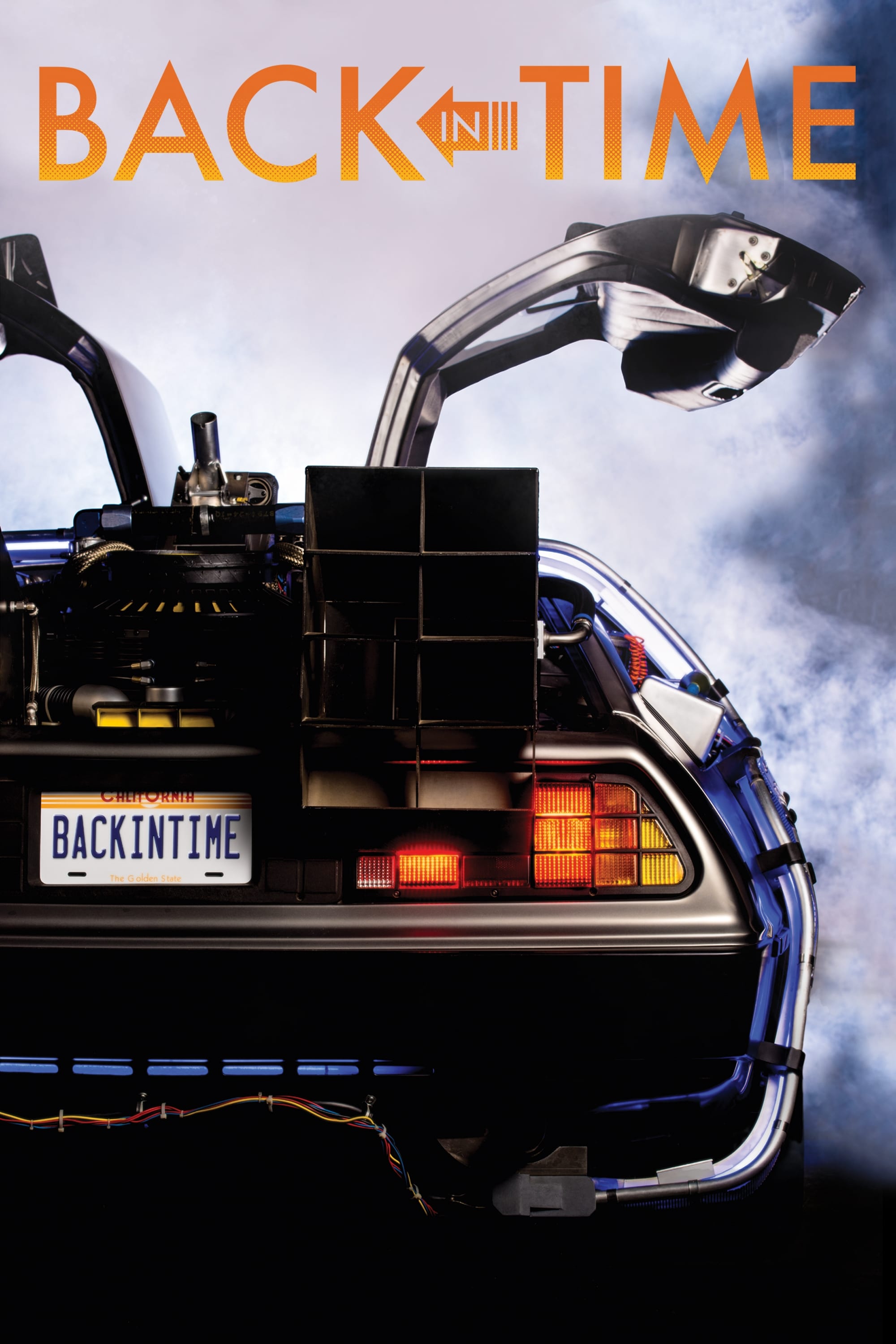
Cast, crew and fans explore the "Back to the Future" time-travel trilogy's resonance throughout our culture, thirty years after Marty McFly went back in time.
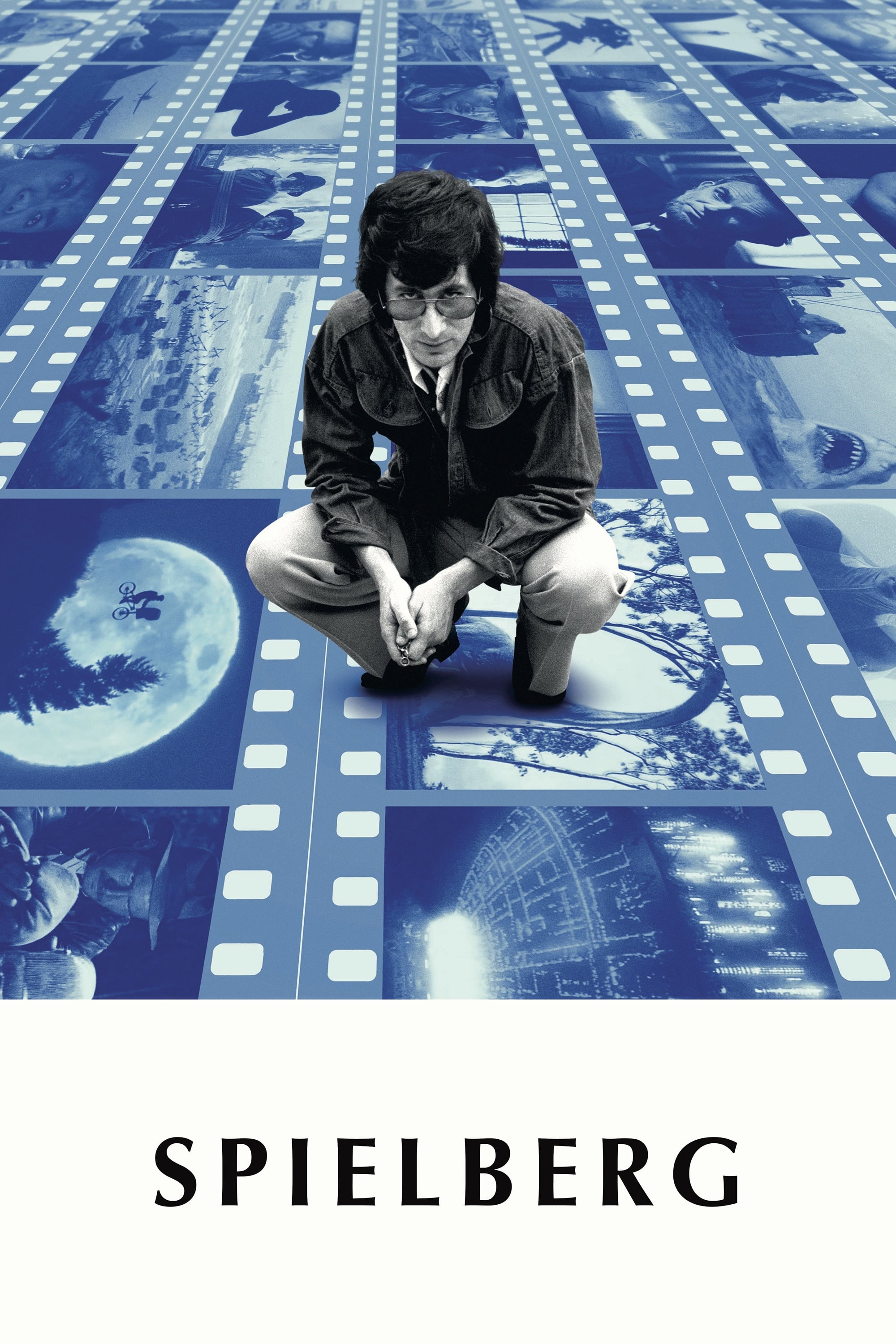
A documentary on the life and career of one of the most influential film directors of all time, Steven Spielberg.
An intimate conversation between filmmakers, chronicling De Palma’s 55-year career, his life, and his filmmaking process, with revealing anecdotes and, of course, a wealth of film clips.
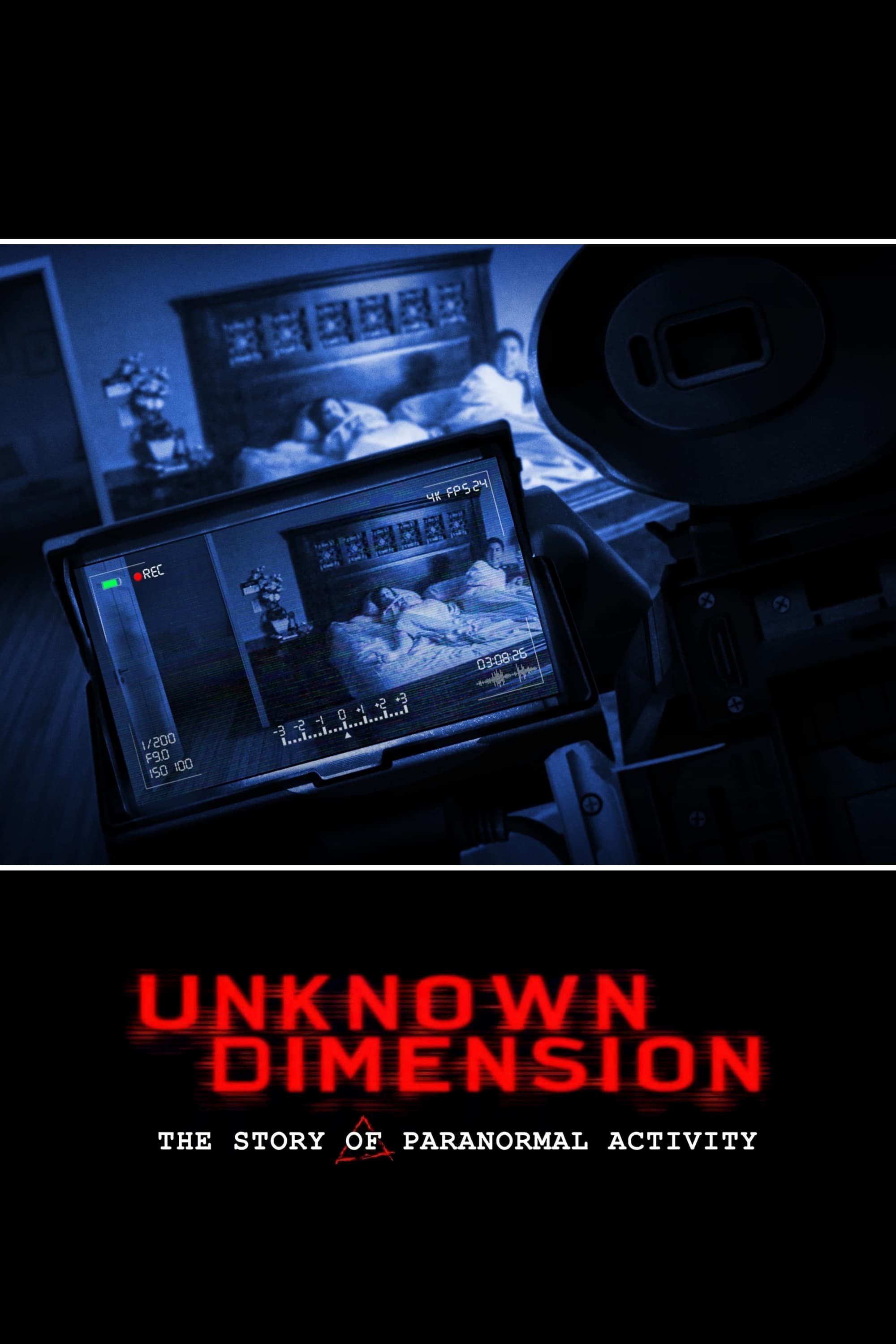
A deep dive into the making of the Paranormal Activity films with first time ever interviews with cast and crew, never-before-seen footage from the movies, and a preview of the seventh installment in the franchise.
This revealing documentary honors the legendary Sidney Poitier—iconic actor, filmmaker, and civil rights activist. Featuring interviews with Denzel Washington, Spike Lee, Halle Berry, and more.
The life and career of an actor, artist, and icon. His own journey through his own camera.
In an intimate and joyful story of love in the face of loss, celebrated poets Andrea Gibson and Megan Falley find strength—and unexpected hilarity—in what might be their final year together.
Documentary sequel that offers a close-up look into the personal lives of the legendary porn stars who've survived the test of time and influenced popular culture. Blends rare interviews with erotic clips and additional appearances by Whoopi Goldberg, Steven Soderbergh and a host of adult stars, directors and trendsetters.
Through deeply personal interviews with her siblings and an examination of the photographs, letters, and belongings left behind, Mariska assembles a new portrait of her mother Jayne Mansfield, an extraordinary and complex woman.
A documentary examining the decade of the 1970s as a turning point in American cinema. Some of today's best filmmakers interview the influential directors of that time.
A detailed account of the life and artistic career of legendary filmmaker Quentin Tarantino, from his early days as a video club manager to the scandalous fall in disgrace of producer Harvey Weinstein. A story about how to shoot eight great movies and become an icon of modern pop culture.
The definitive documentary on the history of nudity in feature films from the early silent days to the present, studying the changes in morality that led to the use of nudity in films while emphasizing the political, sociological and artistic changes that shaped that history. Skin will also study the gender inequality in presenting nude images in motion pictures and will follow the revolution that has created nude gender equality in feature films today.
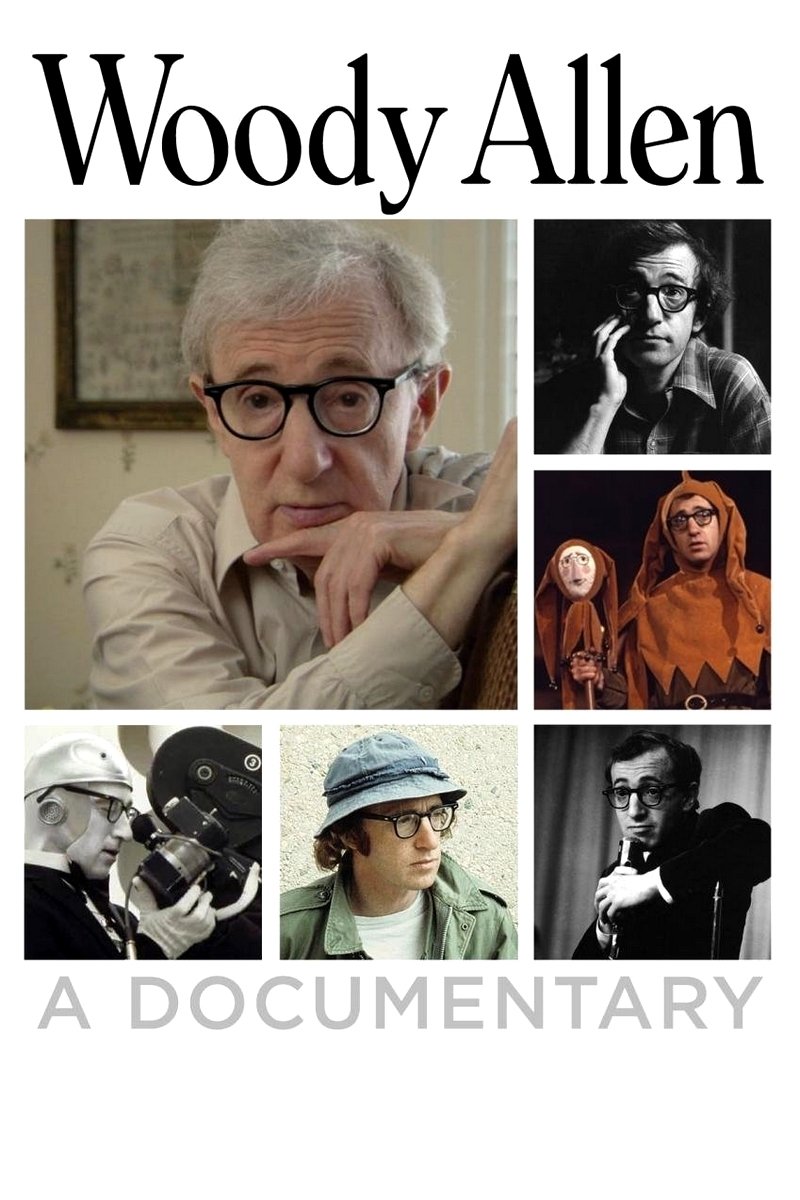
An intense portrait of the iconic filmmaker, writer, actor, comedian and musician Woody Allen: his life, family and friends; his writing and directing habits, and his relationship with performers.
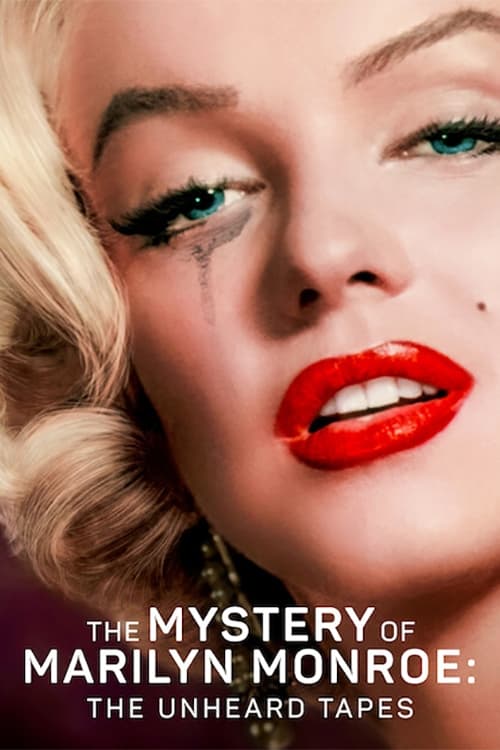
This documentary explores the mystery surrounding the death of movie icon Marilyn Monroe through previously unheard interviews with her inner circle.
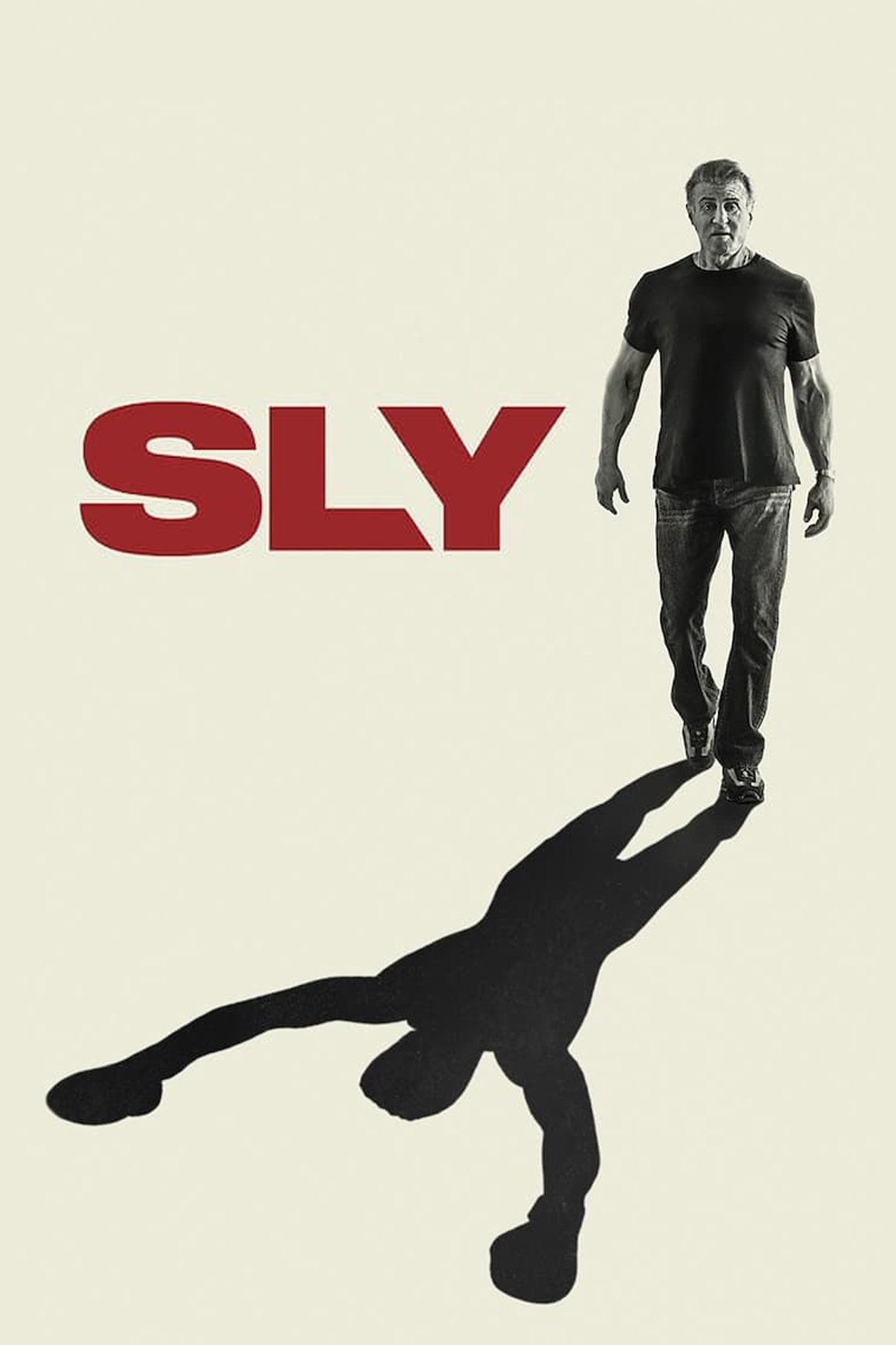
His love of film began as an escape from a rocky childhood. From underdog to Hollywood legend, Sylvester Stallone tells his story in this documentary.