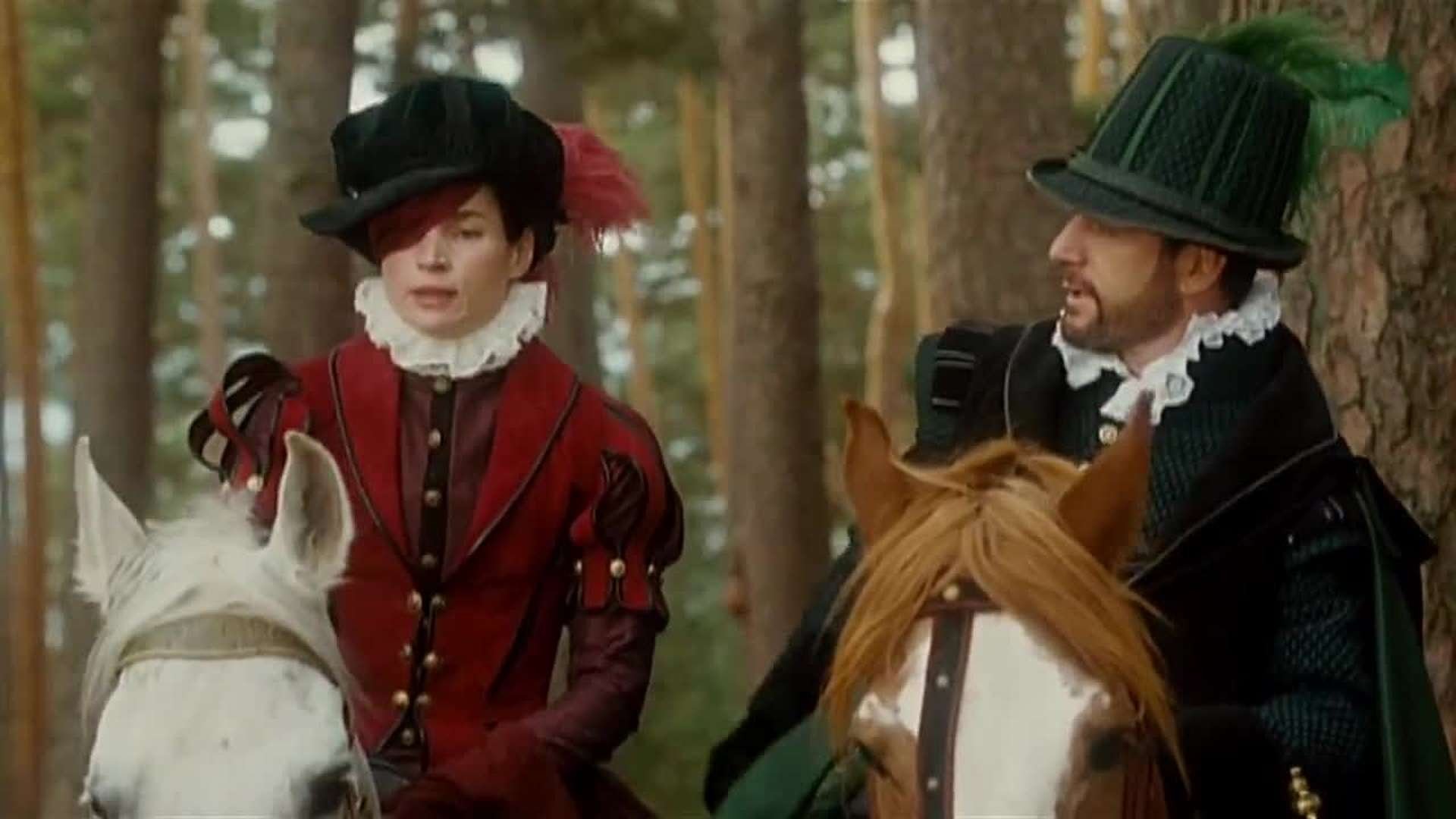
16th century ruler King Philip II of Spain maneuvers within a court of deceit and betrayal
Social & External
The people behind it
Jason Isaacs
Antonio Pérez
Julia Ormond
Princesa de Éboli
Jürgen Prochnow
Espinosa
Jordi Mollà
Mateo Vázquez
Joaquim de Almeida
Escobedo
Juanjo Puigcorbé
Felipe II
Blanca Jara
Damiana
Nacho Aldeguer
Operario Acería
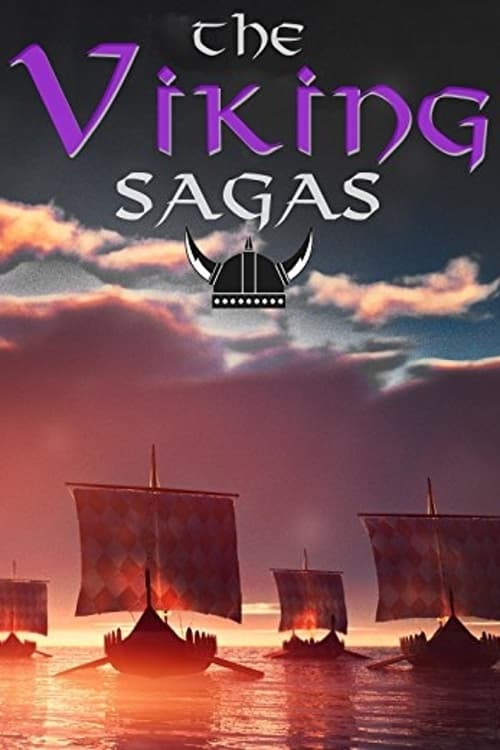
Dr Janina Ramirez travels across glaciers and through the lava fields of Iceland to find out about one of the most compelling of the great Viking stories - the Laxdaela Saga. This hour-long film explores how the unique literary achievements of the Saga writers were possible at a time of such immense cultural, political and religious upheaval.
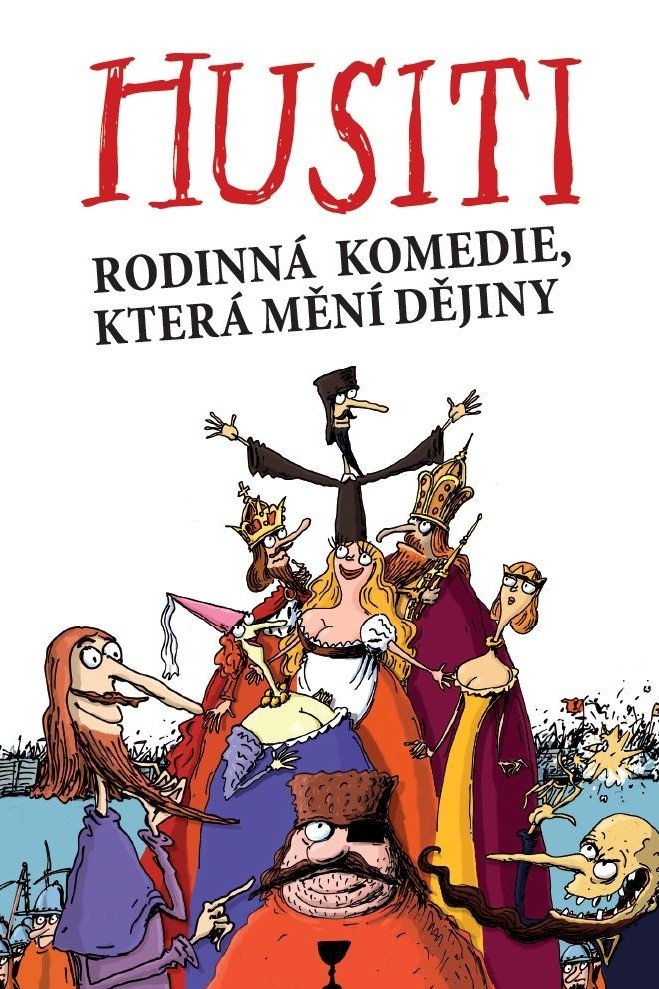
What if the events in a key era in our history were actually completely different than what our history textbooks try to tell us? What if Master Jan Hus didn't even get warm in Constance, let alone burn up? What if Jan Zizka had more than one healthy eye? This animated comedy from director Pavel Koutský playfully breaks the myths about the Hussite era as the pedestal of history is occupied not by preachers and military leaders but by two unbelievable scatterbrains, who become the heroes of their time against their will.
A group of soldiers are sentenced for the murders of key political figures in the night of October 19th, 1921, in the streets of Lisbon. But the names of the conspirators remain unknown. Berta Maia, a widow of the 1910 revolution hero Carlos da Maia, will fight for the truth…
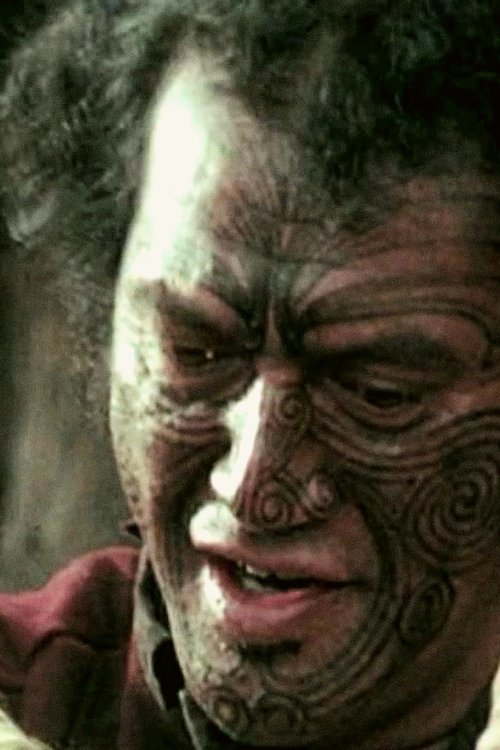
In a Maori settlement, Ngati Toa leader Te Rauparaha composes the famous chant "Ka Mate", also known as the haka, after evading enemy capture by hiding in a kumara pit.
Beginning just after the bloody Sioux victory over General Custer at Little Big Horn, the story is told through two unique perspectives: Charles Eastman, a young, white-educated Sioux doctor held up as living proof of the alleged success of assimilation, and Sitting Bull the proud Lakota chief whose tribe won the American Indians’ last major victory at Little Big Horn.
The impact of Marx on the 20th century has been all-pervasive and world-wide. This program looks at the man, at the roots of his philosophy, at the causes and explanations of his philosophical development, and at its most direct outcome: the failed Soviet Union.
It was perhaps the most spectacular flourishing of imagination and achievement in recorded history. In the Fourth and Fifth Centuries BC, the Greeks built an empire that stretched across the Mediterranean from Asia to Spain. They laid the foundations of modern science, politics, warfare and philosophy, and produced some of the most breathtaking art and architecture the world has ever seen. This series, narrated by Liam Neeson, recounts the rise, glory, demise and legacy of the empire that marked the dawn of Western civilization. The story of this astonishing civilization is told through the lives of heroes of ancient Greece. The latest advances in computer and television technology rebuild the Acropolis, recreate the Battle of Marathon and restore the grandeur of the Academy, where Socrates, Plato and Aristotle forged the foundation of Western thought.
A history of the French Revolution beginning from the decision of the king to convene the Etats-Generaux in 1789 in order to deal with France's debt problem. Part one spans the event until August 10, 1792 (when the King Louis XVI lost all authority and was imprisoned). Part two carries the story through the end of the terror in 1794.
The Castro revolution was just consolidating its power when, in 1961, over 100,000 students were sent from their schools into the countryside to teach the peasants there how to read. Coinciding with the Bay of Pigs invasion, in this docudrama, 15-year-old Mario (Salvador Wood) has come to a tiny village in the Zapata swamps and gradually wins the villagers over to his task. At the same time, he receives an education in the realities of rural life from the hard-working peasants.
This reconstruction refers to a meeting that allegedly took place on 25 November 1804 at Fontainebleau between Pope Pius VII and Napoleon to discuss the coronation.
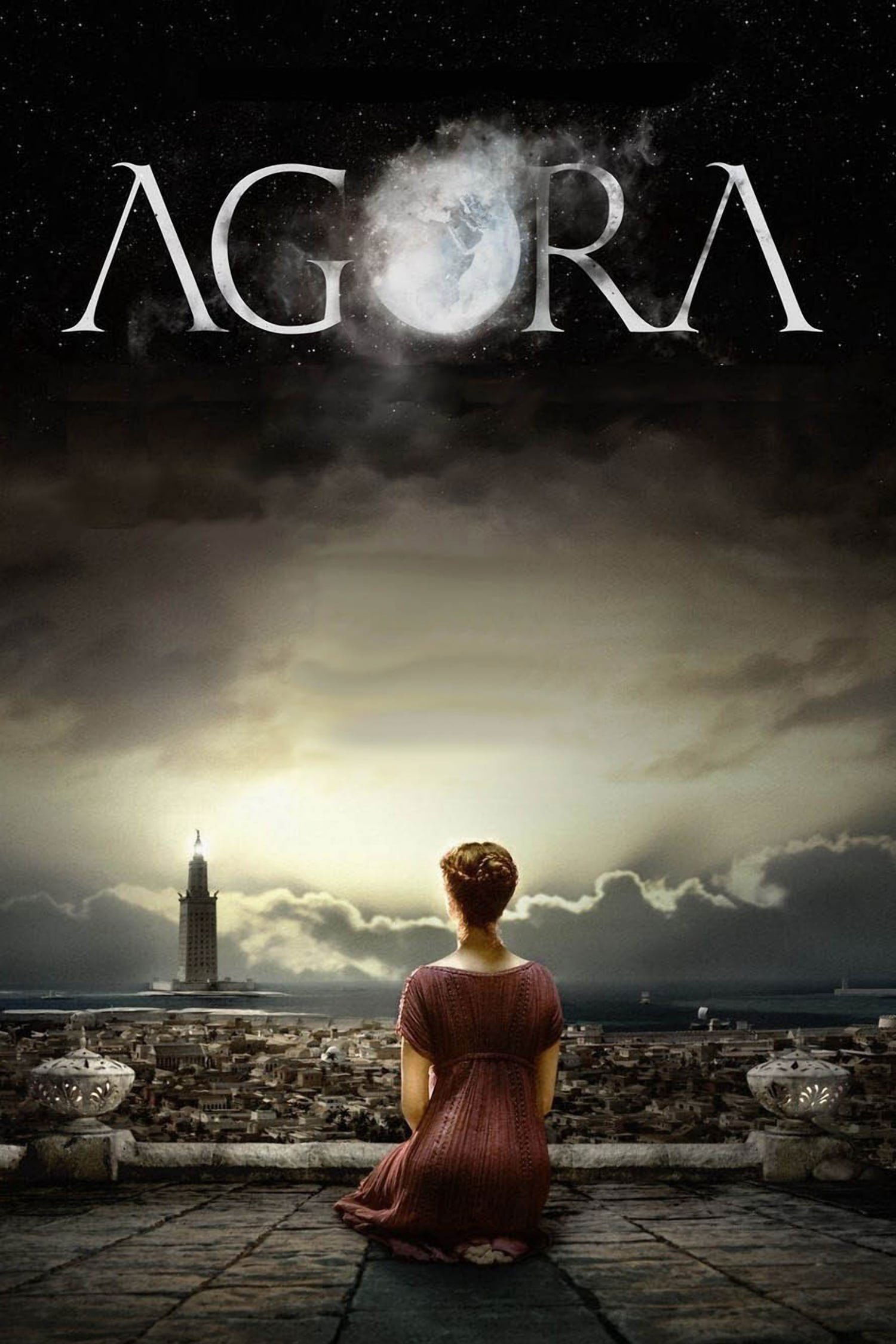
A historical drama set in Roman Egypt, concerning philosopher Hypatia of Alexandria and her relationship with her slave Davus, who is torn between his love for her and the possibility of gaining his freedom by joining the rising tide of Christianity.
Over the period of 25 years the director met General Võ Nguyên Giáp, a legendary hero of Vietnam’s independence wars, a number of times. She was the first American who entered the home of the “Red Napoleon”. The fruit of this friendship is a film, personal and politically involved at the same time. Travelling across the country and talking to important figures as well as ordinary people, the director finds out more about her roots and offers the audience a unique perspective on Vietnam’s present and past.
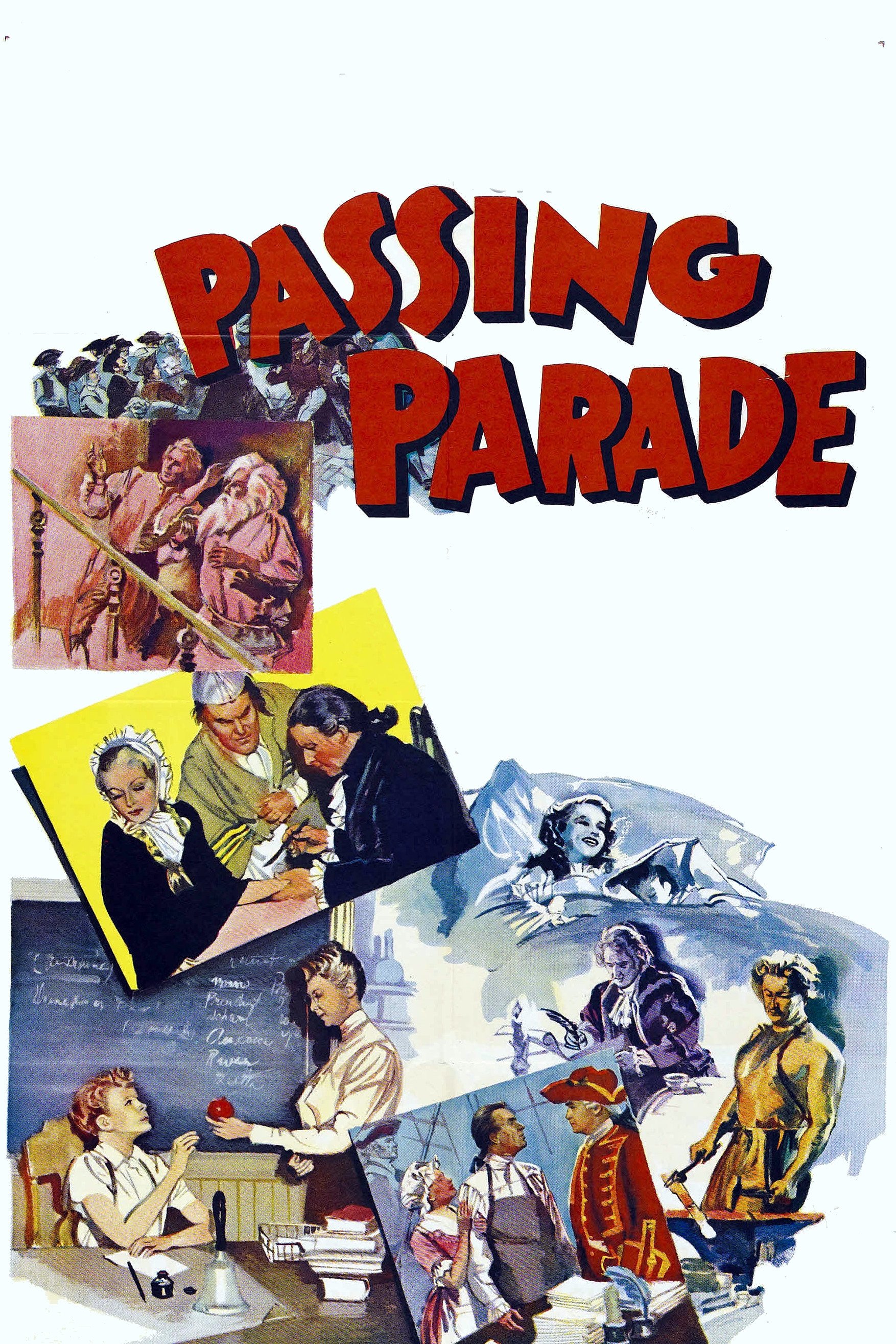
This MGM Passing Parade series short presents how separate events led to the creation of three provisions - freedom of speech, freedom of the press, and prohibition of the infliction of cruel and unusual punishments - in the U.S. Constitution's Bill of Rights.
It is the year 2546. Corporations rule the world, and an agent is on a secret mission to explore the untold stories of the past. His journey leads him into a secret virtual reality where one corporation has recreated the 1980s, an era that witnessed the birth of video game development, an event in which a politically and economically restricted small European country, Hungary, had a significant role. He discovers a strange but exciting world, where computers were smuggled through the Iron Curtain and serious engineers started developing games. This small country was still under Soviet pressure when a group of people managed to set up one of the first game development studios in the world, and western computer stores started clearing room on their shelves for Hungarian products.
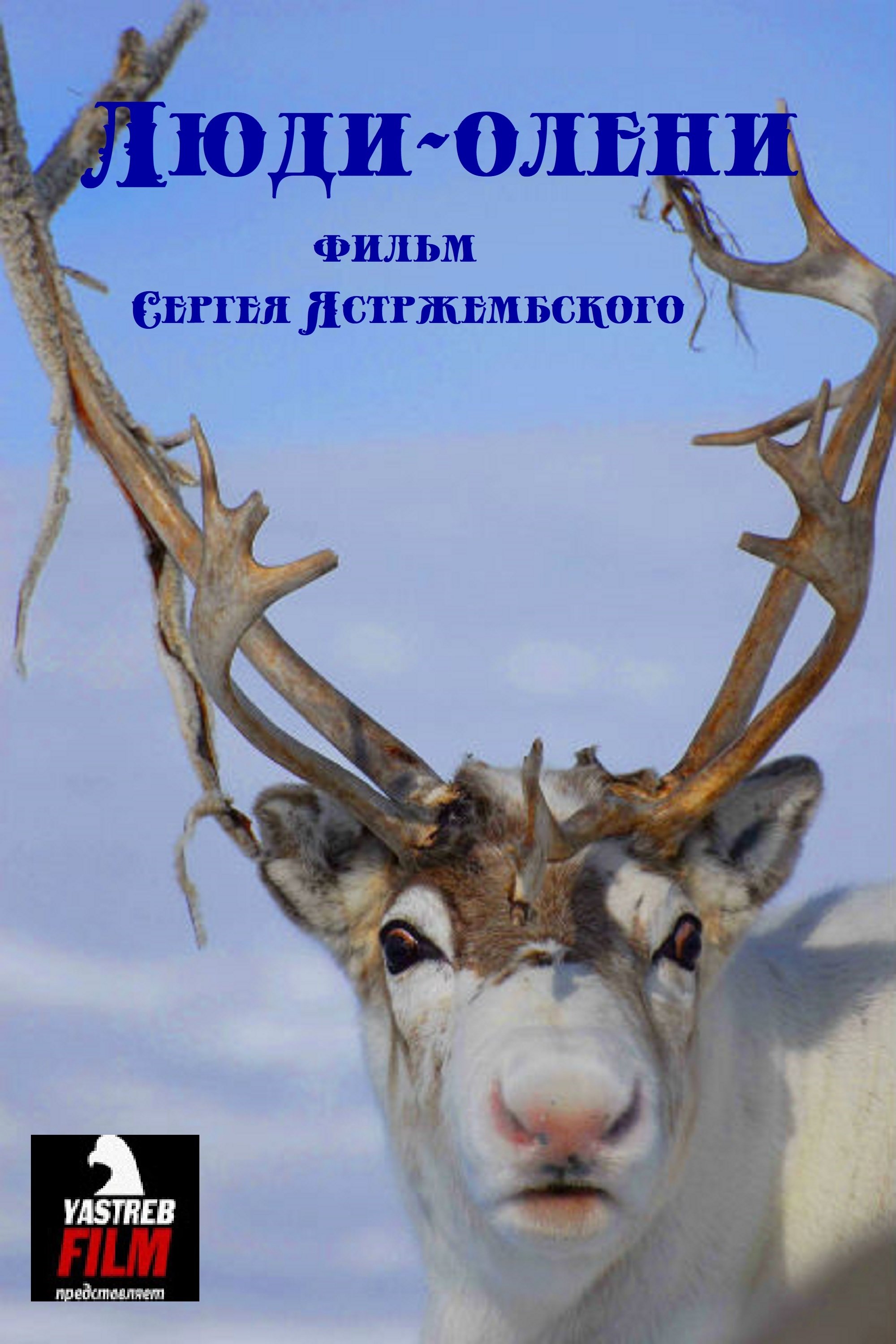
The Chukchi reindeer breeders are peculiar people. They are nomads. Reindeers are their welfare, the purport of life. The mother-reindeer is the main divine being; it protects the Chukchi from misfortune and troubles. Nature is not friendly towards people here. Only Chukchi can survive in Tundra. A rush period for the Chukchi reindeer breeders comes in winter, when the temperature rises up to 50 degrees Celsius at night and in the sunlight of the day it doesn't exceed 40 degrees Celsius in tundra: they should separate young deers from the rest of the herd, the weak from the strong. And this, considering that the herds of the Chukchi reindeer breeders number some thousand heads...
In the 19th century, China held the monopoly on tea, which was dear and fashionable in the West, and the British Empire exchanged poppies, produced in its Indian colonies and transformed into opium, for Chinese tea. Inundated by the drugs, China was forced to open up its market, and the British consolidated their commercial dominance. In 1839, the Middle Empire introduced prohibition. The Opium War was declared… Great Britain emerged as the winner, but the warning was heeded: it could no longer depend on Chinese tea. The only alternative possible was to produce its own tea. The East India Company therefore entrusted one man with finding the secrets of the precious beverage. His mission was to develop the first plantations in Britain’s Indian colonies. This latter-day James Bond was called Robert Fortune – a botanist. After overcoming innumerable ordeals in the heart of imperial China, he brought back the plants and techniques that gave rise to Darjeeling tea.
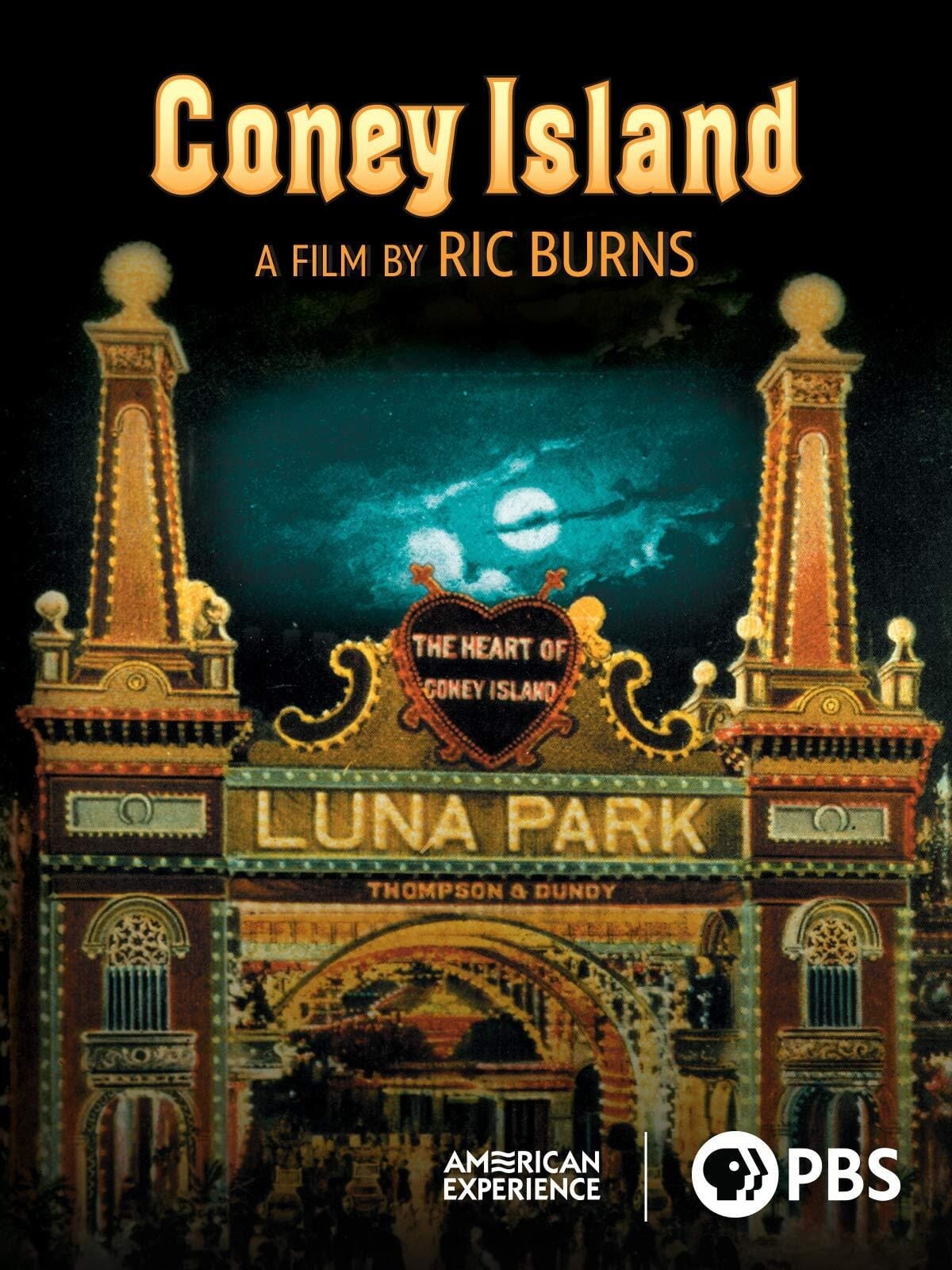
Before there was Disneyland, there was Coney Island. By the turn of the century, this tiny piece of New York real estate was internationally famous. On summer Sundays, three great pleasure domes--Steeplechase, Luna Park and Dreamland--competed for the patronage of a half-million people. By day it was the world's most amazing amusement park, by night, an electric "Eden".
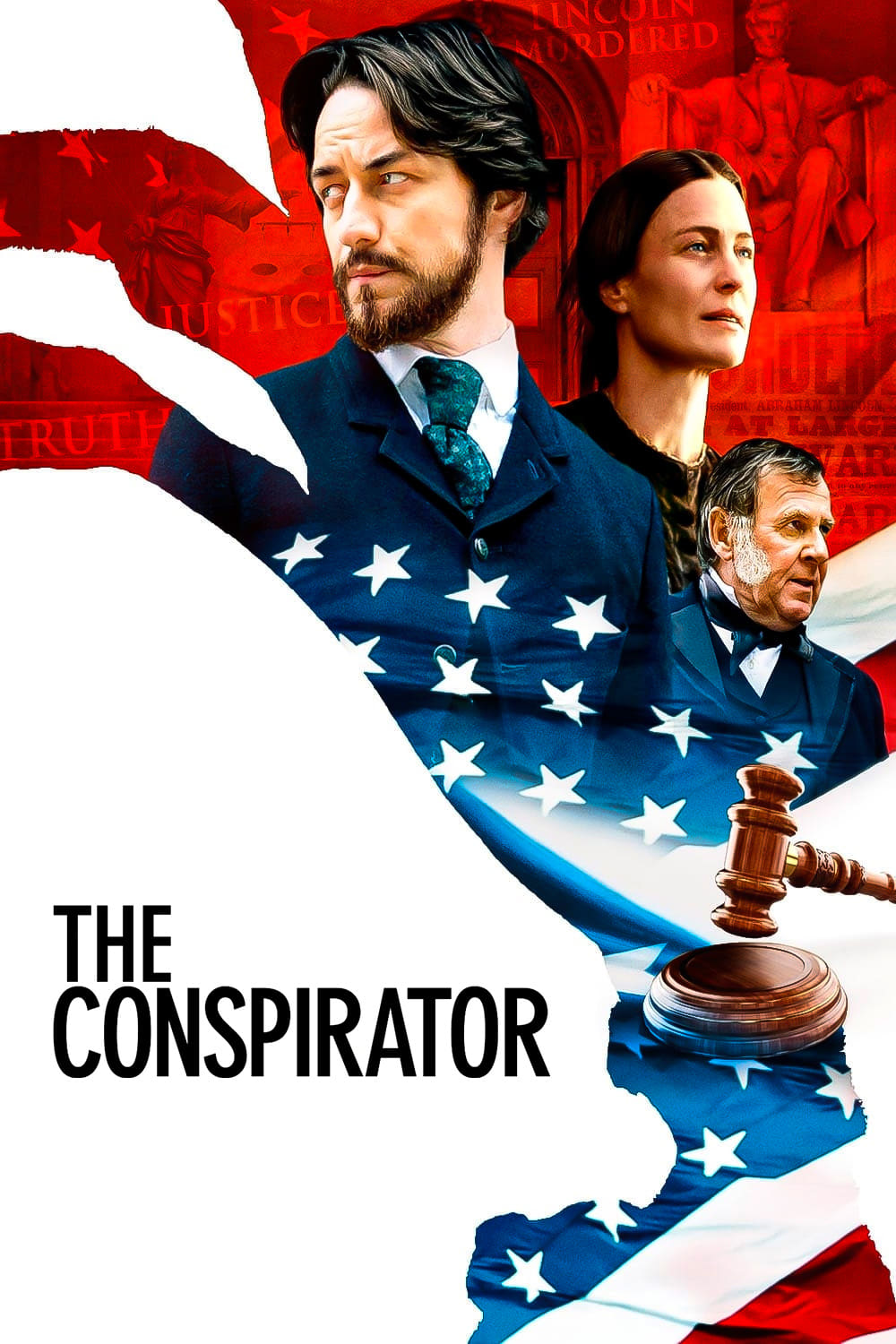
Mary Surratt is the lone female charged as a co-conspirator in the assassination trial of Abraham Lincoln. As the whole nation turns against her, she is forced to rely on her reluctant lawyer to uncover the truth and save her life.
The documentary recounts the world's first nuclear attack and examines the alarming repercussions. Covering a three-week period from the Trinity test to the atomic bombing of Hiroshima, the program chronicles America's political gamble and the planning for the momentous event. Archival film, dramatizations, and special effects feature what occurred aboard the Enola Gay (the aircraft that dropped the bomb) and inside the exploding bomb.
An original documentary, this film contains previously classified footage provided by the Defense Department. Included is an exclusive on-camera "host" appearance by General Colin Powell, actual archival and pictorial footage, interviews, narrative with celebrities and key military personnel and the returning home after Desert Storm.
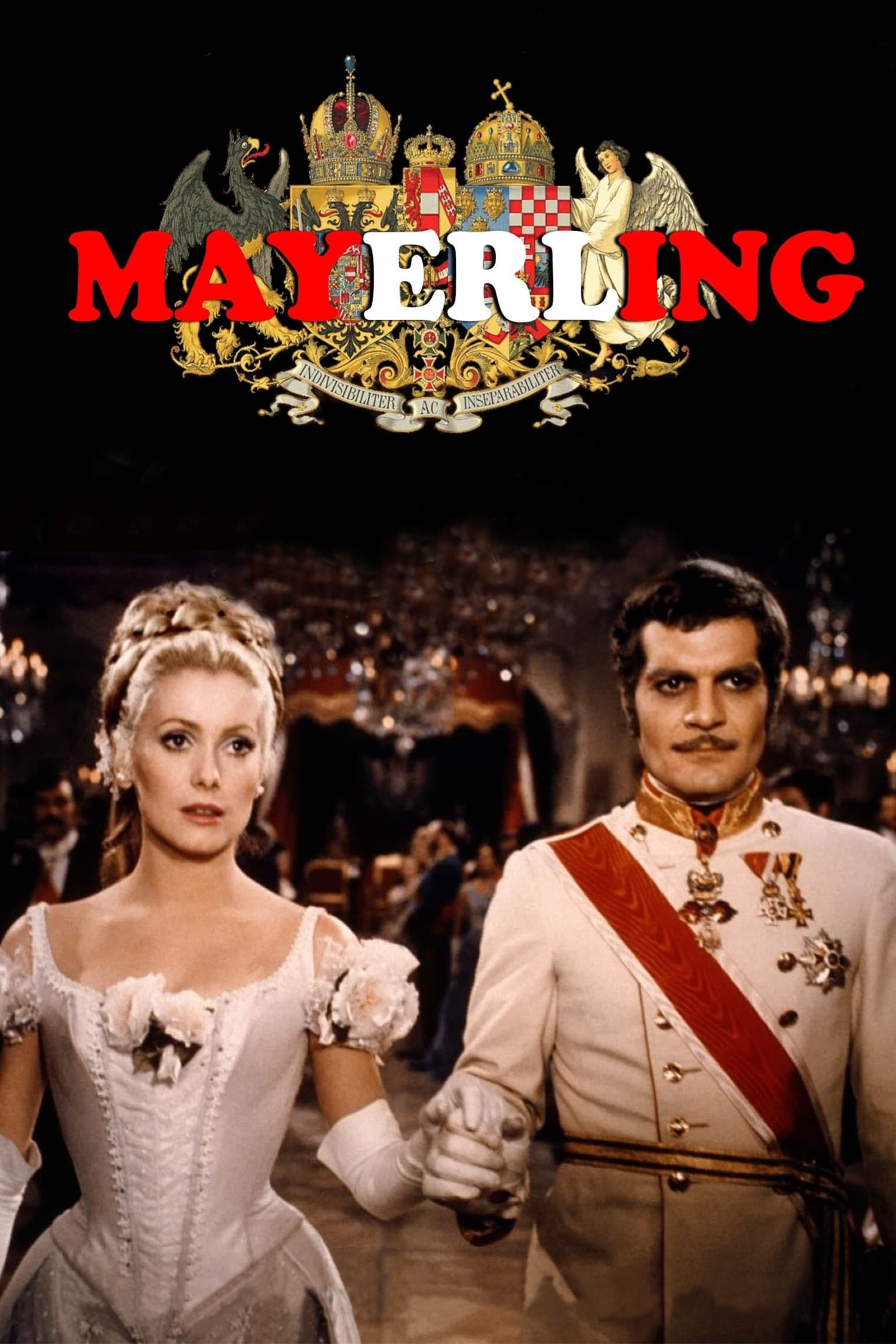
Crown Prince Rudolf of Austria clashes with his father, Emperor Franz Joseph I of Austria, over implementing progressive policies for their country. Rudolf soon feels he is a man born at the wrong time in a country that doesn't realize the need for social reform. The Prince of Wales, later to become Britain's King Edward VII, provides comic relief. Rudolf finds refuge from a loveless marriage with Princess Stéphanie by taking a mistress, Baroness Maria Vetsera. Their untimely demise at Mayerling, the imperial family's hunting lodge, is cloaked in mystery.
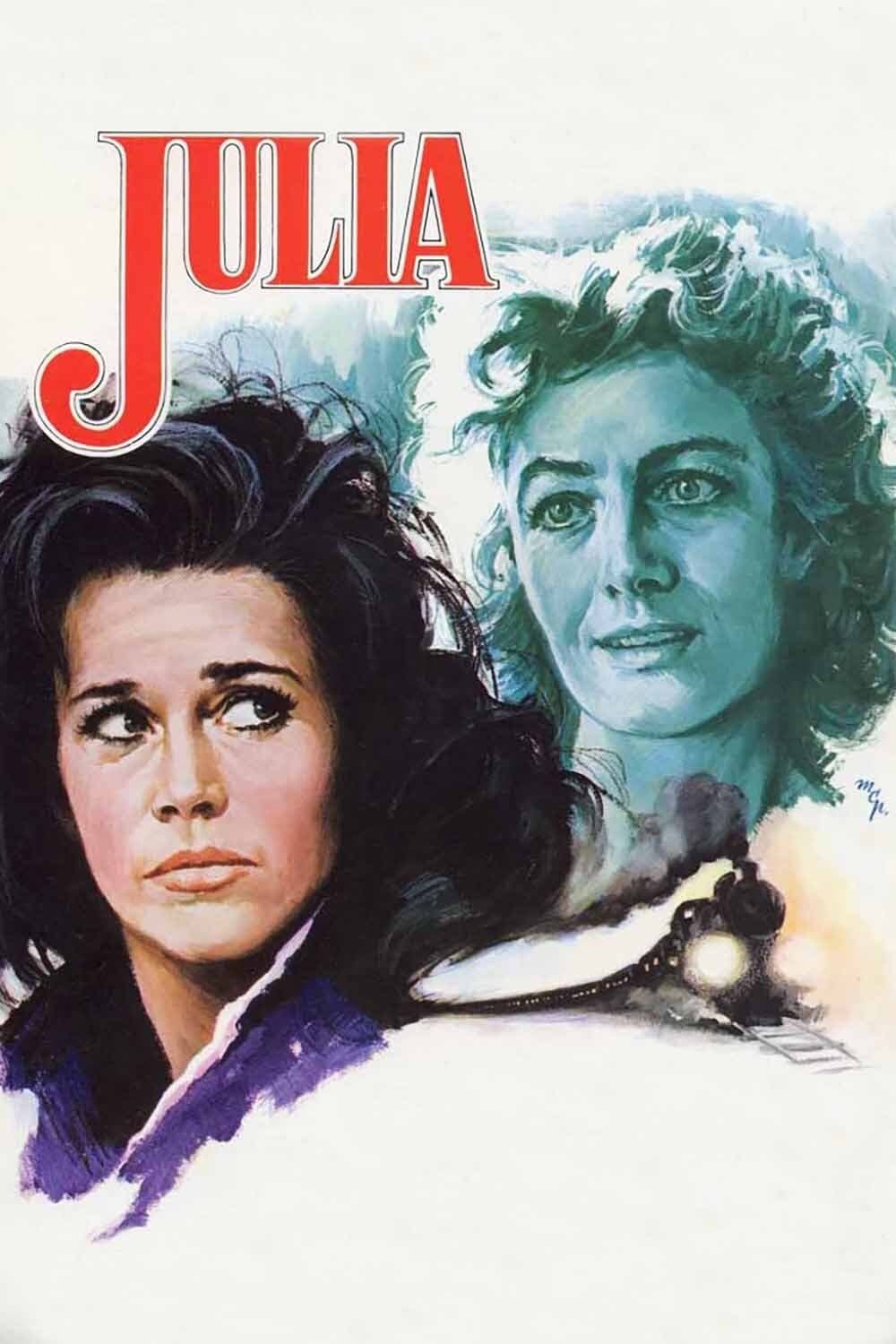
At the behest of an old and dear friend, playwright Lillian Hellman undertakes a dangerous mission to smuggle funds into Nazi Germany.
Electricity titans Thomas Edison and George Westinghouse compete to create a sustainable system and market it to the American people.
As the only legitimate heir of England's King William, teenage Victoria gets caught up in the political machinations of her own family. Victoria's mother wants her to sign a regency order, while her Belgian uncle schemes to arrange a marriage between the future monarch and Prince Albert, the man who will become the love of her life.
A WWII veteran escapes his care home in Northern Ireland and embarks on an arduous but inspirational journey to France to attend the 75th anniversary of the D-Day landings, finding the courage to face the ghosts of his past.
Young women toiling in a factory are exposed to hazardous material which takes a disastrous toll on their health.
Taken into slavery after the fall of Jerusalem in 605 B.C., Daniel is forced to serve the most powerful king in the world, King Nebuchadnezzar. Faced with imminent death, Daniel proves himself a trusted Advisor and is placed among the king's wise men. Threatened by death at every turn Daniel never ceases to serve the king until he is forced to choose between serving the king or honoring God. With his life at stake, Daniel has nothing but his faith to stand between him and the lions' den.
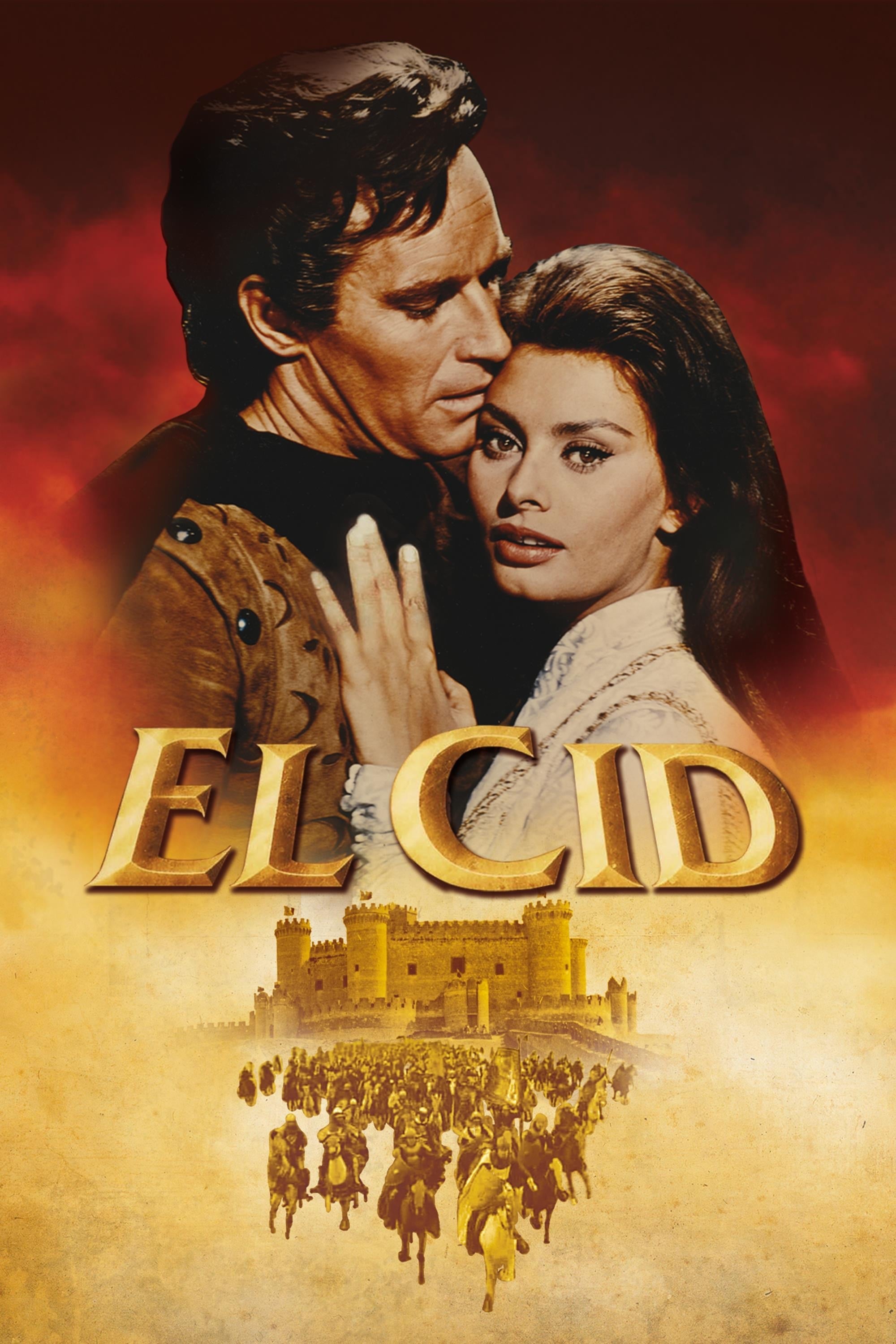
Epic film of the legendary Spanish hero, Rodrigo Diaz ("El Cid" to his followers), who, without compromising his strict sense of honour, still succeeds in taking the initiative and driving the Moors from Spain.
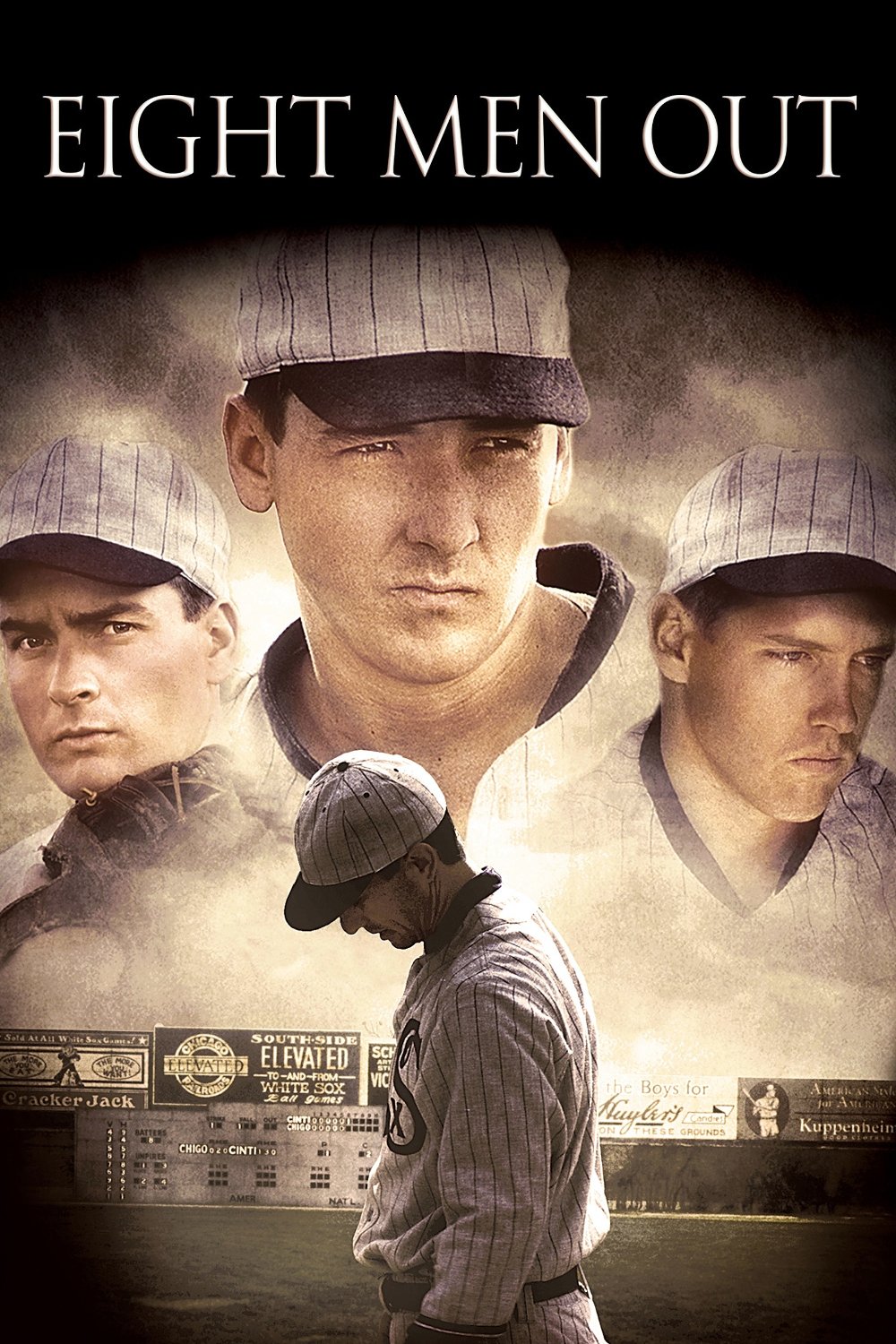
Buck Weaver and Hap Felsch are young idealistic players on the Chicago White Sox, a pennant-winning team owned by Charles Comiskey - a penny-pinching, hands-on manager who underpays his players and treats them with disdain. And when gamblers and hustlers discover that Comiskey's demoralized players are ripe for a money-making scheme, one by one the team members agree to throw the World Series. But when the White Sox are defeated, a couple of sports writers smell a fix and a national scandal explodes, ripping the cover off America's favorite pastime.
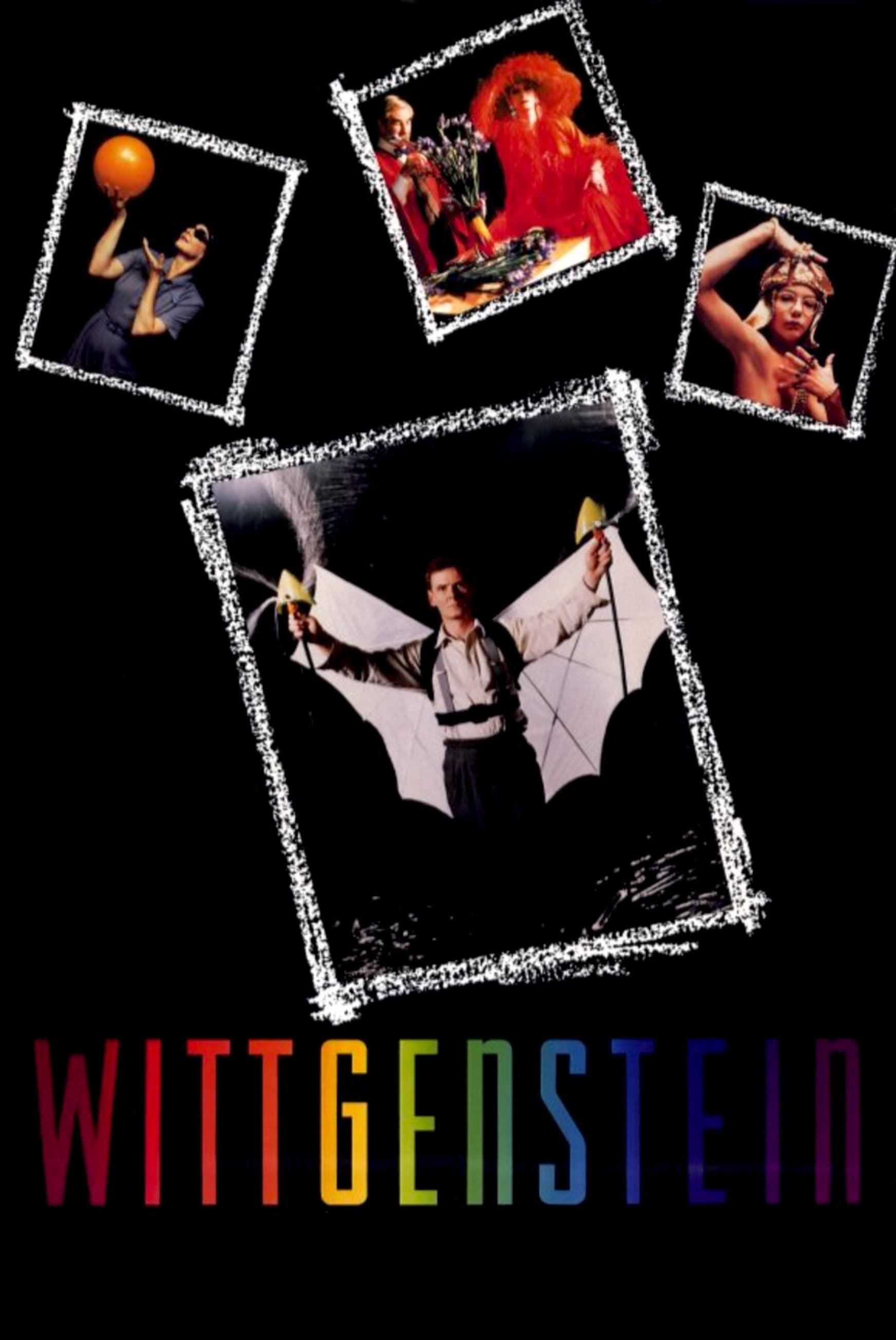
A dramatization, in modern theatrical style, of the life and thought of the Viennese-born, Cambridge-educated philosopher Ludwig Wittgenstein, whose principal interest was the nature and limits of language. A series of sketches depict the unfolding of his life from boyhood, through the era of the first World War, to his eventual Cambridge professorship and association with Bertrand Russell and John Maynard Keynes. The emphasis in these sketches is on the exposition of the ideas of Wittgenstein, a homosexual, and an intuitive, moody, proud, and perfectionistic thinker generally regarded as a genius.
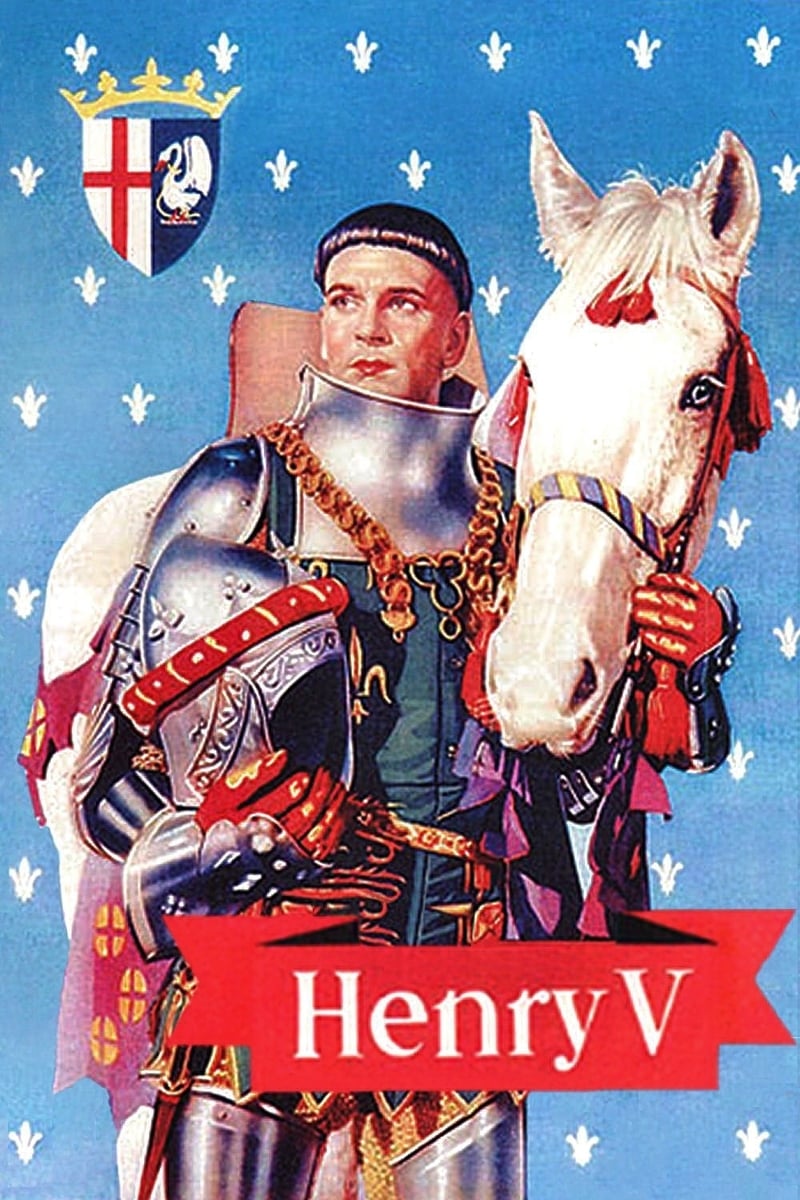
In 1415, in the midst of the Hundred Years' War, the young King Henry V of England embarks on the conquest of France.
Having helped his brother King Edward IV take the throne of England, the jealous hunchback Richard, Duke of Gloucester, plots to seize power for himself. Masterfully deceiving and plotting against nearly everyone in the royal court, including his eventual wife, Lady Anne, and his brother George, Duke of Clarence, Richard orchestrates a bloody rise to power before finding all his gains jeopardized by those he betrayed.
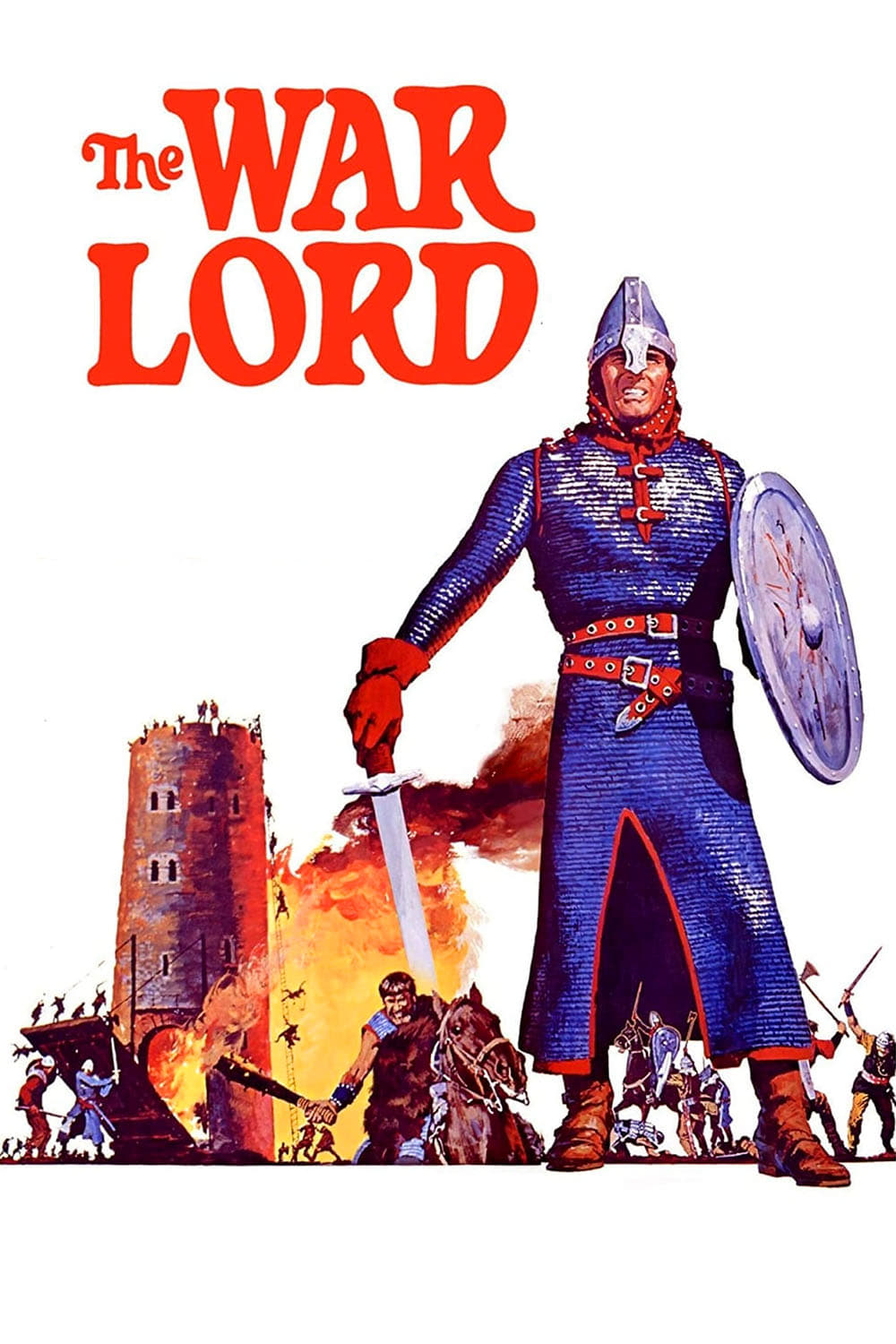
A knight in the service of a duke goes to a coastal village where an earlier attempt to build a defensive castle has failed. He begins to rebuild the duke's authority in the face of the barbarians at the border and is making progress until he falls in love with one of the local women.
This concert, recorded to celebrate the 25th anniversary of the landmark musical Les Miserables, gathers the casts of the show's 2010 original production at the Queen's Theatre, the 1985 original production by the London company, and the 2010 production at the Barbican together for one performance. Together with talents like Michael Ball, Hadley Fraser, and John Owen-Jones, the performers present the play's musical numbers in a semi-theatrical style, fully costumed and with all the emotion of the musical's heyday.
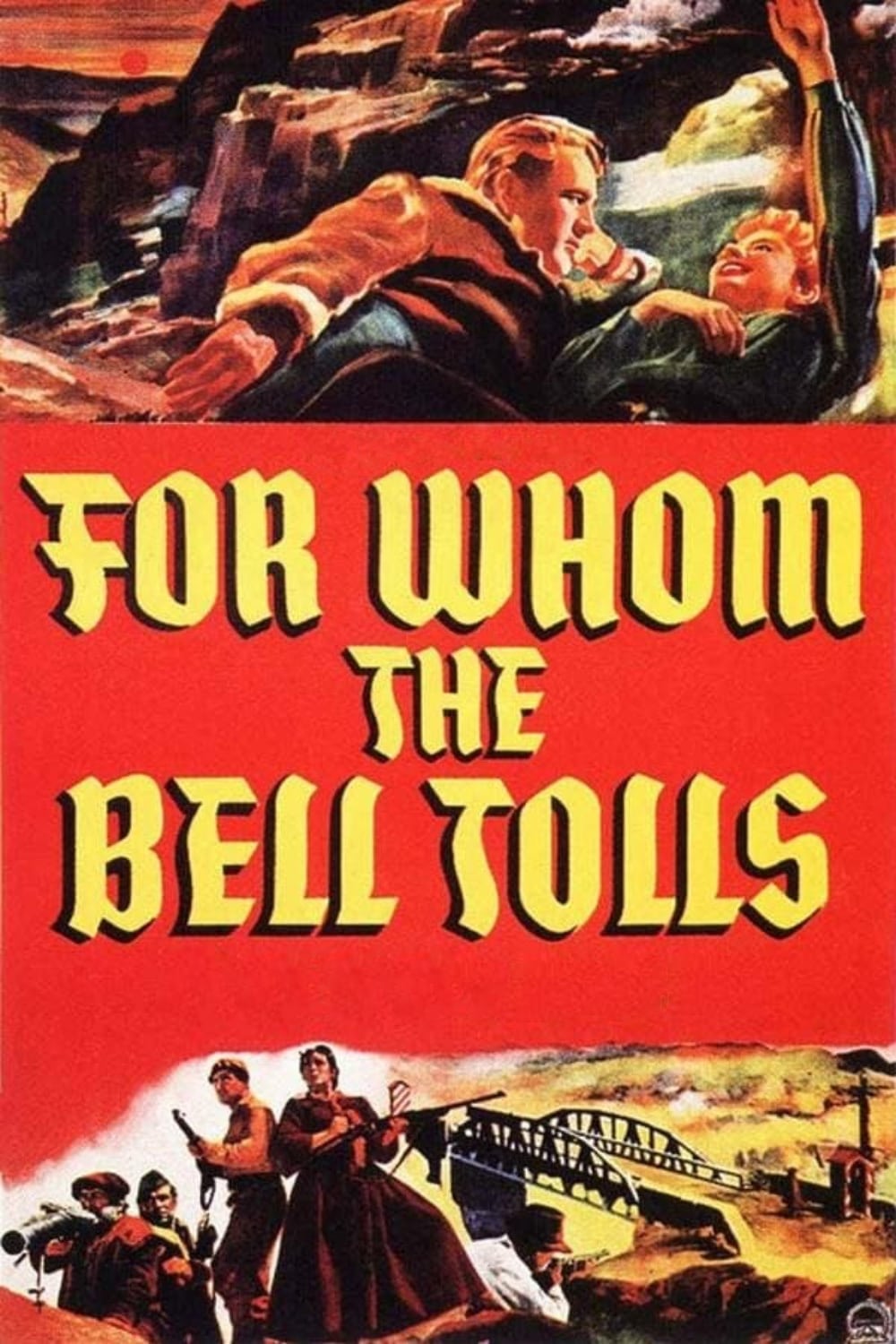
Spain in the 1930s is the place to be for a man of action like Robert Jordan. There is a civil war going on and Jordan—who has joined up on the side that appeals most to idealists of that era—has been given a high-risk assignment up in the mountains. He awaits the right time to blow up a crucial bridge in order to halt the enemy's progress.
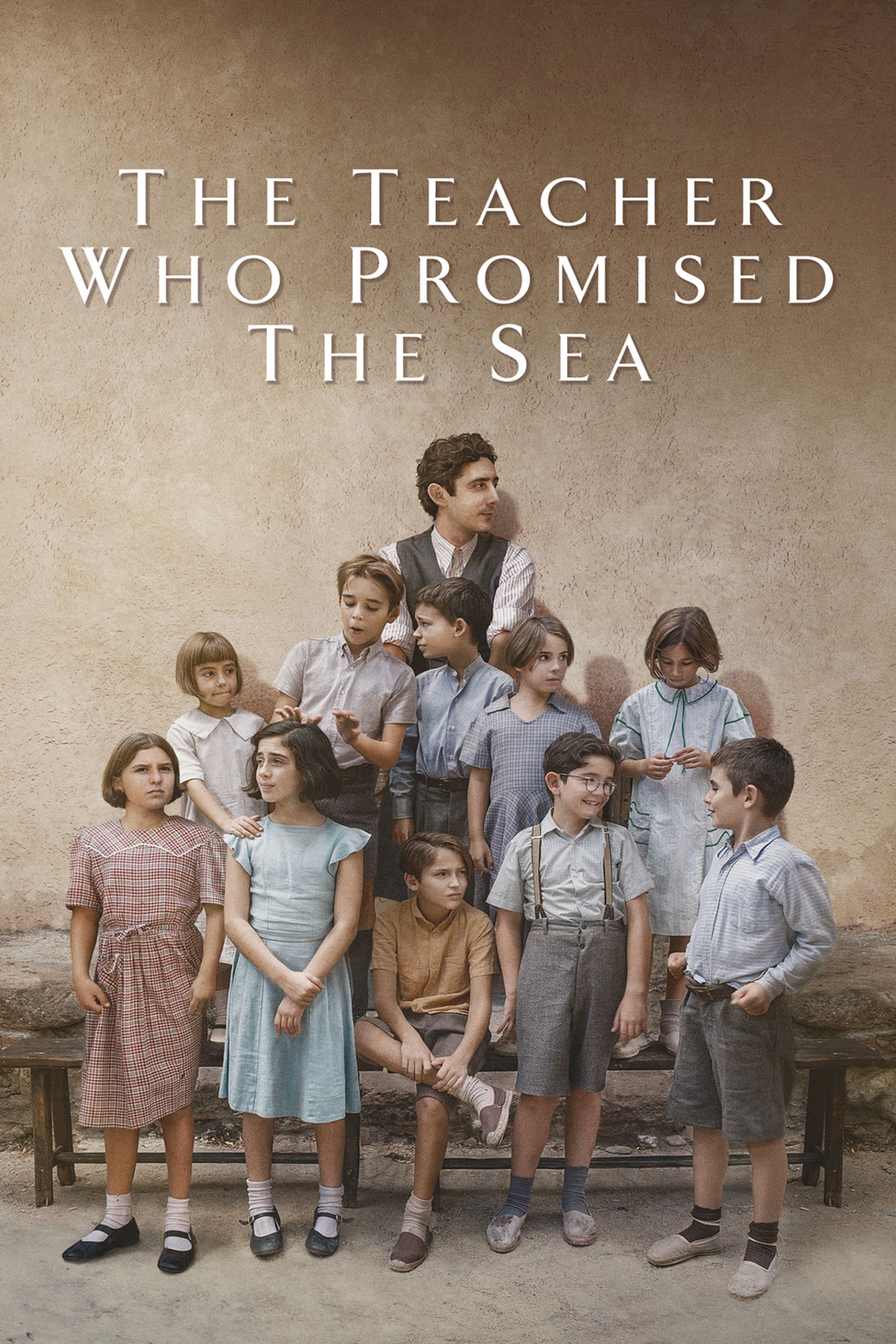
The buried memories of the Spanish Civil War are unearthed as a woman searches for the remains of her grandfather's father and discovers the story of an idealistic young teacher from Tarragona.
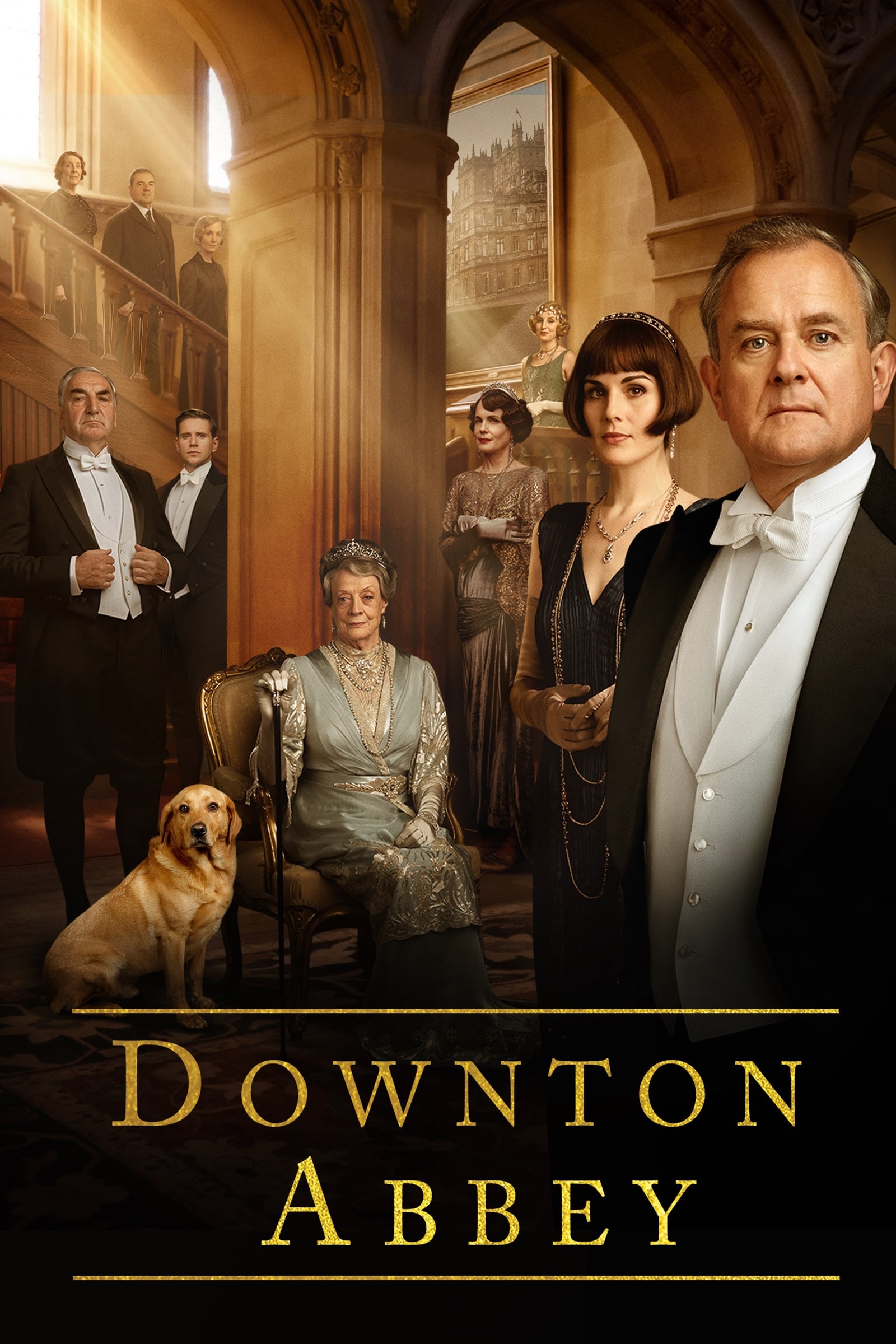
The beloved Crawleys and their intrepid staff prepare for the most important moment of their lives. A royal visit from the King and Queen of England will unleash scandal, romance and intrigue that will leave the future of Downton hanging in the balance.
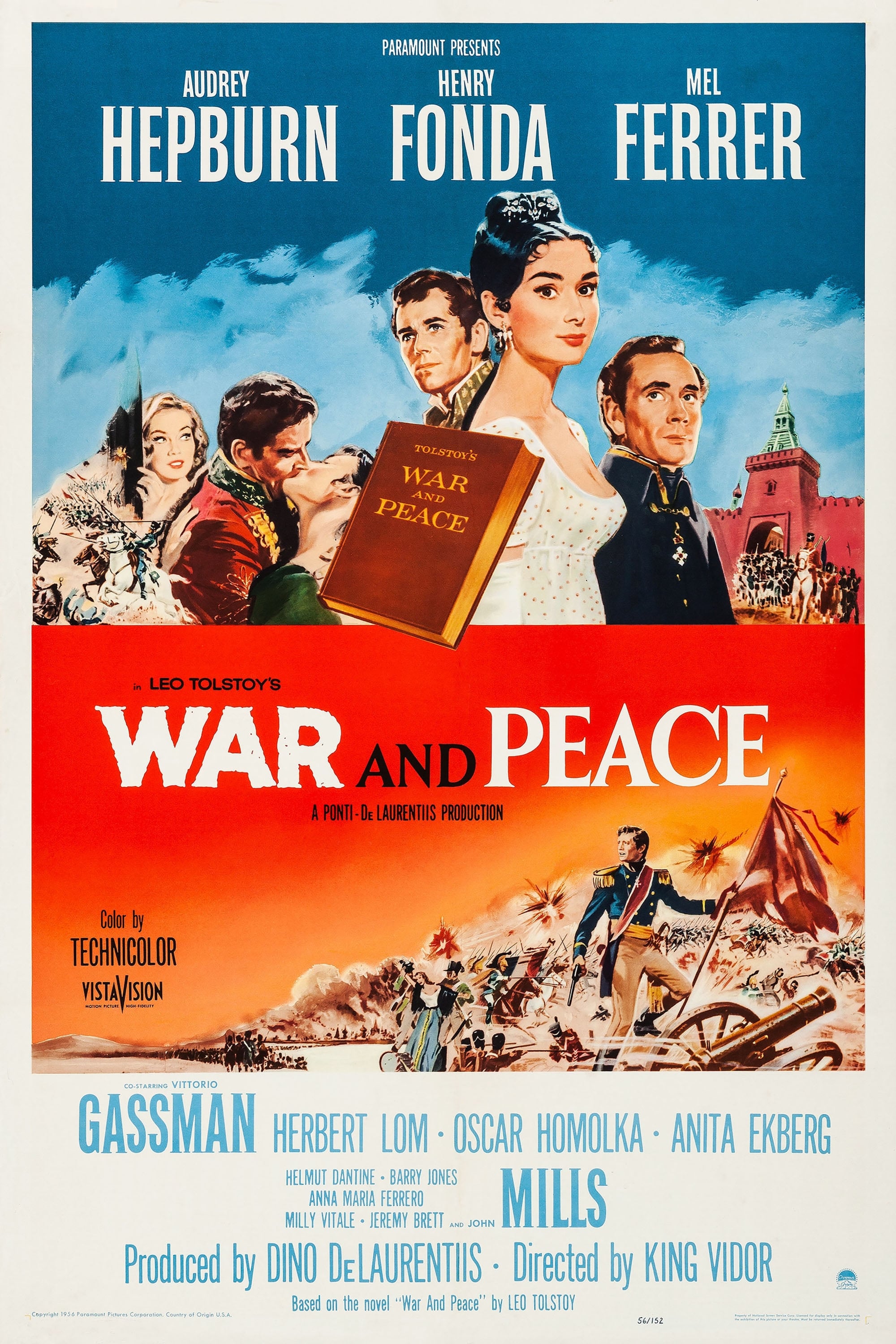
The love story of young Countess Natasha Rostova and Count Pierre Bezukhov is interwoven with the Great Patriotic War of 1812 against Napoleon's invading army.
A dramatisation that follows Tony Blair's journey from political understudy waiting in the wings of the world arena to accomplished prime minister standing confidently in the spotlight of centre stage. It is a story about relationships, between two powerful men (Blair and Bill Clinton), two powerful couples, and husbands and wives.
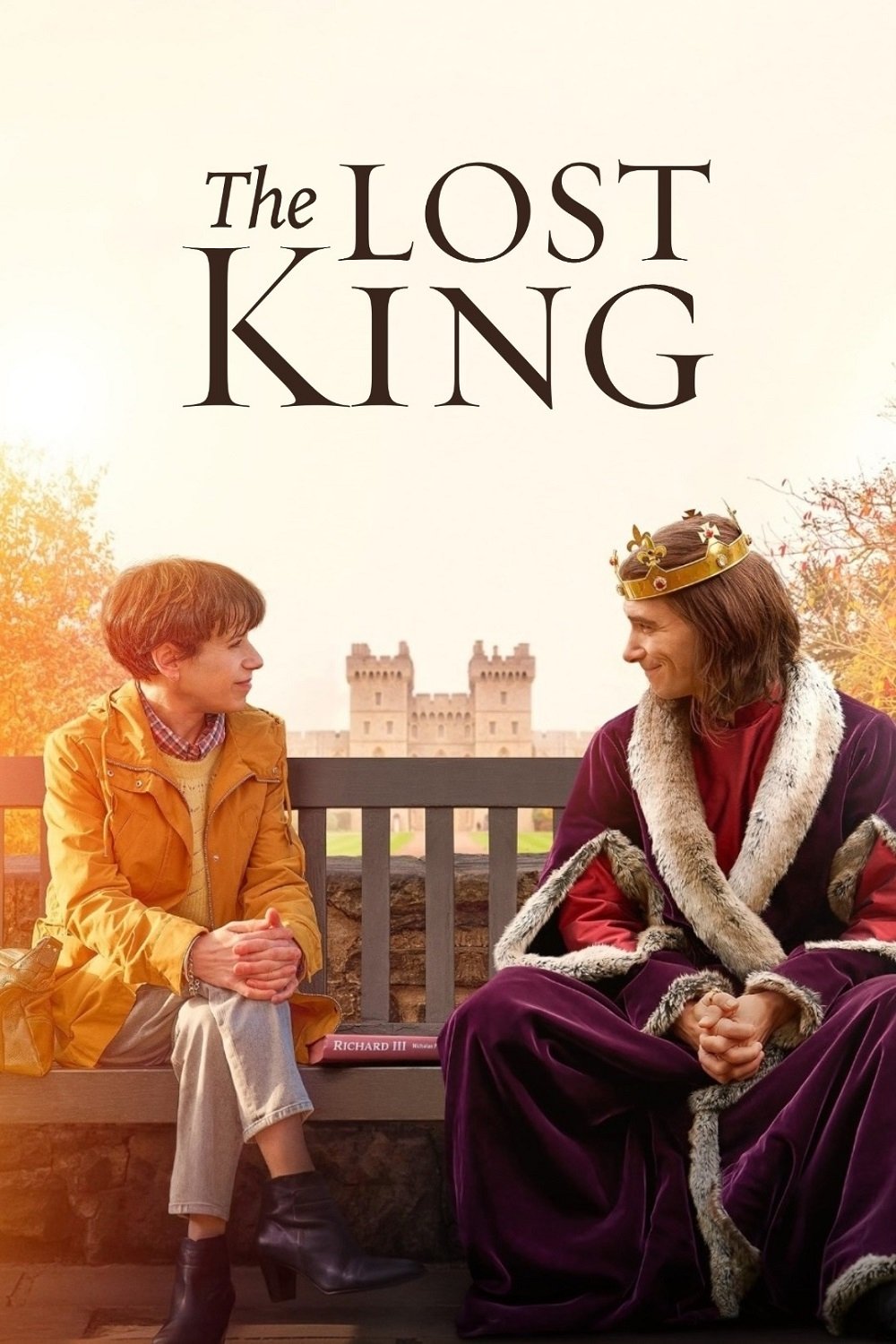
An amateur historian defies the academic establishment in her efforts to find King Richard III's remains, which were lost for over 500 years.