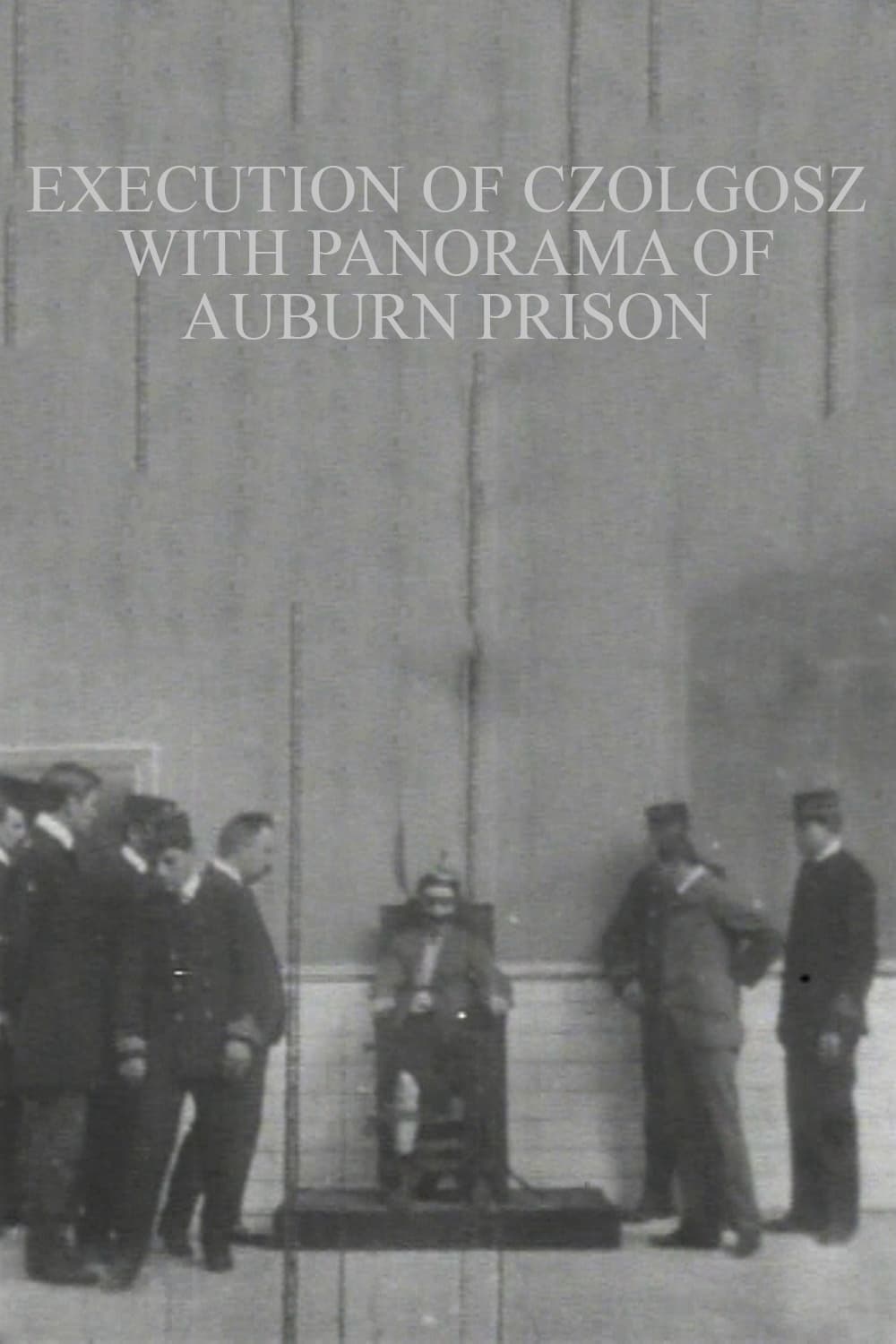
This early docudrama shows Auburn Prison and recreates the electrocution of Leon Czolgosz, the assassin of President McKinley of the United States.
Social & External
The people behind it
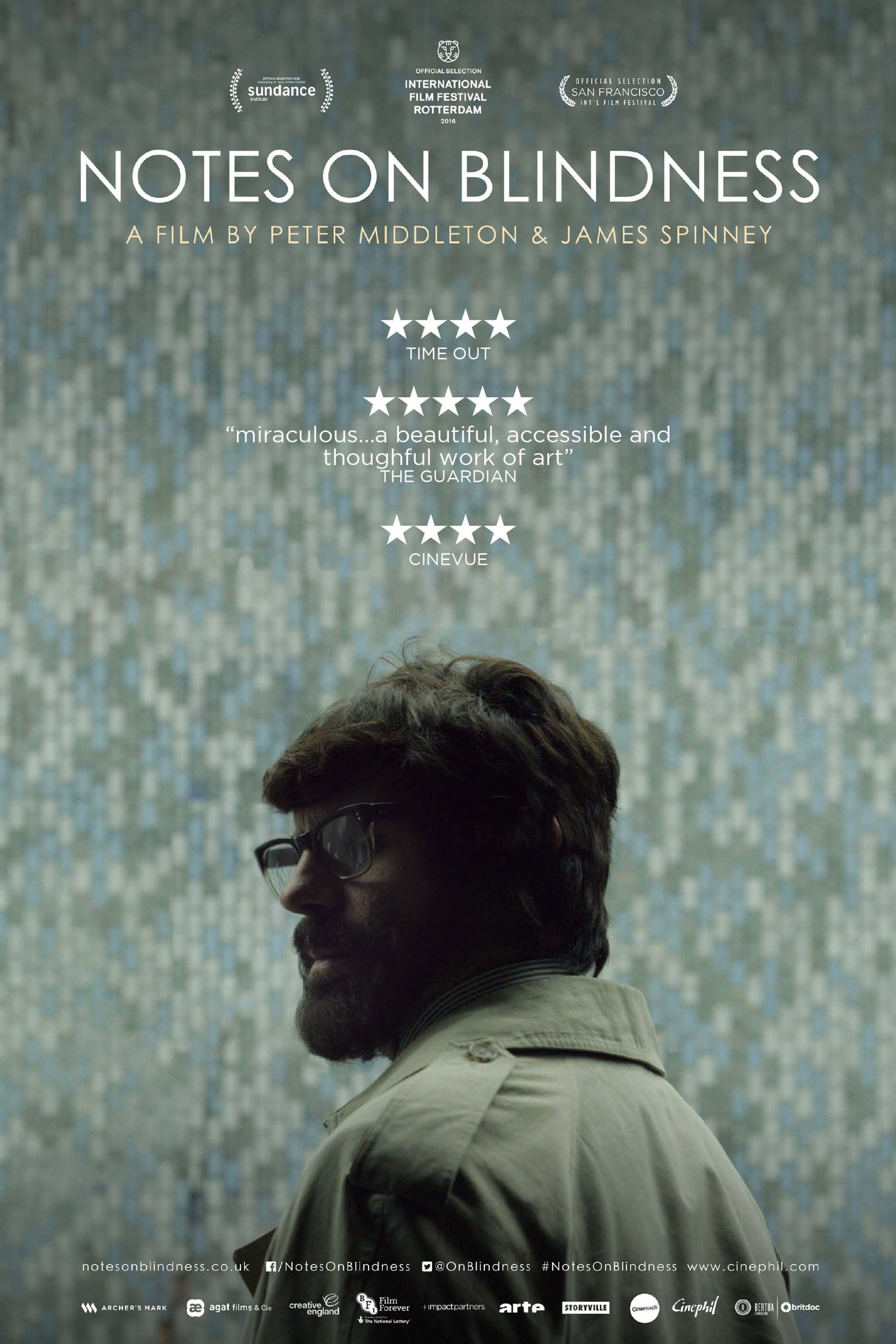
After losing sight in 1983, John Hull began keeping an audio diary, a unique testimony of loss, rebirth and renewal, excavating the interior world of blindness. Following on from the Emmy Award-winning short film of the same name, Notes on Blindness is an ambitious and groundbreaking work, both affecting and innovative.
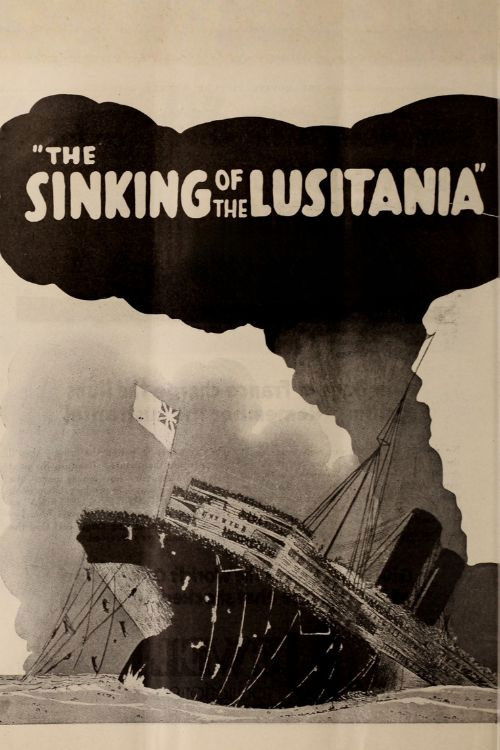
Winsor McCay recreates the sinking of the ocean liner Lusitania by a German U-boat in this propaganda piece designed to stir up anti-German sentiment during World War I.
A delicate history on the universe of discoveries and expectations of the adolescent when they find the love.
A watchmaker, who pawns time from people who waste it, is forced to question his own use of time...
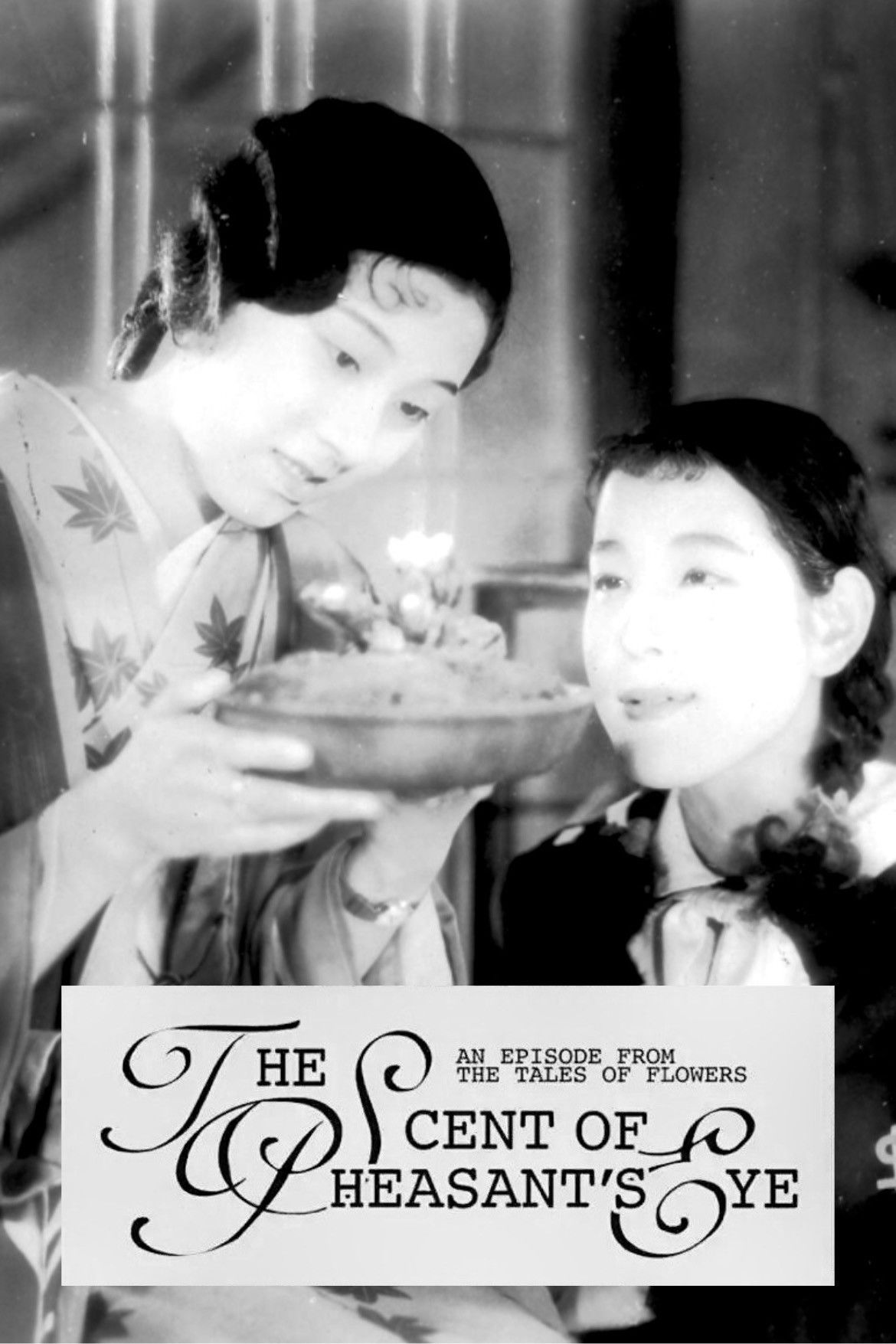
Mitsuo the Counselor's son marries writer Miyoko, however a tender romance blossoms between Miyoko and Mitsuo's sister Kaoru. When the family falls to bankruptcy, heartache ensues; Miyoko's illness worsens and she is sent to a sanatorium, separating the lovers. Based on a story from Tales of Flowers by Nobuko Yoshiya
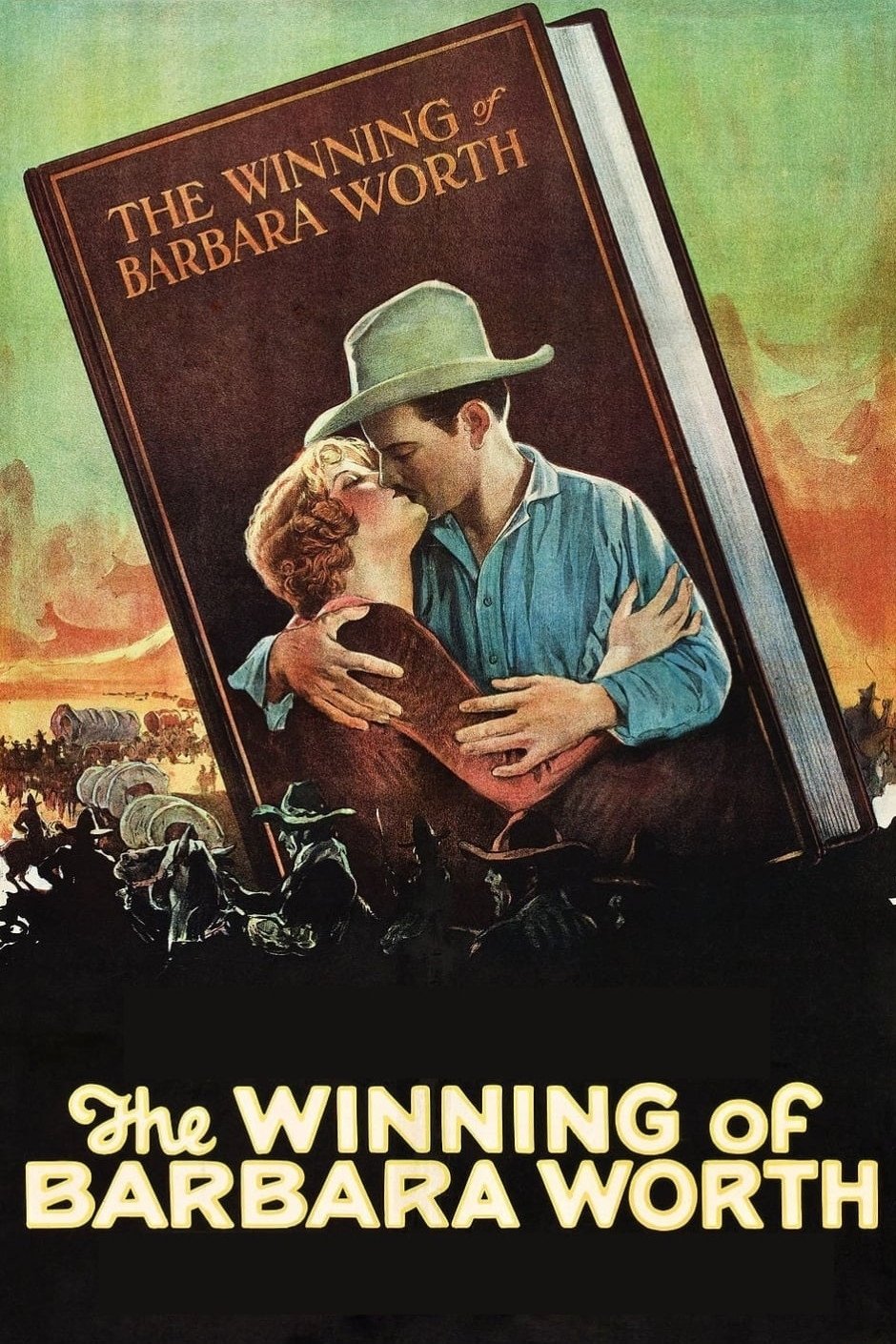
While building an irrigation system for a Southwestern desert community, an engineer vies with a local cowboy for the affections of a rancher's daughter.
A hunky young math teacher comes across a first edition of Anna Karenina and falls in love with the previous owner based on her extensive scribblings in the margin.
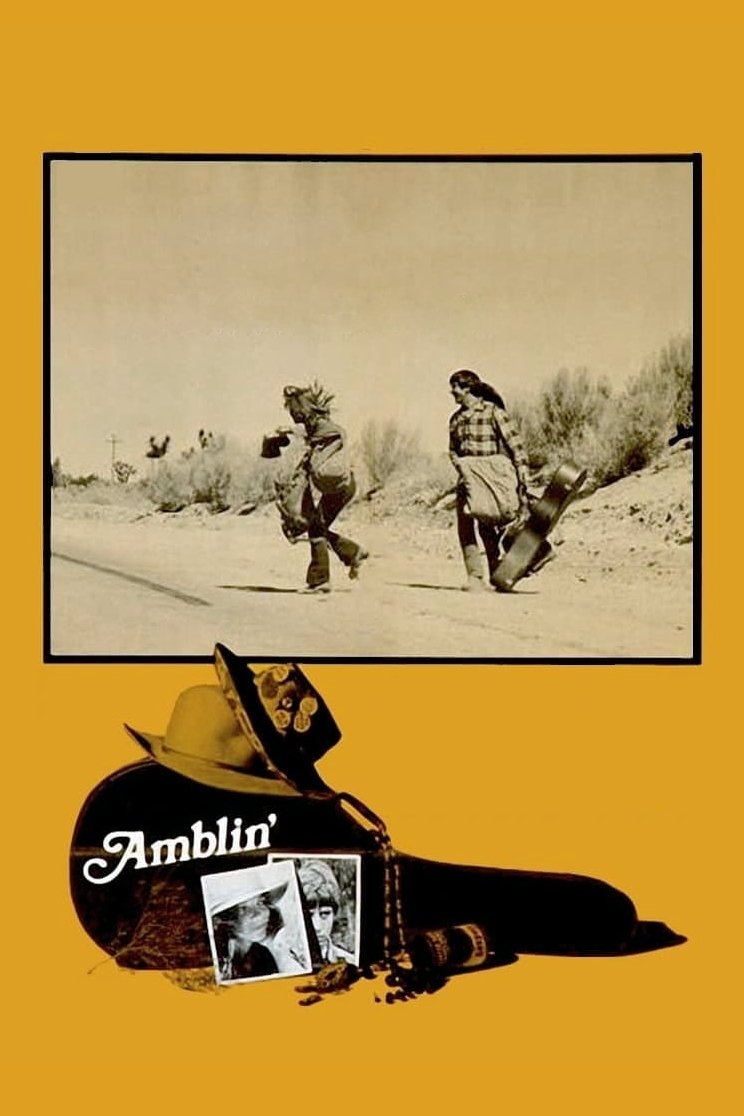
Two wanderers, a young man and a young woman, meet in the desert and decide to travel on together. The two travellers walk and hitch-hike their way down the road to their destination, the beach, becoming friends and lovers.
Joseph and Natalie have been inseparable since they met, but there's one thing that could tear them apart...
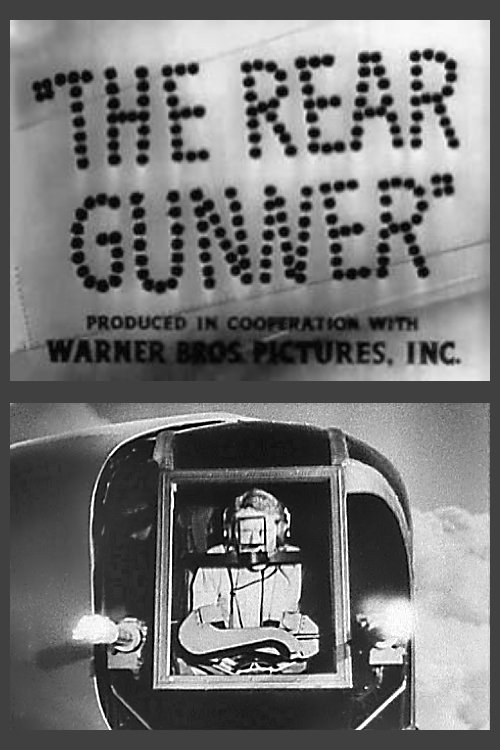
Documentary-style drama on training of aerial rear gunners in World War II. Private PeeWee Williams, a Kansas farm boy, transforms his home-grown shooting skills into those necessary to an aerial gunner in the tail turret of an American bomber. Preserved by the Academy Film Archive in 2013.
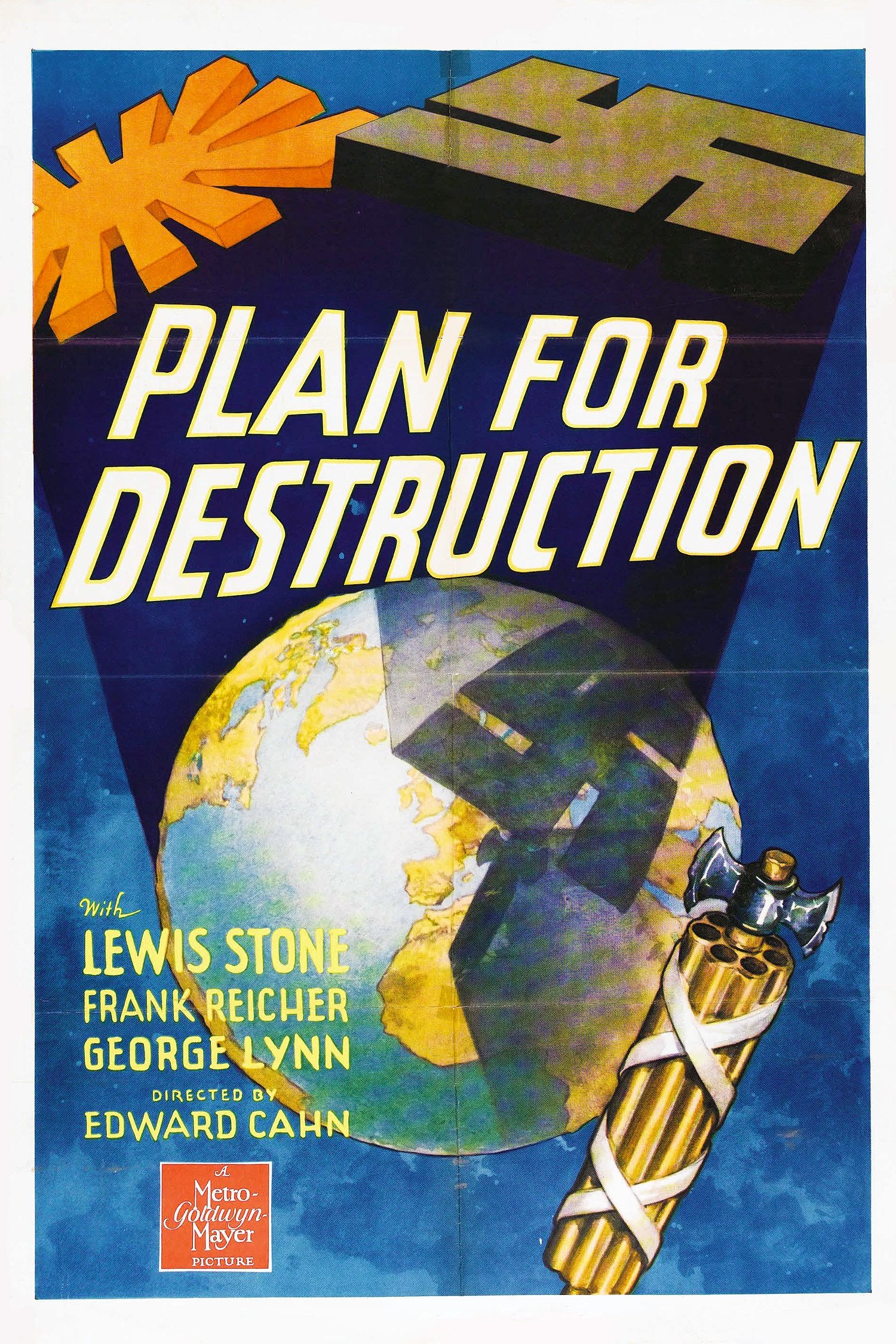
Plan for Destruction is a 1943 American short propaganda film directed by Edward Cahn. It looks at the Geopolitik ideas of the ex-World War I professor, General Karl Haushofer, who is portrayed as the head of a huge organization for gathering information of strategic value and the mastermind behind Adolf Hitler's wars and plans to enslave the world. The film was nominated for an Academy Award for Best Documentary Short.
A walk in a wheat farmland in the a village. While moving between the tall sheaves, the walker’s restless eye surveys the fields, the cattle, and settles on the faces of the residents of the small town. Brief animation exercises repeat, and the sketch the figure of a contemplative walker.
An abused young woman finds safety and love in the arms of a famous novelist.
In the near future, a popular uprising in Mexico City interrupts a wedding held at the home of a wealthy family. After the riots have been quashed, they discover the bride has gone missing and plea with the military to help locate her.
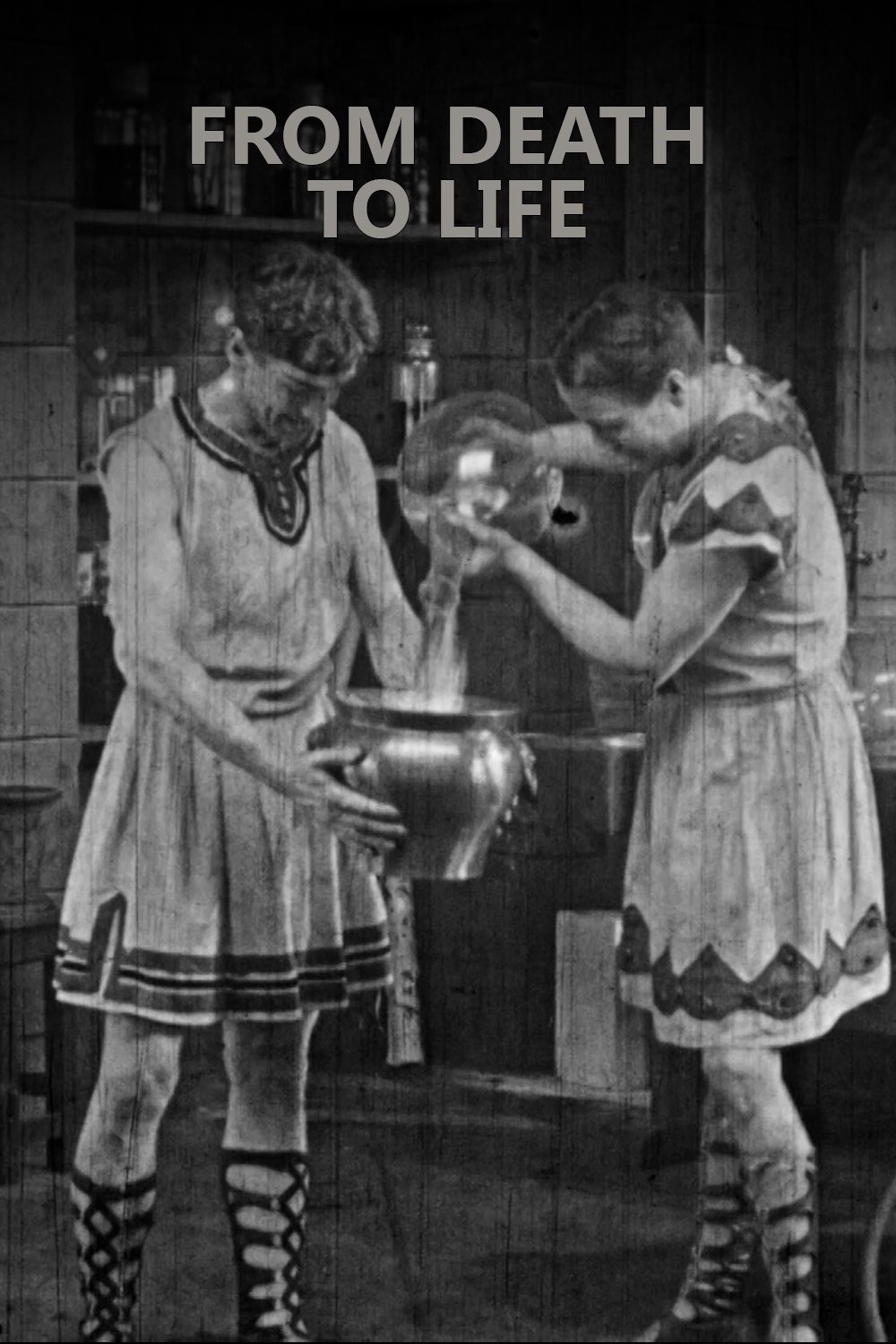
A chemist named Aratus invents a concoction that will turn creatures to stone, but only realizes the dangers of his creation when his wife falls victim to it.
Dissipated youth Tommy Hilgrade is sent to the lumber lands in the Northwest by his father who hopes that hard living will reform his son. Accompanying Tommy is his sister Marion. Upon their arrival in Canada, lumber foreman Jack Macy is attracted to Marion but, unknown to her, he contributes to Tommy's addiction to drink and gambling. When Marion falls in love with French Canadian Jules Bonnivet after he rescues her from a fall through the ice, Macy schemes to destroy their romance by fabricating the story that Jules is responsible for Tommy's downfall.
A Jewish parvenu climbs the social ladder by seducing wealthy women.
A count falls in love with a dead ringer of a deceased loved one.
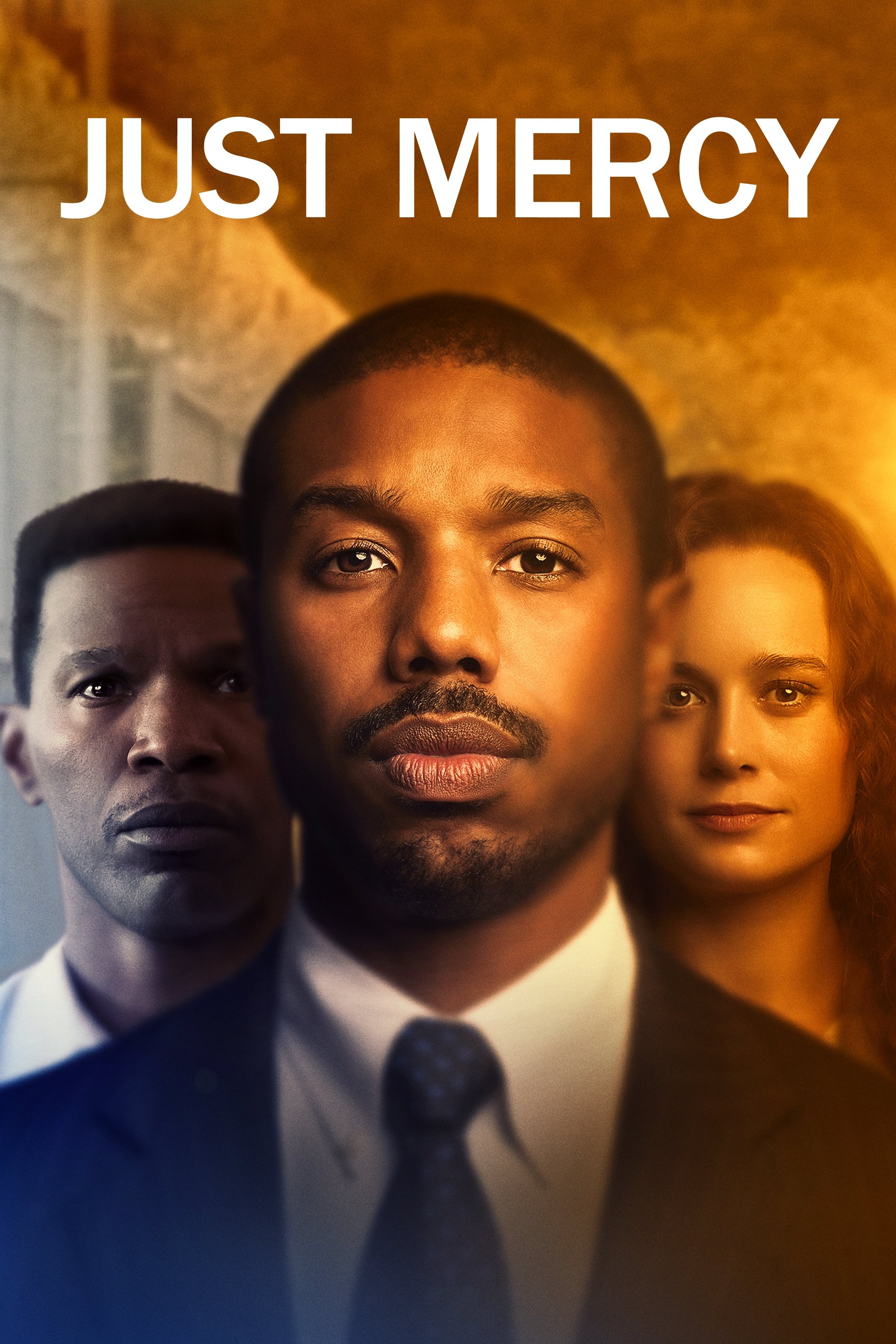
The powerful true story of Harvard-educated lawyer Bryan Stevenson, who goes to Alabama to defend the disenfranchised and wrongly condemned — including Walter McMillian, a man sentenced to death despite evidence proving his innocence. Bryan fights tirelessly for Walter with the system stacked against them.
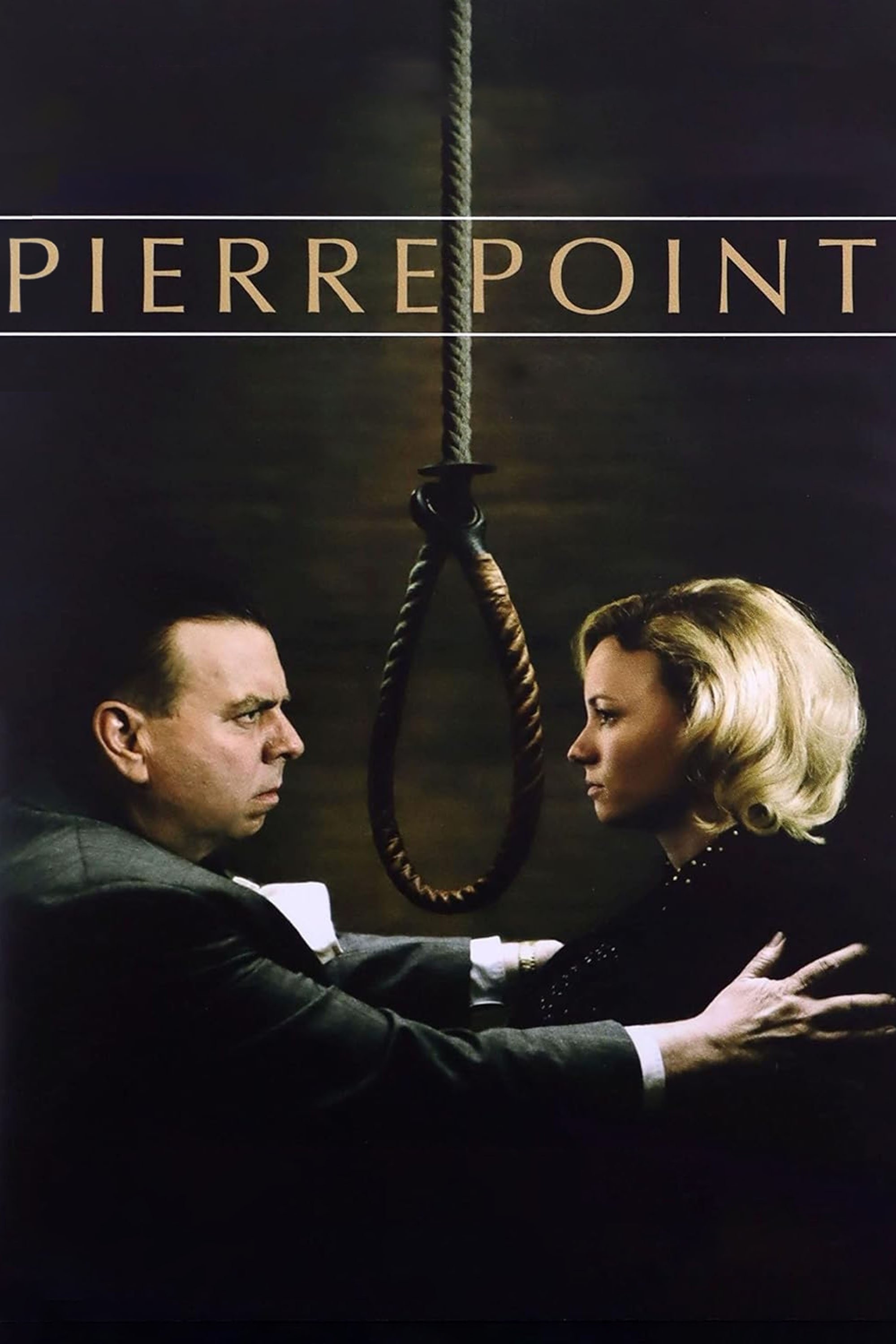
Following in his father's footsteps, Albert Pierrepoint becomes one of Britain's most prolific executioners, hiding his identity as a grocery deliveryman. But when his ambition to be the best inadvertently exposes his gruesome secret, he becomes a minor celebrity & faces a public outcry against the practice of hanging. Based on true events.
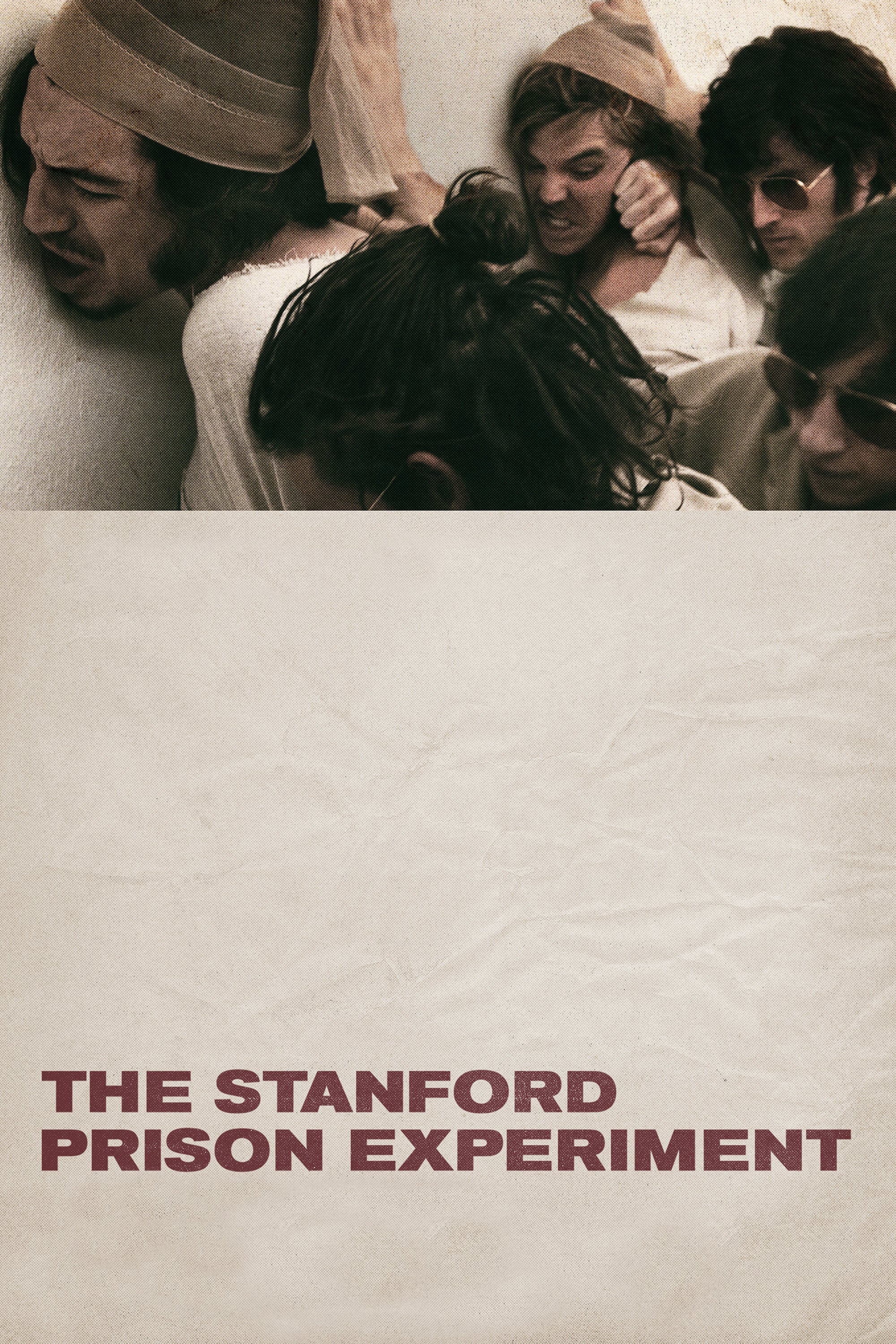
In 1971, Stanford's Professor Philip Zimbardo conducts a controversial psychology experiment in which college students pretend to be either prisoners or guards, but the proceedings soon get out of hand. Based on a true story.
Controversy and legal problems follow Dr. Jack Kevorkian as he advocates assisted suicide.
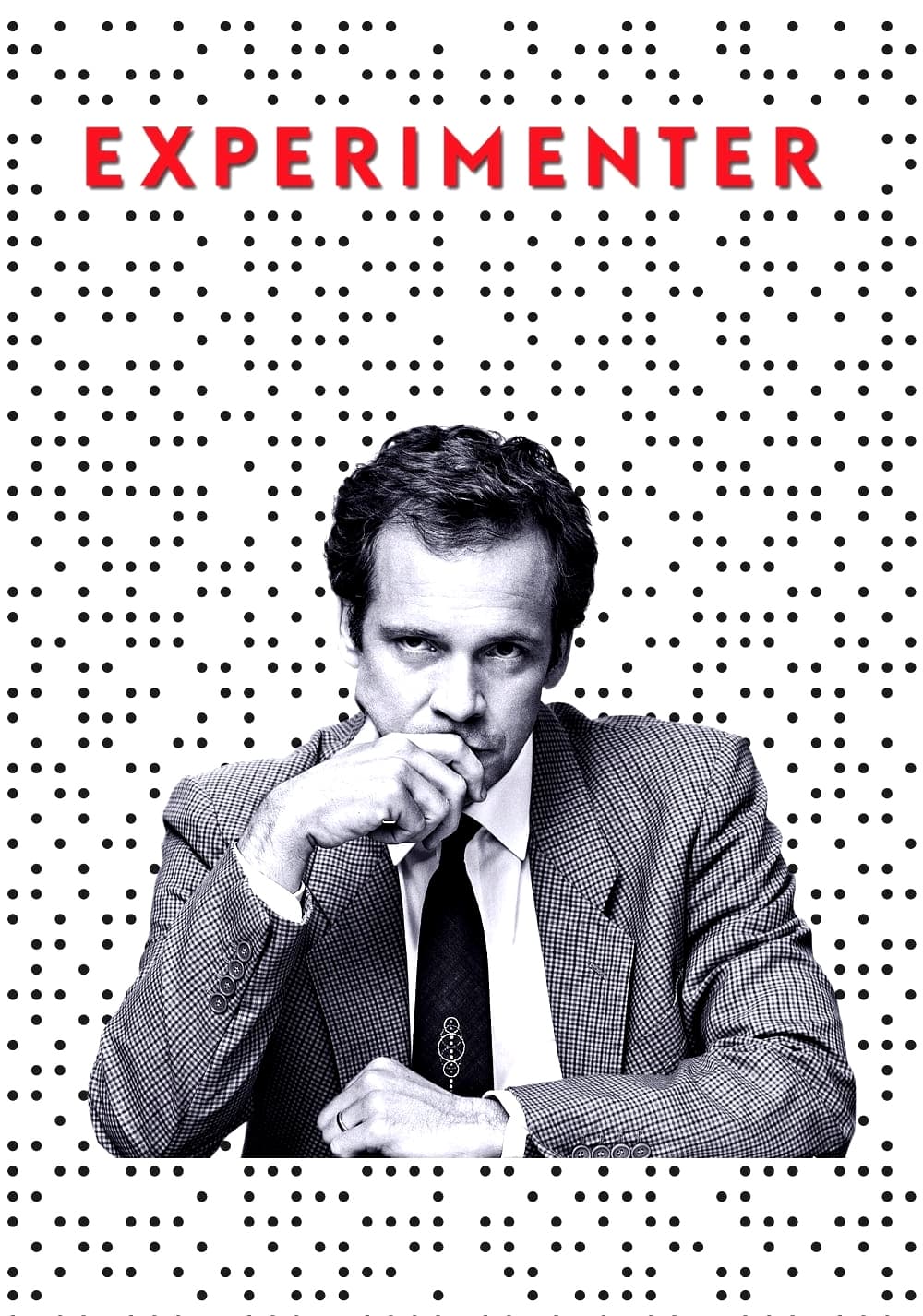
Yale University, 1961. Stanley Milgram designs a psychology experiment that still resonates to this day, in which people think they’re delivering painful electric shocks to an affable stranger strapped into a chair in another room. Despite his pleads for mercy, the majority of subjects don’t stop the experiment, administering what they think is a near-fatal electric shock, simply because they’ve been told to do so. With Nazi Adolf Eichmann’s trial airing in living rooms across America, Milgram strikes a nerve in popular culture and the scientific community with his exploration into people’s tendency to comply with authority. Celebrated in some circles, he is also accused of being a deceptive, manipulative monster, but his wife Sasha stands by him through it all.
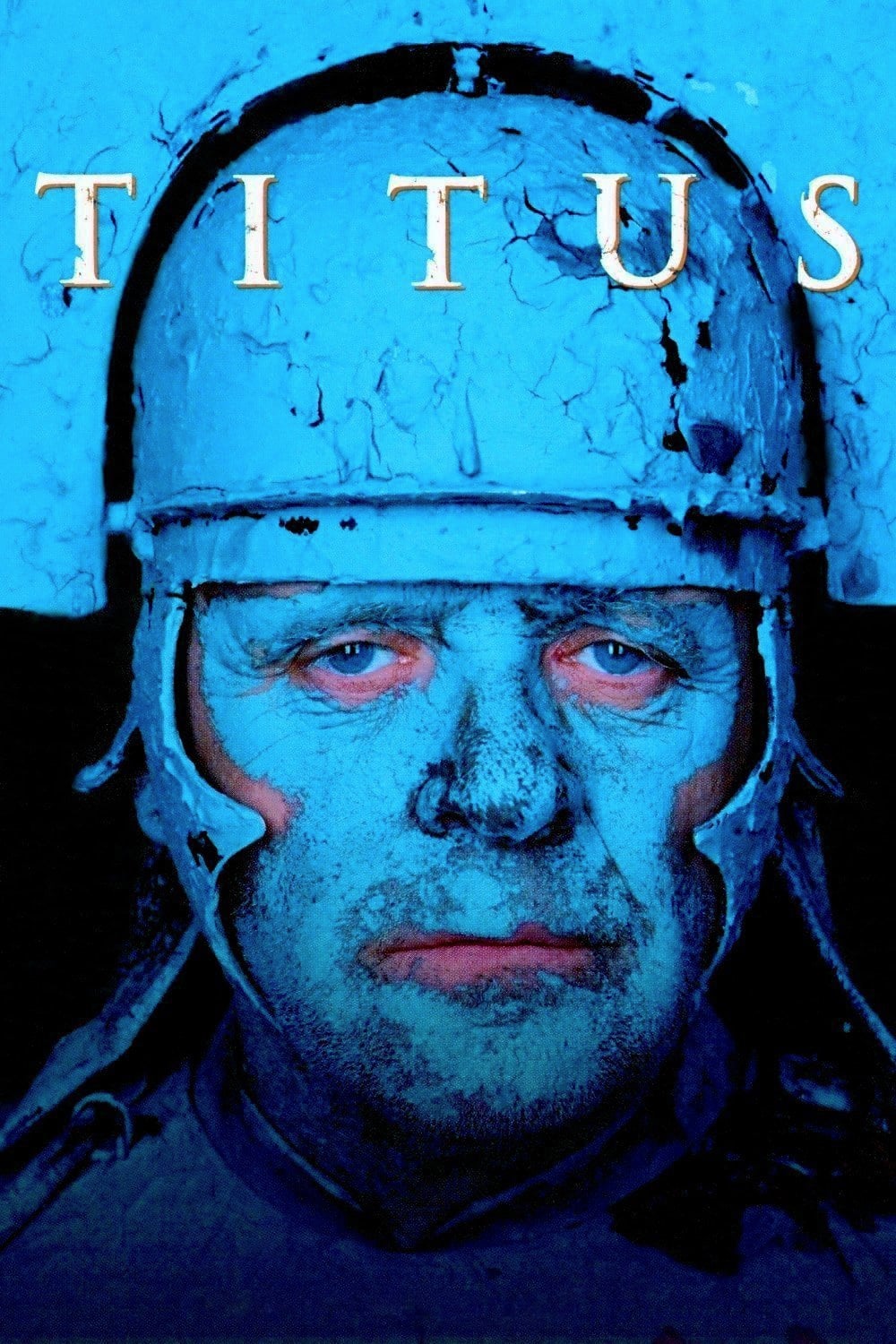
Titus Andronicus returns from the wars and sees his sons and daughters taken from him, one by one. Shakespeare's goriest and earliest tragedy.
An African-American woman becomes an unwitting pioneer for medical breakthroughs when her cells are used to create the first immortal human cell line in the early 1950s.
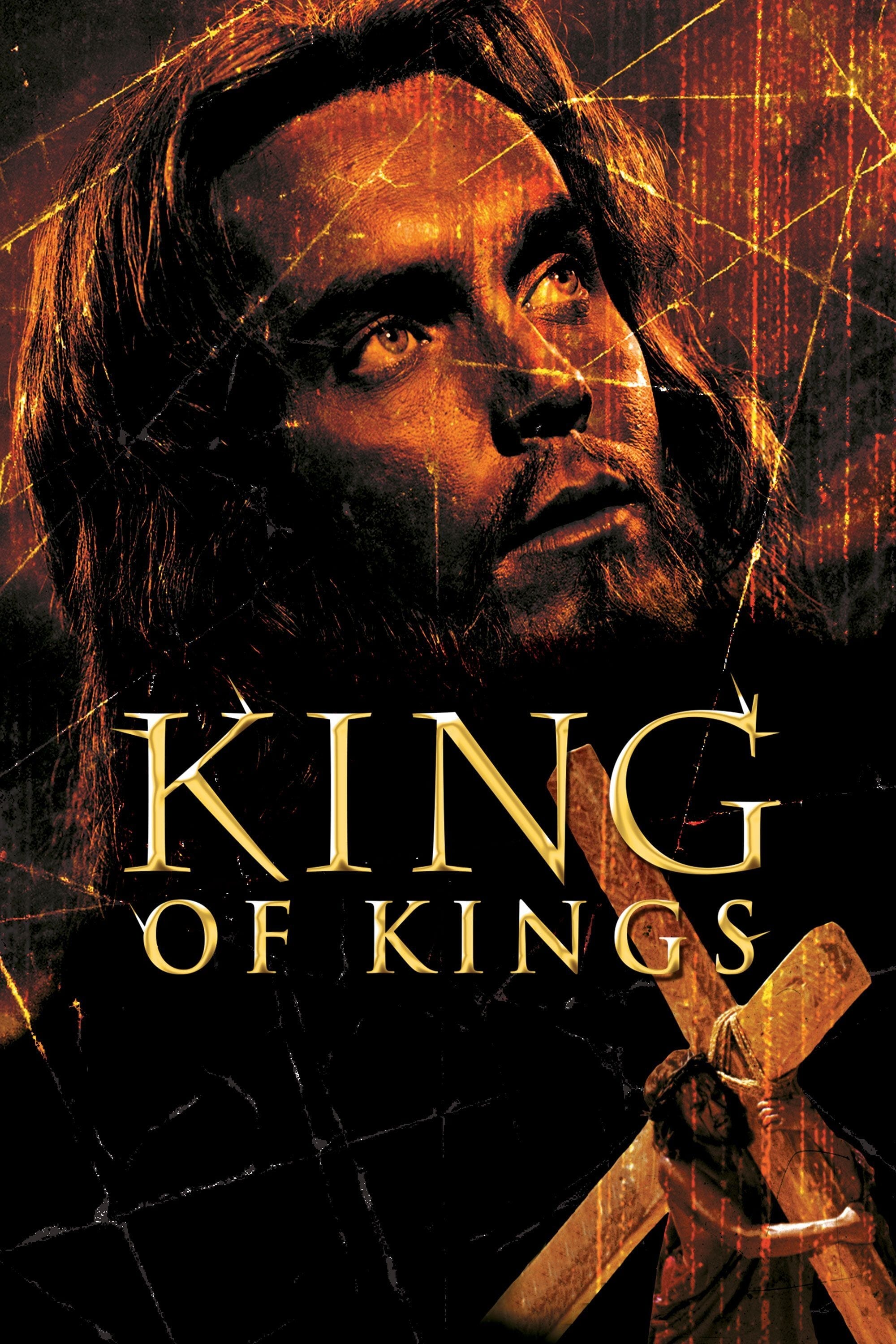
The King of Kings is the Greatest Story Ever Told as only Cecil B. DeMille could tell it. In 1927, working with one of the biggest budgets in Hollywood history, DeMille spun the life and Passion of Christ into a silent-era blockbuster. Featuring text drawn directly from the Bible, a cast of thousands, and the great showman’s singular cinematic bag of tricks, The King of Kings is at once spectacular and deeply reverent—part Gospel, part Technicolor epic.
Who is Jesus, and why does he impact all he meets? He is respected and reviled, emulated and accused, beloved, betrayed, and finally crucified. Yet that terrible fate would not be the end of the story.
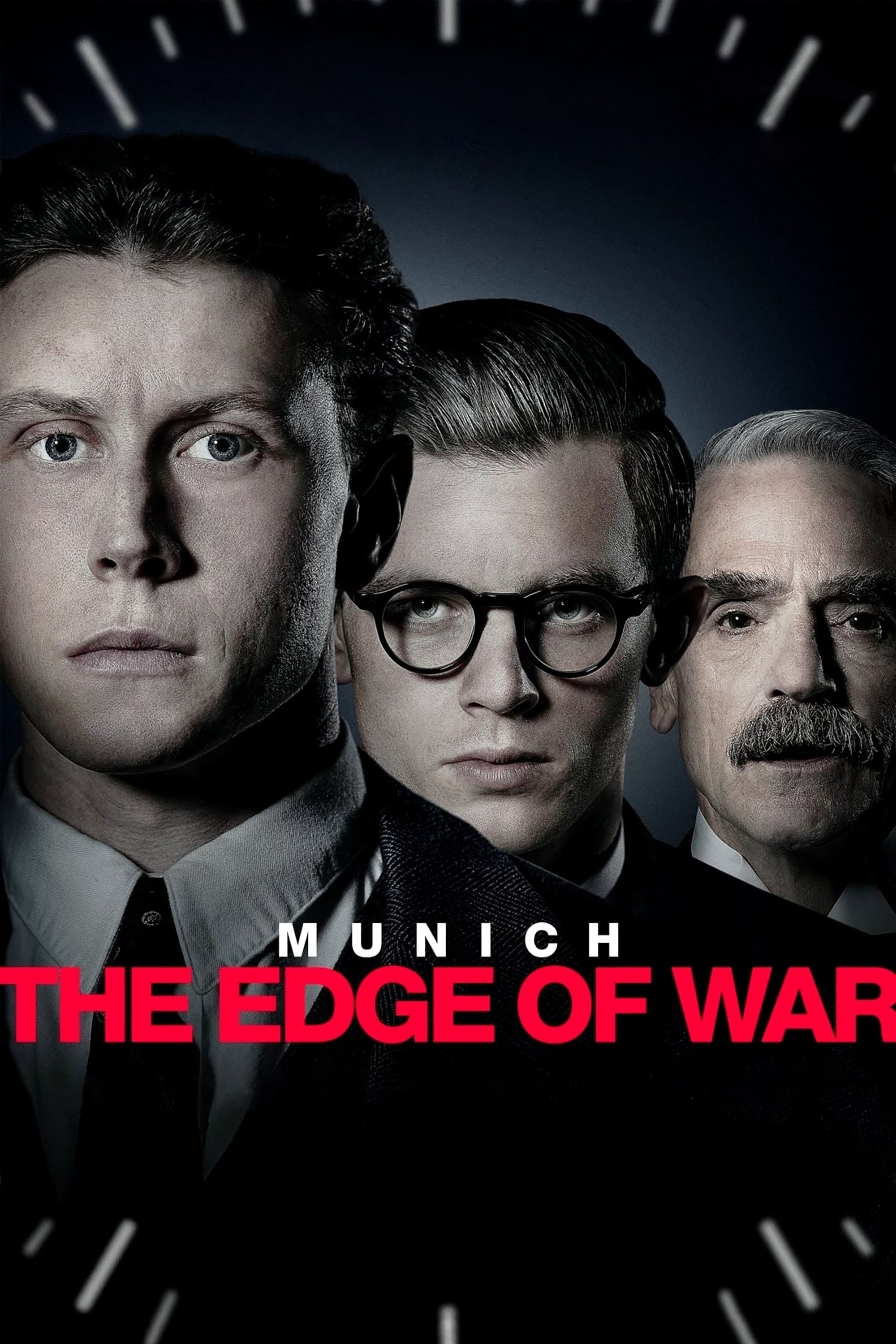
At the tense 1938 Munich Conference, former friends who now work for opposing governments become reluctant spies racing to expose a Nazi secret.
In the Holy Land, the Roman occupation has produced a cauldron of oppression, anxiety and excessive taxes levied upon the Jewish people. Fearing the wrath of Roman governor Pontius Pilate , Jewish high priest Caiaphas tries to keep control of his people. That control is threatened when Jesus arrives in Jerusalem, performing miracles and spreading messages of love and hope. Those who fear that Jesus will inspire a revolution decide that he must die.
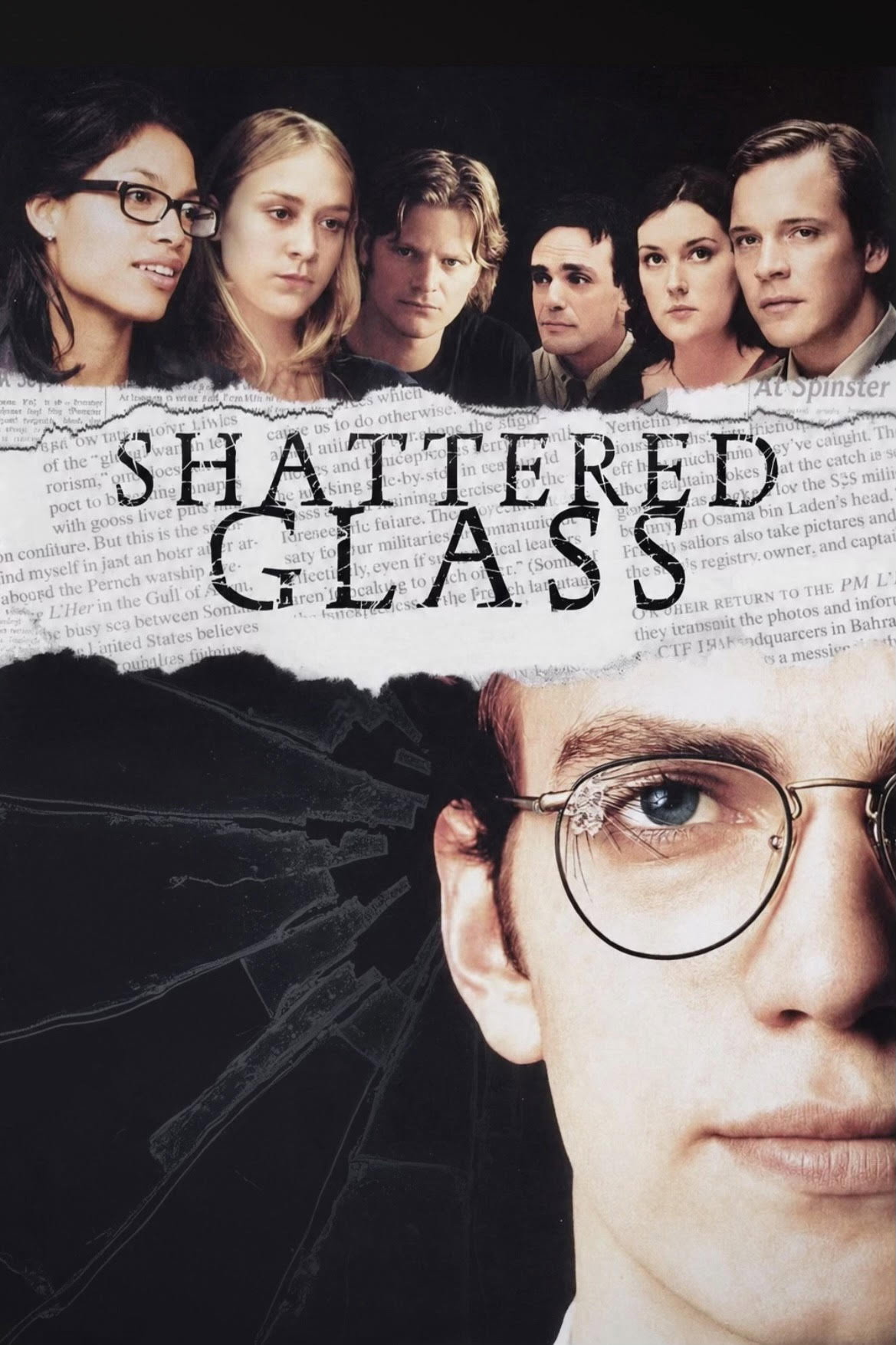
Stephen Glass is a staff writer for the respected current events and policy magazine The New Republic and a freelance feature writer for publications such as Rolling Stone, Harper's and George. By the mid-90s, Glass' articles had turned him into one of the most sought-after young journalists in Washington, but a bizarre chain of events - chronicled in Buzz Bissinger's September 1998 Vanity Fair article - suddenly stopped his career in its tracks.
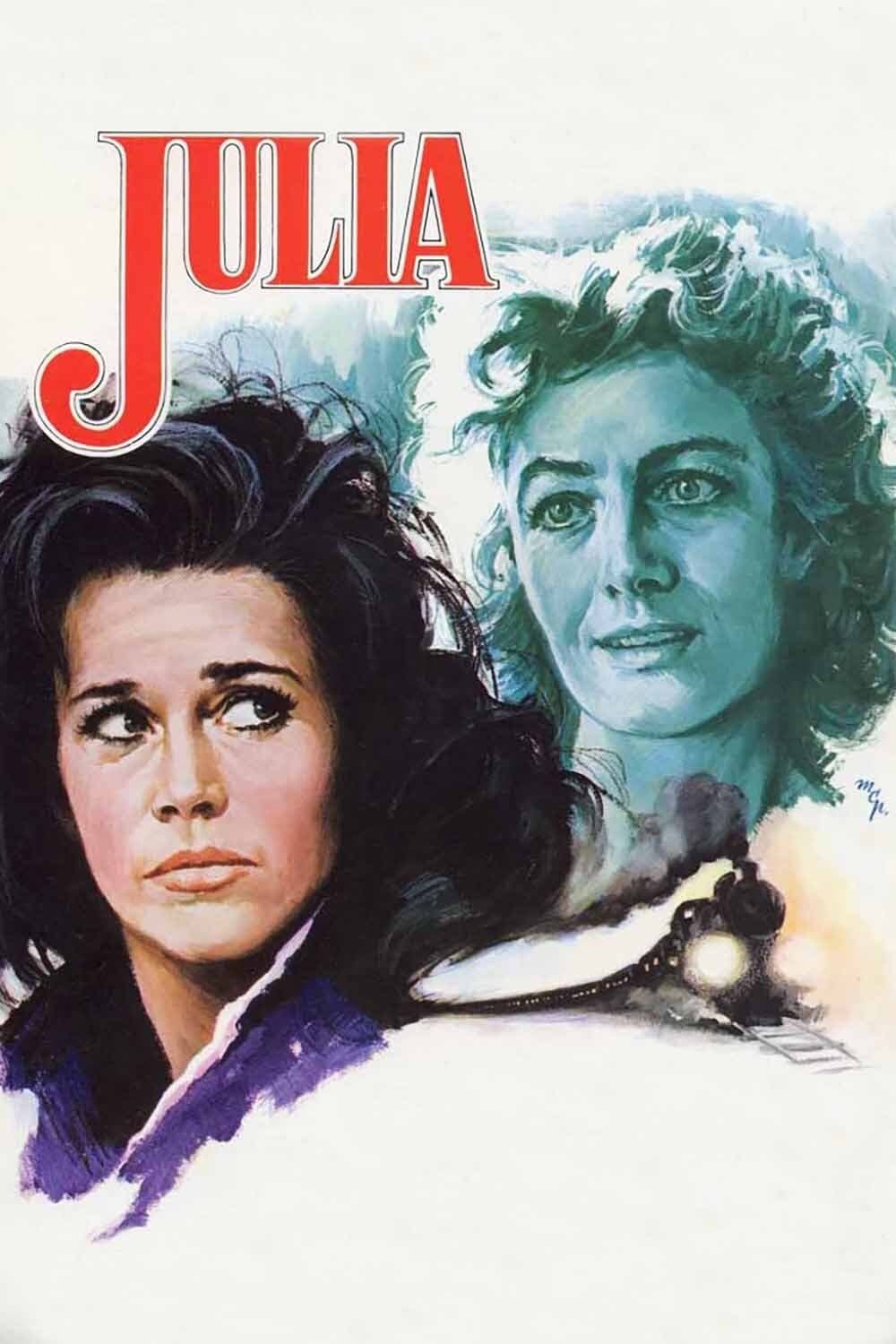
At the behest of an old and dear friend, playwright Lillian Hellman undertakes a dangerous mission to smuggle funds into Nazi Germany.
Hamlet, Prince of Denmark, finds out that his uncle Claudius killed his father to obtain the throne, and plans revenge.
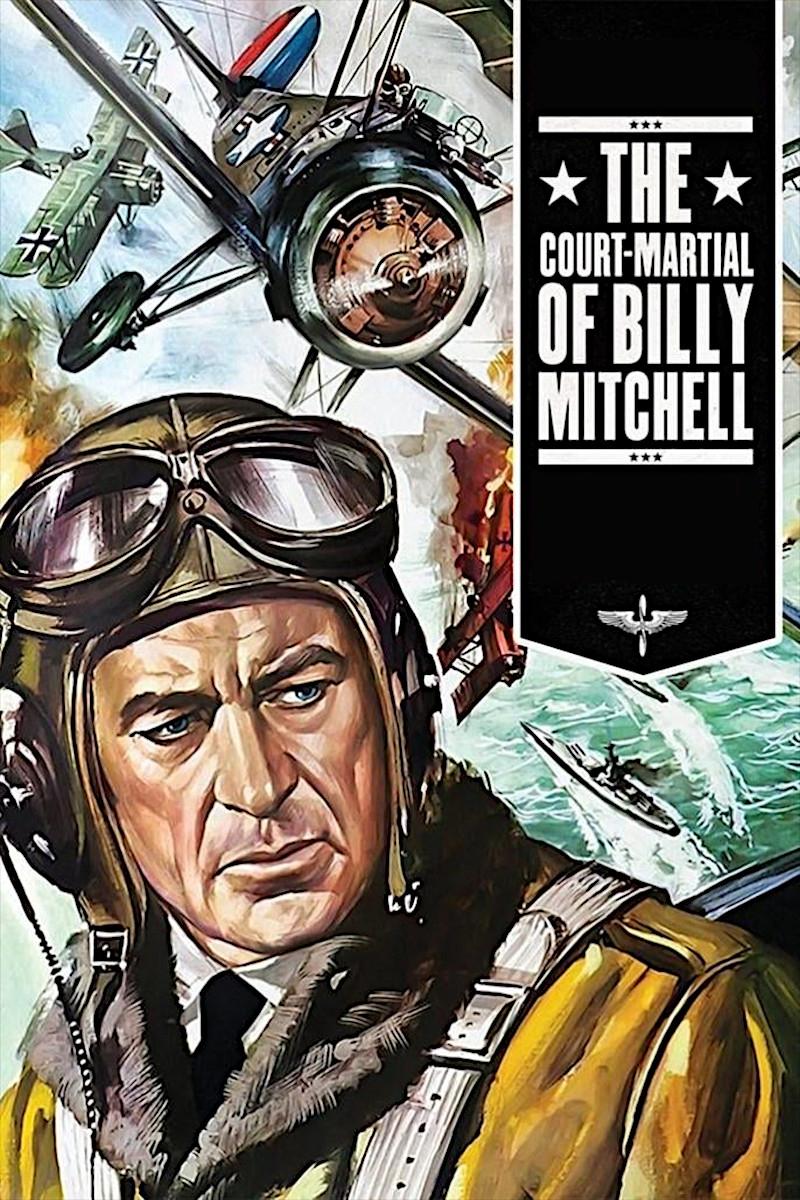
A dramatization of the American general and his court martial for publically complaining about High Command's dismissal and neglect of the aerial fighting forces.
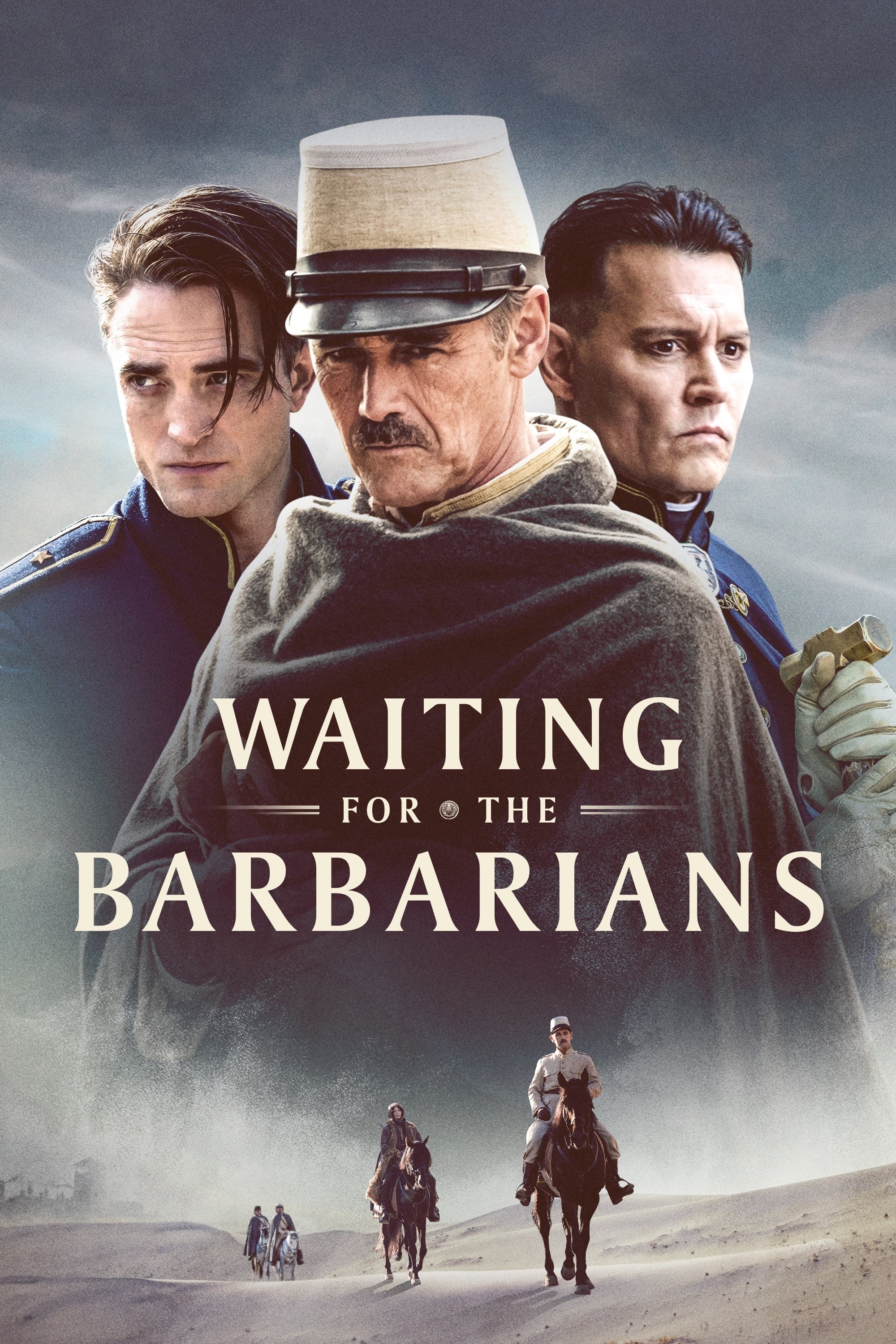
At an isolated frontier outpost, a colonial magistrate suffers a crisis of conscience when an army colonel arrives looking to interrogate the locals about an impending uprising, using cruel tactics that horrify the magistrate.
From his birth in Bethlehem to his death and eventual resurrection, the life of Jesus Christ is given the all-star treatment in this epic retelling. Major aspects of Christ's life are touched upon, including the execution of all the newborn males in Egypt by King Herod; Christ's baptism by John the Baptist; and the betrayal by Judas after the Last Supper that eventually leads to Christ's crucifixion and miraculous return.
What was supposed to be a peaceful protest turned into a violent clash with the police. What followed was one of the most notorious trials in history.
Pre-WWII Czech democratic politician Milada Horáková was one of the first victims of the communist regime in Czechoslovakia. Opposing the 1948 coup but not leaving the country, she was arrested and tried for treason on fabricated charges in a show trial broadcast on the radio.
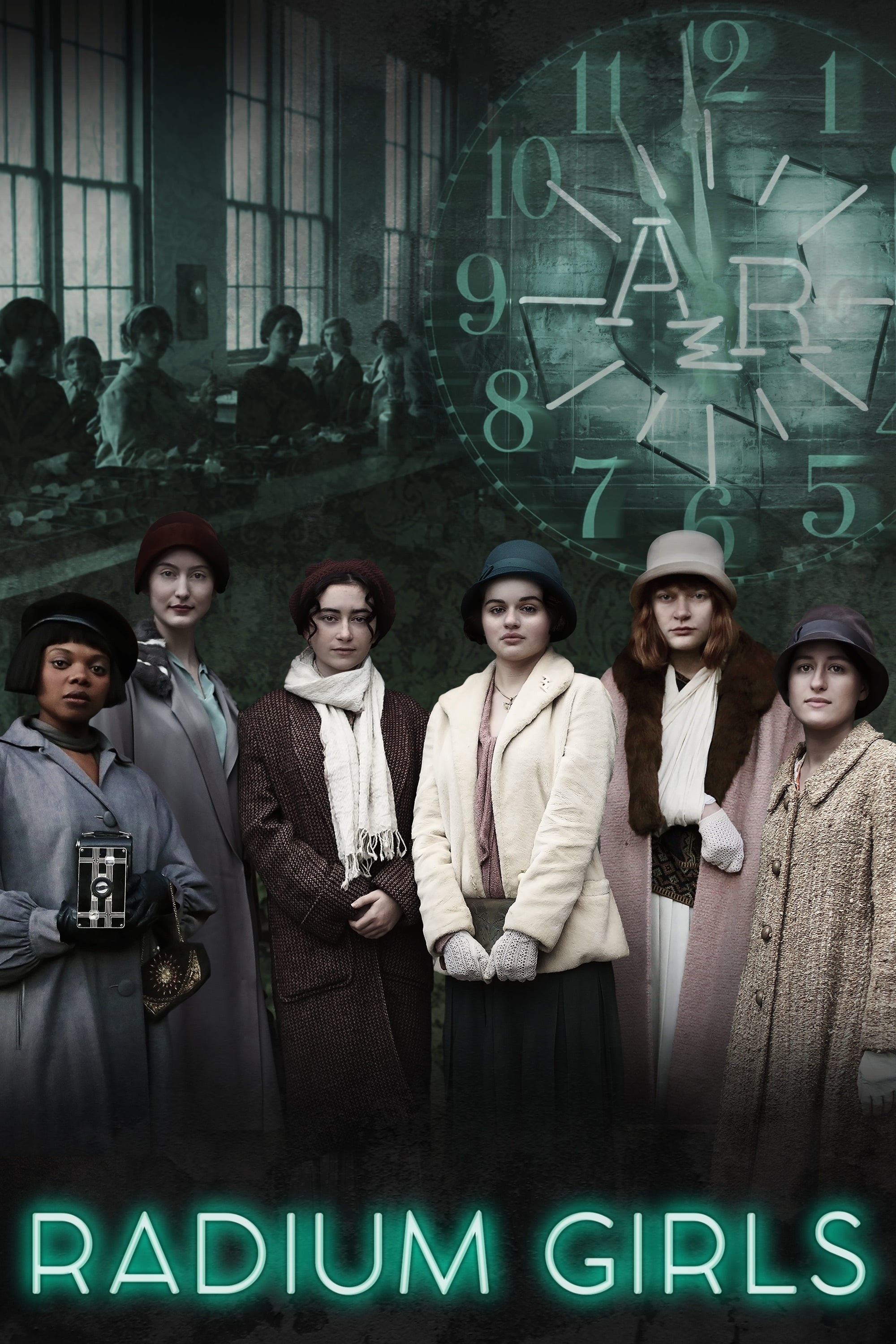
Young women toiling in a factory are exposed to hazardous material which takes a disastrous toll on their health.