Travelogue released on the 29th of May, 1916. Produced by Burton Holmes.
Social & External
The people behind it
The first feature-length documentary on the journey of the Indonesian National Team.
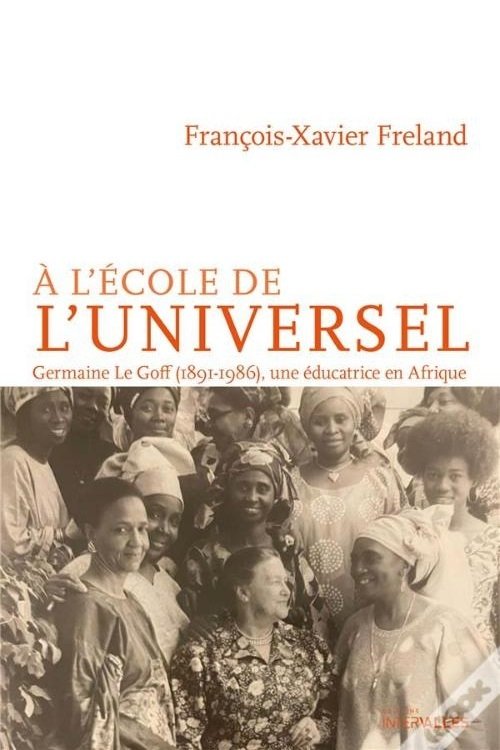
The story of a pioneer, Germaine Le Goff (1891-1986). After World War I, the Breton teacher left Douarnenez for adventure, with a journey that led her to Senegal. In 1938, she founded and directed a teacher training college in Rufisque, near Dakar, the first for primary school teachers in Africa.
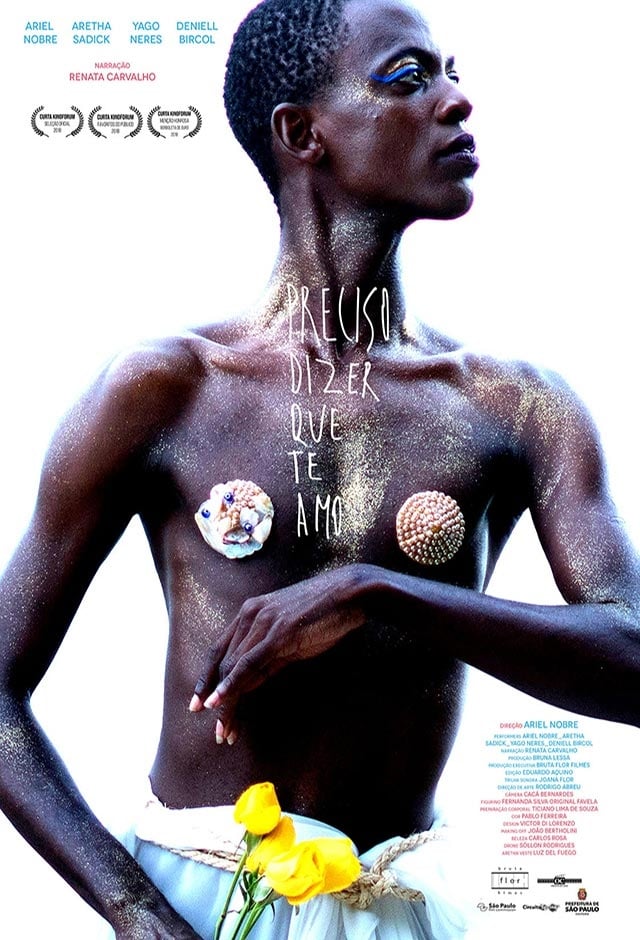
A documentary about resilience and the fight against suicide among trans people, the film portrays the characters’ relationships with their bodies, life and all that is sacred. It dives into the hearts of Aretha, Yago, Deniell and Ariel in an attempt to promote inner healing.
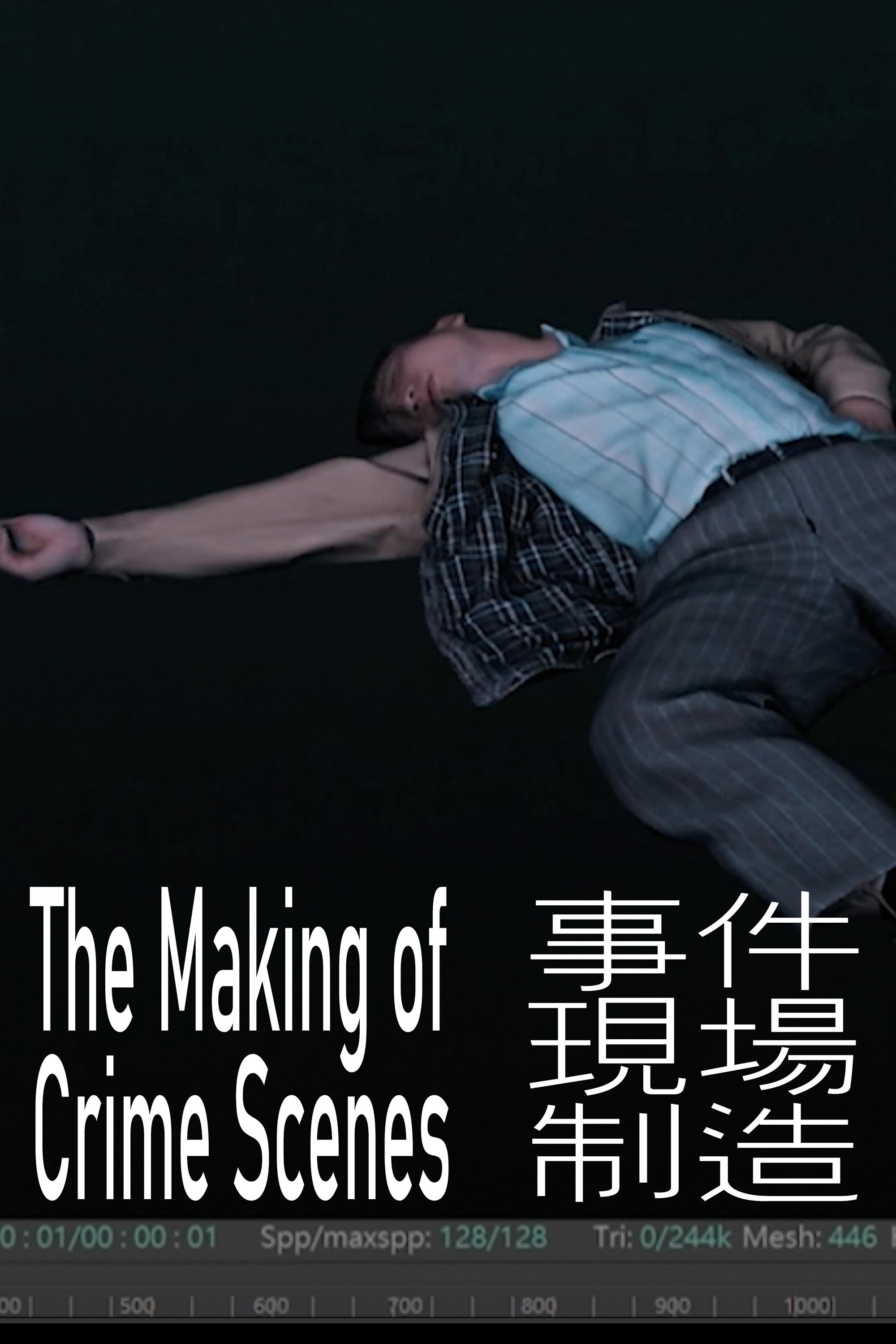
A film producer, an assassin, and a patriot. These aren’t three characters in this film but three ways of describing Wu Dun, a member of the United Bamboo Gang who murdered the Taiwanese-American writer Henry Liu and became a producer of wuxia films. Hsu Che-yu, who previously brought Single Copy (IFFR 2020) and Re-rupture (IFFR 2018) to Rotterdam, visits Wu’s abandoned studio to restage the events with forensic scanning techniques.
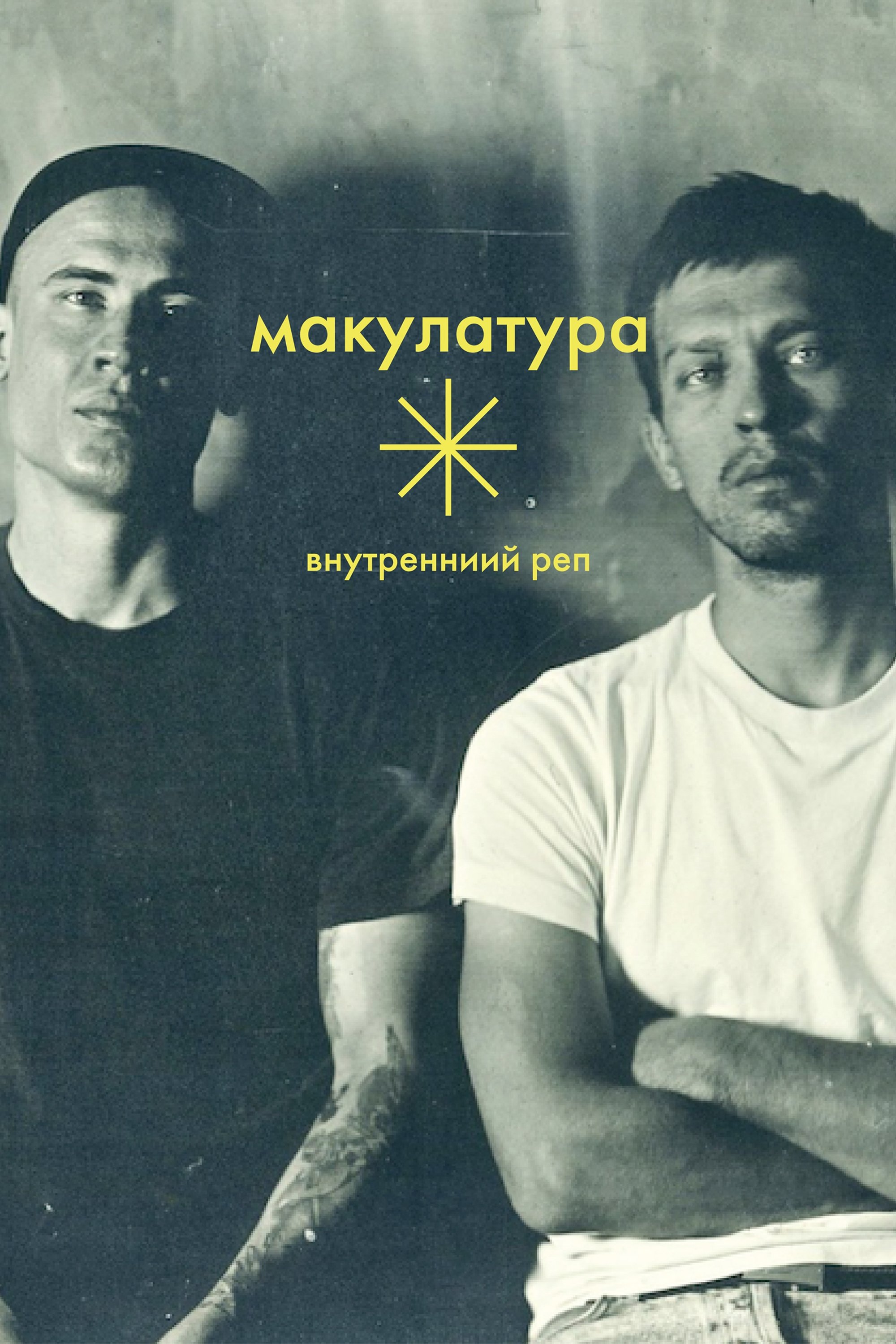
Makulatura [which means both scrap paper and pulp fiction in Russian] is a duo of poets Evgeniy Alyokhin and Konstantin Speransky, who have been performing together since 2003. Blending classic literature references, mind-bending introspection, musings on modern love and an ironic attitude to their act, they create what faithful fans and listeners call “existential rap.” The film follows Makulatura on tour through several Russian cities.
1918, produced by Frederick Burlingham.
Told by the mothers and children who were separated from one another, this landmark documentary reveals the full scale of the UK's forced adoption scandal. Over four decades, 250,000 unmarried mothers were forced by the British state to give up their babies. Their first-hand accounts expose the system that tore families apart, its lasting impact, and the fight to uncover the truth that led to a moment of national reckoning.
A metallic cacophony resounds as Eric hunts for, and labours through, abandoned scrap. The sun beats down as his pick-up truck rumbles through the day.
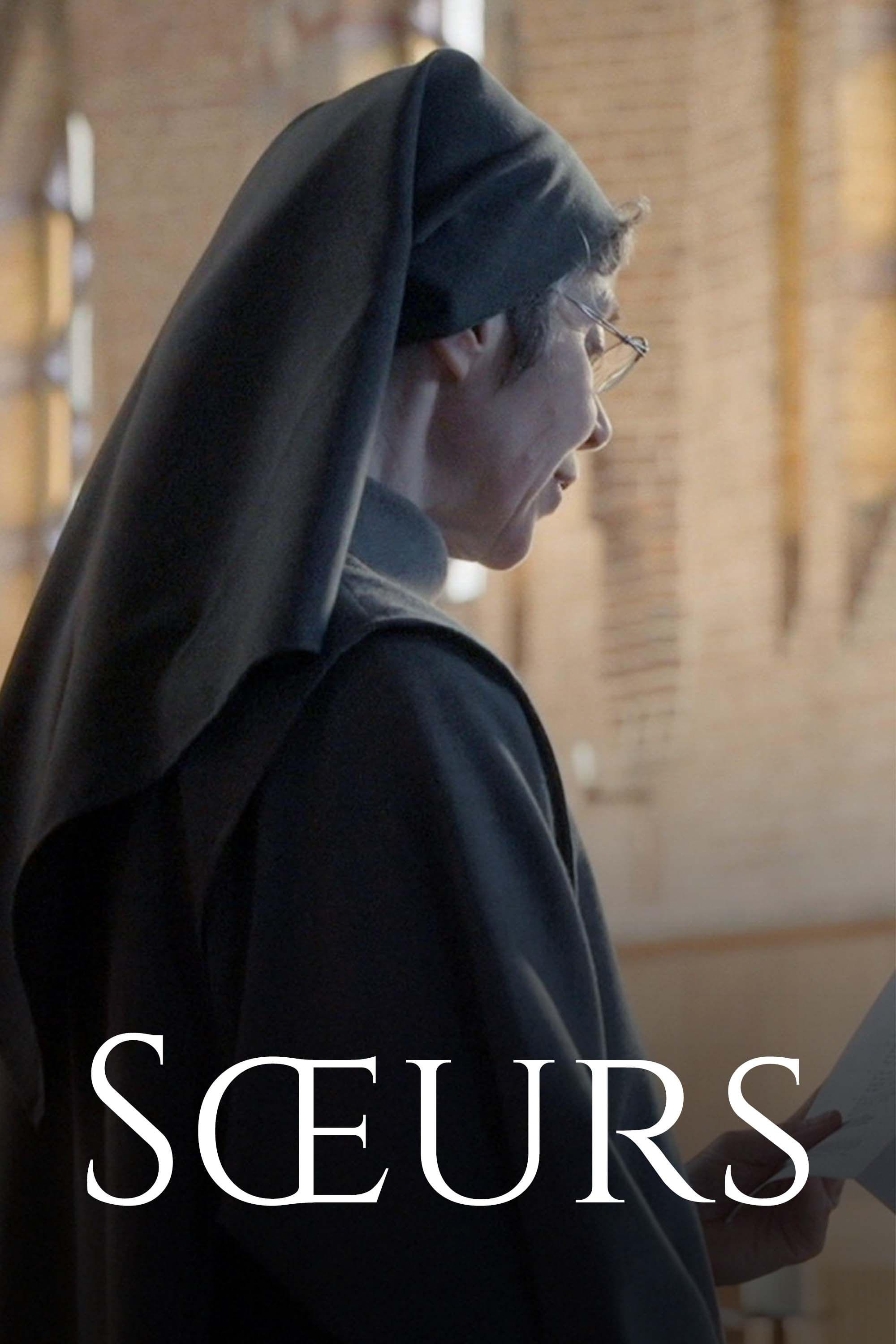
Just outside of Paris, there is a community of Benedictine nuns. They come from diverse backgrounds and do not all speak the same language. In between prayers, they work to sustain their religious community. They sell handmade rosaries and operate guest rooms where they also accommodate refugees in need of shelter, such as Halyna, who fled from Ukraine. The older nuns teach the younger ones, transcending cultural boundaries. Every day, the sisters learn to live together a little better, always following the rules of Saint Benedict, whom they have followed into this cloistered life.
In addition to music by Family and Procol Harum, you can hear a composition of percussive natural sounds—rain drumming on the window—and...
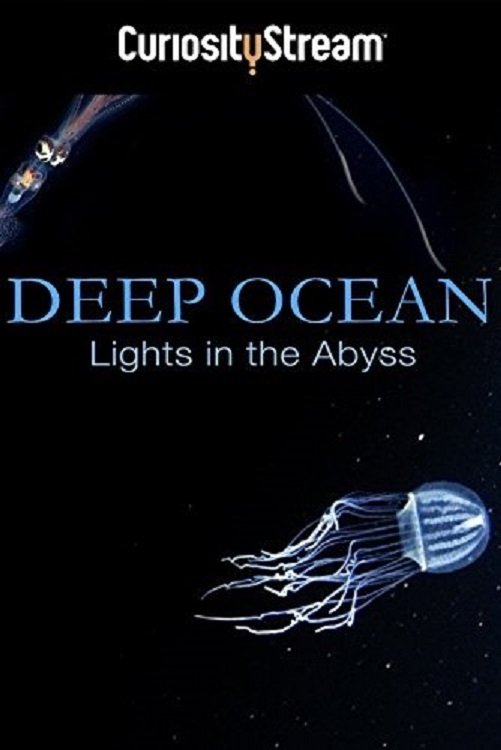
The NHK team that captured the world's first footage of a live giant squid in its natural habitat is setting out for another deep-sea adventure. They will give us a look at the amazing life forms with luminous bodies that have survived the harsh, pitch-dark deep-sea environment of the Pacific.
Short avant garde film. Views of rippling water.
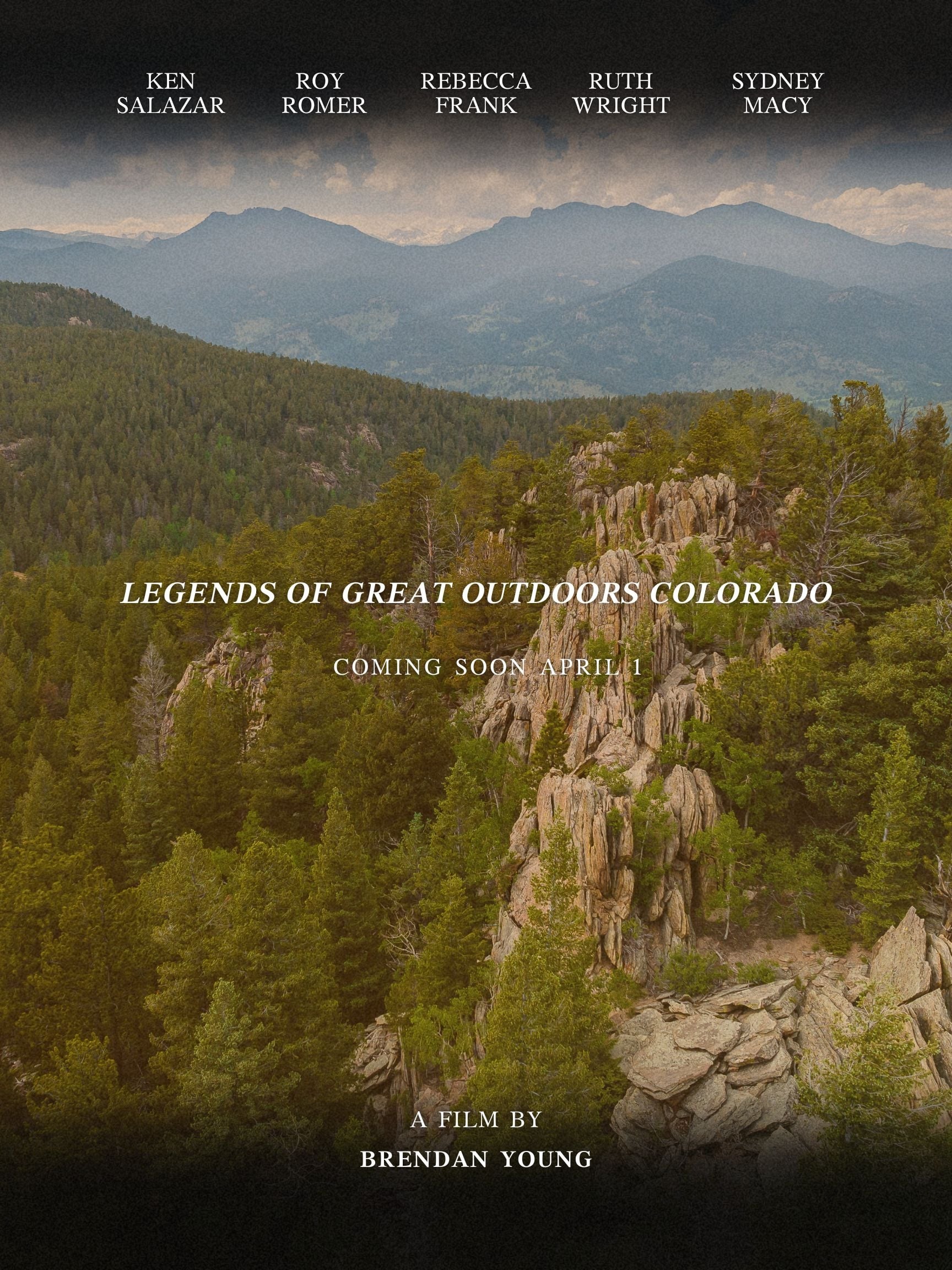
The short documentary Legends of Great Outdoors Colorado celebrates the visionaries who put Great Outdoors Colorado (GOCO) into motion three decades ago, creating a unique-in-the-nation resource and an enduring legacy of protecting and enhancing Colorado’s wildlife, parks, rivers, trails, and open spaces. In-depth conversations with legendary Coloradans, including GOCO co-founders Roy Romer and Ken Salazar, tell the origin story, and how the mission is possible thanks to passionate partners across the state, the people of Colorado, and GOCO's funding source, the Colorado Lottery. A combination of intimate interviews, archival footage, present-day scenes, and 8-mm film pays homage to Colorado’s outdoor heritage and GOCO’s continued commitment to conservation and recreation.
Filmed along the Emeryville Mudflats near San Francisco, Junkopia captures a landscape of sculptural installations made from driftwood and discarded materials. Chris Marker, John Chapman, and Frank Simeone transform these ephemeral artworks—set against highways and the distant city—into a quiet meditation on art, decay, and the modern environment.
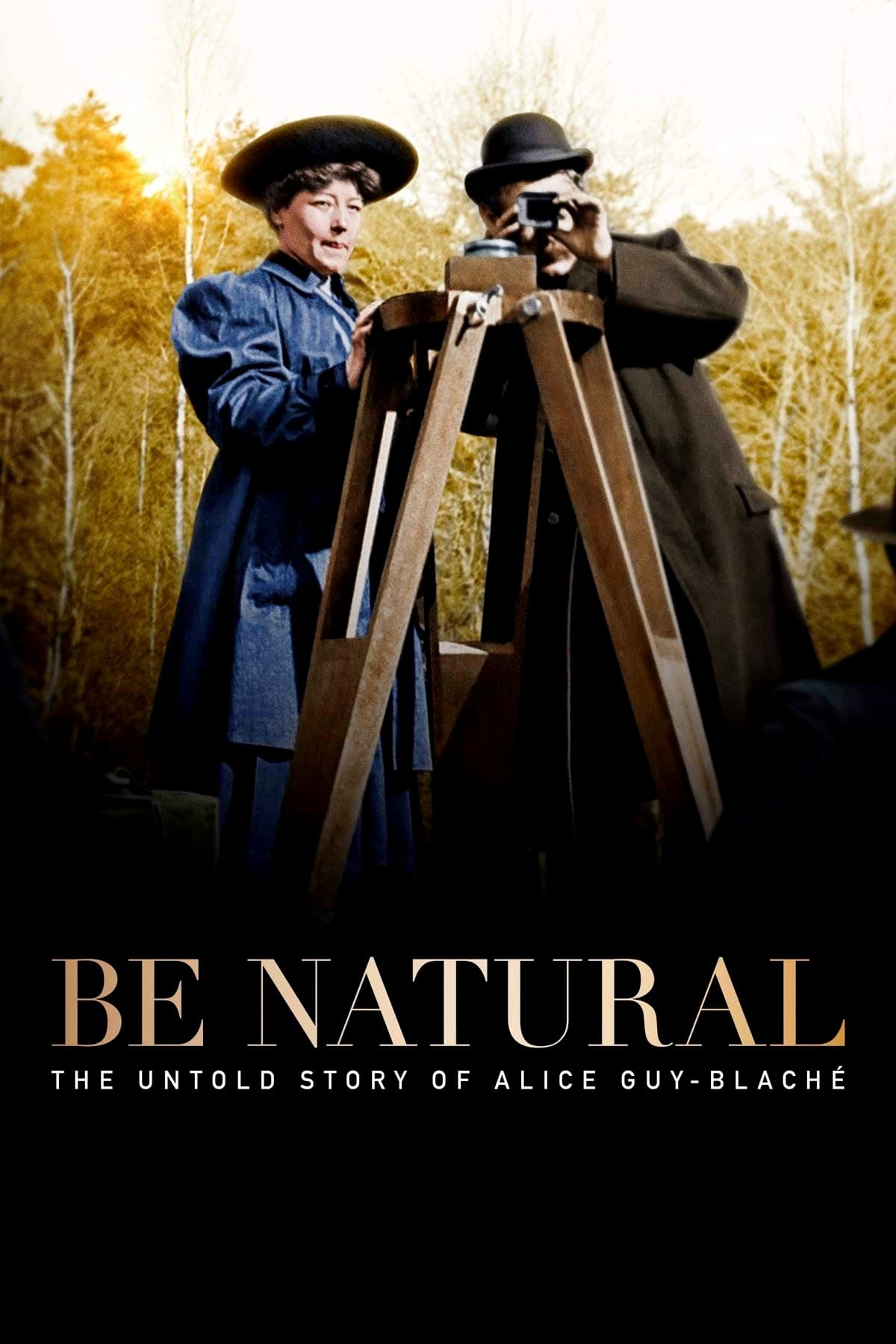
The epic life story of Alice Guy-Blaché (1873–1968), a French screenwriter, director and producer, true pioneer of cinema, the first person who made a narrative fiction film; author of hundreds of movies, but banished from history books. Ignored and forgotten. At last remembered.
When Allied forces liberated the Nazi concentration camps in 1944-45, their terrible discoveries were recorded by army and newsreel cameramen, revealing for the first time the full horror of what had happened. Making use of British, Soviet and American footage, the Ministry of Information’s Sidney Bernstein (later founder of Granada Television) aimed to create a documentary that would provide lasting, undeniable evidence of the Nazis’ unspeakable crimes. He commissioned a wealth of British talent, including editor Stewart McAllister, writer and future cabinet minister Richard Crossman – and, as treatment advisor, his friend Alfred Hitchcock. Yet, despite initial support from the British and US Governments, the film was shelved, and only now, 70 years on, has it been restored and completed by Imperial War Museums under its original title "German Concentration Camps Factual Survey".
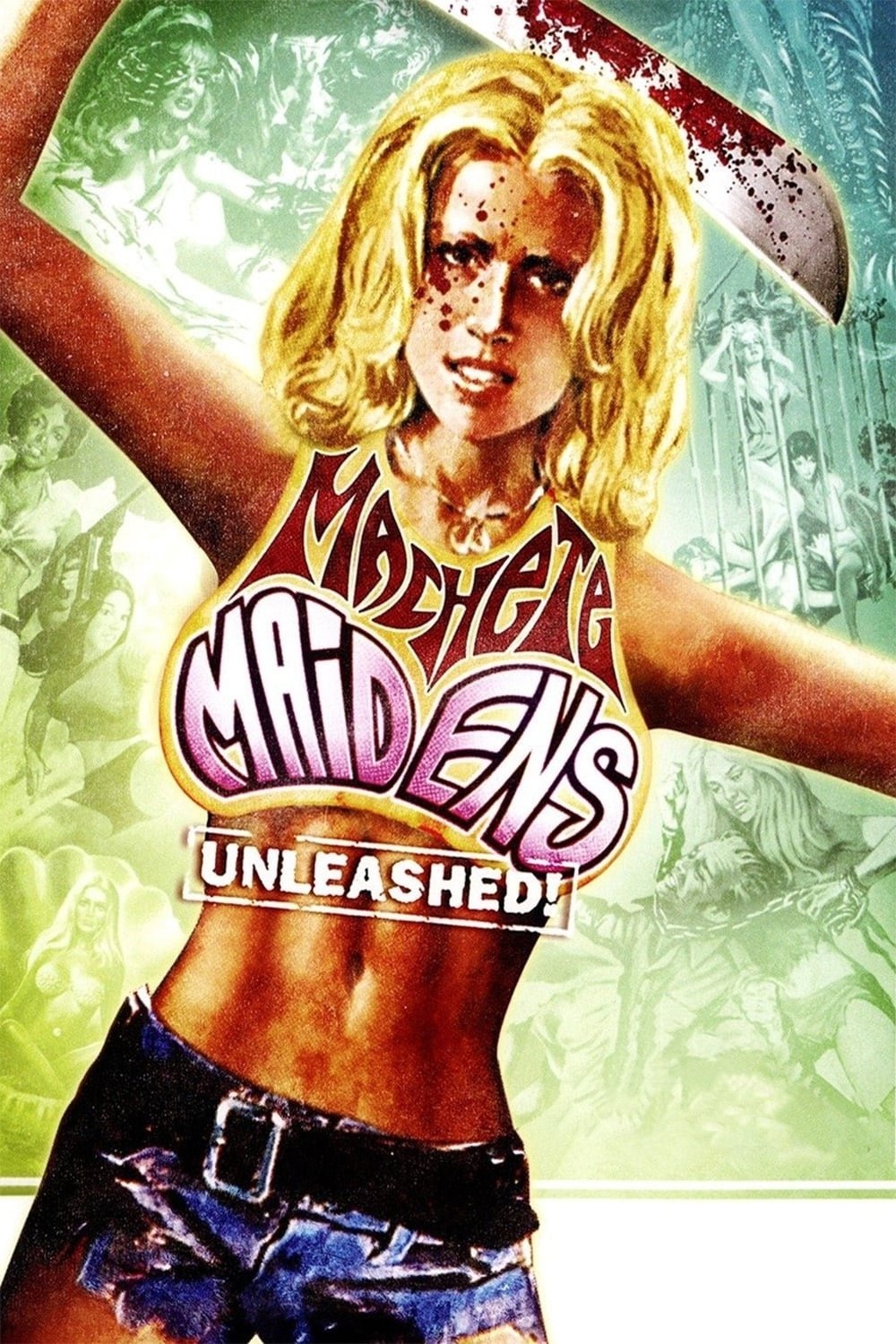
In the final decades of the 20th century, the Philippines was a country where low-budget exploitation-film producers were free to make nearly any kind of movie they wanted, any way they pleased. It was a country with extremely lax labor regulations and a very permissive attitude towards cultural expression. As a result, it became a hotbed for the production of cheapie movies. Their history and the genre itself are detailed in this breezy, nostalgic documentary.
A visual montage portrait of our contemporary world dominated by globalized technology and violence.
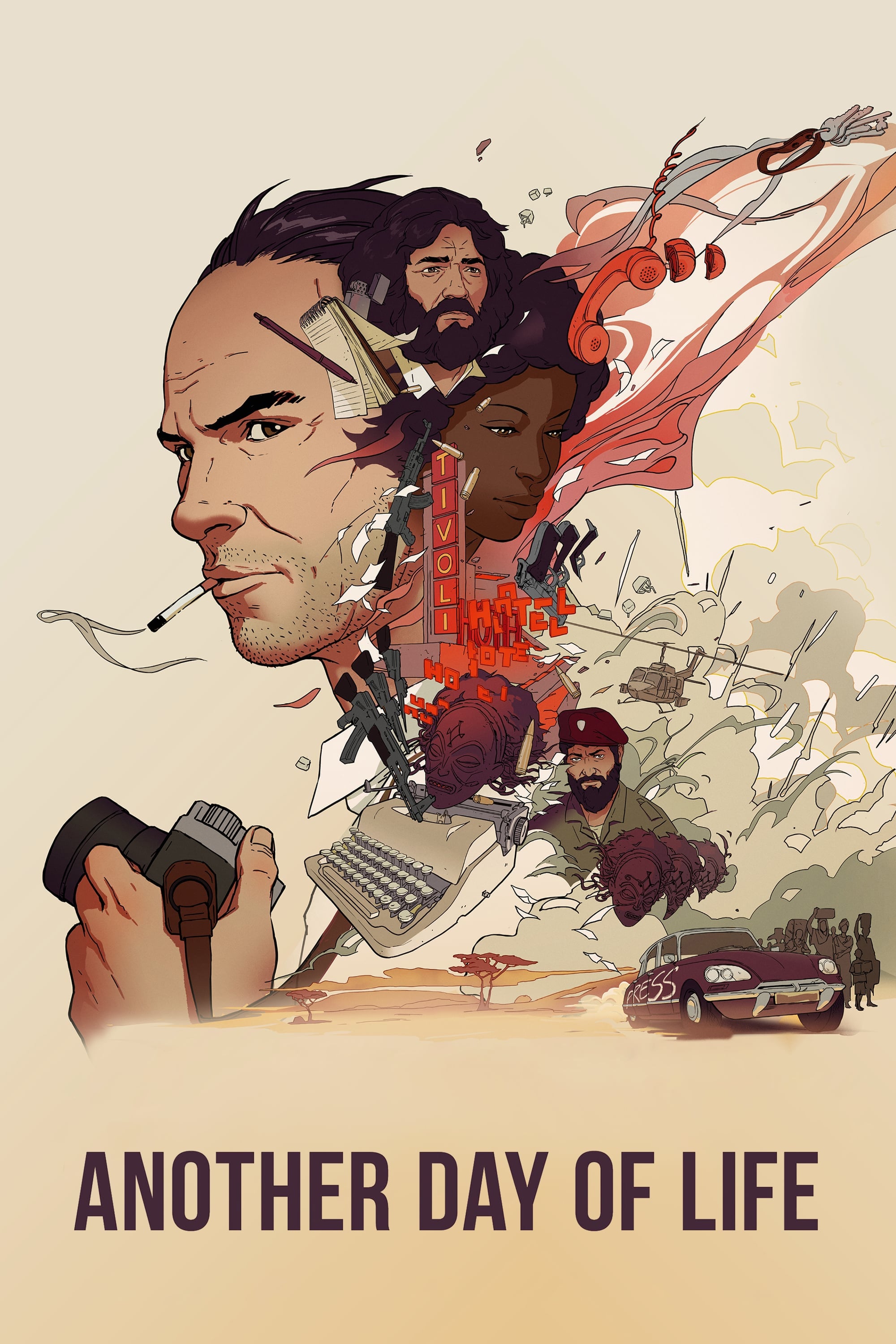
In 1975, Ryszard Kapuściński, a veteran Polish journalist, embarked on a seemingly suicidal road trip into the heart of the Angola's civil war. There, he witnessed once again the dirty reality of war and discovered a sense of helplessness previously unknown to him. Angola changed him forever: it was a reporter who left Poland, but it was a writer who returned…
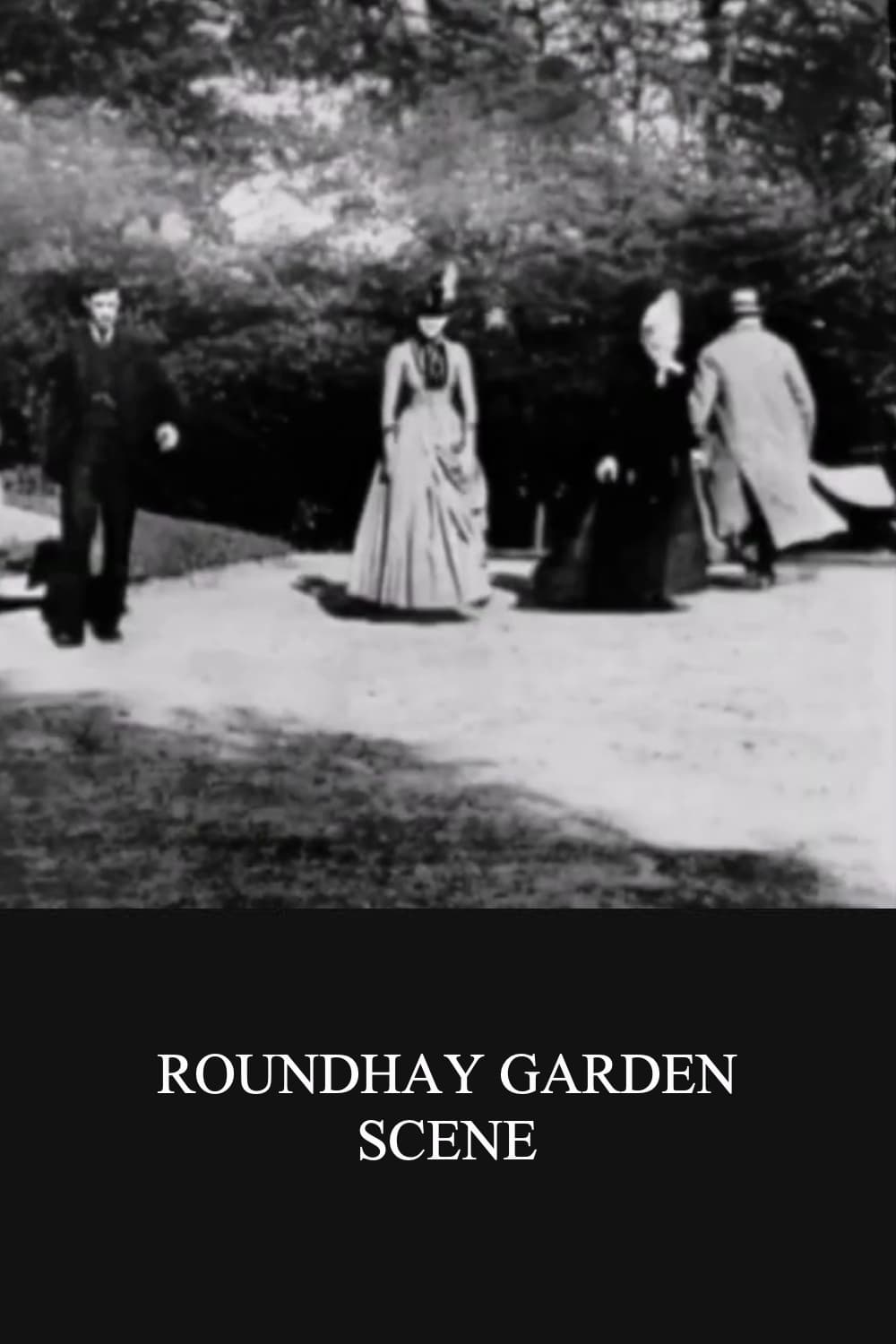
The earliest surviving motion-picture film, and believed to be one of the very first moving images ever created, was shot by Louis Aimé Augustin Le Prince using the LPCCP Type-1 MkII single-lens camera. It was taken on paper-based photographic film in the garden of Oakwood Grange, the Whitley family house in Roundhay, Leeds, West Riding of Yorkshire (UK), on 14 October 1888. The film shows Adolphe Le Prince (Le Prince’s son), Mrs. Sarah Whitley (Le Prince’s mother-in-law), Joseph Whitley, and Miss Harriet Hartley walking around in circles, laughing to themselves, and staying within the area framed by the camera. Roundhay Garden Scene is often associated with a recording speed of around 12 frames per second and runs for about 2 to 3 seconds.
A compilation of over 30 years of private home movie footage shot by Lithuanian-American avant-garde director Jonas Mekas, assembled by Mekas "purely by chance", without concern for chronological order.
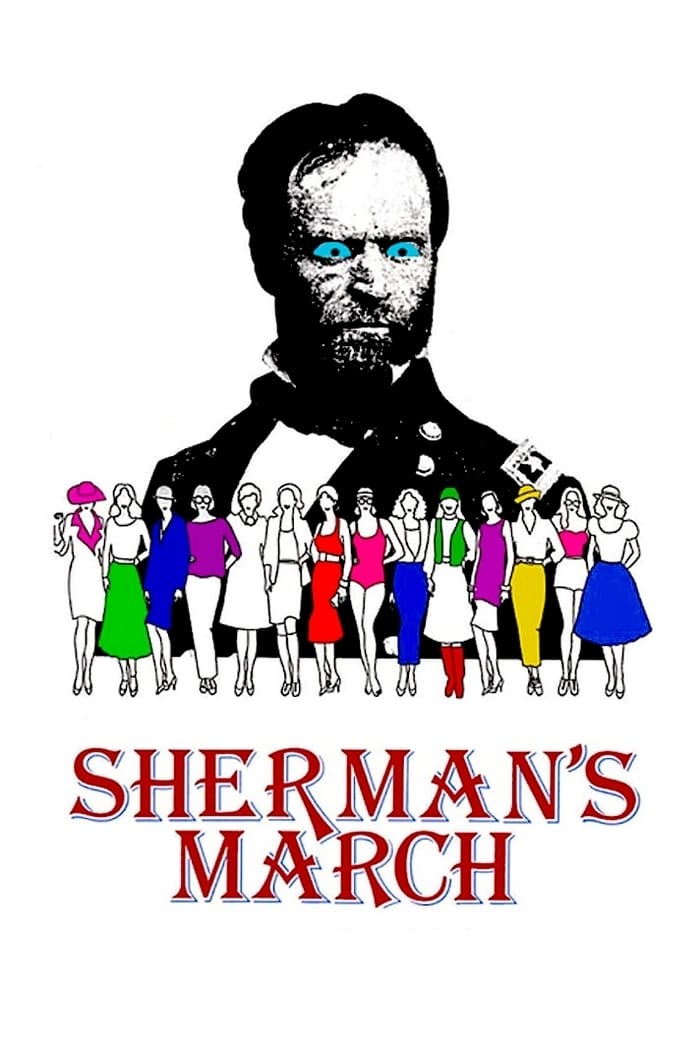
Documentarian Ross McElwee originally set out to make a travelogue of sorts tracing General William T. Sherman's infamous scorched-earth march through the Confederacy in the latter stages of the Civil War. Instead, haunted by a recent breakup with a girlfriend, McElwee ends up documenting his progress -- or lack thereof -- in starting a new relationship. His journey then becomes one of self-reflection and self-discovery rather than a historical/sociological exploration.
In 1972, a seemingly typical shoestring budget pornographic film was made in a Florida hotel: "Deep Throat," starring Linda Lovelace. This film would surpass the wildest expectation of everyone involved to become one of the most successful independent films of all time. It caught the public imagination which met the spirit of the times, even as the self-appointed guardians of public morality struggled to suppress it, and created, for a brief moment, a possible future where sexuality in film had a bold artistic potential. This film covers the story of the making of this controversial film, its stunning success, its hysterical opposition along with its dark side of mob influence and allegations of the on set mistreatment of the film's star.
A documentary on the expletive's origin, why it offends some people so deeply, and what can be gained from its use.
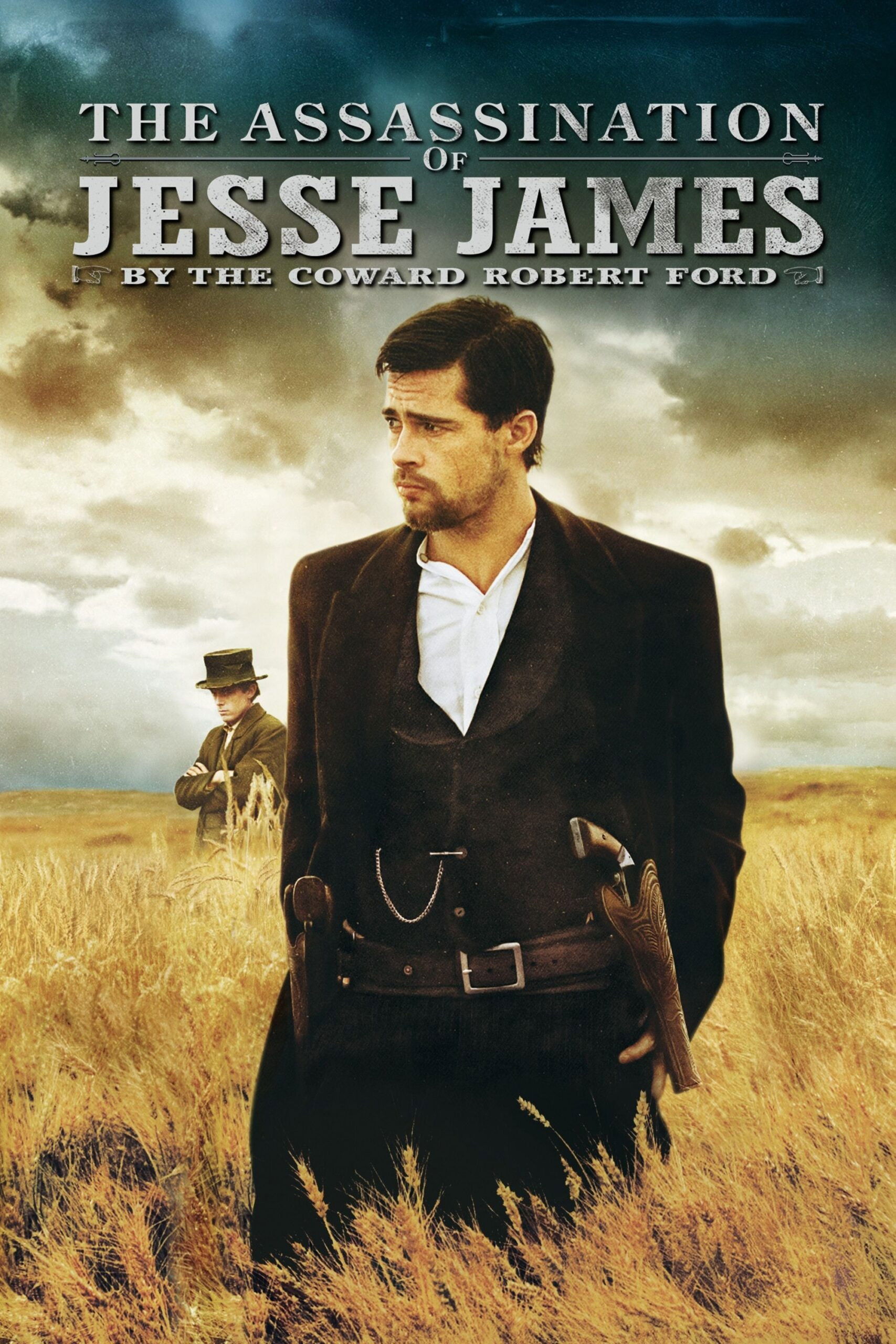
Explores the true story of the notorious Jesse James, how the myth developed during his lifetime, and how the legends have persisted over 100 years after his death at the hands of his former friend, Robert Ford.
Alexander McQueen's rags-to-riches story is a modern-day fairy tale, laced with the gothic. Mirroring the savage beauty, boldness and vivacity of his design, this documentary is an intimate revelation of McQueen's own world, both tortured and inspired, which celebrates a radical and mesmerizing genius of profound influence.
The history of cinematic sound, told by legendary sound designers and visionary filmmakers.
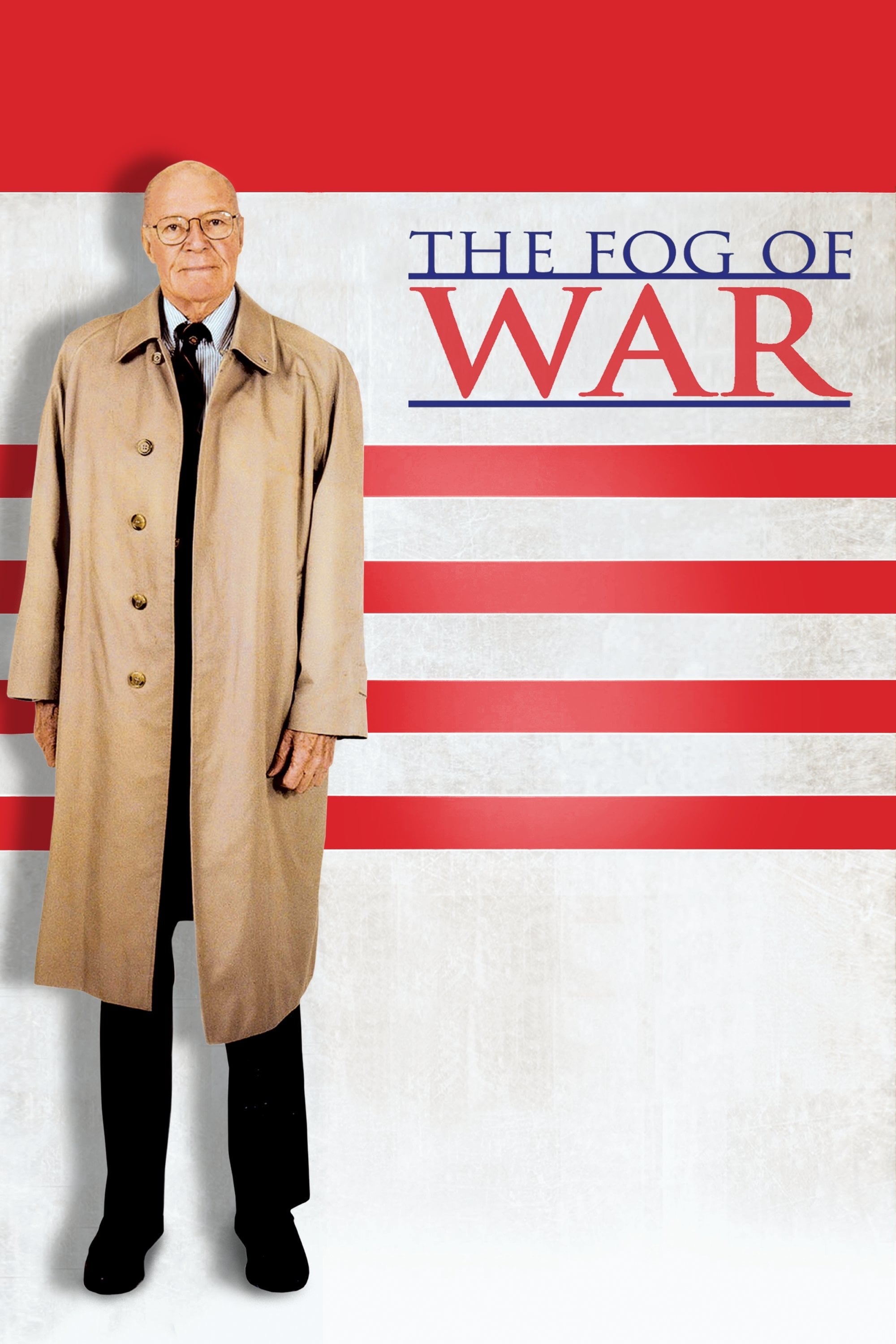
Using archival footage, cabinet conversation recordings, and an interview of the 85-year-old Robert McNamara, The Fog of War depicts his life, from working as a WWII whiz-kid military officer, to being the Ford Motor Company's president, to managing the Vietnam War as defense secretary for presidents Kennedy and Johnson.
Through deeply personal interviews with her siblings and an examination of the photographs, letters, and belongings left behind, Mariska assembles a new portrait of her mother Jayne Mansfield, an extraordinary and complex woman.
Ranjit, a farmer in India, takes on the fight of his life when he demands justice for his 13-year-old daughter, the victim of a brutal gang rape. His decision to support his daughter is virtually unheard of, and his journey unprecedented.
A chronicle of the production problems — including bad weather, actors' health, war near the filming locations, and more — which plagued the filming of Apocalypse Now, increasing costs and nearly destroying the life and career of Francis Ford Coppola.
This revealing documentary honors the legendary Sidney Poitier—iconic actor, filmmaker, and civil rights activist. Featuring interviews with Denzel Washington, Spike Lee, Halle Berry, and more.
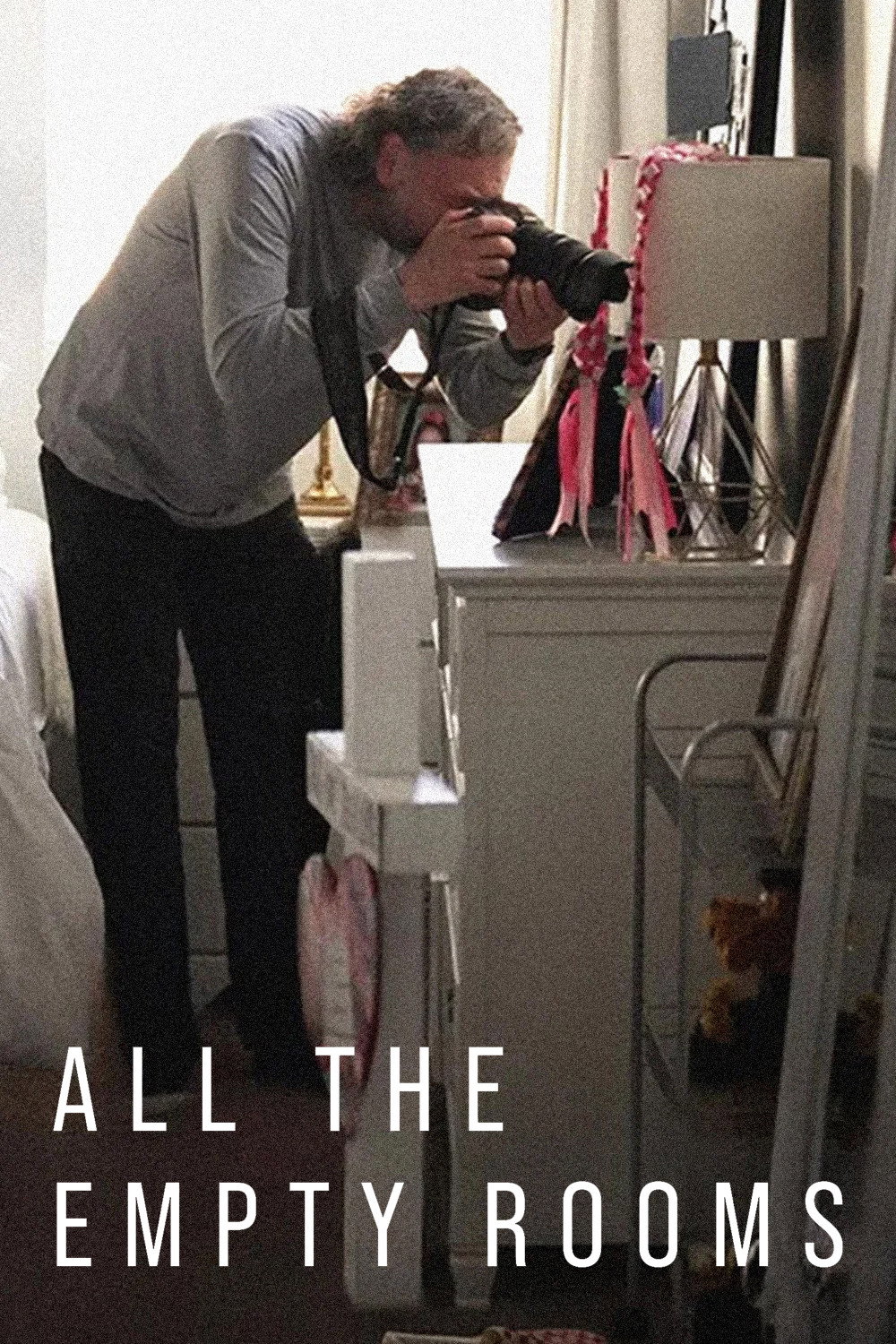
A journalist and a photographer set out to memorialize the bedrooms left behind by children killed in school shootings.
Echo is a youngster who can't quite decide if it's time to grow up and take on new responsibilities-or give in to her silly side and just have fun. Dolphin society is tricky, and the coral reef that Echo and his family call home depends on all of its inhabitants to keep it healthy. But Echo has a tough time resisting the many adventures the ocean has to offer.