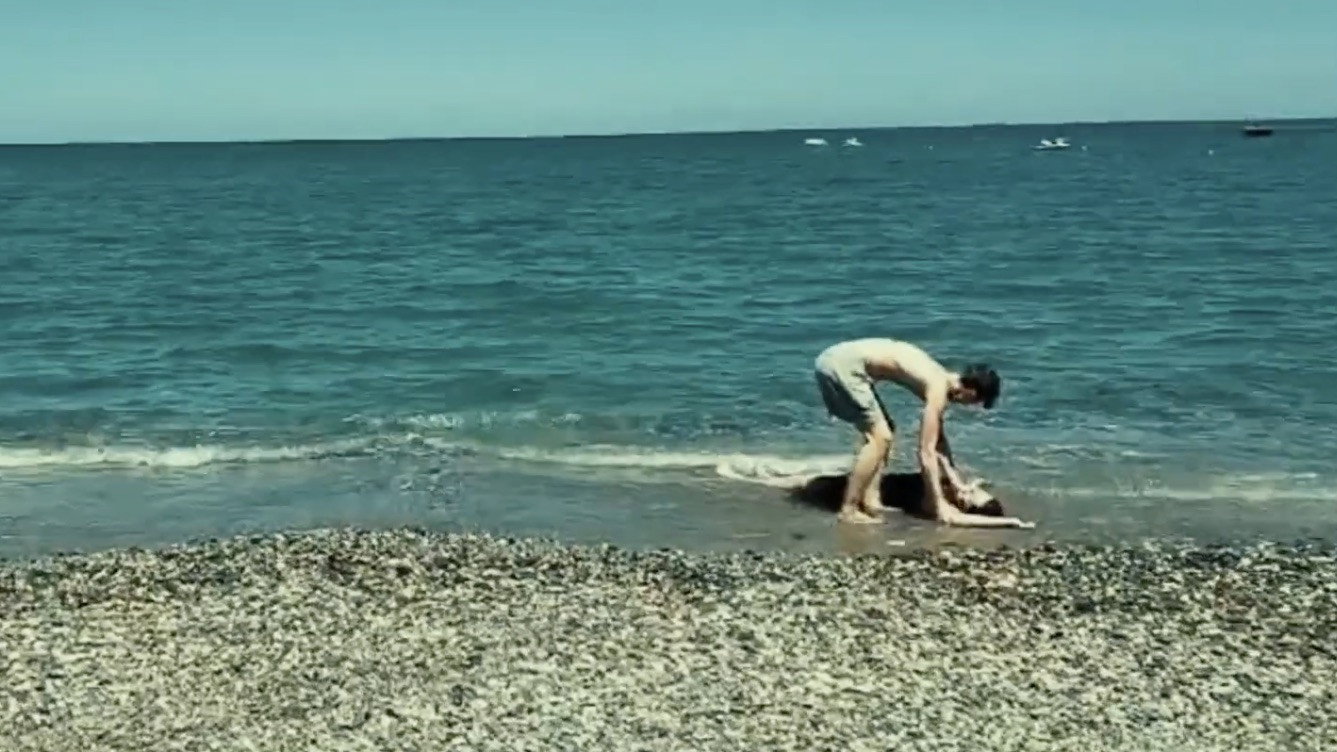
"Come for the story. Stay for the Hitler impression."
The daring adventure of English spies to fool the dirty Germans during World War II. No Estonians were harmed in the making of this film.

Social & External
The people behind it
Milo Cendrowicz
Montagu/Nurse
James Peyronnet
Winston Churchill/Charles Cholomndley
Jason Lewis
Doctor Spilsbury/John Godfrey/Mussolini
Maximilian kreis
Ian Fleming/Glyndwyr Micheal
Kalju Wansing
Hitler/Wilhelm Canaris
Noe Gerhartl
Fisherman
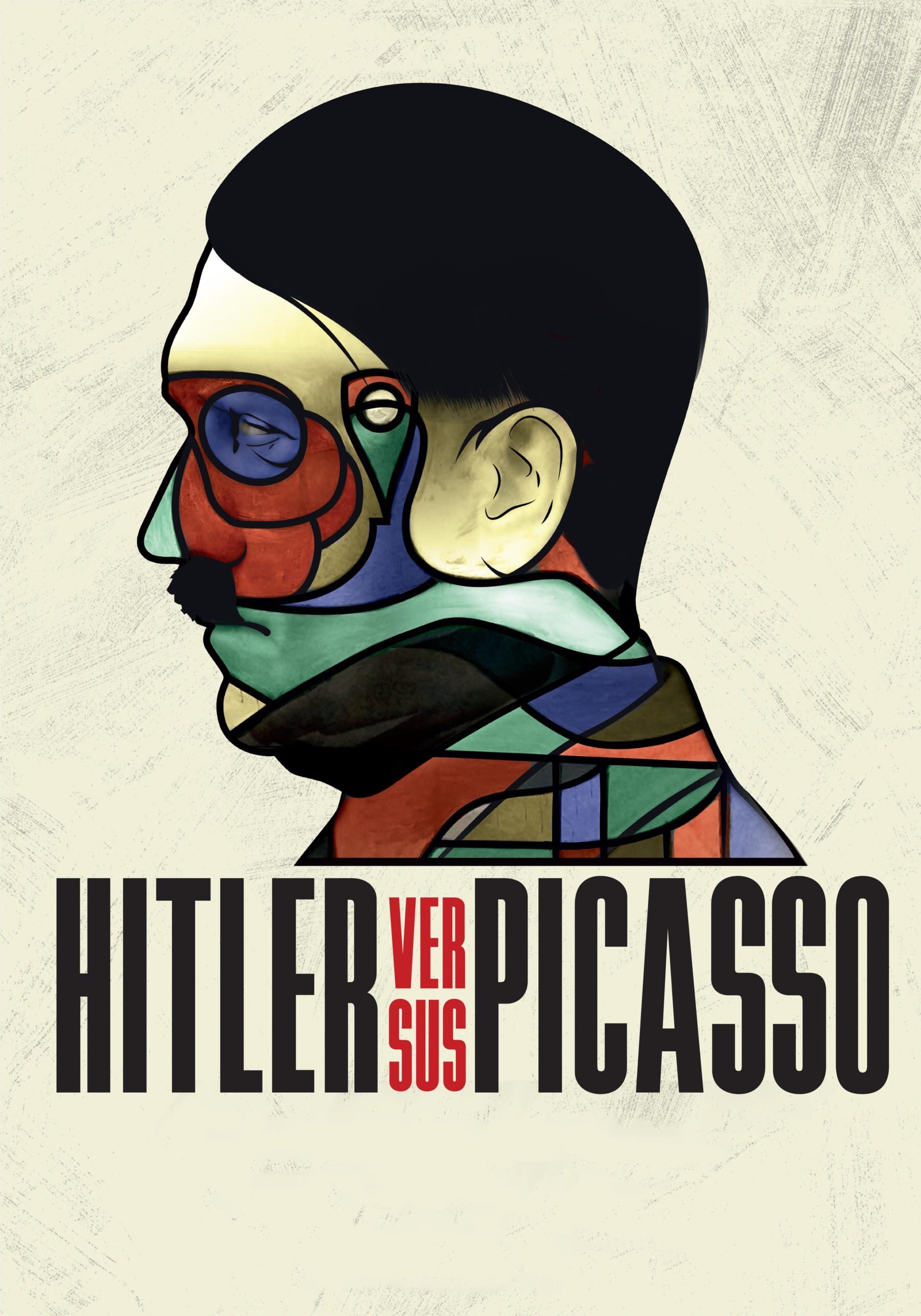
In 1937 the Nazi regime held two exhibitions in Munich: one to stigmatize “Degenerate Art” (which they systematically looted and destroyed) and one, personally curated by Hitler, to glorify “Classic Art”. This immersive new documentary reveals the Nazi’s complicated relationship with classical and modern art, displaying an incredible number of masterpieces by Botticelli, Klee, Matisse, Monet, Chagall, Renoir and Gauguin amongst others, intertwined with human stories from the most infamous period of the twentieth century. A state-of-the-art detective story exploring the Nazis’ obsession with creative expression, Hitler versus Picasso combines history, art and human drama for an unforgettable cinema experience.
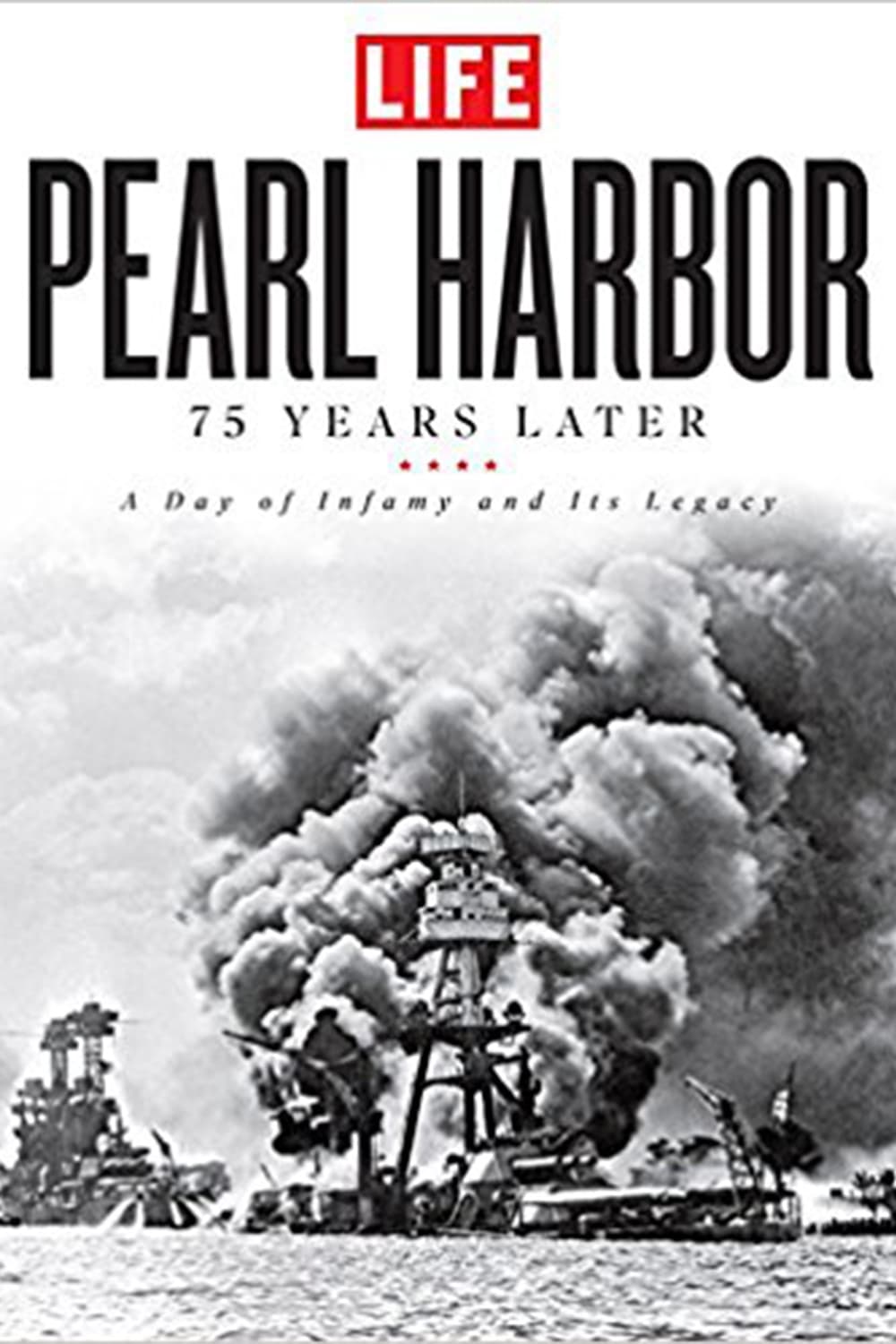
This two-hour special looks back at Dec. 7, 1941 - the date that has indeed lived in infamy, as President Franklin Roosevelt promised - when imperial Japan attacked the U.S. naval forces in Hawaii, ushering America into World War II. The attack killed more than 2,400 people, wounded 1,000 and damaged or destroyed nearly 20 American ships and over 300 airplanes.
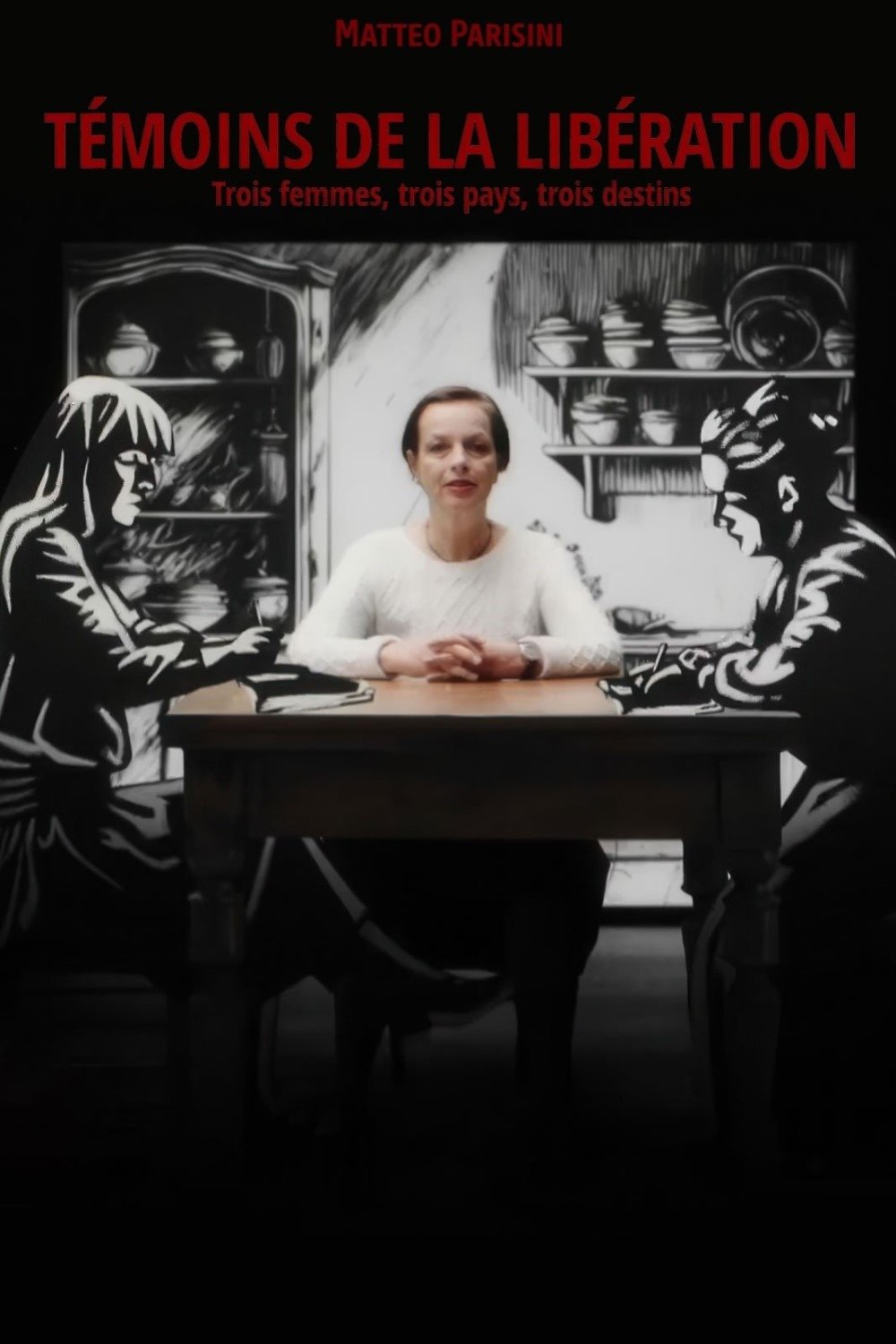
The end of World War II brings Europe a new political system, reshapes national and personal identities. Three women from Milan, Paris and Berlin report on the days of liberation in their diaries. Their personal stories expand the historical picture and make LIBERATION DIARIES a chronicle of female self-empowerment, resistance and resilience.
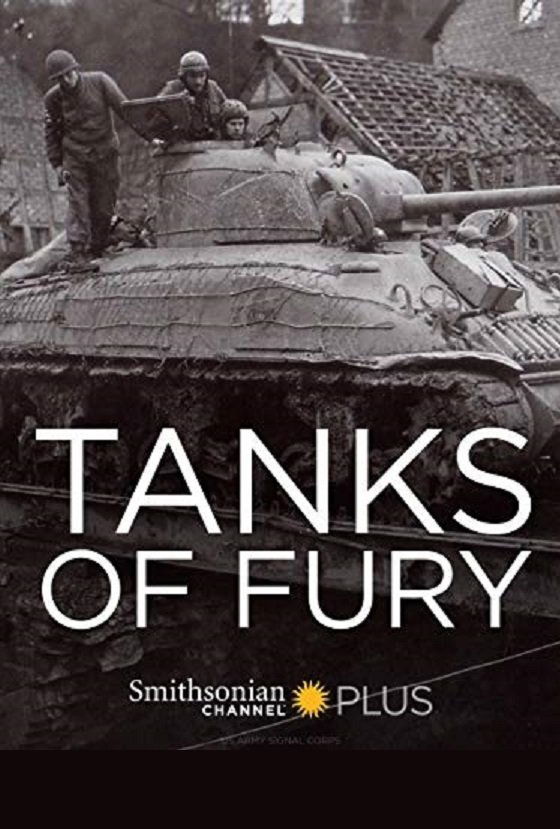
Crew and actors from the movie 'Fury' give behind-the-scenes details of the movie's technical production and special effects. Actual WWII tank footage and interviews with veterans are also included.
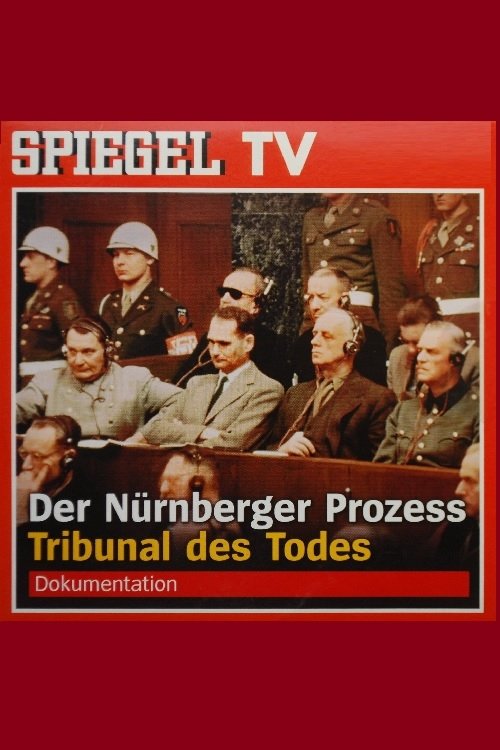
When the Allies realized the full extent of the crimes of the Third Reich at the end of the Second World War, it was clear that they would not be satisfied with a simple capitulation. Those responsible should not get away with it. The result of these deliberations was the International Military Tribunal, whose proceedings have gone down in history as the "Nuremberg Trial" after the venue.
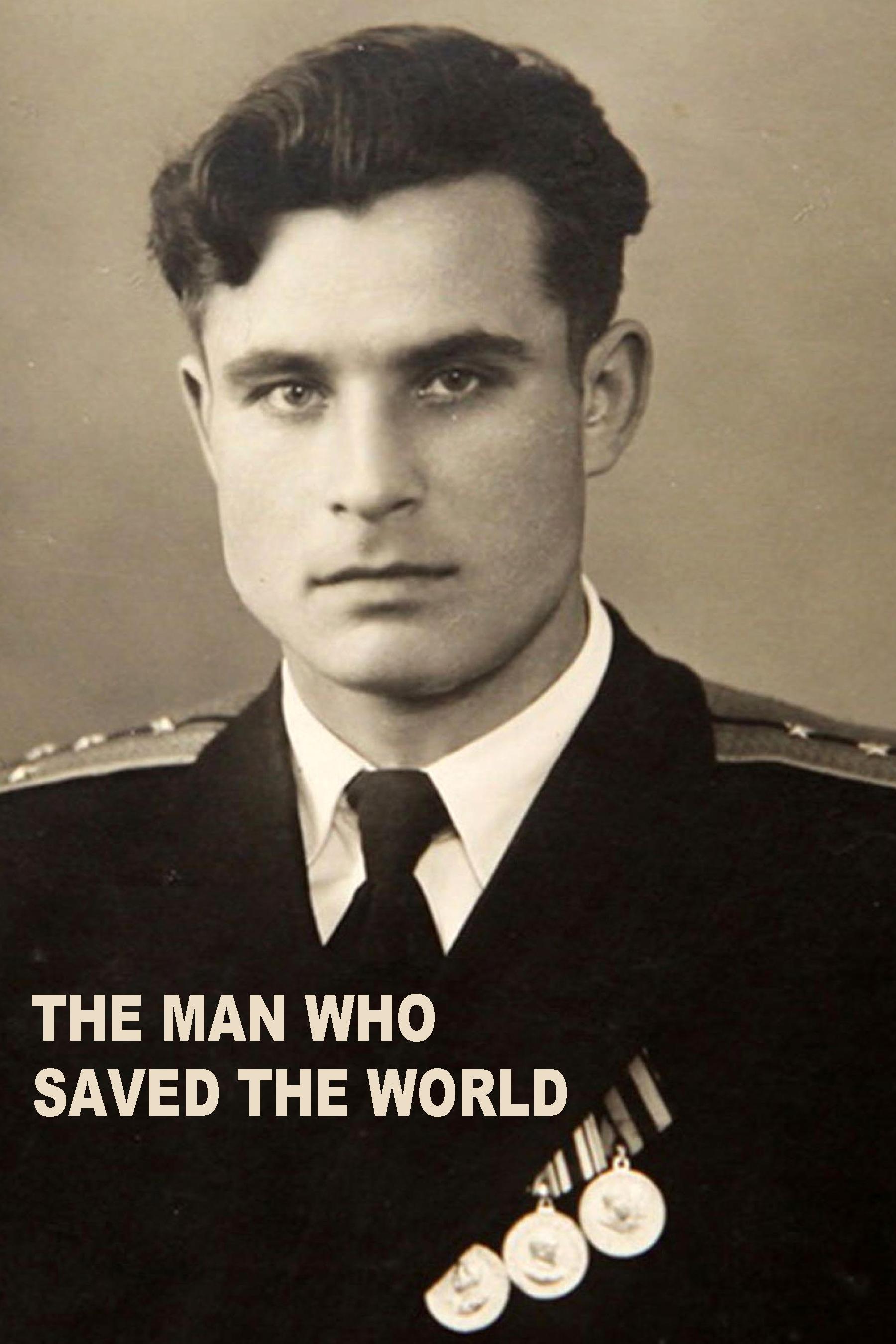
During the Cuban Missile Crisis of 1962, Soviet Navy officer Vasily Arkhipov refused to launch a nuclear strike and saved the world from nuclear war and total destruction.
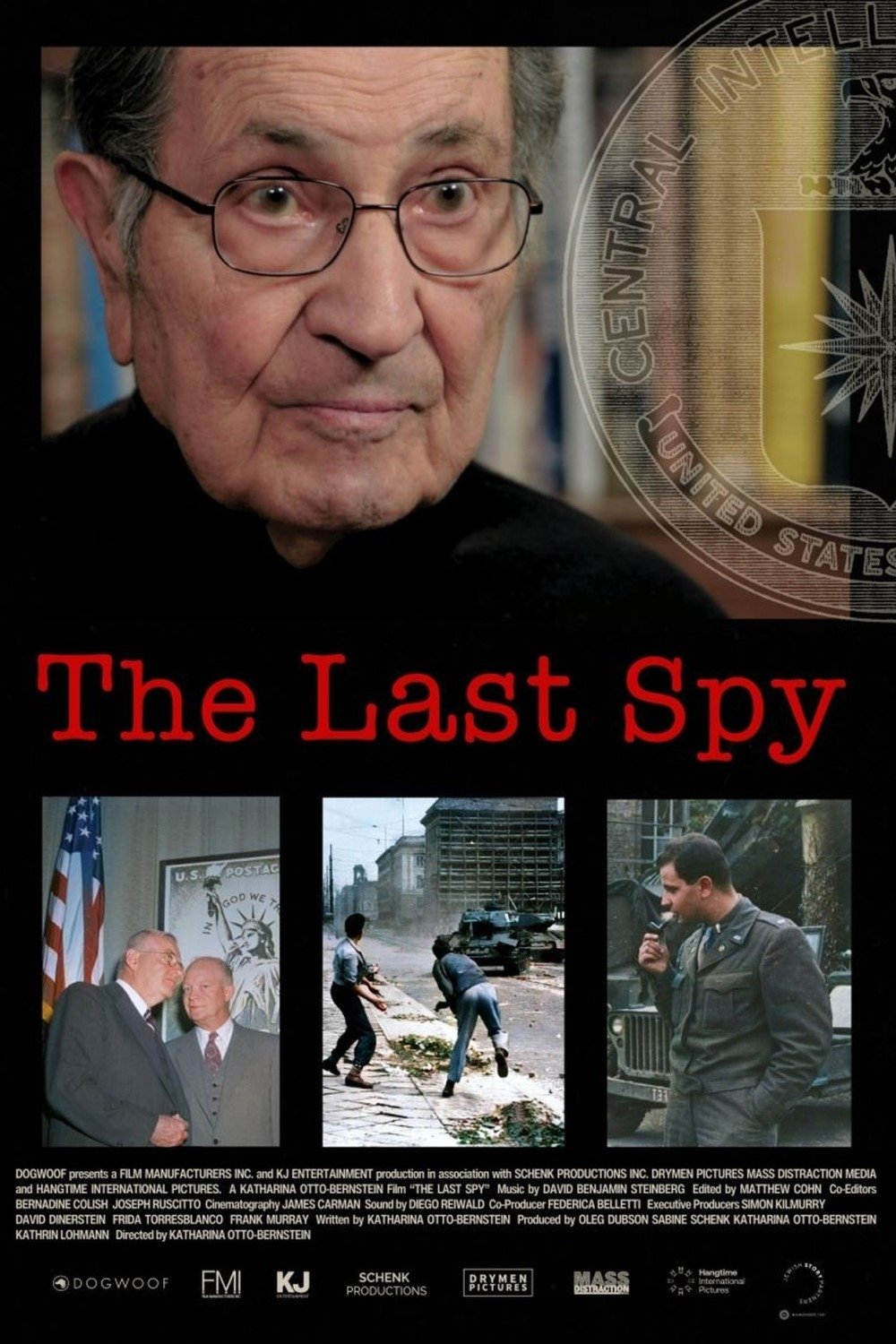
The riveting biography of 102-year-old CIA spymaster Peter Sichel, who unpacks the obscured roots of conflicts that plague today’s world and the toll espionage took on his personal life.
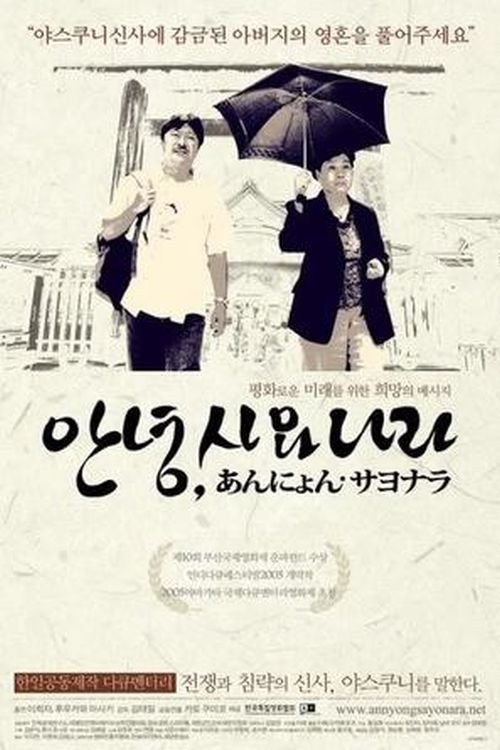
This joint Korean-Japanese production follows a Korean woman, Lee Ha-jong, as she searches for her father's remains. He - like tens of thousands of other Koreans - was forced into the Japanese military, and subsequently killed during WW2. She is joined by a Japanese man, seeking reconciliation between his country's military past, and the countries victimized by that history. The filmmakers portray both sides of a still highly emotional debate that centers around the enshrinement of soldiers at the Yasukuni Shrine, and Lee's lawsuit to prevent her father from being enshrined there. As Lee visits Japan and the controversial Yasukuni Shrine, she confronts - and is confronted by a wall of nationalistic pride that might be compared to neo-Nazis defending the righteousness of The Reich. This is contrasted with her meeting and working with Japanese peace activists, who deplore their countries' militaristic past, and seek to heal the wounds with her neighbors.
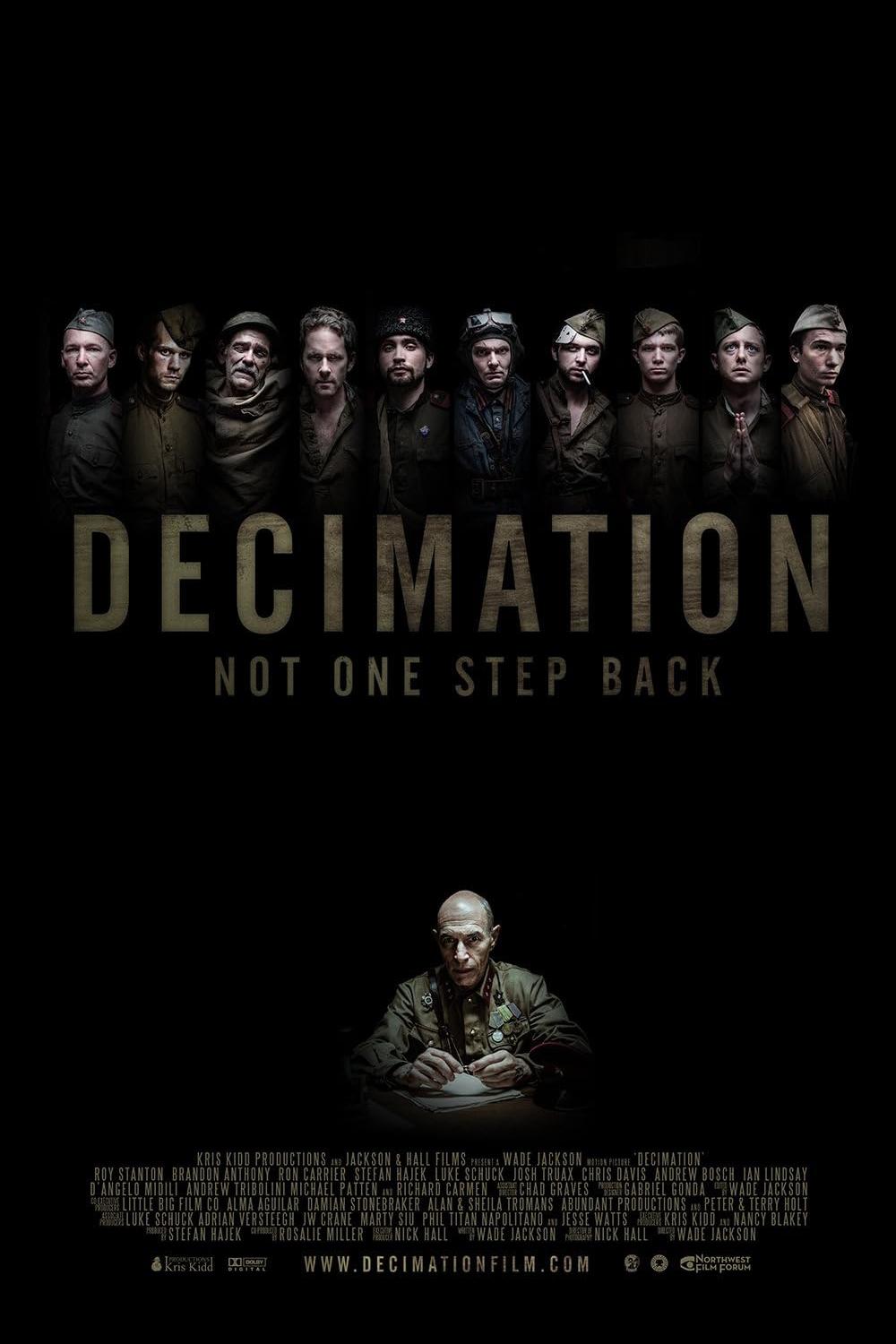
Set in 1942, DECIMATION tells the story of ten Russian soldiers accused of cowardice and their subsequent punishment.
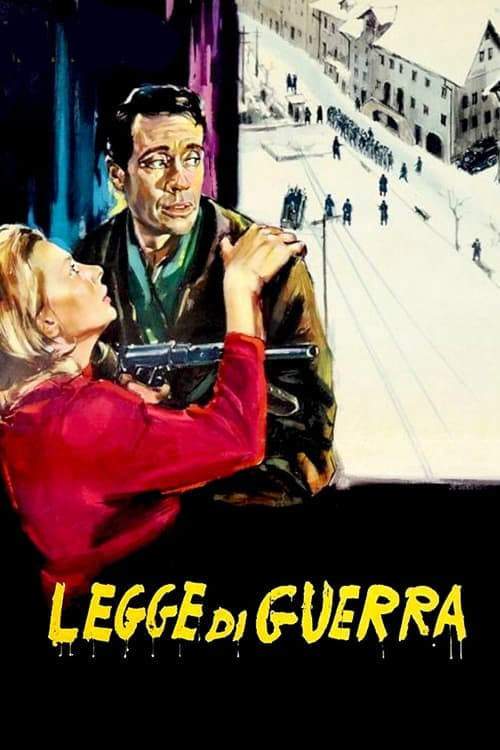
Matera, 1943. Partisan Nichi has been wounded and is returning to her brigade's hideout, but her true concerns are focused on the fate of her husband, a prisoner of the German army. When she arrives at the hideout, however, she finds no one there except a young courier accompanied by a civilian woman who urgently needs to be escorted out of the city by nightfall.
Displaced by the Second World War, a troop of Polish soldiers form an inseparable bond through an orphaned bear they name Wojtek.
During WW2, in a Nazi-occupied country, a local partisan blows-up a German military train, prompting the Germans to take civilian hostages to be shot if the culprit doesn't surrender before a deadline.
In 1943, six disparate souls are sent on a secret government mission to produce pornographic propaganda films for the boys on the front, each one struggling under the weight of their own conscience in this war-torn world, and it's not about to get any easier.
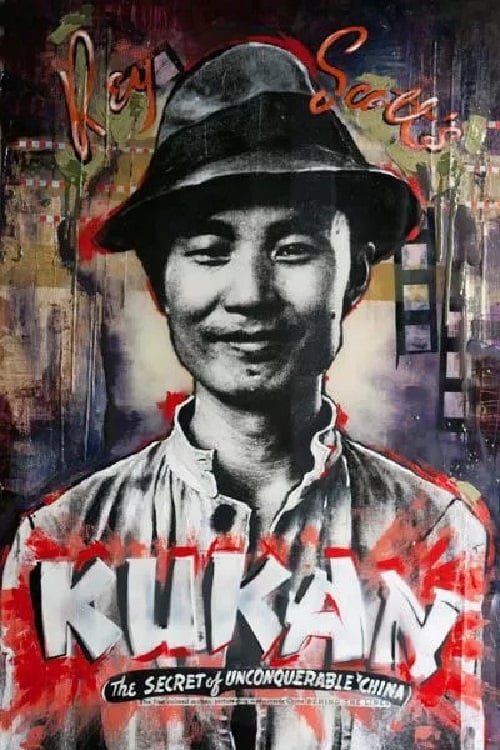
Rey Scott received an Honorary Academy Award for this documentary "for his extraordinary achievement in producing Kukan, the film record of China's struggle, including its photography with a 16mm camera under the most difficult and dangerous conditions." Producer David O. Selznick thought so much of it, that he distributed KUKAN in 35mm, even after the film had already had an extensive run in 16mm.
This short film in support of the war effort focuses on the training and missions of Army Air Corps Captain Hewitt T. Wheless just after the U.S. entry into World War II.
Henry Browne, an African American farmer, and his family are profiled in this film. The important job of a farmer during times of war is highlighted, specifically his efforts growing peanuts and cotton. This role is made even more poingnant when they visit the eldest son who is a cadet in the 99th Pursuit Squadron.
In 1972, a seemingly typical shoestring budget pornographic film was made in a Florida hotel: "Deep Throat," starring Linda Lovelace. This film would surpass the wildest expectation of everyone involved to become one of the most successful independent films of all time. It caught the public imagination which met the spirit of the times, even as the self-appointed guardians of public morality struggled to suppress it, and created, for a brief moment, a possible future where sexuality in film had a bold artistic potential. This film covers the story of the making of this controversial film, its stunning success, its hysterical opposition along with its dark side of mob influence and allegations of the on set mistreatment of the film's star.
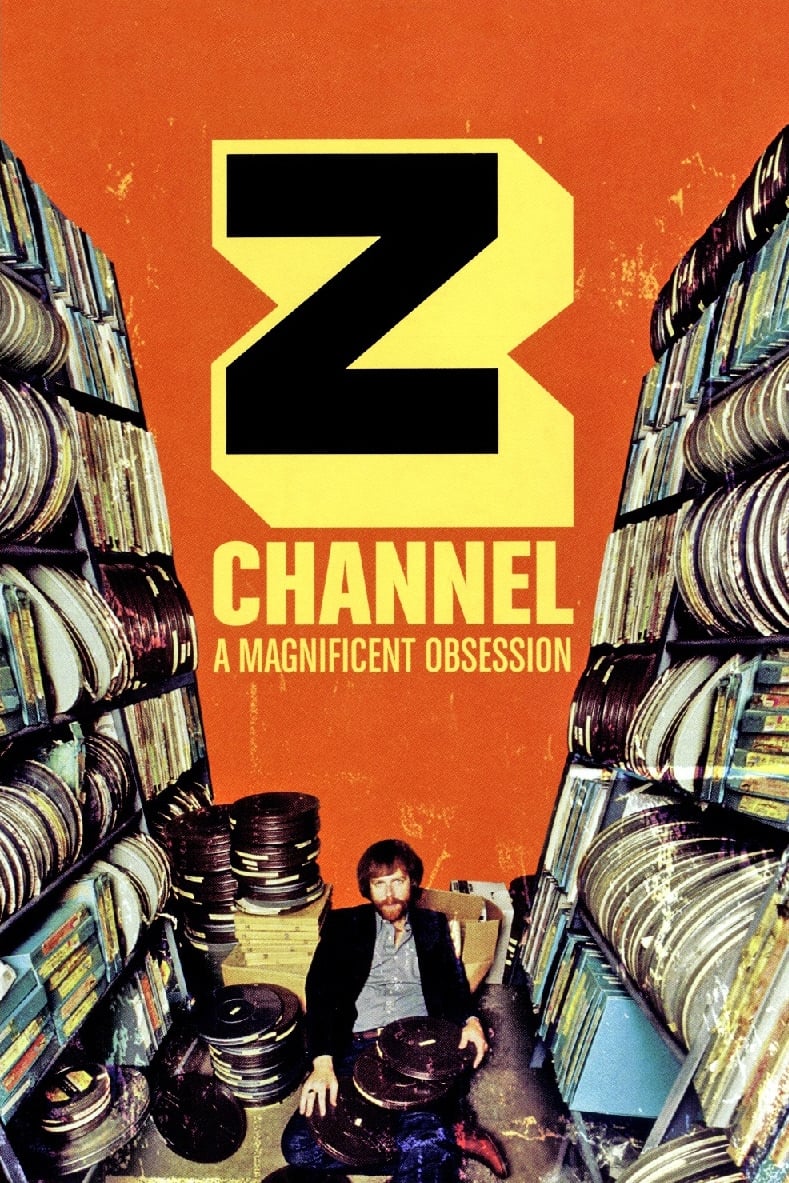
A documentary on the Z Channel, one of the first pay cable stations in the US, and its programming chief, Jerry Harvey. Debuting in 1974, the LA-based channel's eclectic slate of movies became a prime example of the untapped power of cable television.