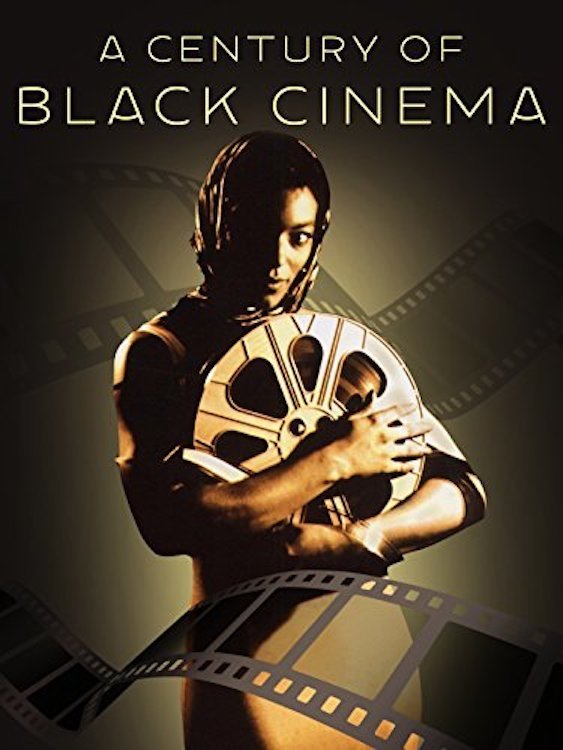
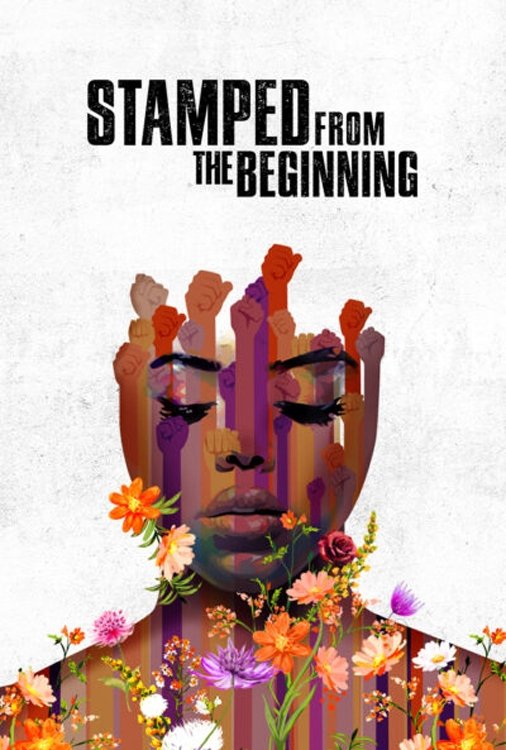
This film highlights moments in the long and rich African American cinema history in relation to social and political events, and how it affected Black viewers of the time.
Social & External
Narrator
Color footage of inventor George Washington Carver at Tuskegee University in Alabama. Dr. Carver is filmed at his apartment, office, laboratory, and garden.
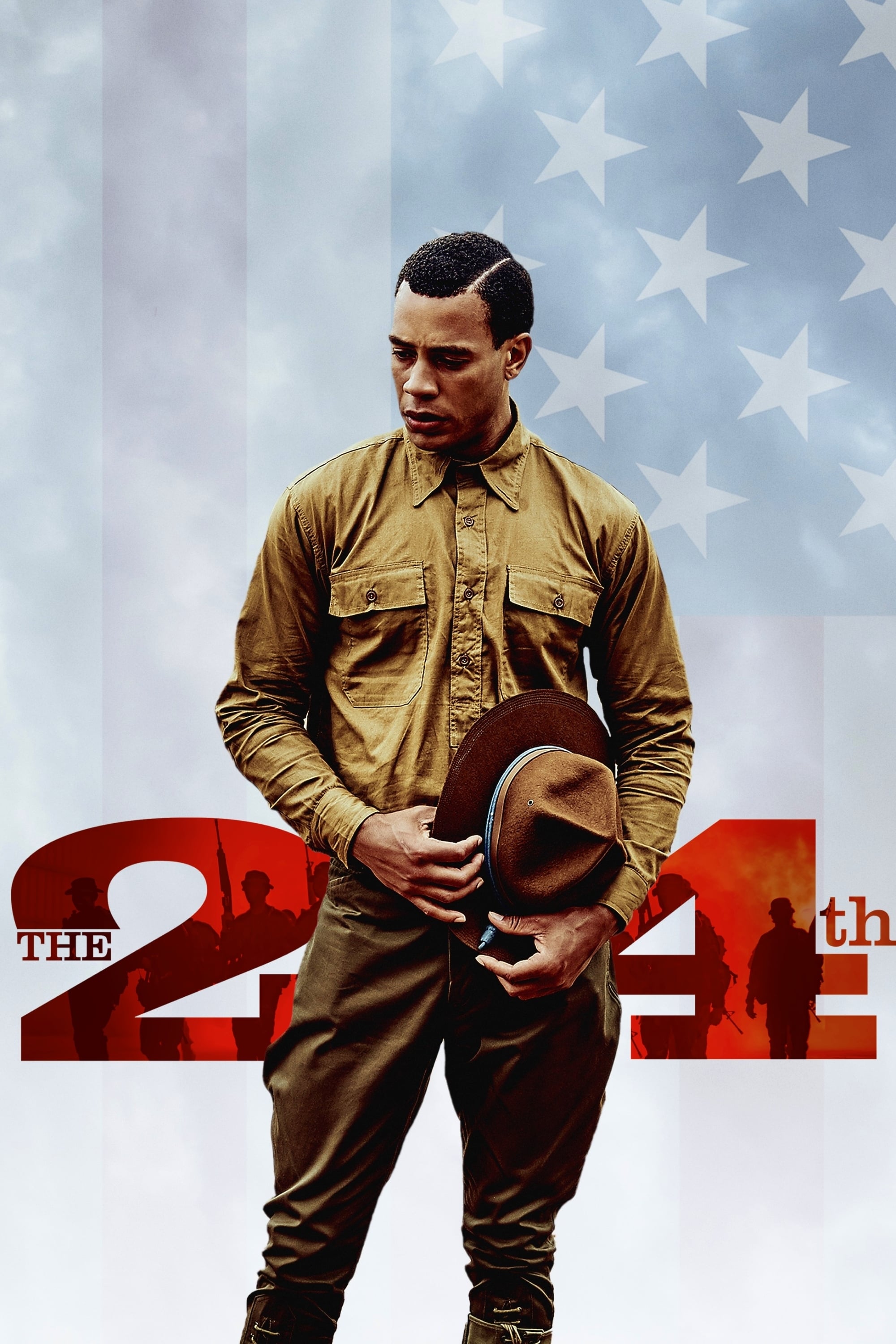
The incredibly powerful and timely true story of the all-black Twenty-Fourth United States Infantry Regiment, and the Houston Riot of 1917. The Houston Riot was a mutiny by 156 African American soldiers in response to the brutal violence and abuse at the hands of Houston police officers.
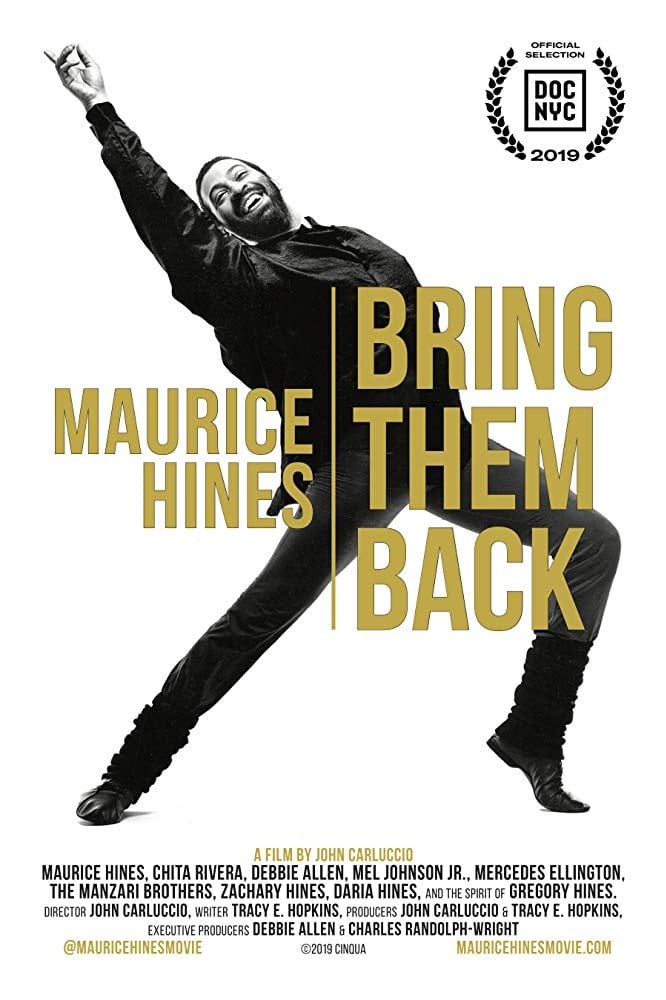
Maurice Hines -- actor, director, singer, and choreographer -- navigates the complications of show business while grieving the loss of his more famous, often estranged younger brother, tap dance legend Gregory Hines.
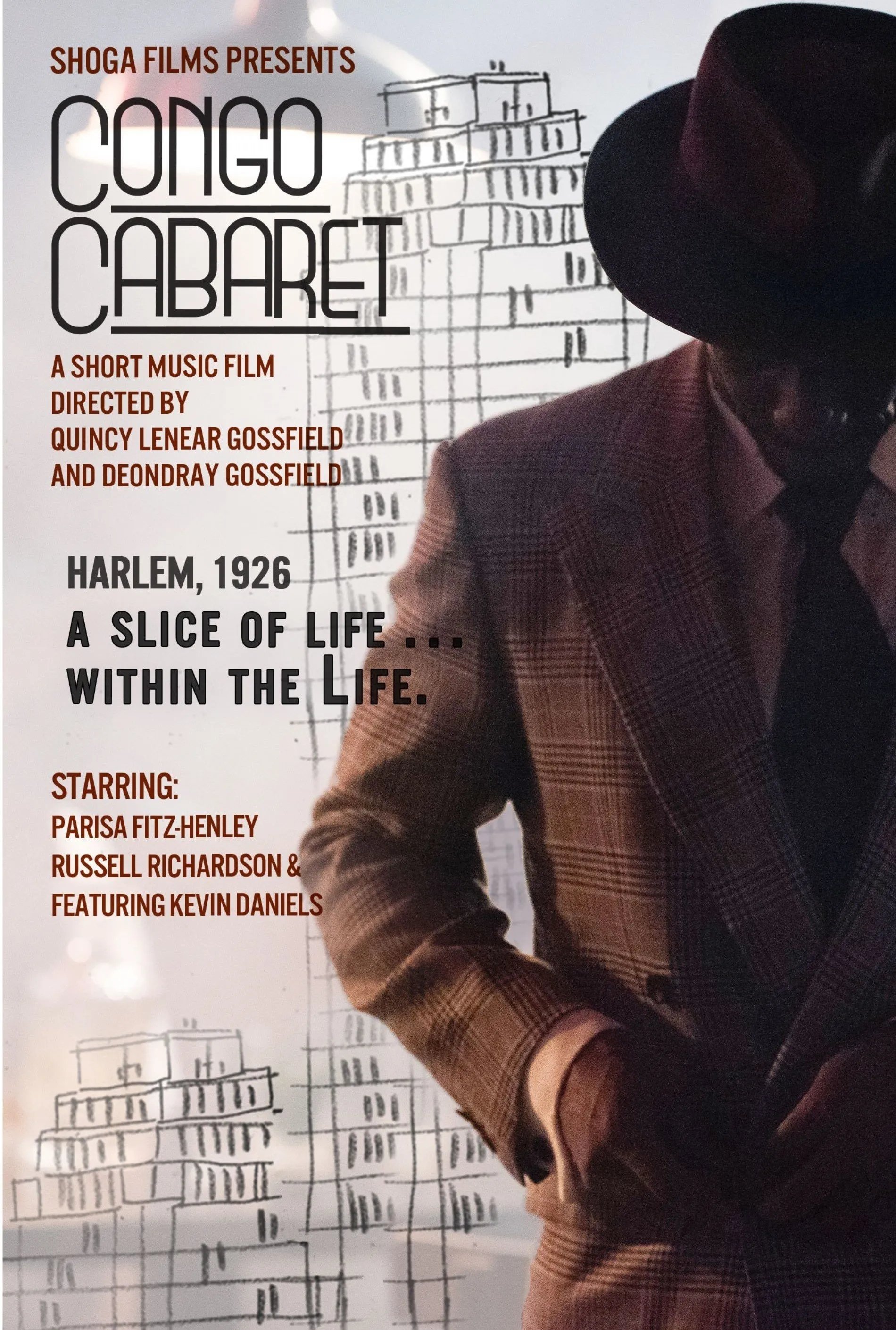
Harlem, 1926. A “sweetman” Zeddy, living off a woman, brings a country girl he’s trying to impress to a gay-owned cabaret. There he meets a friend, Jake, whose girlfriend, Congo Rose, is the singer there. Drama swirls around the characters as Zeddy confronts the cabaret owner, about his sexuality. Congo Rose, seeking to reignite her man’s fading interest, puts on a performance, with her Pansy Dancer, of a Bessie Smith song that seduces the whole room, especially Zeddy.
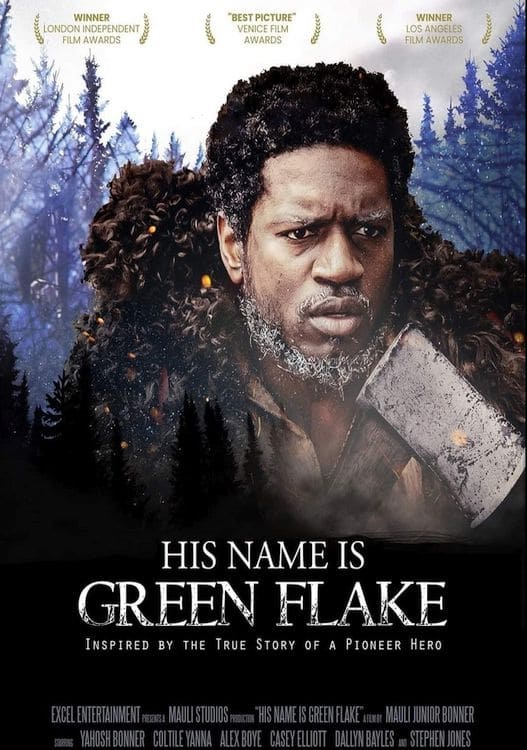
Green Flake, a southern slave, joins Church of Jesus Christ of Latter Day Saints as a child. Later on in his life he is sent to pave the way to what is now the Salt Lake Valley and his faith sustains him.
Traces the life of Booker T. Washington, ex-slave, author, educator, and political leader, focusing on his stewardship of Tuskegee Institute in Alabama. Uses historic photographs, re-created vignettes, and interviews with contemporaries such as W.E.B. DuBois to present Washington's complex personality and his influence on southern life after the Civil War. Also examines his controversial policies of Black economic self-reliance and political accommodation
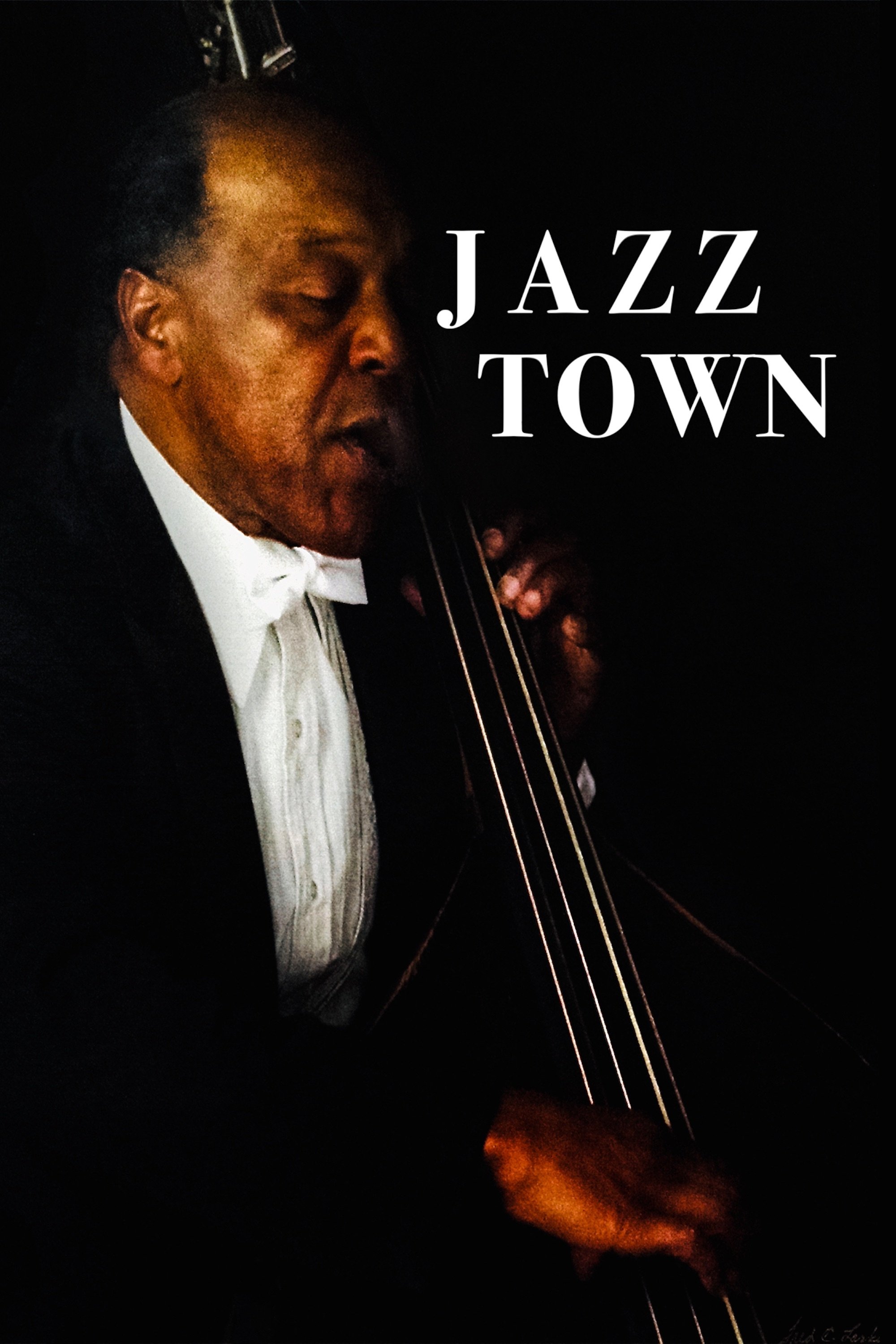
Denver’s iconic and Grammy Award-winning musicians reveal the secrets of their success and longevity in the music business while warning the young lions to whom they pass the torch to stay relevant in a marketplace both treacherous and brutal. The majestic Rocky Mountains tower over a bustling metropolis filled with steamy and romantic nightclubs where jazz flourishes on stage. JazzTown features never seen before live concert footage on historic stages that have now crumbled due to economic stresses of the Covid Pandemic. ~ Dianne Reeves, 5-time Grammy Award winner for Best Jazz Vocalist ~ US Senator John Hickenlooper (former jazz club owner) ~ Ron Miles (Colorado Music Hall of Fame, Joshua Redman, Bill Frisell, Ginger Baker) ~ Charlie Hunter (Snarky Puppy, Christian McBride, Stanton Moore) ~ Art Lande (Mark Isham, Gary Peacock) ~ Ayo Awosika (Session Singer on Soundtracks to: Wakanda Forever, Nope, Dune, The Lion King ... tours with Miley Cyrus,) and many more.
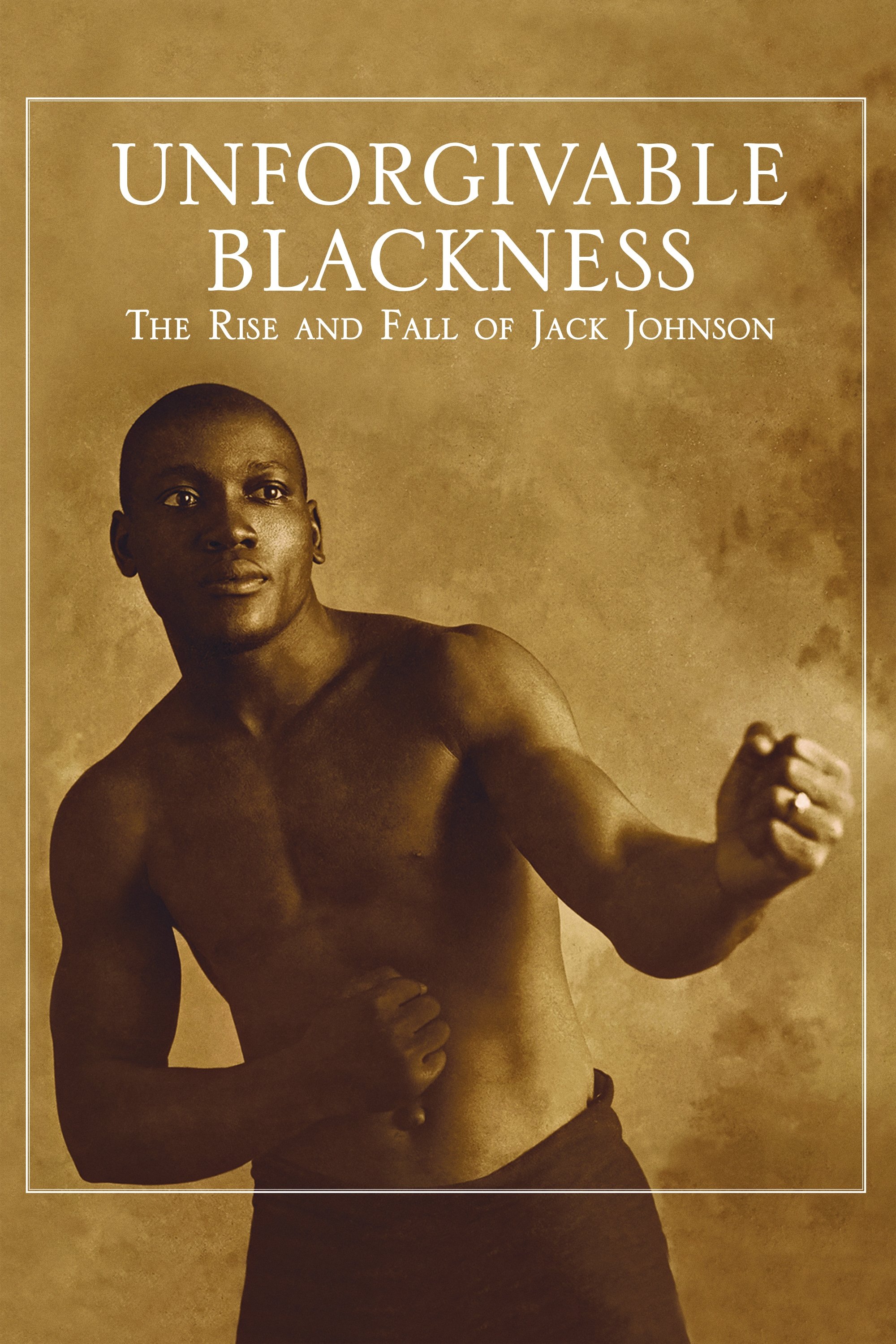
The story of Jack Johnson, the first African American Heavyweight boxing champion.
Documentary film on events that happened on August 28th in African-American history, shown at the Smithsonian African-American History Museum.
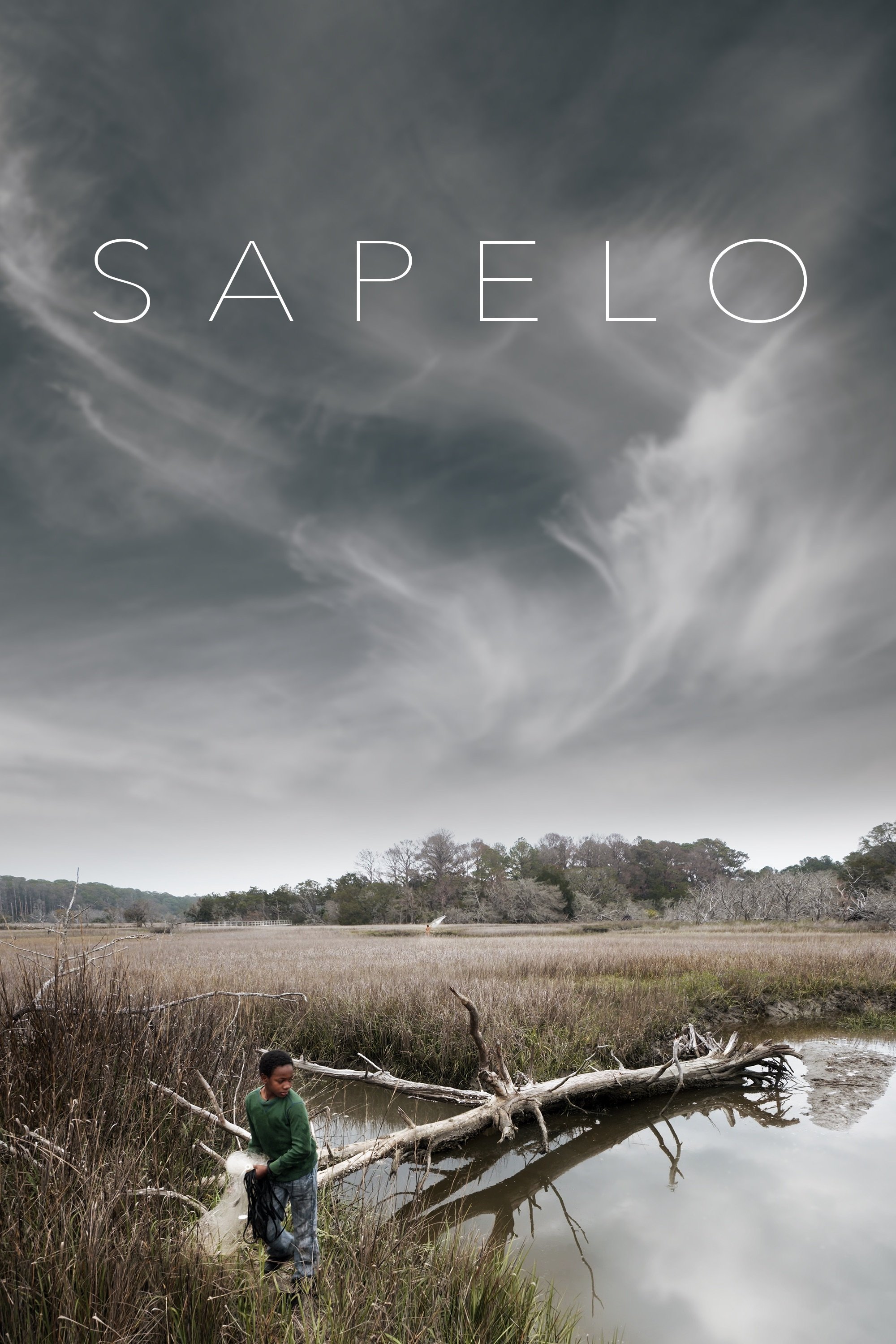
Sapelo is a feature-length documentary film that journeys within a unique American island to tell the story of two young brothers, their adoptive mother, and the last remaining enclave of the Saltwater Geechee people.
A rare close-up of the Abakuá —an Afro-Cuban religious brotherhood that has been hidden from outsiders until recently. A symbol of resistance for over 200 years, the Abakuá society has managed to survive slavery, the Spanish domination and the Revolution, spite of all the bias and misunderstandings about their traditions and rituals.
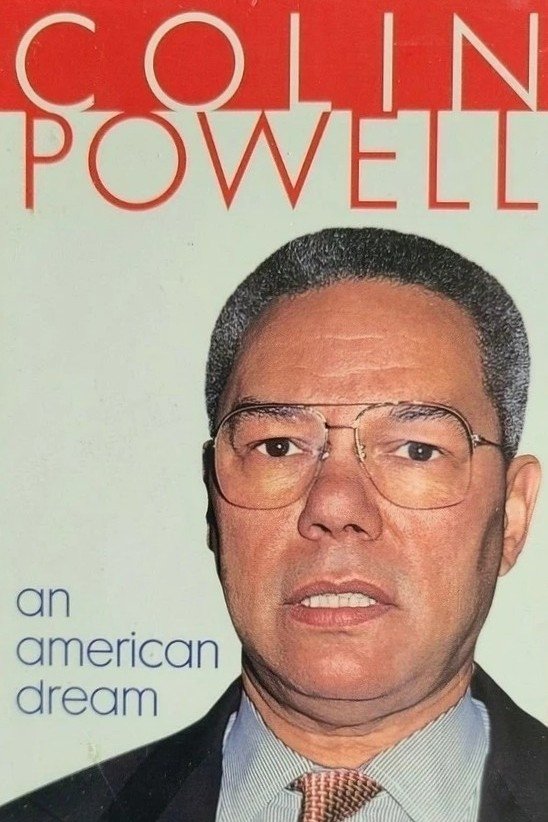
A biographical documentary on the life and career of U.S. Army General Colin Powell.
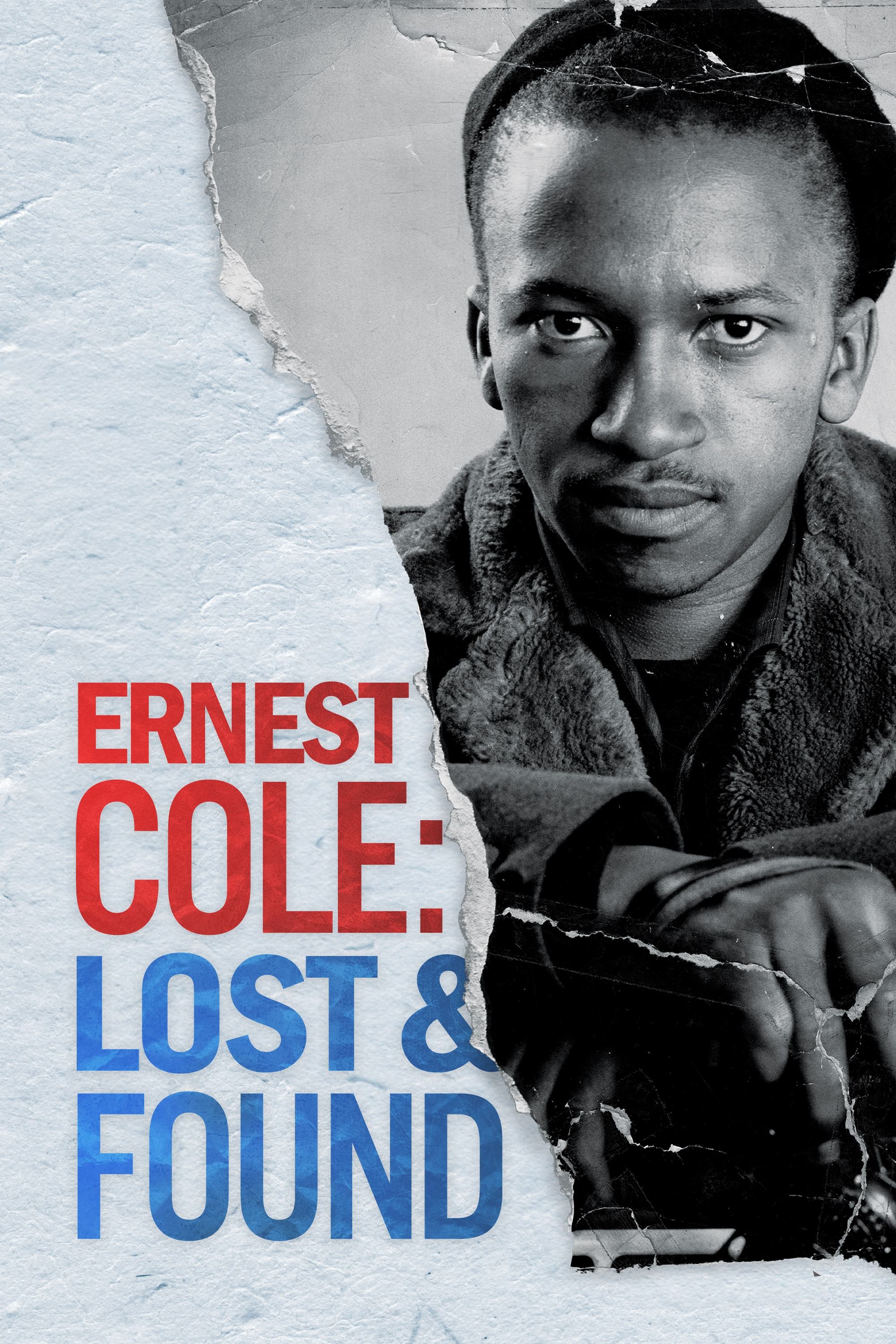
More than 60,000 of Ernest Cole’s 35mm film negatives were inexplicably discovered in a bank vault in Stockholm, Sweden. Most considered these forever lost, especially the thousands of pictures he shot in the U.S. Told through Cole’s own writings, the stories of those closest to him, and the lens of his uncompromising work, the film is a reintroduction of a pivotal Black artist to a new generation and will unravel the mystery of his missing negatives.
When the Civil War ended in 1865, more than four million slaves were set free. Over 70 years later, the memories of some 2,000 slave-era survivors were transcribed and preserved by the Library of Congress. These first-person anecdotes, ranging from the brutal to the bittersweet, have been brought to vivid life in this unique HBO documentary special, featuring the on-camera voices of over a dozen top African-American actors.
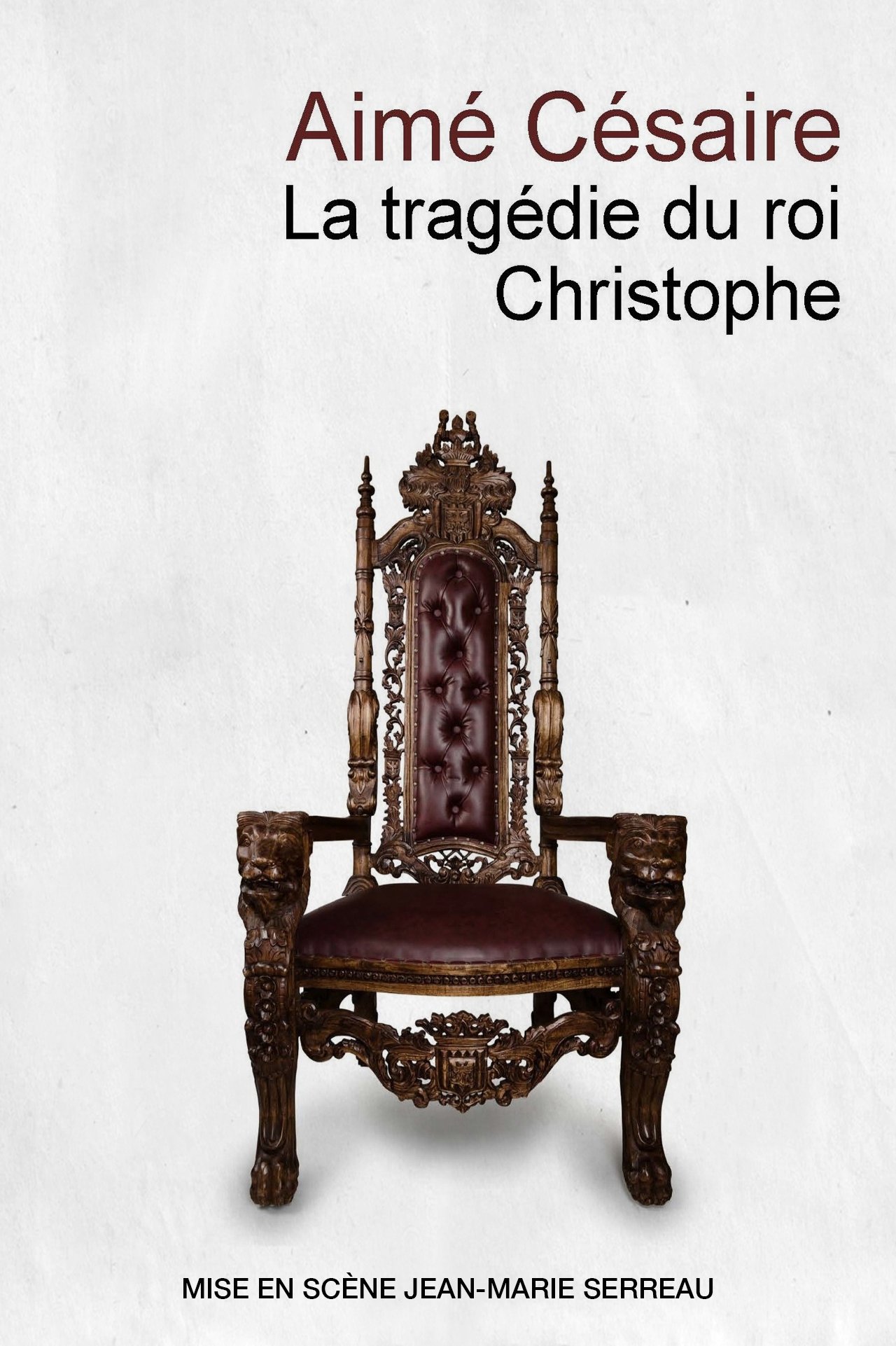
For 'Et les chiens se taisaient' Maldoror adapted a piece of theatre by the poet and politician Aimé Césaire (1913–2008), about a rebel who becomes profoundly aware of his otherness when condemned to death. His existential dialogue with his mother reverberates around the African sculptures on display at the Musée de l'Homme, a Parisian museum full of colonial plunder whose director was the Surrealist anthropologist Michel Leiris.
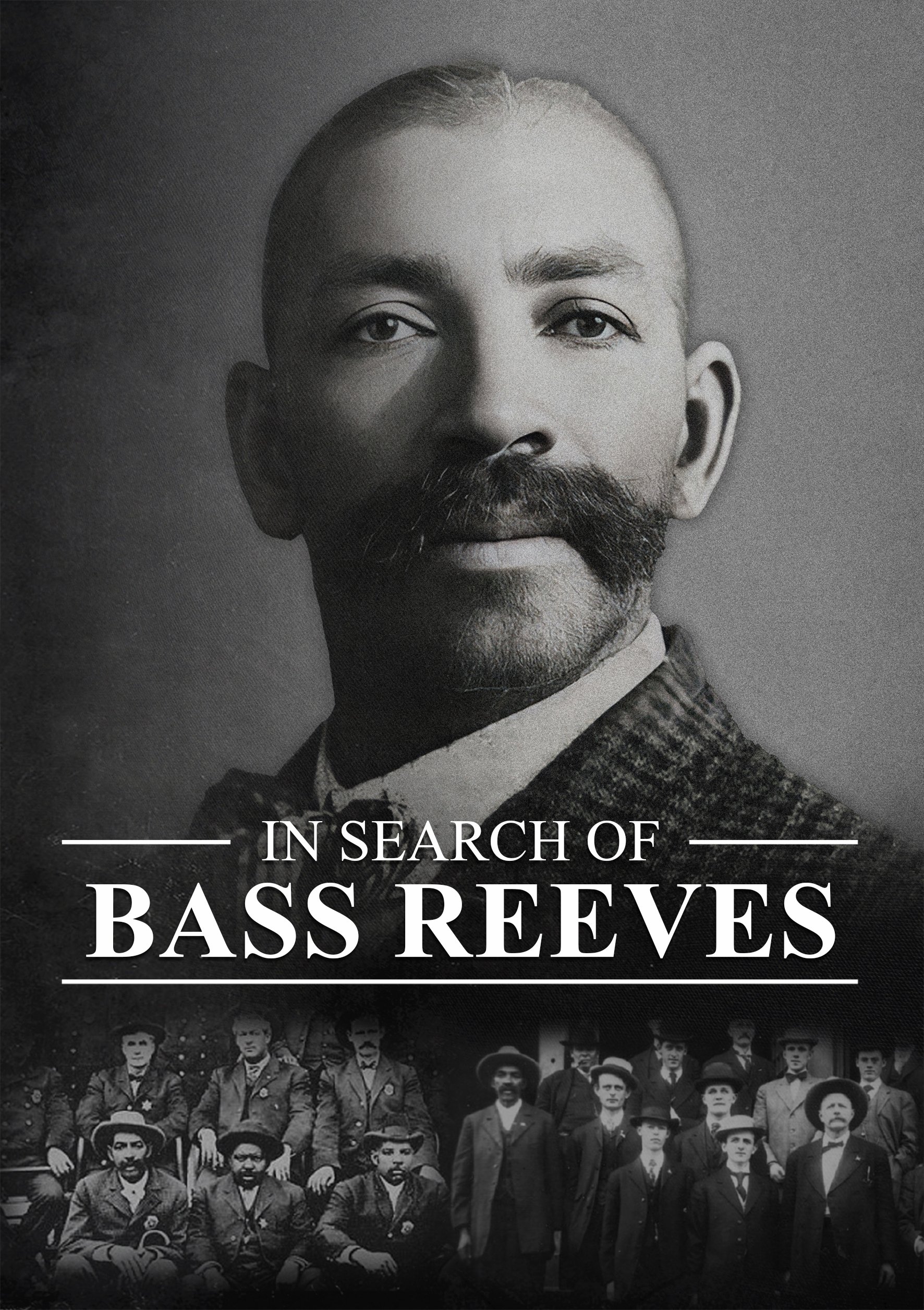
By the end of his illustrious career, Deputy U.S. Marshal Bass Reeves may well have been the preeminent lawman of the Old West. He brought upwards of 3,000 outlaws to justice and served in law enforcement for 32 years during Reconstruction after the Civil War. His story is one of an escape to freedom and the dangers of the West for a former slave who rose to become a legend of the law. Join us as we go in search of Bass Reeves.
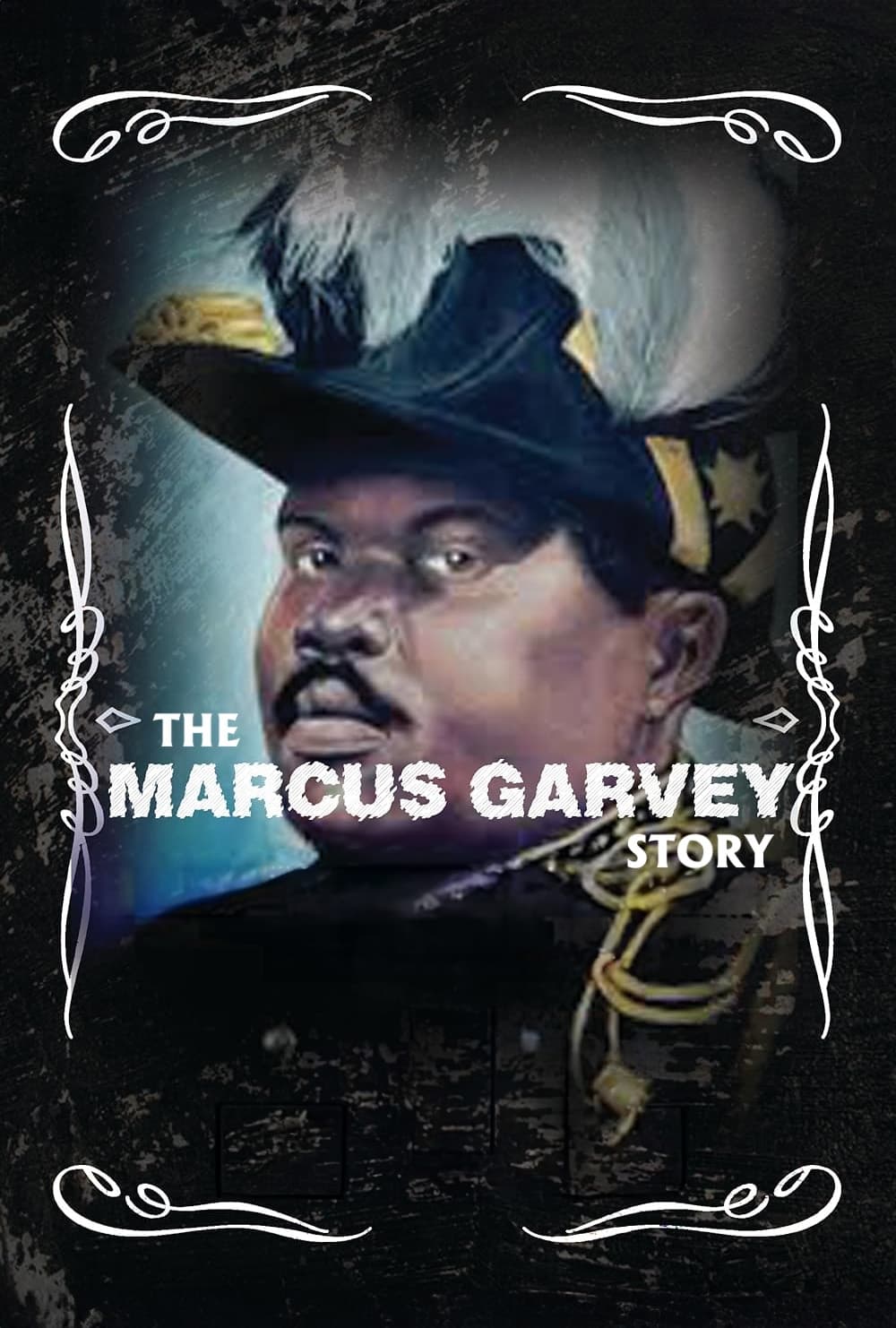
Explore the tumultuous life of Marcus Mosiah Garvey Jr., a Jamaican political activist and advocate for Black Nationalism. From founding UNIA-ACL and finding prosperity through economic ventures to navigating financial hardships, assassination attempts, and politically motivated criminal charges, Garvey's impactful odyssey throughout Jamaica and America left an enduring imprint on history.
75% of all enslaved Africans coming to America came in through Beaufort and the sea islands of South Carolina. This beautiful and picturesque tourist destination, by its unique history is the epicenter of the Gullah culture and the foundation of African American history; the result of the mingling of West African slaves with the plantation culture awaiting them in America.
Using innovative animation and expert insights, this documentary based on Ibram X. Kendi's bestseller explores the history of racist ideas in America.