Social & External
A Bangladeshi American undertakes a journey to learn about the liberation war in his native country, traveling there for the first time in nearly two decades, and uncovering the controversial role the U.S. played in a forgotten genocide that occurred there over 50 years ago. From 1971 to the present day, this is a story of Bangladesh’s independence, a family’s journey immigrating to America, and the cognitive dissonance of a person belonging to both homelands. Driven by interviews with his father and other family members, along with experts and witnesses, archival videos, declassified recordings, and animations, BENGAL MEMORY is a unique and untold oral history through a personal lens.
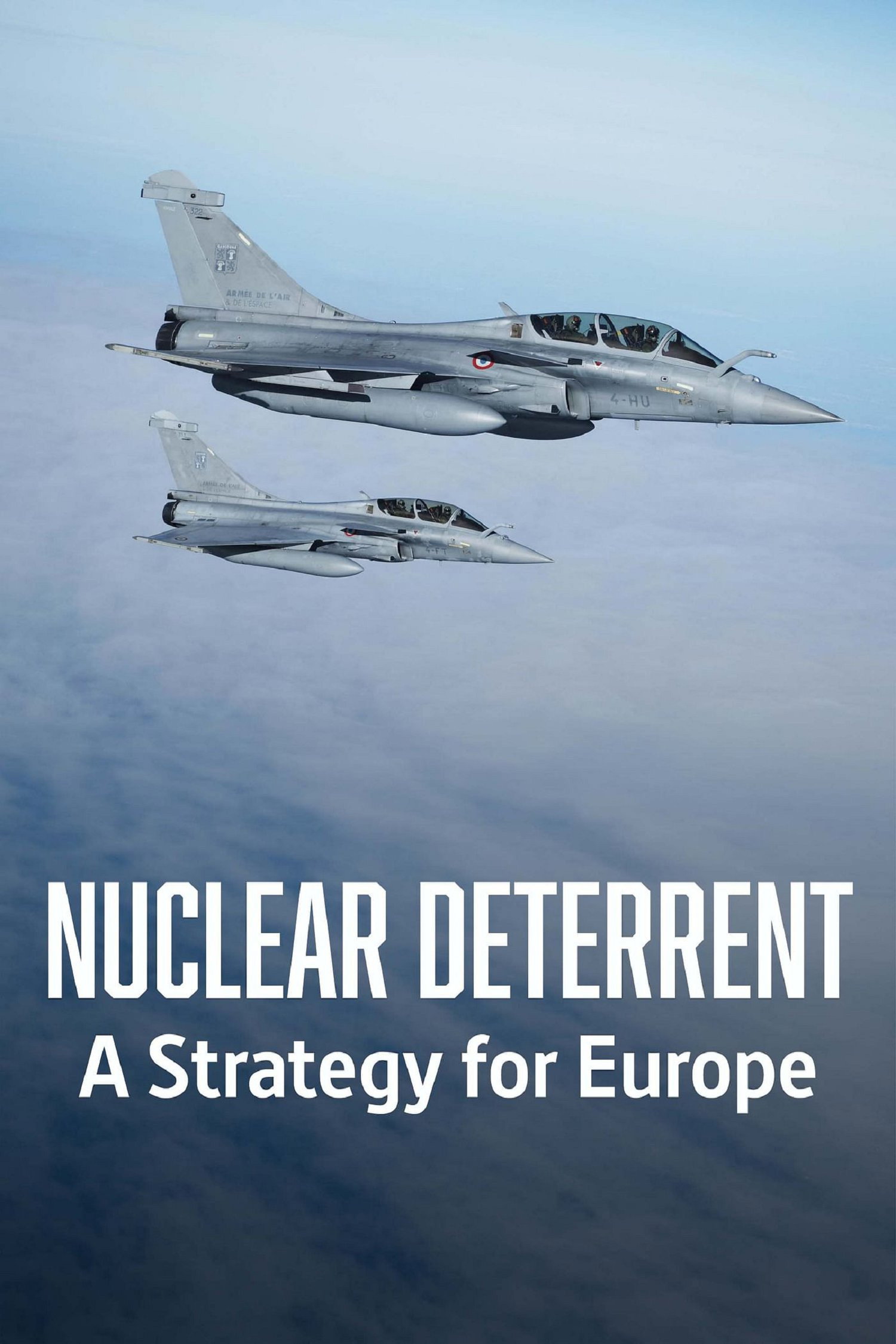
Until recently, Europe felt safe under the US nuclear umbrella. But since Russia invaded Ukraine and Donald Trump was re-elected, transatlantic relations have deteriorated. Experts are calling for Europe to focus more on its own nuclear deterrent. But what options do nations on the continent have?
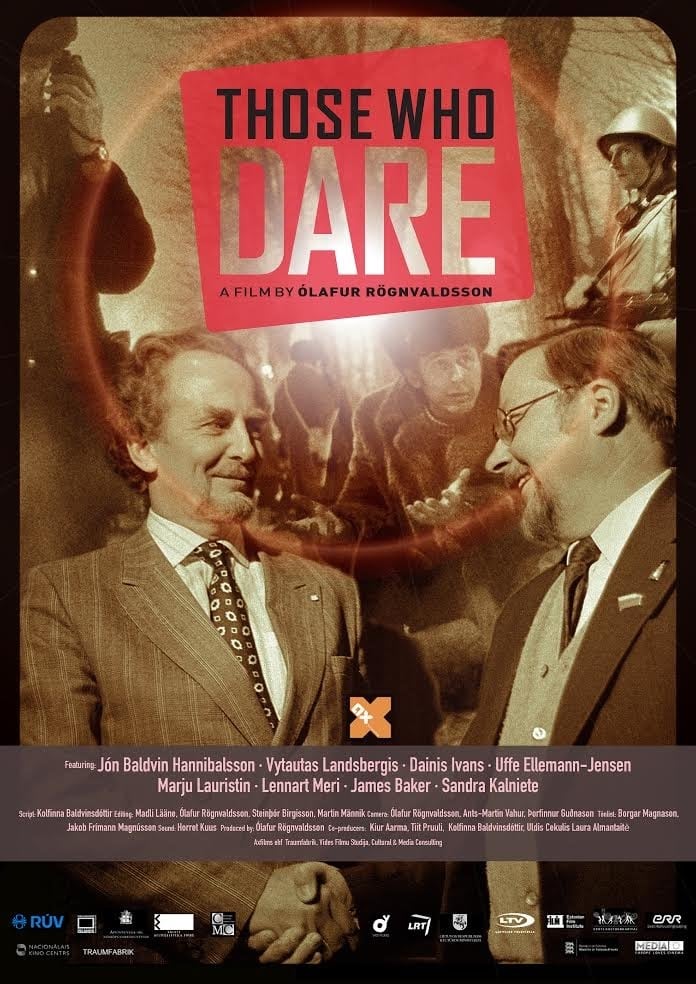
When Mikhail Gorbachev rose to power in 1985, his reform policy sparked an independence movement in Estonia, Latvia and Lithuania. But as cries for help from the Baltic States were met with silence from the international community at large, two small nations – Iceland and Denmark – answered the call, motivated by the personal connections of their foreign ministers, Jón Baldvin Hannibalsson and Uffe Elleman Jensen.
Tensions between the USSR and the United States were high in 1959, with the seemingly constant threat of nuclear war. Then some unlikely ambassadors stepped forward to clear all that away: the Harlem Globetrotters. From Harlem With Love is the story of how a group of barnstorming basketball players traveled to the heart of the Soviet Union at the height of the Cold War and bridged a cultural gap many thought would stand forever.
Filmed in Berlin, July 1990. Images of workers taking down the wall and street peddlers selling pieces of it to make a living.
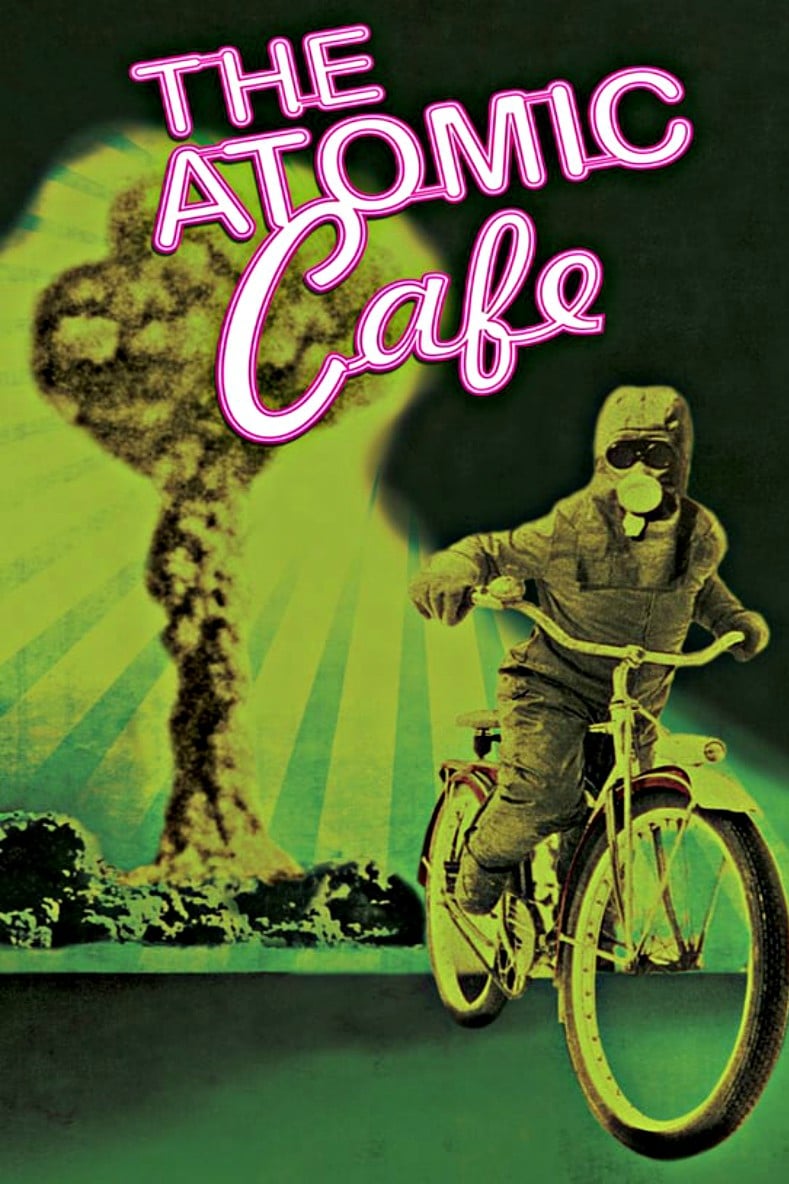
A disturbing collection of 1940s and 1950s United States government-issued propaganda films designed to reassure Americans that the atomic bomb was not a threat to their safety.
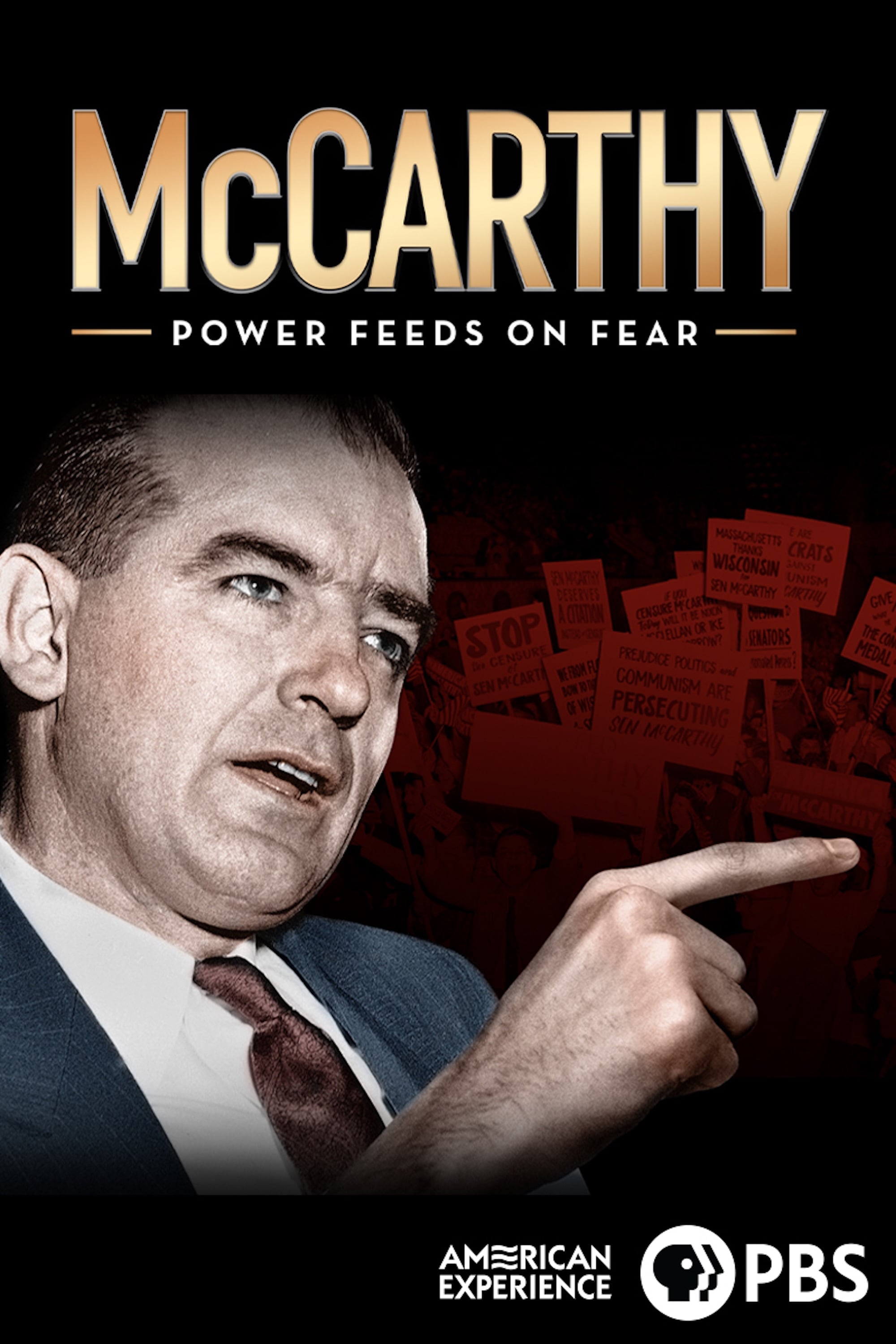
"McCarthy" chronicles the rise and fall of Joseph McCarthy, the Wisconsin senator who came to power after a stunning victory in an election no one thought he could win. Once in office, he declared that there was a vast conspiracy threatening America — emanating not from a rival superpower, but from within. Free of restraint or oversight, he conducted a crusade against those he accused of being enemies of the state, a chilling campaign marked by groundless accusations, bullying intimidation, grandiose showmanship and cruel victimization. With lawyer Roy Cohn at his side, he belittled critics, spinning a web of lies and distortions while spreading fear and confusion. After years in the headlines, he was brought down by his own excesses and overreach. But his name lives on linked to the modern-day witch hunt we call “McCarthyism.”
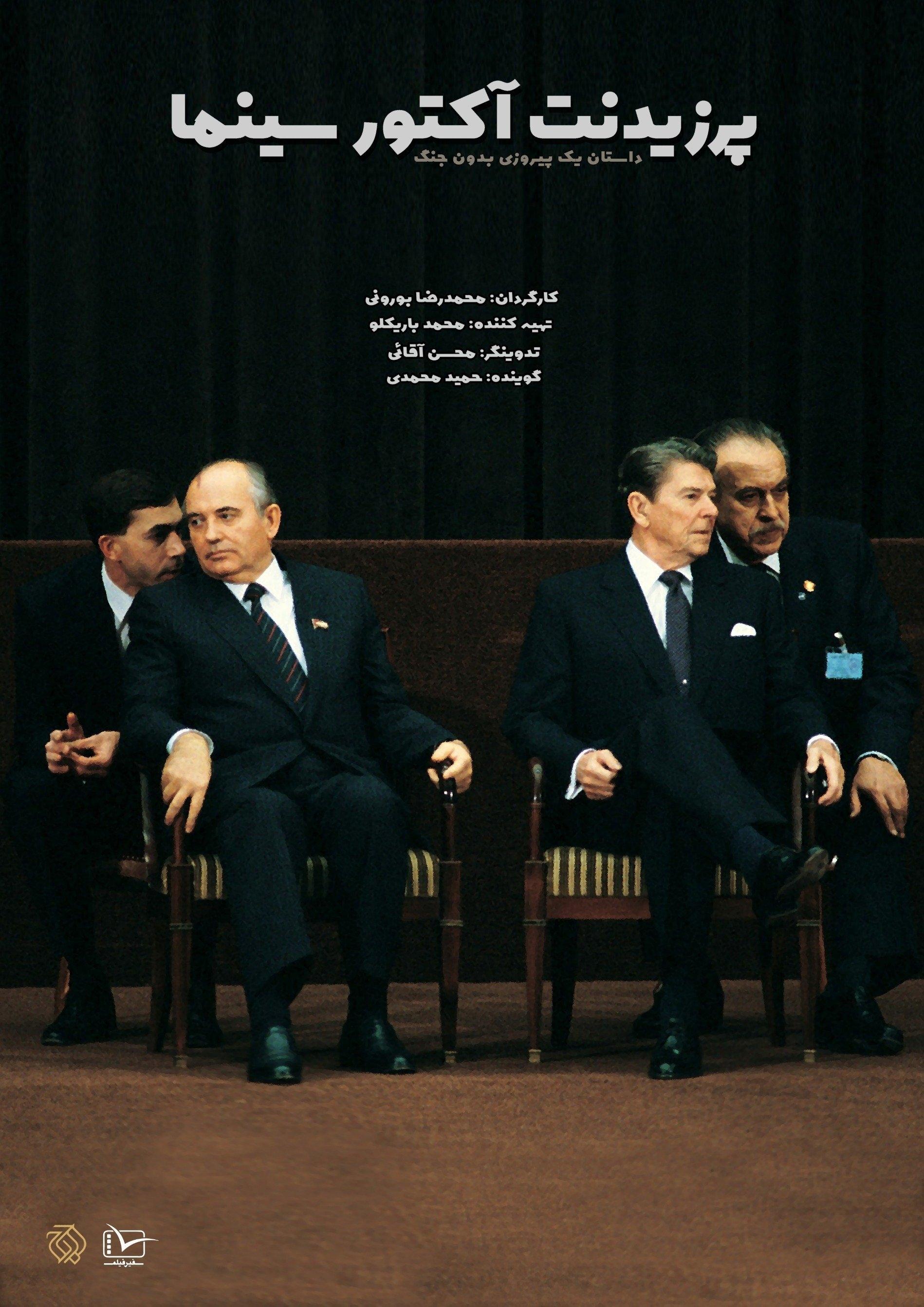
Gorbachev believed that it was impossible to achieve a successful economy until the tensions of the Soviet Union continued with the Western countries, and especially the US, so that their high priority was to tame down, establish relations and negotiate with the Americans.
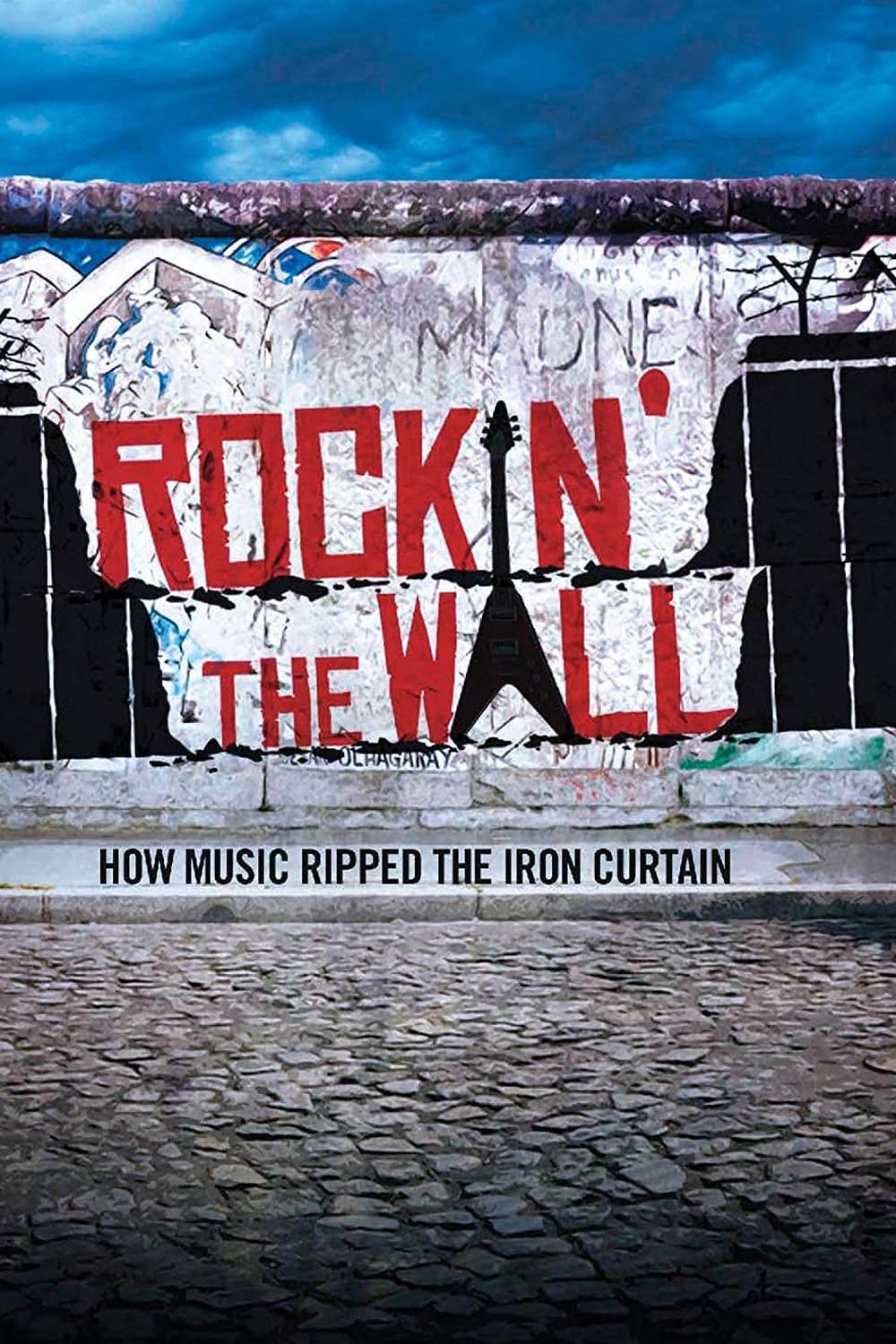
Rock and roll's part in bringing down the Berlin Wall and smashing the Iron Curtain is told from the perspective of rockers who played at the time, on both sides of the Wall, and from survivors of the communist regimes who recall the lifeline that rock music provided them.
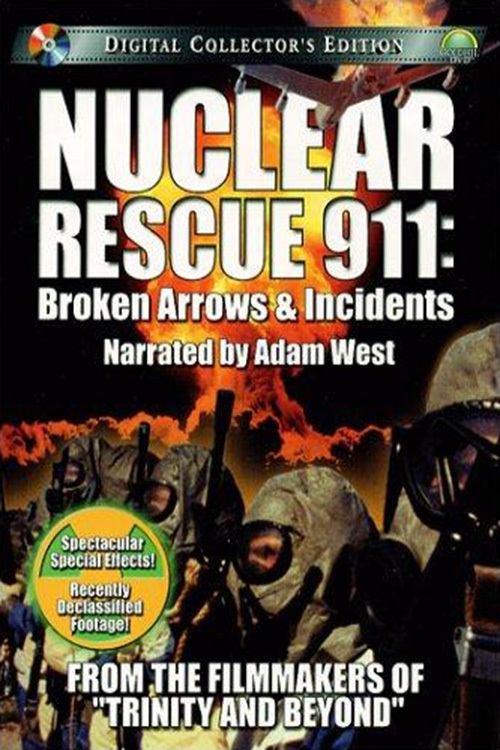
Since 1950, there have been 32 nuclear weapon accidents, known as "Broken Arrows." A Broken Arrow is defined as an unexpected event involving nuclear weapons that result in the accidental launching, firing, detonating, theft or loss of the weapon. To date, six nuclear weapons have been lost and never recovered.Now, recently declassified documents reveal the history and secrecy surrounding the events known as "Broken Arrows". There have been 32 nuclear weapon accidents since 1950. Six of these nuclear weapons have been lost and never recovered. What does this say about our defense system? What does this mean to our threatened environment? What do we do to rectify these monumental "mistakes"? Using spectacular special effects, newly uncovered and recently declassified footage, filmmaker Peter Kuran explores the accidents, incidents and exercises in the secret world of nuclear weapons.
Cold War Peacemaker is the amazing and unique story of the development of the B-36 very-long-long-range nuclear bomber. From its beginnings during WWII, through construction in a former wild-west cattle town and deployment into the Cold War, the story of the Convair B-36 and how it intimidated the Soviet Union is a fascinating study in politics and technology. In Cold War Peacemaker, experience life during the Cold War as your parents and grandparents lived it and discover and understand how the Convair B-36 played a vital role in saving the free world from communist domination.
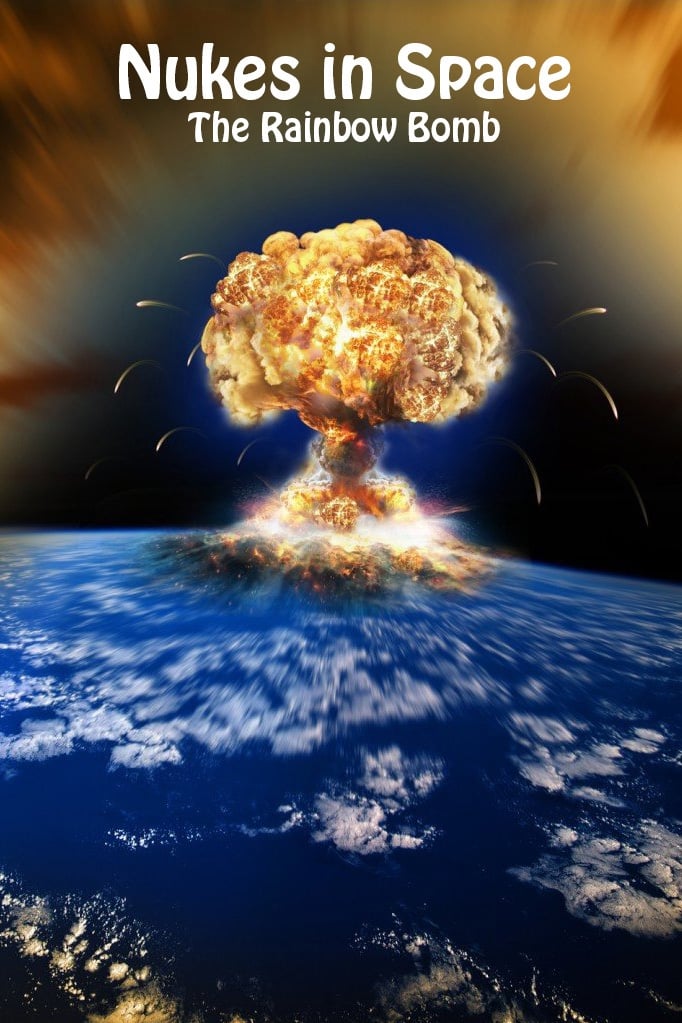
U.S. nuclear tests in space, and the development of the military intercontinental ballistic missile (ICBM).
Contrasting radical mobs, anarchy, and 1960s counterculture with footage of American manufacturing and innovation, this film celebrates the concept of American exceptionalism and argues that anti-Vietnam War protesters were influenced by communism, atheism, and immorality. Set mostly in a university library, this political debate between a medical student, his 1770s ancestor, and a history professor is a sequel to the 1972 National Education Program film, Brink of Disaster! Two additional characters appear in this drama: a 19th-century steamboat captain, and the student’s grandfather - an early 20th-century automobile worker. The National Education Program at Harding College in Searcy, Arkansas created a variety of widely-distributed anti-communism films from the mid-1940s to the early 1970s.
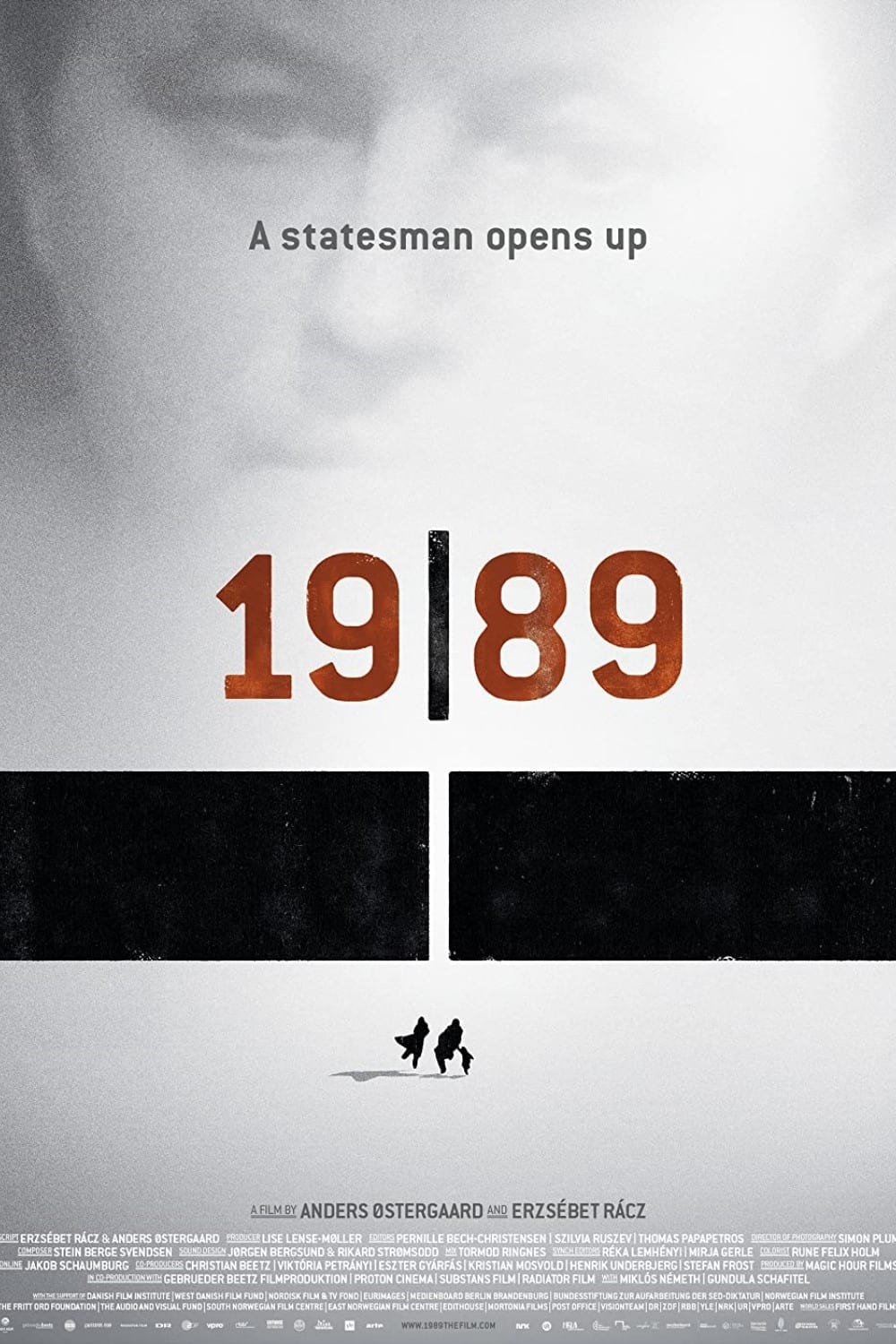
Anders Østergaard’s film is an investigative look at the year the Berlin Wall fell, documenting the events that took place in Hungary as a prelude to the dramatic changes in November 1989. The director recreates the events and leads the audiences deep into the politicians’ secret meeting rooms by using a mix of interviews, archive material and reconstructed scenes and dialogues.
2025, the year of the intensification of a total and deadly war, which nothing and no one seems able to stop, targeting military personnel and civilians, and which has now claimed more than 1.5 million lives or left that many wounded on both sides. But 2025 is also the year of our break with Donald Trump's America, an America with violent and unpredictable reactions, which risks abandoning the old continent, its most loyal ally for 80 years, for Vladimir Putin. How can we stop this bloodshed on our doorstep? How can we contain the master of the Kremlin, a dictator whose predatory logic threatens to spread beyond Ukraine? Sabotage, ghost ships, interference operations, and drone flights: he is already waging a hybrid war against the rest of Europe. Is armed conflict between Europe and Russia now a possibility?
Film sponsored by Western Electric (AT&T's equipment manufacturing division), the builder of the United States Air Force's White Alice Communications System in Alaska. Introduces the people and geography of the new state as well as the Western Electric radio-relay system, which links far-flung military sites, alert stations, and missile-warning facilities. Ralph Caplan praised the film's "intrinsically dramatic and highly photogenic" portrayal of communications equipment.
In the documentary Last To Know political prisoners, sent to jail for openly opposing the East German regime that existed until the German reunification in 1990, talk about their times of trial and their lives today. Neither they, nor their families have come to terms with what happened.
A different history of the Cold War: how Estonians under Soviet tyranny began to feel the breeze of freedom when a group of anonymous dreamers successfully used improbable methods to capture the Finnish television signal, a window into Western popular culture, brave but harmless warriors who helped change the fate of an entire nation.
With the Doomsday Clock the closest it's ever been to midnight, Jane Corbin investigates the proliferation of nuclear weapons across the globe. She visits Los Alamos, home to the United States’ nuclear weapons development facility and the historic home of Oppenheimer’s Manhattan Project. In Scotland, she reveals the strategy behind Britain’s nuclear deterrent, and speaks to campaigners in Suffolk fighting against US weapons they fear will be based on UK soil. Jane also discovers how many of the global agreements and safeguards that have constrained the spread of nuclear weapons since the 1970s are breaking down. This is a story told by the scientists, investigators and diplomats who set the clock and have fought to ensure that the ultimate deterrent has not been used in over 70 years.
An essay film exploring the thirteen United States Presidents that have led the country through war and conflict from 1950 to 2025.
An inside look at one of the most anticipated movie sequels ever with James Cameron and cast.
Al Pacino's deeply-felt rumination on Shakespeare's significance and relevance to the modern world through interviews and an in-depth analysis of "Richard III."
This revealing documentary honors the legendary Sidney Poitier—iconic actor, filmmaker, and civil rights activist. Featuring interviews with Denzel Washington, Spike Lee, Halle Berry, and more.
Although first glance reveals little more than stones and sand, the desert is alive. Witness moving rocks, spitting mud pots, gorgeous flowers and the never-ending battle for survival between desert creatures of every shape, size and description.
An astonishing journey revealing the awesome power of the natural world. Over the course of one single day, we track the sun from the highest mountains to the remotest islands to exotic jungles.
Using the book 'Fragments', which collects Marilyn Monroe's poems, notes and letters, and with participation from the Arthur Miller and Truman Capote estates who have contributed more material, each of the actresses will embody the legend at various stages in her life.
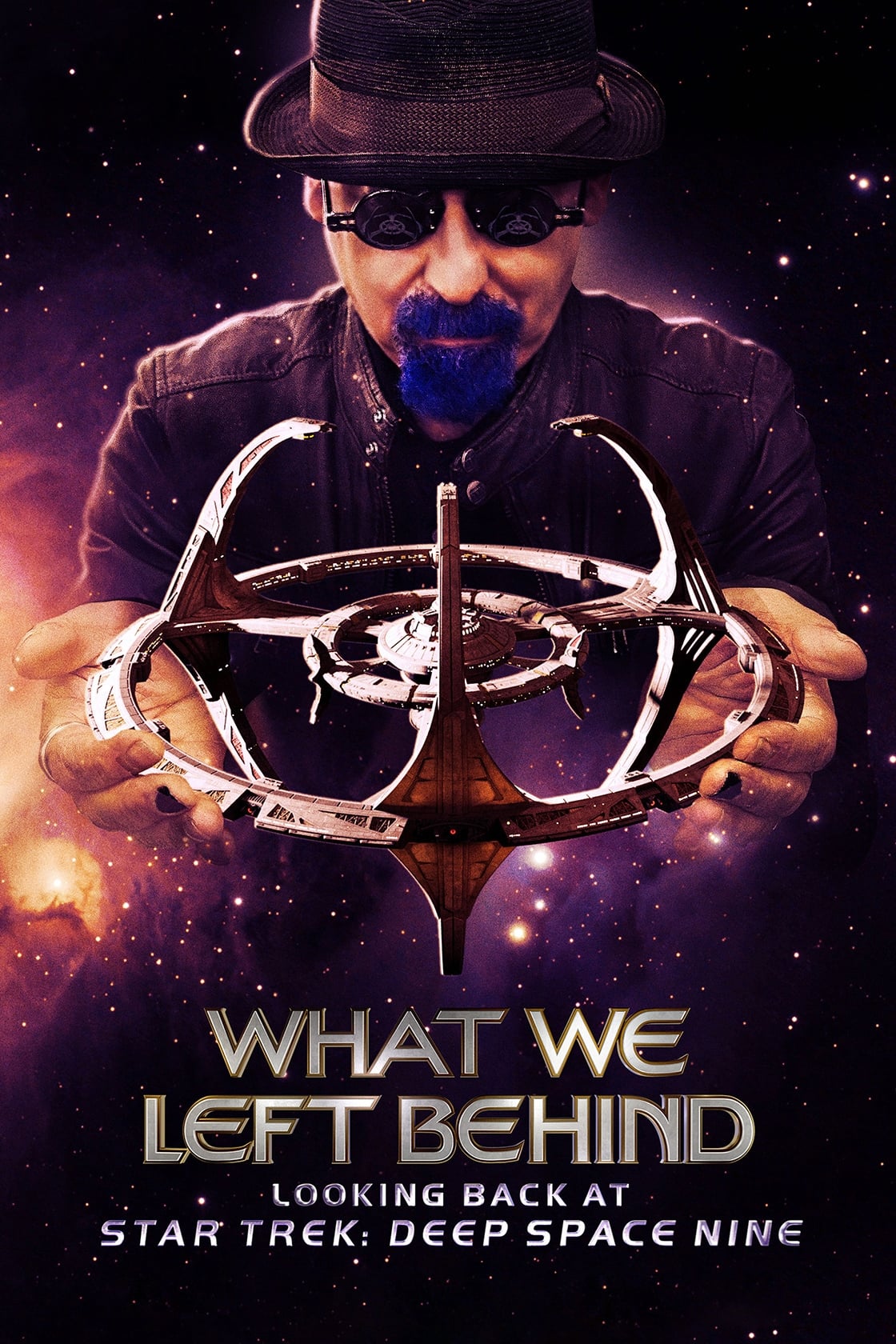
A documentary exploring the legacy of Star Trek: Deep Space Nine, the reasons it went from the black sheep of Star Trek to a beloved mainstay of the franchise, and a brainstorm with the original writers on what a theoretical eighth season of the show could look like.
Those who knew iconic funnyman John Candy best share his story, in their own words, through never-before-seen archival footage, imagery, and interviews.
A new mother’s memories of her own youth prepare her to navigate motherhood in the increasingly challenging world that polar bears face today.
The incomparable Bruce Springsteen performs his critically acclaimed latest album and muses on life, rock, and the American dream, in this intimate and personal concert film co-directed by Thom Zimny and Springsteen himself.
Examines the life and career of singer Whitney Houston. Features never-before-seen archival footage, exclusive recordings, rare performances and interviews with the people who knew her best.
A glimpse into the raw and simple power of nature through encounters with farm animals: the eponymous Gunda, a mother pig; two cows, and a one-legged chicken.
Justice Ruth Bader Ginsburg now 84, and still inspired by the lawyers who defended free speech during the Red Scare, Ginsburg refuses to relinquish her passionate duty, steadily fighting for equal rights for all citizens under the law. Through intimate interviews and unprecedented access to Ginsburg’s life outside the court, RBG tells the electric story of Ginsburg’s consuming love affairs with both the Constitution and her beloved husband Marty—and of a life’s work that led her to become an icon of justice in the highest court in the land.
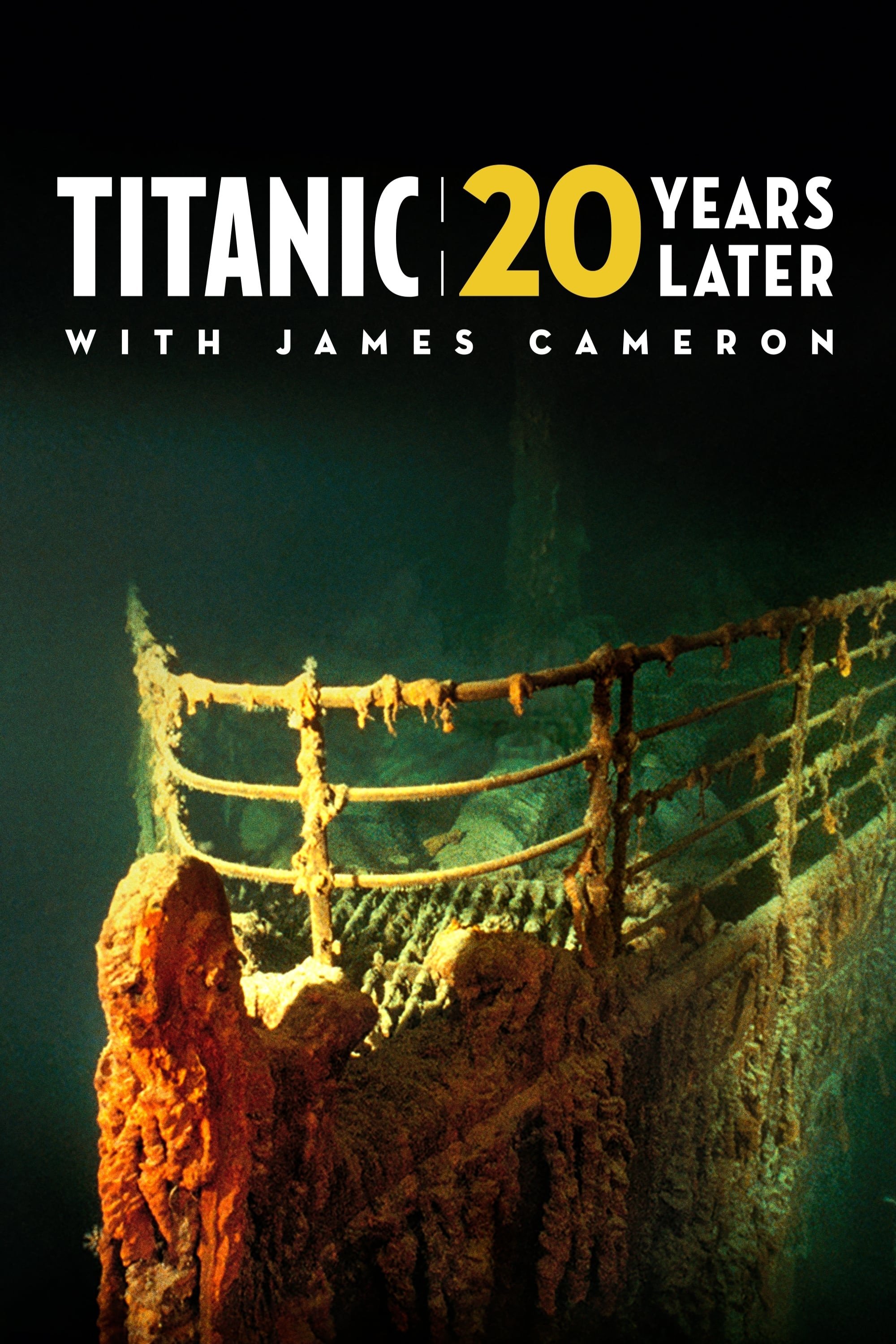
For the 20th anniversary of "Titanic," James Cameron reopens the file on the disaster.
Rising musician Jeff Buckley had only released one album when he died suddenly in 1997. Now, never-before-seen footage, exclusive voice messages, and accounts from those closest to him offer a portrait of the captivating singer.
Prelude to War was the first film of Frank Capra's Why We Fight propaganda film series, commissioned by the Pentagon and George C. Marshall. It was made to convince American troops of the necessity of combating the Axis Powers during World War II. This film examines the differences between democratic and fascist states.
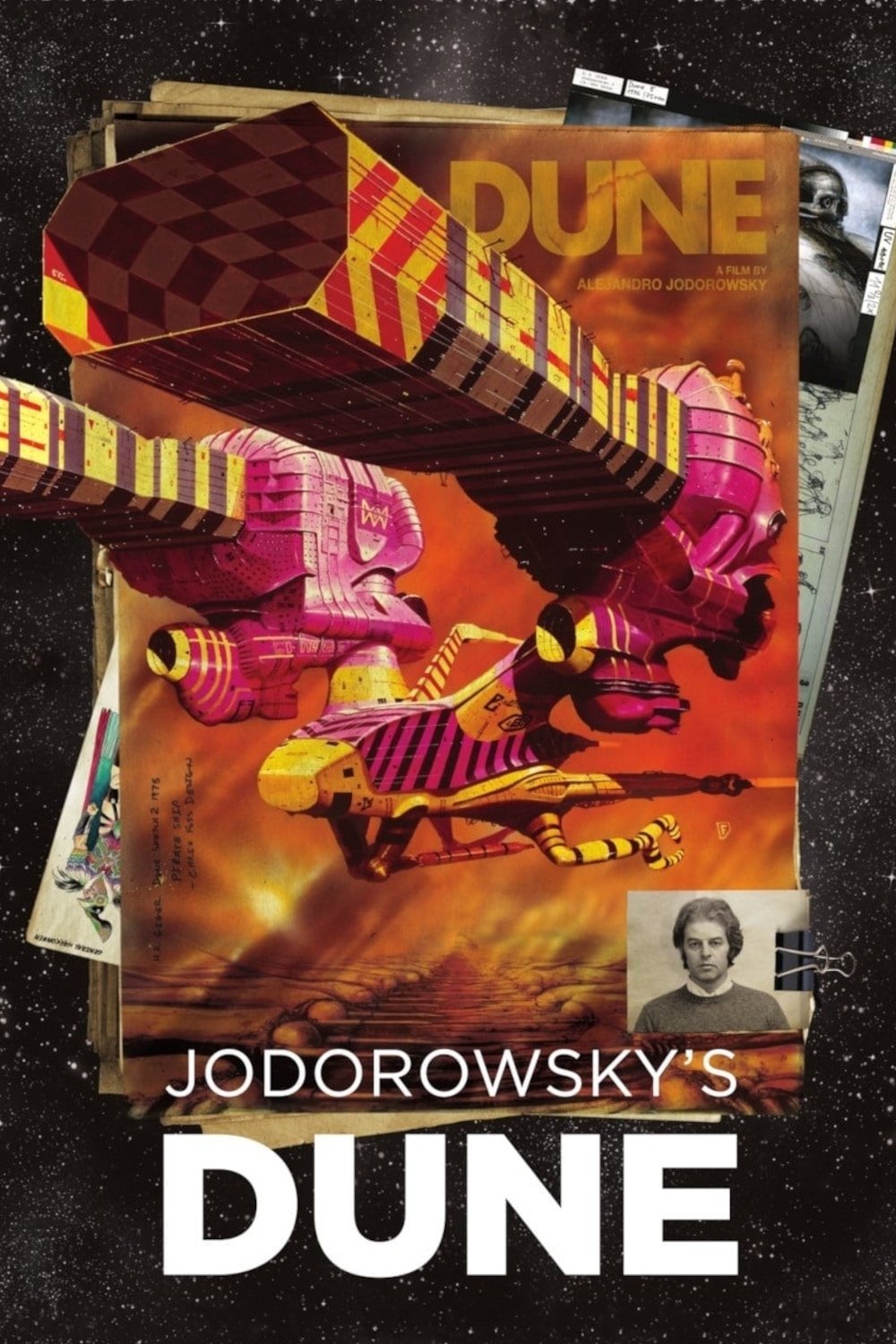
In 1974, Chilean-French director Alejandro Jodorowsky embarked on the quixotic project of adapting Frank Herbert's influential novel Dune (1969) for the big screen. After investing two years, and millions of dollars, the gigantic project ended in failure; but the artists Jodorowsky brought together to carry it out continued to work together, and ended up laying the foundations for modern science fiction cinema.
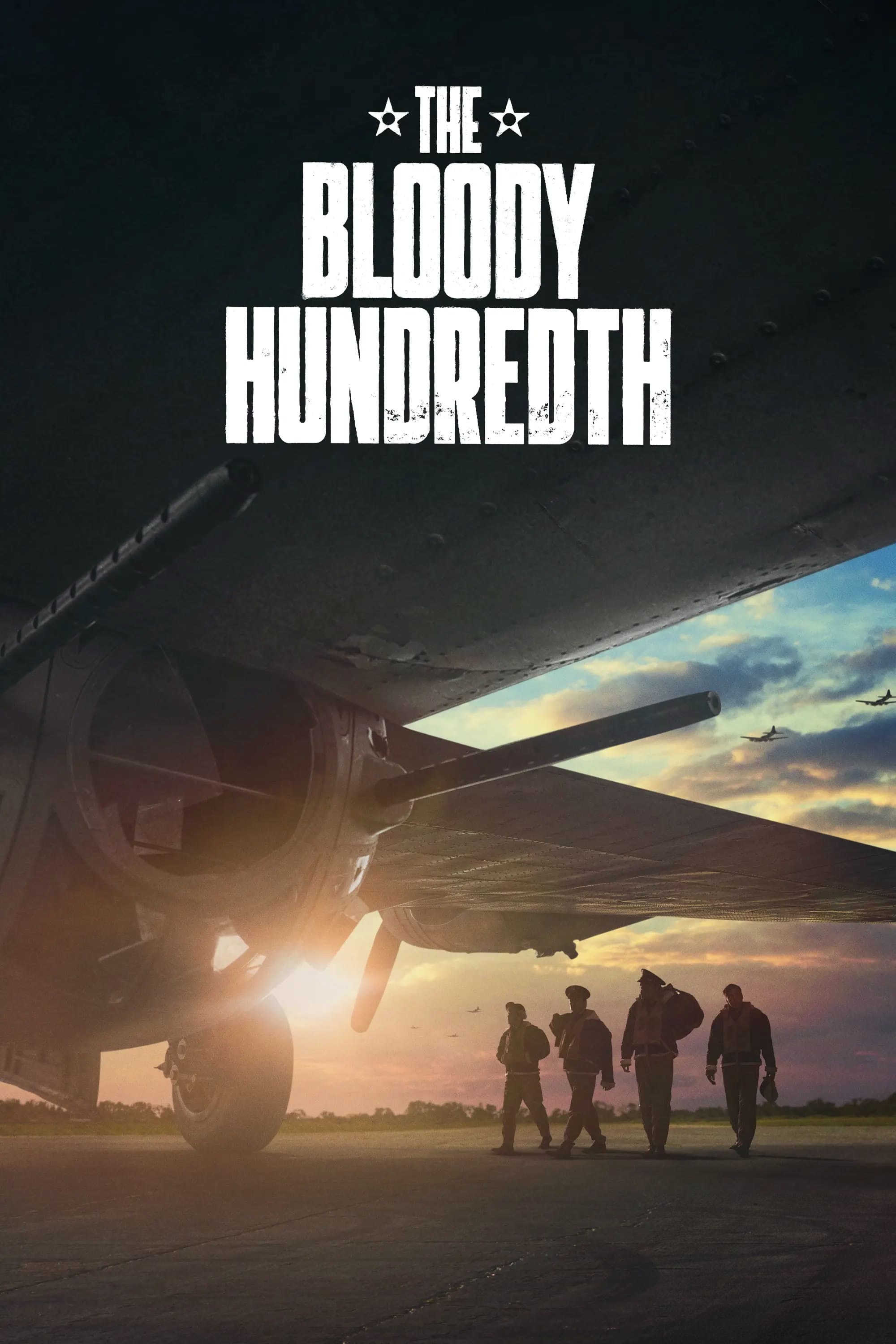
Meet the real-life airmen who inspired Masters of the Air as they share the harrowing and transformative events of the 100th Bomb Group.
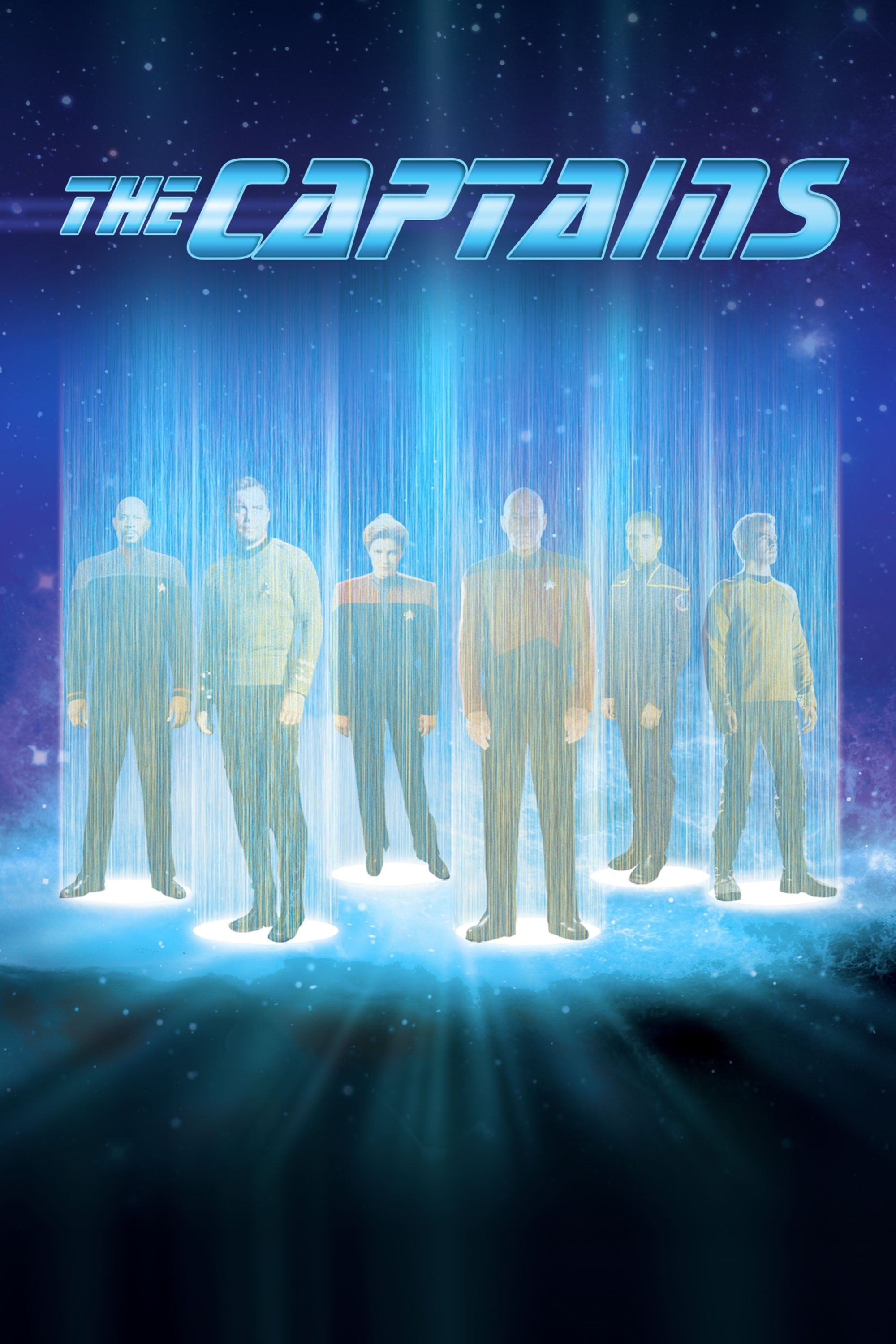
The Captains is a feature-length documentary film written and directed by William Shatner. The film follows Shatner as he interviews the other actors who have portrayed starship captains in the Star Trek franchise.
Lupita Nyong'o narrates a documentary about Peanuts and its creator, Charles M. Schulz. Famous fans—including Drew Barrymore, Kevin Smith, and Al Roker—share its influence on them, and a new animated story finds Charlie Brown on a quest.