A documentary film about the representation of the Kyrgyz culture in the USSR, as well as the reality of Kyrgyz dancers in Russia.
Social & External
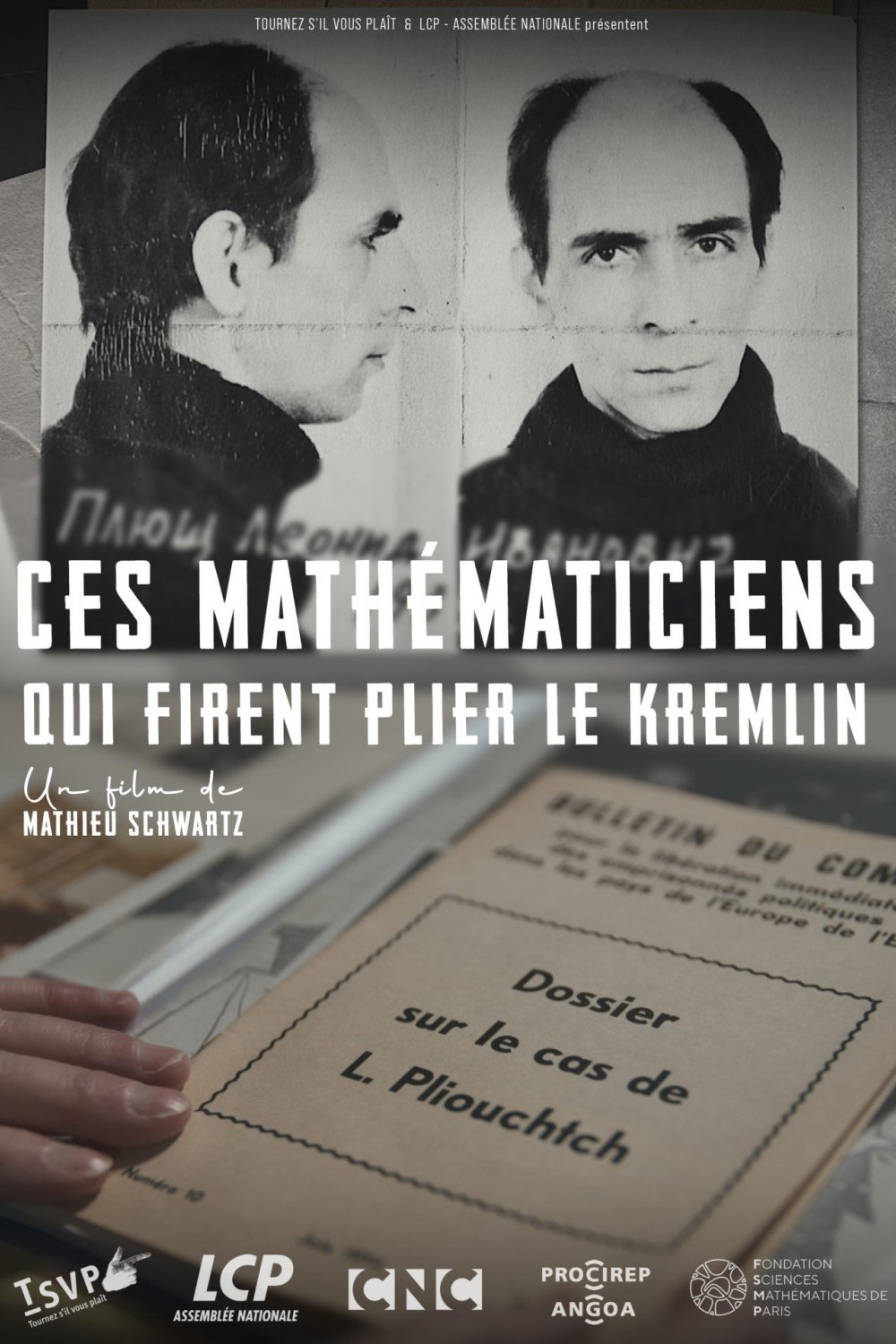
On January 15, 1972, Leonid Pliouchtch, a Ukrainian mathematician who was unknown at the time, was locked up in a Soviet psychiatric institution and accused of dissidence. His wife, Tatiana, fought for his defense and contacted a committee of French mathematicians to help him. Led by Laurent Schwartz, they launched a three-year campaign to secure his release and succeeded in getting the USSR to back down on the issue.
Documentary movie about testing of the largest nuclear weapon in history, the Tsar Bomba. Declassified and made available to the public in 2020.
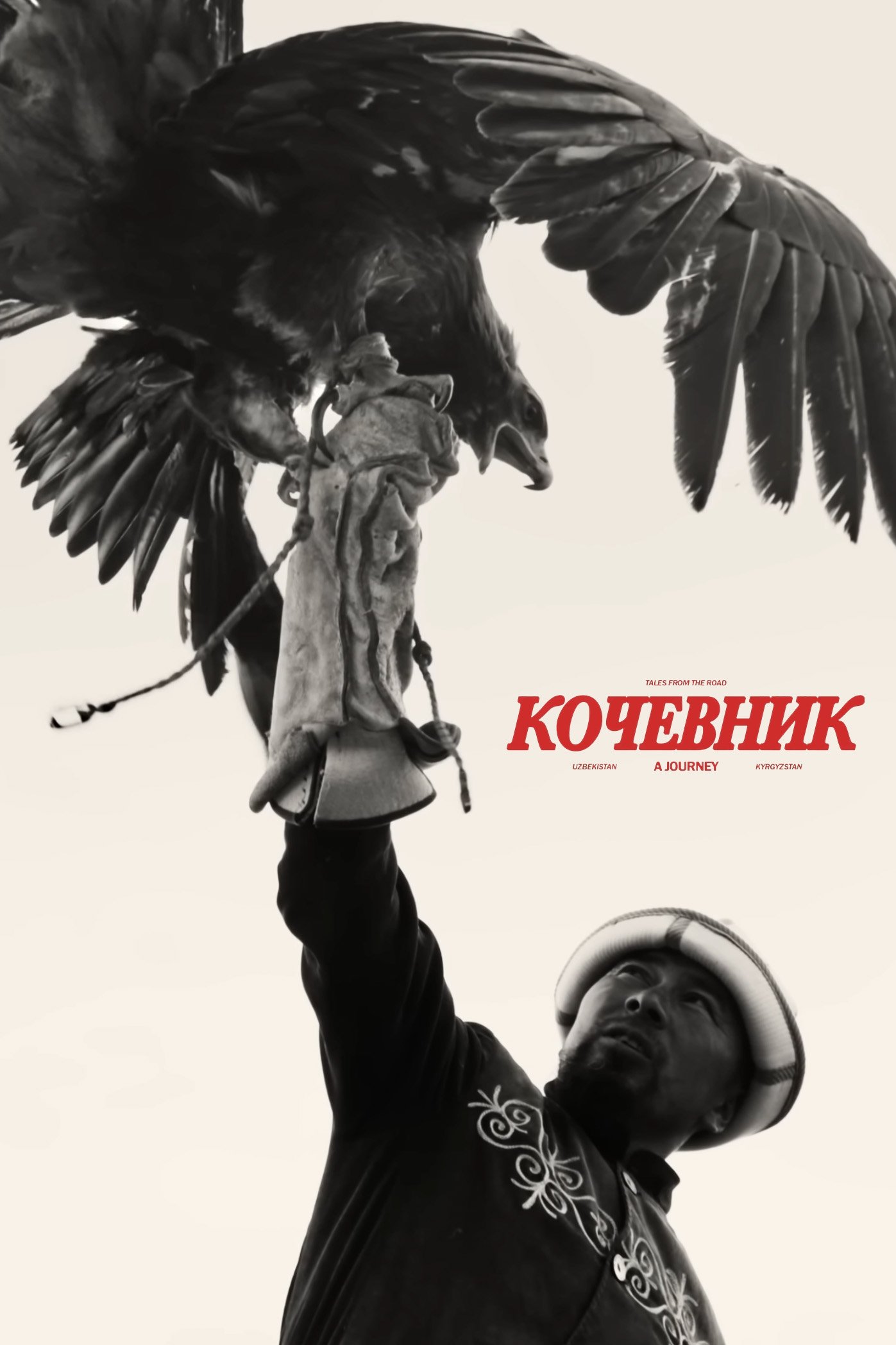
Two friends travel across Uzbekistan and Kyrgyzstan on the search for Eagle Hunters.
About the coach of the Moscow football team Spartak, Konstantin Ivanovich Beskov. The film shows the difficult path of the Spartak team to the title of the 1987 USSR Football Championship.
A documentary charting the rigors of the Russian space program, where the symbol of national pride would justify the most demanding training conditions.
A critical look at the human-nature relationship in the tundra.
On the same day that Stalin was buried, Sergei Prokofiev's funeral took place completely unnoticed. And if the farewell to the composer quietly went against the backdrop of the farewell to the dictator that swept the whole country, then in the play everything is the opposite - Prokofiev's music is in the center, and it is interrupted by the stories of those people who would probably ignore Stalin's funeral and went to say goodbye to the great composer.
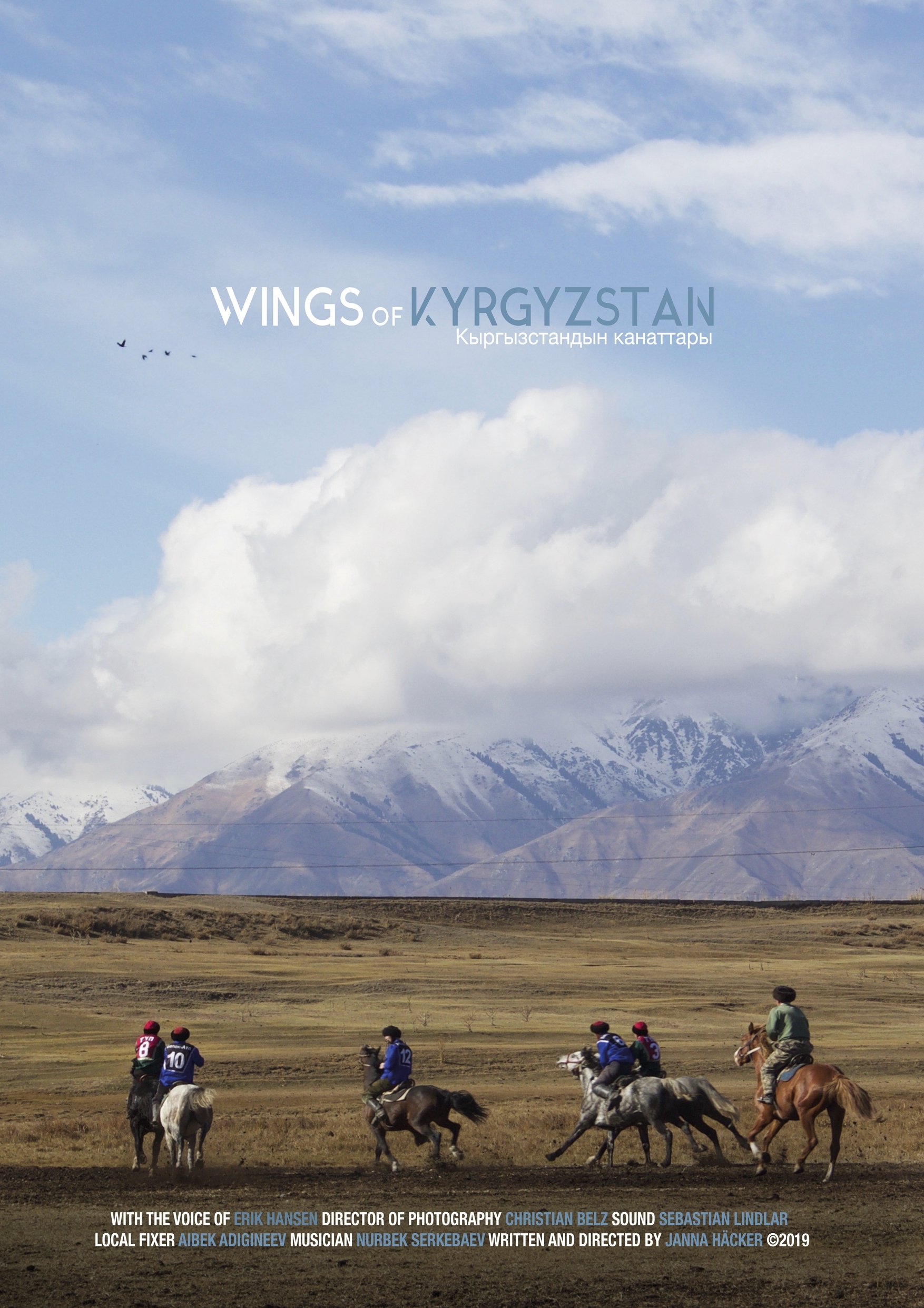
As „wings of men“ they became the faithful companion of a great nomadic nation thousands of years ago. Today, 28 years after the Soviet occupation, the little horse is an essential part of the cultural heritage and the search for identity of the modern Kyrgyz people. Based on its own story, a so called „good brown horse“ leads through the film and offers an insight of what it could mean to be „todays wings of men“. Told by a horse’s voice and through its eyes, this short film still is a documentary, but also a poetic journey to a nomadic culture.
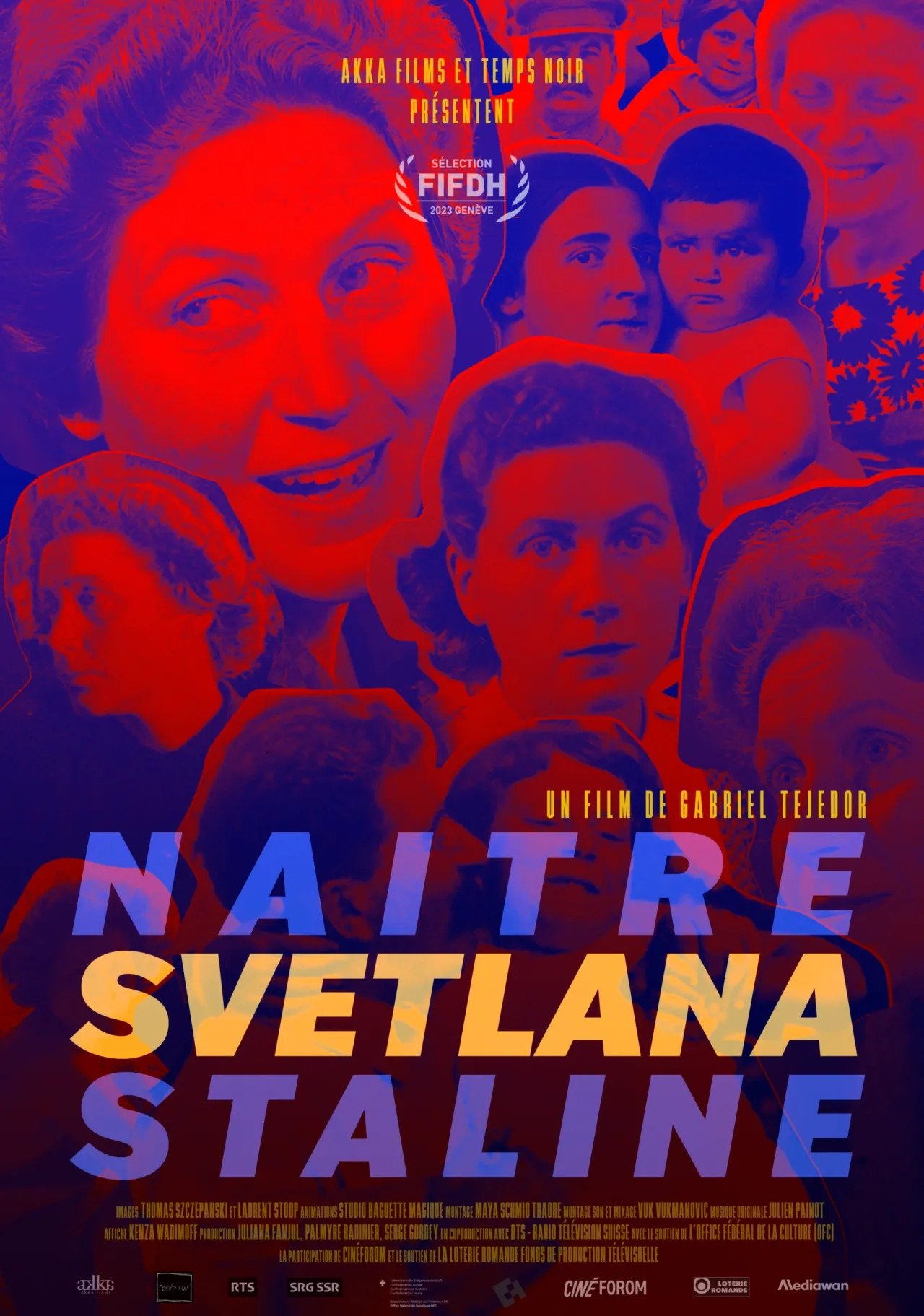
In 1967, in the middle of the Cold War, Joseph Stalin's only daughter goes to the American embassy in New Delhi and asks for asylum. Svetlana leaves behind her country and her two children. Hunted by the press, the KGB, and many admirers, the woman, nicknamed the Kremlin princess, will never cease to flee. From the summit of the Soviet empire to the solitude and poverty of her last years in a Wisconsin home, Gabriel Tejedor traces the destiny of a resolutely free woman, at the very heart of the century and its geopolitical challenges.
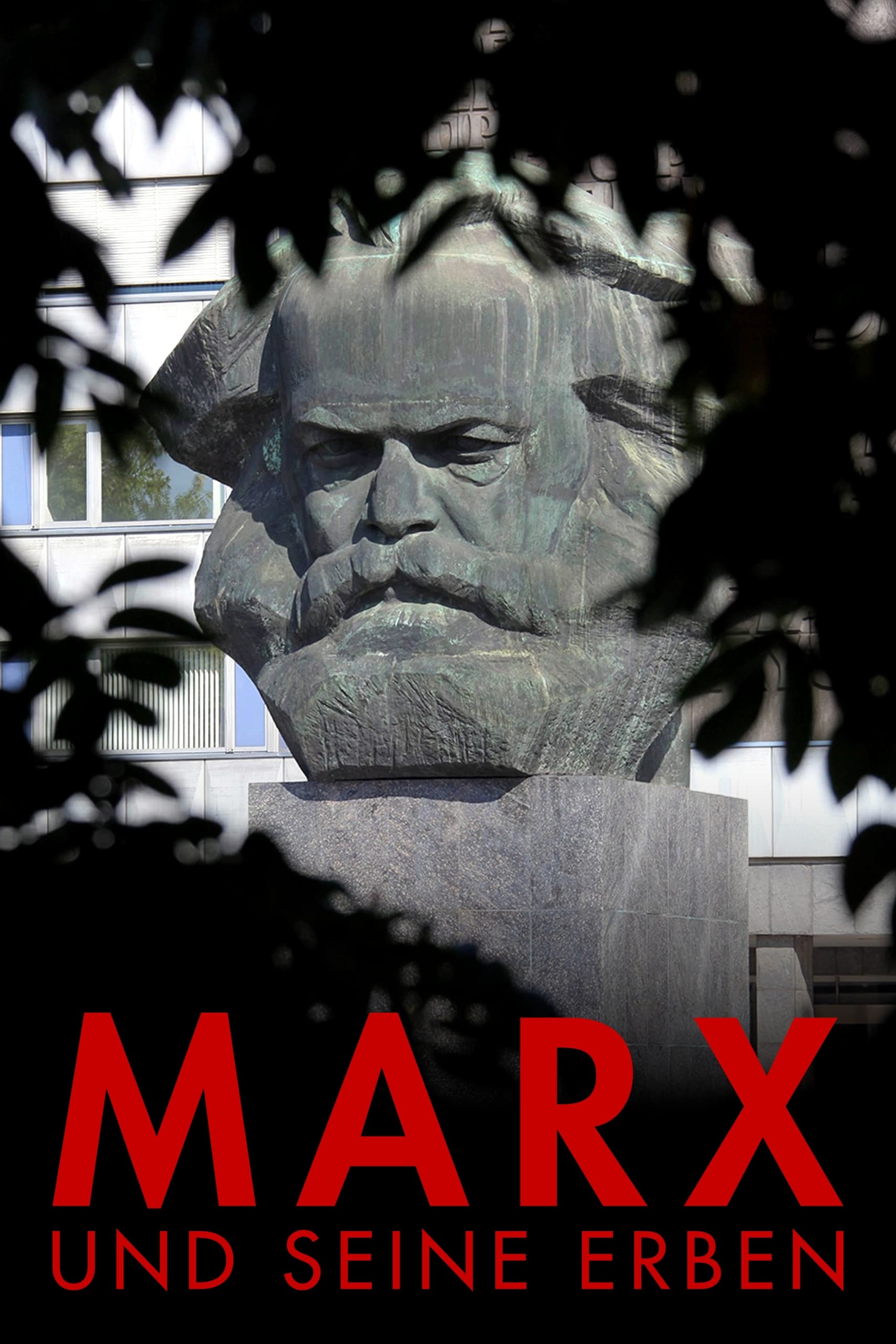
Over the past hundred years, dramatic social upheavals have taken place in the name of Karl Marx's theories. In Western Europe, the student movement of 1968 and the Eurocommunists were inspired. And in recent times, the thinker has experienced a renaissance.
Experimental short film that explores the rise and decline of the Soviet Union, from the revolutionary spark of 1917 to the challenges and sacrifices endured during World War II, until its dissolution in 1991.
A disturbing chapter in Russian history is explored in this documentary. In 1933, Joseph Stalin sent 6000 "unwanted" citizens of Moscow and Leningrad to a desolate Siberian island - with no food or clothes to speak of. Decades later this documentary returns to the island.
The film documents Charles Aznavour's first visit to his historical homeland Armenia, his concert in Yerevan and his meeting with his grandmother.
A 20-minute documentary film about the Kyrgyz people living by the Narym River.
Life in a Kyrgyz aul (village) in the mountains connected to the rest of the world by a cable bridge, and the teenage boys who are constructing the rope of the bridge. A rope bridge which the locals call “The devil’s bridge” forms part of each and every event which takes place in a small village lost in the mountains of the Kyrgyz Republic. A platform driven by a huge winch which they have to pull with their own strength to cross the torrent is their only link with the outside world. But the director of the documentary wondered something else: “Does this bridge unite or does it actually separate?” Through the mist and over the thrashing waters, the inhabitants of the area glide along their ropes. A film, in the director’s own words, about ordinary people who live in an extraordinary place.
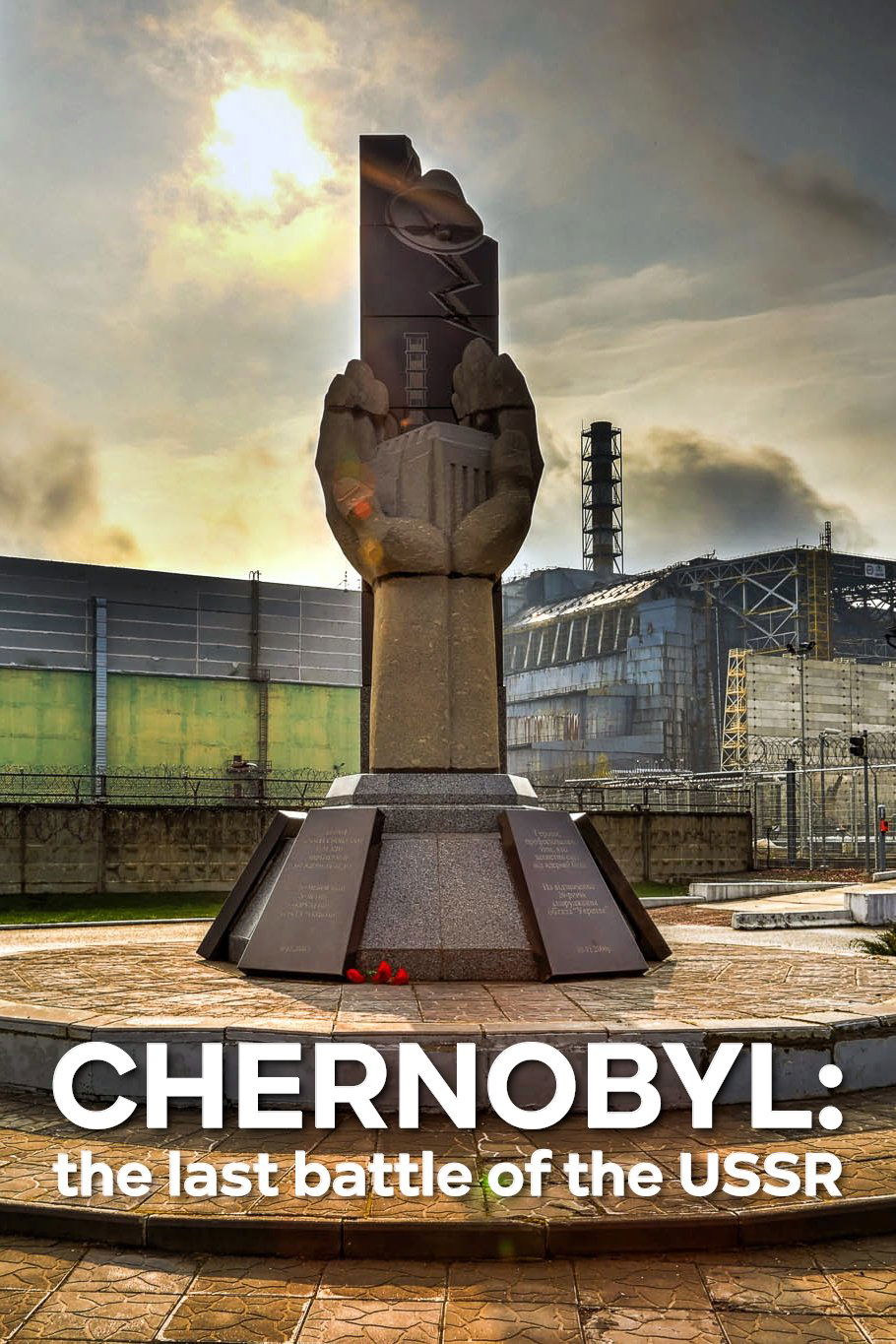
Three decades after the nuclear explosion, almost everything has been said about this ecological and sanitary disaster that made Pripiat a part of History. How did the greatest industrial disaster change the course of History, disrupt global geopolitics and, directly or indirectly, redistribute the balances and power relations of the twentieth century? The world will never be the same again. By retracing the incredible battle waged by the Soviet Union against radiation, this film proposes to retrace and enlighten an extraordinary story, while exploring the historical stakes in the medium and long-term…
One of the highest achievements of the new wave of Kirghiz cinema, which emerged in the mid-1960s. This story of a boy building sandcastles on the shores of the Issyk-Kul Lake becomes a documentary parable on the tensions between an artist and society.
oil workers, builders, geologists
When Allied forces liberated the Nazi concentration camps in 1944-45, their terrible discoveries were recorded by army and newsreel cameramen, revealing for the first time the full horror of what had happened. Making use of British, Soviet and American footage, the Ministry of Information’s Sidney Bernstein (later founder of Granada Television) aimed to create a documentary that would provide lasting, undeniable evidence of the Nazis’ unspeakable crimes. He commissioned a wealth of British talent, including editor Stewart McAllister, writer and future cabinet minister Richard Crossman – and, as treatment advisor, his friend Alfred Hitchcock. Yet, despite initial support from the British and US Governments, the film was shelved, and only now, 70 years on, has it been restored and completed by Imperial War Museums under its original title "German Concentration Camps Factual Survey".
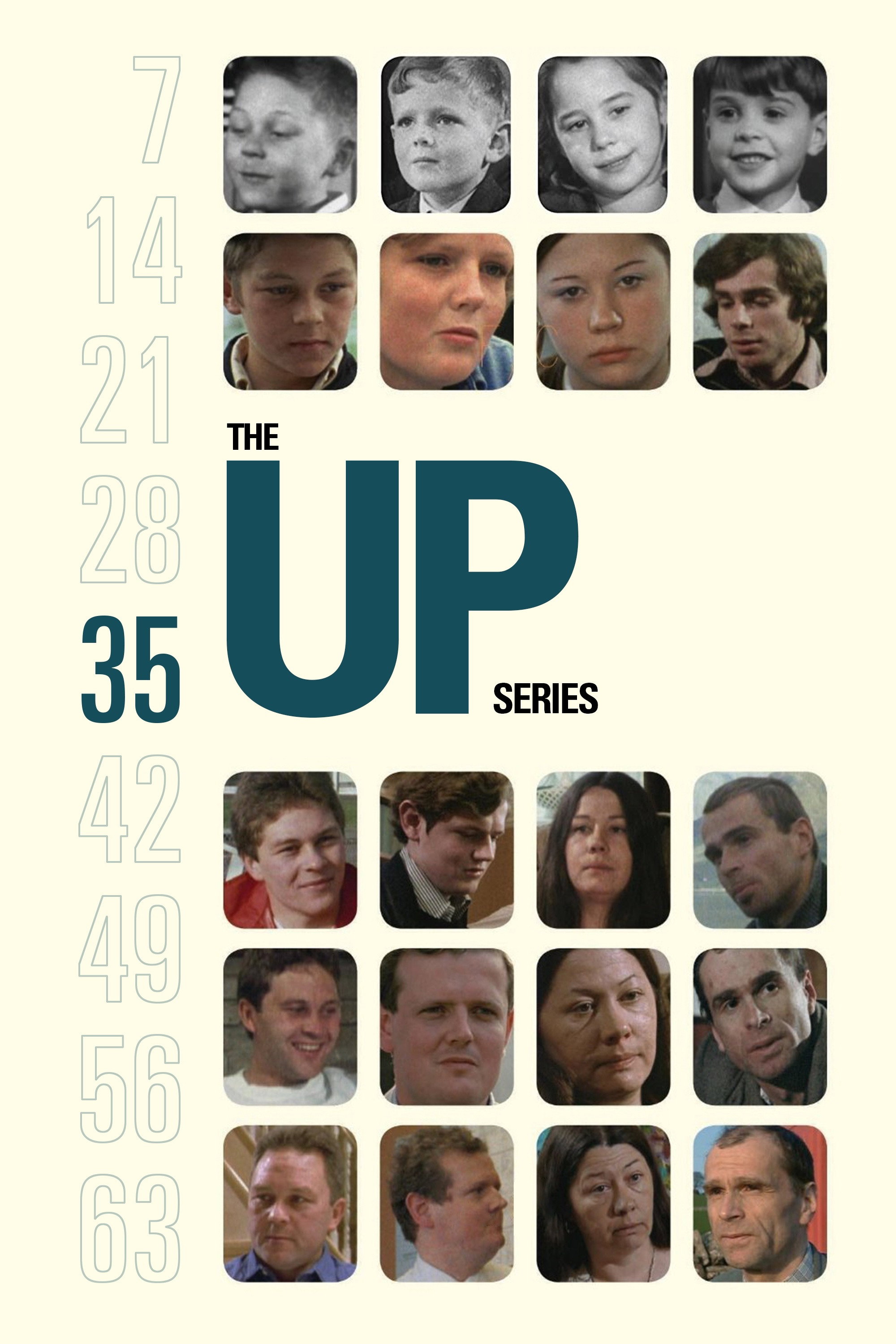
Director Michael Apted revisits the same group of British-born adults after a 7 year wait. The subjects are interviewed as to the changes that have occurred in their lives during the last seven years.
A dreamlike conversation with the past and the present, reimagining Latasha Harlins' story by excavating intimate memories shared by those who loved her.
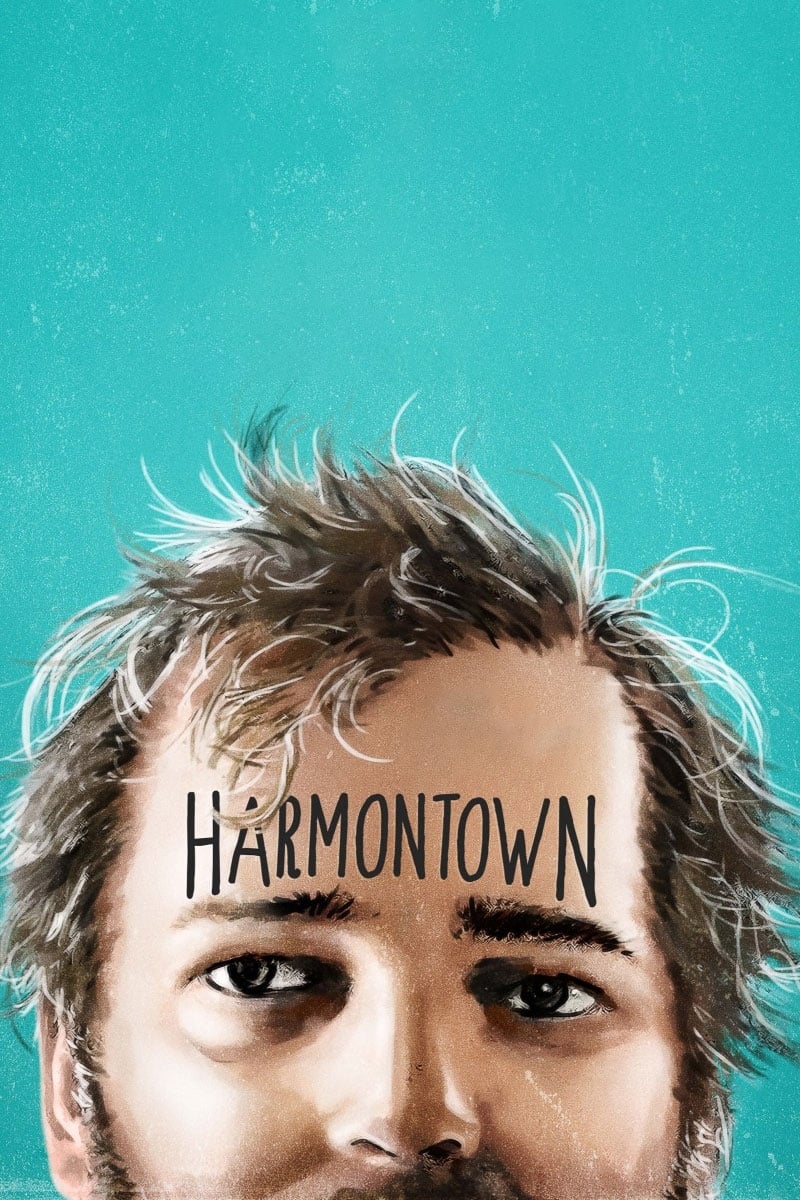
A comedic, brutally honest documentary following self-destructive TV writer Dan Harmon as he takes his live podcast on a national tour.
A documentary about the life and films of director John Ford.
A documentary about how a dominant cultural and demographic institution both sustains their traditional activities and adapts to the digital revolution.
Ross McElwee sets out to make a documentary about the lingering effects of General Sherman's march of destruction through the South during the Civil War, but is continually sidetracked by women who come and go in his life, his recurring dreams of nuclear holocaust, and Burt Reynolds.
A documentary on the expletive's origin, why it offends some people so deeply, and what can be gained from its use.
A documentary that explores the downloading revolution; the kids that created it, the bands and the businesses that were affected by it, and its impact on the world at large.
Those who knew iconic funnyman John Candy best share his story, in their own words, through never-before-seen archival footage, imagery, and interviews.
Martin Scorsese’s portrait of writer and social commentator Fran Lebowitz, celebrated for her sharp wit and observations on modern life. Filmed at New York’s Waverly Inn and intercut with archival footage and interviews, the documentary captures Lebowitz’s distinctive worldview through her spontaneous monologues and public appearances.
A detailing of the rise to prominence and global sporting superstardom of six supremely talented young Manchester United football players (David Beckham, Nicky Butt, Ryan Giggs, Paul Scholes, Phil and Gary Neville). The film covers the period 1992-1999, culminating in Manchester United's European Cup triumph.
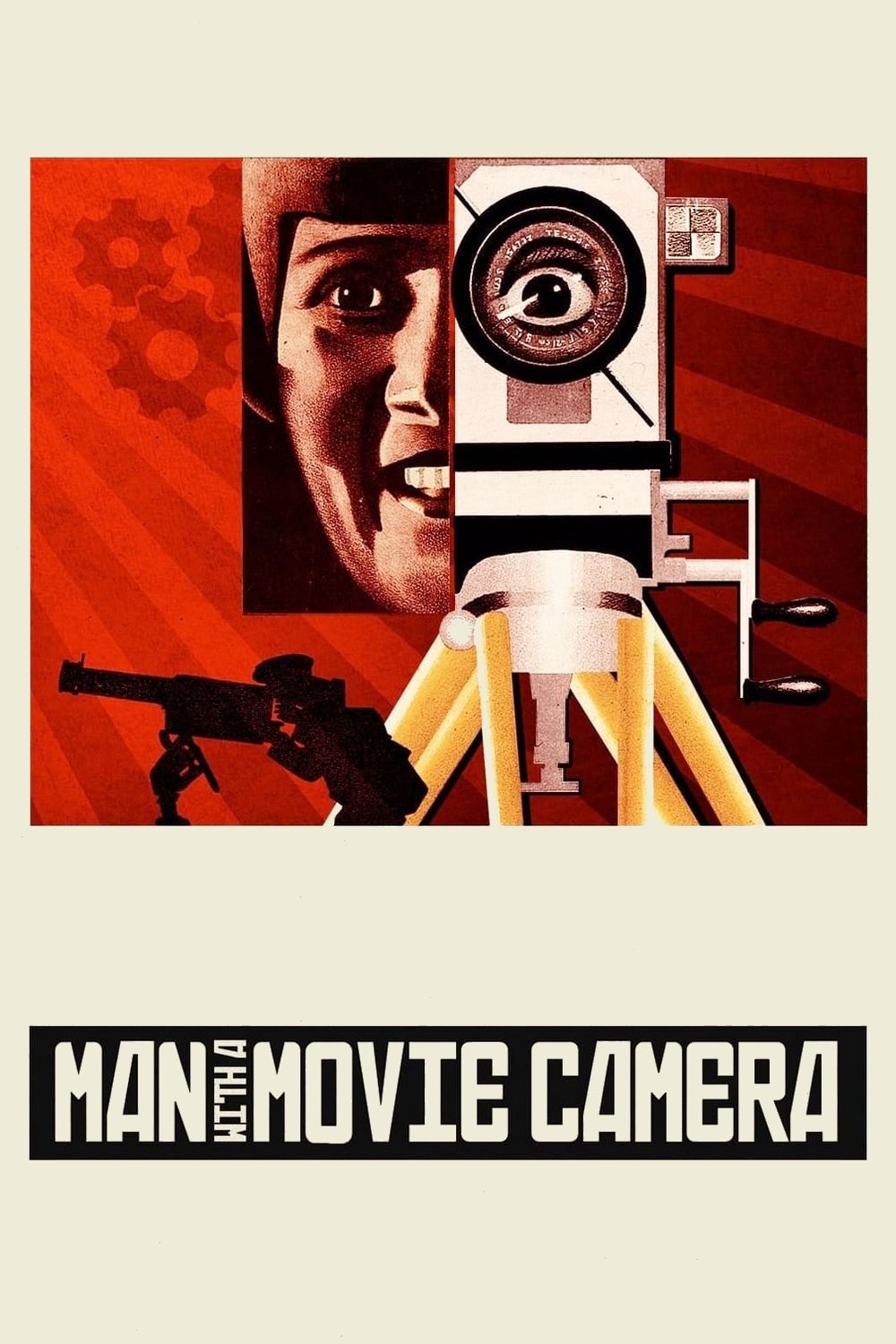
A cameraman wanders around with a camera slung over his shoulder, documenting urban life with dazzling inventiveness.
The extraordinary story of the planet’s most famous contemporary scientist, told in his own words and by those closest to him. Made with unique access to Hawking’s private life, this is an intimate and moving journey into Stephen's world, both past and present.
The life and career of one of comedy's most inimitable modern voices, Mr. Gilbert Gottfried.
A documentary on a former Miss Wyoming who is charged with abducting and imprisoning a young Mormon Missionary.
A love letter from a young mother to her daughter, the film tells the story of Waad al-Kateab’s life through five years of the uprising in Aleppo, Syria as she falls in love, gets married and gives birth to Sama, all while cataclysmic conflict rises around her. Her camera captures incredible stories of loss, laughter and survival as Waad wrestles with an impossible choice– whether or not to flee the city to protect her daughter’s life, when leaving means abandoning the struggle for freedom for which she has already sacrificed so much.
Through deeply personal interviews with her siblings and an examination of the photographs, letters, and belongings left behind, Mariska assembles a new portrait of her mother Jayne Mansfield, an extraordinary and complex woman.
Lyrical and powerfully personal essay film that reflects on the deaths of her husband Lou Reed, her mother, her beloved dog, and such diverse subjects as family memories, surveillance, and Buddhist teachings.
Experience the iconic rock band's legacy in the first major documentary to tell their story. Directed with the era’s avant-garde spirit by Todd Haynes, this kaleidoscopic oral history combines exclusive interviews with dazzling archival footage.