Social & External
The people behind it
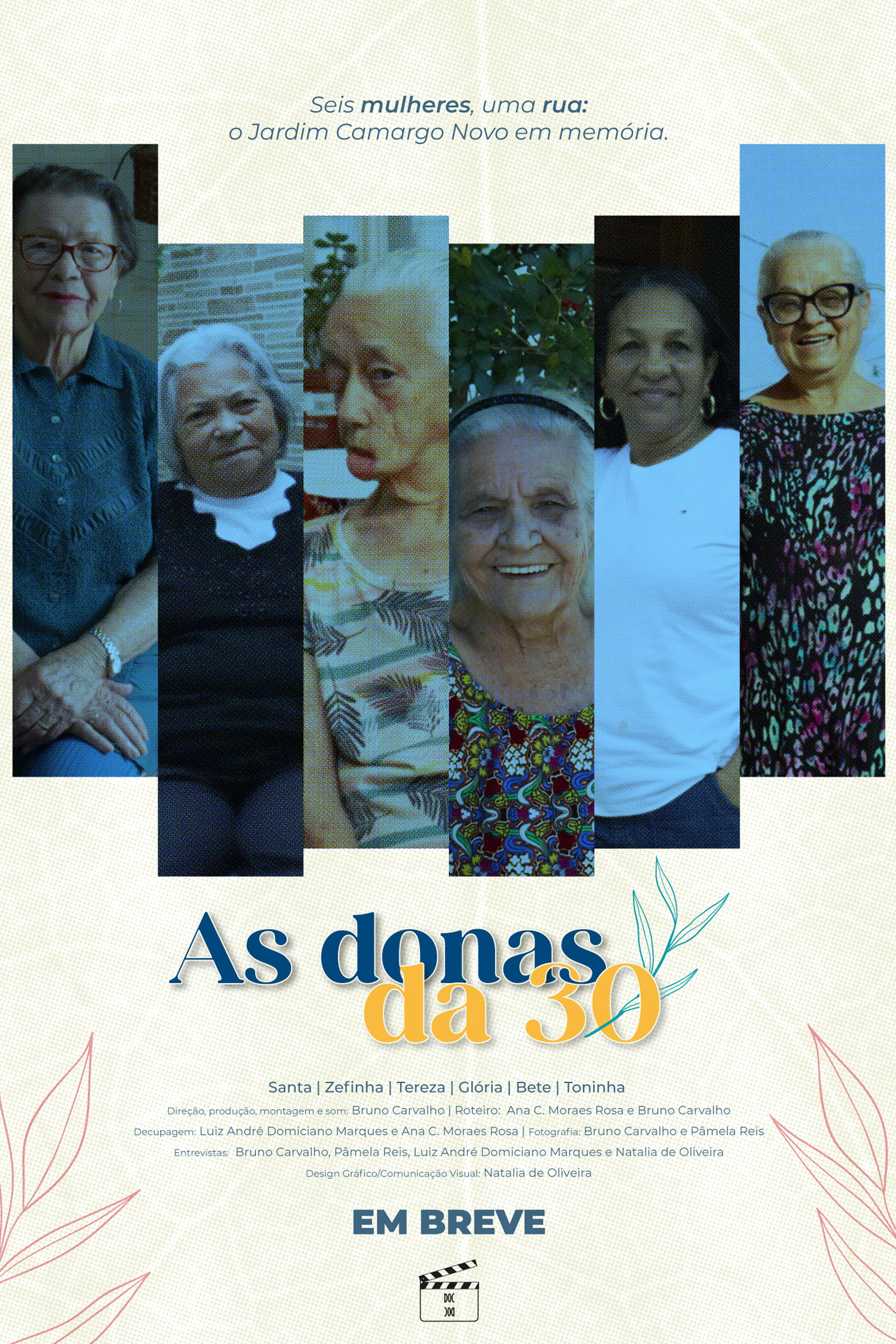
Glória Morgado Carvalho
Self
Elizabete Pinheiro Dias
Tereza da Silva Rocha
Maria das Dores dos Santos
Josefa dos S. Melo
Antônia Maria de Oliveira
Bruno Carvalho
Narrator
As historic ships vanish from British waters, a group of passionate volunteers fights to save the Balmoral—a 1949 passenger vessel moored in Bristol’s iconic harbour—battling time, bureaucracy, and financial struggles to preserve a piece of maritime history before it’s lost forever.
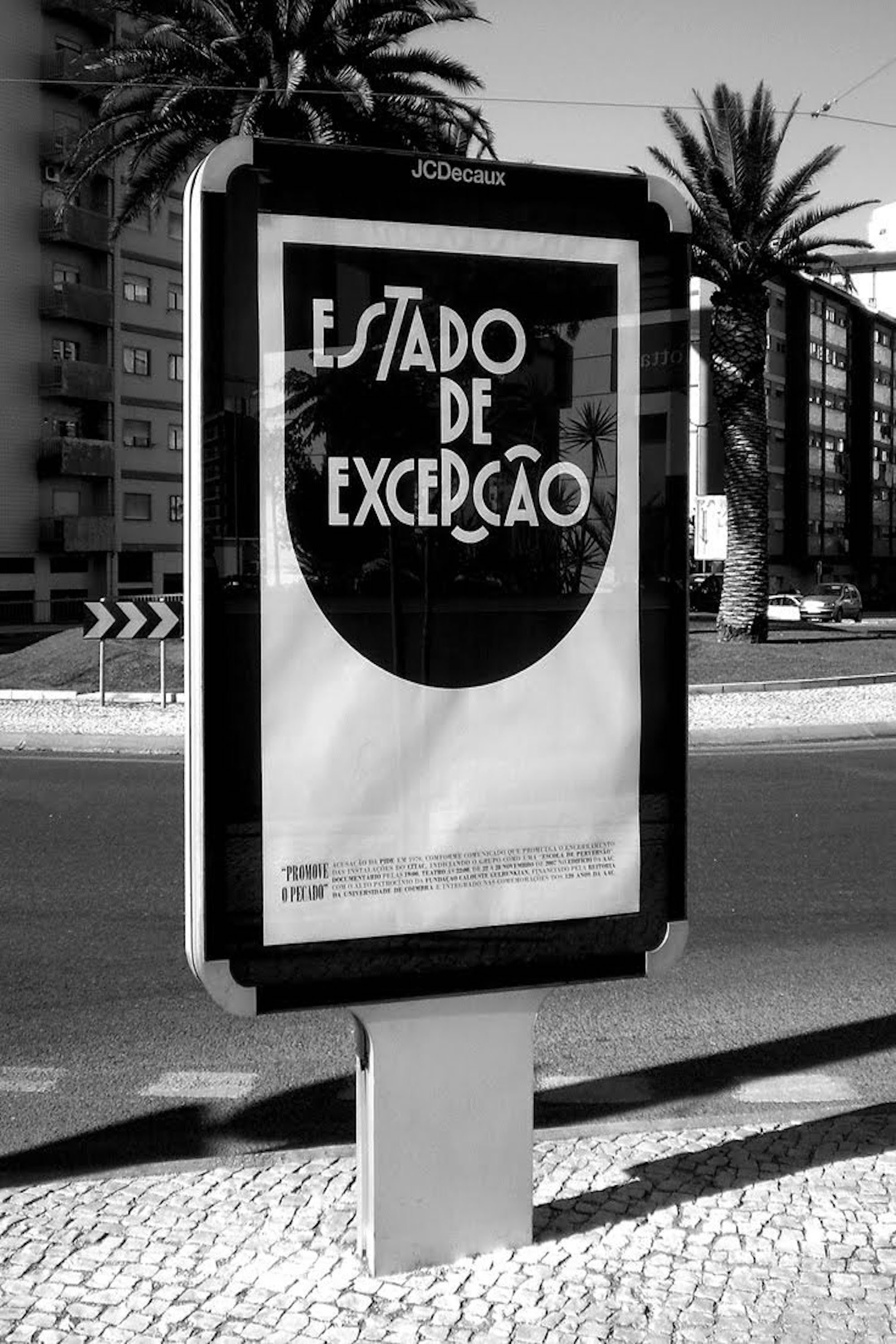
Estado de Excepção is a documentary about CITAC (Coimbra Theater Initiation Circle), a university theater group, revealing history since it was constituted in 1956 until the aftermath of the 1974 revolution. It is the history of the theater group university and, through it, the history of theater in Portugal, revealing two remarkable decades of the History of Portugal. Through the Academy of Coimbra, the documentary reproduces student life, the position of women in society, and the change in mentalities of being and being in the world. It reproduces the existing censorship and the fight against the dictatorship, the resistance to an exhausted regime, as well as the emerging contradictions of the democratic revolution. CITAC has a heritage of 50 years of experience in Coimbra. It carries with it the possibility of the theatrical and civic formation of thinking bodies, constituting a proper ball of a possible model, generation by generation, between studies, theater, and social drama.
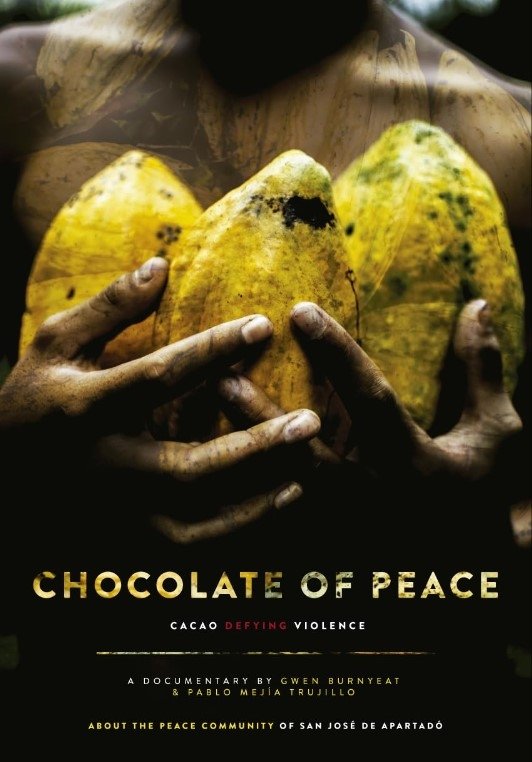
Chocolate of Peace depicts the Peace Community of San José de Apartadó's experiences of resistance, via a journey through their processes of organic chocolate production. From the seed to the product, the cacao is the narrative thread that takes us through the Community's stories of violence and resilience, and their fight to remain neutral in the face of the Colombian armed conflict. This film offers a panorama of hope, proof that despite great difficulties it is possible to sow peace through human and economic relationships. It invites us to rethink our relationship with food, to value the efforts of those who produce it, and to build bridges between the victims of the armed conflict and other sectors of global civil society.
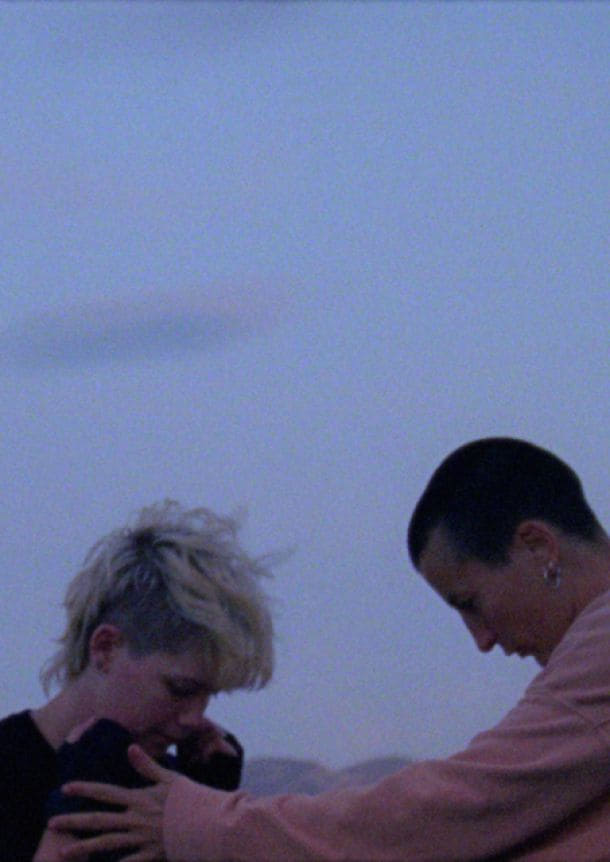
At dusk, boxers from the La Frappe collective train in a Marseille park. Their bodies get into motion, gradually forming a community of gestures, sensations and emotions.
This documentary explores the ancient water system of Douiret-Sbâa, Morocco, a remarkable network fed by a local spring that has sustained the community for centuries. Highlighting the ingenuity of traditional hydro-technologies, the film examines how these systems continue to shape life in arid lands today.
The Danube Delta in Romania - the 'Last European Sanctuary’ - is a UNESCO World Heritage Site. While major efforts are made to protect biodiversity, the plight of local communities is largely overlooked. Social scientists claim that the traumatic nature of the swamp bears heavy on the villagers' lives. But is Nature really to blame? Swamp Dialogues is based on an extensive field-research in the Danube Delta Biosphere Reserve. Through a careful ‘argument montage’ built entirely on cinematic language the film represents an anthropological analysis formulated in image and sound.
A small community of passionate ice hockey players from around the North East of England reflect on mental health, fellowship, and loss, as they share a last game with their lost teammate and celebrate his passion for the sport.
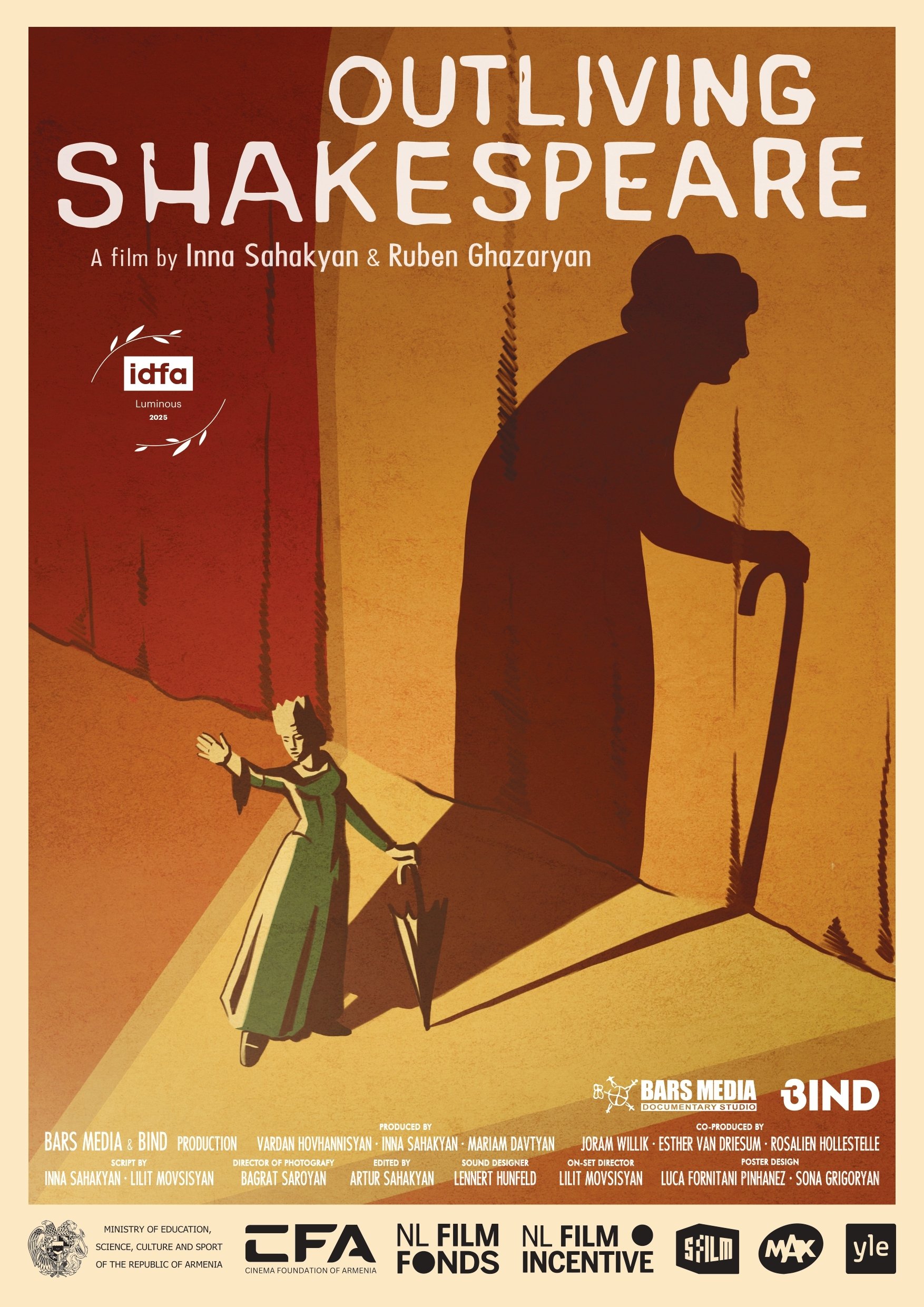
In a decaying Soviet-era retirement home, a vibrant group of elders cling to life by staging Shakespeare. Yet loneliness lingers beyond the theater’s doors, until drama begins to blur with reality.
A woman's voice narrates in a voiceover the state of her body after a male sexual assault.
In fragments, three women talk about their limiting living conditions and their experiences of violence. Not showing their faces ensures a protection they have lacked in their previous experiences. Images of masculinity make what is told indirect.
After finding some videos she uploaded to YouTube when she was a child, Manuela attempts to follow the trail she herself has left on the Internet. A search that looks into all that things that won't never die and that, especially, thinks about the way we look at ourselves.
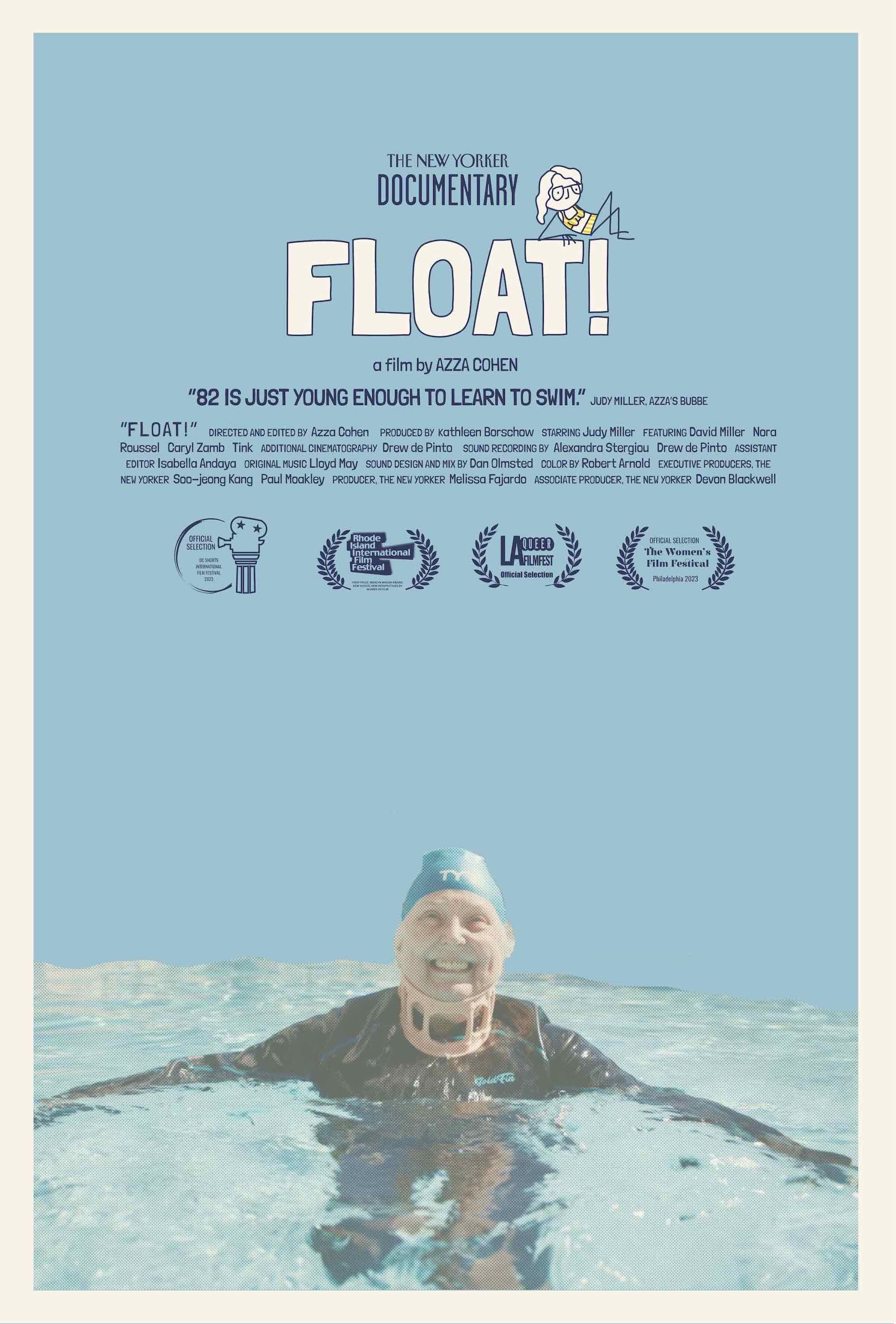
With depth, intimacy, and humor, FLOAT! captures filmmaker Azza Cohen's magnetic grandma’s life-affirming journey learning to swim at 82, inspiring audiences to defy societal expectations of aging and to boldly look forward at every stage.
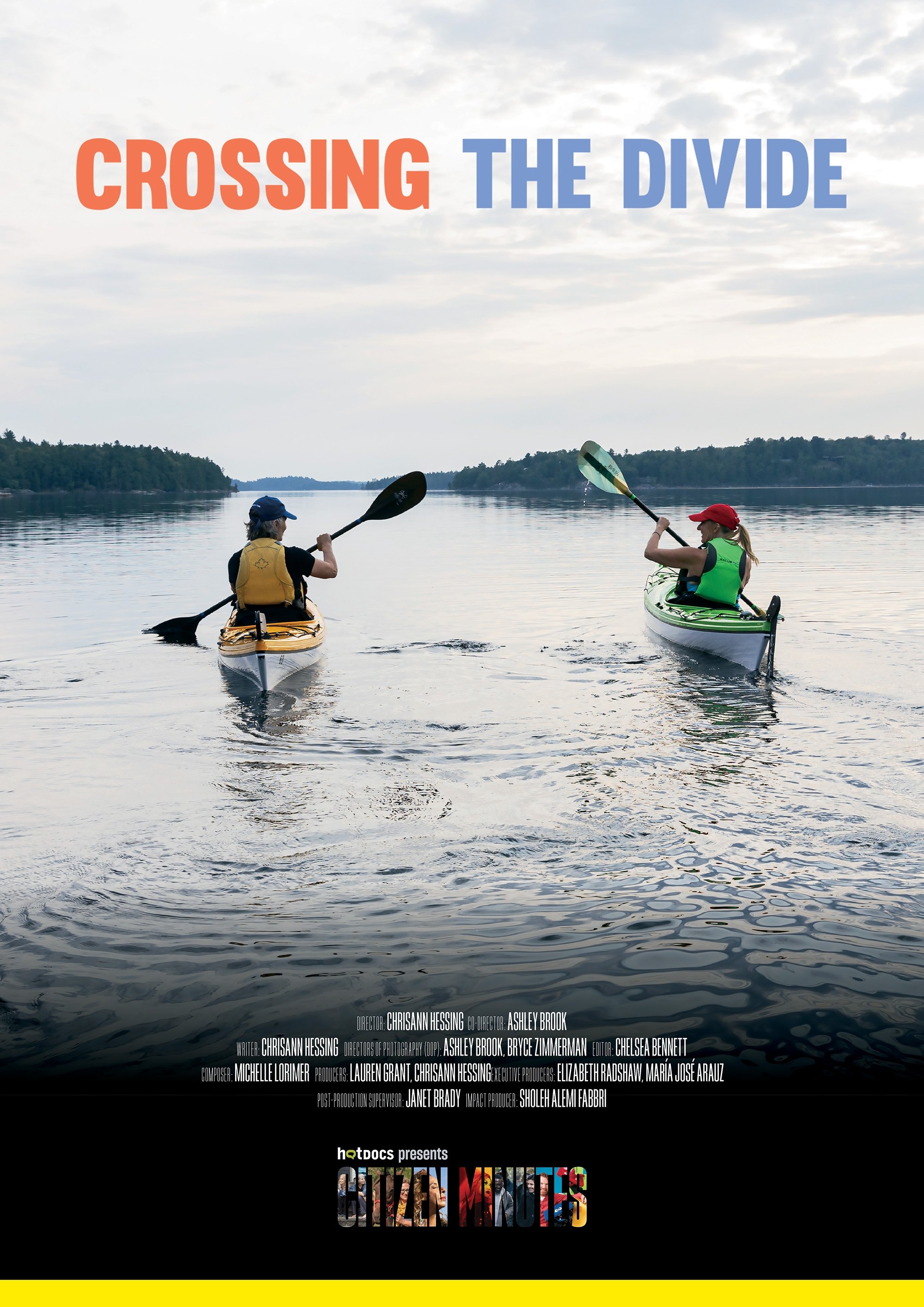
Two Canadians, one Liberal and one Conservative, attend a U.S. convention focused on depolarizing politics, determined to engage in tough conversations for a healthier democracy.
Indigenous chief Juma Xipaia fights to protect tribal lands despite assassination attempts. Her struggle intensifies after learning she's pregnant, while her husband, Special Forces ranger Hugo Loss, stands by her side.
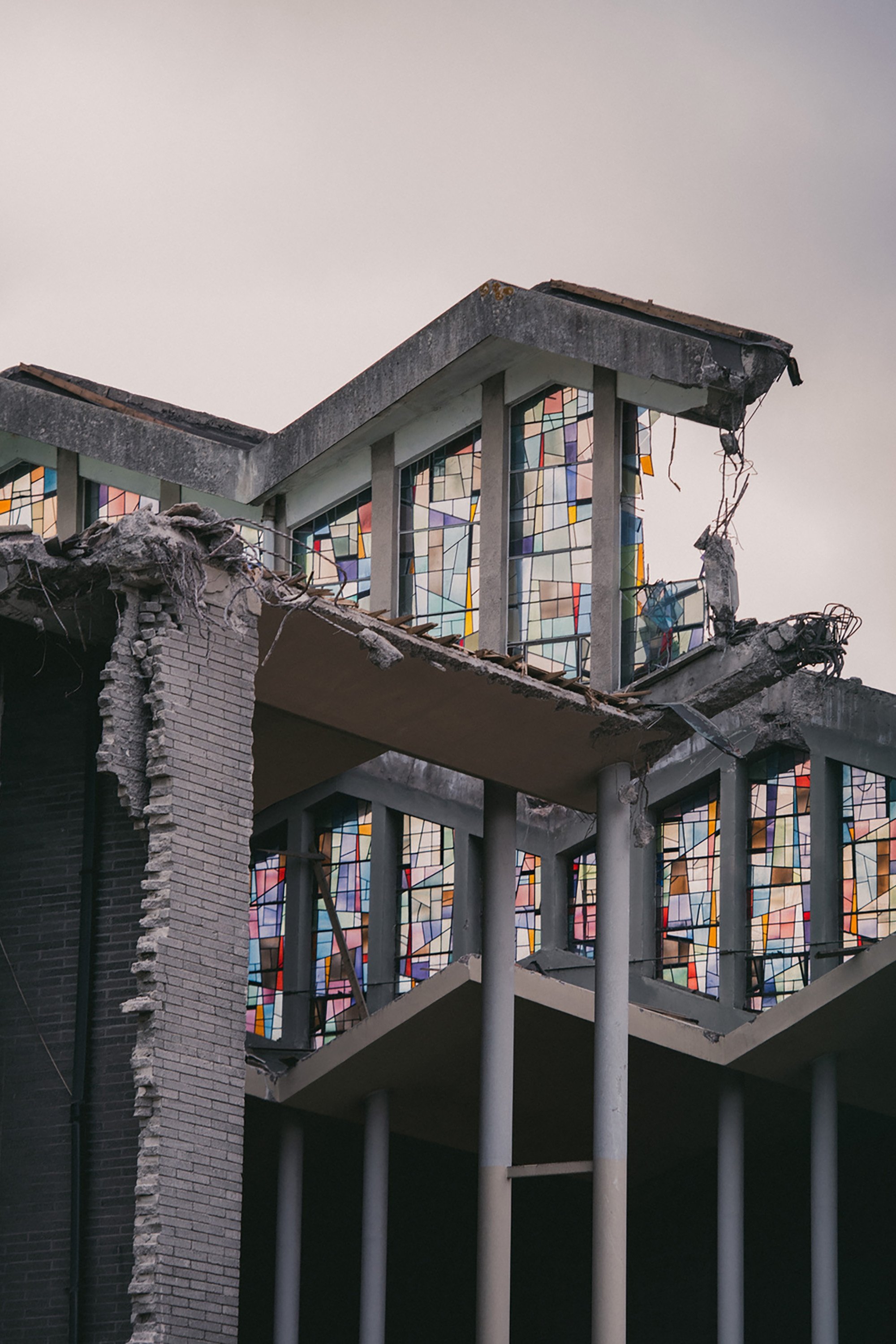
Making Dust is an essay film, a portrait of the demolition of Ireland's second largest Catholic Church, the Church of the Annunciation in Finglas West, Dublin. Understanding this moment as a 'rupture', the film maps an essay by architectural historian Ellen Rowley on to documentation of the building's dismantling. Featuring oral interviews recorded at the site of the demolition and in a nearby hairdressers, the film invites viewers to pause and reflect on this ending alongside the community of the building. The film is informed by Ultimology, and invites its audience to think about the life cycles of buildings and materials, how we mourn, what is sacred, how we gather, what we value and issues of sustainability in architecture.
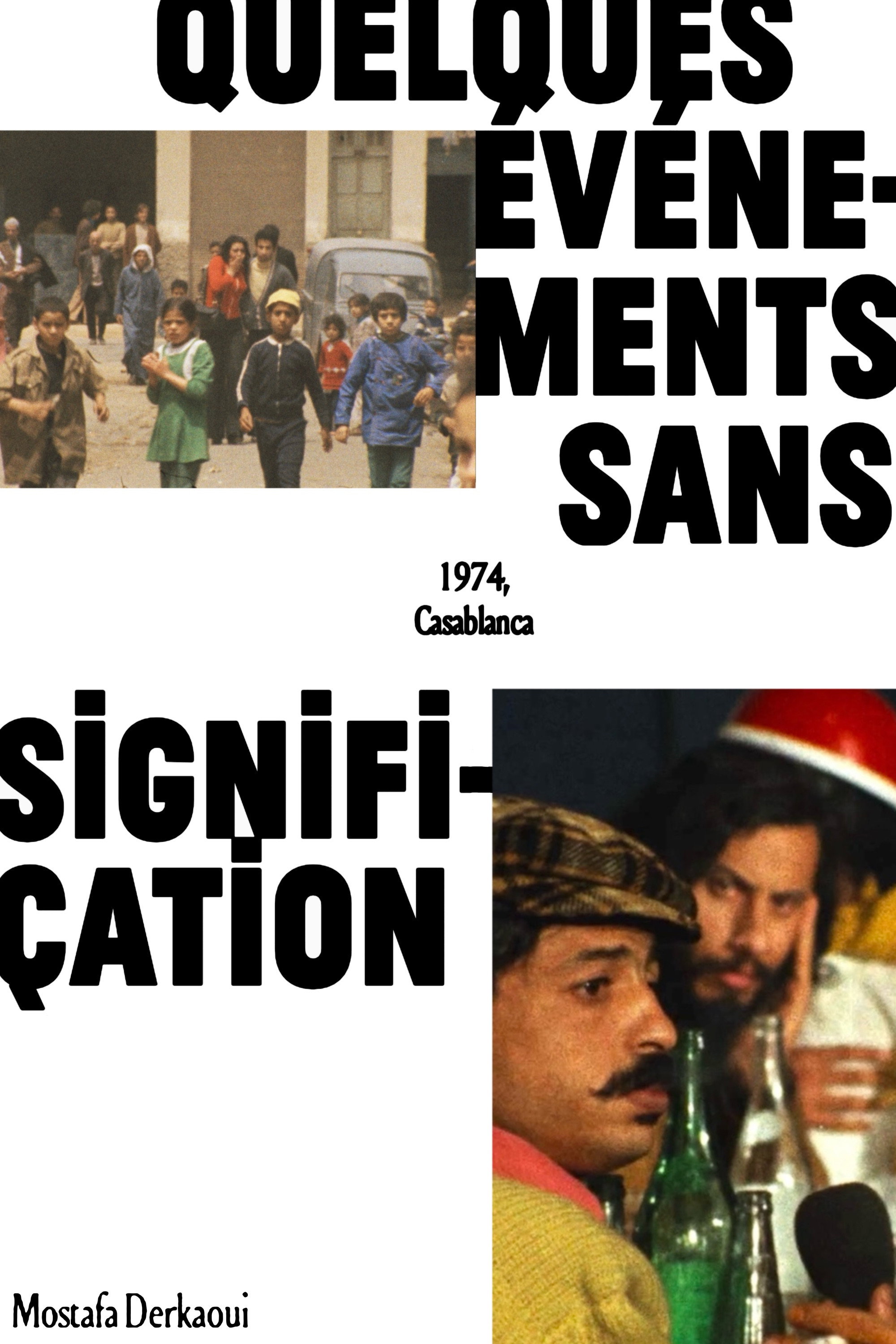
In Casablanca, a group of filmmakers conduct discussions with people about their expectations of, and aspirations for, the emerging Moroccan national cinema. When a disgruntled worker kills his superior accidentally, their inquest shifts focus, and they begin to probe the motives of the killing.
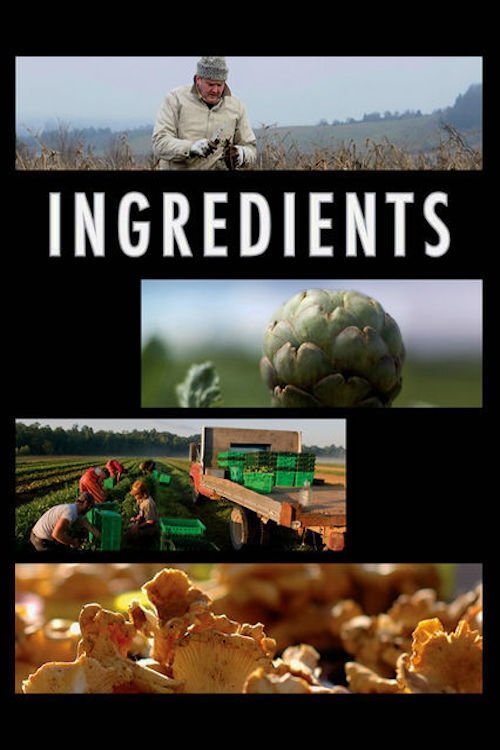
At the focal point of this movement, and of this film, are the farmers and chefs who are creating a truly sustainable food system. Their collaborative work has resulted in great tasting food and an explosion of consumer awareness about the benefits of eating local. Attention being paid to the local food movement comes at a time when the failings of our current industrialized food system are becoming all too clear. For the first time in history, our children's generation is expected to have a shorter lifespan than our own. The quality, taste and nutritional value of the food we eat has dropped sharply over the last fifty years. Shipped from ever-greater distances, we have literally lost sight of where our food comes from and in the process, we've lost a vital connection to our local community and to our health.
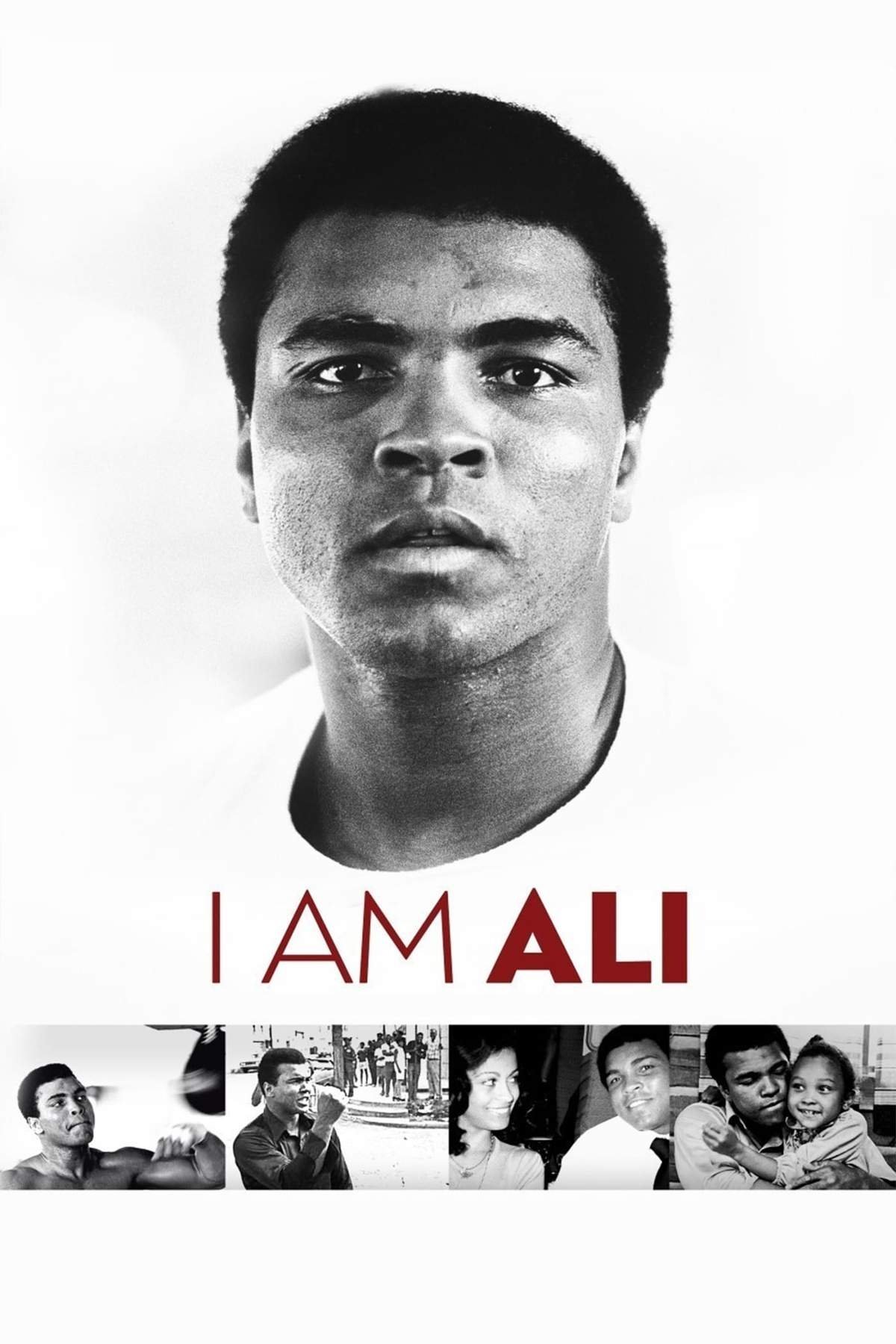
Unprecedented access to Muhammad Ali's personal archive of "audio journals" as well as interviews and testimonials from his inner circle of family and friends are used to tell the legend's life story.
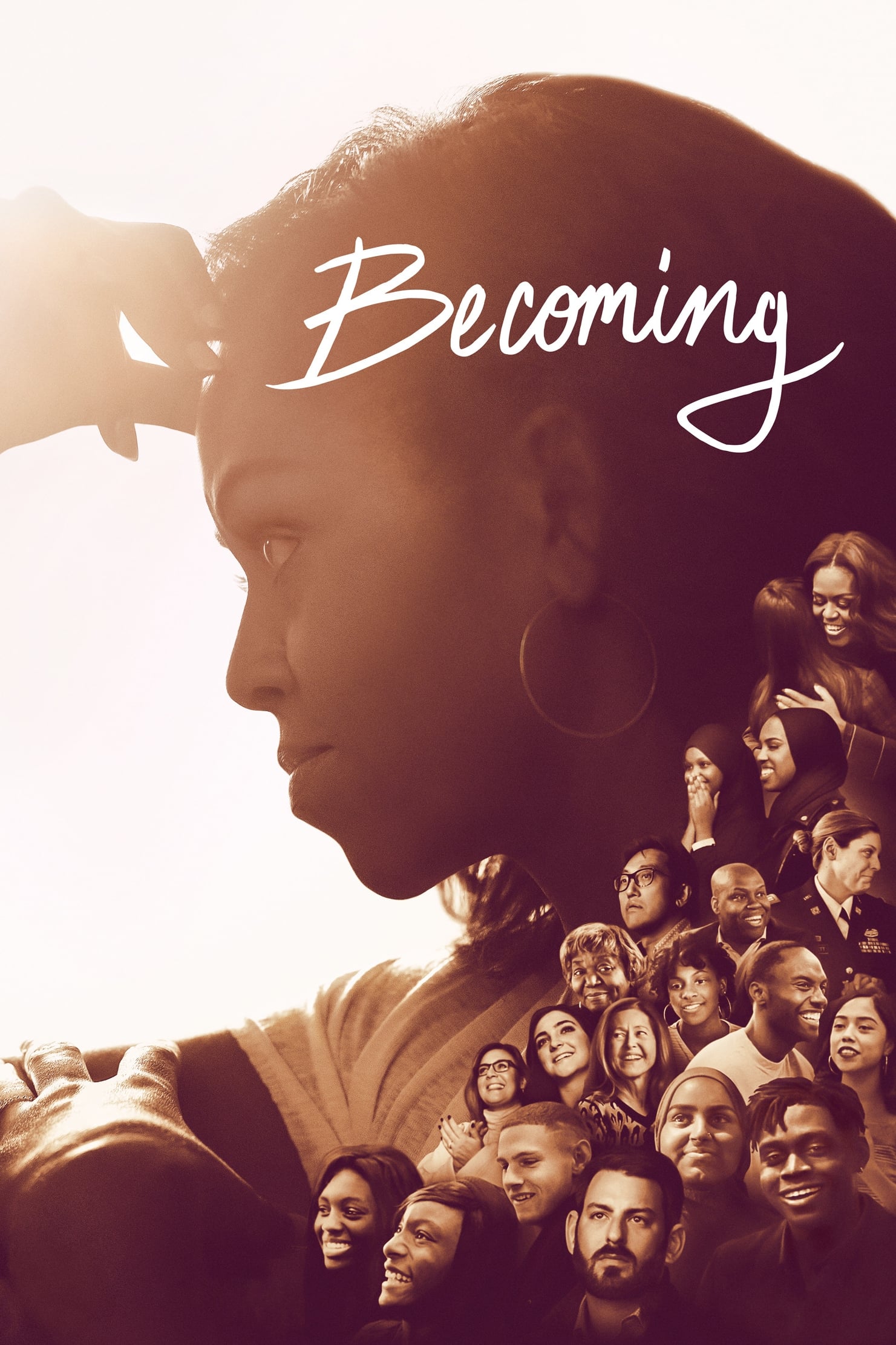
Join former first lady Michelle Obama in an intimate documentary looking at her life, hopes and connection with others.
A documentary on the expletive's origin, why it offends some people so deeply, and what can be gained from its use.
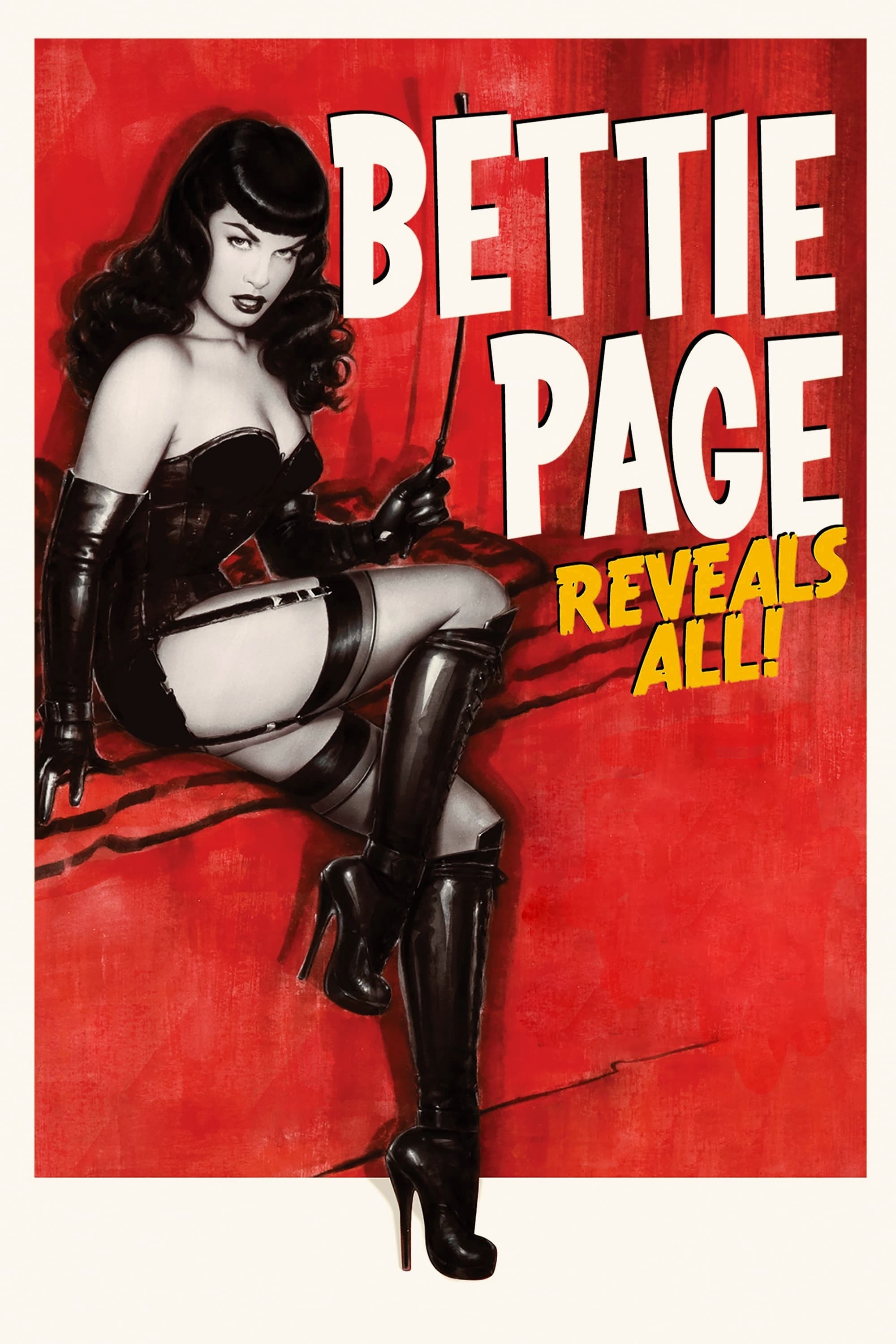
The world's greatest pin-up model and cult icon, Bettie Page, recounts the true story of how her free expression overcame government witch-hunts to help launch America's sexual revolution. When she saw the film The Notorious Bettie Page, produced by HBO in 2006, the main person concerned reacted unequivocally: “Lies! Lies!” In a long interview recorded shortly before her death, the woman who entered the collective unconscious as the ultimate pin-up gave her version of events to director Mark Mori. In a gravelly voice, Bettie Page tells her own story and lifts the veil on areas often hidden by images that have made so many men and women fantasize since the 1950s: her abused childhood, an eclipse that lasted forty years, her mental illness. Through testimonies and unpublished archives, this documentary brings back to life a body and a face endlessly declined before our eyes, just as Bettie wanted: “I would like people to remember me as I was in the photos.”
Through deeply personal interviews with her siblings and an examination of the photographs, letters, and belongings left behind, Mariska assembles a new portrait of her mother Jayne Mansfield, an extraordinary and complex woman.
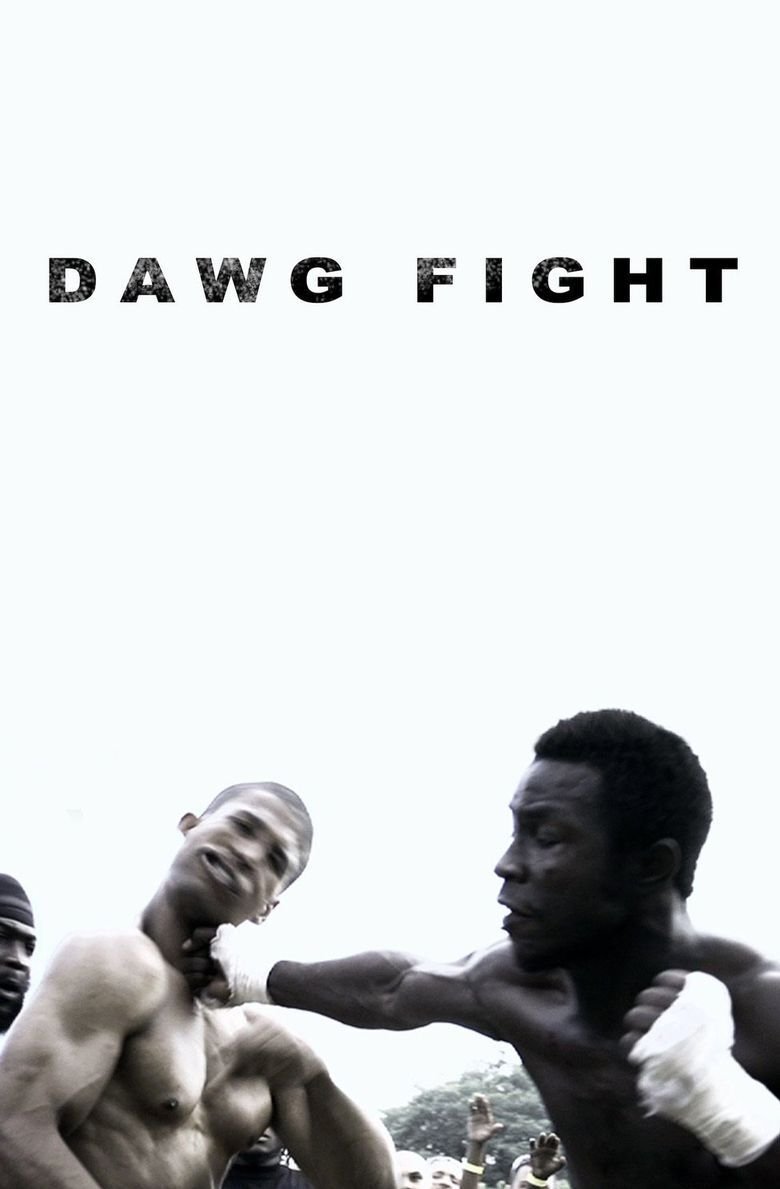
In a crime-plagued neighborhood near Miami, brutal, bare-knuckled backyard fights give young men a chance to earn money -- and self-respect.
Over 35 years after Bob Lazar's revelations, this documentary exposes secrets of a facility the government still denies. Featuring Lazar's testimony, recreations, and new evidence, it reopens a case that continues to spark global curiosity
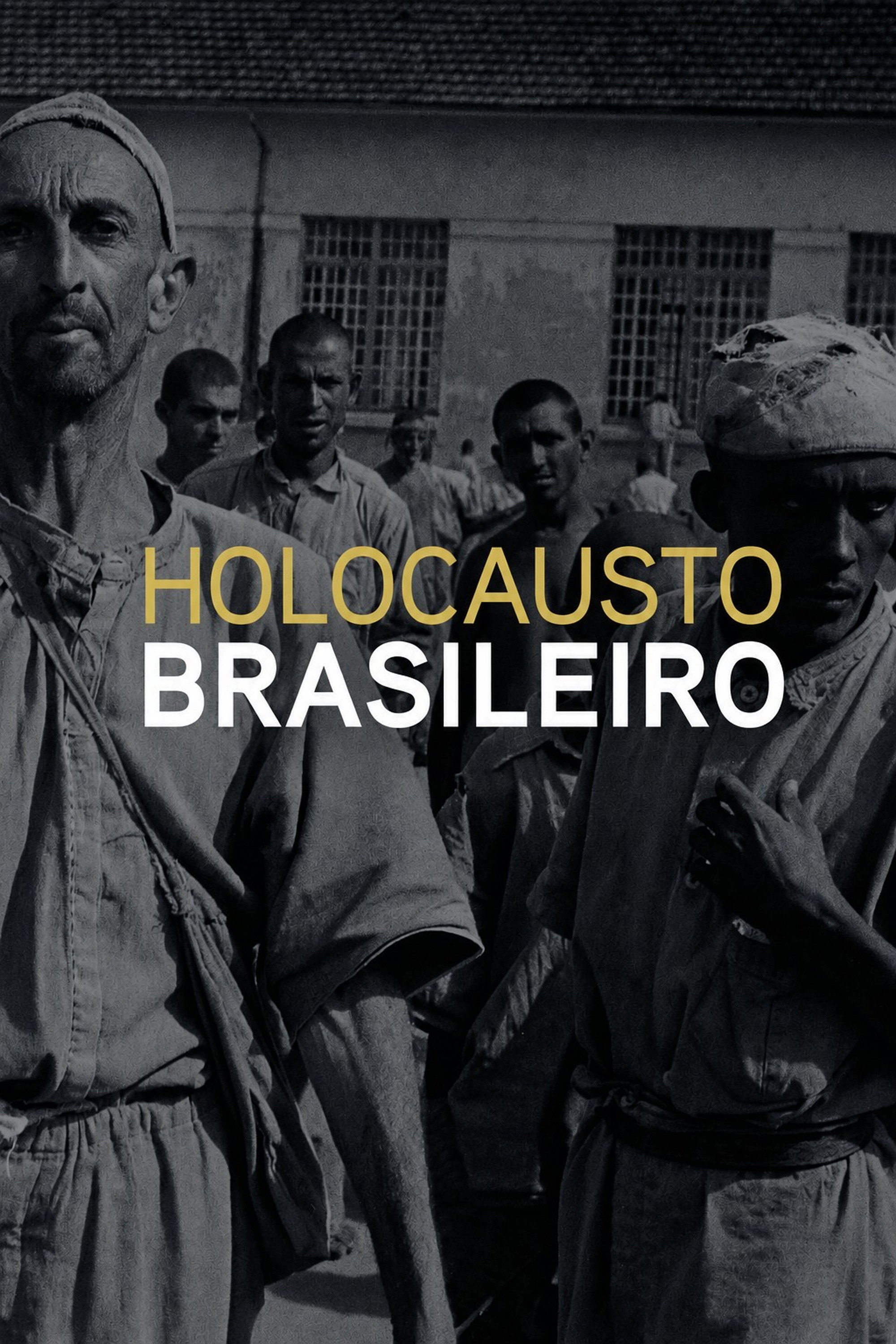
Award-winning journalist Daniela Arbex examines the horrors of the Colônia psychiatric hospital, where more than 60,000 people were killed over decades.
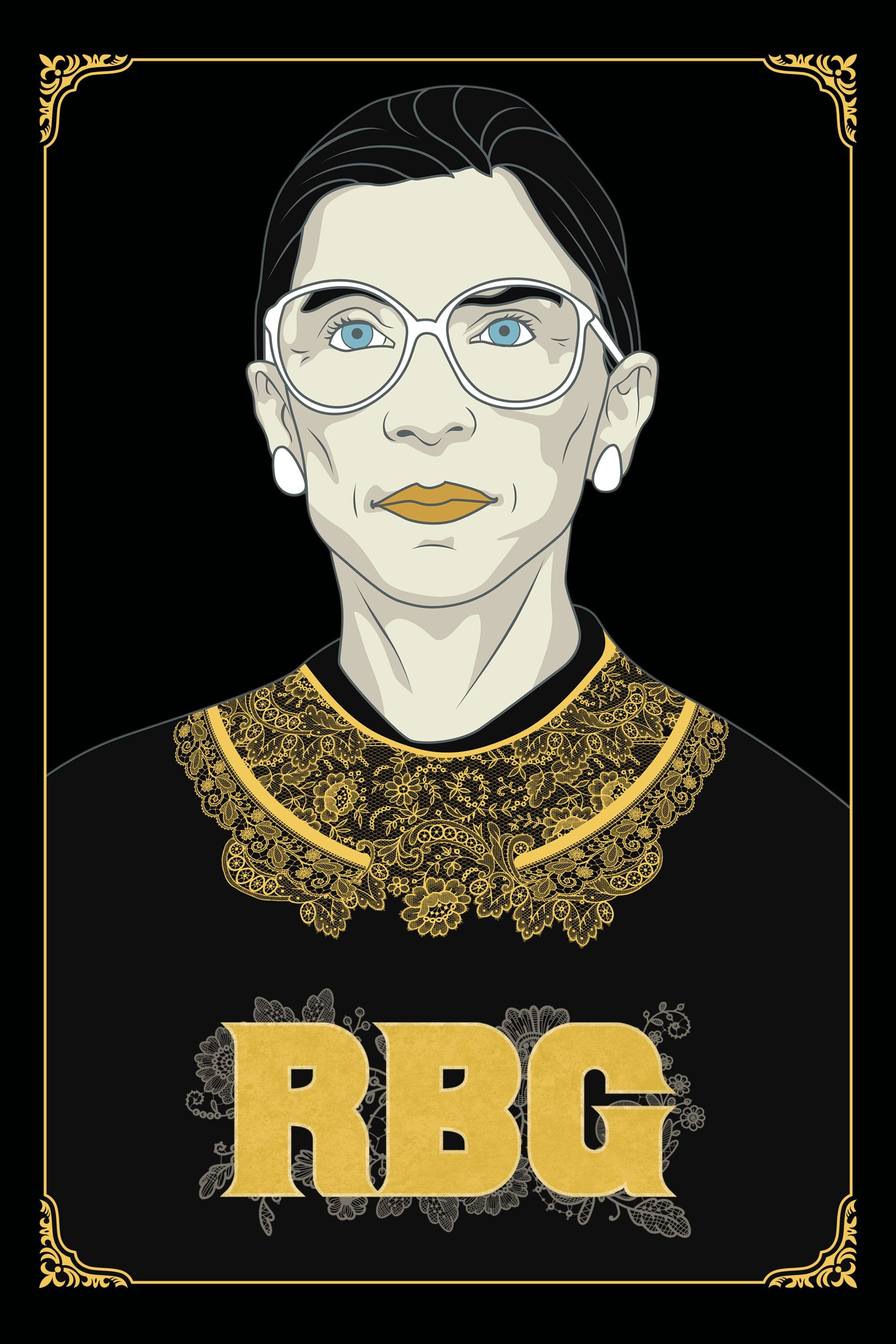
Justice Ruth Bader Ginsburg now 84, and still inspired by the lawyers who defended free speech during the Red Scare, Ginsburg refuses to relinquish her passionate duty, steadily fighting for equal rights for all citizens under the law. Through intimate interviews and unprecedented access to Ginsburg’s life outside the court, RBG tells the electric story of Ginsburg’s consuming love affairs with both the Constitution and her beloved husband Marty—and of a life’s work that led her to become an icon of justice in the highest court in the land.
Alexander McQueen's rags-to-riches story is a modern-day fairy tale, laced with the gothic. Mirroring the savage beauty, boldness and vivacity of his design, this documentary is an intimate revelation of McQueen's own world, both tortured and inspired, which celebrates a radical and mesmerizing genius of profound influence.
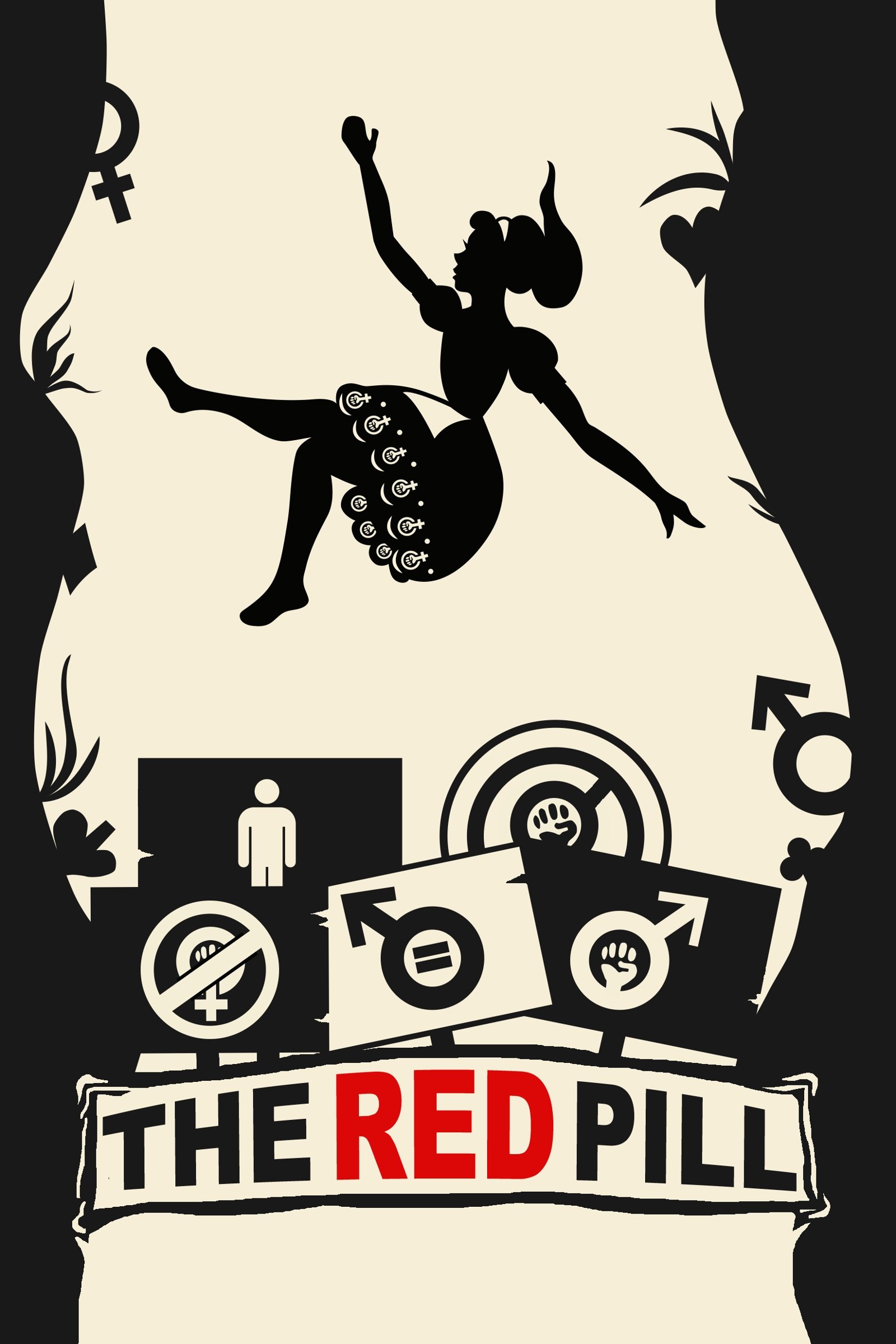
When a feminist filmmaker sets out to document the mysterious and polarizing world of the Men’s Rights Movement, she begins to question her own beliefs. Chronicling Cassie Jaye’s journey exploring an alternate perspective on gender equality, power and privilege.
The life of internationally renowned artist and activist Nan Goldin is told through her slideshows, intimate interviews, ground-breaking photography, and rare footage of her personal fight to hold the Sackler family accountable for the overdose crisis.
14-year-old Laura Dekker sets out on a two-year voyage in pursuit of her dream to become the youngest person ever to sail around the world alone.
An interview with film director Roman Polanski conducted during his period of house arrest, discussing his life and work.
An unprecedented and intimate look at the life, work and enduring legacy of British actress Audrey Hepburn (1929-1993).
Director Michael Apted revisits the same group of British-born adults after a 7 year wait. The subjects are interviewed as to the changes that have occurred in their lives during the last seven years.
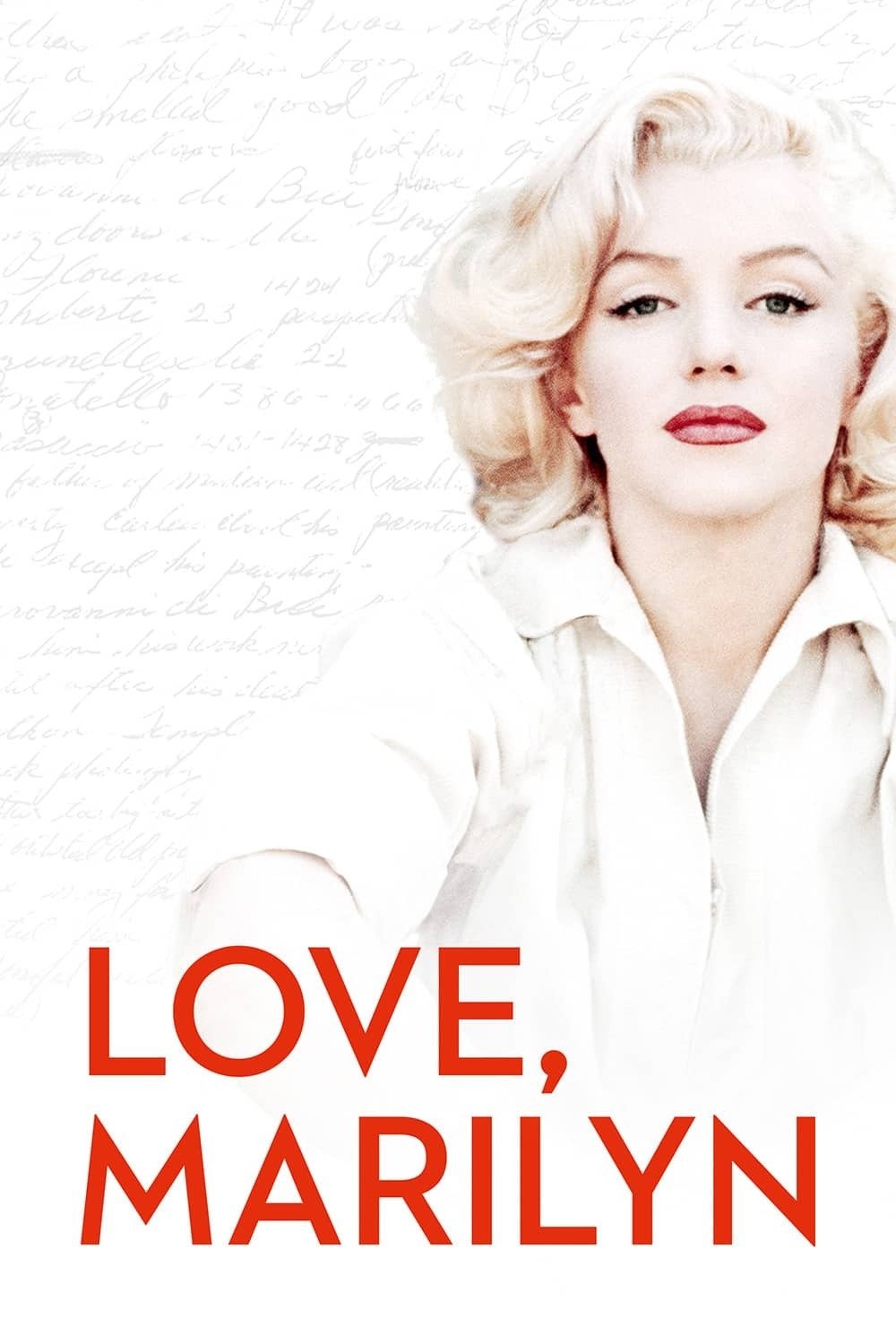
Using the book 'Fragments', which collects Marilyn Monroe's poems, notes and letters, and with participation from the Arthur Miller and Truman Capote estates who have contributed more material, each of the actresses will embody the legend at various stages in her life.
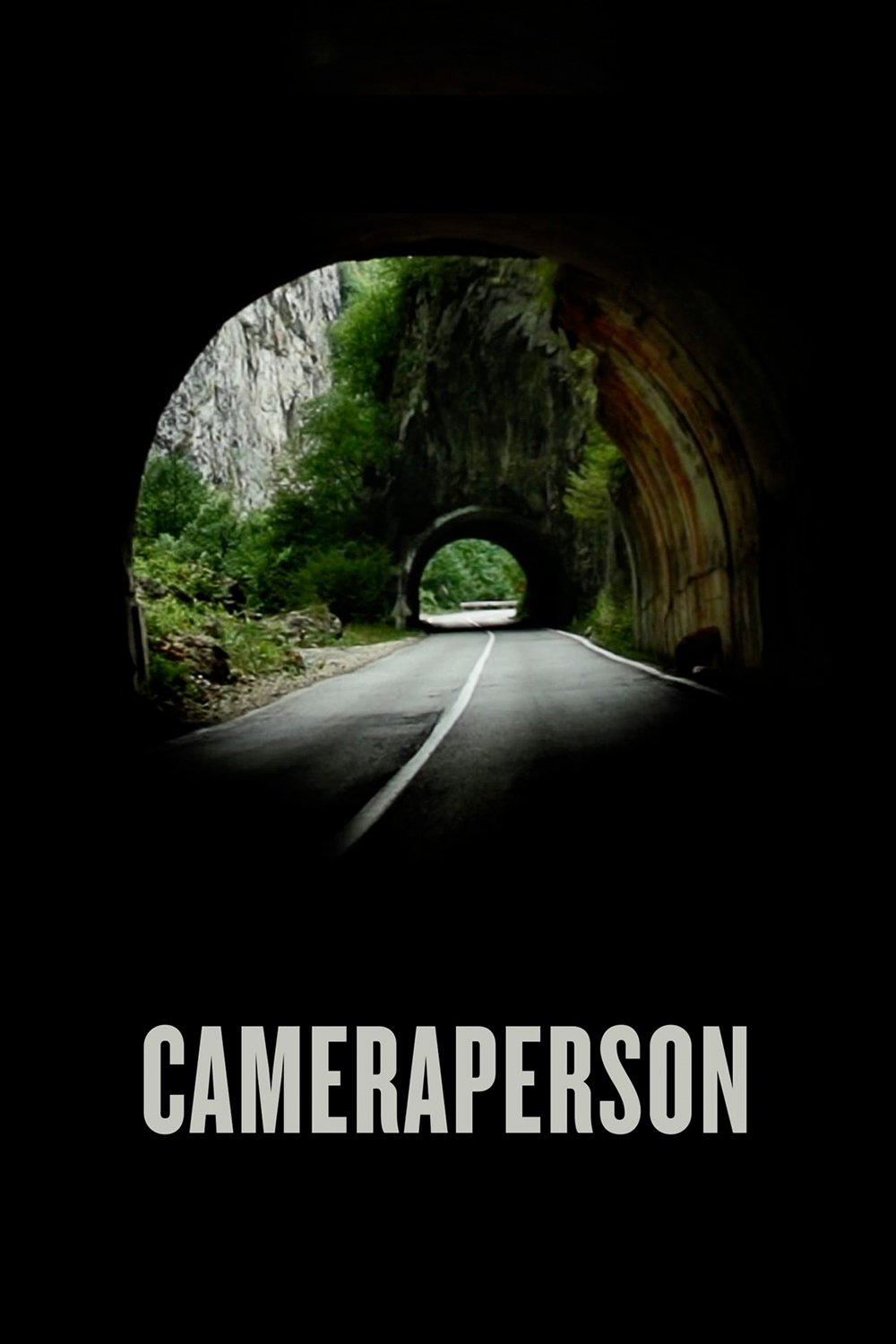
As a visually radical memoir, CAMERAPERSON draws on the remarkable footage that filmmaker Kirsten Johnson has shot and reframes it in ways that illuminate moments and situations that have personally affected her. What emerges is an elegant meditation on the relationship between truth and the camera frame, as Johnson transforms scenes that have been presented on Festival screens as one kind of truth into another kind of story—one about personal journey, craft, and direct human connection.
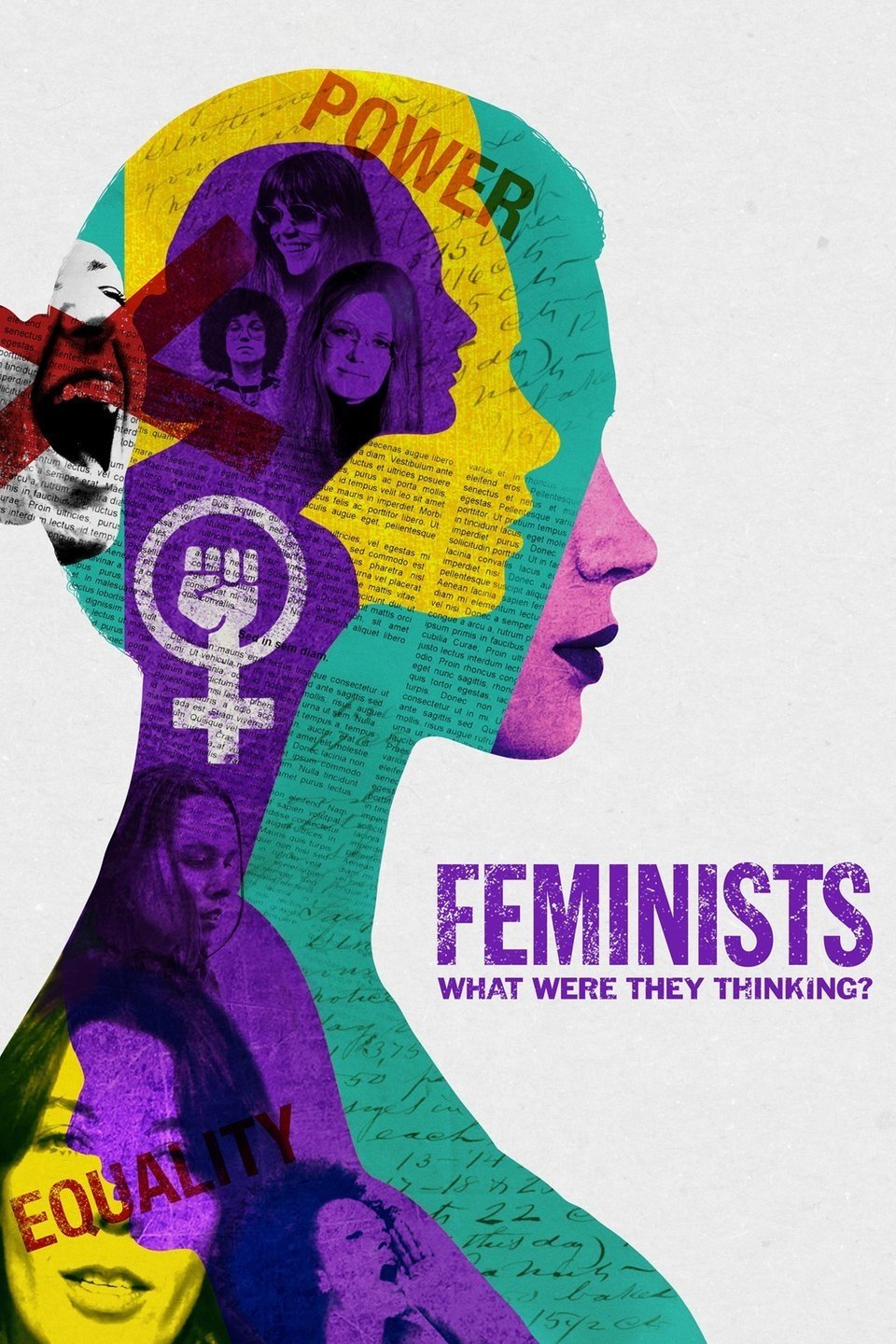
In 1977, a book of photographs captured an awakening - women shedding the cultural restrictions of their childhoods and embracing their full humanity. This documentary revisits those photos, those women and those times and takes aim at our culture today that alarmingly shows the need for continued change.
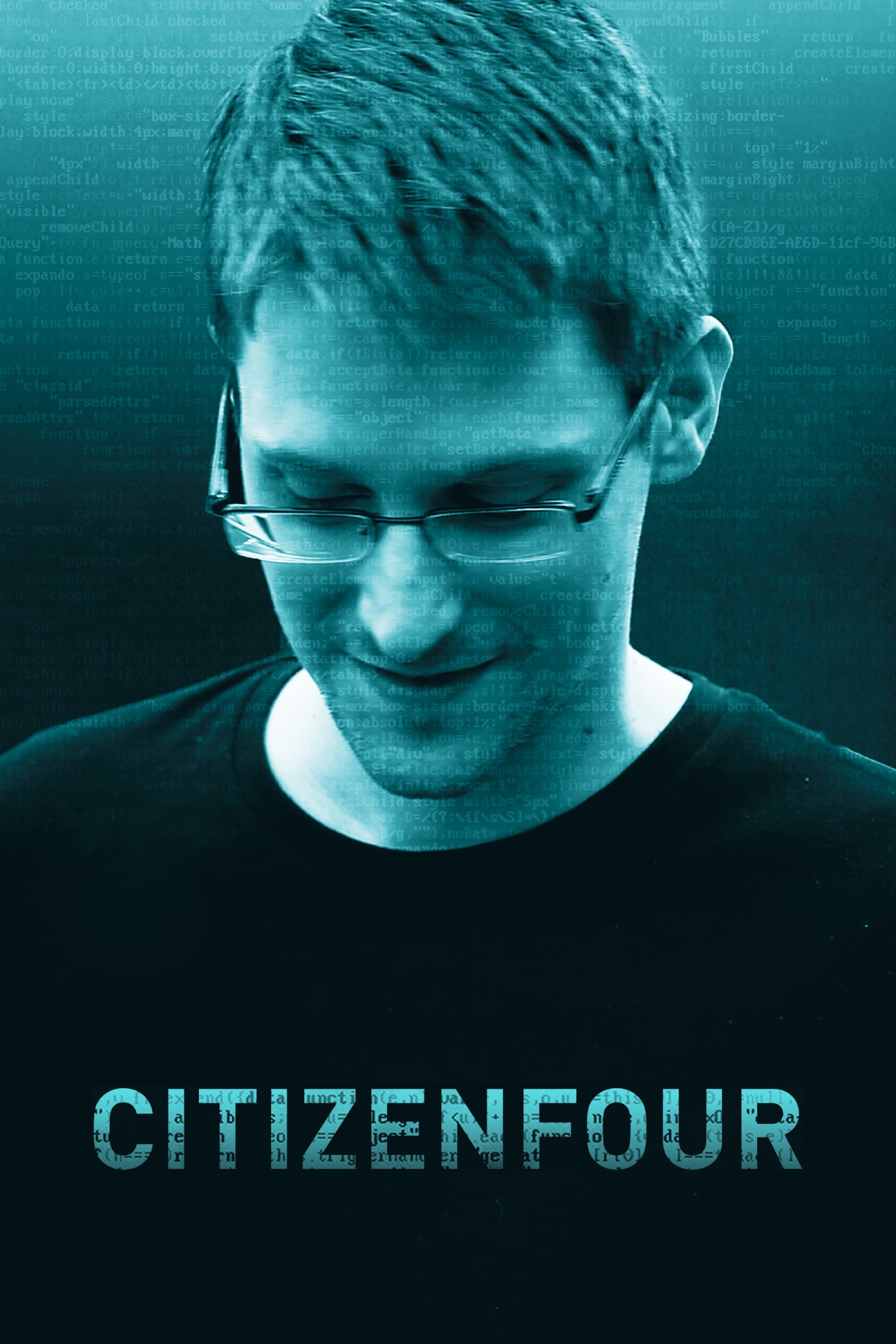
In June 2013, Laura Poitras and reporter Glenn Greenwald flew to Hong Kong for the first of many meetings with Edward Snowden. She brought her camera with her.