Social & External
The people behind it
The personal stories lived by the Uncle, the Father and the Son, respectively, form a tragic experience that is drawn along a line in time. This line is comparable to a crease in the pages of the family album, but also to a crack in the walls of the paternal house. It resembles the open wound created when drilling into a mountain, but also a scar in the collective imaginary of a society, where the idea of salvation finds its tragic destiny in the political struggle. What is at the end of that line? Will old war songs be enough to circumvent that destiny?
In this debut narrative short film, colonial relationships and land politics are discussed. An investigative piece that peers through ideals of retribution and questions the dynamics of the colonized person and the colonized.
What happens when man's reason is used as a weapon to slice through the accumulated detritus of ignorant and benighted ages and into the glorious new world of Enlightenment? The old is cleared away and the space is created for the new, but at what cost? Does reason itself have sufficient capacity to create a comprehensive world for man to exist as man, or does he become something else?
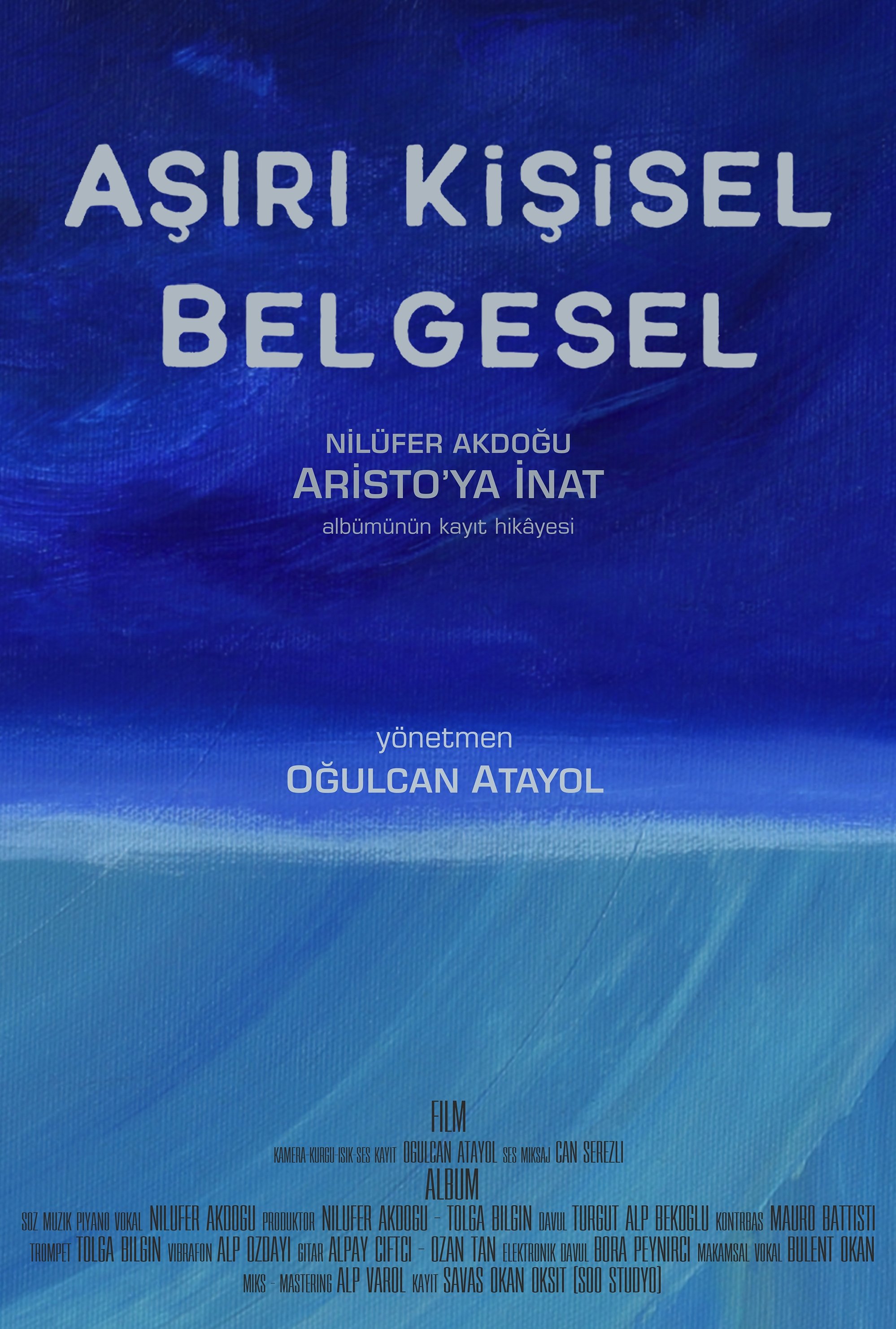
The recording process of musician Nilufer Akdogu's Turkish jazz album Aristo'ya Inat (Against Aristotle). The film presents the musical searches during the creation of an album with all its fragility. At the same time, it is a record of special sharings which elements from world jazz history are discussed with experiences, and the joy is never lost despite the setbacks.
A quiet village scene of pleasing restfulness, permitting us to see how the Swiss villagers maintain their reputation as regular Churchgoers. The old street and church are the only remains of the former village of Meiringen, which was destroyed by fire ten years ago.
This is a 25-minutes piece about the DPRK (North Korea), a country Vltchek visited and fell in love with. Vltchek goes against the hegemonic western propaganda that is perpetuated towards DPRK and their people, showing the beauty that resides in the country.
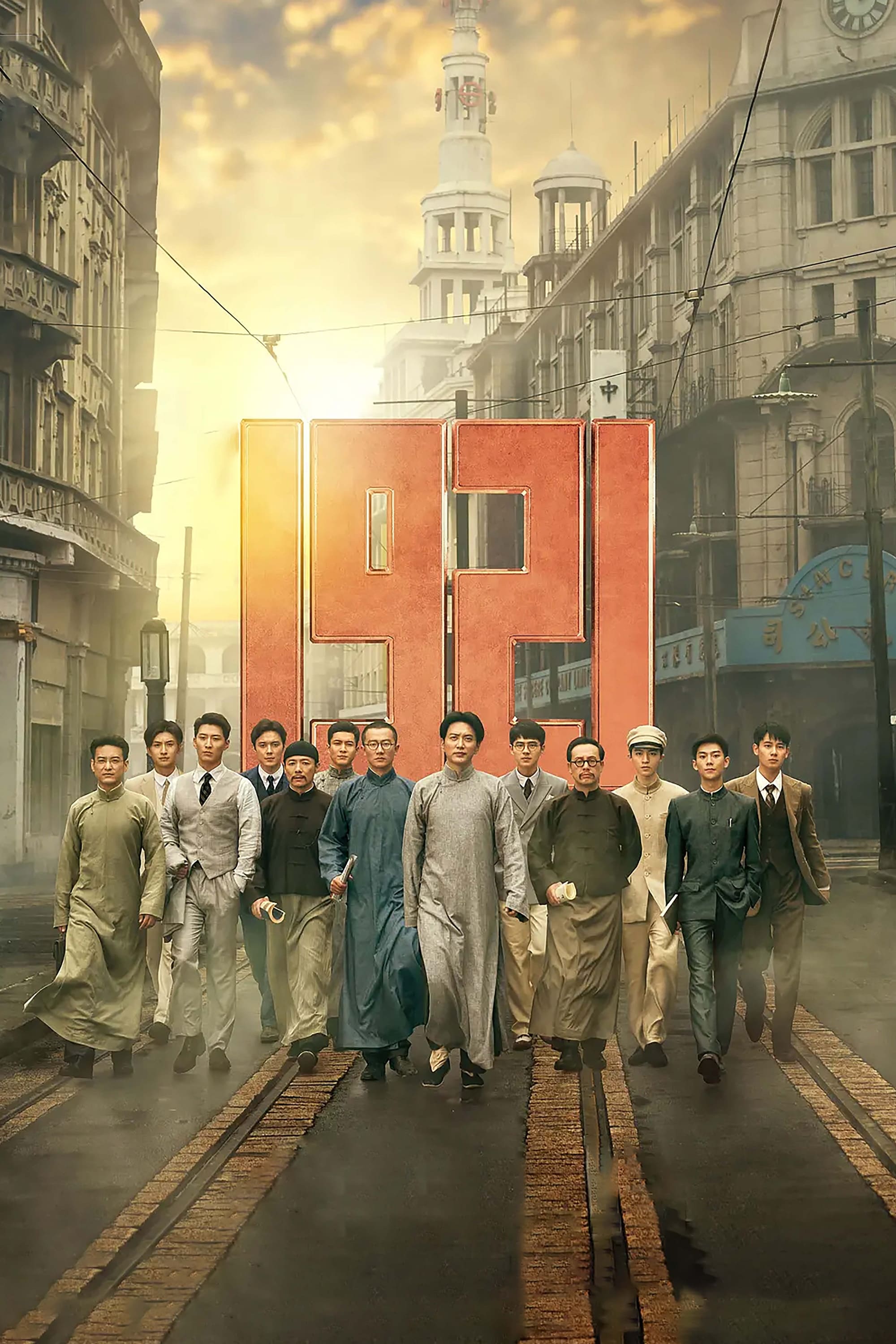
Tells the story of a Communist Party's early history during the turbulent era, examining the remarkable Chinese revolutionary leaders' zeal and contrition for the ascension of the Chinese people.
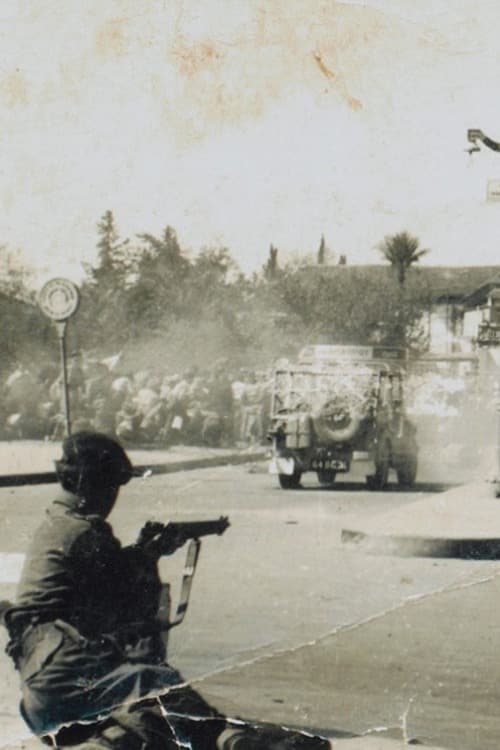
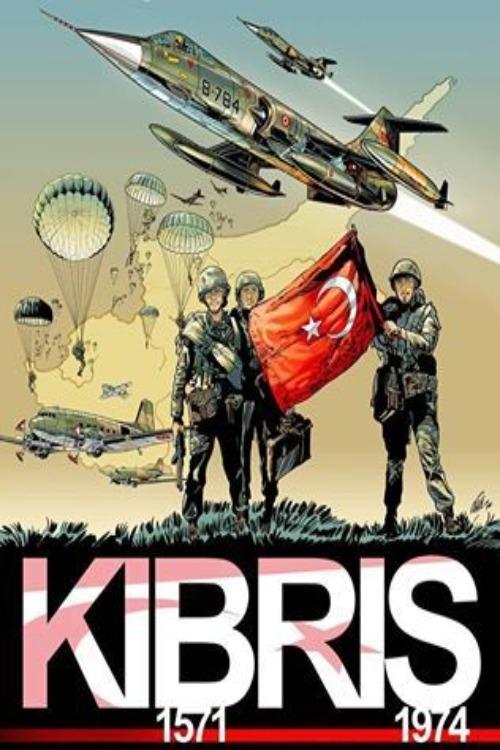
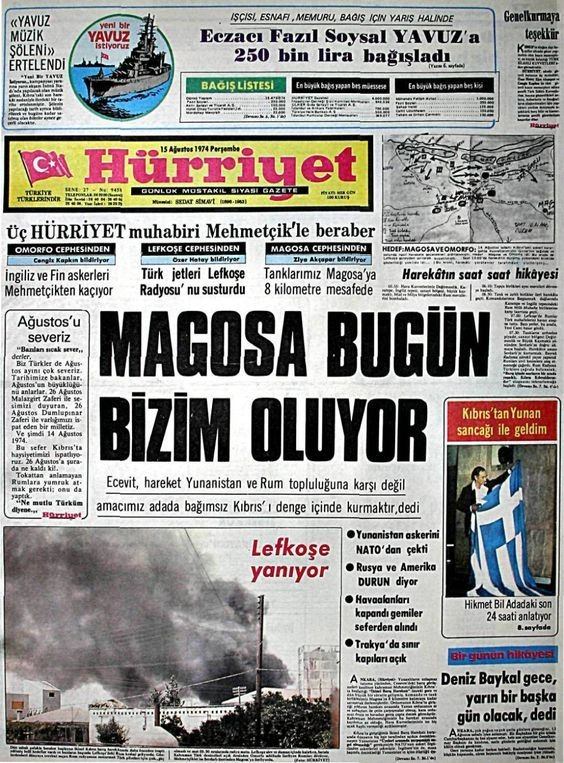
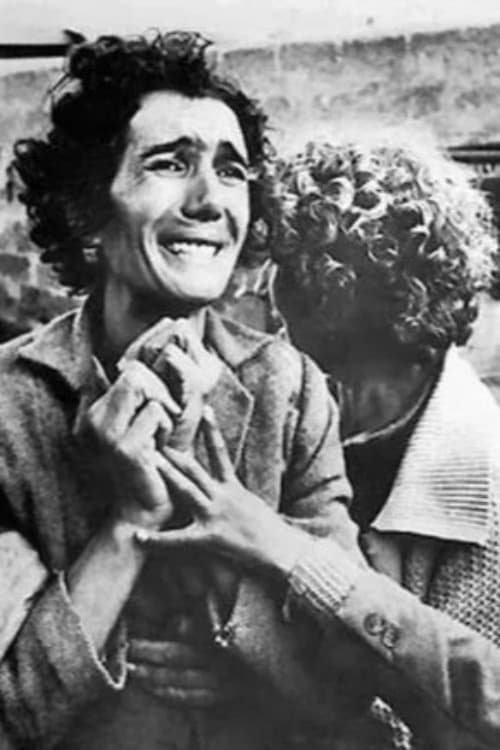
32.Day, a news classic by Mehmet Ali Birand, is with you this time with the documentary 50 Years of Cyprus!
This theatrical production tells the story of a family living through the reigns of four kings, starting from the end of King Chulalongkorn's reign in 1910 to the death of King Ananda Mahidol in 1946. The main character, "Ploy," is a woman from an old noble family who lived within the palace walls and was close to the royal court. After the Siamese revolution of 1932, she marries "Prem" and leaves the palace. Ploy's traditional values are challenged, leading to political conflicts among her three sons. The government later enacts laws to westernize lifestyles. During the war, their home is bombed, forcing them to move back to their ancestral home. Ploy falls gravely ill upon learning of her son's death and eventually passes away with the end of King Rama VIII's reign. This novel is considered influential in creating a positive image of the monarchy.
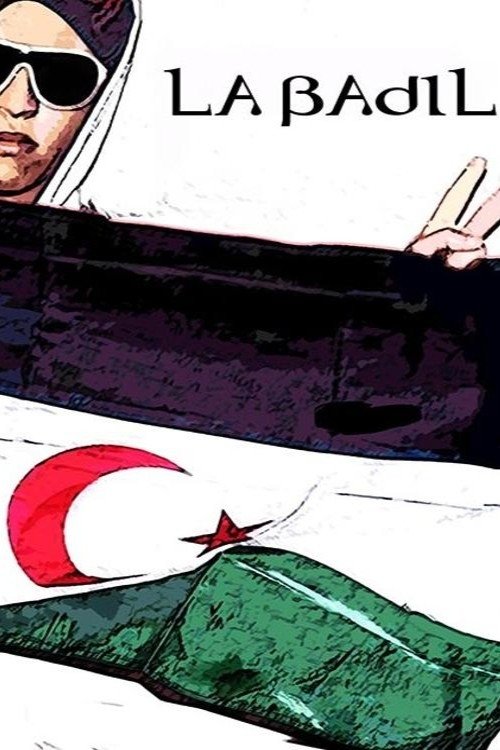
La Badil (No Other Choice), was filmed undercover in the Moroccan controlled territories of Western Sahara, on the eve of the second anniversary of the 2010 uprisings at Gdeim Izik that heralded the start of the Arab Spring. It sheds new light on the decades long conflict and the Sahrawi people's struggle for self-determination.
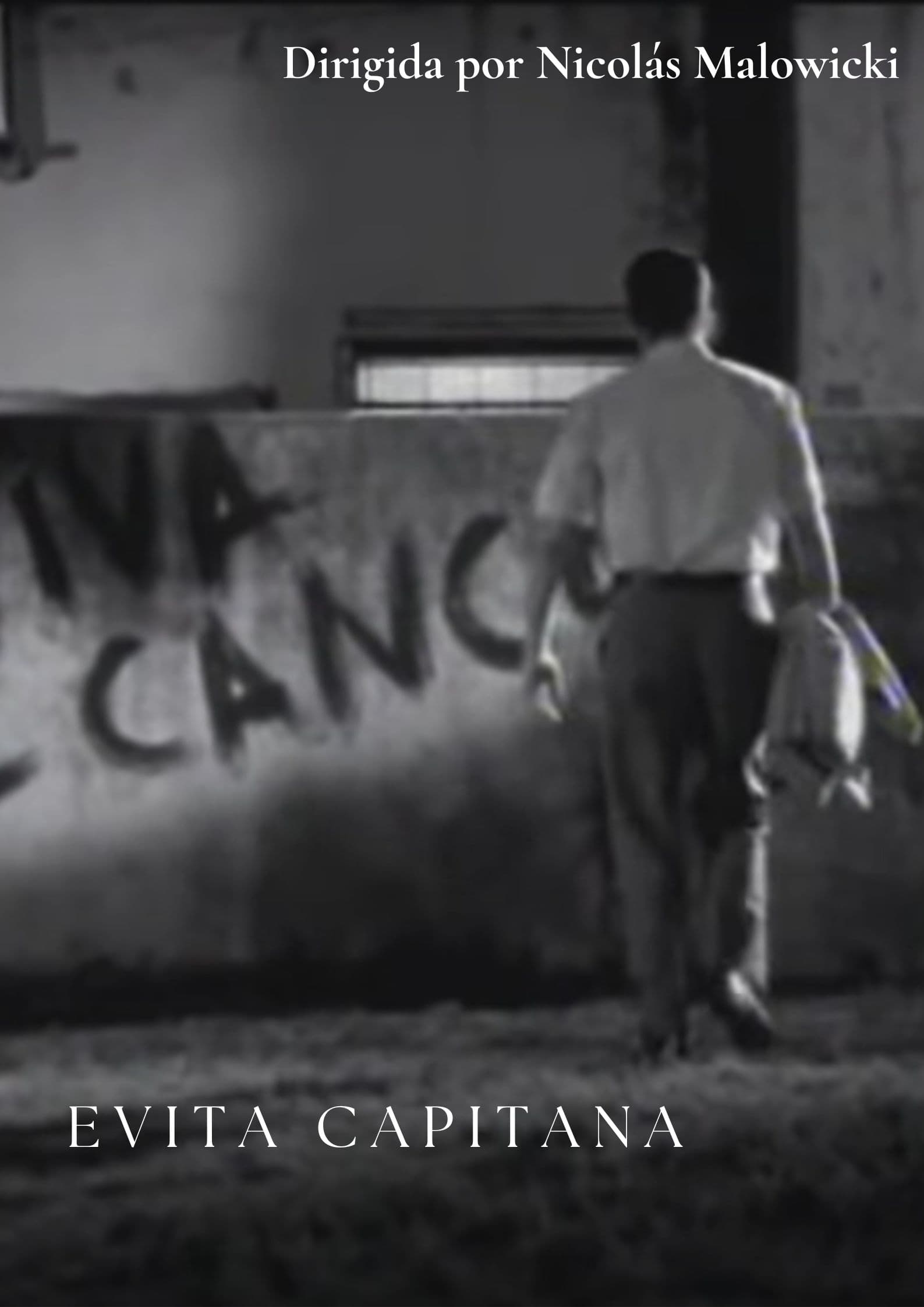
A mix of fiction and documentary, "Evita Capitana" takes place in the final of the 1951 Argentina's soccer championship, where Banfield faced the then imposing Racing Club. An important political figure sides with Banfield, representing the humble and needed, but power thinks otherwise.
This film will tell the story of a tour of France undertaken by two children of "controlled origin"—as Mouss and Hakim wryly put it. For us, the reference to the century-old schoolbook Le Tour de la France par deux enfants by Augustine Fouillée is far more than a mere nod; published in the wake of the Franco-Prussian War of 1870, this reader was a fiercely patriotic manual designed to shape the education and morals of young French children. Written under the pseudonym "G. Bruno," the book recounted the journey of two children, André and Julien Volden, who—following the Prussian annexation of Alsace-Lorraine and the death of their father—set out to find their uncle across France’s beautiful provinces. The book was steeped in nationalism and a martial spirit, instilling the values of the Third Republic—equality and citizenship—with a heavy hand, ensuring that no one dared to stand out from the crowd.
1909, cinematography by Frank Ormiston-Smith.
Amid the failing counteroffensive, a journalist follows a Ukrainian platoon on their mission to traverse one mile of heavily fortified forest and liberate a strategic village from Russian occupation. But the farther they advance through their destroyed homeland, the more they realize that this war may never end.
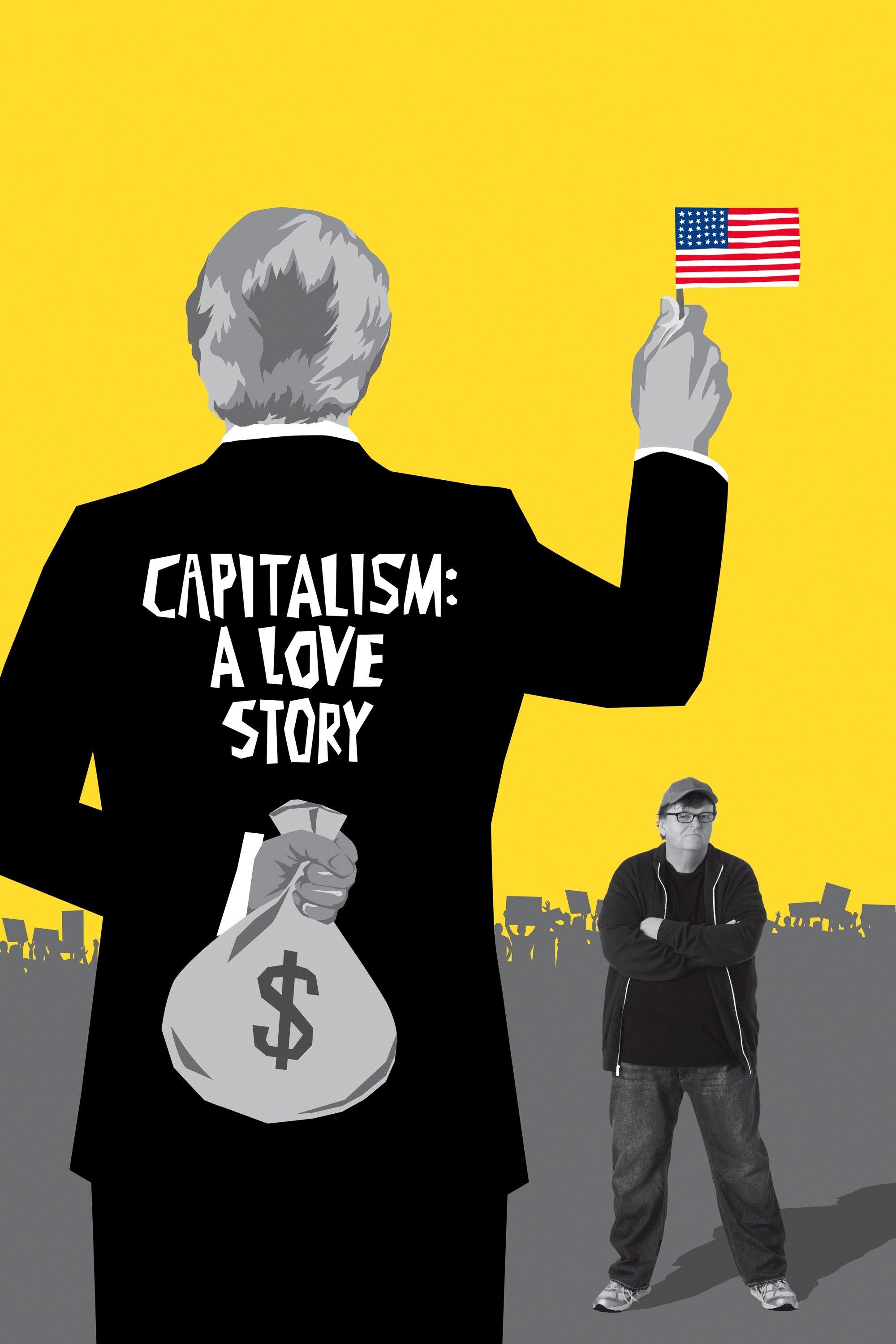
Michael Moore comes home to the issue he's been examining throughout his career: the disastrous impact of corporate dominance on the everyday lives of Americans (and by default, the rest of the world).
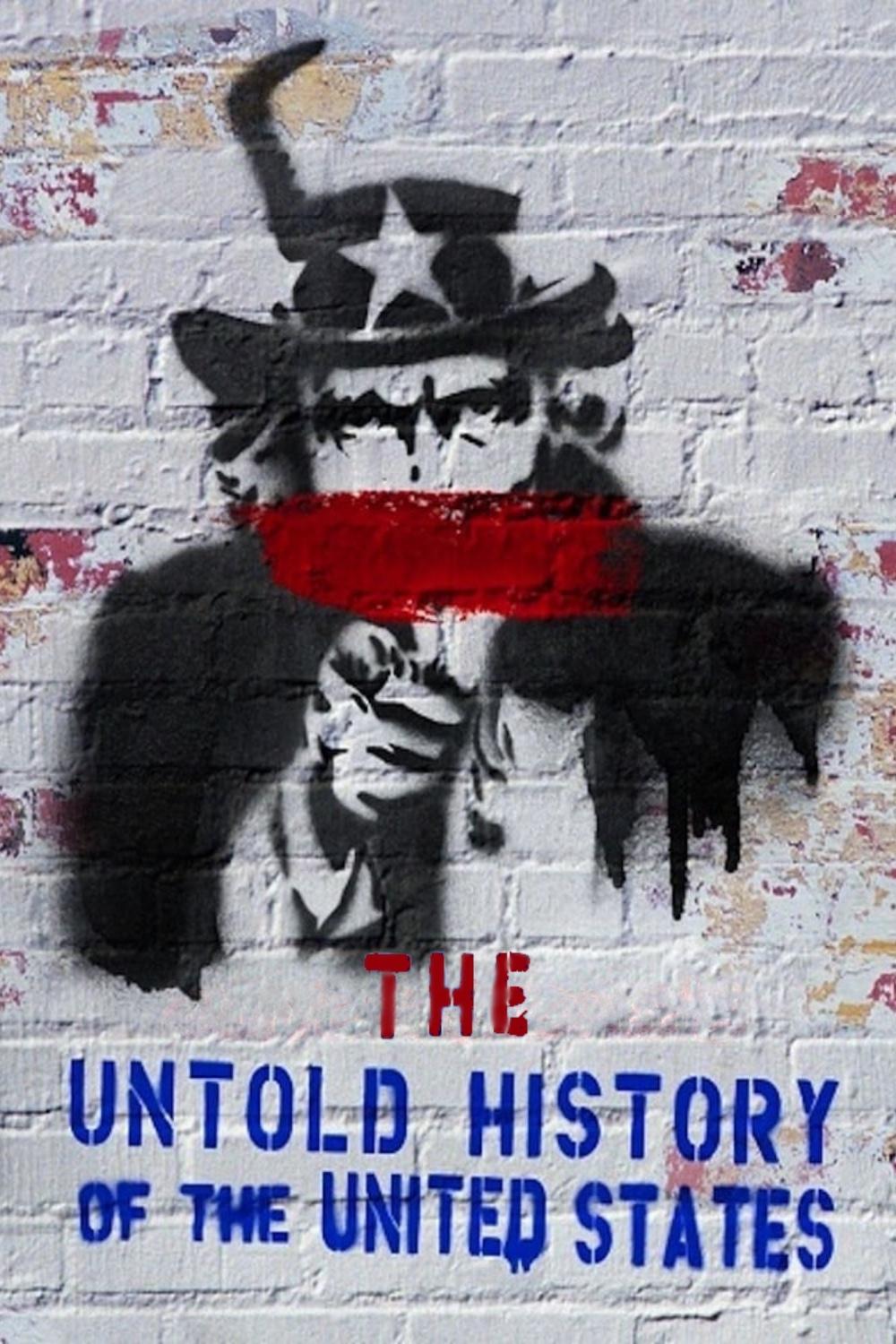
Oliver Stone charts the history of the United States from the Second World War to the present.
Director Peter Joseph examines examples of economic subjugation and offers solutions based on alignment with nature.
Prelude to War was the first film of Frank Capra's Why We Fight propaganda film series, commissioned by the Pentagon and George C. Marshall. It was made to convince American troops of the necessity of combating the Axis Powers during World War II. This film examines the differences between democratic and fascist states.
The history of cinematic sound, told by legendary sound designers and visionary filmmakers.
Experience the events of September 11, 2001 through the eyes of President Bush and his closest advisors as they personally detail the crucial hours and key decisions from that historic day.
A documentary about the legendary series of nationally televised debates in 1968 between two great public intellectuals, the liberal Gore Vidal and the conservative William F. Buckley Jr. Intended as commentary on the issues of their day, these vitriolic and explosive encounters came to define the modern era of public discourse in the media, marking the big bang moment of our contemporary media landscape when spectacle trumped content and argument replaced substance. Best of Enemies delves into the entangled biographies of these two great thinkers, and luxuriates in the language and the theater of their debates, begging the question, "What has television done to the way we discuss politics in our democracy today?"
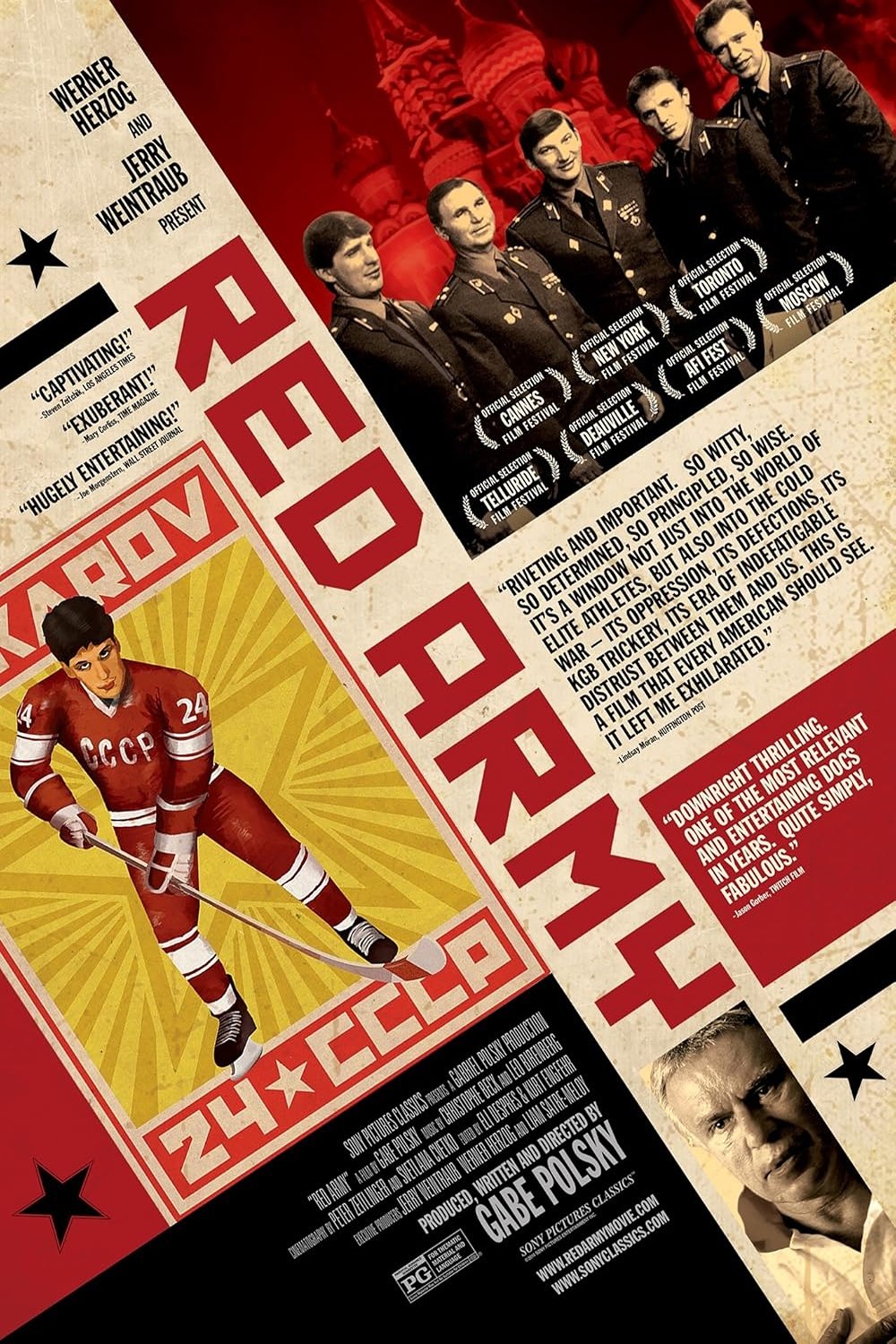
A documentary highlighting the Soviet Union's legendary and enigmatic hockey training culture and world-dominating team through the eyes of the team's Captain Slava Fetisov, following his shift from hockey star and celebrated national hero to political enemy.
Director Claude Lanzmann spent 11 years on this sprawling documentary about the Holocaust, conducting his own interviews and refusing to use a single frame of archival footage. Dividing Holocaust witnesses into three categories – survivors, bystanders, and perpetrators – Lanzmann presents testimonies from survivors of the Chelmno concentration camp, an Auschwitz escapee, and witnesses of the Warsaw Ghetto Uprising, as well as a chilling report of gas chambers from an SS officer at Treblinka.
Five broken cameras – and each one has a powerful tale to tell. Embedded in the bullet-ridden remains of digital technology is the story of Emad Burnat, a farmer from the Palestinian village of Bil’in, which famously chose nonviolent resistance when the Israeli army encroached upon its land to make room for Jewish colonists. Emad buys his first camera in 2005 to document the birth of his fourth son, Gibreel. Over the course of the film, he becomes the peaceful archivist of an escalating struggle as olive trees are bulldozed, lives are lost, and a wall is built to segregate burgeoning Israeli settlements.
For the 20th anniversary of "Titanic," James Cameron reopens the file on the disaster.
WWII from Space delivers World War II in a way you've never experienced it before. This HISTORY special uses an all-seeing CGI eye that offers a satellite view of the conflict, allowing you to experience it in a way that puts key events and tipping points in a global perspective. By re-creating groundbreaking moments that could never have been captured on camera, and by illustrating the importance of simultaneity and the hidden effects of crucial incidents, HISTORY presents the war's monumental moments in a never-before-seen context. And with new information brought to the forefront, you'll better understand how a nation ranked 19th in the world's militaries in 1939 emerged six years later as the planet's only atomic superpower.
A disturbing collection of 1940s and 1950s United States government-issued propaganda films designed to reassure Americans that the atomic bomb was not a threat to their safety.
Meet the real-life airmen who inspired Masters of the Air as they share the harrowing and transformative events of the 100th Bomb Group.
A documentary examining possible historical and modern conspiracies surrounding Christianity, the 9/11 terrorist attacks, and the Federal Reserve bank.
Over a period of two years, Mark Cowen and his crew travelled to thirty U.S. states and ten European cities, to interview the veterans of Easy Company. The stories told by the veterans themselves, create a history of the Second World War from the point of view of this heroic company of men, made famous in the mini-series Band of Brothers.
A behind-the-scenes documentary about the Clinton for President campaign, focusing on the adventures of spin doctors James Carville and George Stephanopoulos.
A collection of restored prints from the Lumière Brothers.
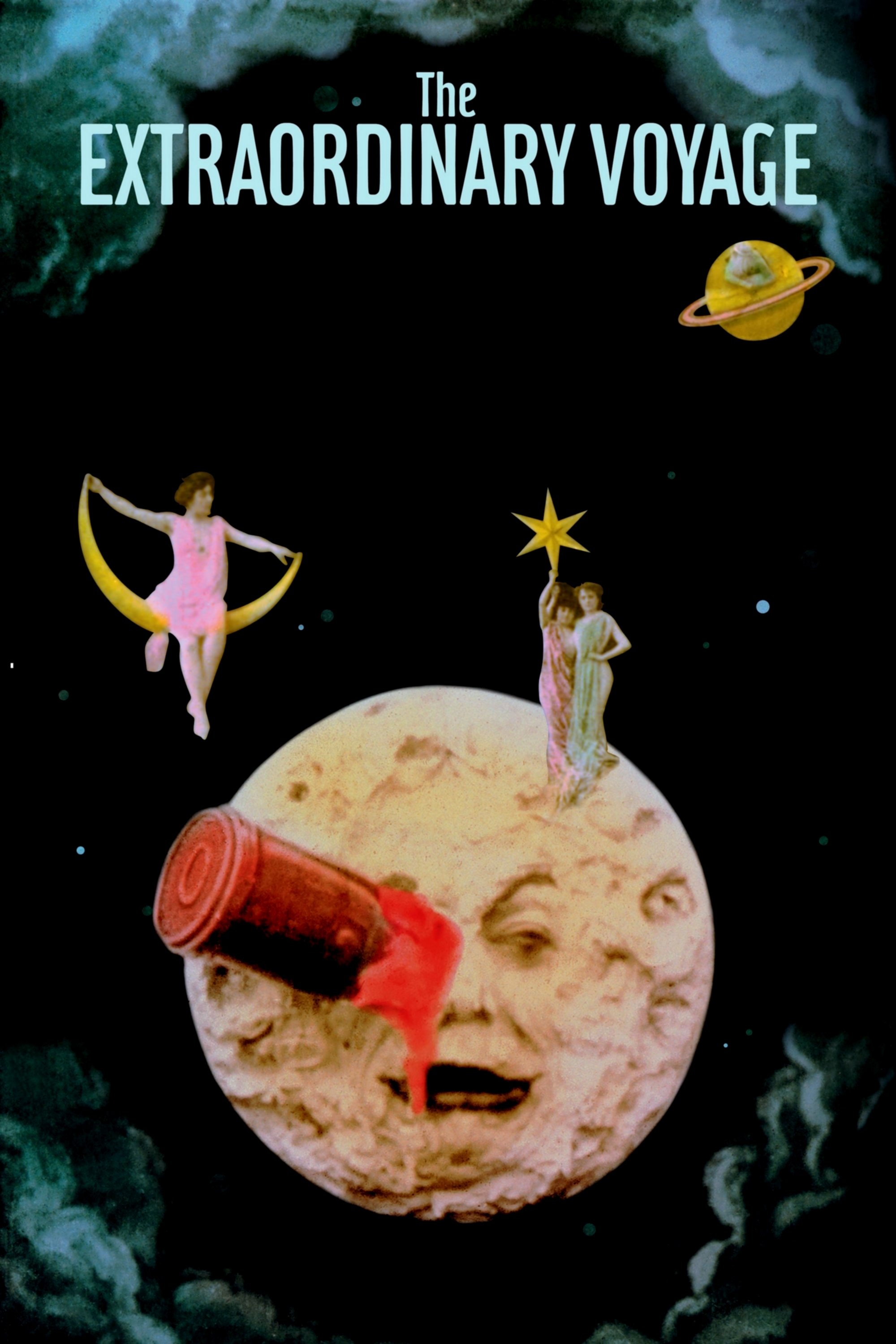
An account of the extraordinary life of film pioneer Georges Méliès (1861-1938) and the amazing story of the copy in color of his masterpiece A Trip to the Moon (1902), unexpectedly found in Spain and restored thanks to the heroic efforts of a group of true cinema lovers.