An instructional film released by the UK Warning and Monitoring Organization which depicts its operations in the lead-up to and aftermath of a hypothetical nuclear attack on the United Kingdom.
Social & External
The people behind it
John Welsh
Sector Controller
Tony Thawnton
Chief Meteorological Officer
Edward Underdown
Duty Controller
Valerie Van Ost
Nurse
Michael Smee
Post Chief Observer
Larry Martyn
Post Observer
Guy Standeven
Ian Patterson
Doctor
Richard Butler
ROC Sector Officer
John Graham
Chief Scientist
This short shows how the city of Reading, Pennsylvania would implement civil defense procedures to help residents survive a nuclear attack. Through a network of volunteers, makeshift hospitals would be set up, auxiliary police officers would maintain order, and other elements of the civil defense program would be put in place.
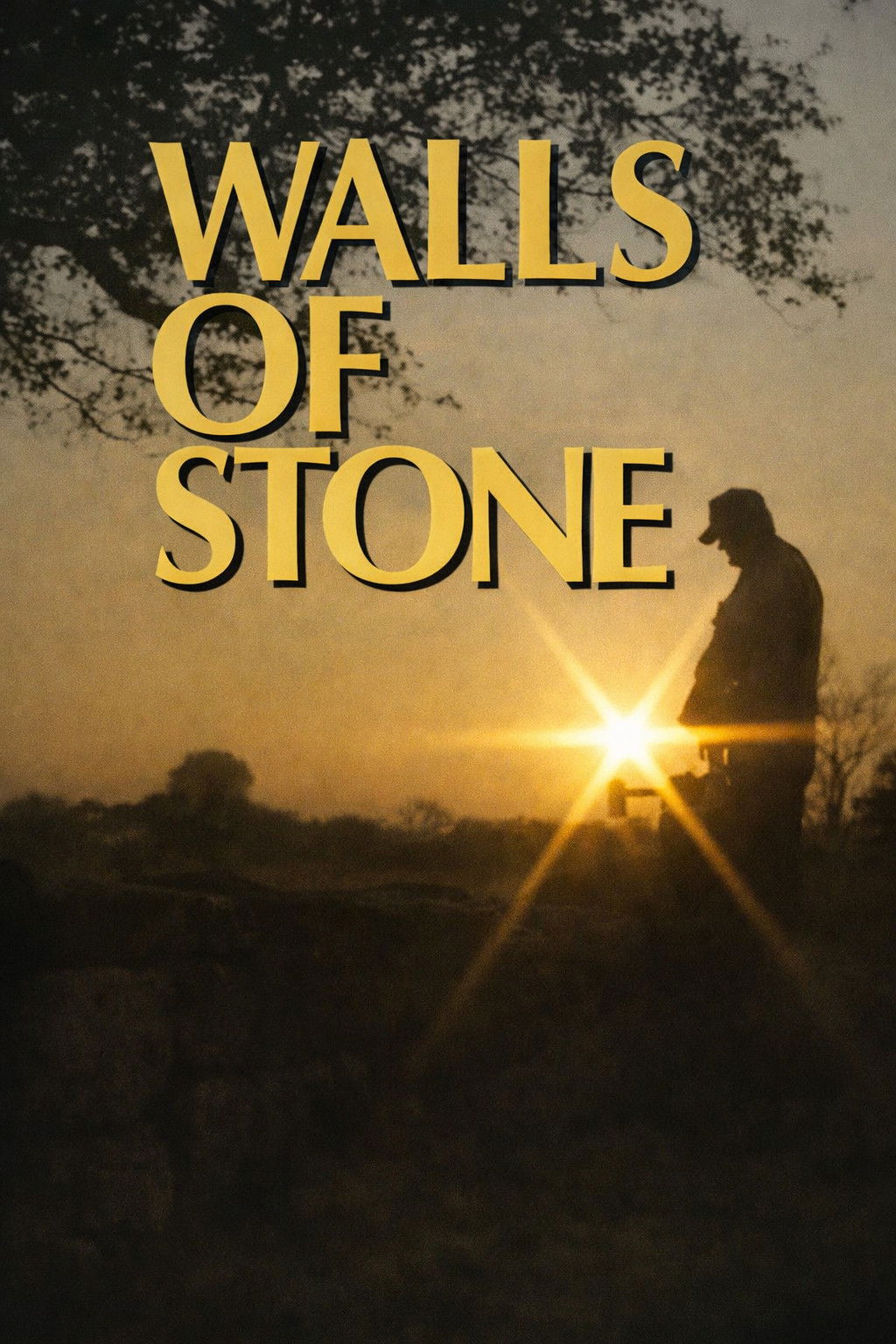
This project by the National Center for Preservation Technology and Training (NCPTT) produced a video for training technicians in correct methods for preserving stone walls and rock fences. The video is a primary training resource, providing graphic instruction on how to repair, rebuild and relocate stone walls and rock fences. In addition to providing training to practitioners, the video explains fence and wall construction to archeologists, engineers, preservationists and conservators.
Nicko McBrain, drummer with Iron Maiden, personally explains some of the techniques which have made him one of heavy metal's premier percussionists.
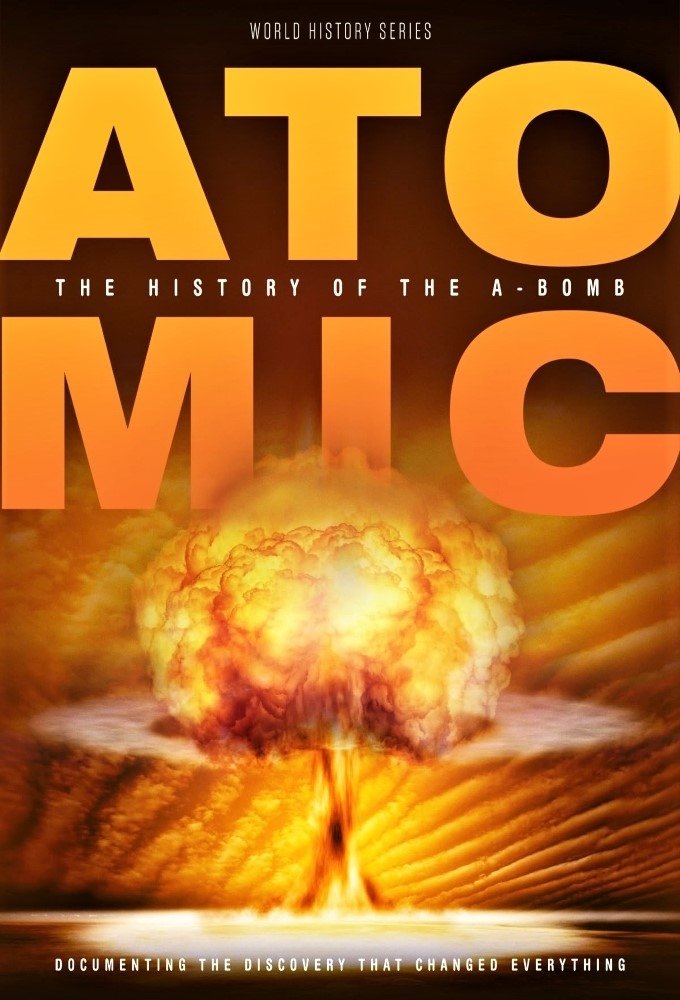
The smallest of sparks can lead to the largest of explosions. Such is the case of the Atomic Bomb and the minds who have conceived of the deadliest force the world has ever known. This new documentary Atomic: The History of the A-Bomb follows this weapon of mass destruction from inception to detonation.
In this Coronet instructional film, we learn how to manage and self regulate our emotions when it comes to dealing with short comings and disappointments.
A film demonstrating steps to take in the event of a nuclear attack. Animated drawings show the effects of atomic explosions in the air and at ground level. How wide an area is affected by light and heat flash, radiation and radioactive fall-out are clearly illustrated. How to build or improvise a fall-out shelter, what to stock in it, when to take shelter and how long to stay there are similarly explained. Produced by the National Film Board of Canada for Emergency Planning Canada.
Intercuts scenes from Jack London's To build a fire with modern urban and rural winter scenes to point out the dangers of winter storms and low temperatures. Designed to stimulate discussion on civil preparedness for winter storms.
Portrays the challenges of creating a film about nuclear disaster amid public apathy. It captures behind-the-scenes moments as the crew discusses the gravity of nuclear threats, the importance of preparation, and the emotional impact of a nuclear attack. The narrative emphasizes the need for individuals to take responsibility for their safety and community in the event of an attack, blending factual information with a call to action.
A man named Walt who has recently completed building a fallout shelter in his home, a project initiated due to the threat of nuclear war during the Cold War era. Walt demonstrates to his friends the multi-functionality of the shelter, which can also serve as a darkroom, an extra bedroom, or a safe space during tornadoes. He explains the construction process in detail, emphasizing the need for precise measurements, proper leveling, and the use of concrete blocks for radiation protection. The shelter includes a stock of essentials like a radio, batteries, and a fire extinguisher. Walt’s narrative is interspersed with advice on obtaining official bulletins for guidance and the importance of building shelters correctly. The film concludes with a message from the Director of the Office of Civil and Defense Mobilization, advocating for the construction of family fallout shelters across America as a means of personal safety and national security in the nuclear age.
This Cold War film "Information Within Public Shelters" (1953) takes place in a fallout shelter, showing how a well-trained staff that provides information to shelter occupants, can keep them busy and calm during nuclear armageddon. This film was produced as the U.S. Government began to shift from promoting privately-owned "family" fallout shelters to the concept of large, public shelters.
A training film for public shelter managers explaining when people should be allowed to leave the shelter after a disaster.
Created in 1963 at the height of the Cold War, this Civil Defense training film uses a dramatic premise to show how emergency staff should manage and organize a large public fallout shelter during a crisis. A Shelter Manager is shown immediately taking control of the situation in the shelter, speaking calmly to those who have made it into the facility, closing the door promptly once the shelter is full, and sticking to the "shelter plan" as the situation unfolds. Some of the areas discussed in this nuclear war drama are the safety plan, regular inspections, supervised public entry into shelters, ventilation, first aid, sanitation, fire prevention, decontamination of personnel, and more. "Shelter living is different," the Manager states, "But we have a trained staff that will make your stay in this shelter livable for us all."
A heavily dramatized Civil Defense film that demonstrates how a public fallout shelter is supposed to function after a nuclear attack. This scenario takes place in a fictional any town called "Middlebury". The film describes the situation in a public shelter in Middlebury following an attack on the United States.
Training film for shelter managers. Food, water, sanitation, medical, and radiation detection systems are explained.
Found-footage short film about the paths connecting our global lives. Also, a plea against genocide.
A disturbing collection of 1940s and 1950s United States government-issued propaganda films designed to reassure Americans that the atomic bomb was not a threat to their safety.
Edward Peden purchased a former US military launch site in the 1980s, and has been living in it ever since. Meanwhile, Larry Hall is building million-dollar condominiums inside of an underground missile silo.
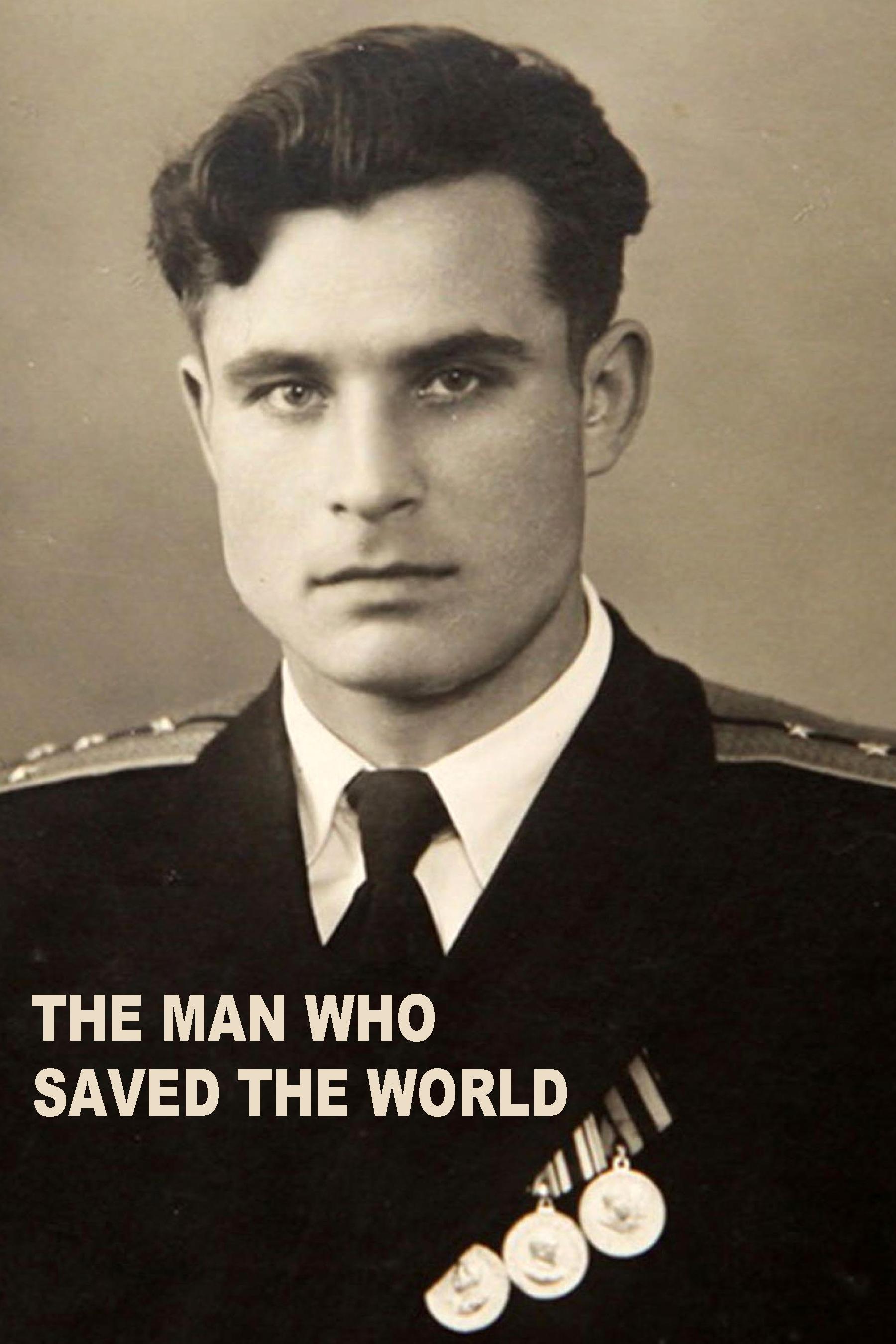
During the Cuban Missile Crisis of 1962, Soviet Navy officer Vasily Arkhipov refused to launch a nuclear strike and saved the world from nuclear war and total destruction.
Film by the National Dairy Council about how to lose weight by adjusting daily caloric intake. Discusses the dangers of being overweight and the importance of maintaining a healthy weight through proper diet. It follows a group of overweight individuals, including students and adults, who participate in a weight reduction program at Michigan State College. The program involves a low-calorie diet plan, regular physical activity, and close monitoring of food intake. The participants are taught how to select nutritious foods, control portion sizes, and make healthier choices to achieve and maintain a healthy weight. The video shows the progress of the participants over a period of several months, highlighting successful weight loss and improved overall health.
This programme recalls the events that led up to one of the most dangerous moments in the entire history of the Cold War: a NATO command post exercise, code named Able Archer 83, which caused the USSR to believe that NATO was planning a genuine nuclear attack.
A love letter from a young mother to her daughter, the film tells the story of Waad al-Kateab’s life through five years of the uprising in Aleppo, Syria as she falls in love, gets married and gives birth to Sama, all while cataclysmic conflict rises around her. Her camera captures incredible stories of loss, laughter and survival as Waad wrestles with an impossible choice– whether or not to flee the city to protect her daughter’s life, when leaving means abandoning the struggle for freedom for which she has already sacrificed so much.
This special explores the return of Obi-Wan Kenobi and Anakin Skywalker to the screen, as well as Ewan McGregor and Hayden Christensen to their classic roles. Director Deborah Chow leads the cast and crew as they create new heroes and villains that live alongside new incarnations of beloved Star Wars characters, and an epic story that dramatically bridges the saga films.
Witness the never-before-seen footage and true story behind the John Wick phenomenon – from independent film to billion-dollar franchise.
Interviews with leading authors, philosophers and scientists, with an in-depth discussion of the Law of Attraction. The audience is shown how they can learn and use 'The Secret' in their everyday lives.
A subjective documentary that explores various theories about hidden meanings in Stanley Kubrick's classic film The Shining. Five very different points of view are illuminated through voice over, film clips, animation and dramatic reenactments.
An on-the-scene documentary following the events of September 11, 2001 from an insider's view, through the lens of two French filmmakers who simply set out to make a movie about a rookie NYC fireman and ended up filming the tragic event that changed our lives forever.
Stars of "The Walking Dead," Andrew Lincoln and Danai Gurira, walk down memory lane and visit iconic locations where pivotal moments between their characters, Rick and Michonne, were filmed.
Over 35 years after Bob Lazar's revelations, this documentary exposes secrets of a facility the government still denies. Featuring Lazar's testimony, recreations, and new evidence, it reopens a case that continues to spark global curiosity
A documentary on Al Gore's campaign to make the issue of global warming a recognized problem worldwide.
A look behind the lens of Christopher Nolan's space epic.
One-man armies, meet-cutes, casual strolls away from huge explosions — stars and industry insiders toast and roast these cinematic chestnuts and more.
The story lives forever in this feature-length documentary that charts the making of Star Wars: The Rise of Skywalker.
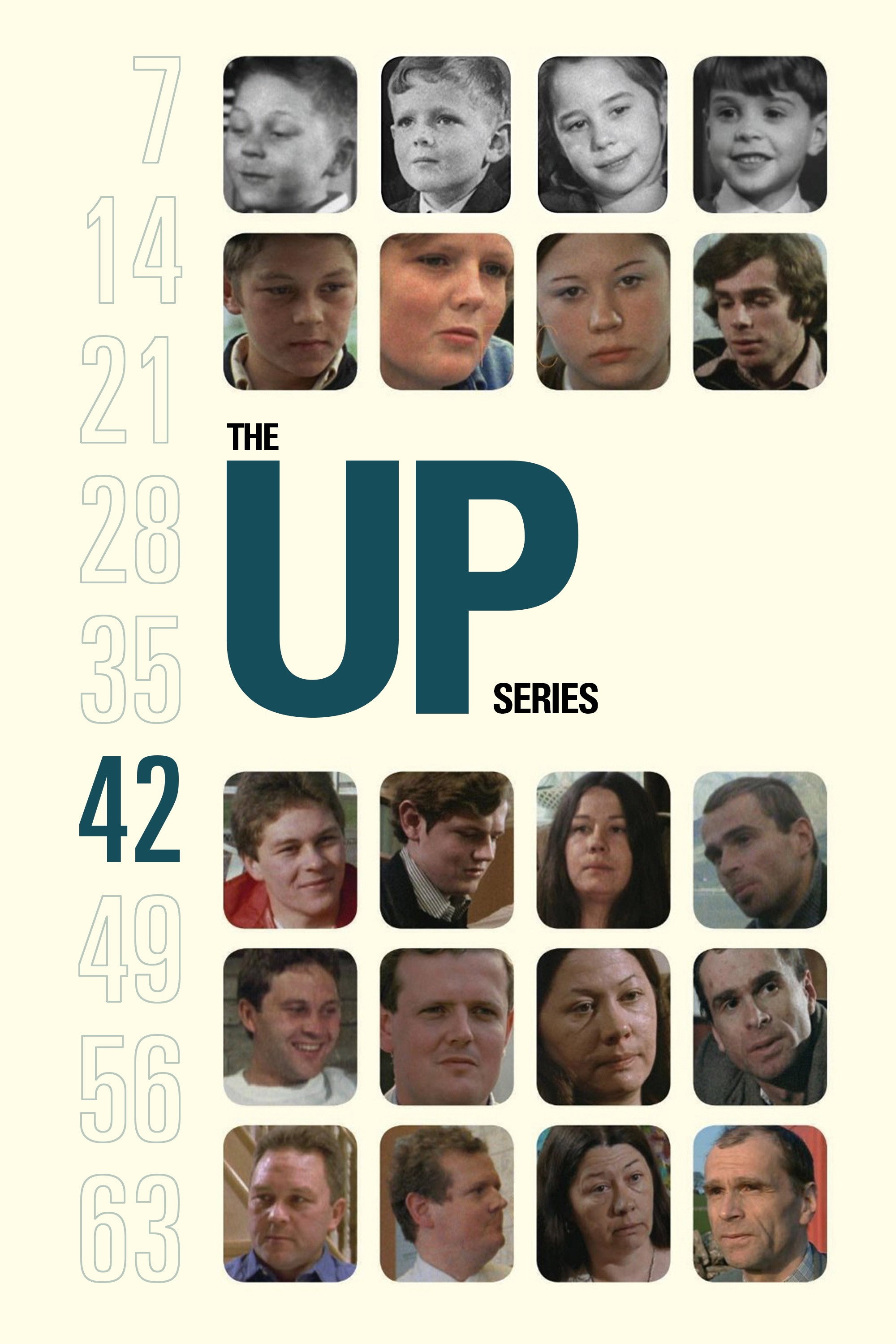
Director Michael Apted revisits the same group of British-born adults after a 7 year wait. The subjects are interviewed as to the changes that have occurred in their lives during the last seven years.
An experimental documentary that explores Saudi Arabia's relationship with the U.S. and the role this has played in the war in Afghanistan.
This real-life look at FBI counterterrorism operations features access to both sides of a sting: the government informant and the radicalized target.
The definitive 3½-hour documentary about the troubled creation and enduring legacy of the science fiction classic 'Blade Runner', culled from 80 interviews and hours of never-before-seen outtakes and lost footage.
In June 2013, Laura Poitras and reporter Glenn Greenwald flew to Hong Kong for the first of many meetings with Edward Snowden. She brought her camera with her.
An inside look at the making of the movie Star Wars: Episode VII - The Force Awakens (2015), featuring footage and exclusive interviews with the actors and filmmakers.
The most famous murder scene in movie history comprises 78 camera settings and 52 cuts: the shower scene in Alfred Hitchcock's Psycho. 78/52 tells the story of the man behind the curtain and his greatest obsession.