Social & External
The people behind it
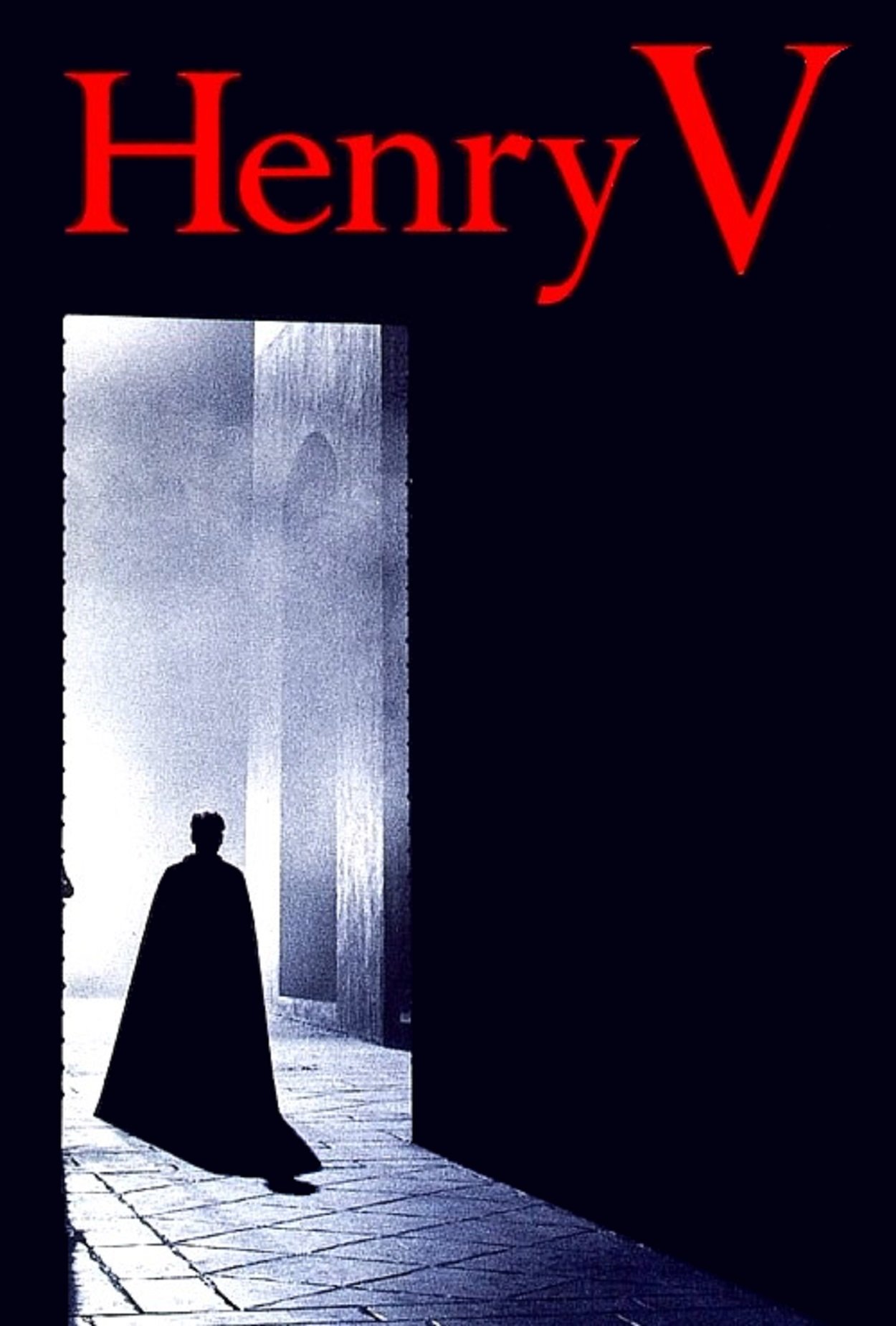
In 1415, in the midst of the Hundred Years' War, the young King Henry V of England embarks on the conquest of France.
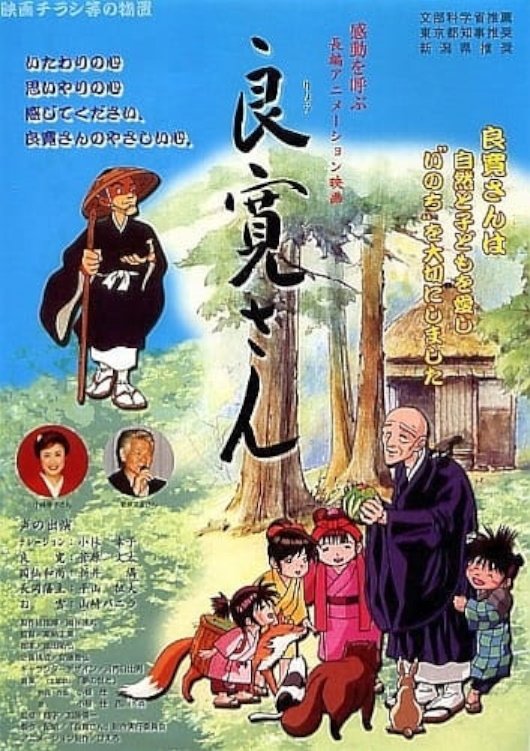
An animated motion picture about a real-life Buddhist monk and renowned poet, Ryoukan who lived in 18th century Japan, during the Edo Period. Though born to a wealthy family in Izumozaki, Ryoukan chooses to abandon the easy life he would have inherited in order to understand the true meaning of life through the teachings of Buddhism. From his early adulthood, he undergoes a series of harsh training that demands a solitary and meager lifestyle. Throughout it all, he remains an extremely modest and humble person, a true humanitarian who accepts every individual for who they are while rejecting all worldly fame and wealth. Ryoukan found true peace in life through nature and spending time with children. His pure mind and affable personality have captivated many, and his legacy and the wisdom of his teachings live on today.
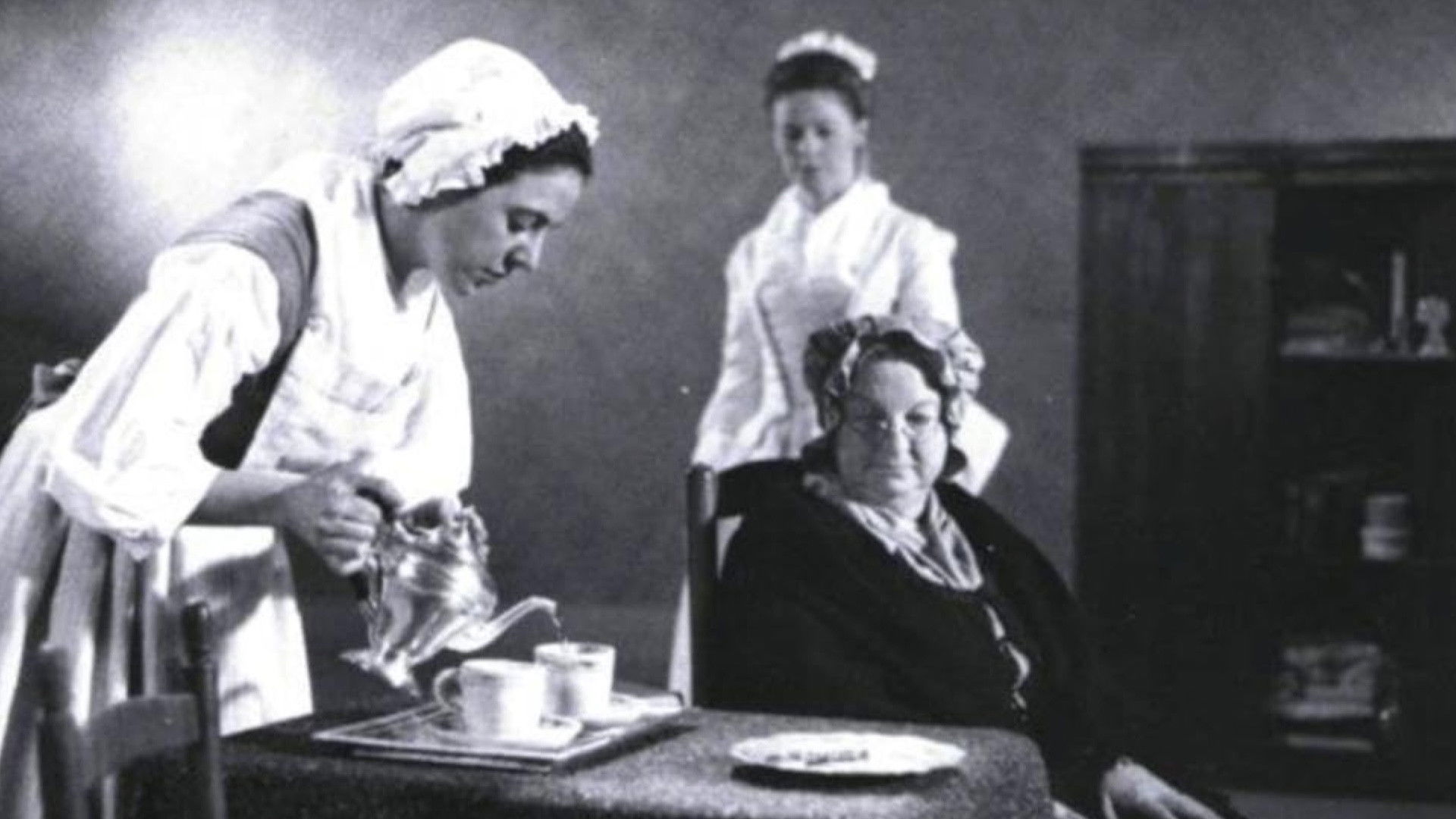
Young Olga Ahrendt almost succeeded in attempting suicide. She had thrown herself in front of a tram out of desperation about her miserable life, a desperation she shared with many in the post-war period. Fortunately, Privy Councillor Sauerbruch is at the scene of the incident, ordering her to be admitted to his clinic after a brief examination. Sauerbruch works both as a university lecturer and as a surgeon, a famous doctor who not only helps his patients physically but also gives them spiritual comfort. After he has taken Olga Ahrendt to his hospital, he discovers during an examination that her suicide attempt is due to a serious physical illness. He intensively takes care of her without forgetting about his other patients, to whom he can give a new will to live, even if only through a small story. And he will also treat Olga Ahrendt successfully...
Joža Čop, an illiterate man of the people, earned great respect from his fellow compatriots. He once famously said: "I’ve never climbed for fame and newspapers, so that people could wipe their asses with me." The film is also a story of the cradle of Slovenia's intellectual and sporting elite, Slovenian vitality, confidence and national pride.
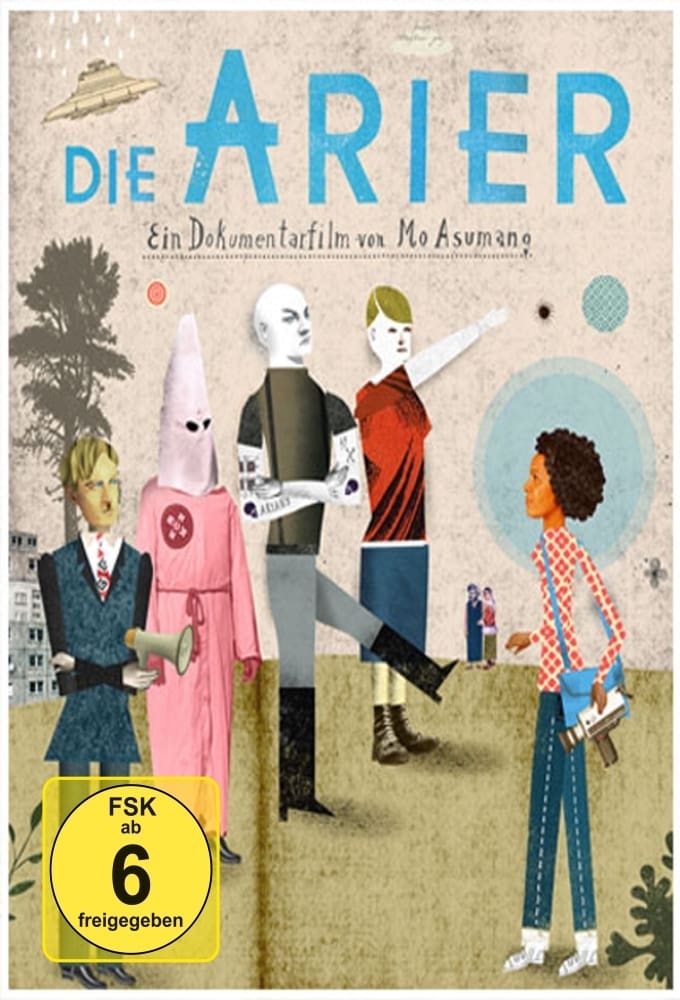
THE ARYANS is Mo Asumang's personal journey into the madness of racism during which she meets German neo-Nazis, the US leading racist, the notorious Tom Metzger and Ku Klux Klan members in the alarming twilight of the Midwest. In The ARYANS Mo questions the completely wrong interpretation of "Aryanism" - a phenomenon of the tall, blond and blue-eyed master race.
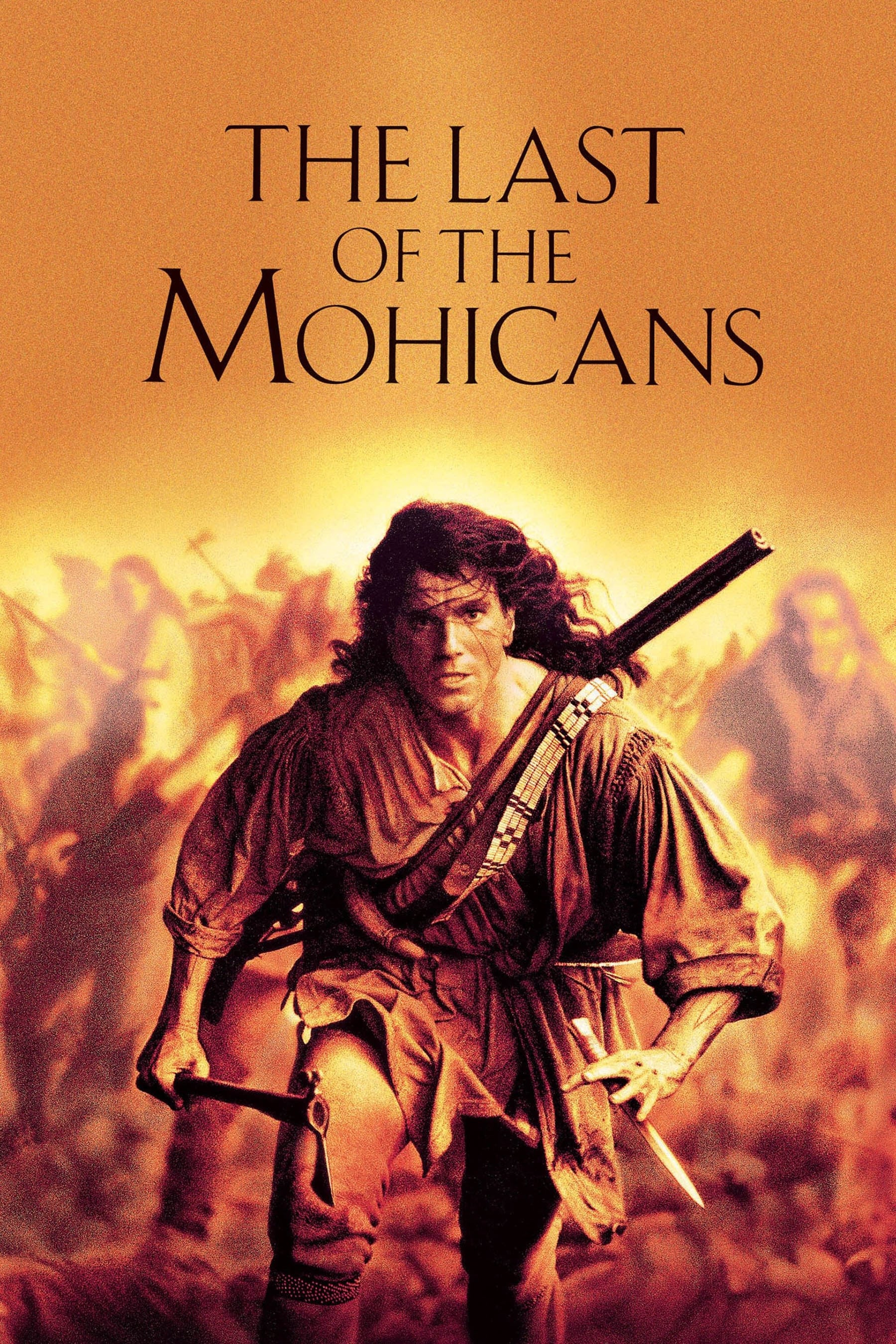
In war-torn colonial America, in the midst of a bloody battle between British, the French and Native American allies, the aristocratic daughter of a British Colonel and her party are captured by a group of Huron warriors. Fortunately, a group of three Mohican trappers comes to their rescue.
Michael Cockerell sheds new light on the tragi-comedy of the 1970s by focusing on some of its most controversial characters. With fresh filming and new interviews, along with a treasure trove of rare archive, the film presents the inside story of giant personalities who make today's public figures look sadly dull in comparison. The well-known journalist revisits some of his films on the big characters who helped shaped the 1970s in Britain. Both tragic and comic, it highlights just how much our world has changed in four decades.
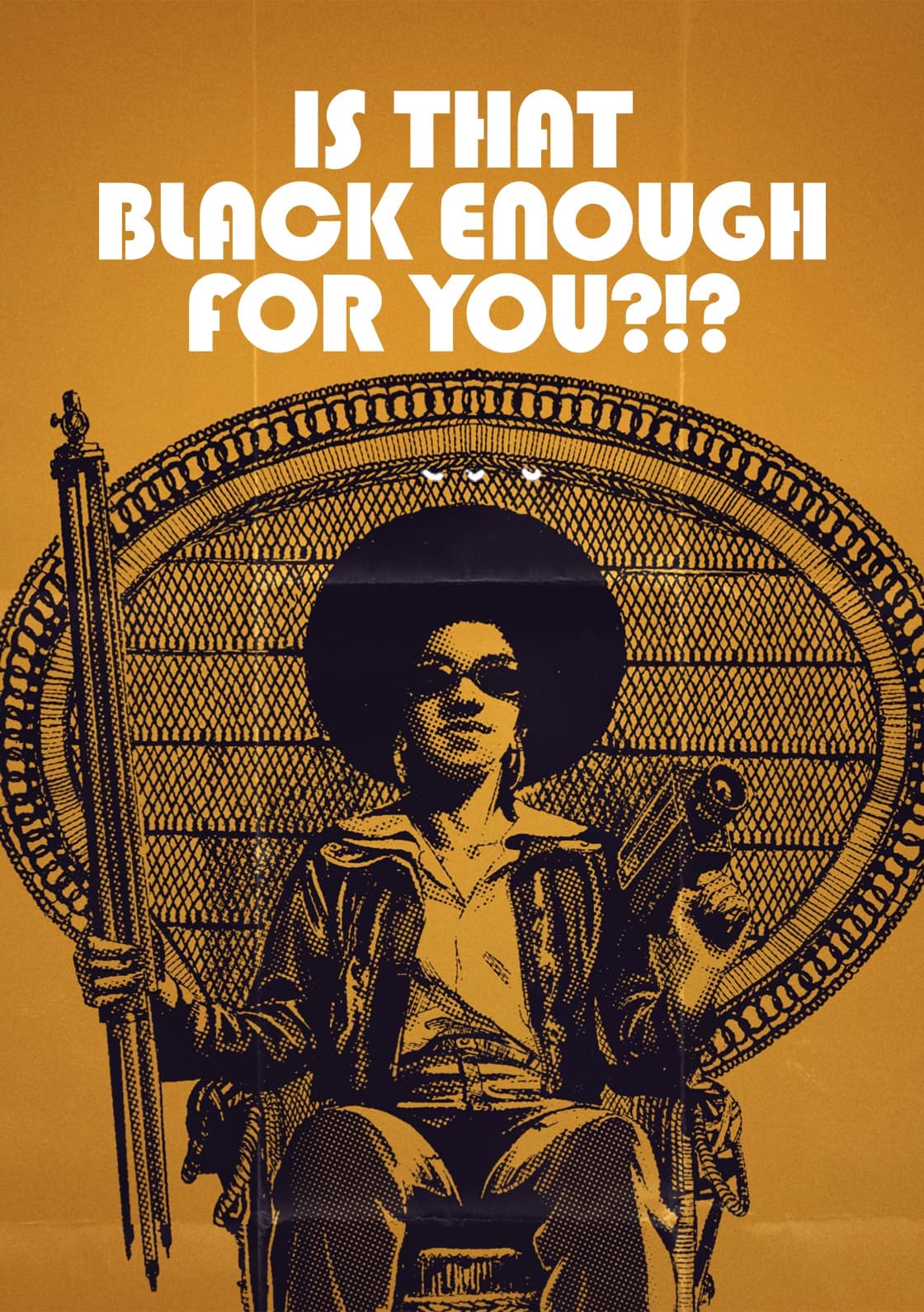
A look at the Black revolution in 1970s cinema, from genre films to social realism, from the making of new superstars to the craft of rising auteurs.
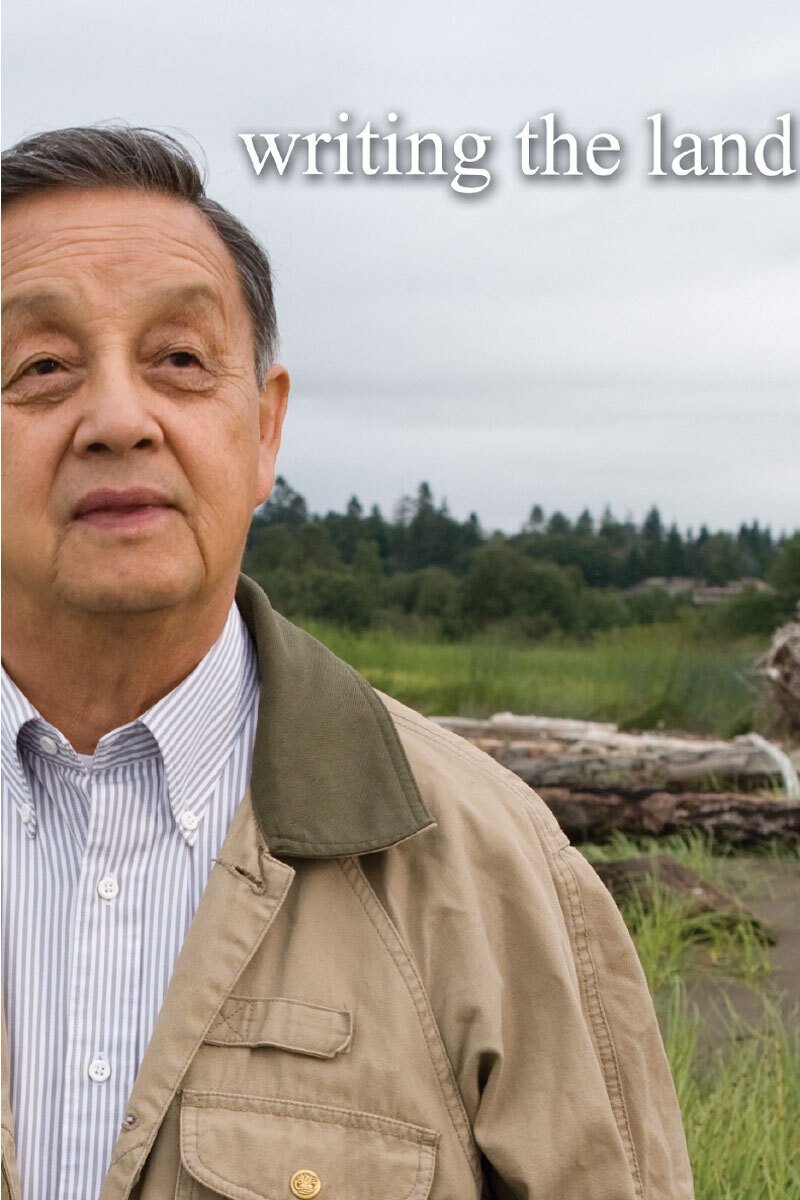
In this short documentary, a Musqueam elder rediscovers his Native language and traditions in the city of Vancouver, in the vicinity of which the Musqueam people have lived for thousands of years. Writing the Land captures the ever-changing nature of a modern city - the glass and steel towers cut against the sky, grass, trees and a sudden flash of birds in flight and the enduring power of language to shape perception and create memory.
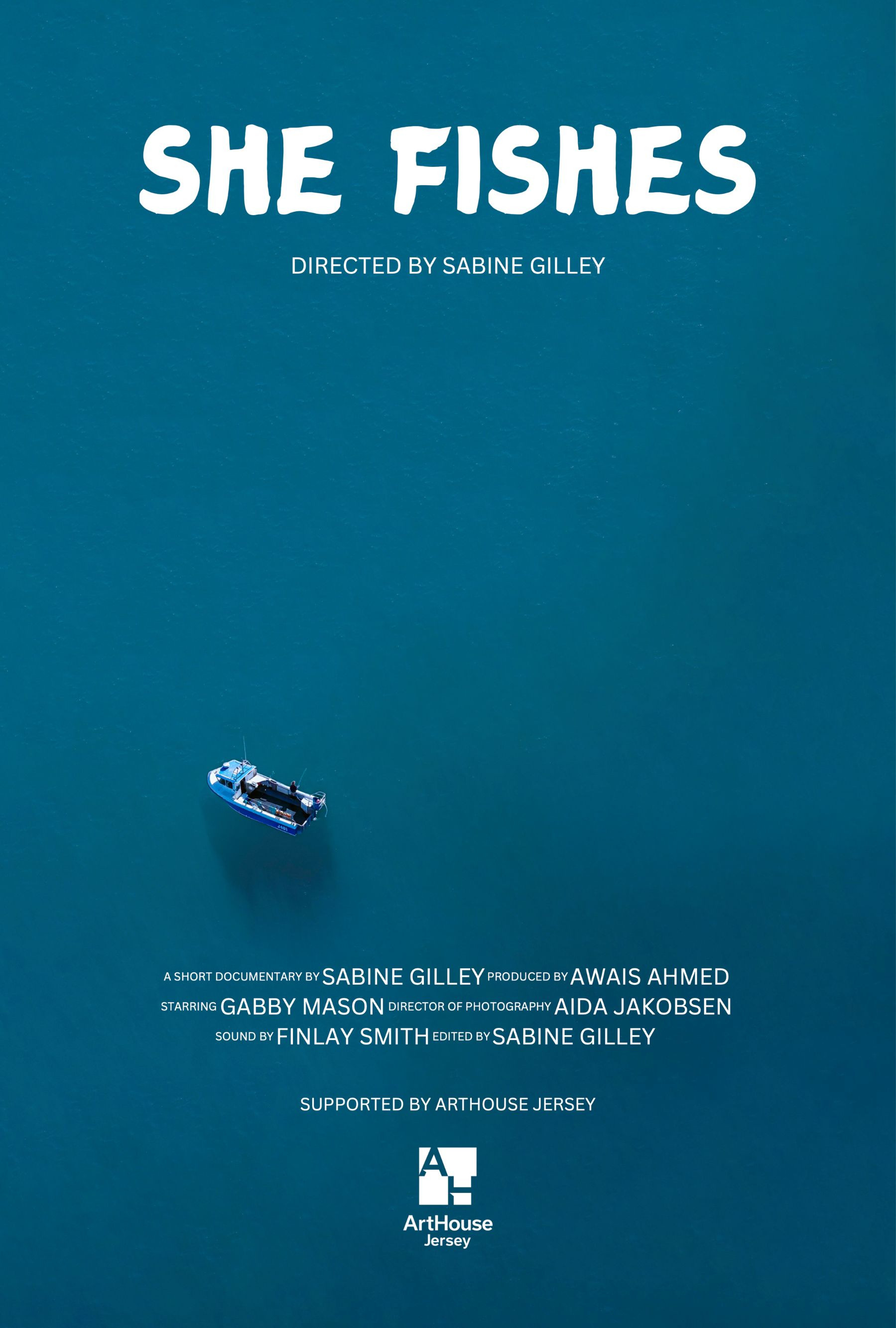
A local fisherwoman navigates her way through a male dominated environment to work in an industry that has been essential to island life for hundreds of years.
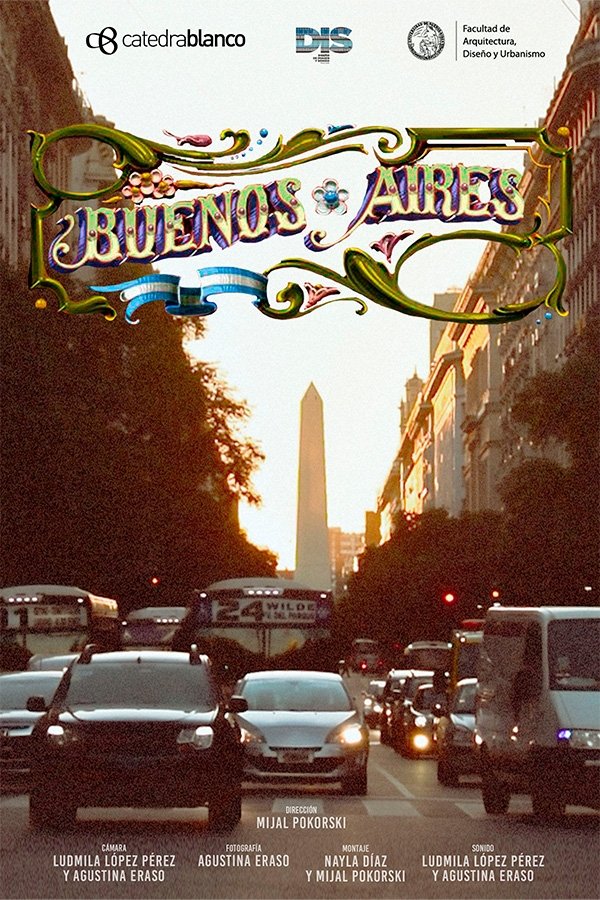
This is a short documentary about the old City of Buenos Aires and the new one. It’s an observational piece where the old photos of the same places invite us to live in the old Buenos Aires for a few minutes.
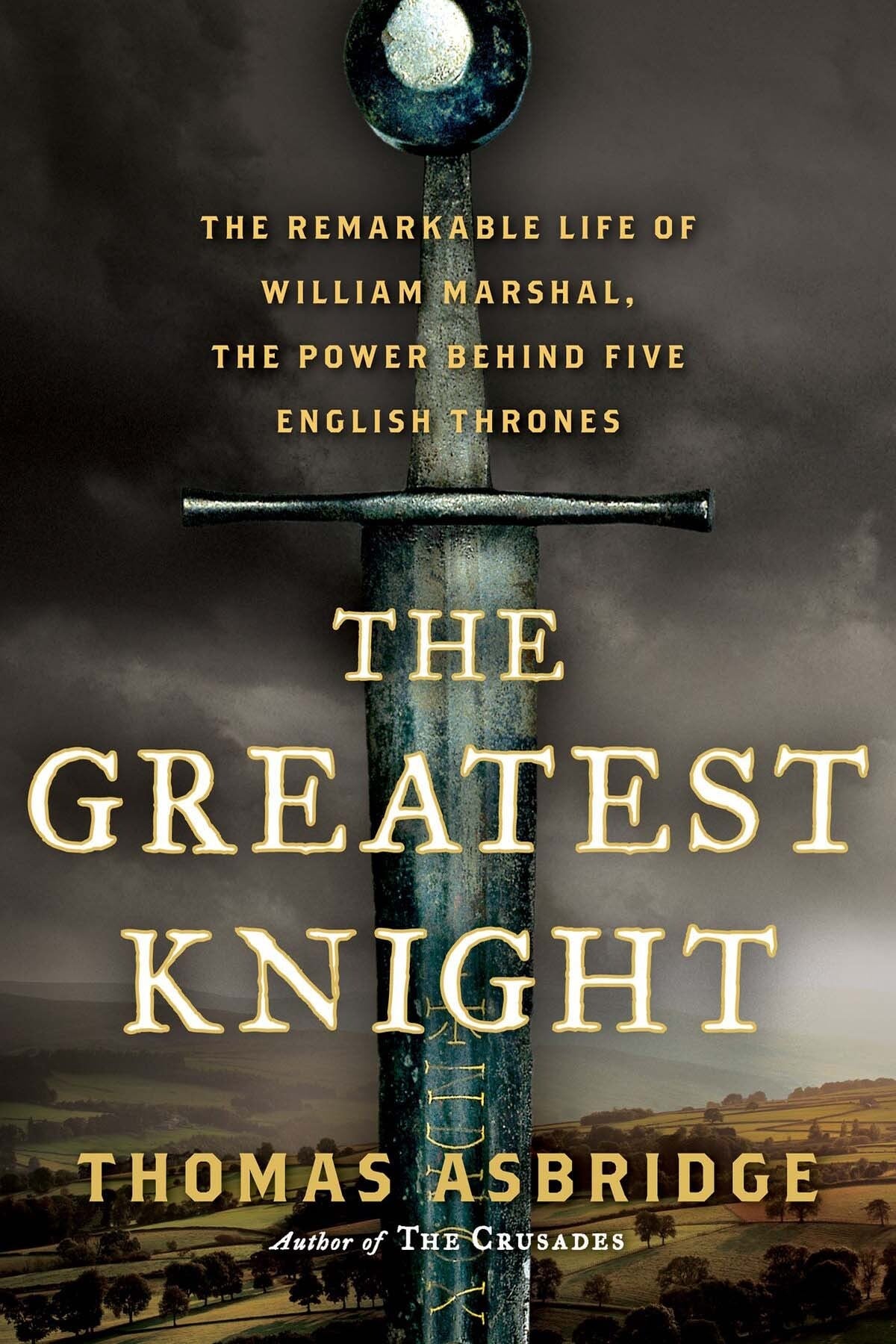
The fascinating story of knighthood, told through the extraordinary life and times of William Marshal, whom many consider the world's greatest knight. From Europe's medieval castles to the holy city of Jerusalem, presenter Thomas Asbridge explores William's incredible life, revealing a rip-roaring adventure story in the spirit of King Arthur's Knights of the Round Table. In a career that spanned half a century, this English soldier and statesman served some of Christendom's greatest leaders, from Eleanor of Aquitaine to Richard the Lionheart. Marshal fought in battles across Europe, survived court intrigue and exile, put his seal to the Magna Carta and proved to be the best friend a king could have, remaining loyal to those he served through disaster and victory. Then at the age of 70, despite all the odds, he saved England from a French invasion.
Documentary film, without commentary, looking at events in Sheffield on 5th September 1973. Steelworkers retire, babies are born, there are fashion shows and council meetings, crashed lorries and policemen on the beat.
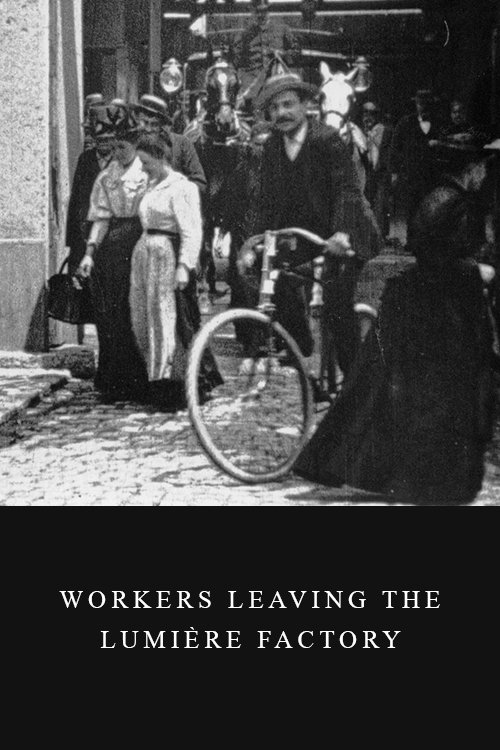
Working men and women leave through the main gate of the Lumière factory in Lyon, France. Filmed on 22 March 1895, it is often referred to as the first real motion picture ever made, although Louis Le Prince's 1888 Roundhay Garden Scene pre-dated it by seven years. Three separate versions of this film exist, which differ from one another in numerous ways. The first version features a carriage drawn by one horse, while in the second version the carriage is drawn by two horses, and there is no carriage at all in the third version. The clothing style is also different between the three versions, demonstrating the different seasons in which each was filmed. This film was made in the 35 mm format with an aspect ratio of 1.33:1, and at a speed of 16 frames per second. At that rate, the 17 meters of film length provided a duration of 46 seconds, holding a total of 800 frames.
The rock-wild youth of the 1960s during the apparitions of their idols.
It adroitly tells the story of a "counter culture" young man who when his grandfather dies, packs the body in dry ice, and stores him in a Tuff Shed, waiting for the time when advances in modern medicine can bring him back to life. I am not making this up. Then our young men gets deported back to Norway on unrelated charges. Then, quite a while later, people look up and take notice ... "Hey ... there appears to be a frozen dead guy in that shed over there."
The history of cinematic sound, told by legendary sound designers and visionary filmmakers.
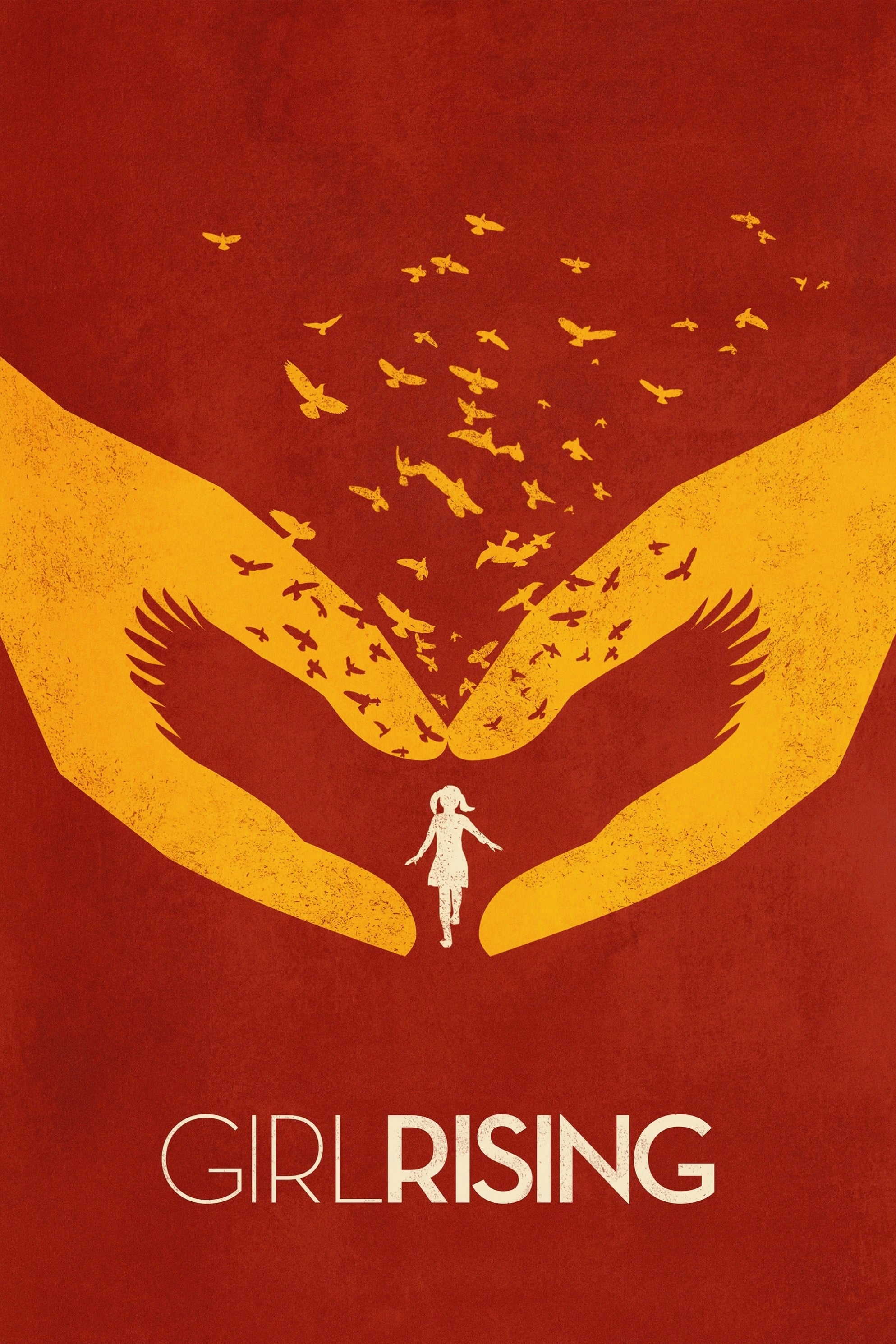
Nine filmmakers each profile a young girl from a different part of the world to weave a global tapestry of youth in the 21st century.
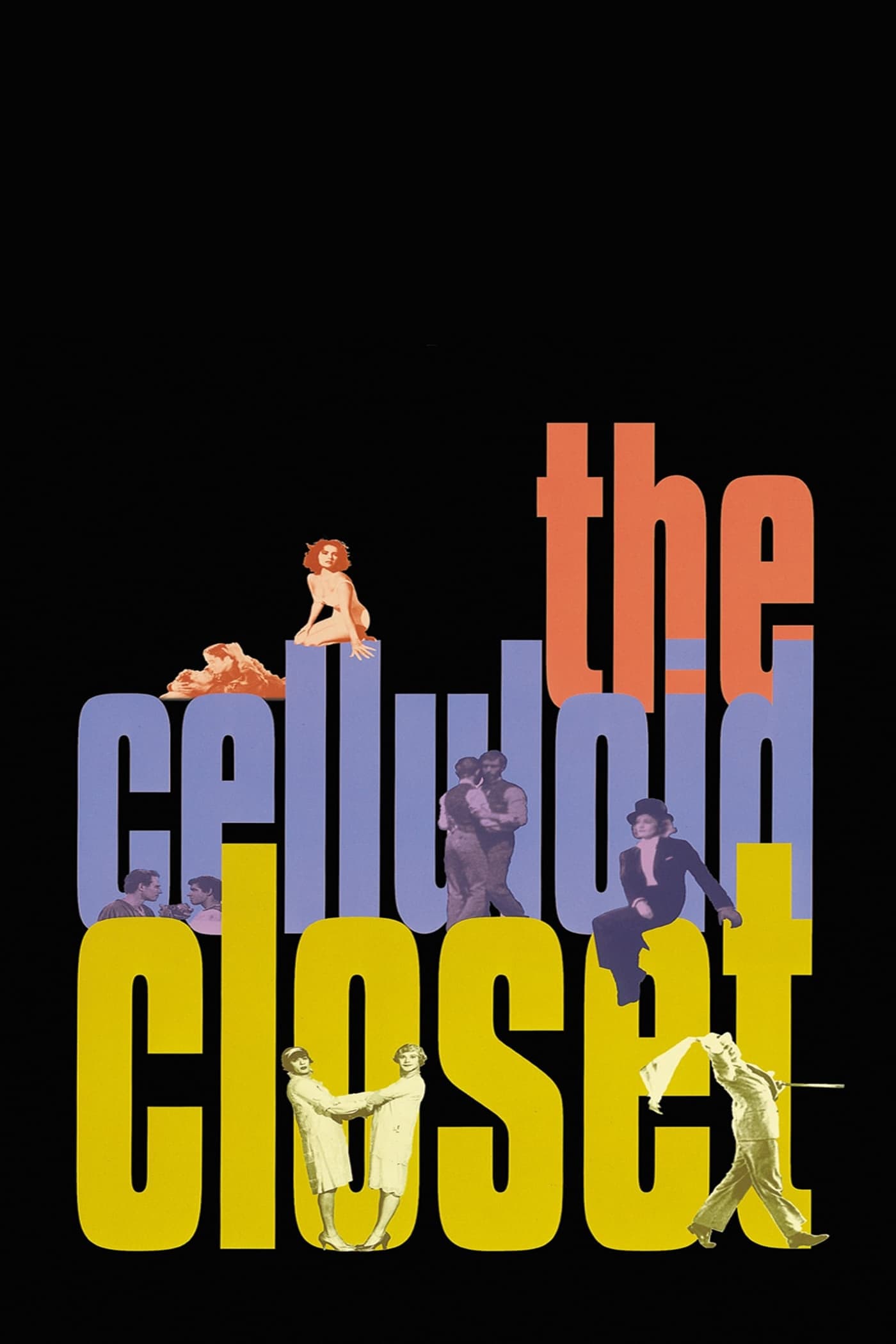
Exuberant, eye-opening movie that serves up a dazzling hundred-year history of the role of gay men and lesbians have had on the silver screen. Film contains fabulous footage from 120 films showing the changing face of cinema sexuality, from cruel stereotypes to covert love to the activist triumphs of the 1990s.
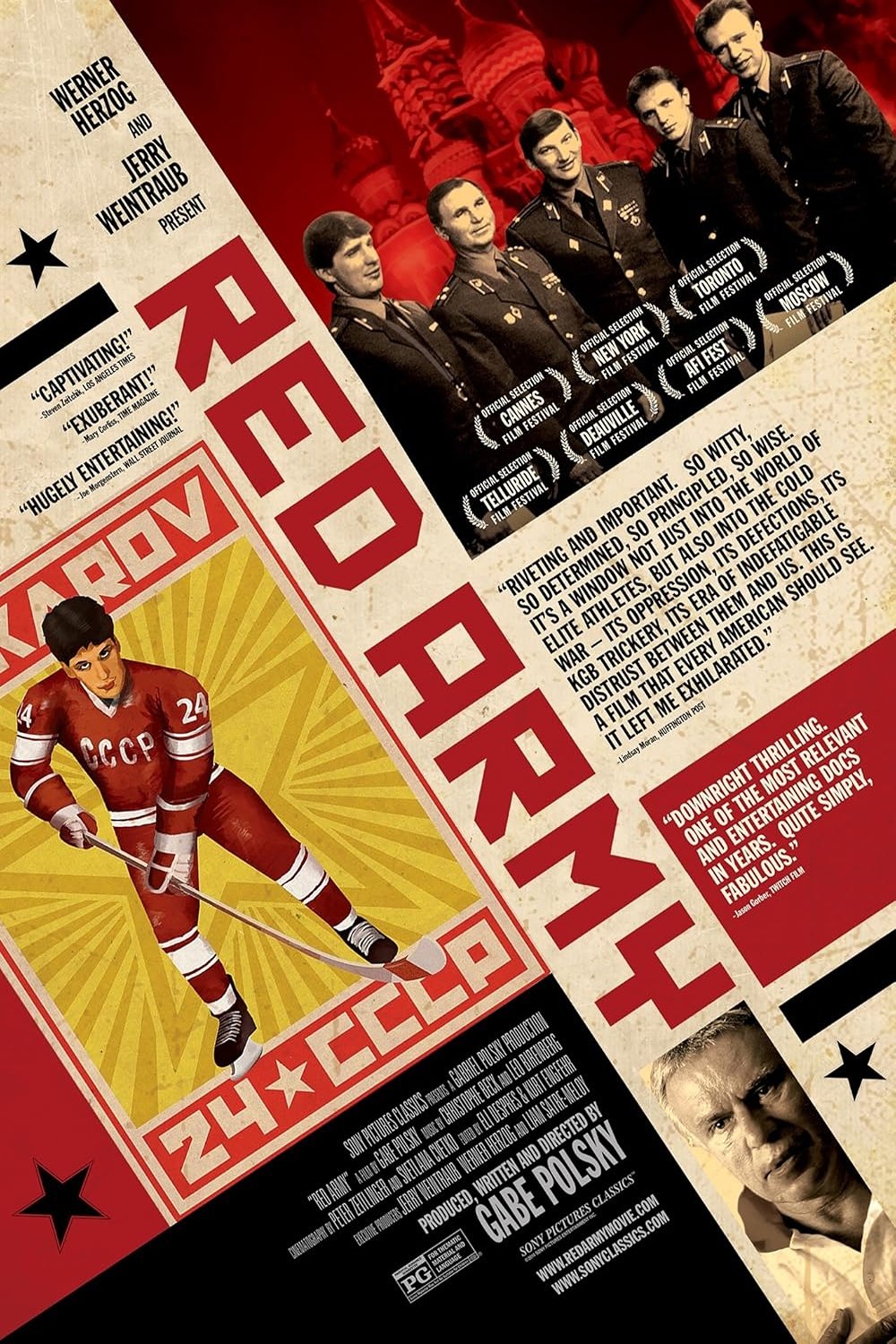
A documentary highlighting the Soviet Union's legendary and enigmatic hockey training culture and world-dominating team through the eyes of the team's Captain Slava Fetisov, following his shift from hockey star and celebrated national hero to political enemy.
Those who knew iconic funnyman John Candy best share his story, in their own words, through never-before-seen archival footage, imagery, and interviews.
Director Claude Lanzmann spent 11 years on this sprawling documentary about the Holocaust, conducting his own interviews and refusing to use a single frame of archival footage. Dividing Holocaust witnesses into three categories – survivors, bystanders, and perpetrators – Lanzmann presents testimonies from survivors of the Chelmno concentration camp, an Auschwitz escapee, and witnesses of the Warsaw Ghetto Uprising, as well as a chilling report of gas chambers from an SS officer at Treblinka.
7-year-old Sasha has always known that she is a girl. Sasha’s family has recently accepted her gender identity, embracing their daughter for who she truly is while working to confront outdated norms and find affirmation in a small community of rural France.
A documentary about how a dominant cultural and demographic institution both sustains their traditional activities and adapts to the digital revolution.
This revealing documentary honors the legendary Sidney Poitier—iconic actor, filmmaker, and civil rights activist. Featuring interviews with Denzel Washington, Spike Lee, Halle Berry, and more.
The life and career of an actor, artist, and icon. His own journey through his own camera.
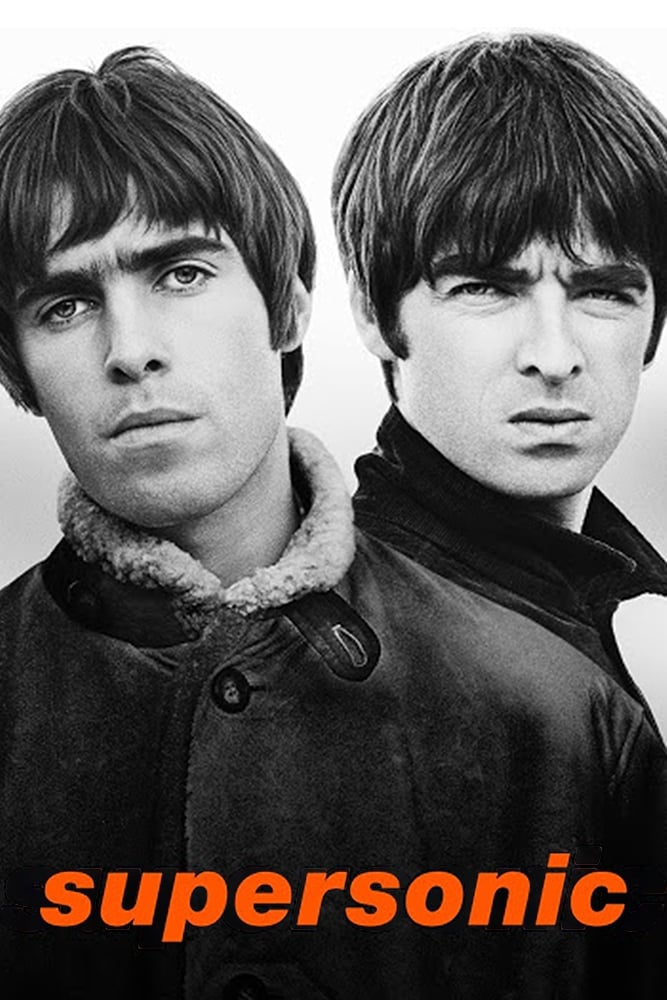
Supersonic charts the meteoric rise of Oasis from the council estates of Manchester to some of the biggest concerts of all time in just three short years. This palpable, raw and moving film shines a light on one of the most genre and generation-defining British bands that has ever existed and features candid new interviews with Noel and Liam Gallagher, their mother, and members of the band and road crew.
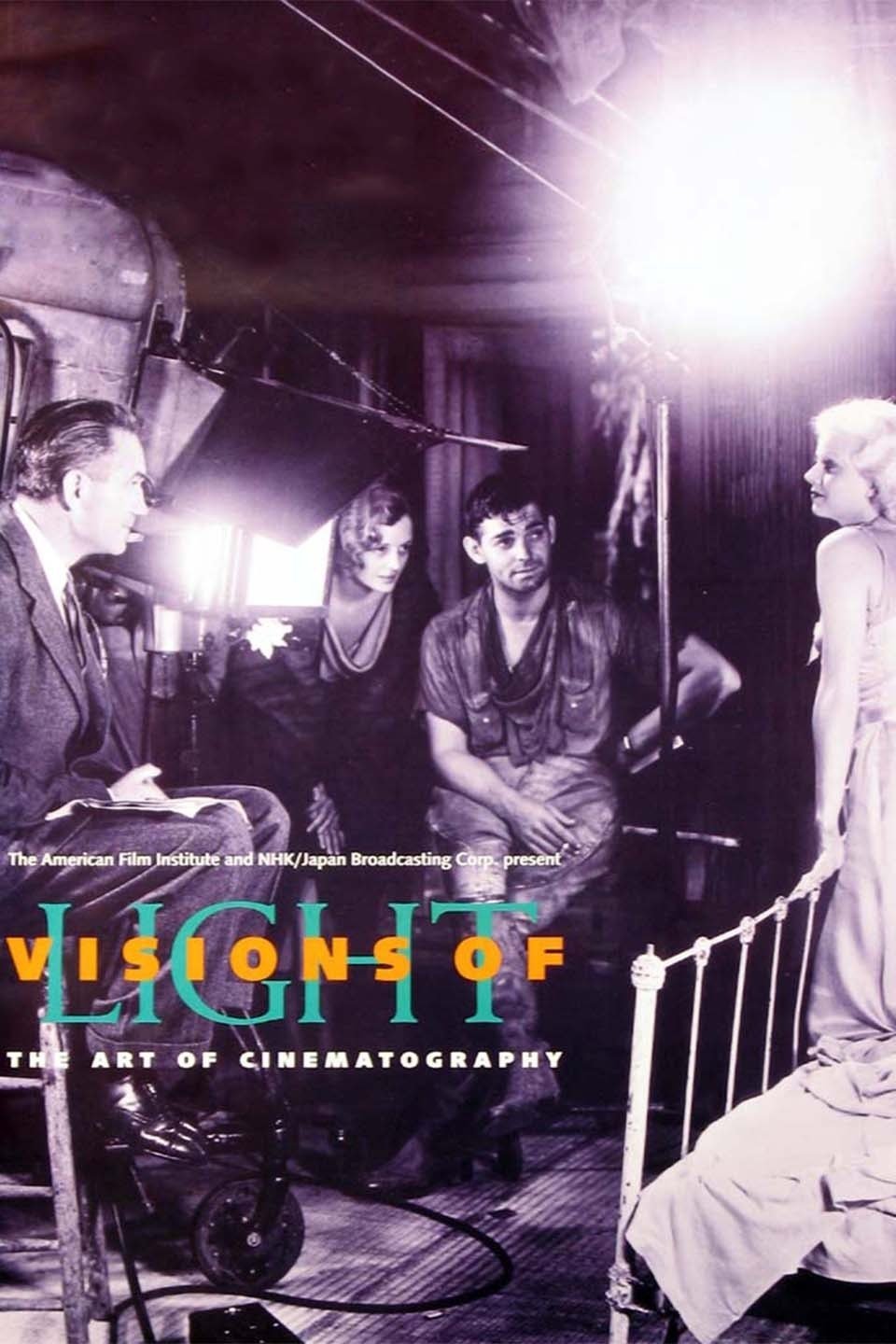
Cameramen and women discuss the craft and art of cinematography and of the "DP" (the director of photography), illustrating their points with clips from 100 films, from Birth of a Nation to Do the Right Thing. Themes: the DP tells people where to look; changes in movies (the arrival of sound, color, and wide screens) required creative responses from DPs; and, these artisans constantly invent new equipment and try new things, with wonderful results. The narration takes us through the identifiable studio styles of the 30s, the emergence of noir, the New York look, and the impact of Europeans. Citizen Kane, The Conformist, and Gordon Willis get special attention.
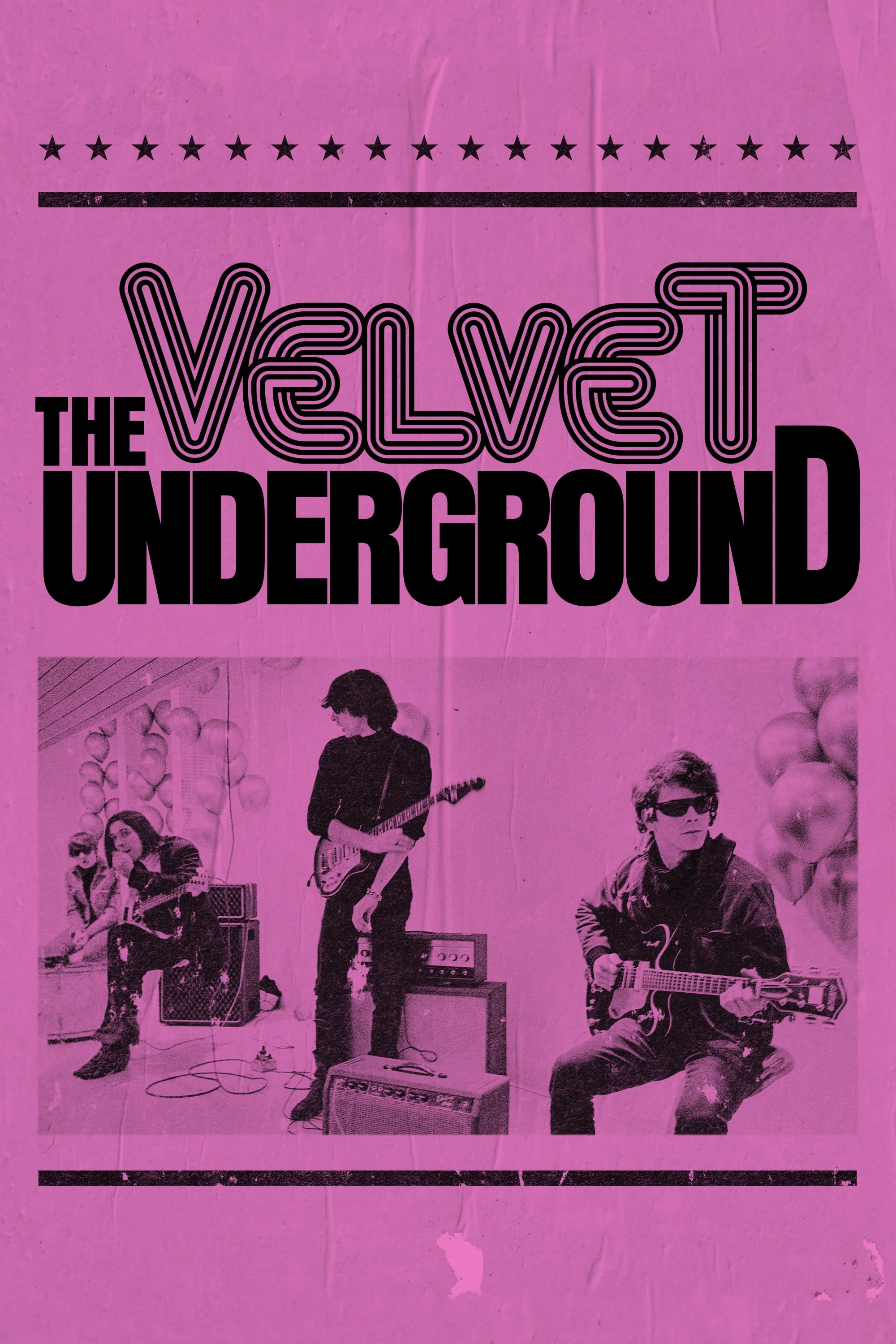
Experience the iconic rock band's legacy in the first major documentary to tell their story. Directed with the era’s avant-garde spirit by Todd Haynes, this kaleidoscopic oral history combines exclusive interviews with dazzling archival footage.
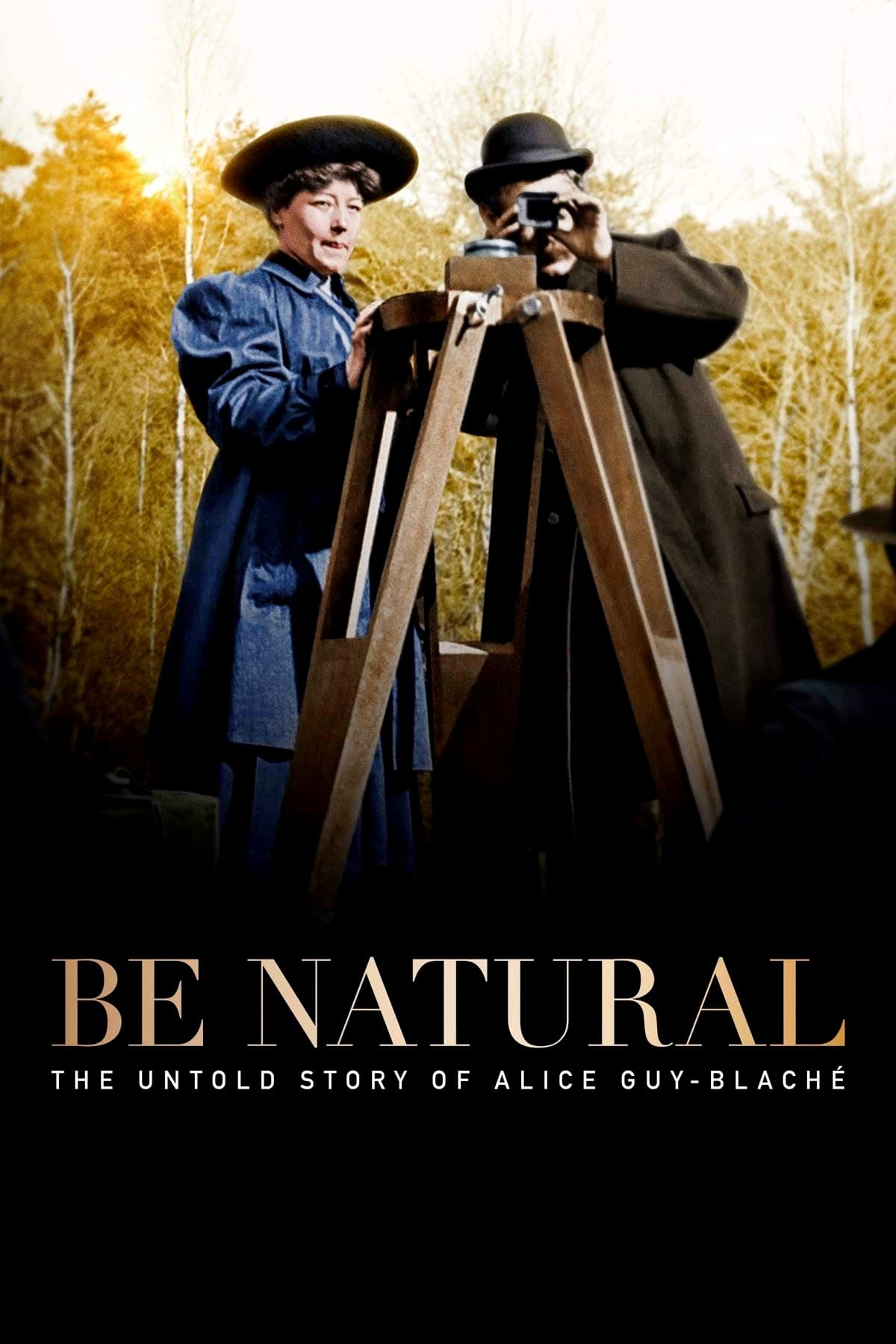
The epic life story of Alice Guy-Blaché (1873–1968), a French screenwriter, director and producer, true pioneer of cinema, the first person who made a narrative fiction film; author of hundreds of movies, but banished from history books. Ignored and forgotten. At last remembered.
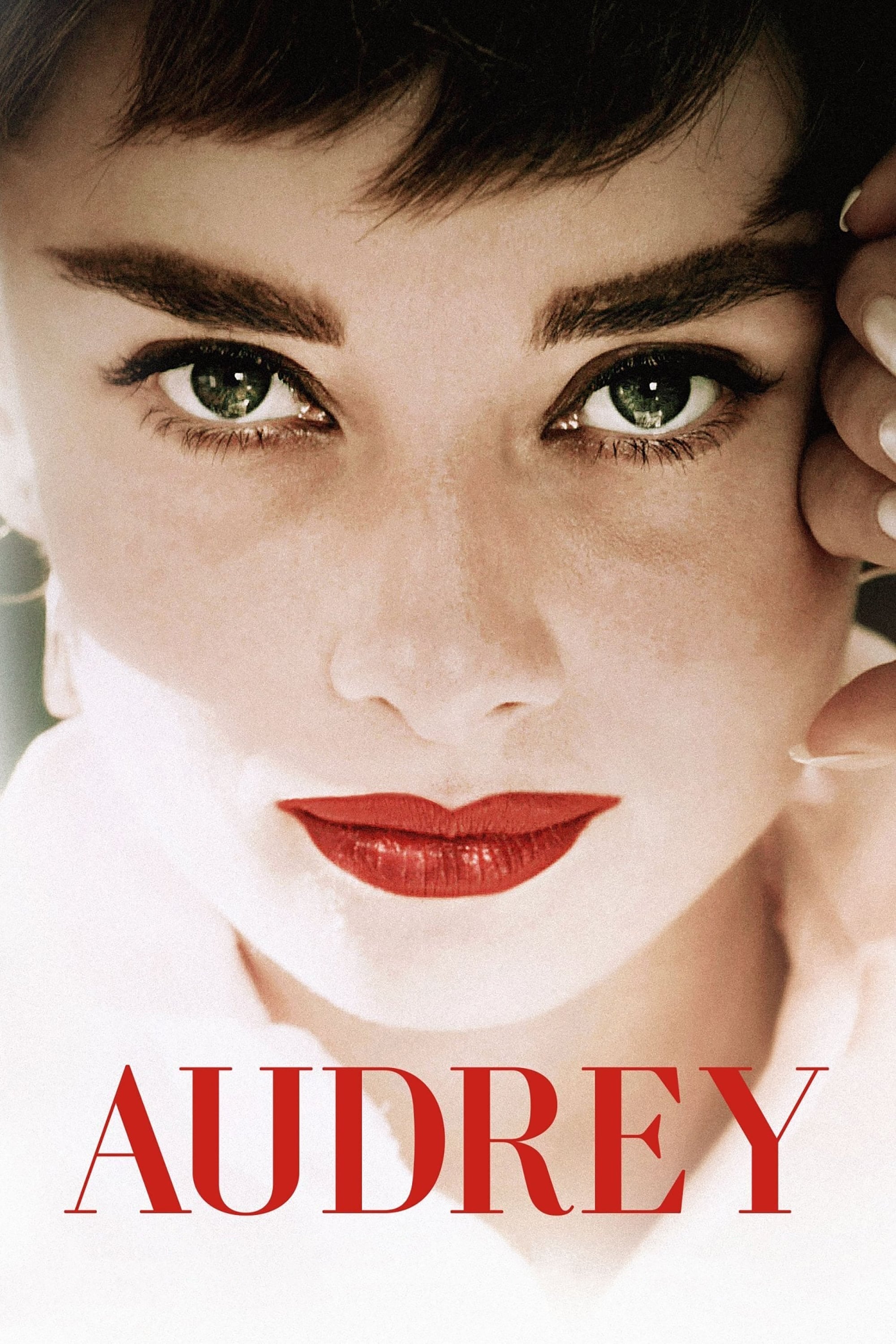
An unprecedented and intimate look at the life, work and enduring legacy of British actress Audrey Hepburn (1929-1993).
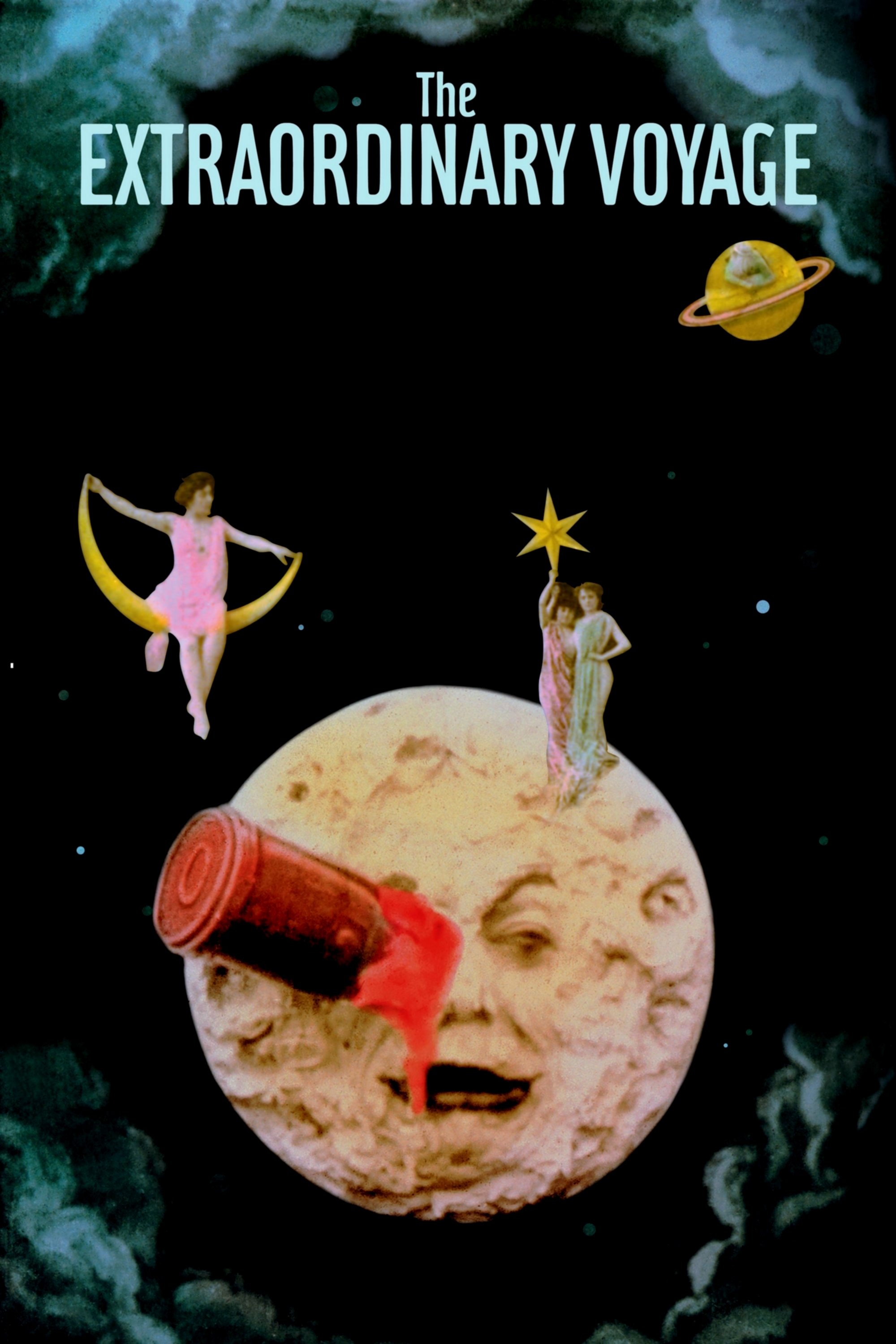
An account of the extraordinary life of film pioneer Georges Méliès (1861-1938) and the amazing story of the copy in color of his masterpiece A Trip to the Moon (1902), unexpectedly found in Spain and restored thanks to the heroic efforts of a group of true cinema lovers.
The film is a panorama shot-scene lasting just under a minute. The panorama film, as coined by Lumière, is a moving-camera shot--usually accomplished by placing the camera on a moving transport, such as a boat or train.
An investigative look and analysis of gender disparity in Hollywood, featuring accounts from well-known actors, executives and artists in the Industry.
The evolution of the depiction of the various Native American peoples in cinema, from the silent era to the present day: how their image on the screen has changed the way to understand their history and culture.
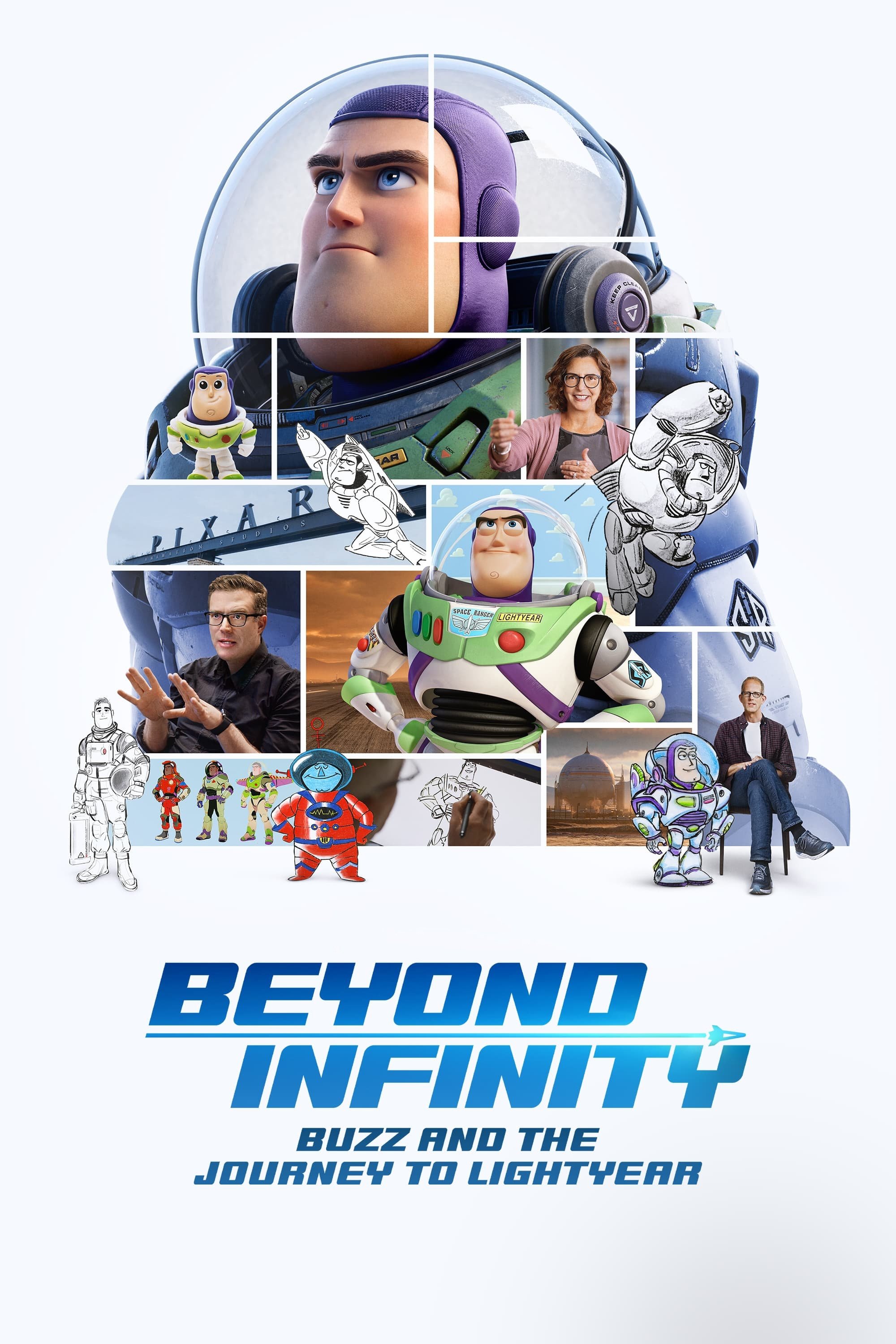
Explore the evolution of Buzz Lightyear from toy to human in the making of Pixar’s Lightyear. Dive into the origin and cultural impact of everyone’s favorite Space Ranger, the art of designing a new “human Buzz,” and the challenges faced by the Lightyear crew along the way.