"Today is another day"
An inmigrant painter is contracted to make a mural for a school
Social & External
Nick Tovenar
Director de escuela
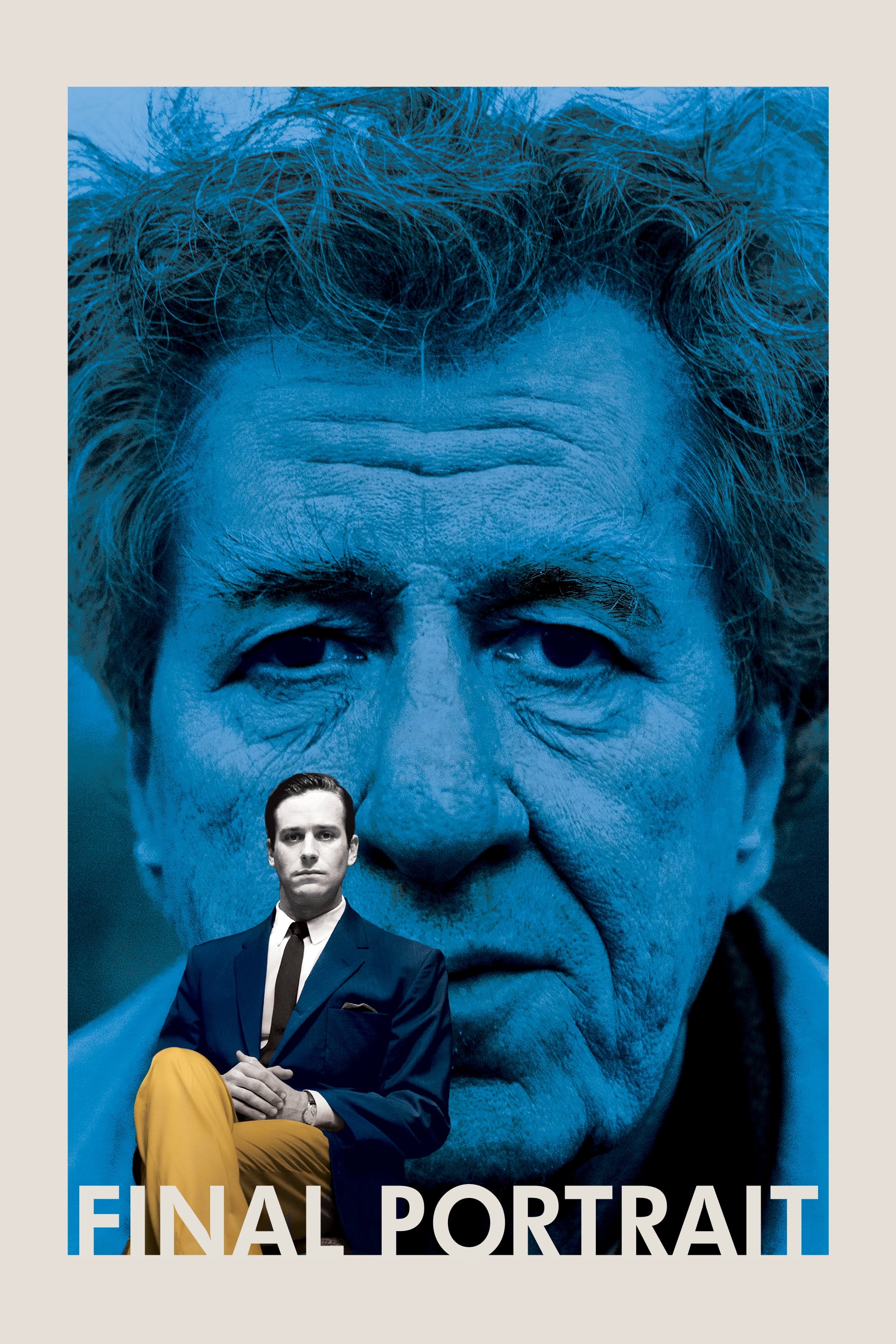
Paris, 1964. The Swiss sculptor and painter Alberto Giacometti, one of the most accomplished and respected artists of his generation, asks his friend, the American writer James Lord, to sit for a portrait, assuring him that it will take no longer than two or three hours, an afternoon at the most.
Frankie and Lucky, two young artists navigating love and identity in New York City, cross paths again after years of separation. Their reunion in a bookstore triggers a flood of memories, reopening wounds from their past relationship. As Frankie revisits the apartment they once shared, she reflects on their tumultuous past—Lucky's struggle with trust, Frankie's desire for autonomy, and the emotional weight of unspoken truths.
This short film follows a man lost in the woods driven by his fear of the unknown.
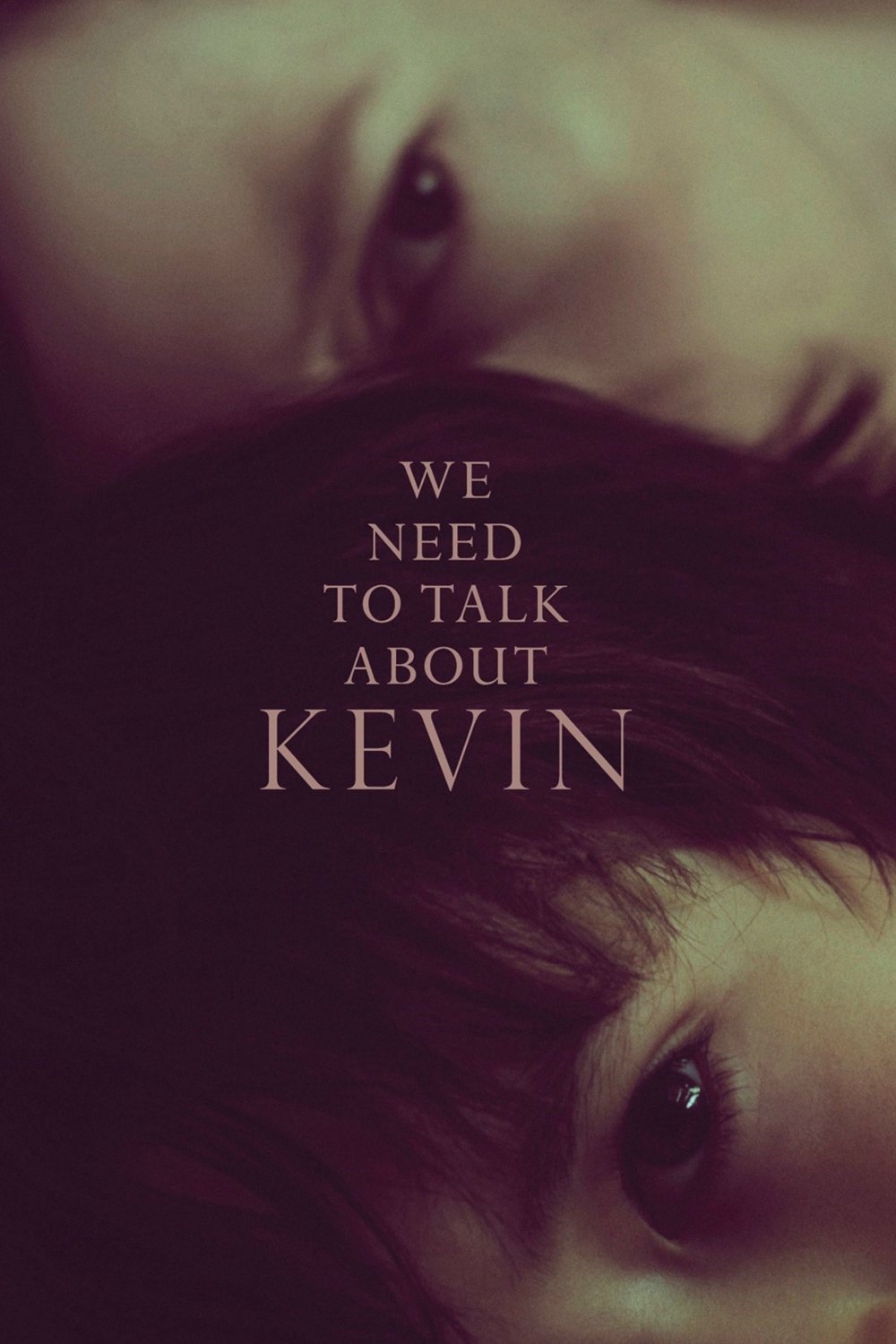
After her son Kevin commits a horrific act, troubled mother Eva reflects on her complicated relationship with her disturbed son as he grew from a toddler into a teenager.
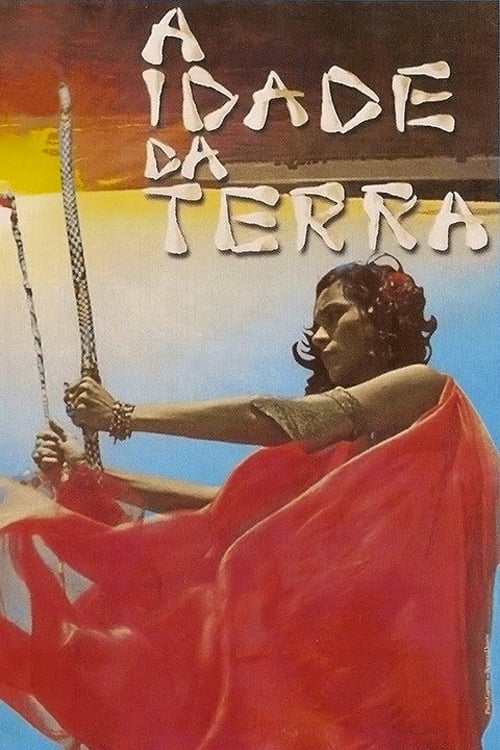
Drawing inspiration from a poem penned by Castro Alves, this film vividly captures the political, cultural, and intellectual climate of Brazil during the late 1970s. At its core, the story revolves around four distinctive embodiments of Christ's image: a black man, a soldier, an Indian, and a guerrilla fighter. These courageous individuals, hailed as the harbingers of doom in the tupiniquim lands, valiantly combat the insatiable avarice and oppressive "civilizing" brutality propagated by the formidable John Brahms—a foreign exploiter devoid of morals.
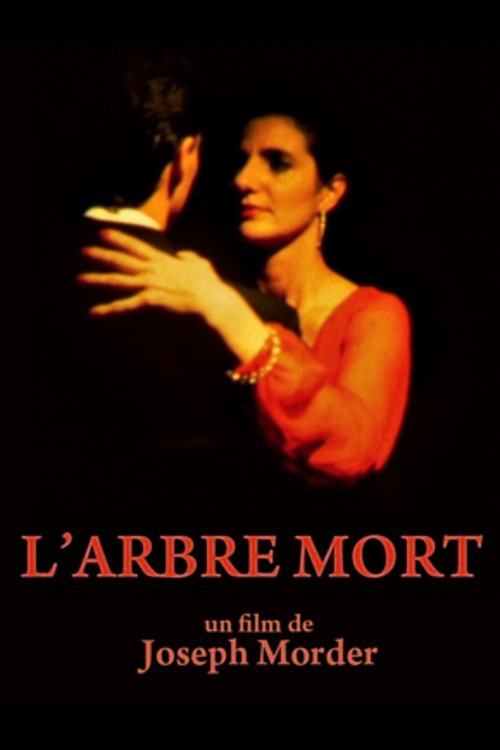
The plot begins with them and ends with humanity. This author wanted to show continuity: the first love and the supposed last is an indivisible whole of one eternal Love.
A man meets a woman at a deserted railroad station somewhere in northern New England. It is the middle of winter; snow is falling. The two drive to a remote farmhouse. Two strange children, who never speak, appear at the window; an old woman calls them away.
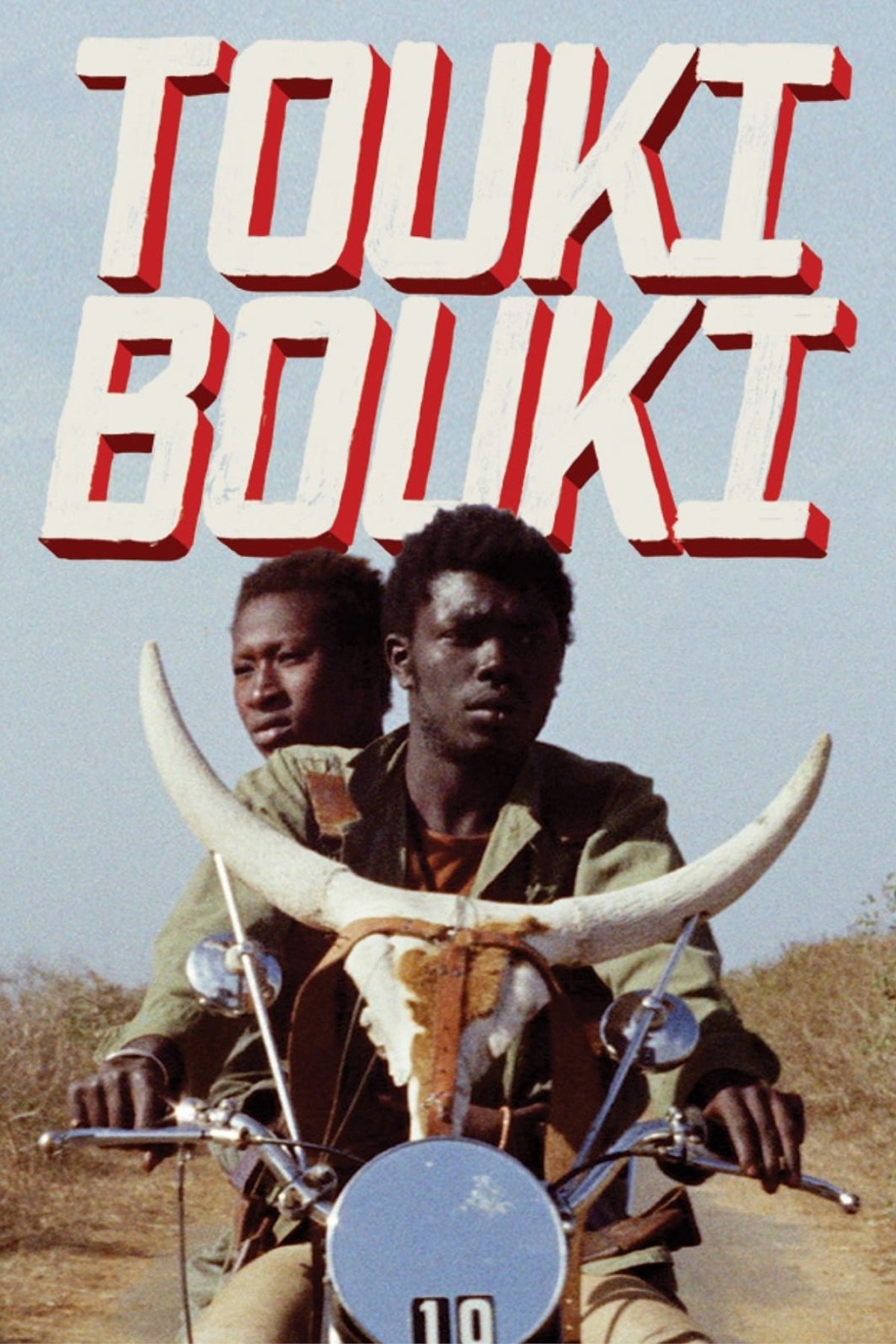
Mory, a cowherd, and Anta, a university student, try to make money in order to go to Paris and leave their boring past behind.
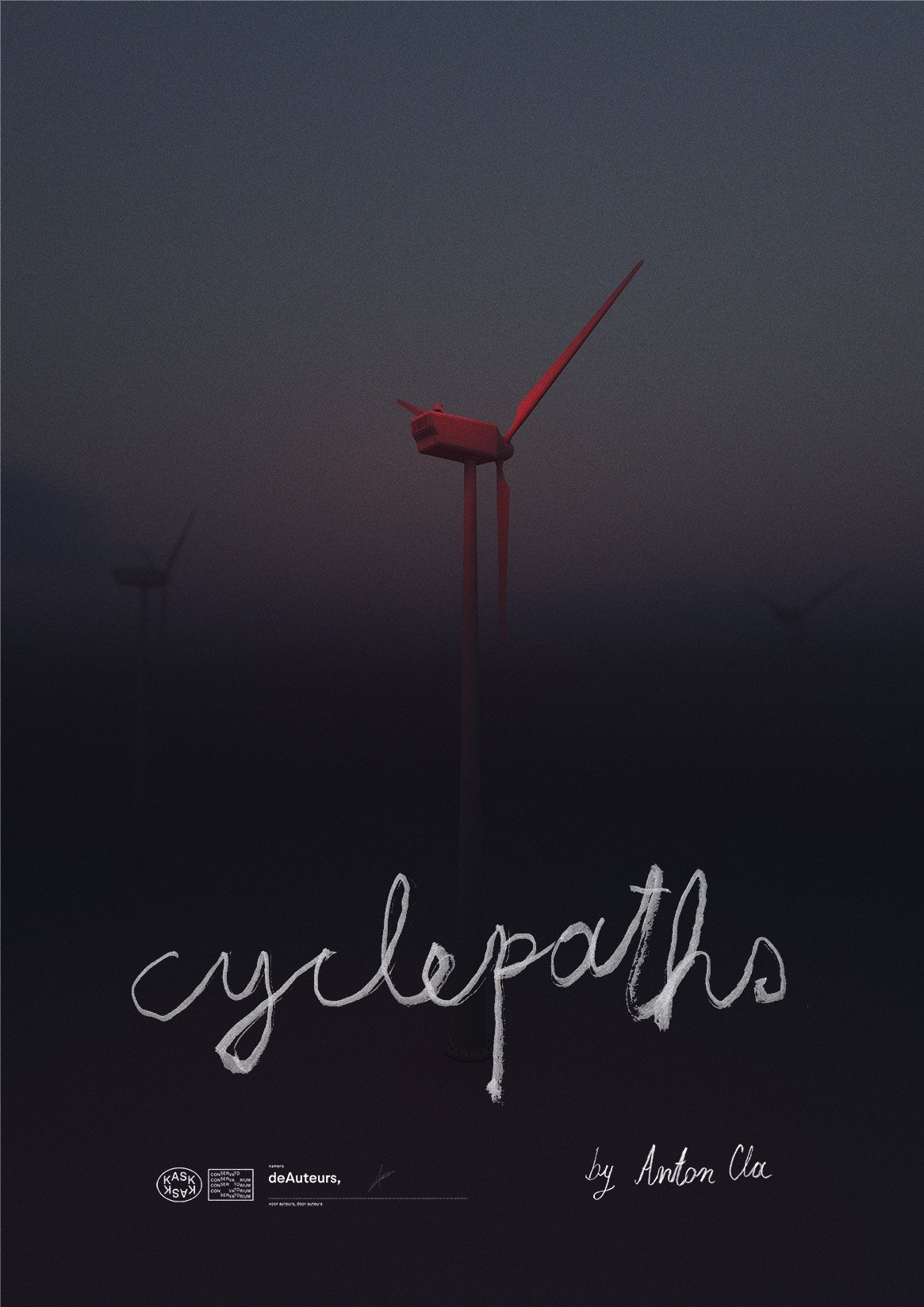
In this cyclical fever dream, a woman struggles to win over the crowd.
A yellow cab is driving through the vibrant and colourful streets of Tehran. Very diverse passengers enter the taxi, each candidly expressing their views while being interviewed by the driver who is no one else but the director Jafar Panahi himself. His camera placed on the dashboard of his mobile film studio captures the spirit of Iranian society through this comedic and dramatic drive…
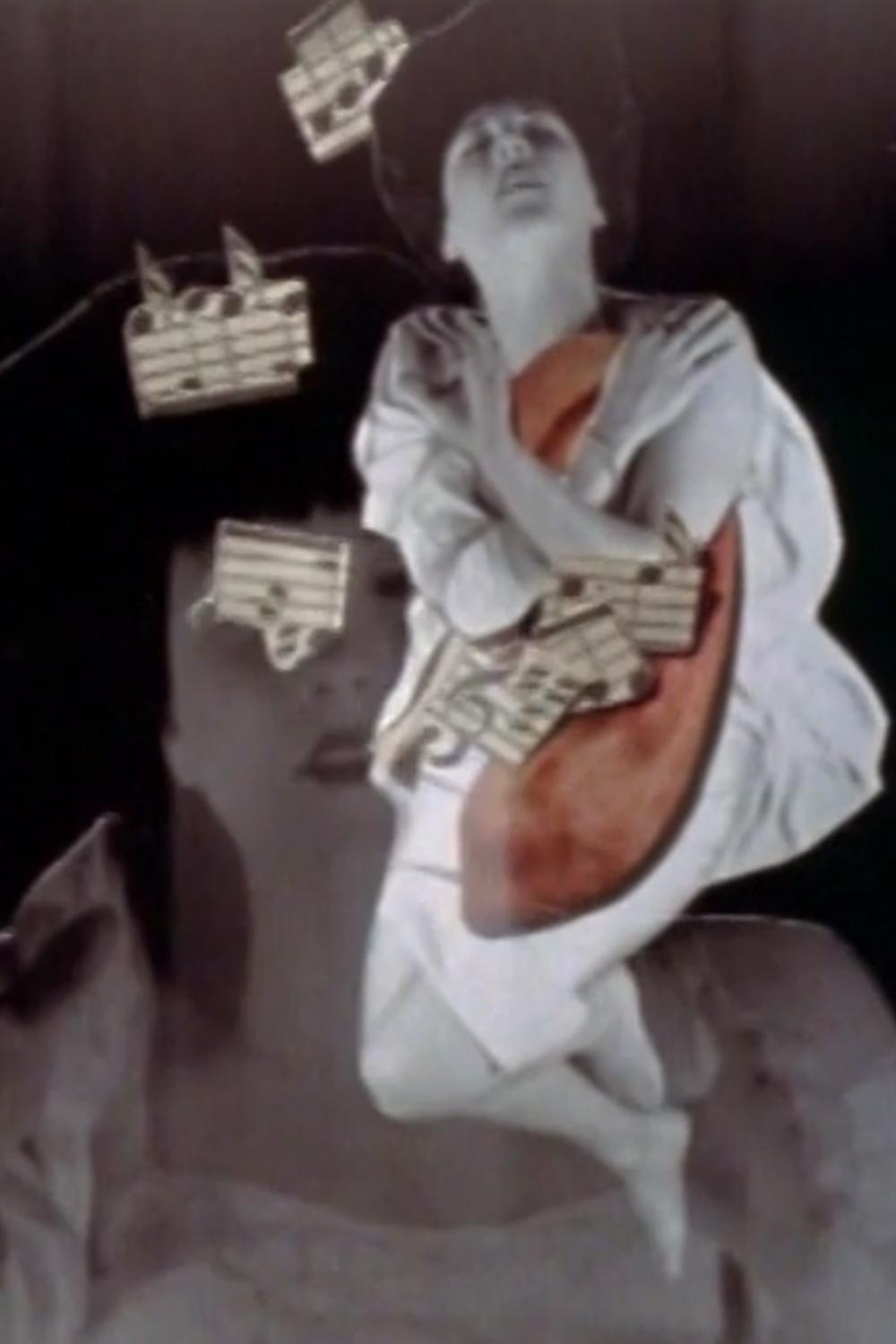
Initially commissioned to accompany a Danish production of Alban Berg’s LULU, Lewis Klahr’s cut-out animation refigures the opera's themes in a torrent of images. With an ever-inventive approach to color and symbol, Klahr distills the title character's moral predicament, along with a great many of German Expressionism’s characteristic motifs, in the span of a pop song.
Hunter, a bride-to-be, feels overworked and unappreciated. Her artistic spirit is squelched by the shallow corporate world she’s in and she has had enough. Unfortunately, she feels as if she can’t turn to Ian, her commercial executive fiancé, for solace. As her wedding day approaches, Hunter and her three bridesmaids embark on a road trip to Las Vegas for one last hoorah together. As the girls venture from the city, they decompress and let their personal barriers fall. An impromptu sightseeing excursion into the desert leads to a clash of anxieties and attitudes between Hunter, the bridesmaids, and her fiancé as Hunter searches for the road that’s right for her.
The veneer of the story is a tale of chance love: two French expatriates strike up a chance romance when they meet on a ship headed back to South America.
An old woman is carrying shopping bags. A child with a gun is riding a scooter. Birds are flying. A city is falling. A party is lit.
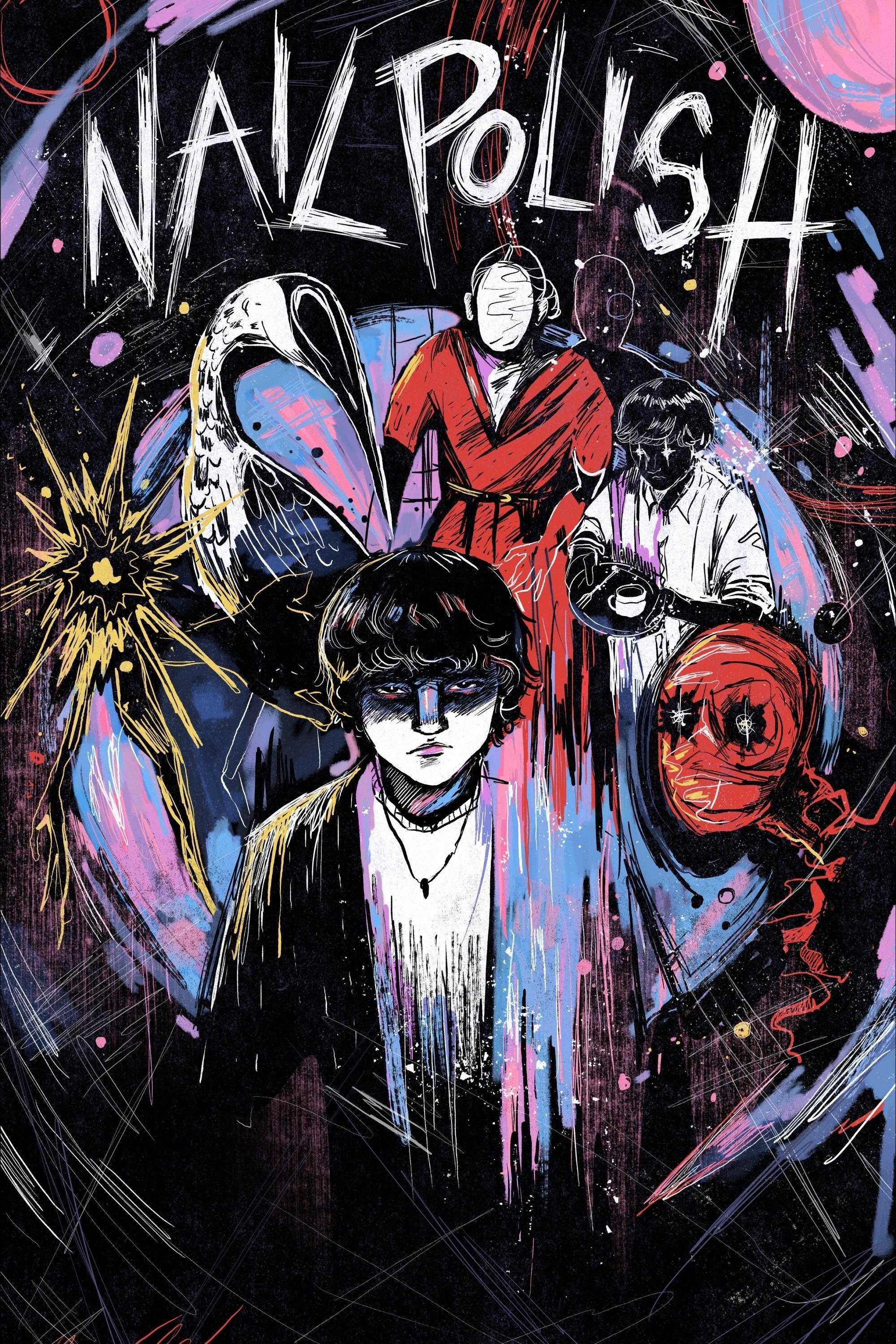
A non-binary teen goes on a journey toward acceptance, after being kicked out.
An employee at the Getty owned Pierre Hotel in New York City wondered why there were so many Germans being hired and staying at The Pierre during World War II. He called the FBI and the FBI charged J.P. Getty with Espionage, FBI File 100.1202, June 26, 1940. 43,000 people were killed in the UK while J. Paul Getty was in Berlin still shipping oil to Hitler five months before Pearl Harbor; December 7, 1941. The mother of J.P. Getty was German. 2003 documents declassified by UK Warfare Ministry reveal that in Oct. 1941 the pro-Nazi Jean Paul Getty employed and lodged Nazis at his Pierre Hotel in New York City; Nazis who were involved in spying on and sabotaging Allied Forces' war production plants
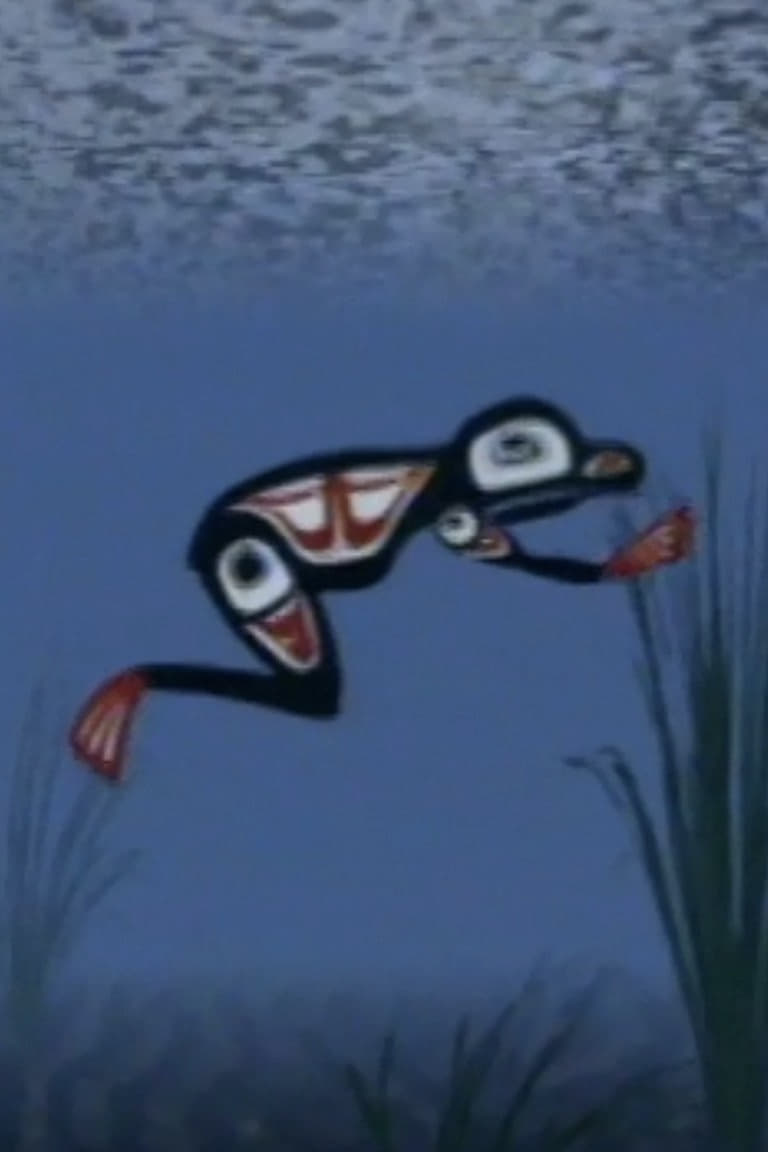
Traditional Northwestern Indigenous spiritual images combined with cutting-edge computer animation in this surreal short film about the power of tradition. Three urban Indigenous teens are whisked away to an imaginary land by a magical raven, and there they encounter a totem pole. The totem pole's characters—a raven, a frog and a bear—come to life, becoming their teachers, guides and friends. Features a special interview with J. Bradley Hunt, the celebrated Heiltsuk artist on whose work the characters in Totem Talk are based.
"In my film I suggest that there is no greater mystery than that of the protagonists. War and Love are simply equated for what they are; the aftermath is inevitable, and a normal human condition, for which like the ancients one can only have pity and understanding. In this lies the mystery. All else is irrelevant. That there are other sub-currents of equal power in The Mysteries goes without saying; and, those who are capable of the numerous visual visitations and annunciations which the film offers them will realize what is the Ultimate Mystery of my work."
How would a found footage film look if the footage was never found? This conceptual art experiment questions the very nature of film and cinema while serving as an ironic tribute to the found footage horror pop culture. The found footage format provides the narrative justification for such a film to exist: the non-existence exists because the footage existed yet it was lost and never found.
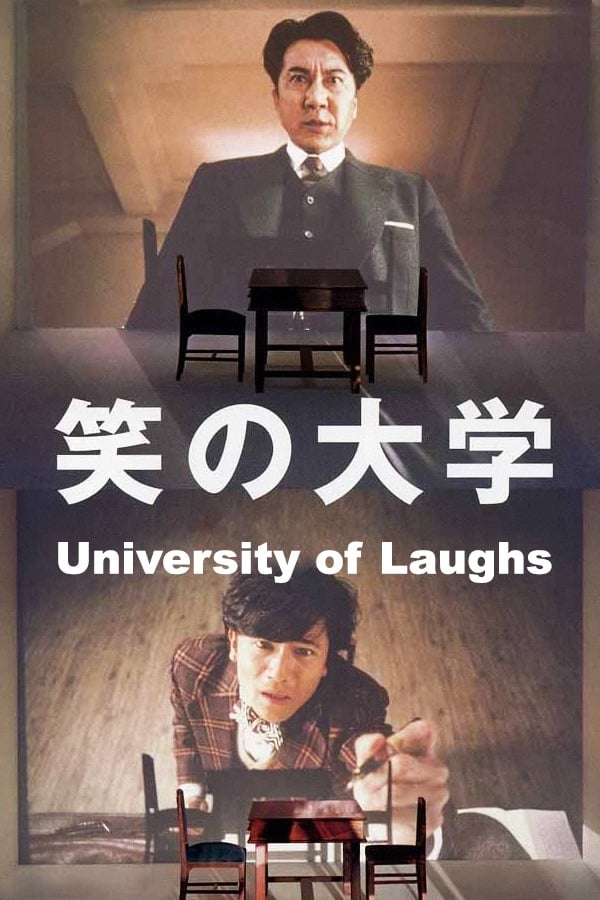
In pre-war Japan, a government censor tries to make the writer for a theater troupe alter his comedic script. As they work with and against each other, the script ends up developing in unexpected ways.