A love letter told through still photographs
Social & External
The people behind it
Mišo Suchý
Self
Lida Suchy
Myko Suchy
Marko Suchý
In a hybrid film, both documentary and fiction, five young women describe the feeling of grief when losing a parent at a young age. Anna returns to her father's home, a year after his death. In one weekend, she lives through a storm of emotions as these may come and go in the process of grief.
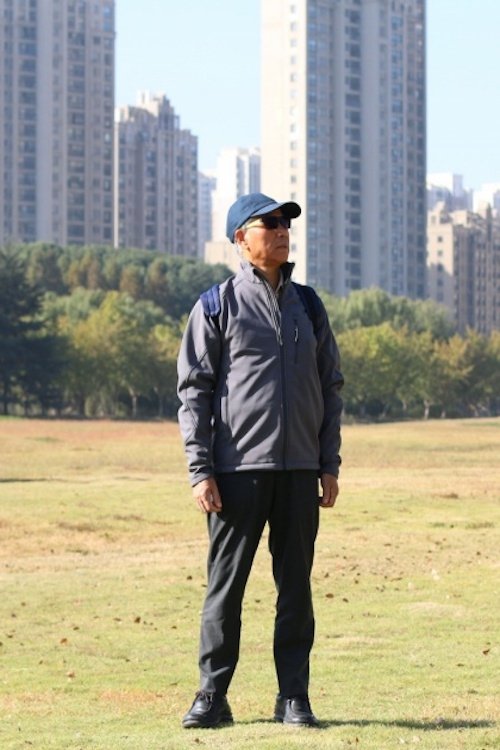
Mr. Lin is a happily retired man who spends his time keeping company with his toddling grandson, walking his dog, and playing golf with his in-laws. Recently, he has been obsessed with houses with river views. In Lin's city of demolitions and reconstructions, money-making investors buy and sell houses at unaffordable prices. Above the skyline of Taipei, will the boundaries between daydreams and reality ever blur?
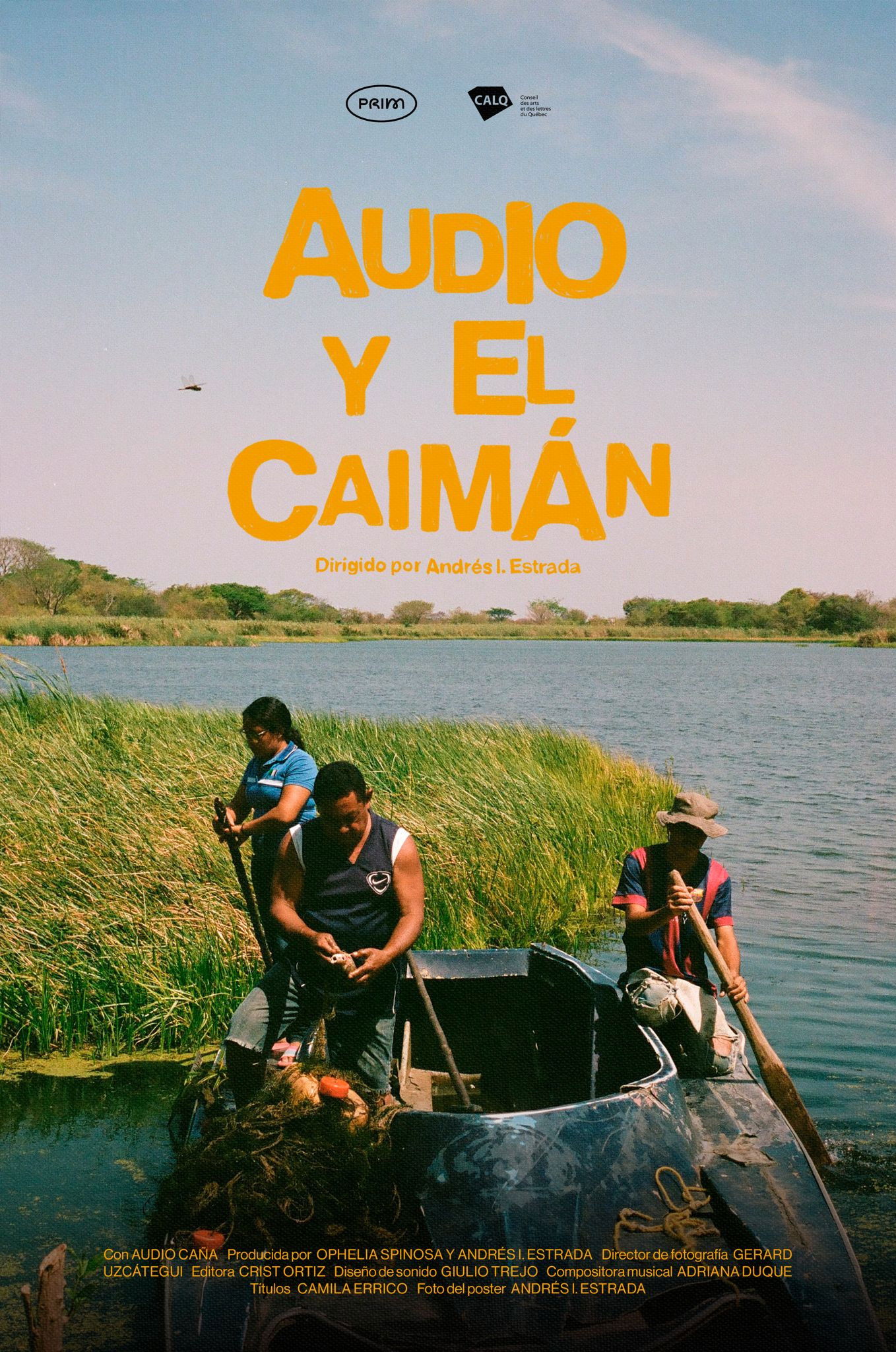
Audio Caña, an old farmer in rural Venezuela, believes there is a giant alligator living in his pond. With his family's help, he's determined to prove its existence to his friends who are often dissuaded by his exaggerated stories.
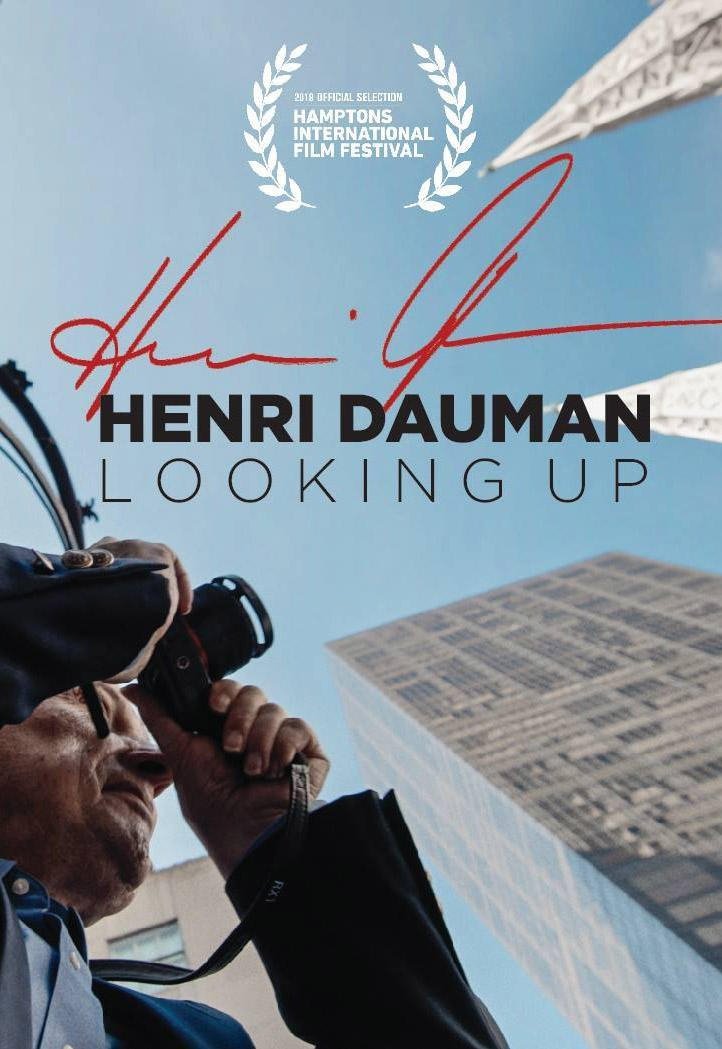
The perfectionist Life magazine photojournalist, famous for his pictures of Elvis, Jackie, and Marilyn, makes an emotional return to France, where he and his Jewish mother almost during World War II.
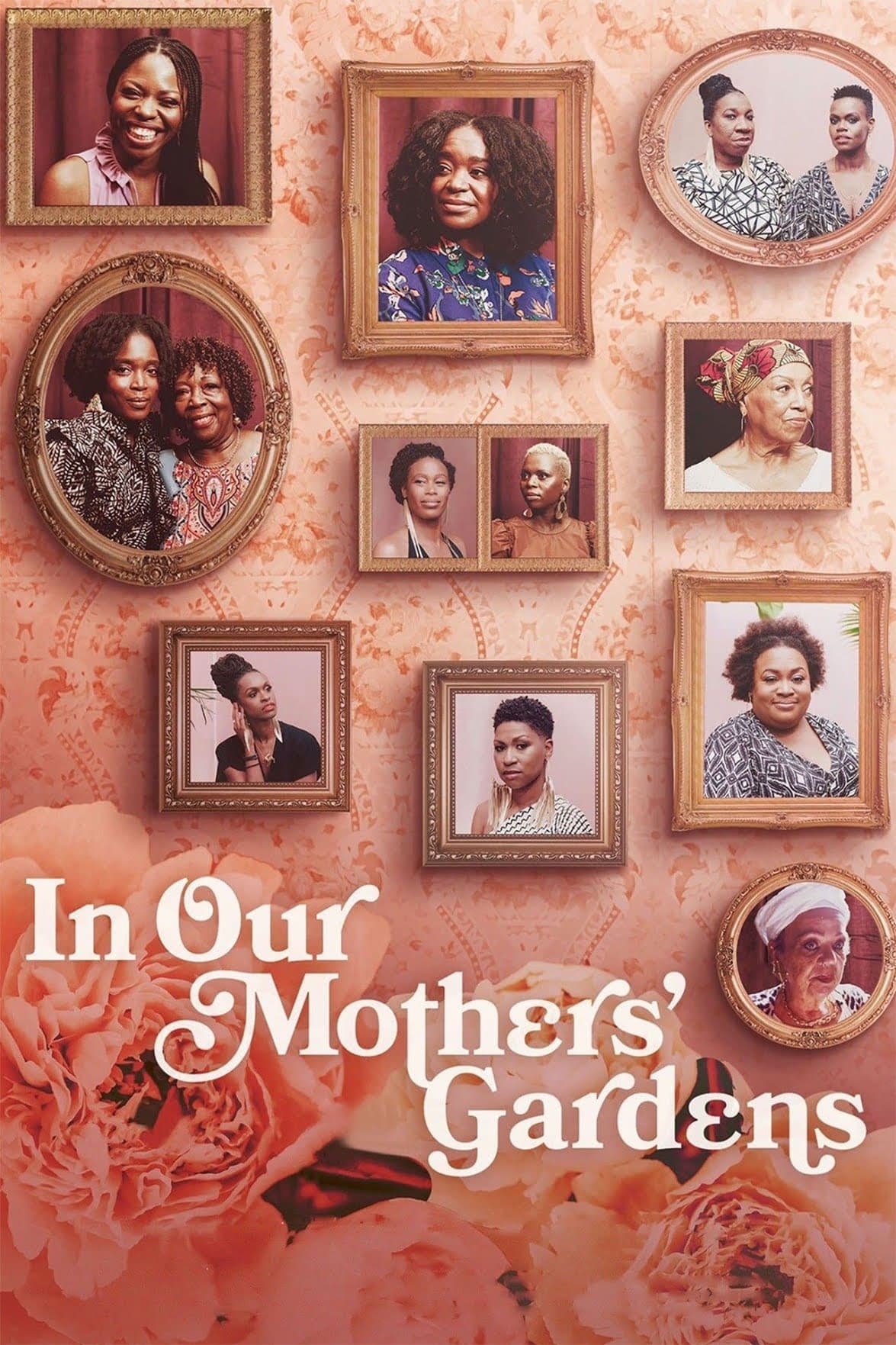
In Our Mothers' Gardens celebrates the strength and resiliency of Black women and Black families through the complex, and often times humorous, relationship between mothers and daughters.
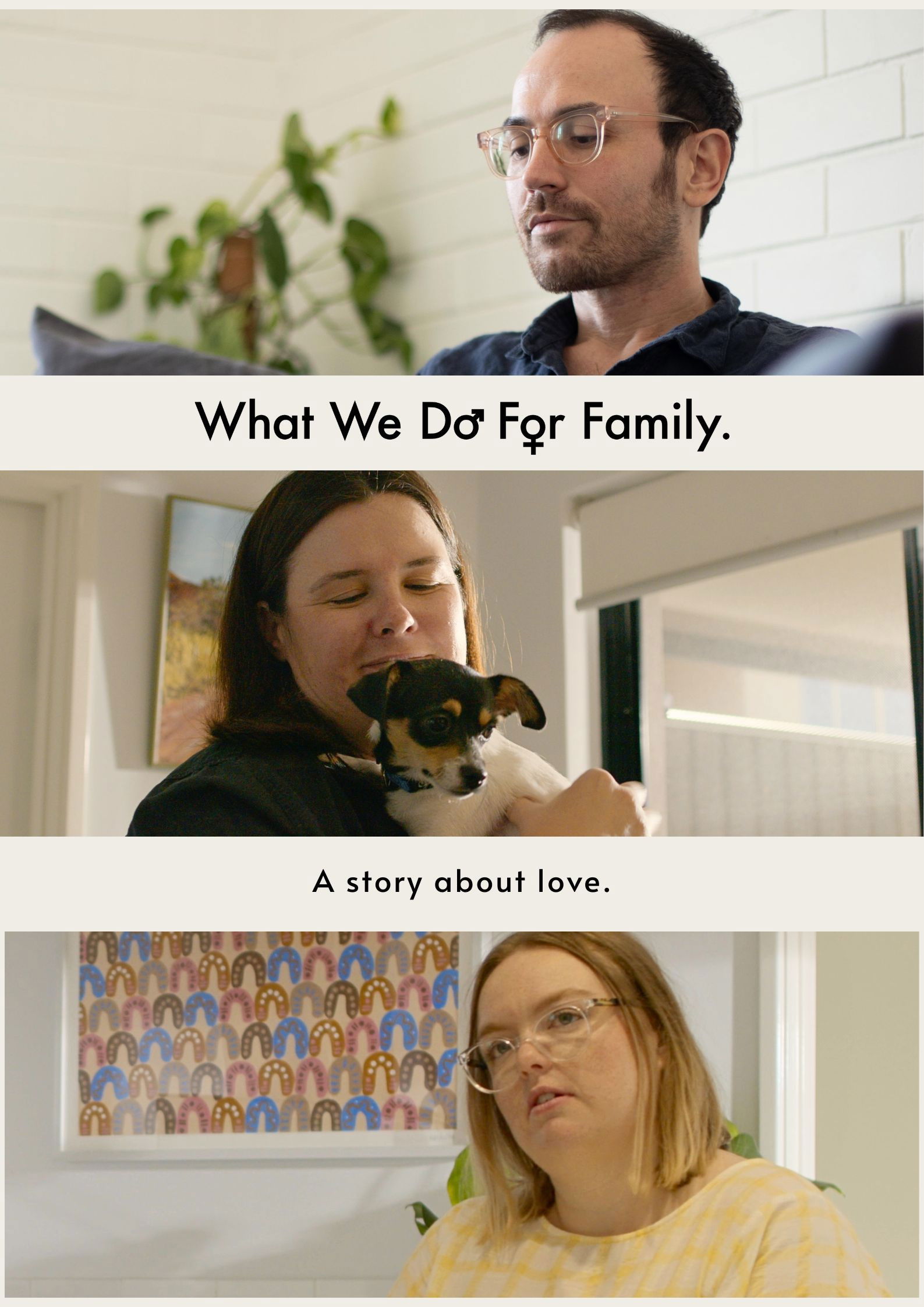
Alex and Sam want a baby, which is tricky when you're both cisgender women. Fortunately, Leslie is willing to help out. On the quest to become a sperm donor for his beloved friends, Leslie explores the process and lengths to which queer people must go to create a nuclear family. The baby-to-be is the embodiment of the chosen family, created deliberately and with such love, within the irregular shape of a chosen family.
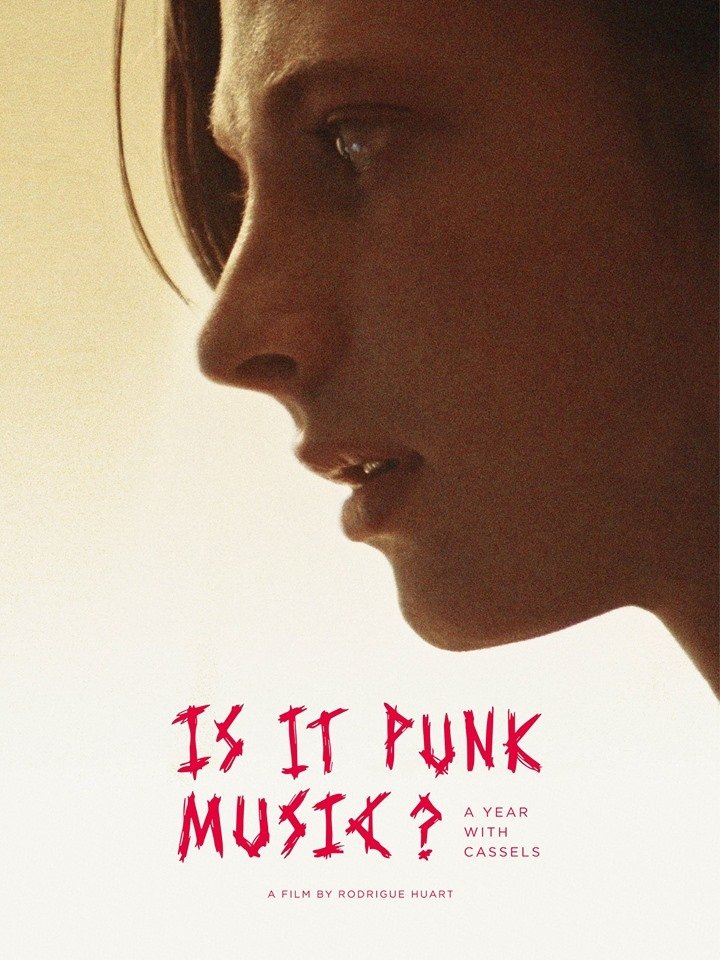
Jim and Loz Beck are brothers from Chipping Norton. They play rock'n'roll together since they're 8 years old. At 18, they leave the boring british countryside to live and work on their music in London. Jim starts working in a Cultural association while Loz discovers the pleasures of the student life. The film is driven by the raw punk music and the deeply political and emotional lyrics from their two piece band Cassels. In this intimate portrait, Jim and Loz will confront their strong artistic point of view and their DIY approach to the reality of the music industry and the social and economical London's life.
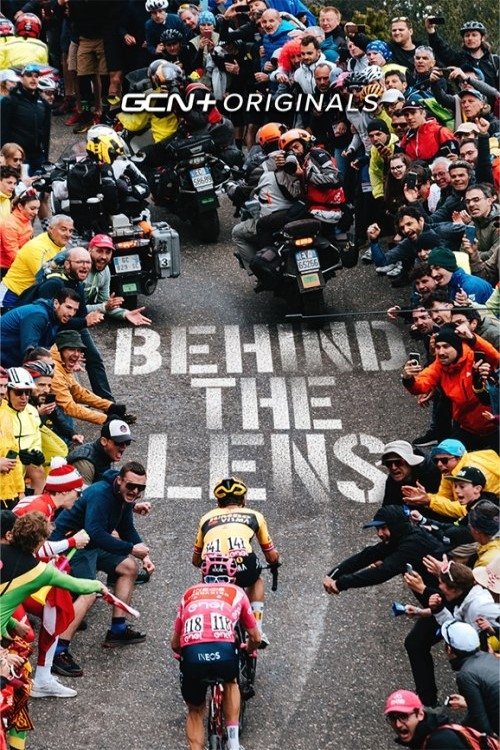
Witness cycling’s top photographers in action at the world’s most beautiful bike race, as we go behind the lens with Ashley and Jered Gruber, Luca Bettini, and Zac Williams at the 2023 Giro d’Italia. Filmed during the race’s three epic final stages, learn how the photographers chase the action, doing their best to capture the pain and glory of the riders, and document the beauty of the mountains and towns across Italy. This is a thrill-a-minute, front row seat to the stunning finale of a race that will live long in the memory – and in the photographers’ beautiful imagery.
The story of Nisar Ahmed Khan, told through his children and the people he served, a spiritual guide whose followers still visit his tomb on his birth and death anniversaries. And alongside how his family spends a few days at the village keeping his traditions alive.
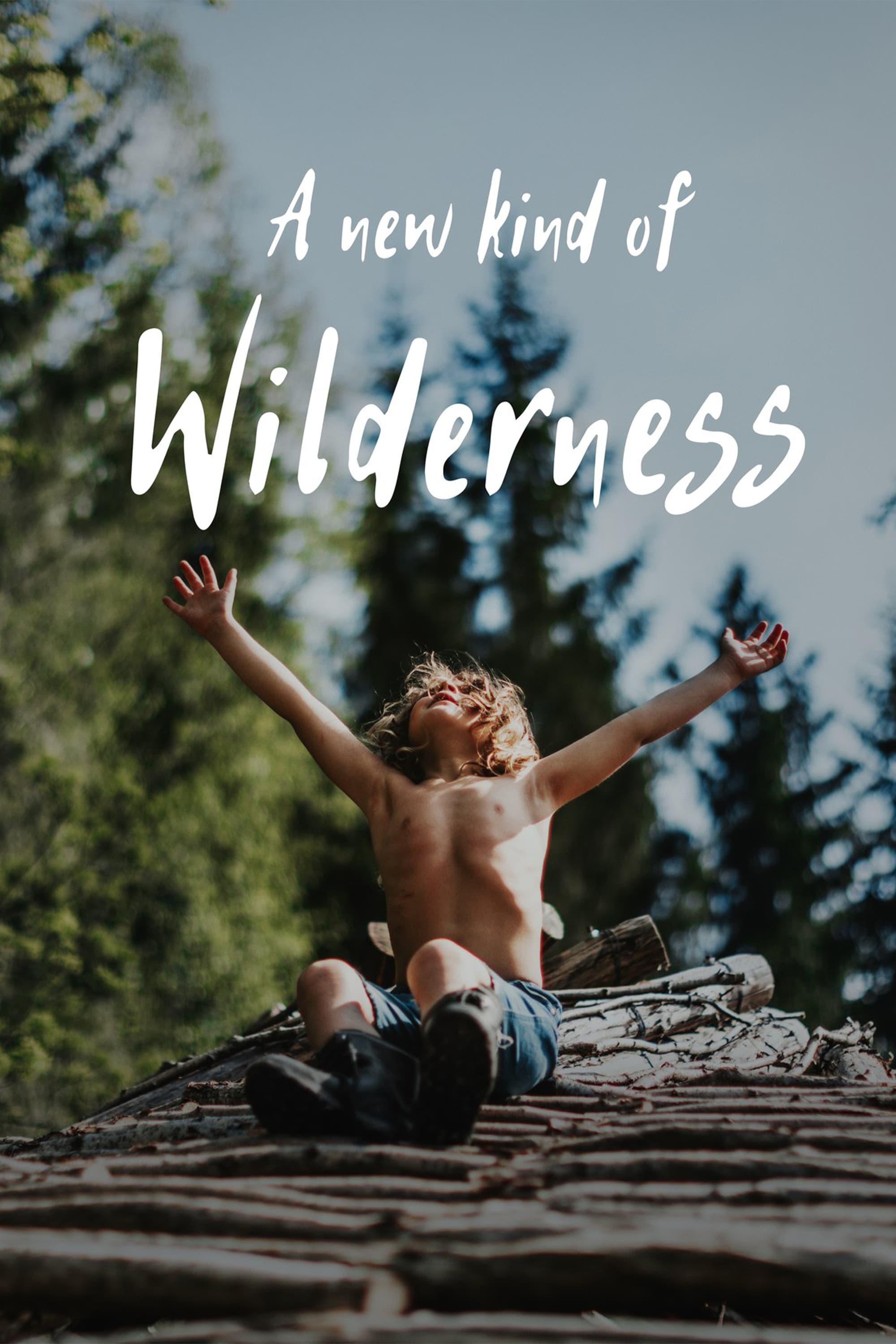
In a forest in Norway, a family lives an isolated lifestyle in an attempt to be wild and free, but a tragic event changes everything, and they are forced to adjust to modern society.
A mother discovers that her son has a disability that causes her breast milk to intoxicate him. But the discovery comes too late to prevent the loss of neurons.
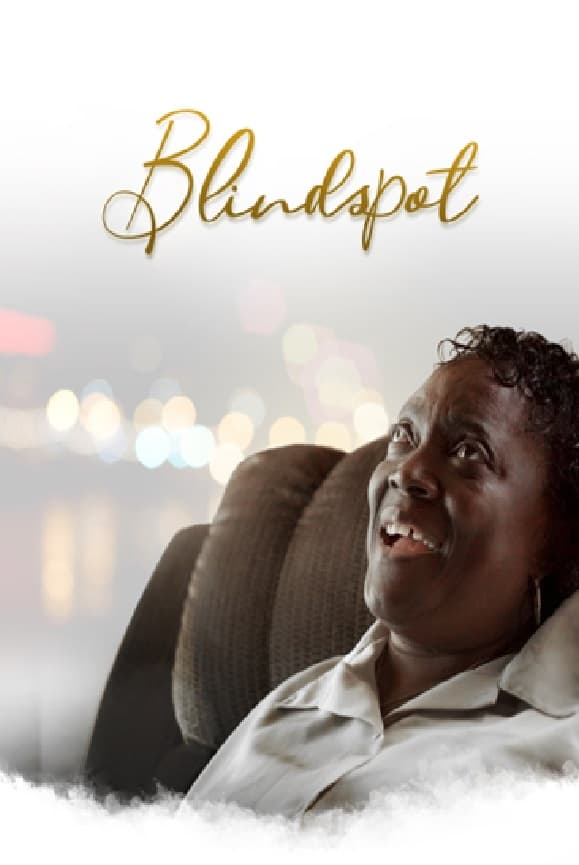
A brief glimpse through the life of Granny Lue. A woman of faith, fearlessness, and fierce energy, she never allowed her disability to determine her ability to live.
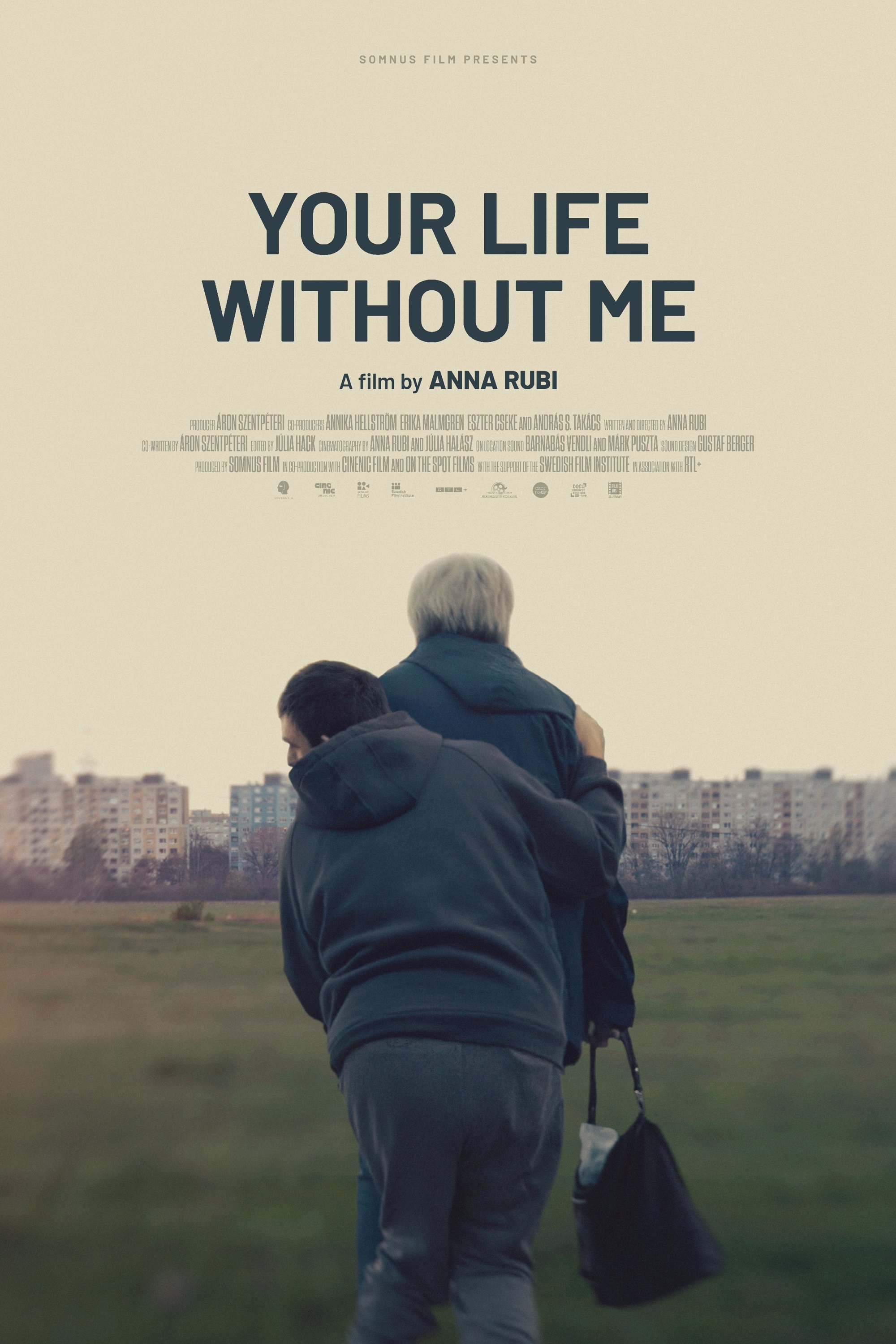
Magdi, a strong-willed, but lonely caregiver faces a daunting reality as she grows older: If she were to pass away, her disabled adult son, Feri would be left to the inhumane conditions of the Hungarian state care system, and would quickly follow her. Determined to secure a future for Feri, Magdi unites with a group of mothers who are in the same situation and they take legal action against the state. “Your Life Without Me” is a story of the strength and sacrifices of these women who find their own voice through the common fight and their community.
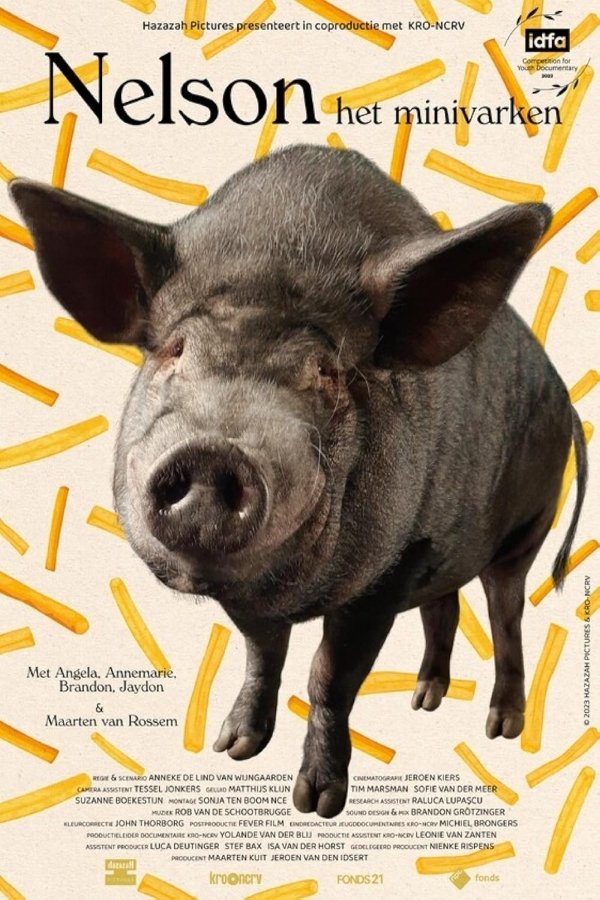
Nelson is a miniature pig—at least, that’s what the Verbeek family were told when they bought him as a cute little piglet. But seven years and 500 kilos later, Nelson has become a big problem. The neighbors and the housing association think it’s unacceptable to have such a large and smelly animal in a residential neighborhood. Son Brandon is being bullied at school because of his pet.
Echo is a youngster who can't quite decide if it's time to grow up and take on new responsibilities-or give in to her silly side and just have fun. Dolphin society is tricky, and the coral reef that Echo and his family call home depends on all of its inhabitants to keep it healthy. But Echo has a tough time resisting the many adventures the ocean has to offer.
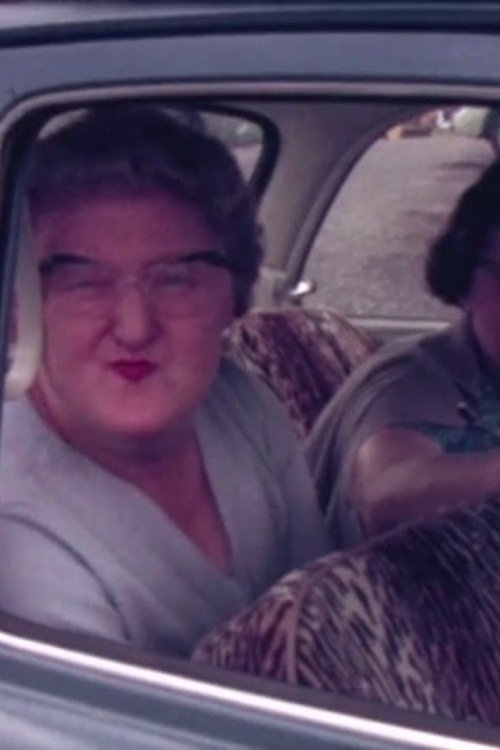
Colourful amateur film showing family outings around Lancashire and a trip to Southampton to meet travellers from America.
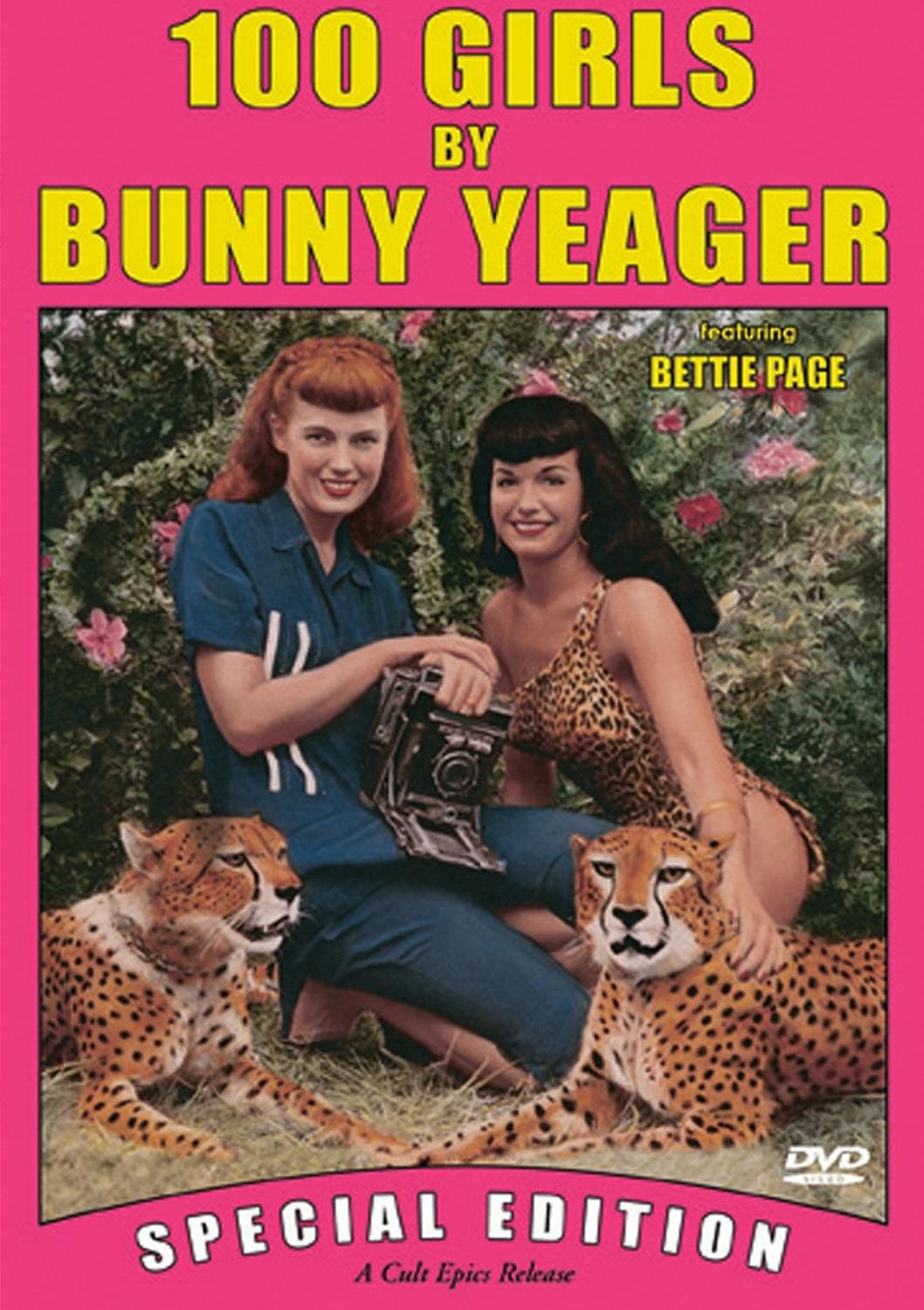
Bunny Yeager, 'The world's prettiest photographer', started out as a beauty contest winner and professional photographer's model in the 50's. She became one of America's top ten glamour photographers during the 50's and 60's. This pictorial shows 100 of her most glamorous models, featuring Bettie Page, and includes photographs and original footage of Bunny with the girls behind the scenes.
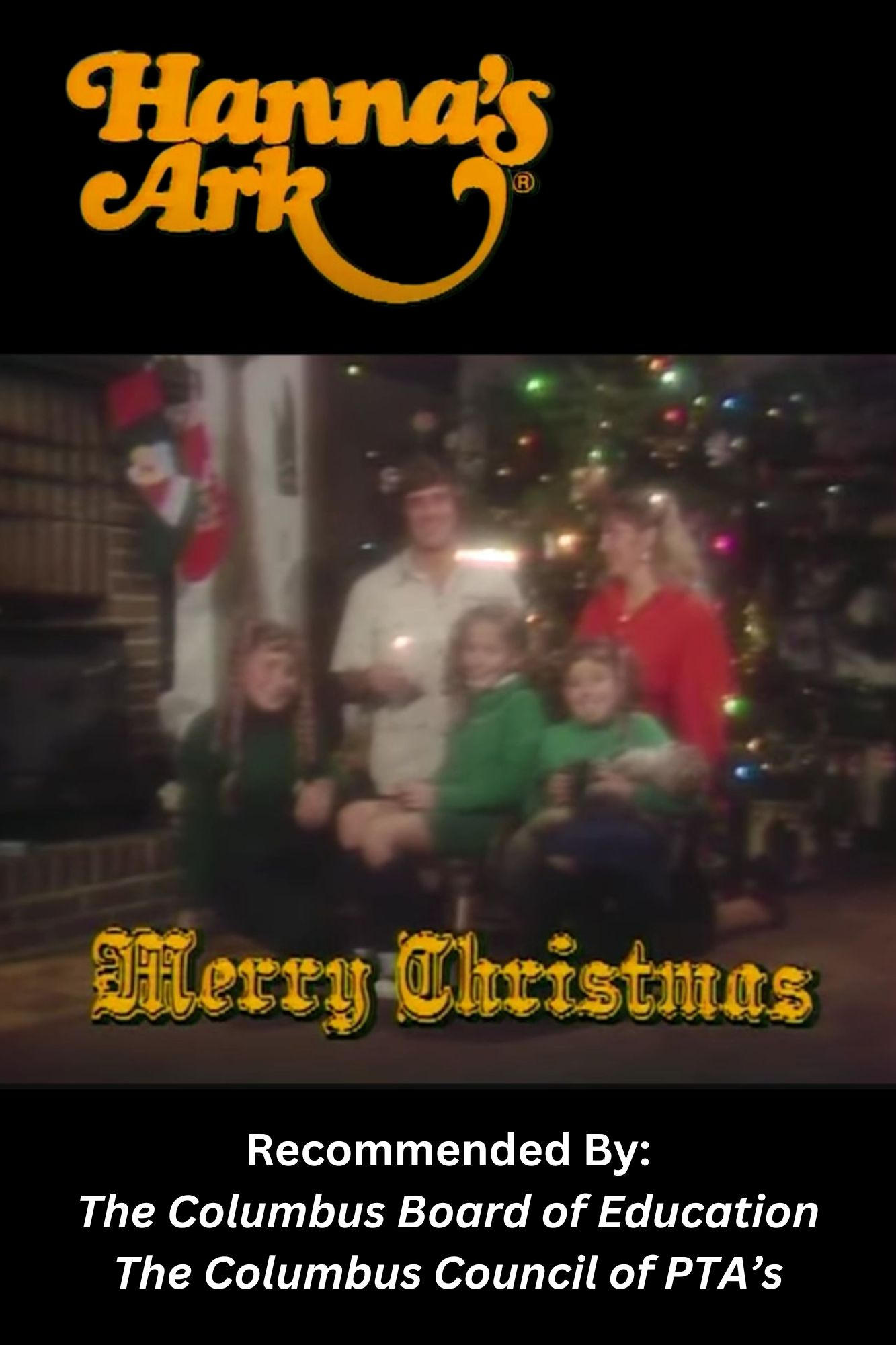
The Hanna family sit around the Christmas tree and reflect back on scenes from the show Hanna's Ark. Co-starred Jack Hanna and his daughter Kathaleen – with regular appearances by his wife Suzi and younger daughters Suzanne and Julie.
Naturists visit Panther Beach in Santa Cruz, California.
Through deeply personal interviews with her siblings and an examination of the photographs, letters, and belongings left behind, Mariska assembles a new portrait of her mother Jayne Mansfield, an extraordinary and complex woman.
A visual montage portrait of our contemporary world dominated by globalized technology and violence.
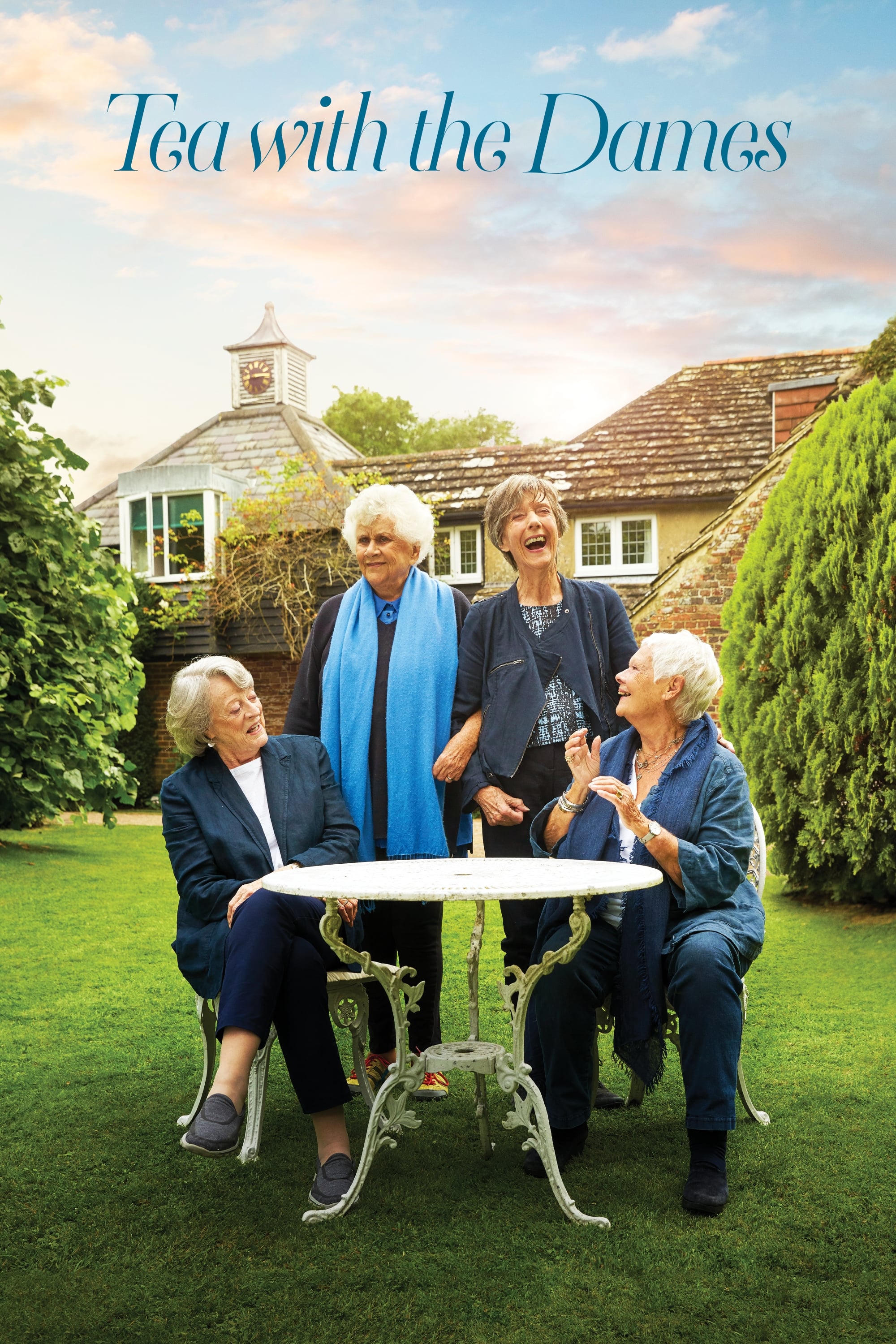
BBC Arena's documentary on the Dames of British Theatre and film featuring Maggie Smith, Eileen Atkins, Judi Dench and Joan Plowright on screen together for the first time as they reminisce over a long summer weekend in a house Joan once shared with Sir Laurence Olivier.
As a visually radical memoir, CAMERAPERSON draws on the remarkable footage that filmmaker Kirsten Johnson has shot and reframes it in ways that illuminate moments and situations that have personally affected her. What emerges is an elegant meditation on the relationship between truth and the camera frame, as Johnson transforms scenes that have been presented on Festival screens as one kind of truth into another kind of story—one about personal journey, craft, and direct human connection.
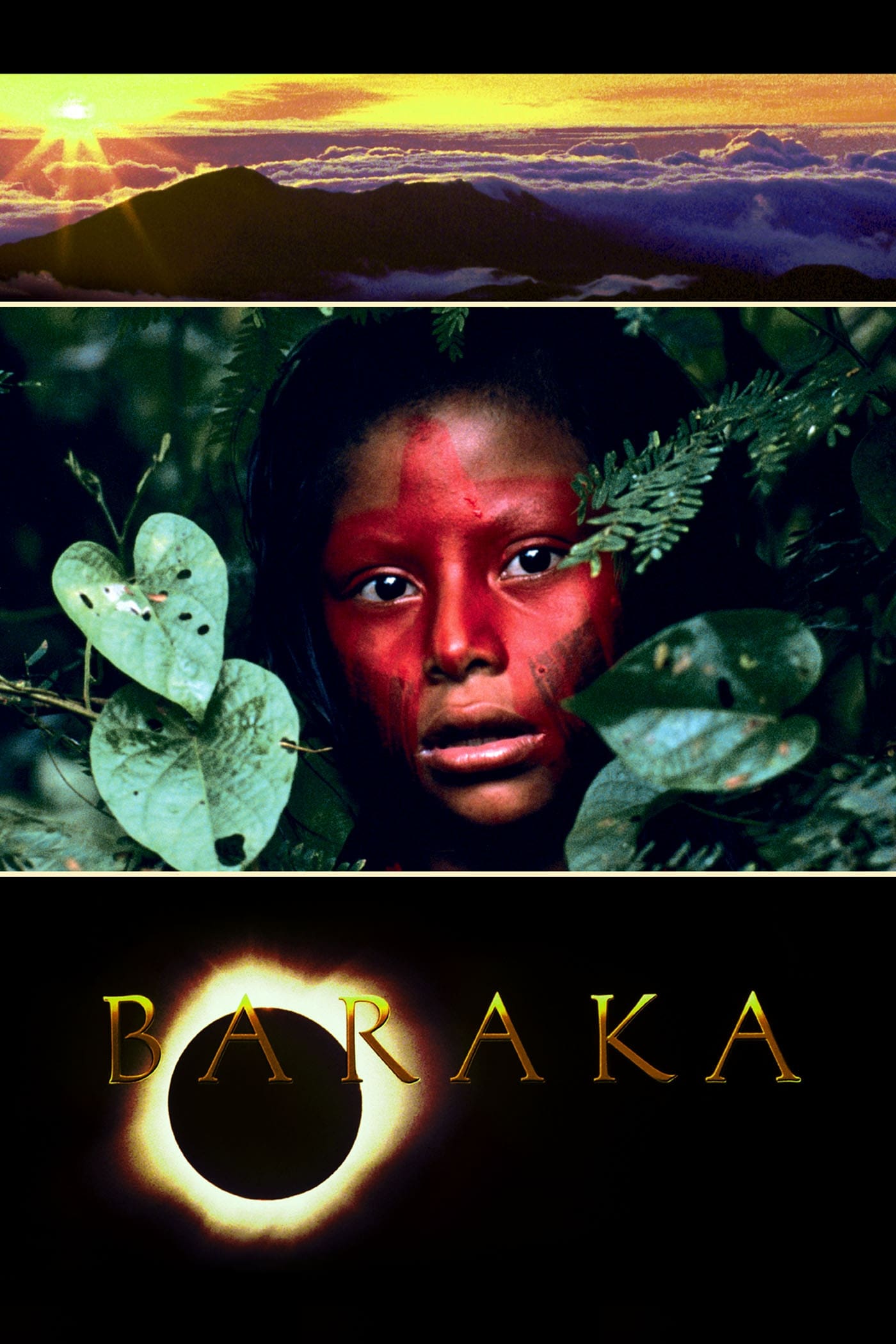
A paralysingly beautiful documentary with a global vision—an odyssey through landscape and time—that attempts to capture the essence of life.
In an intimate and joyful story of love in the face of loss, celebrated poets Andrea Gibson and Megan Falley find strength—and unexpected hilarity—in what might be their final year together.
The life and career of an actor, artist, and icon. His own journey through his own camera.
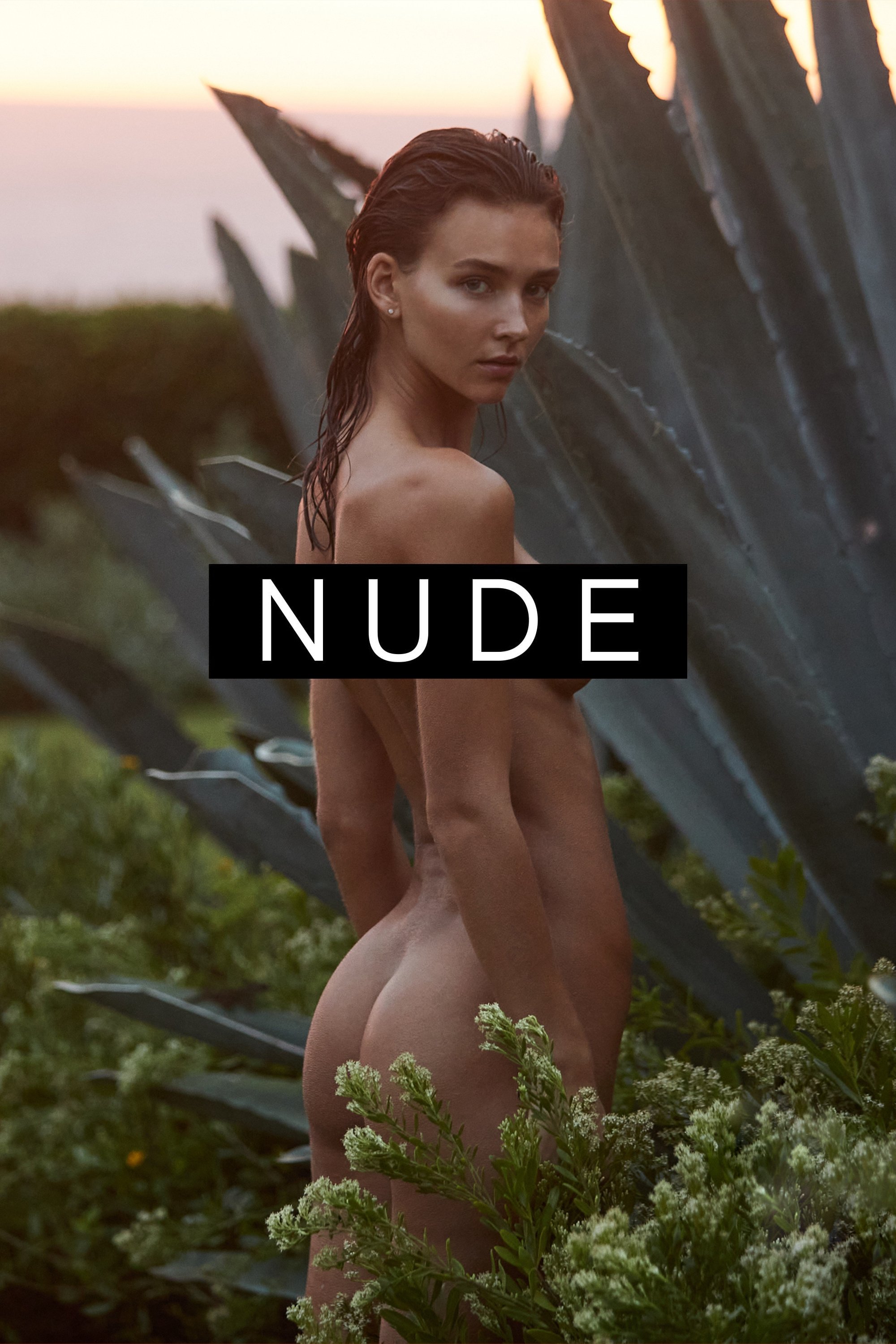
NUDE explores perceptions of nudity in art by chronicling the creative process of photographer David Bellemere as he's commissioned by NU Muses founder Steve Shaw to shoot a fine art calendar of nude photographs.
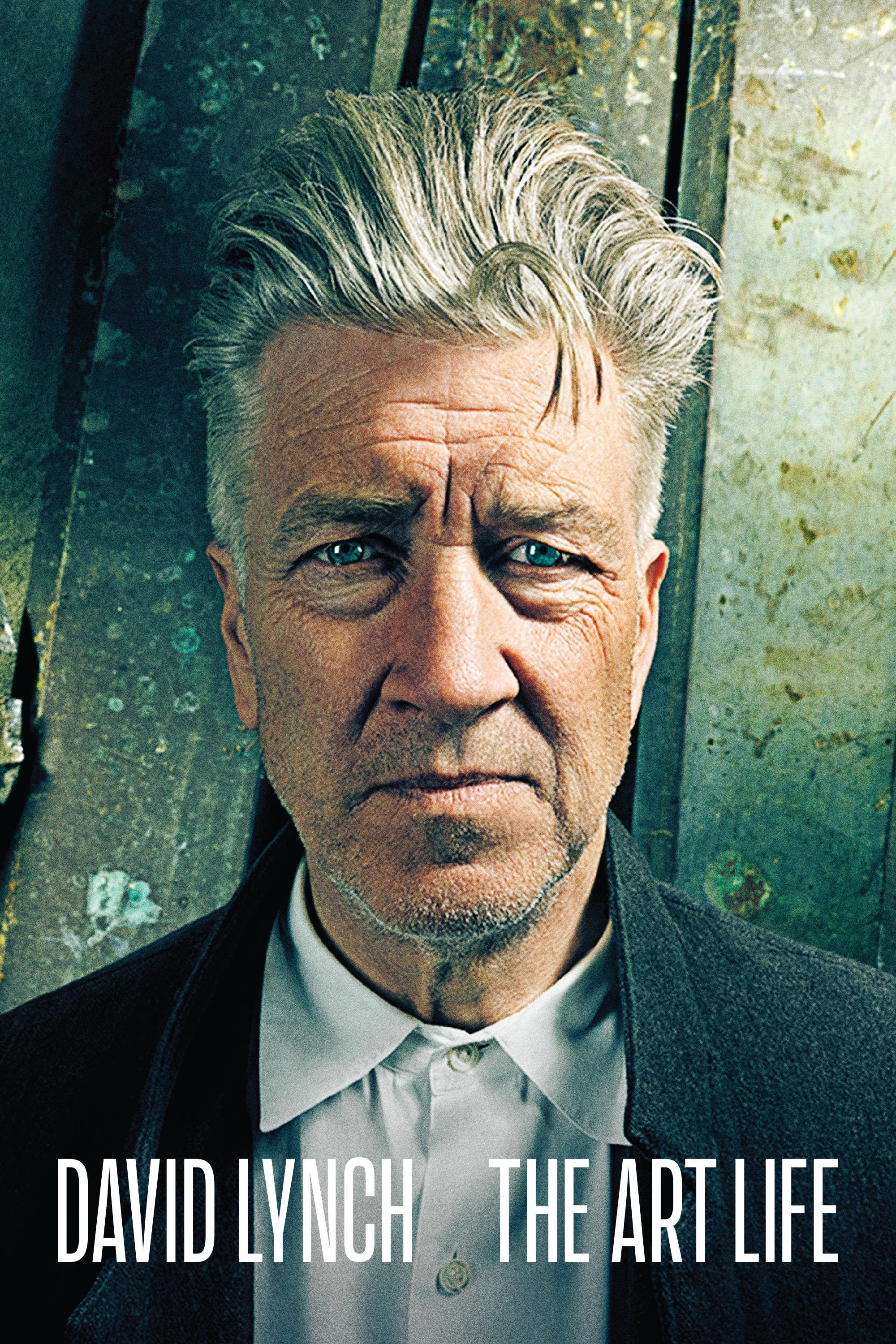
An intimate journey through the formative years of David Lynch's life. From his idyllic upbringing in small town America to the dark streets of Philadelphia, we follow Lynch as he traces the events that have helped to shape one of cinema's most enigmatic directors.
Lyrical and powerfully personal essay film that reflects on the deaths of her husband Lou Reed, her mother, her beloved dog, and such diverse subjects as family memories, surveillance, and Buddhist teachings.
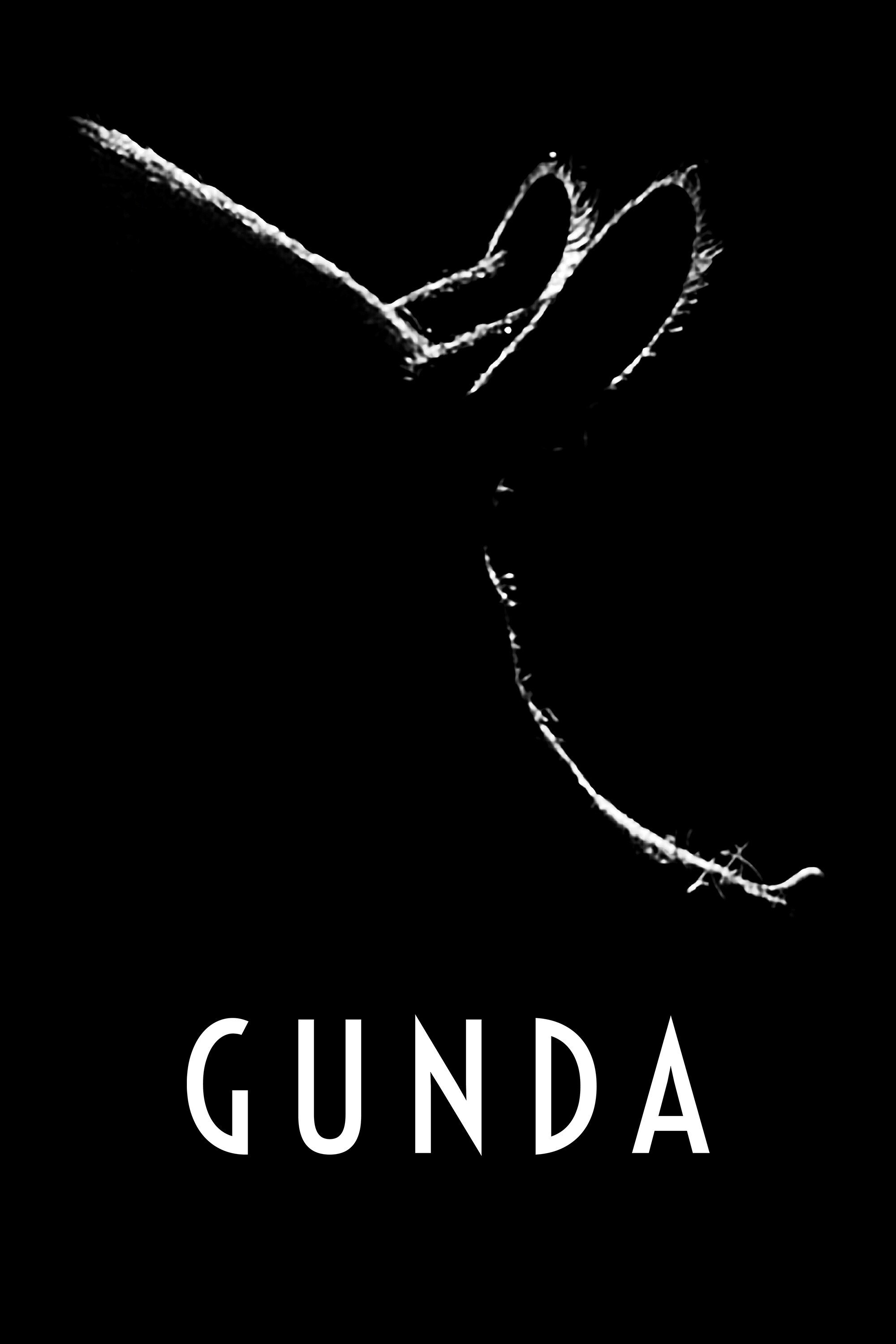
A glimpse into the raw and simple power of nature through encounters with farm animals: the eponymous Gunda, a mother pig; two cows, and a one-legged chicken.
Those who knew iconic funnyman John Candy best share his story, in their own words, through never-before-seen archival footage, imagery, and interviews.
Ranjit, a farmer in India, takes on the fight of his life when he demands justice for his 13-year-old daughter, the victim of a brutal gang rape. His decision to support his daughter is virtually unheard of, and his journey unprecedented.
A string of threatening emails escalates into a revenge plot involving a newly married US marshal and his ex-girlfriend.
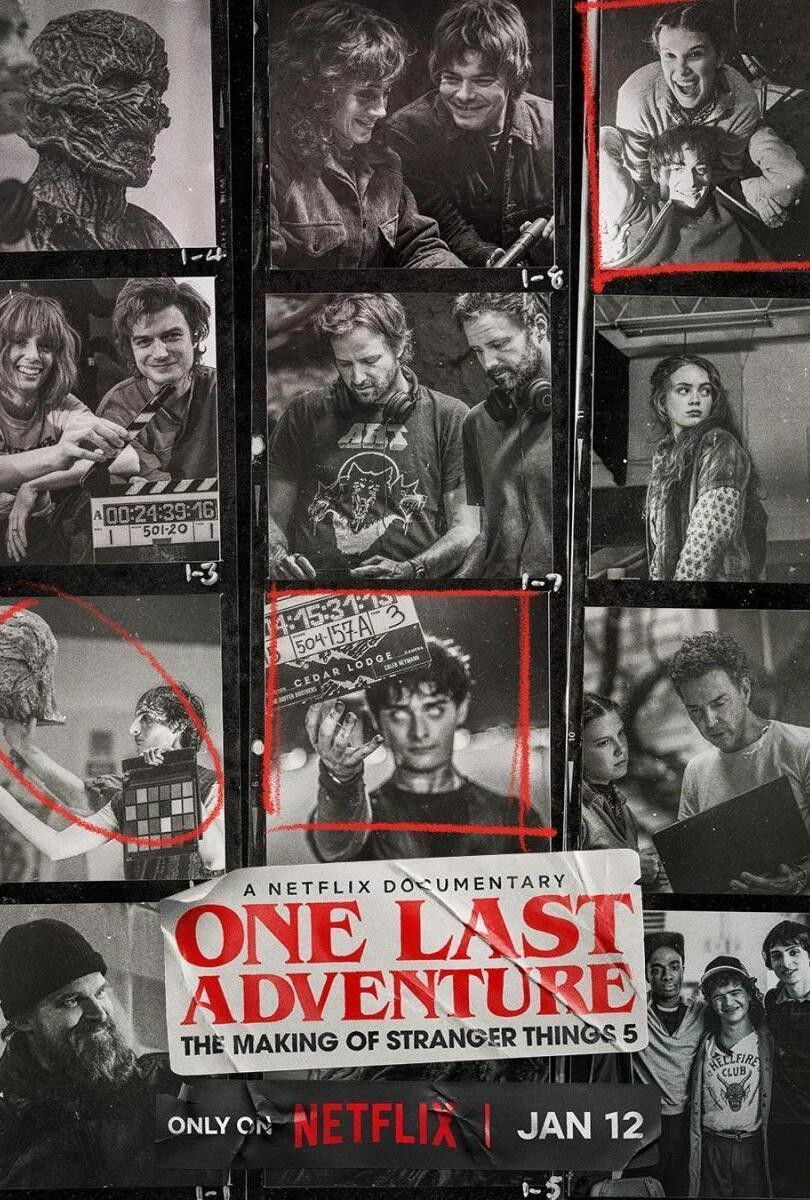
An inside look at the years of effort and craft that went into the final installment of the Duffer Brothers' generation-defining series.
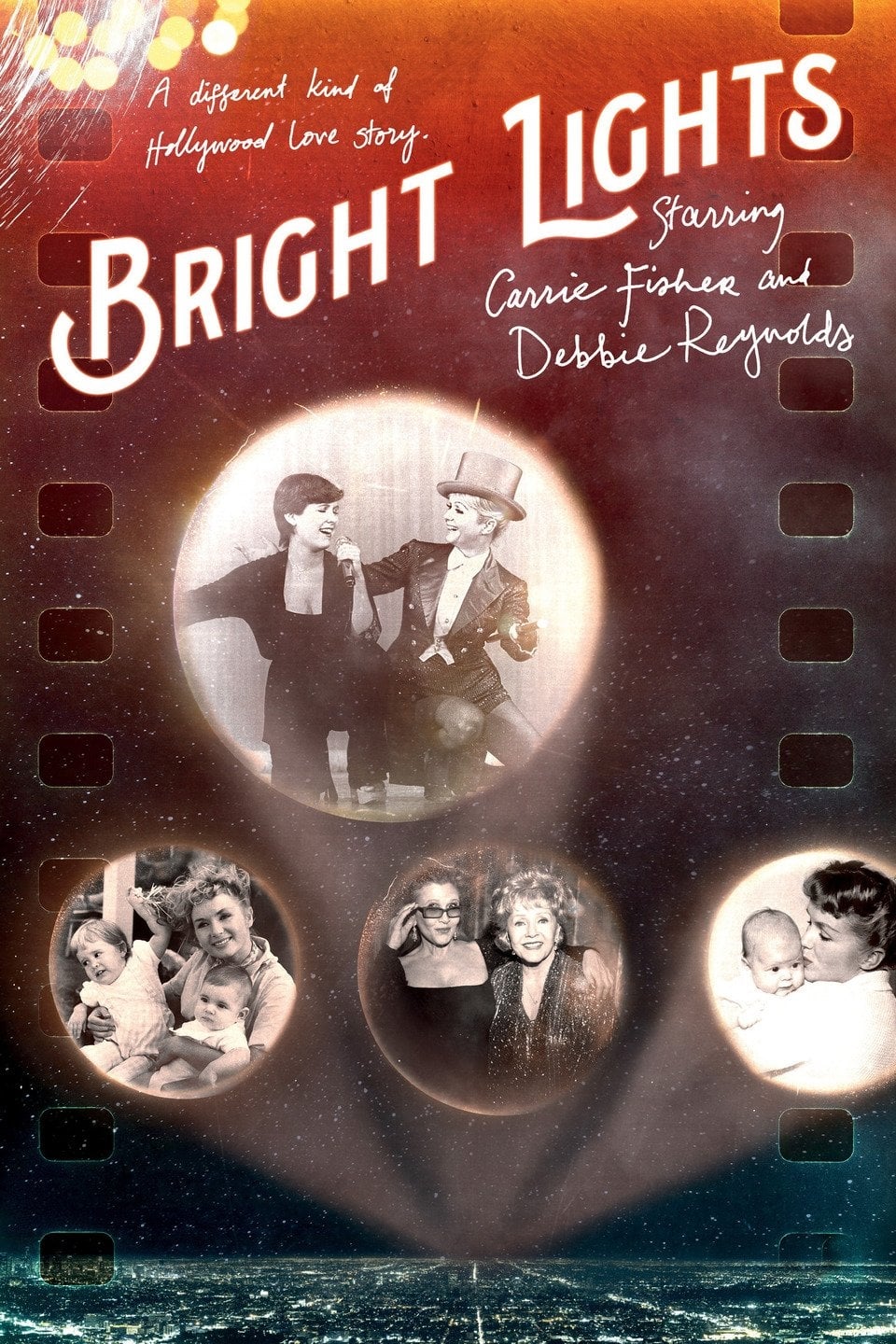
An intimate portrait of Hollywood royalty featuring Debbie Reynolds, Todd Fisher, and Carrie Fisher.
An inside look at one of the most anticipated movie sequels ever with James Cameron and cast.
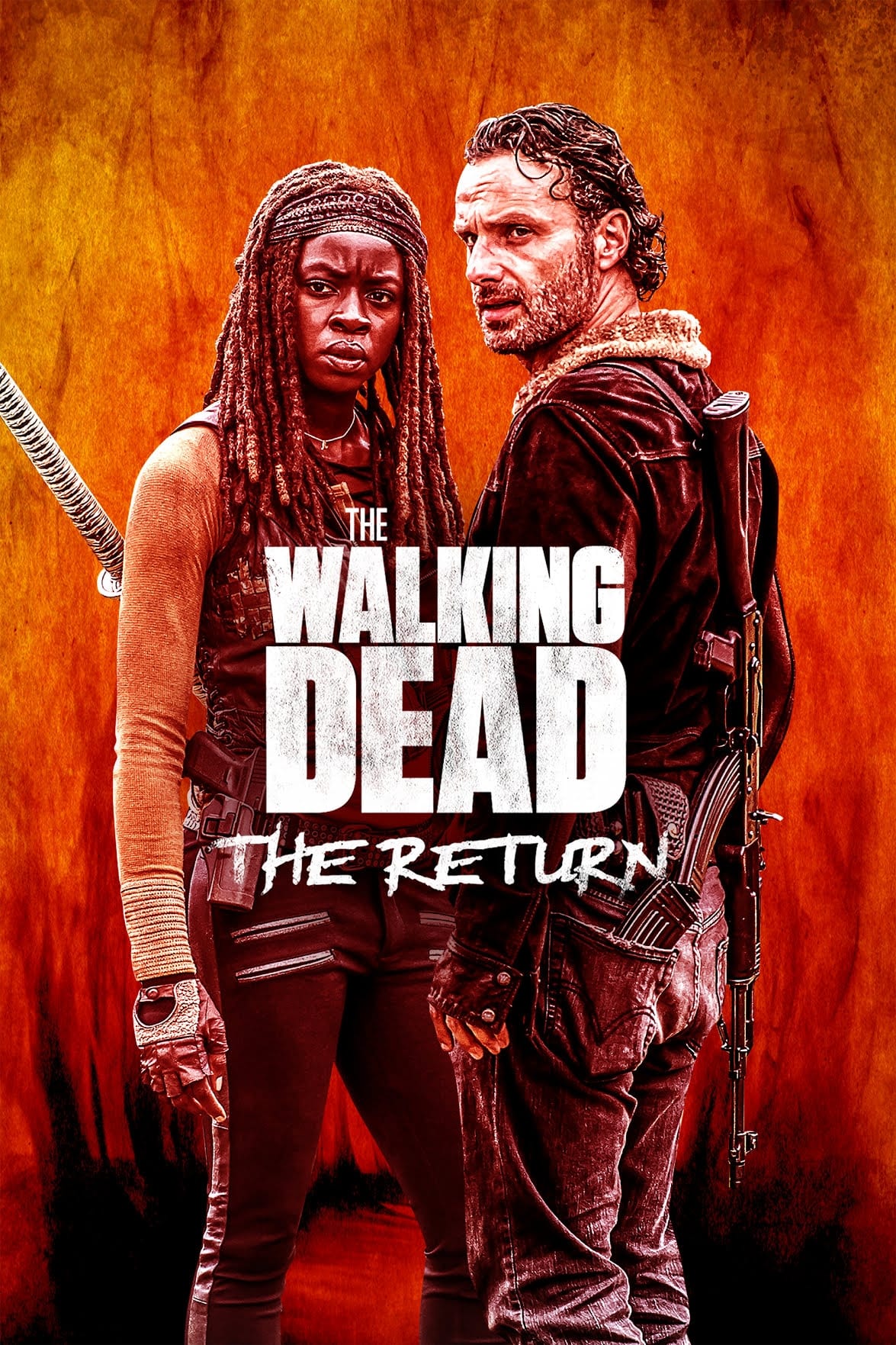
Stars of "The Walking Dead," Andrew Lincoln and Danai Gurira, walk down memory lane and visit iconic locations where pivotal moments between their characters, Rick and Michonne, were filmed.
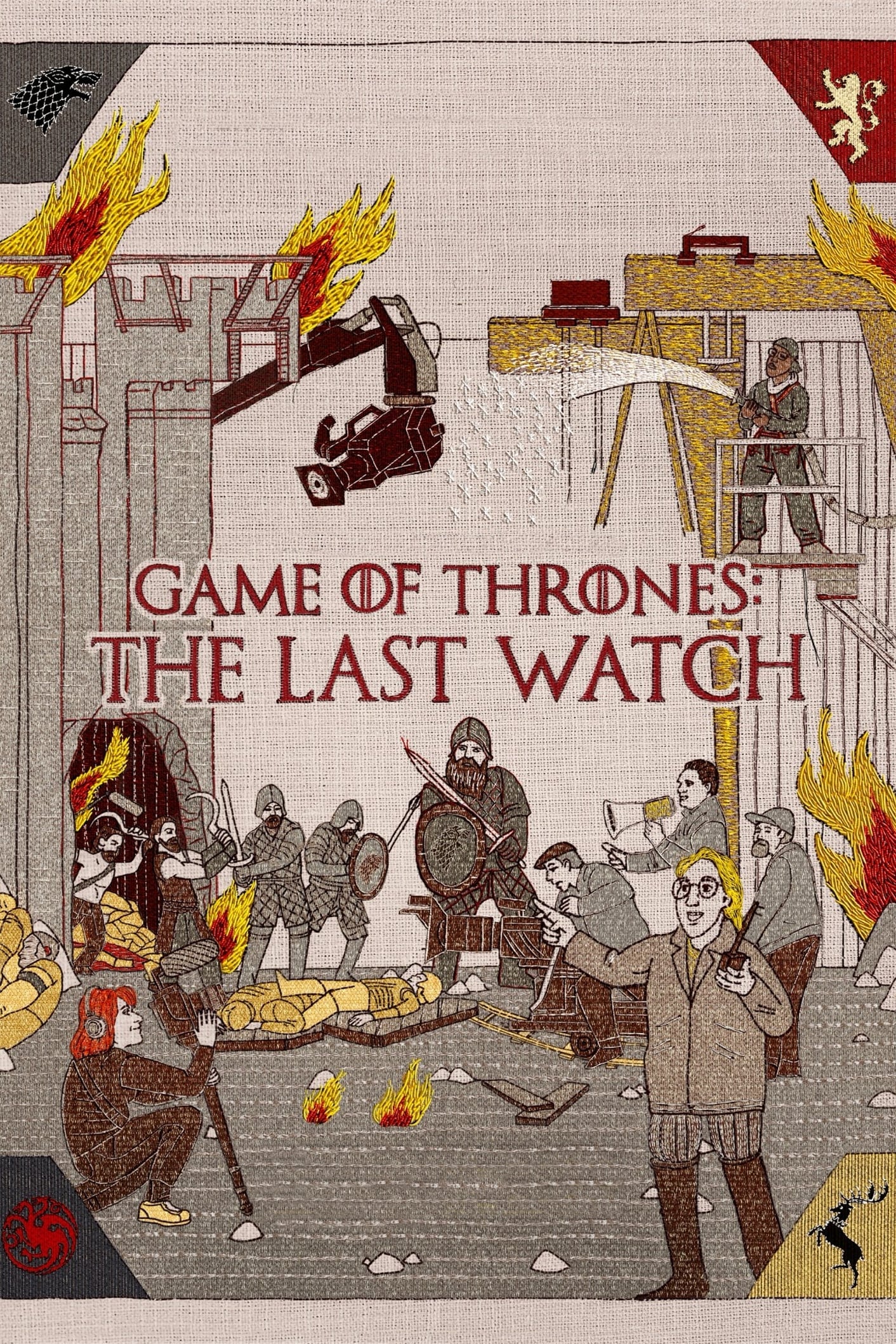
For a year, acclaimed British filmmaker Jeanie Finlay was embedded on the set of the hit HBO series “Game of Thrones,” chronicling the creation of the show’s most ambitious and complicated season. Debuting one week after the series 8 finale, GAME OF THRONES: THE LAST WATCH delves deep into the mud and blood to reveal the tears and triumphs involved in the challenge of bringing the fantasy world of Westeros to life in the very real studios, fields and car-parks of Northern Ireland. Made with unprecedented access, GAME OF THRONES: THE LAST WATCH is an up-close and personal portrait from the trenches of production, following the crew and the cast as they contend with extreme weather, punishing deadlines and an ever-excited fandom hungry for spoilers. Much more than a “making of” documentary, this is a funny, heartbreaking story, told with wit and intimacy, about the bittersweet pleasures of what it means to create a world – and then have to say goodbye to it.
A compilation of over 30 years of private home movie footage shot by Lithuanian-American avant-garde director Jonas Mekas, assembled by Mekas "purely by chance", without concern for chronological order.