A meditation on an Alaskan autumn.
Social & External
The people behind it
Early Balkan footage.
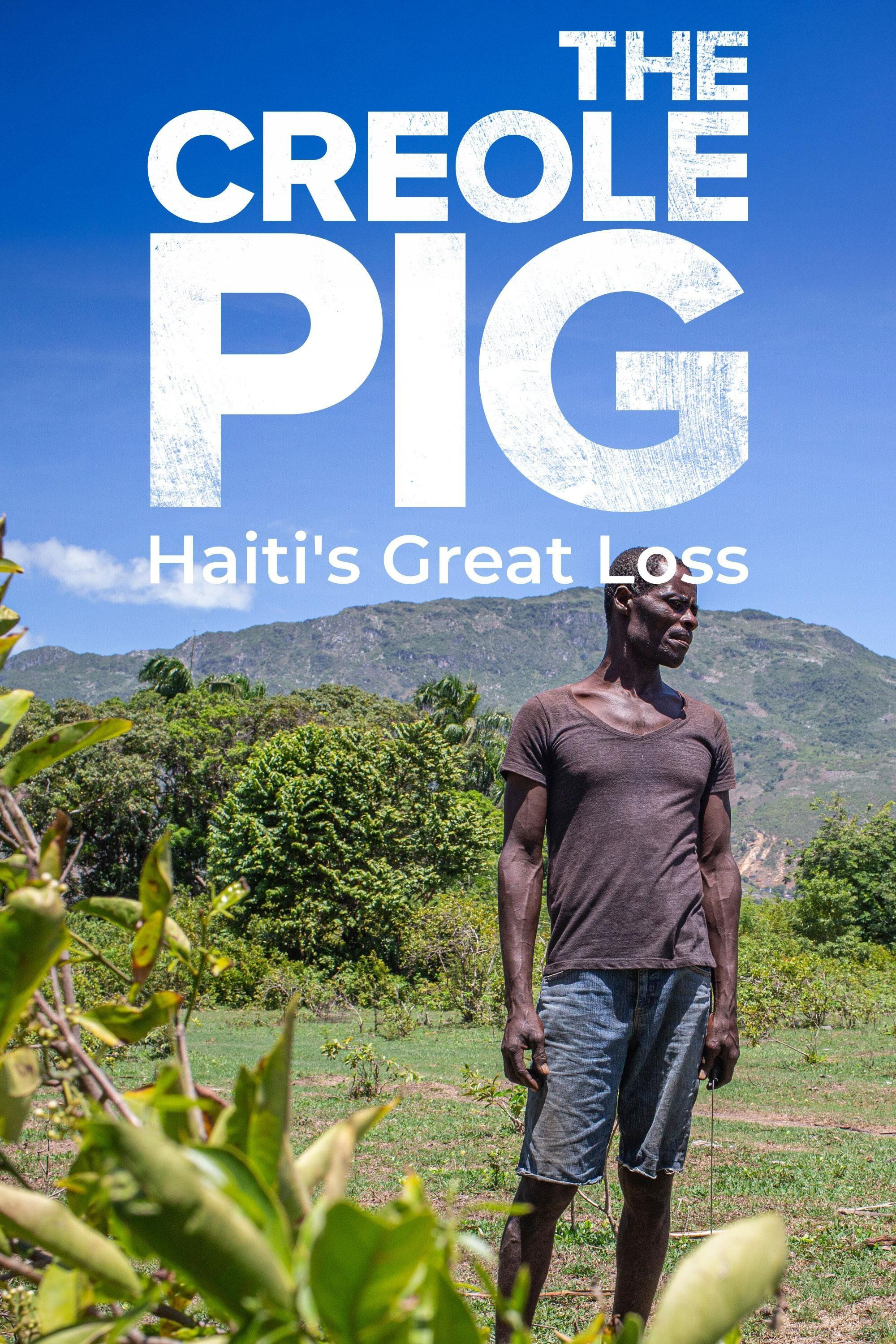
In the 1980s, a swine flu crossed the Haitian-Dominican border and started to affect the Creole pig, an important commodity in Haiti. The flu also threatened livestock in the United States. As a preemptive measure, the USAID in conjunction with the Haitian government proceeded to exterminate all Creole pigs from the island, leading to a crushing economic blow for an already impoverished country.
"Bagong Buhay" is a short experimental film that dispels the common belief that packing up and moving to a new place will magically improve one's quality of life. The film challenges this presumption by portraying two contrasting ways of life through objects and locations, encouraging viewers to think critically about the complexities of what makes a better life. In the Philippines, it's believed that relocating to a new area will bring about positive changes in one's existence. True satisfaction is a complex and multifaceted notion, and "Bagong Buhay" encourages us to ponder that relocating to a new place is not a surefire way to attain it.
A documentary about the cultural effect of film censorship, focusing on the tumultuous times of the teens and early 1920s in America.
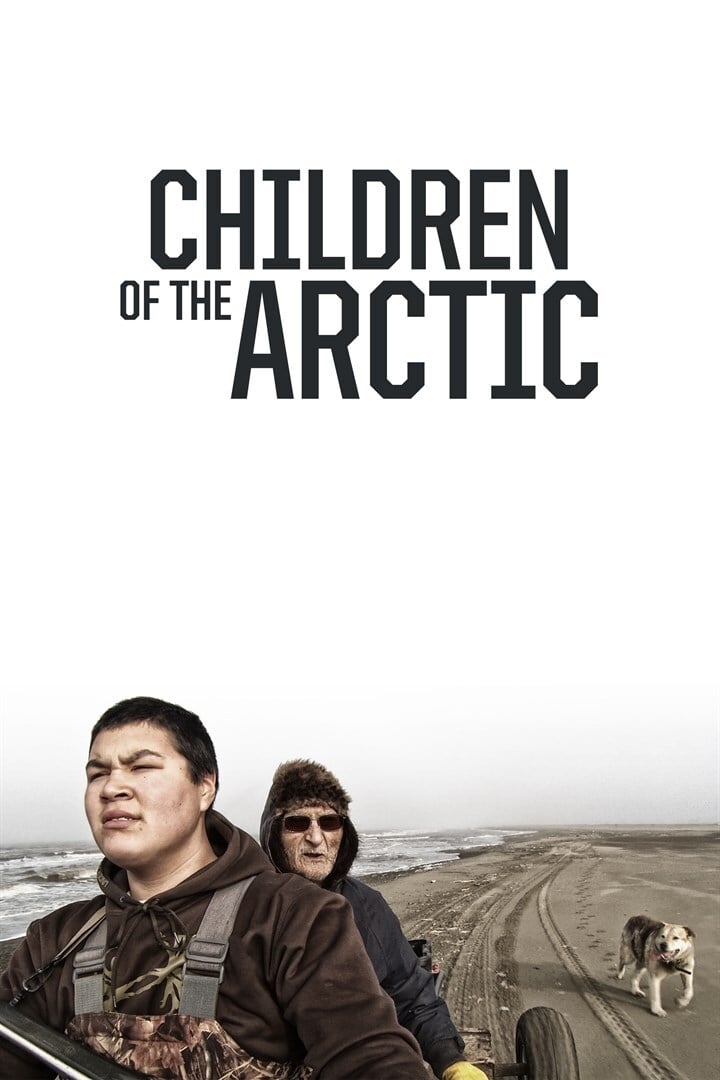
Children of the Arctic is a portrait of five Native Alaskan teenagers growing up in Barrow - the northernmost community in the United States. As their climate and culture undergo profound changes, they strive to balance being modern American kids and the inheritors of an endangered way of life.
A documentary that records the daily life of a mother with a limited life expectancy and a grandmother, directed by the daughter, Haruyo Kato.
Short film about Indian people
Newsreel of the visit of sultan Mehmed V Resad to Bitola.
The Tsar visits the Russian embassy
Early short film
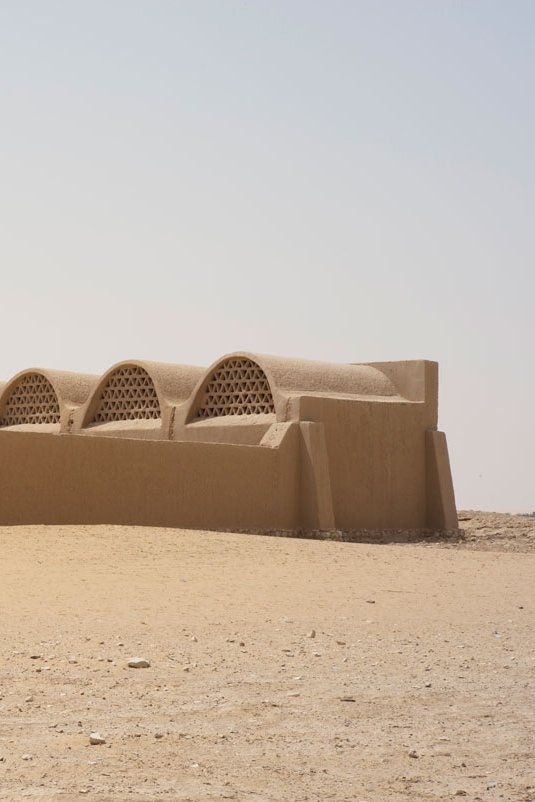
Egypt's only modernist architect Hassan Fathy (1900-1989) was committed to ecology and sustainability in his architecture. This film takes us with slow steps, in still images, to two villages he created. Fathy's historically grounded, forward-looking designs prompt us to reflect on the past as well as contemplate new solutions for the future.
These two views were taken during the celebrations given in 1896 on the occasion of the millennium of the foundation of the kingdom of Hungary. Horsemen and men on foot parade, all dressed in historic uniforms.
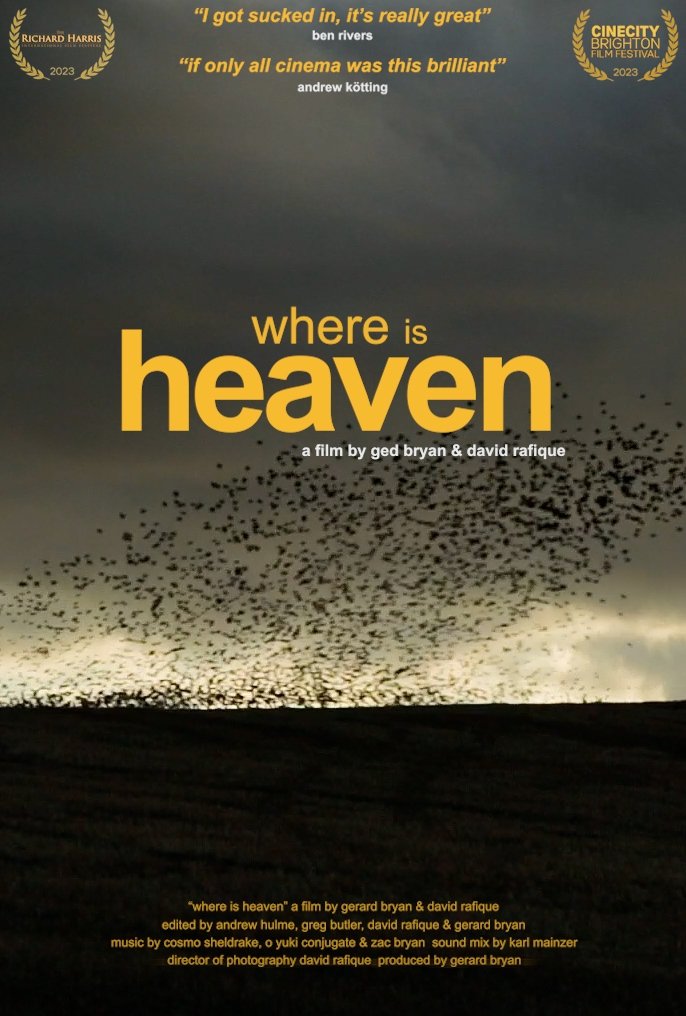
Maverick soulmates Ged and Dave are on a mission through the winding lanes and hidden tracks of North Devon, to record the lives and experiences of people living without mains electricity.
In Canada and Alaska, the consequences of global warming are being keenly felt by brown bears - but in different ways by different populations. Their survival depends mainly on the quantity of wild salmon available in the region, as it is the fruit of their catch that enables the bears to accumulate fat reserves for the winter. While salmon populations off Canada's Pacific coast continue to decline year after year, in the immense Bristol Bay in western Alaska, as well as on Kodiak Island, they are increasing considerably. The water temperature in the North Pacific is now ideal for salmon development. From Canada to Alaska, the documentary follows different bear populations over a two-year period.
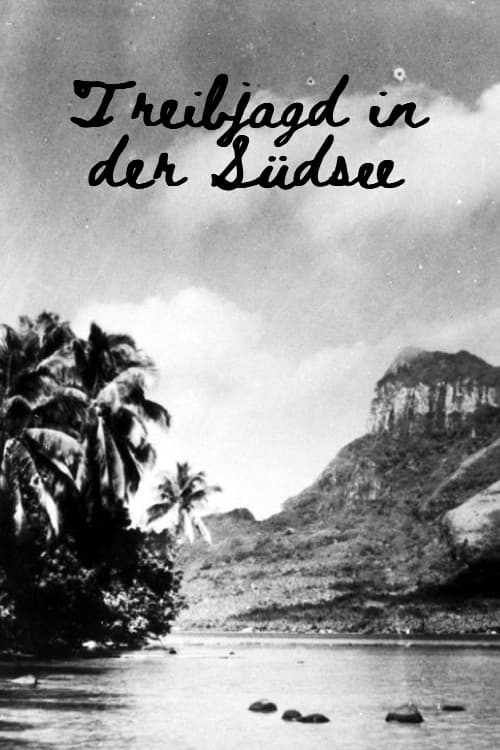
The film depicts one of the great hunts the South Sea Islanders. Come schools of fish in one of the bays on the island, so hurry on an alarm signal all the people out to sea to seal off the bay to drive the fish towards the coast and to impose there with spears.
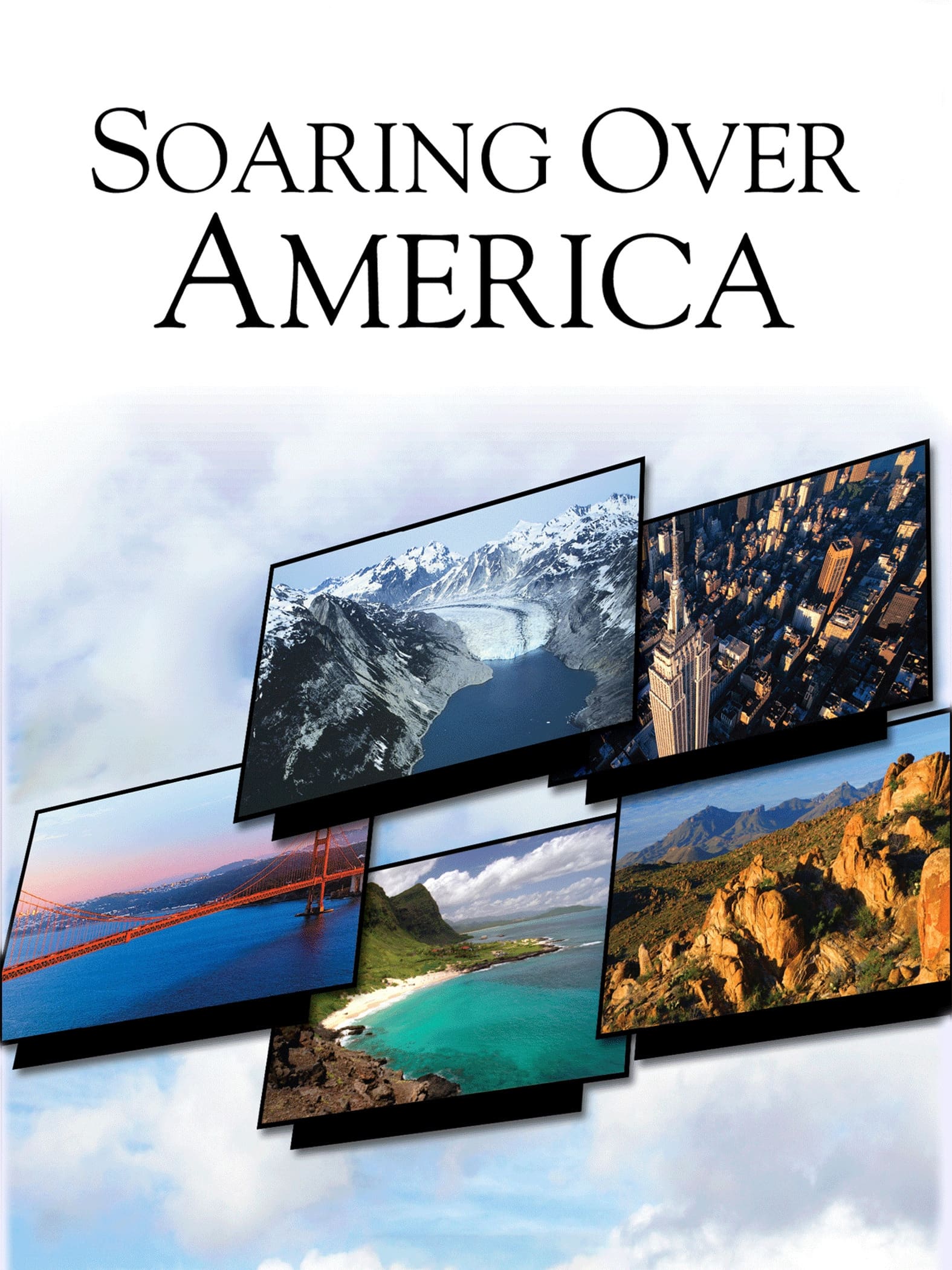
Created from public television's popular Over series, this is a tour unlike any other! Fly above landscapes and landmarks in Alaska; the Pacific Northwest; California; the Southwest; Chicago; New York City; Washington, D.C.; and everywhere in between.
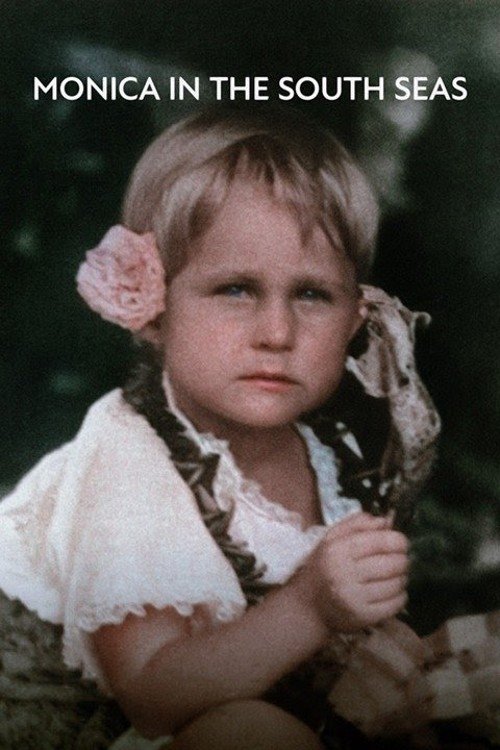
Finnish filmmaker and artist Sami van Ingen is a great-grandson of documentary pioneer Robert Flaherty, and seemingly the sole member of the family with a hands-on interest in continuing the directing legacy. Among the materials he found in the estate of Robert and Frances Flaherty’s daughter Monica were the film reels and video tapes detailing several years of work on realising her lifelong dream project: a sound version of her parents’ 1926 docu-fiction axiom, Moana: A Romance of the Golden Age.
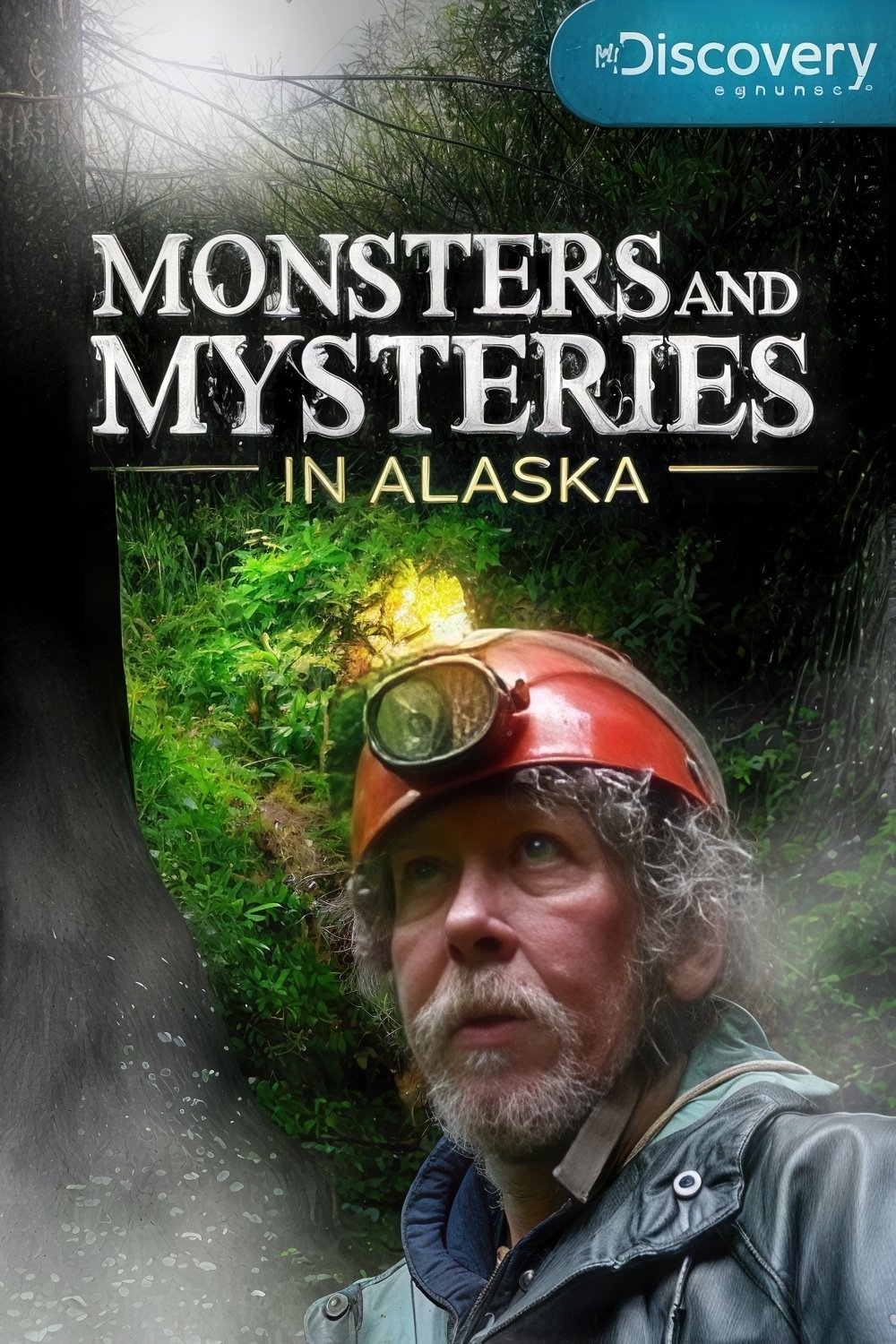
Alaska – 90,000 square miles of wilderness. Could its uninhabited frontier be hiding monsters and mysteries?
An exploration of built and natural environments along the 800-mile length of the Trans-Alaska Pipeline.
Takes us to locations all around the US and shows us the heavy toll that modern technology is having on humans and the earth. The visual tone poem contains neither dialogue nor a vocalized narration: its tone is set by the juxtaposition of images and the exceptional music by Philip Glass.
In an intimate and joyful story of love in the face of loss, celebrated poets Andrea Gibson and Megan Falley find strength—and unexpected hilarity—in what might be their final year together.
A visual montage portrait of our contemporary world dominated by globalized technology and violence.
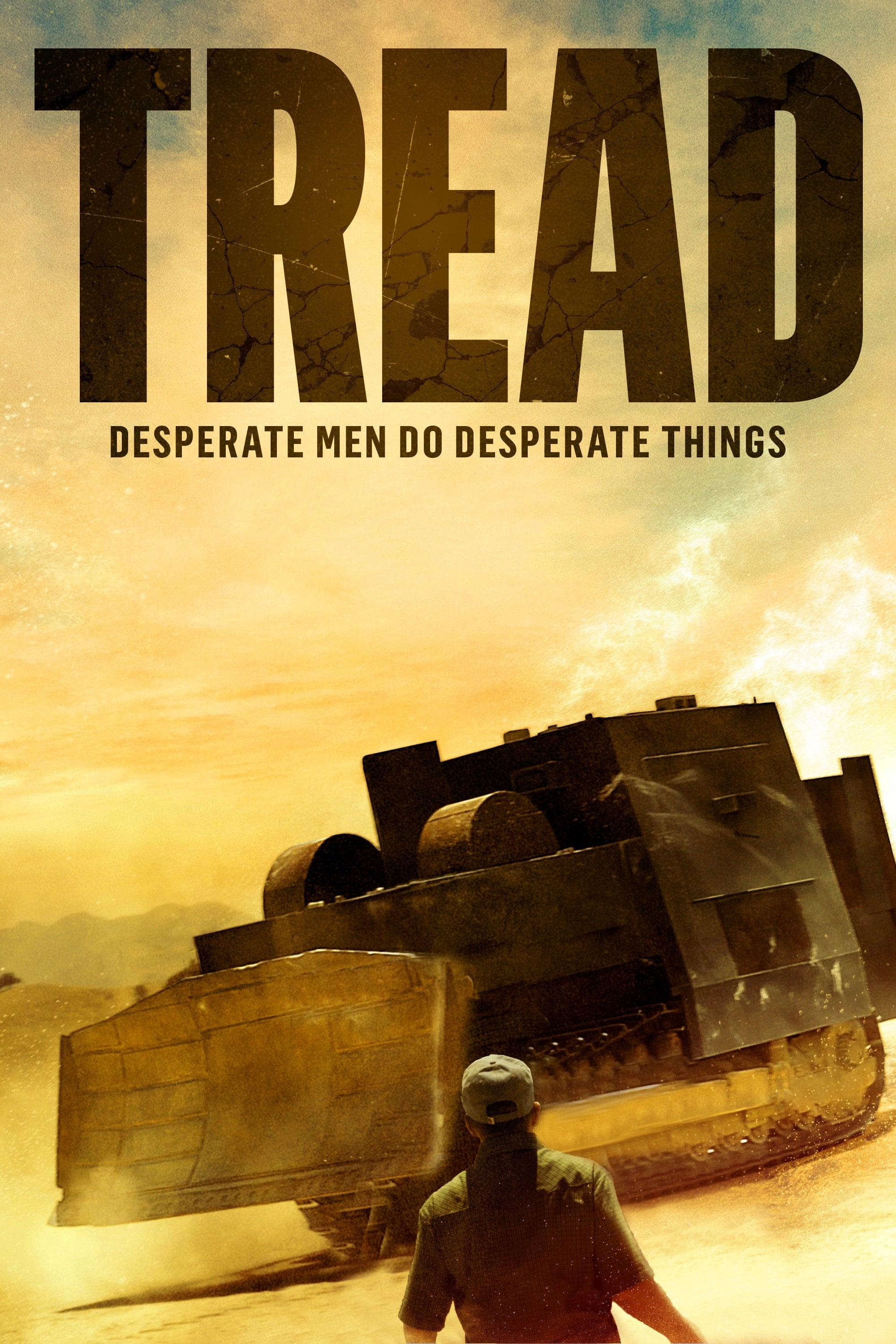
Pushed to his breaking point, a master welder in a small town at the foot of the Rocky Mountains quietly fortifies a bulldozer with 30 tons of concrete and steel and seeks to destroy those he believes have wronged him.
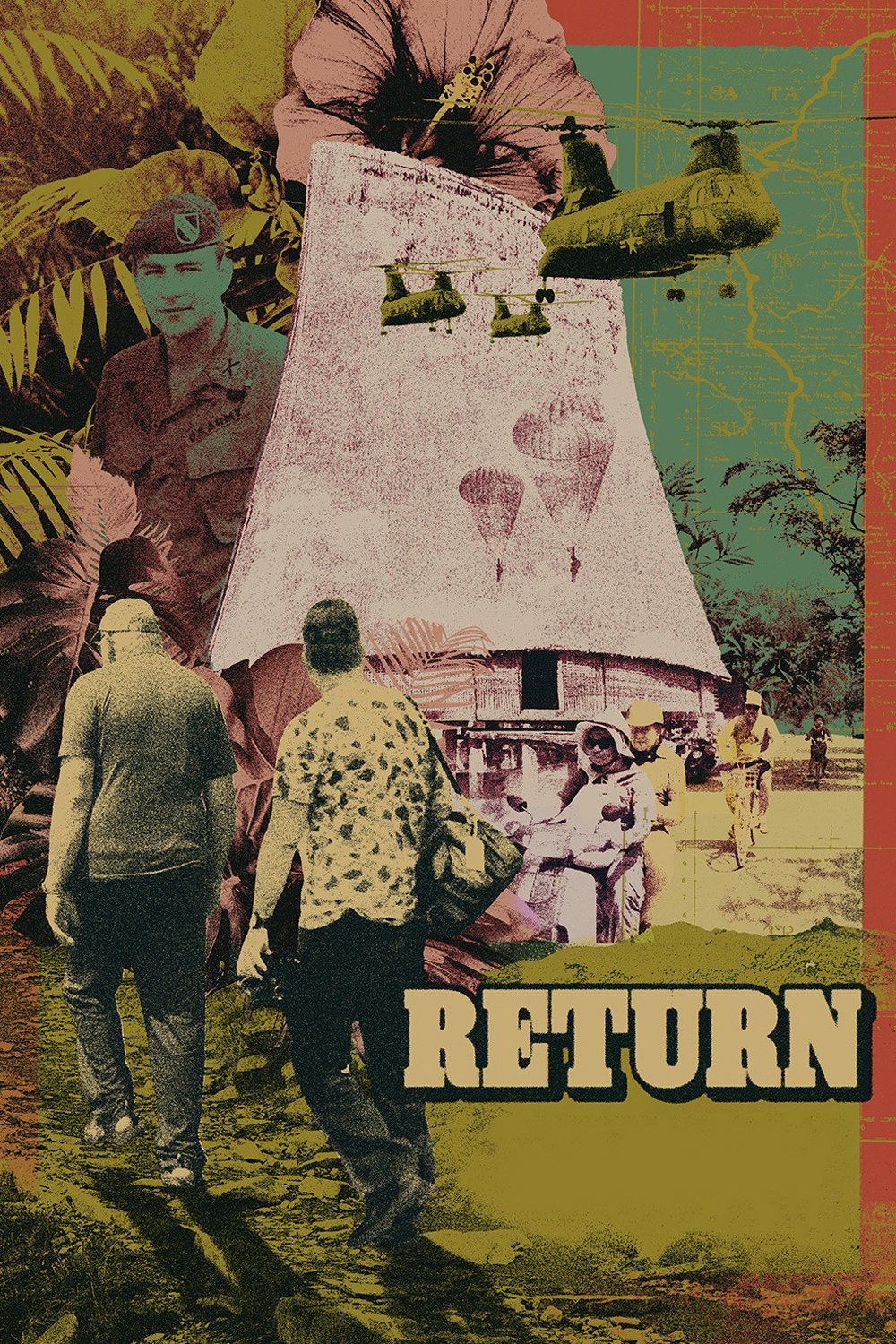
RETURN tells the story of a retired Green Beret who embarks on a healing journey from Montana to Vietnam. There he retraces his steps, shares his wartime experiences with his son, treats his Post-Traumatic Stress Disorder, and seeks out the mountain tribespeople he once lived with and fought alongside as a Special Forces officer.
SEDUCED AND ABANDONED combines acting legend Alec Baldwin with director James Toback as they lead us on a troublesome and often hilarious journey of raising financing for their next feature film. Moving from director to financier to star actor, the two players provide us with a unique look behind the curtain at the world's biggest and most glamourous film festival, shining a light on the bitter-sweet relationship filmmakers have with Cannes and the film business. Featuring insights from directors Martin Scorsese, 'Bernando Bertolucci' and Roman Polanski; actors Ryan Gosling and Jessica Chastain and a host of film distribution luminaries.
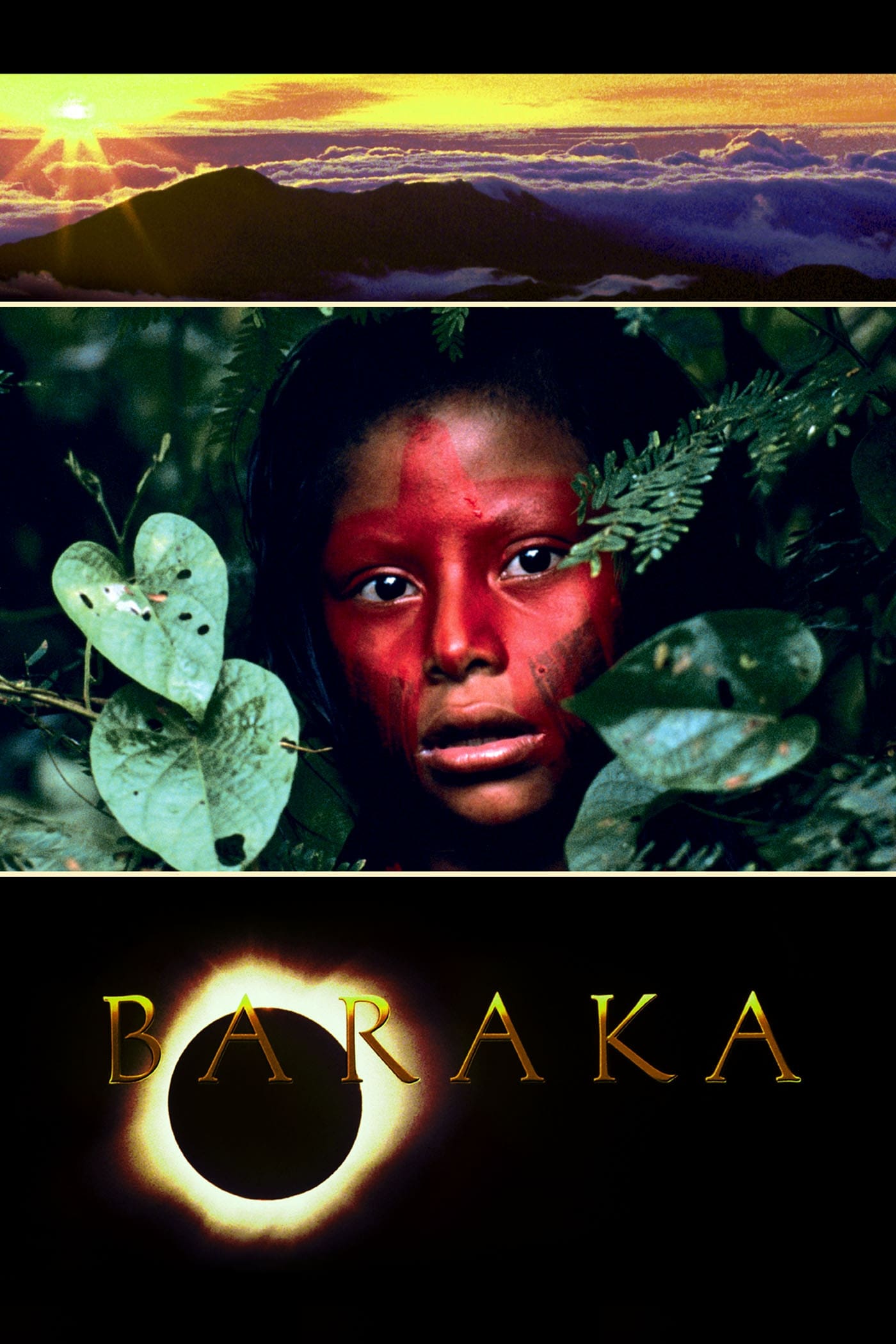
A paralysingly beautiful documentary with a global vision—an odyssey through landscape and time—that attempts to capture the essence of life.
Join director Clint Eastwood and his creative team, along with Bradley Cooper and Sienna Miller, as they overcome enormous creative and logistic obstacles to make a film that brings the truth of Navy SEAL Chris Kyle's story to the screen.
A string of threatening emails escalates into a revenge plot involving a newly married US marshal and his ex-girlfriend.
Alex Gibney explores the charged issue of pedophilia in the Catholic Church, following a trail from the first known protest against clerical sexual abuse in the United States and all way to the Vatican.
Alexander McQueen's rags-to-riches story is a modern-day fairy tale, laced with the gothic. Mirroring the savage beauty, boldness and vivacity of his design, this documentary is an intimate revelation of McQueen's own world, both tortured and inspired, which celebrates a radical and mesmerizing genius of profound influence.
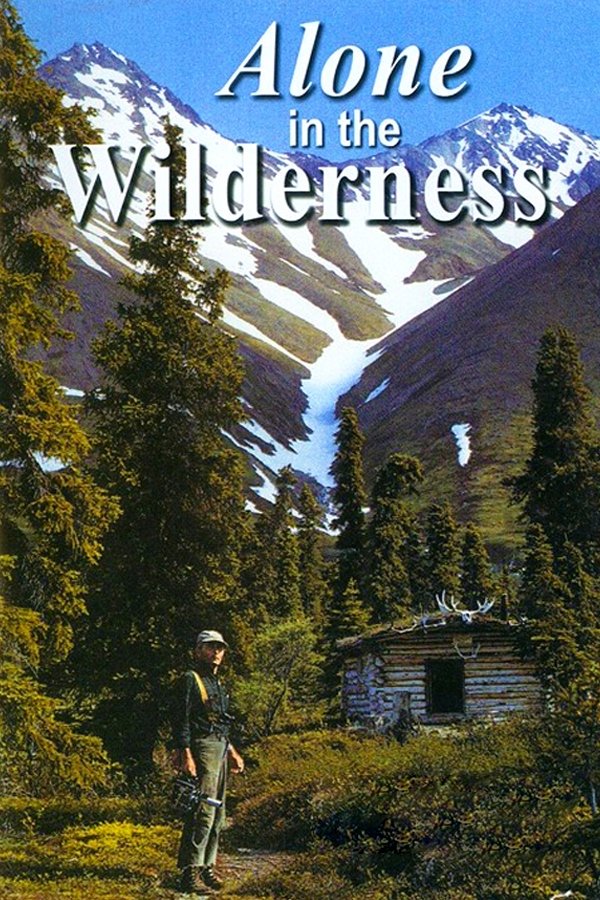
Dick Proenneke retired at age 50 in 1967 and decided to build his own cabin in the wilderness at the base of the Aleutian Peninsula, in what is now Lake Clark National Park. Using color footage he shot himself, Proenneke traces how he came to this remote area, selected a homestead site and built his log cabin completely by himself. The documentary covers his first year in-country, showing his day-to-day activities and the passing of the seasons as he sought to scratch out a living alone in the wilderness.
Amber Heard and Nicole Kidman discuss their characters Mera and Atlanna.
Unravel the case of Utah therapist Jodi Hildebrandt, whose child abuse arrest with parenting YouTuber Ruby Franke exposed a twisted tale of manipulation.
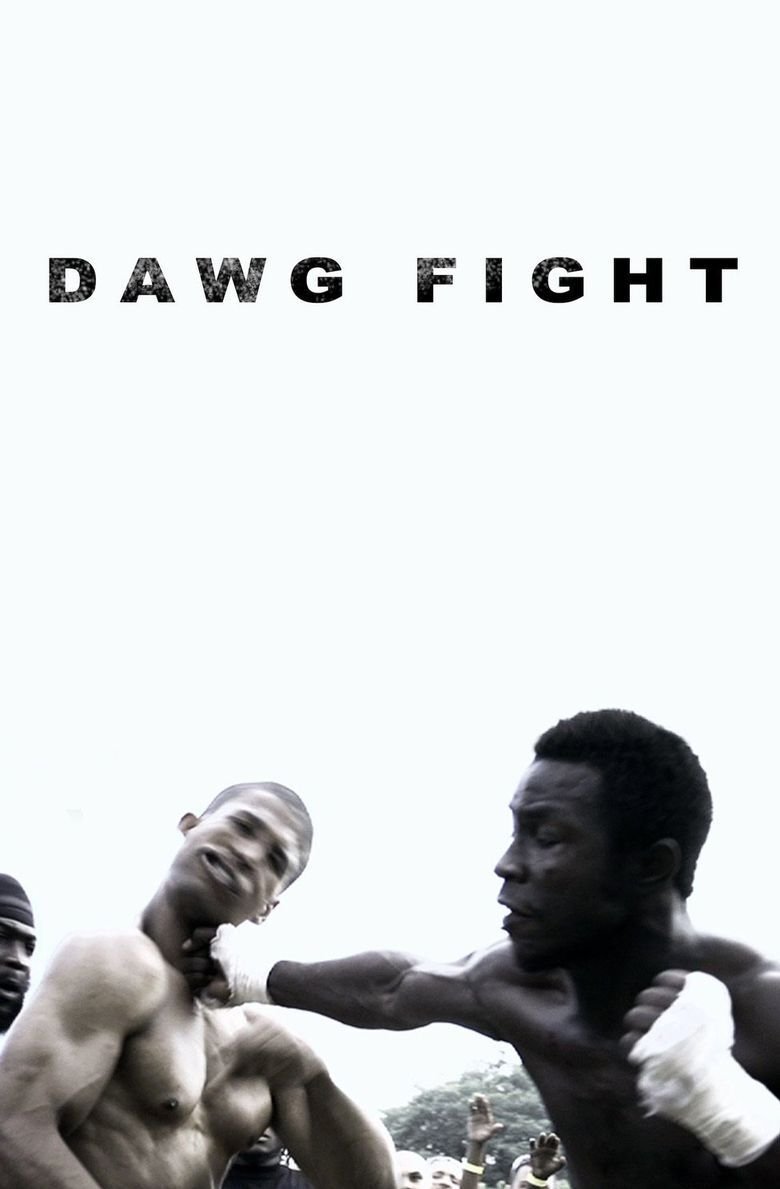
In a crime-plagued neighborhood near Miami, brutal, bare-knuckled backyard fights give young men a chance to earn money -- and self-respect.
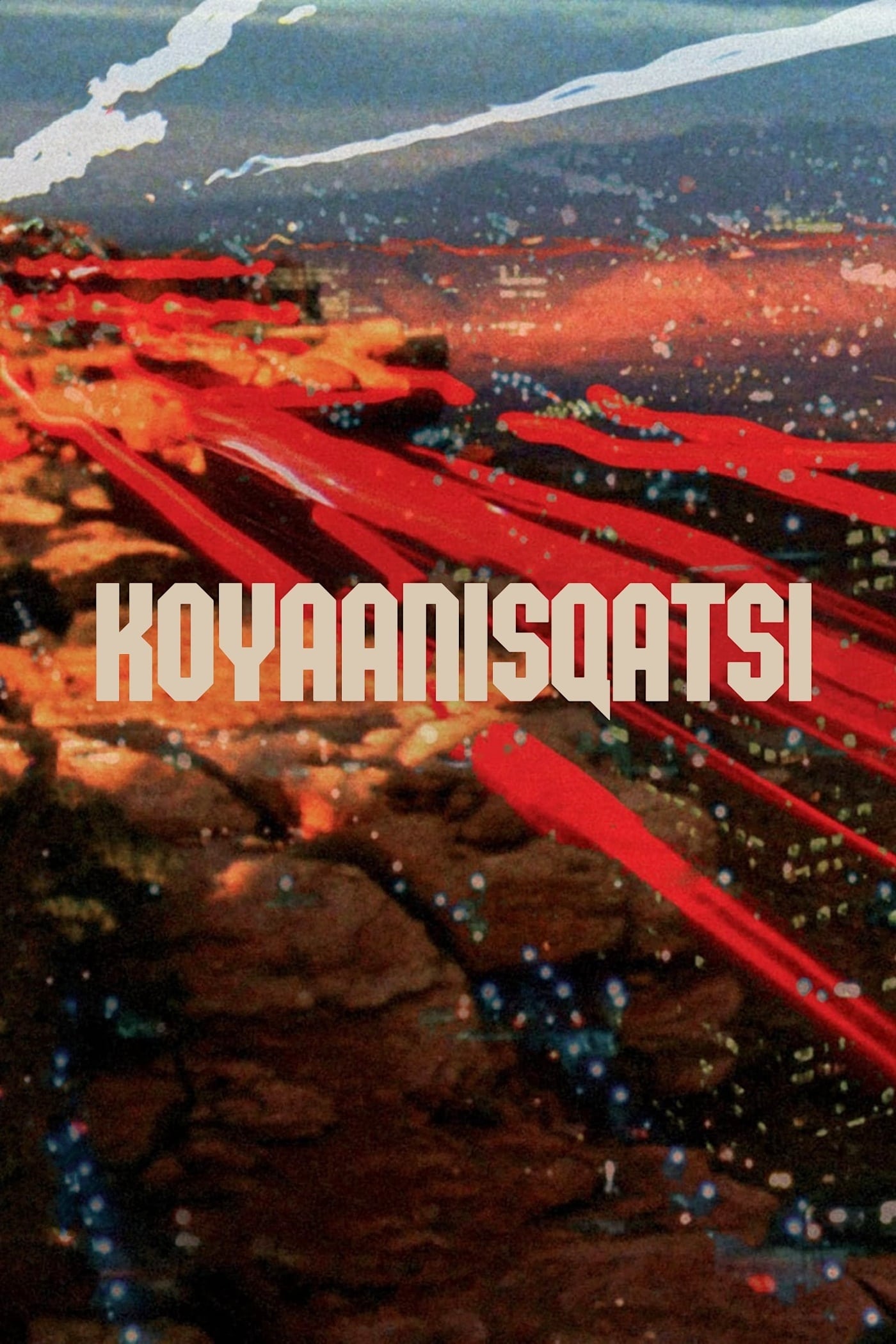
Carefully picked scenes of nature and civilization are viewed at high speed using time-lapse cinematography in an effort to demonstrate the history of various regions.
Through deeply personal interviews with her siblings and an examination of the photographs, letters, and belongings left behind, Mariska assembles a new portrait of her mother Jayne Mansfield, an extraordinary and complex woman.
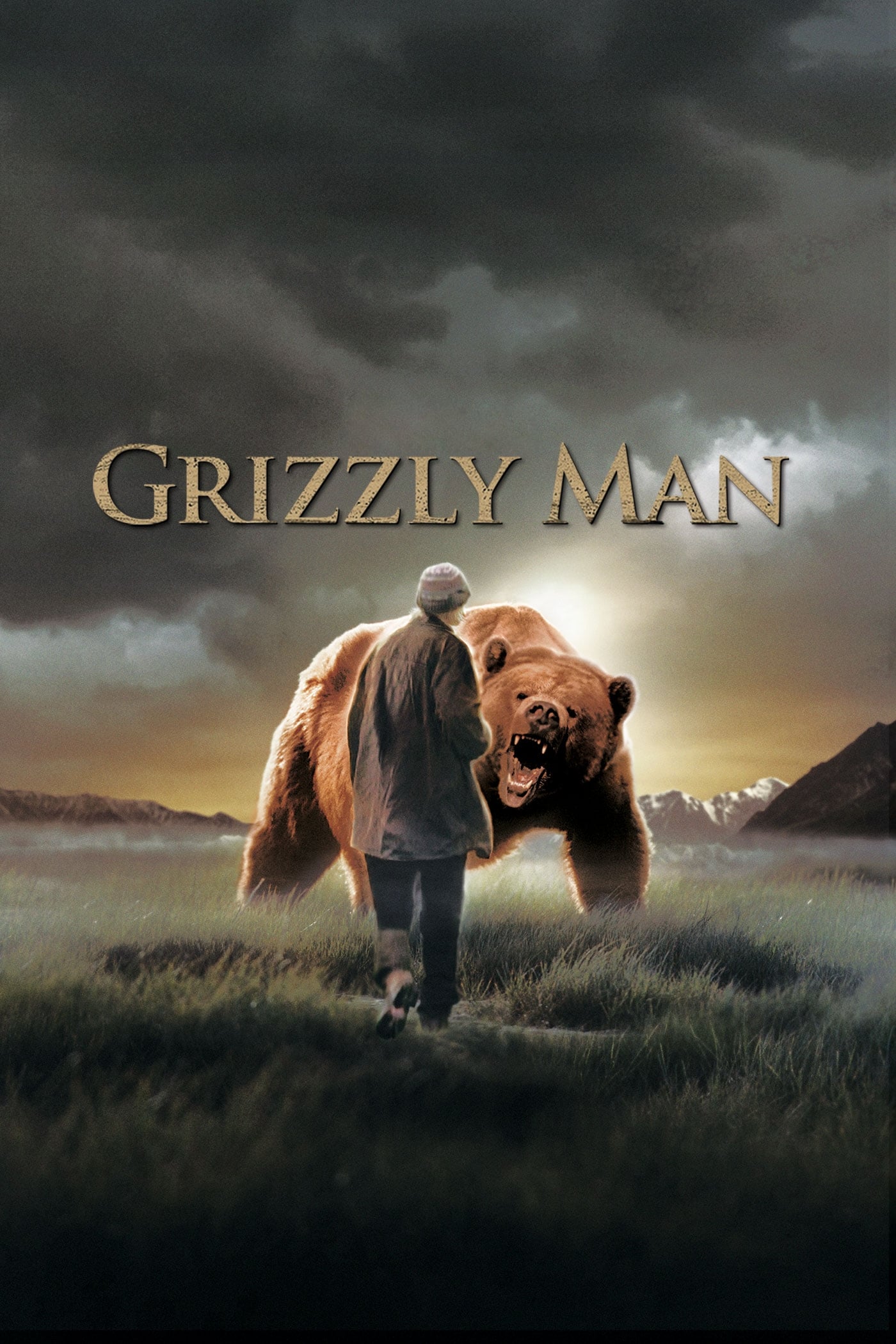
Follows the story of "Grizzly Man" Timothy Treadwell and what the thirteen summers in a National Park in Alaska were like in his attempt to protect the grizzly bears. The film is full of unique images and a look into the spirit of a man who sacrificed himself for nature.
A documentary about the life and films of director John Ford.
Ranjit, a farmer in India, takes on the fight of his life when he demands justice for his 13-year-old daughter, the victim of a brutal gang rape. His decision to support his daughter is virtually unheard of, and his journey unprecedented.