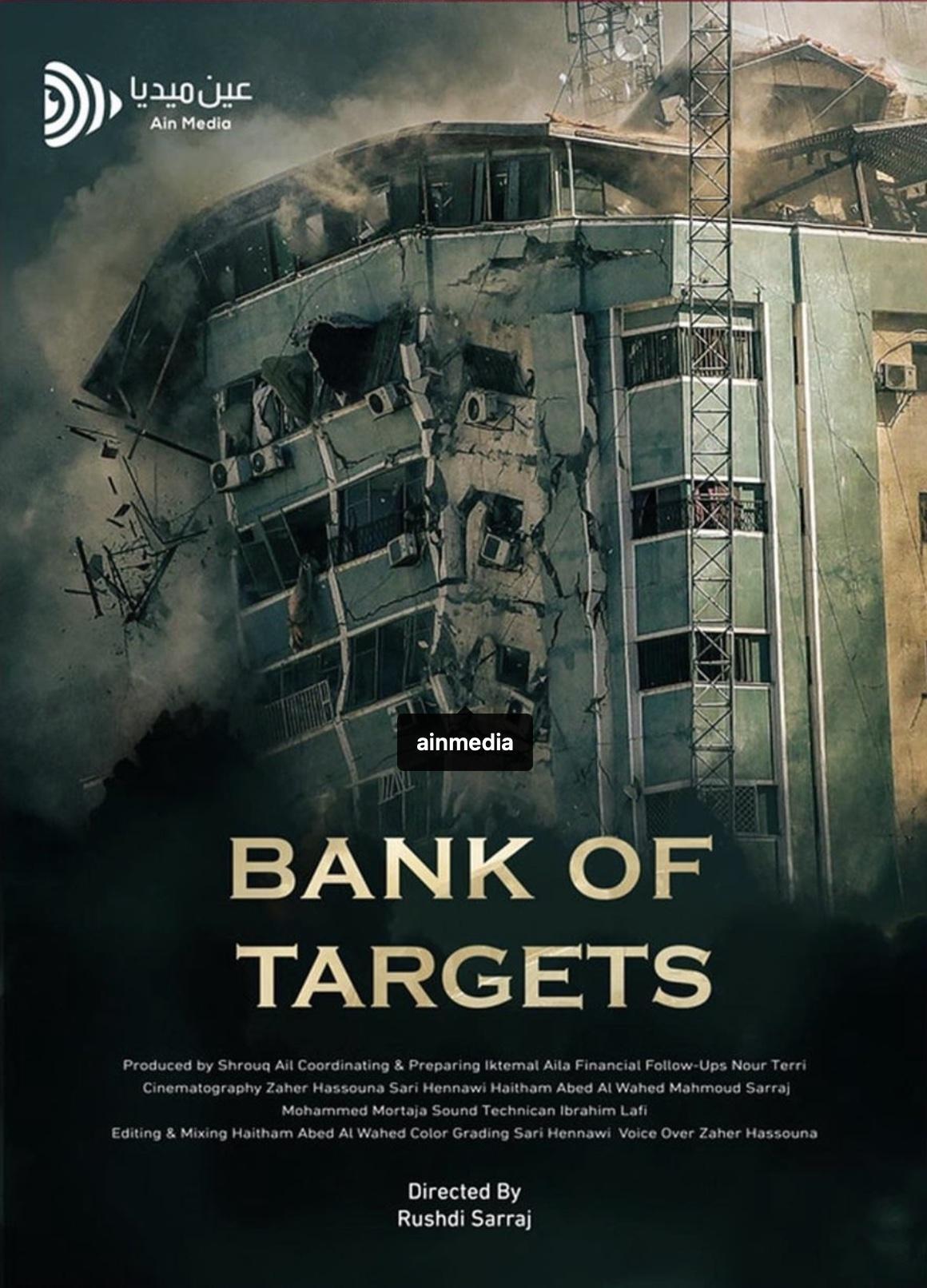
Following the extraordinary resilience of Dr Abu Safiya and his medical team, who endured over 16 months of relentless pressure, including repeated Israeli military attempts to evacuate and destroy the hospital.
Social & External

This lost WWI documentary appears to be about the German zeppelin attacks on Londonon September 2nd, 1916.
The film follows journeys of observational tours solicited by the Palestinian Museum and conducted by two professors from Birzeit University to collect photos of and information on the Palestinian Flora. The title is adapted from a collection of 123 images (circa 1900 to 1920) of wild flowers in Palestine found in the Matson Collection in the Library of Congress. Despite the tendency to trace the wild plants, the text in general aims at questioning the territorial extension of what is meant by the term “Palestinian”, while standing on insignificant topographical features of the (postcolonial) landscape in West Bank. Furthermore, it addresses photography as a practice and a tool of distributing and restricting information at once.

A portrait of two Palestinian women whose individual struggles both define and transcend the politics that have torn apart their homes and their lives. Farah Hatoum, a widow living with her children and grandchildren, and Sahar Khalifeh, a novelist from the West Bank.
The Israeli filmmaker Shai Corneli Polak records the building of the 'security wall' through Palestinian territory at the village of Bil'in. The villagers protest mostly peacefully, while the Israeli army doesn't react peacefully. By now the Israeli High Court has ruled that the building of the wall was illegal.
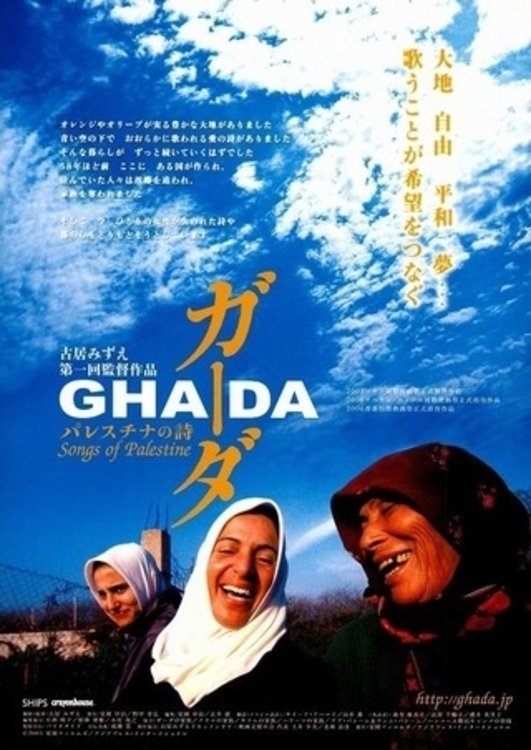
The protagonists of the film are the Zainichi Korean women living in Kawasaki. They were tossed about by the war, and after many trips to and fro across the sea in search of a place to live, they finally arrived in Kawasaki, where they have lived modestly and vigorously.
Easy Company, the 2nd Battalion of the 506th Parachute Infantry Regiment of the 101st Airborne Division, fought their way through Europe, liberated concentration camps, and drank a victory toast in April 1945 at Hitler's hideout. Veterans from Easy Company, along with the families of three deceased others, recount their horrors and victories, bonds they made and the friends they lost.
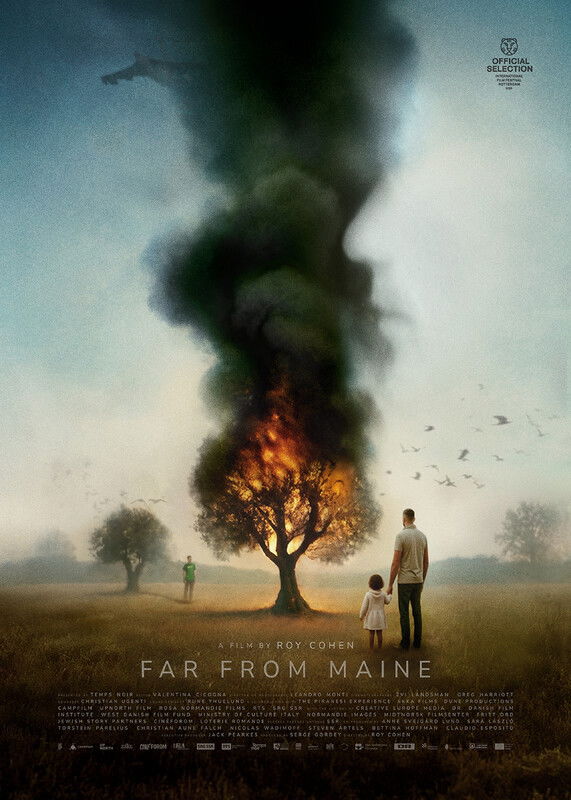
Amid violence and war, Ukrainian citizens are coming together to rescue animals that have been left behind by those forced to flee. From cats and dogs in abandoned buildings to lions and tigers in the nation’s zoos, extraordinary rescue efforts are underway to bring them to safety. The film is a tribute to the very best of the human spirit despite the horrors of war.
An attempt to express the daily experience of Palestinians excluded by an apartheid regime, exploring various aspects of the Israeli occupation. Through narratives from four different regions of Palestine, it culminates in a collective narrative of Palestinian resistance as an everyday act of survival and struggle.
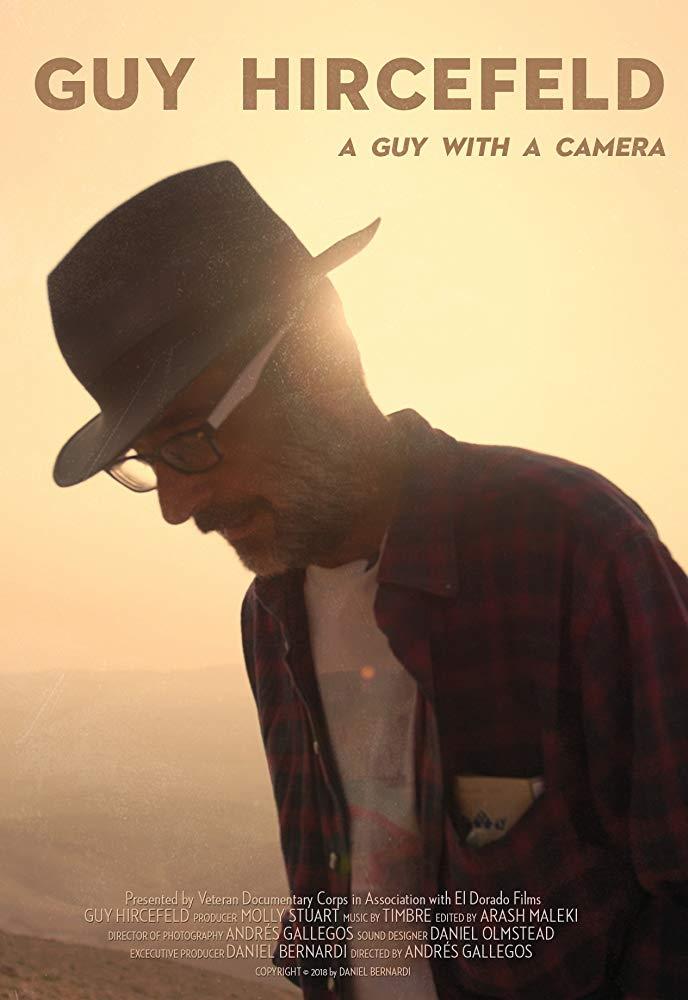
An Israeli film director interviews fellow veterans of the 1982 invasion of Lebanon to reconstruct his own memories of his term of service in that conflict.
A Bunch of Questions with No Answers (2025) is a 23-hour film by artists Alex Reynolds and Robert M. Ochshorn. Compiled entirely from questions posed by journalists at U.S. State Department press briefings between October 3, 2023, and the end of the Biden administration, the work removes the officials’ answers, leaving only the unresolved demands for clarity and accountability.
The United States of America has been at war for almost all of its 250 years of existence. From the wars of independence to current armed conflicts, its armed forces have not only shaped American identity, but also influenced the political decisions of its leaders. The documentary delves deep into this complex history and analyzes the hot and cold wars that shaped the development of the USA, along with lessons for the future. How have generations of Americans experienced these wars and how have their lives been changed by them? How has military engagement been used to shape the image and role of the USA on the world stage? Do military decisions today shape the world of tomorrow and what are the effects on democracy and society? And as the US president begins his new term in office, the question also arises: what role does the army play in Donald Trump's understanding of the world?
The unique testimony of the tragic events and crimes of russia through the eyes of Ukrainians, which the entire world must see and feel. Film was created from 200 hours of chronicles: survival, resistance, and life during the war. Every minute was filmed by Ukrainians with their mobile phones. Each story in the documentary is a film captured and filmed by Ukrainians on their devices.
At five o'clock in the evening, Red Cross and OSCE observers leave the front line and leave the fighters under fire. Hypocrisy takes over, and here begins the story of these women, which first kicked off in Maidan Square in Kiev. Heartache and hatred, broken love, wrong decisions and yet hope for a new life, even in the face of death. This is a documentary about the war that broke out in the spring of 2014 in Eastern Ukraine through the eyes of women.
From May 10, 1940, France is living one of the worst tragedies of it history. In a few weeks, the country folds, and then collapsed in facing the attack of the Nazi Germany. On June 1940, each day is a tragedy. For the first time, thanks to historic revelations, and to numerous never seen before images and documents and reenacted situations of the time, this film recounts the incredible stories of those men and women trapped in the torment of this great chaos.
Documentary about war photographer James Nachtwey, considered by many the greatest war photographer ever.
The smallest of sparks can lead to the largest of explosions. Such is the case of the Atomic Bomb and the minds who have conceived of the deadliest force the world has ever known. This new documentary Atomic: The History of the A-Bomb follows this weapon of mass destruction from inception to detonation.
Initially embarking on an unplanned personal filmmaking project, Ilias Boukhemoucha finds himself drawn to the overlooked corners and marginalized communities within Canadian cities.
Documentary looking back at a Britain during the darkest days of WWII using stunning new archived footage and interviews with people who lived through it.