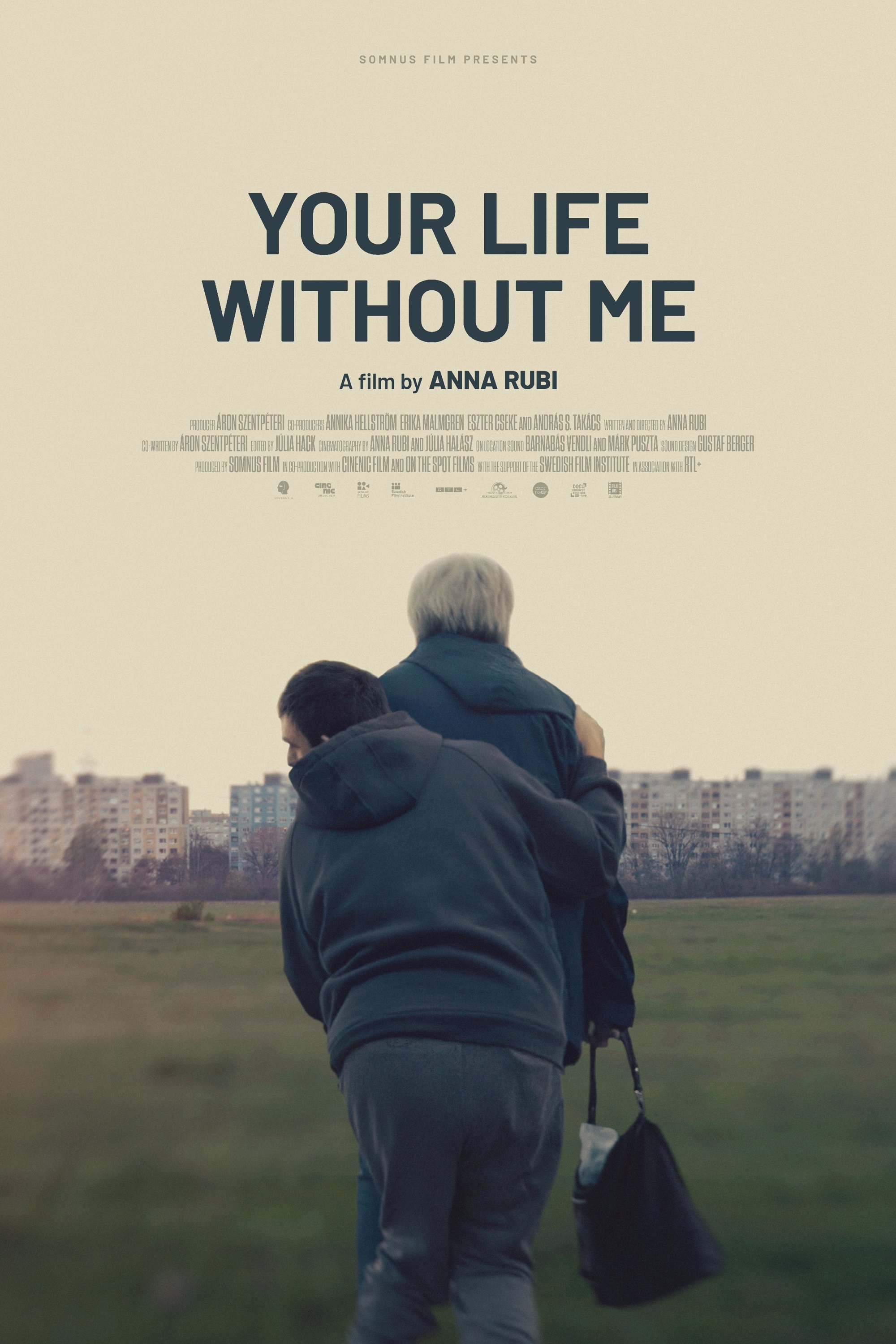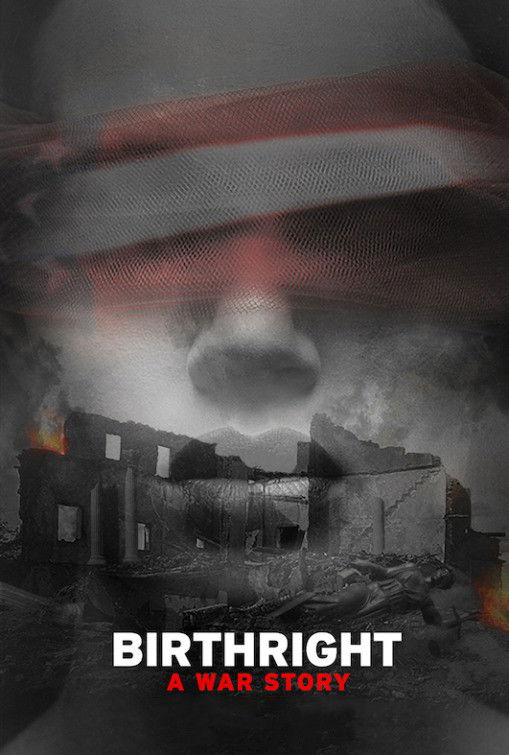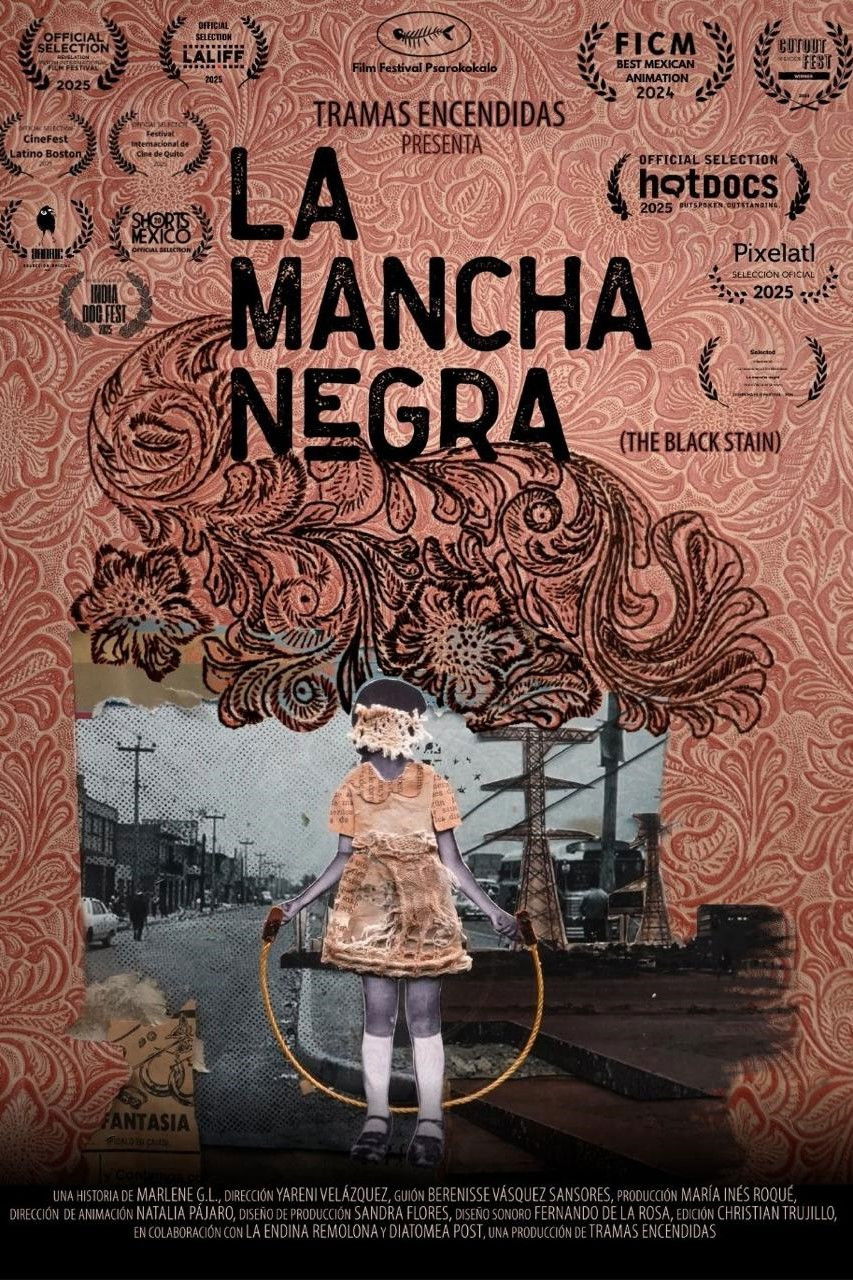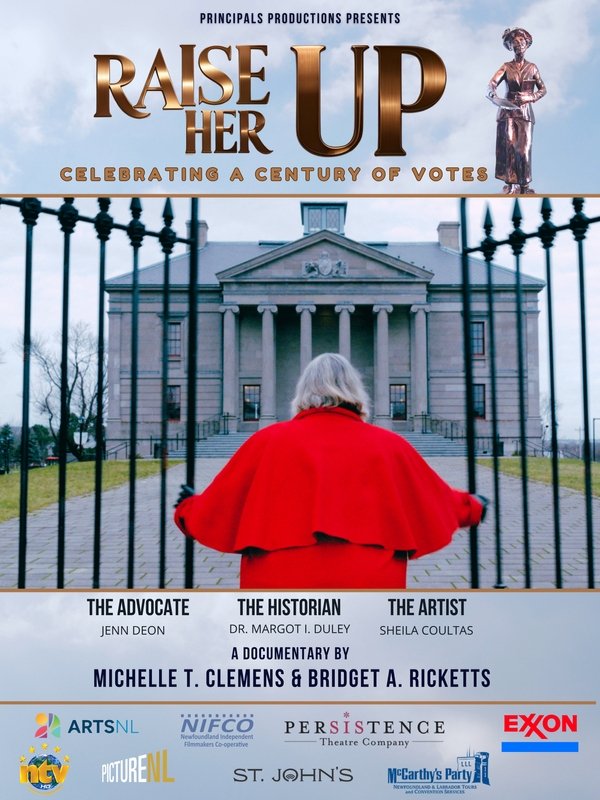
Raise Her Up follows the historian, advocate, and artist creating a statue of Armine Gosling, marking 100 years of womens suffrage in Newfoundland.

Social & External
Self
Documentary following the 1955–1956 Norwegian Archaeological Expedition's investigations of Polynesian history and culture at Easter Island.
Martha Gellhorn, Ruth Cowan, Dickey Chappelle: Three tenacious journalists who forged legendary reputations as war correspondents during a time when battlefields were considered no place for a woman. Their repeated delegation to the sidelines to cover the “woman’s angle” succeeded in expanding the focus of war coverage to bring home a new kind of story— a personal look at the human cost of war. Featuring an abundance of archival photos and interviews with modern female war correspondents, as well as actresses bringing to life the written words of these remarkable women.
In this layered short film, filmmaker Janine Windolph takes her young sons fishing with their kokum (grandmother), a residential school survivor who retains a deep knowledge and memory of the land. The act of reconnecting with their homeland is a cultural and familial healing journey for the boys, who are growing up in the city. It’s also a powerful form of resistance for the women.
How the Monuments Came Down is a timely and searing look at the history of white supremacy and Black resistance in Richmond. The feature-length film-brought to life by history-makers, descendants, scholars, and activists-reveals how monuments to Confederate leaders stood for more than a century, and why they fell.

The funeral procession of suffragette Emily Davison - fatally injured at the Epsom Derby - passes through London to her final resting place in Morpeth.
An insightful sit down chat with five of Malta's influential female trailblazers, some of whom are artists, all of whom are paving the way for change.
In a year of uprisings and political unrest, Stonebreakers documents the fights around monuments in the United States and explores the shifting landscapes of the nation's historical memory.
11 JUNE 2013 is one hundred years since Norwegian women got full voting rights on an equal basis with men. Norway was among the first countries in the world to introduce universal suffrage for both women and men. The work for universal suffrage for women went on for many years and was an issue that many people got involved in. The Voting Rights Committee has chosen to highlight four women who played a decisive role in the suffrage issue.
A docu-drama shot in 1970, but not completed until 1973, the film sought to encapsulate in an experimental form issues that were under discussion within the Women’s Liberation Movement at this time and to thus contribute to action for change. In its numerous community screenings, active debate was encouraged as part of the viewing experience.
Examines the 40-year evolution of gender inequality and discrimination in the workplace since the 1980 release of the comedy film “9 to 5” starring Jane Fonda, Lily Tomlin, Dolly Parton, and Dabney Coleman.
Three young Irish women struggle to maintain their spirits while they endure dehumanizing abuse as inmates of a Magdalene Sisters Asylum.
In the years following the Civil Rights movement and the passage of Title IX in 1972, Dr. Donnis Thompson (a headstrong African-American female coach), Patsy Mink (the first Asian-American U.S. congresswoman), and Beth McLachlin (the team captain of a rag-tag female volleyball team), battled discrimination from the halls of Washington D.C. to the dusty volleyball courts of the University of Hawaii, fighting for the rights of young women to play sports.
Filmmaker Anand Patwardhan looks to history and psychology as he delves into the possible reasons behind the demolition of the Babri Mosque.
This film was made out of the capture of a live animation performance presented in Rome in January 2005 by Pierre Hébert and the musician Bob Ostertag. It is based on live action shooting done that same afternoon on the Campo dei Fiori where the philosopher Giordano Bruno was burned by the Inquisition in 1600. A commemorative statue was erected in the 19th century, that somberly dominate the market held everyday on the piazza. The film is about the resurgence of the past in this place where normal daily activities go on imperturbably. The capture of the performance was reworked, shortened and complemented with more studio performances.
Women are being jailed, physically violated and at risk of dying as a radical movement tightens its grip across America.
Documentary to mark the WI's centenary. Lucy Worsley goes beyond the stereotypes of jam and Jerusalem to reveal the surprisingly radical side of this Great British institution.
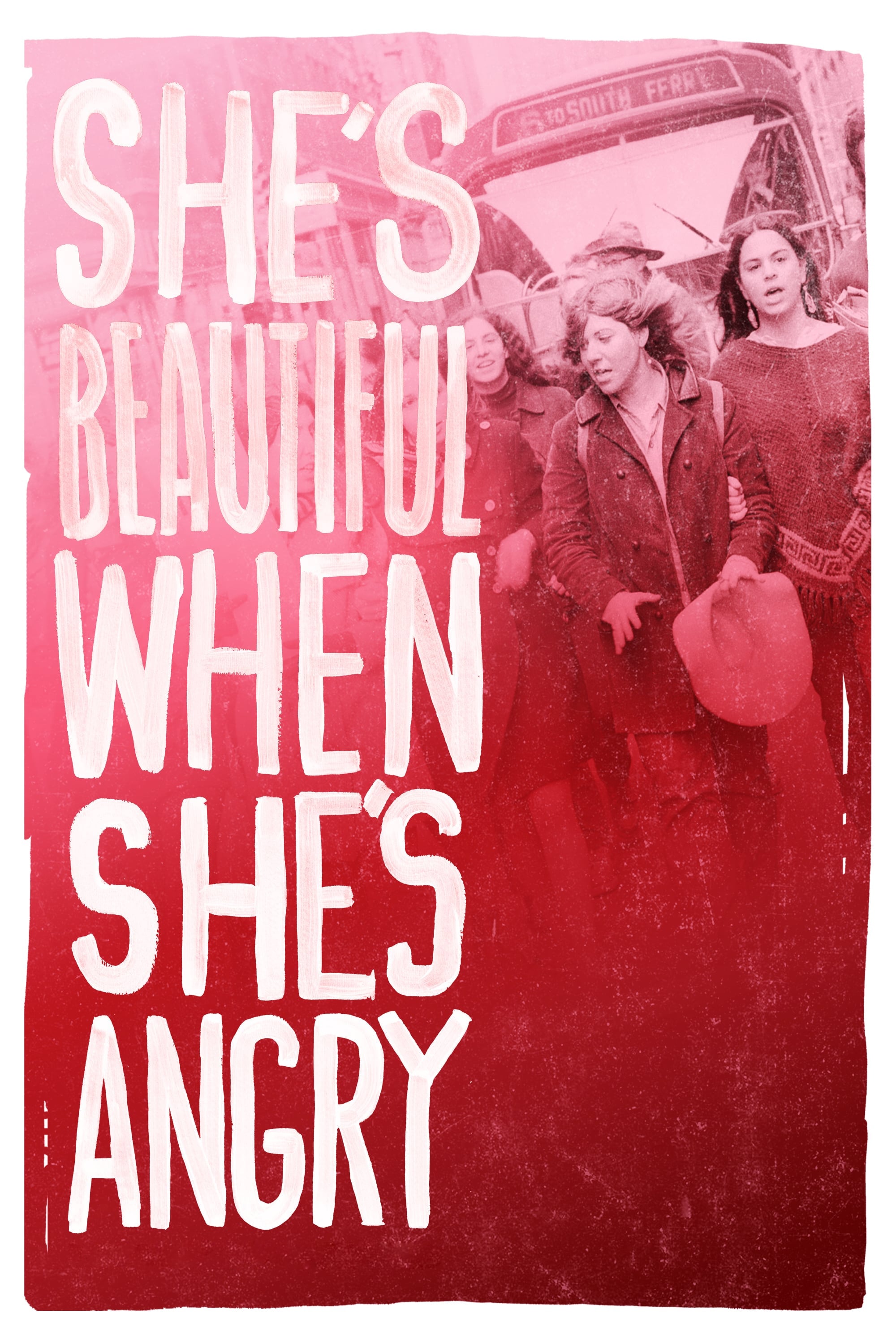
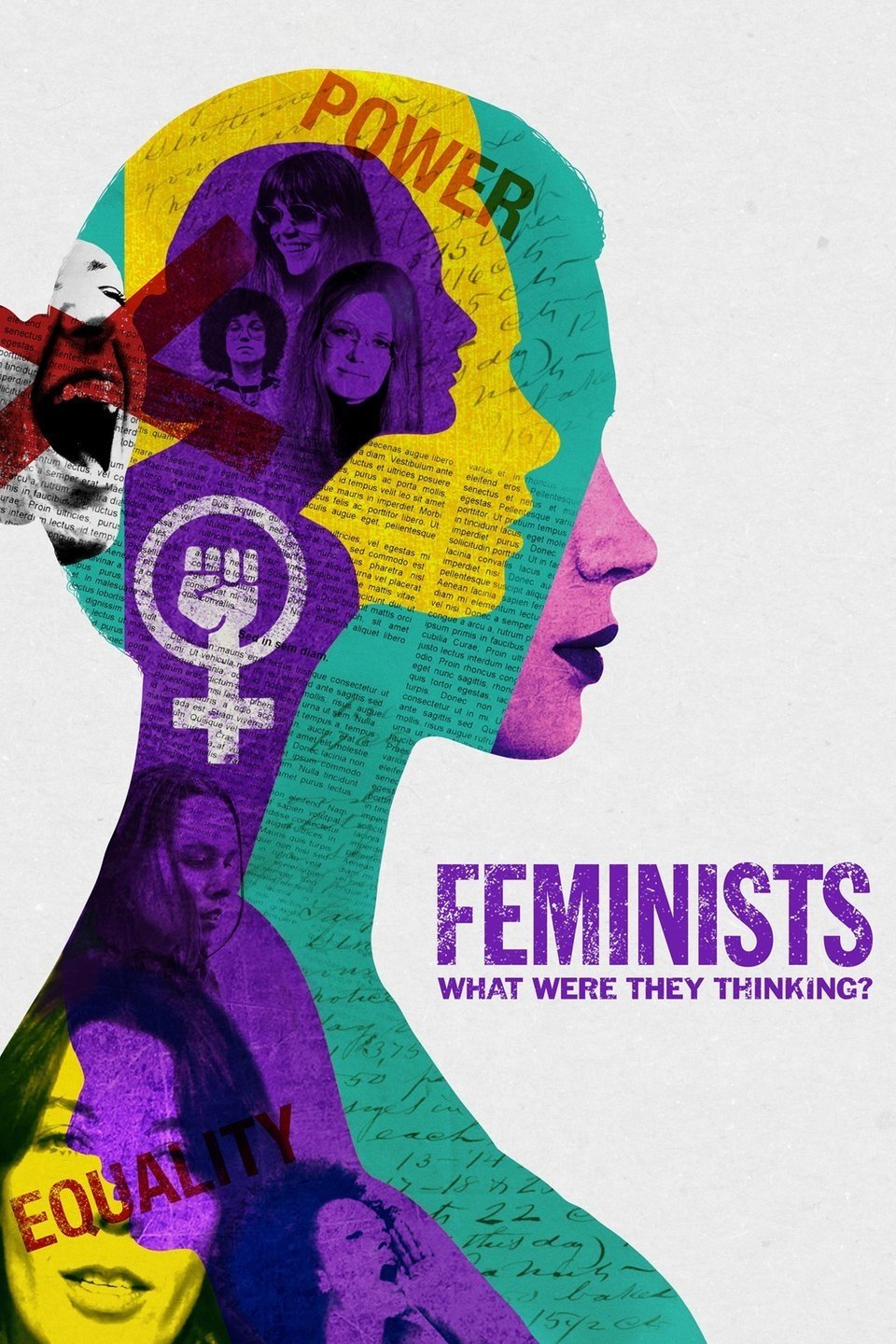
A documentary that resurrects the buried history of the outrageous, often brilliant women who founded the modern women's movement from 1966 to 1971.