Social & External
The people behind it
Alfonso Gamero
La Esmeralda
The original documentary on the Wigstock festival, back in the day when it was a much smaller affair in Thompkins Square Park. A full day of peace, love, and wigs…
Short docudrama exploring the history of sex in the homosexual community from the 1970s to the present day, and how the internet has changed the way gay men meet forever.
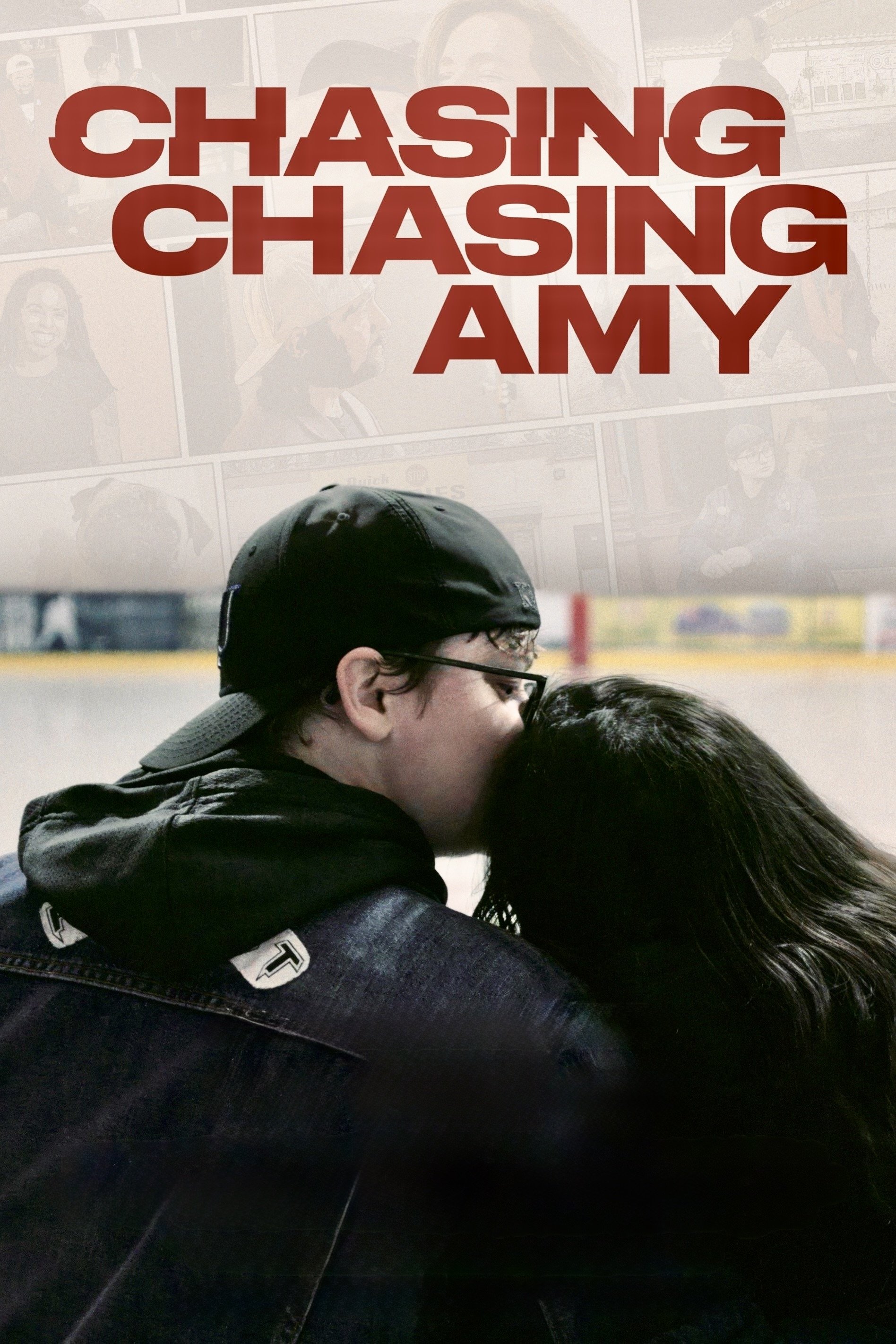
CHASING CHASING AMY explores the transformational impact of a ‘90s rom-com on a 12 year old kid from Kansas, coming of age and contending with queer identity. For young Sav Rodgers, the Kevin Smith cult classic, CHASING AMY, became a life raft. As Rodgers examines the film and its making as a cornerstone of LGBTQ+ cinema, he finds himself at a complicated crossroads.
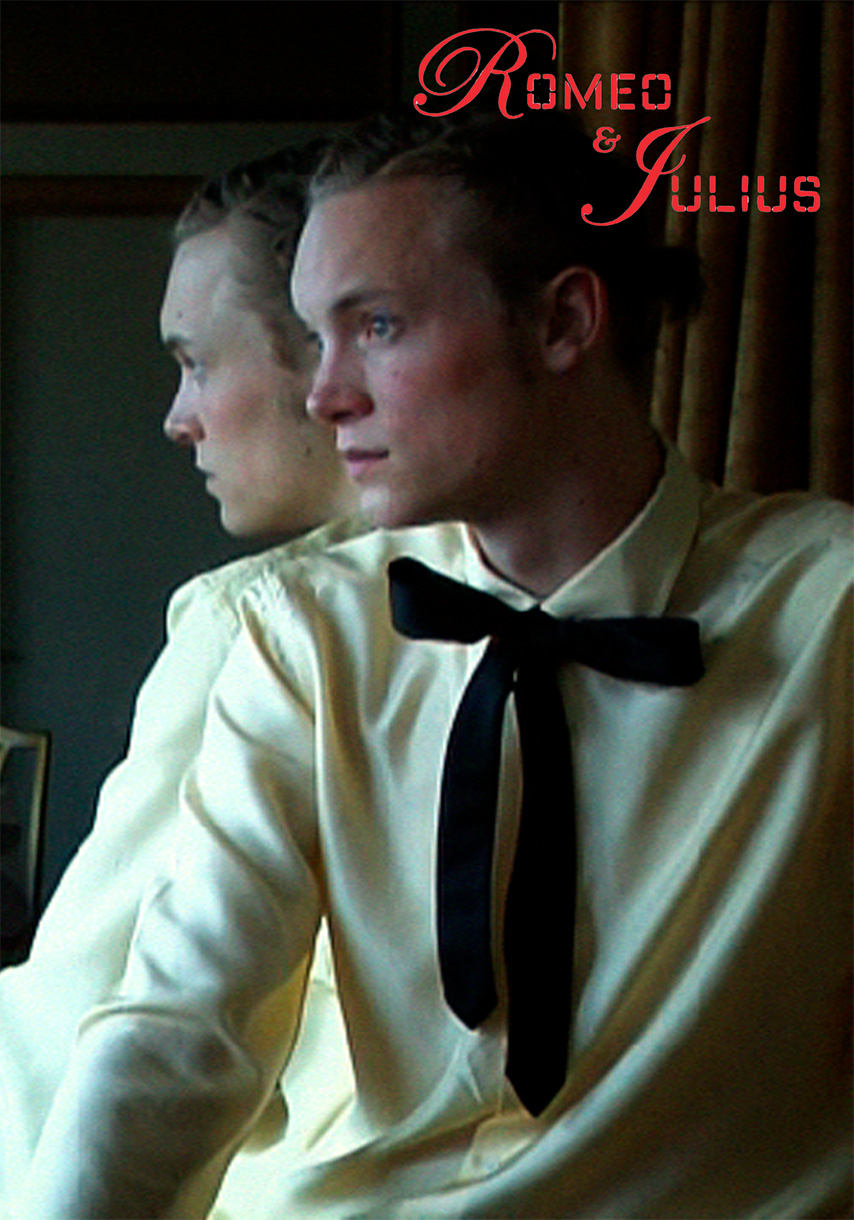
A young group of actors are preparing an updated version of Shakespeare's ROMEO & JULIET. Two boys perform the central roles - both of them struggling with their own questions of love alongside their roles on stage. And as rehearsals begin, reality soon starts to interfere with the play.
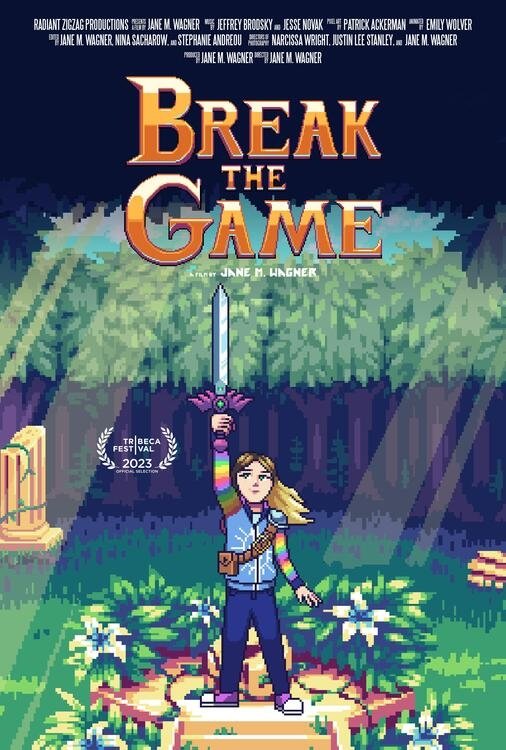
Record-breaking gamer Narcissa Wright grapples with her toxic obsession for attention and her space in the streaming community after coming out as transgender, all while attempting to set a new world record for The Legend of Zelda: Breath of the Wild.
Letter Beyond the Walls reconstructs the trajectory of HIV and AIDS with a focus on Brazil, through interviews with doctors, activists, patients and other actors, in addition to extensive archival material. From the initial panic to awareness campaigns, passing through the stigma imposed on people living with HIV, the documentary shows how society faced this epidemic in its deadliest phase over more than two decades. With this historical approach as its base, the film looks at the way HIV is viewed in today's society, revealing a picture of persistent misinformation and prejudice, which especially affects Brazil’s most historically vulnerable populations.
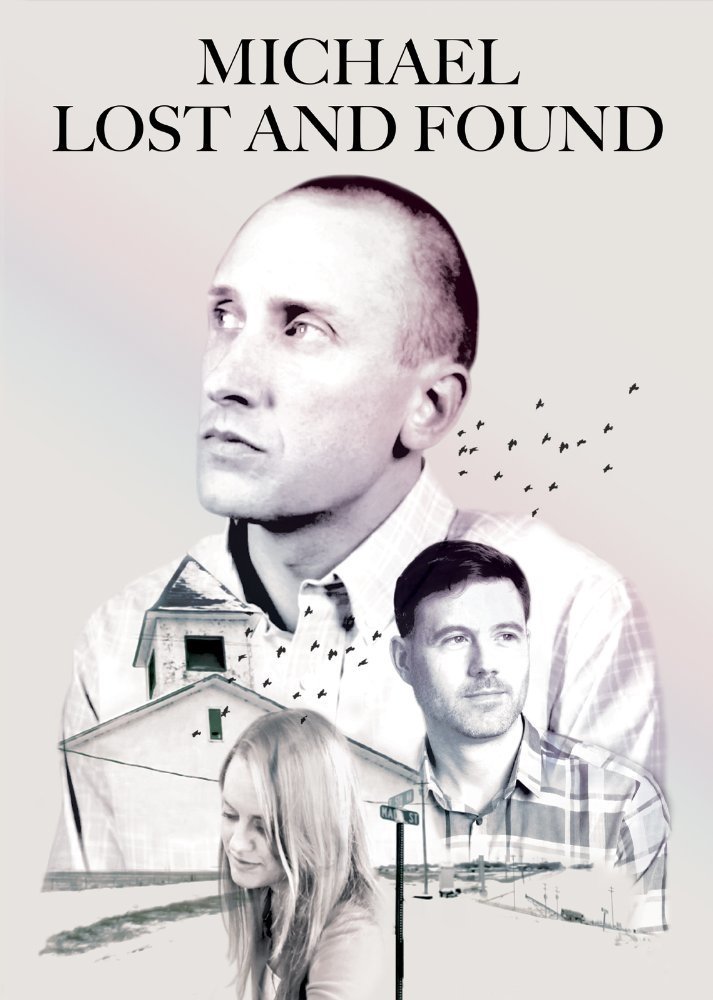
When a feature film is made about them seven years after their break-up, Benjie Nycum visits his ex-boyfriend Michael Glatze and finally tries to get answers about his bewildering shift from gay activist to ex-gay evangelical.
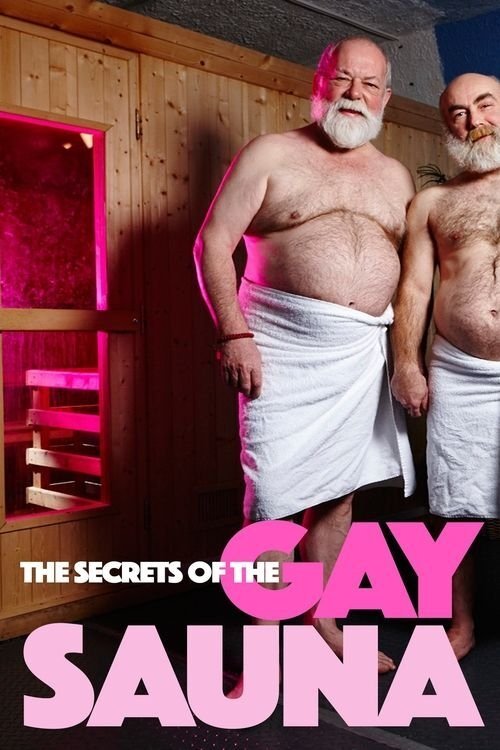
Gay saunas are places where men meet strangers to have sex. With exclusive access to one Nottingham business, this candid one-off documentary enters the often controversial and always secretive world of the gay sauna for the very first time. The programme meets the people who go there for sexual pleasure - from teachers to plumbers to Tory councillors - and the staff who clean up after them.
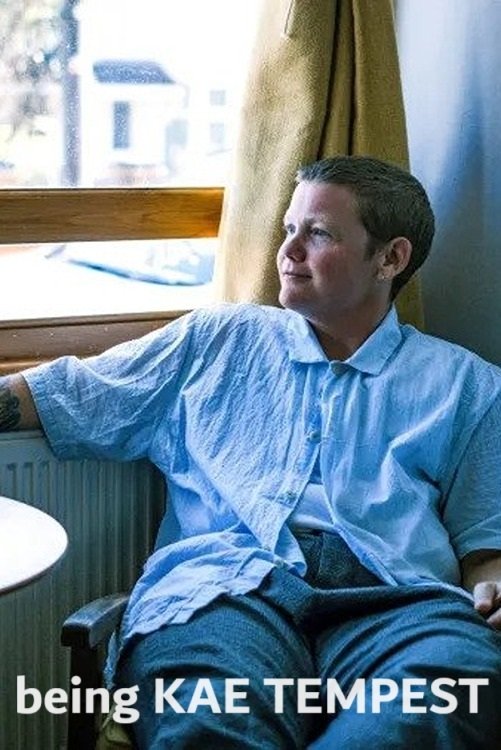
Poet, rapper, playwright and recording artist Kae Tempest is one of the most viscerally exciting artists working in Britain today. They are the youngest ever recipient of the prestigious Ted Hughes prize and have been nominated for both the Brit and Mercury music awards. Tempest has always found support and respect within the queer art scenes, a place close to their heart. In July 2020, they came out as non-binary, announcing that they would publish and perform under the name Kae. This film delves deep into their creative process and gains rare, intimate insights into Kae’s life throughout a period of profound personal and artistic change.
Experimental documentary short starring Batato Barea and Peter Pank, filmed in July 1991
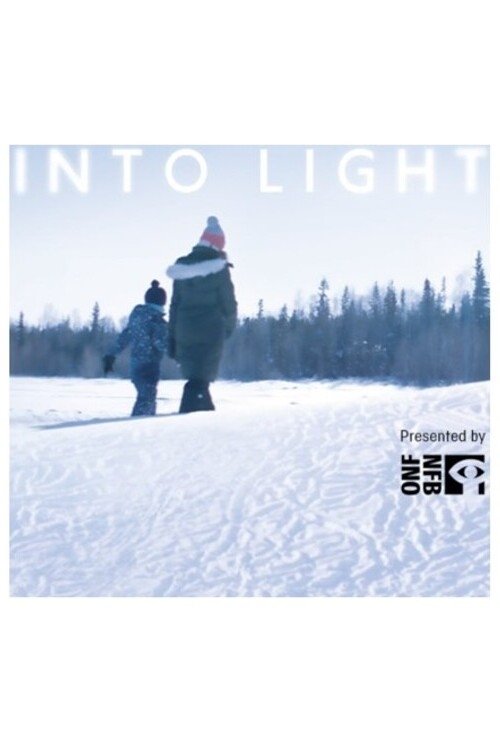
A mother embarks on a journey of acceptance and joy while supporting her child's gender transition in this heartfelt portrayal of single parenting and navigating the complexities surrounding gender and consent.
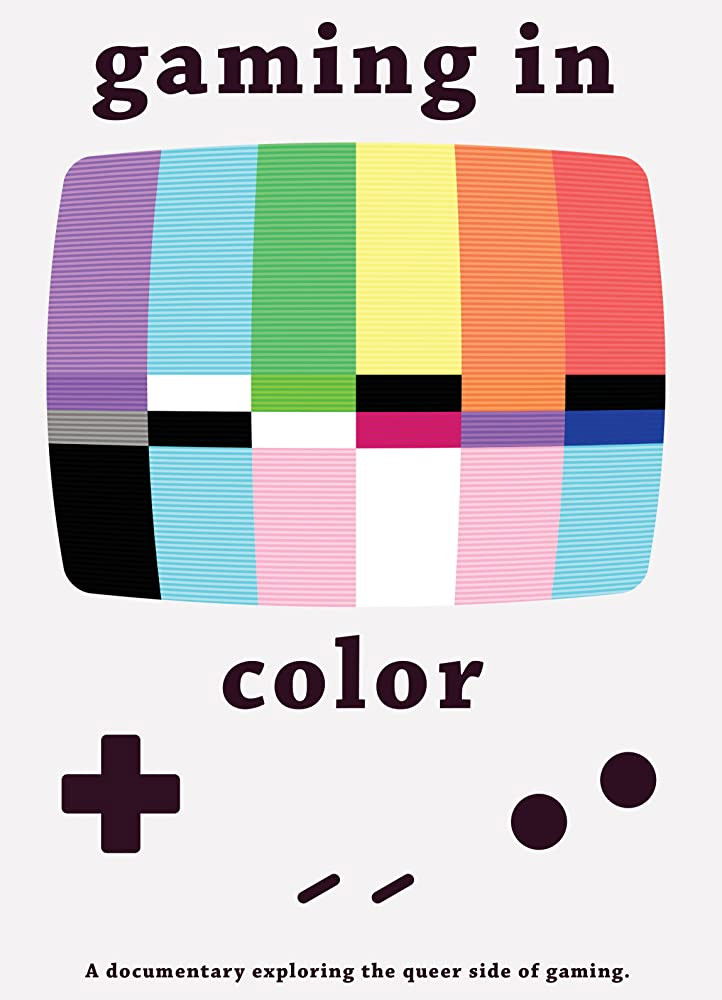
This feature length documentary explores the queer side of gaming culture and the game industry's LGBTQ presence. The GaymerX convention that took place in 2013 was a huge step forward for the queer geek community being recognized on a worldwide industry scale. In the same year, more popular mainstream and indie games featured a greater amount of gay and lesbian characters than ever before, helping with visibility and acceptance. The video games universe will only continue to improve and diversify both in its community and industry if we elevate the conversation about inclusion and respecting one another - not in spite of our gay geekiness, but because of it!
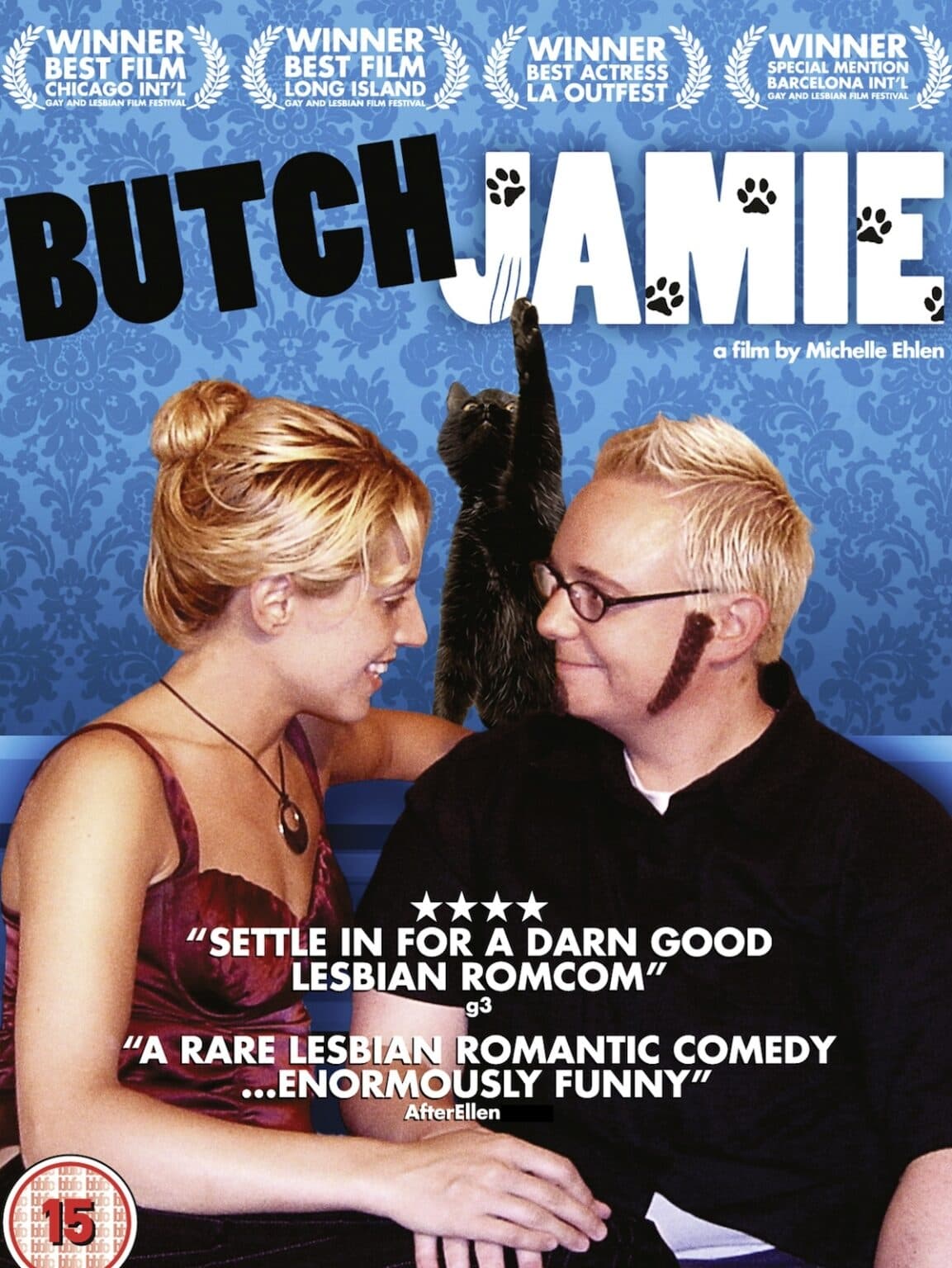
The film follows the story of Jamie, a struggling butch lesbian actress who gets cast as a man in a film. The main plot is a romantic comedy between Jamie's male alter-ego, "Male Jamie," and Jill, a heterosexual woman on set. The film's subplots include Jamie's bisexual roommate Lola and her cat actor Howard, Lola's abrasive butch German girlfriend Andi, and Jamie's gay Asian friend David.
Outrage kiss-in at Bow Street police station in London, with a demonstration against homophobic government bills clause 25/28.
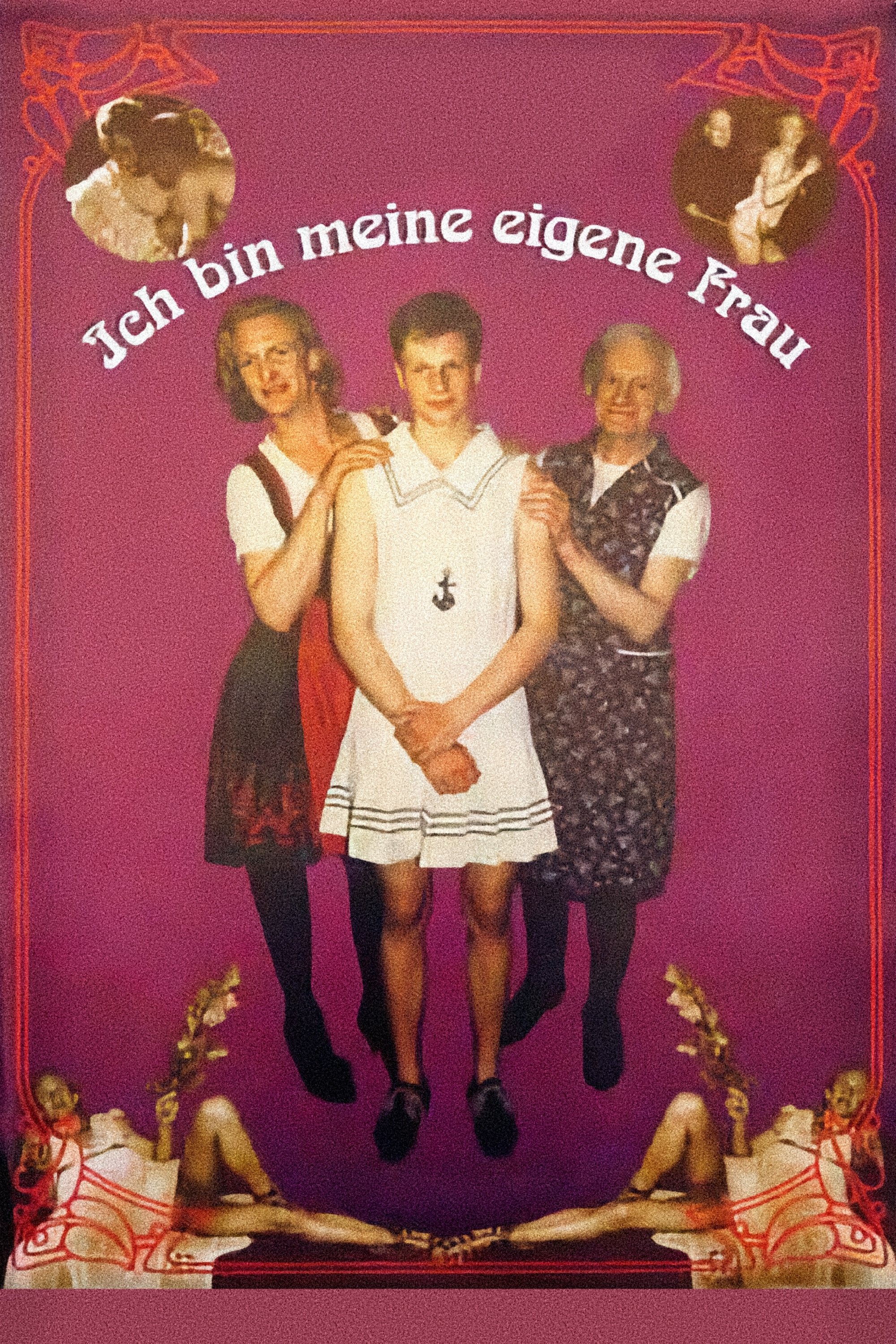
The life story of Charlotte von Mahlsdorf, who survived the Nazi reign as a trans woman and helped start the German gay liberation movement. Documentary with some dramatized scenes. Two actors play the young and middle aged Charlotte and she plays herself in the later years.
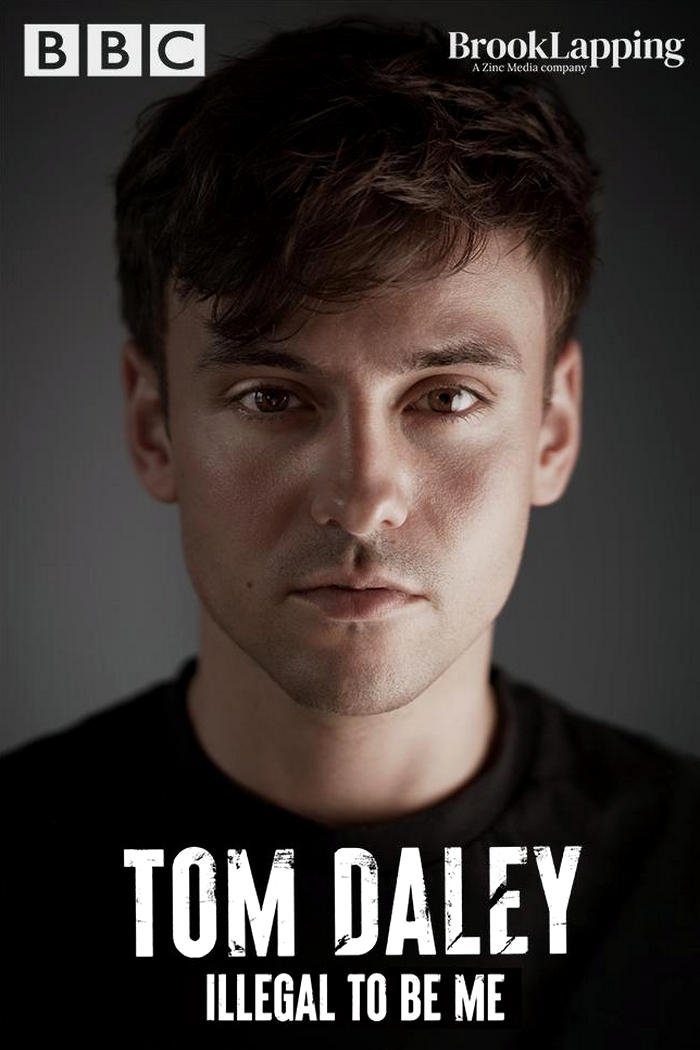
Tom Daley visits the most homophobic countries in the Commonwealth to explore how gay athletes are facing extreme persecution. What can the Commonwealth Games do to help?
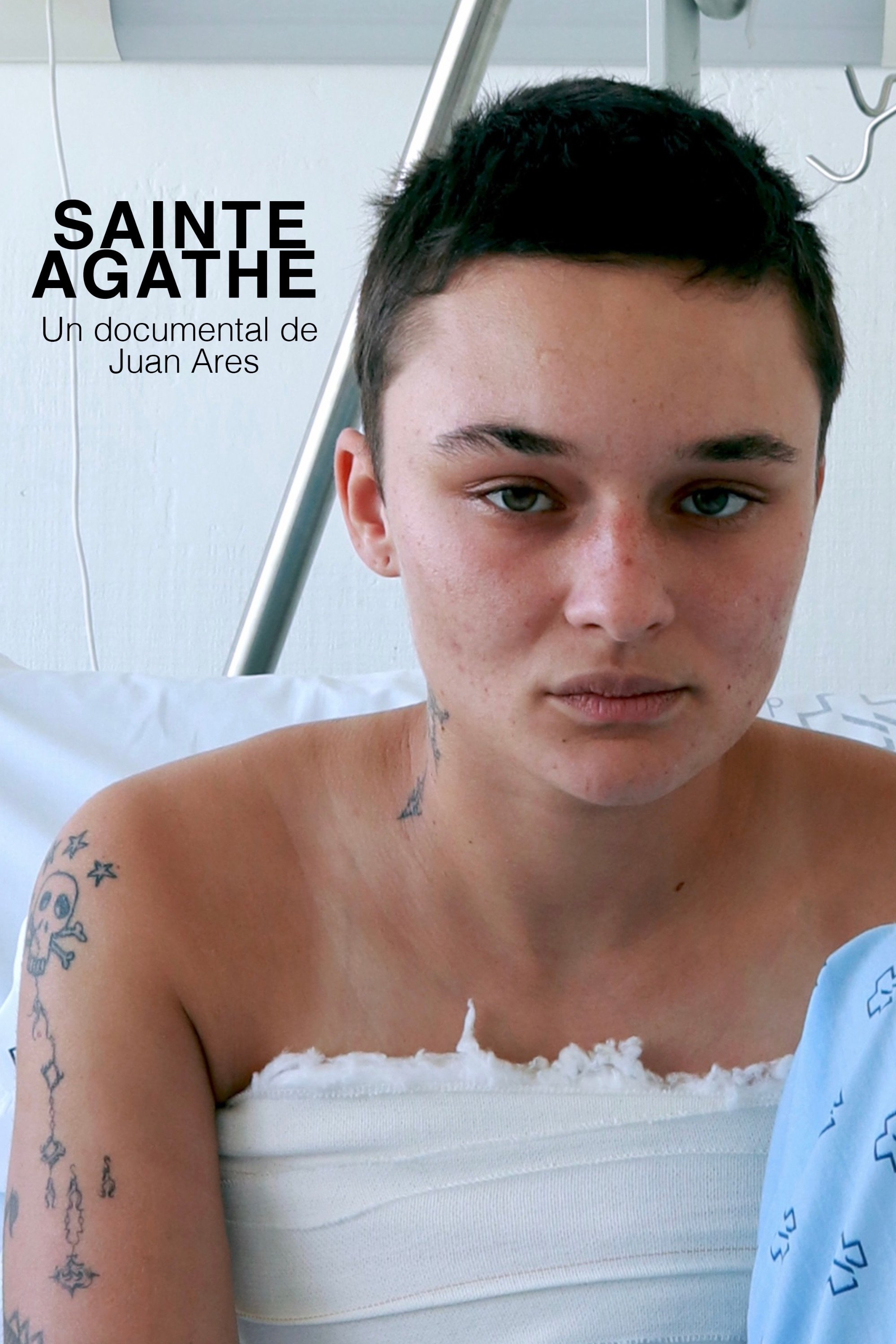
Agathe, a 22-year-old woman with gender dysphoria, undergoes a chest masculinization operation after almost two years of waiting in a public hospital.
Described in the 70’s as "A Chorus Line for gay people," Crimes Against Nature remains vital today as a communal disclosure of roles that gay people adopt in order to survive in a world that devalues homosexual feelings. It features individual actors delivering revealing monologues, during which the other members of the collective play background roles (parents, schoolmates, etc.). One by one, the actors detail the ways in which they have buried their true selves in order to survive and be accepted in the world: repression, drug use, shyness, being agreeable, putting experiences into "little boxes," acting "butch," and so on.
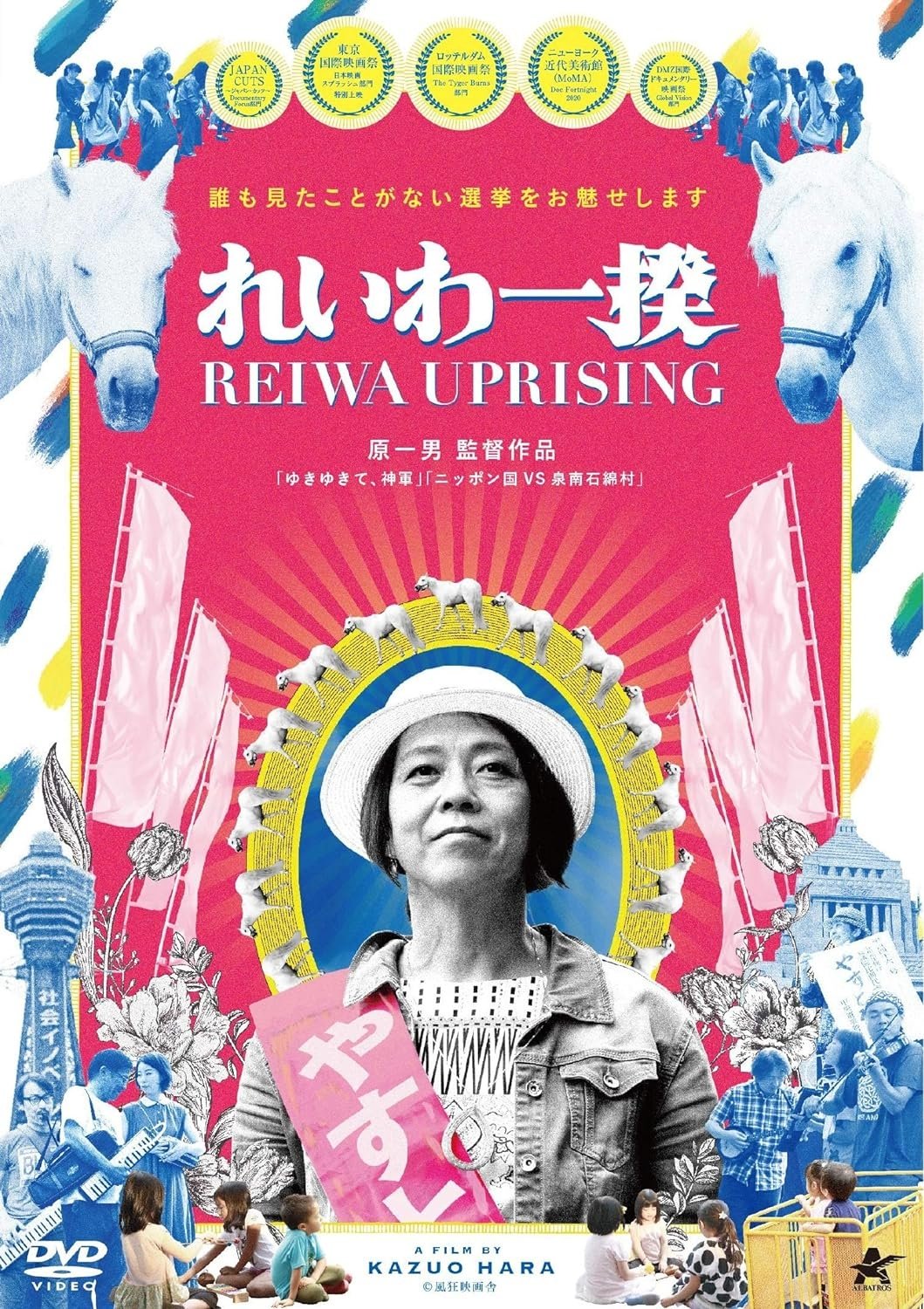
Kazuo Hara follows Ayumi Yasutomi, a transgender candidate, who is also a Tokyo University professor, as she embarks on a national campaign for a seat in Japan's Upper House.
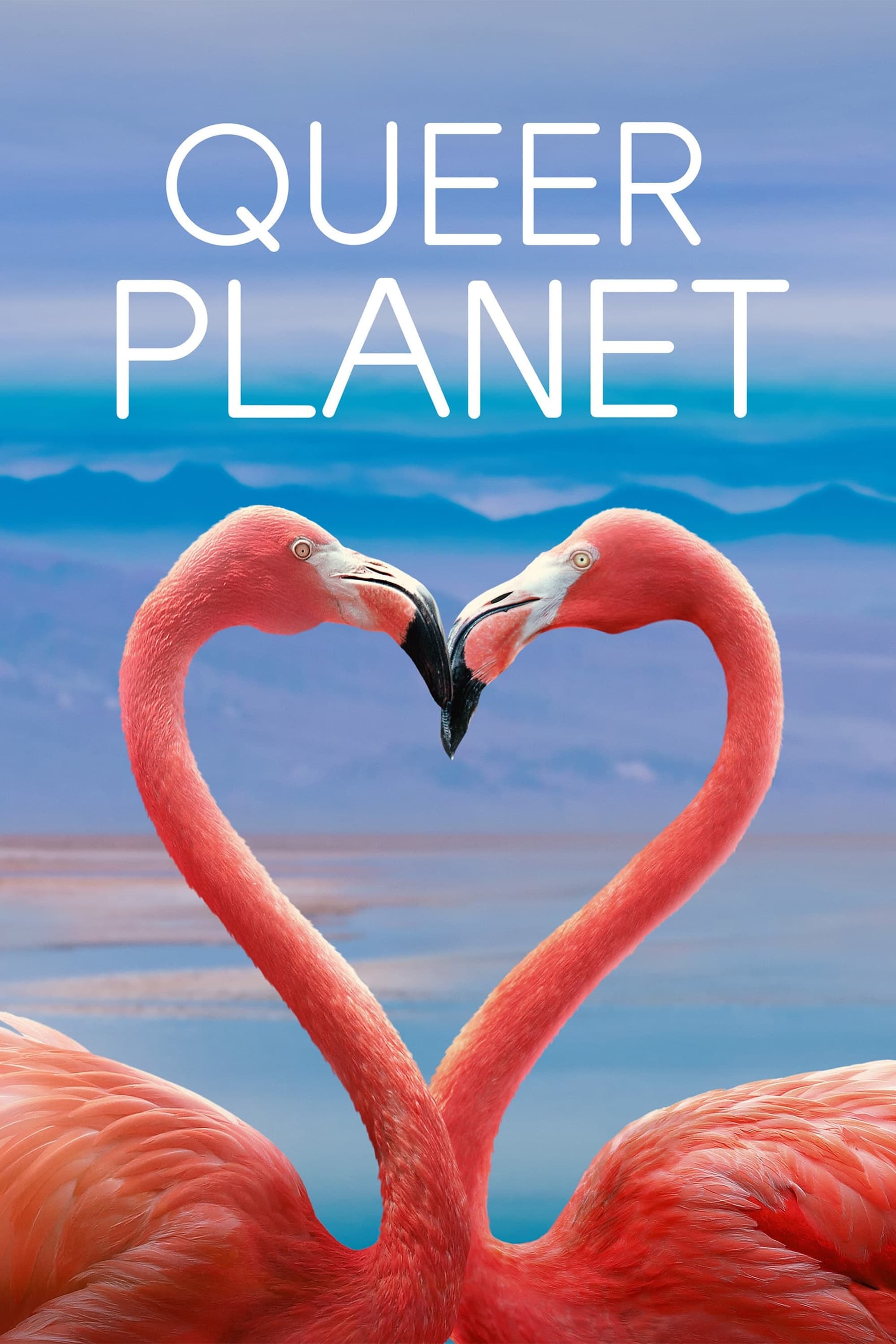
When it comes to 'what Mother Nature intended', it turns out she was pretty open-minded. In this vivid, funny and eye-opening one-off doc we take the audience on a journey to explore the rich diversity of animal sexuality.
A documentary about how a dominant cultural and demographic institution both sustains their traditional activities and adapts to the digital revolution.
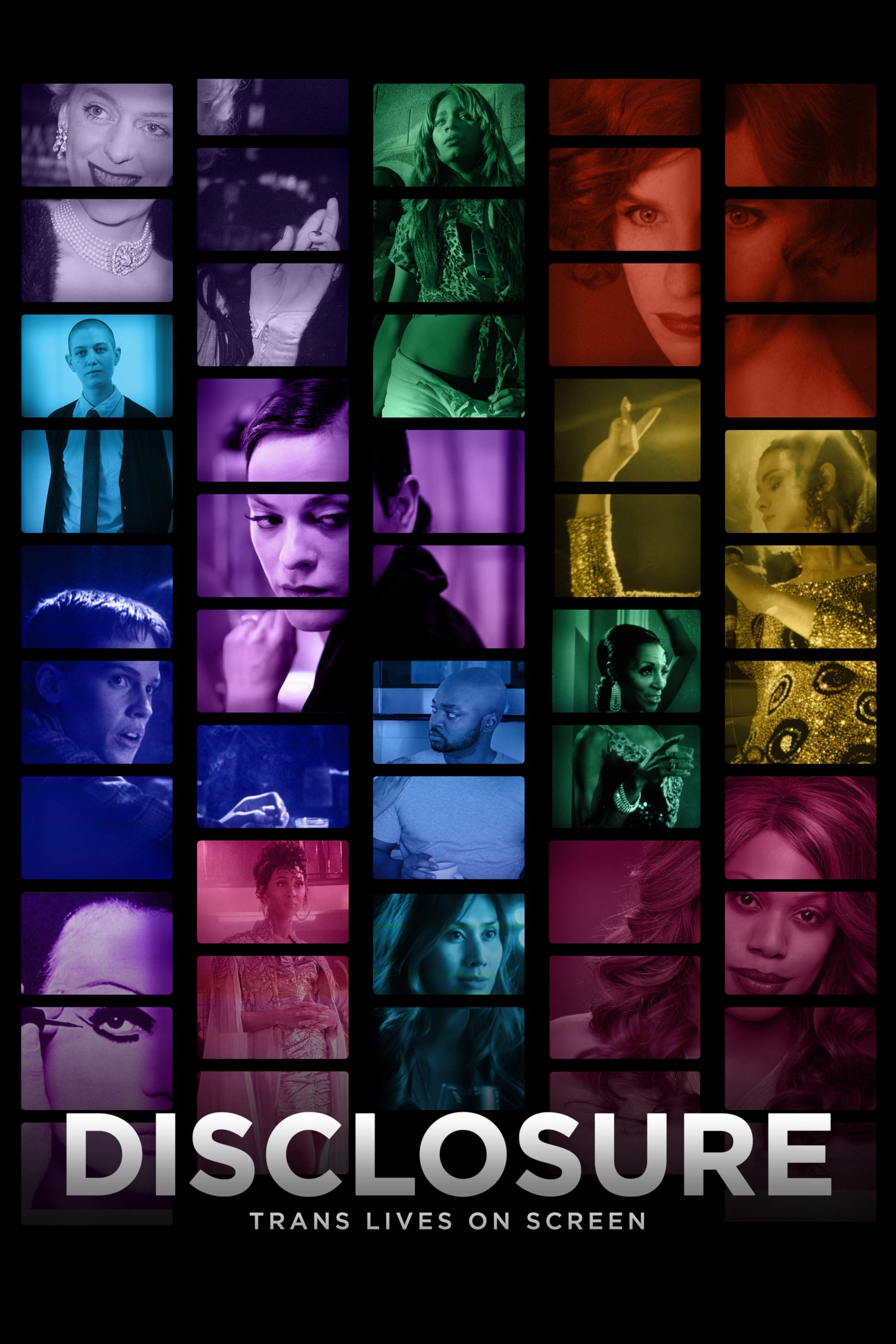
An investigation of how Hollywood's fabled stories have deeply influenced how Americans feel about transgender people, and how transgender people have been taught to feel about themselves.
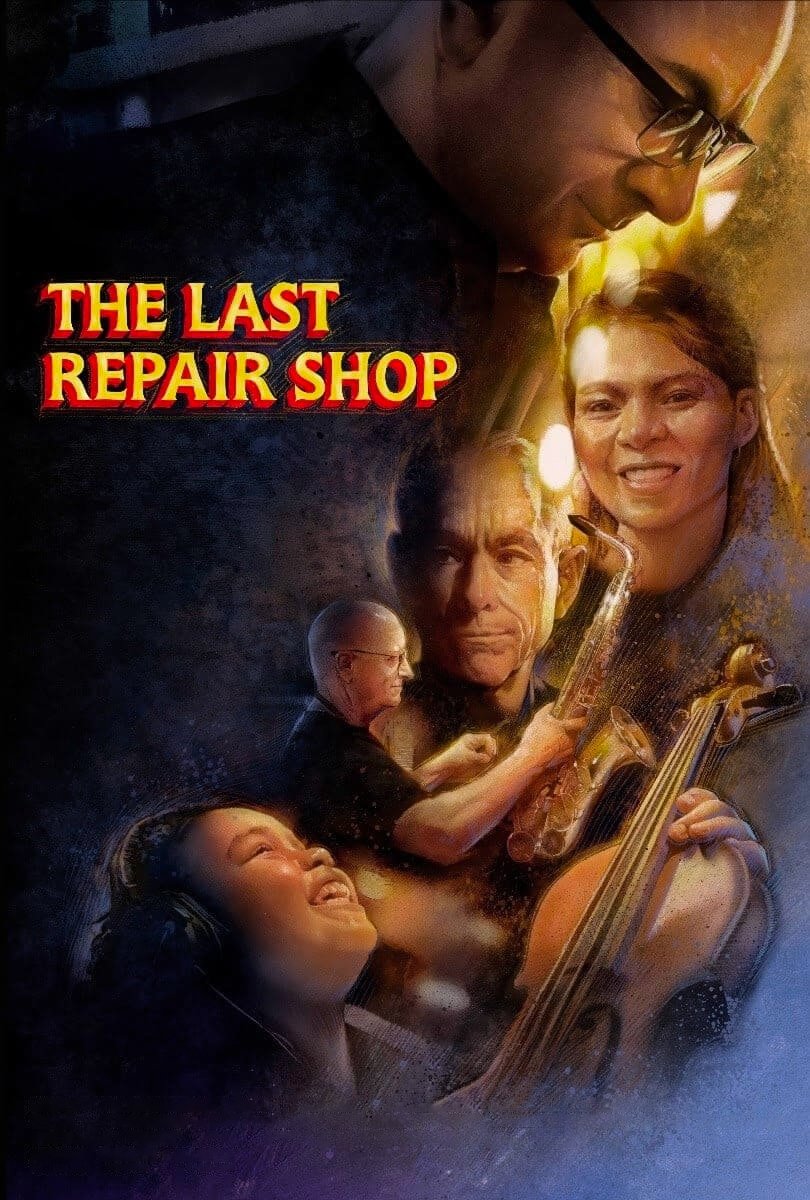
In a warehouse in the heart of Los Angeles, a dwindling handful of devoted craftspeople maintain more than 80,000 student musical instruments, the largest remaining workshop in America of its kind. Meet four unforgettable characters whose broken-and-repaired lives have been dedicated to bringing so much more than music to the schoolchildren of this city.
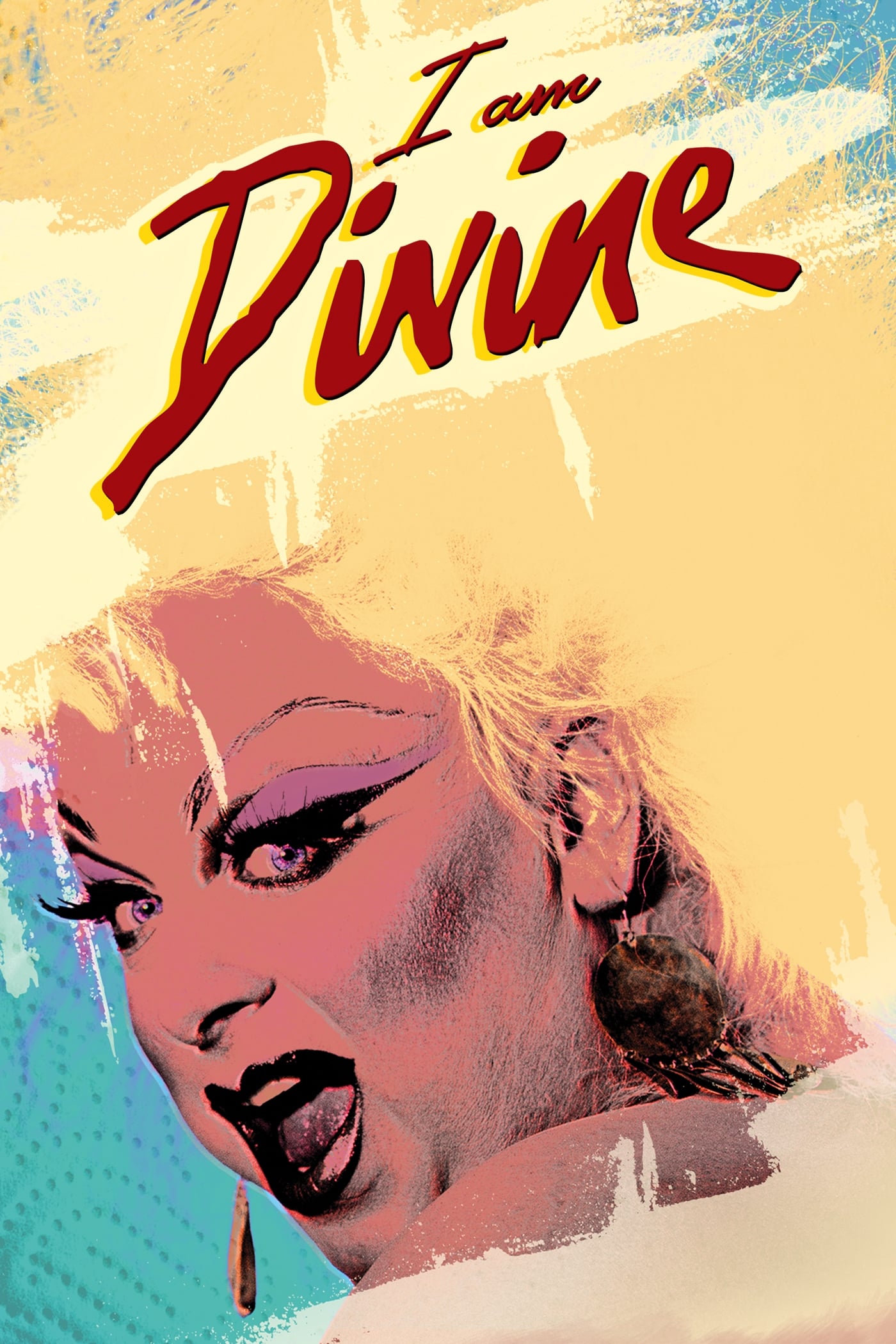
Harris Glenn Milstead, aka Divine (1945-1988) was the ultimate outsider turned underground hero. Spitting in the face of the status quos of body image, gender identity, sexuality, and preconceived notions of beauty, Divine succeeded in becoming an internationally recognized icon, recording artist, and character actor of stage and screen. Glenn went from the often-mocked, schoolyard fat kid to underdog royalty, standing up for millions of gay men and women, drag queens and punk rockers, and countless other socially ostracized misfits and freaks. With a completely committed in-your-face style, he blurred the line between performer and personality, and revolutionized pop culture.
Alexander McQueen's rags-to-riches story is a modern-day fairy tale, laced with the gothic. Mirroring the savage beauty, boldness and vivacity of his design, this documentary is an intimate revelation of McQueen's own world, both tortured and inspired, which celebrates a radical and mesmerizing genius of profound influence.
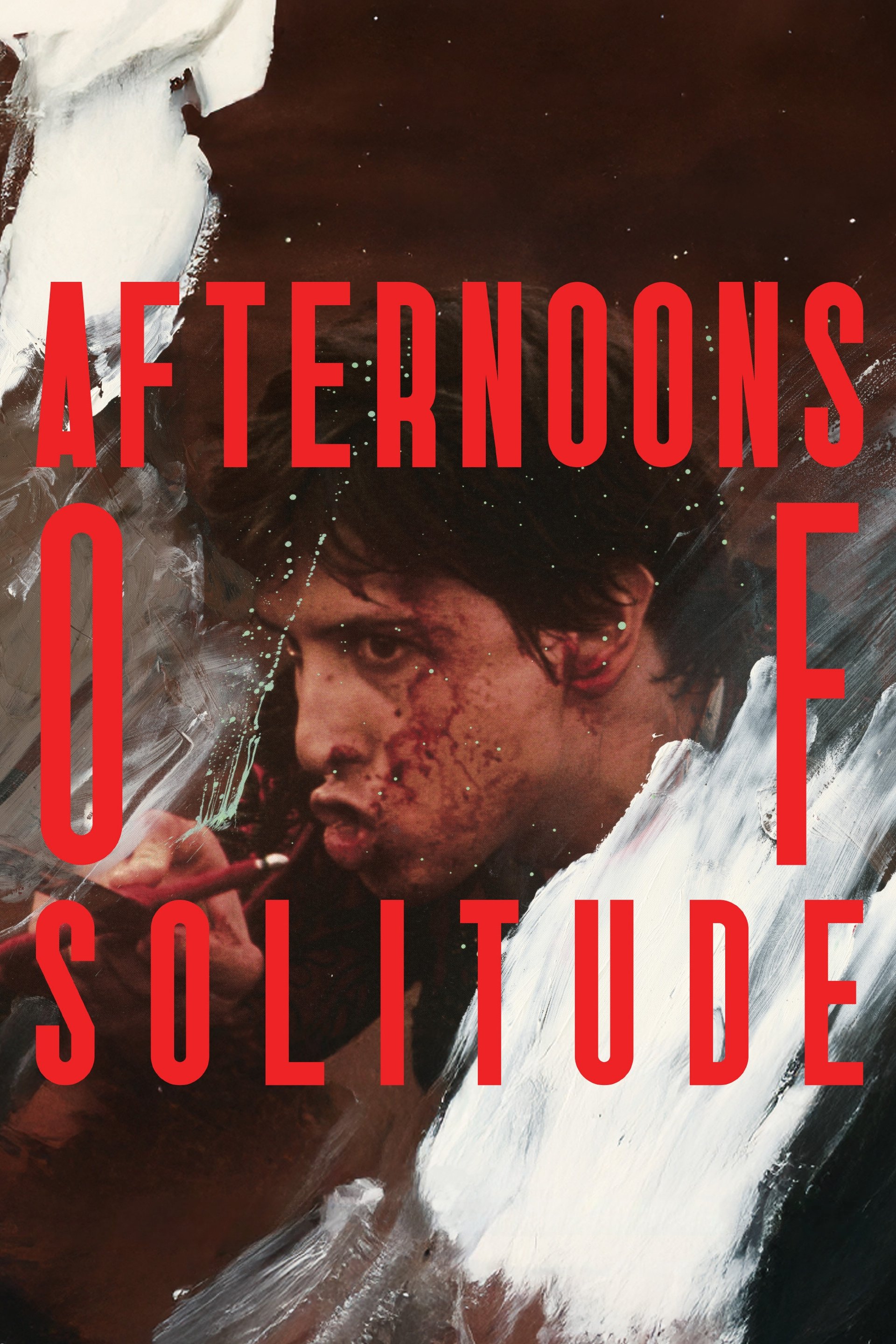
The life of the bullfighter Andrés Roca Rey during a day of bullfighting, from the moment he dresses up to the moment he undresses.
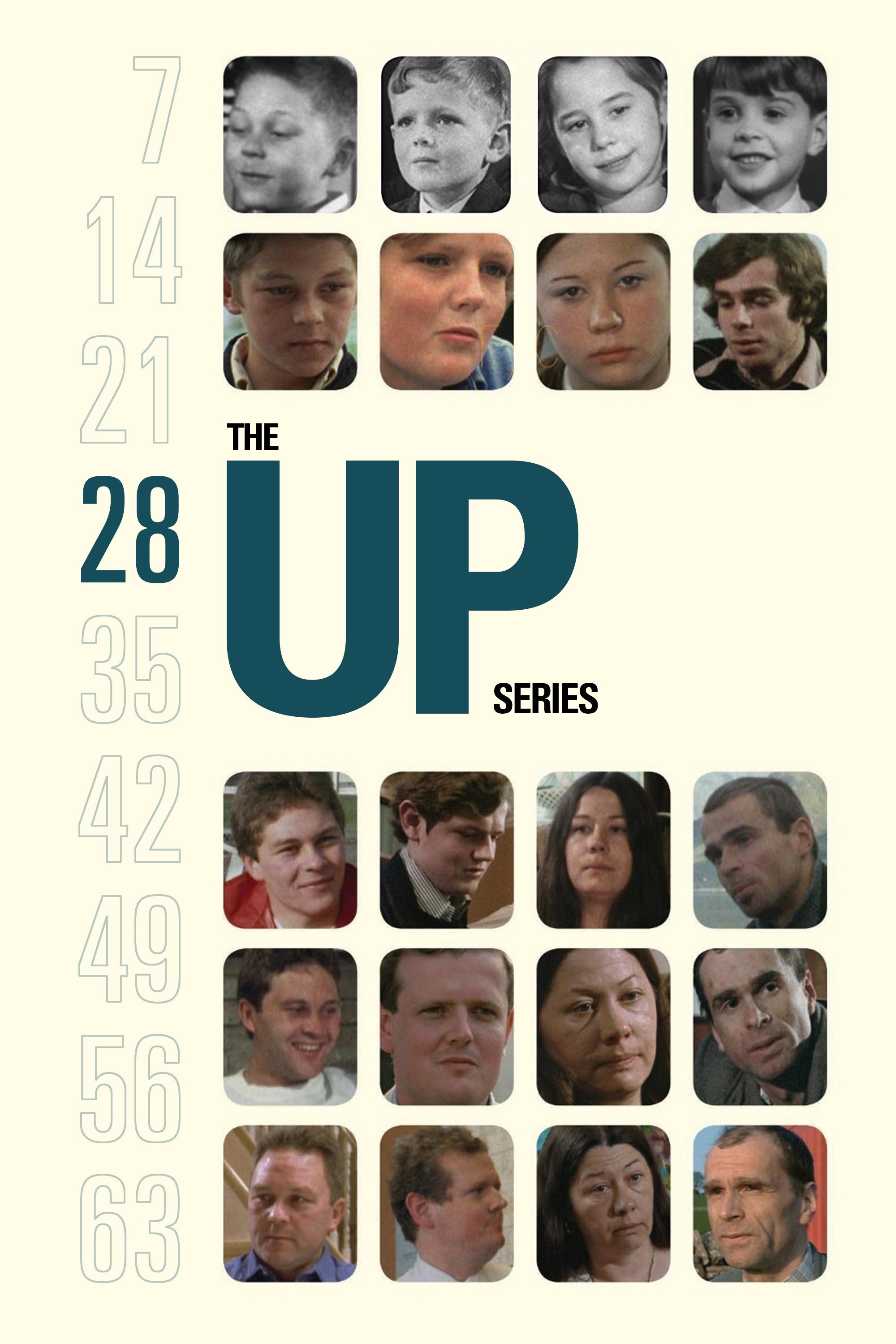
Just two years away from turning 30, participants in Michael Apted's documentary series are facing serious questions of identity and purpose, wondering whether they've found their place in the world.
The life and career of one of comedy's most inimitable modern voices, Mr. Gilbert Gottfried.
Through deeply personal interviews with her siblings and an examination of the photographs, letters, and belongings left behind, Mariska assembles a new portrait of her mother Jayne Mansfield, an extraordinary and complex woman.
Daniel Craig candidly reflects on his 15 year adventure as James Bond. Including never-before-seen archival footage from Casino Royale to the upcoming 25th film No Time To Die, Craig shares his personal memories in conversation with 007 producers, Michael G Wilson and Barbara Broccoli.
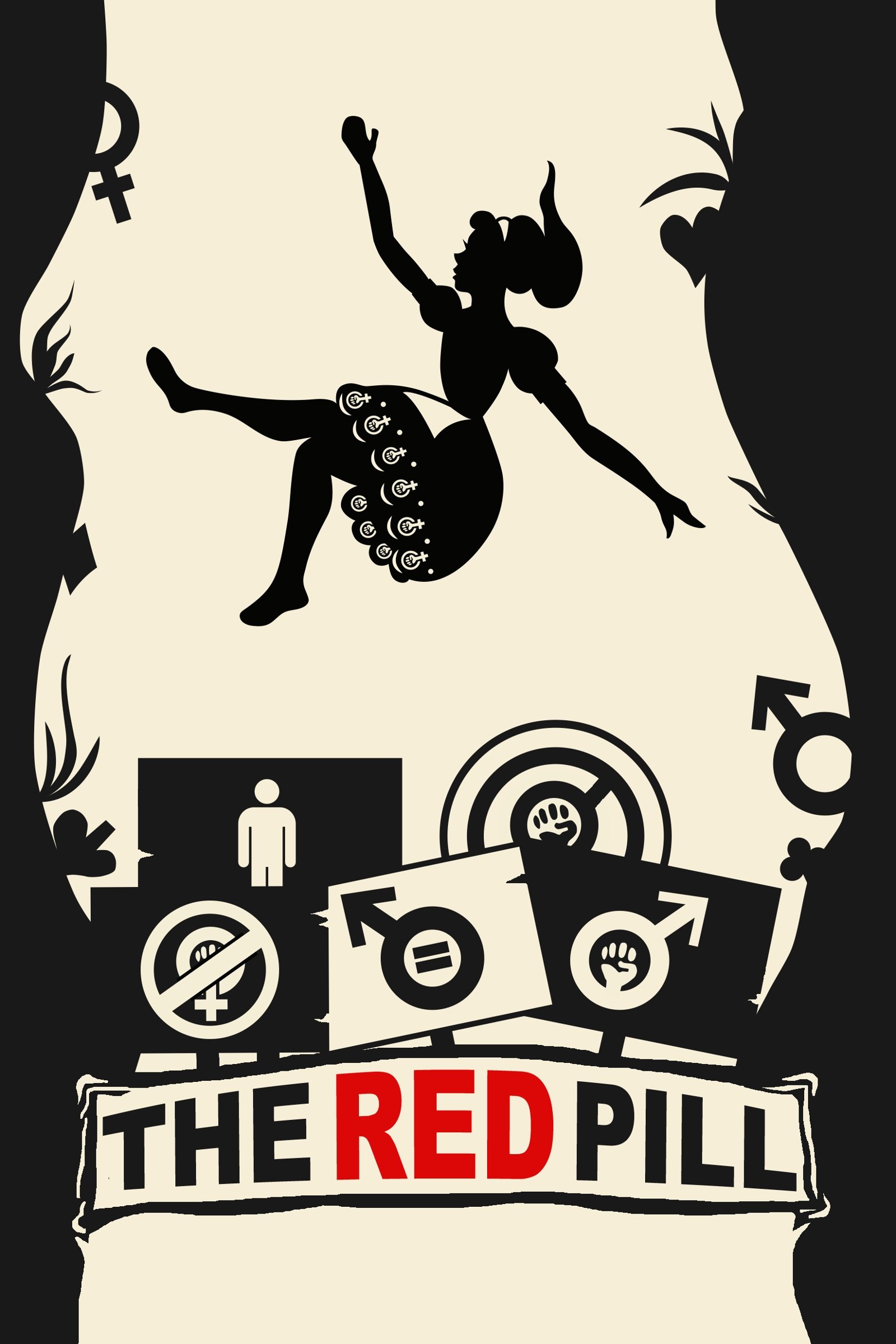
When a feminist filmmaker sets out to document the mysterious and polarizing world of the Men’s Rights Movement, she begins to question her own beliefs. Chronicling Cassie Jaye’s journey exploring an alternate perspective on gender equality, power and privilege.
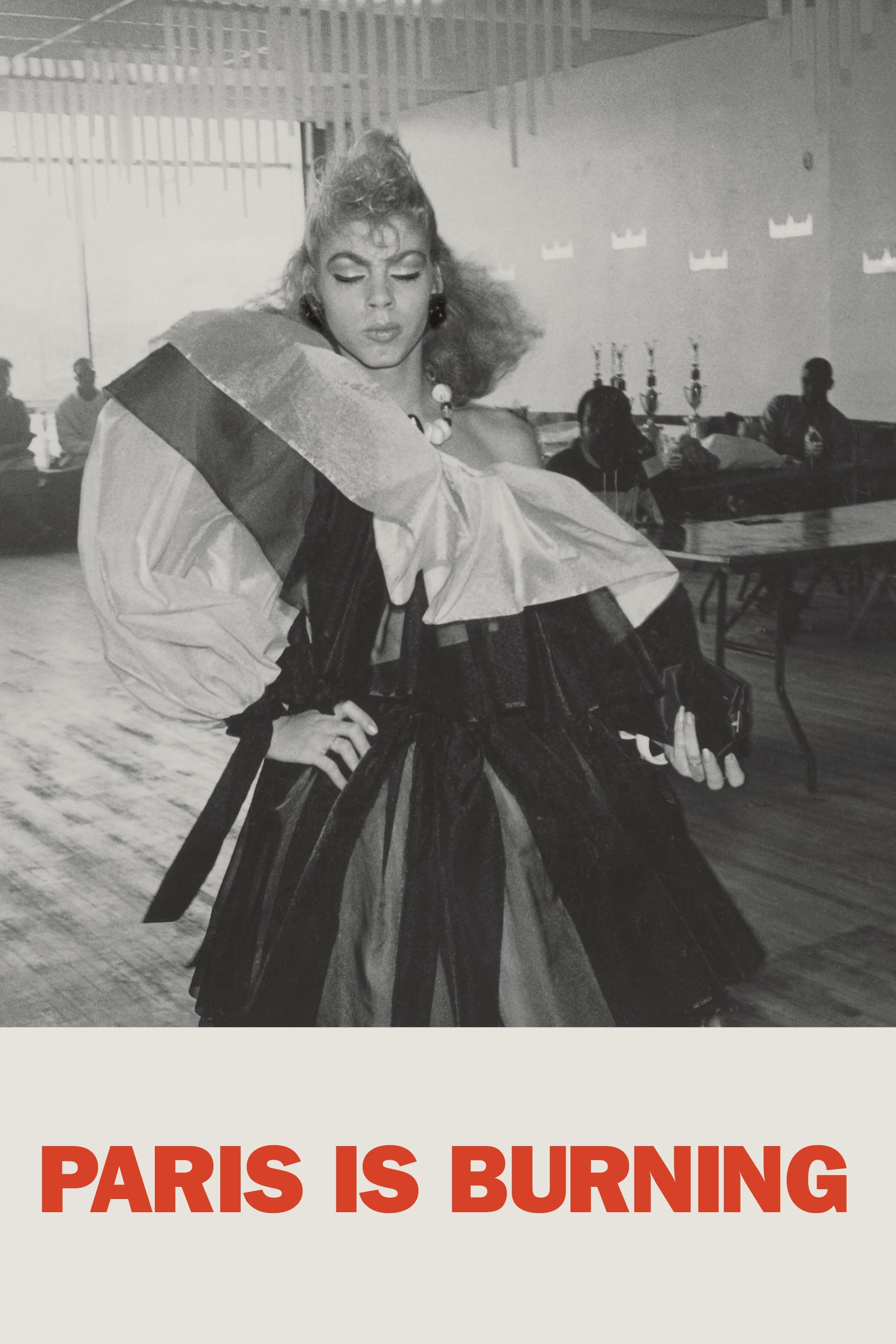
Where does voguing come from, and what, exactly, is throwing shade? This landmark documentary provides a vibrant snapshot of the 1980s through the eyes of New York City's African American and Latinx Harlem drag-ball scene. Made over seven years, PARIS IS BURNING offers an intimate portrait of rival fashion "houses," from fierce contests for trophies to house mothers offering sustenance in a world rampant with homophobia, transphobia, racism, AIDS, and poverty. Featuring legendary voguers, drag queens, and trans women — including Willi Ninja, Pepper LaBeija, Dorian Corey, and Venus Xtravaganza.
A purely observational non-fiction film that takes viewers into the ethically murky world of end-of-life decision making in a public hospital.
A compilation of over 30 years of private home movie footage shot by Lithuanian-American avant-garde director Jonas Mekas, assembled by Mekas "purely by chance", without concern for chronological order.
Ranjit, a farmer in India, takes on the fight of his life when he demands justice for his 13-year-old daughter, the victim of a brutal gang rape. His decision to support his daughter is virtually unheard of, and his journey unprecedented.
Al Pacino's deeply-felt rumination on Shakespeare's significance and relevance to the modern world through interviews and an in-depth analysis of "Richard III."
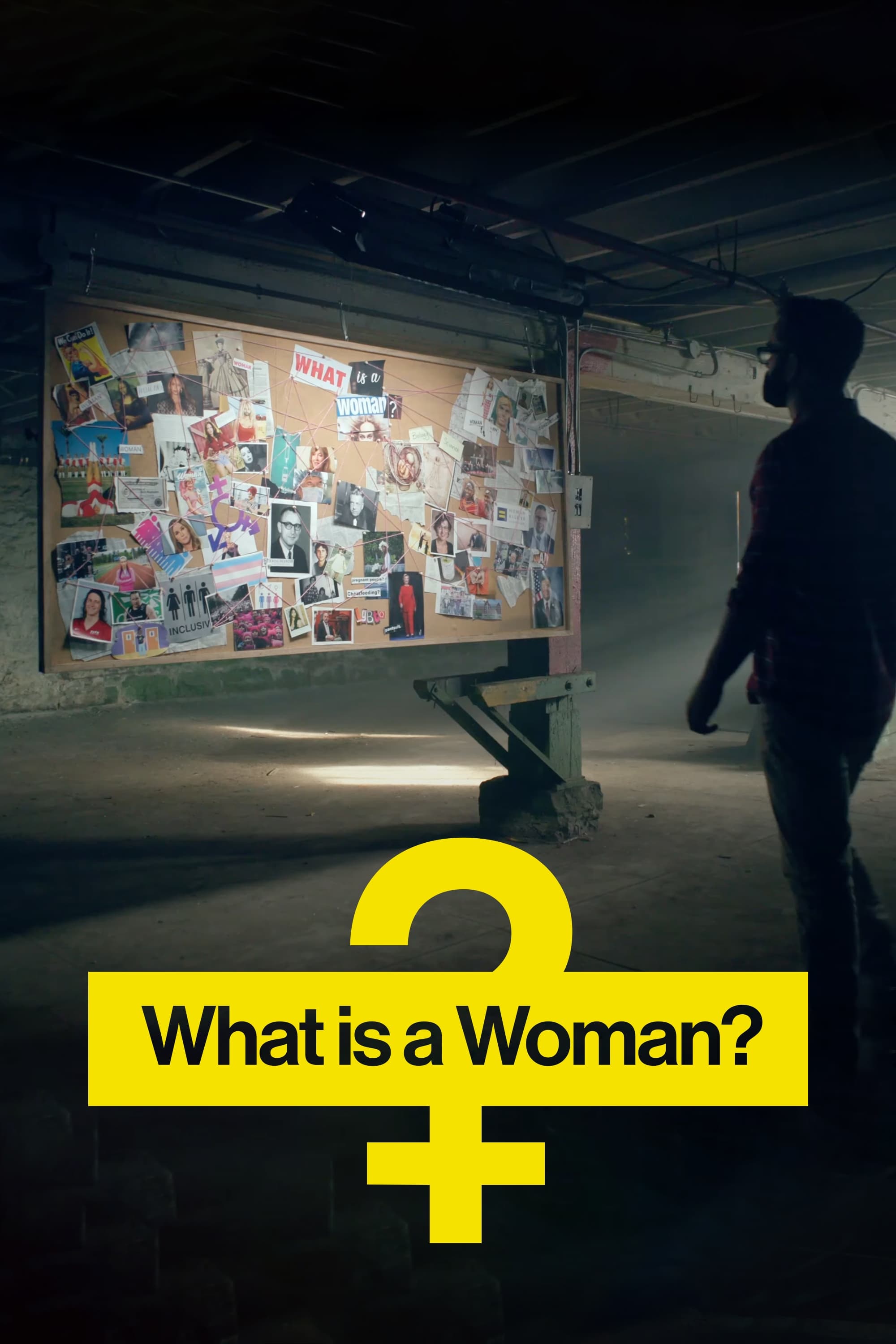
Matt Walsh's controversial doc challenges radical gender ideology through provocative interviews and humor.
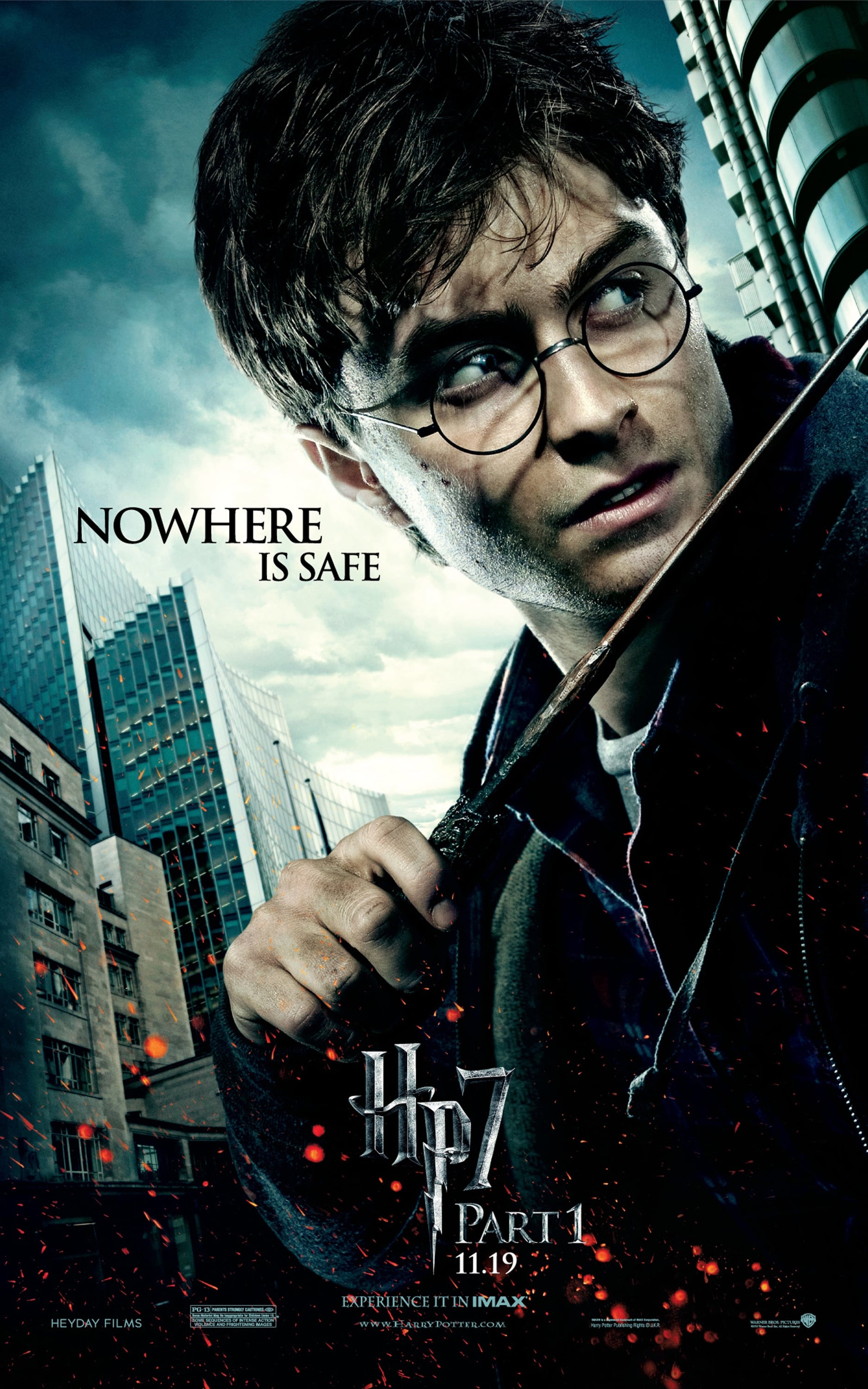
To mark the release two weeks ago of the eighth and final movie in the series, Robbie Coltrane narrates a countdown of the movie franchise's best moments. From Harry's first meeting with Ron and Hermione aboard the Hogwarts Express through to magical mysteries.
An inside look at one of the most anticipated movie sequels ever with James Cameron and cast.
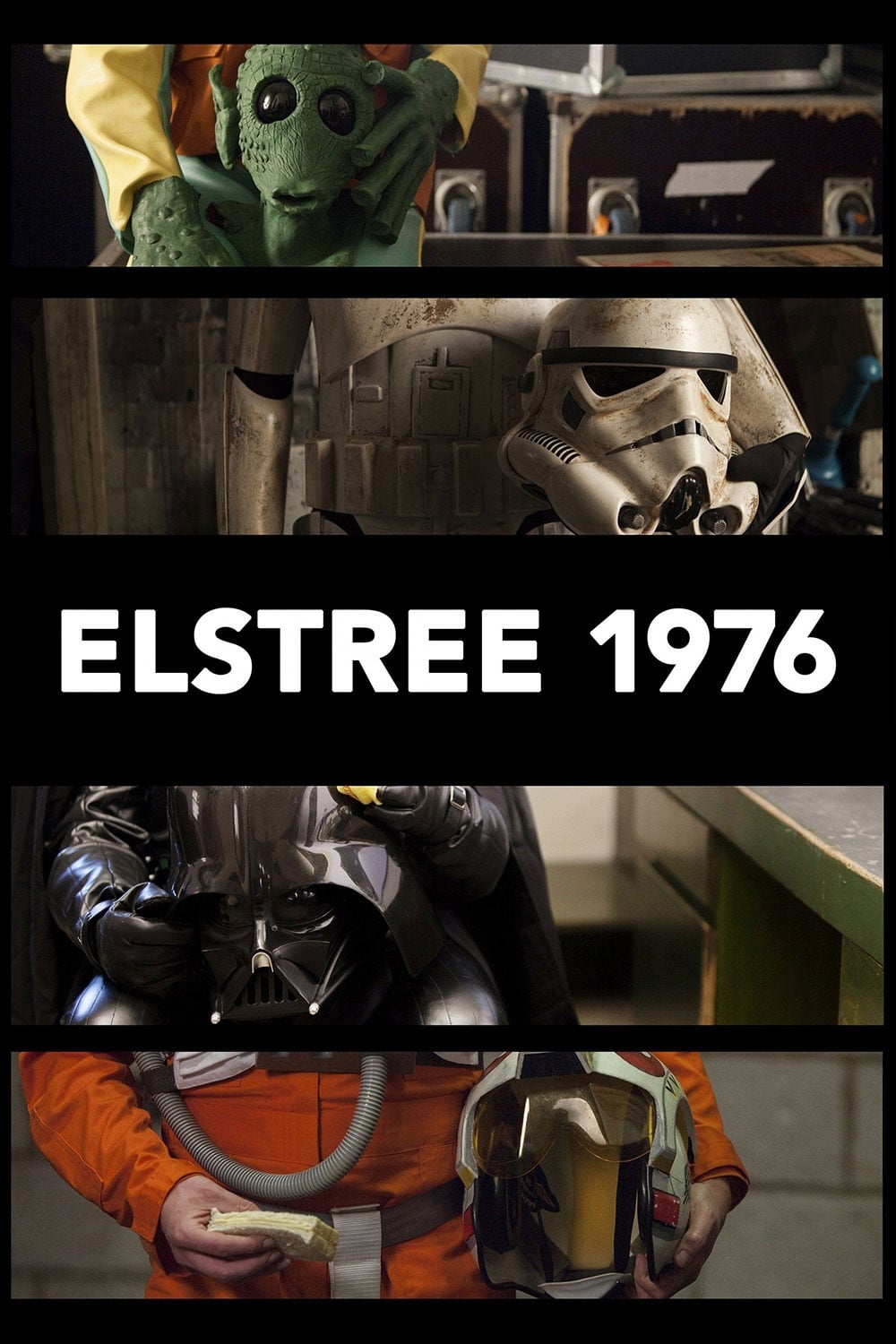
A documentary about ten very different lives connected by having appeared onscreen wearing masks or helmets in Star Wars.